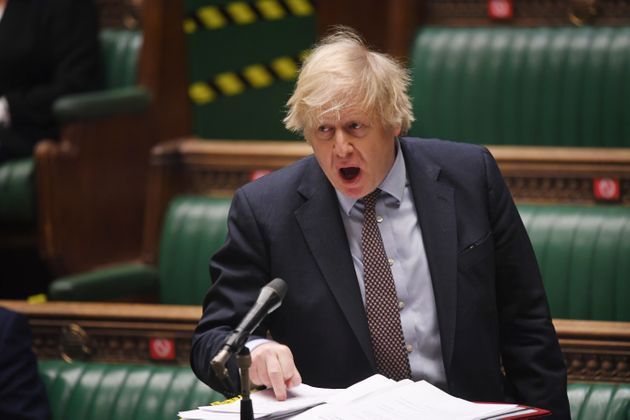
Boris Johnson Lies About Labour Voting Against Nurses’ Pay Rise

Press Association

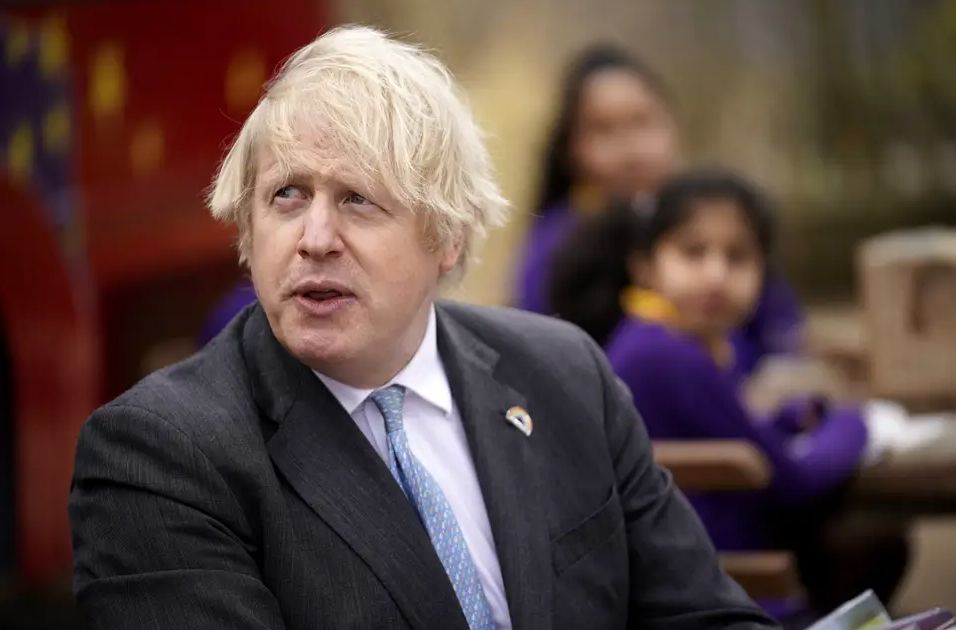
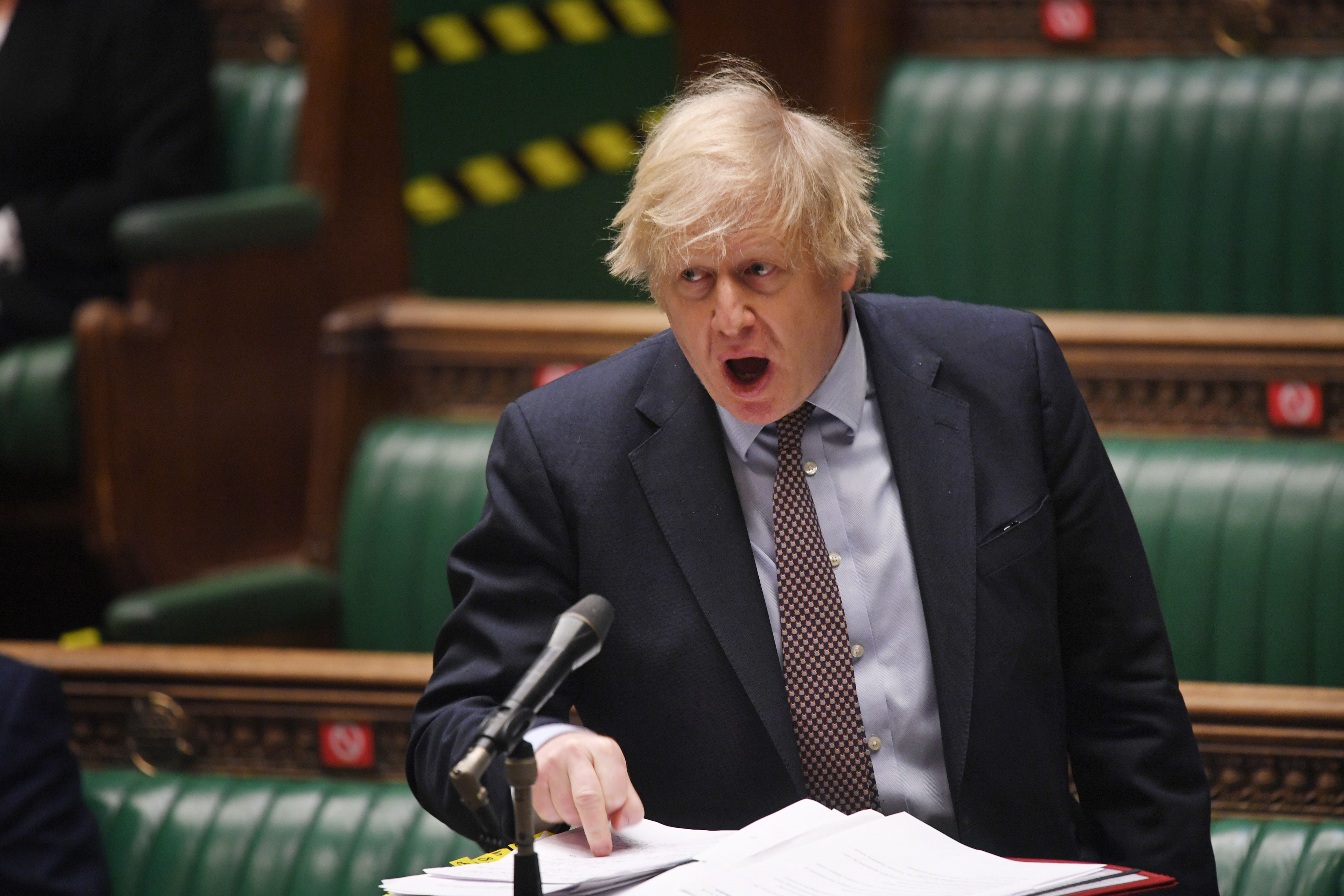
Prime minister Boris Johnson

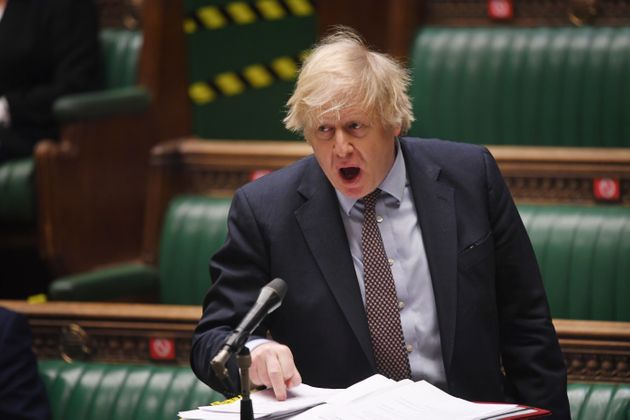
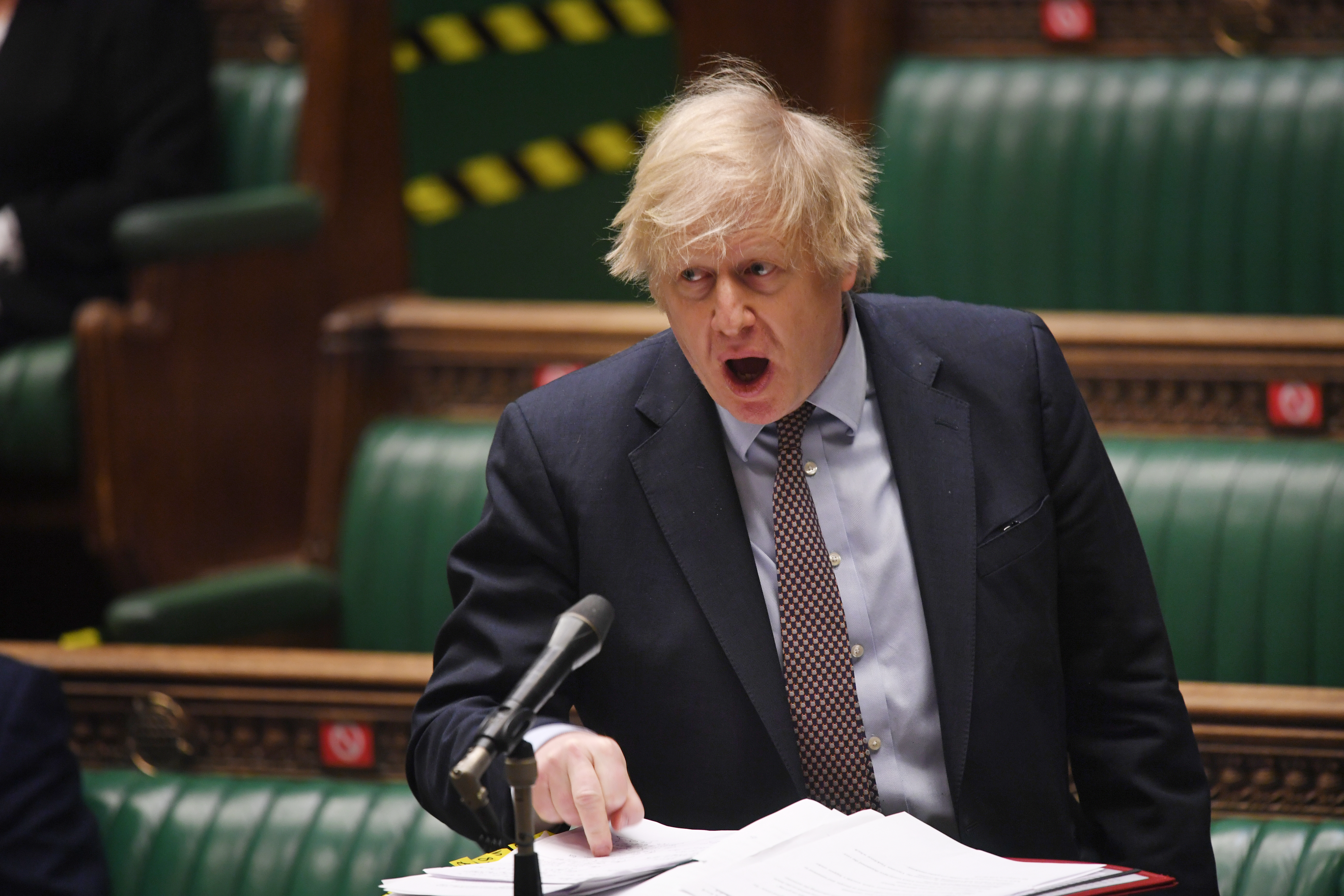
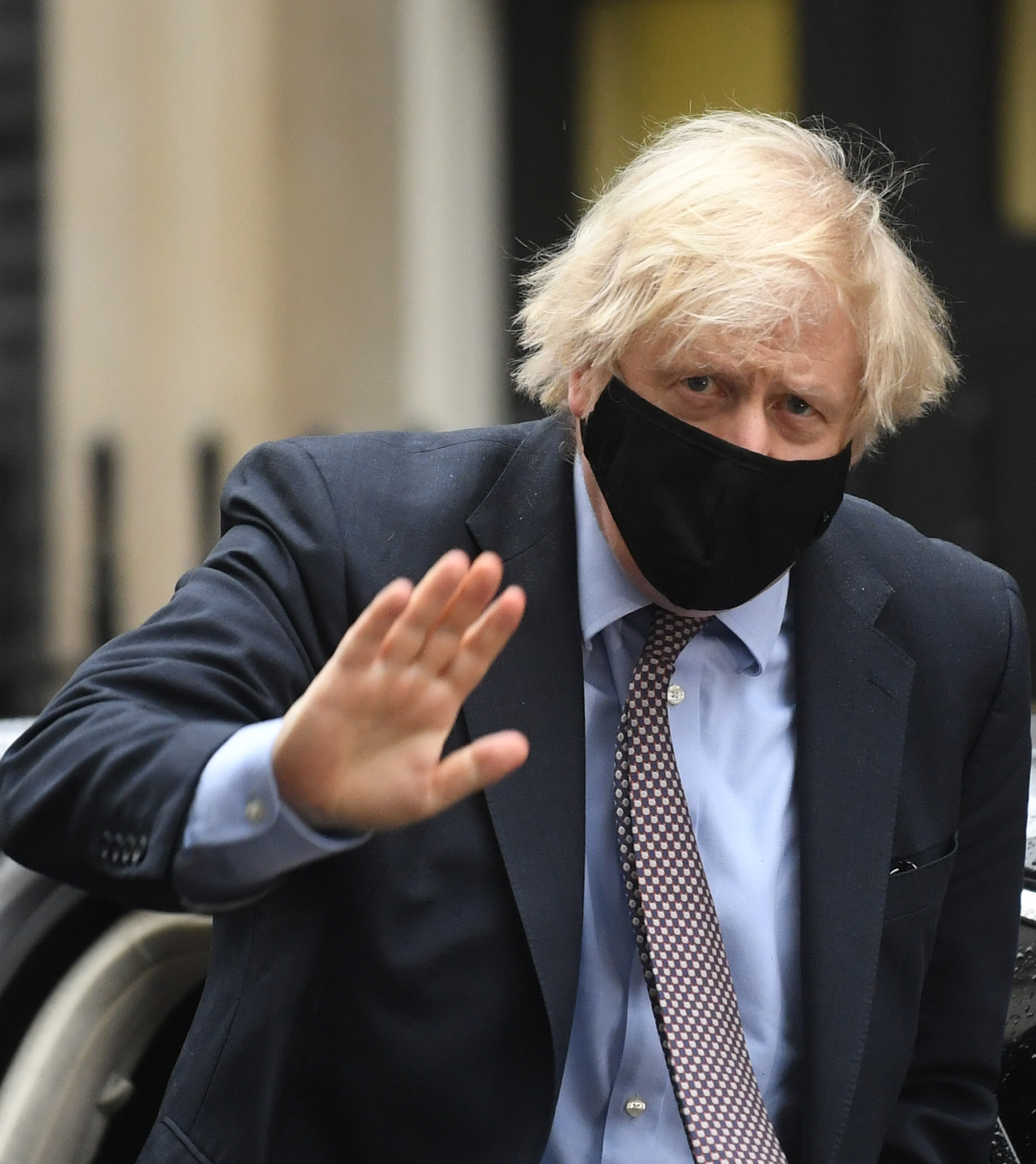
Boris Johnson has refused to apologise after falsely claiming Labour voted against a pay rise for nurses. 

The prime minister, who is under fire for his offer to give hard-pressed NHS staff a 1% pay rise, had claimed that Keir Starmer’s party had opposed earlier government plans to give health workers a 2.1% hike. 

The move, part of the NHS funding bill, was never put to a vote but Johnson’s aides have rejected calls for the PM to say sorry or even correct his mistake. 

During prime minister’s questions on Wednesday, Johnson told MPs: “The last time we put it to a vote, he (Starmer) voted against it.” 

Shadow health secretary Jonathan Ashworth raised a point of order with Commons speaker Lindsay Hoyle after the session. 

He said: “The prime minister twice from that despatch box said that the Labour opposition voted against the NHS Funding Bill and the 2.1% increase for NHS staff – this is not the case.

“Indeed, in the debate, as Hansard will show, I was explicit that we would not be dividing the House.” 

Hoyle ruled that it was “certainly a point of clarification” but by that point Johnson had left the chamber. 

Johnson’s press secretary Allegra Stratton, who later faced questions from journalists, refused to offer any apology from the PM. 

She said: “The speaker addressed it in the House immediately after the shadow health secretary and the speaker regarded it as a point of clarification, and he regarded it as having been dealt with.” 

Pressed more than 10 times on whether Johnson would accept he was wrong about claiming there was a vote, Stratton repeated the line and said simply said it was “appropriate” for the speaker to clarify the point. 

She insisted that Johnson was “concerned about the truth of these matters”, she added “it would be difficult if the speaker had not addressed it”. 

Asked about the ministerial code, which says government ministers should correct any error “at the earliest opportunity”, Stratton insisted that “the system worked”, suggesting the speaker corrected the mistake. 

During PMQs, Johnson hinted nurses may be in line for a bigger rise than the 1% proposed by the government. 

Labour has called for a larger rise for all NHS staff and has demanded the government put plans to a vote. 
Share Button

Boris Johnson ‘Too Busy’ To Take Parental Leave But Aide Insists PM Is A ‘Feminist’

Boris Johnson will be too busy to take paternity leave to look after his son Wilf – but the prime minister’s aides insist he is a feminist. 

The PM’s press secretary Allegra Stratton also said Johnson accepts his cabinet, overwhelmingly made up of men, does not represent “the public at large” and that he plans to promote women in future. 

Johnson had a child with his partner Carrie Symonds last April but Stratton said the PM has a “huge workload” and will not be taking leave. 

She told reporters on Monday, which marks International Women’s Day: “He is the prime minister and he works a very long day, he has a huge workload and I don’t think he will be taking paternity leave.”

Of the 26 senior ministers attending cabinet, just six are women, and last week Johnson replaced attorney general Suella Braverman, who is taking maternity leave, with Michael Ellis, a move equalities committee chair Caroline Nokes called “disappointing”.

Hinting at an impending reshuffle, Stratton said: “We know that there is improvement to come in the years ahead when he – who knows when this comes – when we have promotions to cabinet.

“He does accept that he would like to improve how representative his cabinet is of the population at large.”

Press Association

Prime minister Boris Johnson

Stratton said Johnson had described himself as “a feminist” during a meeting with female Tory MPs. 

She was pressed on numerous articles Johnson has written describing women in a derogatory way, including calling women “fickle”. 

One Spectator article saw Johnson describe the children of single mothers “ill-raised, ignorant, aggressive and illegitimate”.

Stratton said it was “not unreasonable” to ask questions about Johnson’s previous journalism but insisted “the PM is leading the charge” on changing workplaces for women. 

She also referenced more female Tory MPs being elected in December 2019 and said the only two female PMs the UK had had were Conservatives. 

“There is room for improvement and progress always on many fronts but actually the Conservatives’ record here is not bad,” she said. 

Johnson on Monday hosted a virtual roundtable with nine female business leaders. 

The PM’s official spokesperson said: “The prime minister has said on numerous occasions that the contribution that women make to the economy is crucial, which is why we provided an unprecedented offer of support to help those sectors they most likely to be employed in.” 

Stratton added that during the meeting, he was interested in hearing about more men taking paternity leave. 

She said: “Lastly but not least, he was interested to hear on what they had to say about whether enough dads take time off to look after their children.” 

Share Button

Boris Johnson Defends 1% NHS Pay Rise By Saying Times ‘Tough’

Press Association

Prime minister Boris Johnson

Boris Johnson has claimed ministers gave NHS workers “as much as we can” as the angry backlash over the government’s proposed 1% pay rise offer continues. 

Speaking on a visit to a vaccination centre in Brent in north London, the prime minister would not be drawn on whether he would perform a U-turn over the proposed hike in pay for healthcare staff, who have been on the frontline during the Covid pandemic

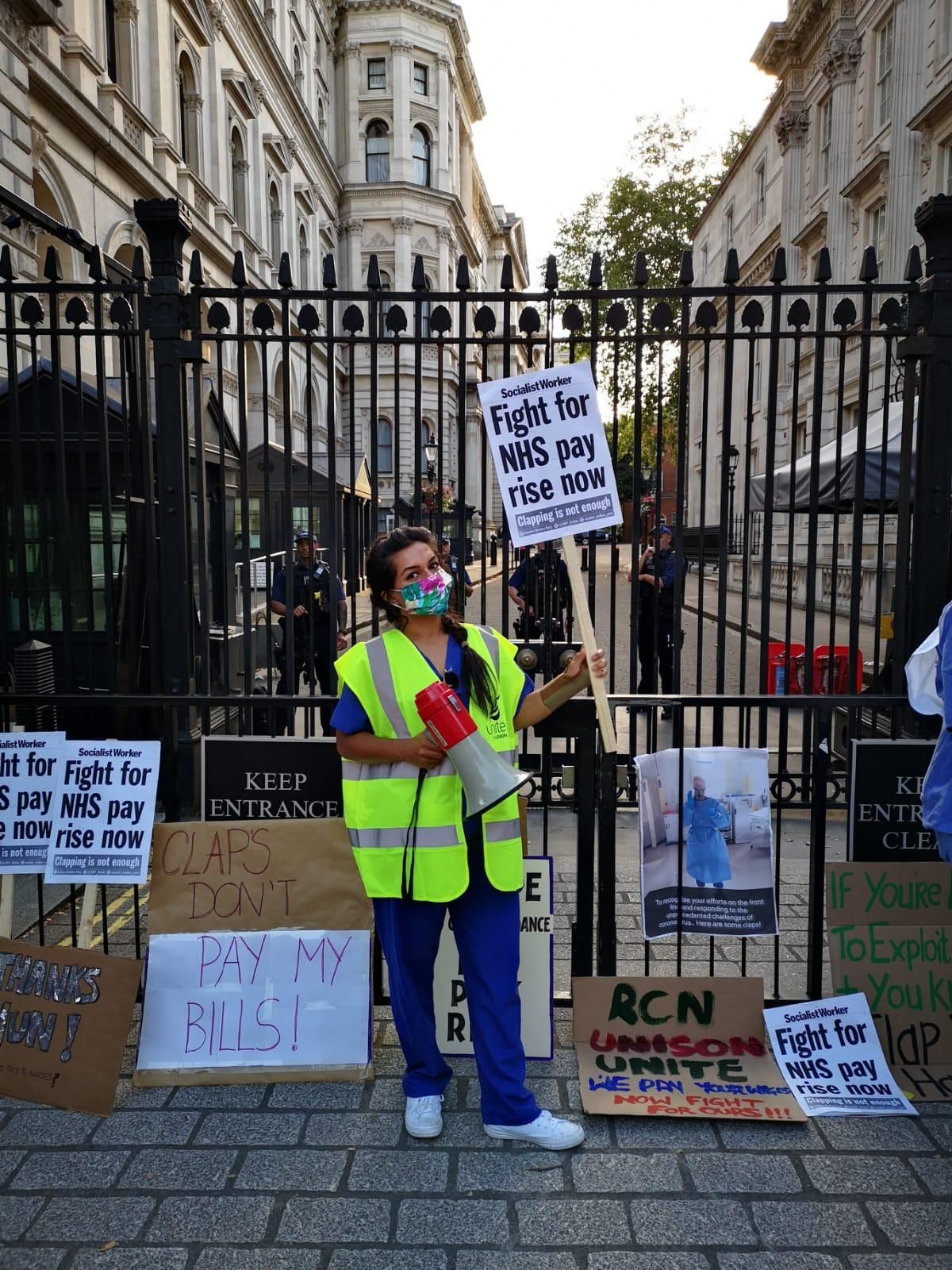
Nurses and other staff who could be affected by the “insulting” rise were preparing to protest outside Downing Street, in London, and in Manchester, on Sunday afternoon. 

Pressed on the issue, Johnson said: “I’m massively grateful to all NHS staff and indeed to social care workers who have been heroic throughout the pandemic.

“What we have done is try to give them as much as we can at the present time.

“The independent pay review body will obviously look at what we’ve proposed and come back.” 

Asked if ministers could be forced into a U-turn over the pay offer, which is being looked at by an independent pay review board, Johnson said: “Don’t forget that there has been a public sector pay freeze, we’re in pretty tough times.

“We’ve tried to give the NHS as much as we possibly can and that means, in addition to the £140 billion of annual money, we’ve got another £62 billion we’ve found to help support the NHS throughout the crisis.

“My gratitude is overwhelming and I’m so grateful particularly to the nurses, and thankfully we are seeing more nurses now in our amazing NHS – there are 10,000 more nurses this year than there were last year.”

Speaking earlier on Sunday, education secretary Gavin Williamson said the offer was “part of a process”, suggesting the government could rethink the rise. 

Shown a video of prime minister Boris Johnson and Sunak clapping for carers during the pandemic, as hospitals and care homes were struggling to cope with the pandemic, BBC One presenter Andrew Marr put it to Williamson that the minuscule hike was “frankly an insult” to staff. 

“What we are having to deal with is incredibly challenging economic circumstances,” the education secretary said. 

Press Association

Ministers have offered NHS staff a 1% pay rise

“We have put forward a proposal. We have put forward what we believe that we can afford and it’s part of a process and that will sort of be looked at.

“But really, our focus is on making sure we recover from this pandemic.”

Pressed on a possible U-turn, he added: “We’ve stated that this is very much part of the process – what the government has put forward has been passed to an independent review.”

The “insulting” pay rise, reportedly insisted on by chancellor Rishi Sunak’s Treasury department, has provoked widespread anger. 

The British Medical Association (BMA), the Royal College of Midwives, the Royal College of Nursing and Unison have said in a letter to ministers that the pay deal “fails the test of honesty and fails to provide staff who have been on the very frontline of the pandemic the fair pay deal they need”.

The letter adds: “Our members are the doctors, nurses, midwives, porters, healthcare assistants and more, already exhausted and distressed, who are also expected to go on caring for the millions of patients on waiting lists, coping with a huge backlog of treatment as well as caring for those with Covid-19.”

Shadow foreign secretary Lisa Nandy said it was “reprehensible” for ministers not to recommend putting NHS pay up by more than 1%.

The senior Labour politician told Sky News” “The government, to be clear, is not planning a pay rise.

“That is a real-terms pay cut because it doesn’t keep up with inflation and for nurses to be offered a pay cut is just reprehensible in our view.

“In the NHS long-term plan, the government budgeted for a 2.1% pay rise – that is what nurses were promised and last year they legislated for that in order to give nurses a cast-iron guarantee that after years of seeing their real-terms pay fall, that the Government would finally reverse that decision and start to see their pay increase.

“We think they ought to go into these negotiations at a bare minimum of honouring that promise of a 2.1% (increase) and then consider what more they can offer to our NHS staff who have done so much to put their families and themselves at risk every day going into work – some of them have died.”

Share Button

Donald Trump Finds It ‘Kind Of Freeing’ Being Off Twitter, His Former Press Secretary Claims

Former White House press secretary Kayleigh McEnany claims ex-president Donald Trump is now actually “doing just fine” without social media.

Trump railed against and desperately tried to circumvent his bans from multiple social media platforms — which for years he used to spread conspiracy theories, amplify lies, sow division and attack enemies ― after he was booted for inciting the deadly US Capitol riot on January 6.

But McEnany, a newly-minted contributor for Fox News, on Friday told Fox Business’ Stuart Varney that Trump now finds it “kind of freeing.”

“He said it was kind of freeing not to have Twitter. He had a lot of time on his hands. So I think he’s doing just fine without social media,” she said.

Social media users were skeptical about McEnany’s claim, given her history of lying on behalf of Trump and the ex-president’s well-documented love for Twitter in particular.

Twitter permanently banned Trump from his favourite platform in the wake of the insurrection. Facebook’s oversight board is due soon to rule on the possible reinstatement of Trump’s account. YouTube said Thursday it will lift Trump’s suspension once the risk of offline violence has diminished.

McEnany, in an apparent contradiction to her earlier comments, then pivoted to the right-wing talking point of so-called “cancel culture.”

“What a travesty, this cancel culture, this root someone out of the public square,” she told Varney, saying the bans weren’t about stopping violence but “about stopping Trump.”

Share Button

The Coronavirus R Rate Has Risen This Week

The UK’s Covid R rate has risen to between 0.7 and 0.9, scientists advising the government have said.

It represents an increase after R was estimated to be between 0.6 and 0.9 last week, and suggests coronavirus is spreading slightly more than it was previously.

R measures the number of people, on average, that each sick person will infect.

If R is greater than 1 the epidemic is generally seen to be growing; if R is less than 1 the epidemic is shrinking.

The estimate was published on Friday and provided by the Scientific Advisory Group for Emergencies (Sage) and the Department for Health and Social Care.

Separately, official figures showed the number of people with Covid-19 in homes across England continues to fall.

Ben Birchall/PA Images

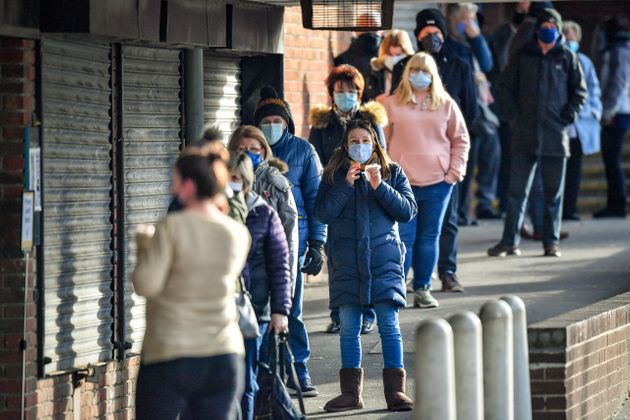
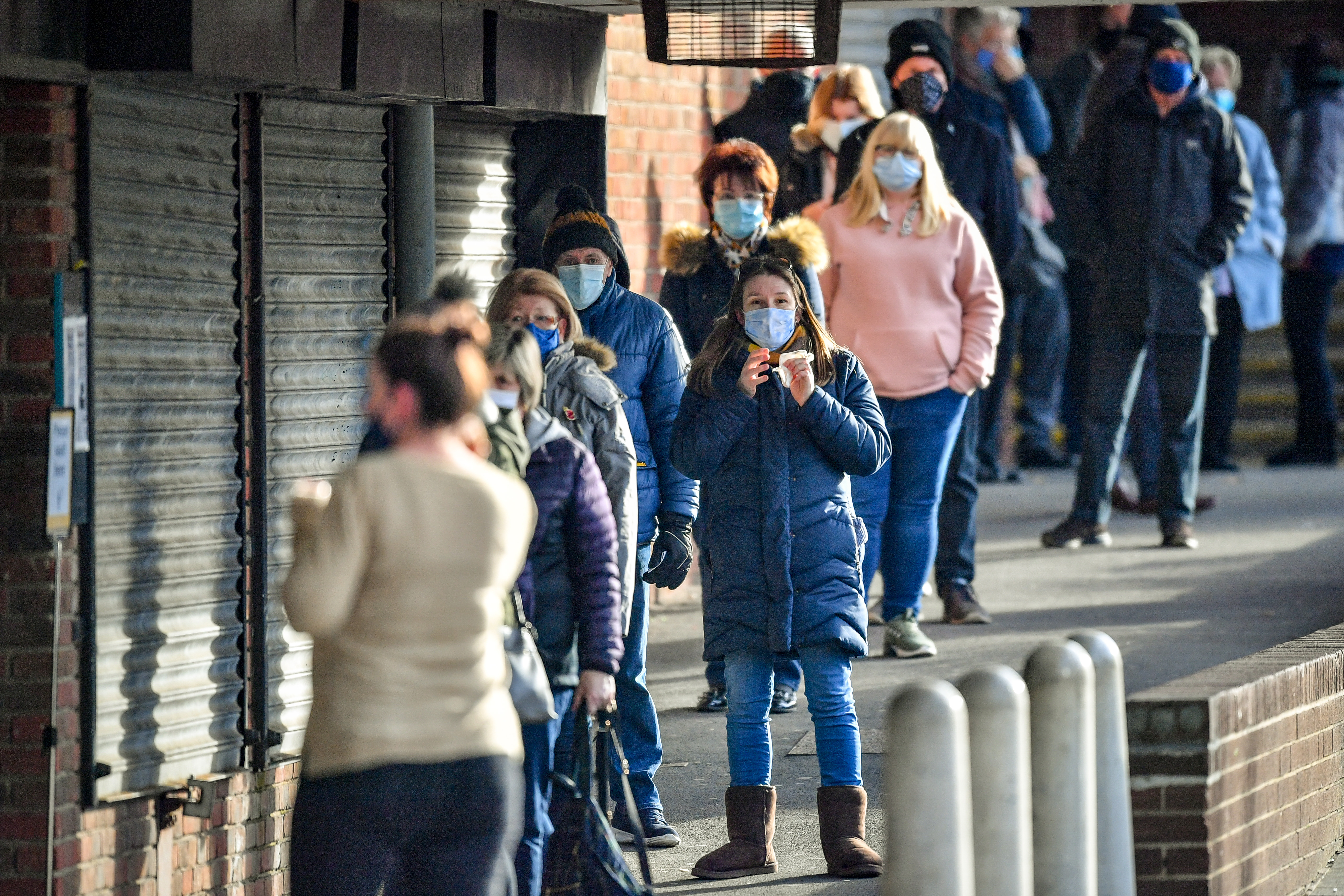
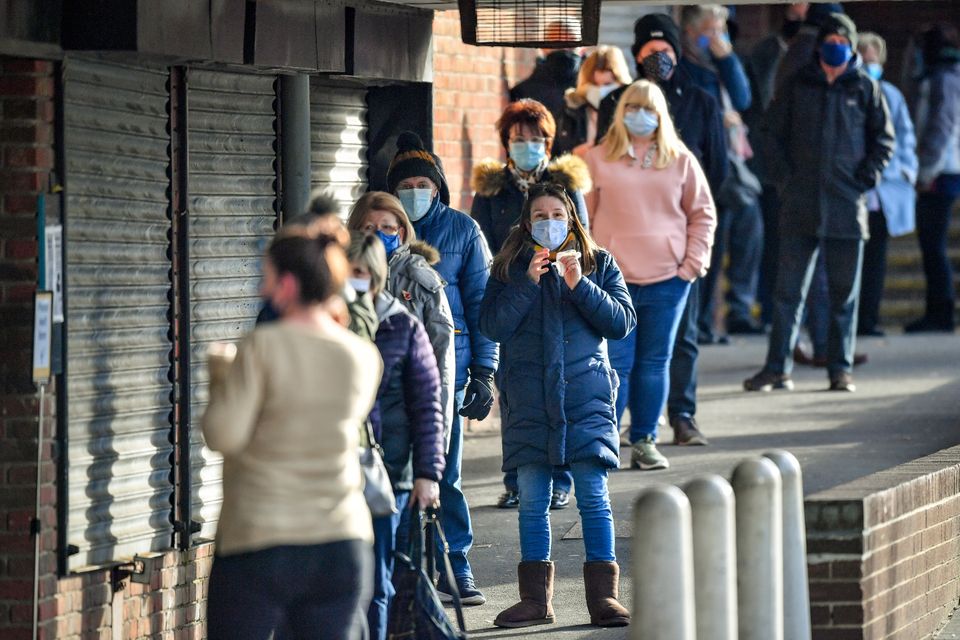
People wait in line for a coronavirus test at a surge test centre, set up in a library, to provide additional community testing following the identification of a mutated variant in the Bristol and south Gloucestershire area

Figures from the Office for National Statistics (ONS) estimate that around one in 220 people in private households in England had Covid-19 between February 21 and 27 – the equivalent of 248,100 people.

The figure is down from around one in 145, or 373,700 people, for the period February 13 to 19, and is the lowest figure since the week to October 1 when it was one in 240.

However, the number of people infected in England is still high when compared to last summer. In the week to August 25, around one in 2,000 people had coronavirus.

The ONS said the percentage of people testing positive for Covid-19 in the latest figures had decreased in all regions except for north-east England, the East Midlands and eastern England, where it said the trend was uncertain. 

In Wales, the latest estimate was one in 285, down from 205, and in Northern Ireland it was one in 325, down from one in 195.

The estimate for Scotland for the week to February 27 was around one in 335 people, down from one in 225.

The latest data is based on swab tests from 684,875 people in the UK, regardless of whether they had symptoms, and does not include hospitals and care homes.

It comes after a government scientific adviser said society will need to learn to live with a “substantial” number of Covid-19 deaths.

Professor Andrew Hayward, who sits on Sage, said the number of deaths will continue to drop as vaccination kicks in, and death rates could begin to look more like those for flu.

Other experts, including Professor Paul Hunter, from the University of East Anglia, have said the UK can expect a wave of deaths next winter, mostly among the unvaccinated and those for whom vaccines do not provide total protection.

Prof Hayward told Times Radio: “I think given the societal trade-offs, we are going to have to live with a degree of mortality that will be substantial.

“I think it will get less over time as more people get vaccinated, and as more people get immune, and I do believe that we’ve been through the worst of this.”

Share Button

Rishi Sunak’s Budget Explained In Two Minutes

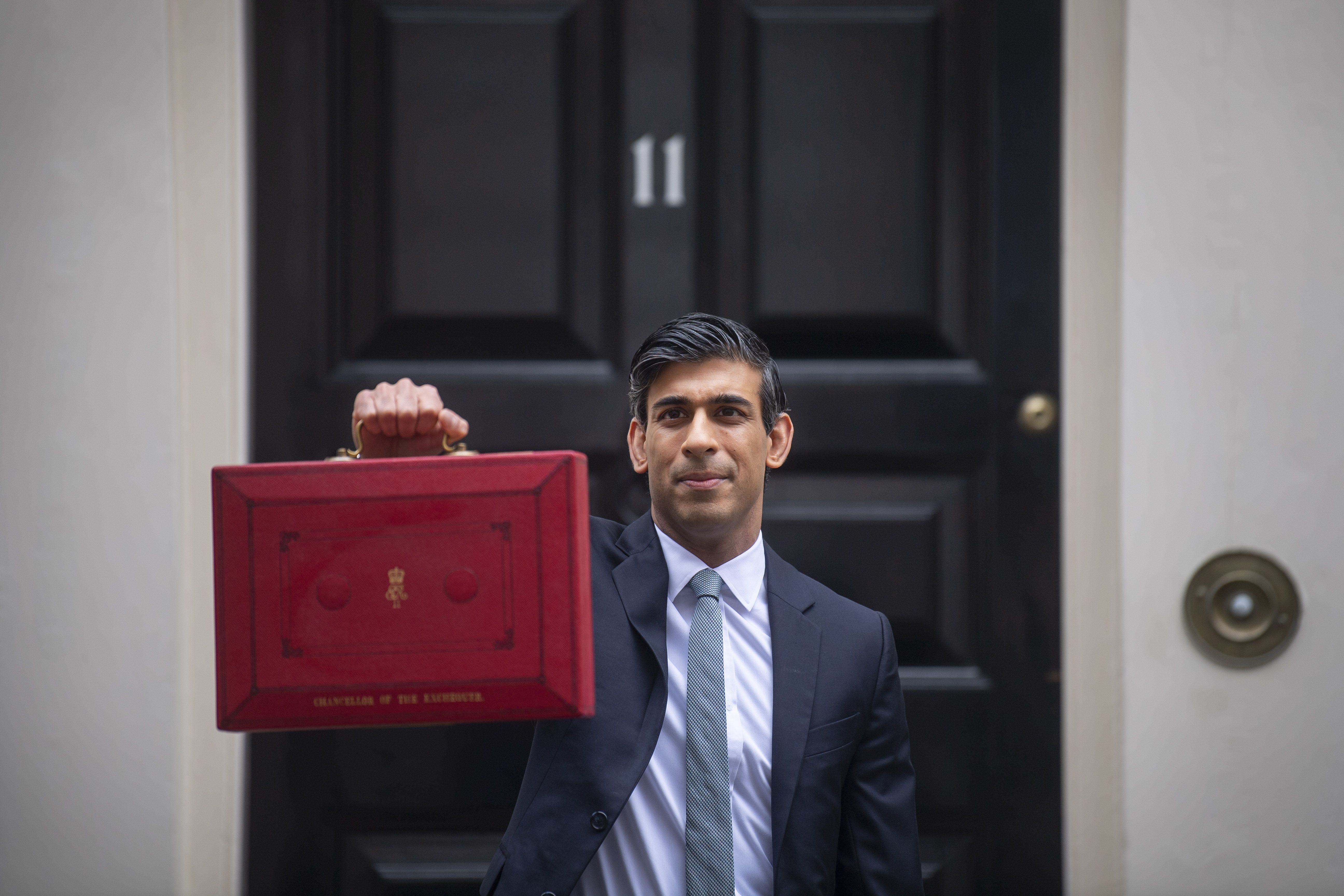
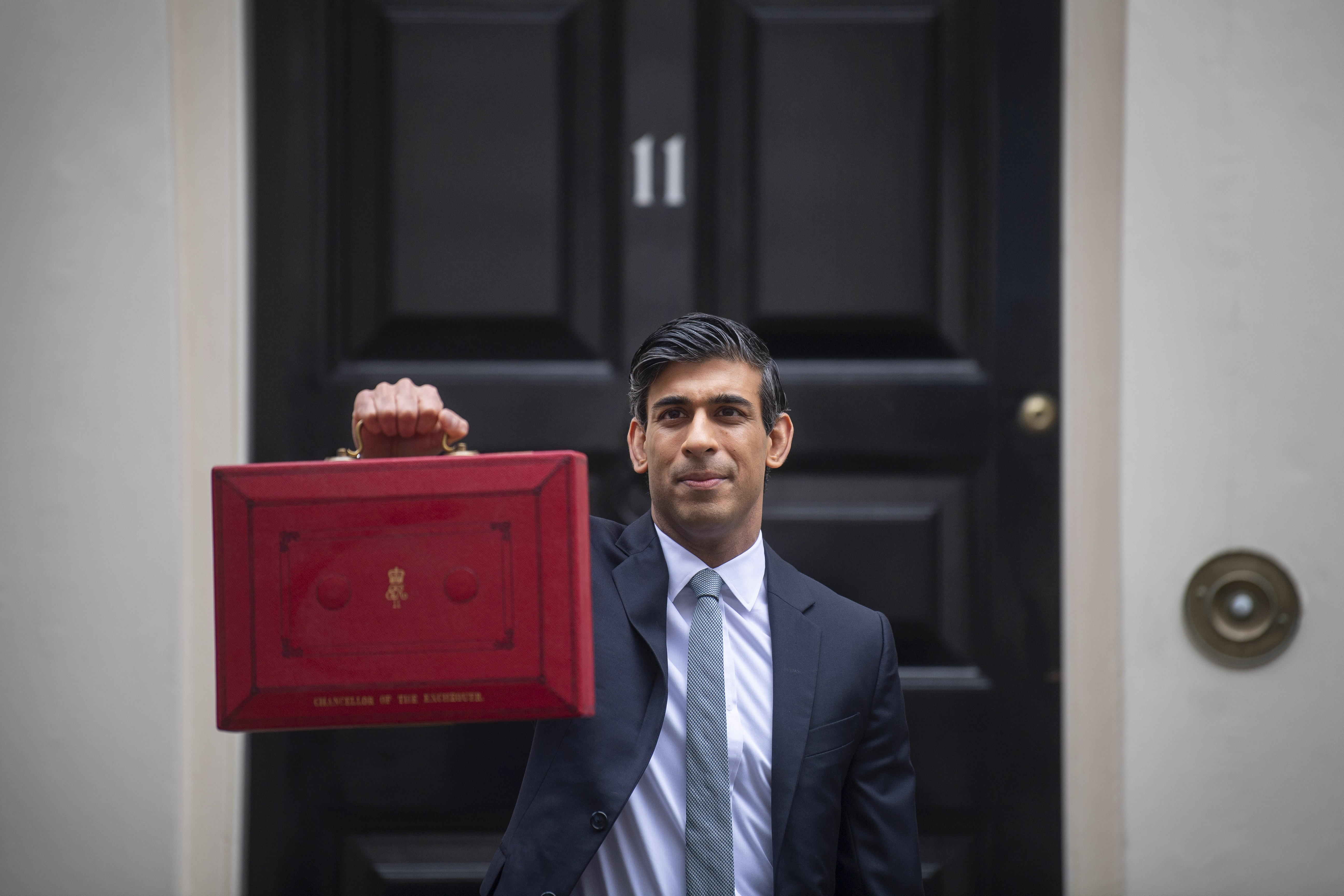
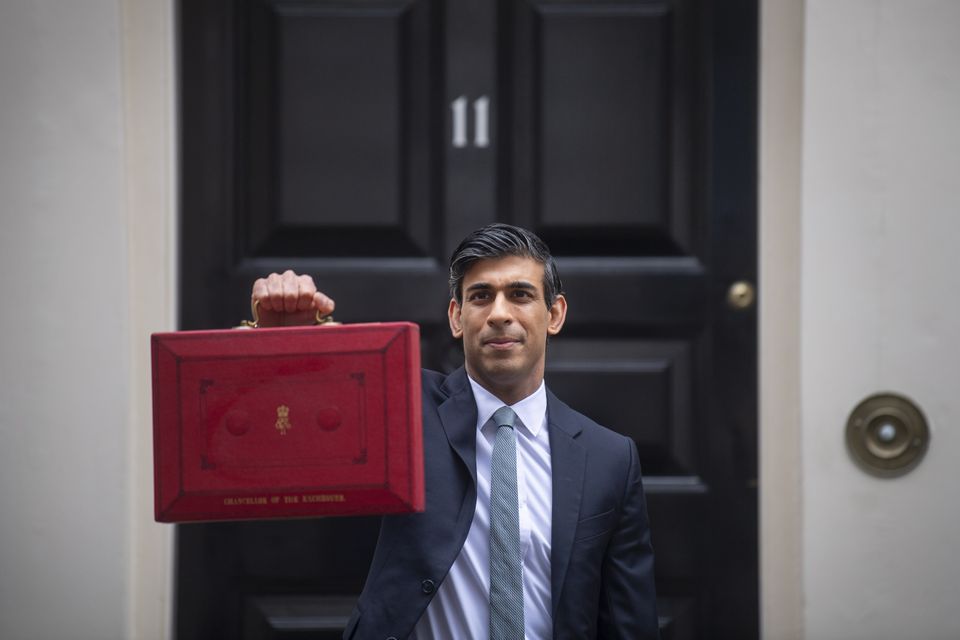
Chancellor Rishi Sunak has delivered his budget in the House of Commons as the UK plots a course out of the Covid crisis. 

Here are the key points. 

Furlough extended until September

The emergency wages scheme was due to close at the end of March, but Sunak has extended the UK-wide scheme until September. However, he will taper the Treasury’s 80% contribution from July. 

Universal Credit uplift to stay… for 6 months 

The £20-a-week uplift to Universal Credit will be extended for a further six months. But it is likely the government will continue to face pressure to make the uplift permanent.

Stealth income tax rise 

Sunak introduced a four-year freeze on income tax thresholds.

The move does not hike taxes as such, but will be viewed as a stealth tax in that it will drag employees into higher tax bands as their salaries rise. 

It has been suggested the freeze will bring an extra £6bn into the Treasury coffers. 

The pensions lifetime allowance, and the annual exempt amount in capital gains tax, will also be maintained at current levels until April 2026, he said. 

Hike in tax on big business

Sunak announced he will raise corporation tax, which is paid on company profits, from the current 19% to 25% in April 2023. 

Small businesses with profits of £50,000 or less will continue to be taxed at 19%.

The measure will be controversial among some low tax-backing Tory MPs. 

Sunak stressed the UK would till have lowest rate is the lowest in the G7, with France firms paying 33% and Germany’s 30%. 

Joe Biden’s new US administration is reportedly preparing to raise its corporation tax level from 21% to 28%. 

95% mortgages and stamp duty holiday 

Sunak said help for home-buyers is on its way with the return of 5% deposits. As part of a mortgage guarantee scheme on properties worth up to £600,000, the government will underwrite the remaining 95% of the loan.

He said it was a “policy that gives people who can’t afford a big deposit the chance to buy their own home”, adding: “As the prime minister has said, we want to turn generation rent into generation buy.”

In a separate move to bolster the property market, Sunak extended the stamp duty holiday on homes worth up to £500,000 until the end of June. 

Total cost of Covid hits £325bn

Sunak has pumped extra £1.65bn into the rollout of the Covid vaccination programme. 

He told MPs the total Covid-19 support package amounted to a staggering £352bn, or £407bn once other fiscal support is included.

He said: “Coronavirus has caused one of the largest, most comprehensive and sustained economic shocks this country has ever faced and, by any objective analysis, this government has delivered one of the largest, most comprehensive and sustained responses this country has ever seen.”

Covid-hit firms to share £5bn grant fund

Businesses hammered by Covid, such as shops, pubs, clubs, gyms and hair salons, can apply for grants of up to £18,000 as part of a £5bn scheme.

He added that the 5% reduced rate of VAT for the tourism and hospitality sector will be extended for six months to the end of September, with an interim rate of 12.5% for another six months after that.

Super deduction

The chancellor announced a new “super deduction” for companies investing after the Covid pandemic. He said the new measure for investing firms can see them reduce their tax bill by 130% of the cost.

Alcohol and fuel

All alcohol duties will be frozen for the second year in a row and the planned increase in fuel duty has also been cancelled, the chancellor said.

Contactless payment limit

The contactless payment limit is to more than double to £100 from £45. While legally in force from Wednesday, the increase will not happen immediately as firms will need to make systems changes.

Money for the Union

Sunak announced an increase in funding for the devolved administrations by £1.2bn for the Scottish government, amid growing demands for a second independence referendum.

He also announced £740m for the Welsh government and £410m for the Northern Ireland Executive.

Arts funding boost 

Sunak allocated £400m to help museums, galleries and especially theatres in England to reopen. 

This is in addition to the £1.57bn Culture Recovery Fund, established by Sunak and culture secretary Oliver Dowden. 

There will also be a £300m package for sports – much of it targeted at cricket.

Treasury jobs moved north 

Hundreds of jobs will be relocated from London to Darlington under the chancellor’s Treasury North project.

Sunak said that after “a lot of thought and energy”, the new economic campus would be in the north-east market town. 

Civic leaders across the north had made overtures in recent weeks for the Chancellor to send Treasury jobs their way.

A new £12bn UK infrastructure bank will be established in Leeds, with £10bn of government guarantees, Sunak added. 

Freeports announced

Sunak announced the establishment of a new set of freeports, something he claims was only possible post-Brexit. 

They are: East Midlands Airport, Felixstowe and Harwich, Humber, Liverpool City Region, Plymouth, Solent, Thames and Teesside.

The policy will give tax breaks, cheaper customs and make planning regulations simpler for firms. 

Domestic violence cash boost

Sunak announced an extra £18m for domestic violence programmes. 

It comes after the Covid lockdown saw a rise in attacks and domestic violence killings. 

Share Button

Budget 2021: Rishi Sunak Unveils Tax ‘Super Deduction’ For Firms Investing After Covid

Chancellor Rishi Sunak has unveiled a new “super deduction” for companies investing after the Covid pandemic.

Announcing his budget in the Commons, Sunak said when firms invest, his new policy would see them reduce their tax bill by 130% of the cost.

Sunak also revealed that the government will separately hike corporation tax on the profits of big business from 19% to 25% in April 2023, something which will make him unpopular with some low-tax Tory backbenchers. 

But insisting that the UK will have a “pro-business tax regime” after Covid, he told MPs the new super deduction will unlock investment and specifically reward firms with bold expansion plans in the wake of the pandemic.

Though little detail is yet clear about the new policy, Sunak said in the Commons: “While many businesses are struggling, others have been able to build up significant cash reserves. We need to unlock that investment, we need an investment-led recovery.

Press Association

Chancellor Rishi Sunak will unveil his budget on Wednesday 

“So today I can announce the ‘super deduction’. For the next two years, when companies invest they can reduce their tax bill, not just by a proportion of the cost of that investment, as they do now, or even by 100% of the cost, the so-called full expensing some have called for – with the super deduction they can now reduce their tax bill by 130% of the cost.”

It is forecast to boost business investment by 10%, or around £20 billion extra per year, Sunak said.

Sunak said the corporation tax rise will come in from April 2023 and only apply to 10% of companies. 

Smaller businesses with profits of £50,000 or less will be protected from the hike and will continue paying corporation tax at the current level of 19%, he said.

Sunak said it meant 1.4m business – around 70% of companies – “will be completely unaffected”.

The rise puts the UK above the EU average of 21.7% but remains below the US corporation tax level of 27%, though president Joe Biden has said he is looking to increase.

France’s rate is 26.5%, Germany has a rate at 30%, Canada at 26.5%, Japan at 30.62% and Italy at 24%, according to data from KPMG.

The chancellor also said a new UK Infrastructure Bank will be located in Leeds.

He told MPs: “The bank will invest across the UK in public and private projects to finance the green industrial revolution.”.

Share Button

Search For Missing UK Case Of Brazil Covid Variant Narrowed To 379 Households

The search for the unidentified person who has tested positive for the Brazilian variant of Covid in the UK has been narrowed to 379 households in the south east of England.

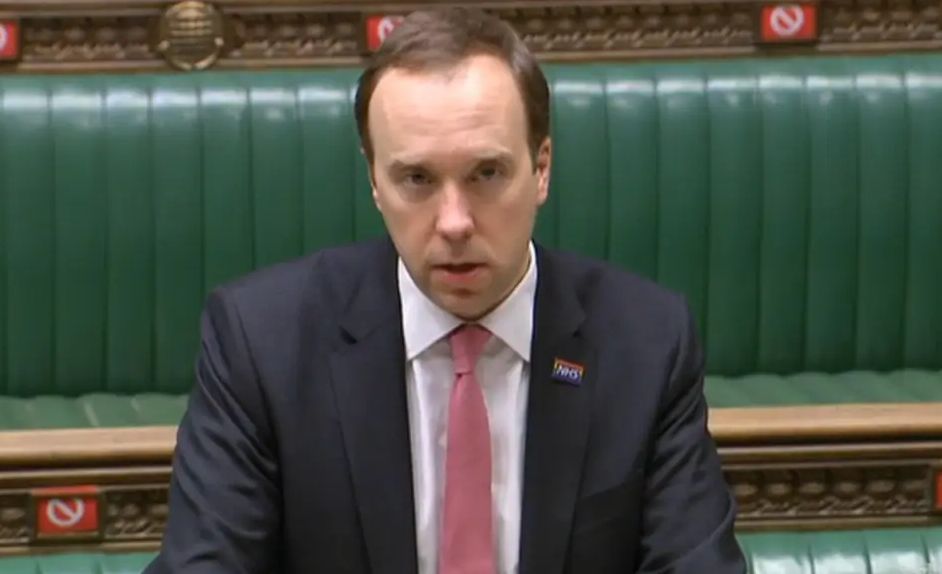
Speaking in the Commons on Tuesday, Matt Hancock said the government was contacting “each one”.

Six cases of the variant, known as P1, have been found in England and Scotland.

But on Monday health officials announced they were still hunting for the identity of one of the six.

Hancock said: “We know that five of these six people quarantined at home as they were legally required to do.”

“Unfortunately one of these six cases completed a test but didn’t successfully complete the contact details. Incidents like this are rare and only occur in around 0.1% of tests.”

The health secretary told MPs: “We’ve identified the batch of home test kits in question, our search has narrowed from the whole country down to 379 households in the south-east of England and we’re contacting each one.

“We’re grateful that a number of potential cases have come forward following the call that we put out over the weekend.”

Hancock said the current vaccines being rolled out had not yet been studied against the P1 variant.

“We’re working to understand what impact it might have, but we do know that this variant has caused significant challenges in Brazil,” he said.

“We’re doing all we can to stop the spread of this new variant in the UK, to analyse its effects and to develop an updated vaccine that works on all these variants of concern and protect the progress that we’ve made as a nation.”

He added: “We have no information to suggest the variant has spread further.”

Share Button

Trump Returns To Political Stage And Hints At 2024 Presidential Run

NEWS & POLITICS

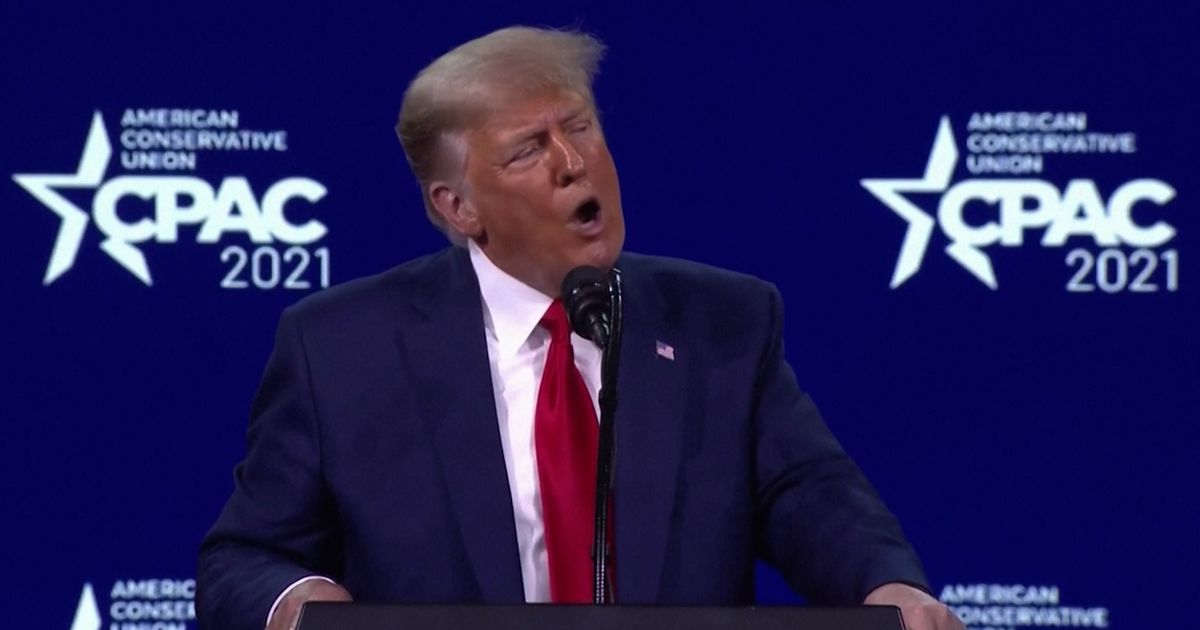
Former President Donald Trump took to the stage on February 28, for the first time since leaving office, with a typically fiery speech at the Conservative Political Action Conference (CPAC). Trump called for Republican Party unity as he continued to stoke divisions across America with misinformation about the 2020 election.

Share Button

Boris Johnson Says Tough Border Controls Introduced ‘As Fast As We Could’

Boris Johnson has said he moved “as fast as we could” to impose strict border controls, as health officials hunt for a person in the UK infected with a Brazil variant of Covid.

The prime minister said the government’s hotel quarantine programme, introduced on February 15, was “a very tough regime”.

The variant, known as P1, was first identified on January 10 in people arriving in Japan from Brazil and is thought to have originated in the Brazilian city of Manaus.

On January 14 the government banned travel to the UK from Brazil and other South American countries.

British nationals were still allowed to return but had to isolate for 10 days at home.

On January 27, the government announced plans to force arrivals from a “red list” of 33 countries, including Brazil, to quarantine in hotels.

But it did not come into force until 19 days later.

Public Health England (PHE) has found six UK cases of the P1 variant in the UK.

But one of the infected people, who was thought to have been tested on February 12 or 13, has yet to be identified. 

Asked on Monday if the government had been too slow to implement quarantine hotel measures. Johnson said: “I don’t think so, we moved as fast as we could to get that going.

“It’s a very tough regime. You come here, you immediately get transported to a hotel where you are kept for 10 days, 11 days.

“You have to test on day two, you have to test on day eight, and it’s designed to stop the spread of new variants while we continue to roll out the vaccination programme.

“We don’t have any reason at the present time to think that our vaccines are ineffective against these new variants of all types.”

The prime minister said PHE did not think the cases of the variant were a “threat to the wider public”.

Nick Thomas Symonds, Labour’s shadow home secretary, said the situation showed “unforgivable incompetence” from the government. 

“Despite being warned time and time again, they have failed to act to protect our borders against emerging Covid variants and could put at risk the gains from the vaccine,” he said.

“People will be appalled to hear someone with the Brazilian variant cannot be identified, raising questions about how many others may have been missed by quarantine measures.

“There is no excuse for continuing to ignore Labour’s call for a comprehensive hotel quarantine system.”

Labour has demanded a blanket approach that would see all arrivals placed into hotel quarantine, not just those from a limited number of countries.

MPs were told last week that only 1% of people arriving in the UK every day are required to isolate in hotels

Share Button