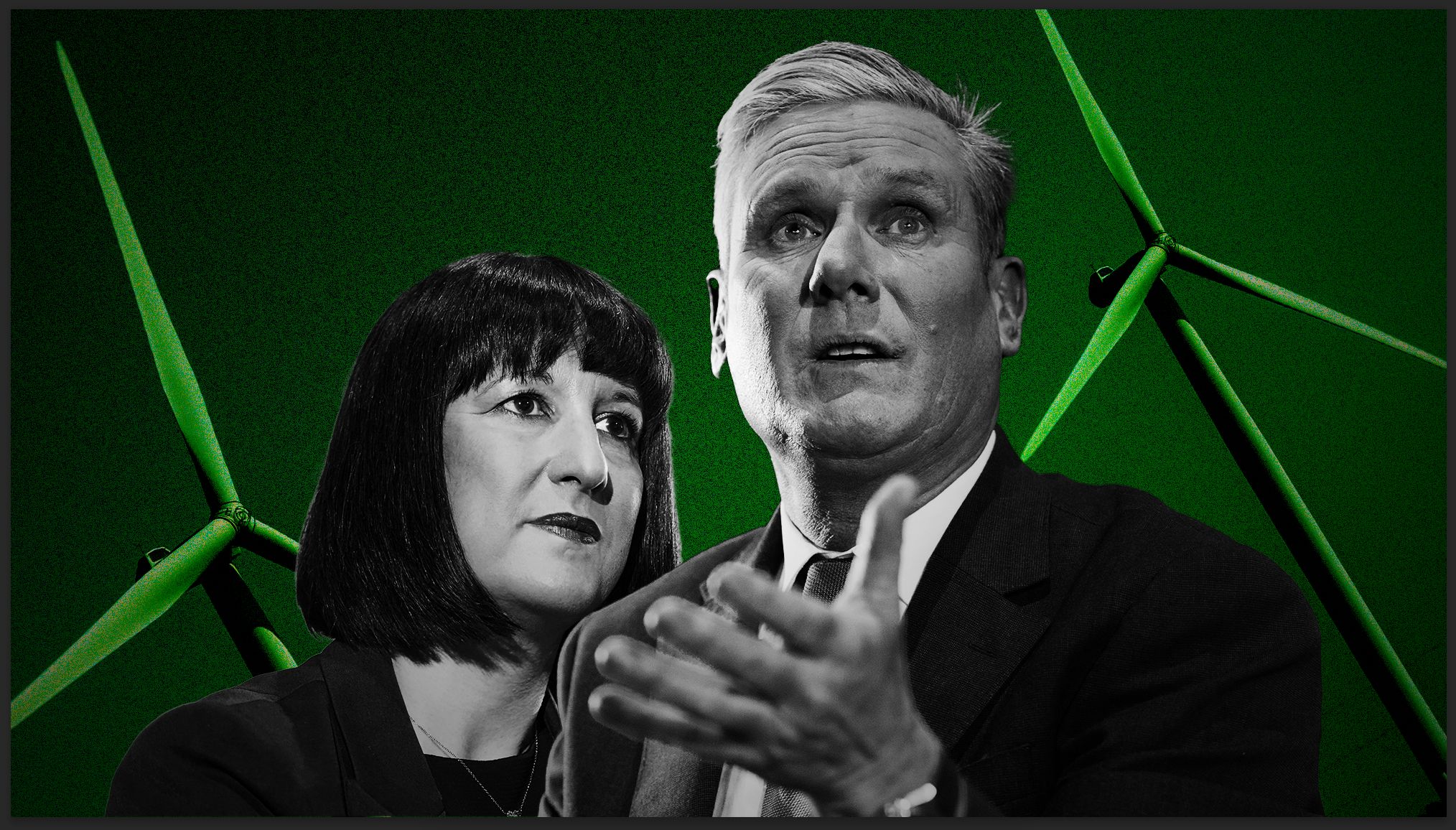
Keir Starmer Warns Britain Must End ‘Dependence’ On Migrant Labour

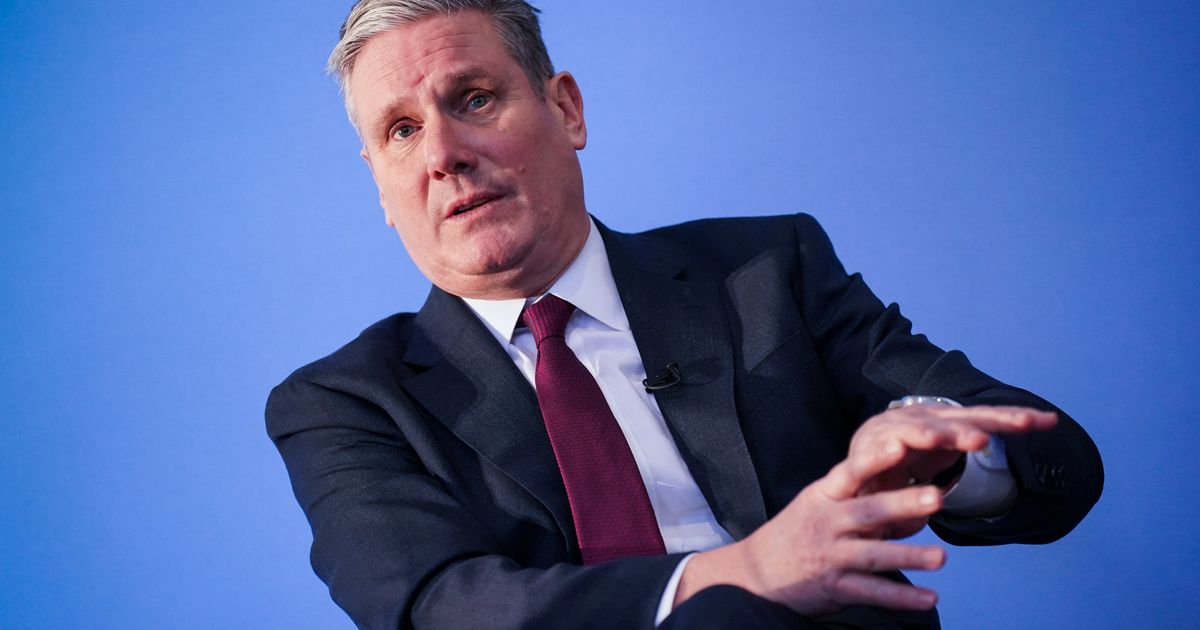
Keir Starmer is to urge businesses to wean Britain off “immigration dependency” as he will warn the days of “low pay and cheap labour” have to end.

The Labour leader will tell firms to train up UK workers in a speech to the Confederation of British Industry conference where he outlines his vision to smash the “low pay model”.

Starmer will vow not to ignore the need for skilled individuals to come into the country if he forms a Labour government, as he sets out plans to “start investing more in training up workers who are already here”.

But he will stress that any changes to a points-based migration system “will come with new conditions for business”.

“We will expect you to bring forward a clear plan for higher skills and more training, for better pay and conditions, for investment in new technology,” he is expected to tell business leaders gathered in Birmingham.

“But our common goal must be to help the British economy off its immigration dependency. To start investing more in training up workers who are already here.

“Migration is part of our national story – always has been, always will be. And the Labour Party will never diminish the contribution it makes to the economy, to public services, to your businesses and our communities.

“But let me tell you – the days when low pay and cheap labour are part of the British way on growth must end.”

Starmer will set out Labour’s plans for reform, which include:

– Ensuring all employers able to sponsor visas are meeting decent standards of pay and conditions

– Speed up visa delays to avoid labour shortages damaging the economy

– Introduce training and plans for improving pay and conditions for roles that require international recruitment

– Reform the migration advisory committee that reports to the Government so it better projects future trends.

He will warn that businesses cannot be “more comfortable hiring people to work in low paid, insecure, sometimes exploitative contracts” rather than investing in new technology to boost productivity.

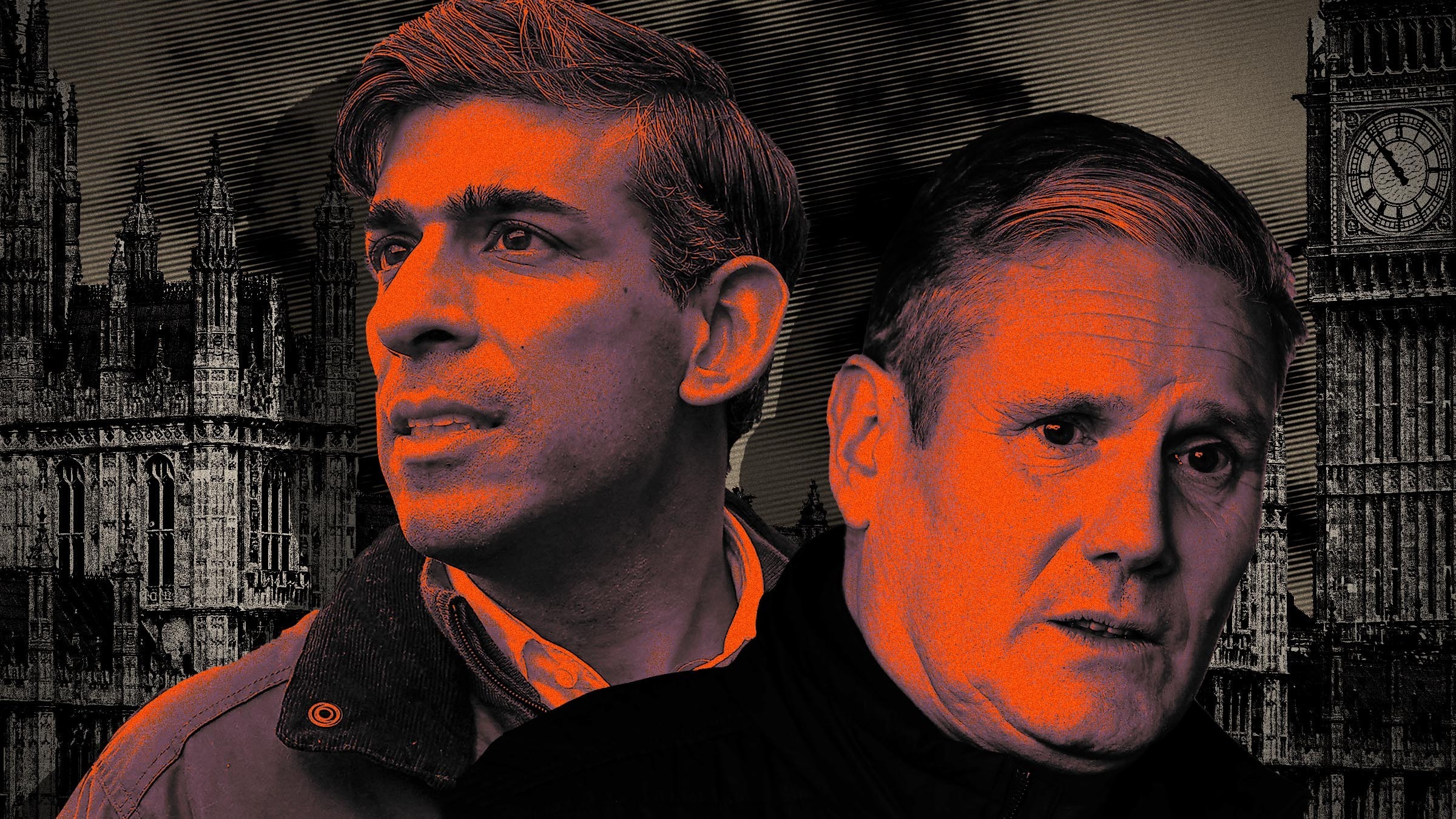
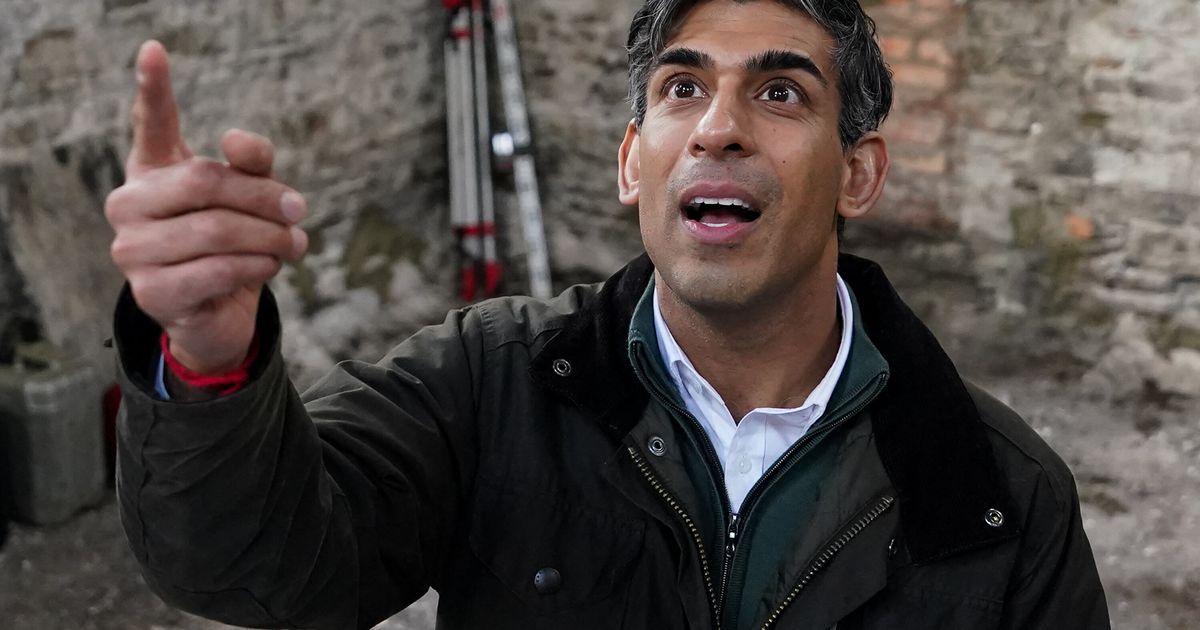
Starmer’s speech comes as Rishi Sunak moved to deny plans ministers could look to realign Britain with EU laws.

Some Tories have been angered by suggestions the government was weighing up a Swiss-style relationship with Brussels.

But the prime minister told the CBI conference on Monday that the UK “will not pursue any relationship with Europe that relies on alignment with EU laws”.

Starmer is understood to be sticking to his opposition of rejoining the EU’s single market.

Share Button

Keir Starmer Criticised For Saying The NHS Is Recruiting ‘Too Many People From Overseas’

Keir Starmer has been criticised for saying the NHS is recruiting too many people from overseas.

The Labour leader said “we should be training people in this country” as he set out his plans to control immigration.

But Starmer came under fire for his comments, with SNP MP Stewart McDonald accusing him of “grubby dog-whistling”.

Speaking to BBC Scotland, Starmer said: “What I would like to see is the numbers go down in some areas.

“I think we are recruiting too many people from overseas in, for example, the health service, but on the other hand if we need high-skilled people in innovation and tech to set up factories, etc, then I would encourage that, so I don’t think there’s an overall number here, some areas will need to go down, other areas will need to go up.”

At the Labour conference in Liverpool last month, the party leader unveiled plans to recruit 7,500 staff to the NHS across the UK.

Starmer added: “We should be training people in this country, of course we need some immigration but we need to train people in this country.

“What we’ve done – this is absolutely classic of this Tory government – is short-term fixes, plasters over problems, never a long-term solution and we’re going around and around in circles, every year we have a winter crisis.”

Responding to Starmer’s comments on Twitter, McDonald – the SNP’s defence spokesperson – accused the Labour leader of betraying the efforts of foreign NHS workers during the pandemic.

Meanehile, the pro-Jeremy Corbyn campaign group Momentum said Starmer was “out out of touch with the Labour party and the Labour movement”.

Share Button

Labour Holds Huge 36-Point Poll Lead Amid Tory Turmoil

The Labour Party has opened up a 36-point poll lead over the Conservatives, according to new research, against the backdrop of the crumbling Tory administration.

A survey by Redfield and Wilton Strategies suggests it is the biggest advantage for any party since October 1997.

The poll has Labour on 56% (up three points since October 13), while the Tories were down four points on 20%, the Liberal Democrats were on 11%, the Green Party on 5%, SNP 4% and Reform 2%.

Including the 19% who did not know which way they would vote, the Labour lead was 31 points, with Keir Starmer’s party on 47% and the Tories on 16%.

The pollster surveyed 2,000 eligible voters in Great Britain on Sunday.

Elsewhere, an Opinium poll published on Sunday projected a landslide general election win for the Labour Party, if voters headed to the ballot box now.

Their victory would be so large it would echo the party’s historic 1997 win.

With more than 10,000 respondents answering the survey between 26 and 30 September – weeks before Truss was forced to sack her chancellor over the chaos – Opinium found the Tories would lose 219 seats in total, leaving it with just 137 seats.

Many high-profile Conservatives would lose their seats, too, including the new chancellor Hunt, levelling up secretary Simon Clarke, business secretary Jacob Rees-Mogg and health secretary Therese Coffey, among other ministers.

Former prime minister Boris Johnson would also lose his seat, and the Tories would lose their majorities in all 45 out of 45 of its seats in the “red wall” in the north of England.

Meanwhile a separate Deltapoll survey showed Labour was 32-points ahead.

Last month, a YouGov poll showed Labour had surged to an astonishing 33-point lead over the Tories – the first polling analysis to give the party a lead comparable to the late 1990s and Tony Blair sweeping to power.

It comes as Liz Truss is battling to save her premiership after chancellor Jeremy Hunt warned that “eye-wateringly difficult” decisions were needed as he tore up her economic strategy.

Hunt scaled back the energy support package and ditched “almost all” the tax cuts announced by his predecessor Kwasi Kwarteng less than a month ago, as he tried to restore economic stability after weeks of turmoil on the financial markets.

Truss became prime minister after winning the Tory leadership contest on the back of promises to dramatically cut tax, and the wholesale abandonment of the policies has left her fighting for her job after just six weeks.

She sat next to her new chancellor in the Commons, staring straight ahead as he ditched huge chunks of her plan.

After around 30 minutes, she walked out without having said a word.

Share Button

Labour Has An Enormous 33-Point Poll Lead Over The Tories

The Labour Party has surged to an astonishing 33-point lead over the Tories, according to new polling.

The YouGov poll, carried out on Wednesday and Thursday, put Labour on 54% (+9) compared to the Conservatives’ 21% (-7).

The Times, which commissioned the poll, said it is believed to be the largest poll lead enjoyed by any party with any pollster since the late 1990s.

It follows a successful Labour conference in Liverpool and, more importantly, market turmoil and public outcry following Kwasi Kwarteng’s mini-budget last Friday.

The poll also shows the gap between the Lib Dems in third (7%) and the Tories is smaller than between Labour and the Conservatives.

The poll will heap more pressure on prime minister Liz Truss – who has been in power for only three weeks – as he forges ahead with her controversial growth plan.

With reports of unease among Tory MPs after the market chaos of recent days, some have called for an urgent change of course from the prime minister.

Julian Smith, a former Cabinet minister, urged the government to “take responsibility” for the crisis.

“The government must scrap 45p, take responsibility for the link between last Friday and the impact on people’s mortgages and make clear that it will do everything possible to stabilise markets and protect public services,” he tweeted.

Former science minister George Freeman called on the Cabinet to meet and agree a “Plan B”.

“The economic package of borrowing & tax cuts announced last week clearly can’t command market or voter confidence,” he said on Twitter.

Truss and Kwasi Kwarteng have insisted their £45 billion package of tax cuts is the “right plan” to get the economy moving despite chaos on the financial markets and fears of rocketing mortgage bills.

In their first public comments since the pound hit a record low on Monday, neither the prime minister nor the chancellor commented directly on the turmoil created by his mini-budget.

During a round of BBC local radio interviews, Truss said the government had to take “urgent action” to kick-start the economy and protect consumers from rising energy costs.

And during a visit to an engine plant in Darlington, Kwarteng said the package he announced in the Commons on Friday was “absolutely essential” if the economy was to generate the revenues needed to fund public services.

Share Button

5 Things We Learned From Keir Starmer’s Party Conference Speech

Keir Starmer’s speech in Liverpool showed he believes that a Labour government is no longer a pipe dream but a serious possibility.

The Labour leader gave a confident and assured pitch not only to the party faithful, but to the country at large — to a Britain that he described as “all at sea”.

Starmer’s speech was designed to demonstrate that he was listening and that Labour was ready to step up where the Tories had stepped down.

Channelling the late Queen Elizabeth’s dedication to duty, he said it was now time to “turn our collar up and face the storm”.

Here are five things we learned from Starmer’s conference speech.

Labour is capitalising on Tory woes

Starmer said there were “two sides of Britain”: one of order and unity characterised by the queue to see the Queen’s lying-in-state, and one where a “cloud of anxiety hangs over working people”.

Starmer firmly pinned the blame for such anxiety on the Tories, whom he portrayed as reckless vandals: “They haven’t just failed to fix the roof. They’ve ripped put the foundations, smashed through the windows and now they’ve blown the doors off for good measure.”

Liz Truss’s decision to abandon the top rate of tax for those earning more than £150,000 has clearly been a gift to Labour, allowing Starmer to paint himself as on the side of working people and the Tories as an out-of touch party of the rich.

“The government has lost control of the British economy – and for what?” he said. “They’ve crashed the pound – and for what?

“Higher interest rates. Higher inflation. Higher borrowing. And for what?

“Not for you. Not for working people. For tax cuts for the richest one per cent in our society. Don’t forget. Don’t forgive.”

The sense of crisis provides Labour with an opportunity to play the adult.

“At moments of uncertainty like this we must provide clear leadership,” he went on. “We must stand with working people. Meet their ambitions for real change. Walk towards a better future. And build a new Britain, together.”

Power to the people

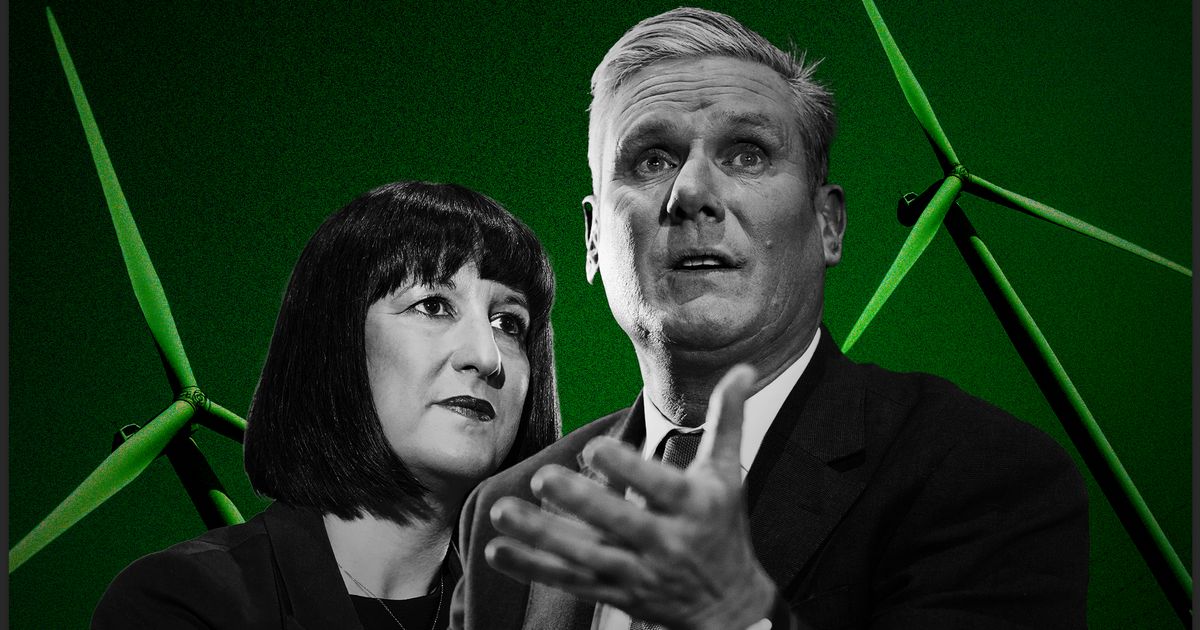
Starmer delighted the conference hall when he unveiled a new policy to create a new state-owned energy firm, Great British Energy, to help create a “fairer, greener, more dynamic nation”.

While the Tories had “failed to prepare” for the economic crisis the UK now finds itself in, Starmer said he was looking to the future by transitioning to a green economy that would give “British power to British people”.

“Green and growth don’t just go together – they’re inseparable,” he said.

“The future wealth of this country is in our air, in our seas, in our skies. Britain should harness that wealth and share it with all.”

The phrase “British power to British people” was not only literal but metaphorical.

Starmer redefined Labour as the party of aspiration, accusing the Tories of failing to understand how they had “choked it off for working people”.

He recalled a meeting with a woman in Grimsby who told him: “I don’t just want to survive; I want to live”.

“Conference, I want to look her in the eyes after five years of a Labour government and I want to know that she, and millions of people like her, are not just surviving, they’re thriving.”

Taking on the Tories’ turf

The Tories have long been regarded as the party of home ownership, but Starmer showed he was serious about reclaiming that title with a pledge to guarantee 70 per cent home ownership.

He said he would bring in a new mortgage guarantee scheme to help real first-time buyers onto the housing ladder.

“My message is this: if you’re grafting every hour to buy your own home Labour is on your side,” he said. “Labour is the party of home ownership in Britain today.”

Country first, party second

Labour has long been criticised for been inward-facing rather than outward- facing, constantly distracted by internal divisions and fights.

If Starmer’s first in-person conference speech was marked by addressing the active issues within his own party, this one will be remembered for how little the Labour Party featured in the leader’s speech.

In a sign of the change the party has gone through under Starmer’s leadership, issues such as the problem of anti-Semitism and Jeremy Corbyn’s ambivalence to Nato, were mentioned as problems past, not present.

Labour’s moment?

Tony Blair famously described the Labour Party as the “political wing of the British people” in his conference speech in 1997 — the year that Labour would go on to win the general election by a landslide.

Starmer said that like 1945, 1964, 1997, “this is a Labour moment”.

Indeed, the party would be hard-pressed to find a moment more opportune to rebuild from the rubble.

Share Button

Ken Clarke Says Kwasi Kwarteng’s Tax Cuts Are Like Something Out Of Latin America

Kwasi Kwarteng’s tax giveaway for the rich would not have looked out of place in Latin America and could lead to economic meltdown, according to Ken Clarke.

The Tory grandee – who served as chancellor under John Major – said the decision to scrap the 45p tax rate for high earners could send inflation even higher and cause the value of the pound to collapse.

Kwarteng unveiled a £45 billion package of tax cuts in Friday’s mini-budget, which he said would lead to increased economic growth.

But Clarke, who quit parliament in 2019 after nearly 50 years as an MP, said they would not work.

He told Radio Four’s ‘World At One’ programme: “I don’t accept – I never have, the Conservative party never has – the overall premise of the budget, which is that you make tax cuts for the wealthiest 5 per cent, and it makes them work so much harder, and [there’s a] rush to invest.

“I’m afraid that’s the kind of thing that’s usually tried in Latin American countries without success.

“I do not think you stimulate growth by cutting taxes on the better-off, or taxes on business. If it was so simple, we would have got rid of taxes all together some time ago.

“What the increased spending power … is going to do is run the risk of further stimulating inflation. And we’re going into a serious inflationary recession this winter.”

Kwarteng is paying for the tax cuts by piling another £70 billion on the national debt, which Clarke said was now too high.

He said: “We’re heading in the Italian direction. That is going to be a problem, a very great problem, in the short term if it leads to a collapse in the pound and the loss of confidence in our economy. We’re going to drive investment away, not attract it.

“I don’t think anybody I was ever in government with would have contemplated a budget like this.”

The scrapping of the 45p rate means that those earning more than a million pounds will save £55,000 on their tax bill.

Kwarteng this morning defended his mini-budget, and suggested more tax cuts were on the way.

He said: “We’ve got to have a much more front-footed approach to growth and that’s what my Friday statement was all about.

“I think that if we can get some of the reforms … if we get business back on its feet, we can get this country moving and we can grow our economy, and that’s what my focus is 100 per cent about.”

Labour leader Keir Starmer said he would bring back the 45p tax rate if he becomes prime minister.

He said: “I do not think that the choice to have tax cuts for those that are earning hundreds if thousands of pounds is the right choice when our economy is struggling the way it is, working people are struggling the way they are and our public services are on their knees. So it is the wrong choice.

“I would reverse the decision that they made on Friday, let’s be absolutely clear about that.”

Share Button

Durham Police Beergate Probe Cost Taxpayers £101,000

The investigation into whether Keir Starmer and Angela Rayner broke Covid laws cost taxpayers £101,000, it has emerged.

A team of nine officers from Durham Constabulary’s major crime team – who normally work on cases like serious sexual assaults and murders – worked a total of 3,203 hours on the so-called “beergate” probe.

The Labour leader and his deputy were eventually cleared in July.

Durham Constabularly initially dismissed claims that Starmer had breached anti-Covid laws by eating a curry and drinking beer with Labour staff in the constituency office of City of Durham MP Mary Foy on April 30, 2021.

But they re-opened their investigation earlier this year under pressure from the Conservatives.

Starmer had said he was “confident no rules were broken” and that there was “no equivalence” between the accusations levied at him and the partygate scandal that contributed to Boris Johnson’s downfall.

In a major political gamble, both he and Rayner stated that they would stand down from their posts if they received fixed penalty notices from the police.

Durham Constabulary said their investigation found that the event was “reasonably necessary work” and therefore allowed under the rules.

A Freedom of Information request by the NationalWorld website revealed the cost to the public purse of the police probe.

The nine officers involved in the investigation were a detective superintendent, a detective inspector, a detective sergeant and six detective constables. Two other police staff members also took part.

In a statement after he was cleared, Starmer said: “I’ve always said no rules were broken when I was in Durham.

“The police have completed their investigation and agreed: there is no case to answer.

“For me, this was always a matter of principle. Honesty and integrity matter. You will always get that from me.”

Share Button

Liz Truss And Keir Starmer Queuing At The Queen’s Lying In State Sends Twitter Abuzz

Shortly after the Queen’s coffin arrived on Wednesday at Westminster Hall, where as many as 400,000 people are expected to witness the lying in state, politicians joined the royals in a service remembering the late monarch.

But an image of prime minister Liz Truss and Labour leader Keir Starmer was quickly seized upon on social media. It’s not the first time the new Conservative leader has been mocked since the Queen’s death, with many commenting on her unusual curtsey when meeting King Charles.

A constant procession of mourners is continuing to make its way through Westminster Hall to pay their respects, with members of the public having queued for hours along the Thames.

The Queen’s state funeral on Monday will see 2,000 people including world leaders and foreign royals gather inside Westminster Abbey in London on for the final farewell to the nation’s longest reigning monarch.

Some 800 people, including members of the Queen’s Household and Windsor estate staff, will attend the committal service afterwards at 4pm in St George’s Chapel, Windsor Castle.

Share Button

Liz Truss Says The Queen Was ‘The Rock On Which Modern Britain Was Built’

Liz Truss has described Queen Elizabeth II as “the rock on which modern Britain was built” following her death this afternoon.

The new prime minister paid an emotional tribute to the late monarch in a statement on the steps of 10 Downing Street.

The Queen’s death came just two days after she accepted Boris Johnson’s resignation as prime minister and then invited Truss to form a new government during an audience at Balmoral.

Truss said: “We are all devastated by the news we have just heard from Balmoral. The death of her Majesty the Queen is a huge shock to the nation and to the world.

“Queen Elizabeth II was the rock on which modern Britain was built. Our country has grown and flourished under her reign. Britain is the great country it is today because of her.”

Truss said the UK was now “a modern, thriving, dynamic nation” as a result of the Queen’s 70-year reign.

“Through thick and thin, Queen Elizabeth II provided us with the stability and the strength that we needed,” she said. “She was the very spirit of Great Britain and that spirit will endure.”

The PM said the late monarch had been “a personal inspiration to me and to many Britons – her devotion to duty is an example to us all”.

And she added: “In the difficult says ahead, we will come together with our friends across the United Kingdom, the Commonwealth and the world to celebrate her extra ordinary lifetime of service.

“It is a day of great loss, but Queen Elizabeth II leaves a great legacy.”

In his own tribute on Twitter, Johnson said: “This is our country’s saddest day,”

“We think of her deep wisdom, and historic understanding, and her seemingly inexhaustible but understated sense of duty,” he said.

“Relentless though her diary must have felt, she never once let it show, and to tens of thousands of events – great and small – she brought her smile and her warmth and her gentle humour – and for an unrivalled 70 years she spread that magic around her kingdom.

“This is our country’s saddest day because she had a unique and simple power to make us happy. That is why we loved her.

“That is why we grieve for Elizabeth the Great, the longest serving and in many ways the finest monarch in our history.”

Labour leader Keir Starmer said the country would mourn “the passing of a remarkable sovereign”.

He said: “We will always treasure Queen Elizabeth II’s life of service and devotion to our nation and the Commonwealth; our longest-serving and greatest monarch.”

Commons Speaker Lindsay Hoyle tweeted: “Few of us in the House of Commons have ever known a time when Her Majesty was not there, so her passing has left a huge hole in our lives.

“She was our equilibrium, our history, our guide and our Queen – and we will miss her beyond measure.”

Scottish first minister Nicola Sturgeon tweeted: “The death of Her Majesty Queen Elizabeth is a profoundly sad moment for the UK, the Commonwealth and the world.

“Her life was one of extraordinary dedication and service. On behalf of the people of Scotland, I convey my deepest condolences to The King and the Royal Family.”

Former prime minister Tony Blair said the Queen “was not only respected but loved”.

“Respected because of the qualities of duty, decency, integrity and fidelity which she embodied,” he said. “And loved because of the love and affection she bestowed on us.”

Lib Dem leader Ed Davey said: “We are all deeply mourning the profound loss of a great monarch, who served our country so faithfully all her life and who was loved the world over.

“For many people, including myself, The Queen was an ever-fixed mark in our lives. As the world changed around us and politicians came and went, The Queen was our nation’s constant.

“The Queen represented duty and courage, as well as warmth and compassion. She was a living reminder of our collective past, of the greatest generation and their sacrifices for our freedom.”

Meanwhile, RMT general secretary Mick Lynch announced that the rail strikes planned for September 15 and 17 have been suspended following the Queen’s death.

He said: “The RMT joins the whole nation in paying its respects to Queen Elizabeth.

“The planned railway strike action on 15 and 17 September is suspended. We express our deepest condolences to her family, friends and the country.”

Share Button

Trade Union Boss Criticises Unite General Secretary Over Keir Starmer Attack

A trade union boss has hit out at the general secretary of Unite over her criticism of Keir Starmer.

Paddy Lillis, the general secretary of Usdaw, said Sharon Graham should train her fire on the Tory government rather than the Labour leader.

Graham has been an outspoken critic of Starmer, and yesterday told him to “get a spine” and “stick up for workers”.

She also previously criticised the Labour leader’s decision to sack Sam Tarry from the party’s frontbench after he appeared on a picket line.

But Lillis told Radio Four’s World At One programme that a “degree of silence” was needed from his fellow trade union boss.

Asked what he thought of her criticisms of Starmer, he said: “I don’t think it is fair, I think it’s actually unfair.

“I think Keir Starmer has demonstrated time and time again that he’s on the side of workers. He understands the industrial action that’s taking place at the minute.

“We have seen over 12/13 years now of wage stagnation across the economy from the 2008/2009 financial tsunami and we’ve seen employers squeeze employees and squeeze wages down. We need to be, as a trade union and Labour movement, putting the blame squarely where it belongs, and that’s with this Tory government, who have been missing in action.”

Lillis added: “Anyone that’s doing the Labour Party down isn’t doing us a favour.

“If you look over history, we’ve had six Labour prime ministers in our history and each time we turn on each other.

“This is a shadow cabinet that’s worked with the trade union leaders to come up with an employment rights green paper, looking at what they will introduce in power. So to turn round and say Keir Starmer’s not supportive of workers is not true.

“I think there’s a degree of silence needed sometimes and let the Labour leadership get on with taking the fight to the Tories and holding them to account for what’s wrong in this country.”

HuffPost UK revealed how Starmer has put Labour on a war footing in case the new prime minister – who will be announced in a week’s time – calls a snap election.

Share Button