Keir Starmer Slaps Down Wes Streeting After Health Secretary Releases Mandelson Messages

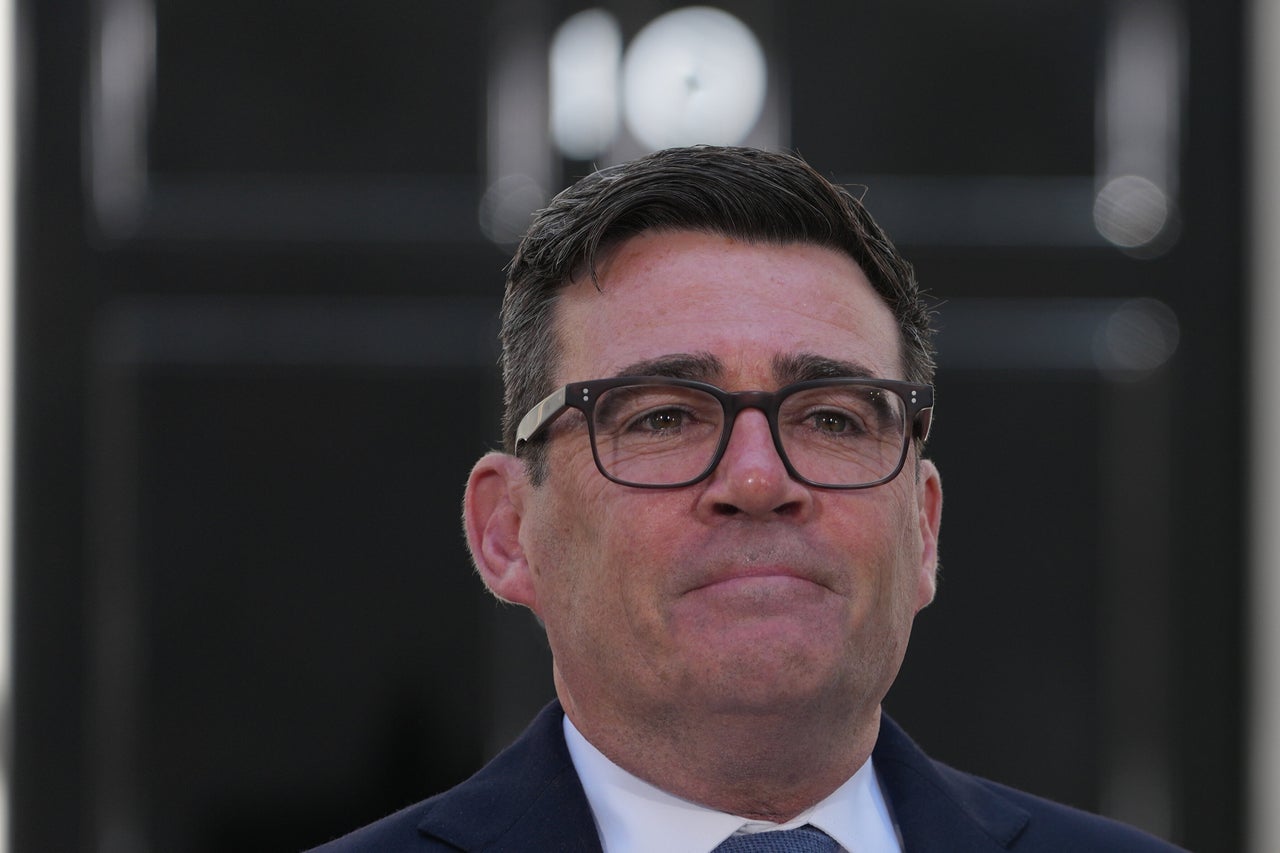
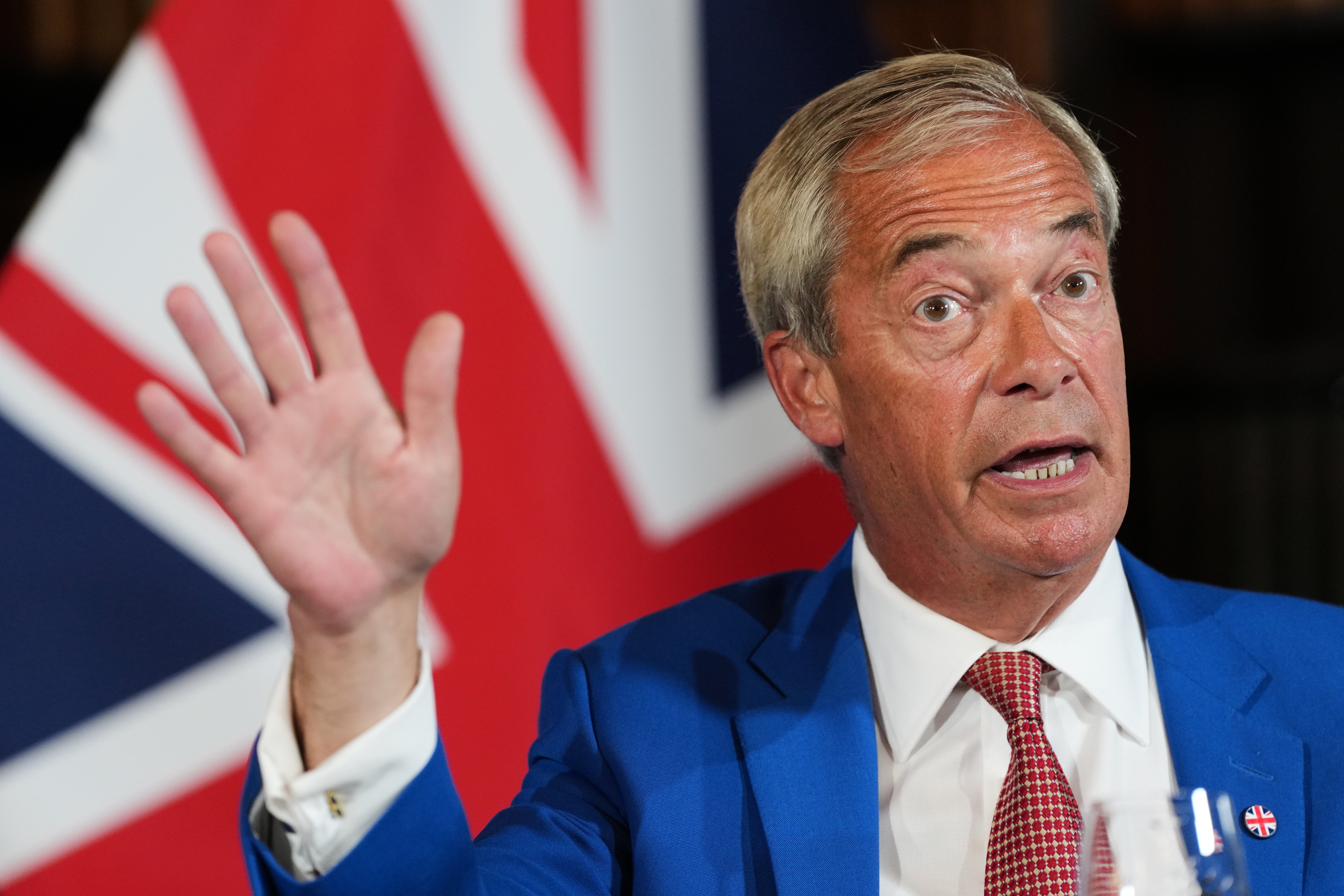
Keir Starmer has slapped down Wes Streeting after the health secretary chose to release his own message exchanges with disgraced peer Peter Mandelson.

Police are currently looking into the former UK ambassador to the US over allegations of misconduct in a public office.

It comes after unearthed emails suggest Mandelson sent convicted sex offender Jeffrey Epstein confidential government information when he was the business secretary between 2008 and 2010.

A Commons motion is also set to force the release of government documents related to Mandelson’s appointment as the ambassador to the US.

But Streeting chose to preemptively release his personal exchanges with his former ally Mandelson on Monday.

He shared a transcript of messages from August 2024 to October 2025 to address what the minister described as the “smear and innuendo” from the weekend which suggested he had something to hide.

The messages showed the health secretary feared the government had “no growth strategy” and that he would be “toast” at the next general election.

Starmer rejected these concerns from Streeting when asked by the media, insisting chancellor Rachel Reeves is “turning the economy around”.

He added: “Now we have to nurture that. We have to make sure that this is for real, and it’s felt in people’s pockets.”

The prime minister continued: “The issue of text messages and all information that’s being gathered as a result of the humble address last week, that needs to be a managed process, both in government and obviously, there’s a police element to it.”

Asked specifically if he had reprimanded Streeting for releasing his Mandelson messages, the prime minister said: “I’m not going to comment on the health secretary’s disclosure of those messages, that’s for him.”

But he added: “I do think that we all need to ensure that we’re all acting together in this, because all the information needs to be pulled together.”

Scotland Yard encouraged members of the government not to share documents which could be used in their investigation on Tuesday, saying it was “vital due process is followed” and that its probe is not jeopardised.

“An investigation into alleged misconduct in public office is under way and it is vital due process is followed so that our criminal investigation and any potential prosecution is not compromised,” the Metropolitan Police said in a statement.

“As part of our inquiries, we will review material identified and provided to us by the Cabinet Office to assess whether publication is likely to have a detrimental impact on our investigation or any subsequent prosecution.

“We will work alongside the Cabinet Office to review relevant documents over the weeks ahead. The process to decide which documents should ultimately be published remains a matter for government and parliament.

“As we have stated previously, this investigation may be complex but we are focused on a timely and thorough process so that justice is served in this case, or future ones linked to the Epstein files.”

Share Button

Even Donald Trump Watched Bad Bunny Over Kid Rock On Super Bowl Sunday

In the lead-up to the 2026 Super Bowl, it was announced that the far-right political group Turning Point USA was putting together its own halftime show as an alternative to Bad Bunny’s.

On Sunday, the US leader attended a Super Bowl watch party in Palm Beach, Florida, with footage from the event appearing to show that the screens were still airing the regular Super Bowl broadcast at the time of Bad Bunny’s set.

Following Sunday’s Super Bowl, Trump was widely panned for his response to Bad Bunny’s halftime performance, which he described as “one of the worst EVER!” on his own social media platform, Truth Social.

Despite this, the performance – which served as a colourful and vibrant celebration of Puerto Rican culture – has been well-received, with Bad Bunny subsequently occupying the top seven spots on Spotify’s global chart at the time of writing.

Share Button

Everyone thought autism mostly affected boys. This study says otherwise

Autism has traditionally been regarded as a condition that mainly affects males. A large study from Sweden published by The BMJ now suggests that autism may occur at similar rates in males and females.

The researchers observed a clear pattern in which females begin to close the gap during adolescence. They say this trend points to an urgent need to better understand why females are often diagnosed later than males.

Rising Autism Diagnoses Over Time

The prevalence of autism spectrum disorder (ASD) has risen steadily over the past 30 years. Throughout this period, diagnosis rates have shown a pronounced imbalance, with males diagnosed about four times as often as females.

Experts believe the overall rise in autism diagnoses is linked to broader diagnostic definitions and social factors (eg, parental age). The large difference between male and female diagnoses has often been explained by the fact that girls tend to have stronger social and communication skills, which can make autism harder to identify. Until now, however, no large study had followed these patterns across different stages of life.

Following Millions Across the Lifespan

To fill this gap, researchers analyzed national health records covering 2.7 million individuals born in Sweden between 1985 and 2022. Participants were followed from birth for as long as 37 years.

Over more than 35 years of observation, autism was diagnosed in 78,522 individuals, representing 2.8% of the population studied. The average age at diagnosis was 14.3 years.

How Autism Diagnosis Rates Change With Age

Autism diagnosis rates rose with each five year age group throughout childhood. Among males, the highest rate occurred between ages 10-14 years, reaching 645.5 per 100,000 person years. For females, the peak came later, between ages 15-19 years, at 602.6 per 100,000 person years.

While males were more likely to be diagnosed during childhood, females showed a strong increase in diagnoses during adolescence. By about age 20 years, the ratio of males to females diagnosed with autism approached 1:1.

Study Limitations and Strengths

The authors noted that this research was observational. They did not account for other conditions often linked to autism, such as ADHD and intellectual disability. The study also could not fully adjust for shared genetic or environmental influences, including parental mental health.

At the same time, the researchers emphasized that the scale and duration of the study made it possible to analyze data from an entire population. This allowed them to separate the influence of age, calendar period, and birth cohort.

Autism Rates May Equalize by Adulthood

Based on their analysis, the authors wrote: “These findings indicate that the male to female ratio for autism has decreased over time and with increasing age at diagnosis. This male to female ratio may therefore be substantially lower than previously thought, to the extent that, in Sweden, it may no longer be distinguishable by adulthood.”

They added that “These observations highlight the need to investigate why female individuals receive diagnoses later than male individuals.”

Missed Diagnoses and Real-World Consequences

The findings are consistent with recent research suggesting that autism in women is frequently missed or identified much later in life. In a linked editorial, patient and patient advocate Anne Cary said the results support concerns about gaps in current diagnostic practices.

She emphasized that studies like this help challenge the long-standing belief that autism is more common in males than in females. However, she also warned that while autistic female individuals wait for accurate diagnosis, “they are likely to be (mis)diagnosed with psychiatric conditions, especially mood and personality disorders, and they are forced to self-advocate to be seen and treated appropriately: as autistic patients, just as autistic as their male counterparts.”

Share Button

Methane spiked after 2020 and the cause was unexpected

Methane concentrations in the atmosphere climbed at an unprecedented pace in the early 2020s due to a combination of weaker natural removal and rising emissions from warming wetlands, rivers, lakes, and agricultural areas. An international group of researchers reports these findings in the journal Science, pointing to changes in both atmospheric chemistry and climate conditions.

One of the biggest drivers was a sharp drop in hydroxyl radicals, which are the main chemicals responsible for breaking methane down in the air. During 2020-2021, this atmospheric clean-up process slowed dramatically. According to the research team, which includes Boston College Professor of Earth and Environmental Science Hanqin Tian, this decline explains about 80 percent of the year-to-year changes in how quickly methane accumulated.

Wet Conditions Fueled Methane Production

At the same time, a prolonged La Niña phase from 2020 to 2023 brought wetter-than-average weather to large parts of the tropics. These conditions expanded flooded landscapes, which are ideal environments for microbes that produce methane. As a result, emissions increased from wetlands, rivers, lakes, and farmed land, adding to the buildup of methane, the second-most important greenhouse gas after carbon monoxide.

Measurements show that atmospheric methane rose by 55 parts per billion between 2019 and 2023, reaching a record level of 1921 ppb in 2023. The fastest growth occurred in 2021, when methane levels increased by nearly 18 ppb. That jump was 84 percent higher than the increase seen in 2019.

“As the planet becomes warmer and wetter, methane emissions from wetlands, inland waters, and paddy rice systems will increasingly shape near-term climate change,” said Tian. “Our findings highlight that the Global Methane Pledge must account for climate-driven methane sources alongside anthropogenic controls if its mitigation targets are to be achieved.”

Natural and Managed Systems Both Matter

The surge was not limited to natural wetlands. Managed environments such as paddy rice fields and inland waters also contributed significantly. According to Tian, who serves as Director of the Center for Earth System Science and Global Sustainability in the Schiller Institute for Integrated Science and Society, these sources are often underrepresented in global methane models.

The largest increases in emissions were observed in tropical Africa and Southeast Asia. Arctic wetlands and lakes also showed notable growth as warmer temperatures boosted microbial activity. In contrast, methane emissions from South American wetlands dropped in 2023 during an extreme El Niño-related drought. This contrast highlights how sensitive methane release is to climate extremes, the report notes.

How Researchers Tracked the Methane Spike

Tian and his colleagues played a key role in identifying and measuring how wetlands, rivers, lakes, reservoirs, and global paddy rice farming contributed to the rapid rise in atmospheric methane. By linking land, freshwater, and atmospheric processes in advanced Earth system models, the Boston College team showed how climate variability amplified emissions across connected ecosystems.

The study also found that fossil fuel use and wildfires played only a small role in the recent methane increase. Chemical fingerprinting indicates that microbial sources, including wetlands, inland waters, reservoirs, and agriculture, were responsible for most of the observed changes.

“By providing the most up-to-date global methane budget through 2023, this research clarifies why atmospheric methane rose so rapidly,” said study lead author Philippe Ciais of the University of Versailles Saint-Quentin-en-Yvelines. “It also shows that future methane trends will depend not only on emission controls, but on climate-driven changes in natural and managed methane sources.”

Key Findings From the Study

  • This early-2020s methane surge was mainly caused by a weakened atmospheric chemistry sink, not runaway emissions.
  • A temporary drop in hydroxyl (OH) radicals — the atmosphere’s primary methane “cleanser” — during 2020-2021 explains about 80-85 percent of the year-to-year variability in methane concentration growth.
  • COVID-19-related air pollution changes played a central role.
  • Reductions in nitrogen oxides (NOₓ) during pandemic lockdowns reduced OH levels, allowing methane to accumulate faster in the atmosphere.
  • Climate-driven wetland emissions amplified the surge.
  • Exceptionally wet conditions during a prolonged La Niña (2020-2023) boosted methane emissions from wetlands and inland waters, especially in tropical Africa and Southeast Asia, with additional increases in Arctic regions.
  • Fossil fuel and fire emissions were not the main drivers.
  • Changes in fossil fuel and biomass-burning methane emissions were comparatively small and cannot explain the observed global methane spike.
  • Current bottom-up emission models for natural flooded ecosystems miss critical dynamics.
  • Many widely used models underestimated wetland and inland-water emissions and their dynamics during the surge, highlighting urgent gaps in monitoring flooded ecosystems and microbial methane emission processes.
Share Button

Scientists find genes that existed before all life on Earth

Every organism alive today traces its lineage back to a single shared ancestor that lived about four billion years ago. Scientists refer to this organism as the “last universal common ancestor,” and it represents the earliest form of life that can currently be examined using established evolutionary methods.

Research on this ancient ancestor shows that many features seen in modern life were already in place at that time. Cells already had membranes, and genetic information was stored in DNA. Because these essential traits were already established, scientists seeking to understand how life first took shape must look even further back in time, to evolutionary events that occurred before this shared ancestor existed.

Studying Life Before the First Common Ancestor

In a study published in the journal Cell Genomics, researchers Aaron Goldman (Oberlin College), Greg Fournier (MIT), and Betül Kaçar (University of Wisconsin-Madison) describe a way to explore that earlier period of evolution. “While the last universal common ancestor is the most ancient organism we can study with evolutionary methods,” said Goldman, “some of the genes in its genome were much older.” The team focuses on a special group of genes called “universal paralogs,” which preserve evidence of biological changes that took place before the last universal common ancestor.

A paralog is a group of related genes that appear multiple times within a single genome. Humans provide a clear example. Our DNA contains eight different hemoglobin genes, all of which produce proteins that carry oxygen through the blood. These genes all originated from a single ancestral globin gene that existed around 800 million years ago. Over long periods of time, repeated copying errors produced extra versions of the gene, and each copy gradually developed its own specialized role.

What Makes Universal Paralogs Unique

Universal paralogs are much rarer. These gene families appear in at least two copies in the genomes of nearly all living organisms. Their widespread presence suggests that the original gene duplication occurred before the last universal common ancestor emerged. Those duplicated genes were then passed down through countless generations and remain present in life today.

Because of this deep evolutionary reach, the authors argue that universal paralogs are a critical yet often overlooked resource for studying the earliest history of life on Earth. This approach is becoming more practical as new AI-based techniques and AI-optimized hardware make it easier to analyze ancient genetic patterns in detail.

“While there are precious few universal paralogs that we know,” says Goldman, “they can give us a lot of information about what life was like before the time of the last universal common ancestor.” Fournier adds, “The history of these universal paralogs is the only information we will ever have about these earliest cellular lineages, and so we need to carefully extract as much knowledge as we can from them.”

Clues to the First Cellular Functions

In their analysis, Goldman, Fournier, and Kaçar reviewed all known universal paralogs. Every one of these genes plays a role in either building proteins or moving molecules across cell membranes. This finding suggests that protein production and membrane transport were among the first biological functions to evolve.

The researchers also emphasize the importance of reconstructing the ancient forms of these genes. In one study from Goldman’s lab at Oberlin, scientists examined a universal paralog family involved in inserting enzymes and other proteins into cell membranes. Using standard methods from evolutionary biology and computational biology, they reconstructed the protein produced by the original ancestral gene.

Their results showed that this simpler, ancient protein could still attach to cell membranes and interact with the machinery that makes proteins. It likely helped early proteins embed themselves into primitive membranes, offering insight into how the earliest cells may have operated.

A New Window Into Life’s Earliest History

The authors hope that continued advances in computational tools will allow scientists to identify additional universal paralog families and study their ancient ancestors in greater detail. “By following universal paralogs,” says Kaçar, “we can connect the earliest steps of life on Earth to the tools of modern science. They provide us a chance to transform the deepest unknowns of evolution and biology into discoveries we can actually test.” Their goal is to build a clearer picture of evolution before the last universal common ancestor, shedding light on how life as we know it first emerged.

Share Button

Could this spider’s silk help repair nerves?

Scientists are developing nerve repairing surgical devices from the silk of spiders.

Share Button

Sepsis mistakes killed our daughter – we fear it could happen again

Grieving parents call for better sepsis training to be introduced urgently so no family goes through what they did.

Share Button

Using AI for medical advice ‘dangerous’, study finds

Oxford researchers find that using AI to make medical decisions presents a risk to patients.

Share Button

Keir Starmer Lives To Fight Another Day After Anas Sarwar Ambush Backfires

Anas Sarwar has managed to achieve the seemingly impossible and united Keir Starmer’s cabinet behind him – at least for now.

The Scottish Labour leader decided to push the nuclear button by calling an emergency press conference and demanding the prime minister quit.

It led to feverish speculation that it would be the first salvo in a concerted attempt by senior Labour figures to unseat Starmer ahead of May’s elections in Scotland, Wales and across England.

Indeed, Sarwar himself made it clear that he wanted to see the PM replaced by someone more popular to at least give Scottish Labour half a chance as they try to defeat the SNP.

Specifically, he said Downing Street’s disastrous handling of the Peter Mandelson scandal meant Starmer had to go.

“The distraction needs to end and the leadership in Downing Street has to change,” the Scottish Labour leader said.

“We cannot allow the failures at the heart of Downing Street to mean the failures continue here in Scotland, because the election in May is not without consequence for the lives of Scots,” he declared.

But Sarwar’s battle cry went unheeded, with sources close to Welsh first minister Eluned Morgan denying suggestions that she would also be calling for Starmer to quit.

Significantly, it appeared that the Scottish Labour leader had little support from even his own countrymen and women.

One Scottish MP told HuffPost UK: “Who does Anas want to be prime minister? Does he even know? If he’s doing this with no idea of the end game, then frankly what’s the fucking point?

“The first rule of politics is never demand someone’s resignation unless you know you’re going to get it.”

Sarwar’s assault also had the unintended consequence of reigniting a seemingly extinct fighting spirit within Starmer’s Downing Street operation.

Cabinet ministers, previously reluctant to make clear their support for the PM, were strong-armed into going on social media and doing just that.

In what was clearly a co-ordinated operation, every member of the cabinet, as well as junior ministers, Labour mayors and potential leadership contenders, took to X to say now was not the time for the PM to go.

Whether their sentiments were sincere or not, it was an impressive display of raw political power, marginalising Sarwar while gaining buy-in from ministers whose backing for Starmer’s leadership has rarely been full-throated.

The PM was then greeted with loud roars of approval and enthusiastic applause when he attended a meeting of the Parliamentary Labour Party on Monday evening.

Starmer told the MPs and peers present: “I have had my detractors every step along the way, and I’ve got them now. Detractors that don’t want a Labour government at all, and certainly not one to succeed.

“But I’ll tell you this, after having fought so hard for the chance to change our country, I’m not prepared to walk away from my mandate and my responsibility to my country, or to plunge us into chaos, as others have done.”

Far from fatally undermining Starmer, Sarwar’s act of sedition seems to have, remarkably, bolstered the prime minister at a time when he appeared to be at his lowest ebb.

He is far from out of the woods, of course, and it is still more likely than not that he will be forced out of No.10 by the summer.

But after days of unremittingly awful headlines, and against all the odds, Sarwar’s cack-handed attempts to unseat him have left Starmer stronger than he has been in months.

Share Button

Ghislaine Maxwell Pleads Fifth In Deposition, Holds Out For Trump Pardon

WASHINGTON — Jeffery Epstein’s former accomplice Ghislaine Maxwell sat for a video deposition with members of Congress on Monday but refused to talk.

Appearing from the prison camp where she’s serving a 20-year sentence, Maxwell invoked her Fifth Amendment right not to incriminate herself — and indicated she would only speak if President Donald Trump lets her out of prison.

“Ms Maxwell is prepared to speak fully and honestly if granted clemency by President Trump,” Maxwell’s attorney, David Markus, said in an opening statement he posted on social media.

Democrats expressed outrage that Maxwell appeared to be advertising favorable testimony in exchange for a pardon or commutation of her prison sentence. Trump has suggested he’s open to the idea.

“She is campaigning over and over again to get that pardon from President Trump, and this president has not ruled it out, and so that is why she’s continuing to not cooperate with our investigation,” Representative Suhas Subramanyam (D-Va.) told reporters. “The reality is that she is a monster. She should be behind bars.”

Maxwell was sentenced to 240 months in prison in 2022 for helping Epstein recruit, groom and eventually abuse girls as young as 14. When she was first charged in 2020, a year after Epstein died in prison while facing sex trafficking charges, Trump, a former friend of Epstein’s, said he wished her well.

Last year, the Bureau of Prisons transferred Maxwell to a minimum-security prison camp, contrary to protocols for a sex offender, after she sat for a transcribed interview with Deputy Attorney General Todd Blanche. In that interview, Maxwell said she never witnessed inappropriate behavior by Trump or by former President Bill Clinton, who also socialized with Epstein and traveled on his private jet.

Bill and Hillary Clinton will sit for depositions with the House Oversight Committee later this month. The committee’s chair, Representative James Comer (R-Ky.), said he was disappointed that Maxwell invoked her Fifth Amendment right not to speak as a witness against herself.

“We had many questions to ask about the crimes she and Epstein committed, as well as questions about potential co-conspirators,” Comer said.

Through her attorney, Maxwell again volunteered that Trump and Clinton did nothing wrong.

“Only she can provide the complete account. Some may not like what they hear, but the truth matters,” Markus said. “For example, both President Trump and President Clinton are innocent of any wrongdoing. Ms. Maxwell alone can explain why, and the public is entitled to that explanation.”

Share Button