Can Andy Burnham Really Live Up To His Promise To Ease The Cost Of Living?

Andy Burnham vowed to give Brits “some breathing space” when it comes to the cost of living during his first speech as prime minister.

That was only a month ago – and he has already unveiled a series of policies aimed at making everyday life a little easier for the general public.

But just last week, Burnham also admitted that the changes he made might not be enough.

He told the BBC: “We will do everything that is possible for us to do. But I think everyone knows I am in position with limited room for manoeuvre.”

It was a noteworthy admission considering he has made the cost of living the central mission for his government.

Burnham has implemented a £2 cap on single bus rides, scrapped VAT on household electricity bills and announced a ban on “subscription traps”.

He unveiled a 20% cut to business rates for pubs, social clubs and live music venues from April onwards.

His government have also promised to help the number of unemployed young people as the number of 16 to 24-year-olds not in work surpassed a million this year for the first time in more than a decade.

The incremental changes he has unveiled appear to have had some cut-through, his net favourability rating of +13 is the highest for any prime minster since Boris Johnson at the start of the Covid pandemic, according to YouGov.

Labour has finally started to take the lead in some opinion polls, ending Reform UK’s monopoly over prime position.

But, as Burnham alluded to when speaking to the BBC, there are plenty of obstacles which stop him from being able to make significant changes to the cost of living.

For instance, UK inflation rose to 2.9% in July due to rising energy costs driven by the Iran war.

Britain refused to get directly involved with this conflict but it continues to destabilise global fuel prices and therefore impacts British energy bills.

Though this is out of the government’s control, there’s a risk voters will still end up blaming the government – as they did when the Russian invasion of Ukraine caused a spike in energy prices in 2022.

Energy regulator Ofgem is expecting the price cap for household energy bills in Britain to rise by 4% in October.

Energy bills are forecast to hit a three-year high this winter as well, eclipsing any benefits from Burnham’s VAT cut on electricity bills.

There is a growing body of support for expanding drilling in the North Sea for oil and gas to boost the economy and reduce Britain’s dependence on international energy imports.

However, after a series of record-breaking heatwaves worsened by manmade climate change, it’s unclear if Burnham will risk upsetting environmentalists by extending existing North Sea licences.

The summer heatwaves and the subsequent droughts have rocked the agricultural sector too.

Farmers fear for their yields will be hugely impacted in the months to come – meaning groceries are likely to go up in price.

Dr Liliana Danila, chief economist at the Food & Drink Federation (FDF) said: “Supply chain disruption isn’t going away.

“Alongside geopolitical volatility, extreme weather will continue to put pressure on the price of key ingredients. This makes it increasingly difficult for food manufacturers to shield consumers from price rises and protect their our resilience.”

The Bank of England will decide whether to raise interest rates next month, which could add another layer of pressure to Burnham.

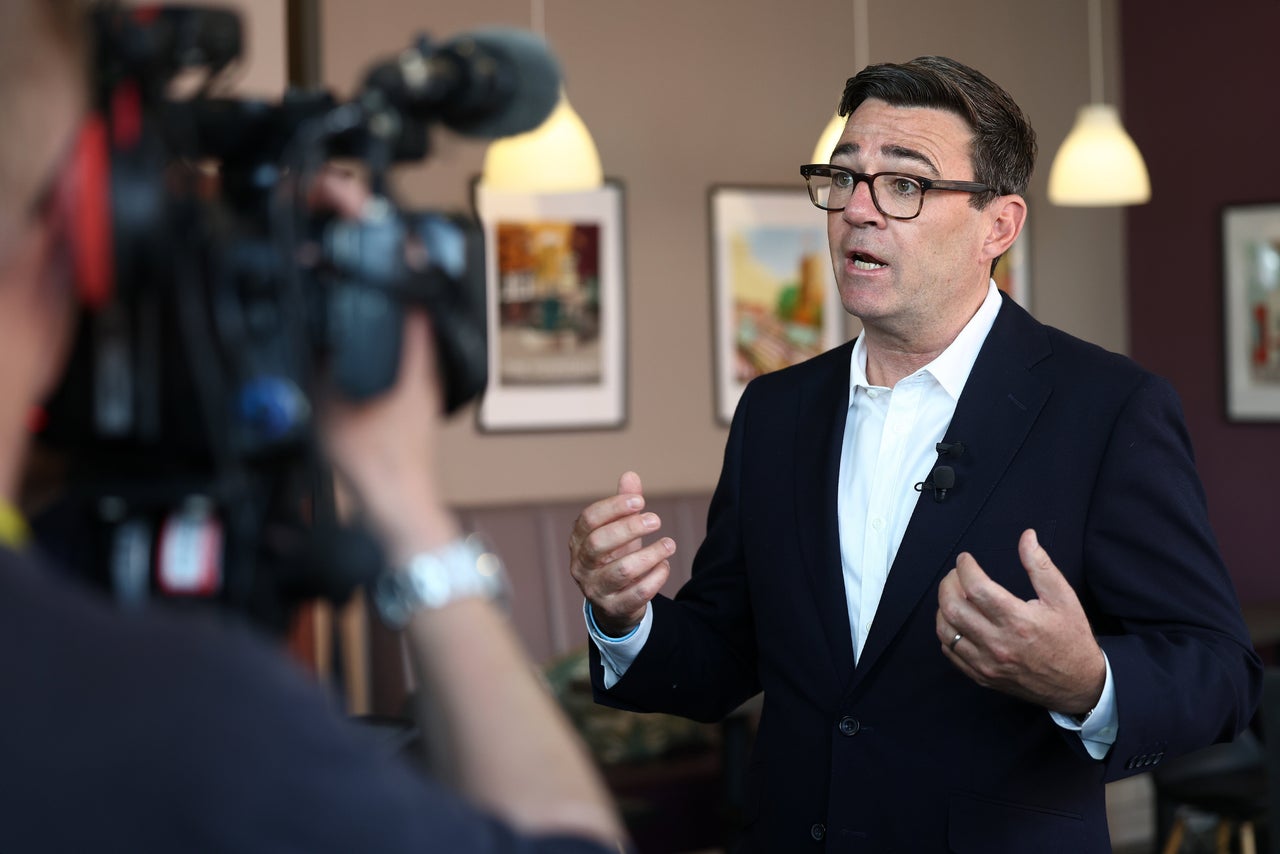
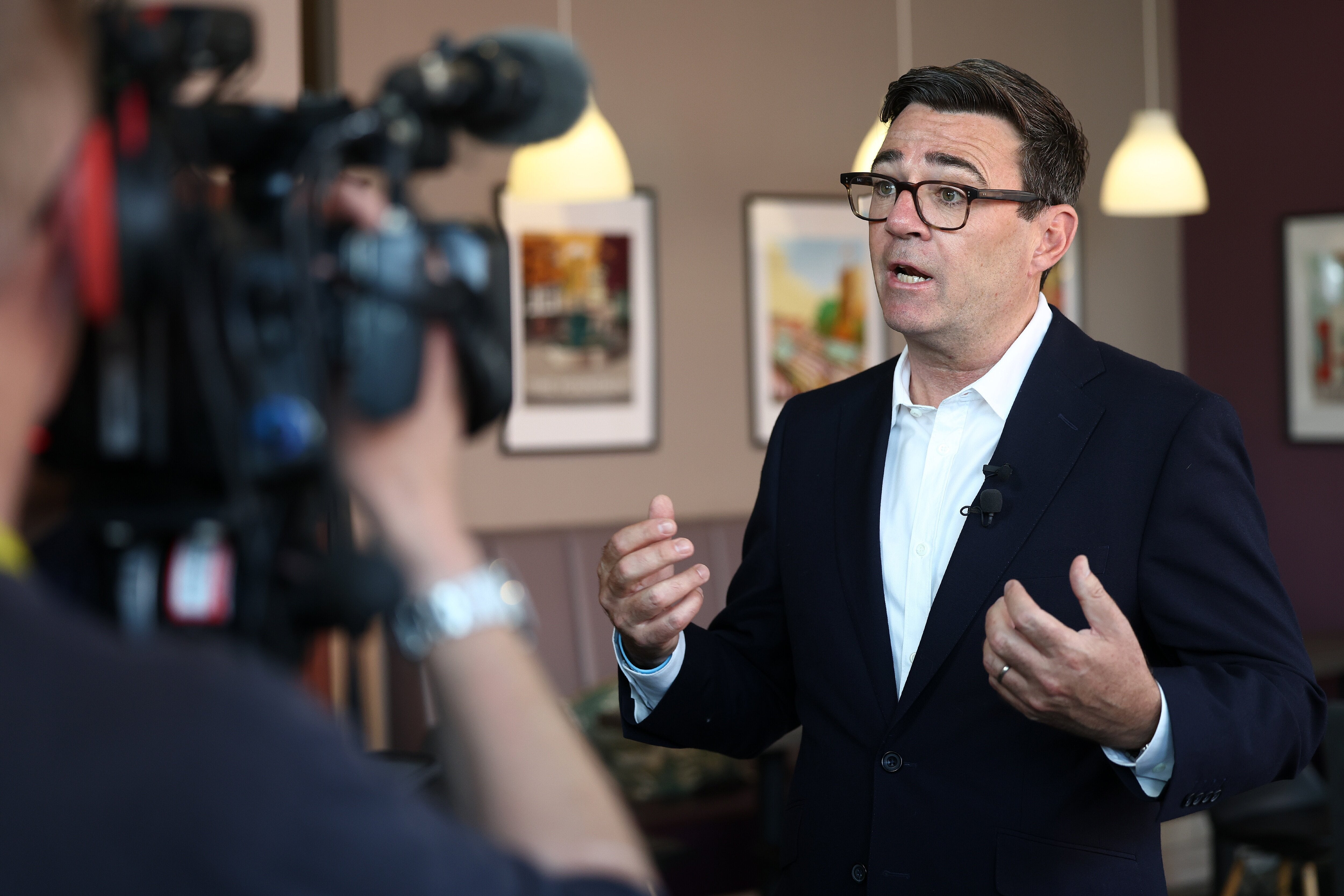
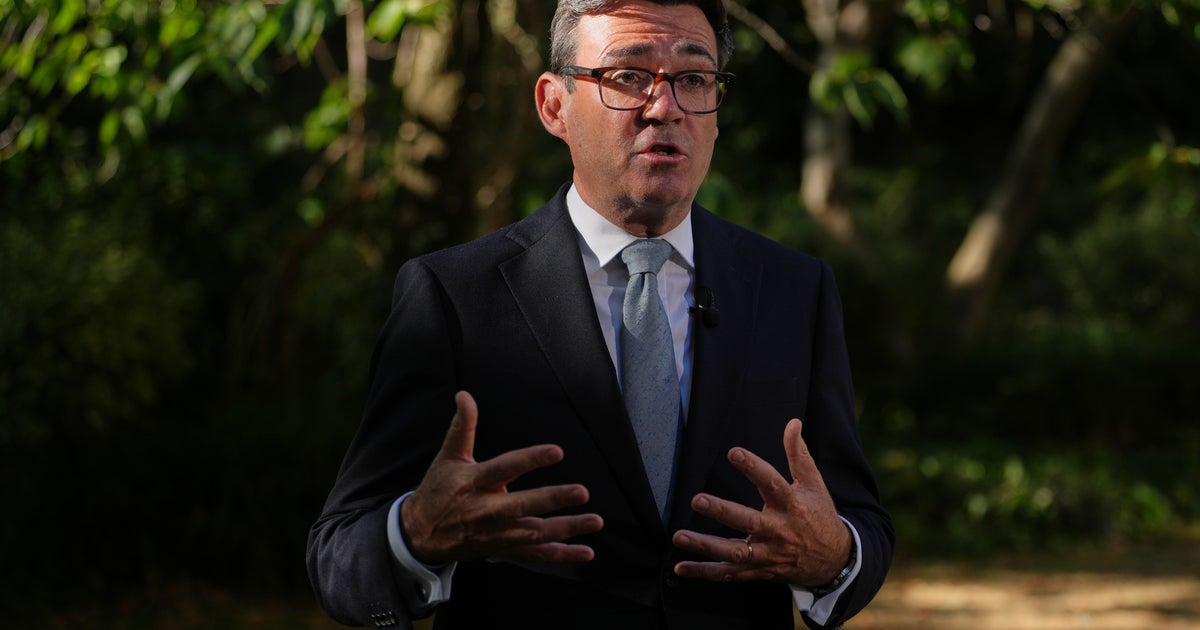
Britain's Prime Minister Andy Burnham speaks during a TV interview at The Hub Cafe following a visit to Ilkeston, Derbyshire, England, Tuesday, Aug. 11, 2026.
Britain’s Prime Minister Andy Burnham speaks during a TV interview at The Hub Cafe following a visit to Ilkeston, Derbyshire, England, Tuesday, Aug. 11, 2026.

via Associated Press

The TUC general secretary, Paul Nowak, said: “With inflation ticking up because of rising energy bills – and no end in sight to Trump’s illegal war in Iran – we are going to have to see more government action to support households in the coming months.”

But where will this money come from? UK debt is nearing £3 trillion, which represents 94.1% of gross domestic product (GDP).

It comes after official figures showed an unexpected hike in government borrowing to £1.8 billion.

Speculation that the government will therefore raise taxes to meet its spending commitments is therefore rising.

All eyes will be on chancellor John Healey when he unveils his Budget on Wednesday, October 28.

The prime minister has tried not to raise the public’s expectations too high when it comes to what he can do to help the cost of living – he wrote on social media this week: “We won’t fix everything overnight.

“But wherever my government can make life a little easier, fairer or more affordable, we will. “

His last two predecessors, Keir Starmer and Rishi Sunak, tried to adopt a similar message – and neither won any plaudits from the public for doing so.

The question is whether Brits will even feel the changes Burnham intends to make.

“There’s a lot to be said for the politics of trying,” More in Common’s executive director, Luke Tryl, told the Resolution Foundation this week.

“What Burnham has is an opportunity to say to the public that we can’t do everything immediately.

“And I think they understand that international affairs are a big driver of this, but it’s sort of saying, we’ve looked at areas where we can make a difference and we’re doing that.

“It may be that he cannot meet public expectations on this and it goes the other way of other previous prime ministers.

“But I don’t think there’s an option of not being seen to do this.”

Burnham is, of course, still enjoying the honeymoon period. But will he able to live up to his own expectations?

Listen to Commons People, the podcast that makes politics easy. Every week, Kevin Schofield and Kate Nicholson unpack the week’s biggest stories to keep you informed. Join us for straightforward analysis of what’s going on at Westminster.

Share Button

Andy Burnham Shrugs Off Questions About Harry And Meghan’s UK Security

Andy Burnham has shrugged off queries about how the Duke and Duchess of Sussex will be protected once they return to the UK.

Harry and Meghan moved to the US in 2020 after choosing to step down from their royal duties but will be relocating to a non-royal residence outside of London later this month.

The Duke of Sussex, who is fifth in line to the British throne, lost a legal challenge over how much state-funded security he and his family are entitled to while in Britain last year.

His trip to the UK last month was even put on hold briefly after his request for policy protection was rejected.

The revelation that he is now bringing his wife and two children back to the UK has therefore come as a shock.

When asked how the non-working royals will be protected while in Britain, the prime minister said their security a “private matter”.

“Well, this is a private matter,” he told reporters while on a visit to West Yorkshire. “It’s a matter for for Harry and for Megan, and we wish them well in the moves that they’re making.”

Education secretary Lucy Powell also told LBC: “I think that the vast majority of your listeners will welcome that news and – they obviously are not working royals anymore – and want to come back to this country.

“I assume because we do have great schools, great education, that’s why many people do return to this country and choose this country to bring up their children in.

“And I hope that this is all part of a bigger reconciliation for the family because you know the royal family is very important to this country and to our reputation around the world, and you know I for one think it’s great to have Harry and Meghan and their family back here.”

Harry and Meghan’s children, seven-year-old Prince Archie and five-year-old Princess Lilibet, are in the line of succession behind their father.

They have been enrolled in a British school from September onwards, suggesting the Sussexes intend to be back in the UK for the long-haul.

Harry and his family went to visit his father King Charles in July in Highgrove, though it’s thought their move back to Britain was not discussed.

The monarch was reportedly only told about their decision to relocate on Sunday, though he is said to welcome the idea of seeing his family more in a personal capacity.

Harry and Meghan are expected to continue living as private individuals.

Their return to the UK comes six years after the Sussexes dramatically fell out with the Royal Family and moved across the Atlantic amid heightened press scrutiny.

While the couple’s relationship with Charles and his wife Queen Camilla appears to be on the mend after their July visit, it’s unclear if they have built bridges with the Prince and Princess of Wales.

The King had not see his grandchildren for more than four years prior to the Sussexes’ trip earlier this summer, and the Duke of Sussex previously said security fears had stopped him bringing his family to the UK.

Harry and Meghan have not been seen publicly in the UK since they attended the 2022 funeral of Queen Elizabeth II.

A Home Office spokesperson said decision on the security of royals were taken by the Executive Committee for the Protection of Royalty and Public Figures.

They said: “The UK government’s protective security system is rigorous and proportionate.

“It is our long-standing policy not to provide detailed information on those arrangements, as doing so could compromise their integrity and affect individuals’ security.”

The Home Office, the Metropolitan Police and the royal household all sit on that executive committee.

They work together to advise the independent chair in making decisions, based on expert risk assessments and in line with government policy.

Listen to Commons People, the podcast that makes politics easy. Every week, Kevin Schofield and Kate Nicholson unpack the week’s biggest stories to keep you informed. Join us for straightforward analysis of what’s going on at Westminster.

Share Button

‘Dangerous And Unnecessary’: Labour Slammed For Giving Asylum Seekers Pamphlets On Sexual Consent

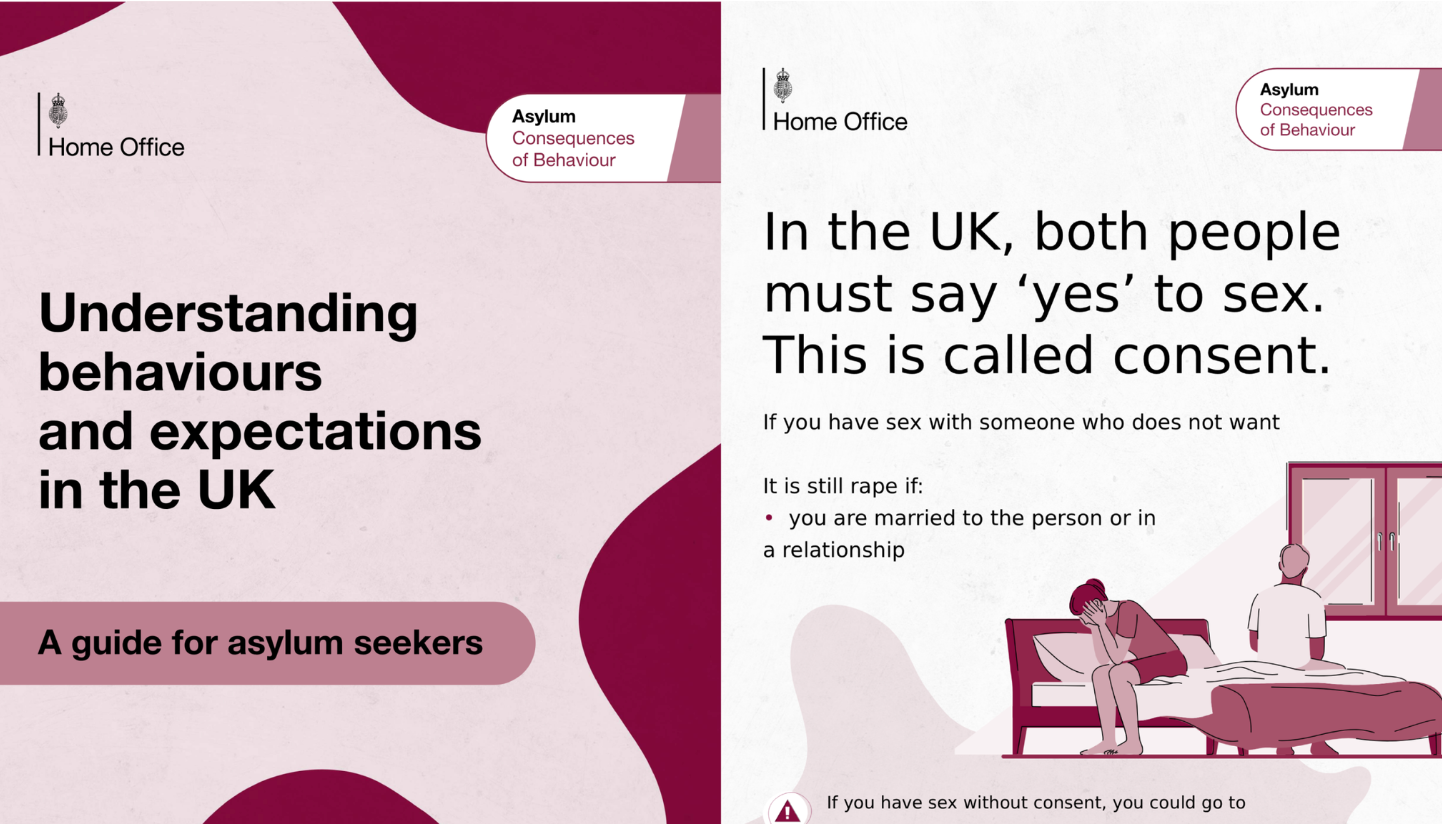
The government has been slammed for giving asylum seekers pamphlets on behaviour and expectations in the UK around sexual consent.

The Home Office has published a guide for those arriving in Britain telling them not to rape or sexually harass people, including partners and children.

The documents also tell refugees that women are allowed to “earn their own money” and “make their own decisions about their lives”.

The guidance, which appears to be aimed at men, claims people in the UK are expected not to make sexual remarks about someone “even if you think it is a compliment”.

It also urges asylum seekers not to make “kissing sounds” at someone, follow someone around or “block their path”, make rude or offensive gestures or “verbally abuse someone because of their gender, religion or how they look”.

The pamphlets warn asylum seekers they could end up in trouble with the authorities, lose their accommodation or face issues with their asylum claim if they are found to have broken the law.

The guidance is part of a nine-page document called, “Understanding behaviours and expectations in the UK: a guide for asylum seekers”.

Green peer Jenny Jones told Sky News: “This is a dangerous and unnecessary move by the Home Office which feeds into right wing tropes, and fuels the misinformation around migrants and people seeking asylum which has resulted in violent protests outside places where migrants are being housed, and attacks on migrants themselves.

Shabana Mahmood needs to apologise for this grave error of judgement and take responsibility for any future consequences.

“We support consent education, but it needs to be universal. There is no evidence violence against women and girls is higher amongst migrants and people seeking asylum than among the general population.

“CPS research found that 30% of people do not recognise that being married or in a relationship means consent cannot be assumed, so why are only asylum seekers being told this is wrong?”

Conservative shadow home secretary Chris Philp also slammed the brochures, saying: “Instead of trying to train these mainly young, male illegal immigrants to behave in a civilised way towards women, they should be deported.”

Reform UK’s home affairs spokesperson Zia Yusuf said the guidance was a “disgrace”.

Prime minister Andy Burnham defended the brochures on Wednesday afternoon, telling broadcasters: “As a government we have a very clear principle. If you break UK law, you will be removed from the country.

“I’m currently working to ensure that foreign national offenders who can be removed from the prison system are removed from that system.”

He added: “So it follows that if we’re taking this approach it’s made explicitly clear what the UK law is and what the societal norms of the UK are and that’s why this approach is being taken now.”

Listen to Commons People, the podcast that makes politics easy. Every week, Kevin Schofield and Kate Nicholson unpack the week’s biggest stories to keep you informed. Join us for straightforward analysis of what’s going on at Westminster.

Share Button

Putin Aide Claims He ‘Feels Sorry’ For The UK After Russian Embassy’s Threats

A top aide to Vladimir Putin has bizarrely declared he “feels sorry” for the UK after Britain was threatened by the Russian Embassy in London over its support for Ukraine.

Moscow’s representatives in the UK warned of the “consequences” following confirmation that British-made drones had been used in recent Ukrainian attacks in Russia.

The embassy claimed Britain was “deliberately opting for an escalation of the Ukraine crisis,” and said the “deeper its involvement in the conflict… the higher the price it will pay”.

UK prime minister Andy Burnham remained unperturbed by the threats on Tuesday, telling reporters that the UK was “providing support so that Ukraine can defend itself and that’s been the British position all the way through this conflict, by previous prime ministers – it remains the case with me”.

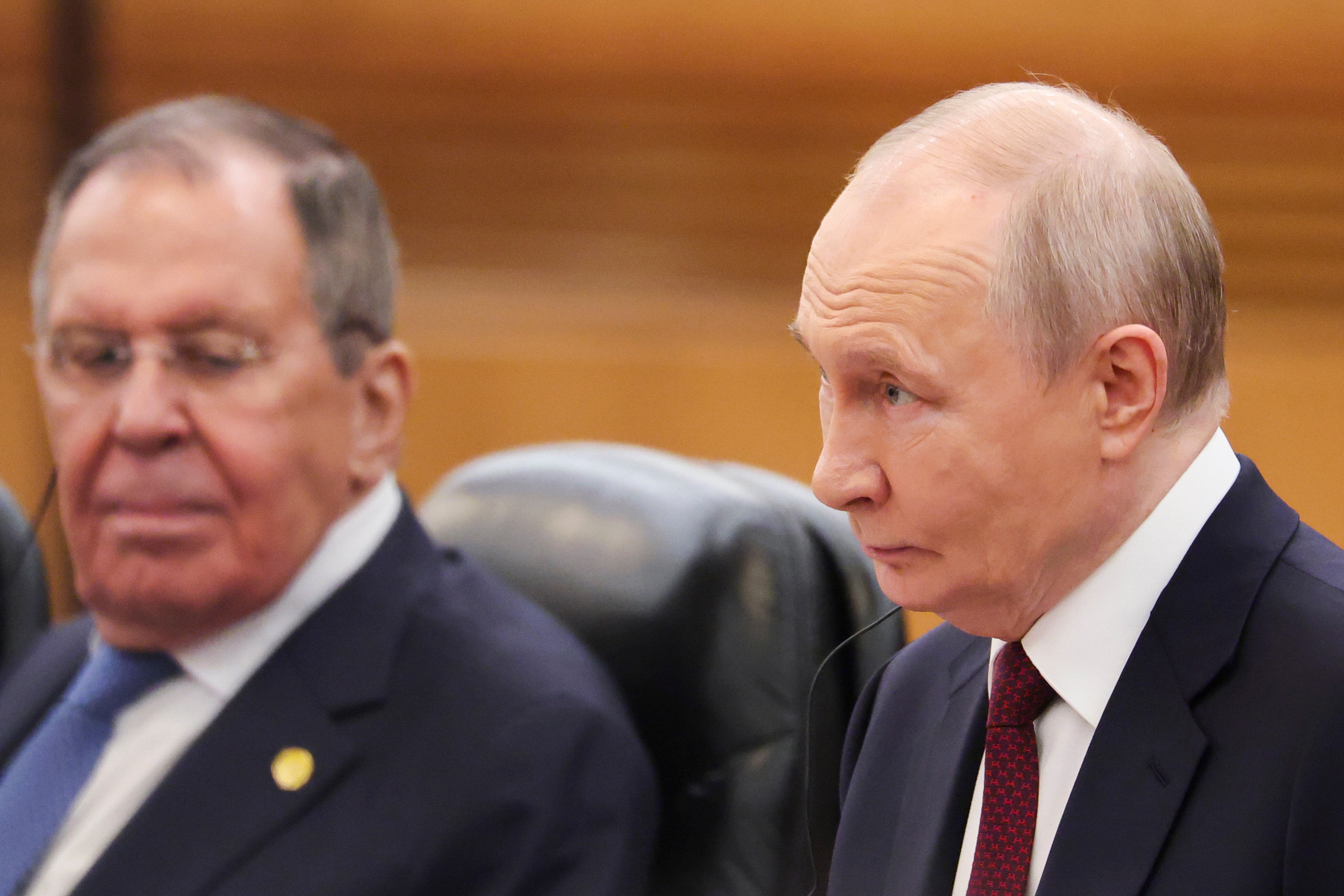
Asked about the spat with the UK on Wednesday, Russia’s foreign minister Sergei Lavrov tried to deliver yet another threat as he again suggested Britain is directly involved in the war.

He told the media: “I feel sorry for the United Kingdom, if it is going to stand with Ukraine until the very end.

“As for the substance of our Embassy’s comment, it means only one thing: President Vladimir Putin has warned of our right to act in any area of the world’s oceans, should anyone encroach on our interests or our property.

“We have exactly the same right to regard the proudly announced direct involvement of British missile forces in strikes against the Russian Federation as participation in the war. With all the consequences that entails.”

His remarks come after a former deputy foreign minister of Russia told BBC Radio 4’s Today programme that many in Moscow interpret the recent strikes from Ukraine as proof the UK is “part of the war”.

“The situation now is very dangerous, because the tension of conflict in Ukraine really is increasing,” Andrei Federov added. “The coming couple of months will face this tension, this escalation which can bring us to totally different situation unlike ever before.”

Listen to Commons People, the podcast that makes politics easy. Every week, Kevin Schofield and Kate Nicholson unpack the week’s biggest stories to keep you informed. Join us for straightforward analysis of what’s going on at Westminster.

Share Button

Why Even A Thumping By-Election Victory Failed To Put A Gloss On Reform UK’s Week From Hell

Nigel Farage is heading back to parliament – and straight back into a political crisis.

As expected, the Reform UK leader comfortably won Thursday’s Clacton by-election, increasing his majority from 8,500 in 2024 to more than 12,000.

This was hardly surprising, given his nearest challenger was Count Binface after Labour, the Tories, Lib Dems and Greens refused to put candidates.

The self-styled intergalactic space warrior managed to receive an astonishing 9,455 votes – his best ever by-election performance.

He said: “What does that tell you? Well it tells you that Nigel, who said he didn’t want to be humiliated, maybe has been.”

Nevertheless, it would be churlish to deny that Farage’s 63% vote share on a 44% turnout was still an impressive result.

There can be no doubt about it, the vast majority of the people of Clacton love the Reform leader and are very happy for him to continue as their MP.

His popularity in the constituency could well be put to the test again very soon, as no sooner had his re-election been confirmed than the parliamentary standards commissioner announced that his investigation into Farage was resuming.

The probe was launched earlier this year into his failure to declare a £5 million gift from a Thailand-based crypto billionaire shortly before the general election.

That ultimately led to Farage’s resignation as Clacton MP last month, claiming he was the victim of a “witch-hunt” and saying it was up to voters, not the Commons authorities, to decide his fate.

Should the commissioner find him guilty, and he be suspended from parliament for more than 10 sitting days, a recall petition will take place which could lead to another by-election.

But that is just one of many problems piling up in Farage’s bulging in-tray.

Chief among them is what to do about Zia Yusuf, Reform’s home affairs spokesman, who on Tuesday earned a rare public rebuke from his leader after describing former Tory defence secretary Ben Wallace of being “a traitor to Britain”.

His tirade against the former Scots Guard, who was mentioned in dispatches for his bravery in Northern Ireland, related to the Afghan resettlement schemes set up under the last Conservative government and supported by Reform at the time.

Speaking to The Sun, Farage said Yusuf’s language had been “too strong”.

“I shall give him a ticking off, don’t worry,” he said. “I’ll speak to him today, but it’s over the top.”

But three days later, Yusuf’s offending comments are still on his X feed, as does a poll he set up asking whether Wallace should be “prosecuted for treason”.

A senior Reform source told HuffPost UK: “Nigel is right to publicly say Zia overstepped the mark, and now I’ll judge how Zia behaves following it .

“I hope he finally learns that being constantly angry and seeking confrontation distracts from what should be the focus – policy – which is what we need to get back to.”

The source added: “You’ve got to assume that Zia either storms off or Farage will come under pressure to kick him out at some point.”

The row also exposed splits within Reform, with political commentator Tim Montgomerie – who defected from the Tories in a blaze of publicity last year – describing Yusuf’s comments as “inappropriate and counter-productive”.

“One of the biggest question marks over Nigel Farage’s leadership is whether he brings Zia under control,” he said.

If Farage did tell Yusuf to cool it, he clearly did not get the memo as barely 24 hours later he was threatening to have Vodafone’s directors jailed for giving free mobile phone SIM cards to a charity which supports asylum seekers.

In response, Vodafone said they would continue helping “vulnerable” people in the UK.

Another fly in Farage’s ointment is the fact that after 18 months of leading the national opinion polls, they have been overtaken by Labour and, in one poll this week, the Conservatives too.

A poll of polls showed that, since Andy Burnham replaced Keir Starmer as Labour leader and prime minister, support for his party has gone up, while Reform’s slide in the polls continues.

That trend has coincided with intense scrutiny of Reform’s finances, as well as Farage’s, putting the party on the back foot for the first time since the last general election.

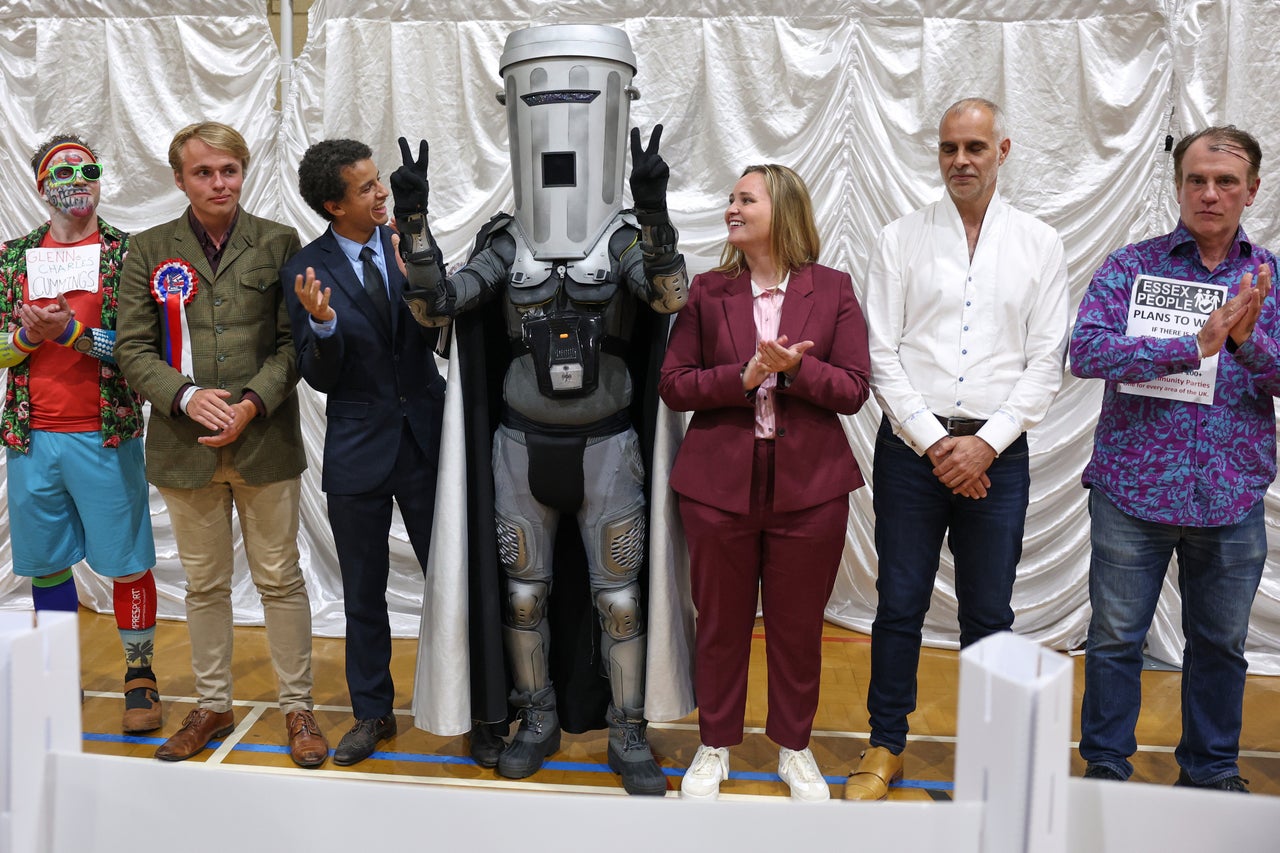
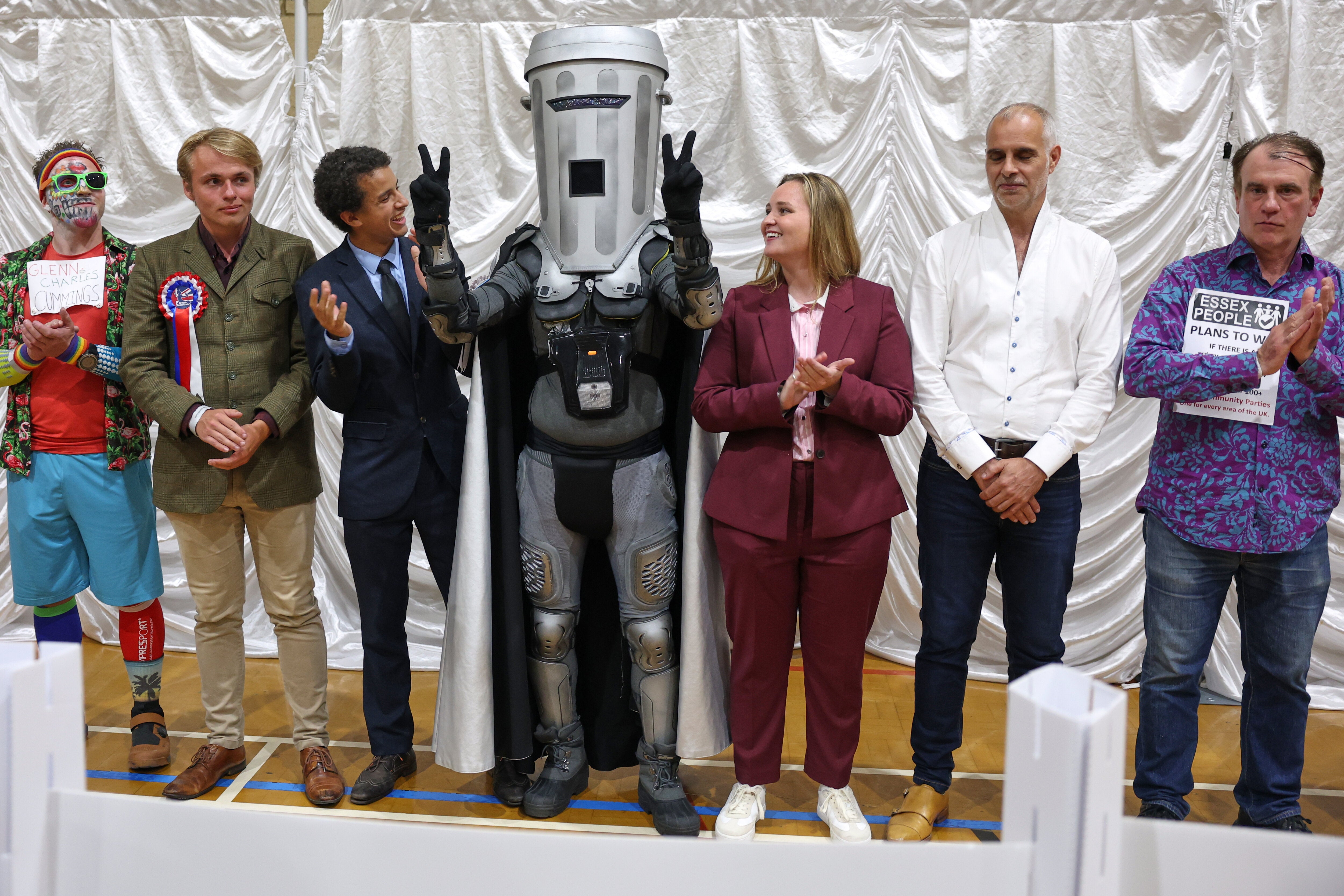
Farage did not fancy standing alongside Count Binface and the other by-election candidates.

via Associated Press

Farage’s normally sure political touch also seems to have deserted him in recent months, typified by his decision not to attend the by-election result declaration.

He told supporters at an invite only “Farage-fest” victory party that Essex Police had warned had warned him of “an organised campaign to disrupt” the count by his opponents.

However, this appeared to be contradicted by the force, with sources insisting they had not advised any of the 34 candidates that they should not attend the count.

Reform chairman Lee Anderson then offered a different explanation for Farage’s absence.

He said: “Nigel’s a great man of principle. We were at a great celebration through the night where we had hundreds and hundreds of campaigners, activists, members, politicians, MPs, councillors from all over the UK who turned out not just to campaign but to celebrate this great victory.

“I think his time is better spent with the people who supported him. He said a massive thank you to them, he’s put on a great party for them. It was a great occasion, it’s only right that he spends that time with his members, with his activists, with his supporters.”

Farage himself also appeared to give the game away by admitting he didn’t fancy standing shoulder to shoulder with Count Binface and the various other eccentric characters who also stood.

“I’m damned if I’m going to stand on a stage, having won a resounding victory, a ringing endorsement of all that I’ve tried to fight for, and you’ve tried to fight for, and be demeaned and humiliated by nobodies,” he said.

As HuffPost UK reported last week, pollsters agree that it is still far too early to begin writing off Farage or Reform.

But his supporters will be hoping that Farage’s return to Westminster will see him grip the various problems facing his party, and redouble his efforts to get them back on track.

Listen to Commons People, the podcast that makes politics easy. Every week, Kevin Schofield and Kate Nicholson unpack the week’s biggest stories to keep you informed. Join us for straightforward analysis of what’s going on at Westminster.

Share Button

Exclusive: Andy Burnham Should Call An Election Before It’s Too Late, Says Former Labour Adviser

Andy Burnham should call an early general election before his popularity inevitably begins to decline, according to a former Labour adviser.

Liz Bates, who served in Keir Starmer’s government, said the prime minister should go to the polls because “it’s probably not going to get better than this” for him.

Labour has enjoyed a bounce in the polls since Burnham replaced Starmer in No.10 last month, leading to speculation that the new PM may be tempted to call an election to secure his own five-year mandate.

However, he appeared to rule out such a move last month, saying: “I don’t think people want it.”

Nevertheless, Bates – who was a special adviser to former housing secretary Steve Reed before he was sacked by Burnham – insisted he should keep the option on the table.

Speaking to HuffPost UK’s Commons People podcast, she said: “Whilst he is popular, and people like him and he’s brand new, and we have the Burnham bounce and he’s shiny and different, everything seems ok.

“When the pressure starts to come on, and you have to make difficult decisions and you go through tough periods – and there will be tough periods, there always is in British politics – then these questions of mandate really start to fester.

“The pressure to have an election starts to come on and it gets pretty intense.”

Bates added: “I would be tempted, if I was him, to go for it because you get the new manager bounce, Farage is looking bonkers to be honest … the Greens seem to be in a bit of a tricky spot as well.

“It’s probably not going to get better than this [for Burnham]. They will think it’s going to get better than this because it feels like ‘we’re great, we’re better than Keir, look at us’.

“When things get tough and the pressure comes on to have a general election, if you’re down in the polls at that point, all your options narrow. I would do it when things feel sunny and positive.”

Her comments echo those of former Theresa May pollster James Johnson, who this week said an election by next spring is Burnham’s best chance of securing his own Commons majority, defeating Reform and all-but destroying the Tories.

Elsewhere in the podcast, Bates – who is also a former Channel 4 and Sky News journalist – fights back tears as she recalls the day she and other government advisers were told in No.10 that Starmer was resigning.

She also reveals that supporters of the former PM were told to wear sunglasses and stand at the back of the crowd if they thought they would cry when he gave his farewell speech in Downing Street.

You can listen to the full interview below, or just download it from wherever you get your podcasts.

Listen to Commons People, the podcast that makes politics easy. Every week, Kevin Schofield and Kate Nicholson unpack the week’s biggest stories to keep you informed. Join us for straightforward analysis of what’s going on at Westminster.

Share Button

Andy Burnham Has Vowed To ‘Eradicate’ Small Boat Crossings – But Won’t Say When

Andy Burnham has vowed to “eradicate” small boats crossings in the English Channel – but refused to say it when it will be done.

The prime minister said the government “will keep going at this issue” until it is solved.

However, he stopped short of saying it will have stopped by the next election, which may not take place until 2029.

Burnham was speaking the day after a boat carrying 230 asylum seekers – the most ever on a single vessel – crossed the Channel from France.

He said the government would “change our tactics” to deal with the fact that more migrants could start arriving on larger boats.

“I know people will have been worried to see that image yesterday,” the PM told GB News.

“It shows that the gangs are changing their tactics but so will we – we will now change our tactics and we will be relentless in chasing them down.”

Burnham said the deal Keir Starmer struck with France when he was PM meant there was “more law enforcement on the other side of the Channel” this summer, which has led to a reduction in the number of boats making the journey.

“But that’s not good enough,” he said. “People will say to me, ‘we don’t want any crossings’. I understand that concern.

“There are further things that we are doing and we will keep going at this issue until we deliver that eradication that people are looking for.”

Asked whether he could promise “no more small boats crossings by the election”, Burnham replied: “It would be wrong, I think, for me to make a prediction now based on a timeline.”

The PM added: “I’d rather promise to people what I know I can do and what I know I can deliver, and that is a relentless focus on this issue to deal with the public concern.

“I heard it on doorstep, on doorstep after doorstep in Makerfield, and I said to the people there, and I say it to the country, ‘I hear what you say, I will be completely focused on the issue’.

“There are more measures that we’re bringing through but crossings are down, immigration is down – there is real progress to report.”

Listen to Commons People, the podcast that makes politics easy. Every week, Kevin Schofield and Kate Nicholson unpack the week’s biggest stories to keep you informed. Join us for straightforward analysis of what’s going on at Westminster.

Share Button

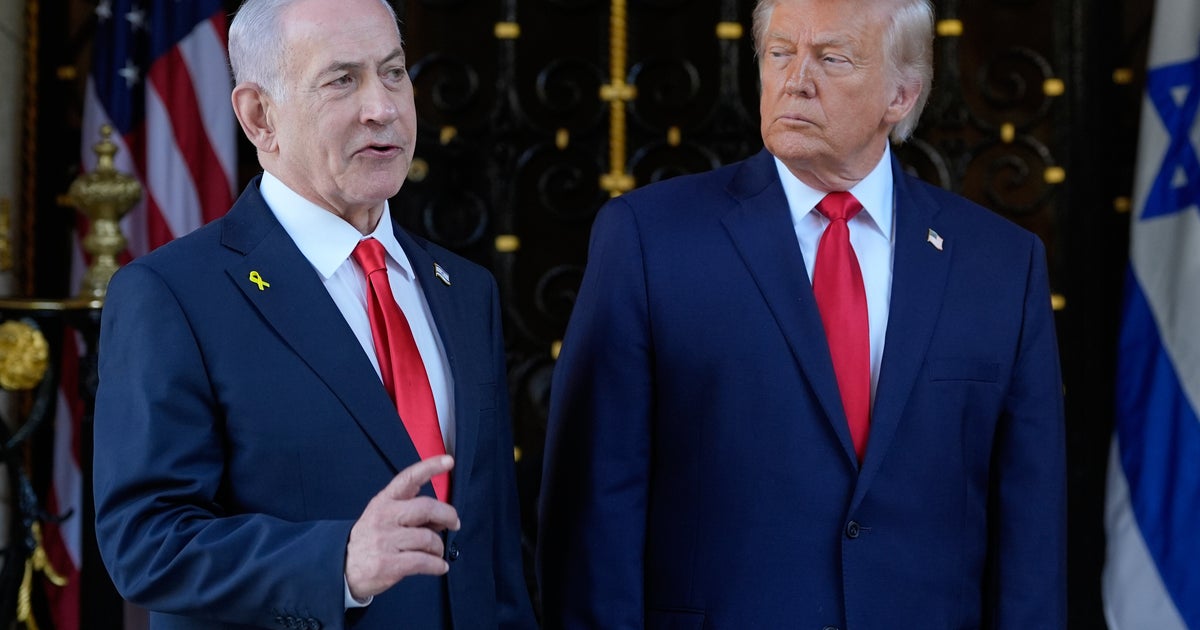
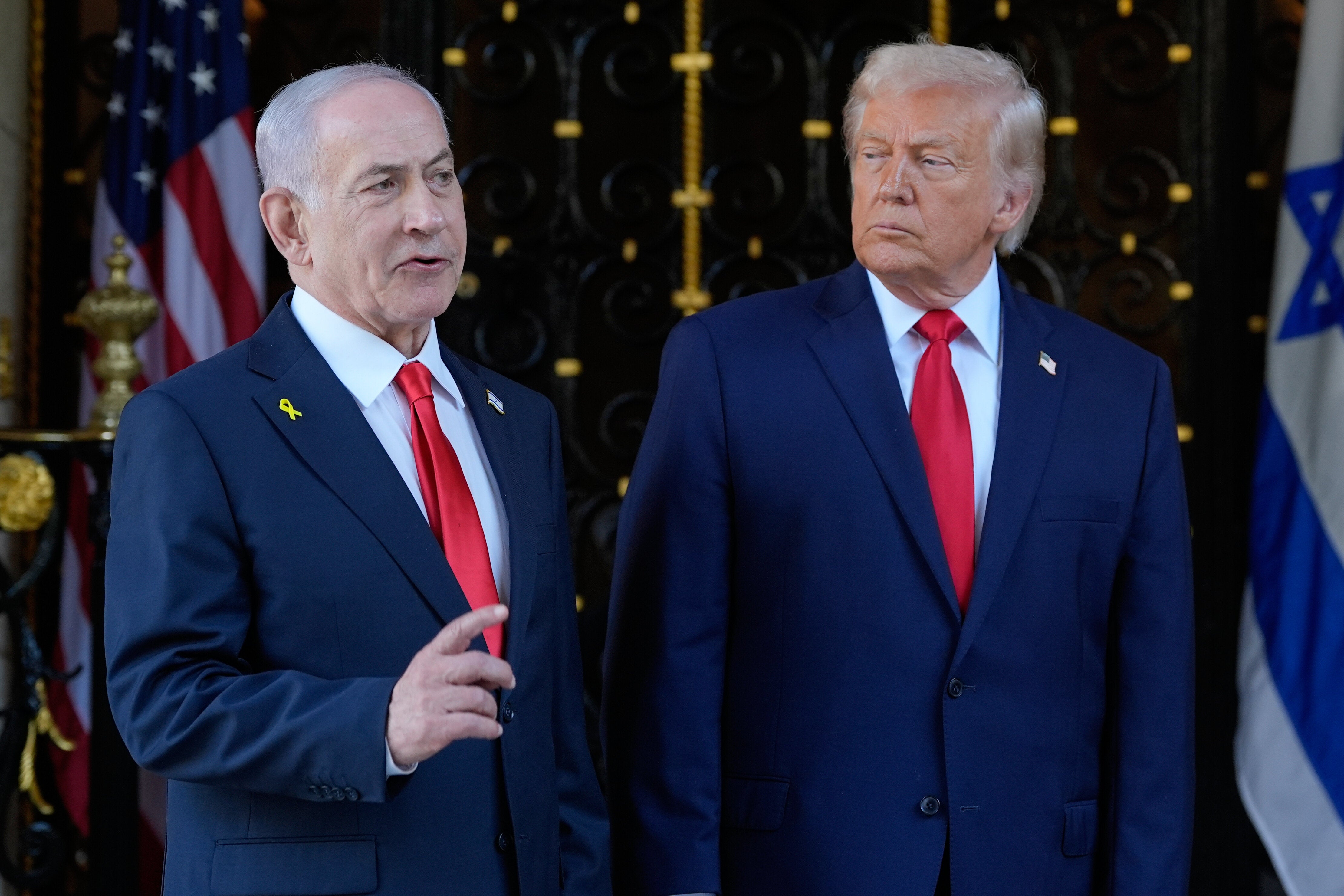
Blow For Donald Trump As Benjamin Netanyahu Rejects His 15-Point Gaza Peace Plan

The Israeli prime minister said his country’s troops will not withdraw from the region until Hamas has “genuinely” disarmed.

His comments are a major blow for Trump’s hopes of ending the conflict.

The US president’s Board of Peace announced last month it had reached an agreement for the “complete disarmament” of Hamas and other armed groups in Gaza.

But Hamas said that was contingent on Israel ending “all forms of aggression” and withdrawing its forces from Gaza.

Speaking on Sunday, Netanyahu said: “Israel rejects the 15-point document.”

“The Israel Defense Forces will not carry out any withdrawal until the dismantling of Hamas and its weapons,” he said.

“And when I say dismantling Hamas and its weapons, that means heavy weaponry, less heavy weaponry and smaller arms. All weaponry.

“We’re talking about a true dismantling and not a fictitious dismantling.”

Trump first announced his peace plan for Gaza last September.

Listen to Commons People, the podcast that makes politics easy. Every week, Kevin Schofield and Kate Nicholson unpack the week’s biggest stories to keep you informed. Join us for straightforward analysis of what’s going on at Westminster.

Share Button

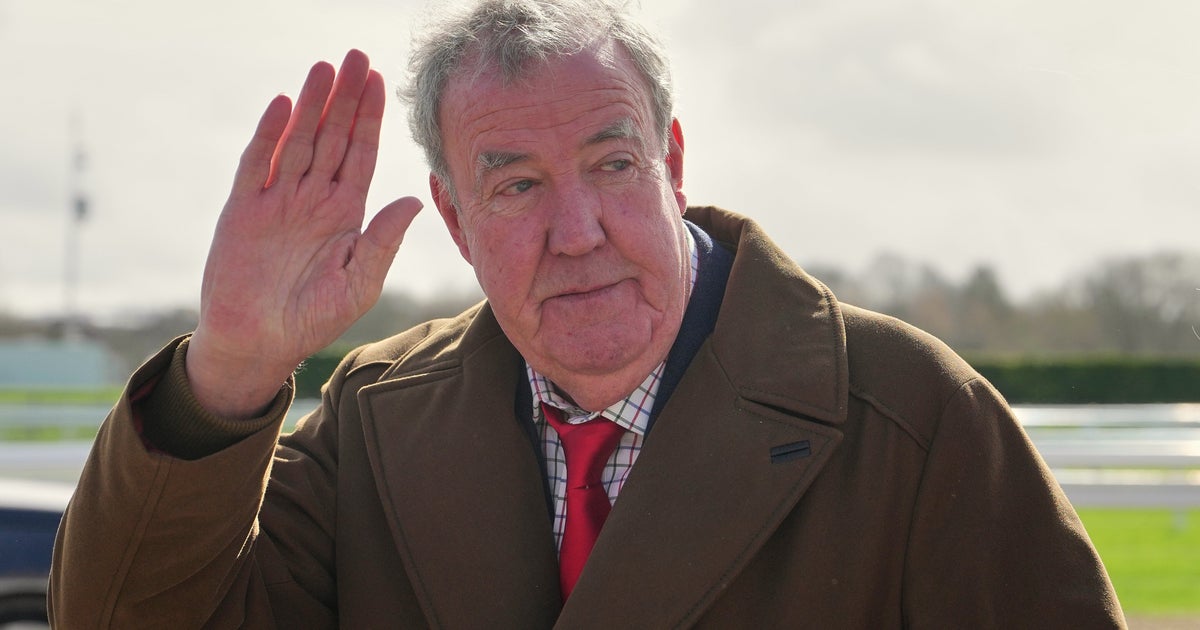
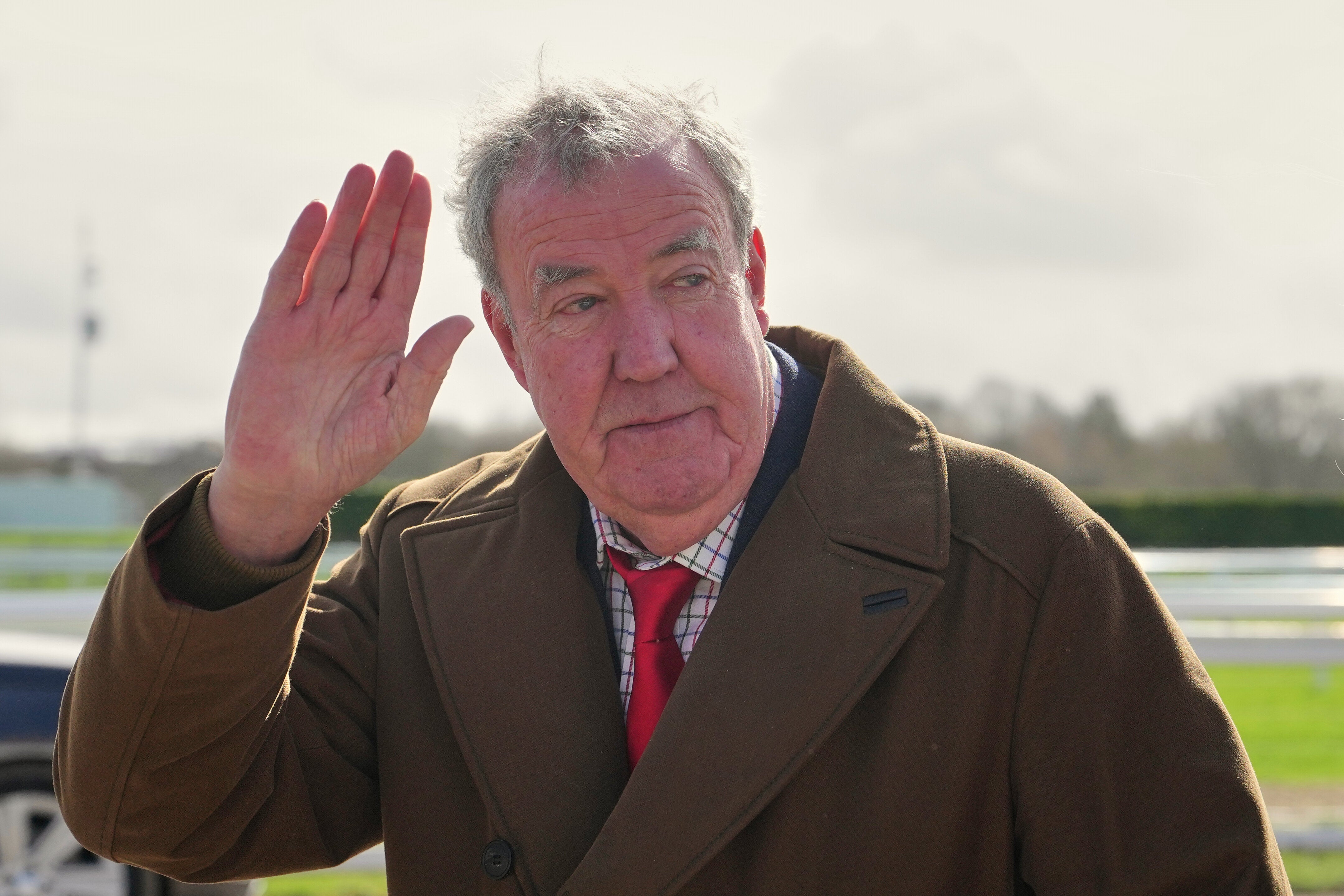
Jeremy Clarkson Roasts Nigel Farage’s Plan To Use The Navy To Stop Small Boats: ‘It’s Impossible’

The TV presenter said the Reform UK leader hasn’t properly thought through the policy, dubbed “Operation Fortress”.

Under the plan unveiled last week, the Royal Navy would intercept the boats and return the asylum seekers on board to where they came from in “the largest military operation in the English Channel since World War Two”.

Farage said the plan did not break international law because they would be carrying out a “humanitarian” mission.

However, the French government has already dismissed the plan, while a former Navy officer dubbed it “a crock of shit”.

In his Sunday Times column, Clarkson joined the chorus of opposition to the Reform proposal.

He said: “Most commentators have focused on the political problems of such a plan.

“They point out, with some justification, that if the British prime minister orders a Royal Navy warship to steam into a French port and deposit a couple of hundred Somalians on the quay, the French government and indeed the United Nations might have something to say about it.

“Others have explained that we don’t really have enough ships to mount such an operation. And they also have a point because when Cyprus came under attack recently, it took a whole week to mobilise a defensive flotilla, which, to our national shame, comprised exactly one ship.

“However, there’s another, even bigger problem with Nigel’s Send ’em Packing plan which is: it’s impossible.”

The Clarkson’s Farm and Top Gear star went on: “How, in the name of all that’s holy, does double-breasted Nige think it would be possible for a large warship to come alongside a much smaller dinghy, which is something it must do if the captain wishes to attach a tow rope?”

He said in 1997, the captain of an Italian warship was jailed after it collided with an Albanian vessel, leading to the death of 81 people, including several children.

“This is what Nige hasn’t considered,” Clarkson said. “How do you stop a boat that doesn’t want to be stopped?

“And how do you order a Royal Navy captain to do something which in all probability will cause him to spend several years in the Scrubs.”

He added: “It is of course politically colourful to conjure up the image of sleek British warships defending the realm. This sort of thing appeals to the Tommy Robinsonites.

“But if you really want to stem the flow, and I suspect most people do, you have to park the (imaginary) destroyers and use your noddle. Do that and you’ll quickly work out that to stop them coming here, you’ve got to stop them wanting to come here.

“You’ve got to make the UK less appealing than where they are now, which is France. This shouldn’t be too hard.”

A Reform UK source told HuffPost UK: “I trust the senior veterans who endorsed our plan a little more than Jeremy Clarkson.”

Listen to Commons People, the podcast that makes politics easy. Every week, Kevin Schofield and Kate Nicholson unpack the week’s biggest stories to keep you informed. Join us for straightforward analysis of what’s going on at Westminster.

Share Button

Trump’s BBC Lawsuit Backfires After Corporation Requests His Financial Records

President Donald Trump filed an emergency motion in his $10 billion defamation lawsuit against the BBC to prevent the disclosure of his financial records in court — and withdrew allegations that the network had damaged his brand and businesses.

The emergency stay granted Thursday in the Southern District of Florida by US Magistrate Judge Enjoliqué Lett temporarily blocks the BBC from obtaining detailed financial information on the Donald J. Trump Revocable Trust, which is managed by the president’s son Donald Trump Jr.

“Counsel for the Plaintiff—who also represents the Trust—testified at the July 27, 2026, discovery hearing that the Plaintiff no longer intends to pursue a damages theory premised on injury to the plaintiff’s brands and businesses,” Lett wrote in her motion-granting order.

Trump sued the BBC in December over a documentary that aired on its flagship “Panorama” news program, which spliced together two different sections of a speech he gave on Jan. 6, 2021 — before rioters stormed the Capitol.

Trump argued in his lawsuit that the program caused economic damage to his businesses, but dropped that particular claim ahead of a deadline Thursday to produce financial records corroborating this — which would have included tax returns, financial statements and ownership records.

A lawyer for Trump said during the hearing last month that Trump’s attorneys “don’t want to acknowledge that the brand has or has not suffered any injury,” and are “not pursuing that as part of our damages,” concluding, “It is simply the reputational injury to the President, full stop.”

The president is still seeking $10 billion in damages from the broadcaster.

Attorneys for the BBC denounced the fact that Trump is still seeking damages without financial disclosure.

Alex Brandon/Associated Press

Attorneys for the BBC argued Wednesday in a memorandum opposing the motion that Trump could have focused only on his supposed reputational harm when he first filed the lawsuit, and decried that he is still seeking damages without providing any actual disclosure.

“In fact, claiming $10 billion in harm while purporting to disclaim damage to Plaintiff’s business and professional interests renders it all the more implausible that Plaintiff will ever be able to show such damages,” the attorneys wrote Wednesday in the memo.

Trump’s lawyers on Wednesday had called the BBC’s request for disclosure “shockingly broad,” arguing it would cause irrevocable harm to the trust overseeing his companies. While Trump succeeded Thursday, the emergency stay does not necessarily shield his records forever.

The court could still decide that the BBC is entitled to obtain relevant financial information. The emergency stay itself will remain in effect until Lett rules on whether or not to lift it — following updated filings from Trump and his attorneys regarding the ongoing lawsuit.

Share Button