Labour MPs Told The Party Will Vote Against Domestic Vaccine Passports

Labour MPs have been told the party will vote against coronavirus vaccine passports as things stand, setting up a high stakes showdown between Boris Johnson and Tory rebels.

A briefing sent to Labour MPs from the parliamentary Labour party (PLP) office said that the current position is to oppose in a Commons vote any measures to require people to show proof of vaccination to access shops or pubs.

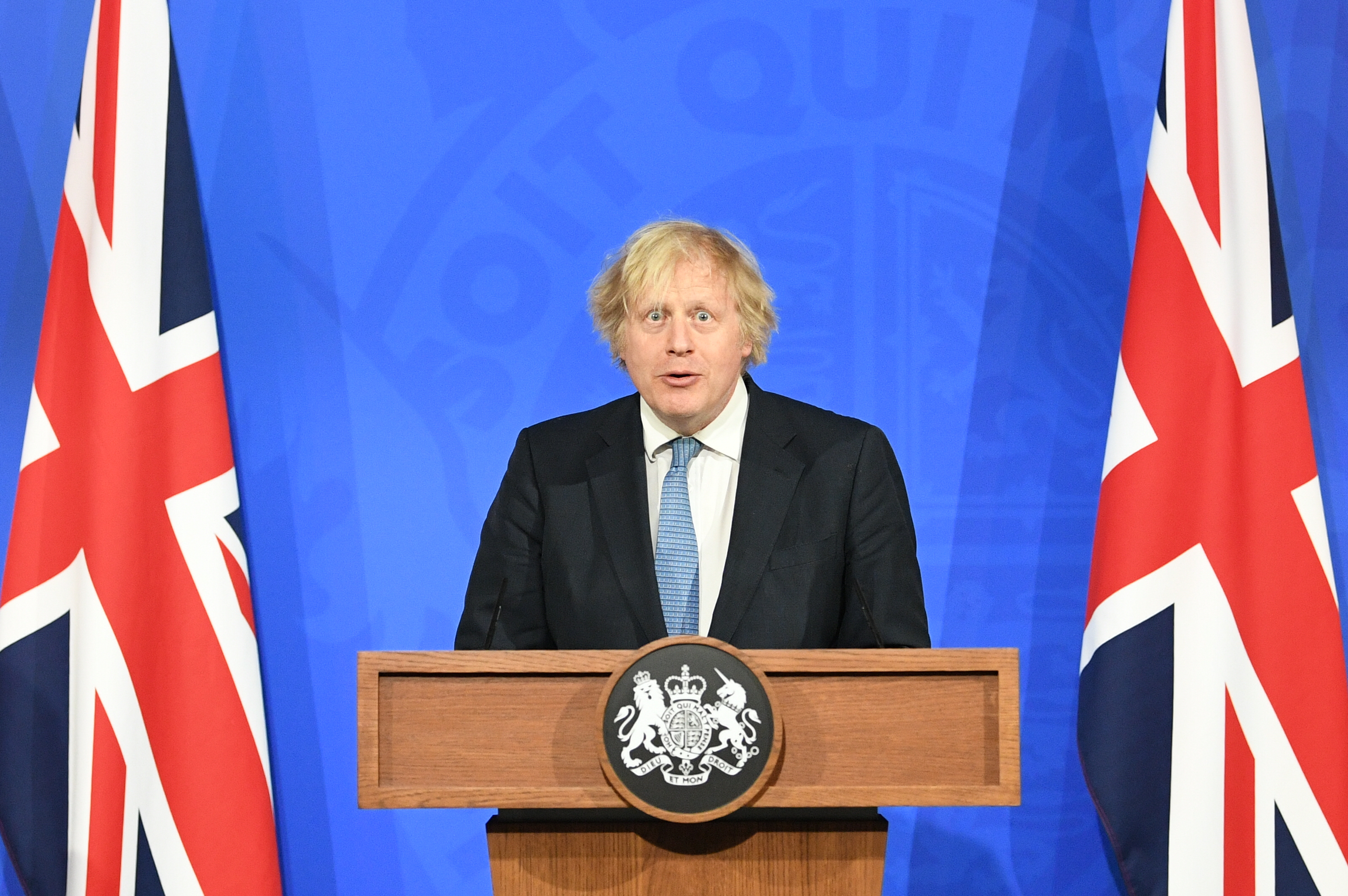
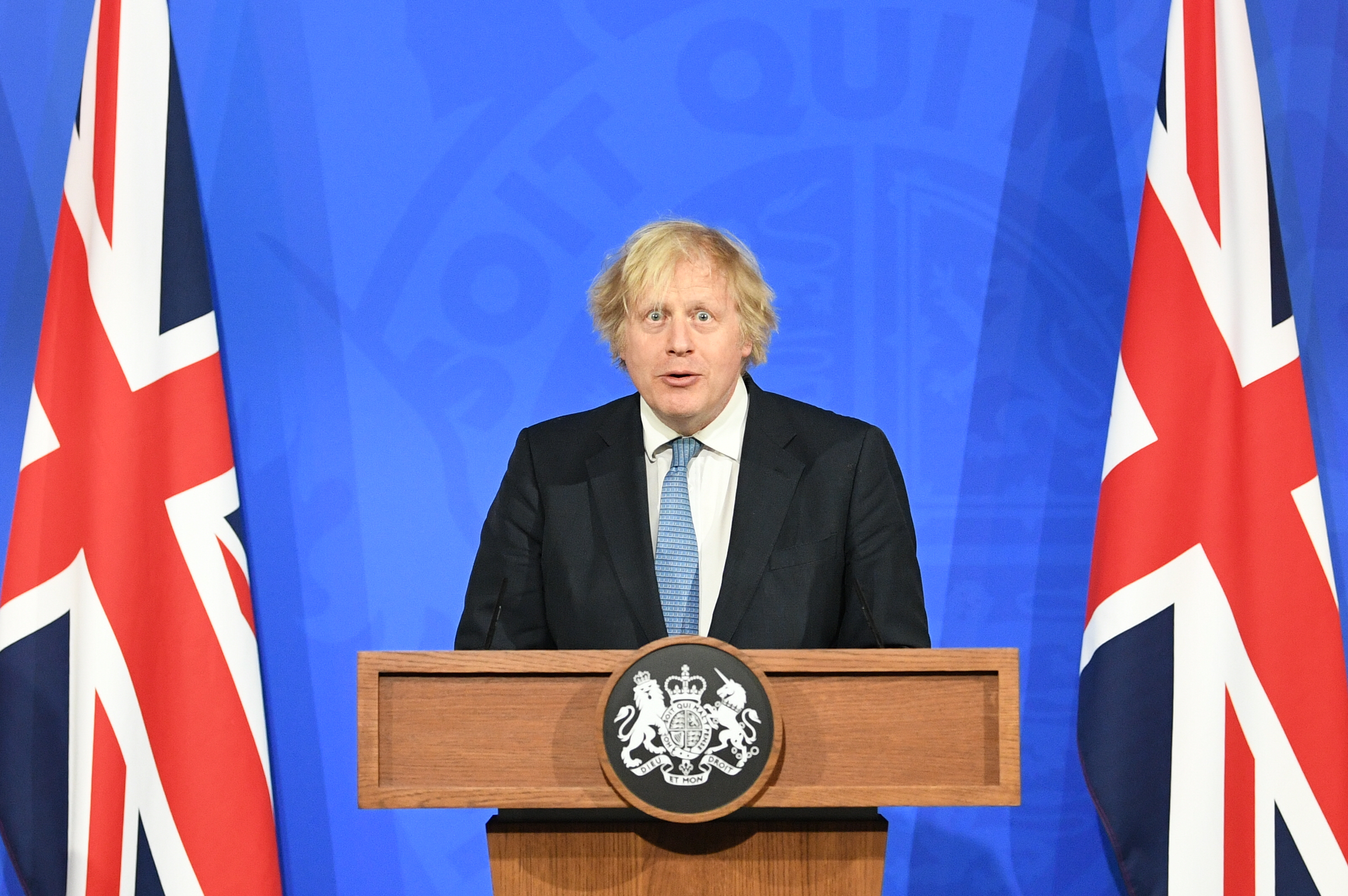
The government on Monday said vaccine passports could be used by pubs and restaurants to relax social distancing rules, from May 17 at the earliest.

More than 40 Tory MPs have already signed a cross-party letter opposing the idea.

If that many rebelled in a future vote, it could be enough to join forces with Labour an other opposition parties to defeat the prime minister, if he decides to roll out the measures.

Vaccines minister Nadhim Zahawi told Times Radio that “of course we will go to parliament for a vote” if Johnson decides to proceed with passports.

The briefing confirms Labour will vote against the measures, as things stand, as the party believes they will be discriminatory.

It asks the question “how will Labour vote on vaccine and test certification”, before answering: “On the basis of what we’ve seen we would oppose domestic vaccine passports.

“Labour’s focus would be on getting the vaccine out, fixing self-isolation and contact tracing”.

But the party left the door open to backing testing certification that could, for example, allow people to attend large events after a negative Covid test.

Earlier, shadow health secretary Jon Ashworth told the BBC: “I’m not going to support a policy that, here in my Leicester constituency, if someone wants to go into Next or H&M, they have to produce a vaccination certificate on their phone, on an app.

“I think that’s discriminatory.”

A senior Labour source said: “On the basis of what we’ve seen and discussed with ministers, we oppose the government’s plans for domestic vaccine passports.

“They appear poorly thought-through, will put added burdens on business and run the risk of becoming another expensive Whitehall project that gets outsourced to friends of Tory ministers.”

On Monday, a government review said ministers believe “that there are some settings (such as essential public services, public transport and essential shops) where Covid-status certification should never be required, in order to ensure access for all”.

But it added: “Equally, Covid-status certification could potentially play a role in settings such as theatres, nightclubs, and mass events such as festivals or sports events to help manage risks where large numbers of people are brought together in close proximity.

“It is possible that Covid-status certification could also play a role in reducing social distancing requirements in other settings which people tend to visit more frequently, for example in hospitality settings.”

Share Button

UK’s Vaccine Rollout ‘On Track’ Despite Sharp Slowdown In Jabs

Yui MokPA

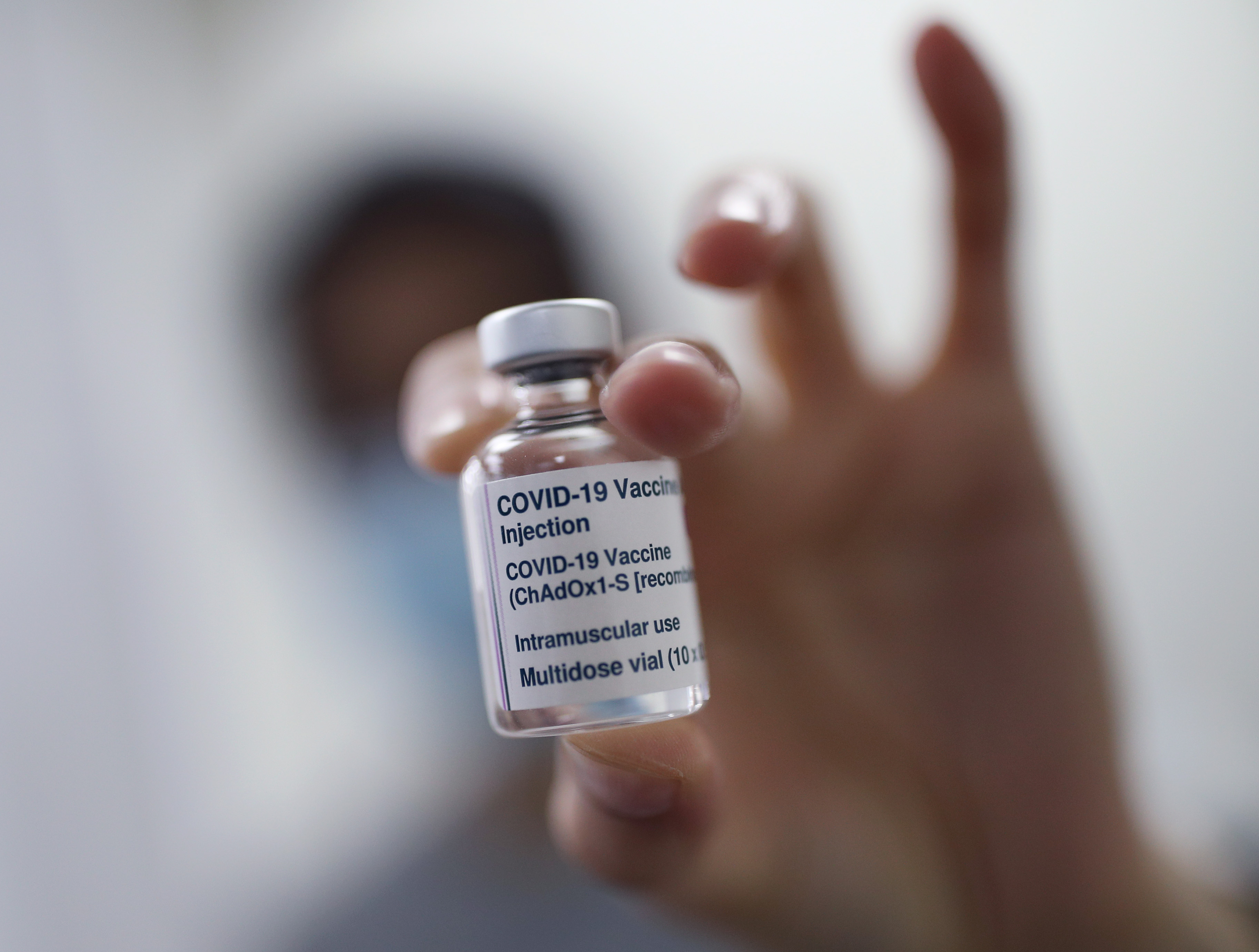
A vial of the Oxford/AstraZeneca coronavirus vaccine.

The number of people receiving a Covid-19 vaccine in the UK daily has fallen by around 75% in the last week as the supply of the jab has been squeezed.

Minsters revealed last month there would be a “significant reduction” in doses from the end of March, raising questions about whether the programme’s target dates will be met and when under-50s would be innoculated.

Supplies of vaccines in April have been constrained by the need to test a batch of 1.7 million doses and delays in a shipment of around five million from India.

Government data up to April 5 shows that first doses were given to 40,744 people on the previous day, and 64,590 got a second dose – or 105,334 in total. The number of people being injected with their first shot was the lowest since records began on January 10. A day earlier, just 95,763 people received one of their two doses. 

By contrast, just a week earlier – March 29 – 405,039 doses were distributed. And on March 5, the figure stood at 494,235. 

While the fall may seem steeper than billed, Downing Street on Tuesday moved to allay fears – insisting all adults will be offered a coronavirus vaccine by the end of July as planned.

Some 25m people have so far had a first dose of either the AstraZeneca or the Pfizer vaccine in the UK, while just under 1.8m have had both shots. The government is aiming to vaccinate all over-50s by mid-April and everyone else by the end of July.

The Cabinet Office has indicated that an average of 2.7 million doses a week will be given in England until the end of July, down from a previous estimate of 3.2 million.

The prime minister’s official spokesperson refused to be drawn on “details around supplies and deliveries” of vaccine doses but said “we remain on track” to meet the targets set for the programme.

But the Cabinet Office scenario, provided to experts on the Scientific Pandemic Influenza Group on Modelling (Spi-M) suggests the squeeze on supplies may continue for months.

Papers produced by Spi-M on February 17 were based on an average of 3.2 million doses a week until the end of July and 3.9 million thereafter.

Spi-M said the central scenario provided by the Cabinet Office for its March 31 paper was “considerably slower”, with 2.7 million weekly doses until the end of July and two million from then on.

A slower scenario suggested that just 2.5 million weekly doses might be available.

The Spi-M summary notes that the two scenarios produced by the Cabinet Office “may not reflect the situation most likely to occur”.

The PM’s spokesperson added: “The health secretary set out a couple of weeks ago now the fact that there will be a slight reduction in April but the key thing to remember is that doesn’t mean that we are not on track to hit our pledges.

“We remain on track to vaccinate all those in phase one by April 15, we remain on track to vaccinate or provide the first dose to all adults by the end of July.”

The rollout will be boosted by the introduction of Moderna jabs later in April alongside the Pfizer and AstraZeneca vaccines already being used.

“I’m not going to get into the specifics of how many we will get this month,” the spokesperson said, but “we will have three vaccines that we are able to distribute and that will ensure that we can continue to make sure we are giving people their first doses as well as giving more and more people their second doses”.

Some 26.7 million people in England have had a first dose, the equivalent of 60% of the adult population, leaving around 17.5 million adults needing their initial jab to meet the end-of-July target.

Share Button

Too Soon To Book Foreign Summer Holidays, Government Says

The government has urged Brits not to book foreign summer holidays yet despite lockdown measures easing as Boris Johnson warned of the risk of re-importing Covid-19.

The prime minister told a news conference he was “hopeful” that non-essential international travel would restart from May 17, but that he did not want to underestimate the growing number of Covid-19 cases elsewhere.

Britain plans to use a traffic-light risk system for countries once international travel resumes, but the government said it was too early to say which countries could be given the green light that would only require coronavirus tests before and after travel.

A government review published on Monday said: “Taking into account the latest situation with (coronavirus) variants and the evidence about the efficacy of vaccines against them, we will confirm in advance whether non-essential international travel can resume on 17 May, or whether we will need to wait longer before lifting the outbound travel restriction.”

It added: “The government advises people not to book summer holidays abroad until  the picture is clearer.”

At the Downing Street briefing, Johnson said: “Obviously we are hopeful that we can get going from May 17, but I do not wish to give hostages to fortune or to underestimate the difficulties that we are seeing in some of the destination countries that people might want to go to.

“We don’t want to see the virus re-imported from another country. Plainly there is a surge in other parts of the country, and we have to be mindful of that.”

Reports have suggested countries on the green list, requiring testing before and after travel, could include Portugal, Malta, Israel, the United Arab Emirates and the US.

Under Johnson’s original plan, international travel would not resume until May 17 at the earliest. Countries on the amber list would require self-isolation. Those on the red list would require quarantine.

Airlines such as easyJet, Ryanair and British Airways, plus holiday groups such as TUI, hope to avoid a second lost summer but Covid-19 cases have risen in continental Europe.

Johnson said a planned reopening of the economy could take place next week, with the opening of all shops, gyms, hairdressers and outdoor hospitality areas in England.

With the vaccine programme rolling out rapidly across Britain and infection numbers falling, Johnson said England could proceed to Stage 2 of his roadmap out of lockdown from April 12.

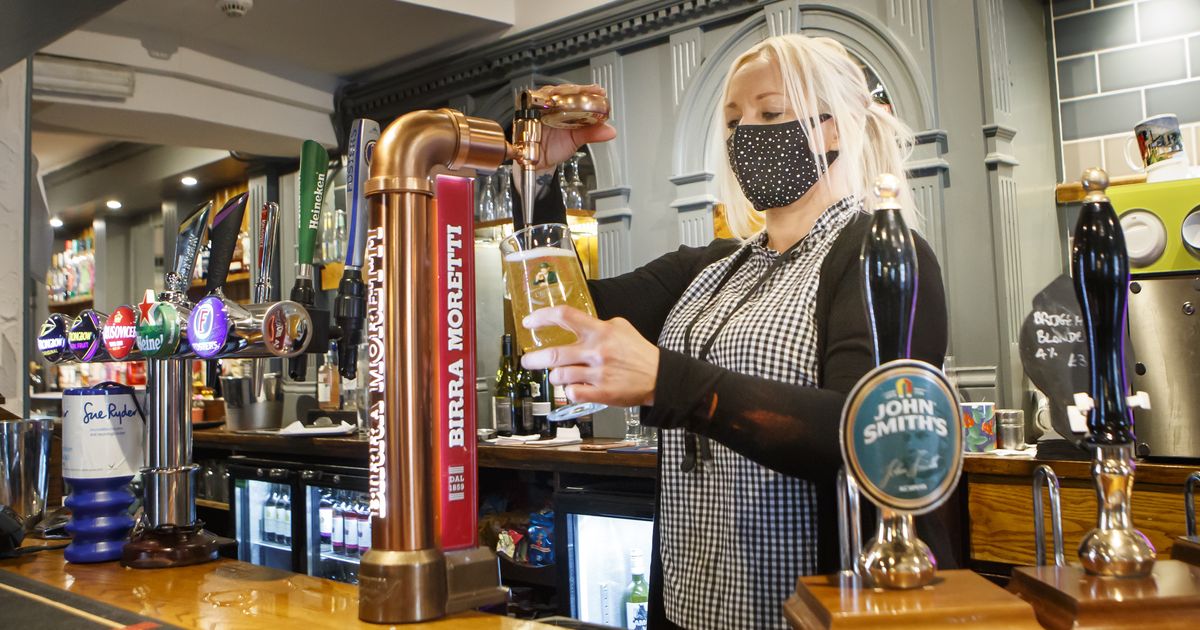
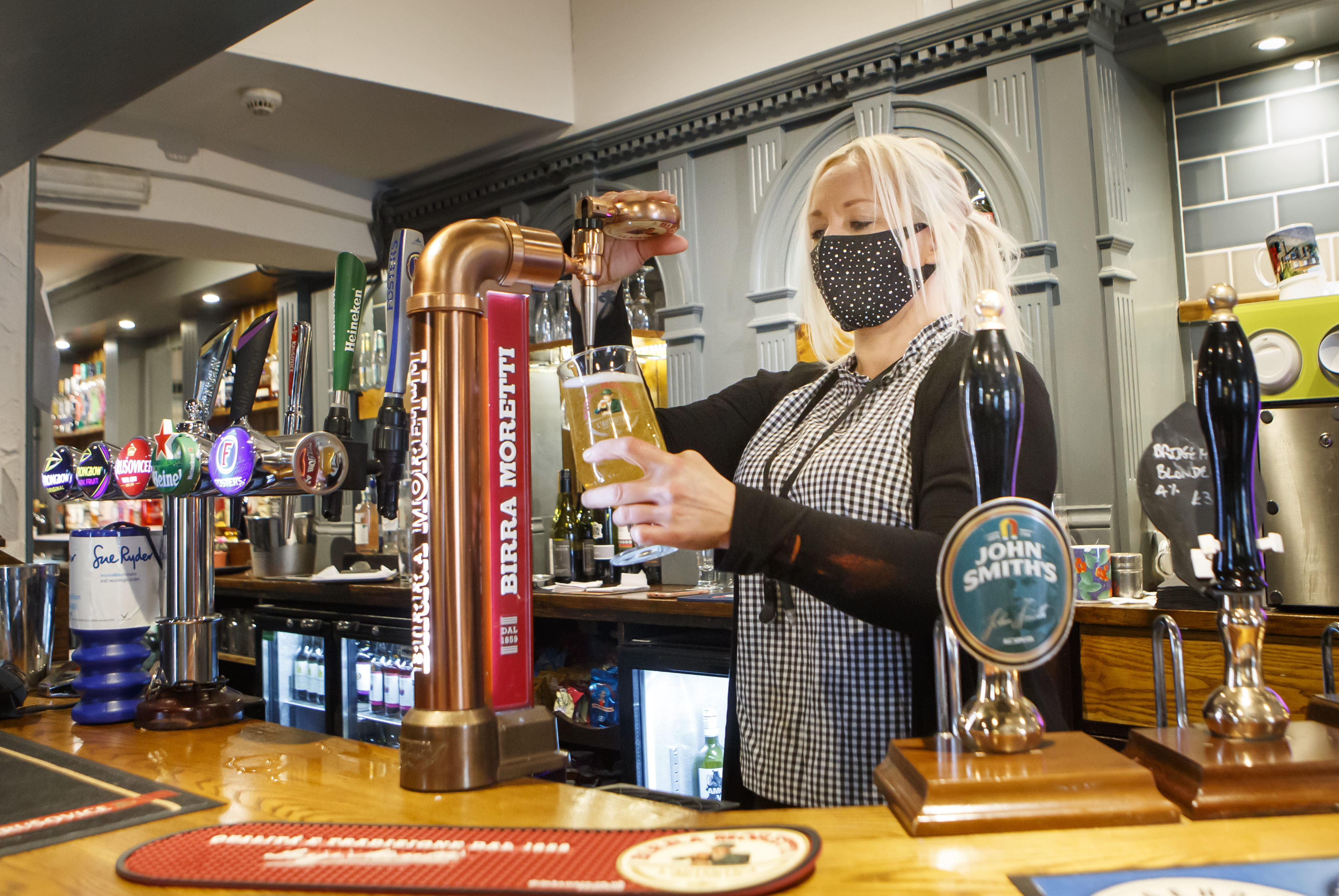
“On Monday the 12th, I will be going to the pub myself – and cautiously but irreversibly raising a pint of beer to my lips,” Johnson said.

Britain said people should continue to work from home where they can and minimise domestic travel.

Johnson also confirmed that the government was looking at a Covid-19 status certification system, or vaccine passport, to help reopen larger events and to travel.

“I want to stress that there are complicated, ethical, and practical issues… raised by the idea of Covid status certification… using vaccination alone,” Johnson said.

“You’ve got to be very careful in how you handle this and … don’t start a system that’s discriminatory.”

People will not need vaccine certification for pubs, hairdressers and shops, Johnson said.

Share Button

How Controversial Covid Vaccine Passports Could Work

The possible introduction of domestic vaccine passports in England has been hailed as “useful for us as we go forward” but also been branded “dangerous” and “discriminatory”.

Prime minister Boris Johnson has suggested that vaccine certification has a role to play as the nation seeks ways to safely ease out of lockdown.

But a cross-party group of politicians, including some Conservative MPs, fear a vaccine passport scheme could be “divisive”.

This is how they might work and why they are controversial.

How could a vaccine passport scheme work?

Any scheme is likely to go beyond just showing whether someone has had a vaccine – as jabs are not mandatory – but would also cover whether they have had Covid-19, and so are likely to have antibodies, or if they have had a recent negative test.

The finer details of how any scheme could work remain unclear but the Government is expected to issue an update on its plans this month.

Where could they be used?

Culture secretary Oliver Dowden has suggested that vaccine passports will not be introduced on a “permanent basis” but they could be a beneficial “tool in the short term” to safely reopen venues.

This could potentially include hospitality venues, music events and theatres.

Johnson has suggested a certificate could give “maximum confidence” to businesses and customers as society reopens.

Last week, he said it “may be up to individual publicans” whether they carry out health certificate checks on punters before allowing them into their premises.

It could mean pub landlords may be able to scrap social distancing if they check Covid health certificates on entry, and allow them to operate at much higher capacity.

On an international level, some countries are already working on requirements for people to prove their status before arriving. The European Union is working on a digital green certificate showing if someone is vaccinated, has a negative test or has recovered from Covid-19.

Has there been opposition to the idea?

More than 70 MPs, including 40 Conservatives, as well as peers from the House of Lords, have launched a campaign to oppose the introduction of vaccine passports in England, claiming they would be “divisive and discriminatory”.

A pledge, signed by former Labour leader Jeremy Corbyn as well as other prominent figures such as Conservative former leader Sir Iain Duncan-Smith, Labour former shadow chancellor John McDonnell and ex-Lib Dem leader Tim Farron, warns the Government against bringing in the scheme.

Baroness Chakrabarti, who warns that using coronavirus certificates could create a “checkpoint Britain,” told BBC Radio 4’s Today programme: “It’s one thing to have a passport to travel internationally, that is a privilege, even a luxury, but participating in local community life is a fundamental right.”

What about the hospitality industry?

The British Beer and Pub Association (BPPA) fears that a move to recommend that pubs and other hospitality venues must demand proof of immunity from people to allow them to enter – with the threat of fines for venues if non-compliant – could prevent millions of young people visiting the pub for months, unless they get themselves tested in advance.

BBPA chief executive Emma McClarkin says vaccine passports could feel like they are discriminating against sections of the population who have not had the jab, such as pregnant women.

Are any test events planned?

Reports suggest a series of pilot tests for certificates are being planned, which could include the FA Cup final and other sporting events in May.

The England and Wales Cricket Board is also exploring the possibility of using coronavirus passports to allow fans into County Championship games this summer.

With a date of June 21 in mind, the ECB’s managing director of county cricket, Neil Snowball, said: “It is going to be a question of balancing three things.

“One, if there is going to be some sort of passport or Covid certification, second is testing, third is some sort of social distancing and we have said we will do whatever we are asked to do to make sure we can get the maximum number of people back.

“The ideal would be some sort of certification with an element of social distancing and probably wearing masks.”

What issues could delay the plans?

The easing of restrictions is dependent on the continued success of the coronavirus vaccine rollout and further reductions in infection rates.

Capacities at sporting events will also be determined by the success of a number of pilot events taking place from mid-April.

Share Button

Covid Vaccine Passports: Boris Johnson Facing Tory Rebellion Over Certification Scheme

More than 70 MPs as well as peers from the House of Lords have launched a campaign claiming coronavirus vaccine passports would be “divisive and discriminatory”.

The cross-party opposition includes 40 Tories and former Labour leader Jeremy Corbyn.

A pledge has been signed by Conservative former leader Sir Iain Duncan-Smith, Labour former shadow chancellor John McDonnell and ex-Lib Dem leader Tim Farron.

It has also been backed by a string of Tory former ministers including Esther McVey, Nus Ghani, Mark Harper and Harriett Baldwin.

Former shadow attorney general Baroness Shami Chakrabarti said the scheme would be “dangerous, discriminatory and counter-productive”.

The government has insisted no final decisions have been taken on whether Covid-status certification could play a role in reopening the economy.

It comes as a report in The Daily Telegraph suggested a series of pilot tests for certificates were being planned, which could include the FA Cup final and other sporting events in May.

Boris Johnson has defended the idea and suggested a certificate could give “maximum confidence” to businesses and customers as society reopens.

Any scheme is likely to go beyond just showing whether someone has had a vaccine – as jabs are not mandatory – covering whether they have had Covid-19, and so are likely to have antibodies, or if they have a negative recent test.

Baroness Chakrabarti, the former director of human rights organisation Liberty, told BBC Radio 4’s Today programme: “It’s dangerous, it’s discriminatory, it’s counter-productive.”

The Labour peer warned that using coronavirus certificates could create a “checkpoint Britain” as she urged for the country to “open up together” as restrictions ease.

“It’s one thing to have a passport to travel internationally, that is a privilege, even a luxury, but participating in local community life is a fundamental right,” she added.

The group’s pledge has been backed by Big Brother Watch, Liberty, the Joint Council for the Welfare of Immigrants (JCWI) and Privacy International.

Senior Tory MP Sir Graham Brady, who is also a signatory to the pledge, which has been backed by a string of Conservative former ministers, insisted the aim should be to return to normal life.

The chair of the 1922 Committee of backbench Conservative MPs said: “Covid-status certification would be divisive and discriminatory.

“With high levels of vaccination protecting the vulnerable and making transmission less likely, we should aim to return to normal life, not to put permanent restrictions in place.”

Earlier this week, Labour leader Keir Starmer indicated there could be opposition to the move among the public if death rates are near zero and hospital admissions are very low.

A government spokeswoman said: “The review is considering a range of issues, including the ethical, equalities, privacy, legal and operational aspects, and what limits, if any, should be placed on organisations using certification.”

Emma McClarkin, chief executive of the British Beer and Pub Association, said that introducing vaccine passports could potentially “scupper things” for hospitality venues which are trying to reopen.

On the possible use of coronavirus certificates, she told BBC Breakfast: “This would be an additional burden put on to the pubs. We are desperate to get back open again. We are desperate to do that.

“We will play our part in test and trace but the additional burden of the vaccine passport could really, really scupper things.

“It is a difficult process for us to implement in venues and yet today we have not had a consultation with the government about how we would do this in pubs.”

Share Button

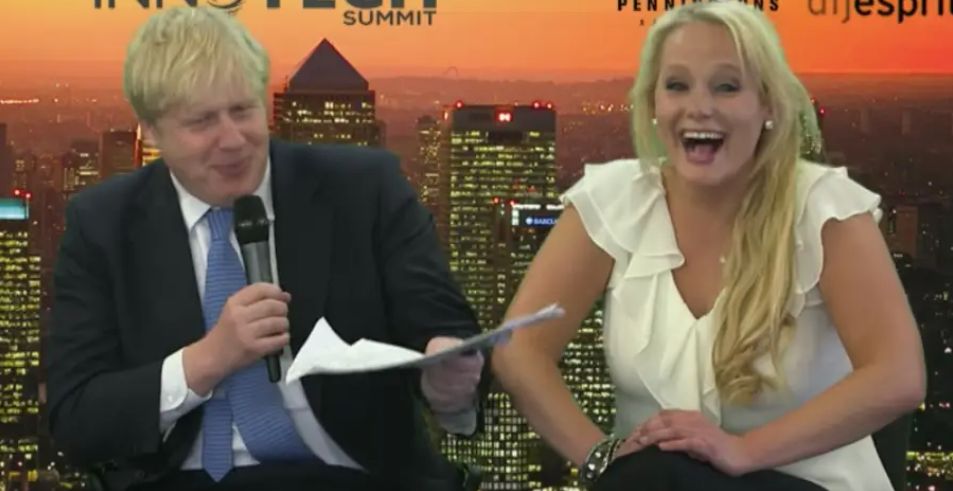
Boris Johnson Believes He Acted With ‘Integrity And Honesty’ Over Links To Jennifer Arcuri

Boris Johnson has insisted he acted with “integrity and honesty” during his time as London mayor, amid fresh questions about an alleged four-year affair with Jennifer Arcuri.

The prime minister is facing a London Assembly probe into whether he broke the City Hall code of conduct and whether he gave the American businesswoman “preferential treatment” while mayor.

Arcuri received £126,000 of taxpayers’ cash in event sponsorship and grants and Johnson spoke at a series of technology events she organised.

The entrepreneur was also afforded privileged access to three foreign trade missions led by Johnson when he was mayor.

Arcuri told the Sunday Mirror last week that she had an affair with Johnson between 2012 and 2016, while he was with his then-wife Marina Wheeler, who is the mother to four of the PM’s children.

In the interview, Arcuri said she slept with Johnson at the flat where she had a pole dancer’s pole, claimed they met once a week at the height of the affair, and recalled sending him topless pictures.

The PM’s press secretary Allegra Stratton on Monday insisted Johnson had acted in accordance with the Nolan principles of standards in public life, a claim that will be examined by the Assembly.

She told reporters: “He does believe in the wider principles of integrity and honesty, I’ve said that he acts with integrity and honesty, and I’ve said that he follows the Nolan principles on conducting himself in public life.”

YouTube

Boris Johnson and Jennifer Arcuri

Stratton also repeatedly highlighted a prior report from the Independent Office for Police Conduct, which cleared Johnson of any criminal investigation.

The IOPC found that Johnson did not commit the criminal offence of misconduct in public office while in his role as mayor of London.

Stratton would not say whether Johnson believed Arcuri was given preferential treatment, saying: “I’m not going to comment on the particular… This has been looked at by the Independent Office for Police Conduct. They have looked at it. They have found there was no impropriety.”

In 2019, HuffPost UK revealed that Johnson’s lawyers had written to the Assembly’s oversight committee to challenge its demands for “extensive” details of his links to Arcuri.

They also suggested that it was not in “the public interest” for an Assembly investigation to take place as it “risked becoming politicised”.

Asked whether Johnson would cooperate with the probe, Stratton said: “Of course.”

But she refused to say whether he would give evidence in person to the oversight committee or submit written evidence.

“I’m not going to get into these hypotheticals,” she said.

“Let’s cross all those bridges when they come.”

Share Button

Senior Tory Warns Against Forcing Care Home Staff To Have Vaccines

A Tory former cabinet minister has warned the government against forcing care home staff to have coronavirus vaccinations. 

David Davis claimed mandating jabs for healthcare workers would be “illegal” and in breach of international law.

But Downing Street pointed out that some NHS staff are already required to get the hepatitis B vaccine, providing a “clear precedent” for mandatory Covid vaccines.

The clash came as health secretary Matt Hancock confirmed the government was considering legally requiring care home workers in England to be vaccinated against Covid-19.

Hancock insisted “no final decision” had been made amid a review into so-called vaccine passports, but confirmed that ministers were looking at jabs being made compulsory for care workers in England.

The plans have emerged amid concerns of low uptake from staff in care homes looking after those who are among the most vulnerable of death the disease, with around 24% of care workers remaining unvaccinated.

However, Davis’s comments highlighted the potential for the proposals to run into strong opposition from civil liberties Tories, who are already preparing to vote against the extension of Covid restrictions on Thursday.

It came after the Telegraph reported leaked details of a paper submitted to the “Covid O” sub-committee of Cabinet which said that prime minister Boris Johnson and Hancock had agreed to the proposal.

Hancock told LBC: “Because people who are looking after elderly residents in care homes, who we know to be the most vulnerable to Covid, they have a duty of care not to pass on the disease and it is a reasonable question.”

He said “many” care homes had asked for this to happen, adding: “There’s a legal change that’s required and, as you can see, I’m open to that, but no final decision has been taken.”

Davis, who is a staunch civil liberties campaigner, conceded there were “precedents” for mandatory vaccines, including hepatitis B vaccines. 

But the former Brexit secretary suggested the comparison with hepatitis B vaccines was unfair, insisting these have been in use since the 1980s and have a long-term safety record.

Davis argued that the best way to protect care home residents was to ensure that they themselves are vaccinated and are therefore at far less risk of death or serious illness.

Barcroft Media via Barcroft Media via Getty Images

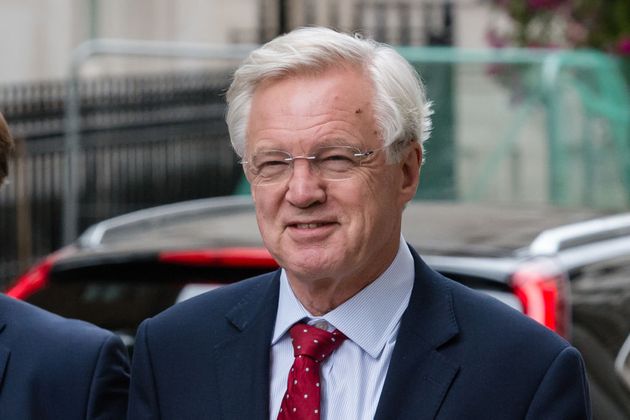
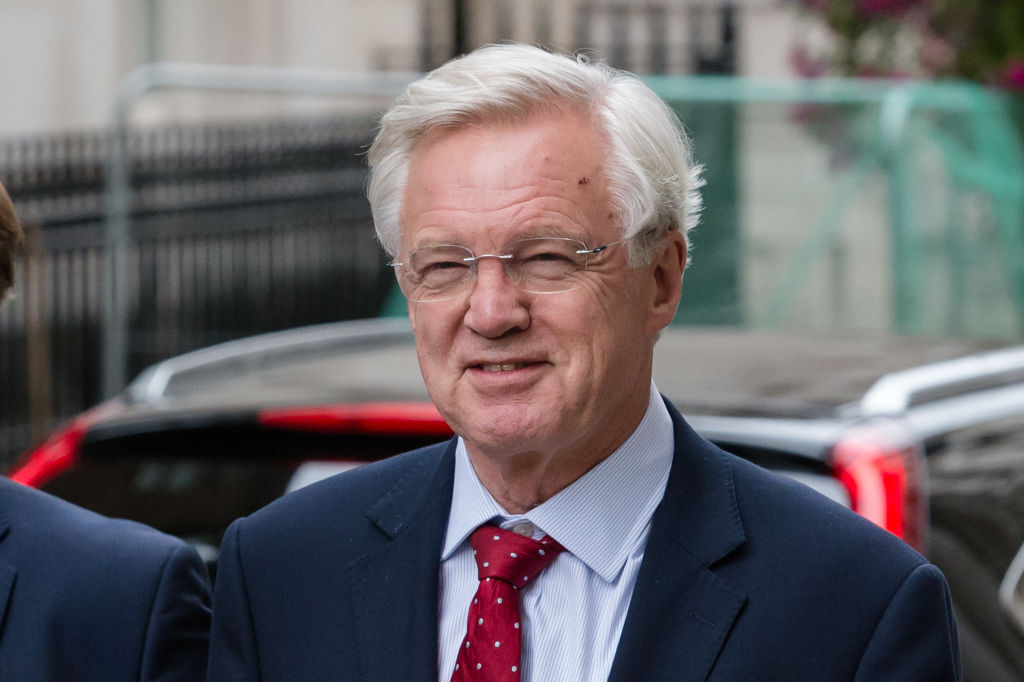
Tory former cabinet minister David Davis

He told the Commons public administration committee (PACAC): “It’s illegal to require vaccination at the moment.

“We are bound ourselves by both UN and European international agreements to the use of medical treatment.

“Medical treatment as it stands must only be for the benefit of the person it’s administered to.

“Medical treatment must not be administered for, as it were, communal purposes – otherwise we’ll all be giving mandatory blood transfusions and so on.

“I give blood anyway, but you’d have requirements like that.

“So that’s against both international and national laws.

“The answer… is to solve the problem by the method which is legal and acceptable, which is to vaccinate the people who are at risk.

“Look, if I were running a care home, and I am very pro-vaccines, I would say to all my workers – I would like you to vaccinate in the interests of our clients.

“But I couldn’t force it, and I don’t foresee a way which we can force it.

“And if you tried to say it’s now a requirement of your job, I don’t think the courts would uphold it – apart from anything else because you are costing someone their job for a requirement which can’t be enforced in law.” 

Responding, the prime minister’s official spokesperson said: “This is something that happens already, for example doctors are required to have the hepatitis B vaccine. 

“So there is a clear precedent for this proposition, elderly people in care homes are the most vulnerable to this disease. 

“And this is something that care homes have actually called for.”

It came as the Independent Care Group, which represents providers in York and North Yorkshire, said making the vaccine mandatory for care workers could put people off from joining the sector.

WPA Pool via Getty Images

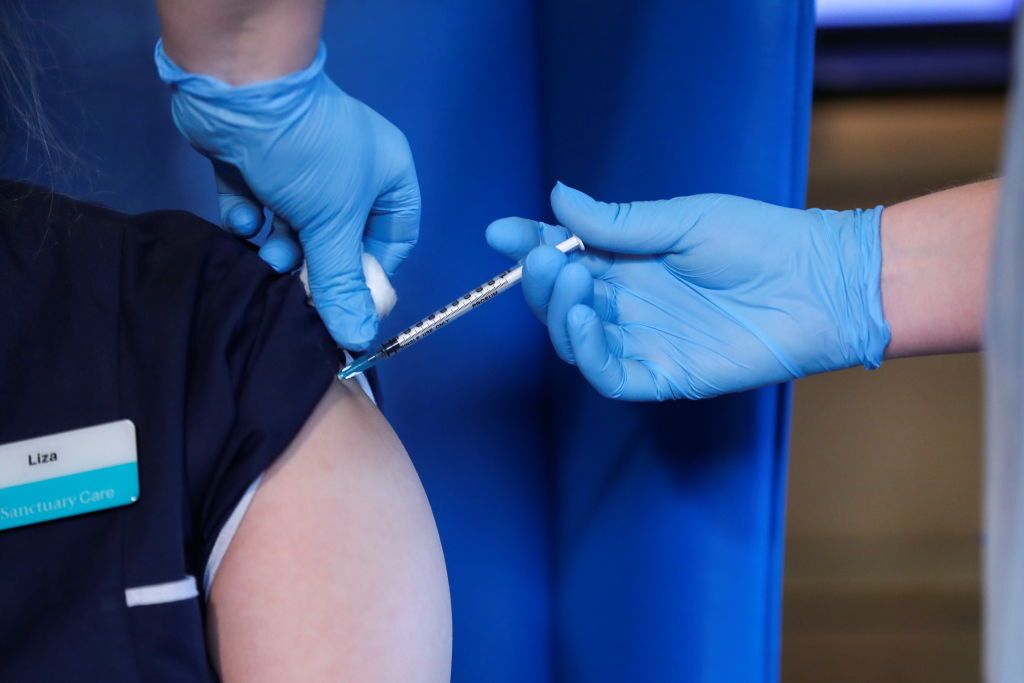
A member of staff receives the Pfizer/BioNTech COVID-19 vaccine at the Abercorn House care home in Scotland on December 14

Chair Mike Padgham said it is vital care workers get vaccinated but it should be voluntary, adding: “I think rather than force it through legislation, the government has more work to do in terms of persuading everyone, not just care workers, about how important it is that the whole country has the vaccine so that we are all protected.”

Davis also cautioned the government against introducing so-called vaccine passports to allow immunised people to do certain activities, for example visiting a pub or attending a football match.

He said introducing Covid status certificates, which are currently being reviewed by the government, could be discriminatory against communities reluctant to take up the vaccine.

Davis told MPs: “The impact of this would be discriminatory. Under the law, it would be indirectly discriminatory and that is illegal. 

“You may well find, it has been said, that Black and ethnic minority communities are less inclined to get vaccinated, well that would be indirect discrimination.”

Younger people were also less likely to have the jab and “some people have ethical or religious objections”, he said.

“There are a variety of good reasons for people not to take a vaccine. I’ve had a vaccine and I think most of the reasons are not ones I would subscribe to.

“But people have that freedom. What this proposal does is, in effect, coerce those people.”

Share Button

Europe’s Third Wave Of Covid Will ‘Wash Up On Our Shores As Well’, Warns Boris Johnson

Boris Johnson has warned the third wave of coronavirus that has hit Europe will “wash up on our shores as well”.

Speaking on Monday afternoon, the prime minister said the UK “will feel those effects in due course”.

But he said the government would “bash on with the roadmap” it set out to gradually lift lockdown restrictions over the next few months.

It comes as EU leaders are set to meet on Thursday to decide whether to ban the export of Oxford/AstraZeneca vaccines to the UK.

There is frustration in the EU, which is lagging behind the UK in the rollout of its vaccination programme, over whether member states will get the supplies they expected.

Johnson is expected to ask European leaders this week to avoid triggering a vaccine supply war between the UK and EU.

The Oxford/AstraZeneca vaccine is manufactured in several different factories, including two in the UK and two in the EU.

Downing Street said it remained “confident” in the UK’s vaccine supplies and repeated that the NHS was “on track” to offer first doses to all over-50s by April 15, and all other adults by the end of July. 

Johnson said: “I’ve talked to our (European) friends repeatedly over the period — we’re all facing the same pandemic, we all have the same problems.

“If there is one thing that is worth stressing is that on the continent right now you can see sadly there is a third wave under way.

“People in this country should be under no illusions that previous experience has taught us that when a wave hits our friends, it washes up on our shores as well.

“I expect that we will feel those effects in due course.

“That’s why we’re getting on with our vaccination programme as fast as we can but a vaccination campaign and developing vaccines, rolling them out— these are international projects and they require international co-operation.”

Tuesday marks a year since the first lockdown was imposed in the UK. MPs will this week be asked to grant a six-month extension to the government’s lockdown powers.

Share Button

Tory MPs Demand Boris Johnson Justify Extending ‘Authoritarian’ Lockdown Laws

Boris Johnson has been told to justify seeking a six-month extension to “authoritarian” lockdown powers in England, amid a Commons rebellion from Conservative MPs.

The government is expected to receive approval from MPs to extend measures within the Coronavirus Act until October.

But senior Tories from the Covid Recovery Group (CRG) have raised concerns over how such a move is consistent with the prime minister’s pledge to restore the country’s freedoms as the vaccine programme rolls out.

Former minister Steve Baker, the CRG’s deputy chairman, said he expects to vote against the measures on Thursday.

Asked about the size of the Conservative rebellion, Baker told Sophy Ridge On Sunday on Sky News: “It’s very difficult to say until we’ve seen the exact detail of what the government is tabling and how the votes will come.

“Let’s be absolutely clear, because it seems Labour and the SNP will vote for any old authoritarianism these days, it looks like the Government will get their business with an enormous majority.

“But I do think it’s important that some of us do seek to hold the government to account with these extraordinary powers.”

Baker, in a separate statement, also said: “With so many vulnerable people now vaccinated, people may ask why the restrictions the government is bringing in this coming week are tougher than they were last summer when we didn’t have a vaccine.

“The detention powers in the Coronavirus Act are disproportionate, extreme, and wholly unnecessary.

“Renewing them would not be reconcilable with the Prime Minister’s guarantee that we are on a ‘one-way road to freedom’ by June 21.”

CRG chairman Mark Harper, writing in the Sunday Telegraph, also challenged the Government’s thinking on its road map to recovery.

He said “reasonable people” would wonder if the Government had struck the right balance in continuing present guidelines curbing family gatherings through Easter.

Harper wrote: “Staying with your family won’t just be illegal for Easter weekend, it will be unlawful until May 17 at the earliest – whatever the data say. The road map is ‘dates, not data’.”

He questioned “draconian” powers in the legislation, adding the police response in the Clapham Common vigil for Sarah Everard last weekend had been partly the result of “poorly drafted” emergency pandemic laws.

But defence secretary Ben Wallace defended the government’s plans, telling Sky News: “The final mile is the most important thing for us all, make sure we buckle down, get through the different stages the prime minister set out.

“At each stage we will be taking assessments from the science, from where we are in the pandemic, and take the steps required.

“It is not a one-way street. Just because we are seeking to extend the powers doesn’t mean we are deaf to how facts change on the ground.”

For Labour, shadow foreign secretary Lisa Nandy said there are powers within the Act which need to be debated to assess if they are necessary.

She told the BBC’s Andrew Marr Show: “What the vote is this week is about the road map, about easing the road map, it’s about statutory sick pay, it’s about the ban on evictions, all measures that we’ve pushed for, we certainly won’t be standing in the way of the government in getting this legislation passed.”

Shadow health secretary Jon Ashworth expressed frustration at MPs not being allowed to table amendments and offered to work with senior Conservatives to find a way to do this.

Elsewhere, Professor Jeremy Brown, a member of the Joint Committee on Vaccination and Immunisation (JCVI), warned a “very large number” of at-risk people could develop a “serious” Covid-19 infection if restrictions are lifted now.

He said between 90% and 95% of people who are at high risk have been vaccinated, but mostly with one dose, which does not provide full protection.

He told Sky News: “If you lift restrictions, even though most people who are at risk have been vaccinated, the proportion who have not still represent a very large number of people who could end up with serious infection.”

Dr Mary Ramsay, Public Health England’s head of immunisation, also told the BBC: “I think it’s very important that we don’t relax too quickly.”

Share Button

No.10 Refuses To Say Sorry For Jacob Rees-Mogg’s Smear Against HuffPost Journalist

Downing Street has refused to apologise after Jacob Rees-Mogg used parliament to smear HuffPost UK journalist Arj Singh.

But No.10 did rebuke the Commons leader, by saying Boris Johnson would not have made the same comments.

Rees-Mogg on Thursday described Singh as “either a knave or a fool” and falsely accused him of “editing” comments made by foreign secretary Dominic Raab. 

On Tuesday, HuffPost UK published a leaked extract from a video call in which Raab told foreign office staff that the UK was keen to trade with countries that had poor human rights records.

The government did not deny Raab had used the words, or suggest they had been doctored. HuffPost UK did not edit the recording that had been passed to us, and our article quoted it in full.

But Rees-Mogg, who is the leader of the House of Commons, on Thursday falsely accused Singh of “editing” the tape using a journalistic “cheat”.

And he said Raab’s words had been “shockingly distorted by low quality journalism”.

Labour has accused Rees-Mogg of an attempt to mislead parliament with the claims. 

No. 10 distanced the prime minister from Rees-Mogg’s words on Friday, saying Johnson would not have made the same comments. 

A Downing Street spokesperson said: “The PM is a staunch believer in the value of the free press and the important role journalists play in our democracy.

“These are not comments that the PM would have made.

“These comments were made by Jacob Rees-Mogg and I’m confident that he can explain their intended meaning.”

The spokesperson declined to say whether Rees-Mogg would be told to retract the comments or apologise.

Downing Street was repeatedly asked to back up claims that the report or recording had “distorted” what Raab had said. No evidence was provided. 

The government was also pressured over its hostility to the media, after comments from the National Union of Journalists’ general secretary Michelle Stanistreet. 

The union also picked out previous comments made by equalities minister Kemi Badenoch, to former HuffPost journalist Nadine White, who claimed it was “creepy and bizarre” for White to have privately asked for comment on a story.

It also follows a report last week that health secretary Matt Hancock had described The Guardian as “a rag” in leaked WhatsApp messages. 

Stanistreet said “this behaviour has to stop”, adding: “It beggars belief that government ministers are smearing and impugning journalists in this way, indulging in outrageous behaviour that demeans them and the offices they hold.

“This same government, including the prime minister and other ministers, have committed time and resources to tackling the growing problem of abuse and harassment which is compromising the safety of journalists across the UK.

“Yet here we have colleagues around the cabinet table acting like playground bullies, undermining the work of journalists, bringing their work into disrepute, and dishing out insults that are clearly designed to further inflame harassment and abuse online.

“It’s not acceptable to dismiss reporting you don’t like as fake news. It’s completely unacceptable to resort to insults and personal smears of journalists simply trying to get on with their job.

“Our elected politicians should be committed to improving the parlous level of public discourse, not further polluting it. This behaviour has to stop, the government must get a grip and put its commitments  to improving the recognition and value of journalists and journalism into practice.”

Share Button