MPs Back Legalising Assisted Dying In Historic Commons Vote

MPs have voted in favour of legalising assisted dying in a landmark moment for England and Wales.

The 314-291 result, which followed a further five hours of debate in the House of Commons today, means the Terminally Ill Adults (End of Life) Bill has taken a huge step towards becoming law.

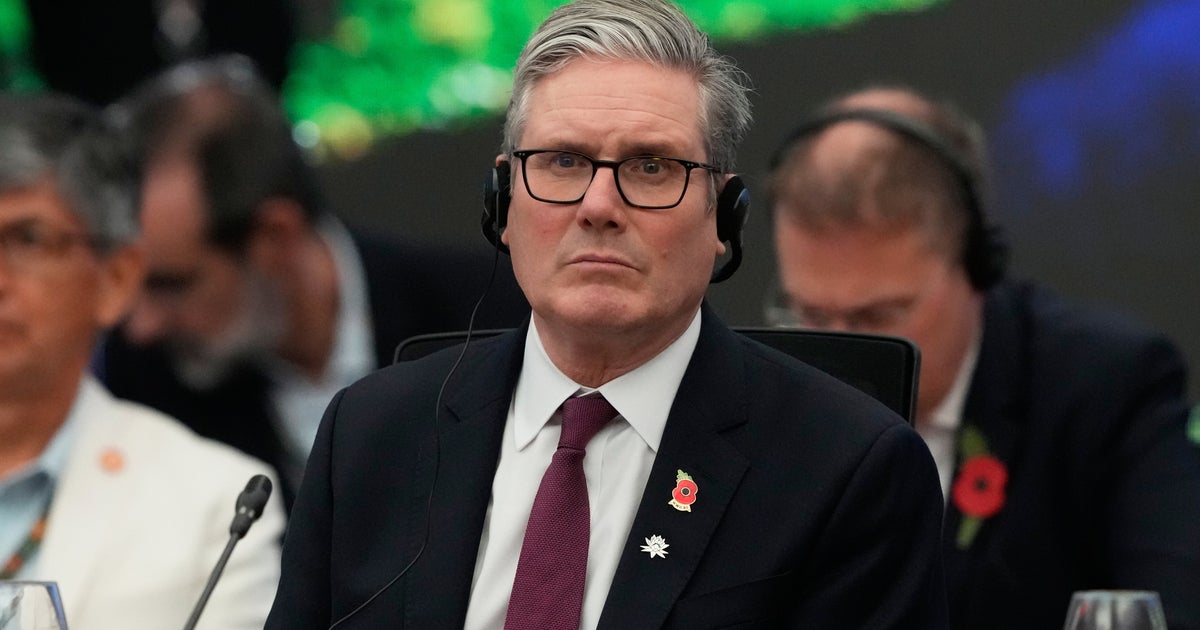
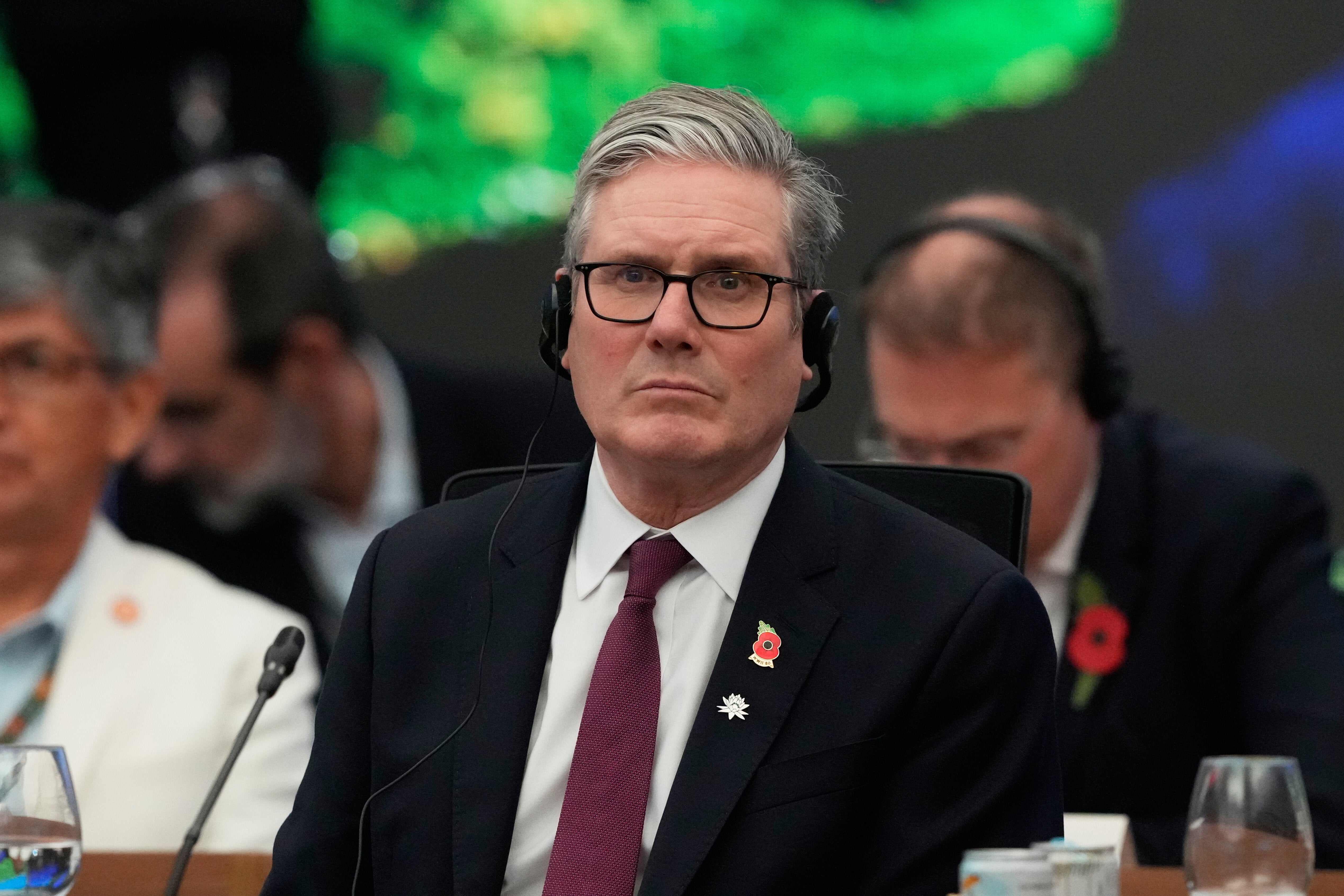
Prime minister Keir Starmer was among those who voted for the bill.

The private member’s bill, which was spearheaded by Labour backbencher Kim Leadbeater, will now go to the House of Lords for further scrutiny, but it is highly unlikely that it will now be blocked.

Under its provisions, terminally ill adults with less than six months left to live would be allowed to legally end their lives at at time when they choose instead of suffering though a prolonged illness.

MPs were given a free vote on the issue, meaning they did not have to follow their party whip.

The bill first came to the Commons in November and has been a source of heated debate between MPs over the last seven months.

The proposals stipulate that an individual must have the mental capacity to make the choice, make two separate declarations – witnessed and signed – about their desire to die, and have approval from two independent doctors that they are eligible.

A doctor would then prepare a substance which the terminally ill person has to take themselves.

Coercing someone into ending their life would be made illegal too, punishable by a 14-year prison sentence.

During a five-hour debate in parliament on Friday, some critics expressed fears that bad actors could force the terminally ill into an early death under this legislation.

Others say they’re concerned about the procedures outlined in the bill or that they fear disabled people’s voices were not included in the consultation.

Despite these oppositions, Leadbeater said earlier this week she was confident the bill would pass because it had a 55-vote majority at a previous round in the Commons.

She said: “Most people believe, as I do, that we should all have the right to make the choices and decisions we want about our own bodies.”

The principle of assisted dying has received widespread support from the public, according to pollsters at YouGov.

A recent survey found 73% of Brits back the idea, while 72% support Leadbeater’s proposals.

Share Button

Blow For Keir Starmer As Labour Whip Vicky Foxcroft Quits Over Welfare Cuts

A Labour MP has quit as a government whip over controversial plans to slash the welfare budget by £5 billion.

In a major blow for Keir Starmer, Vicky Foxcroft said she could not vote for the policy and had no option but to resign.

In a letter to the prime minister, she said: “I have wrestled with whether I should resign or remain in the Government and fight for change from within.

“Sadly it now (seems that we are not going to get the changes I desperately wanted to see.

“I therefore tender my resignation as I know I will not be able to do the job that is required of me and whip – or indeed vote – for reforms which include cuts to disabled people’s finances.”

A government spokesperson said: “This Labour government was elected to deliver change. The broken welfare system we inherited is failing the sick and most vulnerable and holding too many young people back. It is fair and responsible to fix it.

“Our principled reforms will ensure those who can work should, that those who want to work are properly supported, and that those with most severe disabilities and health conditions are protected.”

Foxcroft is the first Labour frontbencher to resign over the proposed benefit cuts, which will be voted on my the Commons on July 1.

More than 100 Labour MPs have written to the government’s chief whip making clear their opposition to the plans, which would see cuts to Personal Independence Payments (PIP) and Universal Credit.

The government’s own assessment of the policy has suggested that 250,000 people could be pushed into poverty as a result, including 50,000 children.

Share Button

As Trump Weighs Up Joining Israel’s War Against Iran, Here’s A Reminder How We Got Here

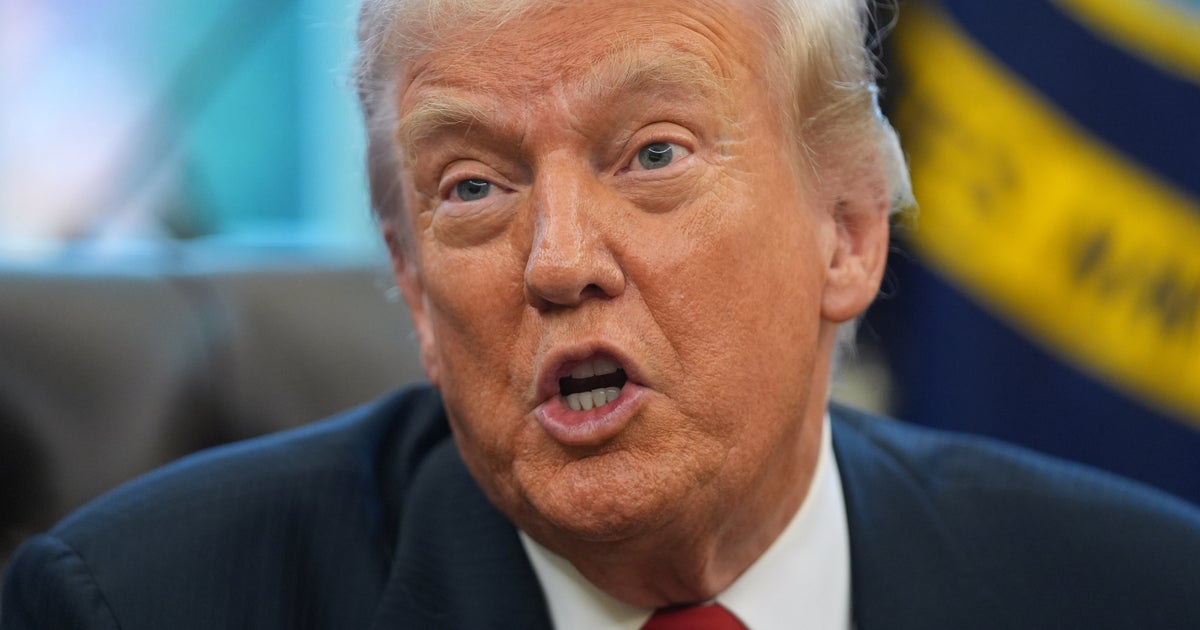
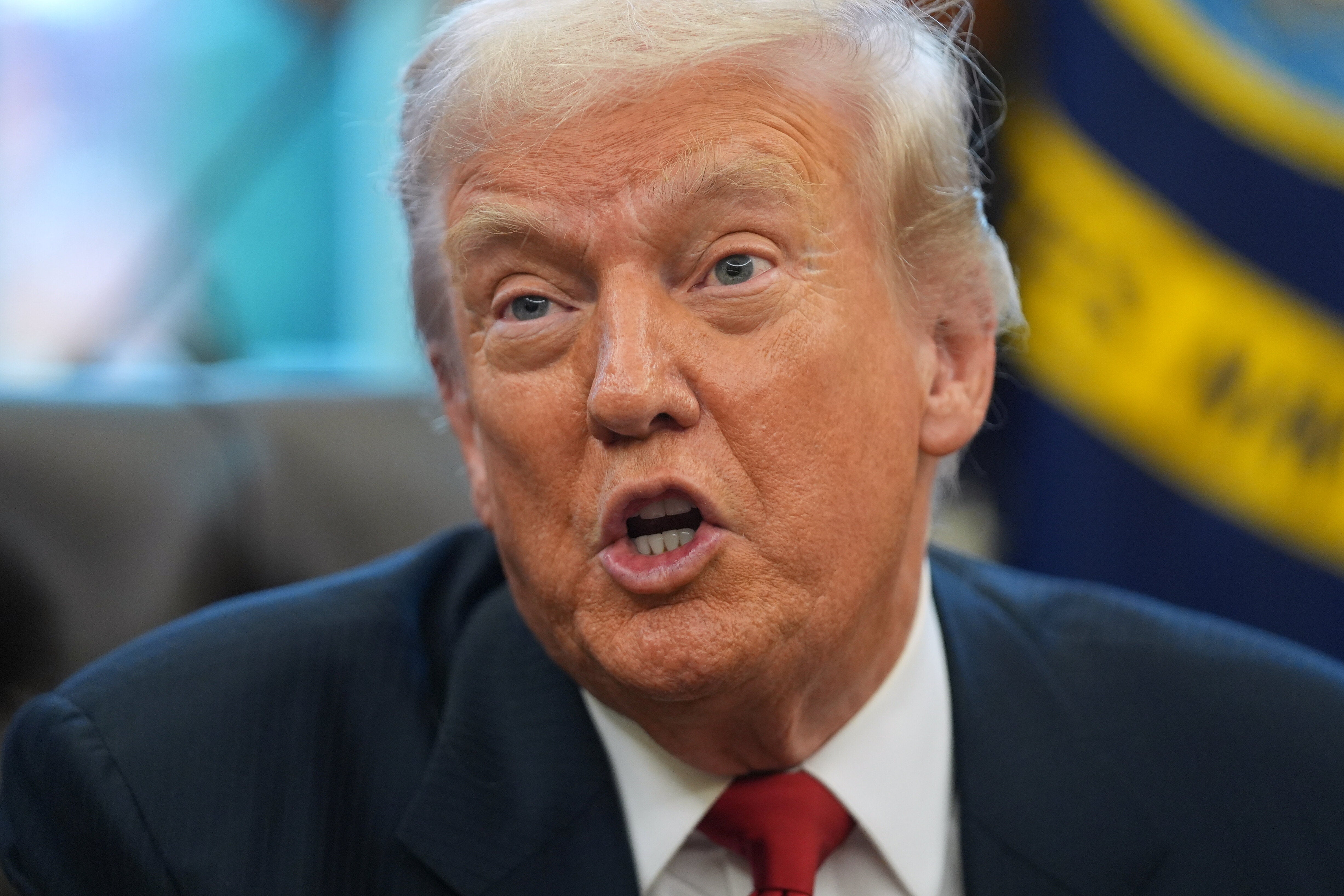
Donald Trump is currently considering whether to join Israel in bombing Iran – a seismic decision which could cause chaos across the Middle East and beyond.

The UK is particularly nervous to see what the mercurial president does next, knowing that there may well be pressure for Britain to assist America, as one of its closest allies.

So as much of the West and the Middle East nervously await news from the White House, here’s a look back at just how we ended up on this knife-edge…

Why has Israel been bombing Iran?

Israel claims it had no option but to attack Iran because Tehran was close to developing nuclear weapons.

The Fordo nuclear site is one of two facilities where Iran can enrich uranium. It’s build into a mountain for safety, 124 miles south of Tehran.

While the facility has been hit by Israel’s recent attacks, it’s thought the Israeli Defence Force (IDF) was actually trying to weaken Iran’s defence capabilities around the facility.

Only one conventional weapon could actually destroy the fortified site, and it belong to the US.

Smoke rises up after Israel's attack, in Tehran, Iran, Wednesday, June 18, 2025.
Smoke rises up after Israel’s attack, in Tehran, Iran, Wednesday, June 18, 2025.

via Associated Press

Is Iran on the cusp of developing a nuclear bomb?

It’s not clear.

To build such a bomb, a country would need to have uranium enriched to 90%, the ability to build a warhead and a way to direct that warhead to an end point.

While Iran is definitely working on some nuclear capabilities, it has always insisted that its nuclear programme is peaceful.

In March, Trump’s director of national intelligence Tulsi Gabbard told Congress that “while Iran had an unprecedented stockpile of weapons-grade uranium, it did not appear to be building a nuclear weapon”.

But Trump has dismissed this intelligence.

Israel has also claimed “over the past few months intelligence has shown that Iran is closer than ever to obtaining a nuclear weapon”.

Meanwhile, the UN’s nuclear watchdog, the International Atomic Energy Agency (IAEA) announced earlier this month that Iran had breached its non-proliferation obligations for the first time in almost two decades.

It concluded that Iran has amassed around 400kg of uranium enriched to 60% – that’s more than is required for civil nuclear use.

Is Israel a nuclear power?

Israel is believed to have up to 90 nuclear warheads, but the country has not confirmed or denied whether that is true.

Israel is also not part of the global nuclear non-proliferation treaty meant to prevent more countries – like Iran – from building their own weapons.

Smokes raises from a building of the Soroka hospital complex after it was hit by a missile fired from Iran in Beersheba, Israel, Thursday, June 19, 2025.

via Associated Press

Why were there already tensions between Israel and Iran?

Tensions in the Middle East rose sharply in October 2023 when Iranian-backed militants Hamas crossed from Gaza into Israel and killed 1,200 people, taking a further 250 captive.

Israel declared war on Hamas, launched a ground offensive and imposed a blockade on aid heading into the Palestinian territory.

The Hamas-run health ministry say at least 54,000 people have been killed in Gaza since the war began.

After Israel declared war, other Iranian proxies – like Houthi rebels in Yemen and Hezbollah in Lebanon – began to fight Israel.

The US, Israel’s most powerful friend, has helped to subdue these attacks in recent months, while other allies like the UK, continue to send Israel weapons.

Iran is also weakened after the deposition of Syria’s leader Bashar al-Assad, although that was not a result of Israeli actions.

What was Iran’s nuclear deal – and why did it fall apart?

The Joint Comprehensive Plan of Action (JCPOA), also known as the Iran nuclear deal, was put in place in 2015.

Iran agreed with the US, UK, France, China, Russia and Germany to limit its sensitive nuclear activities and allow international inspectors in to monitor their work.

In exchange, world powers would lift the economic sanctions it placed on the country.

The deal was due to expire in 2031 but it began to fall apart in May 2018 when Trump pulled out.

He claimed the accord was “defective at its core” and reinstated all US sanctions on Iran.

Trump wanted to force Tehran into a tougher deal which would limit Iran’s involvement in regional conflicts.

Iran rejected that plan even as the sanctions triggered a recession and skyrocketing inflation.

In 2019, Tehran began to exceed the deal’s restrictions on its nuclear programme, blaming the US for its own “non-performance”.

Joe Biden tried to revive the JCPOA in 2021 when he was elected as president, but Iran said it was waiting for the US to lift sanctions first.

When he left office and Trump was re-elected, the US was expected to resume nuclear talks with Iran this month.

However, Israel’s recent strikes have set back any potential talks.

Why would the US (and possibly the UK) join the regional conflict?

Trump initially called for de-escalation, but he has also called for Iran’s “unconditional surrender” and threatened to attack its supreme leader whom he claims is an “easy target”.

Asked if he would join in with the attacks, Trump said on Wednesday night: “I may do it, I may not do it. Nobody knows what I’m going to do.”

The US may seek the UK’s permission to use the British airbase in the Chagos Islands to launch its mission.

But Trump risks putting American lives at risk if he does target Iran.

There are about 40-50,000 US troops at around 19 locations across the Middle East who could be vulnerable to attack.

Share Button

Could The UK Be Dragged Into War As Donald Trump Ponders Bombing Iran?

The UK could provide military support to America if Donald Trump decides to join Israel in bombing Iran, it has emerged.

Keir Starmer chaired a meeting of the government’s emergency Cobra committee on Wednesday afternoon as the US president dropped a huge hint that he will send US bombers to the Middle East.

Among the topics discussed was whether American planes should be able to take off from the joint UK-US airbase at Diego Garcia in the Chagos Islands.

After the Cobra meeting, a Downing Street spokesperson said: “Ministers were updated on efforts to support British nationals in the region and protect regional security, as well as ongoing diplomatic efforts.”

Israel began bombing Iran nearly a week ago, claiming Tehran was about to develop its own nuclear bomb.

Both countries have continued launching missile strikes on each other ever since, leading to fears of a wider war throughout the Middle East.

Trump – who yesterday called for Iran’s “unconditional surrender” _ dropped his biggest hint yet that the US will join Israel in bombing nuclear sites in the country within days.

He said: “Unconditional surrender, that means I’ve had it, that means no more. That means we go blow all the nuclear stuff.”

He added: “The next week is going to be big, very big, maybe less than a week.”

Declining to answer reporters’ questions on whether the US was planning to strike Iran, Trump said: “There’s a big difference between now and a week ago. Nobody knows what I’m going to do.”

Earlier on Wednesday, deputy prime minister Angela Rayner had appeared to hint that the UK would not take part in any military action in Iran.

Standing in for Starmer at prime minister’s questions, she said: “The one thing I will say is that we agree with President Trump that Iran must never have nuclear weapons.

“But we’ve been consistent in urging Iran to engage in the diplomatic process and work with the United States and we continue to support that diplomatic approach.”

Share Button

Trump Rambles On And On About ‘Beautiful’ Flagpole In Front Of White House

As war in the Middle East rages, President Donald Trump found time to supervise the installation of a giant flagpole on the White House grounds.

The president watched construction workers raise the new structure on the South Lawn and turned the event into an impromptu press conference.

Trump had announced on Truth Social on Tuesday that he would be “putting up two beautiful Flag Poles on both sides of the White House,” and described it as “a GIFT from me.”

The erection of new flagpoles comes as the president weighs up whether to send US warplanes to bomb Iran in a move that would significantly escalate the conflict with Israel.

In rambling comments to reporters that essayed the tensions in the Middle East, interest rates and immigration, the president appeared pleased with the new addition to the White House.

“It’s such a beautiful pole,” he said of the first pole to be put up, noting he has one at his Doral golf resort in Miami, Florida.

“These are the best poles anywhere in the country, or in the world, actually,” added Trump, before saying to no one in particular he wanted to “wish you a lot of luck with the new flagpole.”

The president also suggested he was barred from using the word “erect” as he described the installation as a “lifting.”

“They also use another word, but I’m not gonna use that word,” he said. “Do you know what that word is? It starts with an E. Do you know what the word is? If I ever used it, I would be run out of town by you people.”

When asked about whether he would sanction air strikes on Iranian nuclear facilities, Trump replied: “I may do it. I may not do it. I mean, nobody knows what I’m going to do.”

Watch some of his remarks on the flagpole below.

Share Button

Keir Starmer Facing Major Labour Rebellion Over ‘Cruel’ Welfare Cuts

Keir Starmer is battling to avoid the biggest Labour rebellion since he became prime minister after the government published details of its plan to slash £5 billion from the benefit bill.

Work and pensions secretary Liz Kendall insisted the Universal Credit and Personal Independence Payment Bill “marks the moment we take the road of compassion, opportunity and dignity”.

But campaigners said the legislation would be “a disaster for disabled people”, while rebel Labour MPs said attempts by the government to soften its impact on benefit claimants did not go far enough.

The government says its aim is to get more people off sickness benefits and into work by making it harder for people to claim personal independence payments (PIP) and cutting the sickness-related element of universal credit (UC).

But the government’s own assessment found that the changes will push 250,000 people – including 50,000 children – into poverty.

More than 100 Labour MPs have signed letters to the government’s chief whip making clear their opposition to the plans.

A Commons vote on the plans will take place within weeks.

In a bid to address the rebels’ concerns, the government has announced that those claimants who are set to lose out will continue to receive their money for 13 weeks.

Kendall said: “Our social security system is at a crossroads. Unless we reform it, more people will be denied opportunities, and it may not be there for those who need it.

“This legislation represents a new social contract and marks the moment we take the road of compassion, opportunity and dignity.

“This will give people peace of mind, while also fixing our broken social security system so it supports those who can work to do so while protecting those who cannot – putting welfare spending on a more sustainable path to unlock growth.”

But one Labour rebel told HuffPost UK the government’s attempts to make the bill more palatable to its opponents were insufficient.

He said: “Saying benefit claimants can keep getting their money for 13 weeks before having it taken away is like giving someone a redundancy payment – it doesn’t change the fact that you’re still losing your job.

“At the very least there are 100 Labour MPs who are opposed to the bill, and I’ve seen nothing from the government that is likely to reduce that number.

“The whips and ministers will now start reaching out and trying to persuade people to at the very least not vote against the bill, but I think we’re still looking at a sizeable rebellion.”

Another rebel MP said opposition to the bill is “hardening”.

“Lots of new MPs are gearing up to actually oppose the bill rather than just abstain, which is very interesting,” the MP said. “The chief whip has now decided that threatening people is unhelpful – horse and bolted spring to mind.”

Siân Berry, the Green MP for Brighton Pavillion, said: “With this bill the government is making a cruel, unnecessary and callous political choice.

“Recklessly pushing this bill through parliament shows that ministers are still not listening to the millions of disabled people who will be catastrophically affected by these reforms about how their daily lives really work.”

Charities representing those affected by the bill have also condemned the government.

Mark Rowland, chief executive at the Mental Health Foundation, said: “This bill is a disaster for disabled people, and we urge MPs to reject this legislation in its current form.

“It will take vital financial support away from hundreds of thousands of disabled people, many of whom have mental health problems. Previous austerity measures worsened people’s living conditions, undermined their mental health and increased the risk of suicide and premature deaths – and that’s likely to be the case here too.

“These plans will not help the UK government reduce the number of disabled people out of work. PIP is also granted to disabled people who are in work to help them meet the cost of their disability, and removing this support will make it harder for them to remain in the workforce.

“The Office for Budget Responsibility has also said there is no robust analysis showing this will encourage anyone to return to the workforce. Given that, our view is that these cuts are counterproductive and cruel.”

Share Button

Abortion Decriminalised In England And Wales Following Historic Commons Vote

Abortion has been decriminalised in England and Wales following a historic Commons vote.

MPs voted by 379 to 137 to amend the government’s Crime and Policing Bill so that it will no longer be a criminal offence for a woman to end her pregnancy at any time.

The amendment was tabled by Tonia Antoniazzi, the Labour MP for Gower and passed following a free vote, meaning MPs did not vote along party lines.

What is the current legislation around abortion?

Abortions are currently legal in England and Wales as long as they are carried out within the first 24 weeks of pregnancy.

That’s different to the legislation already in place in Northern Ireland, where abortion has been enshrined as a human right since October 2019.

For the rest of the UK, a foetus is considered “viable” once it reaches 24 weeks – meaning it could survive outside of the womb if it had enough support.

That means an individual is only allowed an abortion after that point if their own life is in danger or the foetus is showing signs of abnormalities.

Two doctors must give their approval for the abortion to go ahead, agreeing it would be riskier for the physical or mental health of the individual in question rather than having an abortion.

Doctors may allow an abortion if birth would create a substantial risk to the child.

The Covid pandemic also meant the government allowed women to access pills in the post if they want to terminate a pregnancy up to 10 weeks.

What did MPs just vote on?

MPs just voted in support of Antoniazzi’s amendment to remove women from the 1861 criminal law linked to abortion.

It means they would not be prosecuted under the act when it relates to their own pregnancy – even if they abort without medical approval after 24 weeks.

However, medical staff who assist would not be protected – although it is assumed the old law will fall out of use.

That means a rival amendment from fellow Labour backbencher Stella Creasy, who wanted to enshrine abortion as a human right, failed.

She wanted to change the law so neither pregnant people nor medical professionals would be able to be prosecuted for their involvement in abortions.

Her amendment aimed to create a new framework and introduce extra provisions to protect abortion laws in the future, but it did not have the backing of many major pro-abortion campaign organisations.

Why is abortion a particularly controversial topic right now?

Six women have appeared in court in England over the last three years and been charged with ending – or attempting to end – their pregnancy in breach of the 1967 Abortion Act.

This sparked outrage from protesters, who said the women had a right to act in relation to their own bodies.

It comes after a shocking poll from Ipsos this week found just 46% of 16 to 34-year-old men support abortion for people under-35.

There is also international pressure adding heat to the debate after the US Supreme Court overturned Roe vs Wade, a landmark ruling which protected abortion rights, in 2022.

Share Button

Kemi Badenoch Slammed For ‘Politicising’ Grooming Gangs With Press Conference

Kemi Badenoch has been called out for “politicising” the grooming gangs after holding a new press conference on the scandal.

The Conservative leader and the shadow home secretary Chris Philp sat on a panel with some of the victims’ family members on Tuesday.

The meeting was a response to Labour’s sudden decision to call a national inquiry on grooming gangs.

The move stunned Westminster as the government previously accused any politicians who called for another probe of “jumping on the far-right bandwagon”.

But Keir Starmer claimed to have changed his mind over the weekend after an independent report from Baroness Louise Casey on child sexual exploitation recommended another inquiry.

The Conservatives have subsequently seen this as a victory on their campaigning, and called on Starmer to apologise for his past remarks – while somehow still promising to support the government with the new probe.

Then today, Badenoch suggested grooming gangs should not be a politicised issue at her press conference.

“I do think we should take the politics out of it,” she said to reporters.

Moments later, she attacked Labour again, saying: “Who was it that said when we raised this issue that we were pandering to the far right?

“That’s what brought the politics into it. Who was it that said that this was dog whistle politics? It was Keir Starmer and his ministers.”

Badenoch then claimed she had separated herself from the political issues, reminding those present that she was at a press conference with survivors of the scandal – and claimed she would only do politics in the Commons.

She said: “When I’m in the Houses of Parliament, when I’m in the Commons, I will do politics. And I think that it is wrong for people to tone police those who are pointing out when something has gone wrong.”

Badenoch’s press conference was also arranged at the same time as Casey herself was giving evidence to the Commons home affairs committee about the report.

Casey said on Monday that she was “disappointed” by the Tory leader’s reaction in the Commons to the grooming gangs report.

“I just felt, dare I say it, the opposition could have just been a bit, “yes, we will all come together behind you”. Maybe there is still time for that,” Casey told BBC Newsnight.

So when Badenoch used her press conference on Tuesday to lash out again at the government, she quickly attracted criticism on social media, with many users describing her conference as “disingenuous” and “deeply uncomfortable”.

Kemi Badenoch having a press conference on grooming gangs, and declaring this to be not political, would be a lot more convincing if this were a /cross-party/ press conference.As it is this performative ‘we’re on your side’ exercise is coming across as disingenuous.

Rallicat (@rallicat.fun) 2025-06-17T11:07:23.398818Z

The absolute chutzpah of Kemi Badenoch holding a press conference with victims of sex trafficking and bemoaning lack of progress at the VERY SAME TIME that Baroness Casey is presenting her findings and, notably, actions/next steps following her rapid 3 month report. Wind your neck back in, Kemi luv.

Stephsimone (@stephsimone.bsky.social) 2025-06-17T11:02:06.303Z

Share Button

Exclusive: Pro-Abortion Campaigners Fear Medical Staff Could Be Prosecuted Under Law Changes

MPs are set to vote on changing the country’s abortion law on Tuesday but campaigners are split over just what alterations are needed.

Two Labour backbenchers have proposed altering the government’s Crime and Policing Bill with rival amendments to the draft legislation.

Both aim to decriminalise abortion, but the differences between their two policies have caused a major divide.

What is the difference between the two amendments?

1. Tonia Antoniazzi’s amendment

This amendment put forward by the Labour MP for Gower would stop it being a criminal offence for a woman to end their own pregnancy.

They would not be prosecuted for procuring or administering drugs, or using instruments, to cause an abortion.

This amendment would not include protections for medical staff or activists who aid the abortion.

2. Stella Creasy’s amendment

The Labour MP for Walthamstow’s amendment would decriminalise abortion up to 24 weeks.

Late-term abortions outside of the Abortion Act would also not result in custodial sentences.

She wants to decriminalise abortion for any medical professionals who carry out the abortion with the explicit consent of the pregnant person too, as long as the pregnancy has not exceeded 24 weeks.

Fears for medical staff and activists

The charities BPAS (British Pregnancy Advisory Service) and MSI Reproductive Choices have publicly supported Antoniazzi’s amendment – and written to MPs calling on them to do the same.

But activists fear that amendment will only lead to the prosecution of anyone who helps someone get an abortion, such as activists and medical staff.

HuffPost UK understands that MSI have claimed it is “possible” medical staff or activists could be investigated under Antoniazzi’s amendment.

However, Emma Campbell, co-convenor for Alliance 4 Choice, told HuffPost UK that Britain should be wary of what happened when a similar law was unveiled in Poland.

“Once it was no longer legal to arrest the people [who were pregnant], they arrested the activists,” she warned.

She said she was “mystified” by the fact that BPAS and MSI were not supporting Creasy’s amendment, calling Antoniazzi’s amendment “dangerous”.

“It seems bizarre – they’re willing to play politics on abortion-seekers and their close ones’ lives,” she said.

BPAS told HuffPost UK that Antoniazzi’s amendment “would change nothing about abortion provision or the laws around medical professionals and activists.”

BPAS’ head of advocacy Rachael Clarke said: “All it would do is stop the prosecution of vulnerable women who end their own pregnancies outside the current law.

“Every organisation that represents medical professionals working in abortion care support this amendment, including all abortion providers in England and Wales, the Royal College of Obstetricians and Gynaecologists, the Royal College of Nursing, the Royal College of Midwives, the Faculty of Sexual and Reproductive Healthcare, and the British Society of Abortion Care Providers.

“The uniting issue for all these groups is that women must urgently be removed from the criminal law on abortion – and that wider reform including that around the law related to medical professionals needs proper consideration and input from medical bodies and abortion care providers.”

MSI told HuffPost UK that Antoniazzi’s amendment “protects the person ending their own pregnancy from prosecution. It does not change the law in relation to medics or activists, and nor do we have reason to believe it would make prosecutions of medics or activists more likely.”

Louise McCudden, MSI Reproductive Choices’ UK head of external affairs. added: “We would never support an amendment that criminalised medics or activists, or that made their prosecution more likely.”

Confusion around campaigners

There’s also a clash between activists over Creasy’s amendment.

MSI told MPs it was written without abortion providers’ input, and suggested it did not have enough support to pass.

MSI has also warned campaigners it could set back the fight for full decriminalisation of abortion for a generation.

The same organisation wrote to MPs last week calling for them to withdraw their support for Creasy’s decriminalisation bill.

MSI’s Louise McCudden told HuffPost UK: “We strongly support full decriminalisation of abortion and we have long advocated for it with our partners, including the many pro-choice activists who have signed up to back NC1 as an important milestone. Abortion providers, pro-choice activists, and medics have already begun to reimagine abortion care for the 21st century.

“This is a complex area and it’s important we get it right. In the meantime, we advocate for a simple reform to the law which will end the prosecution of women who have been investigated under our Victorian abortion laws. The women have who have been investigated so far include domestic abuse survivors, potential trafficking survivors, and women who have had stillbirths – this is a fundamental injustice and addressing it cannot wait.”

Share Button

Labour Minister Refuses To Say That Israel Is An Ally Of The UK

A government minister has refuses to describe Israel as an “ally” of the UK.

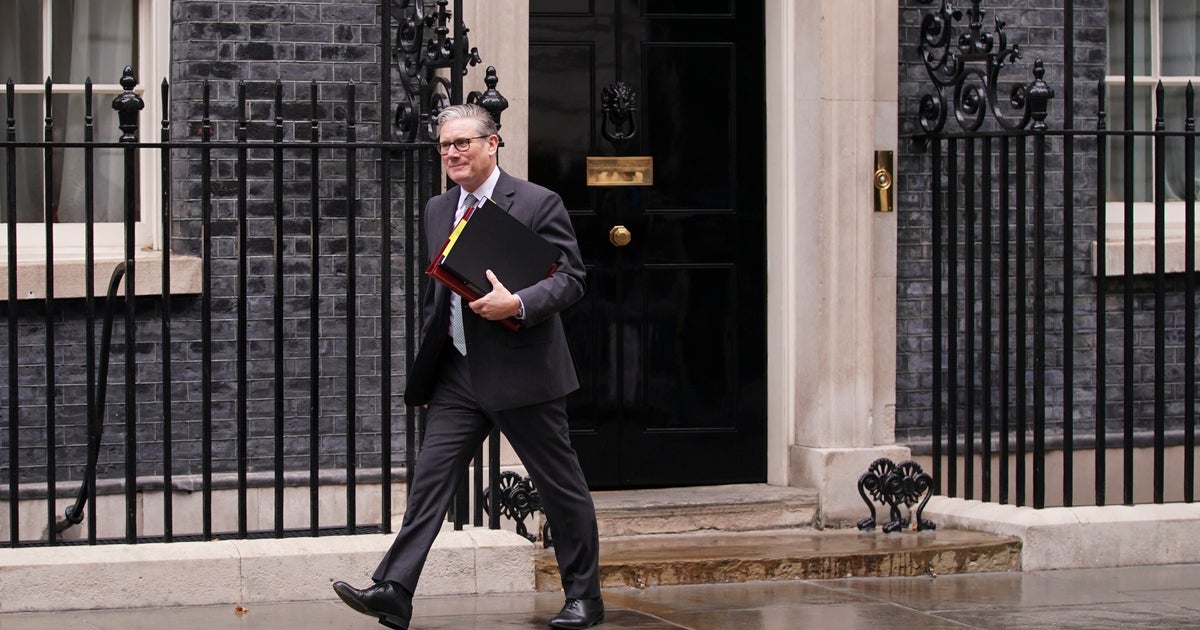
Darren Jones said “these things are never clear cut one way or the other”.

The chief secretary to the Treasury’s comments came as the Foreign Office warned Britons not to travel to Israel because of its war with Iran.

RAF jets have also been sent to the region as the conflict continues to escalate.

On LBC on Sunday, presenter Lewis Goodall asked Jones: “Do we agree with Israel that Iran is a menace to world peace and a threat to Israeli security?”

Jones said: “The UK has been part of international efforts in the past in respect of Iran, the third party groups that it funds, concerns in the past about enrichment capability.

“So of course, there are diplomatic challenges there that we have always played a role in with allies in the West.”

Goodall then asked him: “But Iran is our enemy, isn’t it?”

Jones replied: “Well look, we have these diplomatic conversations with Iran where we would like them to do different things, that’s for sure.”

Goodall then asked: “It’s fair to say Israel is our ally. Israel is clearly, in this situation, we are an ally of Israel. That’s right, isn’t it?”

Jones said: “We’ve always supported Israel’s right to defend itself. But as you’ll also know from other actions happening in the region in respect of Gaza and the West Bank, we have differences of opinions with Israel as well. So these things are never clear cut one way or the other.”

<div class="js-react-hydrator" data-component-name="Twitter" data-component-id="4960" data-component-props="{"itemType":"rich","index":14,"contentIndexByType":1,"contentListType":"embed","code":"

‘We are an ally of Israel. That’s right, isn’t it?’
‘These things are never clear cut.’ @lewis_goodall grills Labour’s Darren Jones to find out whether the UK stands with Israel in its escalating conflict with Iran. pic.twitter.com/EAKswp4uOY

— LBC (@LBC) June 15, 2025

","type":"rich","meta":{"author":"LBC","author_url":"https://twitter.com/LBC","cache_age":86400,"description":"‘We are an ally of Israel. That’s right, isn’t it?’ ‘These things are never clear cut.’ @lewis_goodall grills Labour’s Darren Jones to find out whether the UK stands with Israel in its escalating conflict with Iran. pic.twitter.com/EAKswp4uOY— LBC (@LBC) June 15, 2025\n\n\n","options":{"_hide_media":{"label":"Hide photos, videos, and cards","value":false},"_maxwidth":{"label":"Adjust width","placeholder":"220-550, in px","value":""},"_theme":{"value":"","values":{"dark":"Use dark theme"}}},"provider_name":"Twitter","thumbnail_height":1080,"thumbnail_url":"https://pbs.twimg.com/media/GtemBFNW4AAUkHX.jpg:large","thumbnail_width":1080,"title":"LBC on Twitter / X","type":"rich","url":"https://twitter.com/LBC/status/1934197146296721600","version":"1.0"},"flags":[],"enhancements":{},"fullBleed":false,"options":{"theme":"news","device":"desktop","editionInfo":{"id":"uk","name":"U.K.","link":"https://www.huffingtonpost.co.uk","locale":"en_GB"},"originalEdition":"uk","isMapi":false,"isAmp":false,"isAdsFree":false,"isVideoEntry":false,"isEntry":true,"isMt":false,"entryId":"684ea21be4b0fcc49377b023","entryPermalink":"https://www.huffingtonpost.co.uk/entry/labour-minister-refuses-to-say-that-israel-is-an-ally-of-the-uk_uk_684ea21be4b0fcc49377b023","entryTagsList":"israel,darren-jones,lewis-goodall,@ai_seo_headline","sectionSlug":"politics","deptSlug":null,"sectionRedirectUrl":null,"subcategories":"","isWide":false,"isShopping":false,"headerOverride":null,"noVideoAds":false,"disableFloat":false,"isNative":false,"commercialVideo":{"provider":"custom","site_and_category":"uk.politics","package":null},"isHighline":false,"vidibleConfigValues":{"cid":"60afc140cf94592c45d7390c","disabledWithMapiEntries":false,"overrides":{"all":"60b8e525cdd90620331baaf4"},"whitelisted":["56c5f12ee4b03a39c93c9439","56c6056ee4b01f2b7e1b5f35","59bfee7f9e451049f87f550b","5acccbaac269d609ef44c529","570278d2e4b070ff77b98217","57027b4be4b070ff77b98d5c","56fe95c4e4b0041c4242016b","570279cfe4b06d08e3629954","5ba9e8821c2e65639162ccf1","5bcd9904821576674bc55ced","5d076ca127f25f504327c72e","5b35266b158f855373e28256","5ebac2e8abddfb04f877dff2","60b8e525cdd90620331baaf4","60b64354b171b7444beaff4d","60d0d8e09340d7032ad0fb1a","60d0d90f9340d7032ad0fbeb","60d0d9949340d7032ad0fed3","60d0d9f99340d7032ad10113","60d0daa69340d7032ad104cf","60d0de02b627221e9d819408"],"playlists":{"default":"57bc306888d2ff1a7f6b5579","news":"56c6dbcee4b04edee8beb49c","politics":"56c6dbcee4b04edee8beb49c","entertainment":"56c6e7f2e4b0983aa64c60fc","tech":"56c6f70ae4b043c5bdcaebf9","parents":"56cc65c2e4b0239099455b42","lifestyle":"56cc66a9e4b01f81ef94e98c"},"playerUpdates":{"56c6056ee4b01f2b7e1b5f35":"60b8e525cdd90620331baaf4","56c5f12ee4b03a39c93c9439":"60d0d8e09340d7032ad0fb1a","59bfee7f9e451049f87f550b":"60d0d90f9340d7032ad0fbeb","5acccbaac269d609ef44c529":"60d0d9949340d7032ad0fed3","5bcd9904821576674bc55ced":"60d0d9f99340d7032ad10113","5d076ca127f25f504327c72e":"60d0daa69340d7032ad104cf","5ebac2e8abddfb04f877dff2":"60d0de02b627221e9d819408"}},"connatixConfigValues":{"defaultPlayer":"16b0ecc6-802c-4120-845f-e90629812c4d","clickToPlayPlayer":"823ac03a-0f7e-4bcb-8521-a5b091ae948d","videoPagePlayer":"05041ada-93f7-4e86-9208-e03a5b19311b","defaultPlaylist":"2e062669-71b4-41df-b17a-df6b1616bc8f"},"topConnatixThumnbailSrc":"data:image/png;base64,iVBORw0KGgoAAAANSUhEUgAAAAEAAAABCAQAAAC1HAwCAAAAC0lEQVR42mNkYAAAAAYAAjCB0C8AAAAASUVORK5CYII=","customAmpComponents":[],"ampAssetsUrl":"https://amp.assets.huffpost.com","videoTraits":null,"positionInUnitCounts":{"buzz_head":{"count":0},"buzz_body":{"count":0},"buzz_bottom":{"count":0}},"positionInSubUnitCounts":{"article_body":{"count":4},"blog_summary":{"count":0},"before_you_go_content":{"count":0}},"connatixCountsHelper":{"count":0},"buzzfeedTracking":{"context_page_id":"684ea21be4b0fcc49377b023","context_page_type":"buzz","destination":"huffpost","mode":"desktop","page_edition":"en-uk"},"tags":[{"name":"Israel","slug":"israel","links":{"relativeLink":"news/israel","permalink":"https://www.huffingtonpost.co.uk/news/israel","mobileWebLink":"https://www.huffingtonpost.co.uk/news/israel"},"url":"https://www.huffingtonpost.co.uk/news/israel/"},{"name":"darren jones","slug":"darren-jones","links":{"relativeLink":"news/darren-jones","permalink":"https://www.huffingtonpost.co.uk/news/darren-jones","mobileWebLink":"https://www.huffingtonpost.co.uk/news/darren-jones"},"url":"https://www.huffingtonpost.co.uk/news/darren-jones/"},{"name":"lewis goodall","slug":"lewis-goodall","links":{"relativeLink":"news/lewis-goodall","permalink":"https://www.huffingtonpost.co.uk/news/lewis-goodall","mobileWebLink":"https://www.huffingtonpost.co.uk/news/lewis-goodall"},"url":"https://www.huffingtonpost.co.uk/news/lewis-goodall/"}],"isLiveblogLive":null,"isLiveblog":false,"cetUnit":"buzz_body","bodyAds":["

\r\n\r\n HPGam.cmd.push(function(){\r\n\t\treturn HPGam.render(\"inline-1\", \"entry_paragraph_1\", false, false);\r\n });\r\n\r\n","

\r\n\r\n HPGam.cmd.push(function(){\r\n\t\treturn HPGam.render(\"inline\", \"entry_paragraph_2\", false, false);\r\n });\r\n\r\n","

\r\n\r\n HPGam.cmd.push(function(){\r\n\t\treturn HPGam.render(\"inline-2\", \"entry_paragraph_3\", false, false);\r\n });\r\n\r\n","

\r\n\r\n HPGam.cmd.push(function(){\r\n\t\treturn HPGam.render(\"inline-infinite\", \"repeating_dynamic_display\", false, false);\r\n });\r\n\r\n"],"adCount":0},"isCollectionEmbed":false}”>
‘We are an ally of Israel. That’s right, isn’t it?’
‘These things are never clear cut.’ @lewis_goodall grills Labour’s Darren Jones to find out whether the UK stands with Israel in its escalating conflict with Iran. pic.twitter.com/EAKswp4uOY

— LBC (@LBC) June 15, 2025

Tensions between Israel and the UK have been building in recent weeks over the ongoing crisis in Gaza.

Israeli prime minister Benjamin Netanyahu launched a scathing attack on the UK, France and Canada after they called on Israel to “cease the renewed military offensive” in Gaza and lift its blockade on humanitarian aid.

The government has also sanctioned two Israeli ministers for inciting “extremist violence and serious abuses of Palestinian human rights”.

Itamar Ben-Gvir and Bezalel Smotrich will be subject to a travel ban and asset freeze under the measures announced by Britain alongside Australia, Canada, New Zealand and Norway.

Share Button