System to auto-detect new variants will inform better response to future infectious disease outbreaks

Researchers have come up with a new way to identify more infectious variants of viruses or bacteria that start spreading in humans — including those causing flu, COVID, whooping cough and tuberculosis.

The new approach uses samples from infected humans to allow real-time monitoring of pathogens circulating in human populations, and enable vaccine-evading bugs to be quickly and automatically identified. This could inform the development of vaccines that are more effective in preventing disease.

The approach can also quickly detect emerging variants with resistance to antibiotics. This could inform the choice of treatment for people who become infected — and try to limit the spread of the disease.

It uses genetic sequencing data to provide information on the genetic changes underlying the emergence of new variants. This is important to help understand why different variants spread differently in human populations.

There are very few systems in place to keep watch for emerging variants of infectious diseases, apart from the established COVID and influenza surveillance programmes. The technique is a major advance on the existing approach to these diseases, which has relied on groups of experts to decide when a circulating bacteria or virus has changed enough to be designated a new variant.

By creating ‘family trees’, the new approach identifies new variants automatically based on how much a pathogen has changed genetically, and how easily it spreads in the human population — removing the need to convene experts to do this.

It can be used for a broad range of viruses and bacteria and only a small number of samples, taken from infected people, are needed to reveal the variants circulating in a population. This makes it particularly valuable for resource-poor settings.

The report is published today in the journal Nature.

“Our new method provides a way to show, surprisingly quickly, whether there are new transmissible variants of pathogens circulating in populations — and it can be used for a huge range of bacteria and viruses,” said Dr Noémie Lefrancq, first author of the report, who carried out the work at the University of Cambridge’s Department of Genetics.

Lefrancq, who is now based at ETH Zurich, added: “We can even use it to start predicting how new variants are going to take over, which means decisions can quickly be made about how to respond.”

“Our method provides a completely objective way of spotting new strains of disease-causing bugs, by analysing their genetics and how they’re spreading in the population. This means we can rapidly and effectively spot the emergence of new highly transmissible strains,” said Professor Julian Parkhill, a researcher in the University of Cambridge’s Department of Veterinary Medicine who was involved in the study.

Testing the technique

The researchers used their new technique to analyse samples of Bordetella pertussis, the bacteria that causes whooping cough. Many countries are currently experiencing their worst whooping cough outbreaks of the last 25 years. It immediately identified three new variants circulating in the population that had been previously undetected.

“The novel method proves very timely for the agent of whooping cough, which warrants reinforced surveillance, given its current comeback in many countries and the worrying emergence of antimicrobial resistant lineages,” said Professor Sylvain Brisse, Head of the National Reference Center for whooping cough at Institut Pasteur, who provided bioresources and expertise on Bordetella pertussis genomic analyses and epidemiology.

In a second test, they analysed samples of Mycobacterium tuberculosis, the bacteria that causes Tuberculosis. It showed that two variants with resistance to antibiotics are spreading.

“The approach will quickly show which variants of a pathogen are most worrying in terms of the potential to make people ill. This means a vaccine can be specifically targeted against these variants, to make it as effective as possible,” said Professor Henrik Salje in the University of Cambridge’s Department of Genetics, senior author of the report.

He added: “If we see a rapid expansion of an antibiotic-resistant variant, then we could change the antibiotic that’s being prescribed to people infected by it, to try and limit the spread of that variant.”

The researchers say this work is an important piece in the larger jigsaw of any public health response to infectious disease.

A constant threat

Bacteria and viruses that cause disease are constantly evolving to be better and faster at spreading between us. During the COVID pandemic, this led to the emergence of new strains: the original Wuhan strain spread rapidly but was later overtaken by other variants, including Omicron, which evolved from the original and were better at spreading. Underlying this evolution are changes in the genetic make-up of the pathogens.

Pathogens evolve through genetic changes that make them better at spreading. Scientists are particularly worried about genetic changes that allow pathogens to evade our immune system and cause disease despite us being vaccinated against them.

“This work has the potential to become an integral part of infectious disease surveillance systems around the world, and the insights it provides could completely change the way governments respond,” said Salje.


Share Button

Key players in brain aging: New research identifies age-related damage on a cellular level

Scientists at the Allen Institute have identified specific cell types in the brain of mice that undergo major changes as they age, along with a specific hot spot where many of those changes occur. The discoveries, published in the journal Nature, could pave the way for future therapies to slow or manage the aging process in the brain.

Key findings

  • Sensitive cells: Scientists discovered dozens of specific cell types, mostly glial cells, known as brain support cells, that underwent significant gene expression changes with age. Those strongly affected included microglia and border-associated macrophages, oligodendrocytes, tanycytes, and ependymal cells.
  • Inflammation and neuron protection: In aging brains, genes associated with inflammation increased in activity while those related to neuronal structure and function decreased.
  • Aging hot spot: Scientists discovered a specific hot spot combining both the decrease in neuronal function and the increase in inflammation in the hypothalamus. The most significant gene expression changes were found in cell types near the third ventricle of the hypothalamus, including tanycytes, ependymal cells, and neurons known for their role in food intake, energy homeostasis, metabolism, and how our bodies use nutrients. This points to a possible connection between diet, lifestyle factors, brain aging, and changes that can influence our susceptibility to age-related brain disorders.

“Our hypothesis is that those cell types are getting less efficient at integrating signals from our environment or from things that we’re consuming,” said Kelly Jin, Ph.D., a scientist at the Allen Institute for Brain Science and lead author of the study. “And that loss of efficiency somehow contributes to what we know as aging in the rest of our body. I think that’s pretty amazing, and I think it’s remarkable that we’re able to find those very specific changes with the methods that we’re using.”

To conduct the study, funded by the National Institutes of Health (NIH), researchers used cutting-edge single-cell RNA sequencing and advanced brain-mapping tools developed through NIH’s The BRAIN Initiative® to map over 1.2 million brain cells from young (two months old) and aged (18 months old) mice across 16 broad brain regions. The aged mice are what scientists consider to be the equivalent of a late middle-aged human. Mouse brains share many similarities with human brains in terms of structure, function, genes, and cell types.

“Aging is the most important risk factor for Alzheimer’s disease and many other devastating brain disorders. These results provide a highly detailed map for which brain cells may be most affected by aging,” said Richard J. Hodes, M.D., director of NIH’s National Institute on Aging. “This new map may fundamentally alter the way scientists think about how aging affects the brain and also provides a guide for developing new treatments for aging-related brain diseases.”

A path toward new therapies

Understanding this hot spot in the hypothalamus makes it a focal point for future study. Along with knowing which cells to specifically target, this could lead to the development of age-related therapeutics, helping to preserve function and prevent neurodegenerative disease.

“We want to develop tools that can target those cell types,” said Hongkui Zeng, Ph.D., executive vice president and director of the Allen Institute for Brain Science. “If we improve the function of those cells, will we be able to delay the aging process?”

The latest findings also align with past studies that link aging to metabolic changes as well as research suggesting that intermittent fasting, balanced diet, or calorie restriction can influence or perhaps increase life span.

“It’s not something we directly tested in this study,” said Jin. “But to me, it points to the potential players involved in the process, which I think is a huge deal because this is a very specific, rare population of neurons that express very specific genes that people can develop tools for to target and further study.”

Future brain aging research

This study lays the groundwork for new strategies in diet and therapeutic approaches aimed at maintaining brain health into old age, along with more research on the complexities of advanced aging in the brain. As scientists further explore these connections, research may unlock more specific dietary or drug interventions to combat or slow aging on a cellular level.

“The important thing about our study is that we found the key players — the real key players — and the biological substrates for this process,” said Zeng. “Putting the pieces of this puzzle together, you have to find the right players. It’s a beautiful example of why you need to study the brain and the body at this kind of cell type-specific level. Otherwise, changes happening in specific cell types could be averaged out and undetected if you mix different types of cells together.”

This study was funded by NIH grants R01AG066027 and U19MH114830. The content is solely the responsibility of the authors and does not necessarily represent the official views of the National Institutes of Health.

Share Button

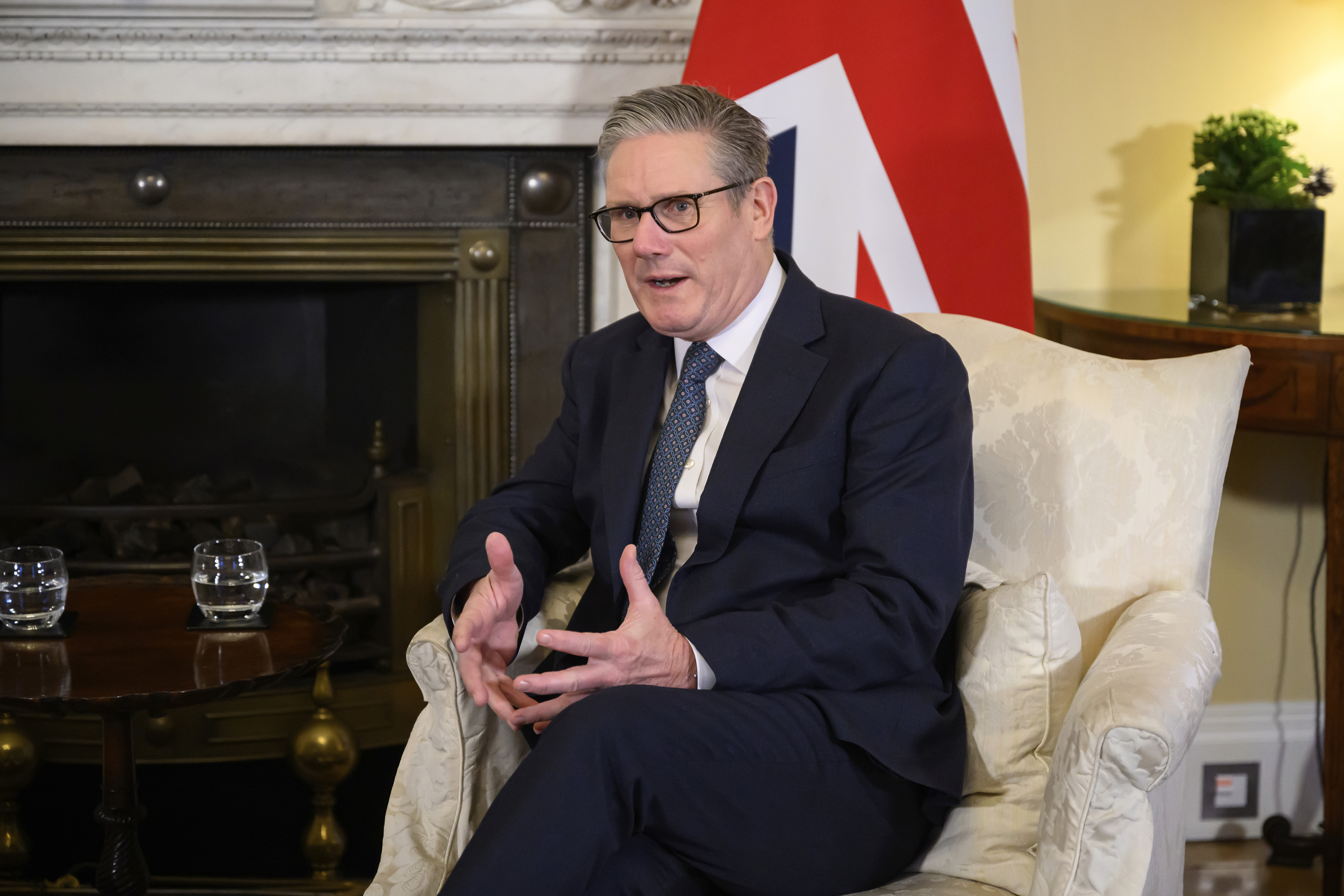
Keir Starmer Says Labour Will ‘Rebuild’ Britain As It Did After The War

Keir Starmer has vowed that Labour will “rebuild” Britain just as it did after the Second World War.

The prime minister used his New Year message to the country to draw comparisons between the challenges facing the UK in 2025 and the country’s plight exactly 80 years ago.

It comes amid gloomy warnings about Britain’s economic prospects in the next 12 months, and growing pessimism among voters.

A YouGov poll for The Times found most people saw Starmer’s government as “incompetent”, “dishonest” and “unsuccessful”, and believe it will fail to achieve the six milestones unveiled by the PM in his “plan for change” last month.

But in his New Year message, Starmer insisted that better days lie ahead for the UK.

He said: “I know there is still so much more to do. And that for many people it’s hard to think about the future when you spend all of your time fighting to get through the week.

“So I want to be clear. Until you can look forward and believe in the promise and the prosperity of Britain again, then this Government will fight for you.

“A fight for change that will define this year, next year, and indeed – every waking hour of this government.”

The PM added: “That is what we will be focusing on. A year of rebuilding. But also – rediscovering the great nation that we are. A nation that gets things done. No matter how hard or tough the circumstances.

“We will have time to reflect on that this year. A chance, with the 80th anniversary of VE [Victory in Europe] and VJ [Victory in Japan} day. To cherish the greatest victories of this country. And the greatest generation that achieved it.

“But that victory – and indeed the peace and the prosperity that followed all rested on that same foundation we must rebuild today.

“The security of working people. That is the purpose of this Government. The goal of our plan for change. And we will push it forward in 2025.”

Share Button

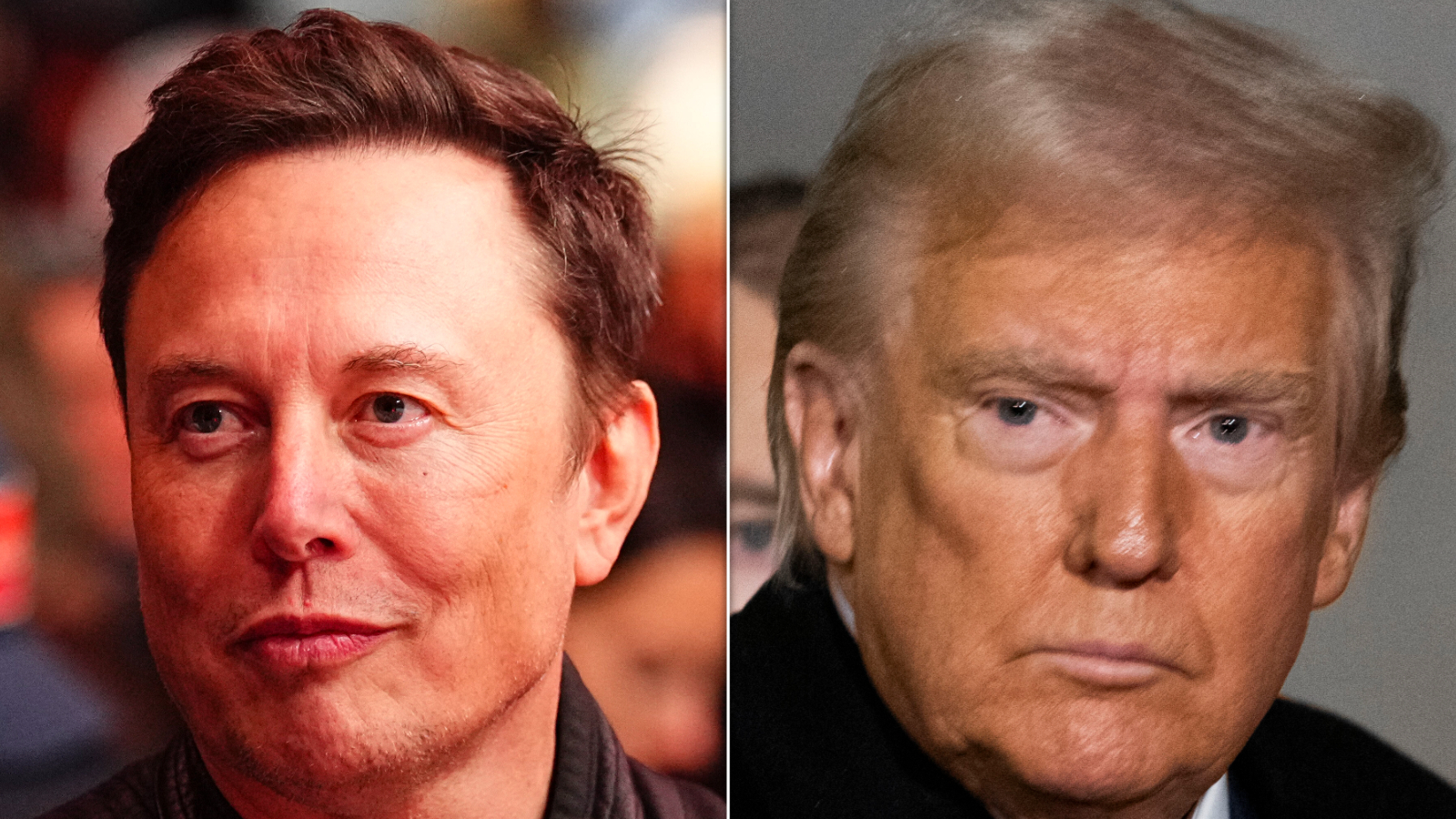
NYT Report Describes Elon Musk As Trump’s ‘Tenant,’ And Critics Have Thoughts

Elon Musk has been staying in an expensive cottage at Donald Trump’s Mar-a-Lago resort, giving him “easy access” to the president-elect, The New York Times reported on Monday.

“Elon Musk plays many roles with President-elect Donald J. Trump. He is Mr. Trump’s most important donor, most influential social media promoter and a key adviser on policy and personnel,” the Times began its report.

“For most of the time since Election Day, he has also been Mr. Trump’s tenant,” it added.

The cottage, named Banyan, has reportedly rented for at least $2,000 a night in the past, though it’s not clear what Musk’s arrangement is, or whether Trump will charge him at all. It’s a few hundred feet from the main house at the Florida estate, a source told the Times.

Around the club, Musk has become known to make requests such as meals outside normal kitchen hours, the Times reported. He stayed there until Christmas and is apparently expected to return within days.

The billionaire Tesla and SpaceX CEO — who spent more than $250 million to help elect Trump — has been prominently involved with Trump’s transition, involving himself in conversations with foreign leaders, dropping in on meetings, weighing in on staffing decisions, and exerting his influence to the extent that he’s been called Trump’s “shadow president.”

Those accusations are reportedly getting on Trump’s nerves.

Musk’s apparent accommodation arrangement alarmed critics, many of whom cast it as yet another way for Musk to buy influence.

“So basically Trump is annoyed by this Musk-as-co-president thing but he’s putting up with it because he needs the rent money,” Philadelphia Inquirer opinion columnist Will Bunch wrote on Bluesky. “Perfectly normal way to launch your next presidency.”

See a snapshot of the reactions below.

Share Button

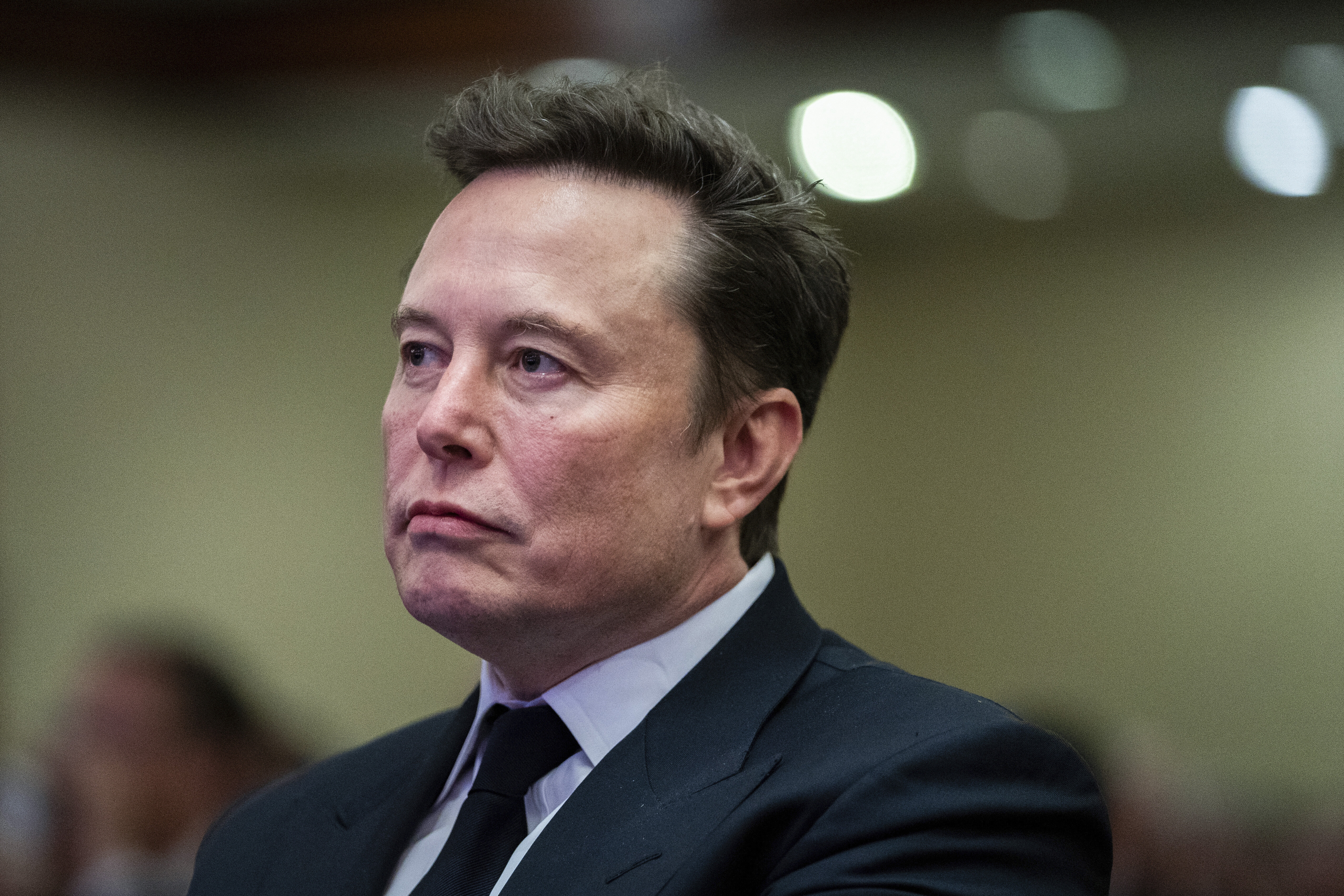
German Chancellor Takes Not-So-Subtle Jab At Elon Musk In New Year’s Address

German Chancellor Olaf Scholz took a thinly veiled swipe at Elon Musk on Tuesday, using his New Year’s address to criticise the tech billionaire’s involvement in the country’s upcoming parliamentary elections.

In pre-recorded remarks from Berlin, Scholz took aim at Musk’s attempts to influence the outcome of the election without mentioning the X (formerly Twitter) owner by name.

“Where Germany goes from here will be decided by you — the citizens,” Scholz said of the February 23 elections, which were called after the chancellor lost a confidence vote earlier this month, collapsing his governing coalition. “It will not be decided by the owners of social media channels.”

“In our debates, one can be forgiven for sometimes thinking the more extreme an opinion is, the more attention it will garner,” Scholz continued. “But it won’t be the person who yells loudest who will decide where Germany goes from here. Rather, that will be up to the vast majority of reasonable and decent people.”

<div class="js-react-hydrator" data-component-name="Twitter" data-component-id="7572" data-component-props="{"itemType":"rich","index":6,"contentIndexByType":2,"contentListType":"embed","code":"

In his New Year’s address, German Chancellor Olaf Scholz took a swipe at Elon Musk – without referring to him by name.
After Musk called for an AfD victory in Germany’s upcoming elections, Scholz said it’s up to German citizens to decide – not \"owners of social media channels.\" pic.twitter.com/it8XaABrmK

— DW Politics (@dw_politics) December 31, 2024

","type":"rich","meta":{"author":"DW Politics","author_url":"https://twitter.com/dw_politics","cache_age":86400,"description":"In his New Year’s address, German Chancellor Olaf Scholz took a swipe at Elon Musk – without referring to him by name.After Musk called for an AfD victory in Germany’s upcoming elections, Scholz said it’s up to German citizens to decide – not \"owners of social media channels.\" pic.twitter.com/it8XaABrmK— DW Politics (@dw_politics) December 31, 2024\n\n\n","options":{"_hide_media":{"label":"Hide photos, videos, and cards","value":false},"_maxwidth":{"label":"Adjust width","placeholder":"220-550, in px","value":""},"_theme":{"value":"","values":{"dark":"Use dark theme"}}},"provider_name":"Twitter","thumbnail_height":1080,"thumbnail_url":"https://pbs.twimg.com/media/GgH8FgxXEAA8F0S.jpg:large","thumbnail_width":1080,"title":"DW Politics on Twitter / X","type":"rich","url":"https://twitter.com/dw_politics/status/1874056530963685583","version":"1.0"},"flags":[],"enhancements":{},"fullBleed":false,"options":{"theme":"news","device":"desktop","editionInfo":{"id":"uk","name":"U.K.","link":"https://www.huffingtonpost.co.uk","locale":"en_GB"},"originalEdition":"uk","isMapi":false,"isAmp":false,"isVideoEntry":false,"isEntry":true,"isMt":false,"entryId":"6774ee44e4b0827a55242bce","entryPermalink":"https://www.huffingtonpost.co.uk/entry/german-chancellor-takes-not-so-subtle-jab-at-elon-musk-in-new-years-address_uk_6774ee44e4b0827a55242bce","entryTagsList":"elon-musk,germany,olaf-scholz,@us_huffpost_now,@widget-imported","sectionSlug":"politics","deptSlug":null,"sectionRedirectUrl":null,"subcategories":"","isWide":false,"headerOverride":null,"noVideoAds":false,"disableFloat":false,"isNative":false,"commercialVideo":{"provider":"custom","site_and_category":"uk.politics","package":null},"isHighline":false,"vidibleConfigValues":{"cid":"60afc140cf94592c45d7390c","disabledWithMapiEntries":false,"overrides":{"all":"60b8e525cdd90620331baaf4"},"whitelisted":["56c5f12ee4b03a39c93c9439","56c6056ee4b01f2b7e1b5f35","59bfee7f9e451049f87f550b","5acccbaac269d609ef44c529","570278d2e4b070ff77b98217","57027b4be4b070ff77b98d5c","56fe95c4e4b0041c4242016b","570279cfe4b06d08e3629954","5ba9e8821c2e65639162ccf1","5bcd9904821576674bc55ced","5d076ca127f25f504327c72e","5b35266b158f855373e28256","5ebac2e8abddfb04f877dff2","60b8e525cdd90620331baaf4","60b64354b171b7444beaff4d","60d0d8e09340d7032ad0fb1a","60d0d90f9340d7032ad0fbeb","60d0d9949340d7032ad0fed3","60d0d9f99340d7032ad10113","60d0daa69340d7032ad104cf","60d0de02b627221e9d819408"],"playlists":{"default":"57bc306888d2ff1a7f6b5579","news":"56c6dbcee4b04edee8beb49c","politics":"56c6dbcee4b04edee8beb49c","entertainment":"56c6e7f2e4b0983aa64c60fc","tech":"56c6f70ae4b043c5bdcaebf9","parents":"56cc65c2e4b0239099455b42","lifestyle":"56cc66a9e4b01f81ef94e98c"},"playerUpdates":{"56c6056ee4b01f2b7e1b5f35":"60b8e525cdd90620331baaf4","56c5f12ee4b03a39c93c9439":"60d0d8e09340d7032ad0fb1a","59bfee7f9e451049f87f550b":"60d0d90f9340d7032ad0fbeb","5acccbaac269d609ef44c529":"60d0d9949340d7032ad0fed3","5bcd9904821576674bc55ced":"60d0d9f99340d7032ad10113","5d076ca127f25f504327c72e":"60d0daa69340d7032ad104cf","5ebac2e8abddfb04f877dff2":"60d0de02b627221e9d819408"}},"connatixConfigValues":{"defaultPlayer":"8b034f64-513c-4987-b16f-42d6008f7feb","clickToPlayPlayer":"5a777b9b-81fe-41a6-8302-59e9953ee8a2","videoPagePlayer":"19654b65-409c-4b38-90db-80cbdea02cf4"},"topConnatixThumnbailSrc":"https://img.connatix.com/2e5fcd20-5a6d-403a-81f7-8ed36b1d76cd/1_th.jpg?crop=629:354,smart&width=629&height=354&format=jpeg&quality=60&fit=crop","customAmpComponents":[],"ampAssetsUrl":"https://amp.assets.huffpost.com","videoTraits":null,"positionInUnitCounts":{"buzz_head":{"count":0},"buzz_body":{"count":0},"buzz_bottom":{"count":0}},"positionInSubUnitCounts":{"article_body":{"count":3},"blog_summary":{"count":0},"before_you_go_content":{"count":0}},"connatixCountsHelper":{"count":1},"buzzfeedTracking":{"context_page_id":"6774ee44e4b0827a55242bce","context_page_type":"buzz","destination":"huffpost","mode":"desktop","page_edition":"en-uk"},"tags":[{"name":"elon musk","slug":"elon-musk","links":{"relativeLink":"news/elon-musk","permalink":"https://www.huffingtonpost.co.uk/news/elon-musk","mobileWebLink":"https://www.huffingtonpost.co.uk/news/elon-musk"},"relegenceId":4959178,"url":"https://www.huffingtonpost.co.uk/news/elon-musk/"},{"name":"Germany","slug":"germany","links":{"relativeLink":"news/germany","permalink":"https://www.huffingtonpost.co.uk/news/germany","mobileWebLink":"https://www.huffingtonpost.co.uk/news/germany"},"relegenceId":3684903,"url":"https://www.huffingtonpost.co.uk/news/germany/"},{"name":"Olaf Scholz","slug":"olaf-scholz","links":{"relativeLink":"news/olaf-scholz","permalink":"https://www.huffingtonpost.co.uk/news/olaf-scholz","mobileWebLink":"https://www.huffingtonpost.co.uk/news/olaf-scholz"},"url":"https://www.huffingtonpost.co.uk/news/olaf-scholz/"}],"isLiveblogLive":null,"isLiveblog":false,"cetUnit":"buzz_body","bodyAds":["

\r\n\r\n HPGam.cmd.push(function(){\r\n\t\treturn HPGam.render(\"inline-1\", \"entry_paragraph_1\", false, false);\r\n });\r\n\r\n","

\r\n\r\n HPGam.cmd.push(function(){\r\n\t\treturn HPGam.render(\"inline\", \"entry_paragraph_2\", false, false);\r\n });\r\n\r\n","

\r\n\r\n HPGam.cmd.push(function(){\r\n\t\treturn HPGam.render(\"inline-2\", \"entry_paragraph_3\", false, false);\r\n });\r\n\r\n","

\r\n\r\n HPGam.cmd.push(function(){\r\n\t\treturn HPGam.render(\"inline-infinite\", \"repeating_dynamic_display\", false, false);\r\n });\r\n\r\n"],"adCount":0},"isCollectionEmbed":false}”>

In his New Year’s address, German Chancellor Olaf Scholz took a swipe at Elon Musk – without referring to him by name.
After Musk called for an AfD victory in Germany’s upcoming elections, Scholz said it’s up to German citizens to decide – not “owners of social media channels.” pic.twitter.com/it8XaABrmK

— DW Politics (@dw_politics) December 31, 2024

Musk, the Tesla and SpaceX CEO and a close adviser to President-elect Donald Trump, endorsed the far-right Alternative for Germany party in an opinion piece published in Welt am Sonntag, a major German newspaper, over the weekend.

“The Alternative for Germany (AfD) is the last spark of hope for this country,” Musk wrote in his column, which was published in German. “[AfD] can lead the country into a future where economic prosperity, cultural integrity and technological innovation are not just wishes, but reality.”

Musk, who claims he has an interest in German politics because of his “significant investments” in the country, drew widespread condemnation for wading into the election and even prompted Welt am Sonntag’s opinion editor, Eva Marie Kogel, to resign.

On Monday, the German government explicitly accused Musk of trying to sway the election.

“It is indeed the case that Elon Musk is trying to influence the federal election,” spokeswoman Christiane Hoffmann told reporters during a briefing.

She added that Musk is free to speak his mind.

“After all, freedom of opinion also covers the greatest nonsense,” she said.

Share Button