Bonobos are more aggressive than previously thought

Chimpanzees and bonobos are often thought to reflect two different sides of human nature — the conflict-ready chimpanzee versus the peaceful bonobo — but a new study publishing April 12 in the journal Current Biology shows that, within their own communities, male bonobos are more frequently aggressive than male chimpanzees. For both species, more aggressive males had more mating opportunities.

“Chimpanzees and bonobos use aggression in different ways for specific reasons,” says anthropologist and lead author Maud Mouginot of Boston University. “The idea is not to invalidate the image of bonobos being peaceful — the idea is that there is a lot more complexity in both species.”

Though previous studies have investigated aggression in bonobos and chimpanzees, this is the first study to directly compare the species’ behavior using the same field methods. The researchers focused on male aggression, which is often tied to reproduction, but they note that female bonobos and chimpanzees are not passive, and their aggression warrants its own future research.

To compare bonobo and chimpanzee aggression, the team scrutinized rates of male aggression in three bonobo communities at the Kokolopori Bonobo Reserve (Democratic Republic of Congo) and two chimpanzee communities at Gombe National Park (Tanzania). Overall, they examined the behavior of 12 bonobos and 14 chimpanzees by conducting “focal follows,” which involved tracking one individual’s behavior for an entire day and taking note of how often they engaged in aggressive interactions, who these interactions were with, and whether they were physical or not (e.g., whether the aggressor engaged in pushing and biting or simply chased their adversary).

“You go to their nests and wait for them to wake up and then you just follow them the entire day — from the moment they wake up to the moment they go to sleep at night — and record everything they do,” says Mouginot.

To their surprise, the researchers found that male bonobos were more frequently aggressive than chimpanzees. Overall, bonobos engaged in 2.8 times more aggressive interactions and 3 times as many physical aggressions.

While male bonobos were almost exclusively aggressive toward other males, chimpanzees were more likely to act aggressively toward females. Chimpanzee aggression was also more likely to involve “coalitions” of males (13.2% vs. 1% of bonobo aggressions). The researchers think that these coalitions might be one reason why aggression is less frequent among chimpanzees. Altercations involving groups of males have the potential to cause more injuries, and within-community fighting could also weaken the group’s ability to fight off other groups of chimpanzees. Bonobos don’t have this issue because most of their disputes are one on one, they have never been observed to kill one another, and they are not thought to be territorial, which leaves their communities free to bicker among themselves.

For both chimpanzees and bonobos, more aggressive males had greater mating success. The researchers were surprised to find this in bonobos, which have a co-dominant social dynamic in which females often outrank males, compared to chimpanzees, which have male-dominated hierarchies in which male coalitions coerce females into mating.

“Male bonobos that are more aggressive obtain more copulations with females, which is something that we would not expect,” said Mouginot. “It means that females do not necessarily go for nicer males.”

These findings partially contradict a prevailing hypothesis in primate and anthropological behavior — the self-domesticating hypothesis — which posits that aggression has been selected against in bonobos and humans but not chimpanzees.

The researchers were not able to assess the severity of aggressive interactions in terms of whether they resulted in wounds or injuries, but this is data that they hope to collect in future. They also want to compare aggressive behavior in other groups of chimpanzees and bonobos as it’s possible that behavior varies between communities and subspecies.

“I’d love to have the study complemented with comparable data from other field sites so we can get a broader understanding of variation within and between species,” says Mouginot.


Share Button

How seaweed became multicellular

A deep dive into macroalgae genetics has uncovered the genetic underpinnings that enabled macroalgae, or “seaweed,” to evolve multicellularity. Three lineages of macroalgae developed multicellularity independently and during very different time periods by acquiring genes that enable cell adhesion, extracellular matrix formation, and cell differentiation, researchers report April 12 in the journal Molecular Plant. Surprisingly, many of these multicellular-enabling genes had viral origins. The study, which increased the total number of sequenced macroalgal genomes from 14 to 124, is the first to investigate macroalgal evolution through the lens of genomics.

“This is a big genomic resource that will open the door for many more studies,” says co-first author and algal biologist Alexandra Mystikou of New York University Abu Dhabi and the Technology Innovation Institute, United Arab Emirates. “Macroalgae play an important role in global climate regulation and ecosystems, and they have numerous commercial and ecoengineering applications, but until now, there wasn’t a lot of information about their genomes.”

Macroalgae live in both fresh and seawater and are complex multicellular organisms with distinct organs and tissues, in contrast to microalgae, which are microscopic and unicellular. There are three main groups of macroalgae — red (Rhodophyta), green (Chlorophyta), and brown (Ochrophyta) — that independently evolved multicellularity at very different times and in very different environmental conditions. Rhodophytes and Chlorophytes both evolved multicellularity over a billion years ago, while Ochrophytes only became multicellular in the past 200,000 years.

To investigate the evolution of macroalgal multicellularity, the researchers sequenced 110 new macroalgal genomes from 105 different species originating from fresh and saltwater habitats in diverse geographies and climates.

The researchers identified several metabolic pathways that distinguish macroalgae from microalgae, some of which may be responsible for the success of invasive macroalgal species. Many of these metabolic genes appear to have been donated by algae-infecting viruses, and genes with a viral origin were especially prevalent in the more recently evolved brown algae.

They found that macroalgae acquired many new genes that are not present in microalgae on their road to multicellularity. For all three lineages, key acquisitions included genes involved in cell adhesion (which enables cells to stick together), cell differentiation (which allows different cells to develop specialized functions), cell communication, and inter-cellular transport.

“Many brown algal genes associated with multicellular functions had signature motifs that were only otherwise present in the viruses that infect them,” says co-first author and bioinformatician David Nelson of New York University Abu Dhabi. “It’s kind of a wild theory that’s only been hinted at in the past, but from our data it looks like these horizontally transferred genes were critical factors for evolving multicellularity in the brown algae.”

The team also identified other features that were distinct between the macroalgal lineages. They observed much more diversity between different species of Rhodophyte, which evolved multicellularity first and have thus had longer to diverge. They also found that Chlorophytes share many genomic features with land plants, suggesting that these genes may have already been present in the last common ancestor of Chlorophytes and plants.

“By no means have we exhaustively explored all that there is in these genomes,” says senior author and systems biologist Kourosh Salehi-Ashtiani of New York University Abu Dhabi. “There is a ton of information that we have not touched in the present paper that can be mined by whoever who is interested.”

The researchers are already digging into the dataset to investigate environmental and habitat adaptations amongst macroalgae. In future, they hope to sequence and analyze even more macroalgal genomes.

“We want to explore some of these features in more detail, meaning more genomes if we can get our hands on them,” says Salehi-Ashtiani.

This research was supported by the NYUAD Faculty Research Funds and Tamkeen.

Share Button

Scientists uncover a missing link between poor diet and higher cancer risk

A research team from the National University of Singapore (NUS) has unearthed new findings which may help explain the connection between cancer risk and poor diet, as well as common diseases like diabetes, which arise from poor diet. The insights gained from this study hold promise for advancing cancer prevention strategies aimed at promoting healthy ageing.

Led by Professor Ashok Venkitaraman, this ground-breaking study was conducted by scientists from the Cancer Science Institute of Singapore (CSI Singapore) at NUS and NUS Centre for Cancer Research (N2CR) under the Yong Loo Lin School of Medicine, with colleagues from the Agency for Science, Technology and Research (A*STAR).

Prof Venkitaraman, Director of CSI Singapore, explained, “Cancer is caused by the interaction between our genes and factors in our environment, such as diet, exercise, and pollution. How such environmental factors increase cancer risk is not yet very clear, but it is vital to understand the connection if we are to take preventive measures that help us stay healthy longer.”

A chemical linked to diabetes, obesity, and poor diet can heighten cancer risk

The research team first studied patients who are at a high risk of developing breast or ovarian cancers because they inherit a faulty copy of the cancer gene — BRCA2 — from their parents. They demonstrated that cells from such patients were particularly sensitive to the effects of methylglyoxal, which is a chemical produced when our cells break down glucose to create energy. The study showed that this chemical can cause faults in our DNA that are early warning signs of cancer development.

The team’s research also suggested that people who do not inherit a faulty copy of BRCA2 but could experience higher-than-normal levels of methylglyoxal — such as patients with diabetes or pre-diabetes, which are connected with obesity or poor diet — can accumulate similar warning signs indicating a higher risk of developing cancer.

Prof Venkitaraman elaborated, “Our research suggests that patients with high methylglyoxal levels may have higher cancer risk. Methylglyoxal can be easily detected by a blood test for HbA1C, which could potentially be used as a marker. Furthermore, high methylglyoxal levels can usually be controlled with medicines and a good diet, creating avenues for proactive measures against the initiation of cancer.”

The study’s first author, Dr Li Ren Kong, Lee Kuan Yew Fellow from N2CR, added, “We started the study aiming to understand what factors elevate risk in families susceptible to cancer, but ended up discovering a deeper mechanism linking an essential energy consumption pathway to cancer development. These findings raise awareness of the impact of diet and weight control in the management of cancer risks.”

Novel mechanism for tumour formation

Interestingly, the research team’s work also revised a longstanding theory about certain cancer-preventing genes. This theory — called the Knudson’s ‘two-hit’ paradigm — was first formulated in 1971, and it was proposed that these genes must be inactivated permanently in our cells before cancer can arise. The NUS team has now found that methylglyoxal can temporarily inactivate such cancer-preventing genes, suggesting that repeated episodes of poor diet or uncontrolled diabetes can ‘add up’ over time to increase cancer risk. This new knowledge is likely to be influential in changing the direction of future research in this area.

Next phase of research

Building on their novel discoveries, the researchers aim to conduct further studies to understand if metabolic disorders, such as diabetes or poor diets, affect cancer risk in Singapore and other Asian countries.

The research team also hopes to identify new mechanisms underlying the connection between metabolism, diet and cancer that they have discovered, to develop more effective approaches to prevent or delay the onset of cancer.

Share Button

Retention ponds can deliver a substantial reduction in tire particle pollution

Retention ponds and wetlands constructed as part of major road schemes can reduce the quantities of tyre particles entering the aquatic environment by an average of 75%, new research has shown.

The study analysed samples collected alongside some of the busiest routes in South West England and the Midlands, many used by more than 100,000 vehicles each day.

Tyre particles were discovered in each of the 70 samples taken, confirming the findings of previous research which has shown them to pose a considerable environmental threat.

However, the presence of wetlands and retention ponds led to an average reduction of almost 75% in the mass of tyre wear particles being discharged to aquatic waters, thus providing protection for rivers and the ocean beyond.

The study also found that tyre wear particles significantly outweighed other forms of microplastics, such as plastic fibres and fragments, in the samples collected but that they were also removed in far greater quantities.

The researchers say that while the number of retention ponds and wetlands is quite small, in terms of the UK’s entire road network, the study has international significance as to the most effective ways to mitigate against the potential impacts of tyre pollution on a global scale.

They have also recommended that the maintenance of retention ponds and wetlands should be considered a major priority so that their apparent benefits, when it comes to reducing the flow of tyre particles from roads to rivers, continue to be realised.

The research is published in the Environmental Science and Pollution Research journal, and was carried out by scientists from the University of Plymouth and Newcastle University. It was funded by UK National Highways.

Florence Parker-Jurd, Associate Research Fellow in the University of Plymouth’s International Marine Litter Research Unit, is the study’s lead author.

She said: “Retention ponds and wetlands are constructed as part of highways projects primarily to attenuate flow and prevent downstream flooding, but also to remove pollutants. This study set out to establish if these existing drainage measures in place along parts of the UK’s strategic road network have the potential to halt the spread of tyre pollution. Our results are positive in that regard, and provide a much improved understanding on the extent and nature of tyre pollution. Similar drainage assets are used on a global scale; hence these results are of broad relevance to the management of tyre wear particle pollution.”

Dr Geoff Abbott, Reader in Organic Geochemistry in the School of Natural and Environmental Sciences (SNES) at Newcastle University, has previously developed a breakthrough method using pyrolysis-gas chromatography-mass spectrometry (Py-GC-MS) to detect tyre-derived particles in the environment.

He explained: “Py-GC-MS is a really productive approach that can unravel and quantify the monomeric components of microplastics in the environment. We used it to identify specific components of micro- and nanoplastics that can be unequivocally linked to vehicle tyre tread. That has enabled us to get hard numbers on the total amount of tyre wear particles that are collecting in the influent, effluent, and sediments of the retention ponds and wetlands in this study.”

The new research builds on previous studies involving researchers from Plymouth and Newcastle showing that tyre particles can be transported directly to the ocean through the atmosphere or carried by rainwater into rivers and sewers.

Professor Richard Thompson OBE FRS, Head of the International Marine Litter Research Unit, is senior author on the current study.

He added: “Tyre particles are thought to be among the greatest sources of microplastic pollution worldwide. This finding suggests that existing features of the road network can halt their flow into rivers and seas. But the number of these features is small compared to the total road network and our earlier work has shown substantial quantities of tyre wear particles are dispersed by wind rater then water. Ultimately, we need to seek more systemic solutions perhaps via improved vehicle tyre design.”

Professor Thompson is also currently leading the ongoing TYRE-LOSS project, which aims to highlight the effects of tyre pollution in the marine environment.

A study published by scientists involved in that project earlier this year also found that particles released into the environment from common road tyres should be treated as a “high concern” pollutant.

Share Button

Nine-year-olds added to malicious WhatsApp groups

Schools warn thousands of parents on Tyneside about malicious group chats on the messaging app.

Share Button

Unpaid carers shocked at having to repay thousands

Two ex-ministers say the government should pause demands for large sums of money from benefits overpayments.

Share Button

Paxman: Parkinson’s makes you wish you’d not been born

The former University Challenge presenter delivers a list of recommendations to Downing Street.

Share Button

Ron Goldman’s Family Speaks Out About OJ Simpson’s Death

Ron Goldman’s family is emphasising the “pain” they’ve lived with since his 1994 murder.

On Thursday, just hours after OJ Simpson’s family announced he had died of cancer at the age of 76, Fred Goldman, Ron’s father, gave a statement to People magazine about the death of the controversial NFL player and actor.

“This is just a reminder for us of how long Ron has been gone, how long we have missed him and nothing more than that,” Fred Goldman told the magazine. “That is the only thing that is important today. It is the pain from then until now. There is nothing today that is more important than the loss of my son and the loss of Nicole. Nothing is more important than that.”

Ron Goldman and O.J. Simpson.

Getty Images

In 1994, Simpson’s ex-wife Nicole Brown Simpson and her friend Ron Goldman were found stabbed to death outside Brown Simpson’s condominium in the Brentwood neighborhood of Los Angeles. Days after their deaths, Simpson was arrested after leading police on a slow-speed freeway chase in his white Ford Bronco, an event that was broadcast live to millions of viewers.

Simpson’s trial in the murder case became a media frenzy that engrossed the American public. Simpson was acquitted on October 3, 1995, but was found liable for Goldman’s and Brown Simpson’s deaths in a civil suit almost two years later.

Although OJ Simpson was ordered to pay $33.5 million in damages to the victims’ families, Kim Goldman, Ron Goldman’s sister, told the Los Angeles Times in 2019 that her family had received less than 1% of what they were owed.

Share Button

NHS spring Covid booster jab bookings to open

People eligible for the free vaccine in England, including everyone aged over 74, can book from Monday.

Share Button

Sam Taylor-Johnson Addresses Scrutiny Of 23-Year Age Gap With Husband

Filmmaker Sam Taylor-Johnson is acknowledging the intense scrutiny that she and husband Aaron Taylor-Johnson face over their age difference.

“There are times where it’s uncomfortable,” she told The Hollywood Reporter in an interview published Wednesday.

“Most of the time we zone it out and stay pretty private,” she added. “We tend to retreat. Kids and school runs keep you pretty grounded.”

The acclaimed Hollywood director is 57, while Aaron Taylor-Johnson, who is reportedly being considered as the next James Bond, is 33.

The two met while working on her directorial debut ― a 2009 John Lennon biopic called Nowhere Boy ― when the actor was in his late teens and she was in her early 40s.

The two welcomed their first child together, a daughter named Wylda Rae, in 2010. The couple had a second daughter, Romy Hero, shortly before they tied the knot in 2012.

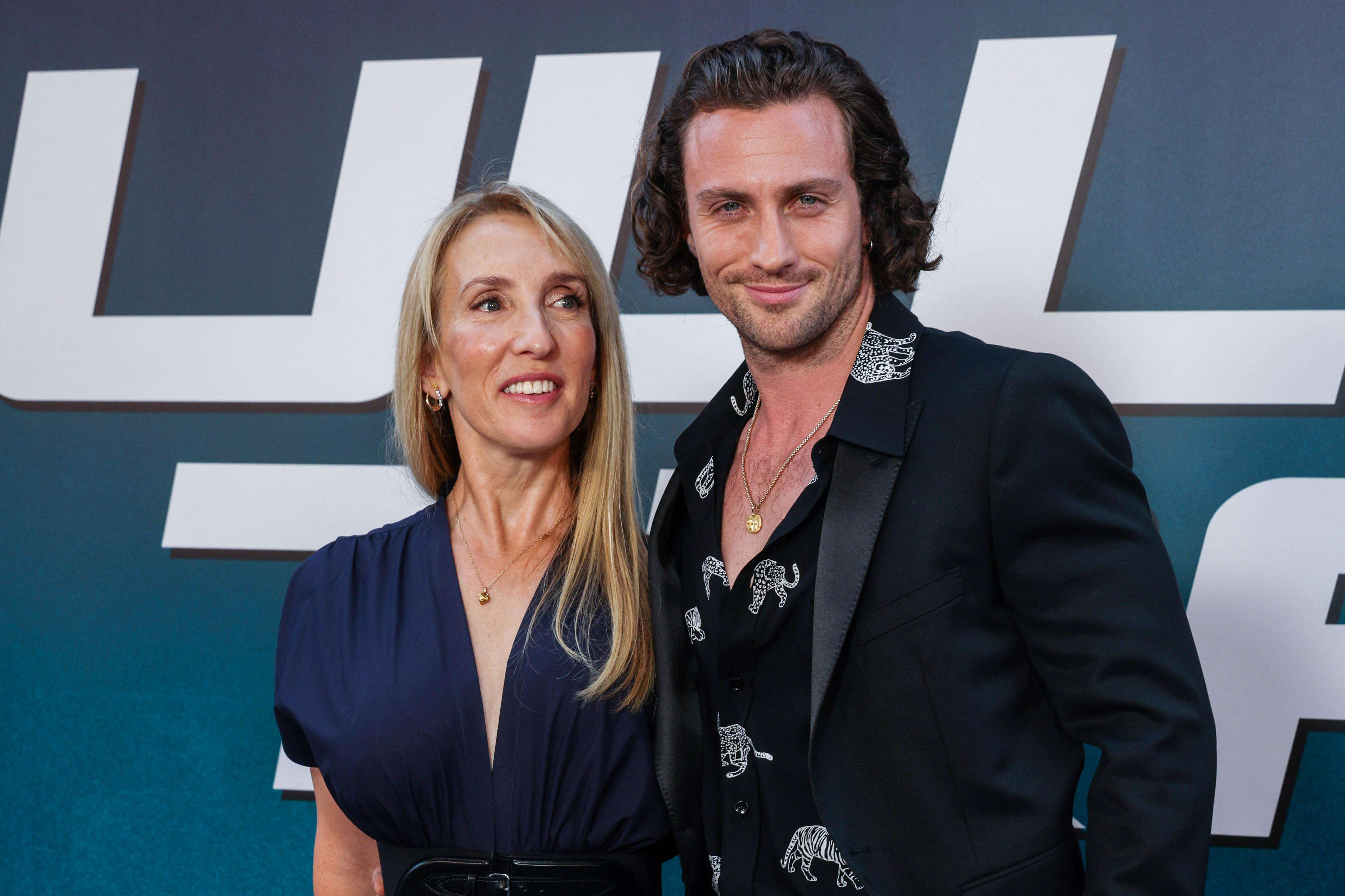
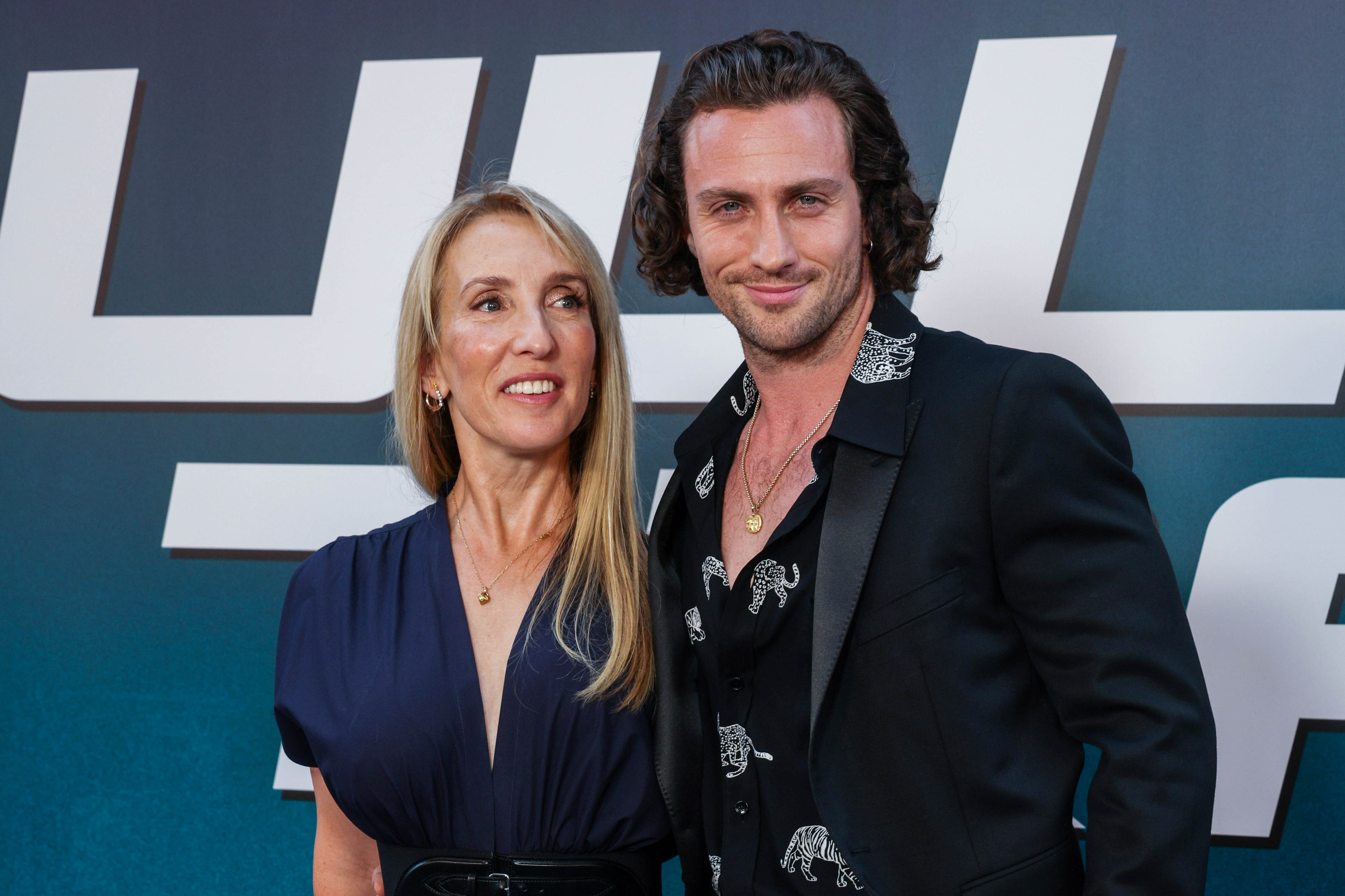
Sam Taylor-Johnson, left, and Aaron Taylor-Johnson attend the premiere of "Bullet Train" on July 18, 2022, in Paris, France.
Sam Taylor-Johnson, left, and Aaron Taylor-Johnson attend the premiere of “Bullet Train” on July 18, 2022, in Paris, France.

Stephane Cardinale – Corbis via Getty Images

Sam Taylor-Johnson also has two other daughters, Angelica and Jessie Phoenix Jopling, from a previous marriage.

Aaron Taylor-Johnson recently suggested to Rolling Stone UK that he’s always been mature for his age.

“What you gotta realise … is that what most people were doing in their twenties, I was doing when I was 13,” he said in an interview published last month.

“You’re doing something too quickly for someone else? I don’t understand that,” he added. “What speed are you supposed to enjoy life at? It’s bizarre to me.”

His wife seems to take a similar approach to relationships, saying in a Guardian story last week that she’s “quite instinctual” and moves at her own pace.

“I’ve gone feet first into everything in my life. I’m always, ‘This seems amazing’, and I jump straight in and go through the experience, whether good or bad,” she explained. “It’s definitely a ‘Fuck it, let’s go with it’ approach. And I’m a great believer that the heart overrides everything. Love conquers all.”

Share Button