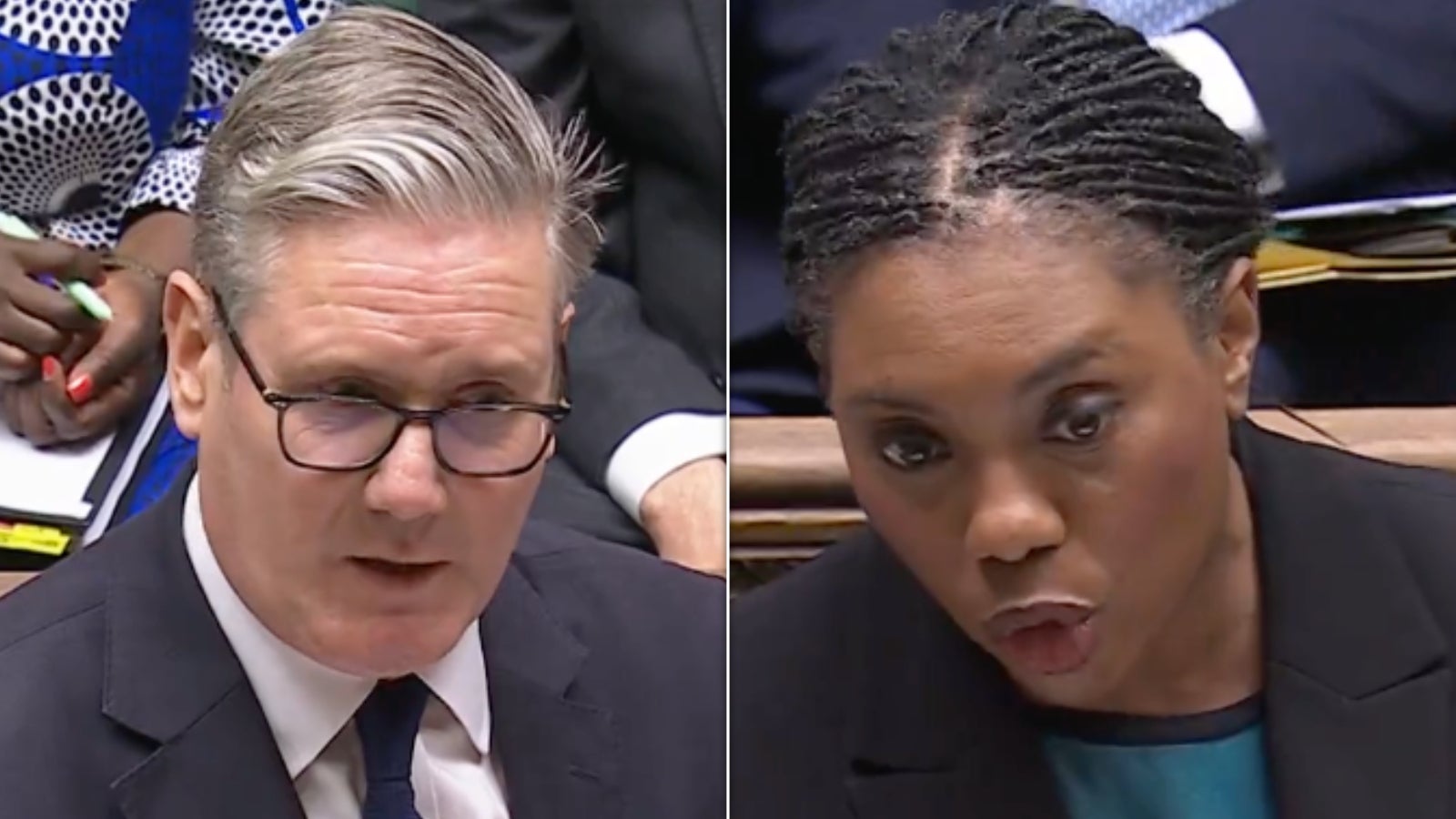
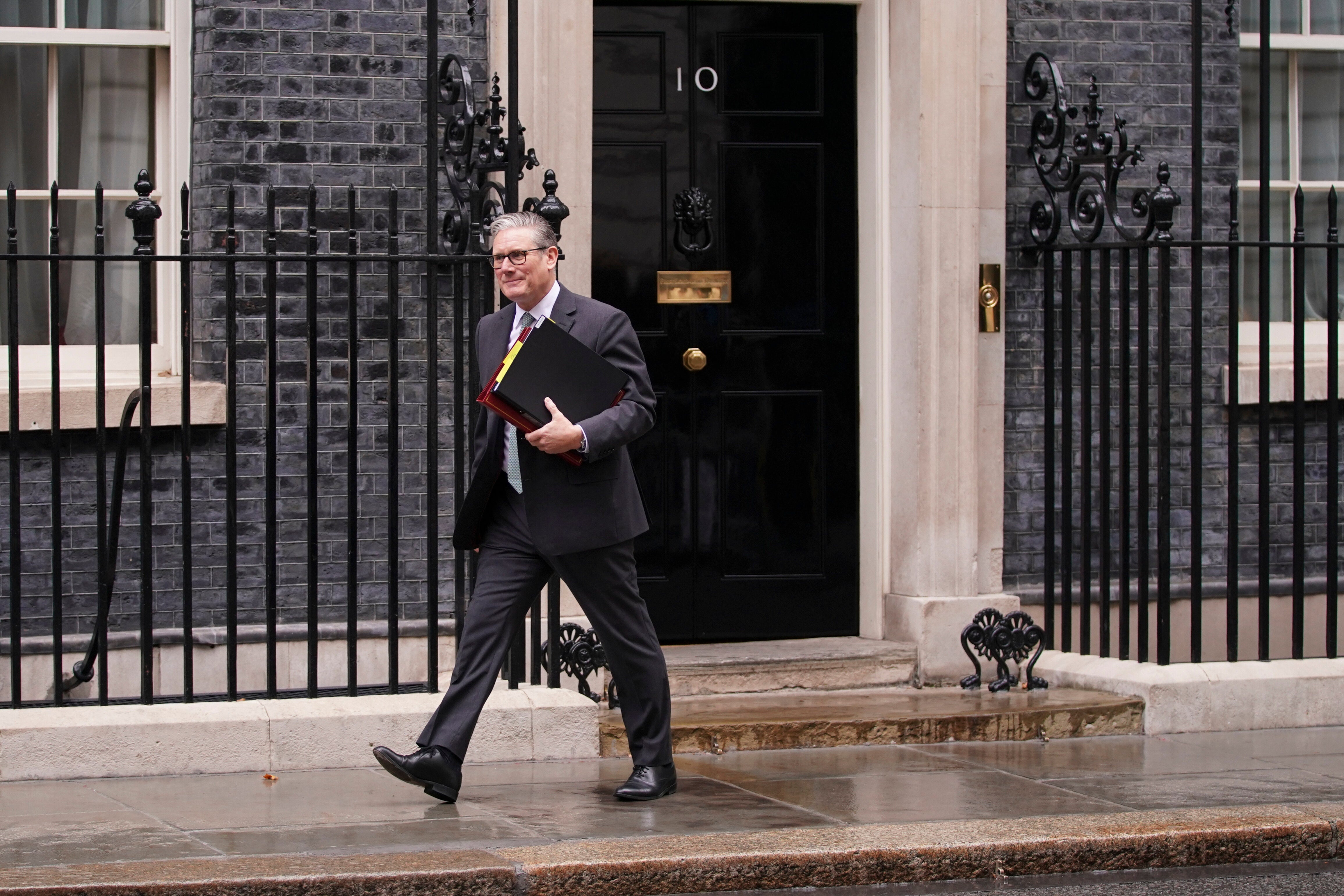
Keir Starmer Unveils Pledge To Boost National Security Spending During ‘Era Of Radical Uncertainty’

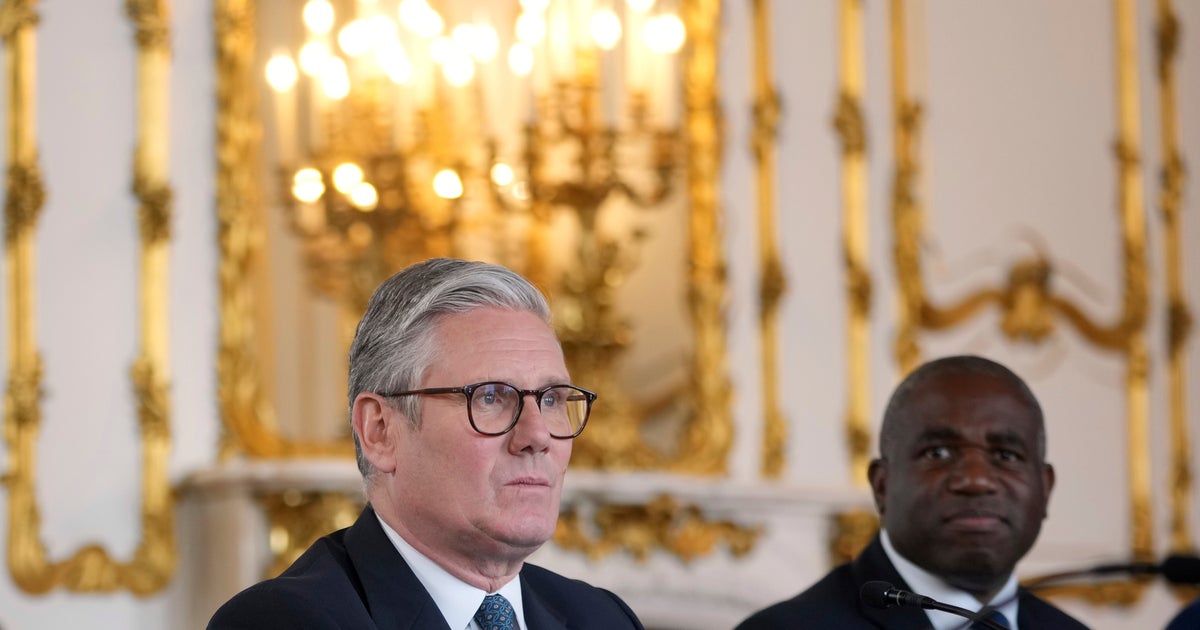
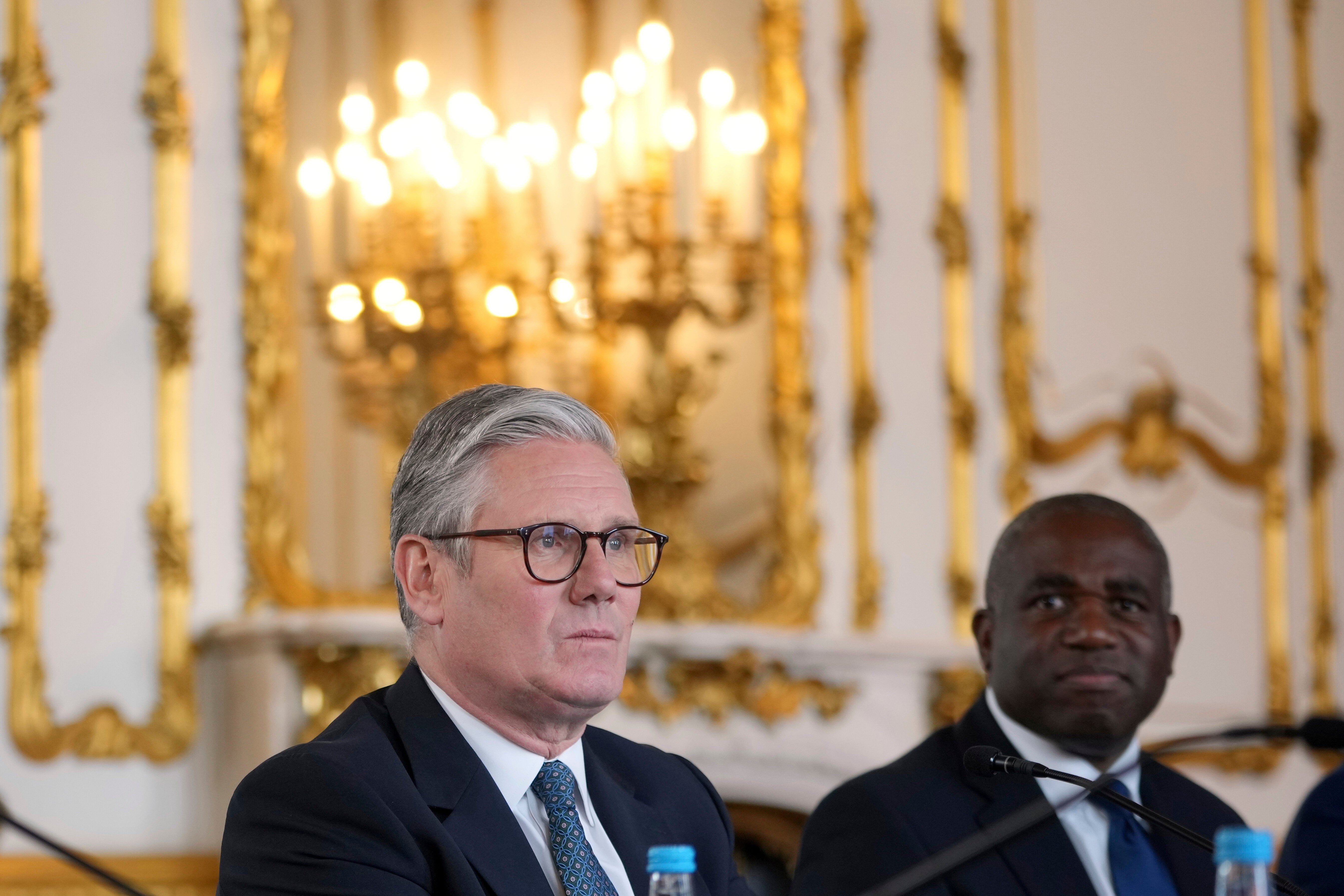
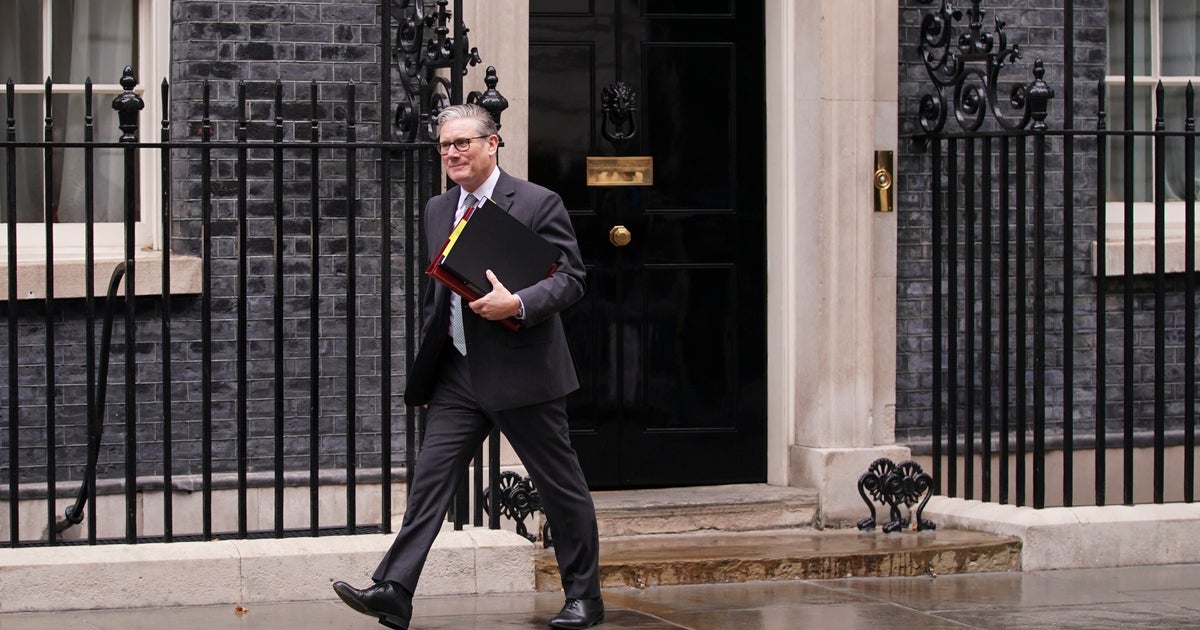
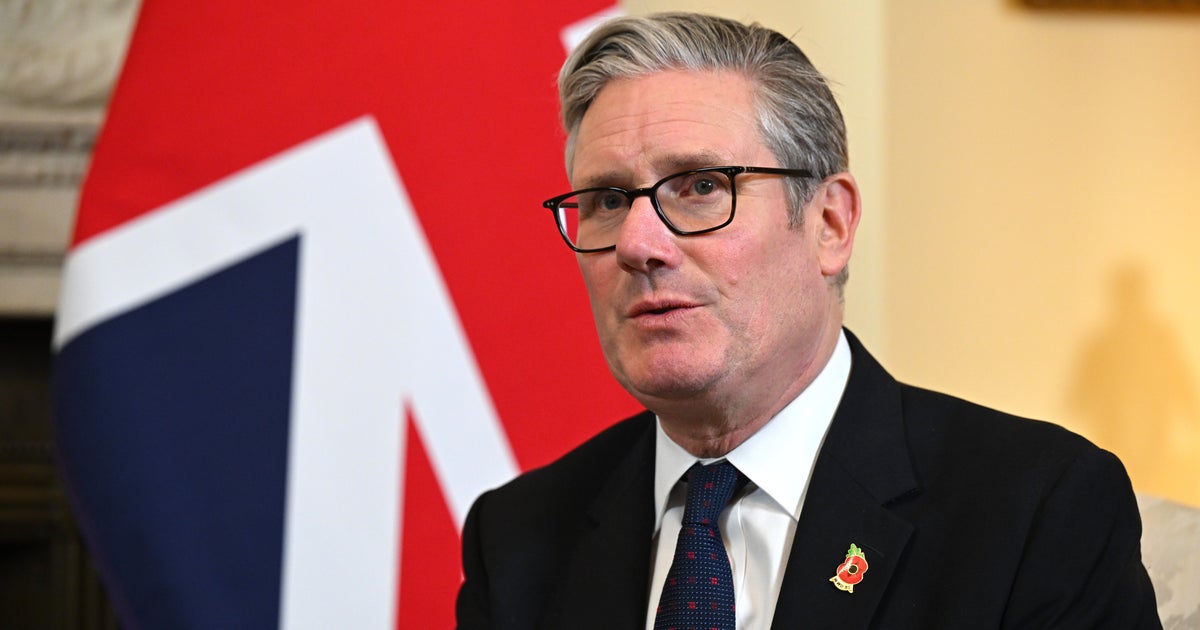
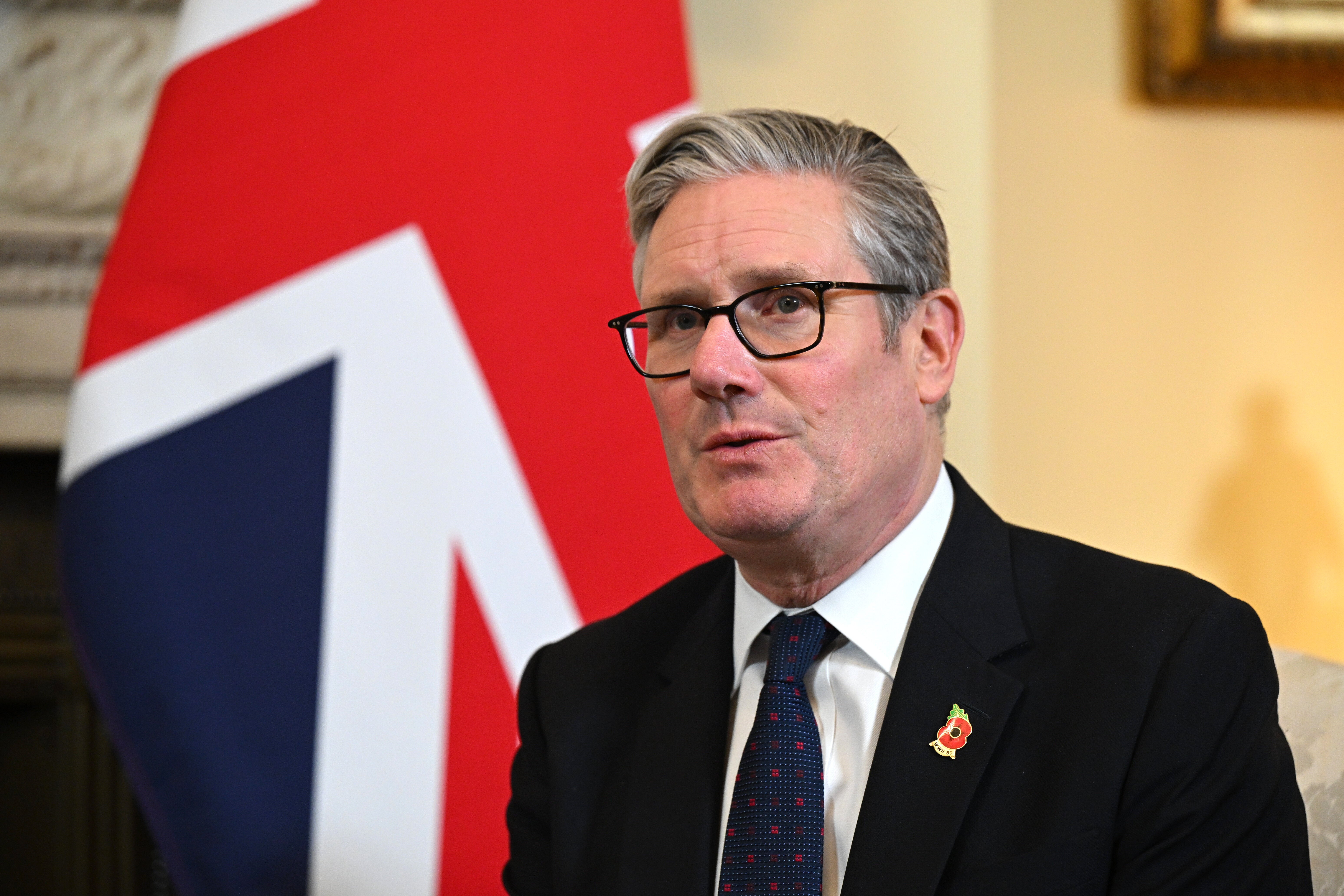
Keir Starmer will announce a historic boost in national security spending at Tuesday’s Nato summit during this “era of radical uncertainty”.

While gathering with his allies in The Hague this week, the prime minister will promise to spend 5% of gross domestic product (GDP) on national security by 2035.

His pledge comes days after the US joined Israel in bombing Iran and as Vladimir Putin continues his brutal land grab in Ukraine.

US president Donald Trump has been pressuring Europe to take more responsibility for its defence, too.

According to the government, this new target means the UK will meet Nato’s demands for member states’ defence spending.

Starmer announced in February that the government was boosting defence spending from 2.3% to 2.5% by 2027, with an ambition to increase that to 3% by 2035.

However, that is now being increased to 3.5%, with an additional 1.5% of “national resilience and homeland security”, which includes protecting the UK’s energy infrastructure and tackling people smuggling gangs.

Starmer said: “We must navigate this era of radical uncertainty with agility, speed and a clear-eyed sense of the national interest to deliver security for working people and keep them safe.

“That’s why I have made the commitment to spend 5% of GDP on national security. This is an opportunity to deepen our commitment to Nato and drive greater investment in the nation’s wider security and resilience. After all, economic security is national security.”

The announcement comes as the government reveals its National Security Strategy, announcing that the UK must improve its work in science, education, trade and frontier technology to keep up with competitors.

It is meant to help the UK bring together all of its plans in a world of increasing “grey zone” threats from other nations.

The UK’s Industrial Strategy, revealed on Monday, also announced an investment of £86 billion in research and development in technology to boost the economy and the military.

While other Nato allies are expected to join the UK in hiking their defence spending, there has been some pushback from countries like Spain and Italy, who are refusing to put more money into the sector.

This could end up being a source of tension at this week’s summit, as Trump attends his first Nato conference since 2019.

Share Button

Revealed: How Labour’s Whips Will Try To Prevent A Huge Rebellion Over Welfare Cuts

If Keir Starmer wasn’t already aware of the strength of feeling among Labour MPs at the government’s plan to slash the welfare bill, it was brought home to him on Thursday evening.

Party whip Vicky Foxcroft – someone whose job it was to persuade Labour MPs to back the government – resigned in protest, saying she could not vote for reforms which will hit the incomes of disabled people.

In her letter to the PM, she said: “I have wrestled with whether I should resign or remain in the government and fight for change from within. Sadly it now seems that we are not going to get the changes I desperately wanted to see.

“I therefore tender my resignation as I know I will not be able to do the job that is required of me and whip – or indeed vote – for reforms which include cuts to disabled people’s finances.”

As a former shadow minister for disabled people, and a party loyalist, Foxcroft’s resignation will have sent a shiver up spines in No.10.

The government’s plans, set out in a bill published last week, will make it harder for people to claim Personal Independence Payment (PIP) and reduce the health element of Universal Credit.

Ministers insist it will make the benefits system more sustainable by cutting costs by £5 billion, while also encouraging more people into work.

But there is widespread anger among Labour MPs, more than 100 of whom have written to the government’s chief whip, Alan Campbell, telling him they cannot support the measures.

In a bid to buy off some rebels, work and pensions secretary Liz Kendall announced that those losing their PIP will continue to receive their money for 13 weeks. For many MPs, however, this is nowhere near enough to win their support when the Commons vote takes place on July 1.

Between now and then, the government’s remaining whips will engage in a concerted campaign of arm-twisting in an attempt to reduce what at the moment is on course to be the biggest Labour rebellion of Starmer’s time as PM.

One rebel MP told HuffPost UK that more than 100 of their colleagues will abstain, with a further 50 potentially voting against.

“It might not be enough to kill the welfare cuts, but it’s definitely enough to kill Keir’s authority over his MPs,” the backbencher said.

Labour Party leader Keir Starmer shakes hands with his supporters at the Tate Modern in London, Friday, July 5, 2024.

via Associated Press

The tactics allegedly being employed by the whips as they try to persuade Labour MPs are also proving to be controversial.

Some potential rebels claim to have been threatened with losing the Labour whip, the same fate which befell seven MPs who voted against the King’s Speech last July.

Others have been told their chances of promotion to the ministerial ranks will be zero should they vote against the government, while others have been warned that they’ll lose campaign funding come the next election.

“I’ve huge respect for the whipping process, but what they’re doing is not whipping, it’s Labour students stuff,” said one MP. “They’re trying to divide and conquer.”

Claire Reynolds, No.10′s political director, recently met with a group of Labour MPs who were elected last year and warned them against walking through the same voting lobbies as Nigel Farage.

It’s pure tribalism,” said one MP. “You can’t run the Parliamentary Labour Party like it’s a student union. They’re trying the carrot and stick approach, but the carrots aren’t working and their sticks keep breaking.”

Luke Sullivan, who was a special adviser in the Labour whips’ office between 2008 and 2021 and is now a director at Headland Consultancy, said he doubted whether his former colleagues will really be using such heavy-handed tactics.

“No government whip would ever make any of those threats,” he told HuffPost UK. “Ultimately, every whipping operation I’ve ever been part of has always taken the view that however big the vote is, there’s always a bigger one coming down the track, so you need to maintain relationships with people.”

Sullivan said the chief whip will have a huge spreadsheet setting out where each Labour MP is on the vote, which will dictate the tactics the party employs over the next 10 days.

“At the moment, they’ve got a very good idea where people are,” he said. “As we get closer to the vote, MPs will start coming into No10 and speaking to senior staff about their concerns.

“Others will speak to the ministerial team in the Department of Work and Pensioners. Right up until and including the day of the vote, the whips will arrange for MPs to speak to whoever might be most persuasive for them, all the way up to the prime minister.

“They will be trying to sell the welfare reforms by telling MPs it about getting people back into work and giving them the support they need. It’s going to be a long two weeks.”

Former Tory MP Steve Baker is no stranger to rebelling against his own government, having regularly done so over Brexit and Covid lockdowns.

He also whipped his fellow rebels into line, so knows a thing or two about how to persuade MPs to vote in a certain way.

“There are two categories of MP – those who have firmly made up their mind and will not change it, and those who will change their mind under pressure,” he said.

“The whips will first seek to ensure the MP has understood the policy, understood the trade offs surrounding the policy and understood why the alternatives are all worse.

“They also seek to ensure the member of parliament has considered the consequences for the country, for their constituency, for their party and for themselves if they vote against the government. These are the rich seams which constitute a whipping operation.”

Baker also had some advice for the Labour whips struggling to get their MPs into line.

“Labour cannot allow their members to get a taste for it,” he said.

“If you rebel, the sky doesn’t fall in. All that happens is your colleagues are grumpy with you for a few days and then everyone moves on. Once they realise that, they will keep rebelling. This is the true horror the Labour whips face.

“They cannot once have a large rebellion, because if they do they will have many more.”

Whether they have to employ the dark arts or not, a lot rests on how effective the Labour whipping operation is in the run-up to July 1.

A large rebellion may not be enough to stop the welfare cuts, but could be a portent of even greater danger ahead for the prime minister.

Share Button

Could The UK Be Dragged Into War As Donald Trump Ponders Bombing Iran?

The UK could provide military support to America if Donald Trump decides to join Israel in bombing Iran, it has emerged.

Keir Starmer chaired a meeting of the government’s emergency Cobra committee on Wednesday afternoon as the US president dropped a huge hint that he will send US bombers to the Middle East.

Among the topics discussed was whether American planes should be able to take off from the joint UK-US airbase at Diego Garcia in the Chagos Islands.

After the Cobra meeting, a Downing Street spokesperson said: “Ministers were updated on efforts to support British nationals in the region and protect regional security, as well as ongoing diplomatic efforts.”

Israel began bombing Iran nearly a week ago, claiming Tehran was about to develop its own nuclear bomb.

Both countries have continued launching missile strikes on each other ever since, leading to fears of a wider war throughout the Middle East.

Trump – who yesterday called for Iran’s “unconditional surrender” _ dropped his biggest hint yet that the US will join Israel in bombing nuclear sites in the country within days.

He said: “Unconditional surrender, that means I’ve had it, that means no more. That means we go blow all the nuclear stuff.”

He added: “The next week is going to be big, very big, maybe less than a week.”

Declining to answer reporters’ questions on whether the US was planning to strike Iran, Trump said: “There’s a big difference between now and a week ago. Nobody knows what I’m going to do.”

Earlier on Wednesday, deputy prime minister Angela Rayner had appeared to hint that the UK would not take part in any military action in Iran.

Standing in for Starmer at prime minister’s questions, she said: “The one thing I will say is that we agree with President Trump that Iran must never have nuclear weapons.

“But we’ve been consistent in urging Iran to engage in the diplomatic process and work with the United States and we continue to support that diplomatic approach.”

Share Button

Keir Starmer Facing Major Labour Rebellion Over ‘Cruel’ Welfare Cuts

Keir Starmer is battling to avoid the biggest Labour rebellion since he became prime minister after the government published details of its plan to slash £5 billion from the benefit bill.

Work and pensions secretary Liz Kendall insisted the Universal Credit and Personal Independence Payment Bill “marks the moment we take the road of compassion, opportunity and dignity”.

But campaigners said the legislation would be “a disaster for disabled people”, while rebel Labour MPs said attempts by the government to soften its impact on benefit claimants did not go far enough.

The government says its aim is to get more people off sickness benefits and into work by making it harder for people to claim personal independence payments (PIP) and cutting the sickness-related element of universal credit (UC).

But the government’s own assessment found that the changes will push 250,000 people – including 50,000 children – into poverty.

More than 100 Labour MPs have signed letters to the government’s chief whip making clear their opposition to the plans.

A Commons vote on the plans will take place within weeks.

In a bid to address the rebels’ concerns, the government has announced that those claimants who are set to lose out will continue to receive their money for 13 weeks.

Kendall said: “Our social security system is at a crossroads. Unless we reform it, more people will be denied opportunities, and it may not be there for those who need it.

“This legislation represents a new social contract and marks the moment we take the road of compassion, opportunity and dignity.

“This will give people peace of mind, while also fixing our broken social security system so it supports those who can work to do so while protecting those who cannot – putting welfare spending on a more sustainable path to unlock growth.”

But one Labour rebel told HuffPost UK the government’s attempts to make the bill more palatable to its opponents were insufficient.

He said: “Saying benefit claimants can keep getting their money for 13 weeks before having it taken away is like giving someone a redundancy payment – it doesn’t change the fact that you’re still losing your job.

“At the very least there are 100 Labour MPs who are opposed to the bill, and I’ve seen nothing from the government that is likely to reduce that number.

“The whips and ministers will now start reaching out and trying to persuade people to at the very least not vote against the bill, but I think we’re still looking at a sizeable rebellion.”

Another rebel MP said opposition to the bill is “hardening”.

“Lots of new MPs are gearing up to actually oppose the bill rather than just abstain, which is very interesting,” the MP said. “The chief whip has now decided that threatening people is unhelpful – horse and bolted spring to mind.”

Siân Berry, the Green MP for Brighton Pavillion, said: “With this bill the government is making a cruel, unnecessary and callous political choice.

“Recklessly pushing this bill through parliament shows that ministers are still not listening to the millions of disabled people who will be catastrophically affected by these reforms about how their daily lives really work.”

Charities representing those affected by the bill have also condemned the government.

Mark Rowland, chief executive at the Mental Health Foundation, said: “This bill is a disaster for disabled people, and we urge MPs to reject this legislation in its current form.

“It will take vital financial support away from hundreds of thousands of disabled people, many of whom have mental health problems. Previous austerity measures worsened people’s living conditions, undermined their mental health and increased the risk of suicide and premature deaths – and that’s likely to be the case here too.

“These plans will not help the UK government reduce the number of disabled people out of work. PIP is also granted to disabled people who are in work to help them meet the cost of their disability, and removing this support will make it harder for them to remain in the workforce.

“The Office for Budget Responsibility has also said there is no robust analysis showing this will encourage anyone to return to the workforce. Given that, our view is that these cuts are counterproductive and cruel.”

Share Button

Why Keir Starmer Believes It’s Far Too Early To Write Reform UK’s Political Obituary

Nigel Farage knows more than most about surviving near-death experiences.

The Reform UK leader was campaigning for one of his previous parties, Ukip, on the day of the 2010 election when the light aircraft he was travelling in plunged to the ground.

Miraculously, he walked away from the wreckage and, after several more failed attempts, was finally elected to Westminster last July.

In similar fashion, those who believe that Zia Yusuf’s dramatic resignation as Reform’s chairman on Thursday night will inevitably lead to the party’s implosion are very likely to be disappointed.

That is certainly not how the development is being viewed in 10 Downing Street.

One senior ally of Keir Starmer told HuffPost UK: “Their success is because of how pissed off people are with the state of the country, not because of any great love for them or Nigel Farage.

“So it would be a mistake to think that they will just disappear because they are a bunch of clowns.”

Nevertheless, many could not resist the temptation to revel in Reform’s discomfort, pointing out that internal splits have been a recurring feature of Farage’s political career.

Indeed, it is only three months since Rupert Lowe, one of the five Reform MPs elected at the last election, was booted out of the party.

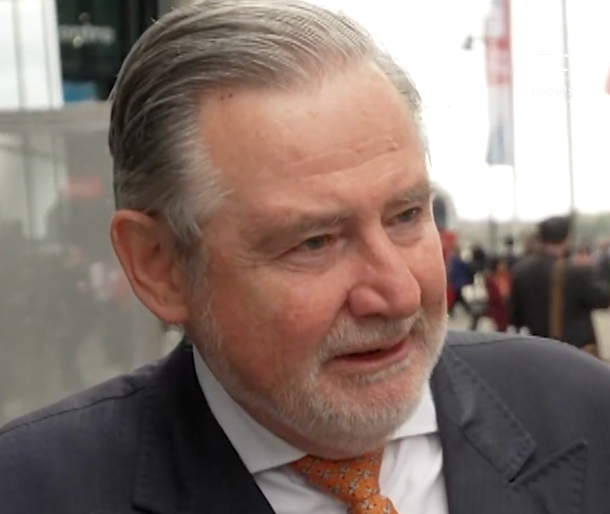
Gavin Barwell, the former Tory MP who was Theresa May’s chief of staff when she was PM, described Yusuf’s resignation as the “least surprising political news ever”.

Posting on X, he said: “Nigel Farage is incapable of sharing the stage. Sooner or later, anyone who tries to do so gets pushed off it. The only surprise is that they seem surprised when it happens.”

<div class="js-react-hydrator" data-component-name="Twitter" data-component-id="5936" data-component-props="{"itemType":"rich","index":14,"contentIndexByType":1,"contentListType":"embed","code":"

Least surprising political news ever. @Nigel_Farage is incapable of sharing the stage. Sooner or later, anyone who tries to do so gets pushed off it. The only surprise is that they seem surprised when it happens https://t.co/djOw1Vz8vT

— Gavin Barwell (@GavinBarwell) June 5, 2025

","type":"rich","meta":{"author":"Gavin Barwell","author_url":"https://twitter.com/GavinBarwell","cache_age":86400,"description":"Least surprising political news ever. @Nigel_Farage is incapable of sharing the stage. Sooner or later, anyone who tries to do so gets pushed off it. The only surprise is that they seem surprised when it happens https://t.co/djOw1Vz8vT— Gavin Barwell (@GavinBarwell) June 5, 2025\n\n\n","options":{"_hide_media":{"label":"Hide photos, videos, and cards","value":false},"_maxwidth":{"label":"Adjust width","placeholder":"220-550, in px","value":""},"_theme":{"value":"","values":{"dark":"Use dark theme"}}},"provider_name":"Twitter","title":"Gavin Barwell on Twitter / X","type":"rich","url":"https://twitter.com/GavinBarwell/status/1930665851989926171","version":"1.0"},"flags":[],"enhancements":{},"fullBleed":false,"options":{"theme":"featured","device":"desktop","editionInfo":{"id":"uk","name":"U.K.","link":"https://www.huffingtonpost.co.uk","locale":"en_GB"},"originalEdition":"uk","isMapi":false,"isAmp":false,"isAdsFree":false,"isVideoEntry":false,"isEntry":true,"isMt":false,"entryId":"68428065e4b043146daa1c6e","entryPermalink":"https://www.huffingtonpost.co.uk/entry/why-keir-starmer-believes-its-far-too-early-to-write-reform-uks-political-obituary_uk_68428065e4b043146daa1c6e","entryTagsList":"keir-starmer,reform-uk","sectionSlug":"politics","deptSlug":null,"sectionRedirectUrl":null,"subcategories":"","isWide":true,"isShopping":false,"headerOverride":null,"noVideoAds":false,"disableFloat":false,"isNative":false,"commercialVideo":{"provider":"custom","site_and_category":"uk.politics","package":null},"isHighline":false,"vidibleConfigValues":{"cid":"60afc140cf94592c45d7390c","disabledWithMapiEntries":false,"overrides":{"all":"60b8e525cdd90620331baaf4"},"whitelisted":["56c5f12ee4b03a39c93c9439","56c6056ee4b01f2b7e1b5f35","59bfee7f9e451049f87f550b","5acccbaac269d609ef44c529","570278d2e4b070ff77b98217","57027b4be4b070ff77b98d5c","56fe95c4e4b0041c4242016b","570279cfe4b06d08e3629954","5ba9e8821c2e65639162ccf1","5bcd9904821576674bc55ced","5d076ca127f25f504327c72e","5b35266b158f855373e28256","5ebac2e8abddfb04f877dff2","60b8e525cdd90620331baaf4","60b64354b171b7444beaff4d","60d0d8e09340d7032ad0fb1a","60d0d90f9340d7032ad0fbeb","60d0d9949340d7032ad0fed3","60d0d9f99340d7032ad10113","60d0daa69340d7032ad104cf","60d0de02b627221e9d819408"],"playlists":{"default":"57bc306888d2ff1a7f6b5579","news":"56c6dbcee4b04edee8beb49c","politics":"56c6dbcee4b04edee8beb49c","entertainment":"56c6e7f2e4b0983aa64c60fc","tech":"56c6f70ae4b043c5bdcaebf9","parents":"56cc65c2e4b0239099455b42","lifestyle":"56cc66a9e4b01f81ef94e98c"},"playerUpdates":{"56c6056ee4b01f2b7e1b5f35":"60b8e525cdd90620331baaf4","56c5f12ee4b03a39c93c9439":"60d0d8e09340d7032ad0fb1a","59bfee7f9e451049f87f550b":"60d0d90f9340d7032ad0fbeb","5acccbaac269d609ef44c529":"60d0d9949340d7032ad0fed3","5bcd9904821576674bc55ced":"60d0d9f99340d7032ad10113","5d076ca127f25f504327c72e":"60d0daa69340d7032ad104cf","5ebac2e8abddfb04f877dff2":"60d0de02b627221e9d819408"}},"connatixConfigValues":{"defaultPlayer":"16b0ecc6-802c-4120-845f-e90629812c4d","clickToPlayPlayer":"823ac03a-0f7e-4bcb-8521-a5b091ae948d","videoPagePlayer":"05041ada-93f7-4e86-9208-e03a5b19311b","defaultPlaylist":"2e062669-71b4-41df-b17a-df6b1616bc8f"},"topConnatixThumnbailSrc":"data:image/png;base64,iVBORw0KGgoAAAANSUhEUgAAAAEAAAABCAQAAAC1HAwCAAAAC0lEQVR42mNkYAAAAAYAAjCB0C8AAAAASUVORK5CYII=","customAmpComponents":[],"ampAssetsUrl":"https://amp.assets.huffpost.com","videoTraits":null,"positionInUnitCounts":{"buzz_head":{"count":0},"buzz_body":{"count":0},"buzz_bottom":{"count":0}},"positionInSubUnitCounts":{"article_body":{"count":9},"blog_summary":{"count":0},"before_you_go_content":{"count":0}},"connatixCountsHelper":{"count":0},"buzzfeedTracking":{"context_page_id":"68428065e4b043146daa1c6e","context_page_type":"buzz","destination":"huffpost","mode":"desktop","page_edition":"en-uk"},"tags":[{"name":"keir starmer","slug":"keir-starmer","links":{"relativeLink":"news/keir-starmer","permalink":"https://www.huffingtonpost.co.uk/news/keir-starmer","mobileWebLink":"https://www.huffingtonpost.co.uk/news/keir-starmer"},"relegenceId":4156282,"url":"https://www.huffingtonpost.co.uk/news/keir-starmer/"},{"name":"reform uk","slug":"reform-uk","links":{"relativeLink":"news/reform-uk","permalink":"https://www.huffingtonpost.co.uk/news/reform-uk","mobileWebLink":"https://www.huffingtonpost.co.uk/news/reform-uk"},"url":"https://www.huffingtonpost.co.uk/news/reform-uk/"}],"isLiveblogLive":null,"isLiveblog":false,"cetUnit":"buzz_body","bodyAds":["

\r\n\r\n HPGam.cmd.push(function(){\r\n\t\treturn HPGam.render(\"inline-1\", \"entry_paragraph_1\", false, false);\r\n });\r\n\r\n","

\r\n\r\n HPGam.cmd.push(function(){\r\n\t\treturn HPGam.render(\"inline\", \"entry_paragraph_2\", false, false);\r\n });\r\n\r\n","

\r\n\r\n HPGam.cmd.push(function(){\r\n\t\treturn HPGam.render(\"inline-2\", \"entry_paragraph_3\", false, false);\r\n });\r\n\r\n","

\r\n\r\n HPGam.cmd.push(function(){\r\n\t\treturn HPGam.render(\"inline-infinite\", \"repeating_dynamic_display\", false, false);\r\n });\r\n\r\n"],"adCount":0},"isCollectionEmbed":false}”>
Least surprising political news ever. @Nigel_Farage is incapable of sharing the stage. Sooner or later, anyone who tries to do so gets pushed off it. The only surprise is that they seem surprised when it happens https://t.co/djOw1Vz8vT

— Gavin Barwell (@GavinBarwell) June 5, 2025

That view seemed to be reinforced by the resignation of Nathaniel Fried, the tech entrepreneur Zia Yusuf unveiled on Monday as head of Reform’s Doge-style cost-cutting unit.

But Chris Hopkins, political research director at pollsters Savanta, cautioned against over-interpreting the significance of Yusuf’s departure, insisting there is little reason to believe it will damage Reform’s standing with voters.

“The public aren’t going to care hugely about a party chairman resigning,” he said. “Any idea of Zia Yusuf being that important to voters and that Reform should be written off because he’s gone, I think is incredibly premature.

“Unless Farage himself is involved in serious controversy, or has to step aside, then Reform are going to continue to be strong.”

Further evidence of the right-wing party’s durability came just a few hours after Yusuf announced on X that he no longer believed that “working to get a Reform government elected is a good use of my time”.

Although they came third in the Hamilton, Larkhall and Stonehouse by-election, it was the size of their vote share – 26% – that made political observers sit up and take notice less than a year out from the next Scottish Parliament election.

For a party which did not even exist the last time the seat was contested in 2021, and which has no organisational apparatus to speak of in Scotland, it was a remarkable result.

Luke Tryl of the More in Common think-tank said Reform “have clearly built a credible base of support since the general election in Scotland”.

“If, and it’s a real if given their recent turmoil, they can hold it together they could be a formidable force in the Scottish Parliament next year,” he said.

Reform UK insiders believe Yusuf’s resignation could even turn out to be a good thing for the party, not least because it will be welcomed by many party workers.

“He’s a hard worker and totally committed, but he’s not a good man manager,” said one source. “There won’t be many tears shed at HQ that he’s gone.”

Others have sympathy with him, insisting that Yusuf should not have been expected to put up with the online abuse which came with the job.

One source said: “The amount of shit he got from people because he’s Muslim would have been off the scale – why do you need that sort of shit?

“He was working 15 hour days for eight months and wasn’t even being paid.

“I don’t think there’s malice in him, he was just inexperienced when it came to politics. But there’s no doubt that the work he did was at least in part responsible for the party’s recent success.”

Gawain Towler, who was sacked as Reform’s chief spin doctor by Yusuf, dismissed the idea that the chairman’s departure will precipitate the party’s implosion.

“Those are just comfortable feelings for people who need comfort,” he said. “The party will go onwards and upwards from here.”

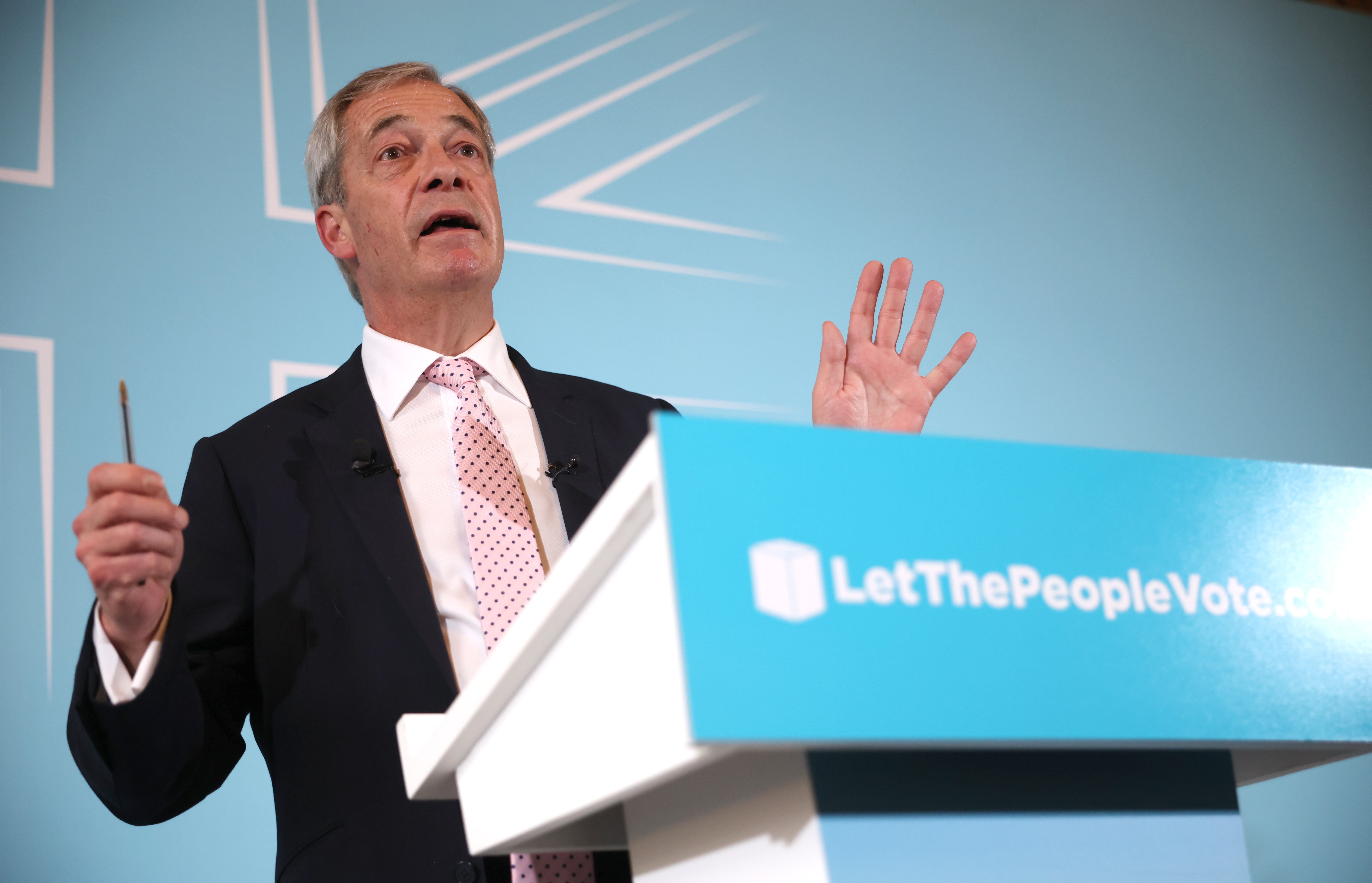
Nigel Farage and Zia Yusuf
Share Button