A small molecule blocks aversive memory formation, providing a potential treatment target for depression

Depression is one of the most common mental illnesses in the world, but current anti-depressants have yet to meet the needs of many patients. Neuroscientists from City University of Hong Kong (CityU) recently discovered a small molecule that can effectively alleviate stress-induced depressive symptoms in mice by preventing aversive memory formation with a lower dosage, offering a new direction for developing anti-depressants in the future.

“Depression affects millions of individuals worldwide, necessitating more effective treatments. Conventional methods, such as drug therapy with delayed onset of action and psychotherapy, have limitations in yielding satisfactory results for many patients. A pioneering advancement in treatment is urgently needed,” said Professor He Jufang, Wong Chun Hong Chair Professor in Translational Neuroscience at CityU.

Previous research found that stress leads to neural plasticity changes in brain’s valence-coding systems (“valence” refers to the degree to which something is pleasurable or aversive), which are strongly associated with depression, post-traumatic stress disorders and anxiety disorders. Also, some studies revealed that depression is correlated with the hyperactivated amygdala. “However, the neural mechanism that mediates depression in amygdala is still poorly understood,” said Professor He.

Over the years, Professor He’s research group has focused on memory formation and encoding studies. Previously, they discovered that cholecystokinin (CCK), a key neuromodulator, is crucial for inducing long-term potentiation (LTP) — a lasting increase in communication strength between neurons — to enable memory formation. They also found that the CCK and CCK-B receptors (CCKBR is one of three known types of CCK receptors in the central nervous system) mediate neuroplasticity, as well as visual and sound associative memory formation, in the auditory cortex, and trace fear memory formation in the amygdala. Other studies have found that CCKBR antagonist (which blocks the binding of the CCK and CCK-B receptors, thus inhibiting the effect of the binding) exhibited an anti-depressant effect in mice.

So Professor He’s group hypothesized that CCK might facilitate aversive memory formation by enabling LTP in the basolateral amygdala (BLA) — a brain region involved in processing emotional memories and thought to be dysregulated in depression, thus enhancing the development of depression.

In their latest study, they tested this hypothesis using various experimental methods, including in vitro electrophysiological recording, optogenetic manipulation, drug manipulation and behavioural analysis of mice, to examine the critical role of CCK and CCKBR in depression. They found that a CCKBR antagonist called YM022 had an anti-depressant-like effect by blocking neuroplasticity-caused aversive memory formation in mice.

The results of the in-vitro recording in the BLA showed that the YM022 significantly suppressed neuroplasticity. The neuroplasticity induction rate reached 72.3% in the control group; but it was only 10.2% in the drug-treated group.

Moreover, the team underwent a series of behavioural tests to determine the antagonist’s efficacy. The results showed that depressive behaviours in mice treated with a CCKBR antagonist was reduced.

“Remarkably, the YM022 shows anxiolytic effects with a dose of 3.0 ug/kg, which is 3,000 times lower than the required dosage of current antidepressants,” said Professor He. “These results indicate that CCKBR is a potential target for depression treatment, and that the selected antagonist, YM022, may be a good anti-depressant candidate due to its extremely small effective dose. This paves the way for targeted drug development that specifically addresses the abnormalities observed in the basolateral amygdala.” Next, the research team will focus on the precise mechanisms and potential side effects of CCKBR antagonists to set the stage for future clinical trials involving human subjects.

The research was supported by Hong Kong Research Grants Council, the Innovation and Technology Fund, the Health and Medical Research Fund, and the following charitable foundations: the Wong Chun Hong Endowed Chair Professorship, the Charlie Lee Charitable Foundation, and the Fong Shu Fook Tong Foundation.


Share Button

Breakthrough in bladder cancer research

After 40 years of treating metastatic bladder cancer with chemotherapy as a primary treatment, scientists now present a new approach using immunotherapy combinations. The results of not just one, but two studies have been presented at the European Society for Medical Oncology (ESMO) conference in Madrid. The outcomes of these studies are going to revolutionize the landscape of bladder cancer treatment.

Traditionally, cisplatin-based chemotherapy has been the standard treatment for bladder cancer patients who are able to tolerate this drug. However, responses have been limited, and durable outcomes rare. Over the past years, two phase-3 clinical trials studied the effects of combining immunotherapy with either chemotherapy or a new drug, enfortumab vedotin, to treat bladder cancer (more exact: urothelial carcinoma). With success, both studies show a significant increase in both overall survival as well as progression-free survival.

Medical oncologist Michiel van der Heijden from the Netherlands Cancer Institute (NKI) explains: “these results mark a milestone in bladder cancer research, providing the first evidence of a survival benefit of combination therapy involving immune checkpoint inhibitors over chemotherapy. This is an exciting development in our field, as these findings will thoroughly change the treatment landscape for advanced bladder cancer. It is a testament to the collaborative efforts of researchers, and most importantly, the resilience of all patients who participated in this study.”

Combining therapies

The CheckMate 901 trial investigated a new combination of the drugs nivolumab and gemcitabine-cisplatin and compared this to treatment with only chemotherapy. The results demonstrated that patients treated with both drugs showed a 22% reduction in the risk of death compared to patients only treated with chemotherapy. The findings also showed that the combination of nivolumab and chemotherapy led to a significant improvement in progression-free survival vs chemotherapy alone.

The results will be published in the New England Journal of Medicine at the same time as the presentation at ESMO.

During this ESMO presidential session, the results of another phase-3 in the same treatment line will be presented, featuring a novel combination of an antibody-drug conjugate with immune checkpoint inhibition, using Enfortumab Vedotin + pembrolizumab. This study found a statistically significant and clinically meaningful improvement in overall survival and progression-free survival as well. These results will be published in a scientific journal at a later time.

Both treatments are yet to be registered and approved in the Netherlands for health insurance coverage, meaning that they will not yet be readily available. In the US, the Enfortumab Vedotin + pembrolizumab is already available for a subgroup of bladder cancer patients, based on a phase 2 study.

Unique

Michiel van der Heijden is involved in both these trials, making it a special occasion for the NKI to have such a leading role in two large studies that can change clinical practice. “It is very special to give a presidential lecture during ESMO. I have not had this honor before and it may very well not happen again anytime soon. Last year was a very special occasion as well, as two NKI researchers, Myriam Chalabi and John Haanen, both presented their findings in the presidential session. Not many researchers have received this honor, making this a really unique moment for the NKI once again.”

Share Button

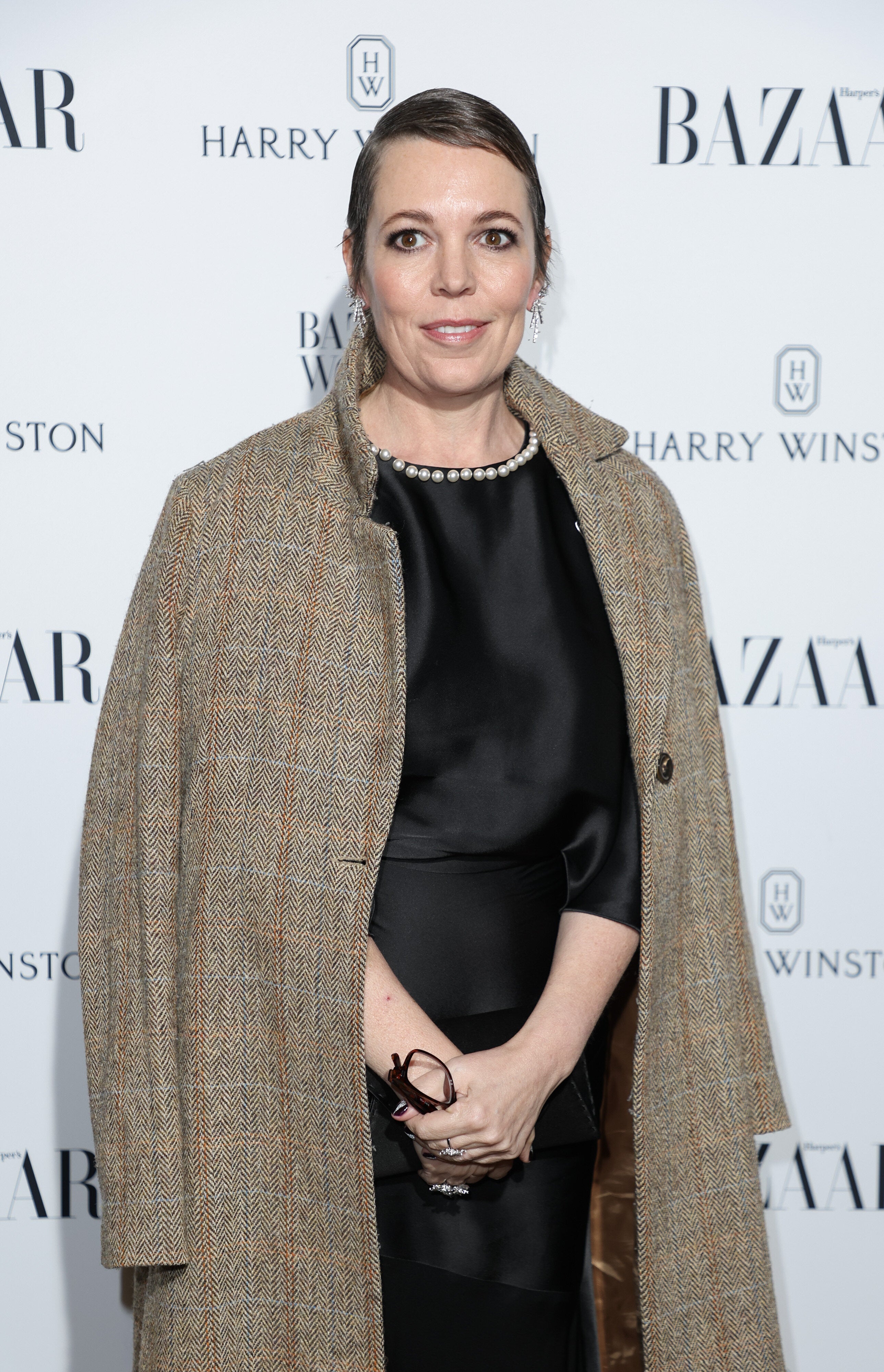
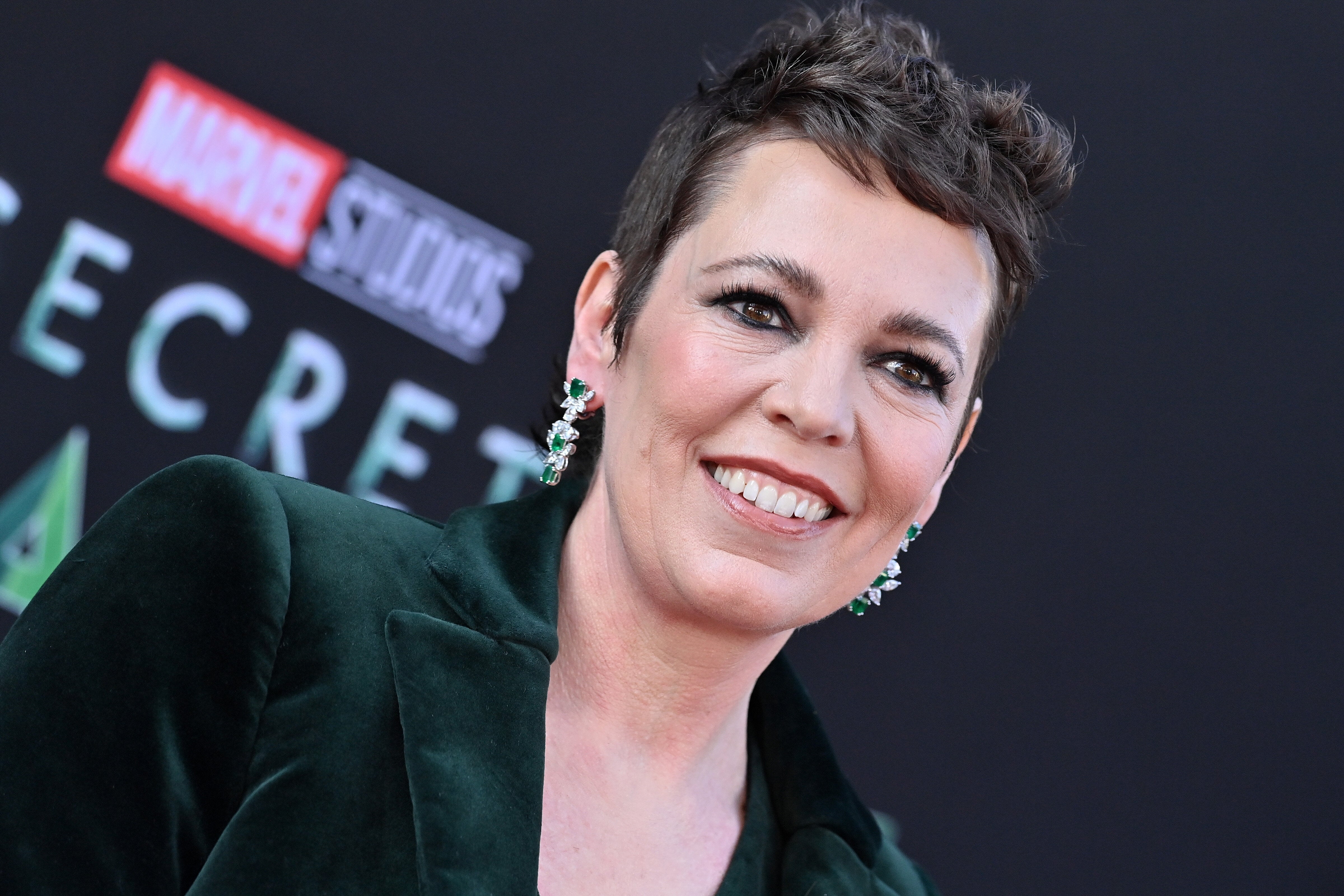
Olivia Colman Gets Candid About Downsides Of Fame: ‘I Was Crying, And They Were Laughing’

Over the course of her time in the spotlight, Olivia Colman has grown from cult favourite to national treasure to Oscar-winning international household name.

Even now, she’s still reaching new levels in her career, and on Thursday unveiled her first ever cover shoot for British Vogue.

In an accompanying interview with the magazine, the former star of The Crown spoke candidly about how fame has impacted her life – including some of the pitfalls.

Olivia explained that she and her family have now relocated to the countryside, after life in London “became difficult” as someone in the public eye.

“We never fell out of love with London,” she insisted. “I love London, but it became difficult just [because of] arseholes standing outside your front door, following you on the school run.”

Confirming that she was referring to paparazzi photographers, Olivia continued: “I was scared. At one point, there were two cars chasing us and I was having a sort of meltdown, terrified. I was crying and they were laughing.”

Olivia is on the cover of British Vogue for the first time

British Vogue/Tim Walker

Reflecting on her career, Olivia named her role opposite David Tennant in Broadchurch as a moment when things really changed for her.

“Everybody really watched that,” she recalled. “That was weird. I ended up staying at home. I’m not good, turns out, at all that.”

One other downside of being in the spotlight for Olivia is having people take “what they think is a sneaky photograph” of her without her consent.

“It’s always obvious, you always know, and it’s awful. Don’t do it,” she stated. “It happened the other day at my kids’ school, a mum took one.

“You can’t even go: ‘Sorry, don’t do that,’ as then they say, ‘I wasn’t! I didn’t!’ And then you look like a dick. It’s a shame. I wish I was braver but I’m not.”

Olivia Colman and David Tennant in Broadchurch

ITV/Shutterstock

Fans of Olivia Colman have a number of big projects starring the award-winning star to look forward to, including the star-studded musical Wonka, the third Paddington film and the black comedy Pretty Little Letters.

However, there’s one major franchise she’s keen to break into – as she revealed elsewhere in her British Vogue interview.

The December issue of British Vogue is available via digital download and on newsstands from Tuesday 21 November. Read Olivia Colman’s full interview here.

Share Button

Stormzy Addresses Maya Jama Reunion Rumours As He Lands Historic British Vogue Cover

Stormzy has spoken out for the first time about his reunion with girlfriend Maya Jama.

The award-winning rapper and Love Island host first began dating in 2015, but went their separate ways in 2019.

In the years that followed, they repeatedly shut down rumours about them reuniting, only to finally be photographed holding hands while on holiday together over the summer.

While fans were overjoyed at seeing the pair together again, they have both remained tight-lipped on the subject.

This included during Stormzy’s recent interview with British Vogue, during which he explained why he and the former Radio 1 star have opted to keep things private this time around.

Maya Jama and Stormzy at the Glamour Women of The Year Awards in 2017

Karwai Tang via Getty Images

“We were so public the first time round, somewhere down the line my spirit started resisting… so I’m not gonna speak on it,” he told the magazine.

On the photos of them on holiday, the Vossi Bop musician added: “We were just living la vida loca. Lapse of judgement for an hour!”

Last year, Stormzy referenced his and Maya’s break-up on his chart-topping third album This Is What I Mean.

Stormzy in an accompanying photo from his British Vogue photo-shoot

Tim Walker/British Vogue

He later opened up about the split during a sit-down interview with Louis Theroux, saying: “My break-up, that was probably the biggest catalyst for growth as a man. It was like, OK, you made a mistake and you lose someone you loved, someone you cared for, someone who is special to you.

“That’s probably the biggest loss a man can have, isn’t it? Away from someone passing away, that’s the biggest loss you can have.

“The whole fucking palaver that surrounded that situation, do you know what I mean? There were other things in terms of mistakes I’d made. I didn’t do what a man should do to fully appreciate love, and care for his woman.”

Stormzy on the cover of British Vogue

Tim Walker/British Vogue

As well as his new interview, Stormzy is one of several Brits to appear on the cover of British Vogue’s December issue.

In doing so, he’s made history as the first British man to land a solo cover for the magazine (American actor Timothée Chalamet is the only other male cover star for British Vogue, as of September 2022).

The December issue of British Vogue is available via digital download and on newsstands from Tuesday 21 November. Read Stormzy’s full interview here.

Share Button

Olivia Colman Is Definitely Not Playing It Cool When It Comes To Her Next Dream Role

She may have played Queen Elizabeth II and even won an Oscar for her performance in The Favourite, but there’s one career ambition Olivia Colman cannot hide her excitement about.

The former star of The Crown and all-round national treasure revealed in a new interview that there’s one franchise she’s still hoping to land a role in.

Speaking to British Vogue, she revealed she would love to play M, the iconic James Bond character that’s been played by the likes of Judi Dench and Ralph Fiennes in the past.

“The amount of time I have wanted to be M. I’m not sure who I need to call…” Olivia said in a recent cover interview with British Vogue.

When the writer of the piece suggested she contact Bond producer Barbara Broccoli, Olivia replied: “I met her once. I wanted to go, ‘Can I be M?’ I must try to be cooler about it. Maybe she reads Vogue? Put that bit in.”

Judi Dench as M in Tomorrow Never Dies

Moviestore/Shutterstock

The Broadchurch star went on to explain that she’s less inclined to return to a stage role these days, having last performed in a theatre production back in 2017.

Instead, she said, she would prefer to focus on something little more action-packed.

“I have always wanted to walk in slow motion with an explosion behind me looking cool,” she said.

Elsewhere in the interview, Olivia explained why she’s not keen on long stints working away, which take her away from her three children.

“I love being at home. I rarely take jobs away,” she said, adding that she’s “trying to say no more often to have a bigger gap between jobs”.

Asked if she would say yes to a lead role in a Martin Scorsese film, she replied: “Can’t he come and do it in Norfolk?”

Olivia is on the cover of British Vogue for the first time

British Vogue/Tim Walker

James Bond producer Barbara recently revealed that the franchise had a “big road ahead” before the next film, after Daniel Craig bid farewell to the career-defining role in 2021′s No Time To Die.

Earlier this month, she explained the reason for the hold-up, telling Variety that “it’ll take some time” before the team is ready to begin production.

“You know, it’s a whole new reinvention, so it’ll take some time,” she added.

As for who could play the next Bond, Barbie director Greta Gerwig thinks one of her Kens, Kingsley Ben-Adir, could be perfect. Aaron Taylor-Johnson, Regé-Jean Page and James Norton are also among actors whose names have so far cropped up amidst casting predictions and rumours.

The December issue of British Vogue is available via digital download and on newsstands from Tuesday 21 November. Read Olivia Colman’s full interview here.

Share Button

We Asked Women In Their 40s and 50s About The Skin Care Gifts They Actually Want

For those of us who love skin care products, that steadfast devotion can lead to some pretty steep credit card bills. So if you know someone in your life who is a bonafide beauty devotee, consider giving them the gift of skin care products this holiday season. There’s nothing quite like the thrill of unwrapping a holiday present filled with one’s favorite beauty products, especially when it’s a highly-coveted luxury item that they wouldn’t ordinarily feel comfortable splurging on, like a pricey skin care device or elegant cleansing balm.

To find out exactly what beauty-obsessed women really want this holiday season, we asked women in their 40s and 50s about the skin care gifts they’d actually like — and their answers did not disappoint. Keep scrolling to find out just what they’ve been eyeing and stuff your loved one’s stocking to the brim with these must-have beauty goodies. They include items like a popular LED face light, spa-quality at-home treatments, celeb-beloved moisturizers and more.

HuffPost and its publishing partners may receive a commission from some purchases made via links on this page. Every item is independently curated by the HuffPost Shopping team. Prices and availability are subject to change.

Share Button

So THAT’S Why Your Ears Look Bigger As You Get Older

Aging is a battle with gravity, and gravity always wins. While many body parts become droopier with each passing year, there’s one that often seems to get bigger with time — our ears. Will it make you feel any better if we tell you they’re not really growing, but just, um, “elongating” themselves? Yeah, we didn’t think so.

We looked into the scientific reasons for this more-or-less-universal human phenomenon. Dr. Nina Shapiro is a pediatric ear, nose and throat specialist at Los Angeles’ Westside Head and Neck, and a professor emerita at UCLA. She explains it this way: “Just as the other facial tissues, such as cheeks and jowls, tend to stretch, so do the ear structures.”

“What’s actually changing is the soft tissue, meaning the cartilage of the external ear or auricle, and the lobule, or ear lobe,” Shapiro says. “Aging reduces our levels of collagen, which gives integrity to skin and cartilage, which leads to stretching of those tissues. The functional parts of the ear, including the ear drum, ear bones and inner ear structures, aren’t affected.”

Genetics can make it worse — and so can jewelry

Shapiro offered a few theories about how this can play out for different people. “Those with more laxity to the facial muscles and skin may have more tendency to elongation of the ear cartilage and ear lobes,” she said.

And there may even be a reason you suddenly look in the mirror and see your grandpa — especially around the ears. “Ear size and contour do tend to run in families, so while there may not be an actual ‘gene’ for big ears, you’ll probably find ear shape and size to be similar from one family member to another,” Shapiro suggested.

Another culprit may be your longtime love of layering on the jewels.

“Individuals with multiple piercings, or those who wear heavier earrings, may develop longer and stretchier ear lobes as they age,” Shapiro noted. “If you wear earrings, be mindful of changing out the heavy ones, and try not to sleep with them on.”

Relax, it’s normal

In many cultures, big ears are considered an indication of longevity or even prosperity.

Some scientists have investigated whether big ears do indeed play a role in how long people live… with inconclusive results. (A 1995 study, “Why Do Old Men Have Big Ears,” excluded women, but the phenomenon of stretched-out tissues happens pretty much equally for all.)

So far, it seems like those ears are just one more sign of years lived ― not an indicator of how long you’re going to be alive, or how much money is heading your way.

“Aging reduces our levels of collagen, which gives integrity to skin and cartilage, which leads to stretching of those tissues," said Dr. Nina Shapiro, a pediatric ear, nose and throat specialist.

Colorblind Images LLC via Getty Images

“Aging reduces our levels of collagen, which gives integrity to skin and cartilage, which leads to stretching of those tissues,” said Dr. Nina Shapiro, a pediatric ear, nose and throat specialist.

Shapiro did note one ear irregularity that might be linked to overall health.

“The one factor we’ve seen as a health marker from the ears is a crease that can be seen in the earlobe,” she said. “While it is not a direct cause by any means, this crease may be associated with a higher risk of heart disease.”

But really, how do I look?

Steven Picciano, a hair stylist and national artist for Goldwell, has noticed a slight difference in the way men and women treat the issue.

“In the many years I’ve been behind the chair, male clients have rarely expressed concern about the size of their ears,” he said. “But female clients can be a bit more self-conscious, especially with the pressure to wear shorter hair as they age.”

“If clients are concerned about the size of their ears, I always make sure to create a shape that’s tapered through the nape,” he said. “It’s important for the cut to maintain some length and fullness through the top and sides, so a long pixie cut, bob or shag are all great options.”

Another trick you may want to mention to your stylist: “A lot of times it’s necessary to remove the extra weight right above the ear, so the hair can lay closer to the head shape, creating the illusion of less density or bulk in the area,” Picciano suggested.

Learn to love your ears

Shapiro notes that big ears are not necessarily a negative feature. And just like the rest of you, they deserve some care and attention.

“What’s most important is that one protects the ears when it comes to noise exposure, which may lead to permanent hearing loss,” she said. “In addition, as ears often are well-exposed to the sun, any scab or growth that doesn’t heal, or any pigmented lesion, needs to be addressed by your physician or dermatologist to rule out skin cancer. And please remember that ears — of any size — need sunscreen.”

If you think that aging is tough, more prominent ears and all, just consider the alternative and try to be grateful.

“At the end of the day, there are just some things in life we cannot change,” Picciano said. “Truthfully, I hope I live long enough that I can say, ‘Wow, these big ol’ ears are really showing my age.’”

Share Button

Casgevy: UK approves gene-editing drug for sickle cell

Medical regulators approve a gene therapy that aims to cure sickle cell disease and beta thalassemia.

Share Button

My pre-death grief over husband’s dementia

Marion Ritchie says she was grieving for the future that was gone when her husband was diagnosed.

Share Button

Thousands at risk of poor home care because of low fees

Only one in 20 public bodies pays what it really costs to employ care workers to deliver support at home.

Share Button