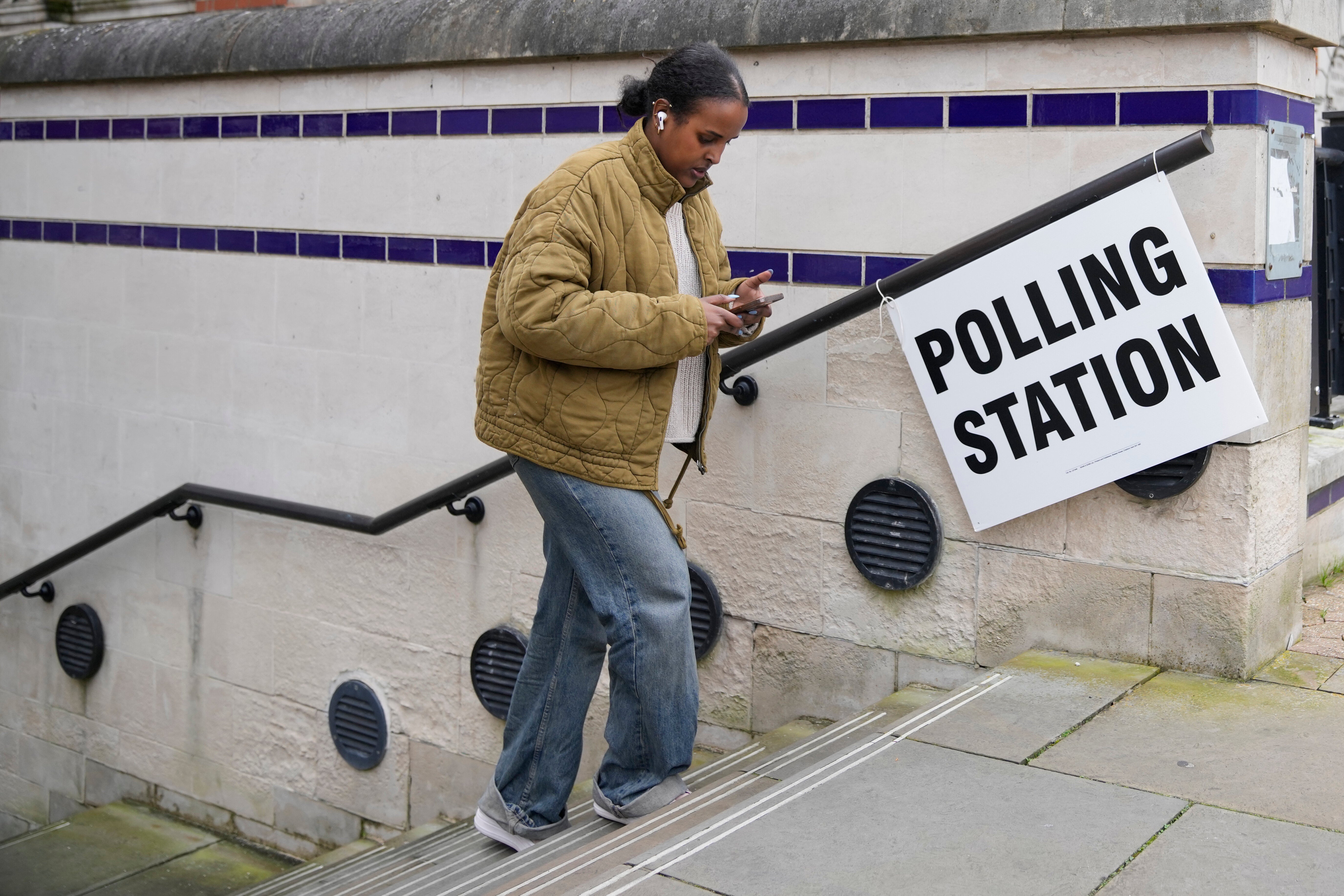
This Thursday will present the largest test of the Labour government – and its rival parties – since the last general election nearly two years ago.
Around 5,000 seats across 136 local councils, along with six mayoral contests, are up for election in England.
Advertisement
Voters in Scotland and Wales will also go to the polls for elections to Holyrood and the Senedd.
Labour are widely expected to suffer a catastrophic night, piling fresh pressure on Keir Starmer.
The Tories are expected to endure significant losses too, with the Greens and especially Reform UK on course to make huge gains as voters deliver a damning verdict on the two main parties.
Here, HuffPost UK assesses how the main parties are shaping up ahead of the biggest test of public opinion since July, 2024.
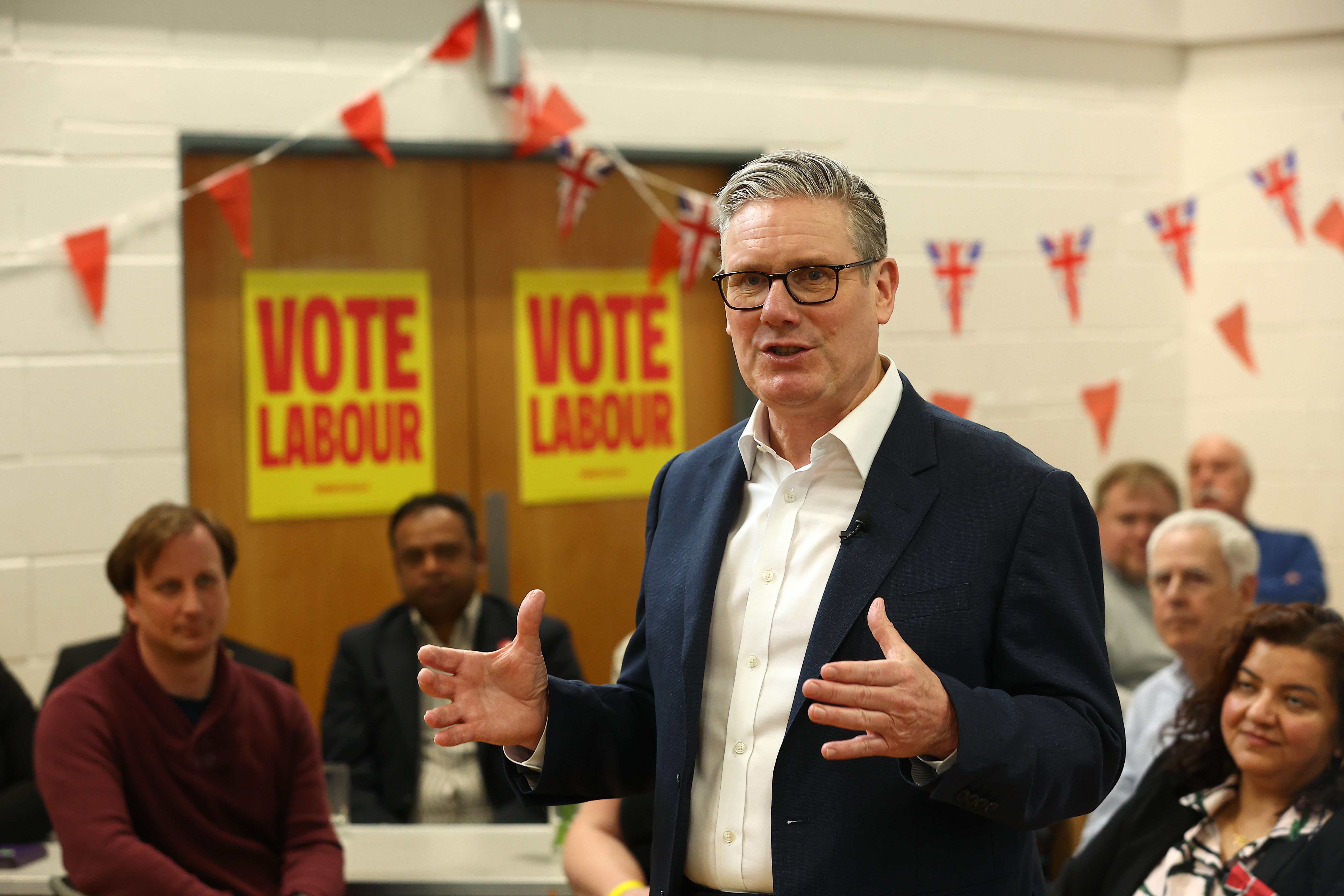
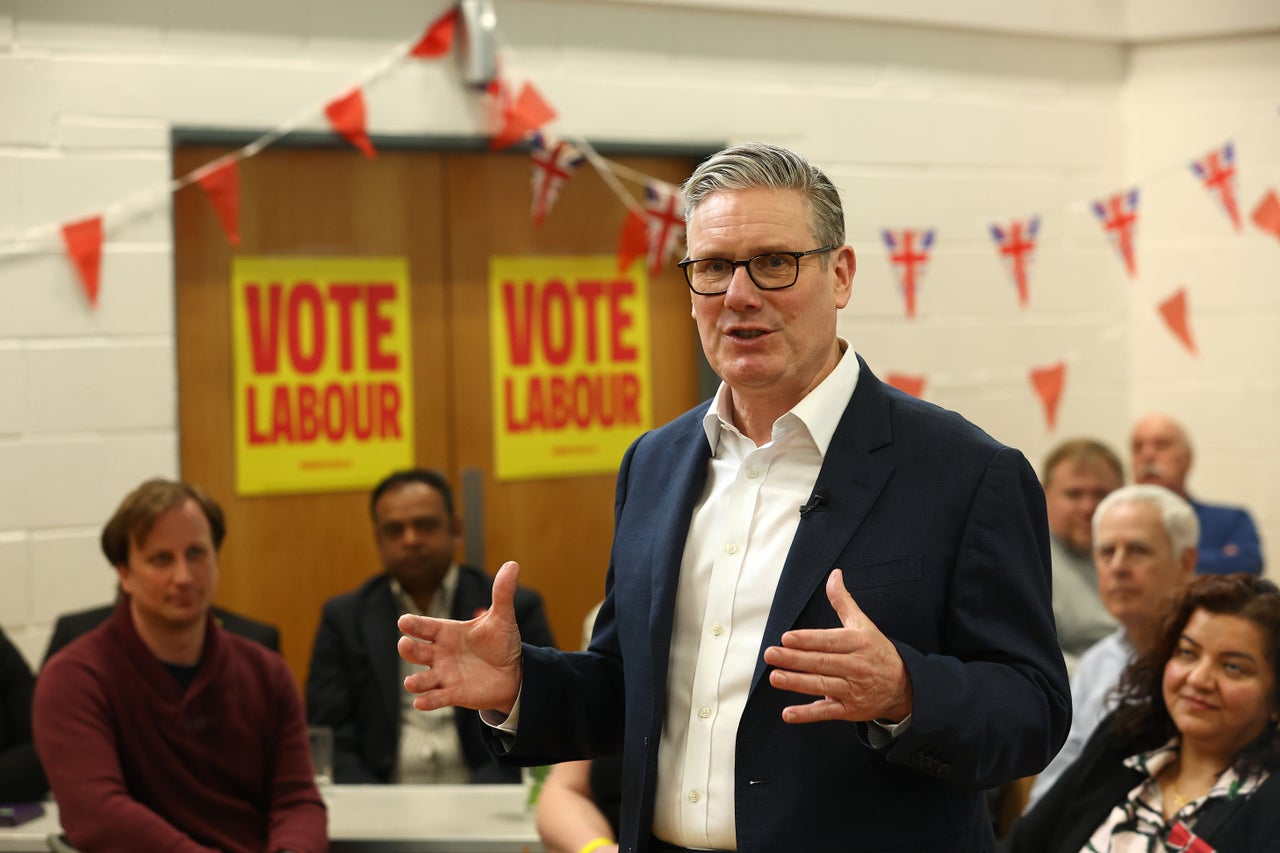
Labour
Peter Nicholls via Getty Images
Advertisement
Pollsters’ prediction? Top forecaster Lord Hayward warned Labour will lose 1,850 council seats. That means the party could be left with barely a quarter of the 2,550 councillors they currently have in the areas which are up for re-election.
YouGov does not expect Labour to win any constituency seats in Scotland at all, with their predicted 15 seats coming from the regional top-up lists.
Labour is also expected to lose power in the Welsh parliament for the first time since it was established in 1999, with YouGov predicting the party’s vote share will drop to 13% – down 23 points on the 2021 election.
Advertisement
That means Labour could end up with just 12 of the Senedd’s 96 seats.
What’s the mood within the party? Understandably bleak.
Starmer is actively calling for his party to support him amid rising fears of a leadership challenge from his main rivals Angela Rayner, Andy Burnham and Wes Streeting.
One party insider said: “We’re resigned to taking a significant knock, but are still standing and trying to get out as many votes as possible.”
“I just think Labour are fucked either way,” another source said candidly.
In a rare moment of optimism, campaigners also said voters have been “disinterested” rather than actively hostile to Labour activists – which was an improvement on what they were expecting.
Advertisement
One insider told HuffPost UK that deputy prime minister David Lammy had told activists over the weekend that the row which hit Zack Polanksi in the wake of last week’s Golders Green attacks could damage the Greens.
This sparked some hope that the party could claw back some of their supporters.
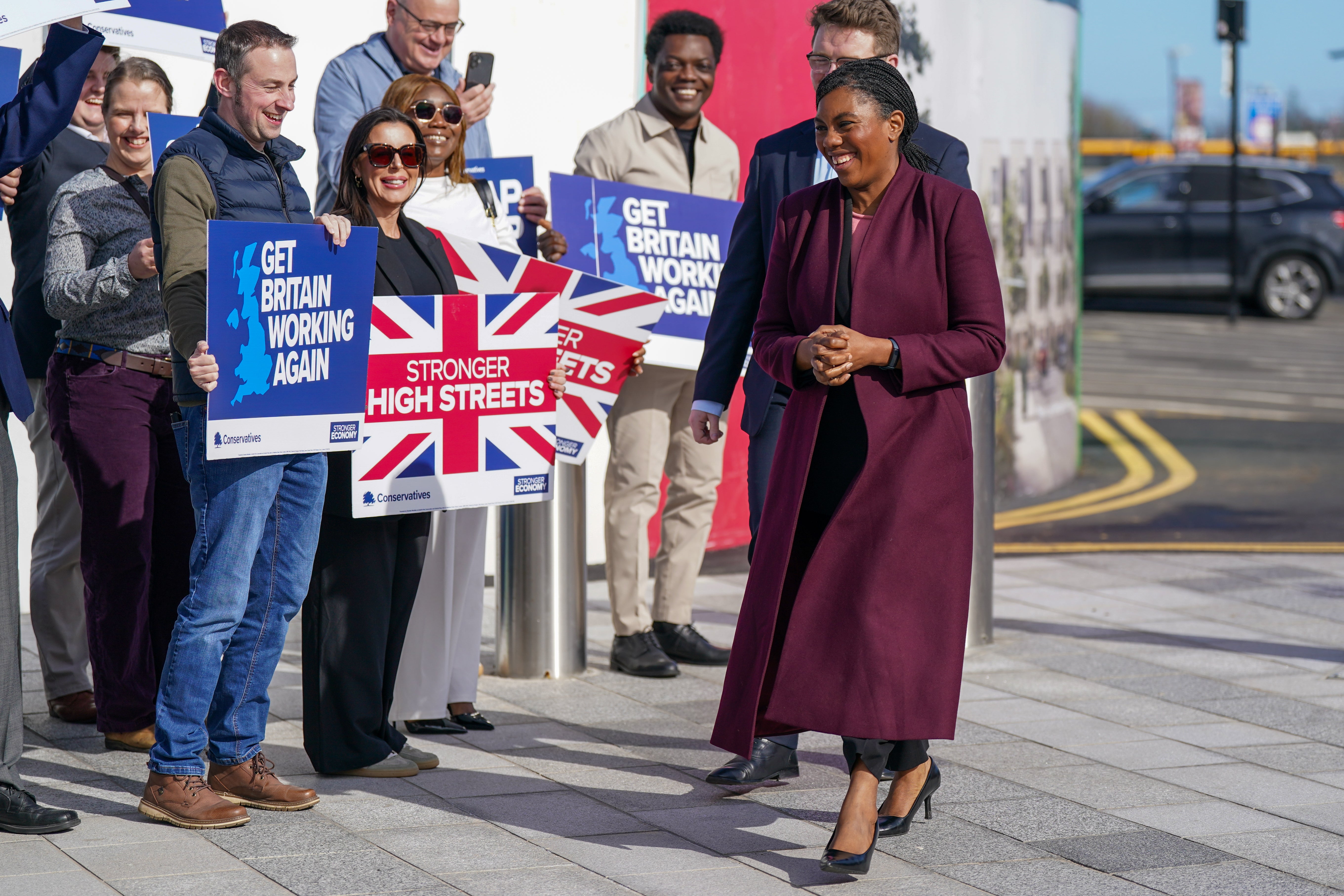
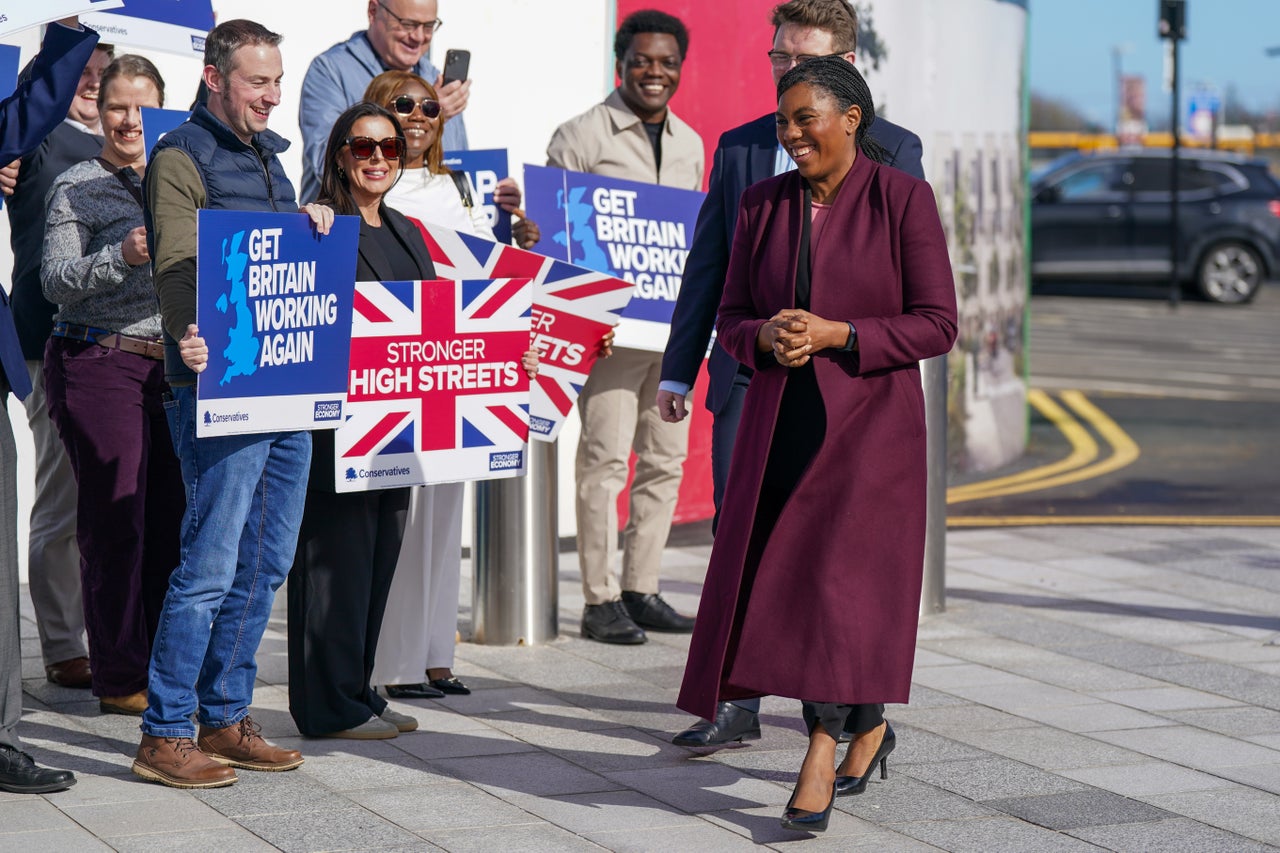
Conservatives
Ian Forsyth via Getty Images
Pollsters’ prediction? The Tories are expected to lose 600 councillors in England, according to Lord Hayward.
Advertisement
YouGov expects the Tory vote to fall to just 8% of the vote in Holyrood – that would be the worst ever result for the party at any election within Scotland.
Predictions suggest the Tories would go from having 31 seats in 2021 to just seven.
The pollster also predicts the Tories will end up with just three seats in Wales.
What’s the mood within the party? Not very optimistic.
Tory leader Kemi Badenoch’s own leadership has been strengthened in recent months as she’s improved her PMQs appearance – and her main challenger, Robert Jenrick has defected to Reform.
But that does not necessarily translate to votes – especially as the Tories are still being punished for their 14 years in power.
Advertisement
One traditionally Conservative voter stunned the public this week by announcing she would be backing Labour instead, just to keep the Greens out.
Anecdotally, HuffPost UK has heard other Tories telling door-knockers they planned to do the same. The party did not respond when approached for comment.
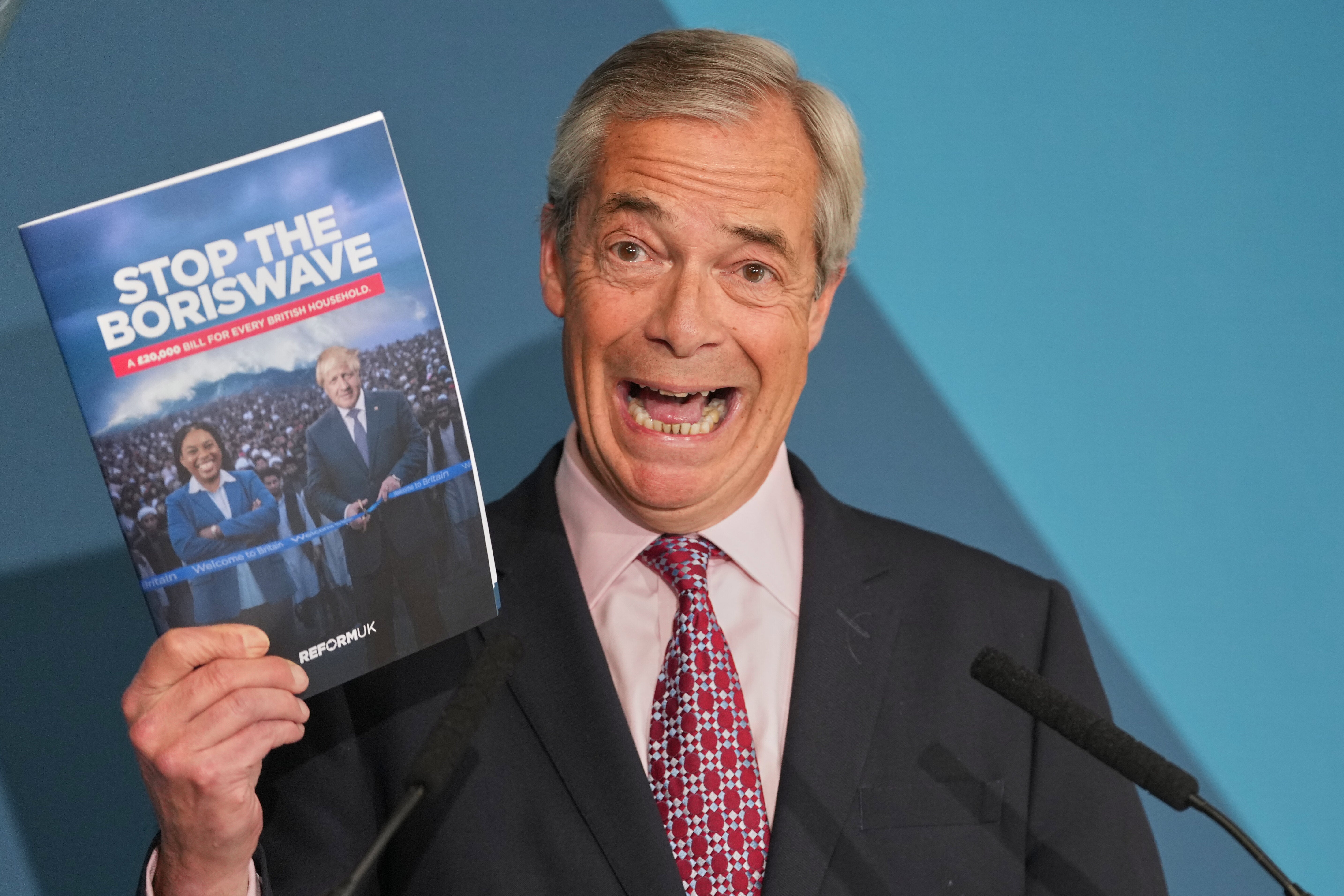
Reform UK
via Associated Press
Advertisement
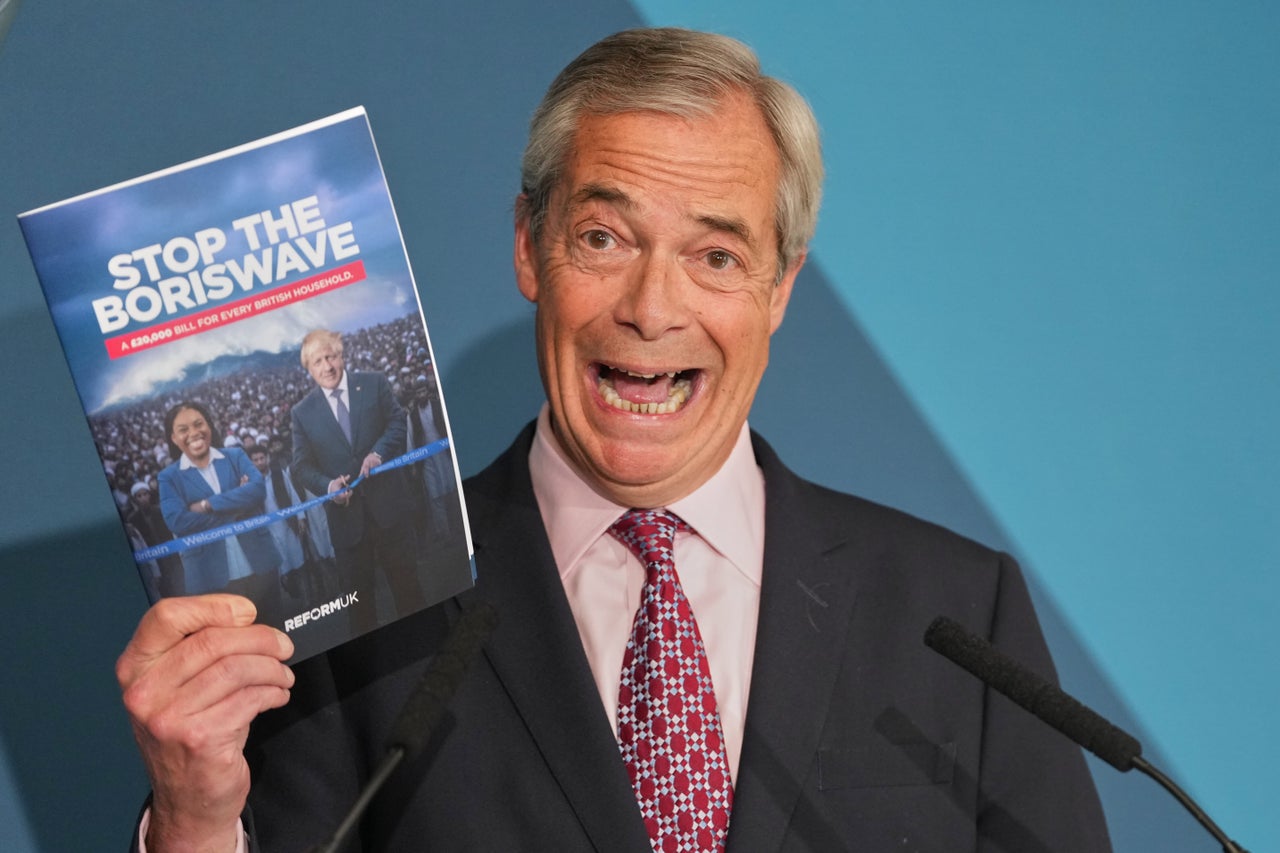
Pollsters’ prediction? Hayward expects Reform to gain 1,550 seats in England.
The party is expected to make a bmajor reakthrough in Scotland, according to YouGov, winning 20 MSPs in total and replacing Labour as the official opposition to the SNP.
Reform is also in a close fight with Plaid Cymru to be the largest party in the Welsh Senedd.
What’s the mood within the party? Understandably upbeat.
Reform are set to win their first seats in Wales and Scotland after more than a year of leading in the national opinion polls.
Nigel Farage told The Sunday Times he expected the party to do “stunningly well”.
He claimed Reform would be taking “Labour heartlands” in the local elections – Yorkshire, the northwest, the northeast, parts of the Midlands and the Welsh Valleys.
Advertisement
But there are suggestions that support for the party has already peaked, with its polling numbers declining over the past six months.
Farage also skipped a grilling from the BBC’s Laura Kuenssberg on Sunday. That came after reports he accepted an undisclosed £5 million donation from a billionaire supporter before he ran to be an MP.
His team said he decided to pull out last minute to campaign in his Clacton constituency, but critics suggested he was dodging scrutiny.
Advertisement
The party courted further controversy on Sunday by announcing plans to put detention centres for illegal migrants in constituencies and councils which vote Green.
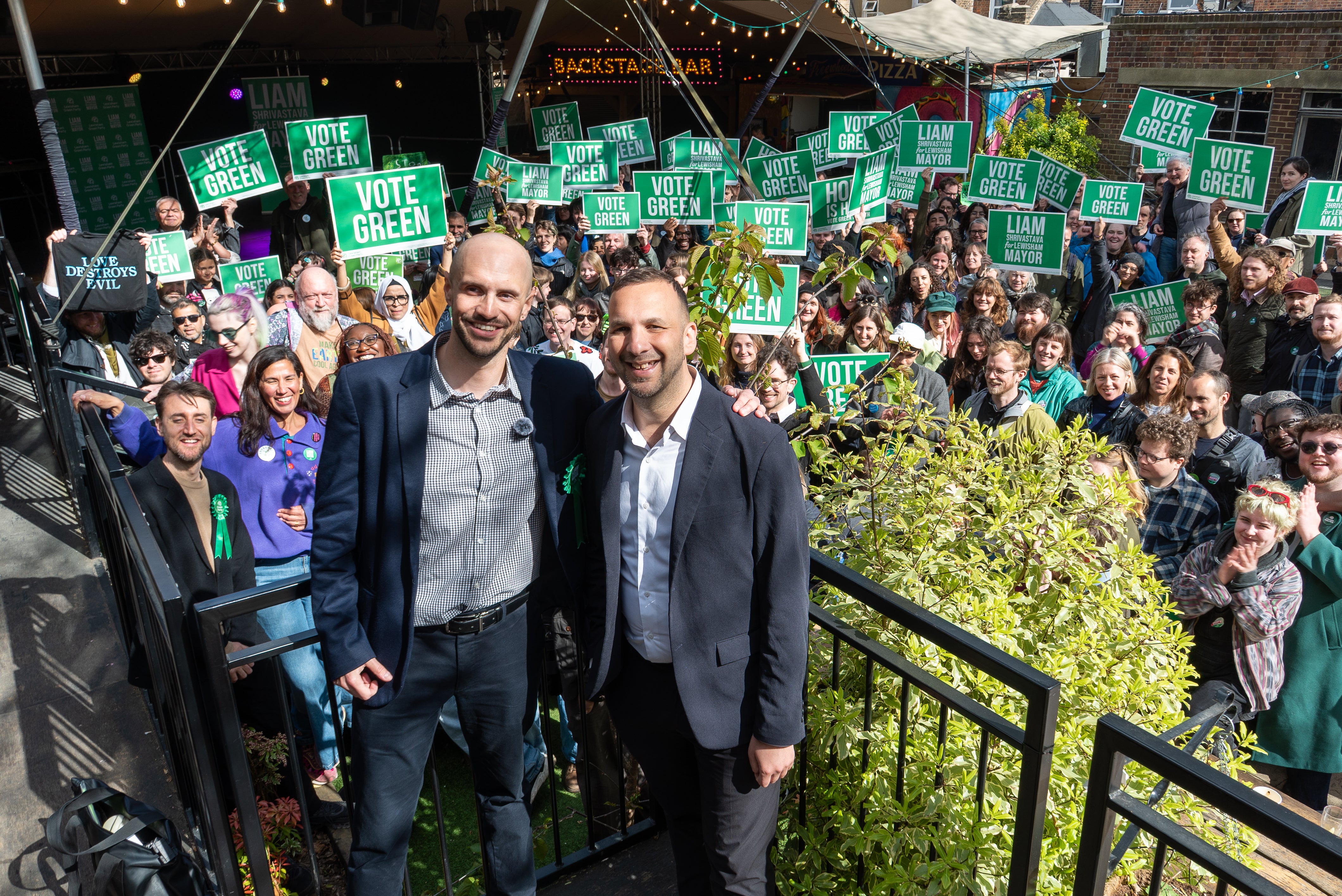
Greens
Kymberley Apiro via Getty Images
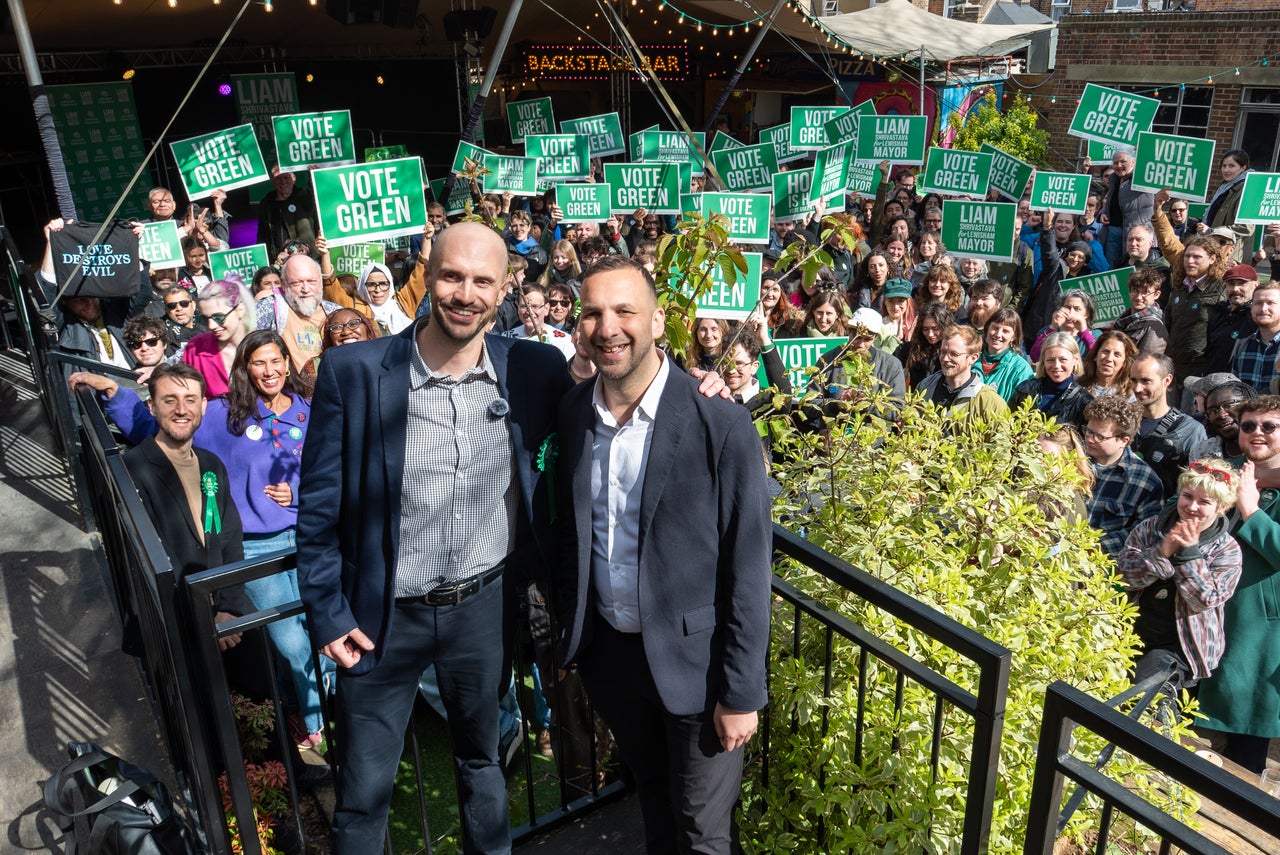
Pollsters’ prediction? The Greens are set to see its number of councillors in England increase by 500, according to Hayward, mainly in London and other middle class areas of major cities.
Advertisement
The Greens are predicted to enjoy a small boost in Scotland, up from their current eight seats to 11, according to YouGov.
YouGov also expects the party to win seven seats in Wales, meaning it could come in fourth place behind Labour in the Senedd.
What’s the mood within the party? Hopeful – but cautious.
Leader Zack Polanski was forced to apologise last week after sharing a social media post which criticised the police response to a terror attack in Golders Green.
Advertisement
While Labour are hopeful this will reduce the number of voters willing to support their left-wing competitors, a Green insider suggested it would not have too much cut-through.
One senior figure in the party also insisted it was all “very positive” on the doorstep, but campaigners have been more cautious behind the scenes.
“There’s been a lot of hype about us wiping out Labour in London, and we’re definitely going to have a record-breaking result. At the same time, I think people forget the base we’re coming from,” they said, pointing to Greens’ poor performance at London’s last local elections in 2021.
Advertisement
“It’s going to be very good for us but perhaps some of the more apocalyptic predictions forget the context we’re coming from,” the source claimed.
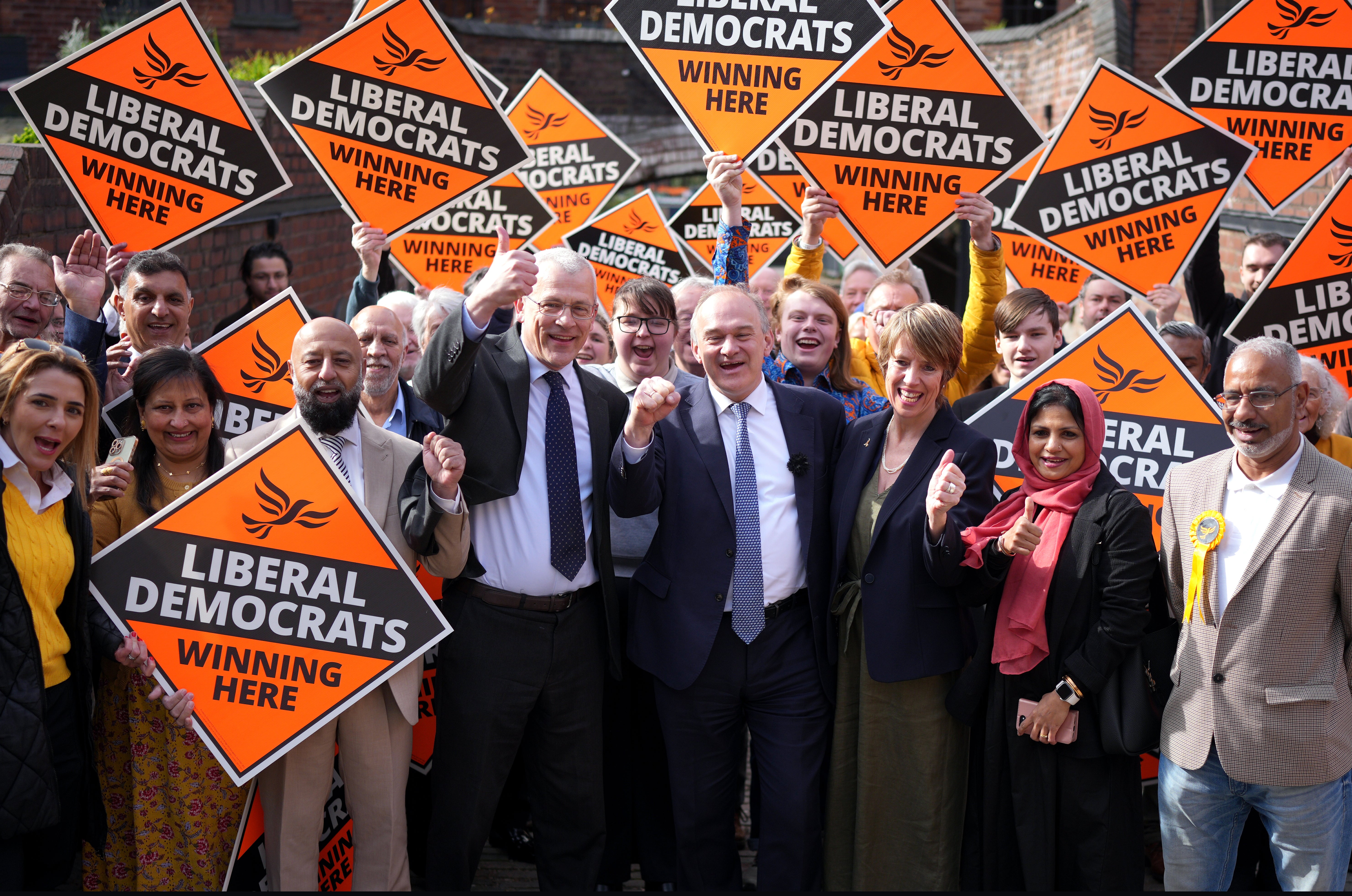
Lib Dems
Christopher Furlong via Getty Images
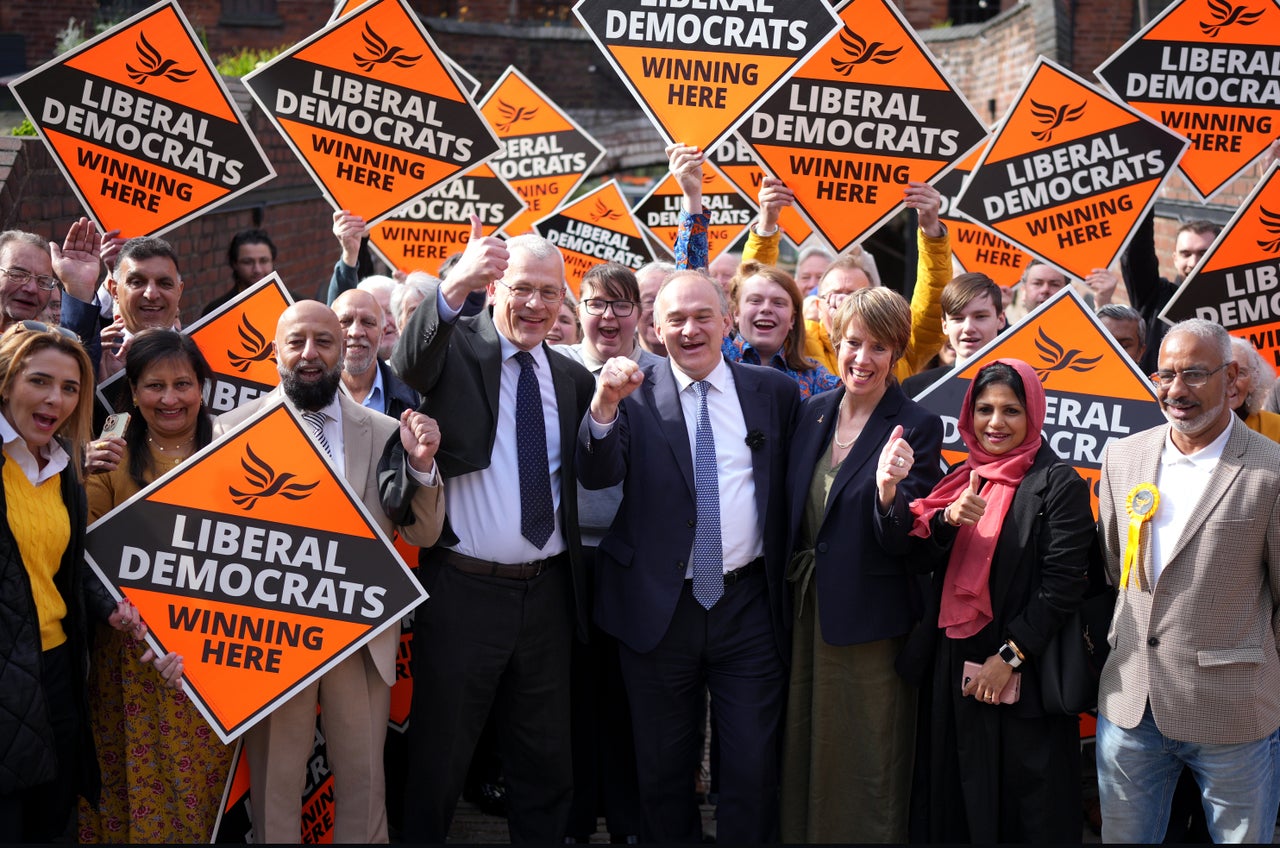
Pollsters’ prediction? The Lib Dems are on course to gain 150 seats in the local elections, according to Hayward.
Advertisement
YouGov expects the centrist party to take nine seats in Scotland (up from its current four) but secure just three seats in Wales.
What’s the mood within the party? Surprisingly upbeat.
The Lib Dems have been trailing in the national opinion polls for some time, outshone by the traditional parties and the populist groups.
Behind the scenes, MPs have been unhappy with Ed Davey’s leadership for months, frustrated with his “gimmicks”.
Advertisement
But, with these elections, the party has developed a clear strategy – focusing on local council issues in the hope of taking more seats in England.
There’s even been some speculation they could become the largest party in English local government, especially with Labour and the Tories expecting to endure major losses.
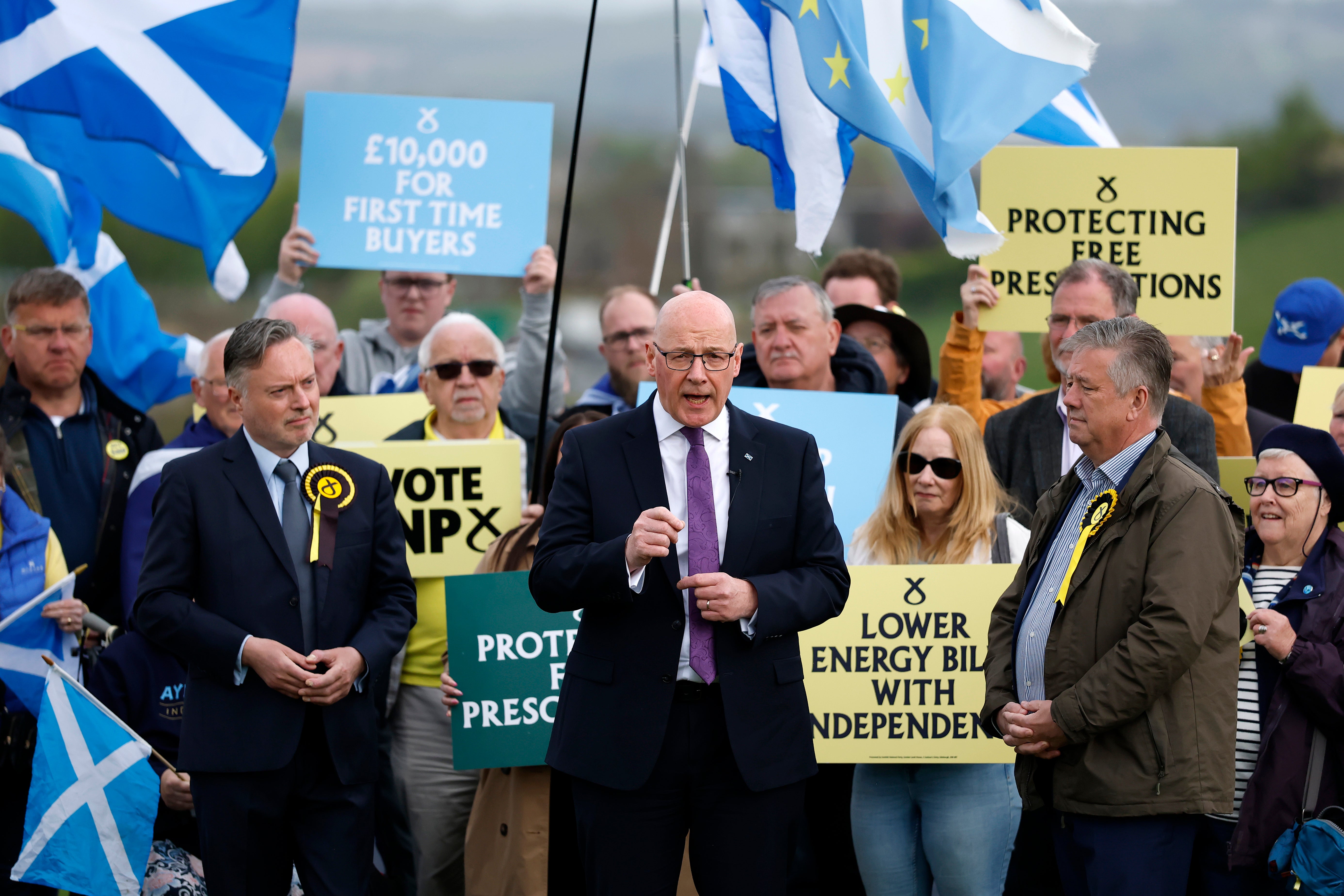
SNP
Jeff J Mitchell via Getty Images
Advertisement
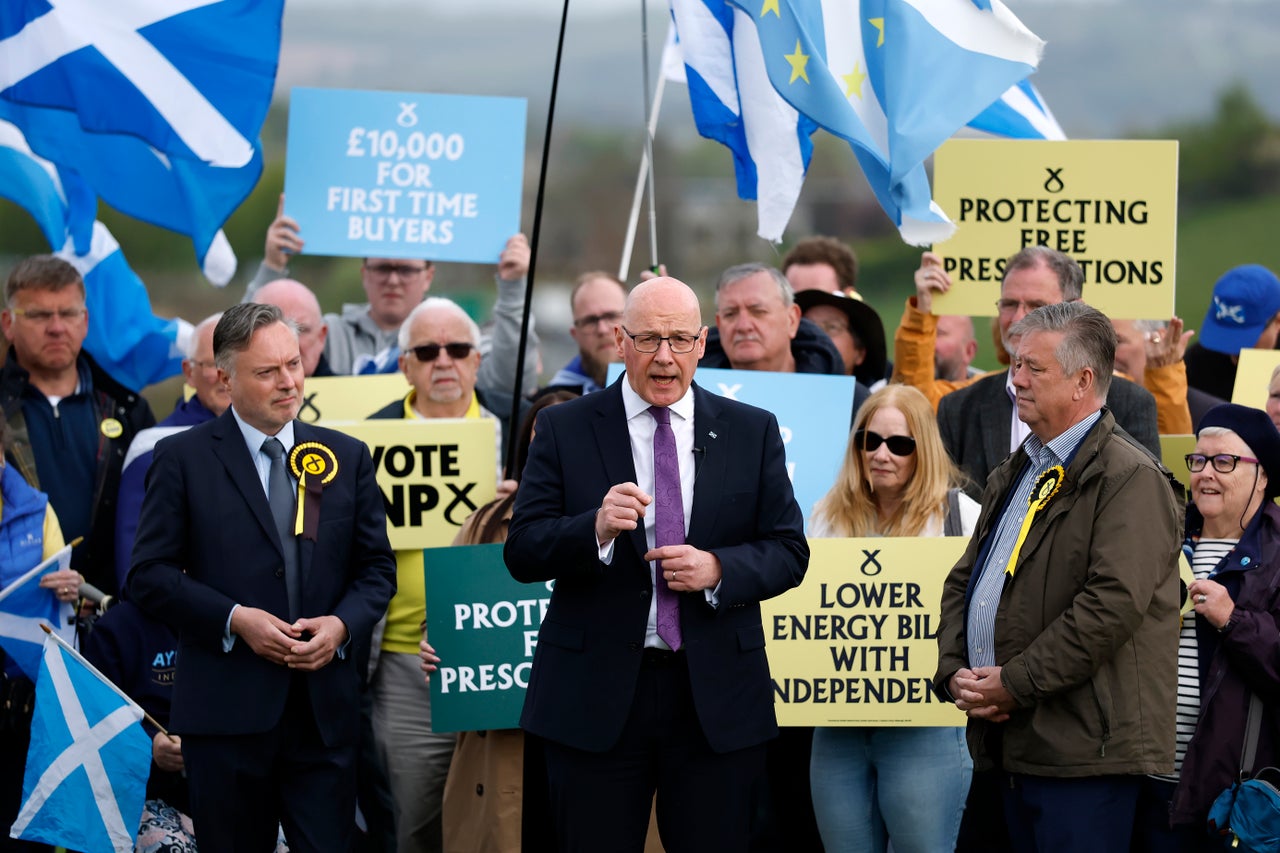
Pollsters’ prediction? The SNP is once again on course to comfortably win the Scottish Parliament election.
YouGov predicted the SNP could win 67 seats in Holyrood – giving the party an overall majority. But More in Common and Lord Hayward have both said they will fall short.
What’s the mood within the party? Very happy.
If the polls are correct, the SNP is heading for a remarkable third decade in power, after first being elected way back in 2007.
Advertisement
This is despite criticism of their handling of the Scottish NHS, education system and other public services during nearly 20 years in power.
While questions remain over whether the party will be able to clinch a majority, they are set to benefit from the major splits between Scottish Labour and the Westminster government.
Labour leader Anas Sarwar called for Starmer to step down earlier this year in the hope of distancing himself from Downing Street’s disasters, but the move does not seem to have won over voters.
Advertisement
The Nationalists have also pledged to call for a second Scottish independence referendum if they win a majority.
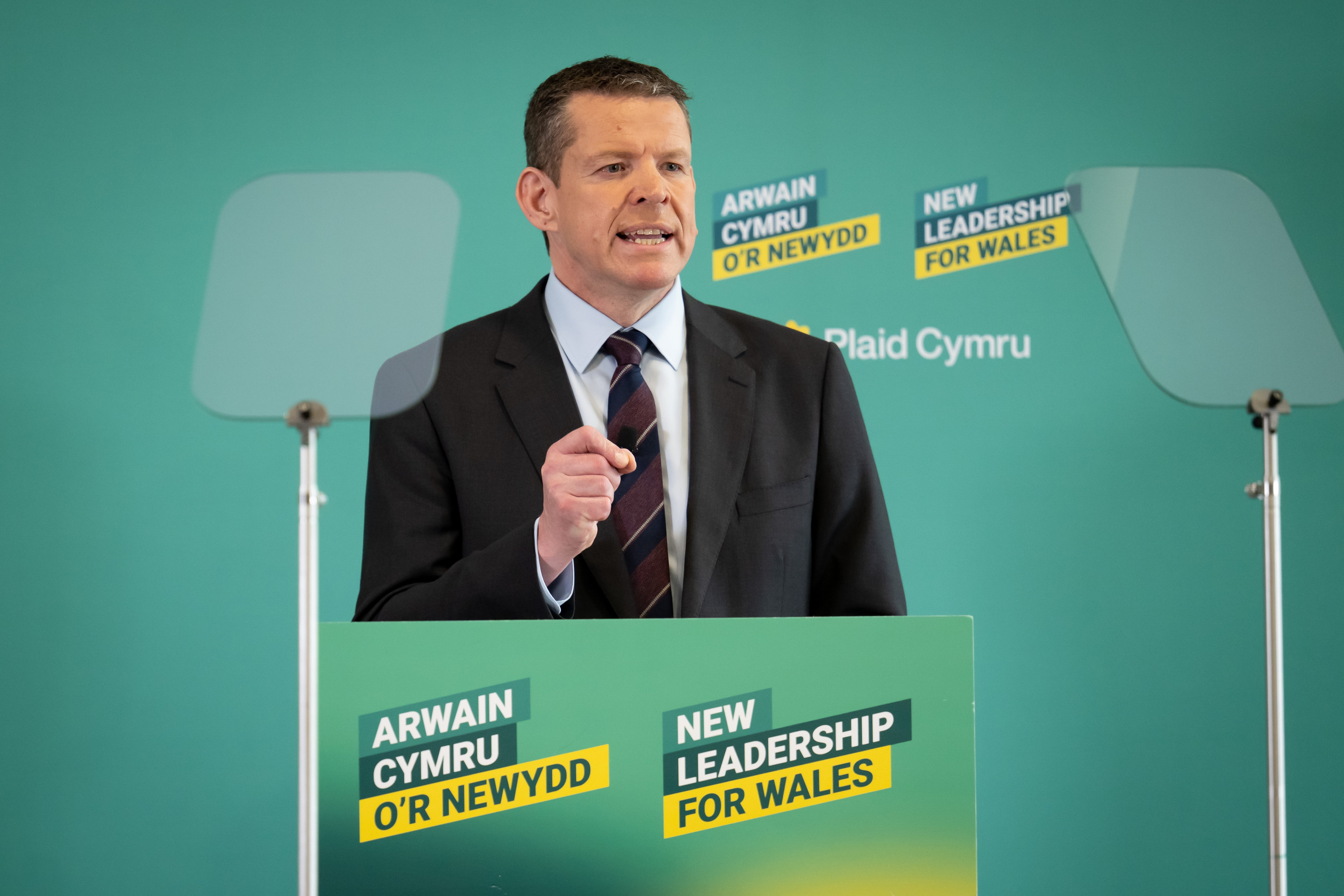
Plaid Cymru
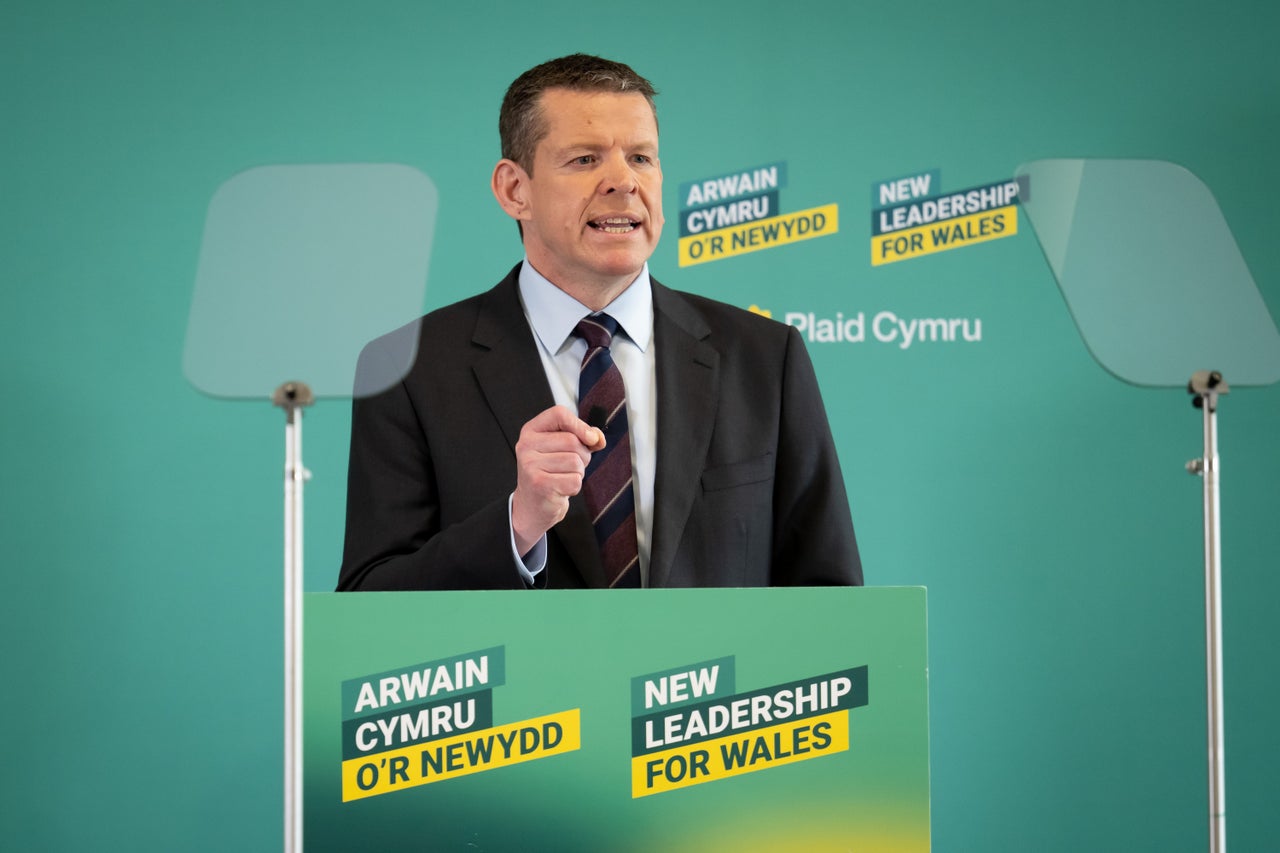
Matthew Horwood via Getty Images
Pollsters’ prediction? The pro-independence party is only standing in the Welsh devolved election. Hayward predicted it will be the largest party in terms of votes and seats in Senedd.
Advertisement
However, YouGov predicted it will secure 36 seats – making it just one representative away from Reform’s lead.
What’s the mood within the party? Nervous.
Like the SNP, Plaid Cymru are hoping to capitalise on Labour’s downfall.
Unlike the Scottish Nationalists, they’ve never been in power before and so do not have to contend with their own record in office to win over voters.
But, they do have the new kids on the block to compete with: Reform UK, who are making gains in Wales – and who look set to be the largest unionist party in the Senedd after Thursday.
Advertisement
How Important Will May 7 Actually Be?
Steve Akehurst, director of research initiative Persuasion UK, warned against seeing this set of results as the ideal test of how the public feels.
He told HuffPost UK: “Local elections are an imperfect way of attempting to measure national sentiment.
“In terms of predictions, I think it’s best to wait for the national equivalent vote share later in the weekend.”
Advertisement
The specialist said analysing Reform’s performance will be particularly difficult “given the party basically didn’t exist in 2022, the last time many of these seats were contested.”
But, Akehurst warned: “It’s important to remember that Labour losing seats to Reform is not the same as Labour losing votes to Reform.
“Around the country we have seen the same patterns since the general election – where votes shifting from Reform to Tory, or Labour to Green or Liberal Democrat, led to Labour seats becoming Reform seats with little direct loss of votes from one party to the other.
“That is likely to be the case again at these elections.”
Subscribe to Commons People, the podcast that makes politics easy. Every week, Kevin Schofield and Kate Nicholson unpack the week’s biggest stories to keep you informed. Join us for straightforward analysis of what’s going on at Westminster.