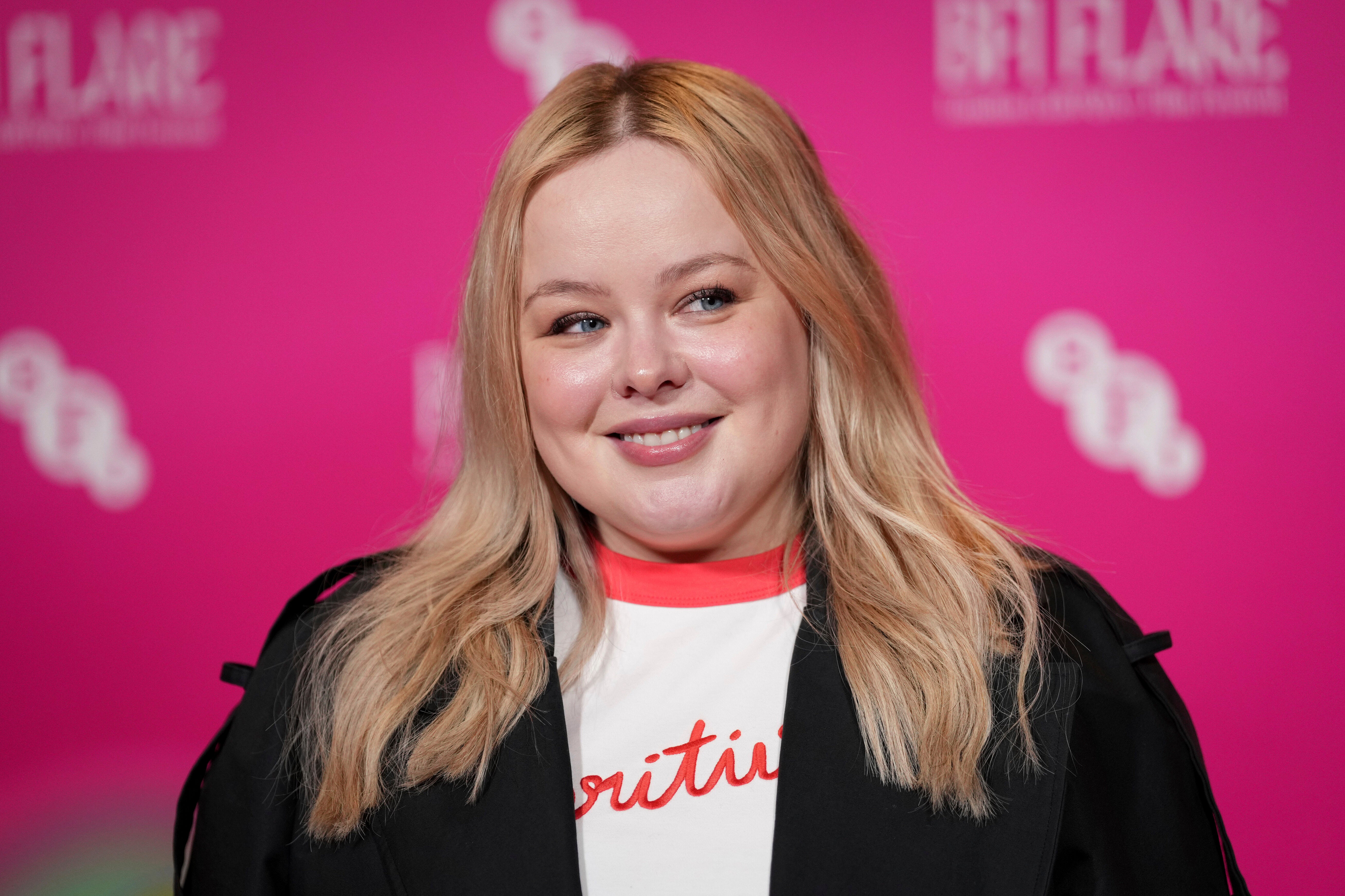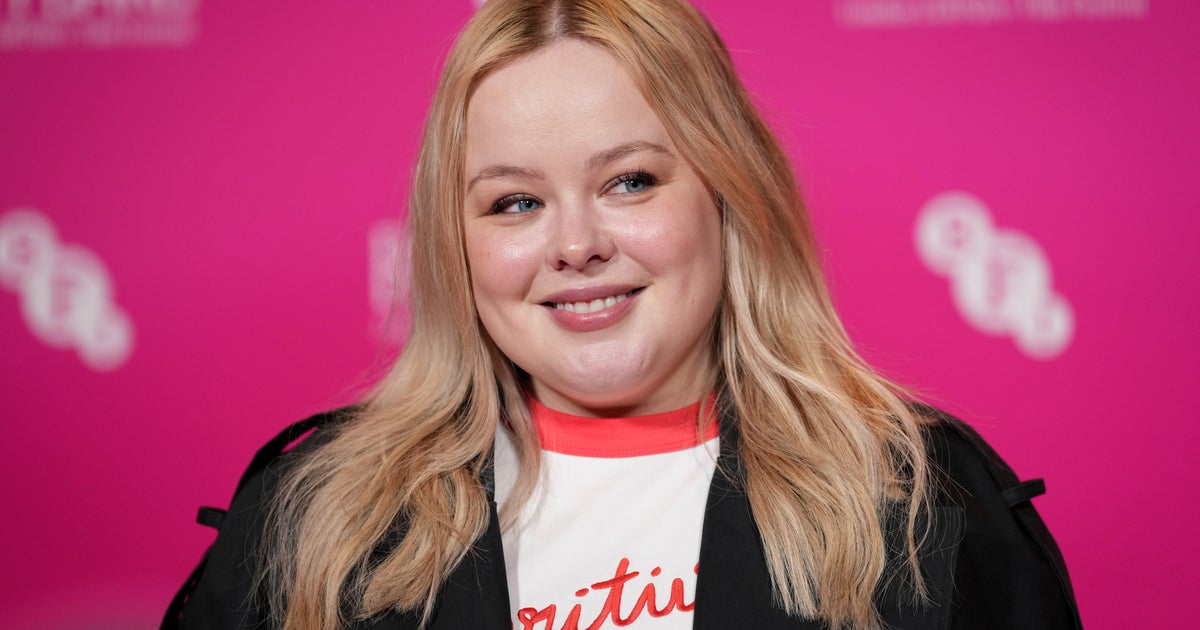
In a recent interview with Elle UK, Bridgerton and Derry Girls star Nicola Coughlan recalled the time a tipsy girl, who cornered her in a public loo, said she loved the Netflix hit “because of [Nicola’s] body”.
Nicola, who said she’d lost a “bunch of weight” for the show and was “probably a size 10″ on-screen, had said earlier in the interview, “The thing I say sometimes that pisses people off is I have no interest in body positivity.”
Advertisement
Later, she stated discussions about weight are “so fucking boring”.
I couldn’t agree with her more.
I have been in workplaces, classrooms, countless online spaces, family events, and friendships where the judgment of strangers’ weight was like dull, repetitive background music.
I have to admire weight obsessives’ inventiveness, to be fair. Tiny “girl dinners”, single-size clothing brands which seem to make their association with thinness a marketing strategy, and chats about whether you could ever hope to look yourself in the mirror again after eating carbs can occupy hours of your time if you want them to.
Advertisement
You can spend ages dissecting what *type* of thin or fat someone is, too. Maybe you’re looking at which fruit their (or, to be real, her) body most resembles. Maybe someone’s a pilates princess, or perhaps you deem them a “big back” (a term a lot of thin people seem alarmingly comfortable using to describe what they see as “fat” people and behaviours).
Is a “plus-size” or “mid-size” person’s Instagram bikini post liberating, or a ruinous attempt to “glorify obesity”? Because it obviously can’t just be a fun, mindless pic of a normal person on holiday… right?
What size are you, by the way? Noo, I’m just asking, haha! Also, should we do a water fast? By the way, have you seen how [insert thinner or fatter than usual celeb here] looks now?
Advertisement
Weight obsession is the beige, formless putty behind so many millions of conversations that it can be easy to forget the base is all the same.
Which is why such an incredibly boring idea – “some people are smaller. Others are bigger. Some people are small at first, and bigger later; sometimes, the other way around” – has stayed part of public and private discussion for so long.
What a rude, dull person you would think me if I asked everyone’s weight outright, told them what I thought about that number, and then went back to you and shared those figures again, as if it meant something. Not just that, but chances are any sly comments circling the topic would quickly die out.
Advertisement
To survive and fester into obsession, weight talk must morph. It has to take on the veneer of Serious Discourse, or ever-shifting beauty standards, or judgements of one another’s worth – or, to Nicola’s point, a type of social activism, regardless of what the person with the much-discussed body thinks.
This is not to say fatphobia isn’t real (it is), that it doesn’t manifest in endless pernicious ways, that purposeful activism isn’t important, or that weight obsession can be brushed aside as “not that deep”.
But Nicola wasn’t talking about any of that when she took a fantasy Regency role which involved looking smoulderingly hot in a (size eight, by the way) corset. And let’s be real; nor are most of the people whose bodies we comment on.
Advertisement
If we got a little more clear-eyed about what our fascination with something as simultaneously tedious, invasive, and irrelevant as an individual’s weight actually boils down to, I’d like to think we could start to focus on more interesting things instead.