The numbers 15 and 20 might sound reasonable when you’re deciding how much to tip your server at a restaurant. But when they refer to an age gap between romantic partners, they’re more likely to raise eyebrows.
Even if you’re not a fan of May-December romances, experts say that age-gap friendships are one type of intergenerational relationship we can all get behind. According to research, we tend to gravitate toward people who are similar to us, a phenomenon called homophily.
Consequently, our friend groups often include people who share our interests, education, politics and life experience.
Advertisement
SDI Productions via Getty Images
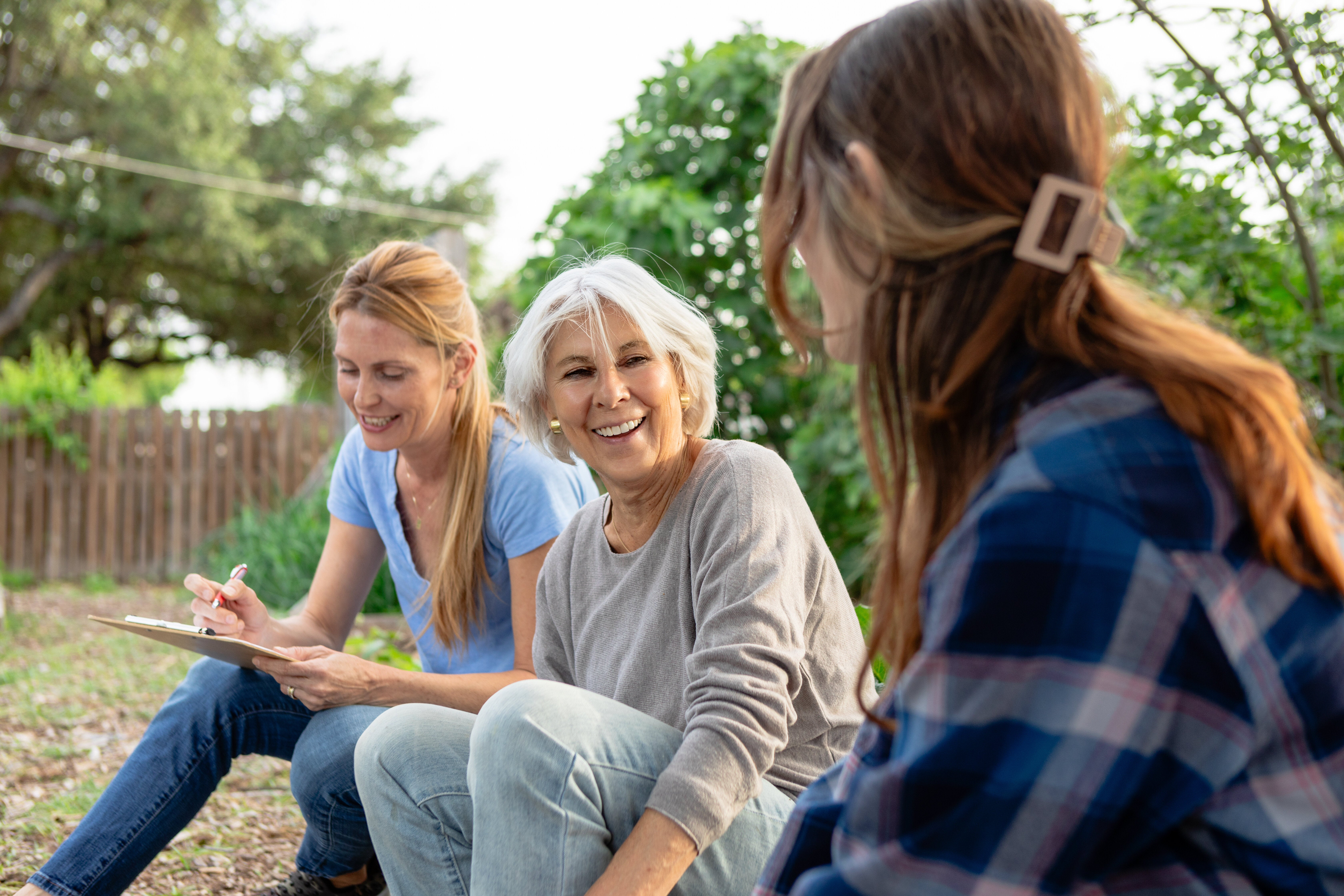
And while it might seem like a good idea to prioritise friendships with people you can relate to, you might be missing out on what other generations have to offer. Below, experts discuss the benefits of befriending someone who is 10-plus years older or younger than you.
The real benefits to having older friends
You’re less likely to doubt your pace in life.
When your friends are of a similar age, it’s hard to avoid comparing your life to theirs. Maybe they just received a promotion or set off on their honeymoon. On the outside, you might be congratulating them for reaching these milestones, but it’s only natural to worry about falling behind.
Advertisement
“One of the benefits of having older friends who are in a different life stage is the freedom to share without conflicted feelings,” Charlynn Ruan, a licensed clinical psychologist and the founder of Thrive Psychology Group, told HuffPost. “We can share our wins without feeling like we are bragging or triggering our friends who might not be doing well in that area.”
Jenny Woo, a Harvard-trained emotional intelligence researcher and founder/CEO of Mind Brain Emotion, and author of 52 Essential Relationships, agreed, saying, “Age-gap friendships help younger people zoom out from the comparison trap by reminding them that timelines are flexible and growth is nonlinear.” An older friend can provide a safe space to talk without the pressure of having to compete or project an image of success.
They act as mentors and surrogate family members.
“Historically, across many cultures we used to live in much more supportive multi-generational communities where younger people had access to older individuals who had more life experience and advice to pass down,” Natalie Moore, LMFT, owner of Space for Growth Therapy & Coaching, told HuffPost. She said that many of her clients, most of whom are in their 20s and 30s, don’t have emotional support from mentors or role models.
Advertisement
“So, it makes sense that younger adults would seek out older friends to fill that gap,” she said. “Additionally, so many adults do not have positive relationships with their parents, so an older friend can act as almost a surrogate parent to provide the type of support they need.”

Aside from support, an older friend can promote a sense of continuity by sharing memories and traditions. For example, they can pass along recipes or inspire you to take up so-called “grandma hobbies,” like crocheting, knitting and gardening. We know from research that taking a break from your phone can improve your mental health.
zeljkosantrac via Getty Images
Advertisement
They can enhance your personal growth
If you spend a lot of time interacting with same-age peers, especially online, this can limit your perspective on the world. “We often see this where millennials and Gen Zs complain about the tone-deaf responses of older generations to their struggles to buy houses and afford to move out,” Ruan said. In this politically divisive climate, it’s important to be able to have respectful conversations with people who see the world differently than you do.
“An older friend can offer candid, judgment-free feedback without the power dynamics of a parent or boss,” Woo said. Whereas a peer can empathise with the current job market, an older friend can tell you what it was like to make a career pivot or adjust to life in a new city.
In addition, someone who is 20 years your senior is more likely to have experience with navigating career uncertainty, identity questions or relationship concerns. “Younger people often feel more motivated to invest in their physical and emotional well-being when they see the real impacts in someone older,” Woo said.
Advertisement
It’s not just the younger friend who benefits — here’s why you might want a younger bestie
They add variety and spontaneity to your life.
“Being around someone younger can reignite a sense of vitality, spontaneity and playfulness,” Woo said. You can learn about new trends and technologies, or rediscover past hobbies and interests. For instance, a 2024 study found that playing a musical instrument can keep your mind sharp as you age.
Similar to young adults, the trend of having friends who are similar to you persists as you get older. “This can cause people to become narrow-minded and judgmental, so having younger friends can help keep your mind open and curious,” Ruan said.
Moore agreed, explaining that a younger friend may expose an older friend to new ideas or ways of seeing the world. “This can challenge them to be more relevant with current events, technology or the ever-changing zeitgeist,” she added.
Advertisement
You can share without competing
“Sadly, social comparisons don’t lessen that much with age,” Ruan said. An older friend may struggle to find support from same-age peers. For example, they might feel judged for having their adult children move back home or continuing to work because they can’t afford to retire.
“Sharing these concerns with a younger friend can feel liberating because the younger adult can just listen and express comfort without the compulsion to give unhelpful advice,” she said. A younger friend may also be more empathetic about marriage and kids, considering they’re closer to the beginning of their journey.

Frazao Studio Latino via Getty Images
Advertisement
Their friendship can offer a renewed sense of purpose
“The act of sharing hard-earned wisdom gives older friends a sense of purpose and value, which can counteract ageism and a fear of irrelevance,” Woo said. Research shows that having a sense of meaning and direction can help you weather life transitions such as divorce, retirement or an illness diagnosis.
In fact, “There’s a phenomenon of brain development where younger adults are more geared toward learning, whereas adults in midlife and beyond are more inclined toward sharing what they’ve learned,” Moore said. She said that this makes sense from an evolutionary perspective because a younger person with less life experience has more learning to do than someone who has knowledge that can benefit future generations.
How to make sure your age-gap friendship doesn’t become one-sided
Sometimes, age-gap friendships can resemble a mentorship relationship where the younger person is expecting career advice or networking opportunities. In such cases, an older friend might have a hard time being vulnerable because they feel pressured to have all the answers.
Advertisement
“If an older friend is falling into a role of providing all the advice and not receiving any, they could point that out or adjust their behavior,” Moore said. Likewise, Ruan suggested encouraging your older friend to speak about their struggles, so it becomes a two-way street. You can also make a habit of asking them for updates on things they’ve shared recently to avoid doing all the talking or advice-seeking.
Over time, the younger friend may eclipse their older friend’s accomplishments. “This can cause a strain on the relationship if there is an undercurrent of teacher and student in their dynamic,” Ruan said. Your relationship is more likely to survive if you’re both willing to be vulnerable and support each other through periods of loss and transition.
Woo agreed, saying that it’s best to avoid having an age-gap friendship that’s focused primarily on mentorship. Her advice was to set boundaries, so the younger friend doesn’t come to rely on the older friend as a therapist or life coach. She also suggested participating in activities that aren’t centered on advice-giving, such as physical activity and shared interests like art projects or a book club.
Advertisement
“Healthy age-gap friendships are built on mutual respect and curiosity,” Woo said. “Both people should bring effort and energy to the relationship.”