Here Are All The Strikes That Are Happening Across The UK In March

Another month, another set of public sector strikes.

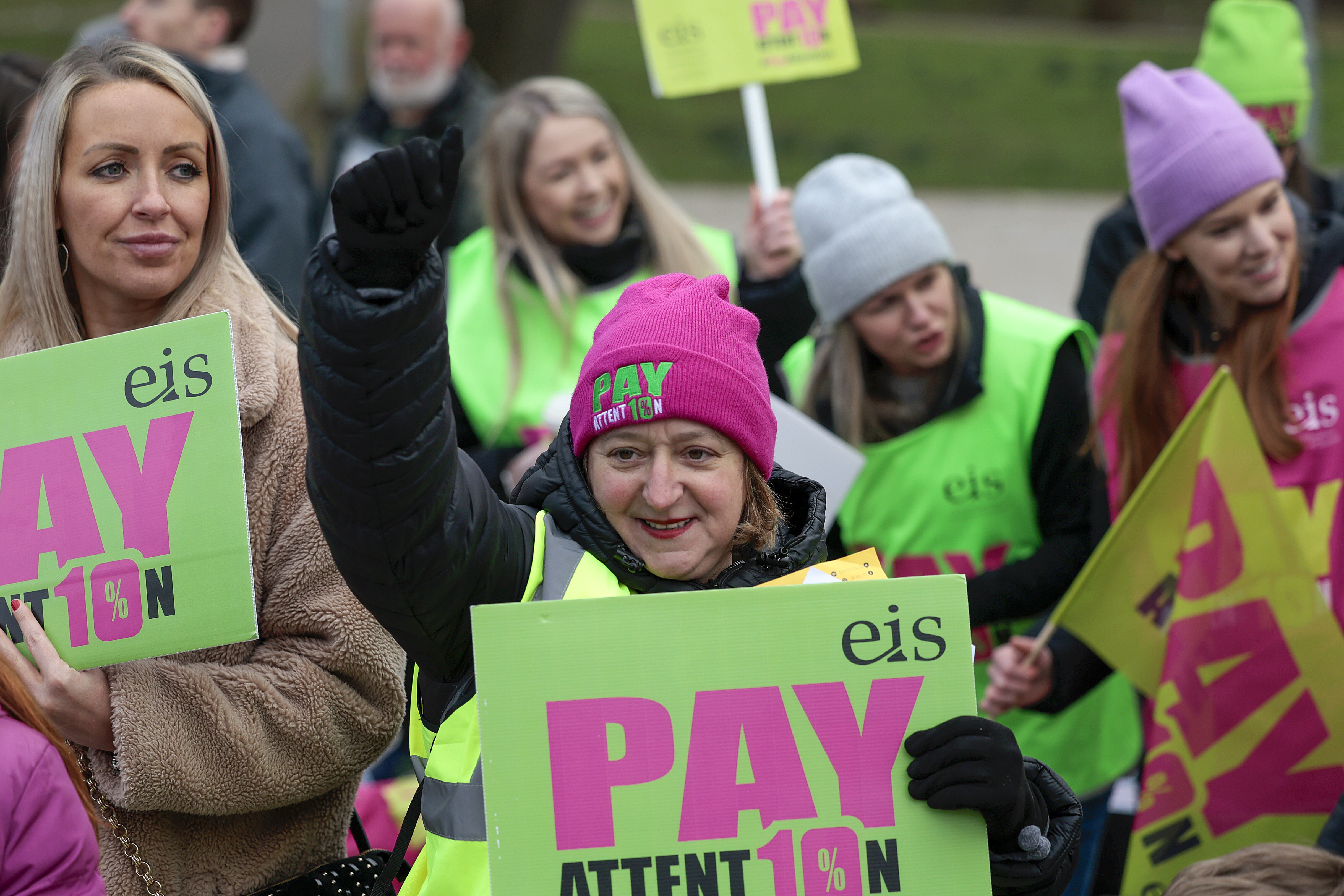
This week, tens of thousands of teachers across England and Wales will walk out over three days in the long-running dispute with the government over pay and working conditions.

The strike action kicks off today as teachers across the north of England walk out, meaning the majority of schools will either close or offer restricted access to pupils.

It will be followed by further industrial action by teachers in the Midlands and eastern regions in Wednesday and in Wales and the south of England on Thursday.

On March 15, teachers across England and Wales will strike again.

Education Secretary Gillian Keegan has branded the strike action “unforgivable”, arguing that children deserved to be in class following the shock of the coronavirus pandemic.

But Kevin Courtney, the joint general secretary of the National Education Union (NEU), which is representing striking teachers, said staff taking industrial action for a “high moral purpose” and to “get the government to invest in this generation of children”.

But over the month ahead, it is not just teachers who are walking out over pay.

HuffPost UK takes you through all the strikes that will hit the public in March.

Health and ambulance workers (most of England)

The GMB union said 10,000 of its members, including paramedics, emergency care assistants, call handlers and other staff, will walk out on March 6.

Unite members employed by different ambulance trusts will be striking on the same day in the West Midlands, the North East, the East Midlands, the North West and Wales.

Meanwhile, around 32,000 ambulance and other health staff represented by Unison will walk out across England on March 8 after the union accused the government of failing to hold “proper talks” to resolve the row.

Nurses, blood collection workers, healthcare assistants, cleaners, porters and ambulance staff will be involved in the strike.

Health workers at NHS Blood and Transplant, Great Ormond Street Hospital, the Tavistock and Portman NHS Foundation Trust, Liverpool Women’s Hospital and the Bridgewater Community Trust will be among those walking out for the first time.

They will be joined by ambulance staff at four services in England – South Central, East of England, West Midlands and East Midlands, also now able to take action following a strike vote last week.

GMB and Unite ambulance workers will strike again on March 20.

Junior doctors (England)

Junior doctors recently announced that they will strike for 72 hours from March 13 to March 15 over pay.

The British Medical Association (BMA) said that junior doctors had seen a real terms pay decline of more than 26% over the past 15 years.

Dentists who work in hospitals employed under the junior contract will also join the 72-hour walkout.

Civil Servants (England)

Approximately 100,000 civil servants across 123 government departments and agencies are expected to strike on March 15 — the day of Jeremy Hunt’s Budget.

More than 1,600 members of the Public and Commercial Services union (PCS) employed by the Driver and Vehicle Standards Agency are also set to take rolling days of industrial action from March 6 to 28.

Rail workers (England, Wales and Scotland)

RMT members will strike across the railways on March 16, 18, 30.

London Underground drivers

Commuters will endure chaos on Budget day, March 15, when London Underground drivers at Aslef go on strike.

University lecturers (UK)

Strikes by lecturers will hit 150 UK universities throughout March after the University and College Unions demanded “substantially improved offers” in the disputes over pay, working conditions and pension cuts.

In total, 70,000 UCU members will walk out on March 16, 17, 20, 21 and 22.
Share Button

What Will Be In Rishi Sunak’s Brexit Deal And Will MPs Back It?

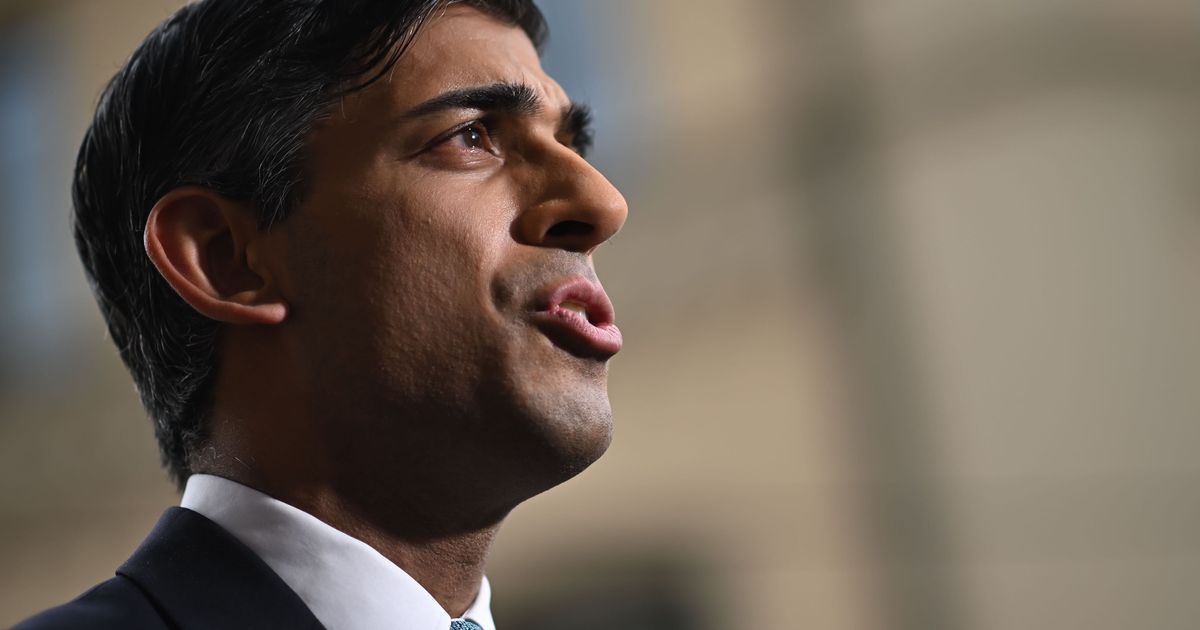
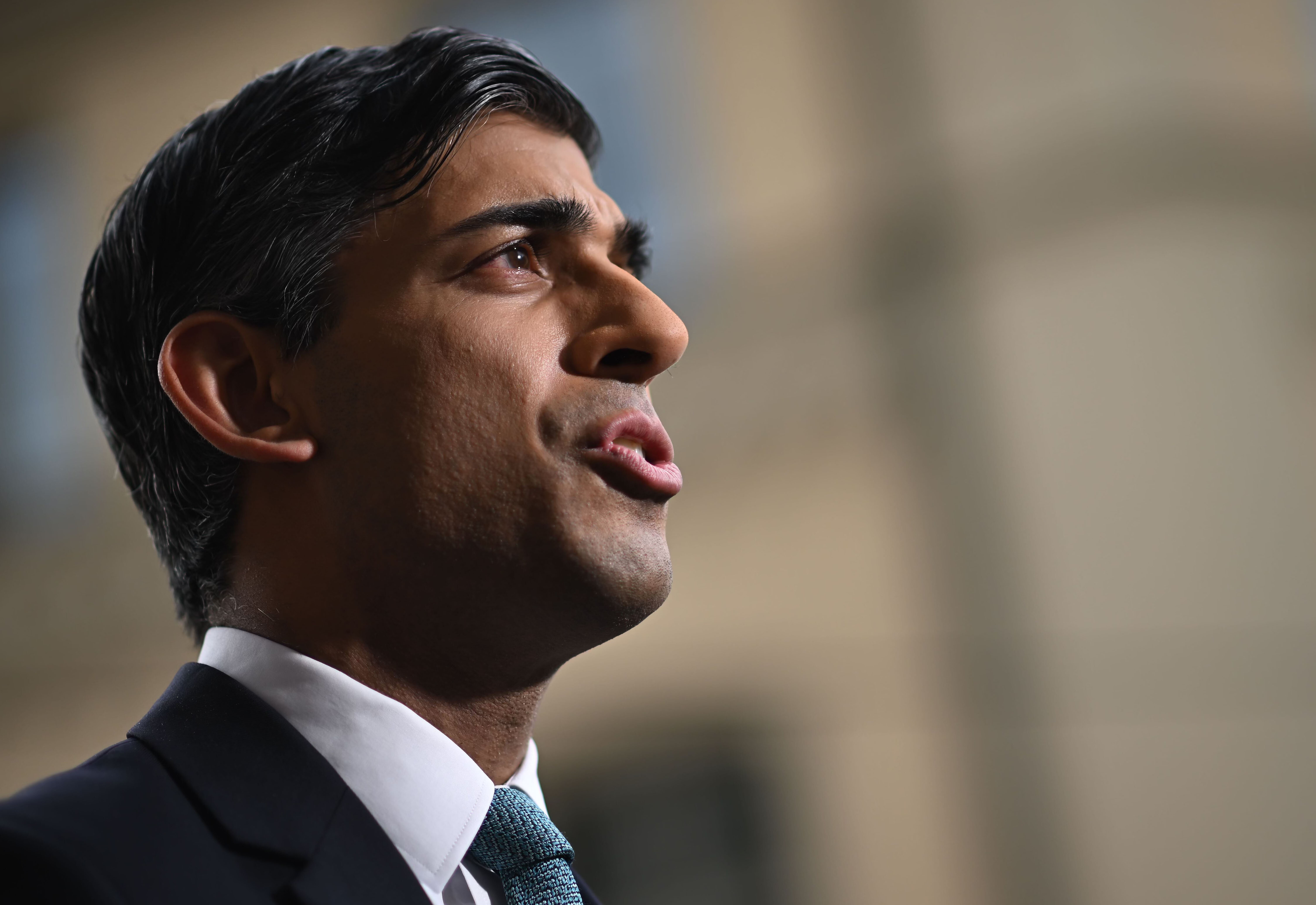
After months of impasse over the Northern Ireland protocol, Rishi Sunak is finally preparing to present a new deal to parliament that could be the defining moment of his premiership.

The prime minister holding talks with European Commission president Ursula von der Leyen to put the final touches to the new arrangements.

While it is not yet known what is in the deal, there are a number of key issues that Sunak has sought to address — including ticking his “three boxes” of sovereignty for Northern Ireland, safeguarding its place in the Union and easing disruption for people and businesses.

However, while Sunak and the EU may now be on the same page, it is not guaranteed that everyone in the Tory Party, and the Democratic Unionist Party, will be on board.

Here HuffPost UK takes you through what could be in Sunak’s deal and what the key sticking points are.

The protocol is a trading arrangement, negotiated during Brexit talks, that allows goods to be transported across the border between Northern Ireland and Ireland without the need for customs checks.

The deal was aimed at protecting the delicate Good Friday Agreement by avoiding putting up a hard border between NI and the Republic.

However, unionist parties argue that the protocol instead places an effective border in the Irish Sea, undermining Northern Ireland’s place within the UK.

Goods moving from GB to NI currently have to undergo vigorous checks because they may end up in the Republic of Ireland, which remains in the EU’s single market. That has created friction and disruption for businesses which the UK and EU both want to solve.

The protocol is so disliked by the DUP, Northern Ireland’s largest unionist party, that it has refused to take part in the power-sharing government with Sinn Fein at Stormont unless its concerns are resolved.

What are the main the problems with the protocol?

Unionists are concerned about the disruption to trade that has resulted from checks at Northern Ireland’s ports, as well as the fact that the country is being treated differently from the rest of the UK — something they regard as unacceptable.

Alongside that, unionists do not like that Northern Ireland has to follow some EU rules, without having a say on how those rules work. They call this the “democratic deficit”.

A particular gripe for Brexiteers and unionists is the role that the European Court of Justice (ECJ) plays in solving potential disputes in Northern Ireland.

While the protocol has created an economic advantage for Northern Ireland in that it can sell both within the UK internal market and into the EU single market, because it has to follow some EU laws, it also falls under the jurisdiction of the ECJ.

Put simply, the DUP want the ECJ’s influence in Northern Ireland removed entirely.

What changes could there be?

Sunak is understood to have negotiated a new arrangement to avoid customs checks on the vast majority of goods travelling between Britain and Northern Ireland.

The new deal is expected to see the creation of “green” and “red” lanes.

Goods that are only destined for Northern Ireland will enter ports via the green lane and be subject to minimal checks. Those that are due to end up in the Republic of Ireland will go through the red lane and will have to undergo full EU checks.

While Brexiteers and unionists want Northern Ireland to be free from the ECJ, for the EU its role is a red line — if the region is to enjoy the perks of being in the single market then it must abide by the rules like other EU member states.

The compromise that could be achieved is a reduced and minimal role for the ECJ.

Deputy prime minister Dominic Raab said the reduction in trade red tape would lead to a “substantial scaling back” of the role of the ECJ — but he did refuse to rule out the court having a say on future legal cases, which could prove unpalatable to the DUP.

According to the Times, the deal could ensure that Brussels would have to notify Britain if it intends to apply any future regulations to Northern Ireland, which it could raise objections to.

The Speaker of the Northern Ireland Assembly may also be able to delay any potential regulation by having the power to put it to a vote.

The newspaper reports that if there are any disputes over the application of EU law in Northern Ireland, the region’s courts would consider it first and then decide whether to refer the issue to the ECJ.

Will MPs back the deal?

The groups that Sunak needs to woo the hardest include the Brexiteers in the European Research Group (ERG) and the DUP — who want the complete eradication of EU law from Northern Ireland.

ERG chairman Mark Francois yesterday warned that the agreement must mean an end to EU laws being imposed on Northern Ireland and that there simply being “less of a role” for the ECJ was “not good enough”.

The Conservative former minister told Sky News’ Sophy Ridge: “What we want is a situation where EU law is expunged from Northern Ireland, so it is treated on the same basis as England, Scotland and Wales.”

Asked whether he would therefore not back any deal if the ECJ has any role in it, he said: “We have left the European Union. It doesn’t have that role now in England or in Scotland or in Wales.

“So, if we’re going to treat Northern Ireland as an integral part of the United Kingdom, then we have to get rid of the EU law in Northern Ireland. We’ve been absolutely consistent on this.”

The DUP has issued seven tests Sunak must meet if it is to back the deal, including that the people of Northern Ireland are given a say on the laws that affect them, that there are no checks moving between GB and NI and vice versa, and that there must be no border in the Irish Sea.

The DUP has also made it clear that it wants to see the text of the new legal framework — something the prime minister has not yet agreed to.

While Sunak promised that parliament would be allowed to “express its view” on the deal, it is not yet clear whether that will translate into a parliamentary vote.

However, if there is one, Sunak will want to avoid the scenes we saw under Theresa May — where there was deadlock in the Commons Chamber.

Opinion is divided over how important the DUP’s approval is — former Cabinet minister Jacob Rees-Mogg said the scale of any potential revolt against Sunak would “depend on the DUP”.

“If the DUP are against it, I think there will be quite a significant number of Conservatives who are unhappy,” he told GB News.

However, while Sunak will hope to the get the ERG and DUP on board, because Labour has said it will vote with the government in favour of the deal, he may be able to do it without them.

Share Button

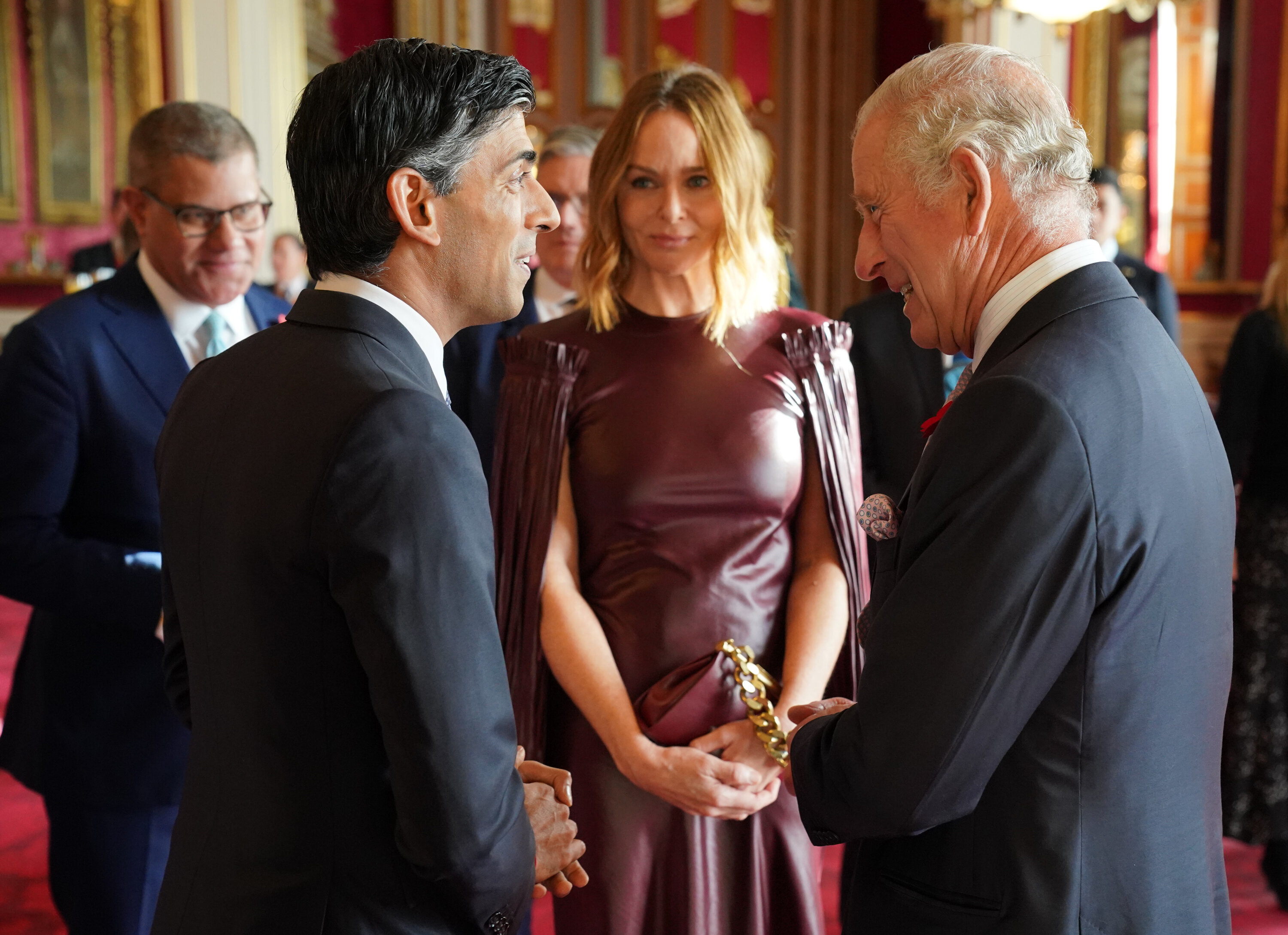
Rishi Sunak Sparks Anger By ‘Advising’ King Charles To Meet Ursula Von Der Leyen

A furious political row has erupted after Rishi Sunak urged King Charles to meet the president of the European Commission in the middle of crunch Brexit talks.

Buckingham Palace confirmed this morning that the monarch will have an audience with Ursula von der Leyen in Windsor.

The EU chief will be in the Berkshire town for negotiations with the prime minister to put the finishing touches to a new deal on the Northern Ireland Protocol.

In a statement, the palace said: “The king is pleased to meet any world leader if they are visiting Britain and it is the government’s advice that he should do so.”

But the PM’s official spokesperson insisted: “Fundamentally it is a decision for the palace.”

The spokesperson also pointed out that the king had met with other world leaders who have visited the UK recently, including Ukrainian president Volodymyr Zelenskyy.

He added: “His view is that it is a matter for the palace to decide and ultimately for the kind to decide if he wants to meet individuals.”

However, former DUP leader Arlene Foster said it was “tone deaf” for for the government to advise the king to meet von der Leyen at such a politically sensitive moment.

Reports first emerged over the weekend that the king and European Commission president could meet up.

At the time, Tory MP Jacob Rees-Mogg said: “If there were a plan to bring the King in before there is domestic political agreement, it would border on constitutional impropriety.”

Shadow Northern Ireland secretary Peter Kyle said: “I do not know how a thought of involving the king could pass somebody’s mind and reach it to their mouth before they realise that this is a very very unwise policy to choose because it has constitutional implications.”

The row comes as Sunak prepares to finally unveil the agreement he has reached with the EU on trade between Britain and Northern Ireland.

He and von der Leyen will hold a press conference this afternoon, before the PM makes a statement to MPs in the House of Commons.

However, it could potentially spark a major Tory split if the DUP say they cannot support the deal.

Share Button

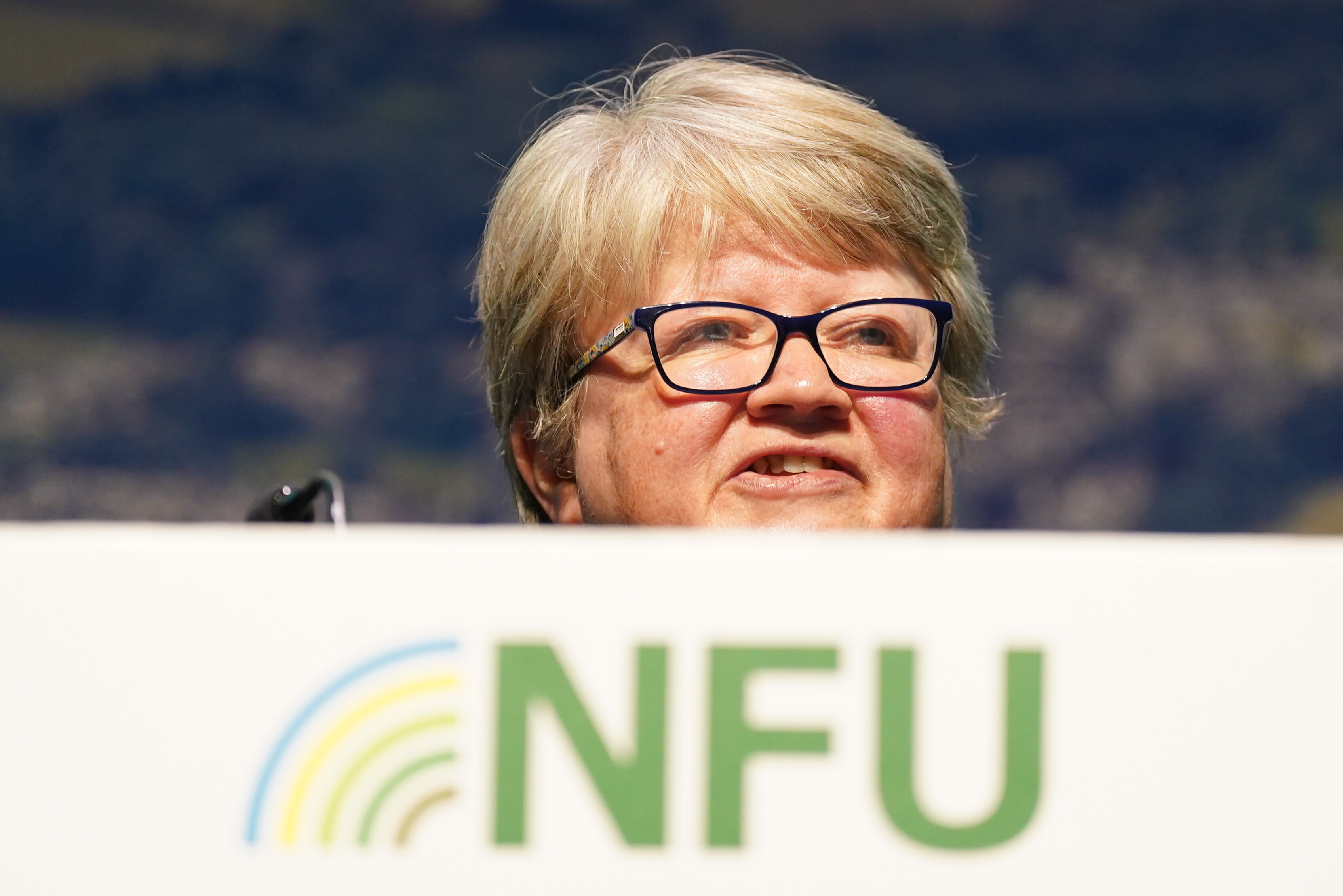
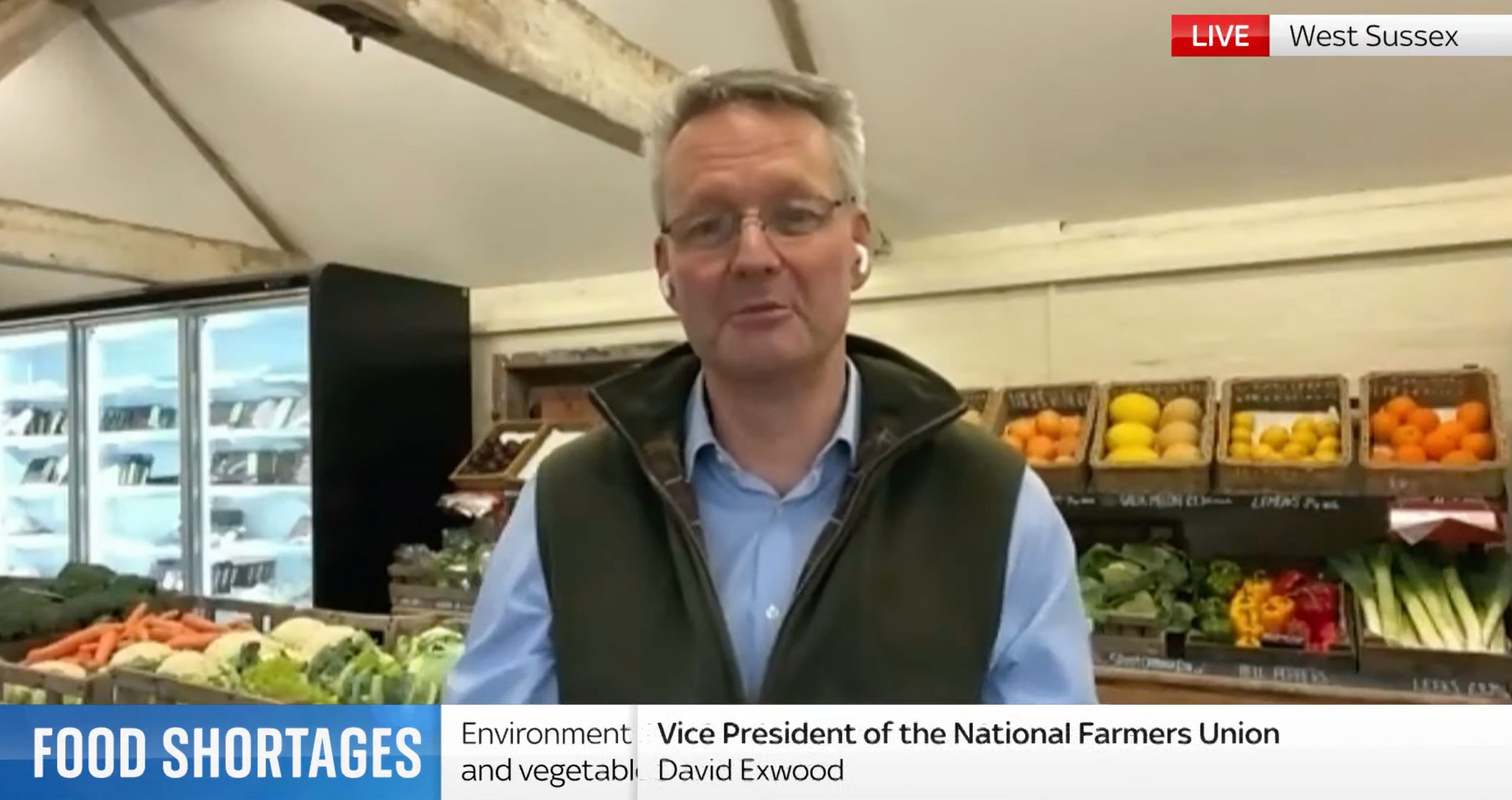
Farmers’ Union Swipes At Therese Coffey Over ‘Flippant’ Turnip Comments

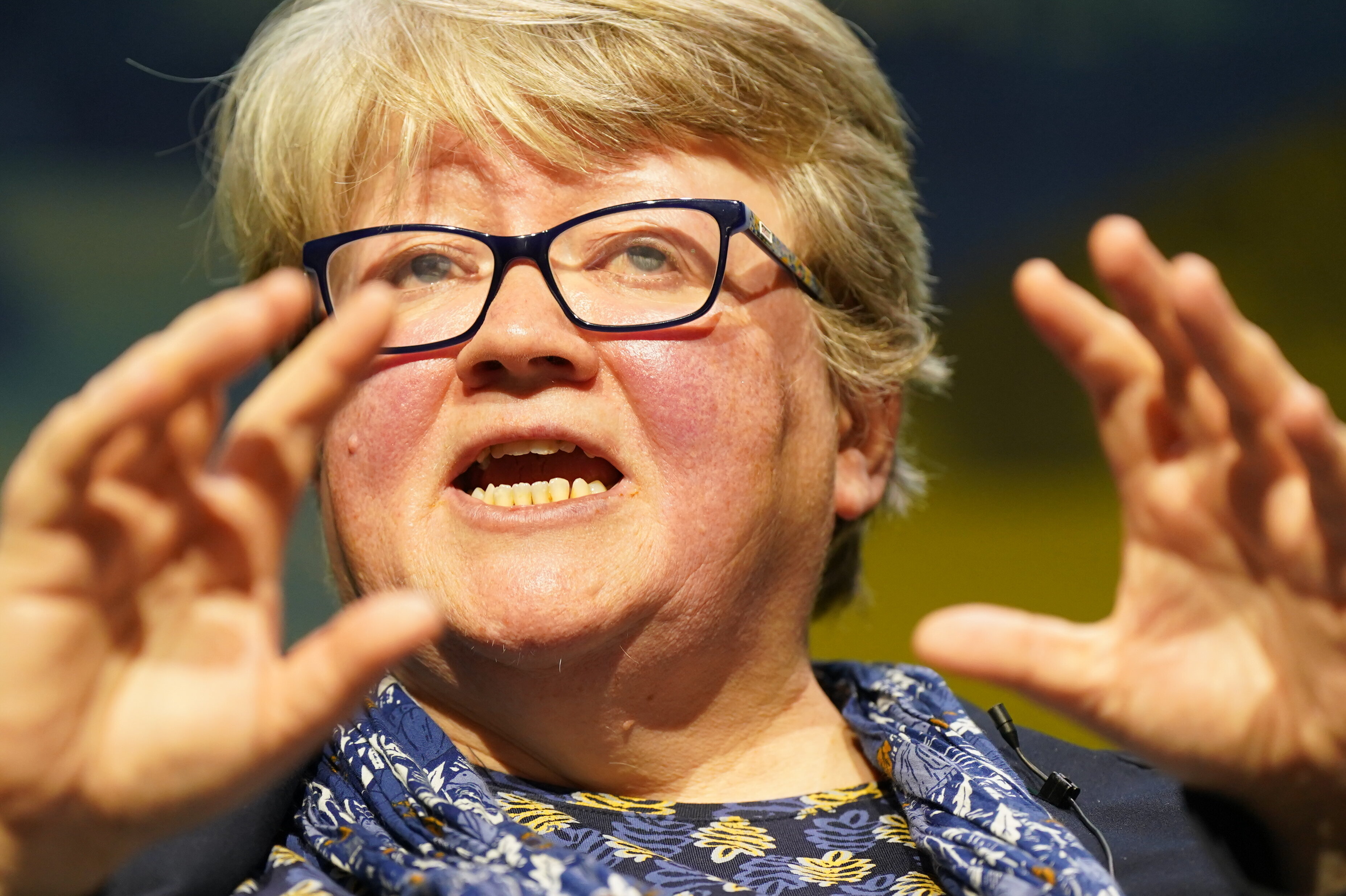
David Exwood called on the government to take the food shortages “seriously” after the environment secretary raised eyebrows with her comments.

The cabinet minister told MPs on Thursday it is important to “cherish the specialisms” that we have in this country.

“A lot of people would be eating turnips right now rather than thinking necessarily about aspects of lettuce and tomatoes and similar,” she added.

Exwood said: “We can’t rely on other countries to keep feeding us. So we need a plan that involves producing at home here as well as imports.

“Otherwise the situation we see will carry on. We had a billion less eggs produced in this country last year compared to 2019.

“Apple orchards are being grubbed up as we speak. This is a serious situation.

“We need the government to take it seriously rather than make flippant comments about turnips.”

Some supermarkets introduced customer limits on certain fresh produce, with photographs emerging of empty shelves.

Share Button

Dominic Raab Says He Will Quit If Bullying Allegations Are Upheld

Dominic Raab has vowed to quit Rishi Sunak’s Cabinet if he is found guilty of bullying staff.

The deputy prime minister is facing an ongoing investigation into how he treated a number of government officials.

However, he refused to step down ahead of the investigation into his behaviour, saying “innocent until proven guilty”.

Staff from multiple departments he has led have made complaints about his behaviour – including at the Brexit department, foreign office and ministry of justice.

He is being investigated by senior lawyer Adam Tolley KC, with dozens of officials thought to be involved in eight formal complaints.

Raab told Sky’s Sophy Ridge On Sunday programme: “I’m not going to start speculating on what the outcome might be. Again, you’re asking me to comment on the subject matter.”

The justice secretary dismissed calls to stand aside while the probe is carried out but added: “Allow me to respond in the right way at the right time, of course. Look, if an allegation of bullying is upheld, I will resign.”

Former Tory chair Jake Berry has called on Raab to step aside from his ministerial roles while he is investigated over the claims.

Rishi Sunak has resisted calls for Raab to be suspended or to step aside while he is investigated, with the prime minister instead waiting for the inquiry to conclude.

Former Tory chair Jake Berry has called on Raab to step aside from his ministerial roles while he is investigated over the claims.

Future Publishing via Getty Images

The PM has faced questions over what he knew about the allegations before appointing Raab as his deputy and justice secretary, with Downing Street only ruling out Sunak being aware of “formal complaints”.

Raab has previously said he is not a bully and always “behaved professionally” towards staff.

Asked on the BBC’s Sunday with Laura Kuenssberg if he was a bully, Raab replied: “No.”

Dave Penman, general secretary of the FDA union, which represents senior Whitehall officials, previously suggested whistleblowers working at the ministry of justice are going through a continuing ordeal.

“I can’t imagine what it’s like to be one of those complainants working in a department where Dominic Raab is still the secretary of state,” he told GB News.

Allies of Raab have suggested civil servants are trying to push him out. However, Penman hit back at claims that he is the victim of a smear campaign, saying it is “really difficult” to accuse one of “the most powerful people in the country” of bullying.

Lib Dem chief whip Wendy Chamberlain said Sunak must “come clean” about what he knew when.

“Rishi Sunak should finally show some backbone and suspend Raab while this investigation is ongoing,” she said.

“That is what would happen to someone facing such serious allegations in any other workplace.

“The current position is completely unsustainable, how can crime victims expect justice when the minister responsible is busy trying to clear his own name?”

Share Button

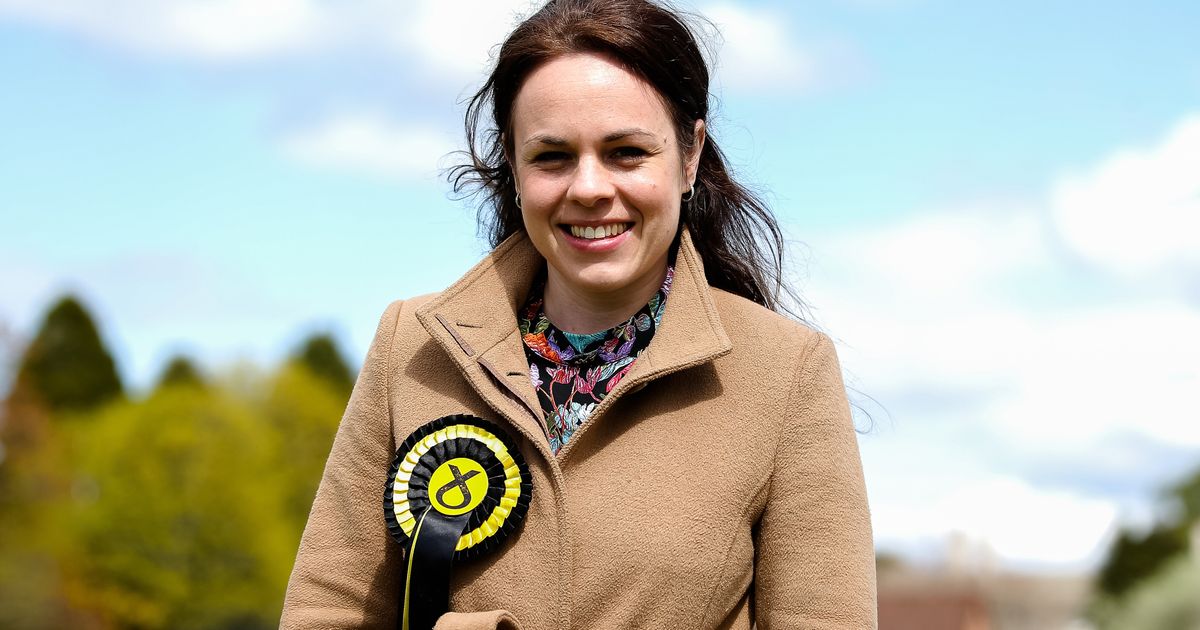
Kate Forbes Makes It Through To SNP Leadership Run-Off Despite Gay Marriage Row

Kate Forbes has made it through to the final run-off in the race to replace Nicola Sturgeon as SNP leader despite the furore caused by her stance on equal marriage.

The Scottish finance secretary will face Humza Yousaf and Ash Regan in a three-horse race to become first minister.

All three made it on to the ballot paper after nominations closed on Friday.

In a separate boost for Forbes, a new poll showed she is the most popular candidate among SNP supporters.

Forbes’s campaign got off to a rocky start after she gave a series of interviews in which she set out her strict religious views.

She revealed that she would have voted against equal marriage had she been an MSP when the law was passed, and that she believed having children outside of marriage was “wrong”.

While Forbes made clear her beliefs were personal and that she would defend any existing rights, her views led to a number of her colleagues withdrawing their support.

She later said she had felt “greatly burdened” by the hurt caused by her media responses, but also questioned whether Scotland had become “so illiberal that we cannot have these discussions”.

According to the poll of SNP members, 28% said they would back Forbes, followed by 20% for Yousaf and 7% for Regan.

The poll, carried out for communications agency the Big Partnership, involved 1,001 Scots who voted SNP in 2021. They were questioned between Monday and Wednesday this week.

It also found that only 5% of SNP supporters think the new leader’s faith or personal beliefs are important, while almost a third still did not know who to back.

This morning, Regan officially launched her campaign with a pledge that under her leadership, every election – either at Holyrood or Westminster – would be treated as a de facto independence referendum.

In an interview with the Herald, she said the SNP had “dismantled” the Yes movement since the independence referendum and that she wanted to give it “back to the people” so the Scottish government can focus on running the country.

Regan was thrust into the limelight earlier this year when she resigned from government in opposition to Sturgeon’s controversial gender reform bill, which has been blocked by Westminster. She has vowed to drop the reforms if she is elected.

Forbes also confirmed that she would not have voted for the government’s gender reforms had she not been on maternity leave when the vote was passed.

The issue separates Regan and Forbes from Yousaf, who is a vocal supporter of trans rights and is largely considered to be the favoured “continuity Sturgeon” candidate.

However, the health secretary has come under fire after he was accused of deliberately missing the vote to legalise gay marriage by setting up a “diary clash” for the same day.

In comments reported by the Independent, Labour’s shadow health secretary Wes Streeting claimed it was “common knowledge” that Yousaf was in parliament for the day of the vote.

“It’s all very well being courageous about equality when the battle has been fought and won,” Streeting said. “But where were you, Hamsa, when the battle was ongoing?

“It is perfectly reasonable to ask Yousaf if he supports equal marriage, as he says he does, “why did you abstain in the vote?” — when everyone knows he was in the Scottish parliament that day.”

In response, Yousaf told ITV he missed the vote “for good reason” after he had a meeting with the Pakistan consulate over the case of a Scottish citizen on death row.

He also told Sky News that the issue had been “resurrected” to undermine his position in the leadership contest.

Following the close of nominations, SNP members will take part in a postal vote to choose their next leader, with the winner announced on March 27.

Share Button

Everyone Is Remembering When Gove Vowed There Would Be No Food Shortages After Brexit

A resurfaced clip of Michael Gove promising there would be no fresh food shortages post-Brexit is making the rounds again on Twitter.

As supermarkets Tesco, Aldi, Morrisons and Asda have announced they are limiting customers to buying just three pieces of each item of fruit or vegetables.

Experts now believe shortages of tomatoes, peppers, cucumbers, lettuce, and more might now last until May, while cabinet minister Therese Coffey has urged the public to eat turnips instead.

Supermarkets have pointed out that it is primarily due to the knock-on effects of poor weather in southern Spain and north Africa, where a lot of this produce is grown, but others think Brexit has exacerbated the whole issue.

After all, consumers in Spain and Morocco have posted viral clips on social media showing that these weather conditions are not affecting their own supermarkets.

So some have concluded that the bureaucratic costs associated with exporting products to the UK post-Brexit also mean the UK is at the bottom of the list when it comes to accessing high-demand food.

It’s no surprise that an old clip from Gove, a prominent Brexiteer who has been in the government for the best part of 13 years – and is currently levelling up secretary – has now been making the rounds.

It dates back to September 2019, when he was chancellor of the Duchy of Lancaster under Boris Johnson (having just been environment, food and rural affairs secretary under Theresa May).

As part of an interview for his Sunday show, then BBC presenter Andrew Marr asked Gove: “Are you absolutely sure that there will be no fresh food shortages in the UK as a result of no deal?”

“Everyone will have the food you need,” the minister replied confidently.

Marr cut in: ″That’s not the answer I was… I’m saying, ‘Will there be shortages?’ and you’re saying, ‘There will be’.”

Gove said: “There will be no shortages of fresh food.”

However, not everyone agrees that Brexit is the reason for these shortages.

High energy prices have prevented domestic growers and those in the Netherlands from using greenhouses.

Others have pointed to the EU member Ireland’s struggles as it also faces shortages.

Share Button

Eat Turnips Amid Tomato Shortage, Environment Secretary Therese Coffey Says

Therese Coffey made the comments when she was questioned by MPs in parliament on Thursday about food shortages.

Tory MP Selaine Saxby had suggested seasonal eating would solve the issue, saying: “The supermarkets are still importing far too many products for us and… actually we should be eating more seasonally and supporting our own British farmers.

“And if we were actually to move to a seasonal line of eating, many of these problems would be avoided… there are great food products available from local farmers at this time.”

Why Is There A Shortage Of Tomatoes And Other Fruit And Veg?

The UK government says it is mainly down to bad weather in Europe and Africa.

High electricity prices are also having an impact on food grown in greenhouses in the UK and the Netherlands.

Tesco, Aldi, Asda and Morrisons have all announced they are rationing salad ingredients for a few weeks.

Coffey replied: “It’s important to make sure that we cherish the specialisms that we have in this country.

“A lot of people would be eating turnips right now rather than thinking necessarily about aspects of lettuce and tomatoes and similar, but I’m conscious that consumers want a year-round choice and that is what our supermarkets, food producers and growers around the world try to satisfy.”

During the exchange, Coffey said the shortages would be a temporary issue that should be resolved in two to four weeks.

A shortage of tomatoes in UK supermarkets has widened to other fruit and vegetables due to a combination of bad weather and transport problems in Africa and Europe.

Some supermarkets have introduced customer limits on certain fresh produce, with photographs emerging of empty shelves.

Lib Dem Wera Hobhouse said Rishi Sunak should call an emergency Cobra meeting to respond to the “national emergency”.

Share Button

Labour Increases Poll Lead Over The Tories To 28 Points

The Labour Party is a whopping 28 points ahead of the Conservatives, according to a fresh poll.

A YouGov voting intention survey shows the Tories on just 22% of the vote – down two points from their previous survey on 8-9 February.

The pollster found Labour on 50% of the vote – an increase of three points from their last poll.

Elsewhere, the Lib Dems have 9% of the vote (-1), while the Greens have 6% (no change) and Reform UK have 7% of the vote (+1).

While polls should always be treated with caution, Labour supporters celebrated the latest figures.

Critics pointed out that the survey contained many in the 24 to 49-year-old age bracket.

However, it follows two other polls published in the last 48-hours that have put Labour well ahead of the Tories.

A Deltapoll survey found Labour on a 22 point lead while a Redfield & Wilton poll put them on a 27 point lead.

According to the YouGov poll, Keir Starmer’s lead over Rishi Sunak has also increased to 13 points.

Participants were asked which party leader would make the best prime minister. Starmer is on 34% of the vote (+1) while Sunak is on 21% (-4).

Share Button

Rishi Sunak Condemns Decision To Rewrite Roald Dahl Books For Modern Readers

Rishi Sunak has condemned the decision to re-write Roald Dahl’s books to appeal to modern-day readers.

The prime minister’s spokesman quoted much-loved Dahl character the BFG by insisting people should not “gobblefunk around with words”.

The intervention followed reports the latest editions Dahl’s children’s books have been edited to remove language which could be deemed offensive.

Sunak’s spokesperson said on Monday: “It’s important that works of literature and fiction are preserved and not airbrushed.

“When it comes to our rich and varied literary heritage, the prime minister agrees with the BFG, you shouldn’t gobblefunk around with words.”

Gobblefunk is the language Dahl created, used in his books including The BFG.

According to the Daily Telegraph teferences within the classic children’s books relating to weight, mental health, violence, gender and race have been cut and rewritten.

Edits reportedly include removing the word “fat” from every book, Augustus Gloop in Charlie And The Chocolate Factory is now described as “enormous” and The Cloud-Men in James And The Giant Peach have become Cloud-People.

The Roald Dahl Story Company confirmed it began a review into the books alongside publishers Puffin in 2020, and that any changes made were “small and carefully considered”.

A spokesperson for the Roald Dahl Story Company said: “We want to ensure that Roald Dahl’s wonderful stories and characters continue to be enjoyed by all children today.

“When publishing new print runs of books written years ago, it’s not unusual to review the language used alongside updating other details including a book’s cover and page layout.

“Our guiding principle throughout has been to maintain the storylines, characters, and the irreverence and sharp-edged spirit of the original text. Any changes made have been small and carefully considered.”

The company added that it had worked alongside Inclusive Minds, a collective for people working towards inclusion and accessibility in children’s literature.

Philip Pullman, the author of his Dark Materials, told BBC Radio 4′s Today programme, Dahl’s books should be let to “go out of print” rather than edited.

Share Button