Putin Using Spy Balloons Over Ukraine, Says British Intelligence

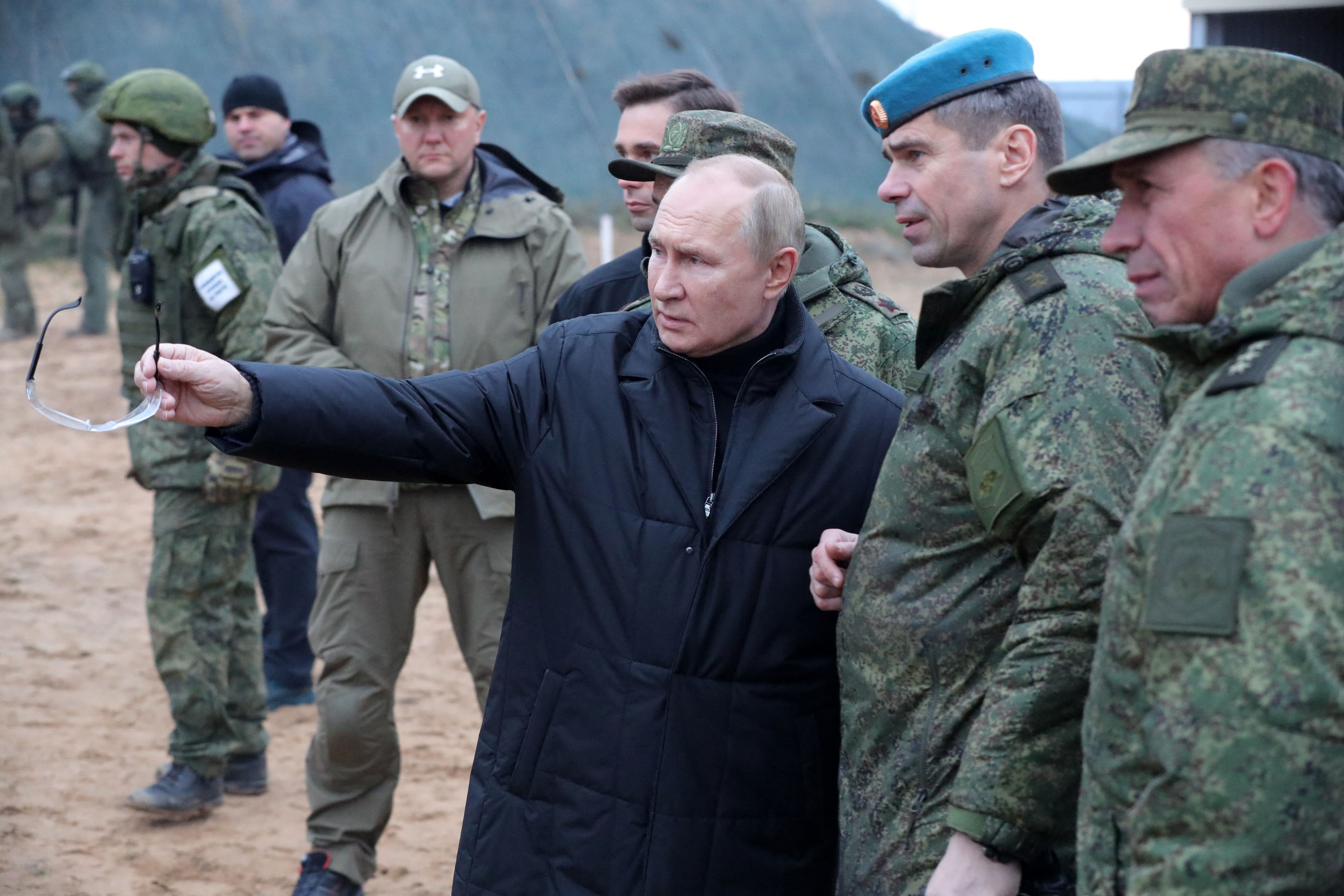
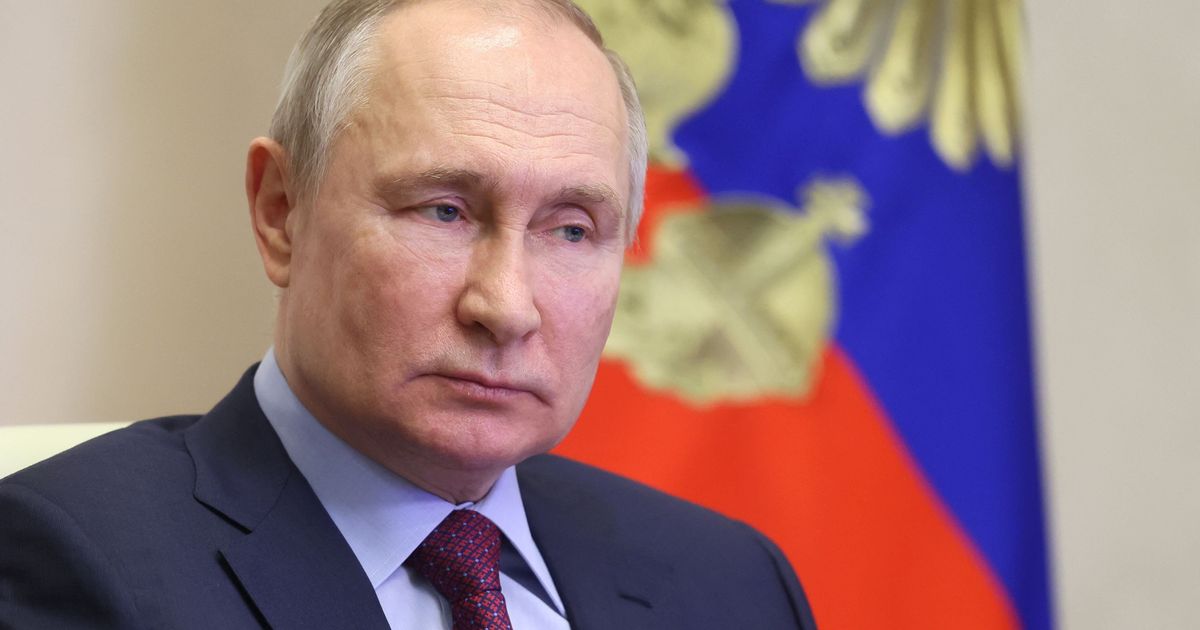
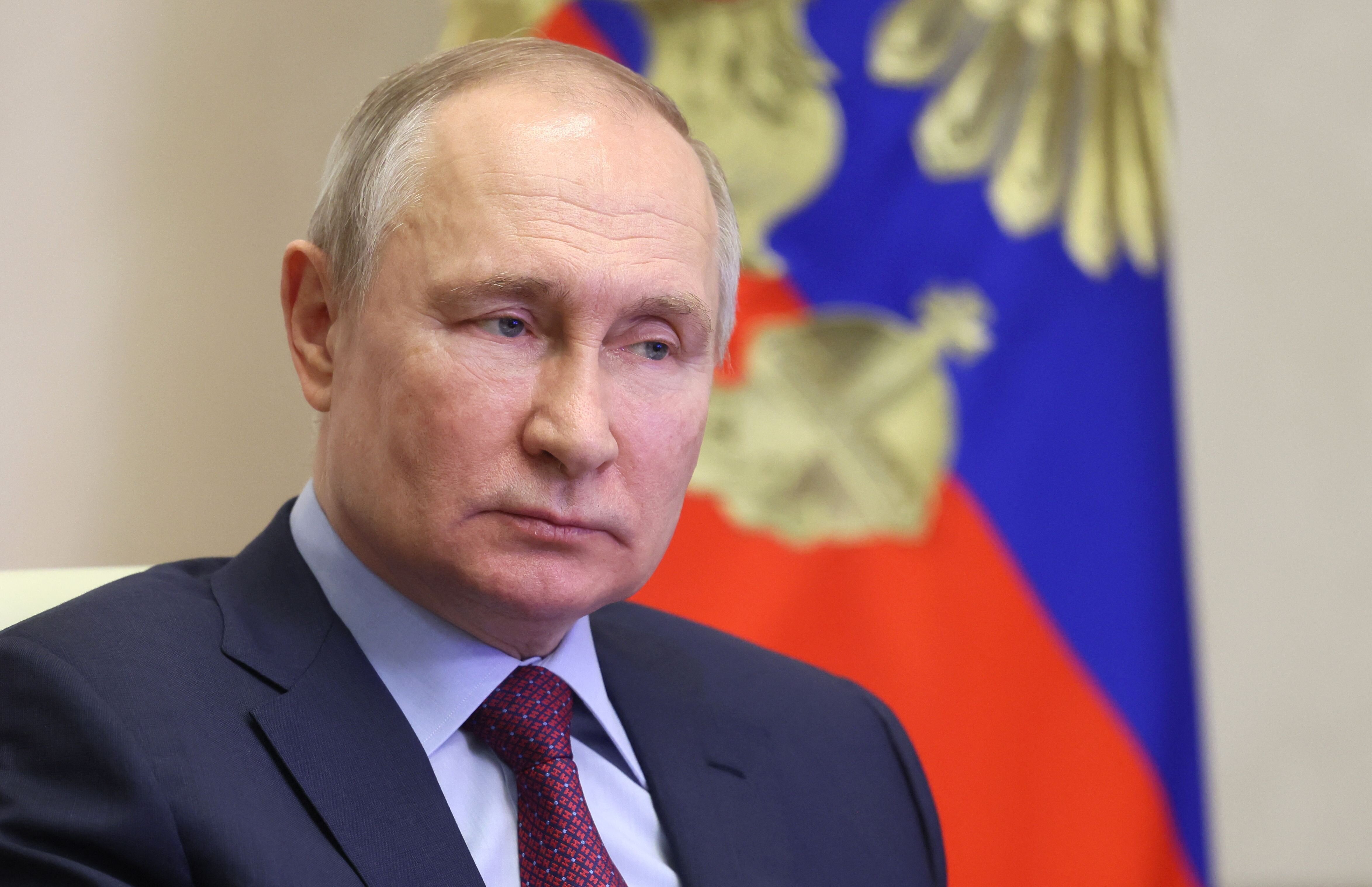
Vladimir Putin is likely to be responsible for balloons spotted over Kyiv, British intelligence has said.

Last week Russia again pummelled Ukraine with a barrage of cruise and other missiles, hitting targets from east to west.

In its latest intelligence update on Sunday, the UK Ministry of Defence (MoD) said: “On 15 February 2023 Ukrainian armed forces spotted several balloons with radar reflectors suspended beneath them over Kyiv.

“Ukrainian officials reported that they shot down at least six of these. Earlier, on 12 February 2023, Ukraine’s Air Force reported sighting balloons over eastern Dnipropetrovsk.

“It is likely that the balloons were Russian. They likely represent a new tactic by Russia to gain information about Ukrainian air defence systems and compel the Ukrainians to expend valuable stocks of surface to air missiles and ammunition.

“On 14 February 2023, sighting of a ‘balloon shaped’ object led to the closure of Moldovan airspace for several hours.

The MoD added: “There is a realistic possibility that this was a Russian balloon that had drifted from Ukrainian airspace.”

Britain’s assessment matches that made earlier by Ukraine, which said Russian troops had launched balloons with corner reflectors to deceive air defences.

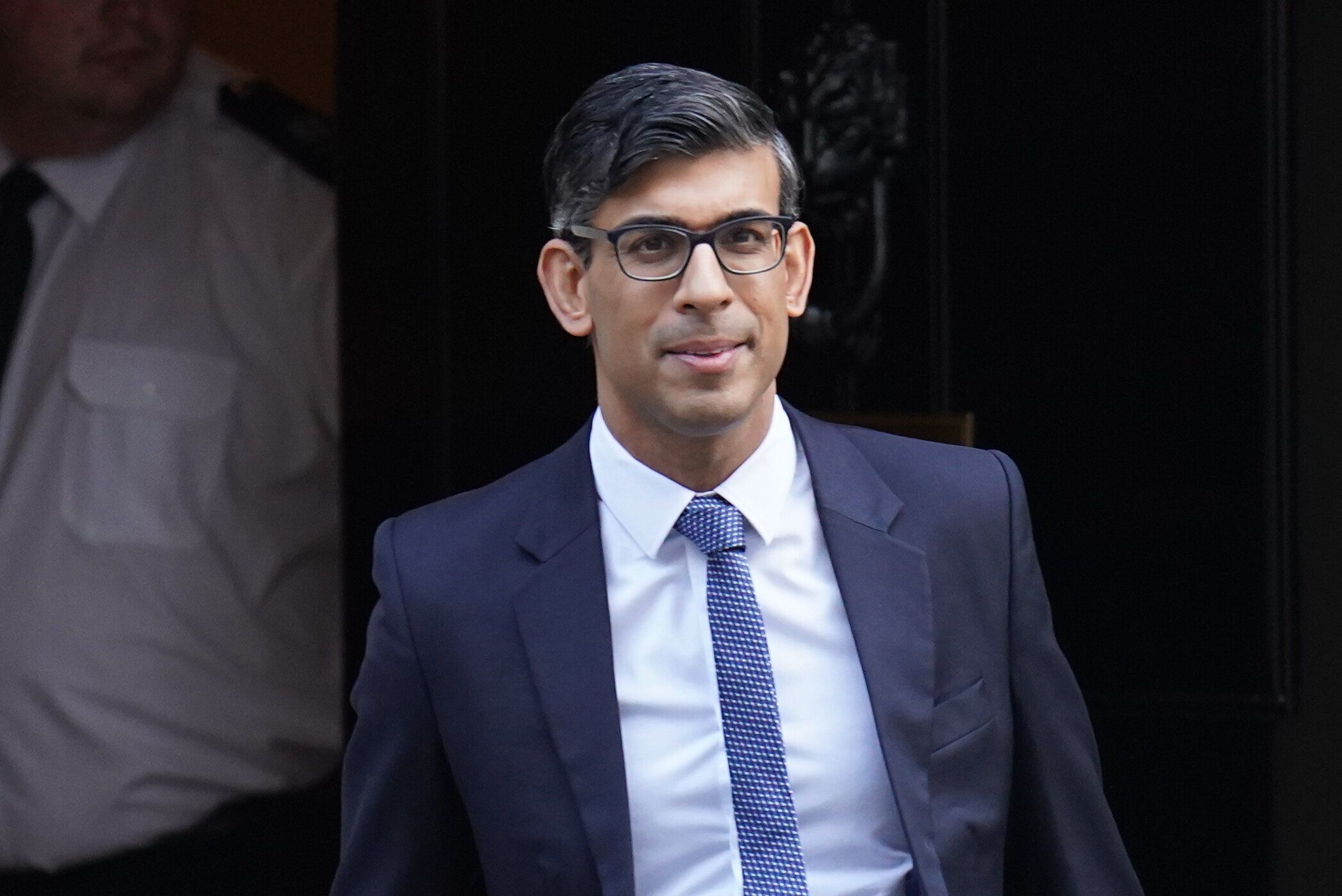
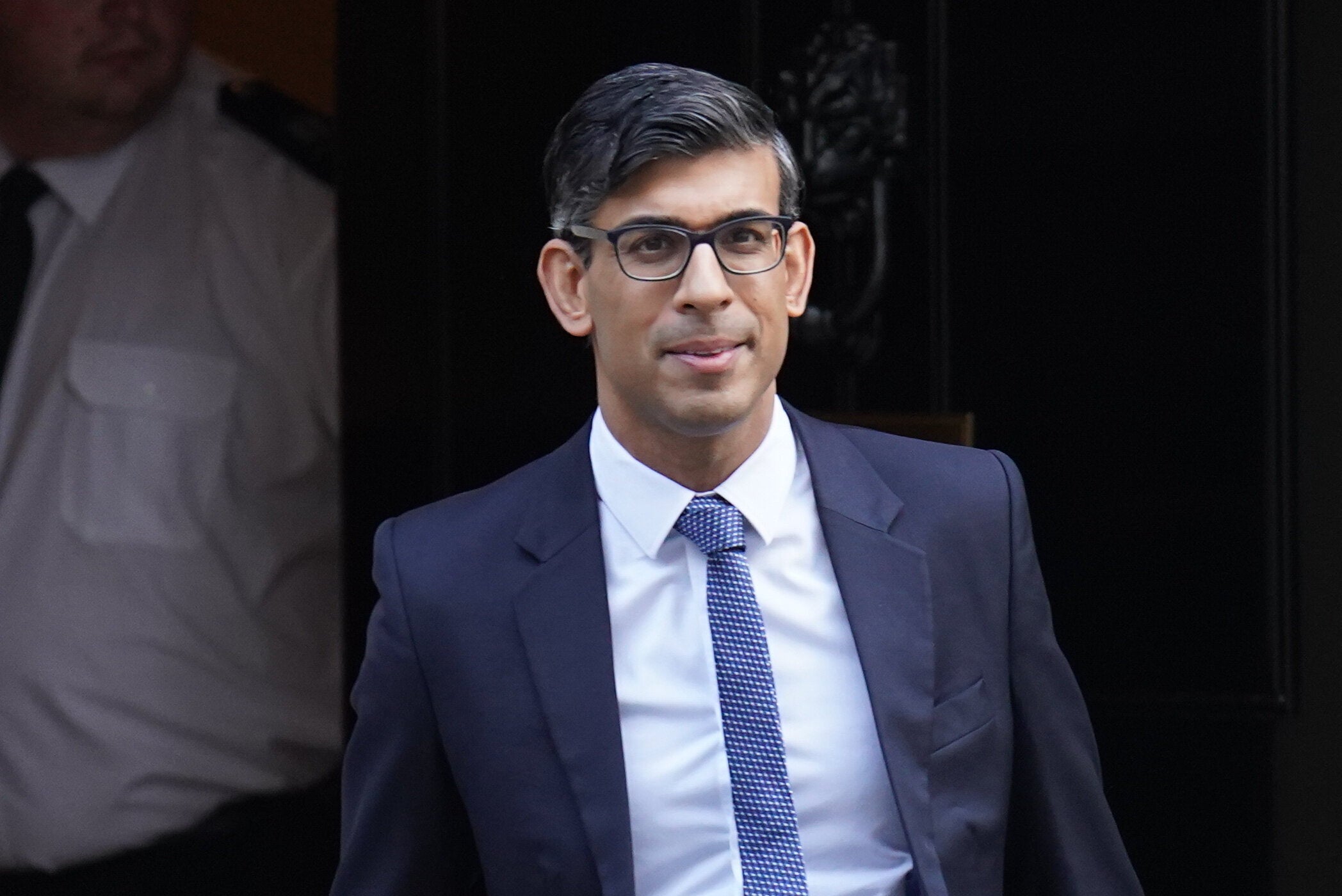
It came as Rishi Sunak told world leaders they must arm Ukraine now and set about boosting its long-term future against further Russian aggression.

The prime minister, in a speech at the Munich Security Conference on Saturday, had a two-fold message for the West.

He said that Ukraine needed military backing by allies to counter any spring offensive by Putin’s troops.

But he argued the West must also start to put in place the foundations to strengthen Kyiv’s security in the long term.
Share Button

Putin’s Invasion Has Led To 200,000 Russian Casualties And A High Death Toll, UK Says

Russian forces have “likely” suffered up to 200,000 casualties since the war in Ukraine began a year ago, according to the latest UK intelligence.

While Moscow is expected to launch a renewed offensive on its European neighbour next week – in a symbolic act to honour the 12 months since the invasion – the UK’s ministry of defence has shone a bleak light on the human cost of the war.

According to the MoD, there have been between 175,000 and 200,000 Russian casualties in the last year, including between 40,000 and 60,000 deaths.

UK intelligence pointed to Russian president Vladimir Putin’s attempts to bolster up his forces six months ago, by introducing “partial mobilisation”.

It said: “The Russian casualty rate has significantly increased since September 2022, when ‘partial mobilisation’ was imposed.”

This was meant to introduce an extra 300,000 reservists to fight in his war.

At the time, it sparked widespread protests in Russia with more than 1,000 people detained, with many others trying to flee the country.

The MoD also warned at the time that this hastily mobilised group would have a “high attrition rate”.

Now, as it discusses the expected death rate among Russian ranks, the MoD claimed: “By modern standards these figures represent a high ratio of personnel killed compared to those wounded.

“This is almost certainly due to extremely rudimentary medical provision across much of the force.

“Artillery has almost certainly inflicted the majority of Russia’s casualties.”

The MoD also suggested there was a high death rate among the Wagner paramilitary group, which is a private Russian military company made up of mercenaries.

“Wagner PMC forces have deployed large number of convict-recruits,” the MoD said. “These have probably experienced a casualty rate of up to 50%.”

Casualty counts are exceptionally difficult to calculate during conflicts, and the numbers around the Russian injured or dead have varied throughout the war.

But, the Ukrainian defence ministry has similar estimates to the UK’s MoD.

It suggests that around 140,460 personnel have been “eliminated” along with an extra 690 unidentified individuals.

According to Ukraine, Russian soldiers are dying at their fastest rate since the first week of war, with 824 troops dying per day just in February.

Share Button

Nicola Sturgeon Resigns As Scottish First Minister Saying It’s Been A ‘Privilege’

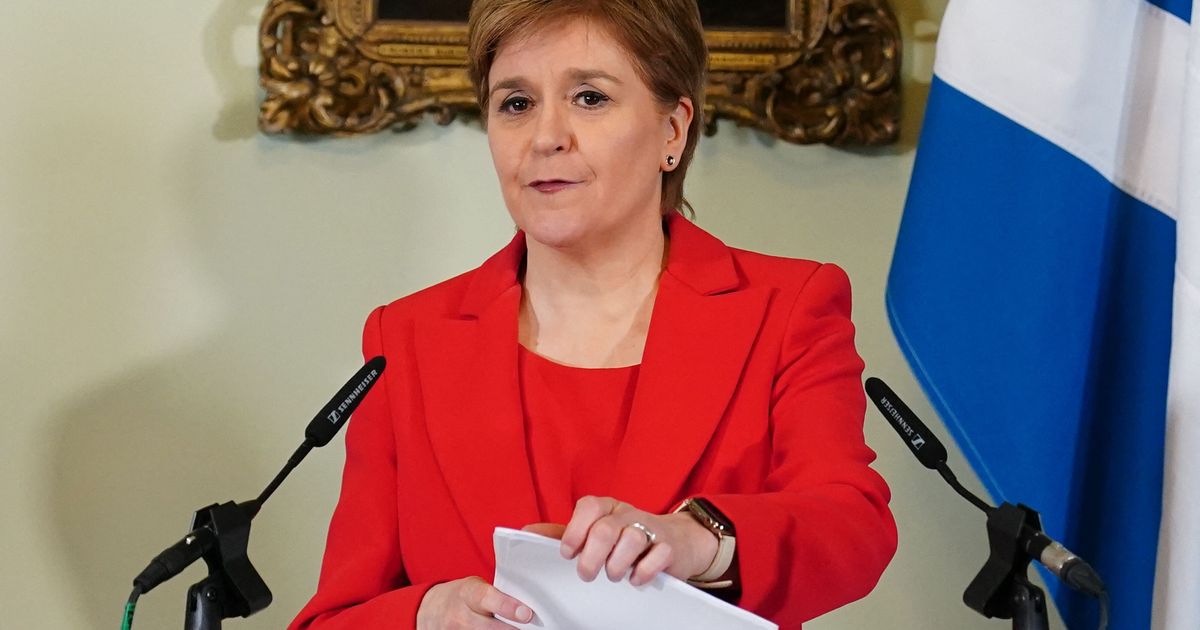
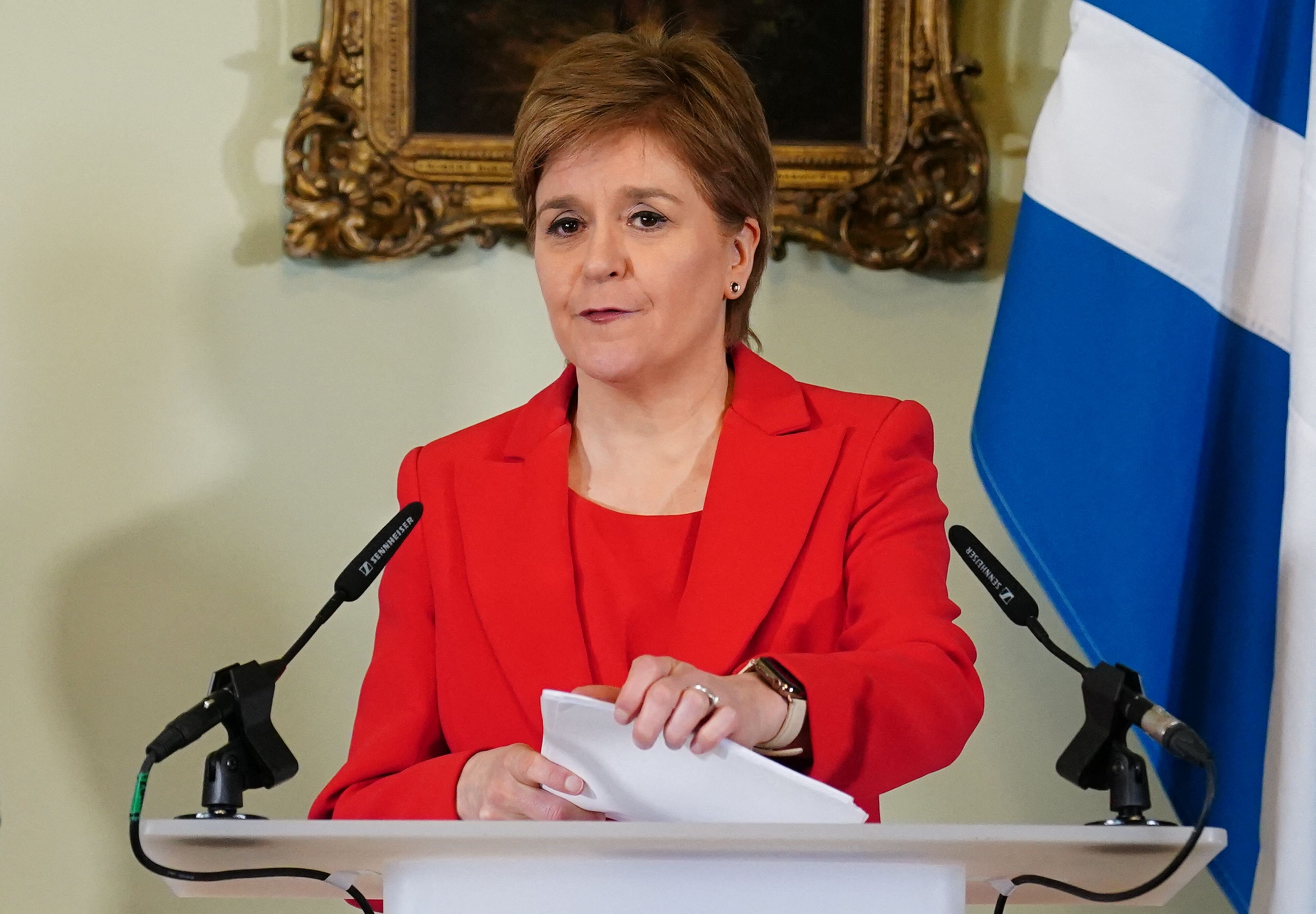
Nicola Sturgeon has resigned as Scotland’s first minister after more than eight years in the job.

The Scottish National Party leader said she will step down after her successor is elected.

Sturgeon made the announcement at a press conference in Edinburgh on Wednesday morning saying she had been “wrestling” with the question for some weeks.

“Part of serving well would be to know, almost instinctively, when the time is right to make way for someone else,” Sturgeon said.

“In my head and in my heart I know that time is now. That it is right for me, for my party and for the country.”

Sturgeon has been first minister since November 2014, when she took over from Alex Salmond following the independence referendum.

She has been the country’s longest-serving first minister.

The news came as a surprise after Sturgeon insisted just three weeks ago she was “nowhere near” ready to quit as Scotland’s first minister.

Sturgeon also told the BBC last month she would “like to think” she would be the leader to take Scotland out of the UK.

However, BBC chief political correspondent Nick Eardley reported a source close to her saying: “She’s had enough.”

Sturgeon has recently been embroiled in a row over her government’s attempt to make it easier for people to legally change gender.

The plans have now been blocked by Westminster but triggered a leadership crisis.

Internal dissent, almost unheard of in the SNP, broke out over Sturgeon’s handling of the affair.

Voters also started to make clear their dissatisfaction after a YouGov poll showed Sturgeon’s approval ratings had plummeted to negative territory.

However, during her speech Sturgeon said her decision to resign was “not a reaction to short-term pressures”.

“This decision comes from a deeper and longer-term assessment,” she said.

Pressed on the row surrounding transgender prisoners, Sturgeon insisted: “No, that issue wasn’t the final straw”.

Sturgeon also confirmed she was “not leaving politics”, adding that she will continue to fight for Scottish independence.

Alison Thewliss, the SNP MP for Glasgow Central and the party’s home affairs spokesperson, said she was “gutted”.

She tweeted: “Absolutely gutted about this. Nicola has been an incredible leader.”

SNP MP Stewart McDonald described Sturgeon as “the finest public servant of the devolution age”.

“Nicola Sturgeon is the finest public servant of the devolution age,” the MP for Glasgow South tweeted.

“Her public service, personal resilience and commitment to Scotland is unmatched, and she has served our party unlike anyone else. She will be an enormous loss as first minister and SNP leader. Thank you!”

Share Button

Waves Of Strike Action Not ‘Going Away’, Warns Unite General Secretary

The wave of strikes across the UK “isn’t going away” the leader of the Unite union has warned, as figures showed December saw the highest number of working days lost to strike action for more than a decade.

About 843,000 working days were lost to labour disputes in the month, the Office for National Statistics (ONS) said on Tuesday.

It said this represents the heaviest impact from strike action during a month since November 2011, when 997,000 working days were hit.

Sharon Graham, the general secretary of Unite, told the government that unions were not about to back own.

“The latest record strike figures announced today are a warning to the government and employers,” she said.

“The wave of industrial action across the UK isn’t going away. In the face of the cost of living crisis workers now have no option but to fight for better wages.

Graham accused Rishi Sunak of acting like the “captain of the Titanic” by “rearranging the deck chairs in his latest cabinet reshuffle” rather than trying to resolve the strikes.

The surge in lost days came after rolling industrial action involving Post Office, rail and NHS workers among others.

ONS director of economic statistics Darren Morgan said: “The number of working days lost to strikes rose again sharply in December.

“Transport and communications remained the most heavily affected area, but this month there was also a large contribution from the health sector.”

Last week the ONS released separate data which showed that the vast majority (97%) of working adults have not missed work as a result of the strikes, with just 3% saying they had.

It came as the ONS also said that regular pay growth reached 6.7% over the three months to December.

However, once consumer prices index (CPI) inflation is taken into account, regular pay fell by 3.6% in the three-month period, compared with the previous year.

Share Button

Labour Accuses Ministers Of Living ‘Luxury Lifestyle’ At Taxpayers’ Expense

Taxpayers’ money has been used to fund five-star hotels for ministers “living the high life” on overseas trips, Labour has claimed following an analysis of government spending.

In July 2021, the Treasury, then under Rishi Sunak, spent £3,217 on accommodation at the five-star Hotel Danieli in Venice, and £1,361 at the four-star Hotel Bonvecchiati, for the then chancellor and 11 other government representatives at a G20 meeting.

Tory party chairman Greg Hands stayed in a £318-a-night five-star hotel in Germany while he was energy minister in July 2022, while Alok Sharma’s 66 trips as president of the Cop26 climate summit cost taxpayers £220,817 just for his own travel and hotels.

The details were uncovered through analysis of official figures and a string of parliamentary questions on the use of government procurement cards (GPCs), with Labour promising to publish a dossier on their use on Monday.

Deputy Labour leader Angela Rayner said: “As Conservative ministers once again reach into the pockets of taxpayers to dine out on five-star luxury lifestyle, families up and down the country are sick with anxiety about whether their pay cheque will cover the weekly shop.

“Britain is facing the worst cost-of-living crisis in decades and Rishi Sunak doesn’t seem to have noticed.

“Far from actually governing, Conservative ministers are living the high life and treating taxpayers like a cash machine.

“A Labour government will get tough on waste, with an Office of Value for Money upholding transparency and high standards for all public spending, including on government procurement cards.”

The findings show Lord Grimstone, a former business and trade minister, and an aide stayed at the Ritz-Carlton in Jeddah in October 2021 while attending the Saudi Investment Initiative, at a cost of £3,041 for four nights’ accommodation, or £760 per night.

Labour acknowledged that overseas travel is an essential part of the job for many ministers and officials and they should be able to stay in hotels where they can get a good night’s sleep and be safe, but insisted the most cost-effective options should be chosen.

The opposition’s investigation also uncovered evidence of large sums spent on domestic travel.

The Treasury hired a £3,600 chauffeur service for ministers and officials visiting Cop26 around the Finance Day addressed by then chancellor Mr Sunak on November 3 2021, claiming that no government cars were available.

In May 2022 then home secretary Priti Patel and an aide spent a combined total of £823 on two return train tickets to Stoke, described in the Home Office’s accompanying GPC transparency data as necessary expenditure for “urgent ministerial meetings”, even though it was a scheduled Cabinet away day.

A senior Conservative source said: “Awkwardly for Labour HQ they’ve forgotten that they introduced these ‘civil servant credit cards’ in 1997.

“By 2010 Labour was spending almost £1 billion of taxpayers’ money on everything from dinners at Mr Chu’s Chinese restaurant to luxury five-star hotels.

“The Conservatives swiftly stopped their absurd profligacy, cutting the number of cards, introducing a requirement for spending to be publicly declared and putting in place controls.

“Typically, Labour’s ‘big idea’ is to spend millions of taxpayer cash to establish yet another quango, stuff it with thousands of bureaucrats and give them gold plated pensions.”

Share Button

Tory Splits Have Erupted Over Tax Cuts Ahead Of Next Month’s Budget

Deep Tory splits have burst into the open as pressure mounts on Jeremy Hunt to cut taxes in next month’s budget.

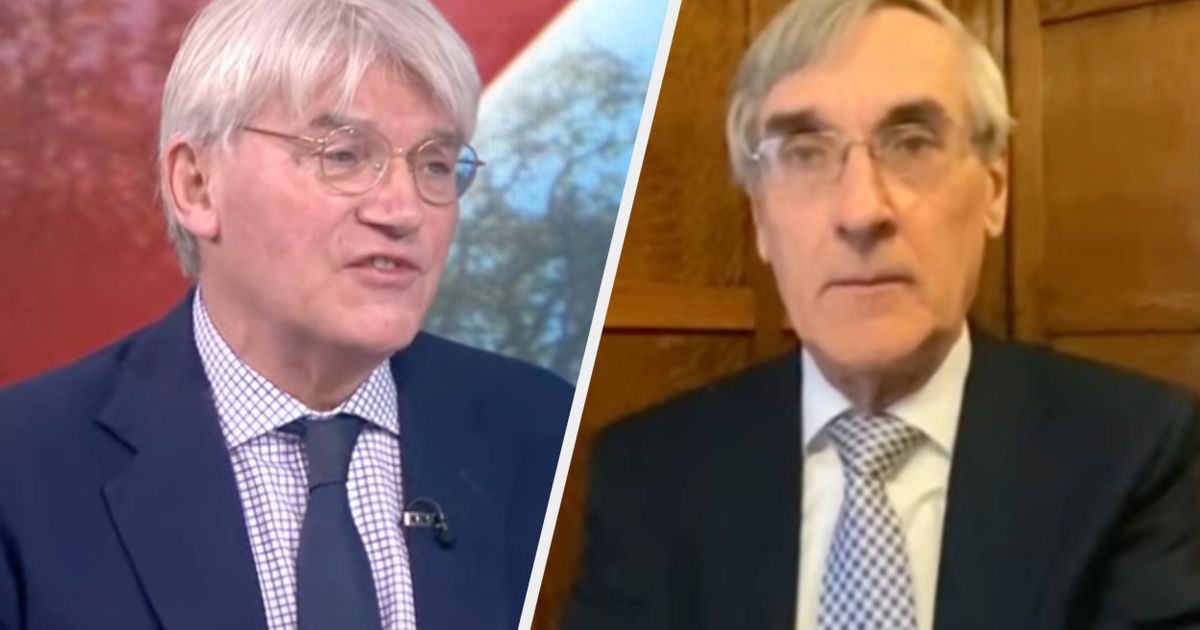
Right-wing backbencher John Redwood today urged the government to “get on with it” and said the majority of Conservative backbenchers agree.

But development minister Andrew Mitchell said immediate tax cuts were “extremely hard to justify” and backed the chancellor and Rishi Sunak, who have said tax cuts are unaffordable at the moment.

The clash came in the wake of official figures which confirmed the UK economy flatlined in the final three months of 2022.

Hunt will deliver his Budget on March 15, but has repeatedly insisted that inflation must come down before taxes can be cut.

Supporters of former prime minister Liz Truss have formed the Conservative Growth Group to put pressure on the chancellor and PM to change course.

Redwood, who is a member of the group, said the government should start by cancelling the planned rise in corporation tax – which companies pay on their profits – from 19p to 25p in the pound.

He said: “We want to see sensible, targeted tax cuts that will boost self-employment, boost investment and help solve the problem of recruiting and retaining doctors and other skilled staff, and will add to the idea of growth.

“All the evidence is in the past, when Conservative governments have had the courage to cut corporation tax rates, it raises more money.”

The Wokingham MP also called for VAT to be removed from domestic fuel bills.

He added: “The growth group is gathering strength as we speak. There are dozens of Conservative MPs who take the view that the growth strategy the government has headlined needs some more positive measures behind it.

“I think you’ll find a majority of Conservative backbenchers agree with what I’m saying today – that they want targeted tax cuts and there will be a range of views on which are the best targeted tax cuts to choose.

“The majority believes that you don’t get growth without more realistic tax levels.

“Many are very worried that Britain is in danger of becoming uncompetitive because of the higher taxes the government is wishing to impose.”

But Andrew Mitchell rejected Redwood’s ideas and said taxes could only come down when the government can afford them.

He said: “In the end, if we make tax cuts which are not properly funded, it’s borrowing and it’s taxation deferred for the next generation. Many of us are very concerned about inter-generational fairness in Britain – the position of our children and our grandchildren.

“So I think tax cuts are very important, but they’ve got to be done at the right time and I think that the philosophy and argument that the Chancellor of the Exchequer has set out is absolutely right.

“We will get them when we can, but I think at the moment it’s extremely difficult to justify them.”

Share Button

The Last Leg Host Adam Hills Challenges Labour To Give New Pay Rise For MPs To Charity

The Last Leg presenter Adam Hills has challenged Labour to donate the recently announced pay rise for all MPs to charity.

Earlier this week, it was revealed that MPs are set to get a 2.9% pay increase, taking their salary from £84,144 to £86,584 from 1 April.

The news was discussed on the topical Channel 4 panel show on Friday night, where Adam and co-host Alex Brooker branded the move “tone deaf”.

Alex said: “It’s pretty tone deaf given the strikes with the nurses at the moment. And you’ve got Rishi Sunk trying to placate them going, ‘Well, we’ll be able to give you a pay rise next year.’ That’s not really how strikes work.”

Adam agreed, and went on to discuss a recent committee suggestion that departing MPs should be presented with a medallion of service when they step down.

He continued: “Do you know what I would love to see Labour do this week, by the way, is go: ‘We’re not going to take the pay rise, we’re going to donate it to charity.’

“What a lovely challenge that would be. What a lovely point that would make.”

Adam was met with a round of applause from the studio audience after making the suggestion.

However, comedian Dara Ó Briain, who was a guest on the show, disagreed.

Dara O Briain
Dara O Briain

Jane Barlow – PA Images via Getty Images

“Can I say no to that?” he said. “Because yet again, one side of the debate has to be morally pure and the other will just take the cash, and that seems unfair in some ways, and wrong.

“Also the whole point is to encourage people to come into politics, and yeah a lot of them are rotten, but if you’re constantly staying to them, ‘You have to very obviously give your money away whenever you get it,’… I don’t know.”

He concluded: “I think holding Labour to some higher standard just because they’re Labour is wrong.”

The Independent Parliamentary Standards Authority, which sets MPs’ pay, previously said that the increase would be the same as the average rise for public sector workers last year.

Ipsa chairman Richard Lloyd said: “In confirming MPs’ pay for next year, we have once again considered very carefully the extremely difficult economic circumstances, the government’s evolving approach to public sector pay in the light of forecasted rates of inflation, and the principle that MPs’ pay should be reflective of their responsibility in our democracy.

“Our aim is to ensure that pay is fair for MPs, regardless of their financial circumstances, to support the most diverse of parliaments.

“Serving as an MP should not be the preserve of those wealthy enough to fund it themselves.

“It is important for our democracy that people from any background should see representing their communities in Parliament as a possibility.”

Share Button

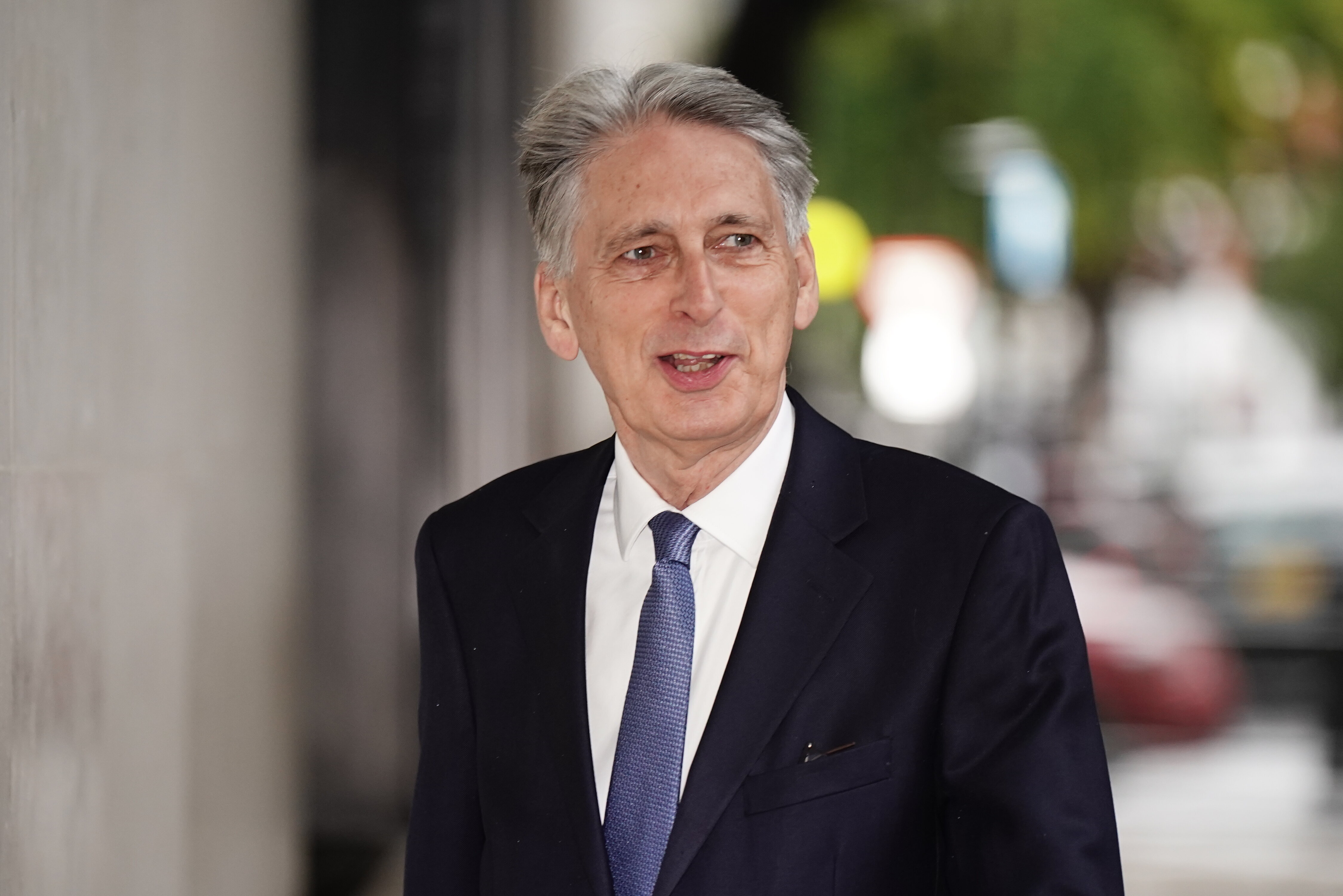
Former Chancellor Philip Hammond Spells It Out: ‘We’ve Got Poorer Because Of Brexit’

Britain has got poorer because of Brexit, former chancellor Philip Hammond has admitted.

The senior Tory said the Covid-19 pandemic and the soaring cost of energy have also contributed to the cost of living crisis.

His comments are significant because the government has repeatedly denied that leaving the European Union has had a negative impact on the economy.

Speaking to Bloomberg TV, Hammond said: “The truth is we’ve got poorer. We’ve got poorer because of Brexit, we’ve got poorer because of Covid, we’ve got poorer because of the changed energy economy in the world, the higher price of the energy we consume.

“And that has to be reflected in reduced living standards and the transmission mechanism for those external shocks into the domestic economy is inflation.”

Hammond – who was chancellor between 2016 and 2019 and an MP for 22 years – backed Remain in the Brexit referendum.

His comments come after the International Monetary Fund forecast last month that the UK economy will perform worse than every other major country in 2023.

Even Russia – hit by swingeing economic sanctions by the global community due to its invasion of Ukraine – will out-perform Britain, the IMF said.

In its latest World Economic Outlook update, which was released on the third anniversary of Brexit, the IMF predicted the UK economy will shrink by 0.6% this year, compared to its October prediction that it would grow by 0.3%.

By contrast, every other country in the G7 group of advanced nations will see their economy grow – with America’s set to expand by 1.4%.

Russia’s economy will grow by 0.3% over the next 12 months, the IMF said.

Among the other G7 nations, the IMF’s 2023 predictions show growth, 0.1% in Germany, 0.7% in France, 0.6% in Italy, 1.8% in Japan and 1.5% in Canada.

China’s economy will grow by 5.2%, the IMF said, with India’s expanding by 6.1%.

Overall, the IMF said the global economy will grow by 2.9%.

Share Button

Rishi Sunak Rejects Call From Deputy Tory Chairman For Return Of Death Penalty

Rishi Sunak has rejected calls for the return of the death penalty made by the new deputy chairman of the Conservative Party.

Lee Anderson said he backed the death penalty because “nobody has ever committed a crime after being executed”.

He told The Spectator magazine that capital punishment has a “100% success rate” when it came to stopping repeat offenders.

But speaking to reporters during a visit to Cornwall on Thursday, the prime minister said that was “not my view” and “not the government’s view”.

Sunak added: “But we are united in the Conservative Party in wanting to be absolutely relentless in bearing down on crime and making sure people are safe and feel safe.”

The prime minister said his government had “tightened up sentencing laws for the most violent criminals” and “they spend longer in prison”.

The death penalty for murder in the UK was outlawed permanently in 1969, with it totally abolished for all crimes in 1998.

Anderson was the most eye-catching appointment made as part of Sunak’s mini-reshuffle on Monday.

A former Labour councillor before converting to the Tories, he has been no stranger to controversy since being elected as MP for Ashfield in 2019.

He has criticised food bank users and also the England men’s football team for taking the knee in protest at racism.

Earlier, children’s minister Claire Coutinho said that while she was a “big fan” of Anderson, she didn’t back the return of capital punishment.

Share Button

Rishi Sunak Orders Dramatic Whitehall Shake-Up In Bid To Reboot His Leadership

Rishi Sunak has created a new energy department as part of a dramatic shakeup of government departments, in an attempt to reset his premiership after 100 days in office.

They cabinet reshuffle on Tuesday has seen Greg Hands appointed chairman of the Conservative Party, replacing Nadhim Zahawi who was sacked over his tax affairs.

Under the new structure, the department for business, energy & industrial strategy (BEIS) has been broken up into three.

Grant Shapps has moved sideways to lead a new energy security and net zero department. Its creation fulfils a pledge Sunak made during the summer Tory leadership contest.

There is a new department of science, innovation and technology to be led by Michelle Donelan.

Kemi Badenoch has been appointed business secretary, after the remaining parts of BEIS were merged with the department for international trade, creating the business and trade department (BaT).

Lucy Frazer has been promoted from housing minister to replace Donelan as culture secretary.

The government said the new departments would “ensure the right skills and teams are focused on the prime minister’s five promises”.

Sunak has chosen to keep Dominic Raab in post, despite the deputy prime minister being subject to an investigation in to multiple claims of bullying, which he denies.

Share Button