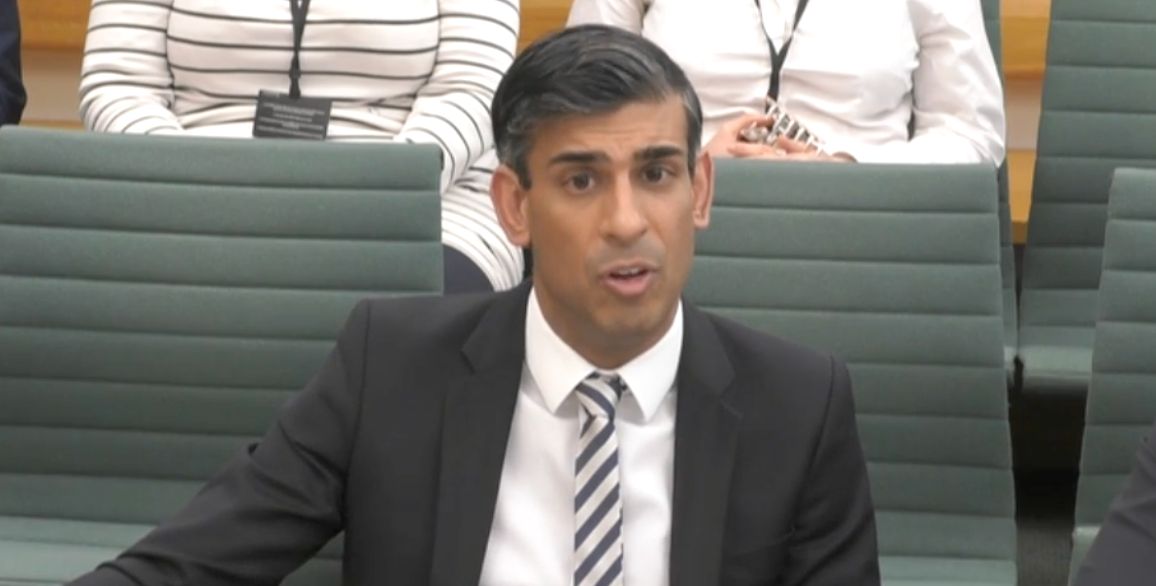
Jeremy Hunt Denies Brexit Has Made The UK Poorer And People Are Making The Same Point

Jeremy Hunt has denied that Brexit has made the UK poorer – despite the government’s own Office for Budget Responsibility saying it has.

The chancellor – who campaigned for Remain in the 2016 referendum – insisted the UK can make a “tremendous success” of leaving the EU.

He said it is important to consider the effects of Brexit “in the round”, and that Brexit brings both “costs” and “opportunities”.

Hunt told the BBC’s Sunday with Laura Kuenssberg that he would set out “some of the ways that I think we can make a success of it” in Thursday’s autumn statement.

Asked if he denies Brexit has slowed the UK’s economic growth at home, Hunt said: “What I don’t accept is the premise that Brexit will make us poorer.

“I don’t deny there are costs to a decision like Brexit, but there are also opportunities, and you have to see it in the round.

“Literally within months of formally leaving the EU we had a once-in-a-century pandemic, which has meant the process of outlining what the opportunities are has taken longer, but I think we need to do that now.”

But Twitter users pointed out that the chairman of the OBR, Richard Hughes, last year said that Brexit would reduce the UK’s potential gross domestic product by 4% in the long term.

Last week, former Bank of England governor Mark Carney doubled down on his claims the move has taken a toll on the pound, suggesting the decision to leave the EU continues to play a part in the UK’s financial woes.

Downing Street has suggested Rishi Sunak is no longer dwelling on the “clear decision” made by the British people six years ago.

Share Button

Tory Peer Lord Frost Doesn’t Think ‘Anything Has Gone Wrong’ As Pound Touches Record Low

A Conservative peer and former chief Brexit negotiator has said he doesn’t think “anything has gone wrong” after a day of turmoil on the markets which saw the pound briefly slump to an all-time low.

Lord David Frost described the dramatic events since Friday’s mini-budget as “unwarranted” and an “over-reaction” as the Bank of England moved to assure investors it “will not hesitate” to raise interest rates to prop up the value of sterling.

Chancellor Kwasi Kwarteng’s £45 billion package of tax cuts has prompted a run on the currency that has caused wider fears about the state of the economy.

But Lord Frost, speaking on BBC Radio 4’s PM programme as Kwarteng avoided a public statement, appeared relaxed about the pummelling of the pound.

He said: “Well I don’t think anything has gone wrong actually. Liz Truss promised change, a different economic approach to get us back to growth and away from stagnation and that means a number of things have got to happen.

“Yes, rates have got to go up to get inflation under control, we’re going to have to have lower taxes and fiscal support to get people through this period, we’re going to have lots of structural reform as the chancellor said today and we need to hold down spending in the medium term and that’s coming in November.

“So I think what we’ve seen in the last few days is (a) unwarranted and a over-reaction approach to some elements of that, you’ve got to look at the total package which is taking the country on a different direction to get us out of stagnation and get us back to growth.”

Such was the market turmoil on Monday there was growing speculation in financial markets that the Bank would make an emergency interest rate rise after it hiked rates only last week to 2.25% from 1.75%.

Instead, with the pound fragile and bond prices still tumbling, Kwarteng issued a statement just before the British stock market closed to say he would set out medium-term debt-cutting plans on November 23, alongside forecasts from the independent Office for Budget Responsibility of the full scale of government borrowing.

The central bank welcomed “the commitment to sustainable economic growth” from Kwarteng and the independent scrutiny that the OBR growth and borrowing forecasts would bring.

Meanwhile, banks and building societies are withdrawing some of their mortgages from sale.

Three lenders – Halifax, Virgin Money and Skipton Building Society – have so far withdrawn some of their products amid the uncertainty, according to reports.

Share Button

A Cabinet Minster Thinks The Tories Haven’t Had A ‘Clear Run’ Since Coming To Power

A cabinet minister and close Liz Truss ally has argued that the Conservatives have not had a “clear run” in power over the last decade.

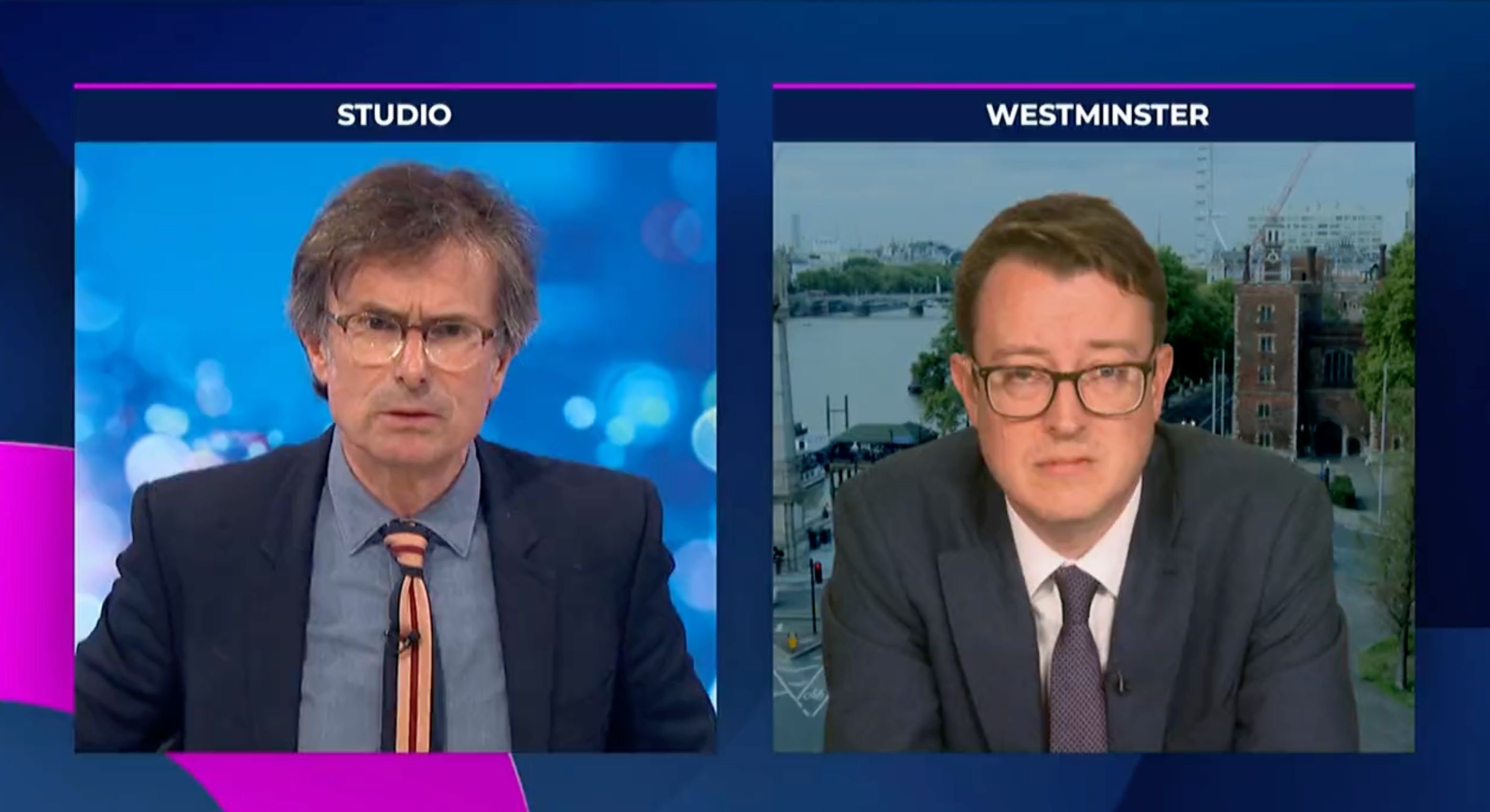
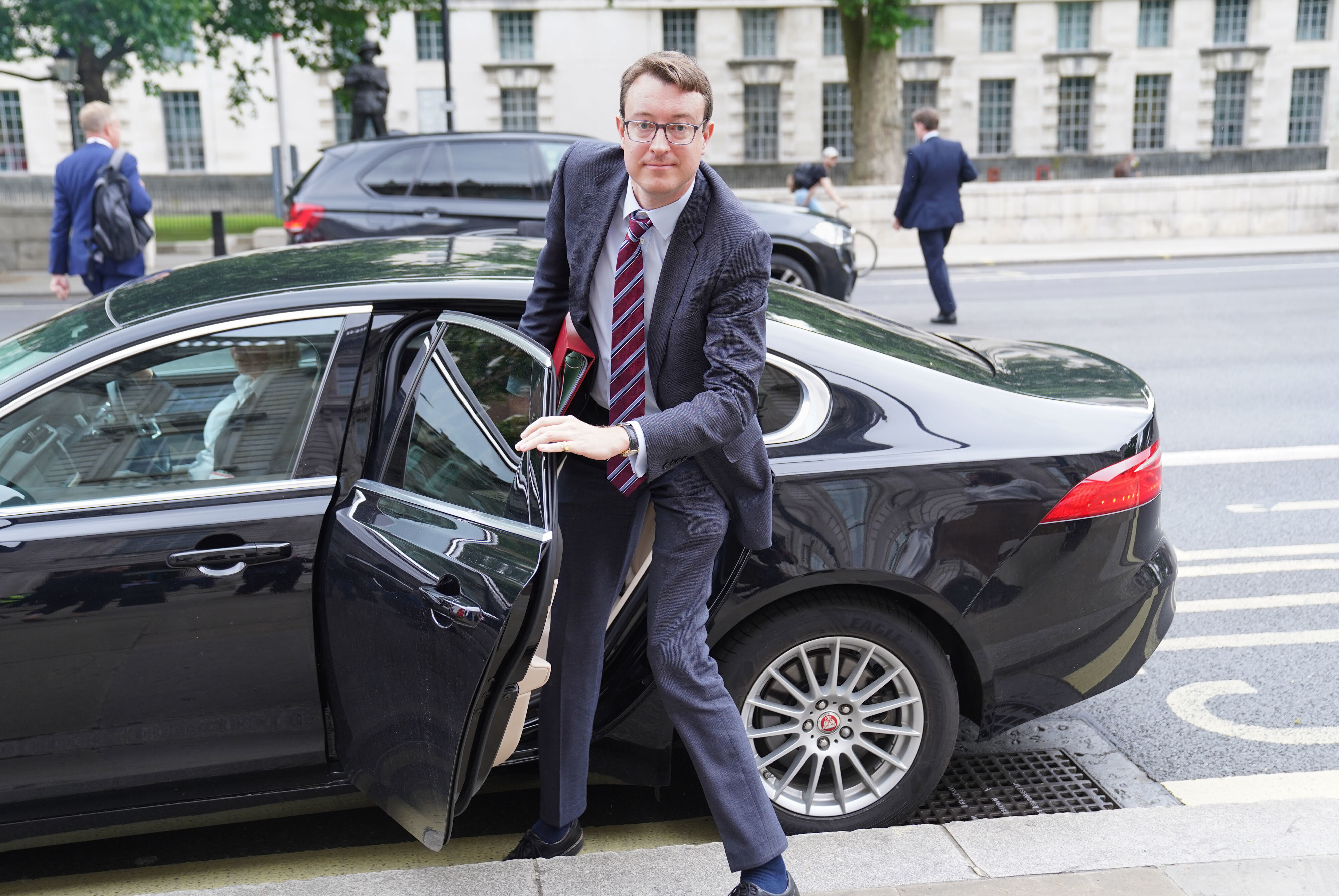
Appearing on ITV’s Peston programme, levelling up secretary Simon Clarke, a former top Treasury minister, said that no Conservative government “has had a clear run at events over the entire course of the last decade, it has been one crisis after another”.

Critics pointed to the fall-out from the Brexit referendum – which saw off two Tory prime ministers – as at least one self-inflicted crisis, and how tackling big events is the nature of governance.

Other disruption since the Tories came to power in 2010 includes the Cameron-Osborne austerity programme, the Covid-19 pandemic and Russia’s invasion of Ukraine.

His comment appeared to be a justification for moving to an “unashamedly pro-growth policy” under the Truss premiership.

Clarke added: “What Liz is saying is that we need to accept that we may not get back to normal, that if you like, that the world is in an extraordinary state of affairs at the moment and that being so, that we just need to press on and govern, frankly, as we want to be remembered – as a government that makes things better for people.

“And clearly as secretary of state for levelling up, my focus is on life chances, and on spreading opportunity. I’m delighted that we’re moving to an unashamedly pro-growth policy.”

Clarke also admitted the government’s economic policy is not “risk-free” as he said that the Tories wanted to go back to the growth rates seen before the financial crash in 2008, when Labour was in power.

At the the mini-budget on Friday, chancellor Kwasi Kwarteng is expected to put into practice many of the tax-cutting promises made by Truss during the Tory leadership campaign.

As well as reversing the hike in national insurance contributions and scrapping a planned increase in corporation tax, which Truss has promised, it has been reported he will cut stamp duty in a further attempt to drive growth.

On plans to lift the cap on bankers’ bonuses while millions feel the squeeze of the cost-of-living crisis, Clarke also said this would help level up “because there would be more revenue for the exchequer”.

Share Button

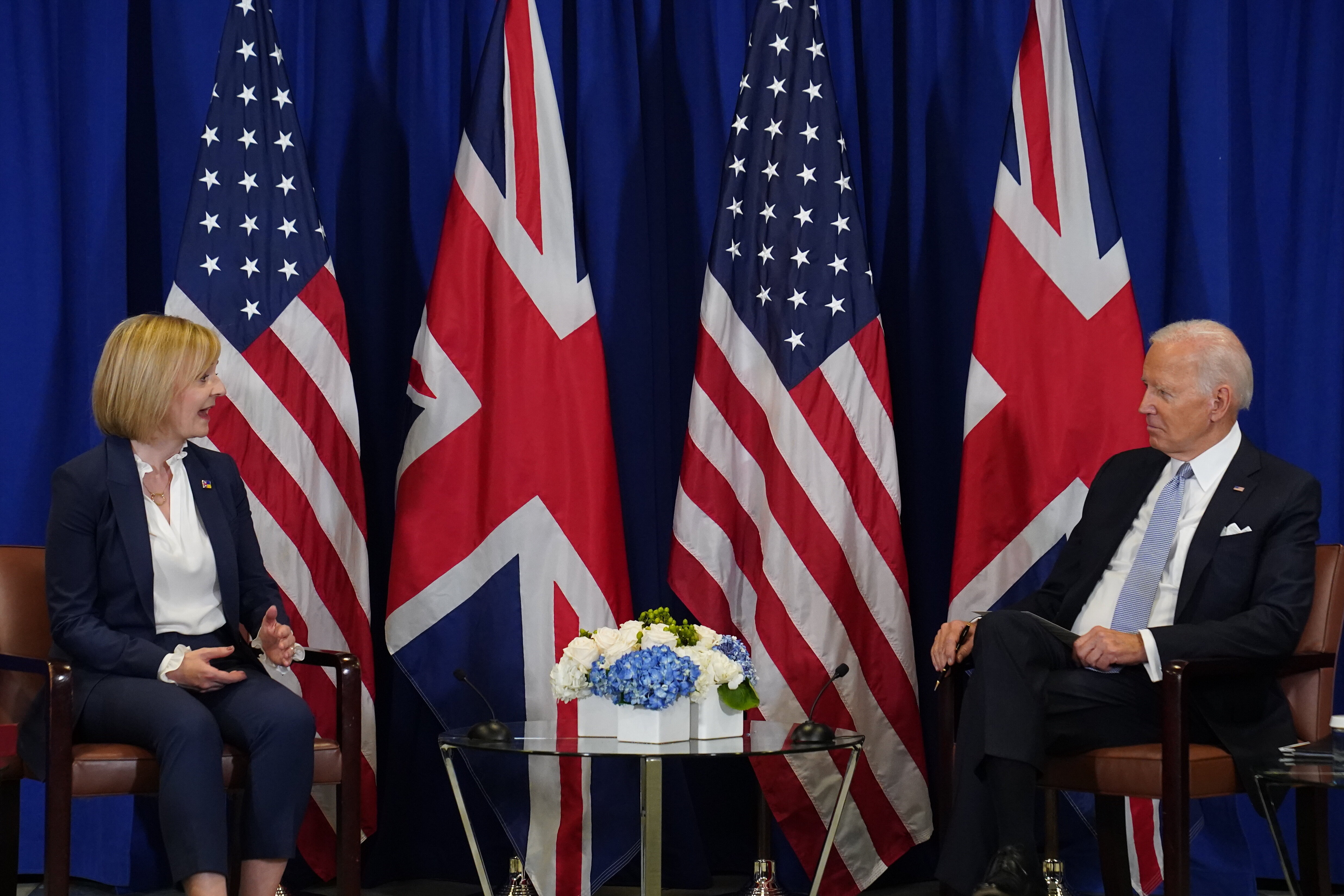
Despite Disagreements, Biden Tells Truss The UK Is ‘Our Closest Ally In The World’

US president Joe Biden has told Liz Truss the UK is “our closest ally in the world”, despite sharp disagreements between the leaders of the two countries.

Ahead of a one-to-one meeting at the United Nations General Assembly in New York, Biden and the new UK prime ministers spoke to reporters before sitting down to talks centring on the Russian invasion of Ukraine and the energy crisis it has provoked.

Though Biden’s words were reassuring, the president told Truss he is “looking forward to hearing what’s on your mind” about the row over the Northern Ireland Protocol, which prevents a hard border on the island of Ireland, underlining tensions over post-Brexit arrangements.

The prime minister sought to reassure the US president by telling him how she would be explaining how the Good Friday Agreement that brought peace to the island would be upheld.

Biden and Truss were meeting after the president sent a tweet just as the PM was discussing her economic policy, which said he was “sick and tired of trickle-down economics”.

“It has never worked,” he said.

The comments underlined the differences between the two leaders’ stances after Truss made clear her economic agenda had the trickle-down theory – tax cuts for the wealthy and corporations will benefit everyone – at its heart.

The prime minister’s official spokesman said it was “ludicrous” to suggest Biden was criticising UK policy, arguing each country is facing different economic challenges.

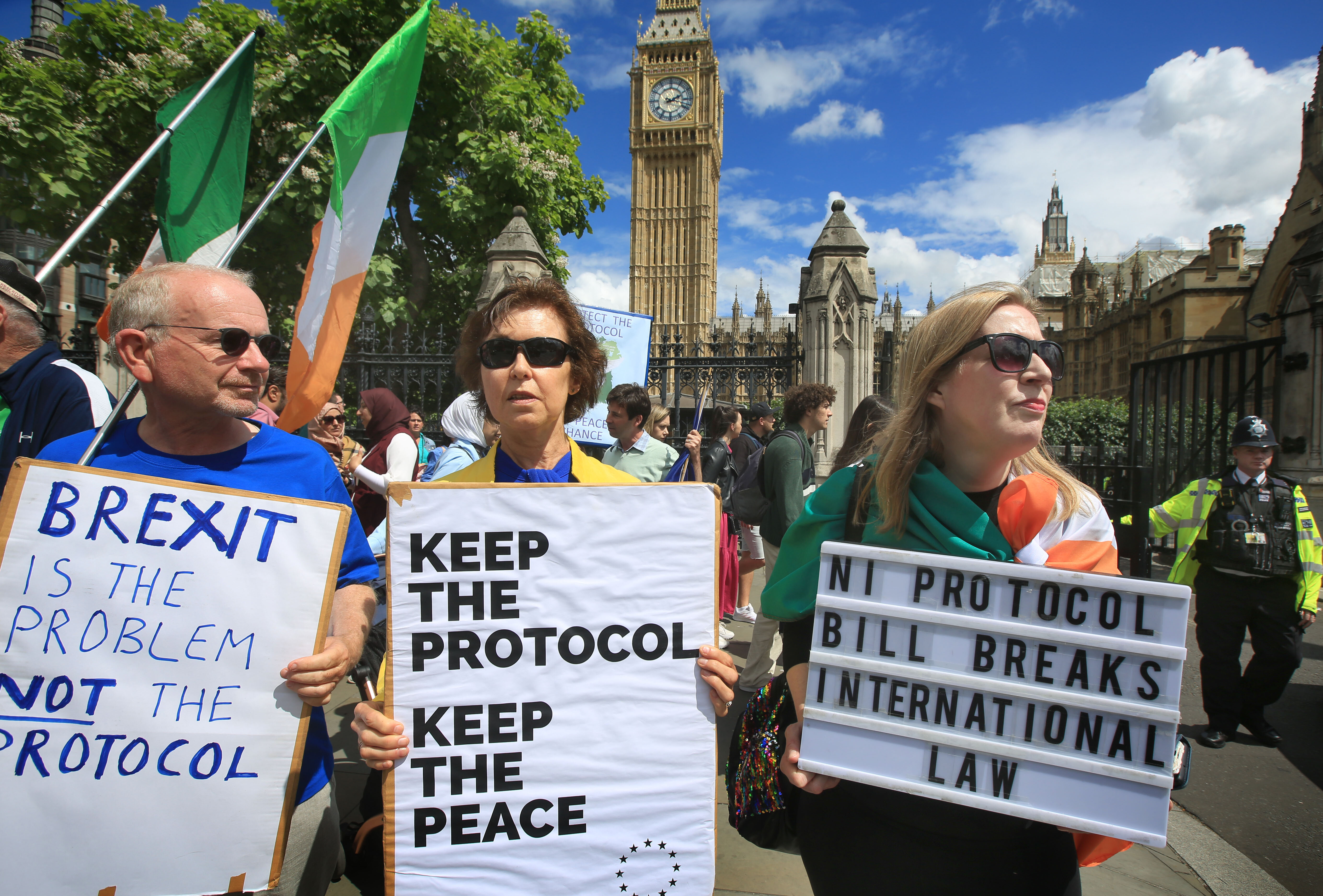
The prime minister is pushing ahead with the controversial Northern Ireland Protocol Bill which the EU and other critics say will breach international law by suspending elements of the agreement.

There have also been suggestions she could unilaterally trigger Article 16 of the protocol, to override parts of the agreement brokered as part of the Brexit divorce deal.

In opening marks at the top of their meeting, the US president told Truss: “We are both committed to protecting the Good Friday Agreement of Northern Ireland.

“And I’m looking forward to hearing what’s on your mind.”

He congratulated her on becoming prime minister, adding: “I look forward to working closely with you. You’re our closest ally in the world and there’s a lot we can continue to do together.”

Truss told the president the UK and the US are “steadfast allies” as she thanked him for his support following the death of the Queen.

“Of course I’m looking forward to discussing the Belfast Good Friday Agreement and how we make sure that’s upheld into the future,” she added.

Biden said their “full agenda” for the meeting includes Ukraine’s defence against Vladimir Putin’s invasion, China and preventing Iran from obtaining nuclear weapons.

“We also want to talk about energy, which understandably is of significant consequence to all of Europe and the United Kingdom in particular,” he added.

US national security adviser Jake Sullivan made it clear Biden would discuss the protocol “in some detail” with Truss.

Sullivan told reporters the president “will encourage the UK and the European Union to work out an effective outcome that ensures there is no threat to the fundamental principles of the Good Friday Agreement”.

Share Button

Northern Ireland Receives King Charles III With Grief And Bated Breath

When Queen Elizabeth II visited the Republic of Ireland in 2011, it was a moment of sensitivity and reconciliation, signalling the seismic shift towards longer-lasting peace between Ireland and the UK.

Beginning her speech in Irish, the Queen made every effort to unify two countries with a difficult and complex history.

“With the benefit of historical hindsight, we can all see things which we would wish had been done differently or not at all,” she told guests at a state dinner in Dublin Castle.

However, in this week of her death, as King Charles III ascends the British throne, the relationship between our islands, among those north and south of the Irish border, remains fractious.

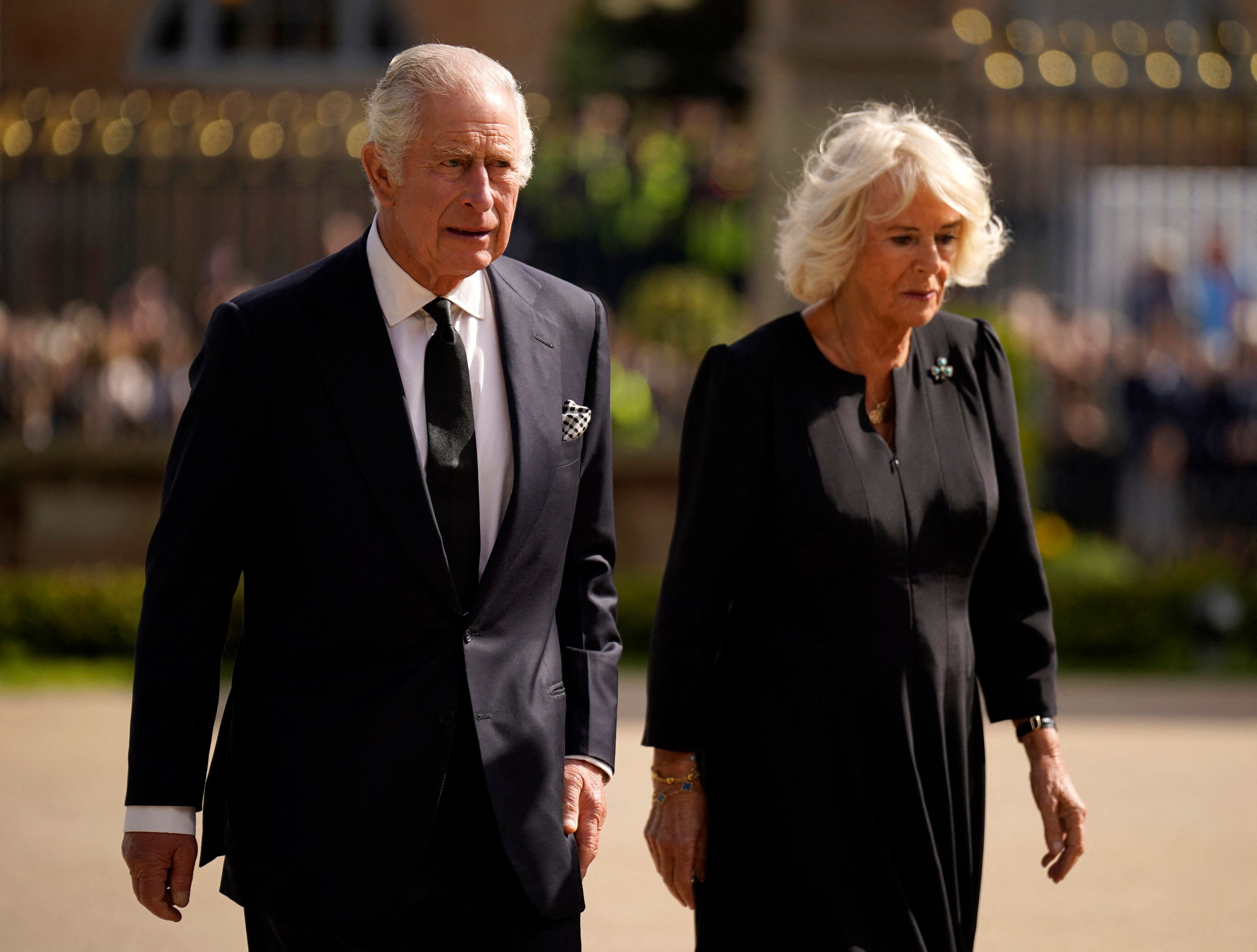
As the King arrived at his official residence of Hillsborough Castle near Belfast on Tuesday – his fortieth trip to Northern Ireland – former Irish Taoiseach John Bruton told Sky News, “in many ways, intergovernmental relations between Britain and Ireland are much, much worse now, than they were when the Queen visited in [2011], and that needs to be repaired by the two governments”.

Brexit has maimed relations across the UK, but in particular has dug up dormant hostilities between communities in Northern Ireland.

King Charles arrives not only mourning his mother – a uniting figure within the UK by many accounts – but in the wake of sustained political tensions between the Republic and the UK over its land border and trade impacts arising from Brexit.

Despite this, the response among political parties to the sudden passing of the Queen has been one of particular sympathy and sensitivity – for the most part.

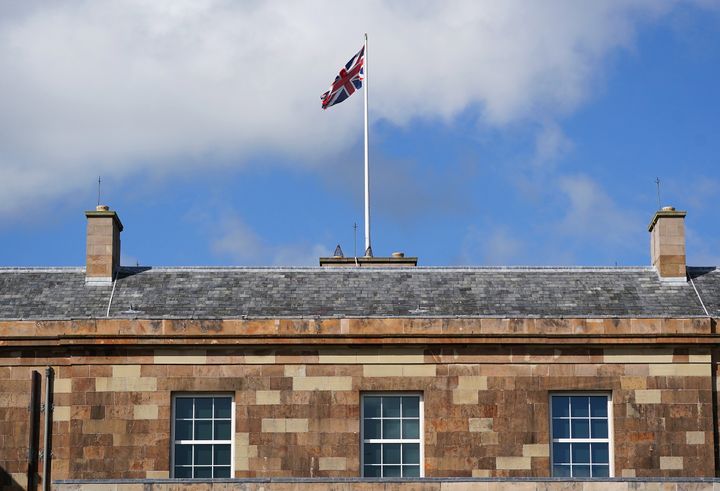
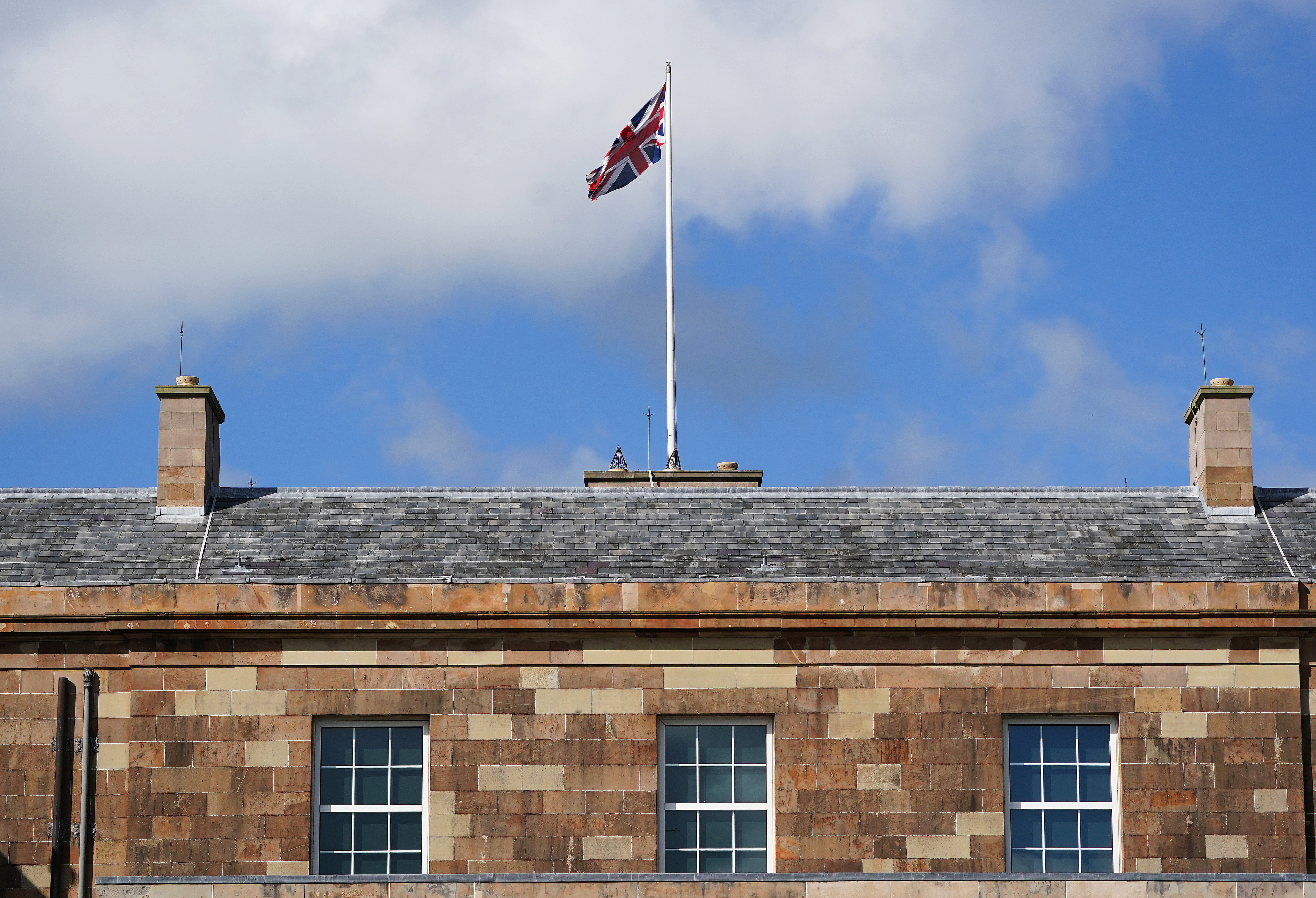
The Union Jack flies at full mast at Hillsborough Castle, Belfast, after the Proclamation of Accession of King Charles III.

Brian Lawless – PA Images via Getty Images

On the Queen’s passing, Taoiseach Micheál Martin recalled “the warmth of the welcome she received from the public in Cork during her walkabout” in 2011.

Sinn Féin, which for many years during the Troubles was considered the political wing of the Irish Republican Army, sent “sincere condolences” to the King and party figures plan to attend events during the 10 days of mourning. Party president Mary Lou McDonald said she was “a powerful advocate and ally of those who believe in peace and reconciliation”.

However, the party stayed clear of Hillsborough Castle on Sunday for the proclamation of the King’s accession.

Ms McDonald said she did not attend as the ceremony was “intended for those whose political allegiance is to the British Crown”, and many senior party figures in Northern Ireland attended a rally in Belfast for victims of the Troubles instead.

No surprise there, though a far cry from past hostilities.

A notable outlier in the Republic was the left-wing People Before Profit party, who waited barely a day after the Queen’s passing to call for an end to monarchy.

While that’s not an unpopular sentiment in the Republic, and certainly among Republican communities in Northern Ireland, the reaction outside the political gauntlet has been less celebratory than you might expect – despite the Fenian blood running through our veins.

Monarchists in the Republic are few and far between, not least while we still live in the shadow of 800 years of British oppression – but while some like to joke about the Queen’s death – football hooligans chanting “Lizzy’s in a box” come to mind – her death has undoubtedly caused some upset.

Britain’s influence – and impact – on Ireland goes much further than Brexit ruining the fun for everyone. A cultural fascination with the royals has bled through the border over the years via British media. You’re unlikely to see many a Union Jack south of the border, but there is a palpable sense of loss for the woman who has been an influential figure on the world stage for 70 years.

Are there memes? Yes, Irish Twitter has been full of them and no column has enough lines to explain why the Queen might be reincarnated in the (misreported) birth of Trisha Paytas’s baby.

But underneath this social media frenzy, and the ability of Twitter to throw up jokes on just about any tragedy, is what can only be described as ambivalence towards the monarchy – particularly among young people.

Despite a respect for the duties the Queen carried out, there’s a quiet agnosticism about the institution that leaves many bewildered by the sense of grief washing over Britons in recent days.

But while King Charles ascends at a time of complex feelings about the Crown across the UK, not least among the Black community, he remains fiercely popular among Unionists in Northern Ireland.

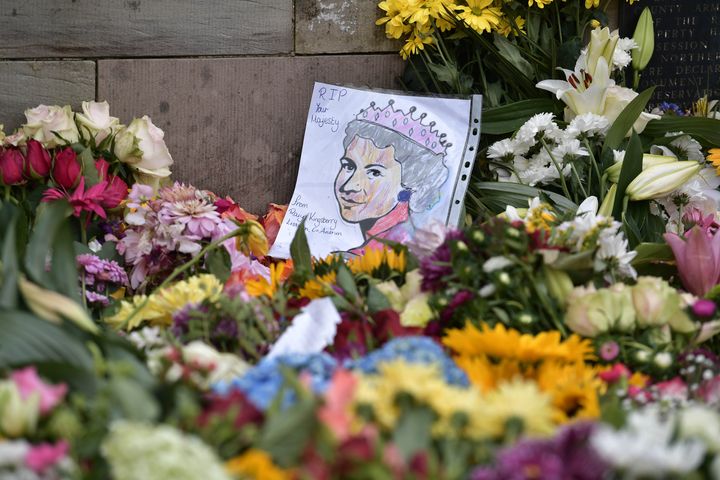
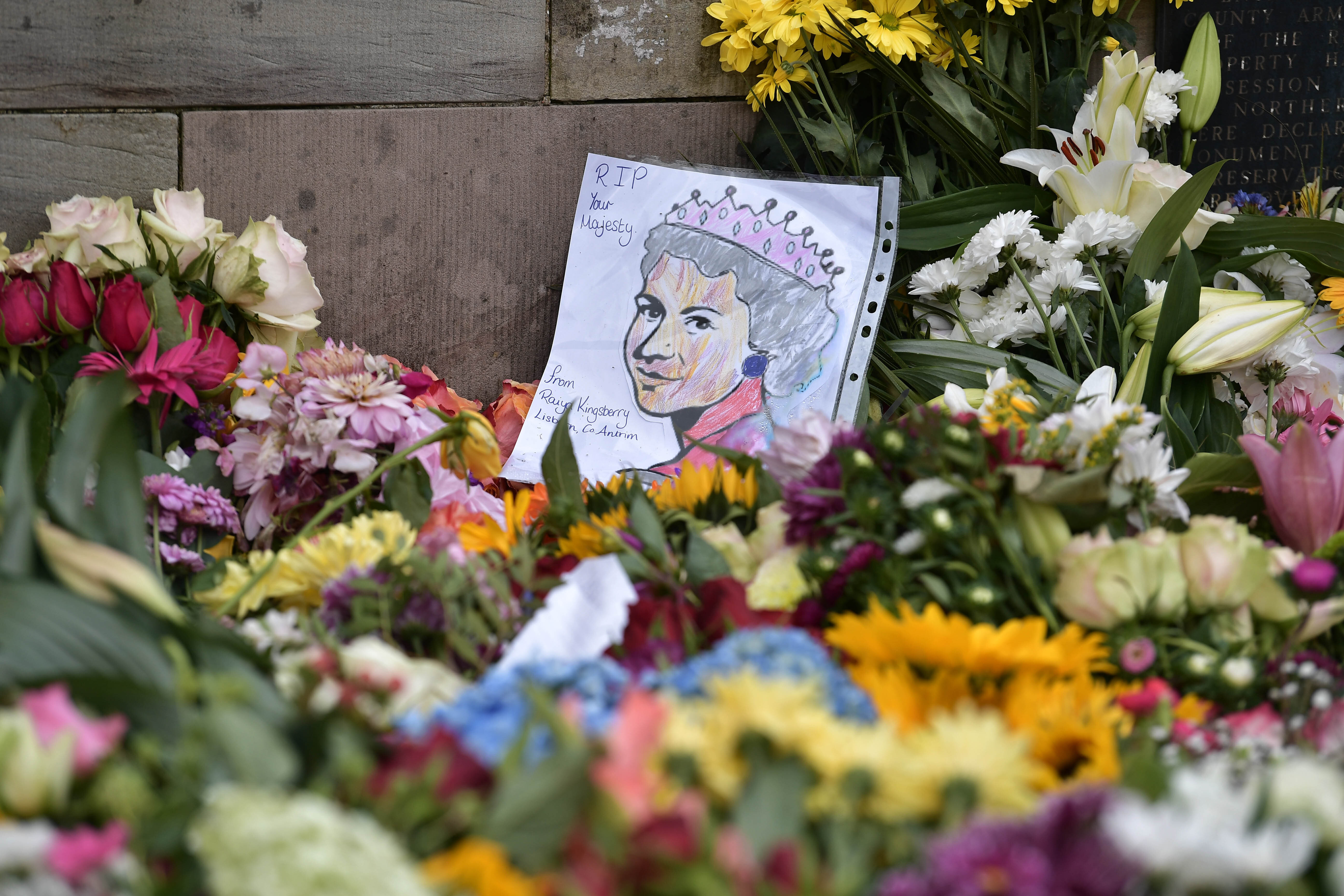
Floral tributes left for the Queen outside Hillsborough Castle during the King's visit.
Floral tributes left for the Queen outside Hillsborough Castle during the King’s visit.

Charles McQuillan via Getty Images

The meadow of flowers that greeted his arrival at Hillsborough on Tuesday reflects the devotion many have for the Queen – and their new King. A sea of smiling spectators, many of whom arrived after dawn to get a good spot, shouted “long live the King” as he entered his official residence.

“[King Charles] is a unifying figure among Irish people in the sense he is highly regarded in the Republic of Ireland,” Mr Bruton told Sky News.

“But also, as you can see, very highly regarded in Northern Ireland. Obviously there are divides in Northern Ireland where part of the community… doesn’t have quite the same attitude towards the Union.”

Obviously indeed. The reaction in the Republican community seems more akin to Glaswegians after Margaret Thatcher died. No more need be said.

And while there has been political consensus through the 1998 Good Friday Agreement, there’s hasn’t been a reconciliation between the two communities, Mr Bruton said.

“There is quite a deep level of polarisation in Northern Ireland, but I think the King, personally, can help create an atmosphere in which reconciliation becomes more possible.”

And Charles himself? Speaking at Hillsborough Castle on Tuesday, the King said that with the “shining example” of his mother’s duty to Northern Ireland, and “with God’s help, I take up my new duties resolved to seek the welfare of all the inhabitants of Northern Ireland”.

Ireland waits with bated breath to see if King Charles will indeed foster unity on this island – if, that is, people are listening to him at all.

Conor Capplis is a journalist with the Irish Examiner based in Cork.

Share Button

Emily Maitlis Has A Brutal Message For The BBC Over Its Brexit Coverage

<div class="js-react-hydrator" data-component-name="YouTube" data-component-id="3692" data-component-props="{"itemType":"video","index":0,"contentListType":"embed","code":"

","type":"video","meta":{"url":"https://www.youtube.com/watch?v=bMaDI0DOJ3s","type":"video","version":"1.0","title":"Emily Maitlis on Brexit","author":"OldQueenTV","author_url":"https://www.youtube.com/channel/UC_1mDKnRagiJYrS060VQ9ig","provider_name":"YouTube","thumbnail_url":"https://i.ytimg.com/vi/bMaDI0DOJ3s/sddefault.jpg","thumbnail_width":640,"thumbnail_height":480,"cache_age":86400,"options":{"_start":{"label":"Start from","value":"","placeholder":"ex.: 11, 1m10s"},"_end":{"label":"End on","value":"","placeholder":"ex.: 11, 1m10s"},"_cc_load_policy":{"label":"Closed captions","value":false},"click_to_play":{"label":"Hold load & play until clicked","value":false}}},"fullBleed":false,"flags":[],"enhancements":{},"options":{"theme":"news","device":"desktop","editionInfo":{"id":"uk","name":"U.K.","link":"https://www.huffingtonpost.co.uk","locale":"en_GB"},"slideshowAd":{"scriptTags":[],"otherHtml":""},"slideshowEndCard":{"scriptTags":[{"attribs":{},"scriptBody":"\r\n (function(){\r\n var c = document.getElementById(‘taboola-endslate-thumbnails’);\r\n c.id += ‘-‘ + Math.round(Math.random()*1e16);\r\n \r\n var taboolaParams = {\r\n loader: \"//cdn.taboola.com/libtrc/aol-huffingtonpost/loader.js\",\r\n mode: \"thumbnails-b\",\r\n container: c.id,\r\n placement: \"Endslate Thumbnails\",\r\n target_type: \"mix\"\r\n };\r\n \r\n if (typeof window.modulousQueue === \"function\") {\r\n \twindow.modulousQueue.add(function(){ doTaboola(taboolaParams); });\r\n } else {\r\n \tdoTaboola(taboolaParams);\r\n }\r\n }());\r\n"}],"otherHtml":"

"},"isMapi":false,"isAmp":false,"isVideoEntry":false,"isMt":false,"entryId":"63068fa2e4b00c150d6774c1","entryTagsList":"brexit,newsnight,emily-maitlis","sectionSlug":"politics","deptSlug":null,"sectionRedirectUrl":null,"subcategories":"entertainment","isWide":false,"headerOverride":null,"noVideoAds":false,"disableFloat":false,"isNative":false,"commercialVideo":{"provider":"custom","site_and_category":"uk.politics","package":null},"isHighline":false,"vidibleConfigValues":{"cid":"60afc140cf94592c45d7390c","disabledWithMapiEntries":false,"overrides":{"all":"60b8e525cdd90620331baaf4"},"whitelisted":["56c5f12ee4b03a39c93c9439","56c6056ee4b01f2b7e1b5f35","59bfee7f9e451049f87f550b","5acccbaac269d609ef44c529","570278d2e4b070ff77b98217","57027b4be4b070ff77b98d5c","56fe95c4e4b0041c4242016b","570279cfe4b06d08e3629954","5ba9e8821c2e65639162ccf1","5bcd9904821576674bc55ced","5d076ca127f25f504327c72e","5b35266b158f855373e28256","5ebac2e8abddfb04f877dff2","60b8e525cdd90620331baaf4","60b64354b171b7444beaff4d","60d0d8e09340d7032ad0fb1a","60d0d90f9340d7032ad0fbeb","60d0d9949340d7032ad0fed3","60d0d9f99340d7032ad10113","60d0daa69340d7032ad104cf","60d0de02b627221e9d819408"],"playlists":{"default":"57bc306888d2ff1a7f6b5579","news":"56c6dbcee4b04edee8beb49c","politics":"56c6dbcee4b04edee8beb49c","entertainment":"56c6e7f2e4b0983aa64c60fc","tech":"56c6f70ae4b043c5bdcaebf9","parents":"56cc65c2e4b0239099455b42","lifestyle":"56cc66a9e4b01f81ef94e98c"},"playerUpdates":{"56c6056ee4b01f2b7e1b5f35":"60b8e525cdd90620331baaf4","56c5f12ee4b03a39c93c9439":"60d0d8e09340d7032ad0fb1a","59bfee7f9e451049f87f550b":"60d0d90f9340d7032ad0fbeb","5acccbaac269d609ef44c529":"60d0d9949340d7032ad0fed3","5bcd9904821576674bc55ced":"60d0d9f99340d7032ad10113","5d076ca127f25f504327c72e":"60d0daa69340d7032ad104cf","5ebac2e8abddfb04f877dff2":"60d0de02b627221e9d819408"}},"connatixConfigValues":{"defaultPlayer":"8b034f64-513c-4987-b16f-42d6008f7feb","clickToPlayPlayer":"5a777b9b-81fe-41a6-8302-59e9953ee8a2","videoPagePlayer":"19654b65-409c-4b38-90db-80cbdea02cf4"},"customAmpComponents":[],"ampAssetsUrl":"https://amp.assets.huffpost.com","videoTraits":null,"positionInUnitCounts":{"buzz_head":{"count":0},"buzz_body":{"count":0},"buzz_bottom":{"count":0}},"positionInSubUnitCounts":{"article_body":{"count":4},"before_you_go_slideshow":{"count":0}},"connatixCountsHelper":{"count":0},"buzzfeedTracking":{"context_page_id":"63068fa2e4b00c150d6774c1","context_page_type":"buzz","destination":"huffpost","mode":"desktop","page_edition":"en-uk"},"cetUnit":"buzz_body"}}”>

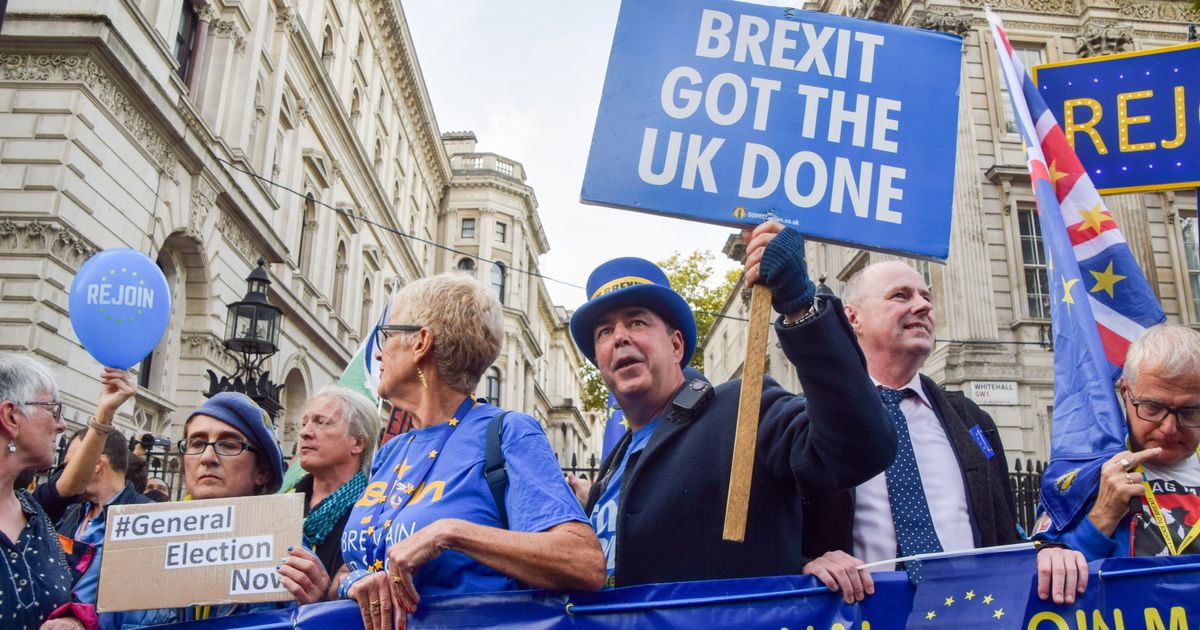
Emily Maitlis has criticised the BBC for “both-sideism” in its coverage of Brexit – suggesting its attempts to hear both sides of the argument led to “superficial balance”.

The former BBC journalist also argued the BBC and other media outlets are failing to tackle the impact of leaving the EU today, saying that “sidestepping” the issue “feels like a conspiracy against the British people”.

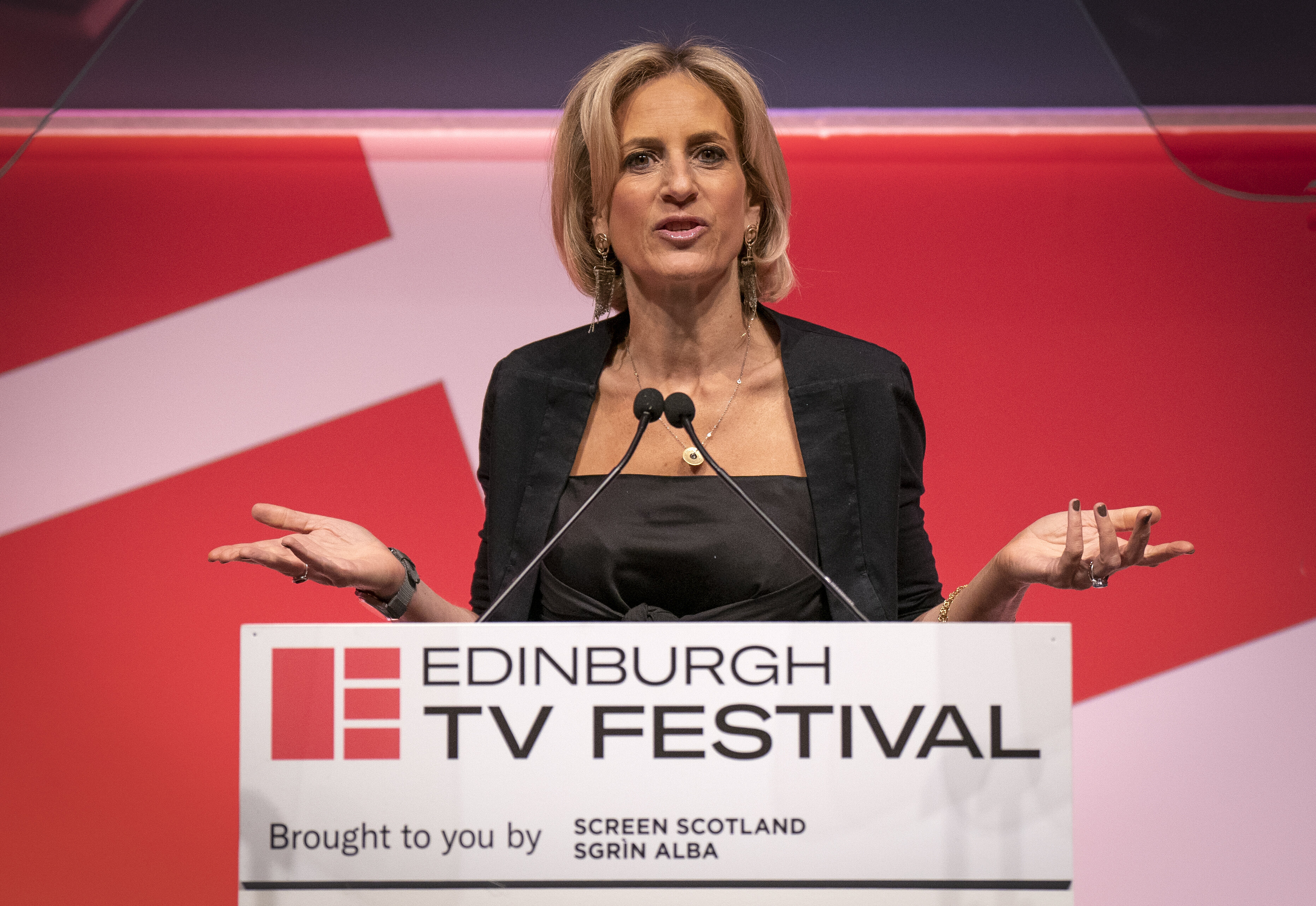
Maitlis, who left the broadcaster this year for rival media group Global, was addressing the annual MacTaggart Lecture at the Edinburgh TV Festival on Wednesday.

In one striking passage that won praise on social media, Maitlis said: “It might take our producers five minutes to find 60 economists who feared Brexit and five hours to find a sole voice who espoused it.

“But by the time we went on air we simply had one of each; we presented this unequal effort to our audience as balance. It wasn’t.”

She added: “I’d later learn that the ungainly name for this myopic style of journalism: ‘both-sideism’, which talks to the way it reaches a superficial balance while obscuring a deeper truth.”

Not everyone agreed.

The broadcaster suggested the problems continue, and outlets including the BBC adopt an “automatic crouch position whenever the Brexit issue looms large”.

She said: “Many broadcasters fear discussing the obvious economic cause of major change in this country in case they get labelled pessimistic, anti-populist, or worse still, as above: unpatriotic.

“And yet every day that we sidestep these issues with glaring omissions feels like a conspiracy against the British people.”

Maitlis joined the BBC in 2001 and presented Newsnight from 2006.

In February, she and Jon Sopel announced they were leaving the BBC to join Global, where they are hosting a new podcast, titled The News Agents, and a radio show together on LBC.

In her speech, Maitlis also said the BBC’s board includes an “active agent of the Conservative party” as she issued a warning about her former employer’s impartiality.

Share Button