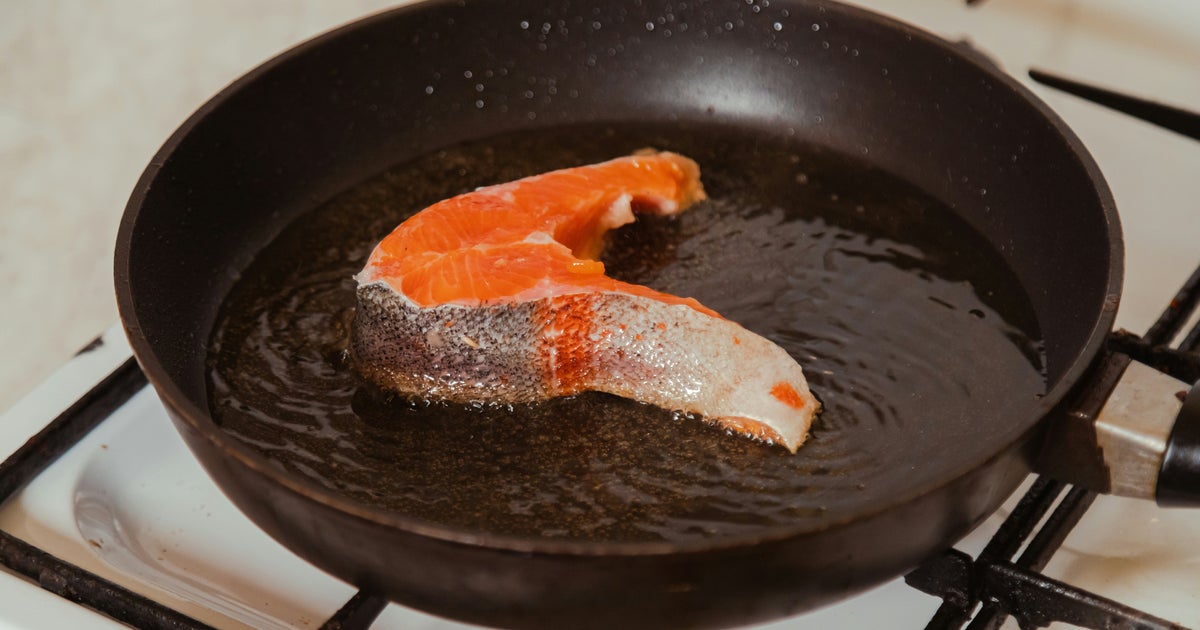
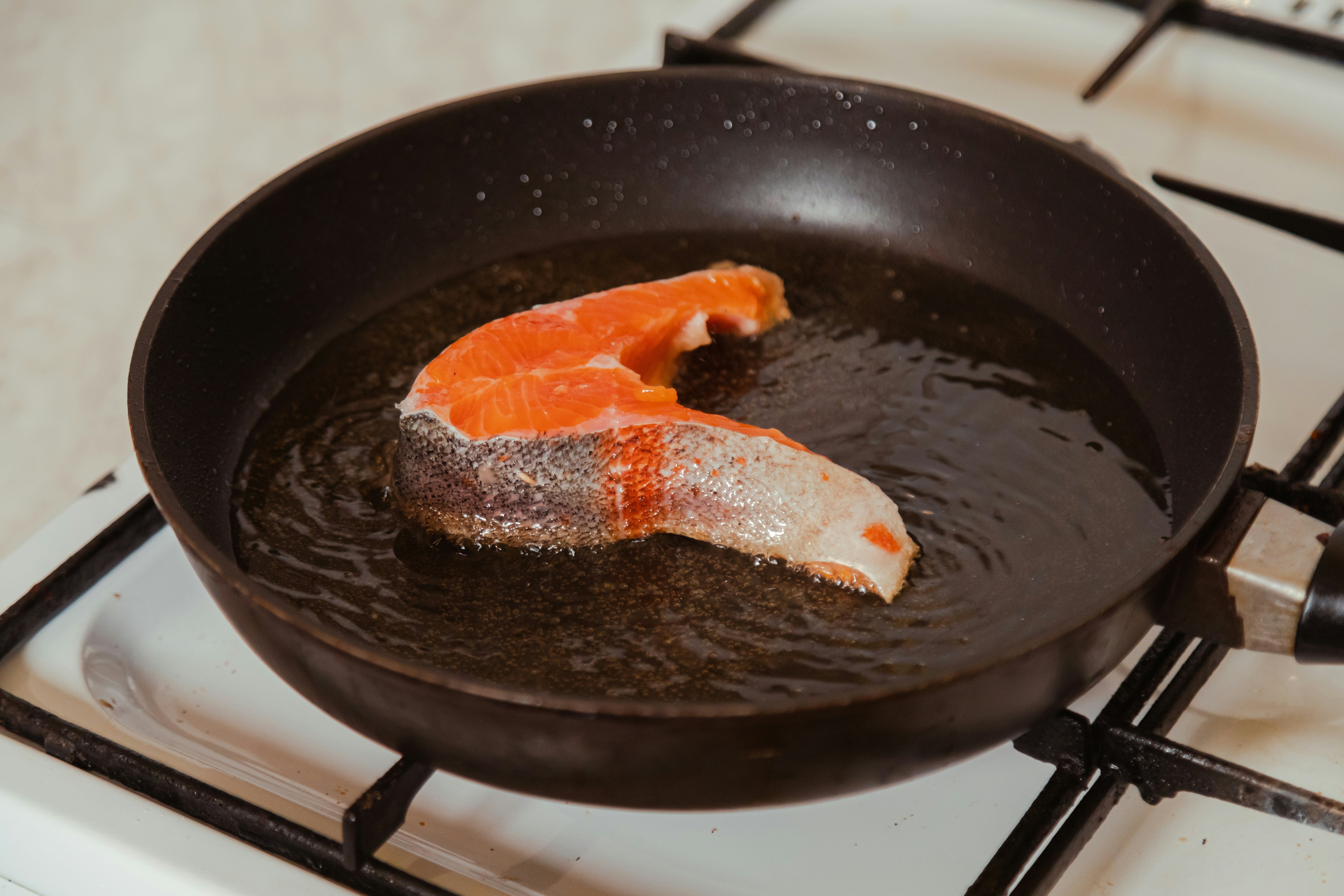
So THAT’s How Restaurants Get Salmon Skin So Crispy

Though I listen to Mary Berry’s advice when it comes to keeping salmon moist (the former Great British Bake-Off host crowds the fish in a pan to trap moisture), I have to admit, it leaves me wanting more.

I crave a crispy, crunchy, seared salmon skin, too. And if a peek at Reddit’s r/AskCulinary forum, where we mere plebs can ask chefs how they cook their perfect meals, is anything to go by, I’m not alone.

Writing to the group, site user u/kellyinacherrytree wrote: “Every time I try to pan-sear salmon at home, the skin either sticks to the pan or comes out soggy.

“I’ve tried using nonstick and stainless pans, patting the fish dry, and getting the pan hot, but I just can’t seem to get that golden, super crispy skin like they do at restaurants,” they continued.

So, how do the experts do it?

The technique starts before you begin cooking

The most-upvoted response to the user’s question was culinary consultant J. Kenji López-Alt’s advice to Serious Eats.

Writing for the publication, he said that heating the pan, using a thin layer of oil and waiting until it shimmers can help.

So, too, can patting the salmon skin dry and seasoning it before frying (user stringy-cheese42 advised “dry brining” your fish before cooking if possible by salting it and letting it rest overnight).

“Dry bringing” dries out the skin and gets rid of albumin, the slimy white substance that gathers on cooked salmon, The New York Times writes.

Wait patiently for the salmon to properly sear on its skin side, which you should press into the base of the hot pan as you cook; a quick kiss of heat on the non-skin side should be enough to finish off your fish.

Some chefs, like u/toucandork, recommend cooking your salmon fillet entirely skin-side down.

If all else fails, cheat

Redditor u/fckedup said that “you can semi-cheat by coating the skin with a thin layer of cornstarch. You’ll get a slightly different type of crispy skin, but it’s delicious and retains sauces better.”

Gordon Ramsay also scores his salmon, which allows it to cook “quicker, but more importantly, helps get that skin nice and crispy” ― a delicious shortcut.

Still, he warns that slicing too deep risks overcooking the salmon.

The more you know…

Share Button

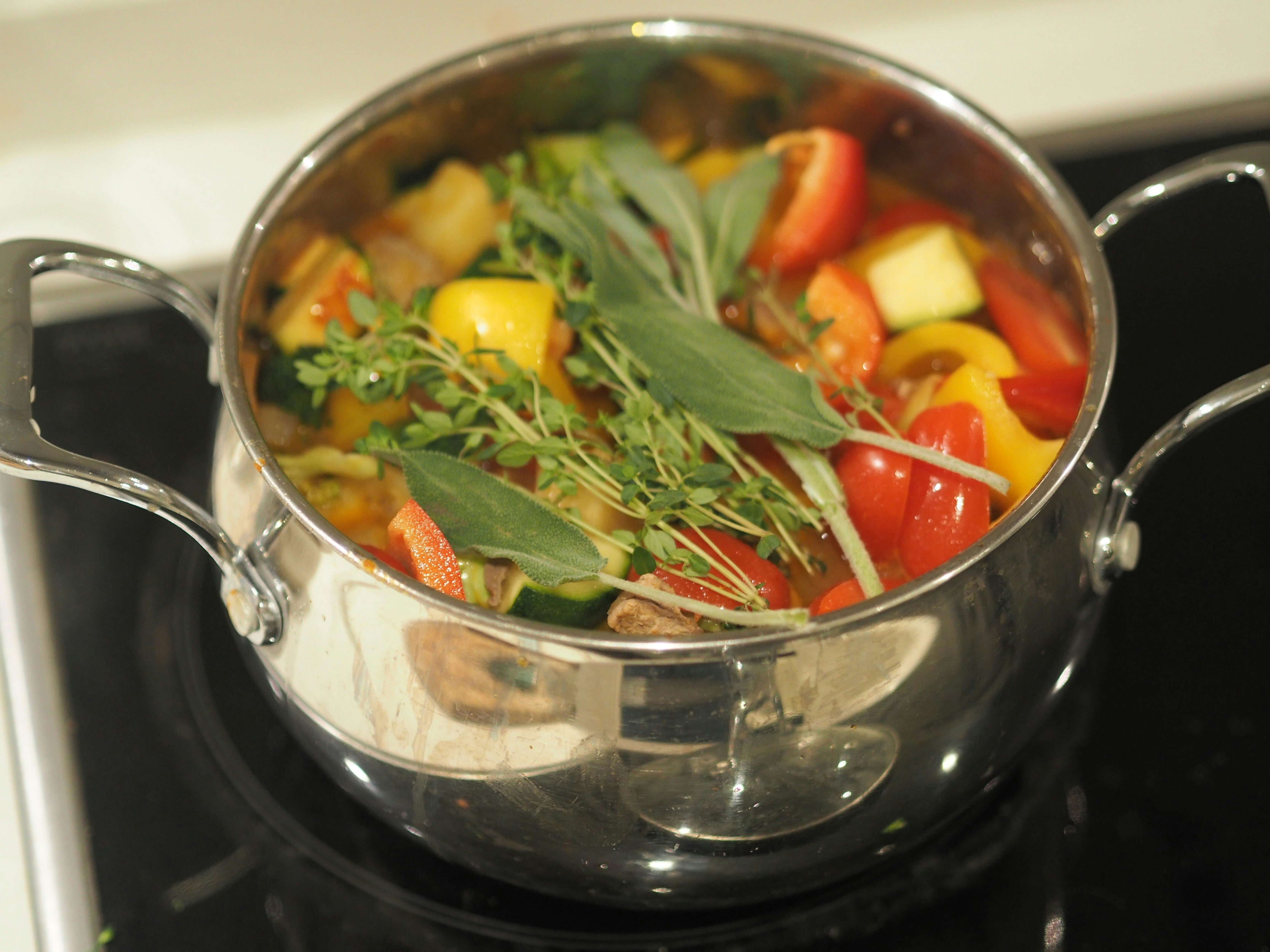
So THAT’s Why Restaurant Soup Is So Much Better

We’ve written before at HuffPost UK about how the pros nail everything from mashed potato to chips and even poached eggs.

But after a recent trip to a great cafe near me, I started to wonder if I’ve been making soup wrong at home, too.

Something about restaurant soup just feels more… soup-y, don’t you think? The flavours are more concentrated, the texture is silkier, and they rarely contain that unpleasant aluminium tang that tinned soup can bring to the table.

Thankfully, ex-professional chef Matt Broussard shared some answers on his Facebook page, revealing his secrets to the perfect tomato soup.

How do restaurants make soup taste so good?

He shared that the secret to a “creamy, luxurious soup” starts off with using both butter and oil as fat before sweating off your onions and garlic.

“The oil is going to help raise the smoke point of my butter,” which has “all that delicious flavour, but it can burn by the time I’m ready to get my onions in there and start sauteeing them,” he said.

He also tosses his spices in with the fat as the onions cook.

This, the ex-chef said, is because “spices love to be reconstituted, reheated, to get that dispersion of flavour”.

Fat absorbs that flavour and goes on to coat everything in the soup, Broussard added.

Another top tip is to use tomato puree before deglazing the pan; doing so after you’ve added liquid will prevent delicious “caramelisation”.

He also waits until the soup is fully blended before seasoning it with salt and pepper; you won’t know what baseline you’re working with otherwise.

Simmering your soup after pureeing it can provide that restaurant-level “silkiness,” Broussard continues, though he admits that nothing beats a “high-powered blender” for truly luxurious smoothness.

He blends his tomato soup for five straight minutes: “You’ve got to let it go for longer than you’d think… that’s going to make all of the difference.”

Lastly, the ex-pro serves his soup in a warm bowl, which he says is a game-changer.

Any other tips?

Yes! Speaking to Mashed, James DiBella, head chef of Link & Pin and The Cellar, said restaurants use way more onions than we tend to at home.

Chef Olivier Koster added that restaurants usually only let one or two ingredients “shine” too, refusing to muddy the flavour with conflicting, strong-tasting ingredients.

And lastly, a classic – chef Bernhard Mairinger told the publication that restaurant soups definitely contain more butter than homemade soups, too. We wouldn’t expect anything less.

Share Button

3 Easter Lamb Recipes That Aren’t Just Your Usual Sunday Roast

Lamb is traditionally served at Easter, but there are loads of ways to cook it other than your usual Sunday roast.

We asked chefs their favourite ways to prep lamb for a delicious feast. Be warned: you’ll want to try them all.

Lavender and rosemary leg of lamb

Chef Richard Corrigan, from Bentleys, says this recipe is one of his all-time Easter favourites. “The lavender adds a beautiful floral flavour to the dish and complements the honey nicely,” he says.

Ingredients:

2kg/4½lb leg of lamb, on the bone

1 small bunch of English lavender

5 sprigs of rosemary

2 cloves garlic

1 small jar of honey

Method:

1. Preheat the oven to 200C/400F/Gas 6. Remove the lavender buds from the stalks and add to the honey Pull the rosemary leaves from the stalks and place in a blender. Add the salt and blitz.

2. Rub the lamb all over with the salt and place in a roasting tray.

3. Cover with foil and place in the oven for 20 minutes. After which remove the foil and leave to roast for a further 40 minutes (for medium).

4. Pour over the lavender and honey, return to the oven for a further 10 minutes.

5. Remove the lamb and leave it to rest for 10-15 minutes, with some foil on top to keep it warm. Serve with the pan juices and spring vegetables.

Richard Corrigan

Lamb raan

Chef Will Bowlby, who works at modern Indian restaurant, Kricket, recommends changing up your Easter feast. “Why not spice up your Easter this year with a centrepiece alternative to your usual roast lamb,” he suggests.

Ingredients:

A leg of lamb on the bone

4 tablespoons ginger and garlic paste

2 tablespoons Kashmiri red chilli powder

Pinch of sea salt

2 fresh Indian bay leaves

3 star anise

1 teaspoon black peppercorns

1 teaspoon cloves

1 cinnamon stick

400 ml (14 fl oz/generous 11⁄2 cups) white distilled vinegar

About 1.6 litres (56 fl oz/62⁄3 cups) cold water

500 ml (17 fl oz/2 cups) double (heavy) cream

A generous pinch of saffron strands, soaked in a little warm water

3 tablespoons garam masala

Method:

1. Rub the meat with the ginger and garlic paste, chilli powder and a pinch of salt and leave overnight to marinate. Preheat the oven to 200C (400F/Gas 6).

2. Transfer the leg to a deep ovenproof pan, add the remaining spices and vinegar, then pour in the water (it should just cover the meat). Cover the pan and cook in the oven for 30 minutes.

3. Lower the oven temperature to 160C (320F/Gas 3) and cook for a further 4–5 hours until the meat is falling off the bone.

4. Remove from the oven, take the meat out of the braising liquid and allow to cool. The meat is cooked when you can easily pick it from the bone. Transfer the braising liquid to a heavy-based saucepan and boil over a high heat until it has thickened and the flavours have intensified. Strain the liquid into a separate pan, reduce the heat and add the cream, saffron and garam masala. Reduce for a further 5 minutes, adjust the seasoning to taste and set aside to cool.

5. When you are ready to serve, heat a large frying pan (skillet) over a high heat and sear off the meat to get a nice crispy exterior. Add the braising liquid to the pan and spoon the liquid over the meat until it coats it nicely. Serve the meat whole, in its braising liquid.

Hugh Johnson

Lamb shoulder fricasee

Asimakis Chaniotis, chef at Pied à Terre, says: “Although it sounds French, lamb fricassée is a Greek Easter dish which I have grown up with. It’s so good, I could eat it all year round so it’s a shame it’s traditionally only eaten at midnight on the Saturday of the Easter weekend.”

Ingredients:

1kg of boneless shoulder of lamb with the fat and chopped in cubes

Good drizzle of vegetable oil

2 medium leeks, sliced

10 shallots, chopped

6 stalks of celery, with their leaves, chopped

5 cups chicken stock

2 tsp salt

1 tsp pepper

6 heads of lettuce cut in half and then sliced 2cm thick

A bunch of fresh dill, finely chopped

A bunch of fresh parsley finely chopped

A bunch of chervil finely chopped

For the sauce:

3 medium eggs, separated

Juice of 2 medium lemons

1 tbsp cold water

1 tsp corn flour

Method:

1. Cut the meat into 1 inch chunks. Pat down the lamb to remove any excess moisture then brown it on all sides over medium-high heat in the vegetable oil in a large saucepan

2. Add the leeks, onions, and celery to the pot and sauté gently until the vegetables soften. Add the chicken stock to cover the mixture and season it generously with salt and pepper. Cover and cook on medium heat for about 90 minutes, removing the lid for last 30 minutes

3. Chop all the herbs, reserving some for garnish. Chop the lettuce and add it to the pot, along with the herbs. Reduce the heat, cover, and simmer for 5 minutes, or, until the lamb is fork-tender and a small amount of liquid (about a cup or so) remains in the pot. Turn off the heat

4. Prepare the egg-lemon (avgolemono) sauce:

  • In a small bowl, whisk the egg whites with the teaspoon of cold water and cornflour until very frothy. Whisk in the egg yolks and lemon juice. Temper the avgolemono sauce by slowly adding one ladleful of the hot liquid from the pot to the small bowl with the eggs, while whisking the whole time. Continue with a second ladleful of the hot liquid and whisk again. Now add the avgolemono to the pot and stir gently to incorporate.

  • Shake the pot a few times to make sure everything is thoroughly mixed together.

  • If you need to reheat the lamb fricassée before serving, do so very gently, making sure the stew does NOT come to a boil (the egg will scramble).

5. Place on a serving platter, topped with the reserved chopped herbs. Good, crusty bread is a must and a Greek salad on the side is always a good idea.

Share Button

So THAT’s Why Restaurant Rice Is So Much Better

Did you know the size of your frying pan can seriously affect the texture of your omelette?

Yup – pros swear by a medium-small option to get the right mix of thick curds and fully cooked fluffiness.

These are the kinds of secrets chefs keep under their white sleeves when making restaurant-level food, and the sort I’m always keen to learn about.

So, you’d better believe I tuned in when former chef (and current YouTuber) @SenpaiKai9000 began his video by describing “why rice tastes better in restaurants.”

Why DOES rice taste better in restaurants?

The chef explained that, as with so many other gourmet “secrets,” chefs simply start off with “better-quality” rice.

It might surprise you to learn that not all rice is created equal. Lower-quality rice contains more blemishes, has more broken grains, contains the right amount of starch, and is the correct length.

The YouTuber says he prefers higher-grade basmati and jasmine rice “because they have so much more flavour” than other kinds.

Then, the former cook says it’s important to rinse rice in three to five times as much cold water to remove excess starch, “otherwise it can taste gummy or tacky.”

When cooking, he uses one part rice to 1.25 parts water and – a true chef’s trick – chucks butter into the pan.

If you’re cooking rice in a pot, allow it to boil, then let it simmer for 15 minutes and rest for at least a further five minutes with the lid on. That way, the steam continues to fluff up the rice.

But “really good restaurants will cook [rice] in the oven or rice cooker,” he added.

To cook it in the oven, the ex-chef covers a baking dish with foil and bakes the water, rice, butter, and salt together for 40-45 minutes.

“This allows the rice to cook way more evenly, because the heat source isn’t just coming hyper-aggressively from the bottom.”

<div class="js-react-hydrator" data-component-name="YouTube" data-component-id="5616" data-component-props="{"itemType":"video","index":19,"contentIndexByType":1,"contentListType":"embed","code":"

","type":"video","meta":{"author":"Senpai Kai","author_url":"https://www.youtube.com/channel/UCt80koRTG61DmNCp4oybLSg","cache_age":86400,"description":"#shorts #food #easyrecipe \n$50 OFF your FIRST order of A5 WAGYU BEEF (:\nhttps://www.crowdcow.com/l/uywukadcief\n\n————————————\n\nBusiness Inquiries: stowellkaito1@gmail.com\nInstagram: https://www.instagram.com/chino_cappucino/\nTikTok: http://tiktok.com/@senpai__kai\n\n————————————\n\nMY KITCHEN GEAR\n🍳 Pots + Pans: cookgoldilocks.com/senpaikai\n🧷 Chef Tweezers: https://amzn.to/33389KU\n🔪 Chef’s knife: cookgoldilocks.com/senpaikai\n🥄 Spoons + Spatulas: cookgoldilocks.com/senpaikai\n🥘 Cast iron pan: https://amzn.to/3t7dZpj","options":{"_cc_load_policy":{"label":"Closed captions","value":false},"_end":{"label":"End on","placeholder":"ex.: 11, 1m10s","value":""},"_start":{"label":"Start from","placeholder":"ex.: 11, 1m10s","value":""},"click_to_play":{"label":"Add your own player cover","value":false}},"provider_name":"YouTube","thumbnail_height":720,"thumbnail_url":"https://i.ytimg.com/vi/AthENEDVtjc/maxresdefault.jpg","thumbnail_width":1280,"title":"Why Restaurant Rice is Better","type":"video","url":"https://www.youtube.com/watch?v=AthENEDVtjc","version":"1.0"},"flags":[],"enhancements":{},"fullBleed":false,"options":{"theme":"life","device":"desktop","editionInfo":{"id":"uk","name":"U.K.","link":"https://www.huffingtonpost.co.uk","locale":"en_GB"},"originalEdition":"uk","isMapi":false,"isAmp":false,"isAdsFree":false,"isVideoEntry":false,"isEntry":true,"isMt":false,"entryId":"67e28b46e4b07be5218749d2","entryPermalink":"https://www.huffingtonpost.co.uk/entry/restaurant-level-rice-at-home_uk_67e28b46e4b07be5218749d2","entryTagsList":"food,recipes,rice","sectionSlug":"lifestyle","deptSlug":null,"sectionRedirectUrl":null,"subcategories":"","isWide":false,"headerOverride":null,"noVideoAds":false,"disableFloat":false,"isNative":false,"commercialVideo":{"provider":"custom","site_and_category":"uk.lifestyle","package":null},"isHighline":false,"vidibleConfigValues":{"cid":"60afc140cf94592c45d7390c","disabledWithMapiEntries":false,"overrides":{"all":"60b8e525cdd90620331baaf4"},"whitelisted":["56c5f12ee4b03a39c93c9439","56c6056ee4b01f2b7e1b5f35","59bfee7f9e451049f87f550b","5acccbaac269d609ef44c529","570278d2e4b070ff77b98217","57027b4be4b070ff77b98d5c","56fe95c4e4b0041c4242016b","570279cfe4b06d08e3629954","5ba9e8821c2e65639162ccf1","5bcd9904821576674bc55ced","5d076ca127f25f504327c72e","5b35266b158f855373e28256","5ebac2e8abddfb04f877dff2","60b8e525cdd90620331baaf4","60b64354b171b7444beaff4d","60d0d8e09340d7032ad0fb1a","60d0d90f9340d7032ad0fbeb","60d0d9949340d7032ad0fed3","60d0d9f99340d7032ad10113","60d0daa69340d7032ad104cf","60d0de02b627221e9d819408"],"playlists":{"default":"57bc306888d2ff1a7f6b5579","news":"56c6dbcee4b04edee8beb49c","politics":"56c6dbcee4b04edee8beb49c","entertainment":"56c6e7f2e4b0983aa64c60fc","tech":"56c6f70ae4b043c5bdcaebf9","parents":"56cc65c2e4b0239099455b42","lifestyle":"56cc66a9e4b01f81ef94e98c"},"playerUpdates":{"56c6056ee4b01f2b7e1b5f35":"60b8e525cdd90620331baaf4","56c5f12ee4b03a39c93c9439":"60d0d8e09340d7032ad0fb1a","59bfee7f9e451049f87f550b":"60d0d90f9340d7032ad0fbeb","5acccbaac269d609ef44c529":"60d0d9949340d7032ad0fed3","5bcd9904821576674bc55ced":"60d0d9f99340d7032ad10113","5d076ca127f25f504327c72e":"60d0daa69340d7032ad104cf","5ebac2e8abddfb04f877dff2":"60d0de02b627221e9d819408"}},"connatixConfigValues":{"defaultPlayer":"8b034f64-513c-4987-b16f-42d6008f7feb","clickToPlayPlayer":"5a777b9b-81fe-41a6-8302-59e9953ee8a2","videoPagePlayer":"19654b65-409c-4b38-90db-80cbdea02cf4"},"topConnatixThumnbailSrc":"data:image/png;base64,iVBORw0KGgoAAAANSUhEUgAAAAEAAAABCAQAAAC1HAwCAAAAC0lEQVR42mNkYAAAAAYAAjCB0C8AAAAASUVORK5CYII=","customAmpComponents":[],"ampAssetsUrl":"https://amp.assets.huffpost.com","videoTraits":null,"positionInUnitCounts":{"buzz_head":{"count":0},"buzz_body":{"count":0},"buzz_bottom":{"count":0}},"positionInSubUnitCounts":{"article_body":{"count":10},"blog_summary":{"count":0},"before_you_go_content":{"count":0}},"connatixCountsHelper":{"count":0},"buzzfeedTracking":{"context_page_id":"67e28b46e4b07be5218749d2","context_page_type":"buzz","destination":"huffpost","mode":"desktop","page_edition":"en-uk"},"tags":[{"name":"Food","slug":"food","links":{"relativeLink":"news/food","permalink":"https://www.huffingtonpost.co.uk/news/food","mobileWebLink":"https://www.huffingtonpost.co.uk/news/food"},"relegenceSubjectId":979740,"section":{"title":"Life","slug":"lifestyle"},"topic":{"title":"Food & Drink","slug":"food-drink","overridesSectionLabel":false},"url":"https://www.huffingtonpost.co.uk/news/food-drink/"},{"name":"Recipes","slug":"recipes","links":{"relativeLink":"news/recipes","permalink":"https://www.huffingtonpost.co.uk/news/recipes","mobileWebLink":"https://www.huffingtonpost.co.uk/news/recipes"},"section":{"title":"Life","slug":"lifestyle"},"topic":{"title":"Recipes","slug":"recipes","overridesSectionLabel":false},"url":"https://www.huffingtonpost.co.uk/news/recipes/"},{"name":"rice","slug":"rice","links":{"relativeLink":"news/rice","permalink":"https://www.huffingtonpost.co.uk/news/rice","mobileWebLink":"https://www.huffingtonpost.co.uk/news/rice"},"url":"https://www.huffingtonpost.co.uk/news/rice/"}],"isLiveblogLive":null,"isLiveblog":false,"cetUnit":"buzz_body","bodyAds":["

\r\n\r\n HPGam.cmd.push(function(){\r\n\t\treturn HPGam.render(\"inline-1\", \"entry_paragraph_1\", false, false);\r\n });\r\n\r\n","

\r\n\r\n HPGam.cmd.push(function(){\r\n\t\treturn HPGam.render(\"inline\", \"entry_paragraph_2\", false, false);\r\n });\r\n\r\n","

\r\n\r\n HPGam.cmd.push(function(){\r\n\t\treturn HPGam.render(\"inline-2\", \"entry_paragraph_3\", false, false);\r\n });\r\n\r\n","

\r\n\r\n HPGam.cmd.push(function(){\r\n\t\treturn HPGam.render(\"inline-infinite\", \"repeating_dynamic_display\", false, false);\r\n });\r\n\r\n"],"adCount":0},"isCollectionEmbed":false}”>


Why does butter work in rice?

The addition gives rice a fuller, richer flavour, which it then imparts onto other food,

.

But that’s not the only advantage of the added fat – the experts say that including it in your rice cooker or pan can also improve its fluffiness.

That’s because, as with greasing a baking dish, it prevents the starches from sticking to the sides of the pan.

So, you’ll be left with more evenly-cooked, richer-tasting grains (don’t mind if I do).

Share Button