First, that resulted in my overnight cocoa chia oat breakfast. And recently, it gave life to my new quick-fix “marry me” butter bean recipe, too (my ingredients offered 9g of fibre a serving without bread and is perfect for a speedy dinner or lunch).
The base is simple
TikTok’s viral “marry me” chicken recipe is actually older than you might think ― it’s a variation of “Tuscan”-style recipes (Mary Berry used the method before it got its catchy name).
Advertisement
The idea is simple: cook a tomato sauce around a protein and then add some form of dairy at the end to round it out.
“Marry me” recipes often use sundried, rather than regular, tomatoes for an added flavour punch. The result is a moreish, deep flavour that tricks you into thinking you’ve spent hours cooking out tomatoes.
Let’s round that up to £2 a person (my recipe fed two).
Here’s how it’s made
Ingredients (for 2)
400g tin butter beans
4 cloves garlic
Small onion, finely diced
1 tablespoon oil (any is fine, though from the sundried tomato jar is best)
About 4 sun-dried tomatoes, diced
Half a teaspoon of chilli flakes
1 teaspoon oregano
Fresh basil, chopped
75g cream cheese
50g grated parmesan
Salt
Pepper
Crusty bread (optional)
Instructions
Heat the pan to medium, and place the oil in it once hot. Place the finely-chopped shallots in oil along with a half teaspoon of salt once shimmering and keep simmering until translucent (about seven minutes).
Add the chopped garlic and sun-dried tomatoes along with the chilli flakes and oregano and fry off for a minute or until fragrant, then pour in the butter beans with their water.
Continue cooking for another 5 minutes or until the sauce begins to become jammy and thick.
Add the cream cheese, Parmesan, pepper, and salt to taste at the end, stirring until well combined (do this off the heat).
Serve and cover with chopped basil leaves. Eat with crusty bread if preferred.
It doesn’t really matter which fruit and vegetables you choose – the British Heart Foundation (BHF) says that eating at least five portions a day can lower your risk of heart and circulatory disease.
And eating roughly two servings of fruit and three of veg daily could even lead to a longer life.
But once you’ve hit those goals, the kinds of produce you choose might make a good thing even greater.
Advertisement
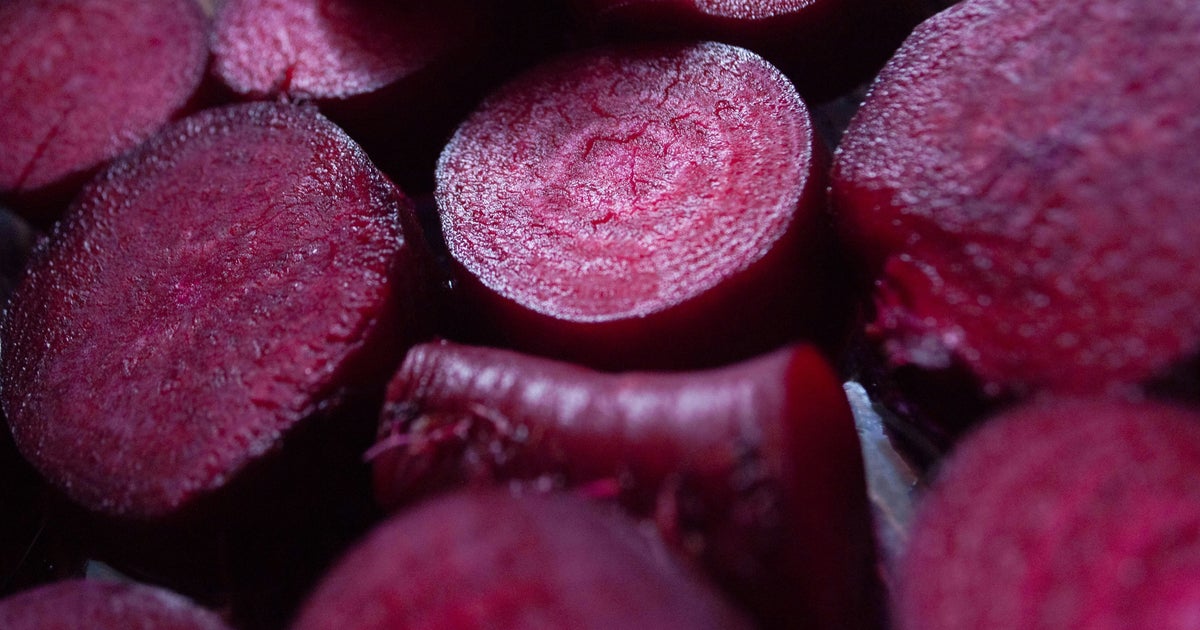
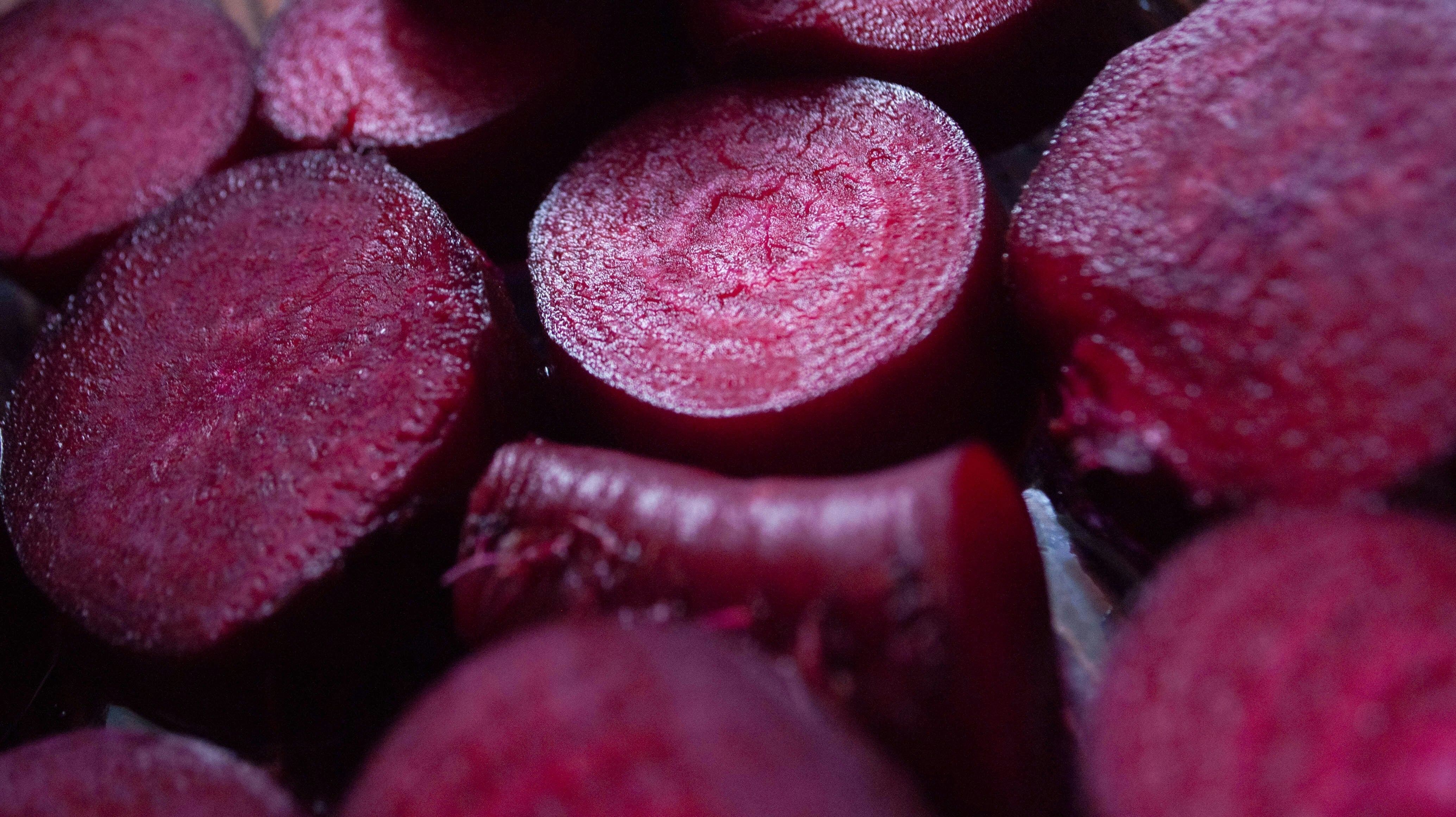
Cardiologist Dr Francesco Lo Monaco, founder of the National Heart Clinic on Harley Street and author of Heart Saviour, has shared a vegetable he deems “underrated” for heart health: beetroot.
It’s “one of those foods that looks simple, but works on your cardiovascular system in remarkable ways,” the expert said.
Here’s how:
Advertisement
1) Beetroot could support your blood vessels
Beetroot is high in nitrates, which our bodies turn into nitric oxide. And nitric oxide is really good at helping our blood vessels to relax and dilate.
“This means better circulation, lower blood pressure, and a healthier endothelium, the inner lining of your vessels,” the expert said.
Some small studies have linked beetroot juice consumption to lower blood pressure, though the BHF has said kale, spinach, celery, bananas, and strawberries are also high in nitrates.
Advertisement
2) Beetroot could help to prevent stiff arteries
“Beetroot helps your arteries stay elastic, something medications alone can’t always achieve,” Dr Lo Monaco explained.
One study, which focused on men over 60, found the result after giving them beetroot juice supplements. Again, though, the study’s lead author said: “it doesn’t need to be beetroot juice, just a good, healthy source of nitrate.
“A big green leafy salad does the same thing. The added benefit of fresh vegetables is that they also have the ability to reduce oxidative stress, another problem that increases with age.”
Advertisement
3) Beetroot could help the heart to recover from stress
“Beetroot can reduce the damage caused when blood flow returns to the heart after being temporarily restricted,” the cardiologist stated.
A 2014 paper found that patients who’d suffered an ischemia-reperfusion injury saw better heart function after consuming beetroot juice.
4) Beetroot could help to protect the hearts of those already at risk
“Hypertension, diabetes, inflammation, high homocysteine – beetroot supports many of the pathways that become dysfunctional in these conditions,” Dr Lo Monaco.
Advertisement
Among those with type 2 diabetes, eating 100g of raw beetroot a day for eight weeks was associated with better metabolic health and improved cognition. And the nitric oxide effect we mentioned earlier may make the food especially beneficial for those with high blood pressure.
So, while it should never be used to replace medication and though a balanced overall diet is still better than consuming one “superfood”, the cardiologist ended: “Beetroot actively supports vascular repair, arterial youth, and heart performance in ways most people never hear about.
“Making small changes such as this is how you improve retention and longevity.”
I know these things aren’t objective, but come on – autumn has to be the best season, right? There are the crunchy ruby leaves, the cosy evenings in and, if you’re a gardener, a welcome glut of well-earned fruit and veg.
Apples, beetroots, carrots, potatoes and plenty more are at their delicious best once the season starts. But if you’re not “bletting”, you might be missing out on some of the UK’s more forgotten ancient fruits (including those that thrive in the quieter winter months).
Advertisement
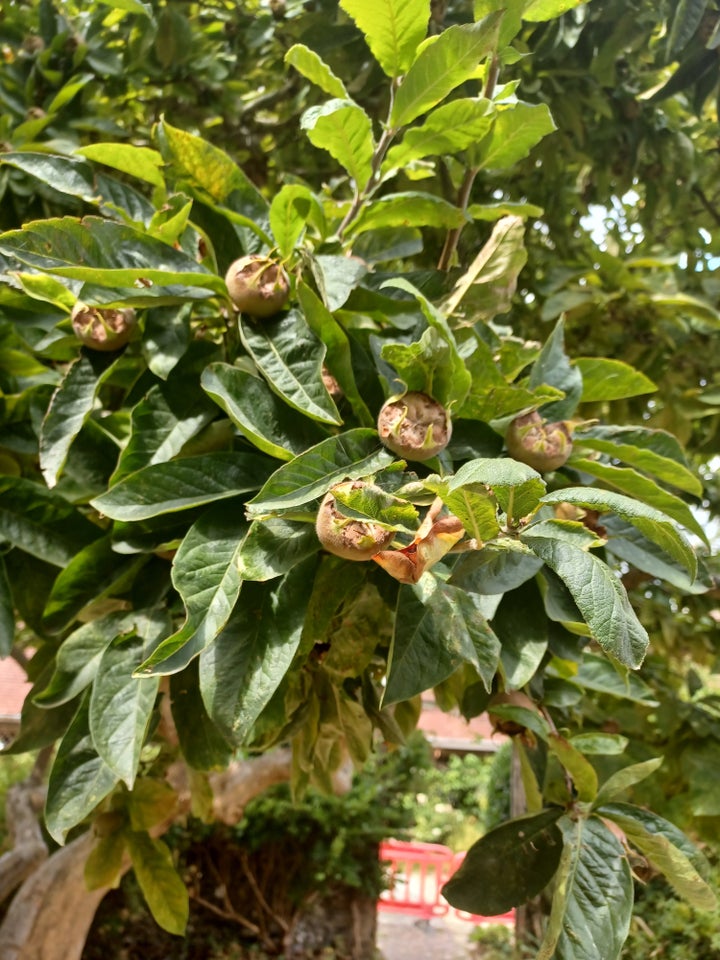
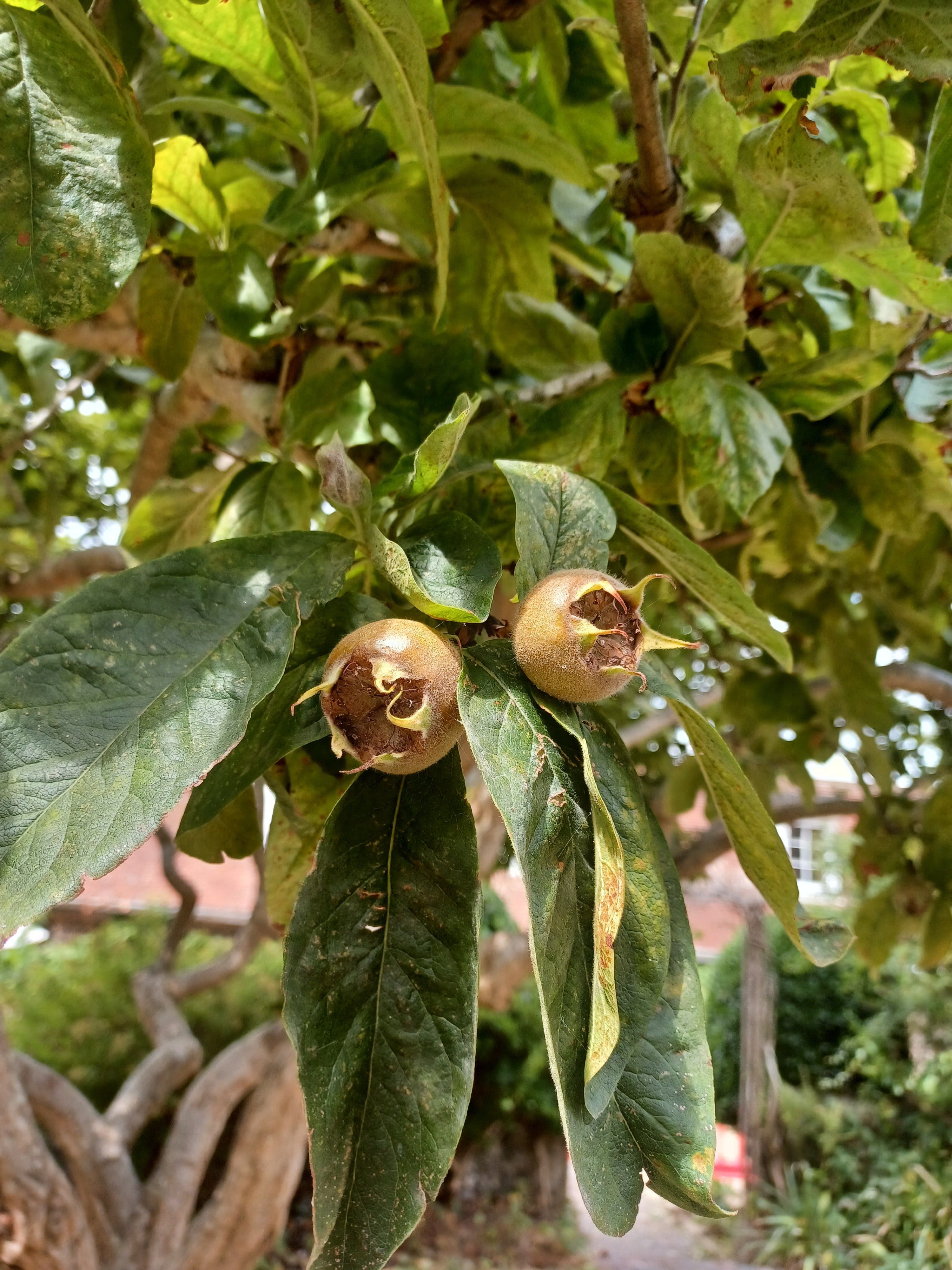
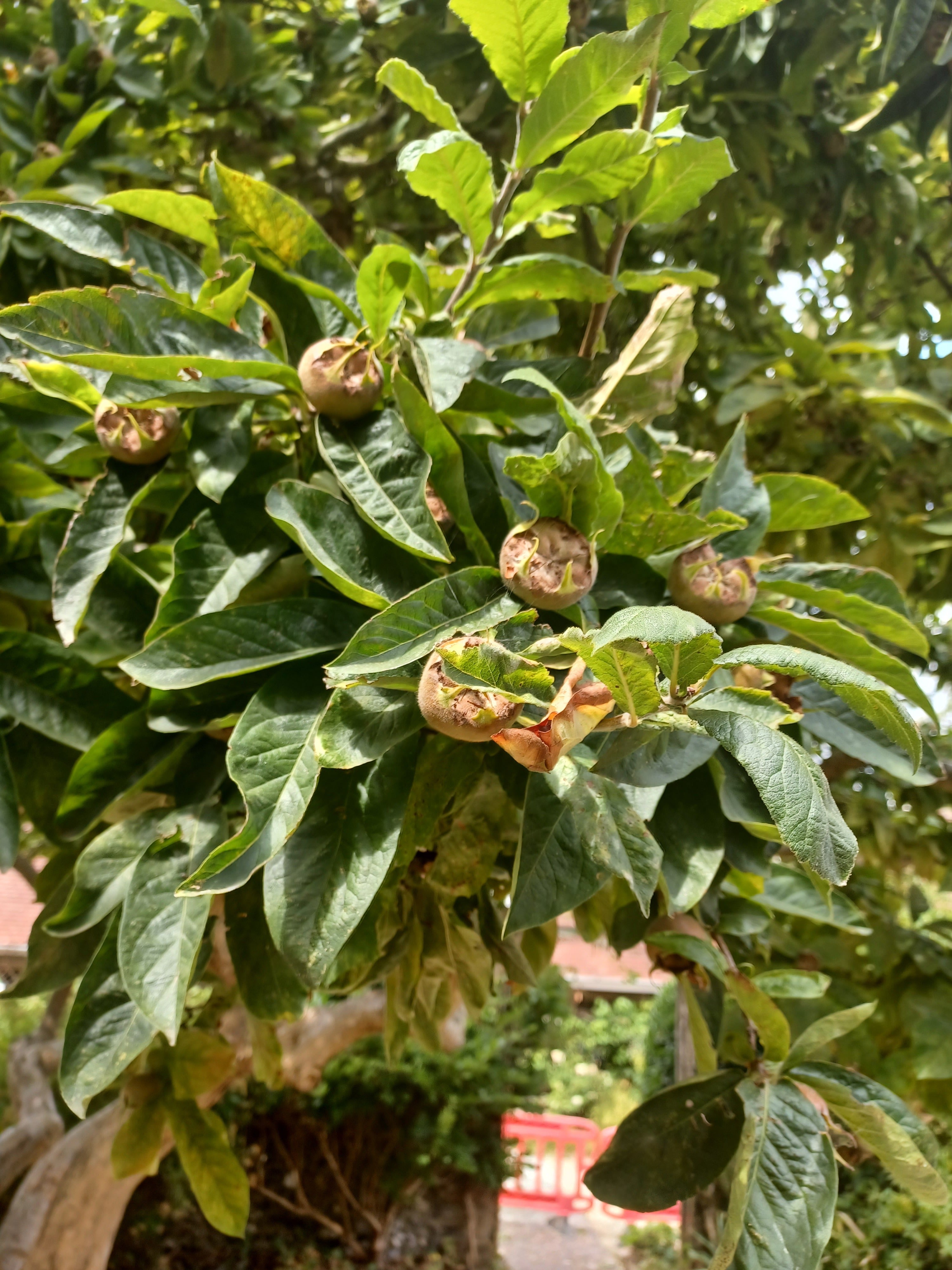
Take medlars, for instance, best harvested in November. Cambridge’s Pembroke College, which boasts its own medlar tree, said the fruit “once held a place in English medieval culinary traditions on account of [its] warmly sweet flavour described as something between spiced apples and dates”.
But they require an extra step to be palatable that can make other less-loved fruits, like rosehips, more delicious too: bletting.
What is bletting?
The term was made up by 18th-century botanist John Lindley in 1848.
Speaking to HuffPost UK, Guy Barter, Chief Horticulturalist at the Royal Horticultural Society (RHS), said bletting “is an extreme form of ripeness on the cusp of decay, some say slightly decayed, so medlar fruit goes soft and slightly fragrant, becoming palatable – acquired taste is the usual term”.
Advertisement
Bletting usually involves leaving picked fruit in appropriate storage for a couple of weeks on paper, hay or wood-lined trays, without touching. These should be well-ventilated and placed in a cool, dark environment like a garage.
Before this process, fruits like medlars and chequers (more on those later) are hard and tart or flavourless.
We don’t need to apply the process to most fruits, however, because the majority “have a longer ripening process where the starch and acids in the fruit turn into sugars and aromatic compounds and are pleasant to eat, becoming rather woolly and insipid when overripe”.
Advertisement
Pembroke College and the RHS, meanwhile, point out that we should wait ’til the after the first frost to eat foods like medlars.
“The first freeze and thaw breaks down the cell walls in the fruits and initiates a process of controlled rotting that turns the medlar flesh into something stickily sweet and delicately perfumed,” the college’s site reads.
Amy Glover / HuffPost UK
Medlars
Advertisement
Which fruit should you blet?
Well, there are medlars, obviously. And chequers, a rarely eaten berry from a native species related to mountain ash (the wild service tree), “is eaten fully ripe and might be considered to be bletted,” Barter added.
The expert also said that while hawthorn berries aren’t especially appetising, “they blet well enough, usually being left on the tree with birds and children eating them”.
And even though most supermarket persimmons are sold ripe, “some need to be bletted to be palatable”.
Additionally, berries like sloes “do lose some of their astringency when older and ideally frosted – this is not usually called bletting and probably related to ice crystal formation – the freezer offers a shortcut. The same goes for certain ornamental or wild pears and apples”.
Advertisement
Even “rosehips are at their best when very ripe,” Barter concluded.
An outbreak of Salmonella in the UK has resulted in hundreds of people getting sick and one person dying.
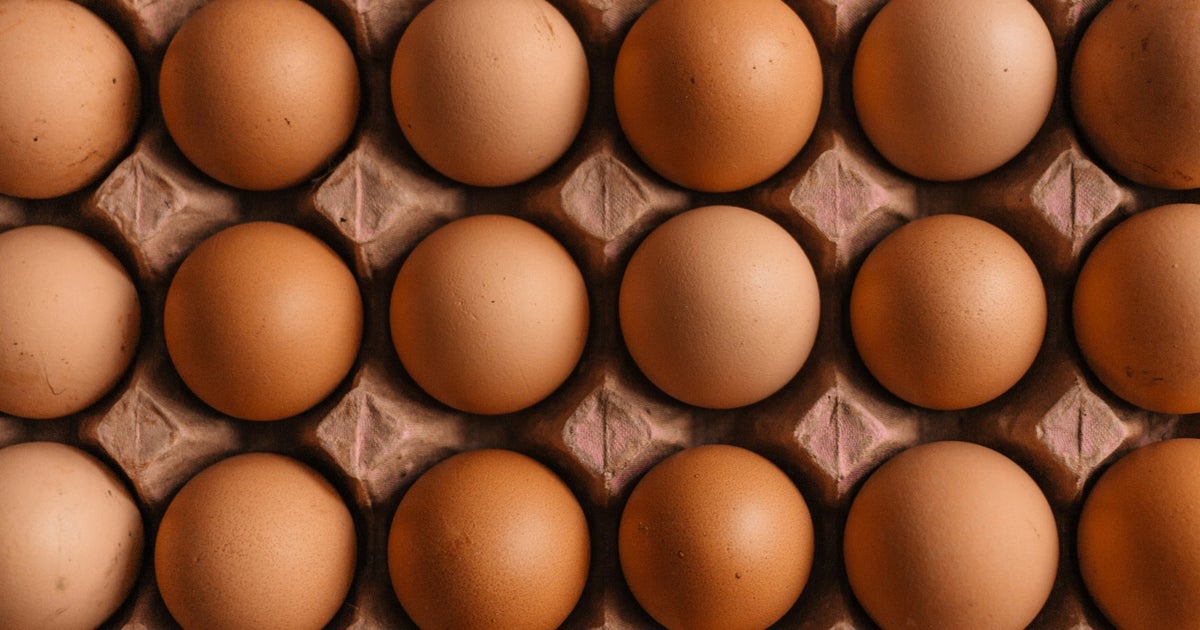
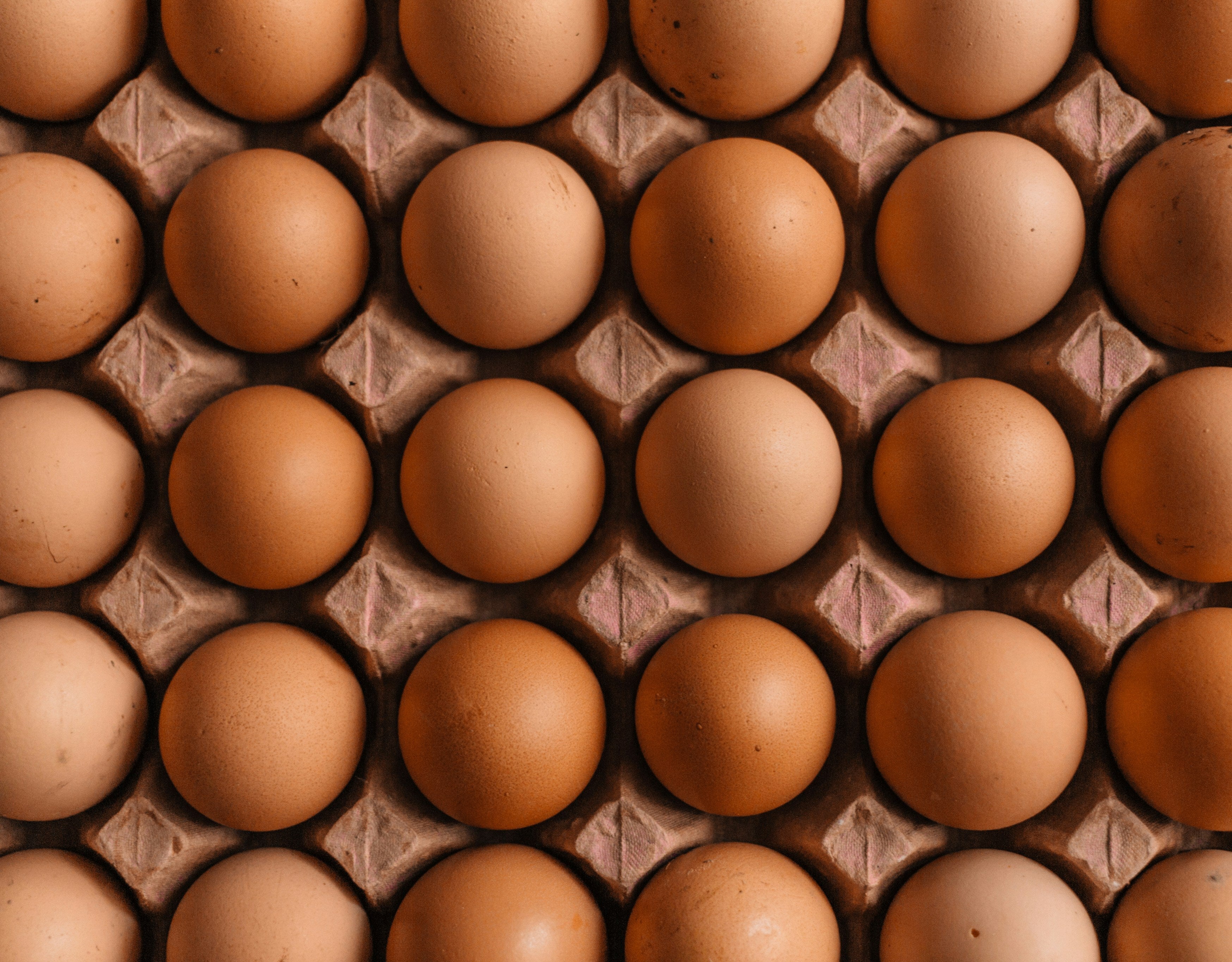
More than a third of those impacted by the outbreak – thought to be linked to eating imported eggs – have ended up needing hospital treatment.
Advertisement
The majority have been able to recover without treatment, but would’ve suffered unpleasant food poisoning symptoms.
Of the cases identified by the UK Health Security Agency (UKHSA), 199 were in England (47 of which were in London and 38 in Yorkshire and Humber), six were identified in Scotland, with one case in Wales and one in Northern Ireland.
The main body of cases occurred between 6 and 29 July 2026.
Dr Damien Tully, Associate Professor at London School of Hygiene & Tropical Medicine, said the number of confirmed cases “is likely to be just the tip of the iceberg”.
Advertisement
He added: “Many Salmonella infections cause relatively short-lived gastrointestinal illness and people may recover without ever being tested.”
What has caused the outbreak?
The UKHSA said the outbreak has been caused by S. Enteritidis, a common type of Salmonella bacteria. It’s spread via contaminated food (like eggs, poultry, meat, etc); contact with the environment, and can also spread from person-to-person.
An investigation is underway to identify the source. Of those who suffered symptoms, 114 were interviewed and completed an outbreak questionnaire. The majority (83%) reported eating food prepared outside of the home in the week prior to symptom onset.
Advertisement
There were five food businesses identified where two or more independent cases reported attending in the week prior to symptom onset. Eleven of these cases reported eating dishes made with eggs which came from multiple sources, including outside of the UK.
UKHSA said there’s no identified link to UK-produced eggs or poultry, at present, and noted a previous outbreak from 2025 was also linked to imported eggs.
Dr Kathleen O’Reilly, Associate Professor at London School of Hygiene and Tropical Medicine, said previous research estimated that less than 10% of Salmonella cases require hospitalisation, “so it seems initially concerning that 38% in this outbreak have been admitted to hospital”.
Advertisement
“As the epidemic progresses, this number might change, especially as Salmonella cases are often underreported,” she added.
What are the symptoms?
Symptoms of salmonella poisoning include:
diarrhoea
stomach cramps
vomiting
fever
These unpleasant effects can occur roughly 12 to 72 hours after becoming infected, and can last up to a week.
The UKHSA said immunocompromised individuals and those in vulnerable groups (such as young children and older adults) can experience more severe illness as a result of it such as blood stream infections, sepsis and even multiorgan failure.
Advertisement
How to protect against food poisoning
It’s important to ensure eggs are fully cooked before eating them.
“Hygiene while preparing food is important, especially washing hands with soap, and chopping boards, after preparation,” Dr O’Reilly said.
The expert also encouraged consumers to look at restaurant food hygiene ratings before eating out.
“If you do get ill with diarrhoea or stomach cramps, take it easy, drink plenty of fluids, and cases will often resolve after a few days,” she said.
“If the illness is in young children, elderly, or other vulnerable groups, it would be sensible to contact your GP or ring 111 to talk with a health specialist.”
Amid our full-blown obsession with protein, fibre hasn’t gotten nearly the recognition it deserves.
“Protein has certainly earned its place in the spotlight, but fibre deserves just as much attention,” registered dietitian Stefani Sassos, nutrition director at the Good Housekeeping Institute, told HuffPost. “Most Americans are likely already meeting their protein needs, while the vast majority fall short on fibre.”
Why is this nutrient so crucial? A fibre-rich diet offers a host of health benefits, like supporting healthy digestion and gut health, stabilising blood sugar levels, helping you feel full and satisfied, reducing LDL cholesterol and improving heart health.
“Not surprisingly, high-fibre diets are consistently linked with a lower risk of cardiometabolic diseases, like obesity, type 2 diabetes, cardiovascular disease, in addition to some cancers and overall mortality,” registered dietitian Tamar Samuels, co-founder of Culina Health, told HuffPost.
Fibre is protective against colorectal cancer for several reasons. One is because it bulks up stools by absorbing water, “allowing waste to pass through the colon more quickly and limiting carcinogen exposure to the colon lining,” registered dietitian Christina Fasulo of UCLA’s Health GI Nutrition Program told the university’s Health Newsroom.
Another, according to the Cancer Research UK website, is that “when fibre meets the bacteria that lives in the bowel, the bacteria make something called butyrate,” which “helps the cells in our bowel to stay healthy, so tumours are less likely to develop.”
In order to meet our dietary fibre goals, it’s important to be aware of which foods are actually high in fibre – because it’s not always the ones you assume. We asked dietitians to share which foods contain less fibre than many people realise.
Advertisement
Not all fibre is created equal
One quick but important note before we dive in: The foods mentioned below can still be beneficial components of a healthy, well-rounded diet. And they may even help contribute to overall fibre intake – just don’t rely on them alone to cover your fibre bases.
“I would never want people to think, ‘Oh it’s pointless [to eat] because it doesn’t have a lot [of fibre]’ because that is NOT true,” registered dietitian Dalina Soto, author of “The Latina Anti-Diet,” explained to HuffPost. “Any fruits or veggies, whether fresh, frozen or canned, are better than no fruits or veggies.”
Below, our nutrition experts identify foods that are relatively low in fibre and which ones can give you a bigger boost.
Advertisement
Kseniya Ovchinnikova via Getty Images
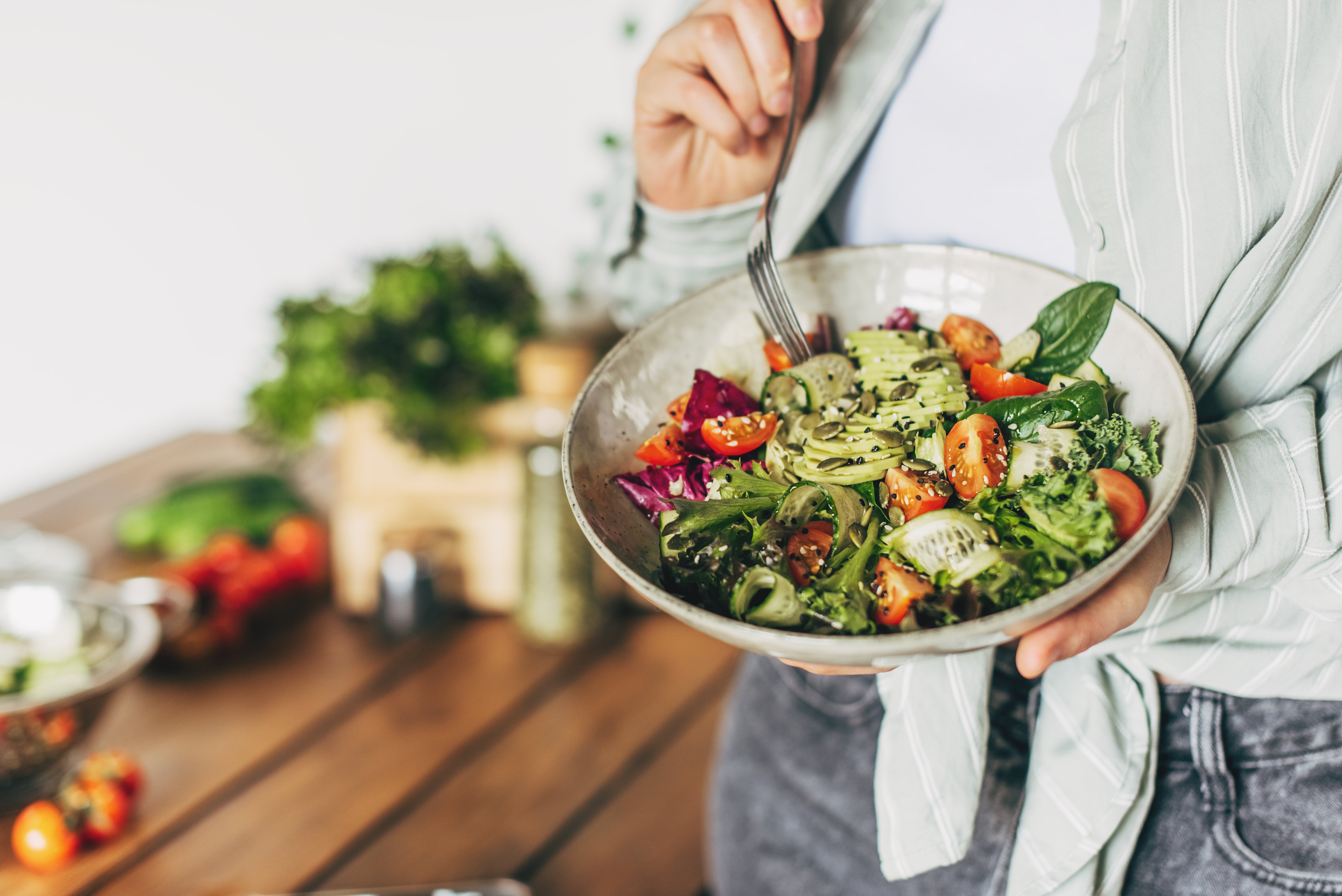
Leafy greens probably don’t contain as much fibre as you thought.
Lettuce And Other Leafy Greens
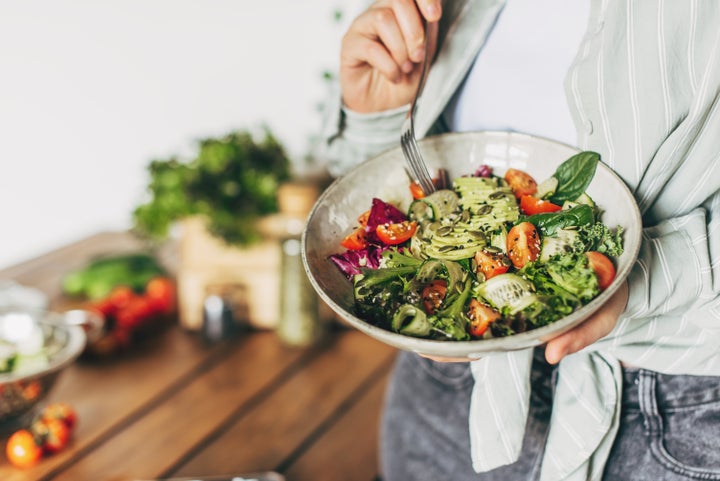
Leafy greens contain important vitamins, minerals and phytonutrients, making them nutritional powerhouses. But they aren’t nearly as rich in fibre as many people (this writer included!) think.
“Because salads are often associated with healthy eating, people sometimes assume lettuce is a major source of fibre. In reality, one cup of shredded romaine lettuce contains only about 1 gram of fibre,” Sassos told HuffPost.
Advertisement
“Lettuce can absolutely contribute to your daily intake, but you’ll get a much bigger fibre boost from ingredients like chickpeas, avocado or other vegetables added to the salad.”
Typically, foods that contain 3 grams of fibre or more per serving are considered a good source, registered dietitian Carly Leanza of Health Loft told HuffPost. “Lettuce like butter lettuce, iceberg or romaine contain less than 1 gram of fibre per serving.”
And while that isn’t a whole lot in a single serving, “it does add up if we have a big salad,” Soto noted.
Advertisement
To boost your fibre intake, consider cooking your greens. As Samuels pointed out, while one cup of raw spinach contains less than 1 gram of fibre, one cup of cooked spinach contains 4 grams of fibre. That’s because it takes several cups of raw spinach to make one cup of cooked spinach. Therefore, you’re getting more fibre for the same serving volume.
Celery
Rich in antioxidants and low in calories, celery is another veggie that seems like it would contain more fibre than it actually does. A medium-sized stalk has about half a gram of fibre, while there’s 1.6 grams in one cup chopped.
“People tend to overestimate both lettuce and celery’s fibre content potentially because they are crunchy and have a crunchy, stringy texture,” Leanza said. “People often think to have a big salad or snack on some celery to increase roughage. But if the focus is fibre, there are many other sources to turn to.”
Advertisement
Watermelon
One cup of watermelon contains less than a gram of fibre – just 0.6 grams per serving.
If you’re peeling your produce, you may be missing out on nutritional benefits, as there is usually a considerable amount of fibre (as well as vitamins, minerals and antioxidants) in the skin or peel, Soto pointed out.
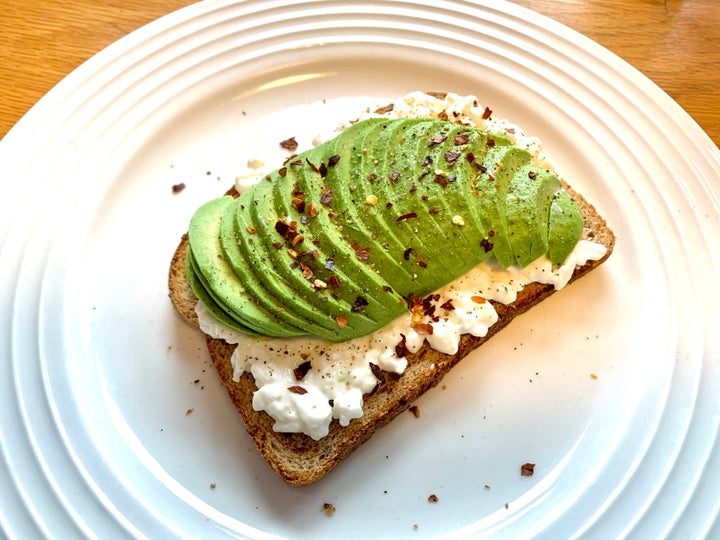
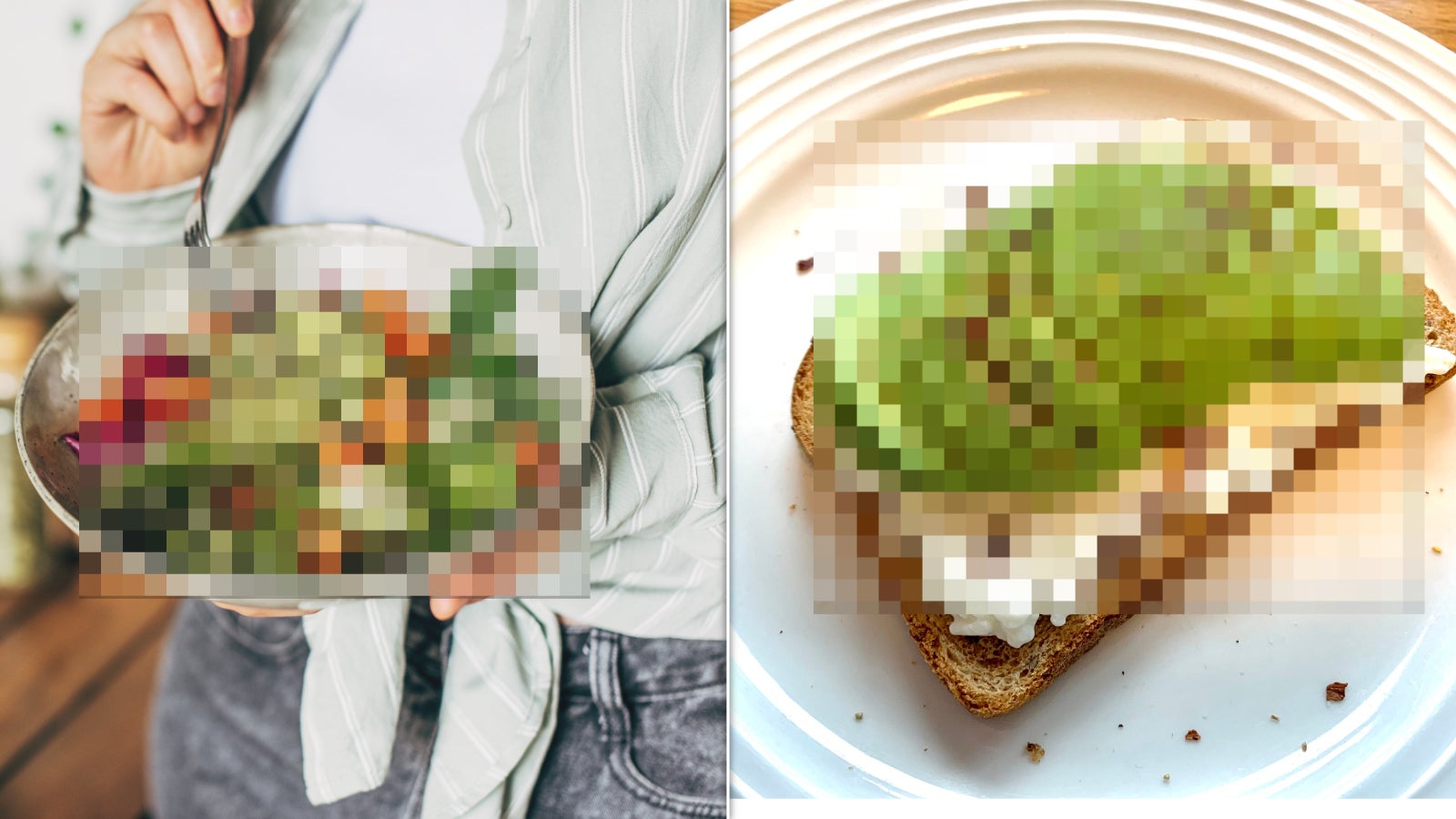
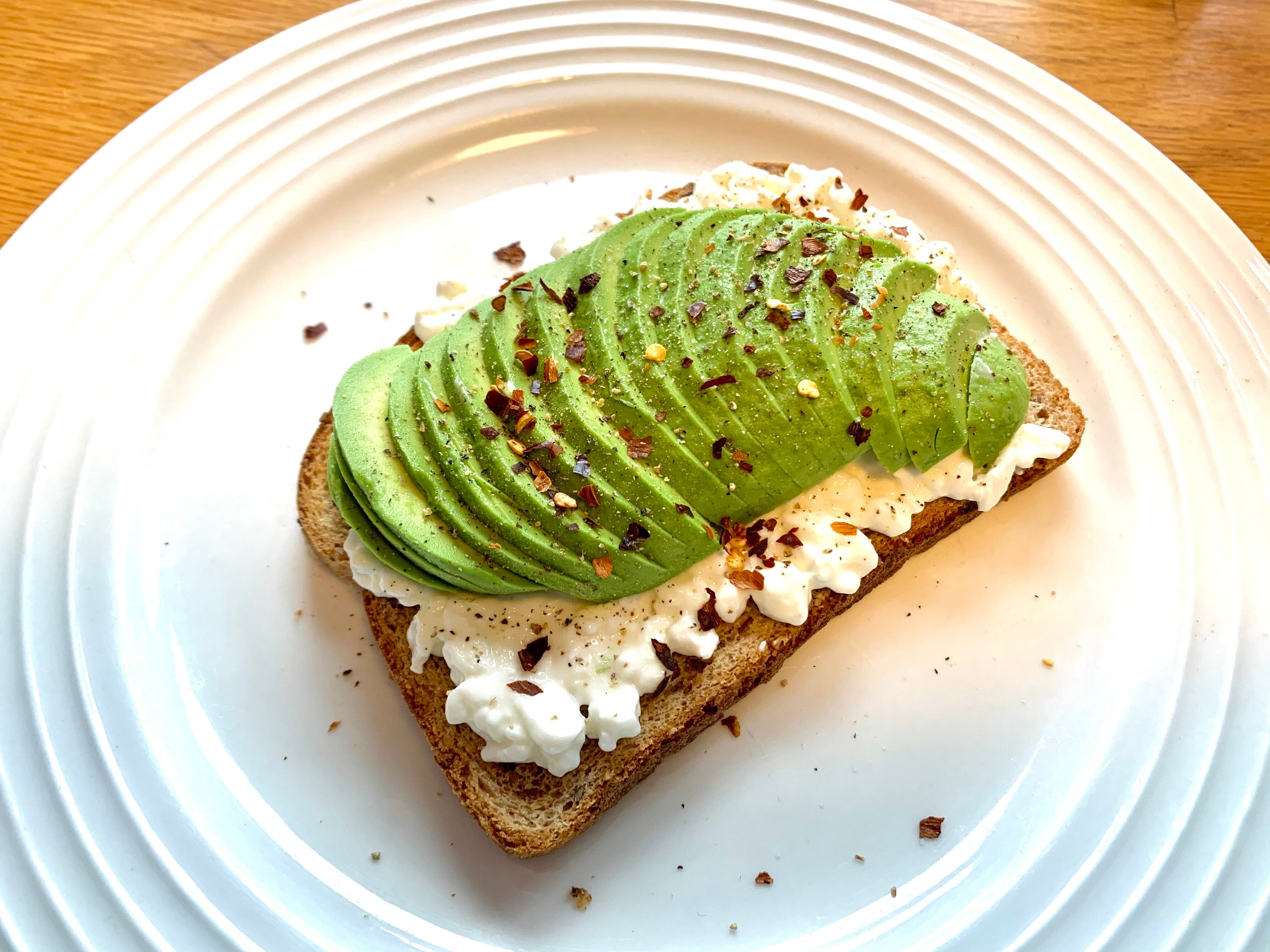
One of these toast toppings is high in fibre, and the other isn’t.
Advertisement
Cottage Cheese And Greek Yogurt
Both cottage cheese and greek yogurt are well-known for their health benefits, including their impressive protein content, calcium and other nutrients. But one thing they’re both missing entirely: fibre. That’s because only plant foods contain fibre – dairy and other animal products do not.
Sassos recommends pairing cottage cheese and greek yogurt with high-fibre foods such as raspberries, chia seeds and nuts to “create a more nutritionally complete snack,” she said.
High-Fibre Foods To Add To Your Diet
If you’re falling short on your fibre goals, consider incorporating more of these plant foods.
Avocados
“While they’re well known for their heart-healthy fats, many people don’t realise that one avocado provides roughly 10 grams of fibre (or even more depending on the size and variety),” Sassos said. “They’re an easy way to add both fibre and satisfying healthy fats to meals and snacks.”
Advertisement
Beans And Lentils
A cup of lentils or black beans, for example, contains a whopping 15 grams of fibre.
Legumes are “easy to add and [you] can create a lot of meals from them,” said Soto.
One cup of cooked split peas, another type of legume, has 16 grams of fibre. More peas, please!
Raspberries
With 8 grams of fibre per cup, Sassos called raspberries a “true fibre superstar.”
Other great sources: Quinoa (5 grams of fibre in one cup cooked), broccoli (5 grams in one cup cooked), pears (6 grams for a medium-sized one) and chia seeds (5 grams in one tablespoon).
Know that not all fibre is created equal, said Sassos. Whole food sources offer benefits that supplement forms do not.
“Fruits, vegetables, legumes, nuts, seeds and whole grains offer much more than fibre alone,” she explained. “They provide vitamins, minerals, antioxidants and other beneficial compounds that work together synergistically. That’s why getting fibre from whole foods whenever possible is ideal, rather than relying solely on powders or supplements.”
Advertisement
Eat a variety of fibre-rich foods to ensure you are getting adequate amounts of both kinds of fibre: soluble and insoluble. Soluble fibre dissolves in water and creates a gel-like substance in the gut that slows down digestion. Insoluble fibre does not dissolve in water and bulks up stools, making them easier to pass.
“Different high-fibre foods provide different types of fibre and beneficial nutrients,” Sassos said. “I encourage people to regularly rotate the fruits, vegetables, legumes, nuts, seeds and whole grains they eat.”
When increasing your fibre intake, do so gradually to prevent unpleasant gastrointestinal symptoms like gas and bloating, Samuels advised. Staying hydrated is important, too.
Advertisement
“Be sure to drink plenty of water to prevent constipation and help fibre do its thing,” she said. “A registered dietitian can help you come up with a sustainable and personalised plan for increasing fibre intake based on your unique needs.”
Unfortunately, this is how my week goes: I buy my groceries on Sunday, enjoy them until Wednesday, and then realise that I’ve bought way too many fresh fruits and veggies that have now turned brown in the bowl.
The worst culprit is bananas. And while I love using the older ones for banana bread, sometimes I wish I could keep them firm and yellow for longer than two poxy days.
Advertisement
But it turns out I could have been enjoying their creamy, unblemished centres for longer – if only I’d wrapped the stalks in tinfoil.
Why does wrapping banana stalks in tinfoil keep them fresher?
It’s down to a gas called ethylene. This is responsible for the enzymatic browning (basically, “going off”) of bananas.
It’s the same substance that causes fruit to ripen, which is why placing unripe fruit in the same bag as a banana can encourage them to mature.
If you’re out of tinfoil, according to fruit company Dole, simply chucking your bananas in the fridge can stall the ripening process.
Advertisement
They say that the anti-browning effects are so strong, you should only place your bananas in the fridge when they’re at a perfect ripeness.
Martha Stewart’s site suggests that “bananas can be stored on a kitchen counter until they are ripe, and then they can be stored in the refrigerator for at least two days more or until the skin becomes black”.
This is because while refrigerating bananas will keep their flesh from ripening, it may also blacken their skin prematurely.
Chronic illness is a concern for many, especially those who struggle with arthritis, fibromyalgia, lupus or gout.
Help can be found from the medical specialty of rheumatology, which works to reduce inflammation, chronic pain and joint or organ damage.
Advertisement
Many rheumatologists take a holistic approach that includes medical and lifestyle solutions, so they have clear ideas about the role diet can play in their patients’ health.
While eating anti-inflammatory foods can help with some symptoms, experts we spoke with noted that there’s no single “magic” food to cure these diseases.
“One thing I really want people to hear is that in 99.9% of cases, nothing you ate or didn’t eat caused your autoimmune disease,” said Dr. Amanda Moyer, who practices adult and paediatric rheumatology at OU Health at the University of Oklahoma. “Likewise, there is no one special food that will cure it.”
Advertisement
“Diet is powerful, but it is not a magic on-off switch for autoimmunity,” Moyer said. “That doesn’t mean food doesn’t matter, because it impacts how you feel day-to-day, how your medications work, your weight, your heart health and long‑term risks of complications. But I don’t want patients carrying unnecessary guilt or being blamed for a disease process they did not create with their lunch.”
Here are some of the top foods these experts frequently recommend to patients.
HakanEliacik / 500px via Getty Images
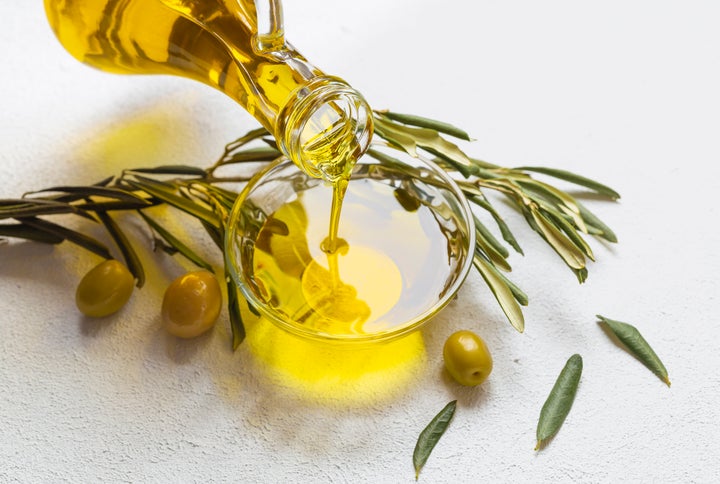
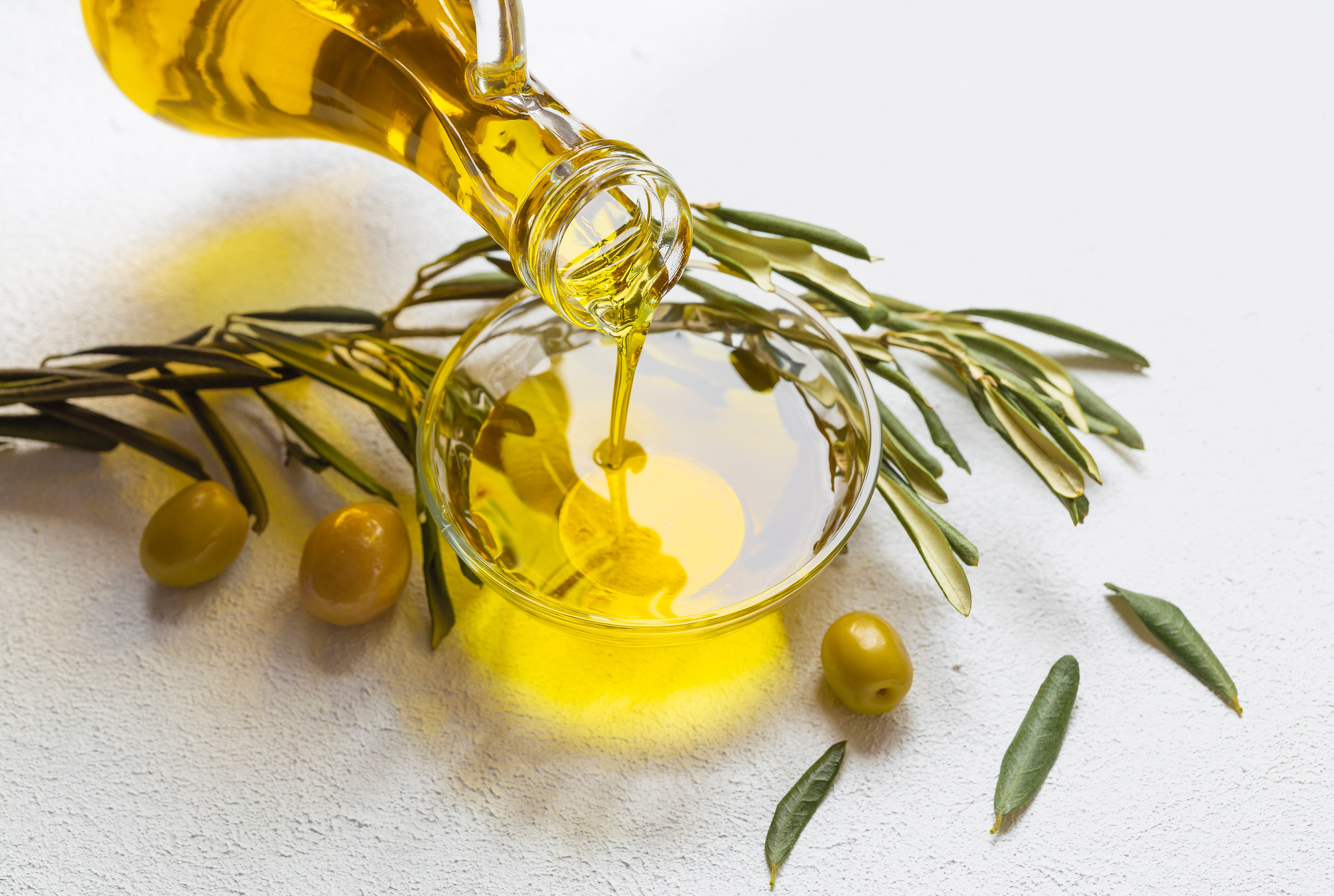
Olive oil contains oleocanthal, a natural compound that can lower inflammatory markers.
Olive oil has anti-inflammatory effects similar to ibuprofen
Dr. Kam Shojania is head of the rheumatology division at Vancouver General Hospital in Canada. He tells his patients to think of extra-virgin olive oil as a practical anti‑inflammatory staple to drizzle on food.
Advertisement
“People are shocked to learn olive oil contains oleocanthal, a natural compound that data has suggested can lower inflammatory markers and protect blood vessels,” he said.
“Oleocanthal has anti-inflammatory effects similar to ibuprofen. There’s also emerging research on its immune effects, including in inflammatory arthritis and lupus.”
Fatty fish has proven results for autoimmune disease
“The omega-3 fatty acids EPA and DHA have the strongest evidence of any single food intervention in rheumatology,” said Dr. Devon Charlton, a fellow in the American College of Rheumatology and director of rheumatology at the University of Pittsburgh Medical Center Regional Orthopedics.
Advertisement
“I recommend eating fatty fish like salmon, mackerel, sardines and anchovies two times per week.”
He cited a randomised, placebo-controlled trial of nearly 26,000 participants that concluded those who consumed 1 gram per day of EPA and DHA showed a 15% to 18% reduction in confirmed and probable autoimmune disease.
“It was an effect that grew stronger with longer duration of supplementation and persisted for two years after participants stopped taking it,” he said.
Fibremaxxing can help fight inflammation
Dr. Micah Yu is quadruple board-certified in rheumatology, internal medicine, integrative medicine and lifestyle medicine. He encourages his patients to increase their fibre intake whenever possible.
Advertisement
“Fibre helps lower inflammation, and can help reduce joint inflammation,” he said. “In addition, those who eat more fibre have been shown to have a lower weight, which can help with disease symptoms.”
Yu encourages his patients to seek out fibre from natural sources like beans, fruits, vegetables and other whole foods, not supplements.
Fermented foods support gut-based immune strength
If you check in Dr. Yoon Qiu’s refrigerator, you’d probably find a bag of cabbage and a few jars of fermented foods. The rheumatologist and assistant professor of medicine at Emory Healthcare is a big fan of cabbage, since this member of the brassica family contains sulforaphane, which is anti-inflammatory. Even better, Qiu said, “It lasts a long time in the fridge”.
Advertisement
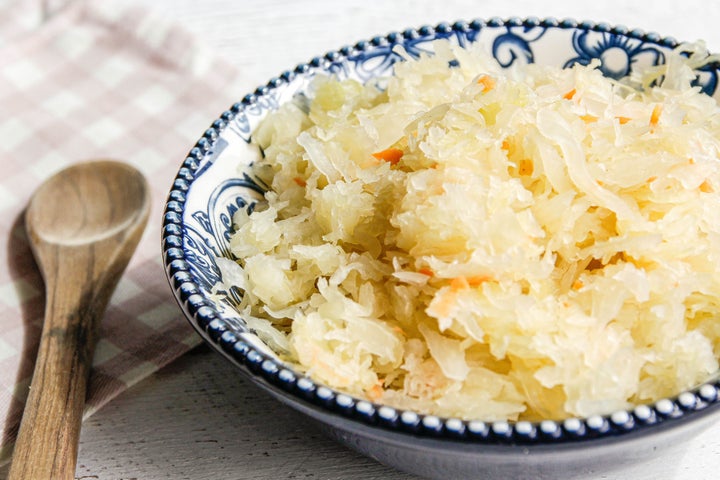
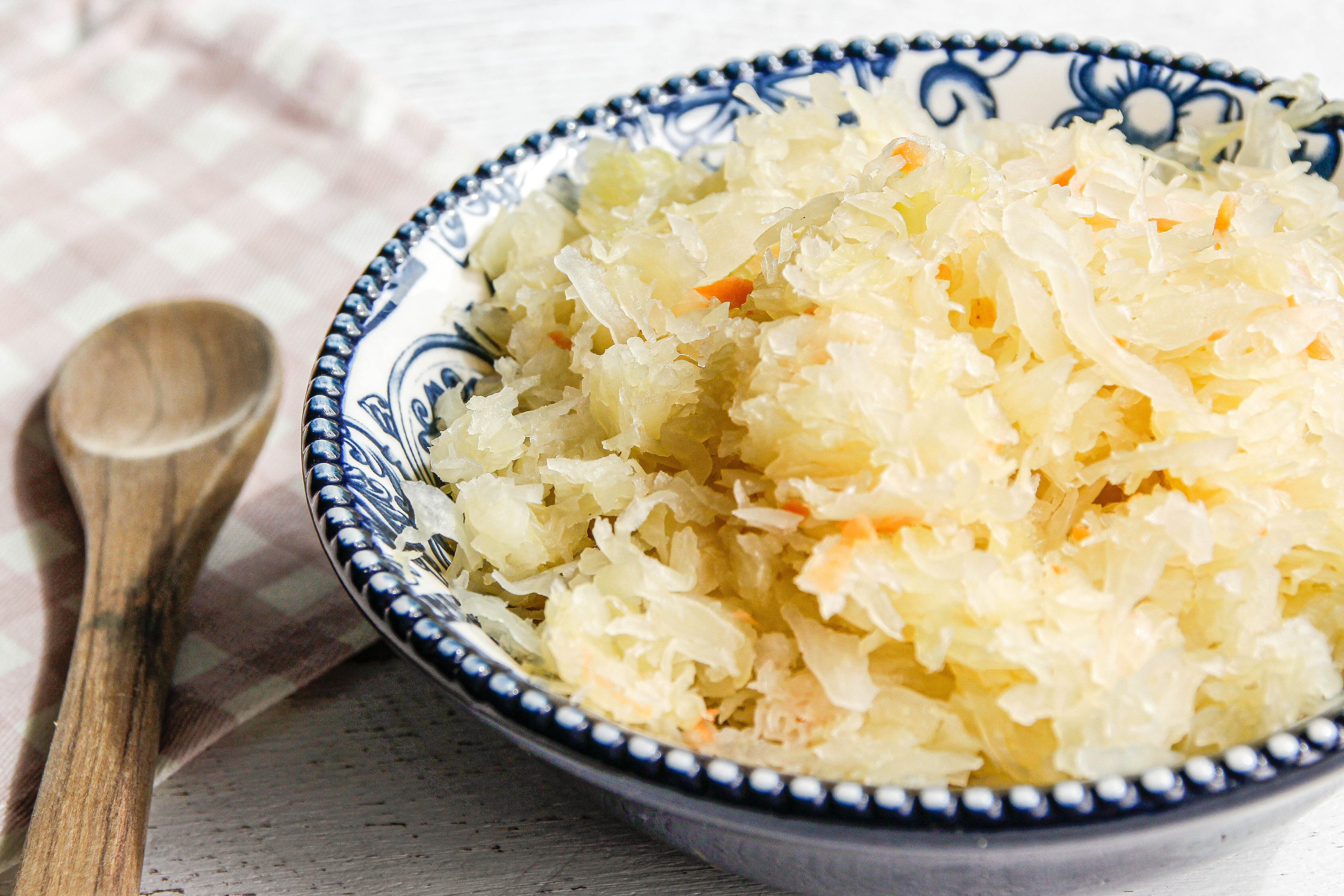
Even longer lasting, and possibly even more beneficial, can be fermented foods like kimchi or sauerkraut, which are both made with cabbage. “I recommend eating fermented foods to support the gut biome,” Qiu said.
Kinga Krzeminska via Getty Images
Cabbage contains sulforaphane, which is anti-inflammatory.
Since as much as 80% of your immune system lives in and around your gut, the gut microbiome is key for regulating immune responses.
Advertisement
Research has shown that a diet high in fermented foods increased microbiome diversity and decreased markers of inflammation, including several directly involved in autoimmune flares. Fermented diets outperformed high-fibre diets for inflammation reduction.
Nuts can calm inflammation
“If I had to pick one thing to put on every rheumatology patient’s grocery list, it would be a big bag of lightly seasoned nuts, like almonds,” Moyer said.
“They’re easy to snack on, provide protein, fibre and healthy fats, and they fit beautifully into the kind of eating pattern that helps calm inflammation,” she said.
Advertisement
“On a practical level, I like sustainable, not punitive, changes. I snack on nuts myself, especially almonds, and I’ll often grab a new flavour when I go to the store, as long as they aren’t sodium bombs.”
What you eat is just one part of your health story
Charlton often reminds his patients that food is an adjunctive, not primary, therapy. “If you’re on methotrexate, warfarin or other medications, discuss any significant dietary additions with your rheumatologist,” he said.
“Patients who stop disease-modifying antirheumatic drugs (DMARDs) or biologic medications in favor of dietary interventions risk irreversible joint damage, organ involvement or even death.”
Advertisement
“No one should be trading methotrexate (a drug that treats severe psoriasis and rheumatoid arthritis) for olive oil shots,” Shojania agreed.
“The sweet spot is evidence‑based medication plus a Mediterranean‑leaning eating pattern, ideally designed with a registered dietitian so it fits your culture, budget and real life.”
Finally, Moyer said it’s important to keep the big picture in mind: “My parting advice is to relax, focus on whole foods, mostly plants, with lean proteins and healthy fats, and to be cautious about expensive supplements. And when you do have that scoop of ice cream or piece of birthday cake, enjoy it. Then go back to your overall pattern, which is what really counts.”
I’m a sucker for chocolate, cake and biscuits. Lord help me if there’s a brownie in my eye-line.
Despite knowing full well such sugary treats aren’t great for my health (a diet high in sugar has been linked to everything from dementia and tooth decay to cancer), my brain still caves whenever one finds its way in front of me. Or even if they’re sat in a cupboard nearby…
If, like me, you give in to cravings at the drop of a hat, a dietitian has shared a relatively simple mindset trick that might just help you finally combat them.
Advertisement
Why do we get cravings?
Food cravings happen for several reasons, one of which is our brain chemistry, according to The Temple Clinic.
When we eat something tasty, our brains release the feel-good hormone dopamine. Your brain then wants to repeat this feeling, making it all too easy to reach for the sugar in future.
Your body might also crave sugary foods or carbs when your blood sugar levels drop – although often, reaching for a biscuit can simply result in a blood sugar crash not long after.
Advertisement
Hormones can also play a part in our cravings, added the clinic. Cortisol, our stress hormone, can encourage us to reach for dopamine-boosting foods.
Speaking to Today.com, registered dietitian Joy Bauer noted we’ve got “two systems running” at the same time – one signals our biological need for food, while the other is fuelled by our “hedonic system” (which centres around pleasure and reward).
“In a world where tempting food is everywhere (ahem!) on every corner, in every feed – that reward system can get loud. Loud enough to drown out the signals telling you you’ve already had enough,” she explained.
Advertisement
If your brain easily takes you to temptation central, Bauer wants you to try one simple reset.
The mindset trick that can help beat cravings
The expert recommends for snackers to “pause before you pounce”, giving yourself five or 10 minutes before you grab something to eat “because cravings tend to rise like a wave and then soften on their own”.
During those empty minutes, she advises naming the feeling behind the craving – are you tired, stressed or maybe even bored? – as determining “the real driver takes a surprising amount of the power out of it”.
“Some people notice waves of desire; the way urges can build and then diminish has been compared to a wave in the ocean and this is where the name urge surfing comes from,” they explain.
Five other ways to fight cravings
If that doesn’t work for you, here are some other techniques to try:
Have a drink of water – Healthline noted that sometimes thirst can be confused with hunger or cravings.
While you’re ‘urge surfing’, find alternative activities to pass the time until the craving or urge has passed – this could be going for a walk, messaging a friend, completing a task at work, doing something you enjoy (ie. knitting or colouring).
Increase your fibre intake. There’s been a bit of an obsession with fibremaxxing in recent times – and it seems the trend could help curb sugar cravings. Miranda Pascucci, Head of Clinical Education and dental therapist at TePe, previously shared that “when meals are more filling and fibre-rich, people are often less likely to graze on sugary snacks throughout the day”.
Chew gum – there’s some research to suggest chewing gum can help combat cravings for high energy snacks.
Get plenty of sleep – sleep deprivation can disrupt your hormones which can, in turn, result in cravings.
You can also keep your mind sharp by exercising, challenging your brain, sleeping, eating nutritious foods, getting social, limiting stress and not smoking.
Advertisement
Let’s focus on that nutrition piece: to create a simple, easy habit, what’s the main food dementia specialists want you to add to your plate?
There are a few options, actually. Ahead, various types of those experts – from internists to professors to psychologists to neuroscientists – share their answers and explanations.
Leafy green vegetables
Spinach, kale, arugula, romaine, collards: they’re different foods, but they all fall into the same category of leafy green vegetables that protect brain health. While that probably isn’t surprising, let’s hear the expert-backed insight into why they’re a smart option.
Advertisement
T&I studio via Getty Images
Aim for at least one serving of dark leafy greens daily. “Going beyond that doesn’t seem to add much,” Dr. Jordan Weiss noted.
“They are packed with nutrients the brain seems to benefit from, including folate, vitamin E, vitamin K, lutein and anti-inflammatory plant compounds,” said Dr. Dung Trinh, an internist of MemorialCare Medical Group and the chief medical officer of Healthy Brain Clinic in Irvine, California. “We also know that what is good for the heart and blood vessels is often good for the brain, and leafy greens support both.”
Jordan Weiss, an assistant professor at NYU Grossman School of Medicine and a scientific writer at Assisted Living Magazine, agreed. “My answer is boring, and I‘ll stand by it anyway: leafy greens,” he said. “Greens carry folate, vitamin K1, lutein and nitrate. Each is doing something useful in an aging brain.”
Advertisement
He pointed to data from the Rush Memory and Aging Project, in which researchers followed 960 older adults for five years.
“People eating roughly a serving a day of greens looked cognitively 11 years younger than people who rarely touched them,” he reported. “That effect size is wild for a single food, and it survived adjustment for overall diet, exercise and education.”
Your next potential question, especially if leafy greens aren’t your favourite: how many do you need to eat? Trinh and Weiss recommend aiming for at least one serving daily. What that can look like varies from a salad to a half-cup of cooked greens to a generous handful in a smoothie, omelet or soup.
Advertisement
“Going beyond that doesn’t seem to add much,” Weiss noted.
Plus, remember to focus on doing what you can. Something is better than nothing. “The key is consistency, not perfection,” Trinh said. “You do not need an expensive supplement or a complicated cleanse – you need habits you can sustain for years.”
Fatty fish
Yep, “fat” is not inherently unhealthy or a “bad” word, and this proves it.
“If I had to choose a single food to recommend for the prevention of dementia and cognitive protection, it would be fatty fish, specifically salmon, mackerel or sardines,” said Eleni Nicolaou, who has a Ph.D. in clinical psychology, specialised training in neurocognitive conditions, clinical practice supporting patients and families dealing with dementia and research on the effects of biological and lifestyle determinants.
“I don’t recommend it because it is a superfood in the marketing sense, but because the evidence behind it is more consistent and specific than anything in the nutrition and brain health literature.”
Advertisement
She explained that the brain is about 60% fat, mostly composed of an omega-3 called DHA. The brain uses DHA to build and repair neurons, which transmit information. With lower DHA levels, communication in the brain slows down, and the brain is more susceptible to the inflammation that causes conditions such as Alzheimer’s.
All of that is to say, some of the highest levels of DHA are in fatty fish.
Nicolaou pointed to studies affirming this. For starters, research published in Neurology found that the higher the levels of omega-3 in the blood, the better the brain structure and cognitive performance. Additionally, a study in the American Journal of Clinical Nutrition found that long-term omega-3 supplementation was linked to a 64% lower risk of Alzheimer’s in participants followed for six years.
She incorporates this into her practice, of course, too.
“In my clinical work with families dealing with dementia, getting consistent omega-3 intake into a patient’s weekly diet was one of the first dietary conversations I‘d have because the evidence for it is very solid,” Nicolaou said.
Advertisement
She recommended two to three servings a week, with one serving equaling around 100 to 150 grams.
Anne DEL SOCORRO via Getty Images
Research shows that blueberries can protect brain cells from damage.
Blueberries
Fruit lovers, it’s your time to shine.
“I understand that blueberries are the single food most consistently linked with better brain aging because their high levels of anthocyanins and other antioxidants help reduce inflammation and oxidative stress, two major drivers of cognitive decline,” said Christopher U. Missling, a neuroscientist who specializes in Alzheimer’s disease and is experienced in mechanisms linking diet, metabolism and brain health.
Research shows that blueberries can protect brain cells from damage, he continued, as well as improve communication between neurons and slow age-related memory loss by counteracting free-radical injury and supporting healthier blood vessels that support the brain.
Advertisement
How much and how often should blueberries be on your plate? According to Missling, most studies suggest around a half-cup to one cup of blueberries a day, but some observational research has shown benefits with just one serving a week.
Dementia prevention isn’t just about food
While nutrition is undeniably helpful, it’s not everything. Health is all-encompassing, including social health, emotional health, environmental health and more. Experts will tell you this, too.
“Food matters, but it works best as a part of a broader brain-health strategy,” Trinh said. “I tell patients to think in terms of ‘protect the brain by protecting the body’ – control blood pressure, stay physically active, prioritise sleep, treat hearing loss, stay socially engaged and eat in a way that lowers inflammation and supports vascular health.”
Advertisement
Missling agreed that nutrition is more complex than adding just one food. While blueberries are his No. 1 suggestion, he encouraged people to incorporate other brain-healthy foods, too.
“No single food – blueberries included – can prevent dementia on its own, but regularly eating them as part of an overall pattern rich in colourful fruits, leafy greens, nuts, whole grains and omega-3-rich fish seems to offer the strongest cognitive protection,” he said.
“Consistency matters more than perfection, and pairing these foods with sleep, movement and social engagement creates a much more powerful long-term effect on brain resilience.”
Many of us grew up hearing how important it is to eat five portions of fruits and/or vegetables a day.
But if you’re looking to boost your heart health in particular, you might want to pay attention to which fruits and veggies make the cut.
Advertisement
New research, published in Food And Function, found even those people who reach their recommended daily fruit and vegetable consumption might be running low in an important nutrient called flavanols.
What are flavanols?
These are chemical compounds, also known as flavan-3-ols or catechins, which are found in various plants and appear to act as antioxidants, which are linked to better heart and brain health.
They appear in cocoa, grapes, plums, and some teas, as well as other fruits and vegetables.
This is why the Food And Function study sought to examine our current fruit and vegetable consumption guidelines.
Advertisement
Even though people might assume you’d get enough flavanols from eating your recommended fruit and veg amount, the researchers wanted to see whether that was really true.
After looking at data and urine samples from over 30,000 participants, this paper found that only 25% of those who stuck to recommended dietary guidelines were actually hitting that flavanol goal.
Overall, fewer than one in five participants met the target in this study.
“These results show that adherence to current dietary guidelines is not sufficient to address flavanol intake in amounts shown to significantly reduce the risk of cardiovascular death in the COSMOS trial,” the paper reads.
Advertisement
The Cocoa Supplement and Multivitamin Outcomes Study (COSMOS) trial was a randomised controlled trial that sought to find out how cocoa extract and/or a daily multivitamin might affect our heart health. This is where researchers pulled the 500mg a day flavanol recommendation from.
Which fruits and vegetables might be most important for heart health?
Part of the problem, the researchers said, is that not all fruits and vegetables carry as many flavanols as others. That means some are more effective at helping you reach your heart health goals.
Advertisement
According to the researchers’ investigations, the fruits and legumes (and tea) highest in flavanols were:
Plums (500g) – 450mg flavanols, or almost your daily recommendation,
Cranberries (250g) – 300mg flavanols,
Blackberries (200g) – 250mg flavanols,
Green tea (250ml) – 200mg flavanols,
Broad beans (80g) – 140mg flavanols,
Cherries (400g) – 130mg flavanols,
Apple (one medium, skin on) – 110mg flavanols,
Strawberries (200g) – 90mg flavanols,
Blueberries (150g punnet) – 80mg flavanols,
Pinto beans (two tablespoons) – 70mg flavanols.
Aiming for five-a-day is still positive
The British Nutrition Foundation said that the best approach to a healthy diet is balance, with plenty of fibre, enough protein, and five portions of fruit and vegetables a day.
Advertisement
This study noted that even though not all of the members who ate their five-a-day met their flavanol guidelines, they were still more likely to have more of the beneficial compound than those who ate fewer fresh produce.
And some research has found that getting your five-a-day still has longevity benefits, including a reduced risk of death from cancer, respiratory diseases, and heart disease.