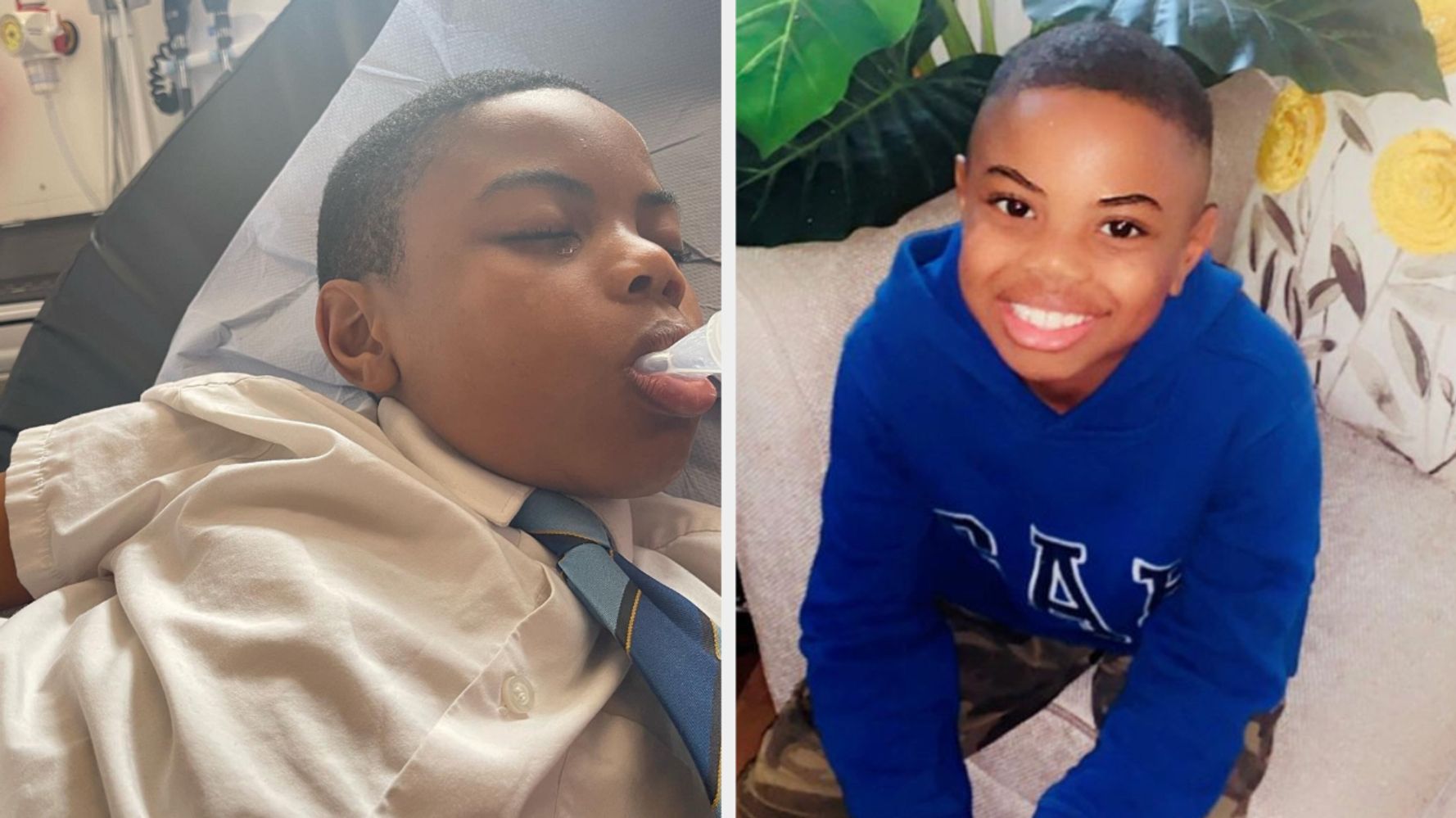
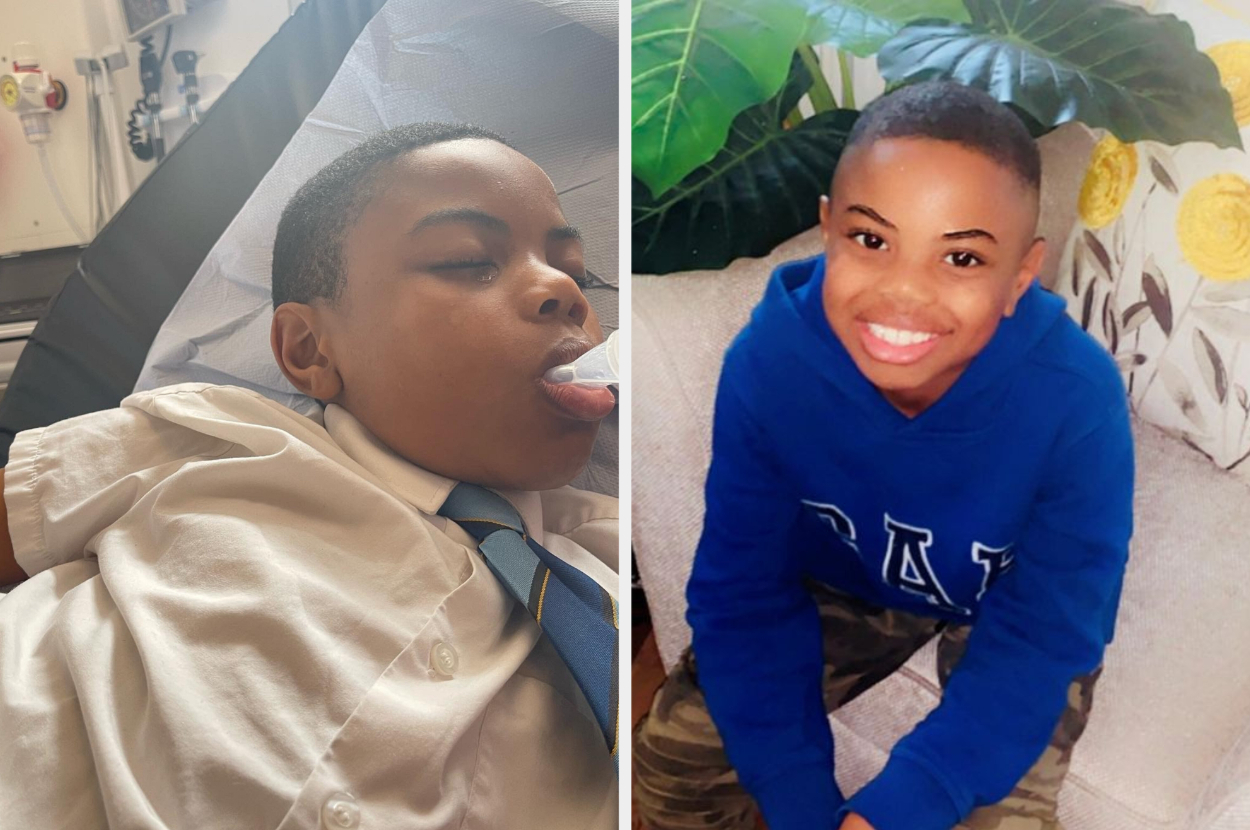
Raheem Bailey is a name you would have seen all over your social feeds over the weekend. Devastatingly, the 11-year-old had a finger amputated after he suffered an injury trying to flee bullies at school.
The young Black student was attacked, beaten and pushed to the ground in his school in Abertillery, Wales, based on racist bullying, said his mother Shantal.
Advertisement
Doctors worked six hours to save Raheem’s fingers but ultimately could not save it.
Since she shared the news, the story has gained worldwide attention, with the likes of Anthony Joshua, Jadon Sancho and US basketball player Gerald Green speaking out.
Advertisement
The mum also started a GoFundMe page with the intention of raising £10k for Raheem’s medical costs, including a prosthetic finger. But since the story broke out, donations have poured in, far exceeding the family’s expectations.
Currently, the donations stand at £101,847.
Advertisement
Shantal Bailey wrote on the donations page: “Raheem has faced racial and physical abuse, as well as more generic bullying about his height and other things, since he started secondary school in September 2021.”
Though she had been aware of some comments, she was not aware of the extent of her son’s bullying, she said.
“Raheem was attacked by a group of children and beaten (mainly kicked) after being pushed to the ground. Consequently, Raheem made a desperate attempt to leave the school grounds in order to escape the situation.
“Whilst climbing the fence, his finger got caught and attached to it, causing the skin to strip and the finger to break in half it.”
Advertisement
The mother said she had contacted the school about the incident and was assured it would be dealt with.
The school, Abertillery Learning Community, announced yesterday that it would be closed today as it work with police to investigate the issue.
In a statement issued on Sunday, Blaenau Gwent County Borough Council said that all campuses would be closed on Monday, saying: “Abertillery Learning Community is working with Gwent Police in relation to an ongoing investigation into an alleged assault on the secondary campus.
“All campuses at Abertillery Learning Community will be closed tomorrow on health and safety grounds.
“Learners will access blended learning for Monday, 23rd May. The safety and well-being of learners and staff remains of paramount importance to the Learning Community and the Local Authority at all times.”
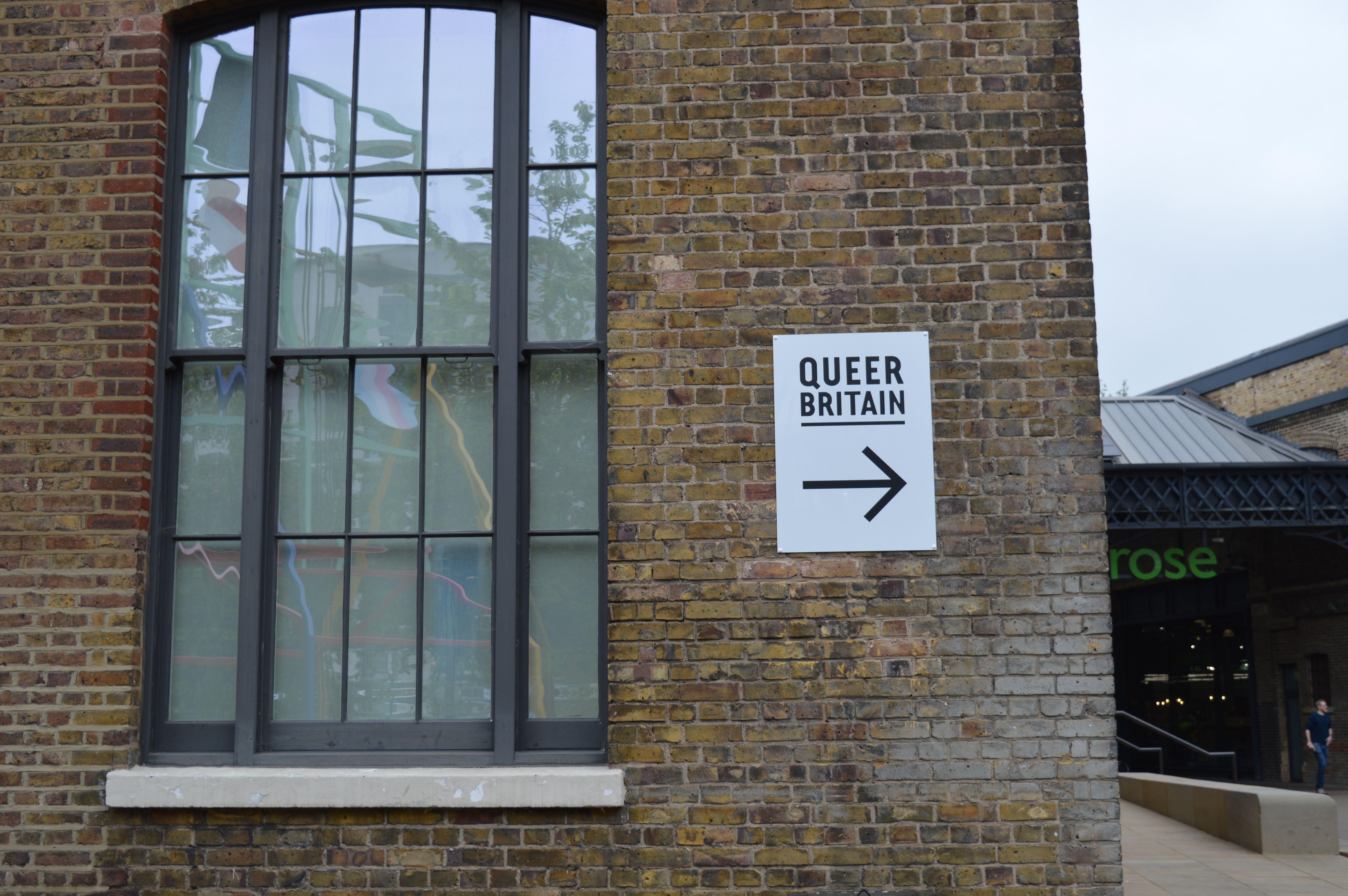
A few students from nearby Central Saint Martins chat on the steps of the Queer Britain Museum, which is tucked away on one side of Granary Square in King’s Cross, London, on the ground floor of a large 19th century building.
After years in the making, this is the UK’s first permanent, national LGBTQ+ museum – and it’s much needed. As the founders point out, queer people have impacted every part of culture, yet all too often their lives have been written in the margins of history books. This is a space for queer history to be “preserved, explored and celebrated”.
Advertisement
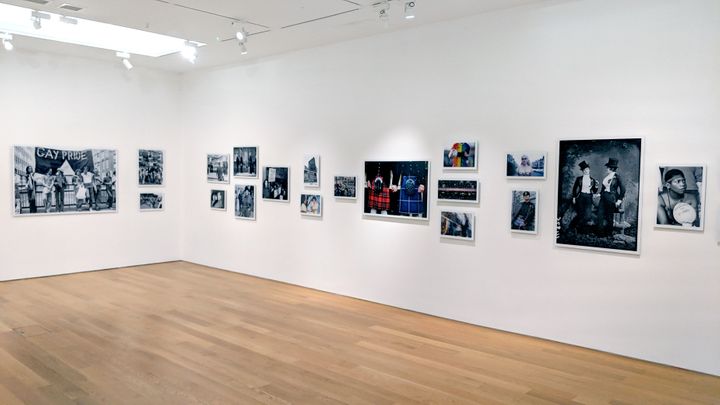
The museum itself is all on one floor, spread across three rooms, and opens with ‘Welcome to Queer Britain’ – a display showcasing artwork from the LGBTQ+ community alongside historical photographs.
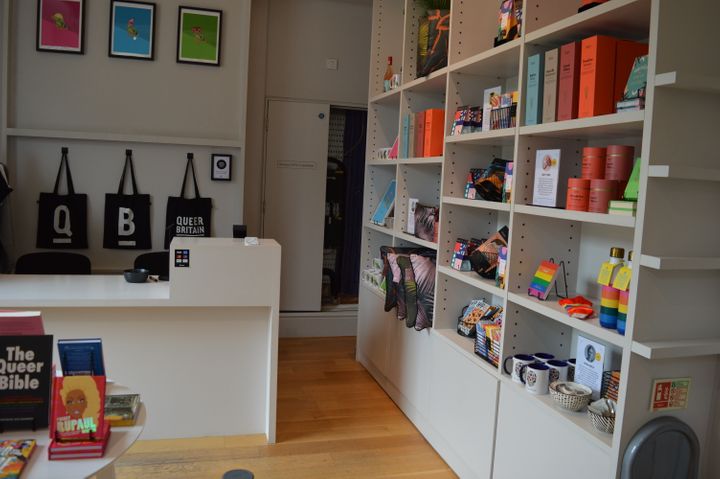
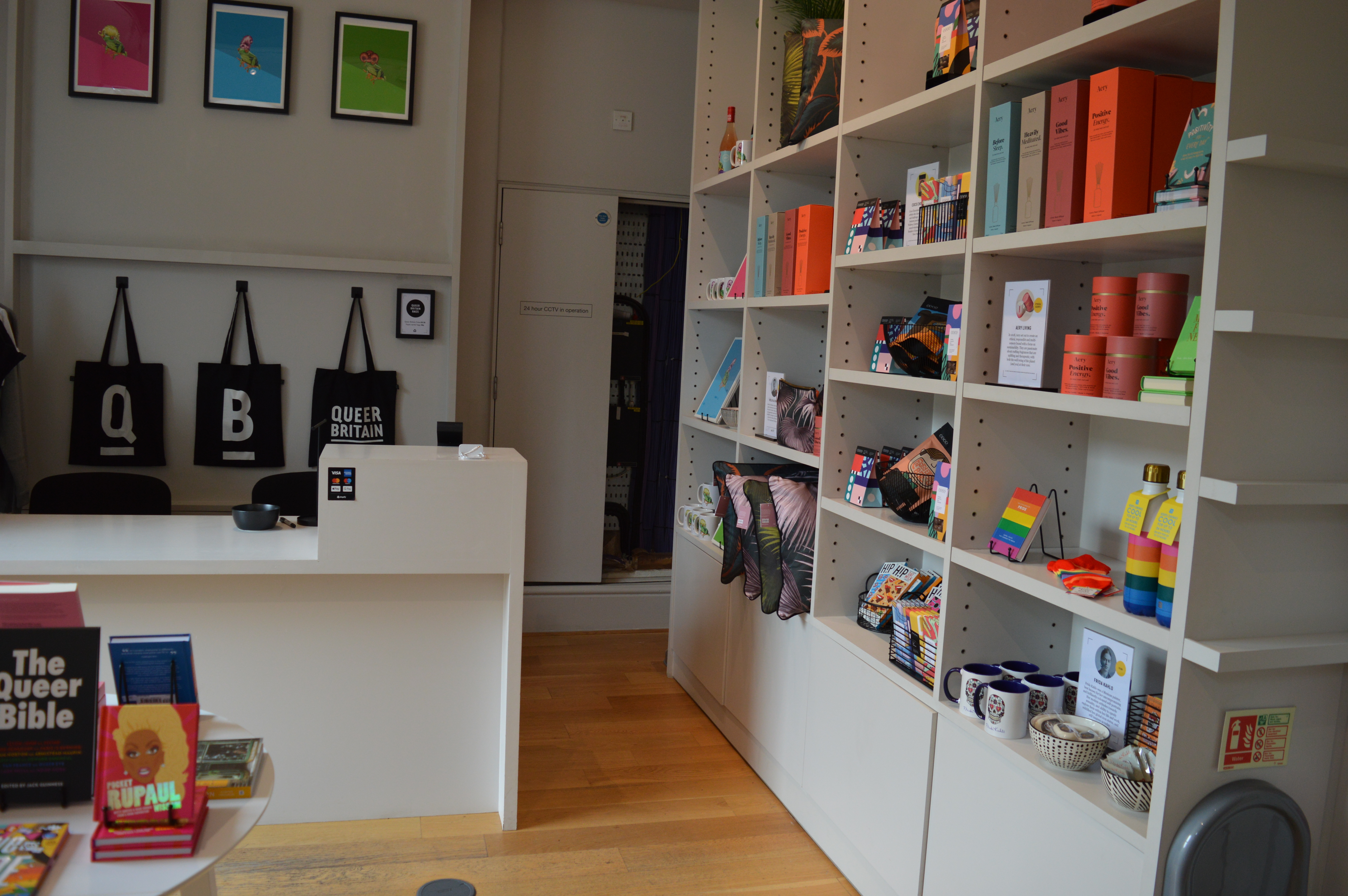
Once inside the step-free threshold, the gift shop to the left is most immediately obvious. Laden with colourful memorabilia, it’s got the usual staples: high-end chocolate, greetings cards and candles. But it’s clear that this is an LGBTQ+ space: a table of books curated by the Gay’s the Word bookshop sits in the centre, and there are plenty of rainbows – on badges, bottles and fridge magnets – plus Queer Britain’s own branded merchandise.
Advertisement
Ella Braidwood
The museum comes after the successes of multiple temporary exhibitions in this area. Earlier this year, the Barbican held its Out and About! installation, exploring LGBTQ+ history in London, while last year, Museums & Galleries Edinburgh launched an online exhibition celebrating young Scottish LGBTQ+ people. Queer Britain will also not be the last: in June, another long-term LGBTQ+ cultural space in London will open, Queercircle in Greenwich.
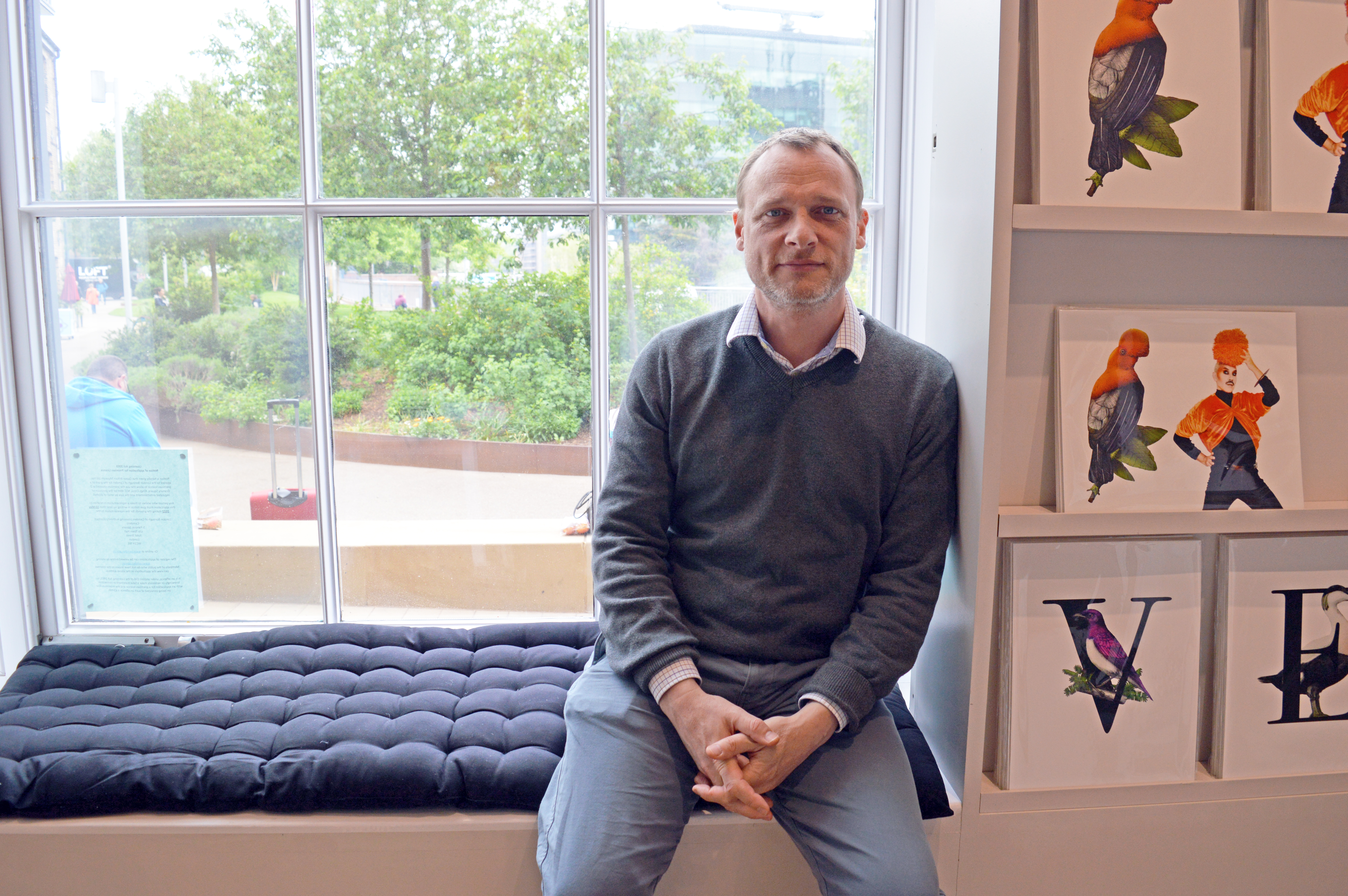
In fact, Queer’s Britain’s co-founder and director Joseph Galliano explains that it was while at another LGBTQ+ exhibition, the Tate Britain’s Queer British Art, that his vision for a permanent museum really solidified. (Though, he had first had the idea as far back as 2007, when he was editor of Gay Times.) Held in 2017, the exhibit marked the 50th anniversary of the partial decriminalisation of male homosexuality.
Advertisement
“I was struck by the fact that so much momentum had been built up around that anniversary within the museums sector,” says Galliano. He spotted an “opportunity to take that momentum, and broaden it” with his vision of a bricks-and-mortar museum truly reflective of the UK’s LGBTQ+ community, including “women’s stories, people of colour, [and] trans people”.
Ella Braidwood
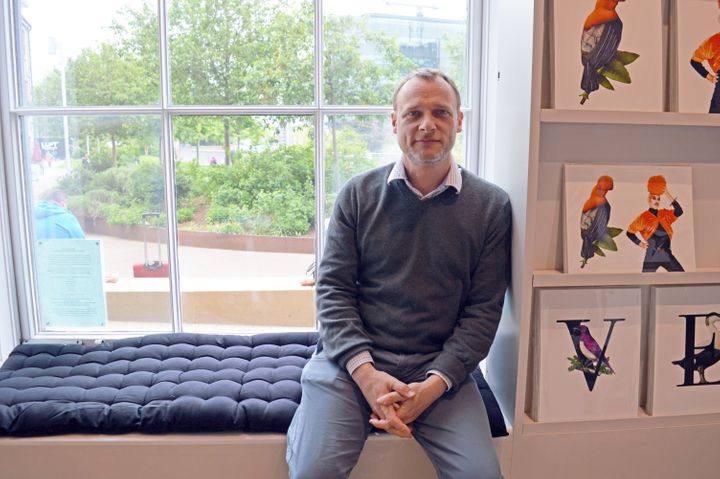
Museum co-founder Joseph Galliano.
With that, Galliano set about putting Queer Britain into action, which he co-founded with Ian Mehrtens alongside a diverse committee of trustees and advisors, including Stonewall co-founder Lisa Power, Trans Britain author Christine Burns, and gal-demfounder Liv Little.
“We made sure that the leadership structures are very diverse,” adds Galliano. Of his hopes for the museum, trustee Krishna Omkarsays in an email: “Our relationship with our past defines our present, and helps direct what is to come. Telling stories that have remained untold, and collating a collective memory of the past is crucial. Representation matters. Remembrance matters.”
In the first room, there are two large images: Sadie Lee’s domineering oil painting of cabaret artist David Hoyle, whose eyes, shrouded in bright make-up, fixate on the viewer, plus Paul Harfleet’s aptly-named Cock of the Rock, named after the South American bird.
Advertisement
The second and largest room is split into two sections, the first dedicated to the topic of “chosen family”, originally shown by Queer Britain as a pop-up in collaboration with Levi’s in 2019. For this, a series of bright images by four artists – Alia Romagnoli, Bex Day, Kuba Ryniewicz and Robert Taylor – show the diversity of the LGBTQ+ community, including people of colour and those of marginalised gender identities.
En Route Solutions Ltd
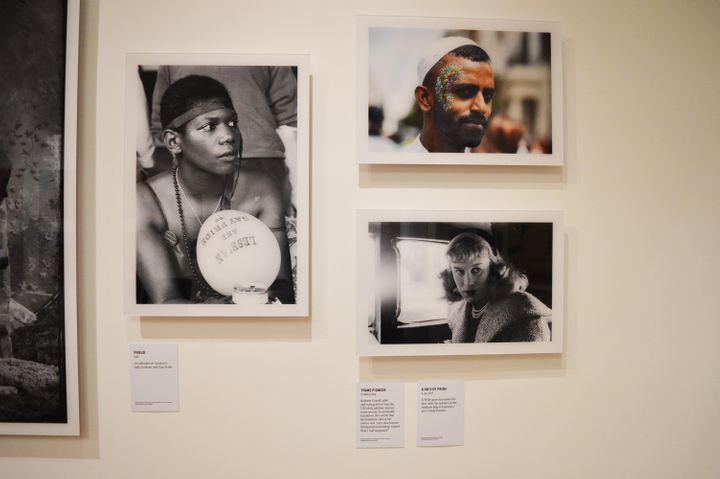
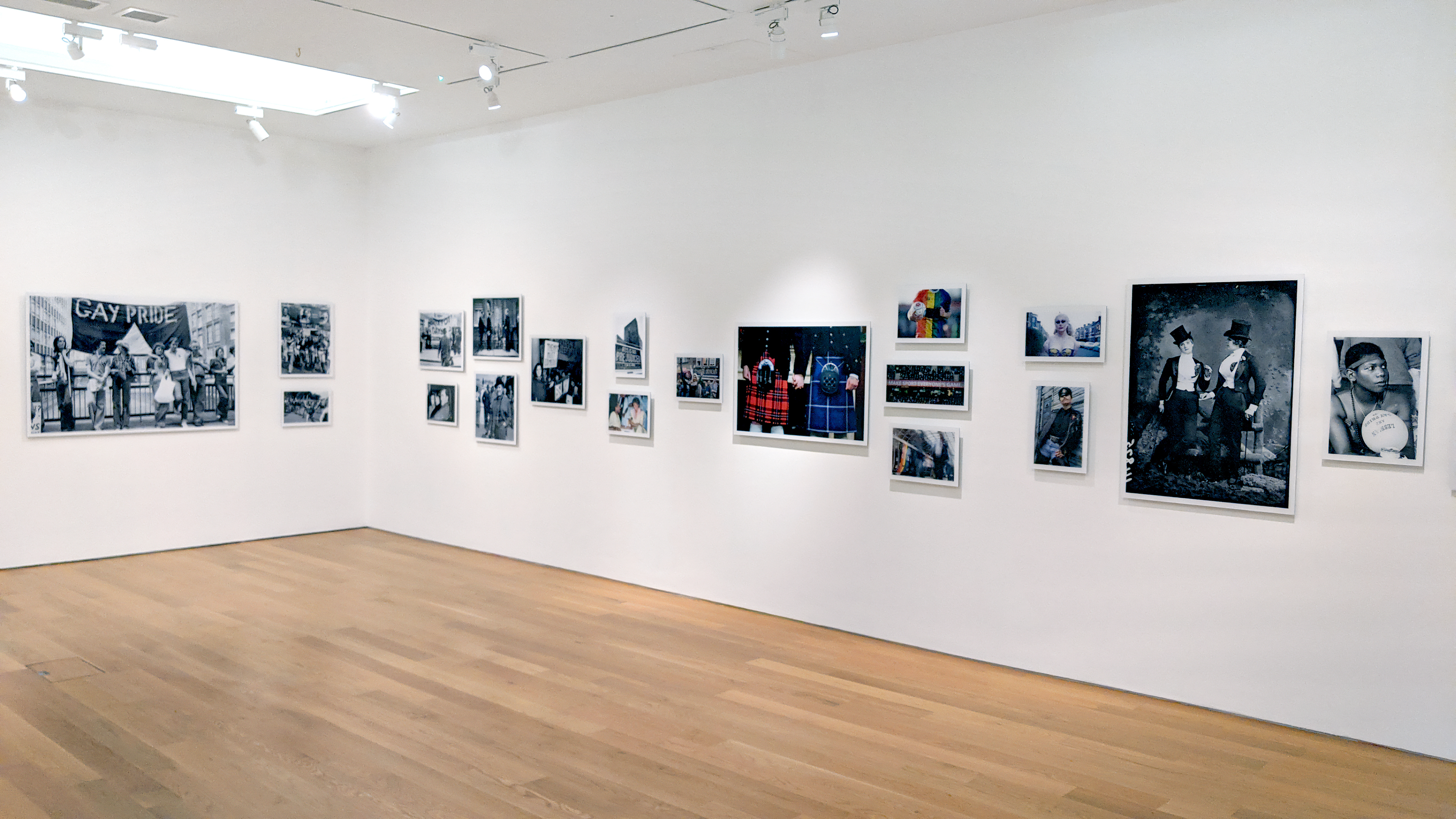
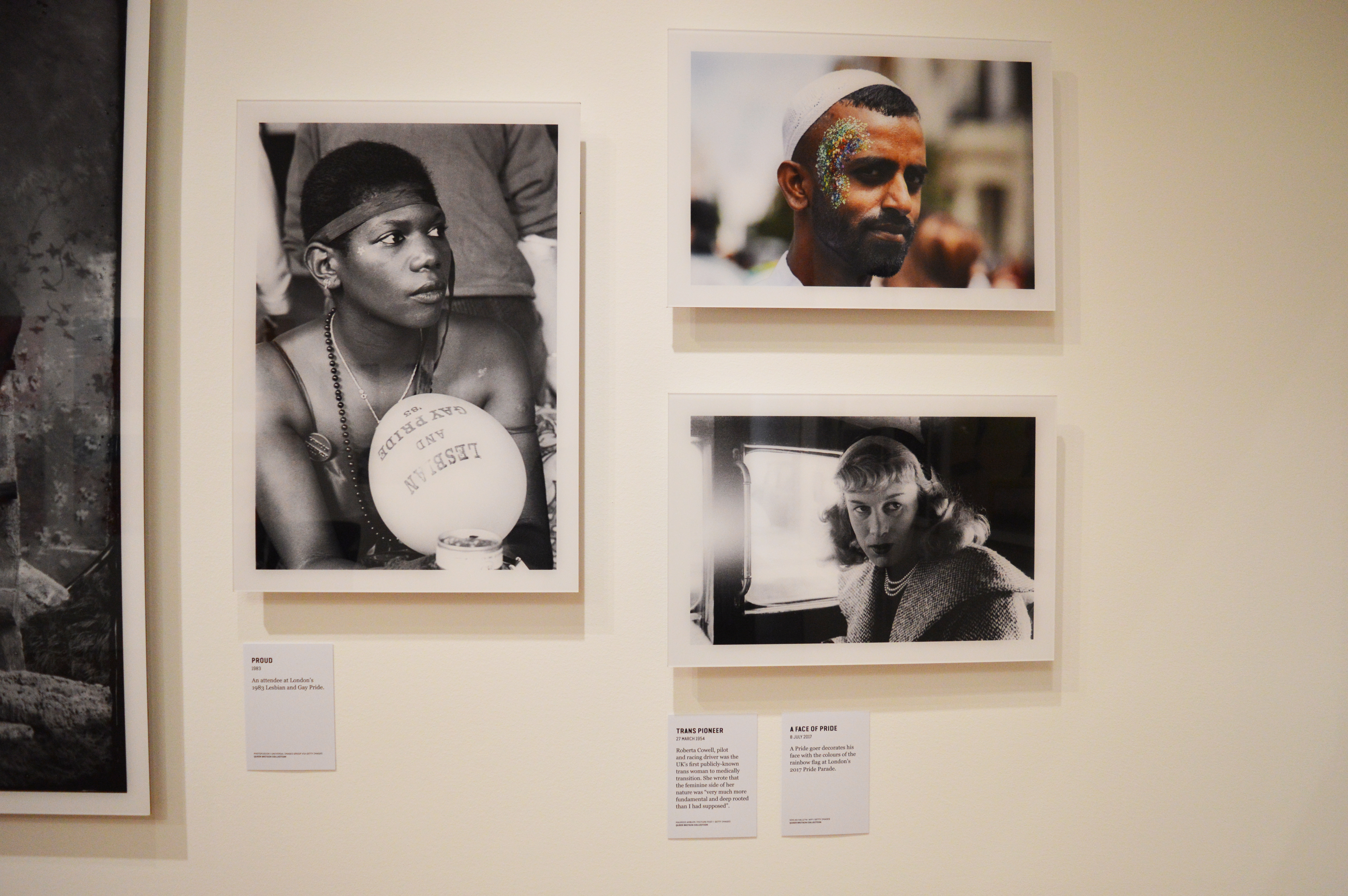
Also in this room are a series of wide-ranging historical photographs, dating as far back as the 1870s. These cover various milestones in the UK’s LGBTQ+ history, such as the introduction of Section 28 in 1988, which banned schools and local authorities from “promoting” homosexuality, and the legalisation of equal marriage from 2014 in England, Wales and Scotland (followed by Northern Ireland in 2020). Among the imagery are notable figures including Leo Abse, the MP behind the bill that partially decriminalised homosexuality in 1967; TV presenter Sandi Toksvig; and Margeurite Radclyffe Hall, who wrote the classic lesbian novel The Well of Loneliness.
The museum’s opening comes during a time of increased visibility for LGBTQ+ people, with millions tuning in to watch Netflix’s hit series Heartstopper. However, visibility and equality have not come hand-in-hand. Last December, it was reported that homophobic and transgender hate crimes soared in the summer of that year; in the five financial years up to 2021, anti-LGBTQ+ hate crimes rose annually, according to official Home Offices figures.
Ella Braidwood
The museum’s theme is generally jubilant and celebratory, though, with little on the harrowing parts of LGBTQ+ history. For instance, while the AIDS epidemic is briefly referenced, including with a photograph of Princess Diana comforting an HIV-positive man, the museum does not delve into the sheer tragedy of the thousands of gay and bisexual men whose lives were lost during this crisis. A placard highlights the accomplishments of Justin Fashanu, the first openly gay professional footballer – and Britain’s first black footballer to command a £1 million transfer fee – with no mention of his tragic early death, at the age of 37 by suicide.
For Galliano, it was a deliberate choice to focus on celebrating queer accomplishments, rather than the tragic parts. “There is stuff there that needs to be celebrated, rather than just always starting with the sad ending,” he explains. “That said we have to be telling hard stories and we have to be asking the hard questions.” Still, Galliano notes that displays may be adjusted depending on how they are received by the public.
Since being registered as a charity in 2018, Galliano explains how Queer Britain has come up against multiple challenges, most notably financially. “Funding was always a challenge from the start, [it] will always be a challenge,” he says. This is even more so given that entry to the museum is free, including for its exhibitions. “If we’re going to talk about inclusion, we need to talk about economic inclusion as well,” adds Galliano.
Ella Braidwood
The space, too, leased from the Art Fund, came up in January, which, says Galliano, was “a year earlier than we were expecting…but it was too good an opportunity to not run full tilt”, and so what is on display was pulled together quickly, in time for this Spring opening.
In July, Queer Britain will host its first exhibition, marking the 50th anniversary of the UK’s first pride parade. Though Galliano is tight-lipped about its content, he says this will consist of a “heritage items and community voices” which will also go towards “addressing” representation of all four nations that make up the UK.
The current final room includes portraits from award-winning photographer Allie Crewe, which celebrate the trans and non-binary communities, and two images – both arresting and beautiful – donated by Robert Taylor, who is also a trustee of the museum.
For Galliano, this museum is all about giving back to the queer community, alongside showing the richness – and diversity – of its history, not only to those who are LGBTQ+, but also to their heterosexual counterparts. “I want queer people to feel celebrated, and belonging, and lifted up,” he says, “and all their friends and families to recognise [where] their stories start and the importance of those.”
Advertisement
Queer Britain opens May 5 2022 and is located at 2 Granary Square, London, N1C 4BH and open Wednesday to Sunday from 12pm – 6pm.