Doctor Shares Signs You Might Have ‘Hormonal Insomnia’

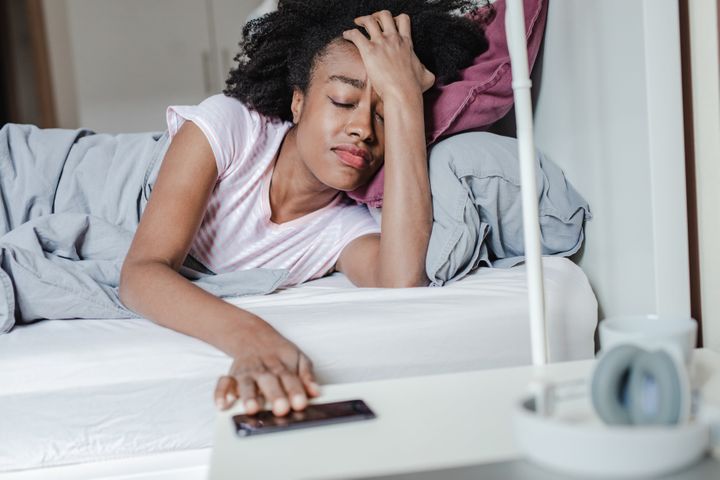
Even though I have insomnia, I didn’t recognise that I had a problem for years.

That’s because I thought the condition only meant struggling to fall asleep. But I have sleep maintenance insomnia, which means I wake up in the middle of the night and then struggle to return to the land of nod.

I heard the phrase for the first time last year. But I only read the words “hormonal insomnia” this week.

Speaking to HuffPost UK, Dr Giuseppe Aragona, GP and medical adviser for Prescription Doctor, explained that those with the condition “often have trouble falling asleep initially, wake during the night and struggle to return to sleep, or wake too early in the morning”.

But what does the term mean, why does it happen, and what can you do if you have it?

What is “hormonal insomnia”?

The term “refers to difficulty sleeping that arises as a result of changes or imbalances in the body’s hormone levels,” Dr Aragona explained.

“Several hormones play a key role in regulating sleep, including melatonin, which signals to the brain that it is time to sleep, and cortisol, which promotes alertness and can interfere with sleep if elevated at night.”

Reproductive hormones, like oestrogen and progesterone, can also lead to the condition because they, too, affect our sleep patterns.

So perhaps it’s not surprising that the GP said: “Hormonal insomnia is most commonly observed during life stages when hormone levels are changing significantly, such as during the menstrual cycle, pregnancy, perimenopause, or menopause, and may also occur in thyroid disorders or other endocrine conditions.

“These hormonal shifts can disrupt the body’s temperature regulation, circadian rhythm, and mood, all of which contribute to sleep disturbance.”

What are the symptoms of hormonal insomnia?

They’re quite like those of “regular” insomnia, Dr Aragona said.

“People experiencing hormonal insomnia often have trouble falling asleep initially, wake during the night and struggle to return to sleep, or wake too early in the morning.

“Sleep may feel fragmented and of poor quality, leading to daytime fatigue, irritability, poor concentration, and low mood.”

If your hormonal insomnia is linked to hormonal changes like menopause, you might notice other symptoms keeping you awake, like hot flushes and night sweats.

If a GP were to check for hormonal, rather than general, insomnia, the doctor tolf HuffPost UK, they “would typically explore a person’s life stage, hormonal history, and the timing and pattern of symptoms.

“It is also important to consider associated symptoms such as mood changes, night sweats, or bladder issues, and to rule out other causes of insomnia such as stress, poor sleep hygiene, sleep apnoea, or pain.”

Blood tests can help to rule out thyroid issues or hormonal imbalances, too.

What should I do if I have hormonal insomnia?

Dr Aragona recommends a blend of different strategies.

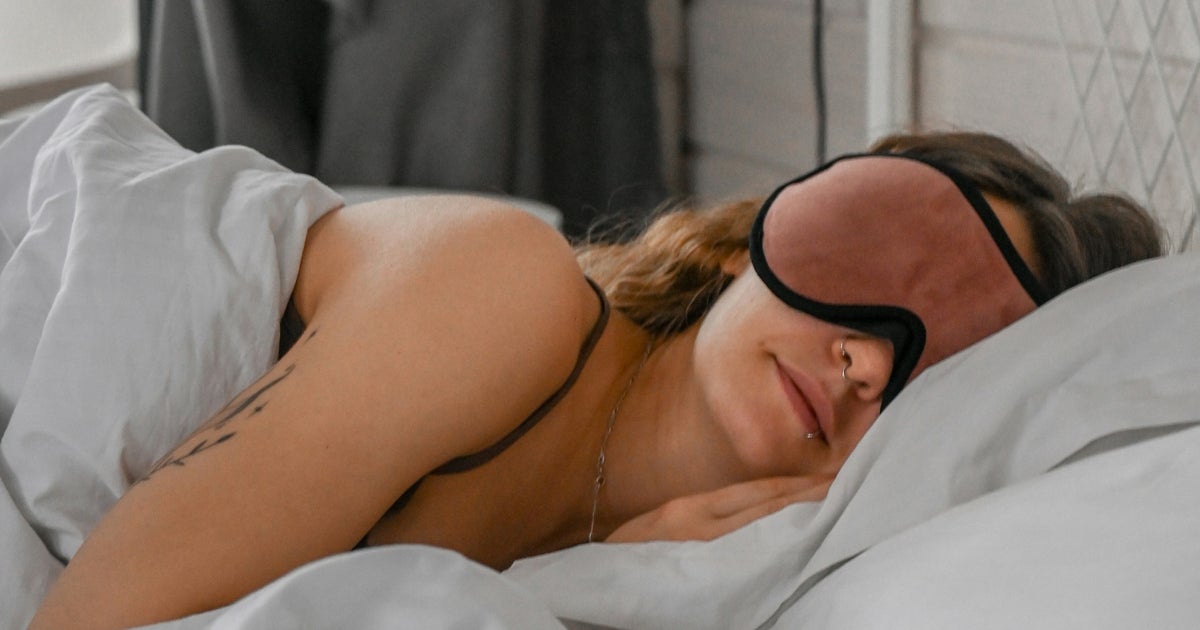
“Maintaining a consistent sleep routine, avoiding stimulants and screens in the evening, and keeping the bedroom cool, dark, and quiet can help,” he advised, while “Relaxation techniques such as mindfulness or breathing exercises can reduce stress and cortisol levels, making it easier to fall asleep.

“Addressing underlying hormonal symptoms, for example, through lifestyle strategies or, where appropriate, medical treatments for menopause-related symptoms, may also improve sleep.”

If your insomnia lasts for a long time ― some doctors put it at more than three nights a week, for three months or longer ― see a GP, said the expert.

Lastly, “General health measures, including regular exercise, a balanced diet, and avoiding excessive alcohol or nicotine, also support better sleep,” said Dr Aragona.

“Hormonal insomnia is usually multifactorial, so addressing lifestyle, behavioural, and medical factors together tends to be the most effective approach.”

Share Button

The ‘3-3-3 Rule’ A Doctor Uses To Tell Bad Sleep From Insomnia

Having the occasional bad night’s sleep isn’t anything to worry about in and of itself, the NHS says.

But if the issue lasts a long time or starts to affect your day-to-day life, it could be worth speaking to a doctor, as this might be down to conditions like insomnia.

Still, those terms can be a little tough to navigate. How long is “a long time”? It feels like everyone complains about feeling tired – how can we tell “normal” fatigue from sleep-disorder-level exhaustion?

Here, doctor and Fellow at the Royal College of Anaesthetists, Dr Sunny Nayee, shared the “3-3-3 rule” he uses to tell bad sleep from a more lasting issue.

What is the “3-3-3 rule”?

“If you experience disrupted sleep at least three nights a week for at least three months, medical practitioners no longer regard it as lifestyle related but in the realm of insomnia,” Dr Nayee said.

He encourages those concerned to ask themselves three questions:

  • Do you experience poor sleep for a minimum of three nights?
  • Have you experienced poor sleep hygiene for at least three months?
  • Does poor sleep impact at least three aspects of your day (fatigue, brain fog, changes in mood, lack of concentration).

After all, he stated, insomnia is usually measured by how you feel in the daytime, not what you struggle with at night.

“A common misconception is that people think insomnia is staring at the ceiling and not sleeping at all,” he wrote.

“However, it’s defined by the impact it has throughout the day. If you find that poor sleep hygiene is having an instrumental impact on your mood, concentration and ability to function, then it may be considered a clinical condition.”

What if I think I have insomnia?

Per the NHS, insomnia is not a life sentence: it is often linked to stress, booze, a poor sleeping setup, or rooms that are too hot or cold, and “usually gets better by changing your sleeping habits”.

The health service recommends going to bed at the same time every day, exercising regularly, ensuring your room is dark and quiet, using comfortable bedding, and unwinding for at least an hour before bed, ie by reading a book.

If changing your sleep habits doesn’t work, if your sleep issues have been going on for months, and/or if your insomnia is “affecting your daily life in a way that makes it hard for you to cope,” speak to your GP.
Share Button

So THAT’s Why You Keep Waking Up At 3AM

Even though I have insomnia, my issue doesn’t actually lie in getting to sleep.

Nope – I nod off just fine. My problem is staying in dreamland; more often than not, I wake up at 3am and simply cannot get back to sleep.

There are things I’ve learned to do to cope with the problem. “Clock blocking”, refusing to stay in bed for more than 20 minutes, and (paradoxically) willing myself to stay awake have all been effective at getting me back to sleep.

But given that almost a third of us wake up in the middle of the night at least three times a week – and that multiple friends had cited 3am as their most common early rising hour – I thought I’d ask Dr Seeta Shah from PANDA London if there’s anything “special” about that time.

Here’s what she told us…

Why do I always wake up at 3am?

“Waking up around 3am is a surprisingly common experience,” Dr Shah confirmed.

This, she said, could be down to a mixture of biological and lifestyle factors, like your body’s natural sleep cycle.

“During a typical night’s sleep, we go through multiple 90-minute cycles that include different stages of sleep, from light to deep and REM sleep,” the doctor said.

“Around 3am, most people are transitioning between cycles, and the sleep tends to be lighter at this point. That makes us more susceptible to waking, especially if there are external disturbances such as noise, light, temperature changes or even the need to use the loo.”

Then, she said, there’s a hormonal component. “In the early hours of the morning, the body begins to increase its production of cortisol, the ‘stress hormone,’ in preparation for waking,” she explained.

“This natural rise in cortisol, combined with a dip in melatonin (the sleep hormone), can make the body more alert and prone to waking around this time.”

Cortisol usually dips to a low at around midnight and slowly rises thereafter.

“If you’re feeling anxious or have an active mind, this early-morning wakefulness can quickly turn into prolonged sleeplessness,” Dr Shah told us.

How can I stop waking up at 3am?

“Lifestyle factors such as alcohol consumption, late-night screen use, inconsistent bedtimes, and even blood sugar dips can all contribute to waking at this hour,” the doctor explained.

If you suspect this may be the cause of your early morning wake-ups, consider changing your habits and seeing how it affects your kip.

But “if waking at 3am becomes a regular pattern, it’s worth examining both physical and mental health, as well as evening habits, to identify and address any underlying causes,” Dr Shah cautioned.

The NHS said that if poor sleep is affecting your day-to-day life and causing you distress, you should speak to your GP about it.

Share Button

This NHS Doctor’s Sleeping Hack Can Make You Fall Asleep Within Minutes

If you suffer from insomnia or even just have occassional bouts of being unable to sleep, you’ve likely tried every trick in the book.

From sleepy girl mocktails to magnesium supplements, sometimes the sleep just isn’t coming and you’re left wide awake in bed counting down how many hours of sleep you’d get if you fell asleep riiight… now.

It’s unbearable and knowing the health impacts of losing sleep such as mental health problems and even diabetes doesn’t do much to make you feel more rested.

However, according to one NHS surgeon, there is something we don’t do enough and it actually works as a ‘biological power off button’.

How to fall asleep faster, according to a health expert

Dr Karan Rajan, an NHS surgeon, social media creator and all-round health expert revealed that there is a sort of ‘Spotify shuffle’ we can do to help ourselves doze off faster.

In a recent Instagram reel he said: “If you’re struggling to fall asleep, this is the biological equivalent of holding down the power button.

“When you’re in bed, it’s easy to get into repetitive, disrupting thought patterns. This can trigger a stress response which keeps you awake, the more you’re awake, the more unwanted thought patterns you get, meaning less sleep.”

However, he revealed that a sleep hack named ‘cognitive shuffling’ can break this cycle by taking away your active cognitive effort (overthinking.)

Dr Rajan said: It’s the human brain version of pressing shuffle on your mind Spotify playlist.”

How to do cognitive shuffling

First, choose a word. The word that Dr Rajan chose was aptly “bedtime”.

From there, for each letter of that word, think of another word starting with that letter and visualise it.

So, for example, for the letter ‘B’, you could choose words like bear, brace, bones, bench.

Keep doing that until you’re out of words or bored and then move on to the next letter.

Dr Rajan urges that you visualise these words too as it simulates micro-dreams.

He said: “This trick helps to calm racing thoughts, so if your sleep software is malfunctioning, it’s worth giving it a go.”

Share Button

How Sleep Experts Get Through The Day When They’re Sleep-Deprived

If you’ve ever pulled an all-nighter or spent the night tossing and turning, you know how awful it can feel to be sleep-deprived.

Your body might ache, you may struggle to pay attention and your mood will most likely take a hit. This is because sleep is linked to nearly every important bodily function — it affects our immune system and our appetite, our stress hormones and our metabolism, our blood pressure and our cardiovascular system. Even a single night of poor sleep can trigger a wide range of health effects (which is why you may feel so crummy after that late night out).

Most of us need between seven and eight hours of sleep a night to feel alert and healthy the next day. But for whatever reason, that’s not always possible. In fact, a study recently published in JAMA Network Open found that nearly half of Americans are sleep-deprived on a regular basis.

The best way to combat sleep deprivation is ― well, to sleep. There’s really no quick fix, but there are a handful of tips and tricks that can make the day more bearable. We asked a few sleep specialists to share how they cope when they’re sleep-deprived. Here’s what they said.

Don’t stress about it

This is easier said than done, but it’s helpful not to get fixated on the fact that you’re sleep-deprived.

When Fiona Barwick, the director of the sleep and circadian health program at Stanford Health Care, is low on sleep, she reminds herself not to worry about it because she knows her body will do what it takes to get back on track.

Our sleep drive is a self-correcting system that naturally tries to keep the sleep-wake cycle in balance. “If we don’t sleep well one night, we’ll sleep better the next night. If we worry about it, however, our sleep will be worse,” Barwick said.

Expose yourself to light

Barwick also makes a point to expose herself to some bright light first thing in the morning. Our sleep-wake cycle is heavily dependent on light — daylight sends a signal to our brain that it’s time to get up and be active, while darkness sends the cue that it’s almost time to go to bed.

Exposing yourself to light when you first wake up “suppresses melatonin, which increases alertness and boosts mood,” Barwick said. It’ll also help keep your circadian rhythm in check, which should help you sleep more soundly at night.

Have some caffeine (but not too much)

It might seem obvious, but yes: Coffee helps. This is because caffeine blocks adenosine, a chemical in our body that increases the need for sleep. As a result, caffeine makes us feel less sleepy and improves learning and decision-making if you’re sleep-deprived, according to Dr. Andrey Zinchuk, a sleep medicine doctor with Yale Medicine.

But while it may be tempting to keep refilling your mug, it’s important to be mindful of how much caffeine you consume.

“I don’t have too much caffeine, as I want to avoid the crash that occurs when its alerting effects eventually subside,” Barwick said.

Dr. Wissam Chatila, a pulmonologist at Temple Lung Center and professor of thoracic medicine and surgery at the Lewis Katz School of Medicine at Temple University, advises against having that late-afternoon cup of coffee.

“If taken at the wrong time — e.g. late in evening — then they will interfere with sleep later on,” he said.

A little caffeine can go a long way after a night of poor sleep.

FG Trade via Getty Images

A little caffeine can go a long way after a night of poor sleep.

Take a catnap

If you’re able to squeeze in a 30- to 60-minute catnap, go for it. A short nap can improve alertness, sleepiness, memory and exercise capacity.

On the flip side, a lengthier midday snooze can actually impair cognitive function, Chatila said, and potentially make it even harder to complete tasks. Make sure to set an alarm so you don’t overdo it.

“I keep the nap relatively short so that I don’t use up too much sleep drive, as I want to save most of it for the coming night,” Barwick said.

If you’re not a napper, even getting some deep rest can be beneficial, Barwick said. Ten to 30 minutes of yoga nidra, a meditative yoga practice that involves deep relaxation, can help you feel refreshed and more attentive.

Go for a walk

When Barwick can’t nap, she tries to go for a walk outside. Even a 10-minute walk can significantly reduce stress, boost your mood and increase alertness, research shows.

Plus, it can build up your sleep drive, which should help you doze off at night.

“That helps to further ensure I will get better sleep the coming night,” Barwick said.

Know that your body is resilient

Lastly, don’t beat yourself up. Our bodies are incredibly resilient, which is why we’re still able to function even when we’re sleep-deprived. (Think about all you’ve been able to accomplish on those days when you didn’t get enough sleep.)

Don’t assume the day will be a wash just because you didn’t get the sleep you needed, Barwick said. Go easy on yourself, and listen to your body.

“I don’t cut back on what I planned to do, but I also don’t beat myself up if I get less done than I wanted,” she said.

Share Button

5 Common Morning Habits That Actually Ruin Your Sleep

You’re reading First Thing, the HuffPost UK series helping to make your mornings happier and healthier.

Getting enough sleep is critical for physical and emotional well-being, but so many people fall short. The US Centers for Disease Control and Prevention estimates that a whopping one in three Americans don’t get enough sleep on a regular basis. (For reference: adults should be aiming for at least seven hours.)

Of course, many factors go into a person’s ability to get sufficient rest, from work and family schedules to sleep hygiene.

With that in mind, here are five common mistakes a lot of people make in the morning that affect their ability to fall asleep – and stay asleep – later on:

1. You’re drinking too much caffeine

Obvious? Sure. But drinking too much caffeine in the morning can throw your entire sleep routine off track.

In general, most healthy adults can safely have up to 400mg of caffeine a day. That’s the equivalent of roughly four cups of brewed coffee or two energy drinks, if that’s your thing. Remember, though: caffeine levels in energy drinks can vary widely, and there are serious concerns about their potential impact on the body.

The effects from caffeine generally kick in within 15 minutes and peak about an hour later.

“Six hours after caffeine is consumed, half of it is still in your body,” according to the Cleveland Clinic. “It can take up to 10 hours to completely clear caffeine from your bloodstream.”

That means you can absolutely have a few cups of coffee in the morning and still be feeling them by dinnertime.

Also, keep in mind that some people are particularly sensitive to caffeine. So try cutting back for a bit to see how that affects your ability to get sufficient ZZZs.

2. You’re waking up at totally different times every day

Sleeping in when you can is glorious, yes. But it can also take a toll on your broader sleep patterns. Many sleep experts suggest that people set a standard wake time and stick with it to the best of their ability, even on the weekends.

Why? If you sleep for a few extra hours on a Sunday, for example, you might not be tired again until much later than usual – which means your bedtime is thrown off and you’re likely to be pretty darn tired when you wake up early for work on Monday.

An irregular sleep schedule can also increase your risk of what experts call “social jet lag” – basically, the discrepancy between your body’s natural sleep schedule (i.e., circadian rhythm) and your social schedule, which throws off the midpoint of your sleep and has been linked to health issues such as increased inflammation and higher risk of depression.

On the other hand, there can be benefits to catching up on sleep during the weekends, especially if you have a big sleep debt. To the extent it’s possible, however, try not to make it a regular thing.

3. You’re not exposing yourself to natural light

Sleep is governed by our circadian rhythms (which also influence everything from hormone regulation to body temperature). And the sun’s cycle has a huge impact on those rhythms day to day.

Your body’s circadian clock is most sensitive to light starting about two hours before your usual bedtime and lasting throughout the night up until about one hour before your usual wake time, per the CDC.

“Exposure to light during these times will affect when your body naturally gets sleepy and is ready to fall asleep,” the CDC says.

What all of this means is that exposing yourself to plenty of bright light in the morning can help shift your bedtime earlier; by the evening, you’re more likely to be sleepy and primed for rest.

If you're waking up on the wrong side of the bed, your morning routine might be to blame.

blackCAT via Getty Images

If you’re waking up on the wrong side of the bed, your morning routine might be to blame.

4. You’re not making a to-do list

Creating a to-do list is one of the most powerful things you can do to stay on track throughout the day. It can also be an effective way to combat anxiety that often creeps up at bedtime and makes it hard to fall asleep.

Not all to-do lists are created equal, though. First and foremost, it’s a good idea to write it down.

“When you try to manage your to-do list in your head, you’re likely to forget items,” HuffPost senior reporter Kelsey Borresen previously wrote. “Jotting it down on paper (or digitally in your Notes or other mobile app, if you prefer) gives you something concrete to refer to when your brain feels like mush.”

Also, make sure it’s realistic. Try to focus on three to five things you can actually accomplish, experts say. It’s a plan, not a wish list.

5. You’re glued to your phone

Checking your phone immediately after waking means you’re letting someone else dictate what’s on your mind first thing. And that can set the tone for the rest of the day – right up until your bedtime.

“If we wake up and we check our phone and there’s an email from our boss that says, ‘we need to talk,’ or there’s an email from a client who’s like, ‘Hey, can I call you later?’ we can go straight from our slumber into panic mode, where your heart is racing,” Susie Moore, a life coach and author of “Let It Be Easy: Simple Ways To Stop Stressing And Start Living,” previously told HuffPost.

At that point, it can be a lot more difficult to return to a calm “intentional” state, Moore said, which can have ripple effects. So do yourself a favor and set the tone for the day by using an alarm clock rather than relying on your phone to wake you up. And try your best to make sure the time when you wake up and before you go to bed is phone-free.

First Thing is a series on HuffPost UK Life giving you tips and advice on how to enjoy your mornings. Whether you’re an early bird or night owl, starting your day off right will make for a happier and healthier day. We’ll be sharing exercise advice, nutrition guidance, as well as ideas on forming new habits. (And no, the answer to a productive morning isn’t just setting an alarm for 5am!)

Share Button