Patients have been urged to only attend A&E if their condition is life-threatening or serious.


Patients have been urged to only attend A&E if their condition is life-threatening or serious.
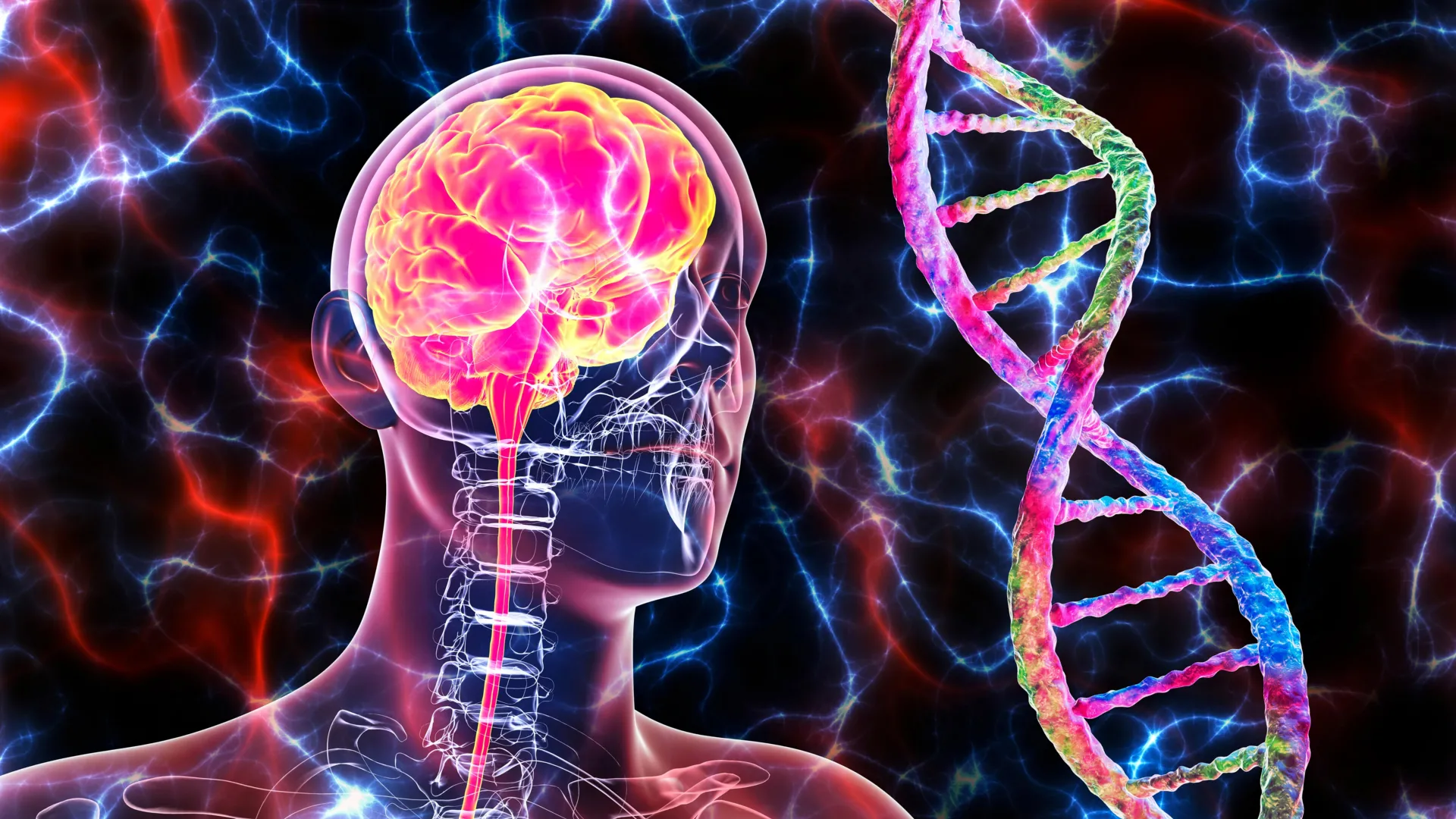
As people grow older, their cells steadily pick up new genetic mutations. A study from Boston Children’s Hospital, published in Cell, has uncovered an unexpected twist in that process. Researchers found that microglia, the immune cells that reside in the brain, accumulate mutations in specific cancer-driving genes. Rather than causing cancer, however, these mutations may contribute to the development of Alzheimer’s disease.
The research was led by Christopher Walsh, MD, PhD, Chief of the Division of Genetics and Genomics at Boston Children’s Hospital and an Investigator of the Howard Hughes Medical Institute. Collaborators included Alice Eunjung Lee, PhD, and August Yue Huang, PhD, also of the Division of Genetics and Genomics. All three are Professors at Harvard Medical School and Associate Members of the Broad Institute of MIT and Harvard.
The team says the findings could point to new ways to diagnose and treat Alzheimer’s disease.
“We find that to some extent, Alzheimer’s disease is a little like cancer — driven by the same mutations that drive blood cancers like lymphoma and leukemia,” said Walsh. “This is helpful because we have a lot of drugs to fight cancer and some of them might be useful therapeutically for Alzheimer’s disease.”
Cancer Driver Mutations Found in Alzheimer’s Brains
To investigate, researchers analyzed 149 cancer-driving genes in brain tissue samples from 190 people with Alzheimer’s disease and compared them with samples from 121 healthy brains.
The Alzheimer’s samples contained more single-letter DNA changes than the healthy tissue. Many of these alterations repeatedly appeared in the same five cancer driver genes, suggesting that microglia were accumulating mutations in a specific set of genes.
Microglia serve as the brain’s cleanup crew. These cells remove debris and help eliminate infected, damaged, or dying cells. Scientists had long believed that microglia remain confined to the brain and do not cross the blood brain barrier, unlike many other immune cells that circulate through the bloodstream.
Unexpected Link Between Blood Cells and the Brain
The mutations identified in microglia are commonly associated with blood cancers. That observation prompted the researchers to look for the same mutations in blood samples from people with Alzheimer’s disease.
They did not expect to find them.
Instead, the blood cells from the same Alzheimer’s patients carried the identical cancer-associated mutations.
“It was actually a really unexpected finding that suggests a totally new mechanism for Alzheimer’s disease pathogenesis,” said Huang. “The findings mean that the blood’s immune cells with cancer mutations are likely getting into the brain and contributing to disease.”
How Mutant Immune Cells May Fuel Alzheimer’s
The researchers propose that aging or injury can weaken the blood-brain barrier, allowing immune cells from the bloodstream to enter the brain. Once there, these cells may transform into microglia-like cells.
At the same time, protein clumps that build up in the brain trigger microglia to multiply and respond. Cells that possess a biological advantage are more likely to expand, including the microglia-like cells carrying cancer-related mutations.
According to the researchers, these mutated cells may create a more inflammatory and damaging environment than healthy microglia. As a result, nearby neurons can be harmed and die, contributing to the progression of Alzheimer’s disease.
Potential for New Alzheimer’s Tests and Treatments
The discovery could eventually lead to new approaches for detecting Alzheimer’s risk.
“Because it’s hard to access brain tissue in a living patient, genetic screens using blood samples could be developed to test whether a person carries these mutations, and has an increased risk of developing Alzheimer’s disease,” said Lee.
In a follow-up study posted as a preprint on bioRxiv, Huang and Lee found additional evidence supporting the connection. Their analysis showed that cancer driver mutations detected in blood samples increased Alzheimer’s disease risk independently of APOE4, a well-established genetic risk factor for the disease.
The research was conducted in collaboration with the Icahn School of Medicine at Mount Sinai. Funding was provided by the Howard Hughes Medical Institute, the National Institute on Aging, the NIH Common Fund through the Somatic Mosaicism Across Human Tissues (SMaHT) consortium, and the Suh Kyungbae Foundation (SUHF).
Whether it’s the new Pride and Prejudice and Sense and Sensibility adaptations (this time from Netflix and Focus Features, respectively) or yet another instalment in the Dune franchise, 2026′s film and TV schedule ought to make readers pretty happy.
There’s something for sci-fi, romance, and classic lit lovers alike – bonus points if you’re a fan of Twilight star Robert Pattinson, who’s set to appear in both Christopher Nolan flick The Odyssey and Dune: Part Three this year.
If you want to read ahead of this year’s releases or are keen to find out more about the origins of the movies and shows already out this year, we’ve got your back (or should that be your spine?).
Advertisement
Here are eight books to read from 2026′s most exciting book-to-screen options:
via Associated Press
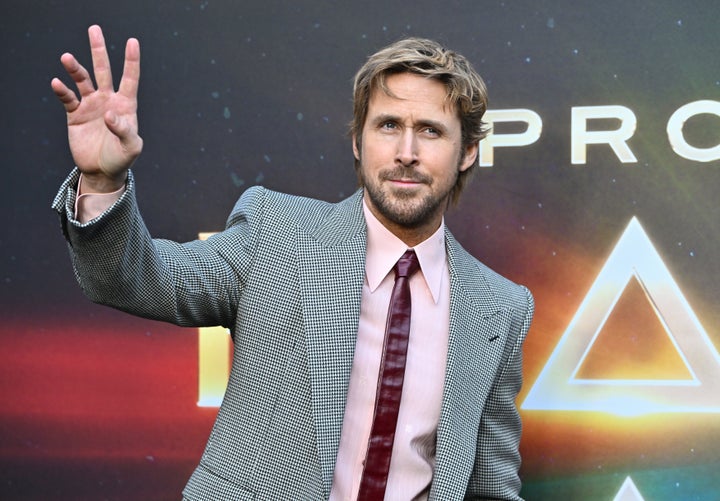
The 2021 sci-fi novel focuses on teacher Ryland Grace, who wakes up on a spaceship one day with no memory of how he got there. Then, he learns he’s accidentally become humanity’s last hope (space enthusiasts will be pleased to learn that some of its scientific details are NASA-backed).
The movie stars Ryan Gosling, Oscar nominee Sandra Hüller, and, if you listen close enough, Meryl Streep. Even better news: it’s set to be released on streamer MGM+ on Thursday, June 18, in the UK, and can be rented through YouTube or Amazon Prime already.
Advertisement
Movie release date: It came out on March 9, 2026
The Hunger Games author’s prequel explores the experience Katniss and Peeta’s tutor, Haymitch, had as a young tribute in Panem’s earlier Games.
Portrayed by Owen Wilson in the original movies, Sunrise On The Reaping’s Haymitch will be played by Joseph Zada (previously part of Prime Video’s YA adaptation, We Were Liars) instead. The cast will also include Ralph Fiennes, Regretting You’s McKenna Grace, and Hocus Pocus 2′s Whitney Peak.
Advertisement
Movie release date: 20 November, 2026
via Associated Press
The 1988 novel is the second of Dame Jilly Cooper’s 11 Rutshire Chronicles books (the last, Tackle!, was published much later than the others, in 2023).
Not only is the Rivals book filled with all the sex, scandal, and ’80s glamour you’d expect, rumour has it that the production company that made the Disney+ version has the rights to nine of the original 10 books – meaning readers who keep leafing through the series could be richly rewarded later on.
Advertisement
While 2026′s second Rivals season deviates from the book at times, it’s proven a hit among viewers and critics alike.
TV show release date: the first season is available to stream on Disney+, as are the first six episodes of season two. However, the series has taken a break and is expected to return to the streamer in November 2026.
Advertisement
It’s no secret I’m a bit of an Austen fan, but even those who don’t usually go in for Regency novels ought to give the classic book a go. The funny, quietly subversive story focuses on the almost-certainly-financially-screwed Bennet sisters, the ridiculous and cynical Georgian marriage market, and some very eligible real estate.
If nothing else, reading it will add an extra layer of enjoyment to on-screen hits like The Other Bennet Sister and Bridget Jones.
Plus, when the 2026 Netflix series (starring Emma Corrin and Olivia Colman) comes out, you can decide for yourself whether screenwriter Dolly Alderton kept faithful ot the text – or, like Emerald Fennell’s Wuthering Heights, carved her own controversial path.
Advertisement
TV show release date: autumn, 2026
The way this Ancient Greek poem is talked about, you’d swear it wasn’t basically a sex and violence-packed soap opera. But in many ways, soldier Odysseus’ long journey home is exactly that – he meets with fantastical creatures, evil witches, and sneaky sirens during what must surely go down in history as the world’s most eventful commute.
It seems Christopher Nolan’s The Odyssey, which stars Matt Damon in the lead role, Anne Hathaway as his wife Penelope and Tom Holland as his son Telemachus, alongside Zendaya, Lupita Nyong’o, Travis Scott, Charlize Theron and Robert Pattinson, will be similarly impressive.
Advertisement
Not only is the movie shot entirely with IMAX cameras – a first for director – but the star-studded cast has described it as “unlike anything that I’ve ever seen before” and “exactly what you want [from] a summer movie”.
Movie release date: July 17, 2026
A sequel to The Handmaid’s Tale, this story is set 15 years after the cliffhanger ending of the first book. Aunt Lydia shows her mettle as she fights against the oppressive regime set in the original novel.
Advertisement
The Disney+ series sees Ann Dowd, who also played Aunt Lydia in The Handmaid’s Tale series, reprise her role. She stars alongside One Battle After Another actor Chase Infiniti and Bafta winner Lucy Halliday in a show critics have dubbed “ravishing” and “a triumph”.
TV show release: The first season is already out on Disney+.
Amy Glover / HuffPost UK
Advertisement
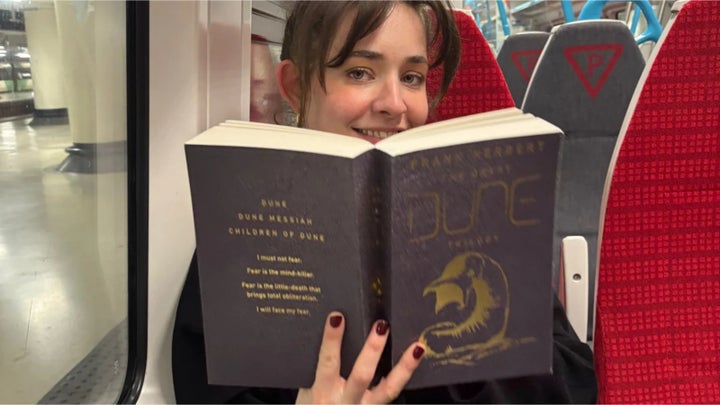
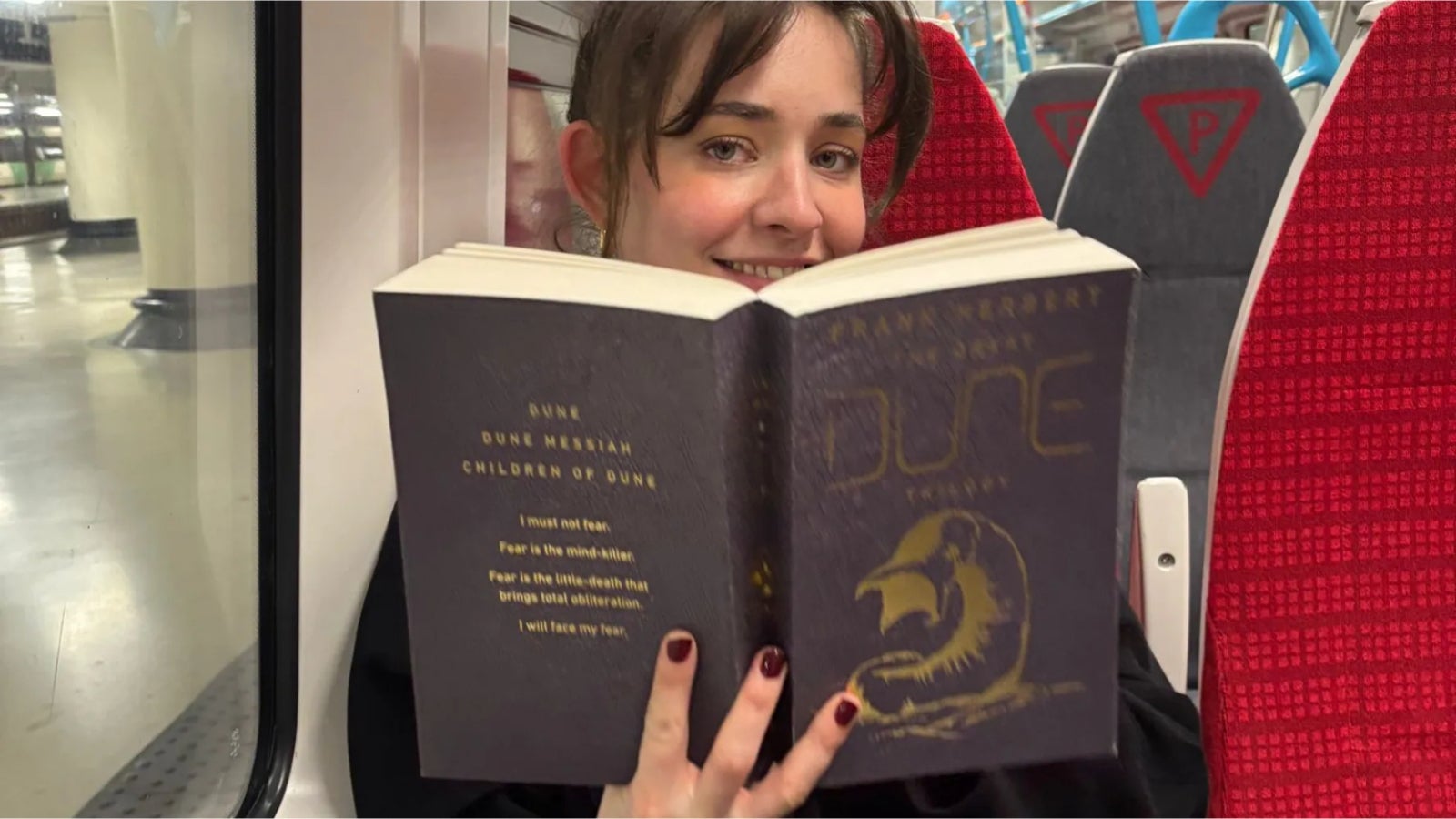
To be honest, the first novel will see you through most of the first two movies, and is more than enough to call yourself a sandworm bookworm. But Dune: Part Three leans heavily on Dune: Messiah, the second in Herbert’s canonical six-part series.
It’s less action-packed than the first entry, but it contains arguably weirder characters – like a gas-guzzling fish-human hybrid – that make you wonder where the movie, starring Timothée Chalamet, Zendaya, Robert Pattinson, and Florence Pugh, could possibly go.
Movie release date: December 18, 2026 (just about enough time to finish the first trilogy)
Advertisement
It might not be as essential an Austen read as Pride and Prejudice. But Elinor and Marianne Dashwood’s plight is no less engaging than the Bennet sisters’: after some significant downsizing, the family has to make their way in a very new society. Yearning and love troubles inevitably ensue.
This year’s movie marks the first screen adaptation of the book since the BBC’s excellent 2008 TV series. Only time will tell if stars Daisy Edgar-Jones and Hanna star Esmé Creed-Miles will prove just as dazzling on the big screen.
Movie release date: September 25, 2026.

Reform’s deputy leader was left squirming by a GB News journalist over the party’s record on defence.
Richard Tice clashed with Christopher Hope, the broadcaster’s political editor, after John Healey’s resignation as defence secretary.
Advertisement
Hope said the fact that Reform does not even have a designated defence spokesman showed the party “isn’t serious” about the issue.
At one point in the live interview, Tice even claimed that Nigel Farage, the party’s leader, was also its defence spokesman.
Hope told him: “You don’t take it seriously … you don’t have a defence spokesman. That says everything about your seriousness as a party.
Advertisement
“If you think you are a serious party on defence, who is your spokesman?”
A clearly-flustered Tice insisted that “what matters” is Reform’s pledge to boost defence spending.
“We’ve shown how you do it, that’s what matters,” he said. “That’s why we’re leading in the polls.”
But Hope asked him again: “Can you name your defence spokesman? It’s not an MP, is it? It’s someone else. Who is your defence spokesman?”
Tice said: “Listen, Nigel and I cover foreign and defence, and we know how you get the money. You scrap net zero, you provide at least an extra £10-£20 billion as required in order to keep British citizens safe.”
Hope hit back: “But your party isn’t serious without having a defence spokesman. You can’t come on GB News – it insults our viewers for you to say it’s important.”
Advertisement
Watch the full clash below.
Subscribe to Commons People, the podcast that makes politics easy. Every week, Kevin Schofield and Kate Nicholson unpack the week’s biggest stories to keep you informed. Join us for straightforward analysis of what’s going on at Westminster.

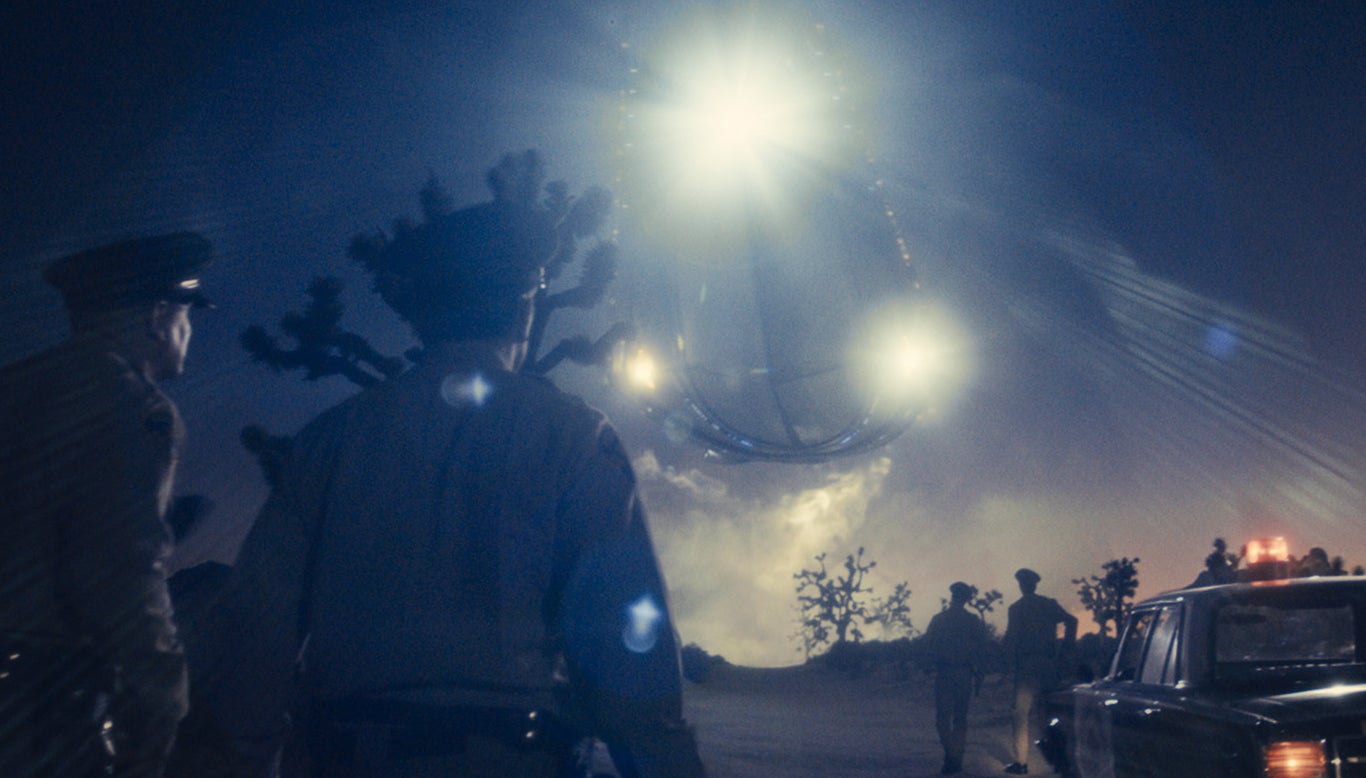
Critics have been weighing in on Disclosure Day, which sees Steven Spielberg returning to his beloved science fiction genre.
In his latest big-screen offering, the legendary filmmaker is once again exploring the idea of extraterrestrial beings coming to earth – only this time he’s taking a close look at the philosophical and religious implications of an alien invasion.
Advertisement
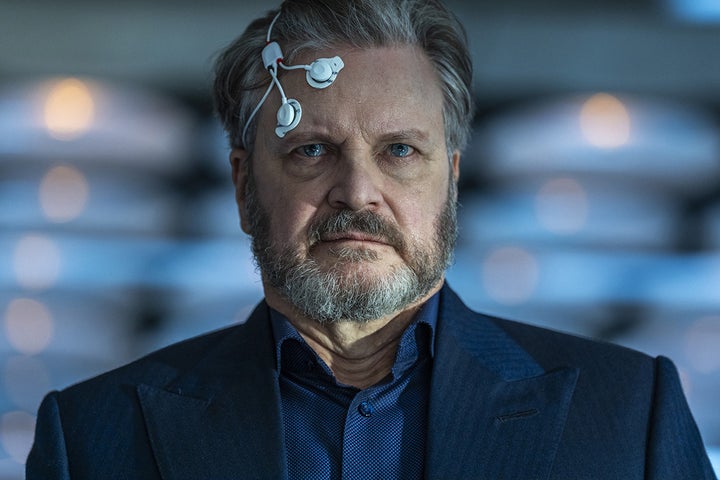
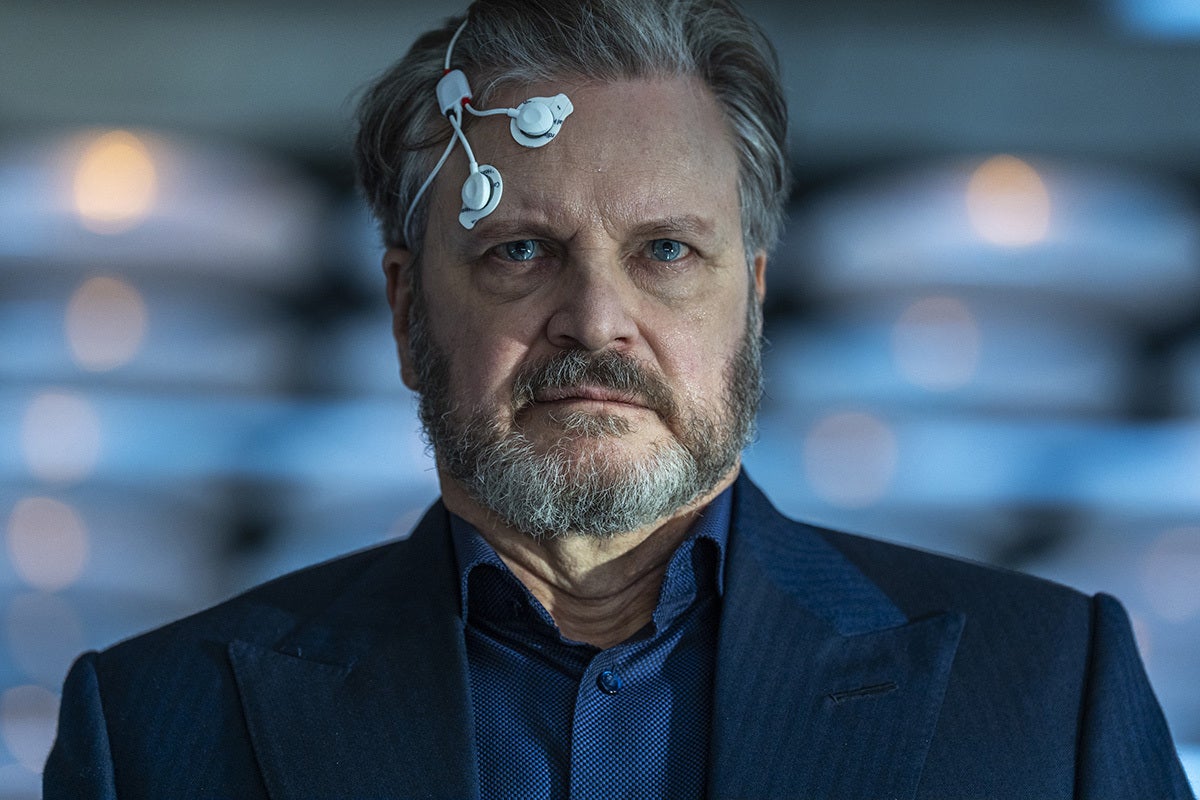
Disclosure Day boasts a star-studded cast that includes Emily Blunt, Josh O’Connor and Colin Firth, and tells the story of a small group of individuals who become involved in a government conspiracy to keep the existence of intelligent alien life a secret.
Early reviews hailed the film as a “gripping” and “thrilling’ masterpiece from the legendary director, earning an 82% score on Rotten Tomatoes.
However, not all reviewers were in love with the new sci-fi blockbuster, with some critics – including several from prominent British outlets – claiming it is “drab” and a “rehash” of Spielberg’s past works.
Advertisement
Here’s a selection of what critics are saying about Disclosure Day…
“Disclosure Day feels not like a repetition but like a thunderclap culmination, the kind of movie you make when, at age 79, you’re not only at the peak of your skills, but you realise time is running out. What, exactly, do you want to say, and how do you find the pictures, the words?
“The pictures and words are all right there in Disclosure Day, an eleventh-hour plea to reconnect with all that makes us human, even if we need to invoke the help of imaginary aliens to do it.”

Advertisement
“Disclosure Day has many layers, but it is also a crackerjack rip-roaring ride for much of its running time, a movie that essentially centres on two main characters in search of answers to what is happening to them, keeping the audience in the dark as much as they are.”
“What Spielberg has conjured here is some of his vintage boldness in transforming the cinema screen into a magical theatre of childlike wonder.”
“While Spielberg has never lost his sense of fun, Disclosure Day is uniquely fortified by the sense that he’s still searching for new ways to enrapture a jaded audience with his spectacle, and the movie’s ethos becomes that much harder to deny every time its director manages to suspend our disbelief all over again.
Advertisement
“There might not be anything here quite as inventive as the spider robot sequence from Minority Report, but a certain setpiece – the one that starts with a car getting shoved into an oncoming freight train – is as gripping as Hollywood action gets.”
“Disclosure Day is never anything other than entertaining and grade-A fun; rare enough in the movies or anywhere else, rocketing along with barnstorming set-pieces, exhilarating chases, funny lines and a career-topper of a performance from Blunt who may yet be morphing into a female version of Tom Hanks.”
Advertisement
“The movie duly pulls out all the stops, and then a couple more. As if to say, ‘still got it!’, there are big-ticket action sequences and the screwball comic interludes Spielberg always had a knack for. The ride is rarely dull.”
“There are allegories that can be read about fear of the unknown breeding cruelty and exploitation, but Disclosure Day is first and foremost a propulsive yarn with thematic roots in hope, truth, empathy and perhaps even spirituality.”
“The film is, in a lot of ways, vintage Spielberg: He hasn’t lost a step with a camera that sprints from start to finish, there are some fantastic technical sequences, and the performances from the two leads in particular are great.
Advertisement
“And while Disclosure Day stumbles a bit for me at the finish line in a way that makes some of the film’s other nits a little more worth picking, it’s still an original, big-budget science fiction conversation-starter from one of cinema’s all-time greats.”
“While Disclosure Day doesn’t live up to the high standards he’s [Spielberg] set, it’s still a thrill ride, thumbing its nose at authority and begging its audience for more empathy, not less.
“Even if not all the pieces snap flawlessly into place, Disclosure Day is a reminder of how much magic is still left up Spielberg’s sleeve.”
Advertisement

“[Disclosure Day’s] script exaggerates the best and the worst of how humans might respond to such a revelation, and Spielberg struggles to split the difference between paranoid-thriller cynicism and his usual mode of emotional uplift.
“That waffling ultimately strands Disclosure Day on a heartfelt yet fuzzy middle ground, with a generalised plea for cross-species understanding that, even bolstered by the reliable stirrings of a John Williams score, left me dispiritingly dry-eyed.”
Advertisement
“Spielberg, as part of the film’s publicity, has suggested that he believes in alien visitations, and that he’s an advocate for disclosure. But where Close Encounters tapped into the mystery of all this with an innocence that was both starry-eyed and spectacular, Disclosure Day feels like a thriller docudrama that’s too cut-and-dried about what it believes.
“The actors are quite good (especially Blunt, who makes you feel she’s seeing the uncanny), but for all the film’s slow build it doesn’t take us anywhere overly surprising. It just confirms the ‘truth’ that’s been out there for so long it’s starting to feel like a fairy tale for the dispossessed.”
“Essentially, it’s a drab X-Files episode, or a more conventional One Battle After Another, in which some people we don’t care about are hunted by some other people we don’t care about.”
Advertisement
“Sadly, there’s nothing original here, or at least nothing to match, say, Jordan Peele’s vastly superior UFO drama Nope. Instead it’s just Spielberg badly rehashed, poorly reheated, lukewarm and with extra treacle.”
“It is shot and staged with Spielberg’s signature elegance: a central foot-to-car-to-train chase moves with such breathless lucidity it is as if the director is beaming excitement directly into your brain. But the plotting surrounding the action is often woolly and lopsided, while the tone is an awkward mix of solemnity and silliness.”
Disclosure Day is out in cinemas now.


Only select groups of teenagers and some young people will be eligible for the vaccine. Here’s why.

A long-running study suggests that 90 to 120 minutes of strength (resistance) training each week may be the ideal range for reducing the risk of death. The research, published online in the British Journal of Sports Medicine, followed participants for up to 30 years.
The benefits were even greater when strength training was combined with aerobic exercise. However, researchers found no additional advantage from doing more than 120 minutes of strength training per week. That level of exercise was linked to a 19% lower risk of death from cardiovascular disease and a 27% lower risk of death from neurological disease.
Strength Training and Long-Term Health
While the life-extending benefits of aerobic exercise are well established, the impact of muscle-strengthening activities on overall mortality and specific causes of death has been less clear. Researchers wanted to determine whether strength training alone, or combined with aerobic exercise, could influence those risks.
To investigate, they analyzed data collected over three decades from three major studies: the Health Professionals Follow-up Study (1992-2022), the Nurses’ Health Study (2002-21), and the Nurses’ Health Study II (2003-21). Together, the studies included 147,374 participants (31,540 men and 115,834 women).
Every two years, participants reported how much time they spent each week doing strength training and aerobic exercise. Aerobic activities included brisk walking, running, jogging, swimming, cycling, tennis, squash, strenuous outdoor work, and stair climbing. Strength training included exercises using weights or body weight, such as press ups, squats, and lunges.
At the start of the study, participants were an average of 54 years old. Those who reported higher levels of strength training were generally younger, weighed less, followed healthier lifestyles, and engaged in more aerobic activity than those who did no strength training.
What the Researchers Found
About three quarters (74%) of participants exceeded the recommended 150 minutes of moderate intensity aerobic exercise per week, equivalent to 7.5 MET hours over the long term. METs measure how many calories are burned during physical activity compared with resting.
Nearly half (46%) of participants reported doing some form of strength training.
Over the 30-year follow-up period, 35,798 participants died. Researchers found that higher long-term levels of weekly strength training were associated with a lower risk of death.
After accounting for other factors that could affect the results, participants who performed 90-119 minutes of strength training per week had a 13% lower risk of death from any cause. No additional reduction in risk was observed above 120 minutes per week.
That same 90-119 minute range was also associated with a 19% lower risk of death from cardiovascular disease and a 27% lower risk of death from neurological disease.
Cancer-related benefits appeared at lower amounts of strength training. Participants who performed 1-29 minutes per week had a 21% lower risk of cancer death, while those doing 30-59 minutes per week had an 18% lower risk.
The Power of Combining Cardio and Strength Training
Compared with people who did less than 7.5 MET hours of aerobic activity per week and no strength training, participants who performed strength training alone for 1-59 minutes or 60-119 minutes per week had a 7-11% lower risk of death.
Aerobic exercise on its own also showed strong benefits. Any amount above 7.5 MET hours per week was associated with a 26-43% lower risk of death.
The lowest mortality risk was seen among people who combined high levels of aerobic exercise with strength training. Those who accumulated 30-44 MET hours of aerobic activity per week and 60-119 minutes of strength training had a 45% lower risk of death.
Even greater reductions were observed among participants who performed 45+ MET hours of aerobic activity per week. In that group, the risk of death was 53% to 58% lower regardless of how much strength training they did.
Important Limitations
The researchers emphasized that this was an observational study, meaning it cannot prove that strength training directly caused the reductions in mortality risk.
They also noted several limitations. Exercise habits were self reported, which can introduce inaccuracies. The analysis did not include certain forms of strength training, such as calisthenics and Pilates. In addition, information was not available on the duration of individual workouts or the intensity of strength training sessions, factors that could have influenced the results.
Despite those limitations, the researchers concluded:
“Our findings on different dose-response relationships between long-term resistance training with all-cause and cause-specific mortality suggest that different amounts of resistance training may be needed to optimize benefits across outcomes.
“The observed pattern that adding resistance training further reduced mortality risk across all levels of aerobic activity up to 45 MET hours/week supports current recommendations encouraging both types of activity to maximize mortality benefits.”
Patients on the trial have not needed medication to manage their condition.
People tell BBC Your Voice the rising cost of private dentistry is putting them in a difficult position.
The decision for the one-off vaccine programme follows the unprecedented outbreak in Kent this year.
