Teens Are Falling Out Of Love With Reading. Teachers Share What They Think’s Behind It

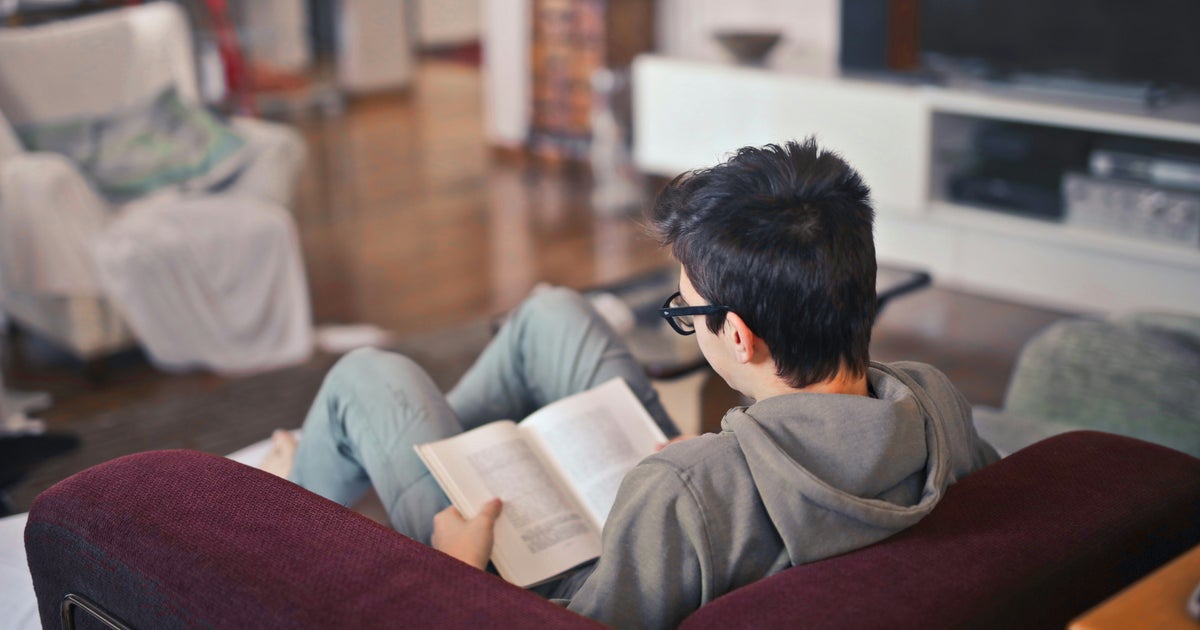
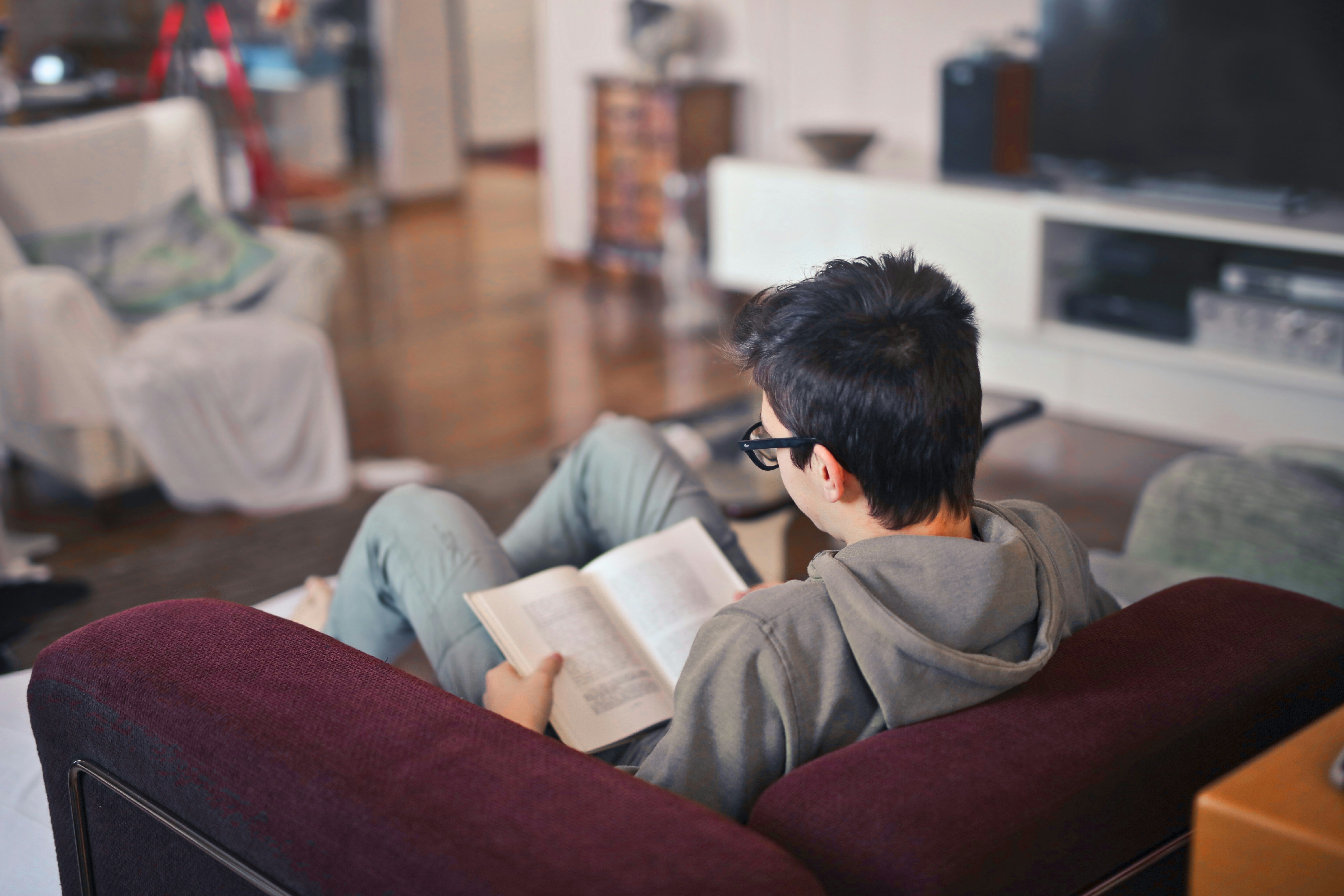
We all know kids and teens are reading less – and an increasing number are enjoying it less, too.

The stats speak for themselves. When The National Literacy Trust polled almost 115,000 kids in early 2025, it found just one in three (32.7%) kids aged eight to 18 years old said they enjoyed reading in their free time.

This marked a 36% decrease in reading enjoyment levels since 2005.

Among teens, particularly boys, reading enjoyment drops even more. One in five (18.8% of) boys aged 14 to 16 report enjoying reading, compared to 37.7% of girls.

It’s not just a UK issue, either. In a US-based survey of Gen Z students by Walton Family Foundation and Gallup, 35% admitted they disliked reading, with 43% saying they rarely or never did it for fun.

What’s impacting their love of reading?

In a TikTok video, a teacher known as Ms C, admitted one of her students had revealed they’d never finished a book before.

Discussing why older kids are reading less, she said there are “many reasons” like “increased pressure inside and outside of school, a desire to spend more time socialising, and, of course, the phones”.

But an even more “obvious” reason, she said, is that “adults have lowered the bar for how much you should read as a teenager” to the point where “the bar cannot be found”.

She explained: “There are many educators who have the mindset that you shouldn’t teach whole books because kids just won’t read them.”

“In the past I’ve taught at schools where teaching novels is actually discouraged,” she claimed.

I asked teachers and school librarians in the UK for their two cents on why kids are falling way out of love with reading by the time they reach their teens.

Sol Elliott, librarian at Overton Grange School, suggested more time spent online, especially on social media, plays a key part: “The technology that brings a lot of young people towards reading also keeps far more people away from it.

“The dopamine hit of social media use is hard to compete with, especially when we are working with people whose brains are developing quickly.”

Sarah Parsons, director of education at the Ted Wragg Multi Academy Trust, said: “Sadly, we see in our schools that teens find it hard to maintain the reading habits that they may have developed during primary school.

“Increasing demands on their time both within and beyond the classroom, combined with the growing influence of technology, have all contributed to a decline in regular reading among our teenagers.”

Research suggests there was a 52% increase in children’s screen time between 2020 and 2022. Kids aged eight to 14 years old who use the internet spend an average of 2 hours 59 minutes a day online across smartphones, tablets and computers, typically on YouTube, Snapchat, Google (search), Facebook and WhatsApp.

Nat Parnell, CEO of the Westcountry Schools Trust, also suggested social media plays a major role in teens reading less: “The risk is that the short bursts of gratification teenagers get from social media and texting are far more immediately satisfying than reading, which requires much greater effort before enjoyment is reached. It is not really a fair competition.”

The benefits of reading for pleasure

Besides being a nice way to switch off and unwind, there are several benefits to kids reading for pleasure. It helps introduce children to a range of experiences and viewpoints, which can help build empathy. It can also boost confidence and spark creativity.

Reading enjoyment has also been reported as more important for children’s educational success than their family’s socio-economic status, and it’s linked to higher scores in reading assessments.

Schools are trying to address the reading crisis – but it’s not easy. Parnell said their schools ensure all students have structured reading opportunities. “We also banned mobile phones in school some time ago,” she noted.

Parsons said their are a few strategies they’re deploying to try and boost reading: providing dedicated time each week for independent reading, for example, as well as exposing kids to texts that stimulate meaningful discussion and debate.

For Elliott, it’s been a case of tailoring the school library collection to the pupils’ tastes “in the hope that they will pick up a healthy reading habit as they grow up”.

“A lot of these choices are informed by internet trends and TikTok friendly genres (Fantasy, Romance, Manga etc.),” said the librarian.

“I genuinely fear for the health of our society if a meaningful cohort of young people are not reading regularly and interacting with serious literature,” Elliott added.

“I am optimistic, though, that when a school is sensitive to its young readers and pays attention to their interests that we can help them turn into regular readers.

“All reading is good reading, and I can only hope that stocking my library with magazines, comics and manga, will lead a good amount of them to a Zadie Smith novel, or a play by Arthur Miller.”

Ways to get kids reading at home

If you’re hoping to spark a love of reading in your teen, here’s what might help:

  • Buy books related to a favourite film, TV series, or which matches their interests or hobbies.
  • Let them choose what they read.
  • Be a reading role model – make sure they see you reading for enjoyment, too.
  • Set screen-free time before bed and encourage activities such as reading, colouring or journalling to wind down.
  • Help them find their own spaces to talk about books, suggests Scottish Book Trust – try Goodreads or #BookTok on TikTok.
  • Encourage different reading formats – e-books, comics and e-magazines still count!
  • Take them to library,school and book shop-hosted events focused on reading.
  • Check out our picks of the books to gently steer teens towards reading once more.

Good luck!

Share Button

The Other Bennet Sister: Why Austen Readers Should Watch The BBC Hit

Additional comment from Dr Shelley Galpin, a lecturer in Media, Culture, and Creative Industries at King’s College London.

Adapting a book for a TV show or movie means some readers are sure to be disappointed (take, for instance, Emerald Fennell’s controversial Wuthering Heights).

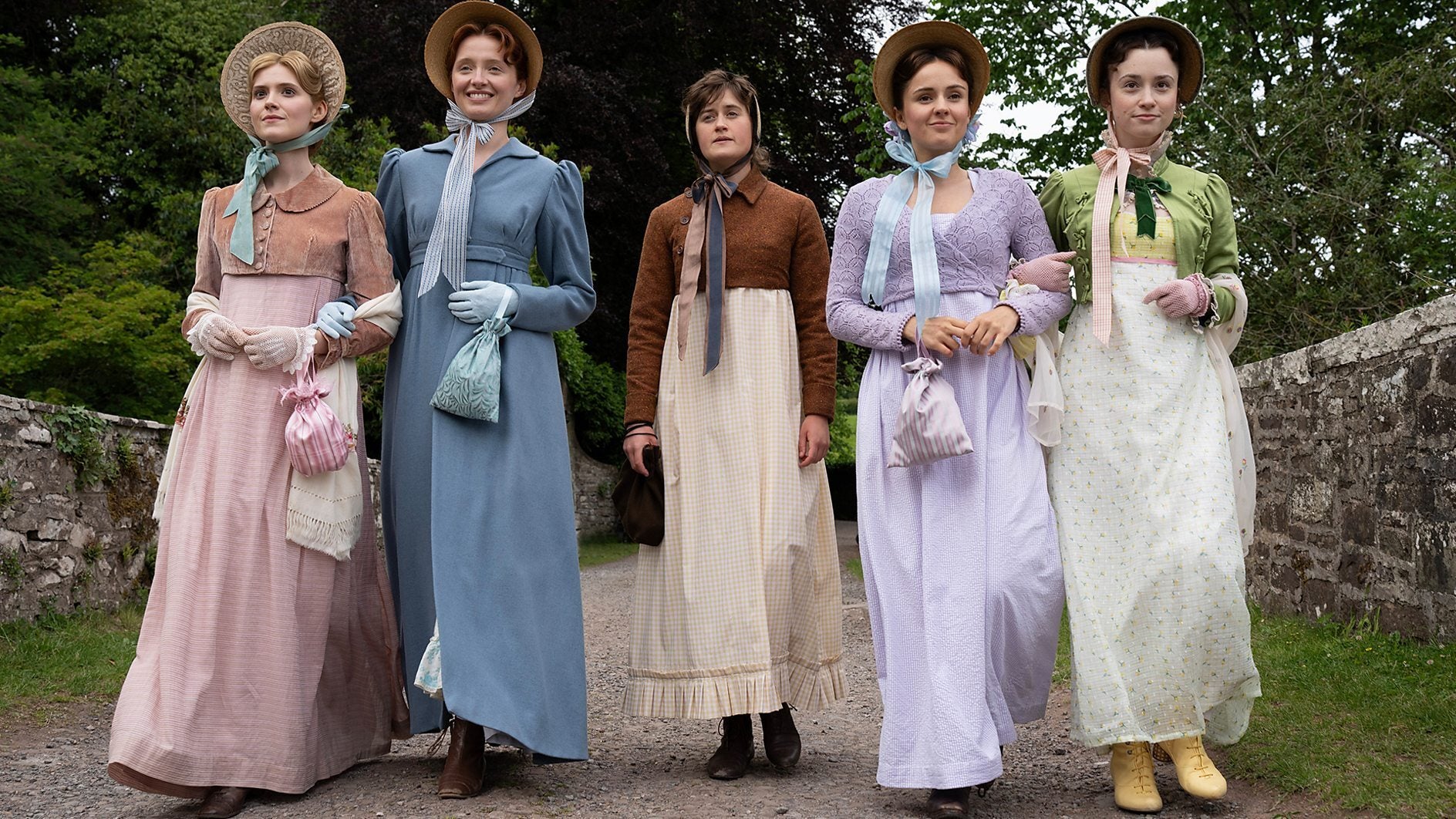
The BBC’s The Other Bennet Sister is no exception. Focused on Mary, the largely forgotten sibling in Jane Austen’s Pride and Prejudice, the series takes significant enough liberties with the author’s original work for some readers to dub it “fanfic”.

Personally, I’ve never seen that as much of an insult (what are Clueless or Bridget Jones if not very well-done Austen fan fictions?).

If anything, though it has its flaws, I think The Other Bennet Sister is a fun, highly watchable series that fits as neatly into the book’s premise as a mid-2020s TV show can.

It’s not the best screenwriting, I grant you. But the 1940 Pride and Prejudice film adaptation, which included the lines “At this moment, it’s difficult to believe that you’re so proud.” “At this moment, it’s difficult to believe that you are so prejudiced”, made a (clunky) point.

The book is all about how we see and unfairly judge one another, including as a reader. And speaking to HuffPost UK, media, culture, and creative industries lecturer Dr Shelley Galpin said, “The [BBC] series works well as a development of those ideas”.

Of course, Lizzie misunderstands Mr Darcy and Wickham in turns, and Mr Darcy is unkindly snobbish about the Bennets.

But we know that because Austen explicitly paints the picture for us. Her real art is in making us question the characters the book itself portrays negatively: if Mrs Bennet is so irrational and silly, how come the far better-off Mr Bennet married her – and why do some of her schemes, like sending a rain-sodden Jane off to sneeze over the nearest herd of poshies, kind of work out?

Why didn’t Lizzie, or most readers, trust Charlotte Lucas when she (rightly) said Mr Collins was perfect for many of her needs?

Not to pummel the remains of a long-dead horse further into the ground here, but the book makes us ask: were we proud, or prejudiced, when we read it?

The Other Bennet Sister

I was pleased to see that the Richared E. Grant Mr Bennet’s head-in-the-sand approach to raising children is a lot more explicit than in, say, the 2005 film (even if Mrs Bennet, played by Ruth Jones, is more flatly harsh – both Dr Galpin and I felt the speech she gives at the end of the show was not quite enough to redeem her being “such a nightmare” the rest of the time).

Other characters were reframed, too.

“I definitely felt that some of the more irritating or comic character elements were softened a little [in The Other Bennet Sister] – Mary and Mr Collins were both a little less ‘preachy’ and lacking in social awareness than in their original iterations, so I felt that some artistic license was taken with the characterisation, but this is perhaps consistent with the show centring on Mary’s view of the world more,” said Dr Galpin.

“I… liked the slight rehabilitation of Mr Collins, who is, at the end of the day, trying to do the right thing, even if he is far from the ideal romantic hero.”

Mary, whom I always saw as quite similar to the shy, bookish, devout Fanny Price protagonist in Mansfield Park, was well overdue for a similar reinterpetation, though Dr Galpin pointed out that her TV self might be closer to the original novel than I realised.

“It struck me as I watched it that Mary is essentially playing the ‘Lizzie’ role from P&P. In Austen’s novel, Lizzie is supposed to be a little awkward and lacking in social niceties (in comparison to perfect Jane!) and less attractive than her sister.

“She also continually irritates her mother by making supposedly imprudent marriage choices. Mary essentially steps into this persona in the series. The rivalry with Caroline Bingley also echoes Lizzie’s role in the original novel,” she said.

So, when the BBC show depicts Mary as strong-willed, ambitious, self-aware, and bloomingly confident once she reaches London, it’s not a correction of Jane Austen’s book but a natural extension of it.

It makes as much sense as a spin-off TV series as Mr Collins’ (relatively) successful marriage, or Caroline Bingley’s genuinely well-meaning Wickham warning, do in the novel; not what we were led to expect initially, but hey, what sucker doesn’t question their first impression?

That’s Austen, baby – and in my opinion, the witty, touching, and fun BBC adaptation has bottled it perfectly.

Share Button

How To Read More When You’re Not In The Habit

Reading can improve our emotional intelligence, delay the onset of dementia and stimulates neural pathways, according to BBC Teach.

What’s more, reading for just half an hour each week can increase health and wellbeing, and reading for pleasure can boost confidence and self-esteem. Experts noted the calming pastime can also aid our sleep and reduce feelings of loneliness.

It is an incredibly rewarding hobby and it doesn’t have to be expensive, either. You can borrow books from libraries for free – even audiobooks and digital versions. So, if it was on your New Year’s resolution list, you made a good choice.

However, for some people, it isn’t as simple as picking up a book and getting tucked in. Reading can be daunting, especially if it’s been a while since you last enjoyed a book – and for people with conditions such as dyslexia and ADHD, it can feel like an uphill climb.

Thankfully, two experts from Kingston University – Paty Paliokosta, associate professor of special and inclusive education, and Alison Baverstock, professor of publishing – shared their advice via The Conversation for getting back into books in a way that works for you.

How to read more in 2026

Many people with dyslexia and ADHD grow up feeling excluded from reading, and this is often carried into adulthood. Both children and adults with these conditions have reported lower levels of enjoyment of the hobby compared to their peers.

The experts said this can be “exacerbated” by “systemic school approaches and priorities that associate reading with national and international tests”.

They noted that reading becomes a performance metric, rather than a source of pleasure.

However, there is hope.

The experts advise: “Simple changes, such as altering the physical properties of the titles you read, or choosing graphic novels, can make a big difference. Neurodivergent readers can access books from publishers that specialise in using accessible fonts, layouts and language, for example.”

Audiobooks can also be a good shout. As they explain: “Despite the relationship between brain representations of information perceived by listening versus reading is unclear, neuroscience research shows the way our brain represents meaning is nearly the same whether we are listening or reading.”

Audiobooks are particularly helpful if you find the act of just sitting with a book to be under-stimulating. They can be consumed like podcasts or playlists; in bursts at a time and while you’re doing other tasks like housework or commuting.

It doesn’t have to be a solitary act, either

The Reading Agency says: “Reading independently projects your thoughts, feelings, and emotions onto a story. Book clubs, however, expand on this experience.

“Someone else might see a theme you previously didn’t consider, challenge your interpretation, or introduce you to a genre or a book you might not have picked up otherwise. Whether new releases, classics, or hidden gems, handing over the reins of curation can introduce you to a literary world of narratives and themes beyond your scope. ”

This is something you can emulate in your own life with book clubs, read-alongs or even just joining online communities like the Reddit /r/books community, where you can talk about books you’ve read and learn others’ opinions. It’s a great way to find connection and reduce loneliness.

Remember: it’s supposed to be enjoyable

If your first instinct is to pick up a classic book or a research-heavy textbook, you may want to ensure that you are reading what you want to read and not what you think you ought to.

Prof Baverstock actually started the charity Reading Force, which promotes the use of shared reading to keep military families connected. This charity has always encouraged making reading fun rather than laboured and compulsory.

“This emotional satisfaction by reading things they would like to read as opposed to imposed ones is of utmost importance. Pick something that engages you, not the book you think you should be reading,” the charity urges.

Find stories that represent you

While reading can help you to learn other people’s perspectives and experiences, it can also give you more insight and comfort within your own life when you feel you are represented.

I know for myself as a reader with a chronic illness, I got a lot from reading Coco Mellors’ book Blue Sisters, which explored chronic illness and how it can impact not just the sufferer but their family.

Additionally, the BookTrust says: “Diverse, inclusive, and representative children’s literature can ensure young readers see themselves, different lives and cultures, and the world around them in the stories they read.”

Happy reading!

Share Button

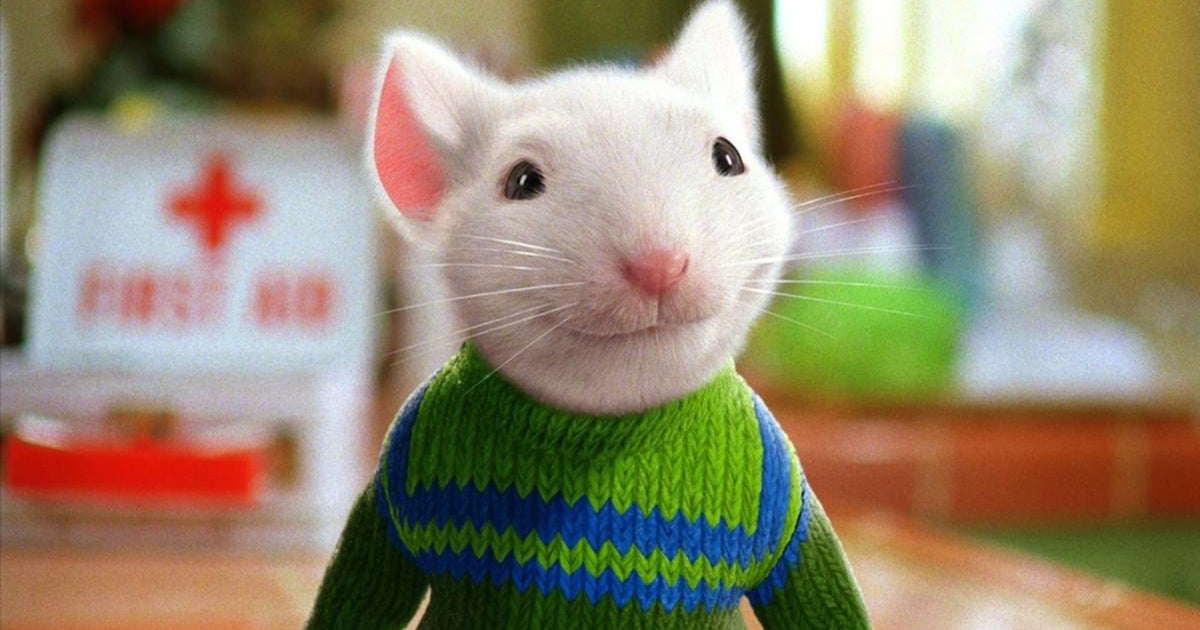
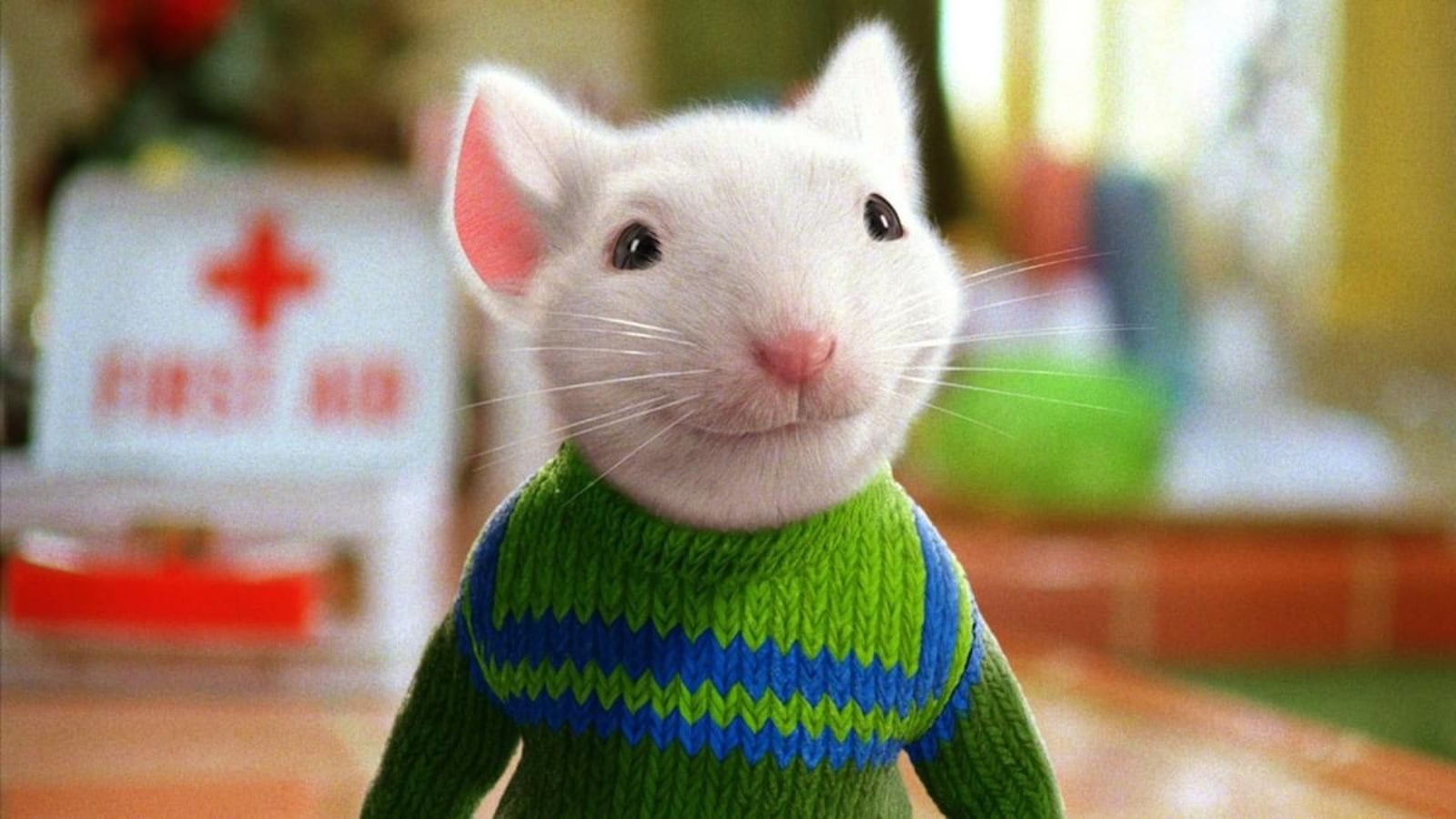
People Are Just Realising Stuart Little Isn’t A Mouse, And I Need To Lie Down

There are some things I thought I could take for granted. I always assumed paprika came from some spicy variety of pepper, but while traditional ones can contain varying degrees of heat, many large manufacturers use a type of sweet bell pepper instead.

I’d believed “wi-fi” stood for something, like “wifeless fidelity,” too. Nope: its name “doesn’t stand for anything. It is not an acronym. There is no meaning”.

But even I, a person who could fairly be described as “professionally bemused,” was uniquely surprised to learn that Stuart Little is not actually a mouse.

And looking at the responses to an X post from film critic and editor of Slash Film, Chris Evangelista, it seems I’m not alone.

<div class="js-react-hydrator" data-component-name="Twitter" data-component-id="8623" data-component-props="{"itemType":"rich","index":6,"contentIndexByType":2,"contentListType":"embed","code":"

I’ve just now learned that in the STUART LITTLE book, Stuart is not actually a mouse but a human boy who looks like a mouse, and I don’t know how to process this pic.twitter.com/W2mGvwWula

— Chris Evangelista (@cevangelista413) December 8, 2025

","type":"rich","meta":{"author":"Chris Evangelista","author_url":"https://twitter.com/cevangelista413","cache_age":86400,"description":"I’ve just now learned that in the STUART LITTLE book, Stuart is not actually a mouse but a human boy who looks like a mouse, and I don’t know how to process this pic.twitter.com/W2mGvwWula— Chris Evangelista (@cevangelista413) December 8, 2025\n\n\n","options":{"_hide_media":{"label":"Hide photos, videos, and cards","value":false},"_maxwidth":{"label":"Adjust width","placeholder":"220-550, in px","value":""},"_theme":{"value":"","values":{"dark":"Use dark theme"}}},"provider_name":"Twitter","thumbnail_height":799,"thumbnail_url":"https://pbs.twimg.com/media/G7qwfUXWkAAsXVP.jpg:large","thumbnail_width":1170,"title":"Chris Evangelista on Twitter / X","type":"rich","url":"https://twitter.com/cevangelista413/status/1998103439646368241","version":"1.0"},"flags":[],"enhancements":{"fonts":{"primary":{},"accent":{},"caption":{}}},"fullBleed":false,"options":{"theme":"news","device":"desktop","editionInfo":{"id":"uk","name":"U.K.","link":"https://www.huffingtonpost.co.uk","locale":"en_GB"},"originalEdition":"uk","isMapi":false,"isAmp":false,"isMobile":false,"isAdsFree":false,"isVideoEntry":false,"isEntry":true,"isMt":false,"entryId":"6939735be4b0447a52b94db2","entryPermalink":"https://www.huffingtonpost.co.uk/entry/staurt-ittle-human-explained_uk_6939735be4b0447a52b94db2","entryTagsList":"twitter,trivia,reddit,books,movies","sectionSlug":"entertainment","deptSlug":null,"sectionRedirectUrl":null,"subcategories":"","isWide":false,"isShopping":false,"headerOverride":null,"noVideoAds":false,"disableFloat":false,"isNative":false,"commercialVideo":{"provider":"custom","site_and_category":"uk.entertainment","package":null},"isHighline":false,"vidibleConfigValues":{"cid":"60afc140cf94592c45d7390c","disabledWithMapiEntries":false,"overrides":{"all":"60b8e525cdd90620331baaf4"},"whitelisted":["56c5f12ee4b03a39c93c9439","56c6056ee4b01f2b7e1b5f35","59bfee7f9e451049f87f550b","5acccbaac269d609ef44c529","570278d2e4b070ff77b98217","57027b4be4b070ff77b98d5c","56fe95c4e4b0041c4242016b","570279cfe4b06d08e3629954","5ba9e8821c2e65639162ccf1","5bcd9904821576674bc55ced","5d076ca127f25f504327c72e","5b35266b158f855373e28256","5ebac2e8abddfb04f877dff2","60b8e525cdd90620331baaf4","60b64354b171b7444beaff4d","60d0d8e09340d7032ad0fb1a","60d0d90f9340d7032ad0fbeb","60d0d9949340d7032ad0fed3","60d0d9f99340d7032ad10113","60d0daa69340d7032ad104cf","60d0de02b627221e9d819408"],"playlists":{"default":"57bc306888d2ff1a7f6b5579","news":"56c6dbcee4b04edee8beb49c","politics":"56c6dbcee4b04edee8beb49c","entertainment":"56c6e7f2e4b0983aa64c60fc","tech":"56c6f70ae4b043c5bdcaebf9","parents":"56cc65c2e4b0239099455b42","lifestyle":"56cc66a9e4b01f81ef94e98c"},"playerUpdates":{"56c6056ee4b01f2b7e1b5f35":"60b8e525cdd90620331baaf4","56c5f12ee4b03a39c93c9439":"60d0d8e09340d7032ad0fb1a","59bfee7f9e451049f87f550b":"60d0d90f9340d7032ad0fbeb","5acccbaac269d609ef44c529":"60d0d9949340d7032ad0fed3","5bcd9904821576674bc55ced":"60d0d9f99340d7032ad10113","5d076ca127f25f504327c72e":"60d0daa69340d7032ad104cf","5ebac2e8abddfb04f877dff2":"60d0de02b627221e9d819408"}},"connatixConfigValues":{"defaultPlayer":"16b0ecc6-802c-4120-845f-e90629812c4d","clickToPlayPlayer":"823ac03a-0f7e-4bcb-8521-a5b091ae948d","videoPagePlayer":"05041ada-93f7-4e86-9208-e03a5b19311b","defaultPlaylist":"2e062669-71b4-41df-b17a-df6b1616bc8f"},"topConnatixThumnbailSrc":"https://img.connatix.com/09fb54e9-b866-443f-a6dd-599526561256/1_th.jpg?crop=629:354,smart&width=629&height=354&format=jpeg&quality=60&fit=crop","customAmpComponents":[],"ampAssetsUrl":"https://amp.assets.huffpost.com","videoTraits":null,"positionInUnitCounts":{"buzz_head":{"count":0},"buzz_body":{"count":0},"buzz_bottom":{"count":0}},"positionInSubUnitCounts":{"article_body":{"count":13},"blog_summary":{"count":0},"before_you_go_content":{"count":0}},"connatixCountsHelper":{"count":1},"buzzfeedTracking":{"context_page_id":"6939735be4b0447a52b94db2","context_page_type":"buzz","destination":"huffpost","mode":"desktop","page_edition":"en-uk"},"tags":[{"name":"Twitter","slug":"twitter","links":{"relativeLink":"news/twitter","permalink":"https://www.huffingtonpost.co.uk/news/twitter","mobileWebLink":"https://www.huffingtonpost.co.uk/news/twitter"},"url":"https://www.huffingtonpost.co.uk/news/twitter/"},{"name":"trivia","slug":"trivia","links":{"relativeLink":"news/trivia","permalink":"https://www.huffingtonpost.co.uk/news/trivia","mobileWebLink":"https://www.huffingtonpost.co.uk/news/trivia"},"url":"https://www.huffingtonpost.co.uk/news/trivia/"},{"name":"Reddit","slug":"reddit","links":{"relativeLink":"news/reddit","permalink":"https://www.huffingtonpost.co.uk/news/reddit","mobileWebLink":"https://www.huffingtonpost.co.uk/news/reddit"},"url":"https://www.huffingtonpost.co.uk/news/reddit/"},{"name":"books","slug":"books","links":{"relativeLink":"news/books","permalink":"https://www.huffingtonpost.co.uk/news/books","mobileWebLink":"https://www.huffingtonpost.co.uk/news/books"},"relegenceSubjectId":978205,"url":"https://www.huffingtonpost.co.uk/news/books/"},{"name":"Movies","slug":"movies","links":{"relativeLink":"news/movies","permalink":"https://www.huffingtonpost.co.uk/news/movies","mobileWebLink":"https://www.huffingtonpost.co.uk/news/movies"},"relegenceSubjectId":981358,"url":"https://www.huffingtonpost.co.uk/news/movies/"}],"isLiveblogLive":null,"isLiveblog":false,"backfillRelatedArticles":[],"signInUrl":"https://login.huffpost.com/login?dest=https%3A%2F%2Fwww.huffpost.com%2Fentry%2Fstaurt-ittle-human-explained_uk_6939735be4b0447a52b94db2%3Fhp_auth_done%3D1","cetUnit":"buzz_body","enableIncontentPlayer":false,"bodyAds":["

\r\n\r\n HPGam.cmd.push(function(){\r\n\t\treturn HPGam.render(\"inline-1\", \"entry_paragraph_1\", false, false);\r\n });\r\n\r\n","

\r\n\r\n HPGam.cmd.push(function(){\r\n\t\treturn HPGam.render(\"inline\", \"entry_paragraph_2\", false, false);\r\n });\r\n\r\n","

\r\n\r\n HPGam.cmd.push(function(){\r\n\t\treturn HPGam.render(\"inline-2\", \"entry_paragraph_3\", false, false);\r\n });\r\n\r\n","

\r\n\r\n HPGam.cmd.push(function(){\r\n\t\treturn HPGam.render(\"inline-infinite\", \"repeating_dynamic_display\", false, false);\r\n });\r\n\r\n"],"adCount":0,"midArticleAdPartner":null},"isCollectionEmbed":false}”>

I’ve just now learned that in the STUART LITTLE book, Stuart is not actually a mouse but a human boy who looks like a mouse, and I don’t know how to process this pic.twitter.com/W2mGvwWula

— Chris Evangelista (@cevangelista413) December 8, 2025

In the books, Stuart Little is a human

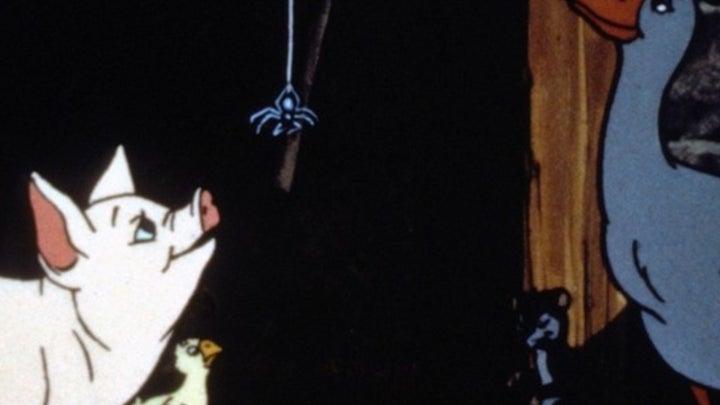
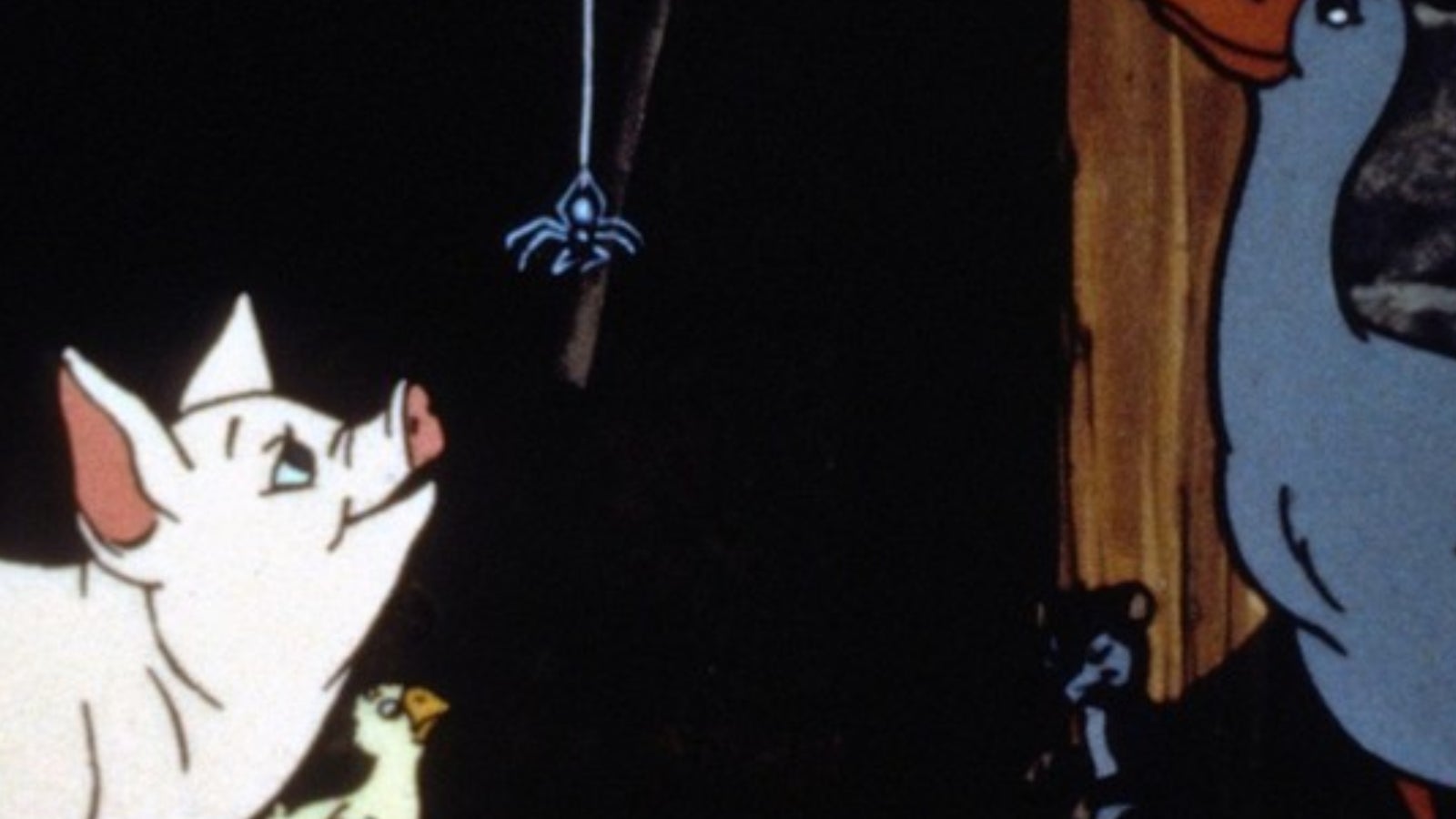
The film Stuart Little is based on the book Stuart Little by EB White (also the author of Charlotte’s Web).

And I sincerely regret to inform you that the first chapter of that cursed tome novel, “In The Drain,” begins in this haunting manner:

“When Mrs Frederick C. Little’s second son arrived, everybody noticed that he was not much bigger than a mouse. The truth of the matter was, the baby looked very much like a mouse in every way. He was only about two inches high; and he had a mouse’s sharp nose, a mouse’s tail, a mouse’s whiskers, and the pleasant, shy manner of a mouse. Before he was many days old he was not only looking like a mouse but acting like one, too – wearing a grey hat and carrying a small cane. Mr and Mrs Little named him Stuart, and Mr Little made him a tiny bed out of four clothespins and a cigarette box.

So, while publisher Harper Collins markets the children’s book as a “classic novel about a small mouse… born to a family of humans,” the perhaps less invested Britannica is more alive to its body horror realities.

It is, they point out, about a “two-inch-tall boy who resembles a mouse”.

Which begs the question, A24 Stuart Little remake when?

People had… thoughts

In response to the recent X post, one netizen called the news “disturbing”.

Another pointed to the historical myth of sooterkins. These were believed to be the rat-like afterbirth of some Dutch women (great! Normal!).

But it is not the first time innocent internet users have become aware of the fact.

A post shared to Reddit’s r/todayilearned pointed out the “mouse”’s true species in 2018.

“He also tries to get frisky/date a girl who is tiny like him and looks like a human,” wrote u/Atoning_Unifex.

Yup, that’d be Harriet Ames, who does not look like a mouse. Stuart got the hots for her after hearing that she was a little “shorter” than him, and after a shopkeeper “gave [him] a most favourable report of [her] character and appearance”.

They did not work out. But notably, Stuart Little began a letter to her by saying, “I am a young person of modest proportions” (italics mine).

All in all, I’m with u/MattheJ1: “If I were Mr Little, I’d be asking some questions”.

Share Button