Britney Spears Accuses Father Jamie Of Trying To ‘Extort’ Money From Her

Jeff Kravitz/BBMA2016 via Getty Images

Britney Spears pictured in 2016

In new legal filings, Rosengart called for Jamie Spears’ immediate resignation, and accused him of trying to “extort” her.

Rosengart said: “Mr Spears and his counsel are now on notice: the status quo is no longer tolerable, and Britney Spears will not be extorted.

“Mr Spears’s blatant attempt to barter suspension and removal in exchange for approximately $2 million (£1.45 million) in payments, on top of the millions already reaped from Ms Spears’s estate by Mr Spears and his associates, is a non-starter.”

He added that Jamie’s resignation would be the “legally correct, decent and graceful thing to do”, adding: “[Jamie’s] idea of ‘orderly’ is to hang on until someone first brands him ‘father of the year’ and awards him a gold star for his ‘service’.

“In other words, although Mr Spears has, at last, been forced to recognise that it is best for his daughter if he departs now, he claims the right to drag his feet because it is best for him to cling to this conservatorship until he feels sufficiently-vindicated.”

AFP via Getty Images

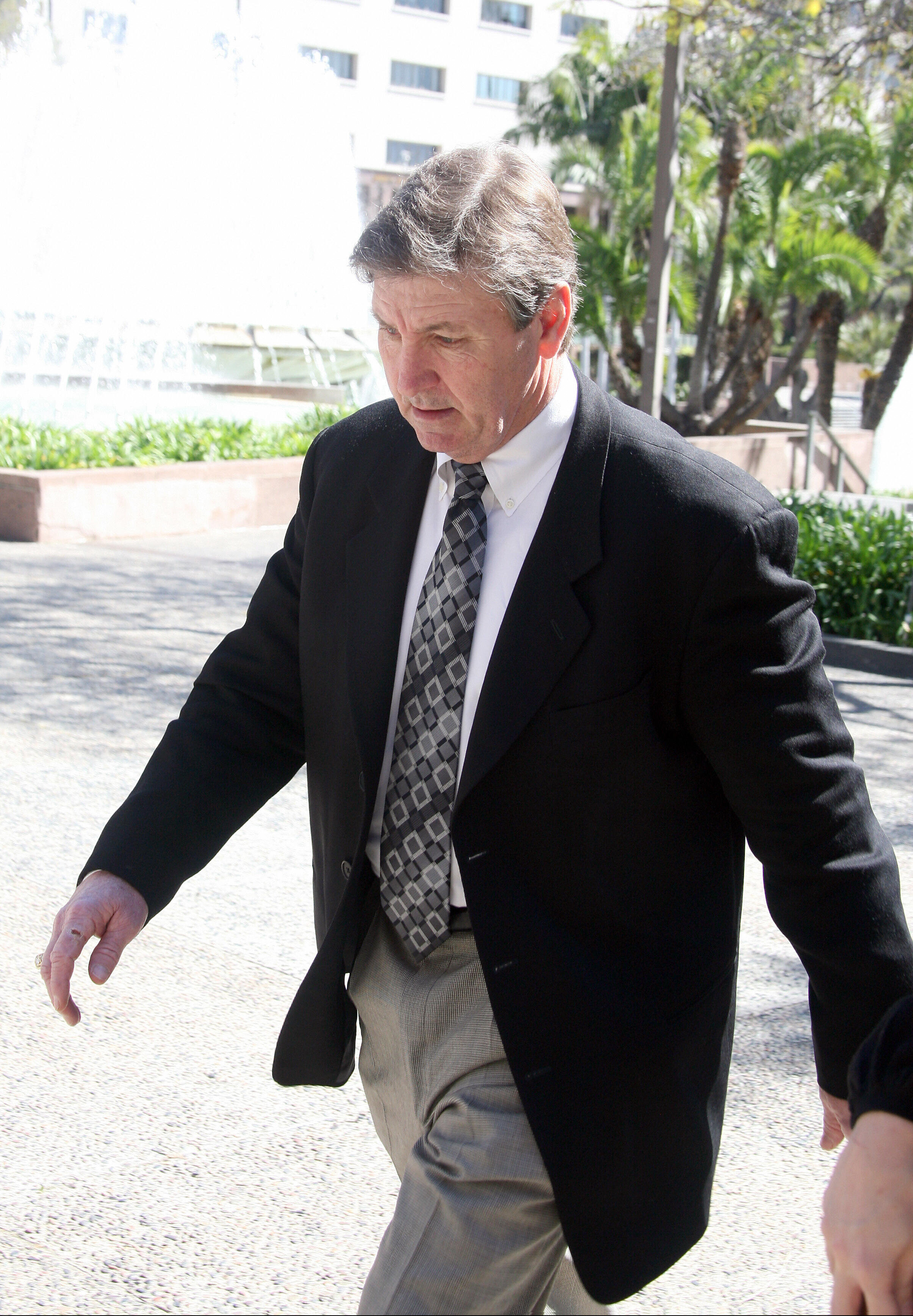
Jamie Spears in 2008

Britney Spears has twice given testimony about the conservatorship in recent history that has been made public, in which she’s made a string of shocking claims.

This included being forced to take lithium in place of her regular medication and be on birth control despite her hopes to have a child with her boyfriend, Sam Asghari.

More recently, she said she wanted her father to be charged with conservatorship abuse.

Last month Jamie Spears expressed his intention to step down as his daughter’s legal guardian, though he did not offer any specifics about when he would do so.

He also insisted that there were “no actual grounds for suspending or removing” him from the arrangement, stating he’s been the “unremitting target of unjustified attacks” regarding the conservatorship.

“[Jamie] does not believe that a public battle with his daughter over his continuing service as her conservator would be in her best interests,” his legal team said in court documents. 

Share Button

A cocoa bean’s ‘fingerprint’ could help trace chocolate bars back to their farm of origin, finds a new study

A new study from the University of Surrey has revealed that biotechnology could be the missing ingredient in helping cocoa farmers get a better deal for their beans.

Chocolate is a £61billion-per-year global industry that has seen the volatile price of cocoa lead to a surge in traders seeking to buy cheaper beans from deforested regions, with lower quality plants, and human rights abuses. This has affected the prices and practices of legitimate farmers, reducing sustainability gains.

In the findings, published in the journal Supply Chain Management, the multi-university research team reveal that biomarkers can create “meta-barcodes,” which are like biochemical fingerprints, an unchanging barcode extracted from the plant’s DNA, providing a unique identifier of a plant that is also observed in its beans and subsequent chocolate products. The biomarker of cocoa beans used in chocolate manufacturing could accurately identify the farm, production facility or cooperative where a cocoa product came from.

To make this new process a reality, a controlled data set of biomarkers of registered locations is required for audit. The study goes on to explain that this missing piece — a biomarker database that identifies the origin of cocoa products, can be built by companies at an estimated cost of £5 per sample — around the cost of a box of chocolates.

Glenn Parry, Professor of Digital Transformation at University of Surrey, said: “The chocolate market has become turbulent, and we have evidence of over 100 years of slavery in the supply chain. Governments and chocolate producers are faced with an ethical challenge and drastically need to improve a trade that is rife with environmental destruction and human misery.

“We have an effective approach for them to make progress. We demonstrate that biomarkers can provide supply chain visibility from the individual farm to the retail chocolate bar. This solution could now be within reach, where the journey of the chocolate in your fridge could be traced back to the cocoa trees where it began.”

Story Source:

Materials provided by University of Surrey. Note: Content may be edited for style and length.

Share Button

Covid: Teen in hospital with virus urges others to get vaccinated

Maisy Evans, 17, is in hospital and is so short of breath she can barely talk.

Share Button

Covid-19: Irish Cabinet agrees to end most restrictions by 22 October

Ministers met on Tuesday to agree on a plan to ease most Covid-19 restrictions by 22 October.

Share Button

This rainbow-making tech could help autonomous vehicles read signs

A new study explains the science behind microscale concave interfaces (MCI) — structures that reflect light to produce beautiful and potentially useful optical phenomena.

“It is vital to be able to explain how a technology works to someone before you attempt to adopt it. Our new paper defines how light interacts with microscale concave interfaces,” says University at Buffalo engineering researcher Qiaoqiang Gan, noting that future applications of these effects could include aiding autonomous vehicles in recognizing traffic signs.

The research was published online on Aug. 15 in Applied Materials Today, and is featured in the journal’s September issue.

Gan, PhD, professor of electrical engineering in the UB School of Engineering and Applied Sciences, led the collaborative study, which was conducted by a team from UB, the University of Shanghai for Science and Technology, Fudan University, Texas Tech University and Hubei University. The first authors are Jacob Rada, UB PhD student in electrical engineering, and Haifeng Hu, PhD, professor of optical-electrical and computer engineering at the University of Shanghai for Science and Technology.

Reflections that form concentric rings of light

The study focuses on a retroreflective material — a thin film that consists of polymer microspheres laid down on the sticky side of a transparent tape. The microspheres are partially embedded in tape, and the parts that protrude form MCIs.?

White light shining on this film is reflected in a way that causes the light to create concentric rainbow rings, the new paper reports. Alternately, hitting the material with a single-colored laser (red, green or blue, in the case of this study) generates a pattern of bright and dark rings. Reflections from infrared lasers also produced distinctive signals consisting of concentric rings.

The research describes these effects in detail, and reports on experiments that used the thin film in a stop sign. The patterns formed by the material showed up clearly on both a visual camera that detects visible light, and a LIDAR (laser imaging, detection and ranging) camera that detects infrared signals, says Rada, the co-first author from UB.

“Currently, autopilot systems face many challenges in recognizing traffic signs, especially in real-world conditions,” Gan says. “Smart traffic signs made from our material could provide more signals for future systems that use LIDAR and visible pattern recognition together to identify important traffic signs. This may be helpful to improve the traffic safety for autonomous cars.”

“We demonstrated a new combined strategy to enhance the LIDAR signal and visible pattern recognition that are currently performed by both visible and infrared cameras,” Rada says. “Our work showed that the MCI is an ideal target for LIDAR cameras, due to the constantly strong signals that are produced.”

A U.S. patent for the retroreflective material has been issued, as well as a counterpart in China, with Fudan University and UB as the patent-holders. The technology is available for licensing.

Gan says future plans include testing the film using different wavelengths of light, and different materials for the microspheres, with the goal of enhancing performance for possible applications such as traffic signs designed for future autonomous systems.

Story Source:

Materials provided by University at Buffalo. Original written by Charlotte Hsu. Note: Content may be edited for style and length.

Share Button

Machine learning algorithm revolutionizes how scientists study behavior

To Eric Yttri, assistant professor of biological sciences and Neuroscience Institute faculty at Carnegie Mellon University, the best way to understand the brain is to watch how organisms interact with the world.

“Behavior drives everything we do,” Yttri said.

As a behavioral neuroscientist, Yttri studies what happens in the brain when animals walk, eat, sniff or do any action. This kind of research could help answer questions about neurological diseases or disorders like Parkinson’s disease or stroke. But identifying and predicting animal behavior is extremely difficult.

Now, a new unsupervised machine learning algorithm developed by Yttri and Alex Hsu, a biological sciences Ph.D. candidate in his lab, makes studying behavior much easier and more accurate. The researchers published a paper on the new tool, B-SOiD (Behavioral segmentation of open field in DeepLabCut), in Nature Communications.

Previously, the standard method to capture animal behavior was to track very simple actions, like whether a trained mouse pressed a lever or whether an animal was eating food or not. Alternatively, the experimenter could spend hours and hours manually identifying behavior, usually frame by frame on a video, a process prone to human error and bias.

Hsu realized he could let an unsupervised learning algorithm do the time-consuming work. B-SOiD discovers behaviors by identifying patterns in the position of an animal’s body. The algorithm works with computer vision software and can tell researchers what behavior is happening at every frame in a video.

“It uses an equation to consistently determine when a behavior starts,” Hsu explained. “Once you reach that threshold, the behavior is identified, every time. A human experimenter might toggle between two frames or several categories, try to decide where behavior begins and become fatigued over time.”

Yttri said B-SOiD provides a huge improvement and opens up several avenues for new research.

“It removes user bias and, more importantly, removes the time cost and arduous work,” he said. “We can accurately process hours of data in a matter of minutes.”

Additionally, B-SOiD is very user friendly and openly available to any researcher. Yttri’s lab and their collaborators have used the new algorithm in research on many important areas, including research to better understand chronic pain, obsessive compulsive disorder and more.

Collaborators have even begun to use B-SOiD to study human movement in Parkinson’s disease.

“We are beginning to see if this can be used as part of an objective test by a doctor to show how far a patient’s disease has progressed. The hope is that a patient anywhere in the world would be diagnosed with one standardized metric,” Yttri said.

This is a breakthrough in how scientists can study natural behavior and how it changes rather than the overly simplistic or subjective measures that predominate neuroscience and ethology.

Story Source:

Materials provided by Carnegie Mellon University. Original written by Caroline Sheedy. Note: Content may be edited for style and length.

Share Button

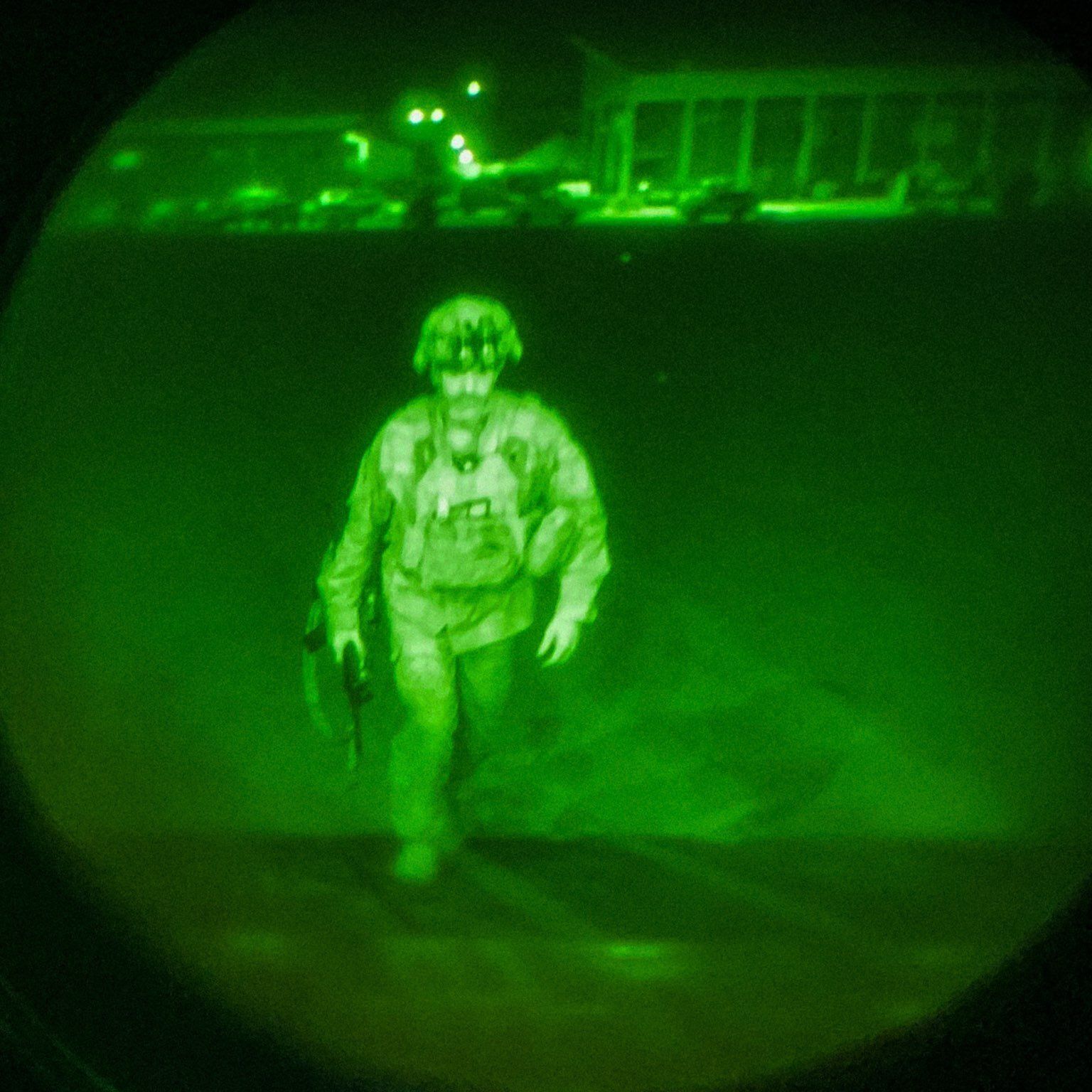
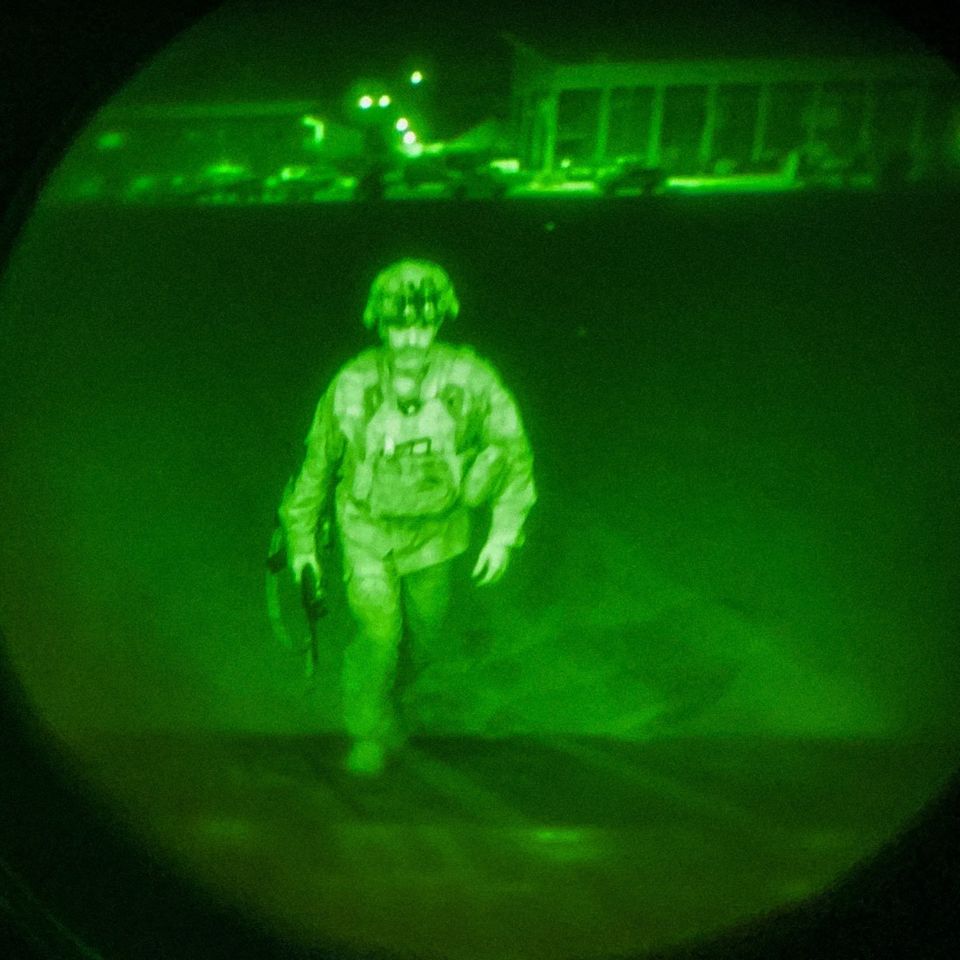
US Military Releases Haunting Image Of Last Soldier To Leave Afghanistan

The official time of departure was 3:29 pm EDT Monday, or 11:59 pm in Kabul.

Marine Corps Gen. Kenneth McKenzie, who leads US Central Command, said more than 123,000 civilians had been evacuated from Afghanistan by the US and its allies since August 14, one of the largest airlift operations in history. 

“Tonight’s withdrawal signifies both the end of the military component of the evacuation but also the end of the nearly 20-year mission that began in Afghanistan shortly after Sept. 11, 2001,” McKenzie said.

Secretary of State Antony Blinken said that 100 to 200 US citizens remain in Afghanistan who wish to leave and that diplomatic efforts are underway. 

“The military phase is over, but our desire to bring these people out remains as intense as it was before,” Blinken said. 

Share Button

Sharon Stone Pays Tribute To 11-Month-Old Nephew River Following His Death

Sharon Stone has paid tribute to her 11-month-old nephew, who has died after she announced he suffered total organ failure.

The Oscar-nominated star told fans last week River Stone was critically ill and that she and her family were hoping for a miracle.

River – the son of Sharon’s brother Patrick – died on Monday, the Basic Instinct actor confirmed.

She shared a touching video tribute to River, who was also her godson, featuring poignant footage of the little boy smiling while playing in bed.

She wrote in the caption: “River William Stone Sept. 8, 2020 – Aug. 30, 2021.”

Sharon was sent messages of support by her celebrity friends.

Rich Polk via Getty Images

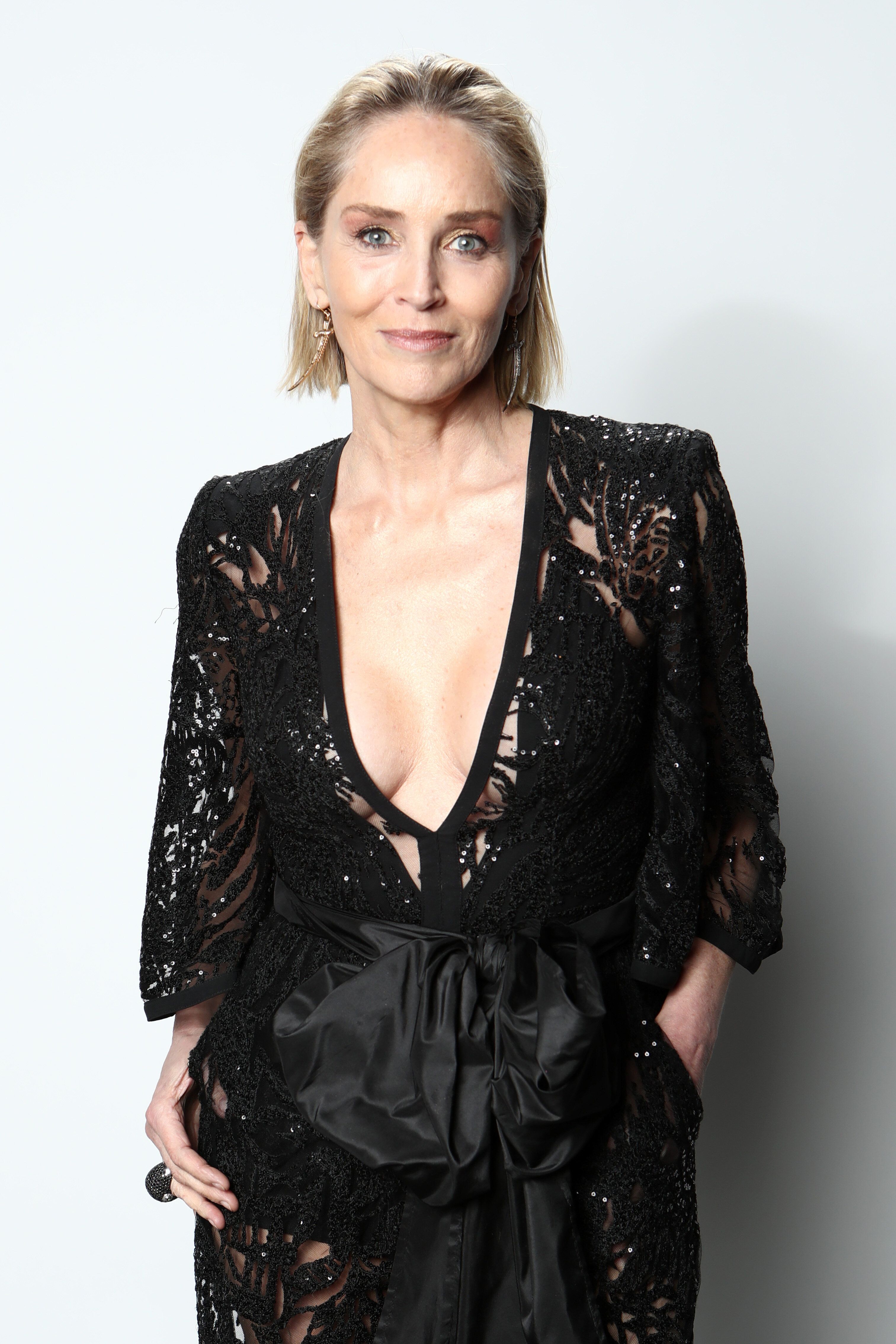
Sharon Stone pictured in 2020

Will & Grace star Debra Messing said: “Noooooooooooooo. I am in disbelief. Oh Sharon, there are no words, other than I’m so sorry for your whole family’s loss. I am praying for all of you at this unimaginable time.”

Sean Hayes, an actor also known for his work on Will & Grace, said: “Ugh. I’m sitting here in tears. I’m so sorry, Sharon. What a beautiful boy. Sending all my love to you and your family.”

And Selma Blair commented: “I am so sorry. My lord.”

Last week Sharon, whose films include Total Recall and Casino, asked fans to pray for River after he was “found in his crib with total organ failure”.

“Please pray for him,” she tweeted. “We need a miracle.”

Help and support:

  • Sands works to support anyone affected by the death of a baby.
  • Saying Goodbye offers support for anyone who has suffered the loss of a baby during pregnancy, at birth or in infancy.
Share Button

Saira Khan Sets The Record Straight Following Reports Of SAS: Who Dares Wins ‘Legal Battle’

Celebrity SAS: Who Dares Wins contestant Saira Khan has spoken out to deny claims of a reported “legal battle with the show” after sustaining an injury during filming.

Over the weekend, Saira told The Sun she had suffered “life-long” physical scars during an undisclosed incident on the set of the Channel 4 reality show.

“Unfortunately legally I can’t go into much detail about it because it’s still ongoing,” the former Loose Women star explained. “I was left with life-long scars, physical ones. That’s very hard to cope with.

“I am a very fit individual and to go onto a show and then have experienced what I did, I was in real shock.”

Channel 4

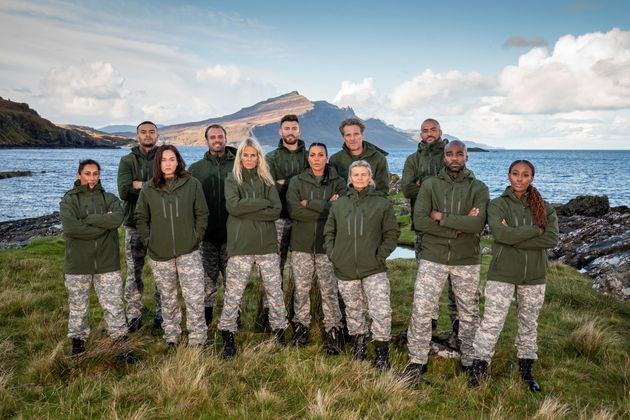
Saira (pictured on the far left) with the rest of the Celebrity SAS: Who Dares Wins cast

Saira added: “The show was great in supporting, but it’s gone beyond that. It’s gone onto something a bit bigger than that.”

However, in the same article, The Sun reported that Saira had “launched legal action” over the incident, which she has branded “fake news”.

Posting on her Instagram, she insisted: “There is a story in the [The Sun] that I am suing or am in a legal battle with [prodution company Minnow Films] and [Channel 4] after filming [Celebrity SAS: Who Dares Wins]. This is NOT true.

“[Minnow Films and Channel 4] have supported me fully before and after the show.”

Channel 4

Saira Khan on the set of Celebrity SAS: Who Dares Wins

Sara continued: “When doing the press PR for the show, there were some legal matters I could not discuss, but that was not to be reported – so of course it gets reported and becomes a ‘clickbait’ story!!

“This show is the BEST show I have ever taken part in and it is disappointing that my role in it is being overshadowed by FAKE NEWS.”

She also said that if she were in “a legal battle with the show”, she wouldn’t be “promoting the show on my platform in such a positive light” or praising it in her newspaper column.

“If I was in a legal battle or suing I wouldn’t be doing my case any favours by saying what a great time I had on it!” she wrote. “They say all PR is good PR – yeah, but not when it’s fake news that hurts innocent people.”

A Minnow Films spokesperson previously told HuffPost UK: “Minnow Films and Saira Khan are happy to have ­resolved the concern raised.”

They also supplied a statement from Saira herself, which said: “I’m absolutely happy to have taken part in Celebrity SAS: Who Dares Wins. I had a life changing experience on the show, for the better, and if I was asked to do it again, I 100% would.”

Having finished as runner up in the first series of The Apprentice in 2005, Saira is now best known for her stint on the Loose Women panel, quitting the daytime show earlier this year, after wrapping filming on SAS: Who Dares Wins.

“I did take big drastic steps [after SAS: Who Dares Wins],” she told The Sun. “I left Loose Women and, interestingly, Andrea McLean left Loose Women after doing SAS.

“It changes your life. You realise you’ve got to cut through the shit and start living.”

SOPA Images via Getty Images

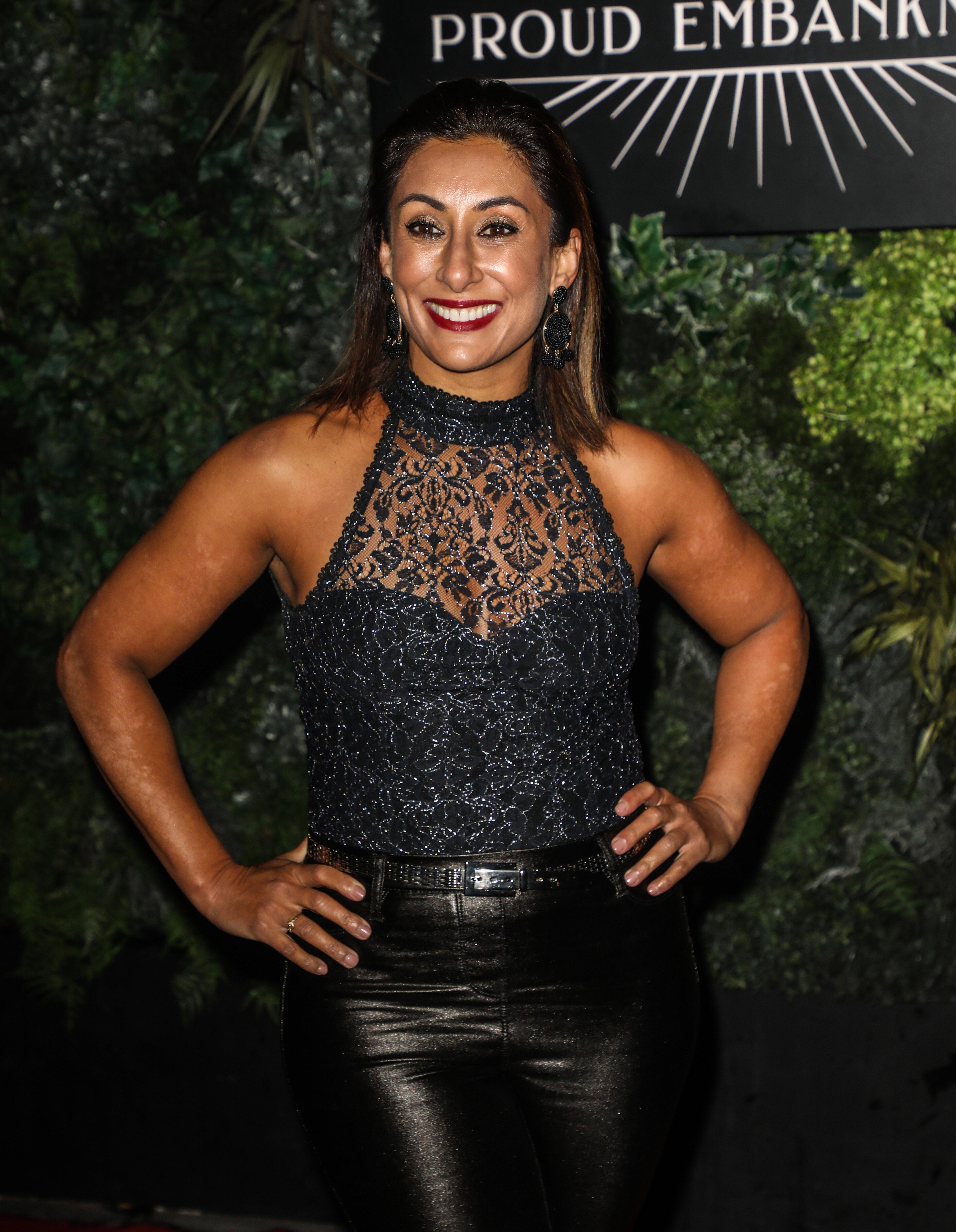
Saira Khan pictured at an event in November 2020

Saira’s other reality TV credits include Celebrity Big Brother and Dancing On Ice.

The latest series of Celebrity SAS: Who Dares Wins launched on Channel 4 on Sunday night.

Other contestants being put through their paces this time around include chart-topping singer Alexandra Burke, Strictly Come Dancing winner Ore Oduba, reality star Kerry Katona and footballer Kieron Dyer.

Share Button

Rugby study finds brain affected in one season

One season of professional rugby could be enough to see a decline in a player’s blood flow to the brain and cognitive function, a new study claims.

Share Button