
WellnessMaster

Get The Latest News on Holistic Wellness

WellnessMaster

How earthquake swarms arise

Earthquakes can be abrupt bursts of home-crumbling, ground-buckling energy when slices of the planet’s crust long held in place by friction suddenly slip and lurch.

“We typically think of the plates on either side of a fault moving, deforming, building up stresses and then: Boom, an earthquake happens,” said Stanford University geophysicist Eric Dunham.

But deeper down, these blocks of rock can slide steadily past one another, creeping along cracks in Earth’s crust at about the rate that your fingernails grow.

A boundary exists between the lower, creeping part of the fault, and the upper portion that may stand locked for centuries at a stretch. For decades, scientists have puzzled over what controls this boundary, its movements and its relationship with big earthquakes. Chief among the unknowns is how fluid and pressure migrate along faults, and how that causes faults to slip.

A new physics-based fault simulator developed by Dunham and colleagues provides some answers. The model shows how fluids ascending by fits and starts gradually weaken the fault. In the decades leading up to big earthquakes, they seem to propel the boundary, or locking depth, a mile or two upward.

Migrating swarms

The research, published Sept. 24 in Nature Communications, also suggests that as pulses of high-pressure fluids draw closer to the surface, they can trigger earthquake swarms — strings of quakes clustered in a local area, usually over a week or so. Shaking from these seismic swarms is often too subtle for people to notice, but not always: A swarm near the southern end of the San Andreas Fault in California in August 2020, for example, produced a magnitude-4.6 quake strong enough to rattle surrounding cities.

Each of the earthquakes in a swarm has its own aftershock sequence, as opposed to one large mainshock followed by many aftershocks. “An earthquake swarm often involves migration of these events along a fault in some direction, horizontally or vertically,” explained Dunham, senior author of the paper and an associate professor of geophysics at Stanford’s School of Earth, Energy & Environmental Sciences (Stanford Earth).

The simulator maps out how this migration works. Whereas much of the advanced earthquake modeling of the last 20 years has focused on the role of friction in unlocking faults, the new work accounts for interactions between fluid and pressure in the fault zone using a simplified, two-dimensional model of a fault that cuts vertically through Earth’s entire crust, similar to the San Andreas Fault in California.

“Through computational modeling, we were able to tease out some of the root causes for fault behavior,” said lead author Weiqiang Zhu, a graduate student in geophysics at Stanford. “We found the ebb and flow of pressure around a fault may play an even bigger role than friction in dictating its strength.”

Underground valves

Faults in Earth’s crust are always saturated with fluids — mostly water, but water in a state that blurs distinctions between liquid and gas. Some of these fluids originate in Earth’s belly and migrate upwards; some come from above when rainfall seeps in or energy developers inject fluids as part of oil, gas or geothermal projects. “Increases in the pressure of that fluid can push out on the walls of the fault, and make it easier for the fault to slide,” Dunham said. “Or, if the pressure decreases, that creates a suction that pulls the walls together and inhibits sliding.”

For decades, studies of rocks unearthed from fault zones have revealed telltale cracks, mineral-filled veins and other signs that pressure can fluctuate wildly during and between big quakes, leading geologists to theorize that water and other fluids play an important role in triggering earthquakes and influencing when the biggest temblors strike. “The rocks themselves are telling us this is an important process,” Dunham said.

More recently, scientists have documented that fluid injection related to energy operations can lead to earthquake swarms. Seismologists have linked oil and gas wastewater disposal wells, for example, to a dramatic increase in earthquakes in parts of Oklahoma starting around 2009. And they’ve found that earthquake swarms migrate along faults faster or slower in different environments, whether it’s underneath a volcano, around a geothermal operation or within oil and gas reservoirs, possibly because of wide variation in fluid production rates, Dunham explained. But modeling had yet to untangle the web of physical mechanisms behind the observed patterns.

Dunham and Zhu’s work builds on a concept of faults as valves, which geologists first put forth in the 1990s. “The idea is that fluids ascend along faults intermittently, even if those fluids are being released or injected at a steady, constant rate,” Dunham explained. In the decades to thousands of years between large earthquakes, mineral deposition and other chemical processes seal the fault zone.

With the fault valve closed, fluid accumulates and pressure builds, weakening the fault and forcing it to slip. Sometimes this movement is too slight to generate ground shaking, but it’s enough to fracture the rock and open the valve, allowing fluids to resume their ascent.

The new modeling shows for the first time that as these pulses travel upward along the fault, they can create earthquake swarms. “The concept of a fault valve, and intermittent release of fluids, is an old idea,” Dunham said. “But the occurrence of earthquake swarms in our simulations of fault valving was completely unexpected.”

Predictions, and their limits

The model makes quantitative predictions about how quickly a pulse of high-pressure fluids migrates along the fault, opens up pores, causes the fault to slip and triggers certain phenomena: changes in the locking depth, in some cases, and imperceptibly slow fault movements or clusters of small earthquakes in others. Those predictions can then be tested against the actual seismicity along a fault — in other words, when and where small or slow-motion earthquakes end up occurring.

For instance, one set of simulations, in which the fault was set to seal up and halt fluid migration within three or four months, predicted a little more than an inch of slip along the fault right around the locking depth over the course of a year, with the cycle repeating every few years. This particular simulation closely matches patterns of so-called slow-slip events observed in New Zealand and Japan — a sign that the underlying processes and mathematical relationships built into the algorithm are on target. Meanwhile, simulations with sealing dragged out over years caused the locking depth to rise as pressure pulses climbed upward.

Changes in the locking depth can be estimated from GPS measurements of the deformation of Earth’s surface. Yet the technology is not an earthquake predictor, Dunham said. That would require more complete knowledge of the processes that influence fault slip, as well as information about the particular fault’s geometry, stress, rock composition and fluid pressure, he explained, “at a level of detail that is simply impossible, given that most of the action is happening many miles underground.”

Rather, the model offers a way to understand processes: how changes in fluid pressure cause faults to slip; how sliding and slip of a fault breaks up the rock and makes it more permeable; and how that increased porosity allows fluids to flow more easily.

In the future, this understanding could help to inform assessments of risk related to injecting fluids into the Earth. According to Dunham, “The lessons that we learn about how fluid flow couples with frictional sliding are applicable to naturally occurring earthquakes as well as induced earthquakes that are happening in oil and gas reservoirs.”

This research was supported by the National Science Foundation and the Southern California Earthquake Center.

Share Button

Covid vaccine: Trial of new coronavirus vaccine starts in UK

It is only the second vaccine to enter large scale trials in the UK and early signs suggest it can trigger an immune response.

Share Button

Relax Into Being

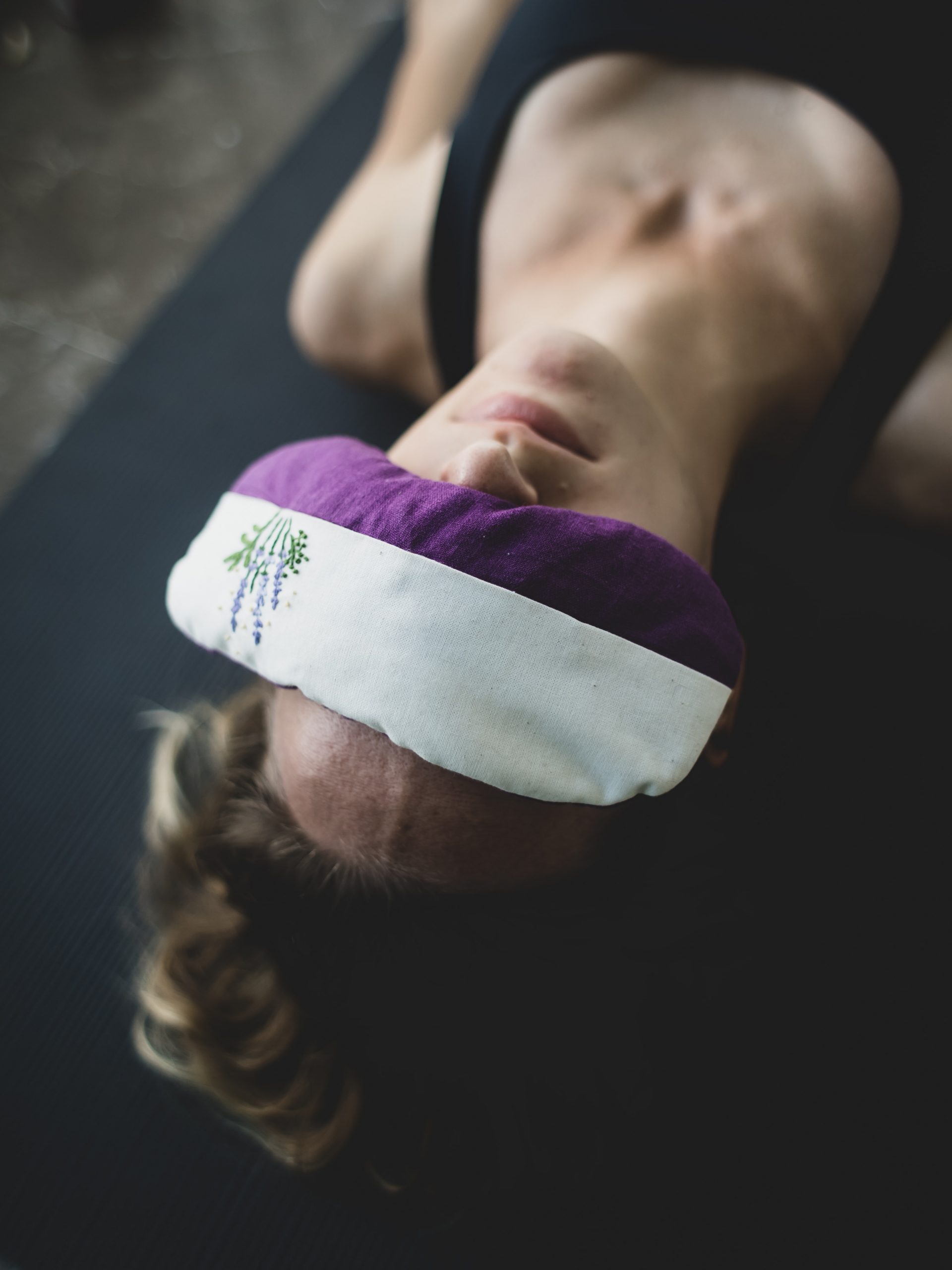
A few nights ago, I did a 30-minute yoga session before dinner. While lying in Savasana (corpse pose) at the end of it, I reveled in a delightful sense of beingness. This was a good reminder to set aside doingness and to fully relax into just being now and then.

When you relax into being, you experience existence without any need for doing. Breathing in stillness feels effortless and automatic. In this state you can enjoy the feeling of connectedness to life without having to think about it. You can set aside all stress and worry. Sometimes it feels marvelous to be like a puddle on the floor without a care in the world.

Time seems to pause while in the state of beingness. Even though the seconds still pass by, you needn’t attach any meaning to the passage of time.

When I spend time being and then re-engage with doing, the doing feels lighter and easier. I bring some of that puddleness back with me, which makes me feel more relaxed and attention. It’s easier to focus because my mind has been cleared, so it has plenty of capacity. I feel emotionally refreshed as well, so it’s easy to feel motivated.

How often do you just relax into being? Often enough to enjoy a nice balance with doing? Or has too much doing been wearing you down?

If you could use more beingness, try 20-30 minutes of yoga to relax your body, and then let yourself sink into Savasana for as long as you want. Enjoy the experience of being a puddle on the floor, and revel in how good that feels. When you’re ready to return to the world of doing, notice the lightness that comes with you.

Share Button

Lizzo says body positivity has become too ‘commercialised’ and ‘cool’

Pop star Lizzo says the movement has been hijacked by those who don’t need to benefit from it.

Share Button

Have a sprain? Get some R.I.C.E.

If you have a minor sprain, you can probably treat it at home with R.I.C.E., which stands for rest, ice, compress and elevate. Rest the injured area, but don’t avoid all activity. Ice the area as soon as possible after the injury. Compress the area with an elastic wrap or bandage. Elevate the injured limb above your heart whenever possible to limit swelling. As the pain and swelling improve, gently begin using the injured area. Over-the-counter pain relievers, such as ibuprofen and acetaminophen, may be helpful to manage pain during the healing process.

Sept. 25, 2020

.

Share Button

The Trump Administration Is Rushing To Execute People In The Middle Of A Pandemic

HuffPost is part of Verizon Media. We and our partners will store and/or access information on your device through the use of cookies and similar technologies, to display personalised ads and content, for ad and content measurement, audience insights and product development.

Your personal data that may be used

  • Information about your device and internet connection, including your IP address
  • Browsing and search activity while using Verizon Media websites and apps
  • Precise location

Find out more about how we use your information in our Privacy Policy and Cookie Policy.

To enable Verizon Media and our partners to process your personal data select ‘I agree‘, or select ‘Manage settings‘ for more information and to manage your choices. You can change your choices at any time by visiting Your Privacy Controls.

Share Button

Has Rishi Sunak Done Too Little, Too Late To Prevent The Unemployment Tsunami?

HuffPost is part of Verizon Media. We and our partners will store and/or access information on your device through the use of cookies and similar technologies, to display personalised ads and content, for ad and content measurement, audience insights and product development.

Your personal data that may be used

  • Information about your device and internet connection, including your IP address
  • Browsing and search activity while using Verizon Media websites and apps
  • Precise location

Find out more about how we use your information in our Privacy Policy and Cookie Policy.

To enable Verizon Media and our partners to process your personal data select ‘I agree‘, or select ‘Manage settings‘ for more information and to manage your choices. You can change your choices at any time by visiting Your Privacy Controls.

Share Button

Loneliness levels high during COVID-19 lockdown

During the initial phase of COVID-19 lockdown, rates of loneliness among people in the UK were high and were associated with a number of social and health factors, according to a new study published this week in the open-access journal PLOS ONE by Jenny Groarke of Queen’s University Belfast, UK, and colleagues.

Loneliness is a significant public health issue and is associated with worse physical and mental health as well as increased mortality risk. Systematic review findings recommend that interventions addressing loneliness should focus on individuals who are socially isolated. However, researchers have lacked a comprehensive understanding of how vulnerability to loneliness might be different in the context of a pandemic.

In the new study, researchers used an online survey to collect data about UK adults during the initial phase of COVID-19 lockdown in the country, from March 23 to April 24, 2020. 1,964 eligible participants responded to the survey, answering questions about loneliness, sociodemographic factors, health, and their status in relation to COVID-19. Participants were aged 18 to 87 years old (average 37.11), were mostly white (92.7%), female (70.4%), not religious (57.5%) and the majority were employed (71.9%).

The overall prevalence of loneliness, defined as having a high score on the loneliness scale (ie., a score of 7 or higher out of 9), was over a quarter of respondents: 26.6%. In the week prior to completing the survey, 49% to 70% of respondents reported feeling isolated, left out or lacking companionship. Risk factors for loneliness were being in a younger age group (aOR: 4.67 — 5.31), being separated or divorced (OR: 2.29), meeting clinical criteria for depression (OR: 1.74), greater emotion regulation difficulties (OR: 1.04), and poor-quality sleep due to the COVID-19 crisis (OR: 1.30). Higher levels of social support (OR: 0.92), being married/co-habiting (OR: 0.35) and living with a greater number of adults (OR: 0.87) were protective factors.

The authors hope that these findings can inform support strategies and help to target those most vulnerable to loneliness during the pandemic.

Groarke adds: “We found that rates of loneliness during the early stages of the UK lockdown were high. Our results suggest that supports and interventions to reduce loneliness should prioritise young people, those with mental health symptoms, and people who are socially isolated. Supports aimed at improving emotion regulation, sleep quality and increasing social support could reduce the impact of physical distancing regulations on mental health outcomes.”

Story Source:

Materials provided by PLOS. Note: Content may be edited for style and length.

Share Button

Driven by climate, more frequent, severe wildfires in Cascade Range reshape forests

In recent years — and 2020 is no exception — parts of the Pacific Northwest that are typically too wet to burn are experiencing more frequent, severe and larger wildfires due to changes in climate. New research from Portland State University found that while the increased wildfire activity is causing widespread changes in the structure and composition of these mid-to-high elevation forests, the new landscapes are also likely more resilient to projected upward trends in future fire activity and climate conditions.

The study, led by PSU graduate student Sebastian Busby, examined temperate forests that burned expansively, severely and repeatedly between 2003 and 2015 in the central Cascade Range of Oregon and Washington. On Mt. Adams, these wildfires included the 2008 Cold Springs, 2012 Cascade Creek and 2015 Cougar Creek fires. On Mt. Jefferson, the wildfires included the 2003 Booth and Bear Butte Complex, 2007 Warm Springs Area Lightning Complex and 2014 Bear Butte 2 fires. Some areas Busby studied have burned again this summer as part of the Lionshead fire in the Mt. Jefferson area.

Busby said that historically, wet and cool climate limited fire events in these humid forest environments to an interval of 50 to 200-plus years. But climate change has led to warmer winters, reduced mountain snowpack and longer, drier summers and fire seasons. The time between repeated wildfire events in this study was less than 12 years.

“These forests are drying out earlier in the year, making them more vulnerable to frequent, severe and larger wildfires,” Busby said. “Because these forests have not historically burned very often, they’re composed of high densities of tree species that are not well-adapted to frequent and very large severe fires.”

True firs were the dominant conifer tree species across the study areas, but post-fire tree regeneration was generally very poor due to a lack of live mature trees remaining after the fires to reseed the forest.

The burned areas, however, did support the establishment of pines at a low density, which are functionally better adapted to fire. The findings suggest that in the near term, these forests may transition from a dense fir-dominated conifer forest into a patchy, low-density, pine-dominated forest that will likely lack the fuel connectivity conducive to crown fires. Busby said that while widespread forest composition change and forest cover loss may be alarming, the results indicate that the altered structure and composition are likely to be more resilient in the face of future fire and climate conditions, such as drought and heatwave events.

“From an ecological point of view, these reburned forests are going to have a greater abundance of tree species that are better adapted to fire and potentially have less flammable forest structure overall,” he said. “Now, in these post-reburned forests that are growing in a warmer and drier world, it will be up to us to decide whether we let future fires burn or not.”

If forest managers and other stakeholders choose to suppress them, they risk returning these forests to their historical dense structures, which thrived in cool and wet climates. However, under ongoing warming conditions, this alternative might increase the likelihood of severe and expansive fires in the future, negatively impacting human life, property, and natural resources.

“Wildfires are a natural ecological process on these landscapes and have been for thousands of years,” Busby said. “Wildfire can be a great catalyst for change, but that change doesn’t have to be entirely negative. We must learn to co-exist with wildfires, use them effectively, and embrace the positive elements they bring to our regional forests and ecosystems.”

The findings are published in the journal Ecosphere. Busby’s co-authors are Andrés Holz, associate professor of geography at PSU, and Kevan Moffett, assistant professor of environmental hydrology at Washington State University-Vancouver.

Story Source:

Materials provided by Portland State University. Original written by Cristina Rojas. Note: Content may be edited for style and length.

Share Button

Accuracy of commercial antibody kits for SARS-CoV-2 varies widely

There is wide variation in the performance of commercial kits for detecting antibodies against severe acute respiratory syndrome coronavirus 2 (SARS-CoV-2), according to a study published September 24 in the open-access journal PLOS Pathogens by Jonathan Edgeworth and Blair Merrick of Guy’s and St Thomas’ NHS Foundation Trust, Suzanne Pickering and Katie Doores of King’s College London, and colleagues. As noted by the authors, the rigorous comparison of antibody testing platforms will inform the deployment of point-of-care technologies in healthcare settings and their use in monitoring SARS-CoV-2 infections.

Throat and nose swab tests for SARS-CoV-2 establish if someone is infected with the virus that causes coronavirus disease 2019 (COVID-19). These tests are highly sensitive — capable of detecting very low viral RNA levels — and are optimal for the early detection of the virus. The performance of these tests depends on the time the sample is collected, with viral load declining after the first week of symptoms. By contrast, antibody tests can determine whether someone has had the virus in the past. For diagnosis later in disease, or in delayed-onset syndromes, antibody tests could form an important part of hospital diagnostic capabilities. In the new study, the researchers developed their own sensitive and specific antibody assay and used it to conduct unbiased, head-to-head comparisons of ten commercial antibody test kits on an identical panel of 110 SARS-CoV-2-positive blood samples from patients admitted to hospitals with COVID-19 and 50 pre-pandemic negatives.

There was a broad range of performance among the tests, with specificity — the ability of the test to correctly identify those without the disease (true negative rate) — ranging from 82% to 100%, and overall sensitivity — the ability of a test to correctly identify those with the disease (true positive rate) — ranging from 60.9% to 87.3%. But all gave the best results when used 20 days or more after the start of symptoms, with most tests reaching a sensitivity value greater than 95%. In addition, antibody levels were higher in individuals with severe illness compared to those with asymptomatic or mild disease. When all commercial tests were compared, lateral flow immunoassays called Accu-Tell, SureScreen and Spring demonstrated highest sensitivity at earlier time points, while maintaining specificities of 98% or above. Such lateral flow immunoassays are affordable, quick and easy to use, and if they are deployed appropriately, could have considerable usefulness in healthcare settings.

Co-author Jonathan Edgeworth notes, “We found that some of the quick single-use kits (LFIAs) are as accurate as our sophisticated laboratory technologies. Encouraged by these findings we are piloting LFIAs in the hospital to give doctors a quick reliable answer in a range of clinical settings.”

Story Source:

Materials provided by PLOS. Note: Content may be edited for style and length.

Share Button
✕
smartphone

FREE
VIEW