Wes Streeting said he was “very worried” about the issue of rising demand for services.


Wes Streeting said he was “very worried” about the issue of rising demand for services.
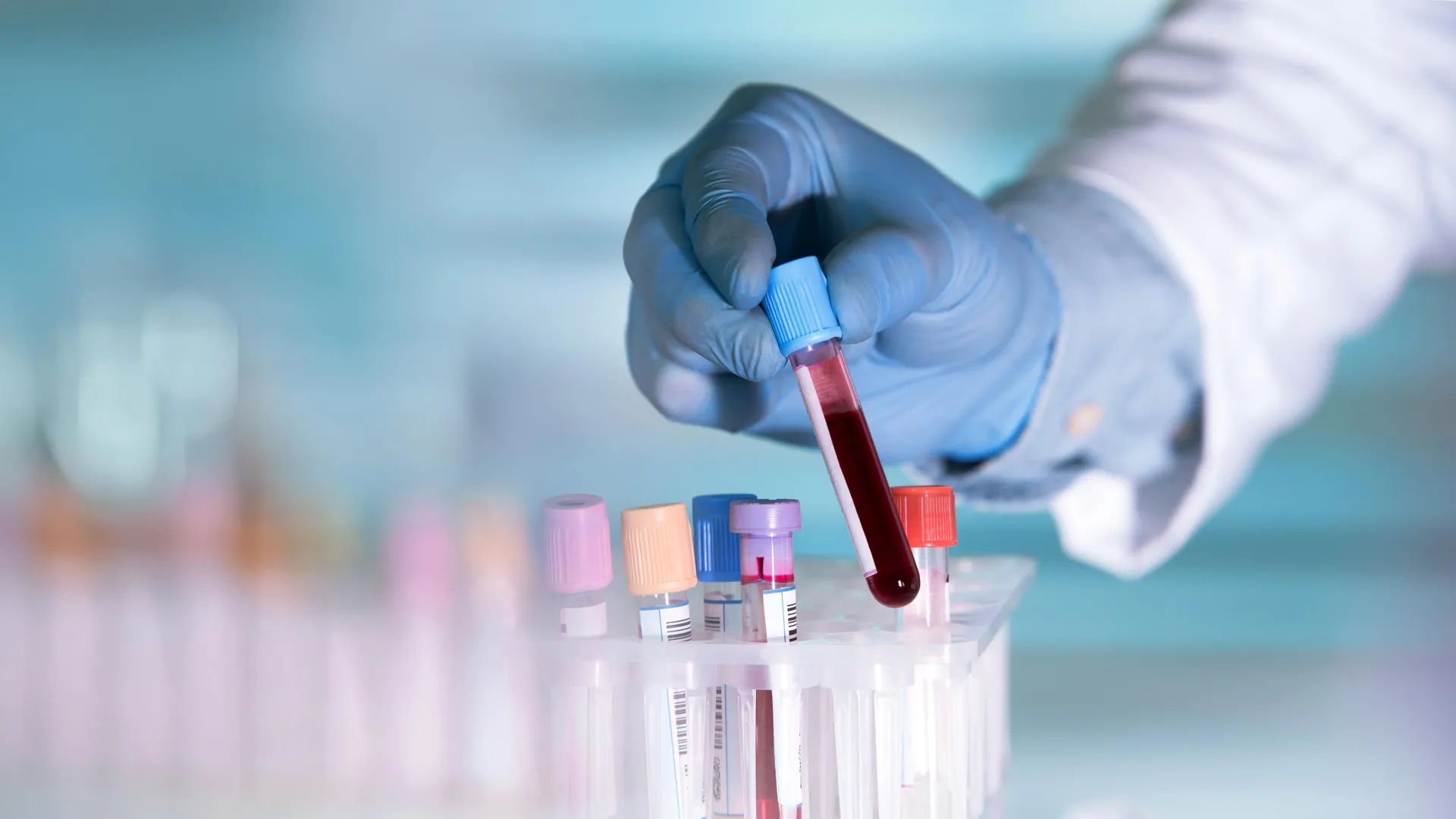
Researchers at Sinai Health have identified a blood test that can signal the risk of Crohn’s disease years before symptoms begin. The discovery points to the possibility of diagnosing the condition earlier than ever before and may eventually help doctors intervene before lasting damage occurs.
The blood test focuses on how the immune system reacts to flagellin, a protein found on certain gut bacteria. According to a research team led by Dr. Ken Croitoru, a clinician scientist at the Lunenfeld-Tanenbaum Research Institute at Sinai Health, people who later develop Crohn’s disease often show higher immune responses to this protein long in advance. The study team also included gastrointestinal medical resident Dr. Richard Wu and clinician scientist and staff gastroenterologist Dr. Sun-Ho Lee.
Drs. Croitoru and Lee are also members of Mount Sinai Hospital’s Centre for Inflammatory Bowel Disease (IBD), an internationally recognized center dedicated to inflammatory bowel disease research.
The findings were published in Clinical Gastroenterology and Hepatology and emphasize how interactions between gut bacteria and the immune system play a crucial role in the early development of Crohn’s disease.
A Disease on the Rise
Crohn’s disease is a chronic inflammatory disorder of the digestive tract that can lead to ongoing digestive problems, pain, and fatigue. These symptoms often have a major impact on daily life. Since 1995, rates of Crohn’s disease in children have doubled, and overall cases continue to increase. Crohn’s and Colitis Canada, a non profit organization focused on curing inflammatory bowel disease, estimates that about 470,000 Canadians will be living with IBD by 2035.
Why Early Antibodies Matter
Detecting antibodies to flagellin years before symptoms appear suggests that this immune response may help trigger the disease rather than simply result from it, Dr. Croitoru said. He believes that understanding these early immune changes could lead to new ways to predict who is at risk, prevent the disease from developing, and improve treatment.
“With all of the advanced biologic therapy we have today, patients’ responses are partial at best. We haven’t cured anybody yet, and we need to do better,” said Dr. Croitoru, who hold Canada Research Chair in Inflammatory Bowel Diseases.
Tracking Risk Through the GEM Project
The study is part of the Genetic, Environmental and Microbial (GEM) Project, a large international effort led by Dr. Croitoru. The project follows more than 5,000 healthy first degree relatives of people with Crohn’s disease. Since 2008, researchers have collected genetic, biological, and environmental information to better understand how the disease begins. So far, 130 participants have gone on to develop Crohn’s disease, allowing scientists to examine the condition before symptoms emerge.
Earlier work from the team showed that an inflammatory immune response aimed at gut bacteria can appear well before Crohn’s disease is diagnosed. In healthy individuals, gut bacteria normally live in balance with the body and support digestion. In people with Crohn’s disease, the immune system appears to react abnormally to microbes that are usually beneficial.
Building on Earlier Discoveries
Previous research by collaborators at the University of Alabama, led by Dr. Charles Elson, resulted in a test that detects antibodies against flagellin. That work showed that people with Crohn’s disease often have higher antibody levels directed at flagellin from Lachnospiraceae bacteria.
Drs. Croitoru and Lee then asked whether the same immune response could be found in healthy people who were at increased risk of developing Crohn’s disease.
“We wanted to know: do people who are at risk, who are healthy now, have these antibodies against flagellin?” said Dr. Croitoru. “We looked, we measured, and yes indeed, at least some of them did.”
Study Results and What Comes Next
The study followed 381 first degree relatives of people with Crohn’s disease. During the study period, 77 participants developed the condition. Among them, 28 individuals had elevated antibody levels, accounting for more than a third of those who became ill. The strongest immune responses were seen in siblings, underscoring the importance of shared environmental exposure, as shown previously by Dr. Croitoru.
Researchers also confirmed that this early immune response to Lachnospiraceae flagellin was linked to intestinal inflammation and problems with the gut barrier, both key features of Crohn’s disease. On average, participants were diagnosed nearly two and a half years after their blood samples were collected.
“Confirming our previous study immune response against bacterial flagellins show strong associations with future risk of Crohn’s in healthy first-degree relatives,” said Dr. Lee. “We found that this immune response is driven by a conserved domain of the flagellin protein. This raises the potential for designing a flagellin-directed vaccine in selected high-risk individuals for prevention of disease. Further validation and mechanistic studies are underway.”

Among the known genetic factors tied to late-onset Alzheimer’s disease (AD), one gene variant stands out as the strongest risk factor. That variant is APOE-ε4. Another form of the same gene, APOE-ε2, has been associated with a lower likelihood of developing Alzheimer’s and is widely believed to offer some level of protection against the disease.
A large study published Jan. 16 in Alzheimer’s & Dementia, The Journal of the Alzheimer’s Association, set out to examine how often these two gene variants appear in a rare group known as super agers. Super agers are people age 80 or older whose memory and thinking abilities closely resemble those of adults who are 20 or 30 years younger. The research was led by investigators at Vanderbilt University Medical Center.
Lower Frequency of Alzheimer’s Risk Gene
The results showed a striking difference in genetic risk. Super agers were 68% less likely to carry APOE-ε4 when compared with individuals age 80 and older who had Alzheimer’s dementia.
What stood out even more was the comparison with cognitively healthy peers. Super agers were still 19% less likely to carry APOE-ε4 than other adults in the same age group who showed normal cognitive aging.
“This was our most striking finding — although all adults who reach the age of 80 without receiving a diagnosis of clinical dementia exhibit exceptional aging, our study suggests that the super-ager phenotype can be used to identify a particularly exceptional group of oldest-old adults with a reduced genetic risk for Alzheimer’s disease,” said Leslie Gaynor, PhD, assistant professor of Medicine in the Division of Geriatric Medicine. She led the study together with Alaina Durant, BS, a statistical genetic analyst in the Vanderbilt Memory and Alzheimer’s Center.
Higher Levels of a Protective Gene Variant
Researchers also discovered another important genetic distinction. For the first time, super agers were shown to have a higher frequency of APOE-ε2, the gene variant linked to reduced Alzheimer’s risk.
Compared with cognitively normal adults age 80 and older, super agers were 28% more likely to carry APOE-ε2. When compared with participants age 80 or older who had Alzheimer’s dementia, super agers were 103% more likely to have this protective variant.
Largest Study of Super Agers to Date
This observational study included the largest number of super agers examined so far. The analysis drew on data from the Alzheimer’s Disease Sequencing Project Phenotype Harmonization Consortium (ADSP-PHC), which is led by study co-author Timothy Hohman, PhD, professor of Neurology.
Altogether, the study evaluated genetic and clinical data from 18,080 participants across eight national aging cohorts.
How Super Agers Were Defined
Super ager status was partly determined by memory performance. Participants age 80 or older qualified if their memory scores were higher than the average score among cognitively normal adults ages 50 to 64.
The study population included participants from several race and ethnicity groups. Among them were 1,412 non-Hispanic white super agers and 211 non-Hispanic Black super agers. The dataset also included 8,829 individuals with AD dementia and 7,628 cognitively normal controls.
Worldwide, the APOE-ε4 variant is found in about 13.7% of people. Within this study population, the frequency was much higher at 43.9%.
Why Super Agers Matter for Alzheimer’s Research
“With interest in super agers growing,” Gaynor said, “our findings notably encourage the view that the super-ager phenotype will prove useful in the continued search for mechanisms conferring resilience to AD.
“This is by far the largest study to date to identify differences in APOE-ε4 allele frequency based on super-ager status, and the first study to find a relationship between APOE-ε2 allele frequency and super-ager status. We would expect these findings to lend continued interest to questions of how these variants may influence development of clinical dementia due to Alzheimer’s disease, as well as to the super-ager phenotype more generally.”
Research Team and Funding
Additional contributors from Vanderbilt University Medical Center included Angela Jefferson, PhD, Logan Dumitrescu, MS, PhD, and Derek Archer, PhD. They worked alongside 32 researchers from 15 universities.
The study was supported in part by National Institutes of Health awards U24 AG074855, U01 AG068057, and R01 AG059716.

When rhinovirus, the most common cause of the common cold, enters the nasal passages, the cells lining the nose immediately begin working together to fight the infection. These cells activate a wide range of antiviral defenses designed to limit the virus and stop it from spreading. In a study published on January 19 in the journal Cell Press Blue, researchers show that this early cellular response plays a key role in whether a person becomes sick and how severe their symptoms become. The findings suggest that the body’s reaction to rhinovirus often matters more than the virus itself.
“As the number one cause of common colds and a major cause of breathing problems in people with asthma and other chronic lung conditions, rhinoviruses are very important in human health,” says senior author Ellen Foxman of Yale School of Medicine. “This research allowed us to peer into the human nasal lining and see what is happening during rhinovirus infections at both the cellular and molecular levels.”
Creating Lab Grown Human Nasal Tissue
To closely observe how nasal cells respond to infection, the research team built a lab grown model of human nasal tissue. They grew nasal stem cells for four weeks while exposing the upper surface of the tissue to air. This setup encouraged the cells to mature into a structure that closely resembles the lining of the nasal passages and lung airways.
The resulting tissue contained multiple cell types found in the human airway, including mucus producing cells and cells with cilia. Cilia are tiny hair like structures that help move mucus and trapped particles out of the lungs.
“This model reflects the responses of the human body much more accurately than the conventional cell lines used for virology research,” Foxman says. “Since rhinovirus causes illness in humans but not other animals, organotypic models of human tissues are particularly valuable for studying this virus.”
Interferons and Early Antiviral Protection
Using this model, the researchers were able to monitor how thousands of individual cells respond together during infection. They also examined what happened when the cellular sensors responsible for detecting rhinovirus were blocked. These experiments revealed a powerful defense system coordinated by interferons, which are proteins that interfere with viral entry and replication.
When nasal cells detect rhinovirus, they release interferons that activate antiviral defenses not only in infected cells but also in nearby healthy cells. This coordinated response makes it difficult for the virus to reproduce and spread. If interferon activity begins quickly, the infection can be contained early. When the researchers blocked this response, the virus spread rapidly, infecting many more cells and causing significant damage. In some cases, the infected organoids did not survive.
“Our experiments show how critical and effective a rapid interferon response is in controlling rhinovirus infection, even without any cells of the immune system present,” says first author Bao Wang of Yale School of Medicine.
When Viral Growth Triggers Harmful Responses
The study also uncovered additional responses that occur when viral replication increases. Under these conditions, rhinovirus can activate a separate sensing system that leads both infected and uninfected cells to produce large amounts of mucus and inflammatory signals. This reaction can contribute to airway inflammation and breathing difficulties in the lungs.
According to the researchers, these pathways may offer useful targets for treatments aimed at reducing harmful symptoms while supporting effective antiviral defenses.
Limits of the Model and Future Research
The team notes that their organoid model includes fewer cell types than are present in the human body. During real infections, additional cells, including immune cells, are drawn to the site to help fight the virus. The researchers say that understanding how these additional cell types and environmental factors in the nasal passages and airways influence the body’s response to rhinovirus will be an important focus of future work.
“Our study advances the paradigm that the body’s responses to a virus, rather than the properties inherent to the virus itself, are hugely important in determining whether or not a virus will cause illness and how severe the illness will be,” Foxman says. “Targeting defense mechanisms is an exciting avenue for novel therapeutics.”

Bowel habits may not be a popular topic, but they offer valuable insight into how efficiently the gut moves material through the digestive system. When this process becomes disrupted, people can develop constipation, diarrhea, or irritable bowel syndrome (IBS). Even though these conditions are widespread, the biological processes that regulate bowel movements are still not fully mapped. A new study published on January 20 in Gut provides fresh genetic evidence about intestinal motility and points to vitamin B1 (thiamine) as an unexpected biological pathway worth further investigation.
The study was carried out by an international research team led by Mauro D’Amato, Professor of Medical Genetics at LUM University and Ikerbasque Research Professor at CIC bioGUNE, member of BRTA. The researchers used a large-scale genetic strategy to look for common DNA differences linked to how often people have bowel movements, referred to in the study as stool frequency. To do this, they analyzed genetic data and health questionnaires from 268,606 individuals of European and East Asian ancestry. Advanced computational methods helped identify which genes and biological processes were most strongly connected to gut movement.
Known Gut Pathways Confirm the Findings
The analysis uncovered 21 regions of the human genome that influence bowel movement frequency, including 10 regions that had not been identified before. Many of the genetic signals pointed to biological systems already known to regulate gut motion, offering reassurance that the results fit with established biology. These included bile-acid regulation (bile acids help digest fats and also act as signaling molecules in the gut) and nerve signaling involved in intestinal muscle contractions (including acetylcholine-related signaling, which helps nerves communicate with muscle). Together, these findings reinforce existing knowledge about how the gut functions.
Vitamin B1 Stands Out as a Surprise Signal
The most notable discovery emerged when researchers focused on two high-priority genes connected to vitamin B1 biology. These genes, SLC35F3 and XPR1, play a role in how thiamine is transported and activated in the body. To see whether this genetic signal was reflected in everyday life, the team analyzed dietary data from the UK Biobank. Among 98,449 participants, higher intake of dietary thiamine was linked to more frequent bowel movements.
This relationship was not uniform across all individuals. The effect of thiamine intake on bowel movement frequency depended on genetic variation in the SLC35F3 and XPR1 genes (analysed together as a combined genetic score). These results suggest that inherited differences in how the body handles thiamine may shape how vitamin B1 intake influences bowel habits in the general population.
Links to IBS and Future Research
Dr. Cristian Diaz-Muñoz, the study’s first author, said “We used genetics to build a roadmap of biological pathways that set the gut’s pace. What stood out was how strongly the data pointed to vitamin B1 metabolism, alongside established mechanisms like bile acids and nerve signaling.”
The findings also suggest a meaningful biological connection between bowel movement frequency and IBS, a condition that affects millions of people worldwide. “Gut motility problems sit at the heart of IBS, constipation and other common gut-motility disorders” says Prof Mauro D’Amato, “but the underlying biology is very hard to pin down. These genetic results highlight specific pathways, especially vitamin B1, as testable leads for the next stage of research, including lab experiments and carefully designed clinical studies.”
The study was led by Mauro D’Amato’s Gastrointestinal Genetics Research Group and involved investigators from CIC bioGUNE in Spain, LUM University, Institute for Genetics and Biomedical Research – CNR, CEINGE and University of Naples Federico II in Italy, University of Groningen in The Netherlands, University of Oxford in UK, Concordia University and Ontario Institute for Cancer Research in Canada, and Monash University in Australia. The research was supported by grants from MCIU/AEI/10.13039/501100011033 and ERDF/EU (PID2023-148957OB-I00); PRIN2022/NextGenerationEU (2022PMZKEC; CUP E53D23004910008 and CUP B53D23008300006); ERC Starting Grant (101075624); PNRR/NextGenerationEU (PE00000015/Age-it); NWO-VICI (VI.C.232.074); NWO Gravitation ExposomeNL (024.004.017); EU Horizon DarkMatter program (101136582).
BBC London’s political editor visits two east London hospitals as winter pressures continue to mount.
Lesson 20 of the free Engage course invites you to consider simple ways to encourage and uplift the people whose lives you touch.
You’ll find the rest of the Engage course videos in the Video section.
Join the Engage notification list to get an email whenever a new Engage lesson is published. I also encourage you to subscribe to my YouTube channel to follow the course there.
Enjoy!

Donald Trump has ditched his threat to impose tariffs on the UK and seven other European nations over Greenland.
The US president said he had agreed “the framework of a future deal” on the island “and the entire Arctic Region” after talks with Nato general secretary Mark Rutte.
Advertisement
It is unclear whether this means Trump has also ditched his bid to bring Greenland under American control.
His latest climbdown comes just hours after he ruled out using military force to annex the island, which has been a semi-autonomous part of the Kingdom of Denmark for more than 300 years.
In a post on Truth Social, Trump said: “Based upon a very productive meeting that I have had with the Secretary General of NATO, Mark Rutte, we have formed the framework of a future deal with respect to Greenland and, in fact, the entire Arctic Region.
Advertisement
“This solution, if consummated, will be a great one for the United States of America, and all NATO Nations. Based upon this understanding, I will not be imposing the Tariffs that were scheduled to go into effect on February 1st.
“Additional discussions are being held concerning The Golden Dome as it pertains to Greenland. Further information will be made available as discussions progress. Vice President JD Vance, Secretary of State Marco Rubio, Special Envoy Steve Witkoff, and various others, as needed, will be responsible for the negotiations — They will report directly to me. Thank you for your attention to this matter!”
Advertisement
Trump threatened on Saturday to slap a 10% tariff on the UK, Denmark, Norway, Sweden, France, Germany, the Netherlands and Finland from February 1 if America had not taken control of Greenland.
They would then have risen to 25% on June 1 if the stalemate continued.
Earlier on Wednesday, Keir Starmer insisted he “would not yield” to Trump in his opposition to the president’s plans.
Posting on X, Tory leader Kemi Badenoch said: “I welcome news that President Trump has dropped his threat of tariffs for now. This will be a relief to businesses who are already facing so many challenges.
Advertisement
“It is also good to hear Trump rule out the use of force in Greenland. Greenland’s future must be decided by its people.”


A difference between two widely used blood tests for kidney health may serve as an early warning sign for serious outcomes, including kidney failure, heart disease, and death, according to new research.
For many years, doctors have relied on a blood marker called creatinine to estimate how well the kidneys filter waste produced by muscle activity. More recent medical guidelines also recommend measuring cystatin C, a small protein produced by all cells in the body, as another way to assess kidney function. Because these two markers are affected by different biological processes, using both together can offer a clearer picture of kidney health and future risk than either test alone.
Two Tests, One Concerning Gap
Researchers from NYU Langone Health found that large differences between creatinine and cystatin C results are common, particularly among people who are already ill. In a large international analysis, more than one third of hospitalized patients had cystatin C results that suggested kidney function was at least 30% worse than what their creatinine levels indicated. This gap, the researchers say, may point to underlying disease that would otherwise go unnoticed.
“Our findings highlight the importance of measuring both creatinine and cystatin C to gain a true understanding of how well the kidneys are working, particularly among older and sicker adults,” said study co-corresponding author Morgan Grams, MD, PhD. “Evaluating both biomarkers may identify far more people with poor kidney function, and earlier in the disease process, by covering the blind spots that go with either test.”
The study was published in the Journal of the American Medical Association and was presented at the American Society of Nephrology’s annual Kidney Week conference.
Why Kidney Testing Matters Beyond Diagnosis
Accurate kidney function measurements are critical not only for detecting disease, but also for determining safe medication doses. Kidney performance helps guide dosing for cancer treatments, antibiotics, and many commonly prescribed drugs, according to Grams, who is the Susan and Morris Mark Professor of Medicine at the NYU Grossman School of Medicine.
In a separate study released the same day, the same research group reported that chronic kidney disease now affects more people worldwide than ever before and has become the ninth leading cause of death globally. Grams notes that better tools for early detection could allow patients to begin treatment sooner and reduce the need for extreme measures such as dialysis or organ transplantation. She is also a professor in the Department of Population Health at NYU Grossman School of Medicine.
A Massive Global Analysis
For the current study, investigators reviewed medical records, blood test results, and demographic information from 860,966 adults representing six different nationalities. All participants had both creatinine and cystatin C measured on the same day and were followed for an average of 11 years. The analysis accounted for factors that can influence these markers but are not directly related to kidney function, including smoking, obesity, and a history of cancer.
Conducted through the international Chronic Kidney Disease Prognosis Consortium, the research is the largest investigation so far to examine how differences between these two tests relate to long-term health outcomes. The consortium was created to improve understanding of chronic kidney disease and to support consistent global definitions of the condition and its risks.
Higher Risks Linked to Larger Differences
The study found that people whose cystatin C results showed kidney filtration at least 30% lower than their creatinine results faced significantly higher risks of death, heart disease, and heart failure. They were also more likely to develop severe chronic kidney disease that required dialysis or an organ transplant. Similar patterns were observed in 11% of outpatients and individuals who appeared healthy at the time of testing.
Grams pointed out that cystatin C testing was first recommended in 2012 by the international organization Kidney Disease — Improving Global Outcomes. Despite that guidance, a 2019 survey showed that fewer than 10% of clinical laboratories in the United States performed the test in-house. Since then, the two largest laboratory companies, Quest Diagnostics and Labcorp, have begun offering it.
“These results underscore the need for physicians to take advantage of the fact that more hospitals and health care providers are starting to offer cystatin C testing,” said study co-corresponding author Josef Coresh, MD, PhD, director of NYU Langone’s Optimal Aging Institute. “Physicians might otherwise miss out on valuable information about their patients’ well-being and future medical concerns.”
Coresh, who is also the Terry and Mel Karmazin Professor of Population Health at NYU Grossman School of Medicine, noted that among hospitalized Americans included in the study, fewer than 1% had been tested for cystatin C.
Study Support and Contributors
The research was funded by National Institutes of Health grant R01DK100446 and by the National Kidney Foundation.
Michelle Estrella, MD, MHS, of the University of California, San Francisco, served as the study’s first author, while Kai-Uwe Eckardt, MD, of Charite-Universitatsmedizin Berlin in Germany, was the senior author. Along with Grams and Coresh, co-leaders of the Chronic Kidney Disease Prognosis Consortium, NYU Langone contributors included Shoshana Ballew, PhD; Yingying Sang, MS; and Aditya Surapaneni, PhD. Additional investigators came from institutions across the United States, Europe, Asia, and Australia, reflecting the global scope of the research effort.

The nominations for this year’s Brit Awards have been unveiled ahead of this year’s ceremony, with Lola Young leading the way this time around.
As always, the Brits recognises the biggest achievements in music over the last 12 months both here in the UK and overseas.
Advertisement
Lola has racked up five nominations in the lead-up to next month’s ceremony, ahead of fellow competitors Olivia Dean with four, and the likes of Wolf Alice, Sam Fender, Fred Again.. and Lily Allen on three each.
Meanwhile, international nominees include Bruno Mars, Sabrina Carpenter, Taylor Swift and Lady Gaga.
Here’s the full list of all of this year’s nominees.
Dave – The Boy Who Played The Harp
Lily Allen – West End Girl
Olivia Dean – The Art Of Love
Sam Fender – People Watching
Wolf Alice – The Clearing
Calvin Harris and Clementine Douglas – Blessings
Chrystal and Notion – The Days
Cynthia Erivo and Ariana Grande – Defying Gravity
Ed Sheeran – Azizam
Fred Again.., Skepta and Plaqueboymax –Victory Lap
Lewis Capaldi – Survive
Lola Young – Messy
Myles Smith – Nice To Meet You
Olivia Dean – Man I Need
Raye – Where Is My Husband!
Sam Fender and Olivia Dean – Rein Me In
Skye Newman – Family Matters
Fred Again..
Lily Allen
Little Simz
Lola Young
Olivia Dean
PinkPantheress
Sam Fender
Self Esteem
Sleep Token
The Last Dinner Party
Wolf Alice
Barry Can’t Swim
Jim Legxacy
Lola Young
Skye Newman
Blood Orange
Lola Young
Sam Fender
Wolf Alice
Jim Legxacy
Sasha Keable
Calvin Harris and Clementine Douglas
Fred Again.., Skepta, Plaqueboymax
PinkPantheress
Sammy Virji
Central Cee
Jim Legxacy
Little Simz
Loyle Carner
Lily Allen
Lola Young
Olivia Dean
Alex Warren – Ordinary
Chappell Roan – Pink Pony Club
Disco Lines and Tinashe – No Broke Boys
Gigi Perez – Sailor Song
Gracie Abrams – That’s So True
Huntr/x – Golden
Lady Gaga and Bruno Mars – Die With A Smile
Ravyn Lenae – Love Me Not
Rosé and Bruno Mars – Apt.
Sabrina Carpenter – Manchild
Sombr – Undressed
Taylor Swift – The Fate Of Ophelia
Chappell Roan
Sabrina Carpenter
Taylor Swift
Tyler, The Creator
Tame Impala
The 2026 Brit Awards will take place at Manchester’s Co-op Live Arena on Saturday 28 February.

