Novel electrochemical sensor detects dangerous bacteria

Researchers at Goethe University Frankfurt and Kiel University have developed a novel sensor for the detection of bacteria. It is based on a chip with an innovative surface coating. This ensures that only very specific microorganisms adhere to the sensor — such as certain pathogens. The larger the number of organisms, the stronger the electric signal generated by the chip. In this way, the sensor is able not only to detect dangerous bacteria with a high level of sensitivity but also to determine their concentration.

Each year, bacterial infections claim several million lives worldwide. That is why detecting harmful microorganisms is crucial — not only in the diagnosis of diseases but also, for example, in food production. However, the methods available so far are often time-consuming, require expensive equipment or can only be used by specialists. Moreover, they are often unable to distinguish between active bacteria and their decay products.

By contrast, the newly developed method detects only intact bacteria. It makes use of the fact that microorganisms only ever attack certain body cells, which they recognize from the latter’s specific sugar molecule structure. This matrix, known as the glycocalyx, differs depending on the type of cell. It serves, so to speak, as an identifier for the body cells. This means that to capture a specific bacterium, we need only to know the recognizable structure in the glycocalyx of its preferred host cell and then use this as “bait.”

This is precisely what the researchers have done. “In our study, we wanted to detect a specific strain of the gut bacterium Escherichia coli — or E. coli for short,” explains Professor Andreas Terfort from the Institute of Inorganic and Analytical Chemistry at Goethe University Frankfurt. “We knew which cells the pathogen usually infects. We used this to coat our chip with an artificial glycocalyx that mimics the surface of these host cells. In this way, only bacteria from the targeted E. coli strain adhere to the sensor.”

E. coli has many short arms, known as pili, which the bacterium uses to recognize its host’s glycocalyx and cling onto it. “The bacteria use their pili to bind to the sensor in several places, which allows them to hang on particularly well,” says Terfort. In addition, the chemical structure of the artificial glycocalyx is such that microbes without the right arms slide off it — like an egg off a well-greased frying pan. This ensures that indeed only the pathogenic E. coli bacteria are retained.

But how were the scientists able to corroborate that bacteria really were attached to the artificial glycocalyx? “We bonded the sugar molecules to a conductive polymer,” explains Sebastian Balser, a doctoral researcher under Professor Terfort and the first author of the paper. “By applying an electrical voltage via these ‘wires’, we are able to read how many bacteria had bonded to the sensor.”

The study documents how effective this is: The researchers mixed pathogens from the targeted E. coli strain among harmless E. coli bacteria in various concentrations. “Our sensor was able to detect the harmful microorganisms even in very small quantities,” explains Terfort. “What’s more, the higher the concentration of the targeted bacteria, the stronger the emitted signals.”

The paper is initial proof that the method works. In the next step, the involved working groups want to investigate whether it also stands the test in practice. Using it in regions where there are no hospitals with sophisticated lab diagnostics is conceivable, for example.

Share Button

Kate Garraway: I have huge debts from husband’s care

The GMB presenter says she had to pay £16,000 a month on care costs for her late husband Derek Draper.

Share Button

Junior doctor strike costs £1m a day – NHS boss

Junior doctors begin their longest walkout to date in a dispute over pay.

Share Button

Health workers will get promised payments

More than 27,000 healthcare workers in England will receive one-off payments of at least £1,600.

Share Button

Doctors’ A&E safety warnings snubbed by watchdog

Consultants at Glasgow’s Queen Elizabeth University Hospital warned patient safety was “seriously compromised”.

Share Button

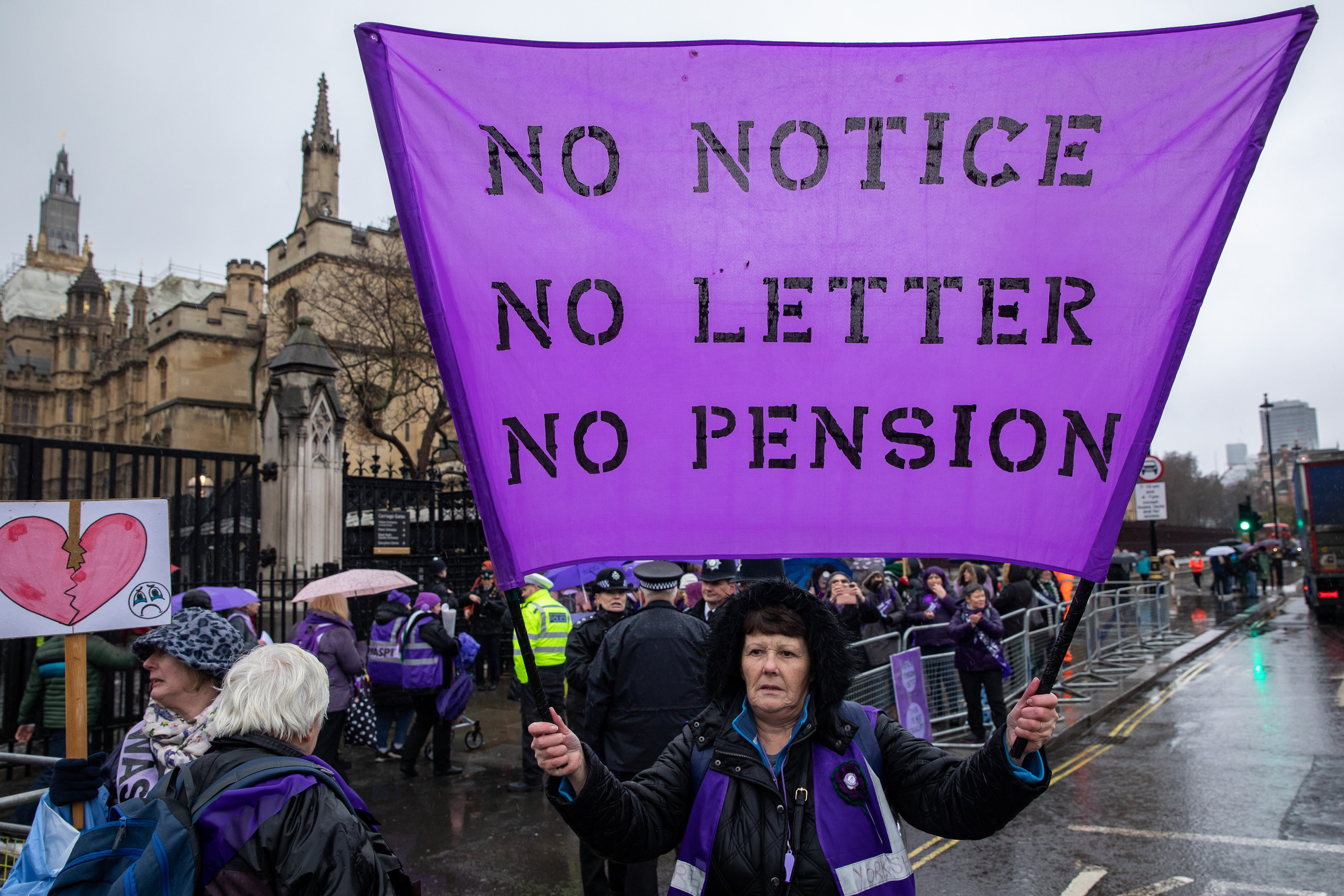
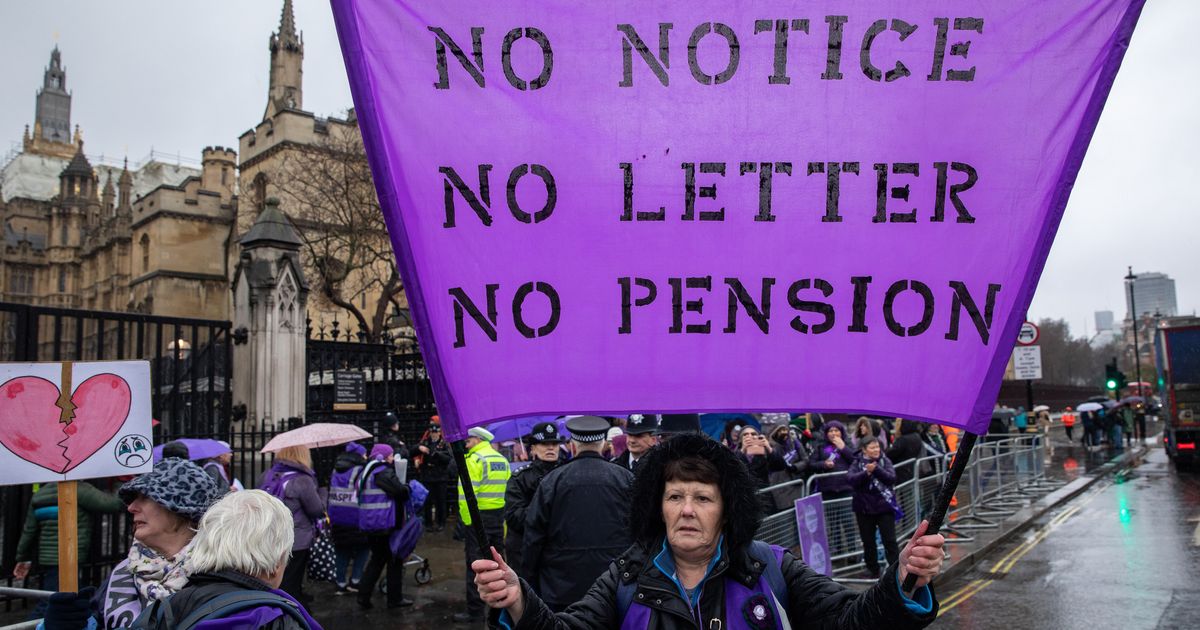
Tory MP Says Government ‘Should Be Ashamed’ Over Treatment Of WASPIs

A Conservative MP has criticised the government over its handling of the group known as the WASPIs, saying it “should be ashamed”.

Backbencher Tim Loughton called for action after a major report – released last week – found the government should compensate those women impacted by changes to the state pension age.

He told Times Radio “a lot of women” in the Waspi group – Women Against State Pension Inequality – have suffered” due to this incident.

The Waspi campaign is made up of women born in the 1950s who were impacted by increases to their state pension age (from 60 to 65) so it was equal with men’s.

The change happened between 2010 and 2018. Many say they were not adequately informed about the shift, and so ended up losing out on several years of their state pension.

According to Waspi, more than a quarter of a million women have died since the campaign began.

Loughton said: “A lot of women have suffered over a long period of time, and many of them have died in quite tragic circumstances, which is why we need recognition for what they’ve gone through.”

“I think they [the Department for Work and Pensions] should be ashamed. The government has got to take note,” the Tory MP – who used to co-chair an All-Party Parliamentary group on the issue – said.

“The Ombudsman clearly found the DWP were guilty of maladministration, that they’ve not properly communicated these changes with a great number of women.”

The Parliamentary and Health Service Ombudsman published its second report into the issue on Thursday, and found those affected were not adequately informed – and therefore need an apology and payouts.

But during Sunday morning media rounds, neither the Conservatives nor Labour committed to compensating those impacted.

Chancellor Jeremy Hunt said the issue was “genuinely more complicated” than other schemes were compensation was now being handed out, adding: “There’s no secret vault of money.”

Labour Party chair Anneliese Dodds said, “those women deserve respect, that’s the most important [thing],” but did not make any promises.

Share Button

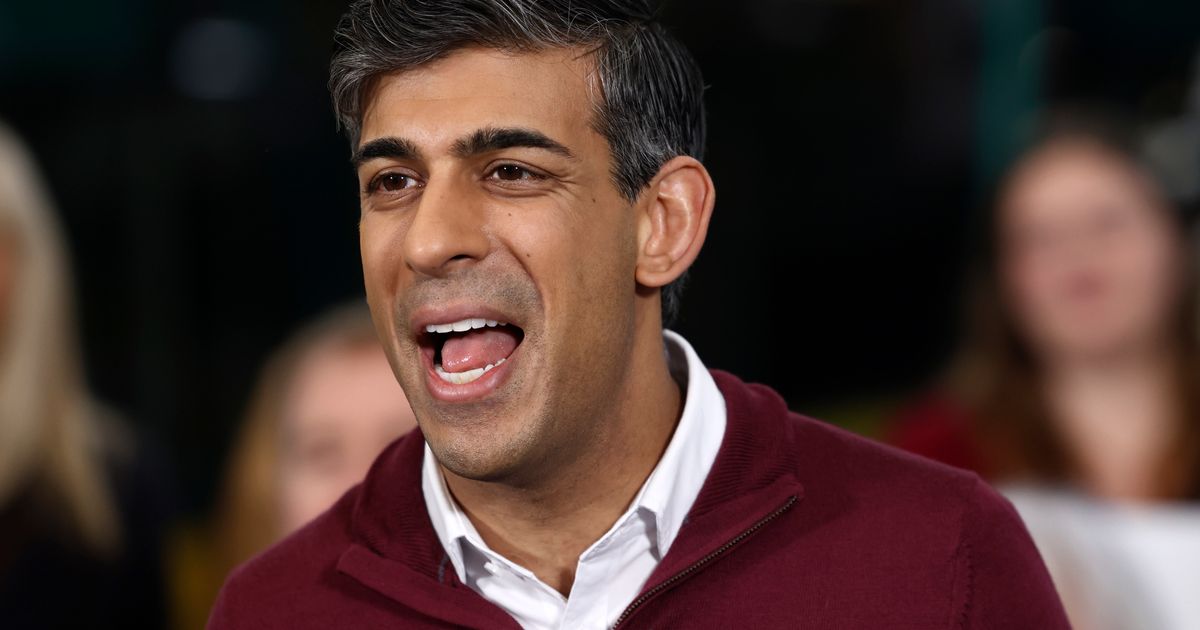
Rishi Sunak Corrected By Community Notes On X 25 Times, Report Finds

Rishi Sunak has been publicly corrected on 25 different occasions for his misleading posts on social media, according to a new report.

The research, conducted by pro-EU campaign group Best for Britain and first reported by The Independent, also found that the Conservative Party is almost five times more likely to be corrected than Labour.

Best for Britain came to that conclusion by comparing the number of community notes added to posts on X (formerly Twitter) from the prime minister, cabinet ministers and the official Conservative account to their opposition counterparts.

What are community notes?

Community notes are a feature in the social media platform which were added in January 2023 to allow other X users to add context or clarifications to posts.

Users who sign up to be “contributors” can add notes to posts offering different points of view. If enough of these notes are rated as helpful by fellow contributors, it will appear below the post in question as a community note.

According to X, “community notes aim to create a better informed world by empowering people on X to collaboratively add context to potentially misleading posts”.

How many times have the Tories and Labour been corrected in this way?

Best for Britain found 73 community notes attached to government accounts in total, compared to 15 from official opposition accounts.

Twenty-six of those posts were attached to the Conservative Party’s official account, and 25 were from the PM who vowed at the start of his premiership to lead with “integrity, professionalism and accountability”.

In the first week of January, Sunak was rebuked three times for posting misleading claims about clearing the asylum backlog, suggesting tax was cut, and claiming responsibility for halving inflation.

Meanwhile, Labour leader Keir Starmer has accrued four community notes in the same period while the Labour account has seven.

David Lammy was the only shadow minister to receive more community notes than his counterpart, David Cameron – Lammy has two, while the foreign secretary has none.

The group’s CEO Naomi Smith said the findings “shouldn’t be taken lightly, especially in an election year where lack of trust can feed dangerous populism”.

“A government that the public can’t trust to act with integrity and transparency – both essential for liberal democracy – is a government that shouldn’t be in power,” Smith continued. “We need a general election and our polling shows that the public want it now.”

Share Button

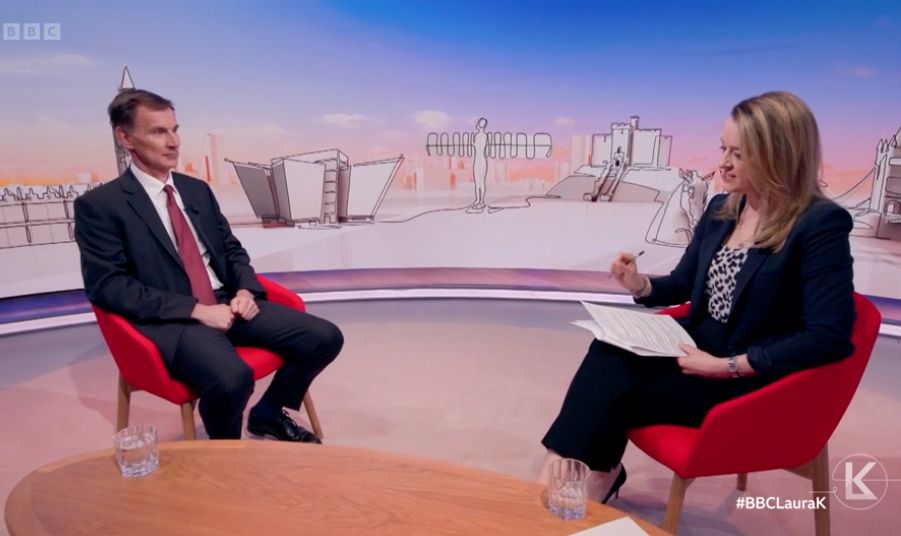
Kuenssberg Skewers Chancellor Over Economy Claims: ‘Sounds Like You’re In A Parallel Universe’

The BBC’s Laura Kuenssberg told Jeremy Hunt “it sounds like you’re in a parallel universe” after his recent claims about the cost of living crisis and the economy.

The chancellor made headlines after he posted on X on Friday that £100,000 is not “a huge salary” after mortgage costs and childcare.

His colleague, minister Andrea Leadsom, also caused a stir this week after she claimed the cost of living crisis had ended now inflation is down.

The presenter of Sunday with Laura Kuenssberg then pointed out that private rents are up 9% since 2023, council tax for band D up 5.1% since 2023 and petrol prices up 2.3p since January 2024.

After reminding Hunt of these incidents, she asked: “Isn’t there a danger that actually you sound like you’re in a parallel universe?”

Hunt said he was talking to one of his own constituents about paying for childcare in an area where the house prices are averaging around £670,000.

But, the BBC journalist noted: “In your own area, in Surrey, the average full time wage is not even half of that. It’s £42,000.

“So, don’t you think, to many people hearing that, it just sounds completely out of touch?”

Hunt said: “Well, I was talking to one of my own constituents who was saying that, but I do accept that even those people on those higher salaries do feel under pressure.”

He said for the national average salary – those on £35,000 – he reduced their National Insurance contributions, while those on National Living Wage have seen an increase.

Actually, due to fiscal drag – where tax thresholds do not change in line with inflation and rising wages – people will be paying more in tax.

“By the end of this parliament, those people will be worse off,” Kuenssberg said, noting PM Rishi Sunak is still saying the economy is bouncing back.

The chancellor pointed out the Office for Budget Responsibility says we are going to recover to pre-pandemic living standards “two years earlier than previously thought”, saying the “plan was starting to bear fruit”.

Elsewhere, Kuenssberg also asked: “Has the cost of living crisis ended?”

Hunt admitted, “we’ve had a very very tough patch,” but blamed the invasion of Ukraine for driving up energy prices and the Covid pandemic.

He continued: “I think people will welcome the fact that inflation has fallen – but we’re not there yet.

“We need to stick to the course because we need inflation to get down to 2%.

“The thing that will make the biggest difference for families up and down the country is when interest rates falls, and the mortgage rate starts to fall.”

Share Button

The man in the iron lung: How Paul Alexander lived life to the full

He spent 72 years using an iron lung machine to breathe after surviving polio as a child.

Share Button

What We Know Right Now About Kate Middleton’s Cancer Diagnosis

Kate Middleton shared her cancer diagnosis in an unexpected video statement last night.

The Princess of Wales explained that the news came as a “huge shock” to her and her family.

Kate has spent the last few months out of the public eye, following a planned abdominal surgery which was initially thought not to be cancer-related.

Here’s a look at what is publicly known about her condition at the moment.

When and how did Kate find out she had cancer?

When she had planned abdominal surgery on January 16 at a private facility – the London Clinic – Kensington Palace said her condition was “not cancer-related”.

News of the surgery was announced the day after it happened. The Palace only said it was successful, but did not offer any further details.

In Friday’s video, Kate said “tests after the operation found cancer had been present” and she was now in the early stages of preventative chemotherapy.

Dr Yuman Fong, a surgeon at City of Hope cancer centre in Southern California, told Associated Press finding cancer after surgery for a noncancerous problem can happen in about 4% of procedures.

A patient can be going for a surgery related to what is thought to be a benign disease, like removing the gallbladder or ovarian cysts, when cancer can be found, according to Fong.

It is common for tissues taken during surgery to be analysed at a lab afterwards, and that’s when other conditions may be detected.

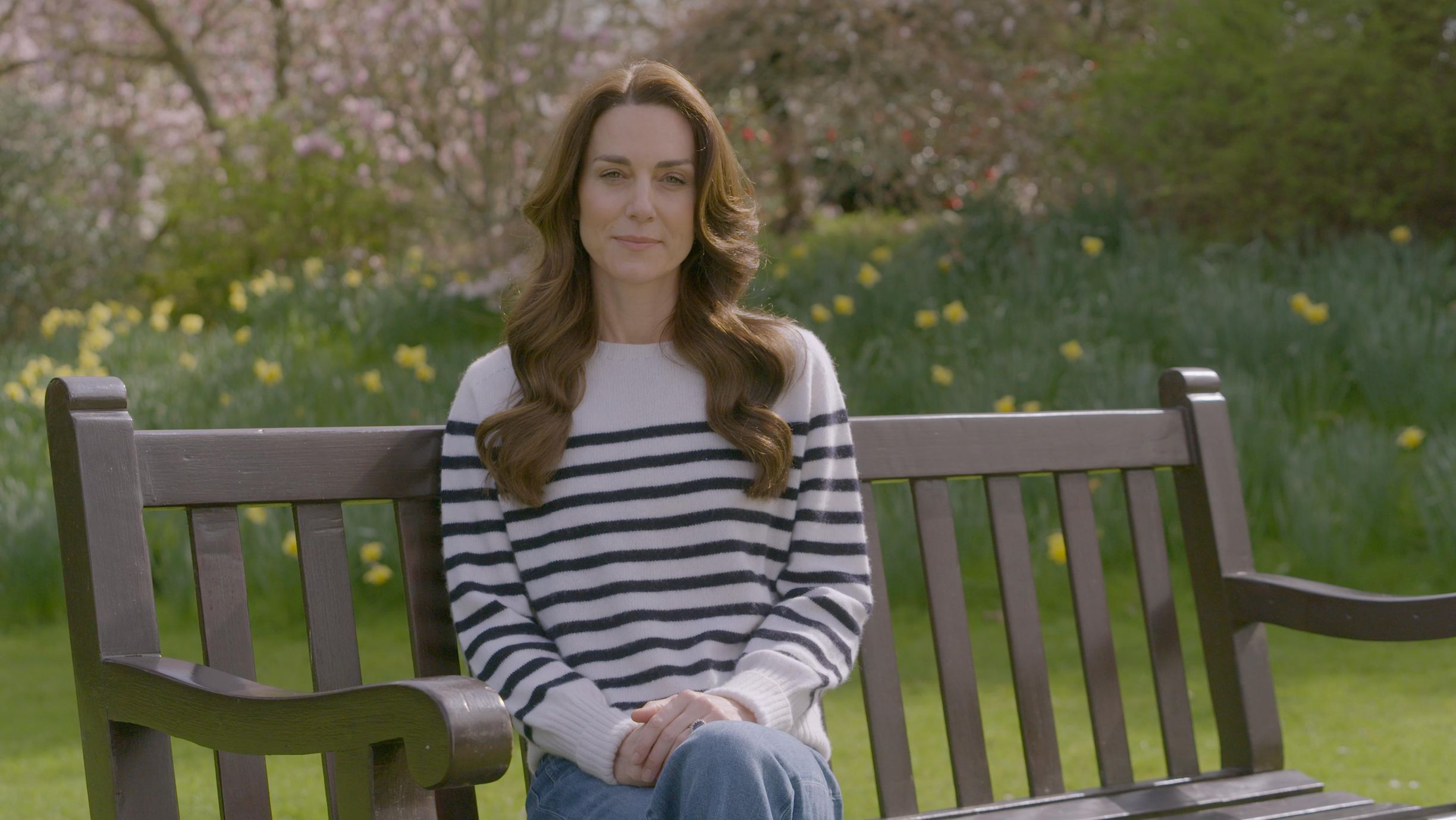
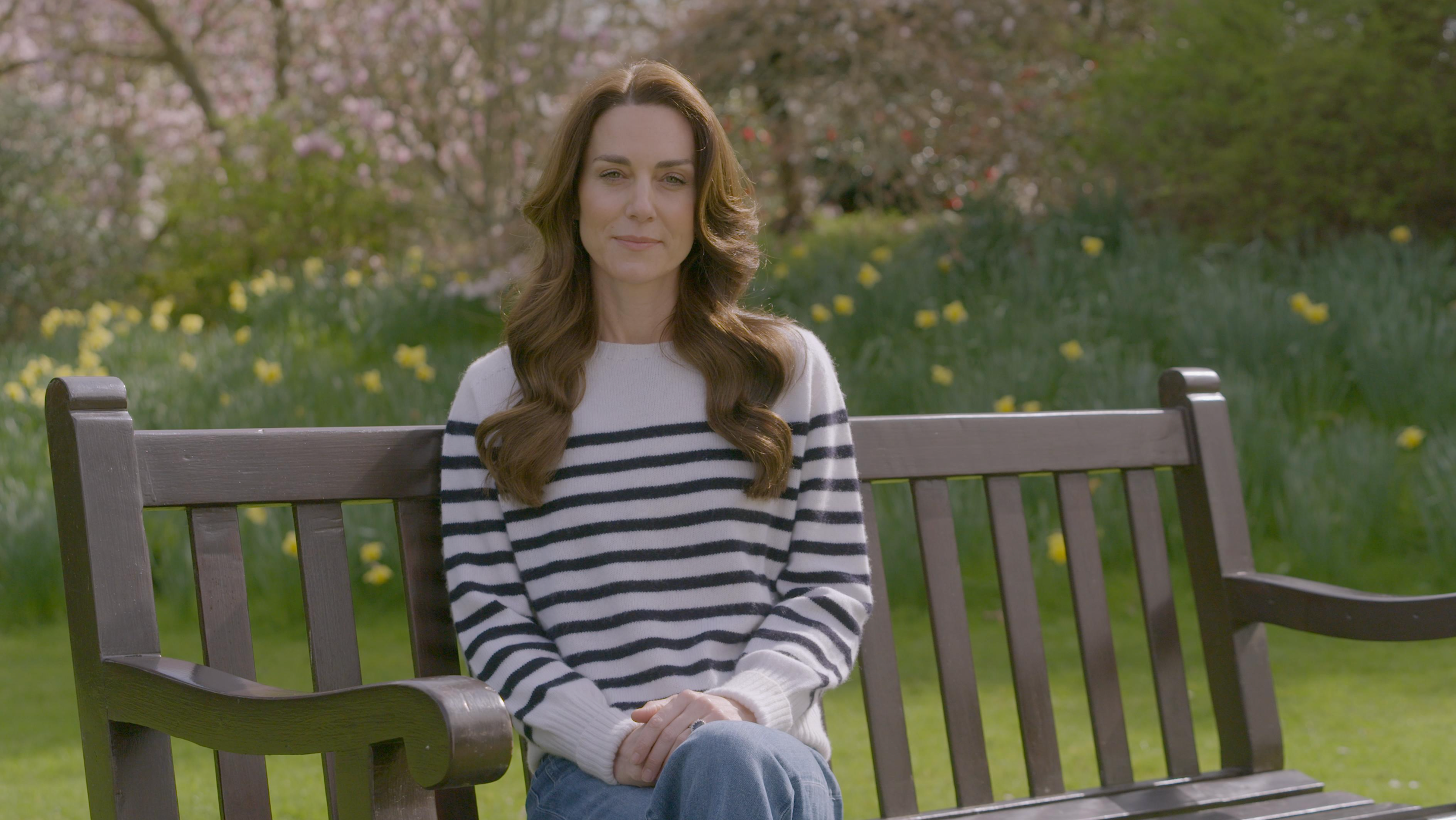
A still of the Princess of Wales, provided by BBC Studios, in the video where she announced the news.

BBC STUDIOS/THE PRINCE AND PRINCESS OF WALES

What is cancer and how common is it?

The NHS says: “Cancer is a condition where cells in a specific part of the body grow and reproduce uncontrollably. The cancerous cells can invade and destroy surrounding healthy tissue, including organs.”

Cancer can sometimes spread through the body, too – that’s known as secondary or metastatic cancer.

One in every two people in the UK will develop cancer in their lifetime.

There are more than 200 different types, and each one is diagnosed and treated differently.

Anyone can get cancer but the risk increases as people get older – more cases are found in people aged 50 and over – because there’s more time for cell damage to accumulate.

But, rates of cancer diagnosis are rising for younger people in developed countries, according to medical research. Kate is 42.

Dr Fong told AP: “We hate it when young people get cancer but at the same time, they are the ones that recover best.”

Survival rates from cancer have doubled over the last 50 years, according to Cancer Research UK.

There’s a huge variation in survival between cancer types. Fifty per cent survive cancer for 10 or more years, according to Cancer Research’s data from 2010-11.

What kind of cancer has Kate been diagnosed with?

Kate did not reveal this, and neither did the Palace.

It’s unlikely they will any time soon, especially as the Princess of Wales has already shared an unprecedented amount of detail about her health.

A Kensington Palace spokesperson said: “We will not be sharing any further private medical information. The princess has a right to medical privacy as we all do.”

What treatment is the Princess of Wales receiving?

Kate said in her statement her team advised her to start ‘preventative chemotherapy’ in late February.

She is now in the early stages of this treatment.

Chemotherapy is an un umbrella term for medication – administered by drip or via pill – meant to kill cancerous cells.

It’s meant to stop the risk of cancer coming back again, although the amount needed and how regularly it needs to administered depends on the cancer.

According to the NHS website, chemo can cause some difficult side effects, though “many can be treated or prevented and most will pass once your treatment stops”.

Not everyone gets the same side effects, but some common ones include: anaemia, infections, loss of appetite, fatigue, nausea and hair loss.

Dr Monica Avila of Moffitt Cancer Center in Tampa, Florida, told AP: “A patient can take anywhere from a few weeks to a month or two to recover from those effects.”

When will Kate return to the public eye?

The Palace did not reveal a working timeline for Kate’s treatment, or the advice from her medical team who will decide when it is.

But, the royal officials seem confident Kate will recover.

The statement said: “The Princess is now on a recovery pathway.”

In her video statement, Kate said she had taken her time to tell the public her diagnosis because she wanted to first reassure her three children – aged 10 and under – that she was “going to be OK”.

“As I have said to them, I am well and getting stronger every day by focusing on the things that will help me heal, in my mind, body and spirits,” Kate said.

Share Button