Grambank shows the diversity of the world’s languages

Linguists have long been interested in language variation. What are common or universal patterns across languages? What limits the possible variation between them? Grambank, the world’s largest and most comprehensive database of language structure, enables researchers to answer some of these questions.

Grambank was constructed in an international collaboration between the Max Planck institutes in Leipzig and Nijmegen, the Australian National University, the University of Auckland, Harvard University, Yale University, the University of Turku, Kiel University, Uppsala University, SOAS, the Endangered Languages Documentation Programme, and over a hundred scholars from around the world. Grambank’s coverage spans 215 different language families and 101 isolates from all inhabited continents. “The design of the feature questionnaire initially required numerous revisions in order to encompass many of the diverse solutions that languages have evolved to code grammatical properties,” says Hedvig Skirgård, who coordinated much of the coding and is the lead author of the study.

Limits on variation

The team settled on 195 grammatical properties, ranging from word order to whether or not a language has gendered pronouns. For instance, many languages have separate pronouns for ‘he’ and ‘she’, but some also have male and female versions of ‘I’ or ‘you’. The possible ‘design space’ would be enormous if grammatical properties were to vary freely. Limits on variation could be related to cognitive principles rooted in memory or learning, rendering some grammatical structures more likely than others. Limits could also be related to historical ‘accidents’, such as descent from a common language or contact with other languages.

The researchers discovered much greater flexibility in the combination of grammatical features than many theorists have assumed. “Languages are free to vary considerably in quantifiable ways, but not without limits,” explains Stephen Levinson, Director emeritus of the Max Planck Institute for Psycholinguistics in Nijmegen and one of the founders of the Grambank project. “A sign of the extraordinary diversity of the 2400 languages in our sample is that only five of them occupy the same location in design space (share the same grammatical properties).”

Languages show much greater similarity to those with a common ancestor than those they are in contact with. “Genealogy generally trumps geography,” says Russell Gray, Director of the Department of Linguistic and Cultural Evolution and senior author of the study. “Nevertheless, if processes of linguistic evolution and diversification were run again from the beginning, there would still be some resemblance to what we now have. The constraints of human cognition mean that, while there is a great deal of historical contingency in the organisation of grammatical structures, there are regular patterns as well.”

Diversity under threat

“The extraordinary diversity of languages is one of humanity’s greatest cultural endowments,” concludes Levinson. “This endowment is under threat, especially in some areas such as Northern Australia, and parts of South and Northern America. Without sustained efforts to document and revitalise endangered languages, our linguistic window into human history, cognition and culture will be seriously fragmented.”

The Grambank database is an open-access comprehensive resource maintained by the Max Planck Society. “It puts linguistics on an even footing with genetics, archaeology and anthropology in terms of quantitative, large scale, accessible data,” says Gray. “I hope it will facilitate the exploration of links between linguistic diversity and a broad array of other cultural and biological traits, ranging from religious beliefs to economic behavior, musical traditions and genetic lineages. These links with other facets of human behavior will make Grambank a key resource not only in linguistics, but in the multidisciplinary endeavour of understanding human diversity.”

Share Button

Why Critics Say Photo ID Law Amounts To ‘Voter Suppression’ To Benefit The Tories

The government has introduced new compulsory ID rules for those voting in person during England’s local elections next month – but the move has sparked criticism that more marginalised communities will face fresh challenges to vote.

The government has said the move will prevent voter fraud and protect democracy. But opposition parties and campaigners claim the plan is based on a false premise that actually amounts to “voter suppression” – locking out millions of voters without ID out of the democratic process.

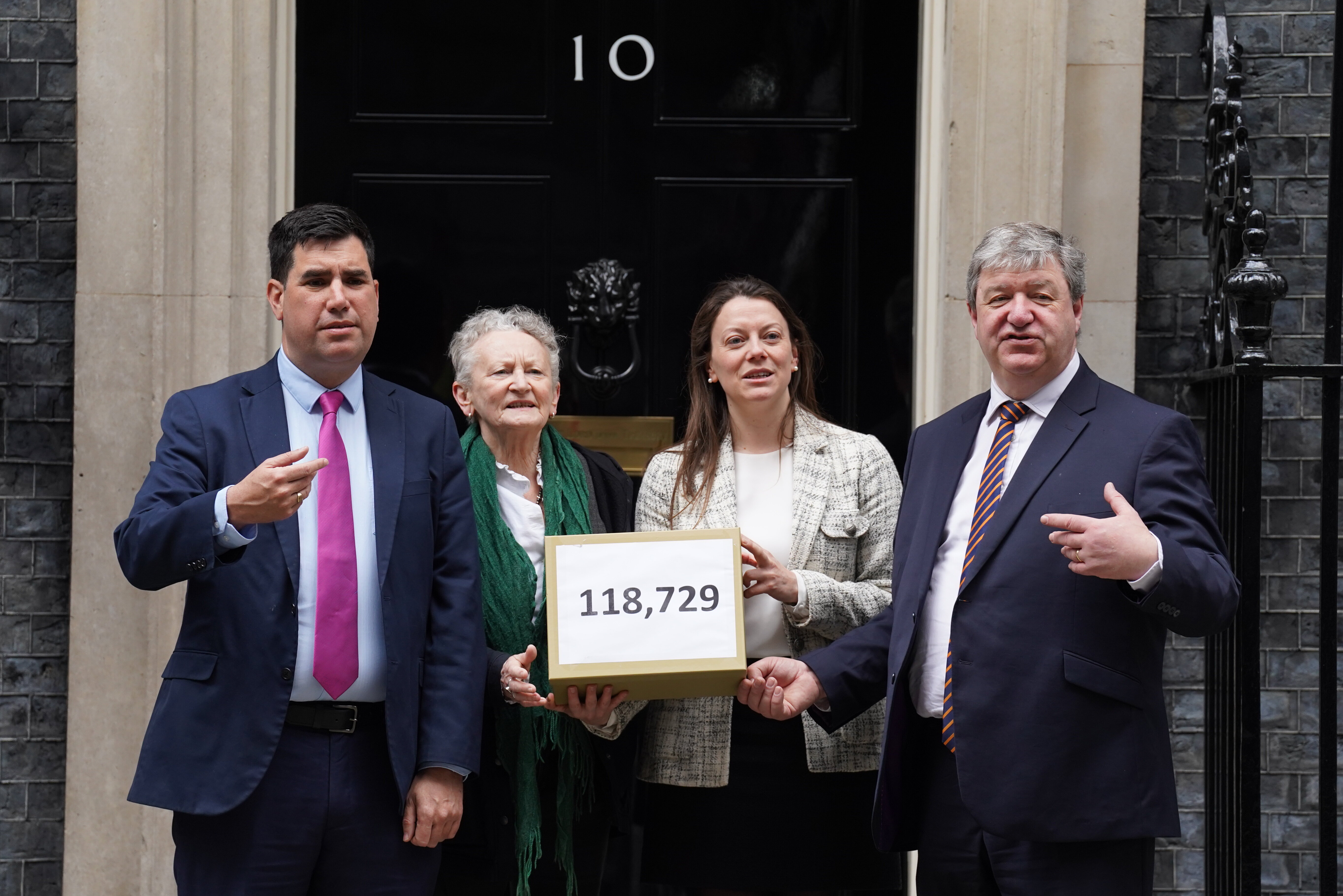
As campaigners delivered a petition to Downing Street calling on the government to “urgently scrap” the new rules, here’s what we know about the controversial move.

What is happening?

Those turning up at polling stations will be required to show a form of photo identification, such as a passport, driving licence or blue badge.

The voter ID rules apply to England as of the May 4 local elections and will come into force for UK general elections from October.

The government predicts the policy will add £180 million to the cost of running elections over the course of a decade.

More than 8,000 council seats in England are up for grabs across 230 local authorities, ranging from small rural areas to some of the largest towns and cities. Polls are also taking place to choose mayors in Bedford, Leicester, Mansfield and Middlesbrough.

Is there any evidence of voter fraud?

The UK has very low levels of proven electoral fraud – during last year’s local and mayoral elections, there was not a single proven case of in-person voter fraud.

Labour’s deputy leader Angela Rayner has pointed out voter personation, the form of fraud the regulations are aimed at stopping, is “vanishingly rare”.

She said: adding: “Over the last 10 years there have been about 243 million votes cast in elections, and how many people have been convicted of voter fraud? Four. That is 0.0000005%.”

“You are more likely to be hit by lightning 54 times than fall victim to voter personation fraud,” she added.

Why are people claiming this is ‘voter suppression’?

Members of marginalised groups are less likely to have ID, according to campaigners, with women, those living in urban areas, and people under 20 and over 65 are less likely to hold a driving licence. A recent Department for Transport survey found that only 53% of the Black population hold a driving licence, compared with 76% of the white population.

But there’s another element that critics argue shows a deliberate attempt to disenfranchise young people. Bus and travel passes for older and disabled people are being accepted as photo IDs – but the young people’s travel cards is not being permitted.

Long established polling suggests these groups are less likely to vote Conservative.

The Bafta Award-winning creator of The Thick Of It, Armando Ianucci, has also thrown his weight behind the campaign opposing voter ID laws.

He recently tweeted a picture of the back of a polling card which set out the list of acceptable forms of voter ID, and wrote: “Card gives many options for elderly or those with disability. None, NONE, for younger or student voters. The policy is simply biased against younger voters, designed to suppress their vote.”

The organisers of the petition, which has over 100,000 signatures, include campaign groups Unlock Democracy, the Electoral Reform Society, Open Britain and Fair Vote UK.

Representatives of the campaign groups were joined by Labour Party MP Richard Burgon, Liberal Democrat MPs Alistair Carmichael and Sarah Green, and the Green Party peer Jenny Jones.

Jones said: “The government has actually perpetrated voter fraud.

“They have pushed through a bill that is going to prevent certain groups, particularly younger people, from voting.”

Burgon described the voter ID programme as a “draconian, authoritarian attack” on voting rights.

Carmichael dismissed the suggestion that requiring photo ID at the polls is necessary to prevent voter fraud, stating: “It is a solution in search of a problem. We have no historic problem with voter impersonation in this country.”

Do people know about the changes?

A study commissioned by the Local Government Information Unit (LGIU) found that there is confusion over what forms of identification will be accepted under the new voting rules.

A poll by Ipsos found that more than a third of English adults incorrectly thought a student card would be accepted, while 30% wrongly thought their poll card would be valid.

Those thinking a polling card would suffice rose to 42% among those aged 18-34 and half of ethnic minorities.

Jonathan Carr-West, chief executive of the LGIU, said: “In spite of a public awareness campaign, 41% of people have heard little or nothing about new voter ID requirements being introduced for the upcoming local elections in England.”

What could the impact be?

Experts have suggested that given the low level of personation offences, and the limited impact on election results of such offences thus far, mean the main impact will be to prevent a large number of people from voting.

At two trials of voter ID in the 2018 and 2019 local elections, more than 1,000 would-be voters were turned away from polling stations and did not return.

What are the authorities doing?

The Electoral Commission, which oversees elections, has been running a campaign urging voters to prepare for the changes, with adverts on TV, radio, billboards and online. The televised advert says people must take ID to ballot boxes in the future, and those without can apply for a free certificate to vote.

But take-up of the so-called Voter Authority Certificate has been limited. As of Wednesday, the number of people who have applied for a certificate is 69,852. This falls far short of the government’s estimate of around 4% of the population, equating to 2.1 million people, who do not have a valid form of photo ID.

Defending its decision to push ahead with voter ID, a government spokesperson said: “We cannot be complacent when it comes to ensuring our democracy remains secure.

“Everyone eligible to vote will have the opportunity to do so and 98% of electors already have an accepted form of identification.

“Photo identification has been used in Northern Ireland elections since 2003 and we’re working closely with the sector to support the rollout and funding the necessary equipment and staffing.”

Share Button

Neuroscientists identify cells especially vulnerable to Alzheimer’s

Neurodegeneration, or the gradual loss of neuron function, is one of the key features of Alzheimer’s disease. However, it doesn’t affect all parts of the brain equally.

One of the first brain regions to show neurodegeneration in Alzheimer’s disease is a part of the hypothalamus called the mammillary body. In a new study, MIT researchers have identified a subset of neurons within this body that are most susceptible to neurodegeneration and hyperactivity. They also found that this damage leads to memory impairments.

The findings suggest that this region may contribute to some of the earliest symptoms of Alzheimer’s disease, making it a good target for potential new drugs to treat the disease, the researchers say.

“It is fascinating that only the lateral mammillary body neurons, not those in the medial mammillary body, become hyperactive and undergo neurodegeneration in Alzheimer’s disease,” says Li-Huei Tsai, director of MIT’s Picower Institute for Learning and Memory and the senior author of the study.

In a study of mice, the researchers showed that they could reverse memory impairments caused by hyperactivity and neurodegeneration in mammillary body neurons by treating them with a drug that is now used to treat epilepsy.

Former MIT postdoc Wen-Chin (Brian) Huang and MIT graduate students Zhuyu (Verna) Peng and Mitchell Murdock are the lead authors of the paper, which appears today in Science Translational Medicine.

Predisposed to degeneration

As Alzheimer’s disease progresses, neurodegeneration occurs along with the buildup of amyloid beta plaques and misfolded Tau proteins, which form tangles in the brain. One question that remains unresolved is whether this neurodegeneration strikes indiscriminately, or if certain types of neurons are more susceptible.

“If we could identify specific molecular properties of classes of neurons that are predisposed to dysfunction and degeneration, then we would have a better understanding of neurodegeneration,” Murdock says. “This is clinically important because we could find ways to therapeutically target these vulnerable populations and potentially delay the onset of cognitive decline.”

In a 2019 study using a mouse model of Alzheimer’s disease, Tsai, Huang, and others found that the mammillary bodies — a pair of structures found on the left and right underside of the hypothalamus — had the highest density of amyloid beta. These bodies are known to be involved in memory, but their exact role in normal memory and in Alzheimer’s disease is unknown.

To learn more about the mammillary body’s function, the researchers used single-cell RNA-sequencing, which can reveal the genes that are active within different types of cells in a tissue sample. Using this approach, the researchers identified two major populations of neurons: one in the medial mammillary body and the other in the lateral mammillary body. In the lateral neurons, genes related to synaptic activity were very highly expressed, and the researchers also found that these neurons had higher spiking rates than medial mammillary body neurons.

Based on those differences, the researchers wondered if the lateral neurons might be more susceptible to Alzheimer’s disease. To explore that question, they studied a mouse model with five genetic mutations linked to early-onset Alzheimer’s in humans. The researchers found that these mice showed much more hyperactivity in lateral mammillary body neurons than healthy mice. However, the medial mammillary body neurons in healthy mice and the Alzheimer’s model did not show any such differences.

The researchers found that this hyperactivity emerged very early — around two months of age (the equivalent of a young human adult), before amyloid plaques begin to develop. The lateral neurons became even more hyperactive as the mice aged, and these neurons were also more susceptible to neurodegeneration than the medial neurons.

“We think the hyperactivity is related to dysfunction in memory circuits and is also related to a cellular progression that might lead to neuronal death,” Murdock says.

The Alzheimer’s mouse model showed impairments in forming new memories, but when the researchers treated the mice with a drug that reduces neuronal hyperactivity, their performance on memory tasks was significantly improved. This drug, known as levetiracetam, is used to treat epileptic seizures and is also in clinical trials to treat epileptiform activity — hyperexcitability in the cortex, which increases the risk of seizures — in Alzheimer’s patients.

Comparing mice and humans

The researchers also studied human brain tissue from the Religious Orders Study/Memory and Aging Project (ROSMAP), a longitudinal study that has tracked memory, motor, and other age-related issues in older people since 1994. Using single-cell RNA-sequencing of mammillary body tissue from people with and without Alzheimer’s disease, the researchers found two clusters of neurons that correspond to the lateral and medial mammillary body neurons they found in mice.

Similar to the mouse studies, the researchers also found signatures of hyperactivity in the lateral mammillary bodies from Alzheimer’s tissue samples, including overexpression of genes that encode potassium and sodium channels. In those samples, they also found higher levels of neurodegeneration in the lateral neuron cluster, compared to the medial cluster.

Other studies of Alzheimer’s patients have found a loss of volume of the mammillary body early in the disease, along with deposition of plaques and altered synaptic structure. All of these findings suggest that the mammillary body could make a good target for potential drugs that could slow down the progression of Alzheimer’s disease, the researchers say.

Tsai’s lab is now working on further defining how the lateral neurons of the mammillary body are connected to other parts of the brain, to figure out how it forms memory circuits. The researchers also hope to learn more about what properties of the lateral neurons of the mammillary body make them more vulnerable to neurodegeneration and amyloid deposition.

The research was funded by the JBP Foundation, the Ludwig Family Foundation, and the U.S. National Institutes of Health.

Share Button

Colin Beattie Quits As SNP Treasurer Following Police Arrest

The SNP’s treasurer has quit after being arrested by police investigating the party’s finances.

Colin Beattie, who is also a member of the Scottish Parliament, said it was “the right decision to avoid further distraction” to the work of party leader Humza Yousaf.

The 71-year-old was questioned by detectives yesterday as part of their probe into claims that £660,000 raised by the SNP to fight another independence referendum has been mis-spent.

He was released last night without charge, pending further investigations.

Beattie’s arrest came just two weeks after Peter Murrell, the SNP’ former chief executive and the husband of Nicola Sturgeon, was also taken into custody by Police Scotland.

He was also released without charge after being questioned for 11 hours.

In a statement, Beattie said: “This afternoon, I informed the party leader that I will be stepping back from my role as SNP national treasurer with immediate effect.

“I have also informed the SNP chief whip at Holyrood that I will be stepping back from my role on the Public Audit Committee until the police investigation has concluded.

“On a personal level, this decision has not been easy, but it is the right decision to avoid further distraction to the important work being led by Humza Yousaf to improve the SNP’s governance and transparency.

“I will continue to co-operate fully with Police Scotland’s inquiries and it would be inappropriate for me to comment any further on a live case.”

Beattie was originally SNP treasurer between 2004 and 2020 before being replaced by Douglas Chapman MP.

He returned to the role in 2021 after Chapman resigned, claiming he “had not received the support or financial information required” to carry out his duties.

As well as being leader, Yousaf is now the SNP’s interim treasurer until a full-time replacement can be found.

It was reported at the weekend that Beattie had told a meeting of the SNP’s national executive council that he was “having difficulty balancing the books” after the party lost 30,000 members and several big-money donors.

However, the party has insisted that it is not running out of cash.

The police investigation, called Operation Branchform, was launched following allegations that the £660,000, which was meant to be in a ring-fenced fund, had been misappropriated. The party has denied any wrongdoing.

It emerged in December that Murrell – who was chief executive for more than 20 years – had loaned the SNP £107,620 to help with “cash flow”.

The party has been engulfed in turmoil ever since Sturgeon’s surprise resignation in February.

Share Button

Cause of grey hair may be ‘stuck’ cells, say scientists

As people age, pigment-making cells lose their ability to mature and maintain hair colour, research suggests.

Share Button

Doctor’s death due to AstraZeneca Covid vaccine reaction – inquest

The coroner at Stephen Wright’s inquest described it as a “very unusual and deeply tragic case”.

Share Button

More ambulance workers to strike after early May bank holiday

Unite union announces industrial action across the south of England and West Midlands.

Share Button

How Ramadan fasting and fitness can run together

How some Muslims maintain the same commitment towards exercise and fasting during Ramadan.

Share Button

Dominion Settles Defamation Suit With Fox News

Dominion Voting Systems reached a settlement with Fox News on Tuesday in its massive defamation suit against the media giant, the same day the blockbuster trial was expected to begin.

“Without you, the parties would not have been able to resolve their situation,” Delaware Supreme Court Judge Eric M Davis told the jury of 12 people, who were sworn in earlier in the day.

Terms of the settlement were not immediately available, but the decision means Fox will avoid a potentially embarrassing trial and protect Fox Corporation Chair Rupert Murdoch and top Fox News hosts from testifying. The deal will also inoculate the network from legal repercussions linked to the spread of misinformation during and after the 2020 presidential election – at least for now.

The defamation trial had been set to begin Monday but was suddenly delayed on Sunday night, prompting reports Fox News had sought a last-minute settlement. Dominion had previously insisted the company would settle only if Fox issued an apology and admitted to spreading lies on the air.

The settlement protects Fox Corp chair Rupert Murdoch (above) and others at the network from having to testify.

Mary Altaffer/File via Associated Press

Dominion sued the network for $1.6 billion in damages, claiming Fox News intentionally peddled lies about the 2020 race, including that the company’s voting machines were rigged. Media advocates had expected the landmark case to delve into the spread of misinformation and the intricacies of American libel law, questions that have grown exponentially in recent years.

Fox had argued its actions were protected under the First Amendment and that its hosts had an “absolute right to cover the news”. But a deluge of bombshells appeared in court filings in recent months, demonstrating how senior executives at the network expressed doubt about Donald Trump’s claims of election fraud. In one deposition, Murdoch himself said under oath that several hosts “endorsed” false conspiracy theories, but he moved to distance their comments from the network itself.

Fox faces a separate defamation suit from Smartmatic USA Corp. The voting machine company has sued for $2.7 billion over similar claims to those of Dominion.

Share Button

Greggs To Fight Late Night Ban Fuelled By ‘Crime And Disorder’ Fears

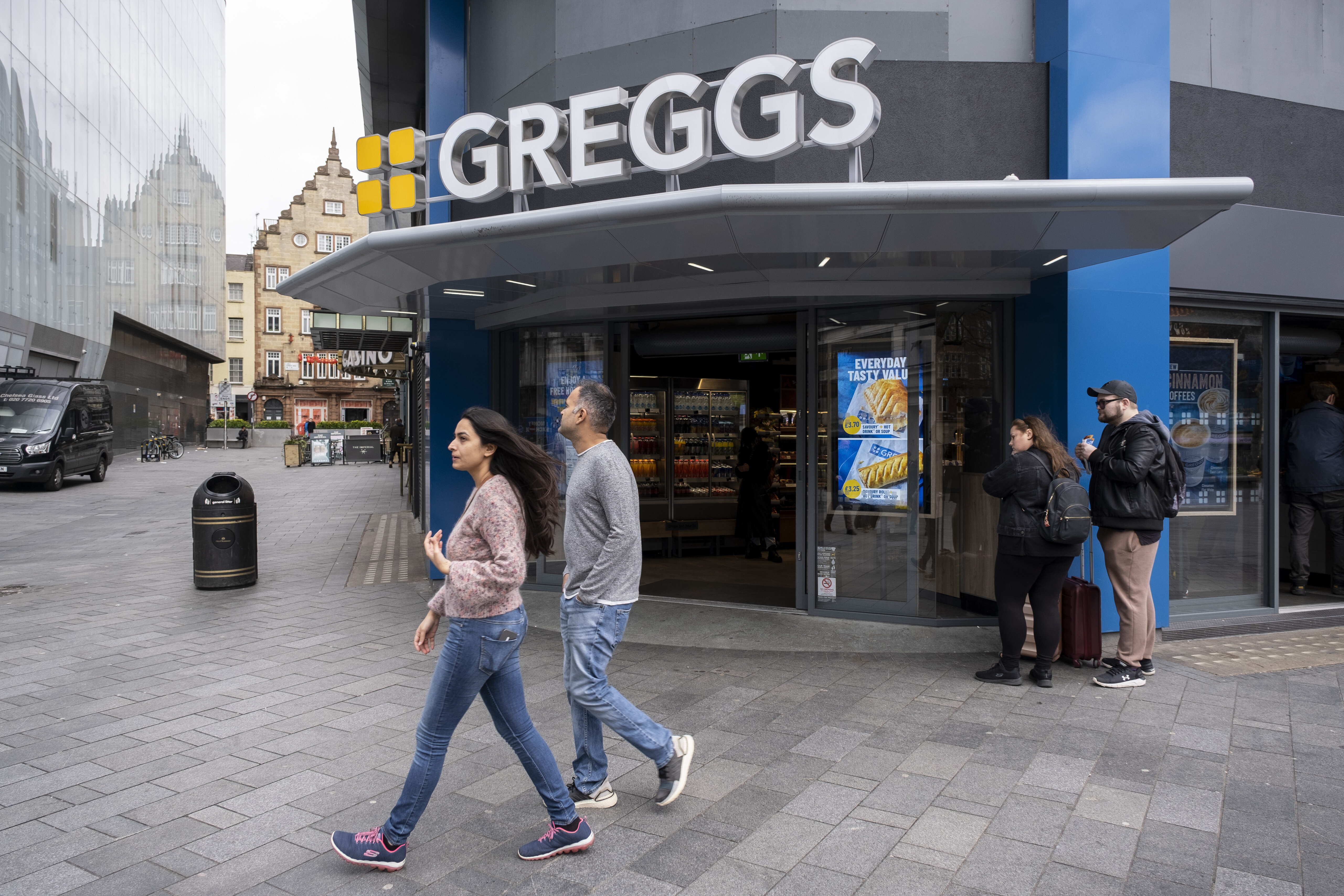
Pasty and sausage roll chain Greggs is to appeal a council’s decision to prevent its flagship central London store selling hot food past 11pm after police warned of the risk of fuelling “crime and disorder”.

The high-street baker opened its Leicester Square store with a blue-carpet premiere in 2022 – but Westminster City Council denied the store permission to serve hot food 24 hours a day.

Now it will appeal against the decision to refuse an extended licence during a three-day hearing at Westminster Magistrates’ Court from May 16.

A spokesperson for Greggs said: “Greggs have been trying to extend their licence in order to serve hot food until later, around 3am, because it’s really in line with what local peers and restaurants are doing.

“There are restaurants down the road that are open until 3am serving their customers hot food at all hours, Greggs are very keen to be able to offer customers their hot food favourites until that time.”

The ban applies to Greggs’ hot food menu, which requires extra licensing due to the fact food is kept hot in store, but does not include the Greggs staple products of sausage rolls and pasties which are baked elsewhere and reheated in stores.

Instead, the appeal involves recently launched menu items such as potato wedges, chicken goujons, BBQ chicken bites and hot baguettes, which require special permissions from local authorities to be sold between 11pm and 5am.

Westminster City Council refused Greggs this licence in July 2022, saying: “The sub-committee concluded that the application would have the likely effect of an increase in crime and disorder in the area and an increased demand on police resources which are already stretched.”

Minutes from the licensing committee show that Metropolitan Police officer Thomas Stewart raised concerns that “a rise in licensable activities such as late-night refreshment could lead to an increase in criminal activities and anti-social behaviour”.

The licensing sub-committee added that Greggs had “failed to demonstrate how by selling hot food or hot drink in the West End cumulative impact zone that this would not add to negative cumulative impact and promote the licensing objectives”.

Westminster Council told the Evening Standard that in order to successfully appeal against the ban “Greggs would need to try to convince the court that their evidence provides exceptional reasons for allowing the premises to operate until 5am, despite being located in a cumulative impact zone”.

Share Button