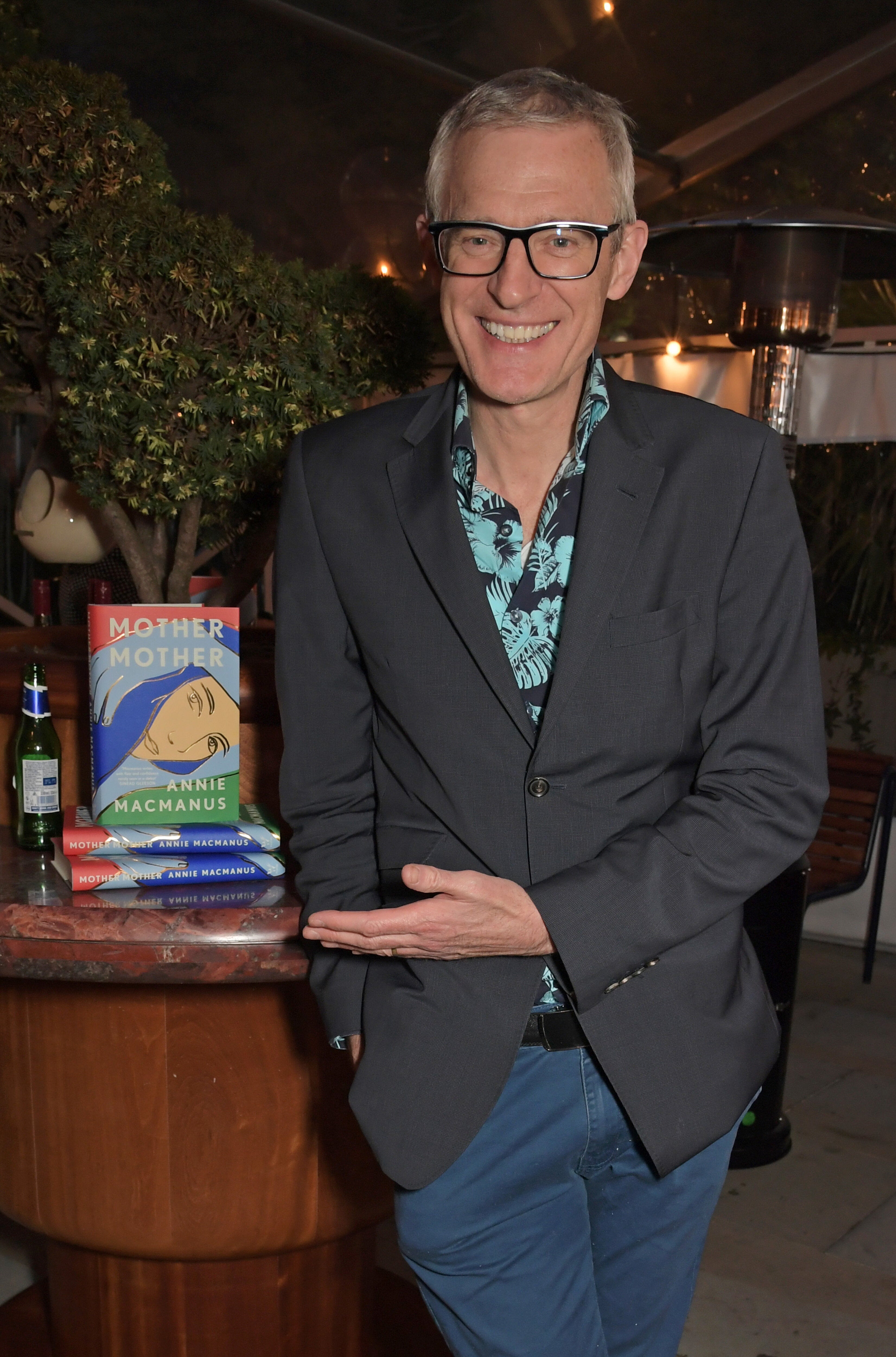
Elton John Remembers Princess Diana On 25th Anniversary Of Her Death

Sir Elton John has paid tribute to Diana, Princess of Wales, on the 25th anniversary of her death.

The singer was close friends with the princess prior to her death in August 1997, when she was killed in a car crash in Paris.

Elton reworked his hit song Candle In The Wind to perform at her funeral, which was subsequently released and became the biggest-selling single in UK chart history up to that date.

On Wednesday, Elton posted a picture of himself with Diana on Instagram.

“You will always be missed,” he wrote.

The pair’s friendship is said to have begun after Elton was reportedly hired to perform at Prince Andrew’s 21st birthday celebrations in 1981.

They were said to have bonded while dancing to the Charleston together on the dancefloor.

Elton performing a rewritten version of his song Candle In The Wind as a tribute to Diana, Princess of Wales, at her funeral

PA Images via Getty Images

Elton and Diana went on to work together helping to raise awareness of AIDS.

In 2018, Elton praised Diana for helping to smash stigma surrounding the disease when she publicly shook hands with a patient in 1987.

“One simple handshake, one gesture showed the world the desperate need for humanity for people living with AIDS,” he said.

“She knew the disease could not be communicated by hand. Her gesture meant nobody should be left behind. She did not distinguish between ‘us’ and ‘them’.”

Speaking at a Princess of Wales memorial lecture, he added: “I like to think she would be proud and astonished if she could see the progress that has been made since she left us.”

Elton has regularly supported Diana’s sons William and Harry over the years and attended both their royal weddings alongside his husband, David Furnish.

Share Button

‘It Is A Catastrophe!’: Martin Lewis And Edwina Currie In Spat Over Energy Bill Crisis

Martin Lewis took on former Conservative minister Edwina Currie on Twitter on Wednesday, after she called out his approach to the energy crisis.

Lewis, a consumer journalist known as the Money Saving Expert, has repeatedly shared his exasperation towards the government as the energy price cap is set to hurtle towards £3,549 come October 1.

He called on either Liz Truss or Rishi Sunak, the two remaining contenders left in the race to be the next prime minister, to sit down in an ITV special once they take office to field questions over the cost of living crisis.

His tweet quickly went viral and grabbed Currie’s attention, a former Tory MP who briefly served as a junior health minister under John Major. She lost her seat in 1997′s general election.

Currie is now known for being an outspoken public figure, a media personality and an author – and she had plenty to say about Lewis’ plea to the government on Wednesday.

She tweeted: “I would like you, Martin, to stop using words like ‘catastrophe’, and instead advise people take sensible steps to reduce the effect on their families and businesses.

“And stop pretending that governments can do everything. They can’t.”

He then responded: “It is a catastrophe Edwina!

“While there are steps people can take to help themselves (I explain them in today’s email mse.me/latesttip), energy bills by Jan will cost on average over half the full state pension and bigger proportion of basic UC [Universal credit].

“No sensible steps cover that!”

Several hours later, Lewis also put together a Twitter poll which asked: “Do you think it is fair to call the coming winter energy and cost of living price hikes a ‘catastrophe’?

“Votes split by whether you traditionally vote for Conservatives )even if not right now) or not. To see if view correlates with political stance.”

He tweeted summarising his findings (long before the poll officially closed) by pointing out that of 15,000 votes, 90% of Conservative voters and 95% of non-Tory voters agreed that it was fair to call the crisis a “catastrophe”.

However, Lewis did note that this was a Twitter poll, and therefore does not fairly represent the population.

Currie also replied to Lewis directly, saying: “Emphasise the help. Include local authorities, as in Germany.

“Give people something they can do…not just wringing their hands. The more those who can reduce usage, the easier it gets for those who can’t. Every little helps.

“And no, governments cannot do everything.”

It’s worth noting that Germany has unveiled a long-term strategy to cut energy costs, including insulating old buildings, while also offering one-off payments for workers who pay income tax.

Meanwhile, Downing Street has been called a “zombie government” (by Lewis) and criticised over its inaction for weeks now – especially as the cost of living package offered in May is now nowhere near enough to meet the current needs of the crisis.

Share Button

Humble leaders can help make groups more effective

Leaders of teacher groups who were thought of as humble helped improve professionalism and collaboration among team members, new research has shown.

The study, done in China, found that teachers in the Chinese equivalent of professional learning communities (PLCs) were more willing to share their knowledge and expertise when they rated their PLC leaders as being higher in humility.

The reason was that humble leaders made teachers feel more empowered to share their knowledge because they felt psychologically safe to take risks, said study co-author Roger Goddard, professor of educational studies at The Ohio State University.

“A little humility on the part of leaders goes a long way in helping groups be more productive and collaborative,” Goddard said.

“When people feel their leader admits mistakes and is open to learning from others, everyone contributes more and makes these groups more effective.”

Goddard conducted the study with Yun Qu of Beijing Normal University in China and Jinjie Zhu, a doctoral student in education at Ohio State. The study was published online recently in the journal Educational Studies.

In the United States and elsewhere, PLCs are designed to facilitate professional development through discussions in which teachers share their best practices and what they have learned through their experiences in the classroom.

“Teachers can feel fairly isolated in the classroom,” Goddard said. “PLCs help teachers build a sense of community and learn from each other about how to improve classroom instruction.”

In China, the equivalent of PLCs are called Teaching Research Groups (TRGs). The leaders of TRGs are experienced teachers who are not traditional administrators, but do serve as supervisors and coordinators and are involved in teacher evaluations, lesson planning and teacher selection.

This study involved 537 teachers from 238 TRGs in a variety of both urban and rural schools in China.

Teachers rated their TRG leaders on three dimensions of humility: their willingness to view themselves accurately, such as admitting when they didn’t know how to do something; their appreciation of others’ strengths; and their teachability, such as being open to other teachers’ advice.

Results showed that teachers who rated their TRG leaders as being higher in humility were more likely to report that they shared their knowledge and expertise in TRG meetings.

“The whole point of these groups is for teachers to share their knowledge, so the fact that humble leaders inspired individuals in their groups to be more willing to do this is very significant,” Goddard said.

The study also found why humble leaders were so effective in helping their teachers share their knowledge.

Results showed that in TRGs with more humble leaders, teachers reported higher levels of psychological safety — they felt they could take risks and knew that others would not act in a way to undermine their efforts.

That feeling of safety led them to feel more psychologically empowered: They felt their jobs had meaning, they had autonomy to do their work, and they felt they were competent and that their work had impact in the school.

So humble leadership led to teachers feeling psychologically safe, which made them feel empowered and ultimately led them to share their experience and knowledge more fully with their colleagues, Goddard said.

“This feeling of teachers that they could safely share their knowledge comes from having a leader who has humility — an openness to learning from others, a willingness to revise opinions, and an appreciation for the strengths of others,” he said.

While this research was done in China, Goddard said he believes the results would be similar in the United States and elsewhere.

“There’s a lot of evidence that suggests trust is a key part of successful organizations. And feeling psychologically safe and empowered to share your knowledge in the workplace is part of building trust, and that’s what humble leaders help create,” he said.

“That is as true in the United States as it is in China.”

In the same way, the results should be applicable outside of education.

“Many of the same principles that make successful organizations cut across cultures and fields. It makes sense that humble leaders will build trust and better relationships that will increase the effectiveness of any groups that have to work together,” Goddard said.


Share Button

Eco-glue can replace harmful adhesives in wood construction

Researchers at Aalto University have developed a bio-based adhesive that can replace formaldehyde-containing adhesives in wood construction. The main raw material in the new adhesive is lignin, a structural component of wood and a by-product of the pulp industry that is usually burned after wood is processed. As an alternative to formaldehyde, lignin offers a healthier and more carbon-friendly way to use wood in construction.

The carbon footprint of timber construction is significantly lower than concrete construction, and timber construction has often been viewed as better for the health of human occupants as well. However, wood panels still use adhesives made from fossil raw materials. They contain formaldehyde, which can be harmful to health, especially for those working in the adhesive manufacturing process. People living in or visiting buildings can also be exposed to toxic formaldehyde from wood panels.

Lignin, on the other hand, comes from wood itself. It binds cellulose and hemicellulose together and gives wood its tough, strong structure. Lignin accounts for about a quarter of the weight of wood and is produced in huge quantities in the pulp and bioprocessing industry. Only two to five percent of the lignin produced is used, and the rest is burned in factories for energy.

Previously, lengthy and chemical-intensive pre-treatments have been necessary to use lignin in formaldehyde-free adhesives. The adhesive developed by Aalto University researchers can use purified kraft lignin and the chemical reaction to make the adhesive takes a few minutes instead of up to 10 hours. No additional heating of the raw material is needed, which reduces energy consumption. The only by-products of the process are salt and sodium hydroxide, or lye.

Monika Österberg, professor at the Aalto University School of Chemical Engineering, stresses that this is an important development for both the environment and industry. ‘Using lignin as a material can reduce carbon dioxide emissions and increase the processing value of forests. This is why research on lignin is an important priority for us at Aalto University.’

Doctoral researcher Alexander Henn explains that glued wood panels such as plywood and chipboard are increasingly used for walls, ceilings and flooring. ‘Therefore, it is important to overcome the disadvantages of wood-based panel adhesives and develop the new innovation into a commercial product. This would enable a shift towards more wood-based construction, as a strong and heat-resistant adhesive made from natural materials makes construction truly ecological and safe.’

The innovation is a major step forward for the forestry and glue industries, as the lignin content of previous adhesives has been relatively low (around 20-50 percent), while the new Aalto University innovation has a lignin content of over 90 percent. The adhesive is strong and non-toxic, and protects surfaces from fire, so it can even be used as a flame retardant.

According to the researchers, lignin can also be used as a raw material for applications such as coatings and composites. Research work will continue in the laboratory, and various commercialization opportunities are likely to be explored in collaboration with LignoSphere Oy, a spin-off from Aalto University.

Story Source:

Materials provided by Aalto University. Original written by Virpi Raski. Note: Content may be edited for style and length.

Share Button

Ecologists use the latest dental scanning technology to study young coral

Inspired by a trip to the dentist, Dr Kate Quigley presents a new method for monitoring coral size and growth that reduces surveying time by 99%. The methodology and findings are published in the British Ecological Society journal, Methods in Ecology and Evolution.

Dr Kate Quigley, a senior research scientist at the Minderoo Foundation who conducted the research at the Australian Institute of Marine Science, and James Cook University, has developed a new non-destructive method for rapidly and safely scanning coral — cutting down on previously laborious and lengthy surveying techniques.

Inspired by a visit to the dentist, Dr Quigley remarked on the similarities between coral and our teeth — both being calcium-based and requiring measuring tools that can withstand wet surfaces. “One day, I was at the dentist, and they rolled out this new scanning machine. I knew immediately that it was something that could apply to scanning very small corals given corals and teeth actually share many similar properties. The rest is history!”

Coral reefs are among the earth’s most productive ecosystems and provide essential nutritional and protective services to people across the globe. These important ecosystems have suffered serious declines over recent decades — spurring a flurry of research around their basic biology and restoration. Understanding the critical life stage of juvenile coral allows scientists to predict ecosystem changes, the impacts of disturbance and their potential for recovery.

Reconstructing coral 3D models reveals insights into their health and response to pressures like rising temperatures or acidification. Several methods exist to build and assess these 3D models, yet their effectiveness is reduced when constructing measurements at small scales.

Dr Quigley said: “At the moment, it is difficult to accurately measure very small objects in 3D, especially if you are interested in measuring small live animals, like coral, without hurting them.

“During my PhD it would take half a day to produce one scan, and I was interested in scanning hundreds of corals at a time.

“For the first time, this new method will allow scientists to measure thousands of tiny corals fast, accurately and without any negative health impacts on the coral. This has the potential to expand large-scale monitoring of ocean health and for up-scaling coral reef restoration.”

To assess the effectiveness of these dental scanners, namely the ITero Element 5D Flex, Dr Quigley measured juvenile corals at the Australian Institute of Marine Science’s National Sea Simulator. The coral, from the Great Barrier Relief, were temporarily removed from their indoor aquarium and their surface area and volume recorded before being returned to the tanks.

On average it took less than three minutes to scan and build a model of each individual coral compared to over 4 hours with previous methods — a 99% decrease in the time required to carry out such measurements. Dr Quigley recorded equally fast and precise performance when measuring and comparing models of dead skeletons and living coral tissue. Removing the need to sacrifice live animals to take measurements.

Whilst this is a massive step forward in cutting down the time involved in monitoring and studying small marine animals, 3D scans still need to be processed manually, which slows down analysis. Dr Quigley hopes that the next avenue for this research is to try and create an automatic analysis pipeline from scanning to measurement, potentially using AI.

At present, this technology can only be used to perform measurements out of the water. The hardware is not waterproof as the scanner relies on confocal laser technology.

“Potentially the scanner could be made completely waterproof. However, it is unclear how well the laser technology would work completely submerged underwater. We have taken this technology on the boat before and brought up wild and laboratory-reared corals for measurement, so we are getting there!”

Story Source:

Materials provided by British Ecological Society. Note: Content may be edited for style and length.

Share Button

Nottingham maternity crisis: What are families calling for?

With a review to start into Nottingham’s maternity services, the BBC looks back at what led to it.

Share Button

Faecal transplants recommended for Clostridium difficile

Clinical trials show they are more effective than antibiotics, to which the “superbug” can become resistant.

Share Button

Hip fracture care too slow in some hospitals, study says

Getting patients out of bed after surgery can help recovery and free up beds, Bristol study finds.

Share Button

Liz Truss’s ‘Risible’ Response To The Pakistan Floods Has Been Criticised By A Commons Committee

Liz Truss’s response to the Pakistan floods has been described as “risible” by a Commons committee.

In a letter to the foreign secretary, international development committee chair Sarah Champion said she was “embarrassed” by the UK’s pledge to provide up to £1.5 million in aid to the country.

The Labour MP said: “Even if the full £1.5 million were delivered, it would amount to less than 5p for each person affected.

“Furthermore, that pathetically small sum will be subtracted from “existing support to Pakistan”.

“The UK government’s risible response to this humanitarian disaster arguably amounts to nothing.”

Devastating floods have swept across Pakistan in recent weeks, causing more than 1,000 deaths and affecting around 33 million people.

The heavy rains have caused a historic level of devastation, isolating villages and trapping many in mountainous areas.

It is the most rain Pakistan has seen in a decade, leaving one-third of the country underwater and around 1,860 miles of road reportedly washed away.

“It’s all one big ocean, there’s no dry land to pump the water out,” Pakistan’s climate minister Sherry Rehman said.

Champion accused the government of adopting “a policy of sustained indifference to Pakistan” in recent years.

She added: “Parliament returns from summer recess on Monday 5 September.

“Bearing in mind the humanitarian and economic catastrophe, I earnestly counsel you to make a statement to parliament at the first available opportunity to deliver your latest assessment of the extent and effect of the flooding and to explain how you plan to support our friends and allies in Pakistan.”

Further complicating the situation is the fact that Truss is expected to be named the new Tory leader on Monday and confirmed as prime minister the following day.

The Foreign Office has been contacted for comment.

Share Button

BBC Says Jeremy Vine Breached Impartiality Guidelines With Low Traffic Neighbourhood Comments

Jeremy Vine was spoken to by BBC bosses after breaching the corporation’s impartiality guidelines when backing the introduction of a low traffic neighbourhood in an area of London.

The presenter, who hosts a topical weekday show on BBC Radio 2, had criticised campaigners who objected to the introduction of a scheme in Chiswick, near where he lives.

A complainant claimed that tweets posted by Jeremy represented “a campaign of abuse” against a “legitimate local campaigning group”.

The BBC’s executive complaints unit (EBU) said that Jeremy had “primarily been responding to posts from a Facebook group superintended by the complainant, which had been drawn to his attention by member of the group, wishing him harm and describing him in opprobrious terms”.

While the EBU said he was “entitled to object to such personal abuse and, as he did so in terms which were not themselves abusive”, the complaint was not upheld.

However, it found Jeremy – who is famously a keen cyclist – did break impartiality guidelines with some of the views he expressed in his comments, which they said were “inconsistent with the BBC’s editorial standards”.

The EBU said on its website: “The Guidance makes clear that the BBC’s standards should be observed in personal social media activity, as well as on air, by those who work in journalism and factual programming, and the topical content of Mr Vine’s programme on Radio 2 brings him within that category. The introduction of an LTN [low traffic neighbourhood] was a source of sharp controversy in Chiswick at the time in question, (mirroring controversies in other localities where LTNs have been introduced), and was the kind of topic to which considerations of due impartiality applied for the BBC.

“To the extent that Mr Vine’s Twitter activity since the relevant Guidance came into effect appeared to endorse one viewpoint on that topic and controvert another, it was inconsistent with the BBC’s editorial standards as they applied to him, and this aspect of the case was upheld.”

The EBU said the matter was discussed with Jeremy as well as being passed to the management of BBC Content.

The statement added: “For the avoidance of misunderstanding, the ECU made clear to the complainant that the finding had no bearing on any social media activity in which Mr Vine simply expressed his personal enthusiasm for cycling or called attention to its potential benefits.”

Jeremy, who also hosts a morning talk show for Channel 5, previously expressed his view that discussing cycling safety “is not a political thing”, telling the Guardian earlier this month: “If you can create safe cycling space, you have the potential to free up thousands of miles of the transport network, and cleaning up the city, making it safer.”

He added: “I think the general principle is, I can speak truthfully and from my own point of view about issues like cycling down this street, which I do every day, or road deaths. We’re not impartial about road death – it’s a bad thing, and cycle safety is a good thing, and it’s clear that the more segregated cycle lanes you have, the safer cyclists are.”

The paper noted that Jeremy also said he does not publicly endorse low-traffic neighbourhood schemes he has never seen.

Share Button