Why Fears Over Thames Water’s Collapse Have Sparked A Debate About Nationalising Water Again

Thames Water, Britain’s biggest water supplier, could be placed in temporary state ownership if it fails to secure extra funding to pay-off huge debts, it has been reported.

Fears over the collapse of the utility that supplies about a quarter of Britain’s population is the latest controversy to beset the industry, and has prompted a debate over whether the sector should be nationalised again after being sold-off in the 1980s.

What’s the problem?

Put simply, Thames Water is struggling with a £14 billion debt pile and rising interest rates – and needs to raise money to service it. The company said it was “continuing to work constructively” with its shareholders to help raise the £1 billion of fresh equity it says it needs to operate.

Thames Water is owned by a consortium of institutional investors that includes a Canadian pension fund. Around £1 billion of its debt is due to be repaid by the end of 2024, on top of other loans.

In a sign of the pressure the company is under, chief executive Sarah Bentley stepped down with immediate effect on Tuesday after two years trying to revive its fortunes.

What is the government doing to help?

The government has held talks with the regulator Ofwat about the situation, while water minister Rebecca Pow said it would act to ensure water keeps flowing regardless of the company’s financial situation. She told MPs it was not her place to comment on the financial position of a company, but said water firms were “considered resilient”.

Sky News reported earlier that, under contingency plans being drawn up, Thames Water could be placed into a “special administration regime”, effectively state ownership.

That happened in 2021 in the energy supply sector, which like water is also a privatised regulated industry, when the government rescued energy supplier Bulb after it collapsed, in a deal which cost taxpayers hundreds of millions of pounds.

Ofwat said it had been in ongoing talks with Thames Water about the need for a credible plan to turn the business around.

What about re-nationalisation?

The industry was privatised by Margaret Thatcher’s Conservatives in 1989. Most water systems are in the public sector, including in Scotland and Northern Ireland.

The idea was the private sector was better placed to improve drinking water and keep rivers and beaches clean than the government, which would always prioritise areas such as schools and the NHS.

But the rationale has come under scrutiny in recent years amid a public outcry over the release of sewage into rivers and seas.

Such releases of sewage are only supposed to happen during exceptional rainfall to stop it backing up into homes, but campaigners say water companies are discharging sewage much more often than they should.

In 2022, water companies in England alone released raw sewage into rivers and the sea 301,091 times, an average of 825 times a day, according to data from the Environment Agency.

Public anger has been further stoked by the payment of dividends to investors and large salaries and bonuses to water industry executives.

Thames Water said in its annual report in October that it had not paid a dividend to its shareholders for the last five years. Previous owners Australia’s Macquarie, however, was paid a dividend of £1.6 billion pounds over the decade to 2016, according to the Financial Times.

Labour’s shadow climate and net zero secretary Ed Miliband has said that the feared collapse of Thames Water is a “total scandal” but has insisted that the party are “cautious about nationalisation of water companies”.

He told Andrew Marr on LBC nationalising the water companies “would involve… billions of pounds of public money being given to the water companies’ shareholders”.

But Cat Hobbs, of the campaign group We Own It, said England’s privatised water companies “treat our rivers and seas like a sewer and their customers (who have no choice) like an ATM” – and the costs of re-nationalisation should not be off-putting.

She told The Guardian: “We, the public, should own them but we don’t, so they work for their shareholders around the world, not for us. That’s why our water bills prop up a profiteering racket instead of being invested to clean up the raw sewage in our rivers.

“That means buying back the assets because Thatcher sold them off wholesale but in return we’ll get assets. Bringing water into public ownership pays for itself in around six years.”
Share Button

‘This Is Still Secret’: CNN Obtains Audio Of Trump Discussing Sensitive Military Document

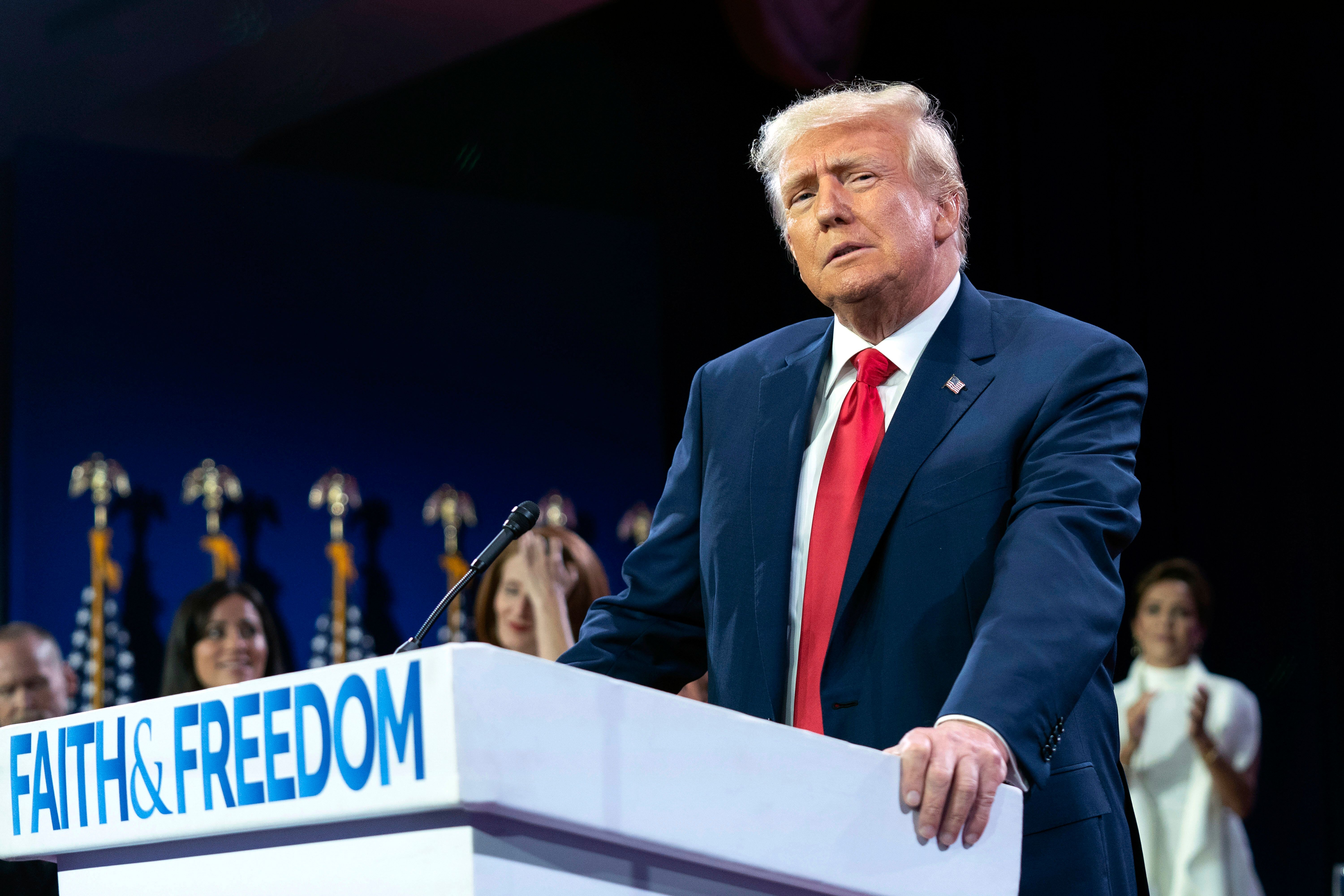
CNN obtained audio of former US president Donald Trump discussing sensitive military documents he took with him after leaving the White House.

In the two-minute audio clip, Trump can be heard describing a document compiled by General Mark Milley, chairman of the Joint Chiefs of Staff when Trump was president, on the potential attacks against Iran. The discussion of the file was recorded during a 2021 meeting in Bedminster, New Jersey, with people working on Milley’s memoir.

“He said that I wanted to attack Iran. Isn’t it amazing?” Trump says of Milley in the audio clip as the sound is heard of that appears to be shuffling papers. “I have a big pile of papers. This thing just came up. Look. This was him. They presented me this ― this is off the record, but ― they presented me this. This was him. This was the Defense Department and him.”

“All sorts of stuff, pages long. Let’s see here,” the former president continues. “Isn’t that amazing. This totally wins my case, you know, except that it is like highly confidential, secret, this is secret information.”

Trump went on to say the papers he was showing his guest were classified.

“See, as president I could have declassified it,” Trump said in the clip. “Now I can’t, you know, but this is still a secret.”

Trump also joked with several people in the room after his aides laughed about former Secretary of State Hillary Clinton’s email server, saying she would “print that out all the time”.

“No,” Trump added, “she’d send it to Anthony Weiner, the pervert,” referring to the former Democratic congressman who resigned after it was revealed he sent explicit texts.

The recording is reportedly a key piece of evidence in special counsel Jack Smith’s case into Trump’s handling of classified files after his presidency.

Federal prosecutors indicted Trump on 37 criminal counts this month, accusing the former president of repeatedly risking national security and undermining the government’s efforts to see the return of boxes of documents from his Mar-a-Lago club in Florida. The indictment cites the conversation obtained by CNN.

Trump has rejected the claims and pleaded not guilty to all counts. He has said he had the absolute right to take anything he wanted when he left the White House under the Presidential Records Act and that he had a standing order to declassify anything removed from the Oval Office during his presidency.

Prosecutors, however, appear to have homed in on Trump’s own words during their investigation. The indictment lays out at least two conversations — including the one in the CNN file — in which he acknowledged material in his possession was still classified.

US District Judge Aileen Cannon, who is overseeing the case, set an initial trial date of August 14. The Justice Department has asked for a postponement until December, a timeline that would give Trump’s attorneys time to obtain security clearances necessary to review the hoard of classified files referenced in the indictment.

Share Button

Greg Hands Gets Rinsed After Claiming Labour Would Put Everyone On The Dole

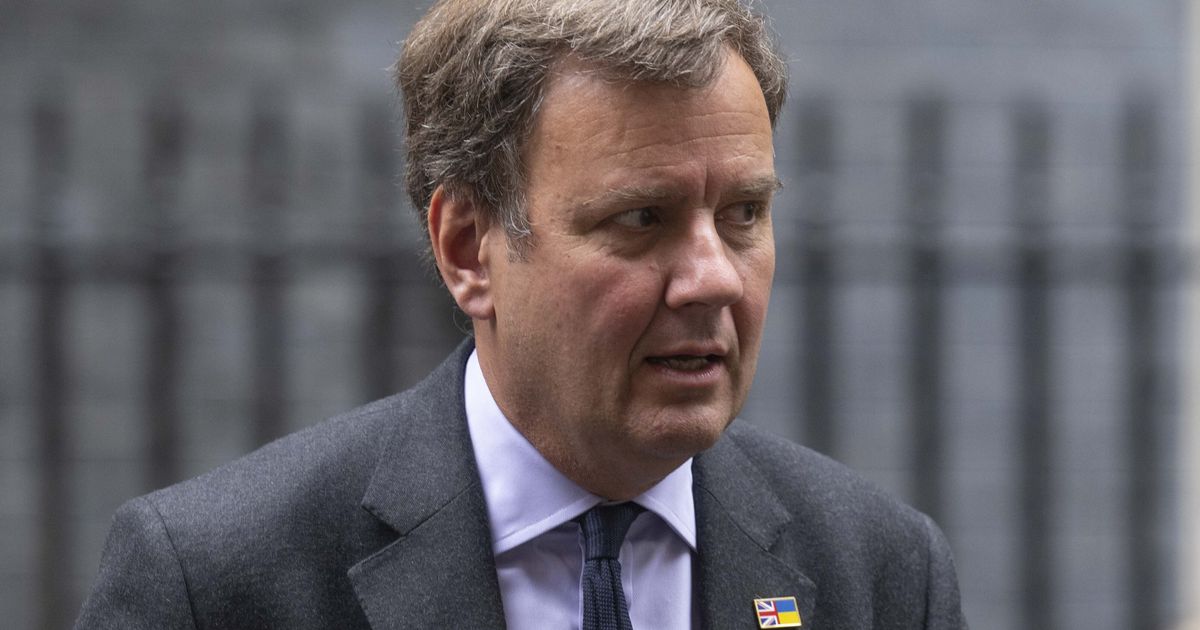
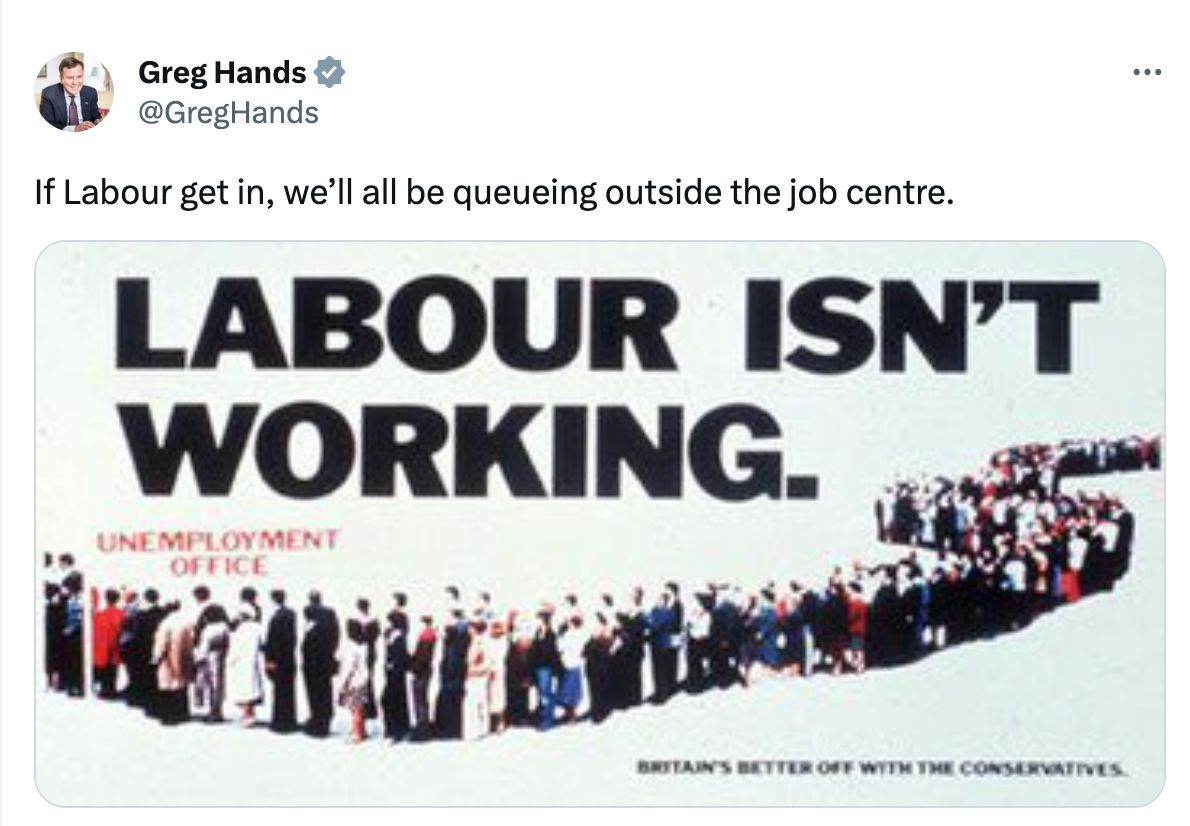
Tory chairman Greg Hands got rinsed on Twitter after claiming a Labour government would mean “we’ll all be queuing outside the job centre”.

The outspoken MP – who regularly tries to troll the opposition on social media – posted a picture of the famous Tory election ad from 1979 showing a lengthy dole queue with the headline: “Labour isn’t working”.

Hands said: “If Labour get in, we’ll all be queuing outside the job centre.”

But the tweet led to a backlash from thousands of Twitter users – with many of them pointing out that Hands himself could be among those out of work after the election.

Hands is MP for Chelsea and Fulham, where he was re-elected in 2019 with a majority of 11,241.

Share Button

Vladimir Putin’s Days May Be ‘Numbered In A Handful’, Says Former British Army Chief

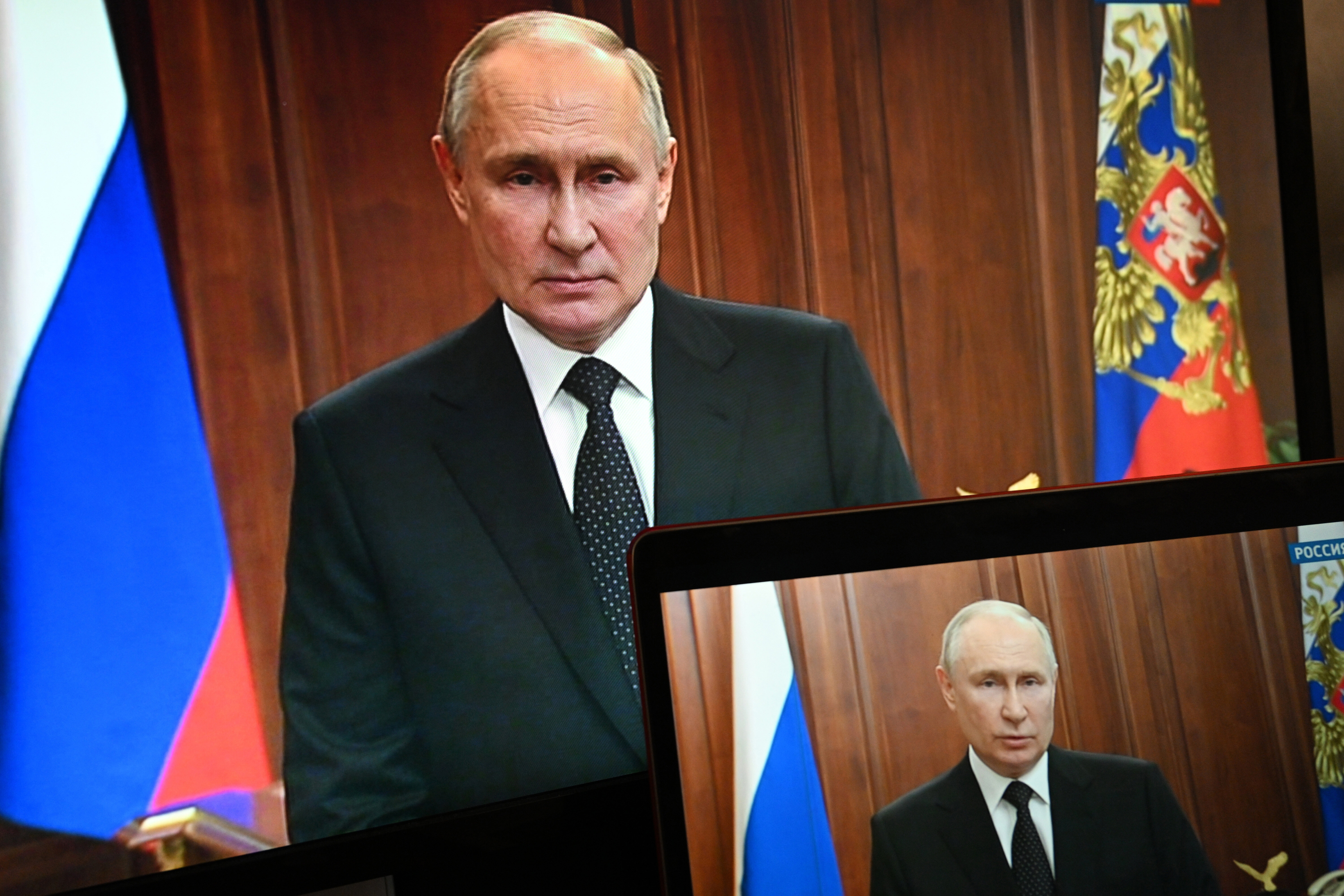
Vladimir Putin’s days as Russian president may be “numbered in a handful” after the mercenary Wagner Group launched an apparent coup attempt, according to the former head of the British army.

Lord Dannatt, the former chief of the general staff, said Ukraine could use the chaos engulfing the Putin regime to “really change the battlefield situation” in the war.

He spoke as Wagner troops continued their advance towards Moscow and the Russian president accused them of “treason”.

The dramatic developments came after months of tension between Wagner boss Yevgeny Prigozhin and Putin – his former ally – came to a head on Friday night.

Prigozhin accused Moscow of killing 2,000 of his men and warned that those responsible would be “punished”.

In a televised address on Russian TV this morning, Putin accused the Wagner Group of “a stab in the back” after they had initially fought alongside his troops in Ukraine.

He said: “Russia will defend itself and repel this move. We are fighting for the life and security of our citizens.”

Speaking on Times Radio, Lord Dannatt said: “Now, if they [Ukrainian forces] have found by now, one or two weak spots, this could well be the moment where there is huge confusion within Russia, huge confusion amongst the Russian military commander control for the Ukrainians to launch their … manoeuvre brigade groups into a potential breakthrough situation, and really change the battlefield situation in Ukraine”

He added: “If that were to happen, allied with what Prigozhin is doing, then Putin’s days are numbered in a handful, and probably even less.”

Rishi Sunak called for all sides to “be responsible and to protect civilians”.

He spoke after foreign secretary James Cleverly chaired a meeting of the government’s emergency COBRA committee.

In their daily intelligence update on the war, the UK Ministry of Defence said the long-running tensions between the Wagner Group and the Russian military had “escalated into outright military confrontation”.

They said: “Over the coming hours, the loyalty of Russia’s security forces, and especially the Russian National Guard, will be key to how the crisis plays out.

“This represents the most significant challenge to the Russian state in recent times.”

Share Button

Thousands Denied A Vote Because Of Tory Voter ID Law, Say Election Chiefs

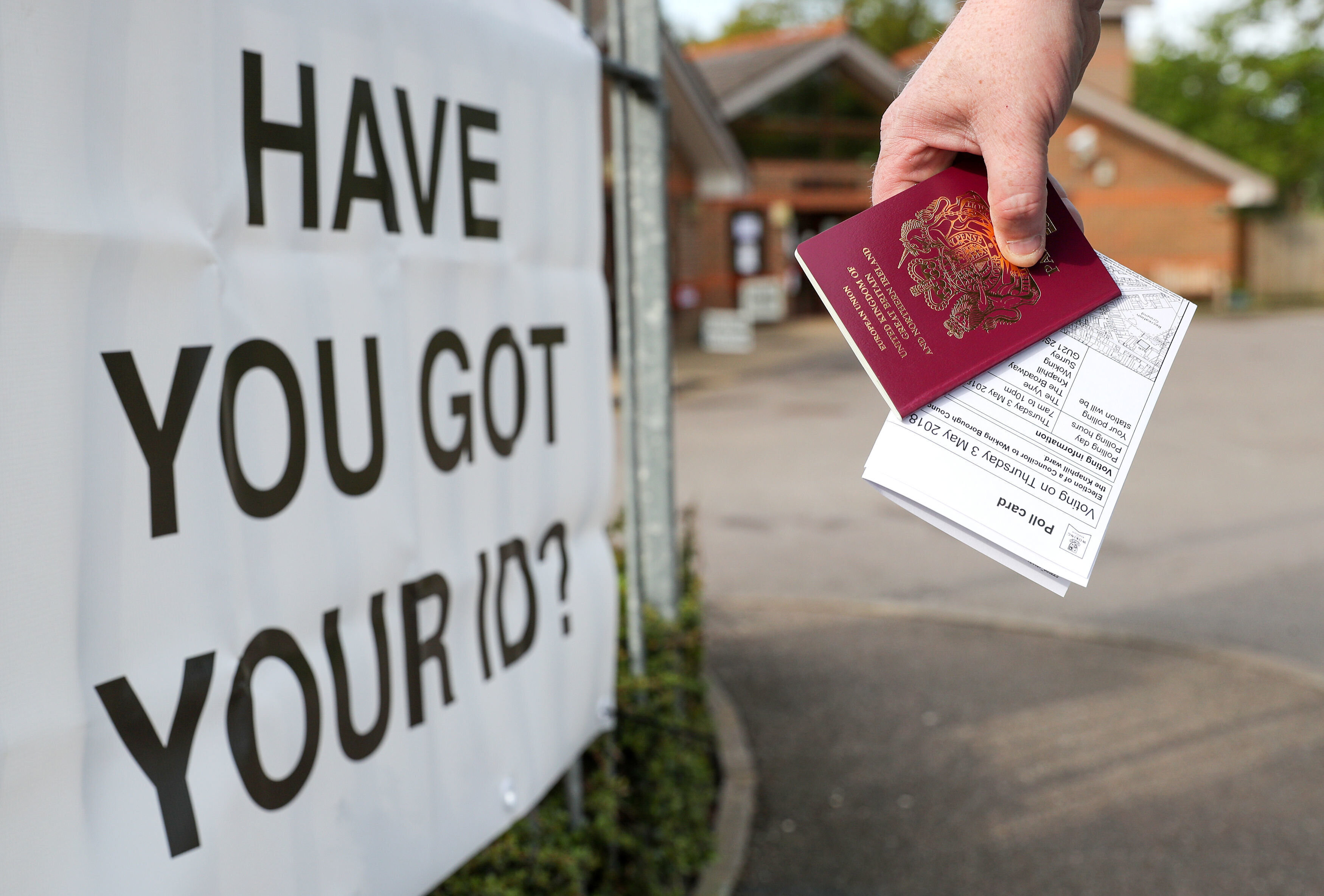
Thousands of voters were barred from taking part in last month’s local elections because of the Tories’ voter ID law, election chiefs have revealed.

For the first time ever in Britain, voters were required to provide photographic proof of their identity in order to collect their ballot paper.

Ministers had argued that it was necessary to prevent voter fraud, despite there being no evidence that it is widespread problem in this country.

A report out today by the Electoral Commission found that around 14,000 who went to their polling station on May 4 were not given a ballot paper because they did not have the correct photographic identification.

Research found that 4% of all people who said they did not vote identified the new ID requirement as the reason.

The Electoral Commission said their data also suggested that disadvantaged groups were more likely to be impacted by the voter ID arrangements.

Opposition politicians said the report showed the new law was “a transparent attempt at voter suppression by Conservative ministers”.

Craig Westwood, the Electoral Commssion’s director of communications, policy and research, said: “The evidence suggests that the vast majority of voters were able to present an accepted form of ID at the May elections.

“But it also shows that some people were prevented from voting in polling stations due to the requirement, and significantly more did not attempt to because they lacked the required ID.”

He added: “We don’t want to see a single voter lose the opportunity to have their say. We are working to understand the challenges people faced, and will make recommendations that, with the engagement of Government and wider electoral community, will support the participation of all voters.”

Former cabinet minister Jacob Rees-Mogg admitted last month that the voter ID policy was an attempt at “gerrymandering” to boost the Tories – but that it had backfired because it kept more of their supporters out of the polling booths.

Labour deputy leader Angela Rayner said: “No legitimate voter should be locked out of democracy but that has been the effect of the Tories’ failed voter ID regulations.

“This evidence suggests shows that as well as those turned away at polling stations, many others did not attempt to vote because they lacked the required ID.

“It’s particularly alarming that under-represented groups look to have been more likely to have denied their say by these new barriers to voting. These strict rules are having a chilling effect on democracy.”

Lib Dem local government spokesperson Helen Morgan MP said: “It is an outrage that thousands of people were denied a voice at the local elections because of the Conservative Party’s Voter ID rules.

“Obstructing people’s right to vote like this in such a disproportionate way is a complete waste of money that undermines our democracy.

“It looks like a transparent attempt at voter suppression by Conservative ministers who are desperate to stop people from holding them to account by any means possible.”

Councillor James Jamieson, chairman of the Local Government Association, said: “It is a fundamental part of the democratic process that elections can run smoothly and effectively where every citizen is able to exercise their right to vote.

“It is therefore of concern to councils that this review has found that some groups may have been more impacted than others by the introduction of voter ID, with a small number being left unable to vote.”

Share Button

Question Time Audience Member Calls Out Claim UK Hasn’t ‘Properly Brexited’

A Brexit voter appearing on BBC Question Time has called out the excuses made by politicians for leaving the European Union not living up to the promises – as a prominent supporter of quitting the bloc claimed the country hasn’t “properly Brexited”.

The corporation’s flagship politics show on Thursday held a “special” in Clacton-on-Sea in Essex to mark the seventh anniversary of the 2016 vote. Some 70% of people in the area voted to get out of the union and only Brexit voters were in the audience for the programme.

It was held on the same day interest rates were hiked for the 13th month in a row as the UK’s rate of inflation remains higher than other major economies, with Brexit in part being blamed.

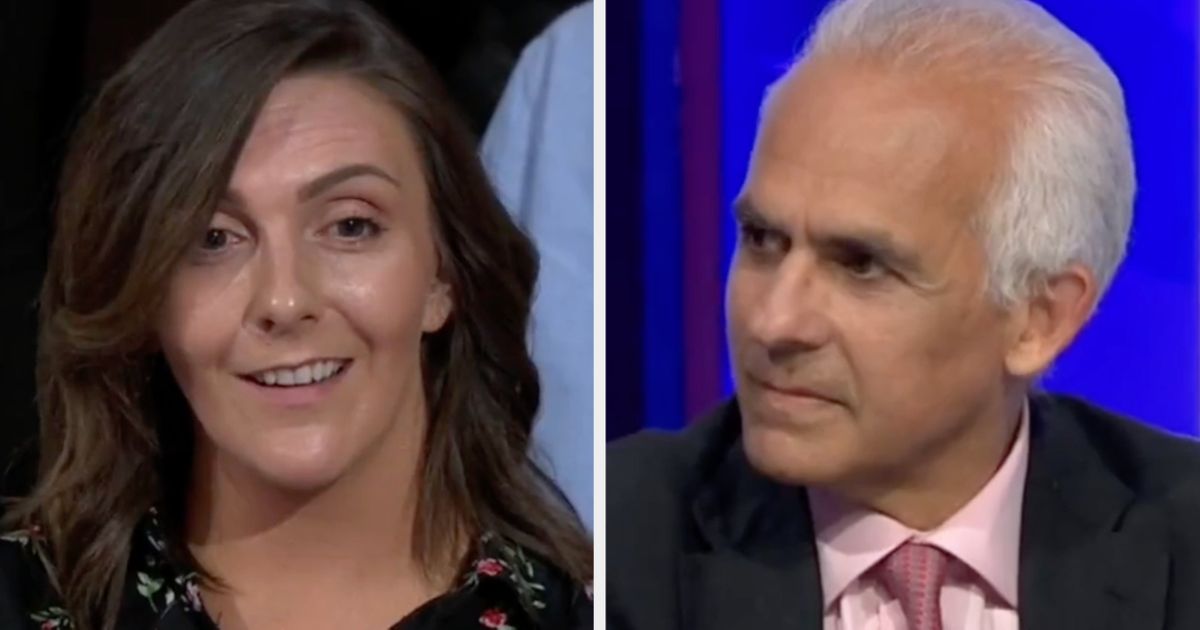
On the show, panellist Ben Habib, a businessman and former Brexit Party MEP, who is now part of the successor Reform UK, claimed the country hasn’t “properly Brexited” and blamed former prime minister Boris Johnson for being “loose in his association with the truth when he promised to get Brexit done”.

But it was too much for one audience member, who responded directly to Habib’s comments.

She said: “Literally the first thing that people with your opinion say … it’s like Brexit could be good if it went to a different school. I’m so sick of that.

“Where is the gumption from both Labour and the Conservatives to say, actually, no, this is what we’re going to do about it.

“This boils my blood when all that is rolled out is ‘well, there could have been a good Brexit if …’”

Habib later claimed that Irish prime minister Leo Varadkar and then deputy Simon Coveney “weaponised the border and threatened violence”.

Another audience member also said Brexit “hasn’t started” as a result of the pandemic and war in Ukraine.

Campbell, the Tony Blair-era Labour Party spin chief, said they had been told it “would be pain-free” and “all be upsides”, as he pointed to the fall in the pound, a lack of a trade deal with the US and the claim of more money for the NHS.

Share Button

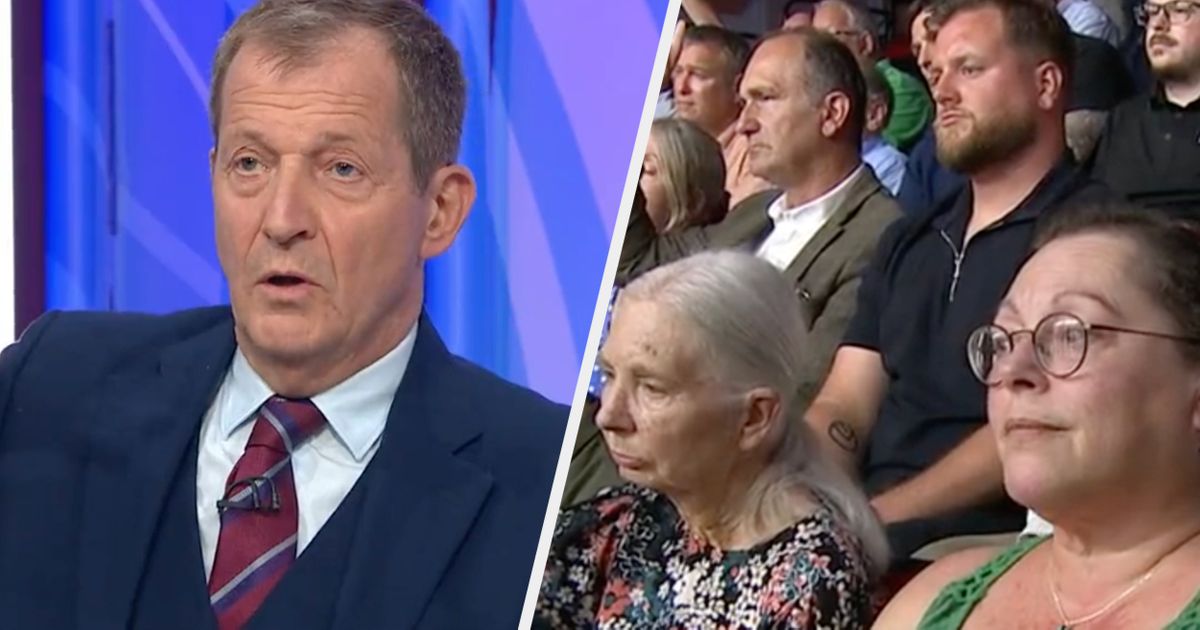
Alastair Campbell Tells Question Time Brexit Voters ‘You Were Lied To’ By ‘Conmen’ Johnson And Farage

Alastair Campbell has hit out at “conmen” Boris Johnson and Nigel Farage as he told Brexit voters on BBC Question Time they were “lied to”.

The corporation’s flagship politics show on Thursday held a “special” in Clacton-on-Sea in Essex to mark the seventh anniversary of the 2016 vote. Some 70% of people in the area voted to get out of the bloc and only Brexit voters were in the audience for the programme.

Campbell, the Tony Blair-era Labour Party spin chief, has been a fierce critic of leaving the European Union. On the show, the Rest is Politics podcaster said he understood why the audience members wanted to exit the EU – but that they were “lied to” and told it “would be pain-free” and “all be upsides”, as he pointed to the fall in the pound, a lack of a trade deal with the US and the claim of more money for the NHS.

He said: “Look, I understand why a lot of you guys voted for Brexit because you felt that Johnson, Farage … these conmen were coming along offering you something that was going to make your lives better.

“And I was in a school today, just a few minutes away from here. Clacton Coastal Academy. Really bright kids. Really nice teachers. Fantastic school in a very tough area, and I asked the kids what they thought of Brexit and all but two said they would vote to rejoin the European Union if they had the chance.”

He went on: “I don’t blame you for voting. I blame them for lying to you. They lied. They’ve not been properly held to account.

“Johnson’s gone from lying about Covid. He’s still not properly been held accountable for Brexit.

“And we’re all of us paying a higher price in our cost of living and everything else because of the lies that we were told.”

He later said Brexit is “one of the biggest acts of self-harm that we as a country have ever inflicted upon ourselves”, and that Johnson “never believed in Brexit”.

“Boris Johnson went for the referendum as a way of advancing his own career and becoming prime minister,” Campbell said. “The mess he’s left this country in, he should never be forgiven.”

Critics of leaving the EU have cited the impact on the pound, imports and labour costs, and other economies on the continent powering ahead. Britain’s higher rate of inflation compared to other major economies has also been blamed in part on Brexit thanks to higher administration costs and a small pool of workers.

Share Button

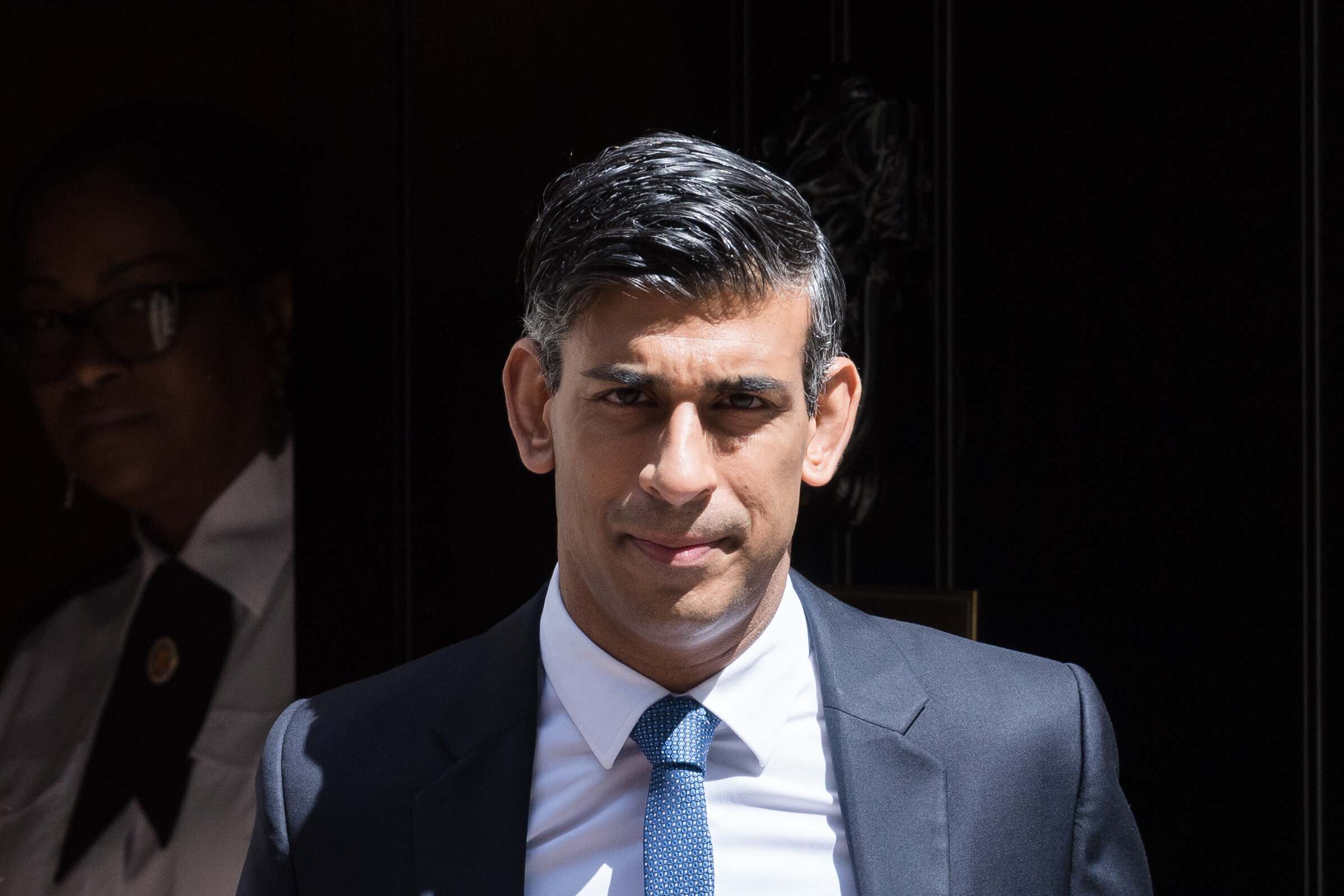
Rishi Sunak Says He’s ‘Completely Confident’ Of Beating Inflation

Rishi Sunak has said there is a “deep moral responsibility” to get inflation under control as the cost-of-living remains stubbornly high.

The prime minister’s characterisation came as official data on Wednesday showed inflation defied expectations that it would slow and held at 8.7% in May – making the rate of price growth in Britain the highest of any major economy once again.

It means the Bank of England is likely to hike interest rates again on Thursday in a desperate attempt to cool the economy down, spelling bad news for homeowners who face further increases in mortgage repayments. The central bank’s over-arching aim is to keep inflation at 2%.

Sunak vowed in January that the government would halve the rate at which prices are rising by the end of the year. At the time, the inflation rate was around 10%.

Speaking at an event on Thursday, Sunak will put an added emphasis on the goal.

He is expected to say: “I feel a deep moral responsibility to make sure the money you earn holds its value.

“That’s why our number one priority is to halve inflation this year and get back to the target of 2%.

“And I’m completely confident that if we hold our nerve, we can do so.”

His comments suggest lowering inflation now trumps economic growth – one of Sunak’s other promises – which could have other negative economic impacts.

Acknowledging that this is a difficult time for families and businesses, the prime minister will add: “Beating inflation has to be the priority … because if we don’t get a grip on inflation now, the damage will be worse and longer lasting.”

Share Button

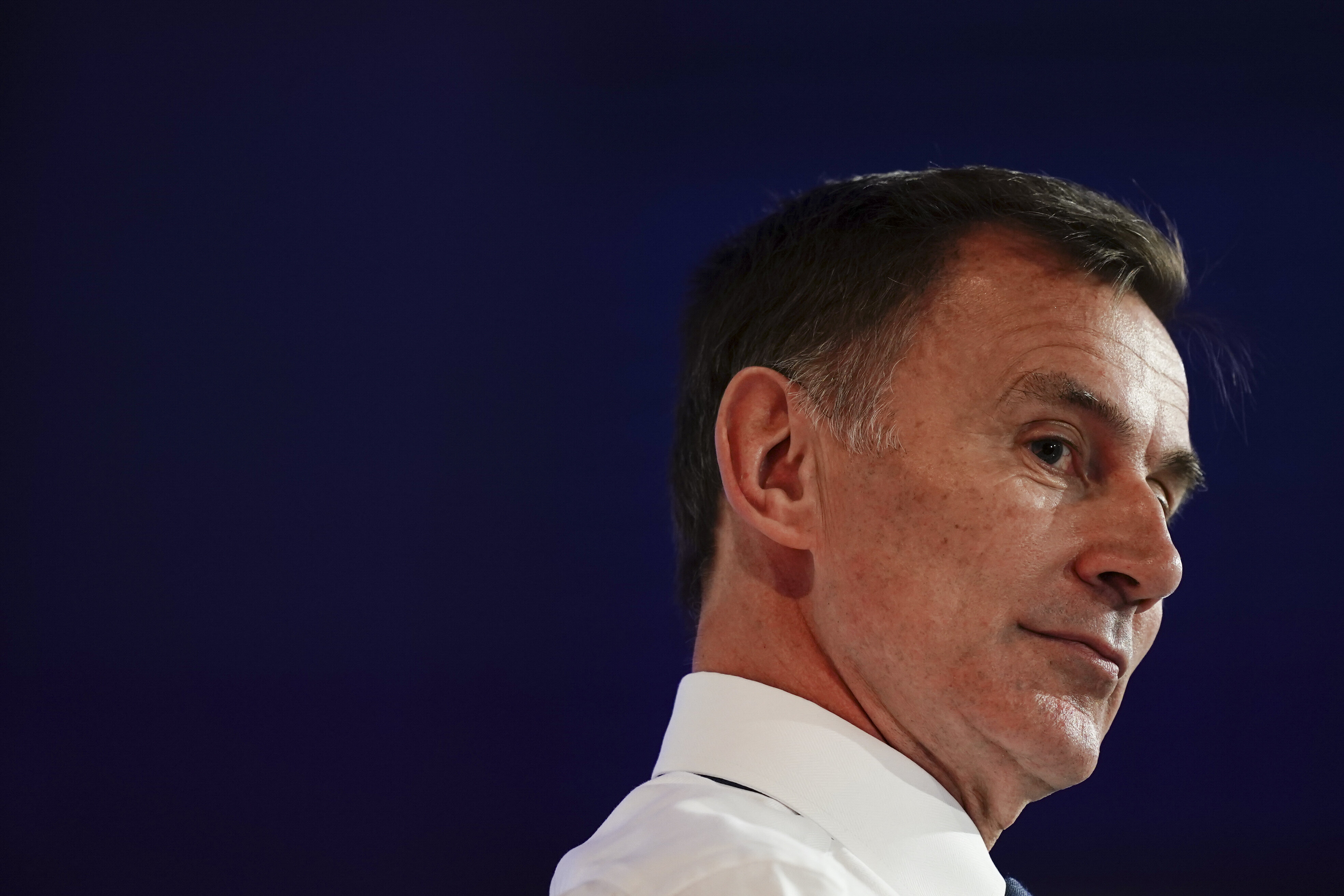
Jeremy Hunt Rules Out Government Help For Mortgages As Interest Rates Soar

Chancellor Jeremy Hunt will hold a meeting with Britain’s major banks on Friday to discuss how they can help homeowners hit by rising mortgage costs, after saying the government would not offer borrowers significant financial help.

The Bank of England has raised interest rates 12 times since December 2021, but the impact for many mortgage holders is only starting to be felt now as low fixed rates agreed during the Covid-19 pandemic start to expire.

Some politicians have called on the government to consider financial aid for those worst hit, but Hunt rejected this in a parliamentary question-and-answer session.

“We won’t do anything that would mean we prolonged inflation,” Hunt said when asked about possible aid. “Schemes which involve injecting large amounts of cash into the economy right now will be inflationary.”

The Bank of England is expected to raise interest rates again on Thursday by a quarter point to a 15-year high of 4.75% in a bid to fight unexpectedly sticky inflation, which was running at 8.7% in April. Official inflation data for May will also be published on Wednesday.

Hunt said he would talk with major lenders later this week to discuss the challenges faced by some borrowers.

Three sources – two from the banking industry and one in the government – said that meeting would take place on Friday and focus on how best to support customers facing big increases in their repayments this year, and those who have refinanced at higher rates and are already struggling to cope.

“I’ll be meeting the principal mortgage lenders to ask what help they can give to people struggling to pay more expensive mortgages and what flexibilities might be possible for families in arrears,” Hunt said.

The 2008 financial crisis did not lead to a big wave of home repossessions in Britain, but lending rules were tightened afterwards to ensure homebuyers taking out mortgages would still be able to cope with a significant rise in interest rates.

However, mortgage rates have risen rapidly in recent weeks as markets bet the BoE may have to raise its own interest rate as high as 6% next year to tackle persistent inflation.

Trade body UK Finance estimates 800,000 Britons will need to refinance loans in the second half of this year, and a further 1.6 million in 2024.

The Resolution Foundation think-tank estimated that the average homeowner who refinances a mortgage in 2024 will have to pay an extra £2,900 pounds a year.

Most British residential mortgages have interest rates fixed for two or five years, after which borrowers pay a floating rate or switch to a new fixed rate.

Share Button

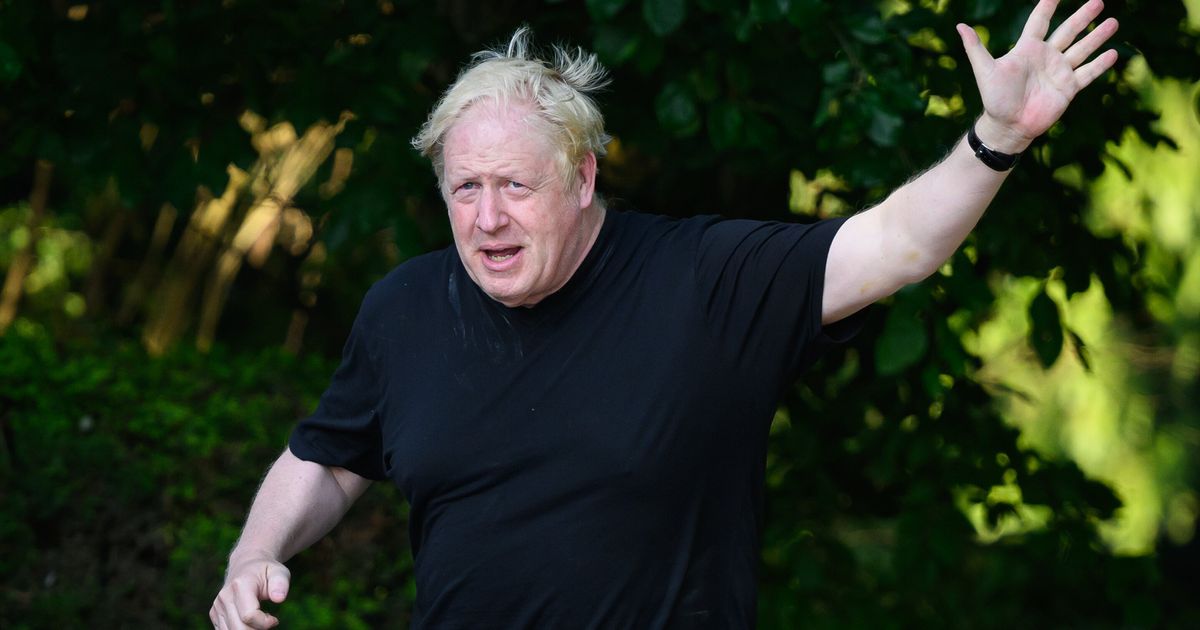
Boris Johnson Has Been Stripped Of His Parliamentary Pass For Lying To MPs

Boris Johnson has been stripped of his parliamentary pass for repeatedly lying to the House of Commons over partygate.

MPs voted 354 to 7 to support last week’s privileges committee’s report which found him guilty of misleading parliament by insisting lockdown rules were followed in Downing Street during the pandemic.

Johnson resigned as MP for Uxbridge and South Ruislip 10 days ago after seeing an advance copy of the committee’s report.

Had he remained an MP, the committee said it would have recommended he be suspended from the Commons for 90 days.

Johnson described the inquiry as a “kangaroo court” and claimed he was the victim of a political stitch-up.

But following a five-hour debate, an overwhelming majority of MPs voted to back the committee’s findings, including the recommendation that Johnson should have the parliamentary pass given to former MPs removed.

The debate also exposed the deep splits within the Tories over their former leader, with around 200 of the party’s MPs – including prime minister Rishi Sunak – abstaining by failing to take part in the vote.

Some 118 Tory MPs voted to back the committee’s findings, including cabinet ministers Alex Chalk, Penny Mordaunt Gillian Keegan, and former PM Theresa May.

The Tories who voted against the committee’s report were Joy Morrisey, Karl McCartney, Adam Holloway, Heather Wheeler, Nick Fletcher and Bill Cash.

In a bizarre interview this morning, Sunak repeatedly refused to say what he thought of the report, insisting he “wouldn’t want to influence” any MPs on how to vote.

Meanwhile, the prime minister’s official spokesman said he was too busy with other engagements, including hosting the prime minister of Sweden, to attend parliament.

Lib Dem deputy leader Daisy Cooper said: “Tonight Rishi Sunak committed a cowardly cop-out. His failure to vote says all you need to know about this prime minister’s lack of leadership.

“Sunak promised integrity yet when push came to shove, he was too weak to even turn up.”

Share Button