Why Is The UK Unemployment Rate Currently So High?

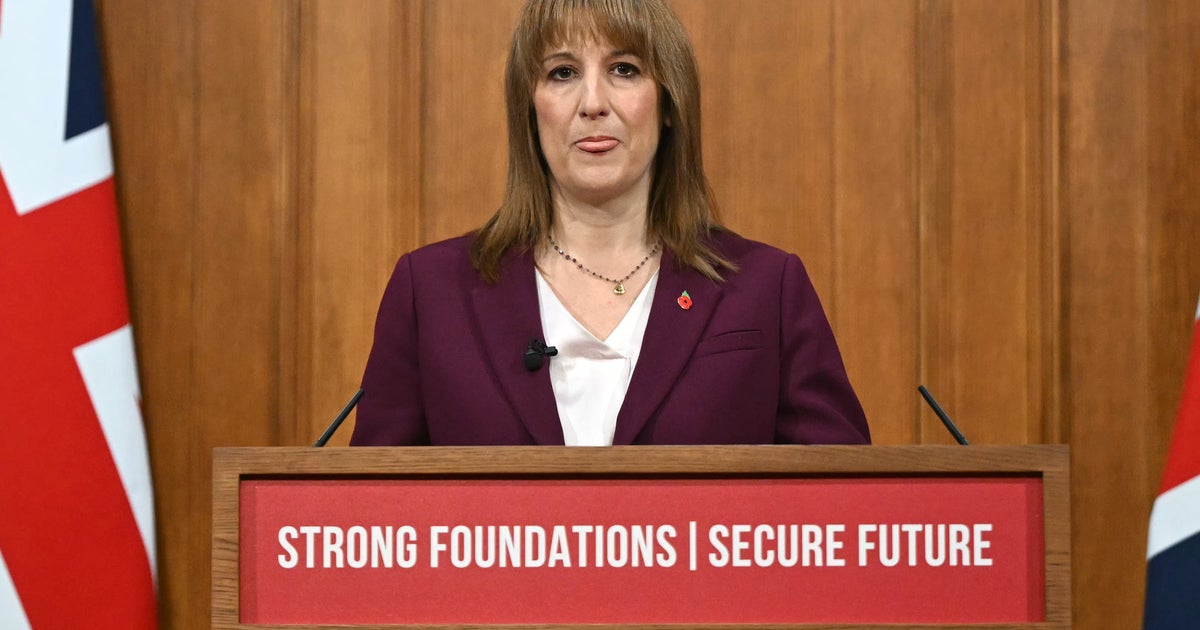
The rate of UK unemployment in the UK has risen to 5% in a blow to Rachel Reeves, according to the new official figures.

The Office for National Statistics (ONS) said the increase occurred in the three months leading up to September.

That’s the highest rate recorded since the three months up to February 2021 amid the Covid pandemic.

Here’s what you need to know.

What is the 2025 UK unemployment rate?

The ONS revealed today that unemployment rose to 5.0% in the three months to the end of September. That’s up from 4.8% in the previous quarter, and works out to an increase in unemployment to 1.8 million.

We do not know the rate for the whole year yet as the data for October, November and December still need to be collected.

What is the youth unemployment rate?

There’s been an increase in the number of young people who are not employed, in education or in training recently.

The Resolution Foundation estimates that almost a million (940,000) young people are unemployed – the highest level recorded in a decade, and almost the same number recorded in the after math of the 2008 financial crash.

That’s an increase of 195,000 more young people not working in just two years.

According to the Resolution Foundation, most of these people are economically inactive rather than unemployed, with many pointing to health problems or “other reasons” for not working or studying,

Why has the unemployment rate increased?

Although many analysts had still expected the rate to be around 4.9% ahead of Reeves’ Budget on November 26, the 5% figure was still unexpected.

Average wage growth had only fallen slightly to 4.6% in the most recent quarter, down from 4.7% compared to the three months leading up to August.

The ONS’s director of economic statistics, Liz McKeown, said: “Taken together, these figures point to a weakening labour market.

“Meanwhile, the unemployment rate is up in the latest quarter to a post pandemic high. The number of job vacancies, however, remains broadly unchanged.”

It also comes after Reeves increased employer national insurance contributions by £25bn and increased the national living wage from April.

Critics claimed impacted part-time employment and jobs in the hospitality, leisure and retail sectors.

How much unemployment benefits can you receive?

Someone can only apply for Jobseeker’s Allowance (JSA) by getting an interview at the local Jobcentre Plus office.

This payment is reduced or stopped if the individual in question does not keep to the agreement to look for work and cannot offer a good reason.

Up to the age of 24, the JSA weekly amount can be £72.90.

For those aged 25 or over, it can be £92.05 per week.

It’s also only available for 182 days.

Universal Credit is gradually replacing income-based Jobseeker’s Allowance, Income Support, income-related Employment and Support Allowance.

People may be eligible for Universal Credit if they have less than £16,000 in savings or other investments (not including the home you live in).

Any assets belonging to any partners the individual in question lives with is also considered and the exact amount depends on income and circumstances.

Does this mean anything for the Budget?

This suggests the jobs market is looking rather shaky ahead of the November 26 Budget – which is nothing the government will want to hear.

It could mean the Bank of England may be more likely to cut interest rates in December, weakening its lever meant to hold back inflation.

Meanwhile, Reeves is already trying to bridge a gap in the public finances of up to £30 billion in her Budget – which could mean hiking taxes again, thus hitting jobs and economic growth.

But, Labour is trying to address the employment crisis.

The government recently appointed former Labour health secretary Alan Milburn to lead an independent review into how mental health issues and disability affect unemployment in young people.

Meanwhile, a different review from Charlie Mayfield – former chief of John Lewis – said young adults were one of the main groups impacted by an “economic inactivity crisis” hitting the UK.

However, unemployment could increase beyond 5% next year which made it harder for workers to bargain for higher wages, according to warnings from the Bank of England.

Work and pensions secretary Pat McFadden said “there are challenges in the labour market” but claimed the “British economy is still generating jobs”.

He said: “Over 329,000 more people have moved into work this year already, but today’s figures are exactly why we’re stepping up our plan to get Britain working.

“We’ve introduced the most ambitious employment reforms in a generation to modernise job centres, expand youth hubs and tackle ill-health through stronger partnerships with employers.”

Share Button

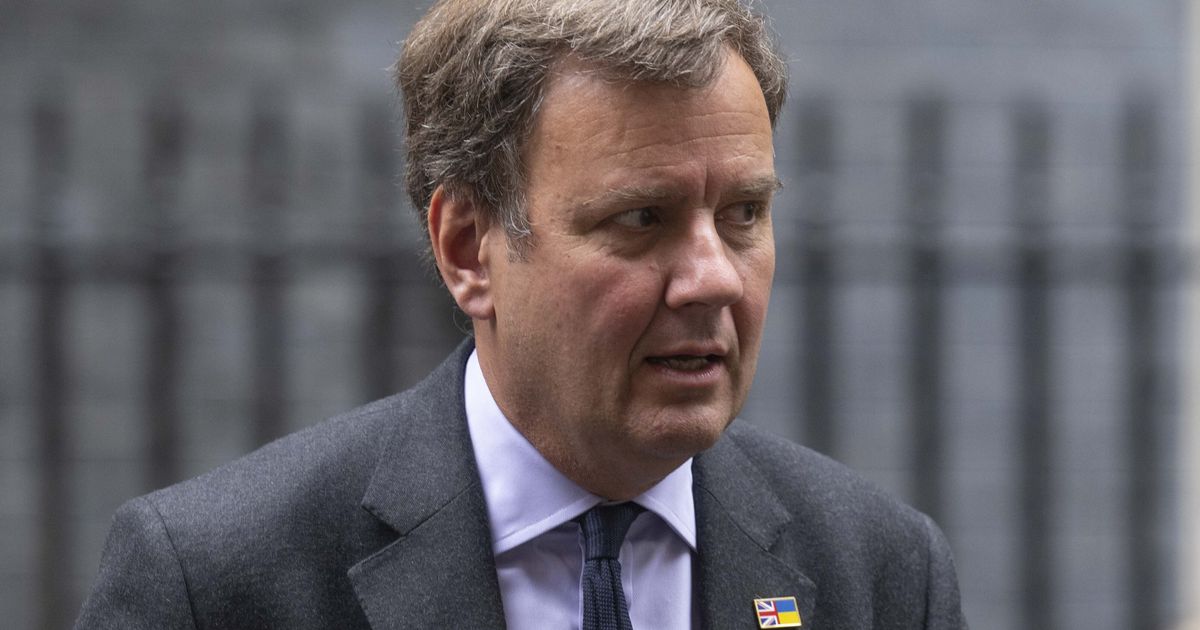
Greg Hands Gets Rinsed After Claiming Labour Would Put Everyone On The Dole

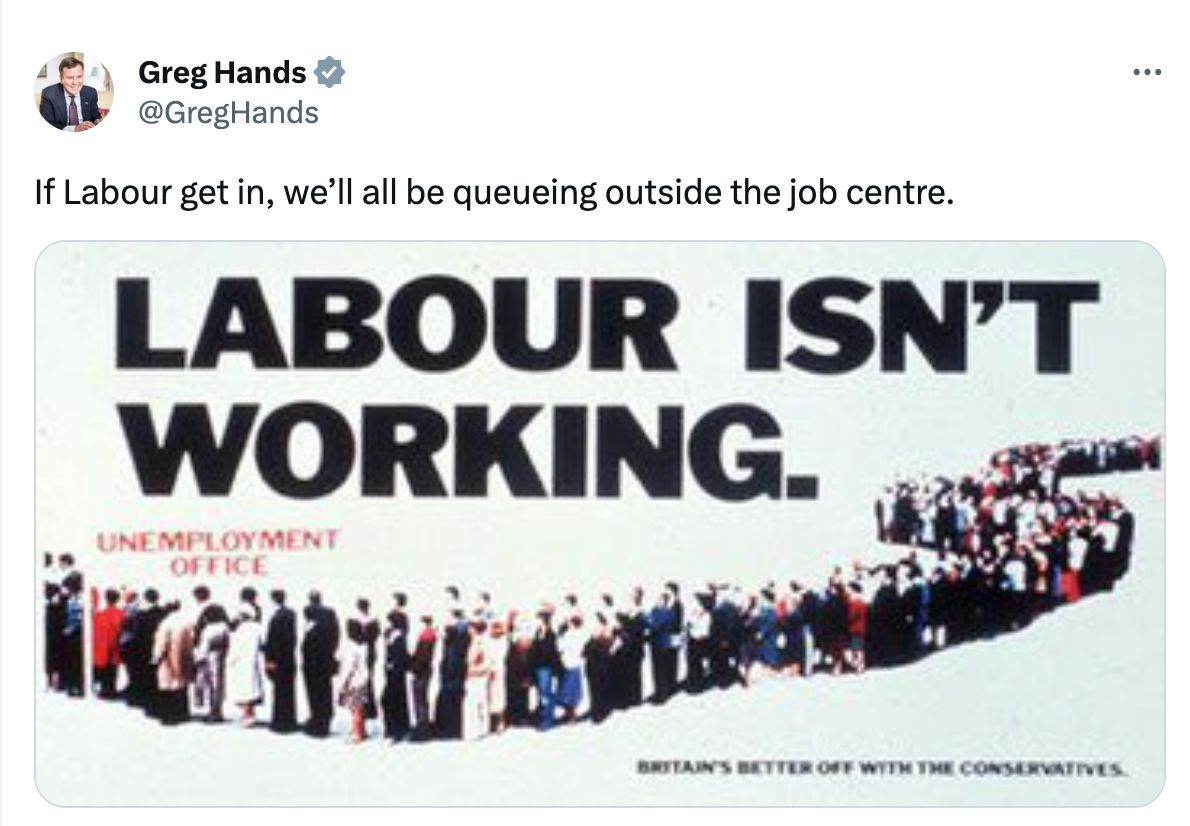
Tory chairman Greg Hands got rinsed on Twitter after claiming a Labour government would mean “we’ll all be queuing outside the job centre”.

The outspoken MP – who regularly tries to troll the opposition on social media – posted a picture of the famous Tory election ad from 1979 showing a lengthy dole queue with the headline: “Labour isn’t working”.

Hands said: “If Labour get in, we’ll all be queuing outside the job centre.”

But the tweet led to a backlash from thousands of Twitter users – with many of them pointing out that Hands himself could be among those out of work after the election.

Hands is MP for Chelsea and Fulham, where he was re-elected in 2019 with a majority of 11,241.

Share Button

The Paradoxical Under-employment of Rehab Physicians During the COVID-19 Pandemic

I used to joke that for all the hardships of being a physician, at least we had job security. Little did I know that a viral illness would put some physicians “on the bread line.”

The COVID-19 pandemic has negatively impacted the physician workforce in both anticipated and unanticpated ways. While stay-at-home orders decrease temporary demand for cosmetic and elective surgical procedures by dermatologists and orthopedic surgeons, inpatient rehabilitation facilities are also feeling the squeeze, though the number of patients who need their services are growing exponentially (due to post-COVID syndromes).

In states of emergency, hospitals at (or over) capacity have the right to commandeer beds from other units within their system. So for example, if there is a unit devoted to the rehabilitation of stroke or car accident victims, the hospital might re-allocate those beds to COVID-19 patients. There is also financial incentive to do so because Medicare pays 20% higher rates to hospitals for each COVID patient that requires admission.

So what happens when the rehab unit turns into a COVID unit? A few things. First, the patients who need inpatient rehabilitation with close physician monitoring are turfed to nursing homes. Fragile stroke patients, those with high risk for neurological or cardiac decompensation, and inpatients with complex medical problems (such as internal bleeding, kidney failure, or infectious diseases) are sent to a lower level of care without suficient oversight by physicians. These patients often crash, get readmitted to the hospital, or in the worst case, decline too quickly to be saved.

Second, the physicians who take care of rehab patients (rehabilitation physicians, also known as physiatrists) hand over care of the COVID patients (in the former rehab unit) to hospitalists, reducing their own workloads substantially while the hospitalists are overwhelmed and at risk for burn out.

Third, hospitals are struggling to cut costs due to the suspension of their lucrative elective surgical pipelines during COVID surges – and put a moratorium on hiring additional physicians who would normally be assisting with growth and expansion efforts in neuromuscular, brain and spinal cord injury rehabilitation.

Finally, in some cases rehab units are experiencing low censuses not because their beds were commandeered for COVID patients, but because elective surgeries have diminished and patients are afraid of coming to the hospital. Many of those with symptoms of heart attacks, strokes, brain injuries, etc. are staying home and “gutting it out” while reversible or treatable injuries and disabilities become permanent. The devastating toll will be difficult to quantify until normal medical surveillance and care resumes.

Meanwhile, physiatrists with outpatient practices and pain management clinics are experiencing a dramatic drop in patient throughput, with telemedicine visits largely inaccessible to the poor and disabled populations they serve. Those outpatient physicians seek to augment their income with part-time inpatient work, and unprecidented numbers are seeking employment through locum tenens agencies. Unfortunately, agencies have scant inpatient jobs to offer for the reasons I discussed above, and competition is fierce among agencies and physicians alike. It’s often the case that 7 or more agencies will contact a physician within hours of a new job posting, and that job will be filled before the physician can respond – and at an hourly rate 20-30% lower than pre-COVID days (based on my personal experience).

These are some of the unexpected underemployment consequences of the COVID pandemic for one sub-specialty group: physiatry. I imagine the forces at play may be similar for my peers in oncology, neurology, or preventive medicine, for example.

One thing is for sure: emergency medicine physicians, internists, and critical care specialists are facing a tsunami of patients while others of us are sitting on the bench, wanting to help but not trained to do so, “sheltering in place” as the non-COVID march of disease and disability continues apace.

Share Button

Keir Starmer To Tell Boris Johnson To Outlaw ‘Fire And Re-Hire’ Working Practices

HuffPost is part of Verizon Media. We and our partners will store and/or access information on your device through the use of cookies and similar technologies, to display personalised ads and content, for ad and content measurement, audience insights and product development.

Your personal data that may be used

  • Information about your device and internet connection, including your IP address
  • Browsing and search activity while using Verizon Media websites and apps
  • Precise location

Find out more about how we use your information in our Privacy Policy and Cookie Policy.

To enable Verizon Media and our partners to process your personal data select ‘I agree‘, or select ‘Manage settings‘ for more information and to manage your choices. You can change your choices at any time by visiting Your Privacy Controls.

Share Button

Unemployment ‘Will Soar To 3 Million’ Under Treasury Plan To End Furlough Scheme

HuffPost is part of Verizon Media. Click ‘I agree‘ to allow Verizon Media and our partners to use cookies and similar technologies to access your device and use your data (including location) to understand your interests, and provide and measure personalised ads. We will also provide you with personalised ads on partner products. Learn more about how we use your data in our Privacy Centre. Once you confirm your privacy choices here, you can make changes at any time by visiting your Privacy dashboard.

Click ‘Learn more‘ to learn and customise how Verizon Media and our partners collect and use data.

Share Button

‘We Need A Jobs Guarantee Programme To Support Our Most Vulnerable Workers’

HuffPost is part of Verizon Media. Click ‘I agree‘ to allow Verizon Media and our partners to use cookies and similar technologies to access your device and use your data (including location) to understand your interests, and provide and measure personalised ads. We will also provide you with personalised ads on partner products. Learn more about how we use your data in our Privacy Centre. Once you confirm your privacy choices here, you can make changes at any time by visiting your Privacy dashboard.

Click ‘Learn more‘ to learn and customise how Verizon Media and our partners collect and use data.

Share Button