People who carry variations in two genes linked to appetite and digestion can lose more weight when taking drugs such as Wegovy and Mounjaro to treat obesity, research suggests.


People who carry variations in two genes linked to appetite and digestion can lose more weight when taking drugs such as Wegovy and Mounjaro to treat obesity, research suggests.

Alzheimer’s disease (AD) remains one of the most pressing global health challenges, especially as aging populations continue to grow. The condition steadily erodes memory and thinking abilities, deeply affecting daily life. New treatments, including monoclonal antibodies such as lecanemab and donanemab, have offered some optimism by slowing cognitive decline. However, these therapies still fall short of reversing the disease or restoring normal brain function.
A recent review published in Science China Life Sciences by Professor Yan-Jiang Wang and colleagues explores why progress has been limited. The researchers argue that focusing on a single cause has not worked because Alzheimer’s is far more complex. It arises from the combined effects of amyloid-beta (Aβ) buildup, Tau protein tangles, genetic risk factors, aging-related changes, and broader health conditions. Because of this complexity, they suggest that future treatments must take a more comprehensive and coordinated approach.
Alzheimer’s Disease Involves Multiple Interconnected Factors
The review highlights several key areas that are reshaping how scientists understand Alzheimer’s.
Beyond Amyloid-Beta (Aβ)
Amyloid-beta has long been a central target in Alzheimer’s research, but treatments aimed only at this protein have produced limited results. Scientists are now paying closer attention to Tau hyperphosphorylation, a process that leads to the formation of neurofibrillary tangles and the loss of brain cells. Addressing both Aβ and Tau may be necessary to slow disease progression more effectively.
Genetic Risk and Emerging Gene Therapies
Genetics play a major role in determining Alzheimer’s risk. While APOE ε4 remains the most widely recognized genetic factor, researchers are identifying additional variants linked to specific populations. Advances in genome editing (CRISPR/Cas9) are also being explored as potential one-time treatments that could modify disease risk at its source.
Aging and Whole-Body Health Shape Alzheimer’s Progression
Aging as a Central Driver
Aging is the strongest risk factor for Alzheimer’s and involves a range of biological changes. These include declining mitochondrial function, the buildup of damaged cells, and increased DNA damage. The review points to “senolytic” therapies, which aim to remove aging glial cells, as a possible way to improve brain health and slow decline.
Systemic Health and the Gut-Brain Connection
Alzheimer’s is also influenced by conditions that affect the entire body. Issues such as insulin resistance, high blood pressure, and imbalances in gut bacteria can worsen disease processes. Researchers are investigating whether existing diabetes medications and therapies targeting the gut-brain axis could help reduce these effects.
Toward Integrated and Multi-Target Alzheimer’s Therapies
The authors emphasize the need to move away from “reductionist” thinking and toward “integrated strategies.” This shift involves developing treatments that target multiple aspects of the disease at once. It also includes using advanced laboratory models, such as human iPSC-derived organoids, to test new therapies more effectively. In addition, precision medicine approaches based on early biomarkers like plasma pTau217 could allow doctors to identify and treat Alzheimer’s earlier and more accurately.
“Success in defeating Alzheimer’s hinges on interdisciplinary collaboration and holistic innovation,” the authors conclude. Their findings outline a path forward, suggesting that with the right combination of strategies, Alzheimer’s could eventually become a manageable or even preventable condition rather than an inevitable decline.

Researchers at the University of Chicago have uncovered a surprising new role for zeaxanthin, a plant-based compound best known for supporting eye health. According to findings published in Cell Reports Medicine, this common carotenoid may also help the immune system fight cancer by enhancing the activity of key immune cells. The discovery points to zeaxanthin as a simple, widely available supplement that could improve how well cancer immunotherapies work.
“We were surprised to find that zeaxanthin, already known for its role in eye health, has a completely new function in boosting anti-tumor immunity,” said Jing Chen, PhD, Janet Davison Rowley Distinguished Service Professor of Medicine and senior author of the study. “Our study show that a simple dietary nutrient could complement and strengthen advanced cancer treatments like immunotherapy.”
How Zeaxanthin Activates Cancer-Fighting T Cells
The research builds on years of work from Chen’s lab exploring how nutrients shape immune responses. By analyzing a large library of nutrients found in blood, the team identified zeaxanthin as a compound that directly enhances the performance of CD8+ T cells. These immune cells play a central role in identifying and destroying cancer cells.
CD8+ T cells rely on a structure called the T-cell receptor (TCR) to detect abnormal cells. The researchers found that zeaxanthin helps stabilize the formation of this receptor complex when T cells encounter cancer. This leads to stronger internal signaling, which increases T-cell activation, boosts cytokine production, and improves the cells’ ability to kill tumors.
Boosting the Power of Immunotherapy
In mouse studies, adding zeaxanthin to the diet slowed tumor growth. The effect became even more pronounced when combined with immune checkpoint inhibitors – a type of immunotherapy that has transformed cancer treatment in recent years. Together, the combination produced stronger anti-tumor responses than immunotherapy alone.
The team also tested human T cells that had been engineered to target specific cancer markers. In laboratory experiments, zeaxanthin enhanced these cells’ ability to destroy melanoma, multiple myeloma, and glioblastoma cells.
“Our data show that zeaxanthin improves both natural and engineered T-cell responses, which suggests high translational potential for patients undergoing immunotherapies,” Chen said.
A Safe, Accessible Nutrient With Broad Potential
Zeaxanthin is already widely used as an over-the-counter supplement for eye health. It is naturally present in foods such as orange peppers, spinach, and kale. Because it is inexpensive, easy to obtain, and well tolerated, researchers believe it could be quickly tested as a complementary approach to cancer treatment.
The findings also highlight the broader importance of diet in immune health. In earlier work, Chen’s team identified trans-vaccenic acid (TVA), a fatty acid found in dairy and meat, as another compound that enhances T-cell function through a different pathway. Together, these discoveries suggest that nutrients from both plant and animal sources may work in complementary ways to support the immune system.
What Comes Next for Zeaxanthin in Cancer Care
While the results are promising, the researchers stress that the work is still in its early stages. Most of the evidence so far comes from laboratory experiments and animal models. Clinical trials will be needed to determine whether zeaxanthin can improve outcomes for people with cancer.
“Our findings open a new field of nutritional immunology that looks at how specific dietary components interact with the immune system at the molecular level,” Chen said. “With more research, we may discover natural compounds that make today’s cancer therapies more effective and accessible.”
The study, “Zeaxanthin augments CD8+ effector T cell function and immunotherapy efficacy,” was supported by grants from the National Institutes of Health, the Ludwig Center at the University of Chicago, and the Harborview Foundation Gift Fund.
Additional authors include Freya Zhang, Jiacheng Li, Rukang Zhang, Jiayi Tu, Zhicheng Xie, Takemasa Tsuji, Hardik Shah, Matthew Ross, Ruitu Lyu, Junko Matsuzaki, Anna Tabor, Kelly Xue, Chunzhao Yin, Hamed R. Youshanlouei, Syed Shah, Michael W. Drazer, Yu-Ying He, Marc Bissonnette, Jun Huang, Chuan He, Kunle Odunsi, and Hao Fan from the University of Chicago; Fatima Choudhry from DePaul University, Chicago; Yuancheng Li and Hui Mao from Emory University School of Medicine, Atlanta; Lei Dong from University of Texas Southwestern Medical Center, Dallas; and Rui Su from Beckman Research Institute, City of Hope, Duarte, CA.
Former Malcolm In The Middle cast member Erik Per Sullivan evidently had no interest in returning for the show’s new revival.
As a child performer, Erik played Malcolm’s younger brother Dewey in all seven seasons of the family sitcom, which is about to be rebooted for a new generation.
Advertisement
However, in the show’s new iteration, the character of Dewey will be played by new addition Caleb Ellsworth-Clark, after the OG actor declined to return.
During a new interview with The Guardian, Malcolm In The Middle star Jane Kaczmarek made it clear that Erik was approached about coming back – and producers were more than willing to make it worth his while.
“They offered him buckets of money to come back, and he just said: ‘No thank you’,” Jane said, pointing out that Erik is happier focussing on his studies at Harvard, where he’s pursuing a master’s degree in literature.
Advertisement
Outside of Malcolm In The Middle, Erik went on to appear in Christmas With The Kranks and Finding Nemo during his career as a child actor.
It seems he has now retired from acting altogether, last appearing in the 2010 crime drama Twelve, at the age of 19.
Advertisement
Jane and her on-screen husband Bryan Cranston are both appearing in the revival, as are co-stars Frankie Muniz, Christopher Masterson and Justin Berfield.
Among the other new members of the cast are Keeley Karsten, playing Malcolm’s daughter Leah, while Anthony Timpano and Vaughan Murrae will play his younger brothers.

Advertisement
A synopsis for the four-part Disney+ series, titled Malcolm In The Middle: Life’s Still Unfair, reads: “Malcolm and his daughter are drawn into the family’s chaos when Hal and Lois demand his presence for their 40th wedding anniversary party.”
Malcolm In The Middle: Life’s Still Unfair is now streaming on Disney+. Take a look at the official trailer below:
Advertisement



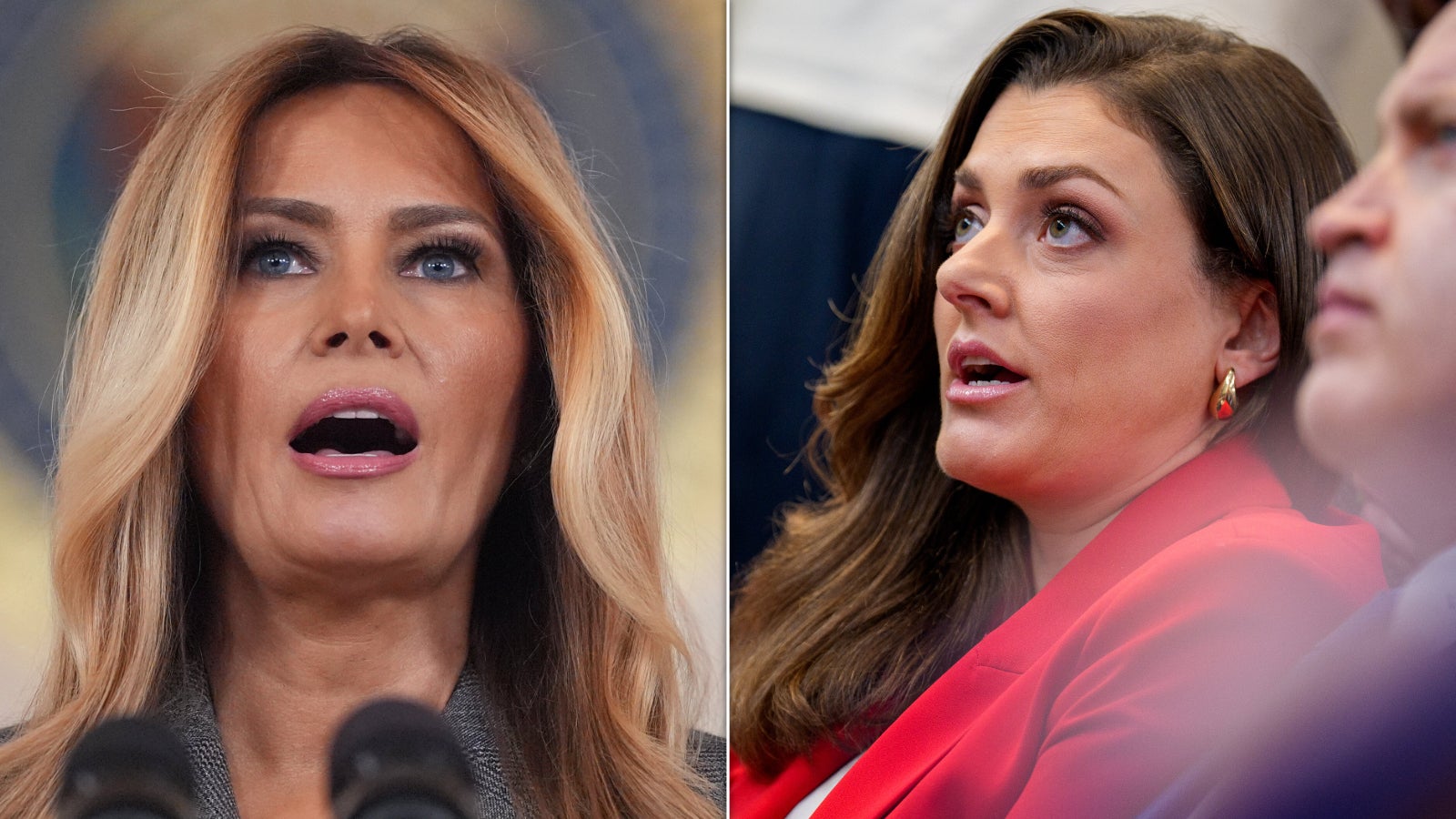
CNN senior White House correspondent Kristen Holmes offered some insight as to why first lady Melania Trump, seemingly out of the blue, attempted to distance herself from the late sex offender Jeffrey Epstein on Thursday.
“I’m told by a number of White House officials that they were just absolutely stunned, particularly by the timing of these remarks,” Holmes told CNN’s Erin Burnett on Thursday night. “It sparked rumors all across the White House campus that she was trying to get ahead of something that most people must not know about.”
Advertisement
Holmes added that some sources close to Trump told her they were less surprised by the first lady’s remarks because she had reportedly been growing frustrated with the online discourse about her alleged relationship with Epstein.
“She’s never actually come out and flat out denied it, and she wanted an on-the-record denial,” Holmes said.
Advertisement
President Donald Trump told MS NOW that he did not know about the first lady’s statement ahead of time. He added that “she didn’t know [Epstein].”
However, Holmes said a source inside the White House told her the president was indeed aware of the first lady’s statement in advance.

First lady Melania Trump called for Congress to hold a public hearing centred on survivors of Jeffrey Epstein’s abuse, in a press appearance where she also attempted to distance herself from the late sex abuser.
“Give these victims their opportunity to testify under oath in front of Congress with the power of sworn testimony,” she told reporters. “Each and every woman should have her day to tell her story in public, if she wishes, and then her testimony should be permanently entered into the congressional record.”
Advertisement
The demand is a major step for the first lady, given the friendship her husband, President Donald Trump, had with the disgraced financier. The White House has not immediately responded to HuffPost’s request for comment, though CNN reports that the president was not previously aware his wife would mention Epstein in her speech.
The Trump administration has faced a major backlash for its efforts to hinder the full, transparent release of the Epstein files. Under recently ousted Attorney General Pam Bondi, relevant documents would be released over multiple drops, with many items censoring powerful names while revealing survivors’ identities.
“First Lady Melania Trump is now shifting the burden onto survivors under politicised conditions that protect those with power,” more than a dozen Epstein survivors said in a Thursday statement.
Advertisement
“The Department of Justice, law enforcement, prosecutors and the Trump Administration, which has still not fully complied with the Epstein Files Transparency Act.”

Jacquelyn Martin via Associated Press
Trump made sure to clarify, for some reason, that she herself “is not Epstein’s victim,” and that the “disgraceful” sex abuser was not responsible for introducing her to Donald Trump. She also condemned what she called “fake images and statements” purporting to link her to Epstein.
Advertisement
“The individuals lying about me are devoid of ethical standards, humility and respect,” she said. “I do not object to their ignorance, but rather I reject their mean-spirited attempts to defame my reputation.”
The first lady named The Daily Beast as an example of an outlet that had to retract its claims about her ties with Epstein. But given that the story Trump is likely referring to was from February, it’s unclear why she is choosing to speak about it now.
“I have never had any knowledge of Epstein’s abuse of his victims. I was never involved in any capacity — I was not a participant, was never on Epstein’s plane and never visited his private island,” she said.
Advertisement

Davidoff Studios Photography via Getty Images
Trump did admit, however, that she exchanged an email at least once with Epstein’s now-imprisoned accomplice Ghislaine Maxwell. The October 2002 email in question was made public in February by the House.
“Dear G! How are you? Nice story about JE in NY mag. You look great on the picture,” her email to Maxwell read, with “JE” likely a shortened reference to Epstein. “I know you are very busy flying all over the world. How was Palm Beach? I cannot wait to go down. Give me a call when you are back in NY. Have a great time!”
Advertisement
Maxwell responded to Trump by thanking her for the message and calling her “sweet pea.”
“Actually plans changed again and I am now on my way back to NY,” she said. “I leave again on Fri so I still do not think I have time to see you sadly. I will try and call though. Keep well.”
On Thursday, Trump said her email to Maxwell “cannot be categorised as anything more than casual correspondence.”
“My polite reply to her email doesn’t amount to anything more than a [trivial] note,” she continued, after claiming that she was not friends with Epstein.
Advertisement
Republican Representative Thomas Massie, who alongside Democrat Ro Khanna has aggressively pushed for accountability and justice related to the Epstein files, said on Thursday that the job of asking survivors to testify before Congress falls on acting Attorney General Todd Blanche.
″[Khanna] & I already gave brave survivors a chance to tell their horrific stories on Capitol Hill,” Massie posted on X. “Pam Bondi wouldn’t even acknowledge them.”
The survivors said on Thursday that they have already shown “extraordinary courage by coming forward, filing reports and giving testimony,” and that asking them to do more is “a deflection of responsibility, not justice.”
Advertisement
“Survivors have done their part,” they said. “Now it’s time for those in power to do theirs.”



Phoebe was told she’d be treated as a mental health patient if she kept returning to A&E.

Colorectal cancer is the second leading cause of cancer-related deaths worldwide. When caught early, it is often highly treatable. However, colonoscopies — the primary screening method used today — can be costly and uncomfortable, which discourages many people from getting tested on time.
Researchers at the University of Geneva (UNIGE) have developed a new approach that could change this. Using machine learning, they created the first detailed catalogue of all human gut bacteria at a level precise enough to reveal how different microbial subgroups function in the body. They then used this information to detect colorectal cancer based on bacteria found in simple stool samples, offering a non-invasive and low-cost alternative. The findings, published in Cell Host & Microbe, could also help scientists better understand how gut microbiota influences overall health and disease.
Why Better Screening Tools Are Needed
Many cases of colorectal cancer are diagnosed late, when treatment options are more limited. This highlights the urgent need for easier and less invasive screening methods, especially as cases continue to rise among younger adults for reasons that remain unclear.
Scientists have long known that gut microbiota plays a role in colorectal cancer. However, turning that knowledge into practical medical tools has been difficult. One major challenge is that different strains within the same bacterial species can behave very differently. Some may contribute to cancer development, while others have no effect at all.
Focusing on Microbiota Subspecies
“Instead of relying on the analysis of the various species composing the microbiota, which does not capture all meaningful differences, or of bacterial strains, which vary greatly from one individual to another, we focused on an intermediate level of the microbiota, the subspecies,” explains Mirko Trajkovski, full professor in the Department of Cell Physiology and Metabolism and in the Diabetes Centre at the UNIGE Faculty of Medicine, who led this research.
“The subspecies resolution is specific and can capture the differences in how bacteria function and contribute to diseases including cancer, while remaining general enough to detect these changes among different groups of individuals, populations, or countries.”
Using Machine Learning to Decode the Gut
The research required analyzing massive amounts of biological data. “As a bioinformatician, the challenge was to come up with an innovative approach for mass data analysis,” says Matija Trickovic, PhD student in Trajkovski’s lab and the study’s first author.
“We successfully developed the first comprehensive catalogue of human gut microbiota subspecies, together with a precise and efficient method to use it both for research and in the clinic.”
A Stool Test That Rivals Colonoscopy
By combining their bacterial catalogue with existing clinical datasets, the team built a model that can identify colorectal cancer using only stool samples. The results exceeded expectations.
“Although we were confident in our strategy, the results were striking,” says Matija Trickovic. “Our method detected 90% of cancer cases, a result very close to the 94% detection rate achieved by colonoscopies and better than all current non-invasive detection methods.”
With additional clinical data, the model could become even more accurate and eventually match colonoscopy performance. In practice, this type of test could be used for routine screening, with colonoscopies reserved for confirming positive cases.
Expanding Beyond Cancer Detection
A clinical trial is now being prepared in partnership with the Geneva University Hospitals (HUG) to better define which cancer stages and lesions the method can detect.
The implications extend far beyond colorectal cancer. By examining differences between subspecies within the same bacterial species, researchers can begin to uncover how gut microbes influence a wide range of health conditions.
“The same method could soon be used to develop non-invasive diagnostic tools for a wide range of diseases, all based on a single microbiota analysis,” concludes Mirko Trajkovski.
Aimee Oliver never imagined that giving birth would ultimately cause her to need surgery for incontinence.
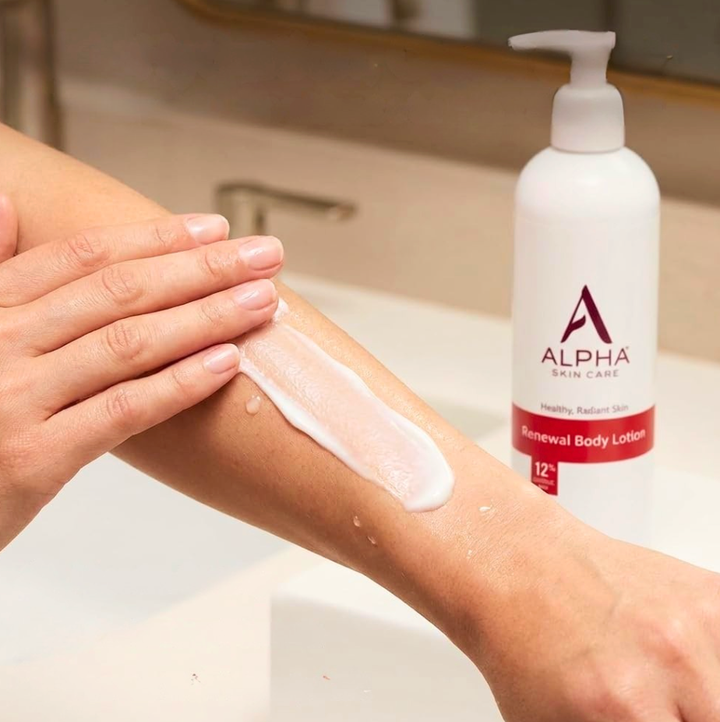
As the weather warms, you might be ready to swap your winter coats and boots for short sleeves and sandals. While every body is a “beach body,” if you’re dealing with unwanted crepey, saggy or scaly areas, you may be looking for products to make you feel a little more confident and comfortable when showing some skin. Enter: Alpha Skin Care’s Revitalizing Body Lotion.
Created with exfoliating glycolic alpha hydroxy acid (AHA), hydrating glycerin and skin softening lanolin, this fragrance-free, daily lotion is helping reviewers smooth and soothe their dry, crepey skin, making them excited to wear the warm-weather clothes they want. Even better? According to our price trackers (and the Alpha Skin website), it usually goes for $22, meaning it’s currently 15% off, the lowest price it’s been in weeks.
Advertisement
Advertisement
While looking like you’re from a different decade may be pure hyperbole, the efficacy of the 12% glycolic AHA is not. It’s a chemical exfoliant that works by nixing dull, dead skin cells and promoting new cell growth. Not only does this process make space for new skin cells to thrive, but the brand says it also boosts collagen production — something Board-Certified Dermatologist Dr. Robyn Gmyrek backed up in previous reporting.
In addition to exfoliating and collagen boosting, the cream is filled with rich emollients to keep skin moisturized, supple and soft. Reviewers say the smoothing and softening effects are incredible, beating out other skincare they’ve tried.
“I’d been using a retinol-based lotion on my body for quite a while, but hadn’t really seen much in the way of results for smoothing and hydrating my skin,” a reviewer said (who credits the cream for making their skin look 30 years younger). ”…Age happens to us all and [my skin] wasn’t as firm and plump as it had been. This lotion has corrected both of those problems to a degree that is really shocking.”
Advertisement
“I could tell an immediate difference after the first time I put it on,” another wrote. ”…It took away that crepey, alligator skin I had on my hands and legs. My skin is SO SOFT, and my legs have such a nice glow after I put on this lotion.”
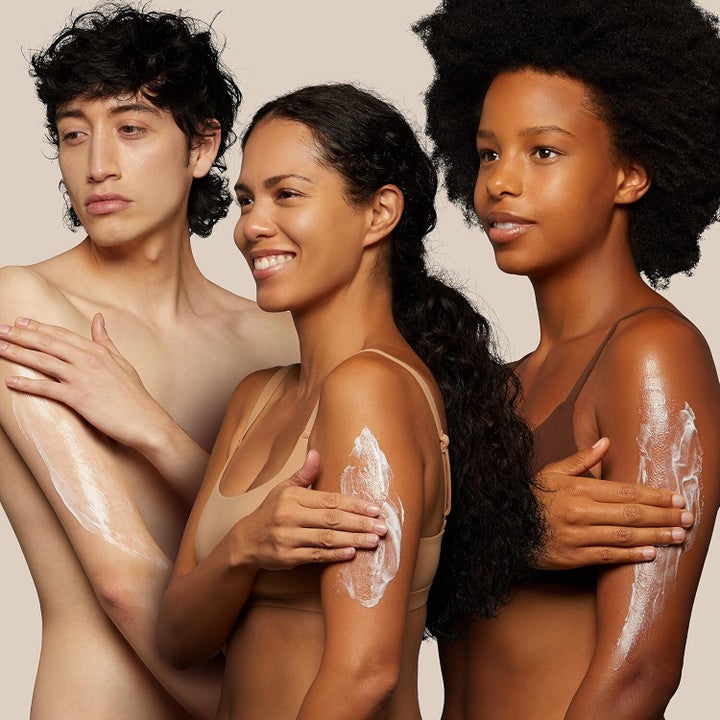
“I bought the product because at age 62, I have crepey and sagging skin on my upper arms,” reviewer KatM said, calling the lotion the “best so far for crepey saggy skin!!!” “I have used this for just TWO days and my arms are summer ready…I can wear sleeveless tops now!”
Advertisement
One user said they were dreading the heat, until they found this lotion, deeming it “crepey skin gone.”
A reviewer in their 70s, who “thought that my days of wearing skirts, shorts and sleeveless tops were over,” says the cream is opening up their wardrobe options, too. “I have worn short skirts this summer with confidence,” they wrote. ”…I have worn sleeveless shirts this summer for the first time in several years.”
A return customer calls it “pure gold” for tacking crepey skin on their arms and legs. “The moisturizer keeps the skin plump, and the glycolic acid will penetrate the skin and produce more collagen,” they said. “My once dry legs feel soft and smooth now. This was a repurchase for me after using up the first bottle. And I plan to continue buying it.”
Advertisement
“I bought the product because at age 62 – I have crepey and sagging skin on my upper arms. I have used this for just TWO days and my arms are summer ready. I wish I’d take a ‘before’ pic of my upper arms and after just one day of using this lotion. I can wear sleeveless tops now! I get so warm in the building that I work in. I had to find something anything to reduce/eliminate the ugly aged look of my arms. I was almost going to consider a TV informercial type; has a regime of many different products that purport to work together – at a very high price! If I were to list the different products that I’ve tried (and failed) to eliminate my crepey saggy skin – it would number in double digits. I have no idea the ‘why’ of how it works for me – it just does – at a very decent price! Thank you!” — KatM
″…I am an active 71 year old woman from Kansas and after years of sun exposure and dry winters, I thought that my days of wearing skirts, shorts and sleeveless tops were over…For me, this lotion (actually more like a cream) brought about amazing results. Within a few days after using it, my legs had improved at least 70% and after using it for 3 months, the spots have also markedly diminished. I have worn short skirts this summer with confidence. The cream, has also eliminated the bumps on the back of my arms and improved the crepey texture under my arms too. I have worn sleeveless shirts this summer for the first time in several years. This is the first summer in a long time that I haven’t gone around greasy from petroleum jelly-which really didn’t work anyway. I now use this on my whole body after showering including my face and hands and it has helped diminish brown spots everywhere…” — Linda Schmitt [This review has been shortened for length, read the whole thing here.]
“Omg..is all I can say.. im 56 and have been struggling with horrible crepey arms,..the crepey stuff under the arms near the tricep area. I tried every, I kid you not,..I am soooo happy I found this,..its cheap too …I rarely leave reviews, but because as a woman, I know hoe much our arms can really bother us, I wanted other women to know there is hope,. I have been using it for 2 weeks now, at night after I shower 3 times a week,..but from the first time I used it I saw immediate results,..I wish I had taken pictures ..my arms where bad, like it happened over night, I was so mad and was not happy about the warmer weather coming...and I work out..anyway,…get It!!!…its worth it all day long…I understand certain things work differently for certain people but I think it’s definitely worth the try,..I was definitely a sun worshiper in my younger days…im half Italian/dominican so I do and did tan well, but boy I paid the price….I hope this helps some of you girls looking for some help,..I also use Eucerin Advanced repair cream as just a regular” — Lisa v mello
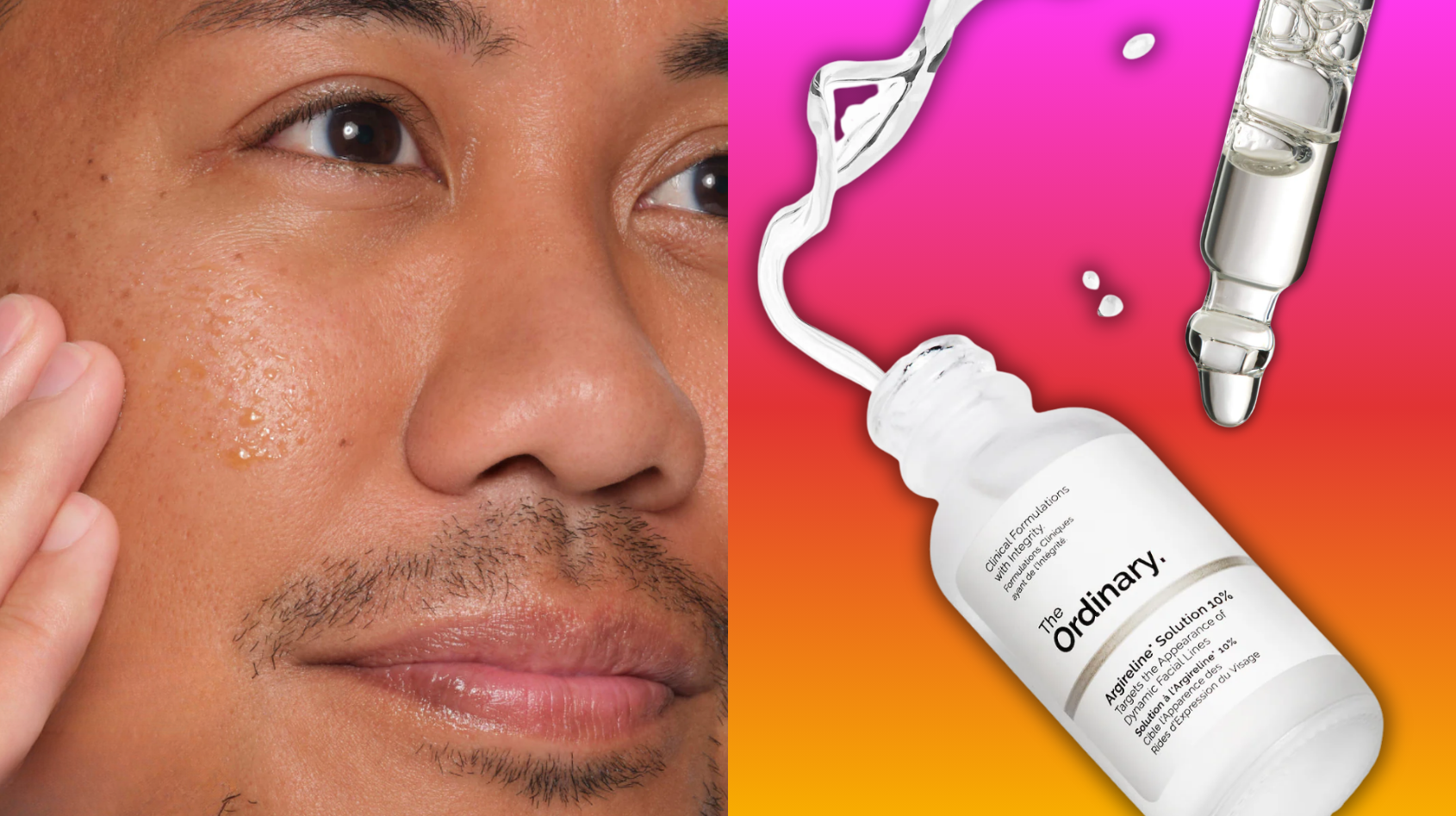
The idea that a sub-$10 skin care serum could offer the same benefits as an expensive in-office injectable sounds too good to be true. So, you can imagine my skepticism when a video came across my TikTok feed suggesting The Ordinary’s 10% Argireline Solution could do just that. But I also wasn’t about to let my cynicism get in the way of me doing some digging.
My research did present me with some pretty undeniable testimonials by those who tried the serum.One Sephora reviewer flat-out touted it as “literally Botox in a bottle” while others went so far as to call it a “miracle product,” “life-changing” and so effective at reducing deep lines that “I don’t even need Botox anymore.” And today, the already-affordable skin care potion has a very rare 23% off discount.
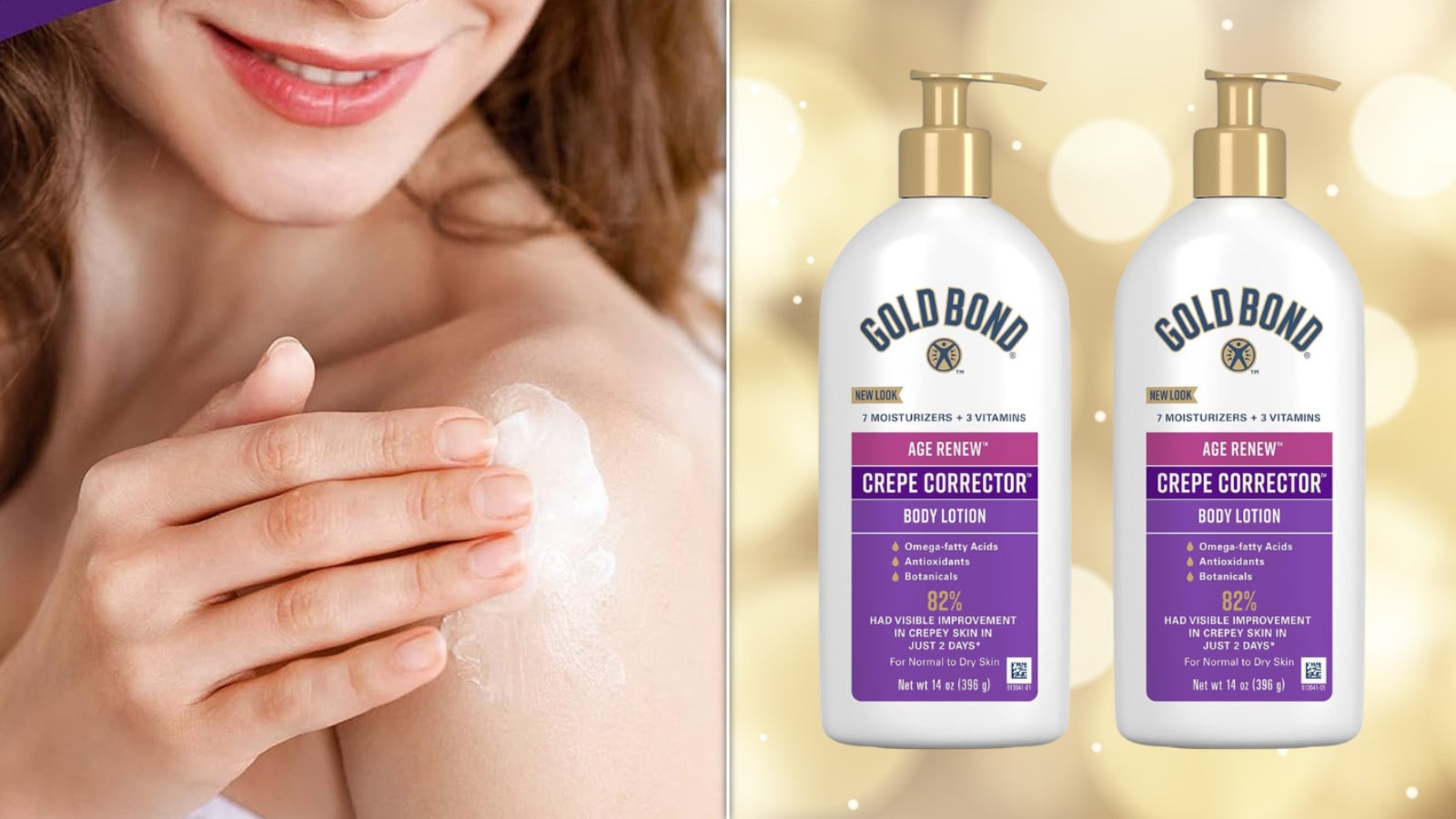
Some products simply take off with HuffPost readers. That has certainly been the case with Gold Bond’s Age Renew Crepe Corrector body and face lotion. Since the first time we wrote about this budget-friendly 8-ounce tightening cream, it’s become a top-selling item for readers.
So when we spotted this prized product in a 14-ounce bottle with a handy pump dispenser and it was on sale, we had to share it with the people, especially because users had been asking for this exact packaging, and some say they even wish they could bathe in the stuff. Most recently priced at $16.97, the larger bottle is 20% off today, making it under $14! Not a bad price for something one reviewer calls “hands down, the best mature skin product.”
Amazon
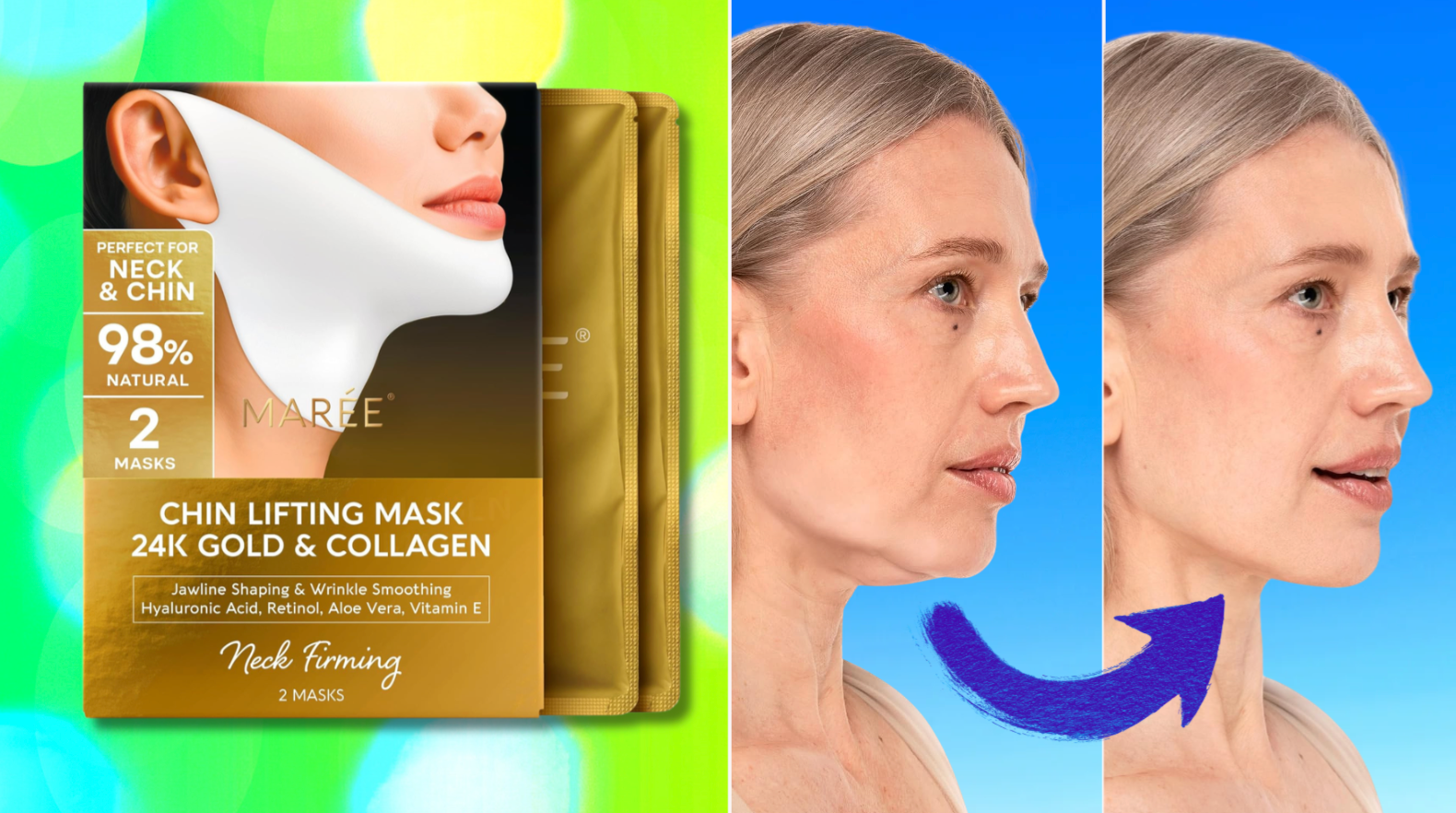
If you’ve been looking for a quick, disposable way to treat your chin and neck specifically, you should consider grabbing a pair of these collagen jawline shaper masks, especially when they’re up to 36% off — the lowest price they’ve ever been. Deemed an “absolute must-try” for making a visible difference in your chin and neck, reviewers say this jawline shaper will likely become a key part of your tightening and firming routine. This 30-minute mask “almost completely takes away the turkey neck,” per reviewers. We’ve also confirmed that this is the best deal online. There’s a 5-pack for $50 on the official Maree site — which still translates to an extra $3 per mask. Amazon‘s the location for this.
Advertisement
The Real Deal: We use deal trackers and commerce experience to sift through “fake” hike-and-drop deals and other deceptive sales tactics. Products will usually be rated at least 4 stars with a minimum 15% discount. (And when there’s an exception, we’ll tell you why.)
Advertisement
