Drought alters Mammoth Mountain’s carbon dioxide emissions

Thirty years ago, on the flanks of a volcano in California’s Sierra Nevada range, trees began to die en masse, suffocated at their roots by carbon dioxide seeping up from the mountain’s depths after a swarm of small earthquakes.

The wave of tree deaths on Mammoth Mountain, which lies within one of the nation’s largest active volcanic systems, prompted scientists to start monitoring the volcano’s emissions more closely.

Now, researchers led by Stanford University geologist George Hilley have made a surprising discovery in the long-running record: The ebb and flow of carbon dioxide emissions from Mammoth Mountain are strongly linked to the weight of snow and ice atop the Sierra Nevada, and to the amount of water that percolates from ground level down into the volcano’s plumbing.

“This really shows how the solid Earth is coupled to climate and the things that go on at the surface,” said Hilley, professor of geological sciences in Stanford’s School of Earth, Energy & Environmental Sciences (Stanford Earth). “Droughts can change the way in which volcanoes breathe.”

The research, published March 9 in Geophysical Research Letters, comes amid a dry winter that has left California snowpack well below average for this time of year, with less than a week remaining in the state’s wet season and no major snowstorms in the forecast.

By the end of this century, state officials predict the Sierra Nevada snowpack will decline by 48 to 65 percent from the historical April 1 average. “Changes in Earth’s hydrology due to climate change could actually impact something like the tempo at which gases are emitted from volcanic systems,” Hilley said.

Horseshoe Lake

Hilley and coauthors analyzed measurements of carbon dioxide emissions taken every 30 minutes for six years from Horseshoe Lake, the best-studied tree kill area on Mammoth Mountain. The mountain rises along the southwest rim of Long Valley Caldera, a crater formed by a supervolcano eruption 760,000 years ago.

The results reveal a persistent 20 percent reduction in the amount of carbon dioxide seeping up from the ground during the spring of 2017. The downshift coincides with the region’s emergence from intense drought and the pileup of the biggest Sierra Nevada snowpack in decades.

The study builds upon research by USGS volcanologist Jennifer Lewicki showing that carbon dioxide emissions in the Horseshoe Lake tree-kill area changed seasonally and across multiple years for reasons unrelated to a brewing eruption.

Seeking an explanation for these variations, Lewicki and Hilley — with coauthor Curtis Baden of Stanford — developed mathematical models to test out plausible mechanisms. Snowmelt and rainfall can wash away carbon dioxide that might otherwise seep from the ground, for example. But their calculations show Mammoth Mountain receives far too little precipitation to account for the low springtime CO2 levels observed in 2017.

The most likely explanation for the seasonal changes in Mammoth Mountain’s carbon dioxide emissions has to do with an underground crack, or fault, which to a trained eye is evident in the vegetation patterns and topography of the landscape. Changes in the distribution of stress across the whole mountain range seem to open and close the fault like a valve, or like the tiny gaps between old floorboards that flex under shifting weight.

Using GPS data and snow depth measurements, the authors found compressive force on the fault between 2014 and 2020 generally peaked in winter as snowpack accumulated across the Sierra Nevada and eased during snow-free summer months. Carbon dioxide emission levels dipped during periods when the weight of snow and water in the mountains flexed Earth’s crust, squeezing together the rocks on either side of the Mammoth Mountain fault.

One limitation of the study is that it does not provide a physics-based model of the fault’s movement and how gas flows through it. “We’re using stress changes as proxies for the opening and closing of a conduit,” Hilley said. “An interesting study would run a three-dimensional model of gas transport through a conduit that you could actually open and close, and then run that model many times to see if its predictions quantitatively match the carbon dioxide measurements we’re making.”

Predicting future eruptions

The ability to distinguish between CO2 fluctuations driven by climate from those driven by an impending eruption will enable better hazard forecasts, which are based partly on signs that rising magma is triggering earthquakes, deforming the ground surface or ushering gases upward. “The alignment of all three of those is generally a clue that an eruption might be about to happen,” Hilley said.

For decades, ground deformation and seismicity around some of the United States’ active volcanoes have been monitored continuously using GPS and satellites, and scientists can view the data in close to real time. But they have a murkier view on volcanic gas. “In the past, at most volcanoes, scientists had to go into a volcanic area in advance of an eruption, or even between eruptions, and go collect this gas for later analysis. It’s real Indiana Jones-type stuff,” said Hilley.

The difficulty of collecting volcanic gases has resulted in limited records, sometimes with only a single snapshot of a volcano’s degassing in any given year, which makes it challenging to detect changes that may warn of an eruption — or to understand patterns linked to Earth’s climate system.

The new study offers a glimpse of insights to come as scientists gain access to more volcanic emission data, thanks in part to the development of less expensive and more durable instruments.

“The hope is, in the next couple years, we can have a record of what the gas is doing in near real time,” Hilley said. “When you look in detail, you can see there are seasonal fluctuations that probably have nothing to do with the actual volcanic state.”

Share Button

Jim Carrey ‘Sickened’ By ‘Spineless’ Ovation For Will Smith At Oscars

Actor Jim Carrey on Monday blasted the Oscars audience for cheering Will Smith shortly after he slapped Chris Rock over a joke about Jada Pinkett Smith’s shaved head. (Watch the video below.)

“I was sickened by the standing ovation,” the “Sonic the Hedgehog 2” actor told CBS’s Gayle King. “I felt like Hollywood is just spineless en masse.”

Just minutes after the incident at Sunday night’s ceremony, guests at the ceremony got to their feet when Will Smith won Best Actor for “King Richard.” In his acceptance speech, he apologized to the academy and fellow nominees for his behavior, rationalizing that “love will make you do crazy things.” He joked that he must “look like the crazy father, just like they said about Richard Williams,” whom he portrayed in “King Richard.” (Smith apologized to Rock on Monday.)

On Monday, King pointed out that anyone else besides Smith would’ve probably been escorted out after the assault or even arrested. Carrey said Smith “should have been,” but that Rock — who declined to press charges — simply didn’t want the hassle.

“I’d have announced this morning that I was suing Will for $200 million,” Carrey said. “That video is gonna be there forever. It’s gonna be ubiquitous. You know, that insult is gonna last a very long time.”

“You do not have the right to … smack somebody in the face because they said words,” Carrey continued, adding that it was “a selfish moment that cast a pall over the whole thing.”

At the ceremony on Sunday, Will Smith walked onstage and hit Rock in the face after the comedian made the joke about his wife, who has opened up about her struggles with alopecia, a condition that causes hair loss. Smith shouted at Rock, “Keep my wife’s name out your fucking mouth.”

Carrey isn’t the only comedian who has spoken out about the incident. Kathy Griffin and Patton Oswalt suggested that Smith’s actions could create open season on comics simply for telling jokes the audience doesn’t like.

Check out Carrey’s comments at the 3:10 mark:

Share Button

Rules on free lateral flow and PCR Covid tests published

The list of who can get free tests after 1 April in England is now out, but most people will have to pay.

Share Button

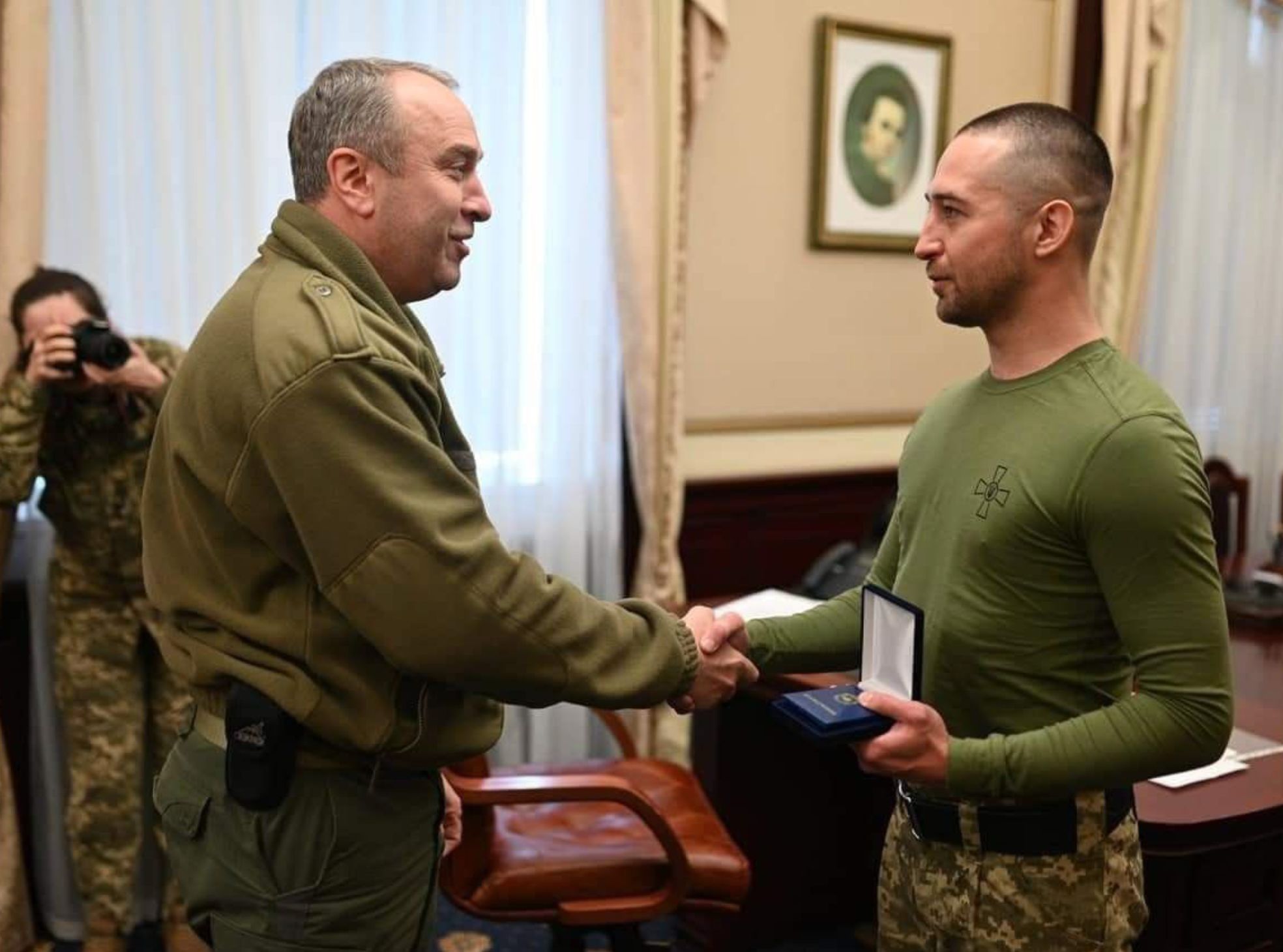
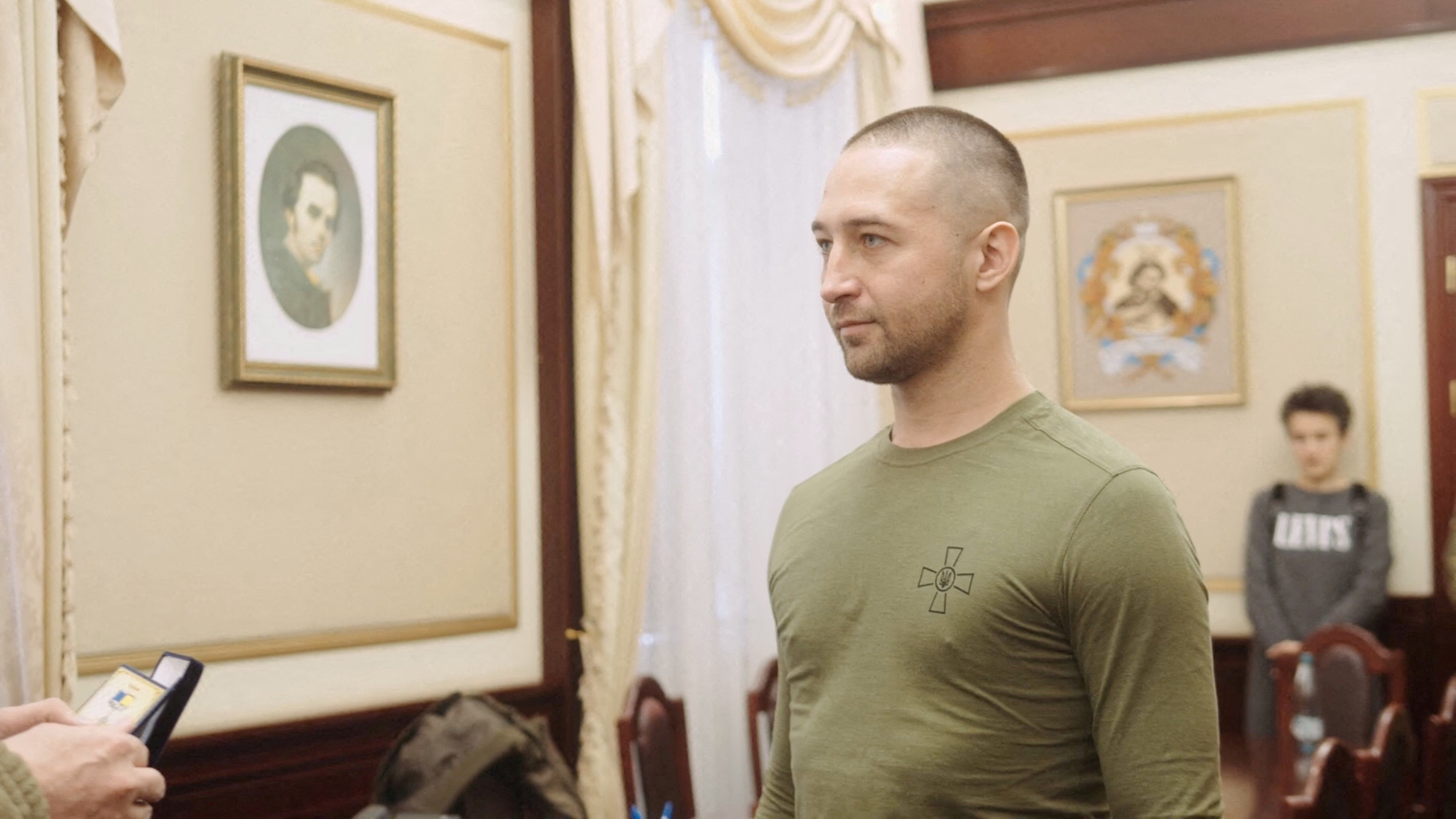
Ukrainian Soldier Who Told Russian Warship To ‘Go F*** Yourself’ Given Medal

A Ukrainian soldier who defiantly told a Russian warship to “go fuck yourself” before being captured has been awarded a civic medal, his country’s ministry of defence said on Tuesday.

Roman Gribov, a Ukrainian border guard, was told to surrender while defending the tiny Snake Island in the Black Sea on the first day of Russia’s invasion into Ukraine in February.

A Ukrainian official at the time said 13 of the border guards had been killed defending the island south of the port of Odessa, on February 24, after losing contact with the garrison, which was targeted by the Russian military in an artillery attack.

In fact, the soldiers did surrender to the Russians and a few weeks later they were returned to Ukraine in a prisoner swap.

In footage published on Tuesday, Gribov was called a “hero” as he received the award from the head of Cherkasy regional administration, Reuters reported.

“I want to say a big thank you to the Ukrainian people for such support,” Gribov said. “We strongly feel this support, it inspires us.”

Share Button

Time to cut back on caffeine?

Reprint Permissions

A single copy of these materials may be reprinted for noncommercial personal use only. “Mayo,” “Mayo Clinic,” “MayoClinic.org,” “Mayo Clinic Healthy Living,” and the triple-shield Mayo Clinic logo are trademarks of Mayo Foundation for Medical Education and Research.

Share Button

Solid aerosols found in Arctic atmosphere could impact cloud formation and climate

The Arctic is rapidly losing sea ice, and less ice means more open water, and more open water means more gas and aerosol emissions from the ocean into the air, warming the atmosphere and making it cloudier.

So when researchers from the lab of University of Michigan aerosol scientist Kerri Pratt collected aerosols from the Arctic atmosphere during summer 2015, Rachel Kirpes, then a doctoral student, discovered a curious thing: Aerosolized ammonium sulfate particles didn’t look like typical liquid aerosols.

Working with fellow aerosol scientist Andrew Ault, Kirpes discovered that ammonium sulfate particles, which should have been liquid, were actually solid. The team’s results are published in the Proceedings of the National Academy of Sciences.

Solid aerosols can change how clouds form in the Arctic. And, as the Arctic loses ice, researchers expect to see more of these unique particles formed from oceanic emissions combined with ammonia from birds, which will impact cloud formation and climate. Additionally, understanding the characteristics of aerosols in the atmosphere is critical for improving the ability of climate models to predict current and future climate in the Arctic and beyond.

“The Arctic is warming faster than anywhere else in the world. As we have more emissions from open water in the atmosphere, these types of particles could become more important,” said Pratt, associate professor of chemistry, and earth and environmental sciences. “These types of observations are so critical because we have so few observations to even evaluate the accuracy of models of the Arctic atmosphere.

“With so few observations, sometimes you get surprises like this when you make measurements. These particles didn’t look like anything we had ever seen in the literature, in the Arctic, or anywhere else in the world.”

The aerosols observed in the study were up to 400 nanometers, or about 300 times smaller than the diameter of a human hair. Ault, associate professor of chemistry, says that aerosols in the Arctic are typically assumed to be liquid.

Once the relative humidity of the atmosphere reaches 80% — about the level of a humid day — the particle becomes liquid. When you dry the aerosol back out, it doesn’t turn into a solid until the relative humidity is about 35%-40%. Because the air over the Arctic Ocean — or any ocean — is humid, researchers expect to see liquid aerosols.

“But what we saw is a pretty new phenomenon where a small particle collides with our droplets when it’s below 80% humidity, but above 40% humidity. Essentially, this provides a surface for the aerosol to solidify and become a solid at a higher relative humidity than you would have expected,” Ault said.

“These particles were much more like a marble than a droplet. That’s really important, particularly in a region where there haven’t been a lot of measurements because those particles can eventually end up acting as the seeds of clouds or having reactions happen on them.”

Additionally, the researchers say, the size, composition and phase of atmospheric aerosols impact climate change through water uptake and cloud formation.

“It’s our job to keep helping modelers refine their models,” Ault said. “It’s not that the models are wrong, but they always need more new information as events on the ground change, and what we saw was something completely unexpected.”

Pratt’s team collected aerosols in August-September 2015 in Utqia?vik, the northernmost point of Alaska. To do this, they used what’s called a multistage impactor, a device that has several stages that collect particles according to their size. Kirpes later analyzed these particles in Ault’s lab using microscopy and spectroscopy techniques that can examine the composition and phase of particles less than 100 nanometers in size.

“If we were to go back several decades when there was ice near the shore, even in August and September, we would not be observing these particles. We’re observing the consequences of this climate already changing,” Pratt said. “We need to have the reality captured in models that simulate clouds and the atmosphere, which are critical for understanding the energy budget of the Arctic atmosphere, for this place that is changing faster than anywhere else.”

Share Button

Lack of sleep increases unhealthy abdominal fat, study finds

New research from Mayo Clinic shows that lack of sufficient sleep combined with free access to food increases calorie consumption and consequently fat accumulation, especially unhealthy fat inside the belly.

Findings from a randomized controlled crossover study led by Naima Covassin, Ph.D., a cardiovascular medicine researcher at Mayo Clinic, show that lack of sufficient sleep led to a 9% increase in total abdominal fat area and an 11% increase in abdominal visceral fat, compared to control sleep. Visceral fat is deposited deep inside the abdomen around internal organs and is strongly linked to cardiac and metabolic diseases.

The findings are published in the Journal of the American College of Cardiology, and the study was funded by the National Heart, Lung and Blood Institute.

Lack of sufficient sleep is often a behavior choice, and this choice has become increasingly pervasive. More than one-third of adults in the U.S. routinely do not get enough sleep, in part due to shift work, and smart devices and social networks being used during traditional sleep times. Also, people tend to eat more during longer waking hours without increasing physical activity.

“Our findings show that shortened sleep, even in young, healthy and relatively lean subjects, is associated with an increase in calorie intake, a very small increase in weight, and a significant increase in fat accumulation inside the belly,” says Virend Somers, M.D., Ph.D., the Alice Sheets Marriott Professor of Cardiovascular Medicine, and principal investigator of the study.

“Normally, fat is preferentially deposited subcutaneously or under the skin. However, the inadequate sleep appears to redirect fat to the more dangerous visceral compartment. Importantly, although during recovery sleep there was a decrease in calorie intake and weight, visceral fat continued to increase. This suggests that inadequate sleep is a previously unrecognized trigger for visceral fat deposition, and that catch-up sleep, at least in the short term, does not reverse the visceral fat accumulation. In the long term, these findings implicate inadequate sleep as a contributor to the epidemics of obesity, cardiovascular and metabolic diseases,” says Dr. Somers.

The study cohort consisted of 12 healthy people who were not obese, each spending two 21-day sessions in the inpatient setting. Participants were randomly assigned to the control (normal sleep) group or restricted sleep group during one session and the opposite during the next session, after a three-month washout period. Each group had access to free choice of food throughout the study. Researchers monitored and measured energy intake; energy expenditure; body weight; body composition; fat distribution, including visceral fat or fat inside the belly; and circulating appetite biomarkers.

The first four days were an acclimation period. During this time, all participants were allowed nine hours in bed to sleep. For the following two weeks, the restricted sleep group was allowed four hours of sleep and the control group maintained with nine hours. This was followed by three days and nights of recovery with nine hours in bed for both groups.

The participants consumed more than 300 extra calories per day during sleep restriction, eating approximately 13% more protein and 17% more fat, compared to the acclimation stage. That increase in consumption was highest in the early days of sleep deprivation and then tapered off to starting levels during the recovery period. Energy expenditure stayed mostly the same throughout.

“The visceral fat accumulation was only detected by CT scan and would otherwise have been missed, especially since the increase in weight was quite modest — only about a pound,” Dr. Covassin says. “Measures of weight alone would be falsely reassuring in terms of the health consequences of inadequate sleep. Also concerning are the potential effects of repeated periods of inadequate sleep in terms of progressive and cumulative increases in visceral fat over several years.”

Dr. Somers says behavioral interventions, such as increased exercise and healthy food choices, need to be considered for people who cannot easily avoid sleep disruption, such as shift workers. More study is needed to determine how these findings in healthy young people relate to people at higher risk, such as those who are already obese, or have metabolic syndrome or diabetes.

Story Source:

Materials provided by Mayo Clinic. Original written by Terri Malloy. Note: Content may be edited for style and length.

Share Button

Caribou herd rebounds as Indigenous stewards lead conservation efforts

Despite recovery efforts from federal and provincial governments, caribou populations across Canada continue to decline, largely due to human activity.

But as a new UBC Okanagan study finds, in central British Columbia there is one herd of mountain caribou, the Klinse-Za, whose numbers are going in the opposite direction — all thanks to a collaborative recovery effort led by West Moberly First Nations and Saulteau First Nations.

In partnership with many organizations and governments, the Indigenous-led conservation initiative paired short-term recovery actions such as predator reduction and caribou guardians at maternal pens, with ongoing work to secure landscape-level protection in an effort to create a self-sustaining caribou population.

Their efforts paid off.

Dr. Clayton Lamb, a Liber Ero Fellow, along with Carmen Richter, a biology master’s student, and Dr. Adam T. Ford, Canada Research Chair in Wildlife Restoration Ecology, conduct research in the Irving K. Barber Faculty of Science. Their latest study shows Klinse-Za caribou numbers have nearly tripled in under a decade.

“We have an Indigenous-led conservation effort to thank for averting the looming extinction of this herd,” says Dr. Lamb. “The population was declining rapidly — a West Moberly Elder once described the herd as a ‘sea of caribou,’ but by 2013 it had declined to only 38 animals.”

Today, the herd count is more than 110 and numbers continue to rise.

“This work provides an innovative, community-led, paradigm shift to conservation in Canada,” Dr. Lamb says. “While Indigenous Peoples have been actively stewarding landscapes for a long time, this approach is new in the level of collaboration among western scientists and Indigenous Peoples to create positive outcomes on the land and put an endangered species on the path to recovery.”

Richter, who is a Saulteau First Nations member, says Indigenous communities have really come together for the good of the caribou.

“We are working hard to recover these caribou. Each year, community members pick bags and bags of lichen to feed the mother caribou in the pen while other members live up at the top of the mountain with the animals. One day, we hope to return the herds to a sustainable size,” she says.

Though the partnership has yielded great success, Dr. Ford is the first to acknowledge that more time and effort will be needed to fully recover the Klinse-Za.

“This work is also an important part of decolonizing the mindset of conservation, which has historically worked to exclude the views of Indigenous Peoples,” he adds.

With caribou declines exceeding 40 per cent in recent decades across Canada, many populations have already been lost. But Dr. Ford insists there is a brighter path forward, and this study proves it.

“This is truly an unprecedented success and signals the critical role that Indigenous Peoples can play in conservation,” he says. “I hope this success opens doors to collaborative stewardship among other communities and agencies. We can accomplish so much more when working together.”

This study was co-produced by western scientists and members of West Moberly First Nations and Saulteau First Nations. The work was recently published in Ecological Applications and is supported by a companion manuscript in Ecological Applications exploring the expeditious population growth.

Share Button

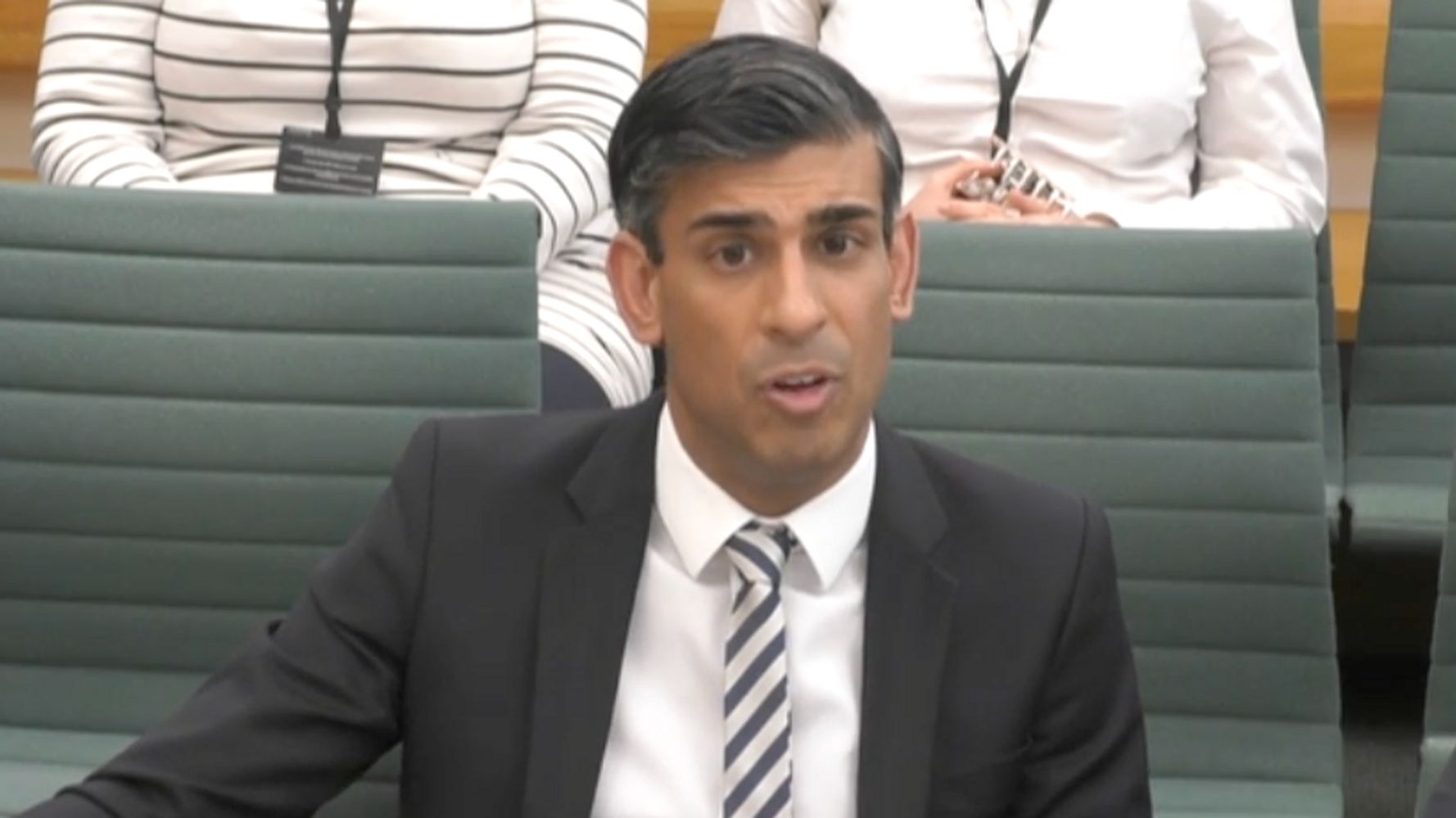
Brexit Is Largely To Blame For UK Exports Lagging Other Countries, Rishi Sunak Admits

Brexit is largely to blame for UK exports lagging behind other countries, Rishi Sunak has admitted.

The chancellor was responding to data showing the amount of goods British companies are selling abroad has fallen since 2019 when compared to other advanced economies.

Asked about the worrying trend while appearing in front of the Treasury select committee, Sunak said it was “always inevitable that if you change the exact nature of your trading relationship with the EU, that was going to have an impact on trade flows”.

Committee chairman Mel Stride asked the chancellor whether he was concerned the UK was becoming “more of a closed economy post-Brexit”.

He added: “Why have we got the significant reduction in trade intensity that’s stayed low whereas other have come back?”

Sunak, who backed Brexit in the 2016 referendum, said: “Without a doubt we’re changing our trading relationship with the EU and that means a different set of controls and things that people will have to do and that will obviously have an impact and that, I’m sure, is a big part of the reason why this is happening.”

He added: “The benefit of new trading relationships take time, they don’t happen all overnight.”

Earlier, the chancellor had been forced to defend his widely-criticised spring statement, which failed to provide any extra help for those on benefits.

He said it would have been “irresponsible” for the government to have borrowed more to increase the welfare bill in the face of rising inflation.

Mel Stride said the chancellor had done “very little” for those who were out of work and relying on benefits.

But Sunak said: “If someone’s view is government can or should make everybody whole for inflation – particularly inflation at these levels caused by global supply factors – then that’s something that I don’t think is doable.”

He said that raising benefits by the current rate of inflation – which is forecast to rise to more than eight per cent – rather than what it was last September, would have added £25 billion to Government borrowing in the period up to 2026-27.

He said that “irresponsible” borrowing levels risked stoking inflation even further, adding to the pressure on living standards.

“We are already forecast to borrow in this coming year about 60% more as a percentage of GDP than our post-war average, 20% more as a percentage of GDP than we were forecast to borrow in October, so it is already a significant amount of borrowing,” he said.

“My view is an excessive amount of borrowing now is not the responsible thing to do.”

Sunak said his decision to announce he intended to cut the basic rate of income tax by a penny from 2024 would inject “discipline” into the debate about public spending levels.

“Now having something to aim for means that hopefully we can have a more disciplined conversation about incremental public spending at this point, which is already at very high levels,” he said.

“My priority at this point forward is to keep cutting taxes, not increased public spending.”

Share Button

Tory MP Suggests Cutting Energy Bills Will Encourage People To ‘Burn More Energy’

A Conservative MP has suggested the government helping people with the upfront costs of heating their homes could cause them to “burn more energy”.

Under Rishi Sunak’s plan to help with the cost of living crisis, households will receive a £200 rebate on their energy bills which will need to be repaid at a later date.

But quizzing the chancellor at the Commons Treasury committee on Monday, South Cambridgeshire MP Anthony Browne asked why the government had not instead cut taxes.

“Do you think it’s better to increase disposable incomes or to reduce energy bills?” he said.

“The risk of reducing energy bills obviously is you encourage people to burn more energy.”

Browne was heckled by one Labour MP on the committee who told him another impact of helping people pay for energy would be to “prevent hypothermia”.

Sunak defended his policy, which has been sharply criticised by opposition parties for not going far enough, as the best way to help.

“I think its right we have a targeted response. There’s one specific factor which is causing the bulk in the increase in people’s costs. I think having a direct response to that is sensible,” he said.

It comes after the Office for Budget Responsibility warned living standards face their biggest fall in a single year since records began in the mid-1950s.

Sunak is under pressure to do more to help struggling people coping with a spike in prices following his spring statement mini-budget last week.

The Resolution Foundation think tank has warned 1.3 million people – including 500,000 children – will be pushed into absolute poverty as soaring inflation outstrips increases in pay and benefits.

Share Button