Dr Liz O’Riordan says it is important women seek help from professionals not “Google and Chat GPT”.


Dr Liz O’Riordan says it is important women seek help from professionals not “Google and Chat GPT”.
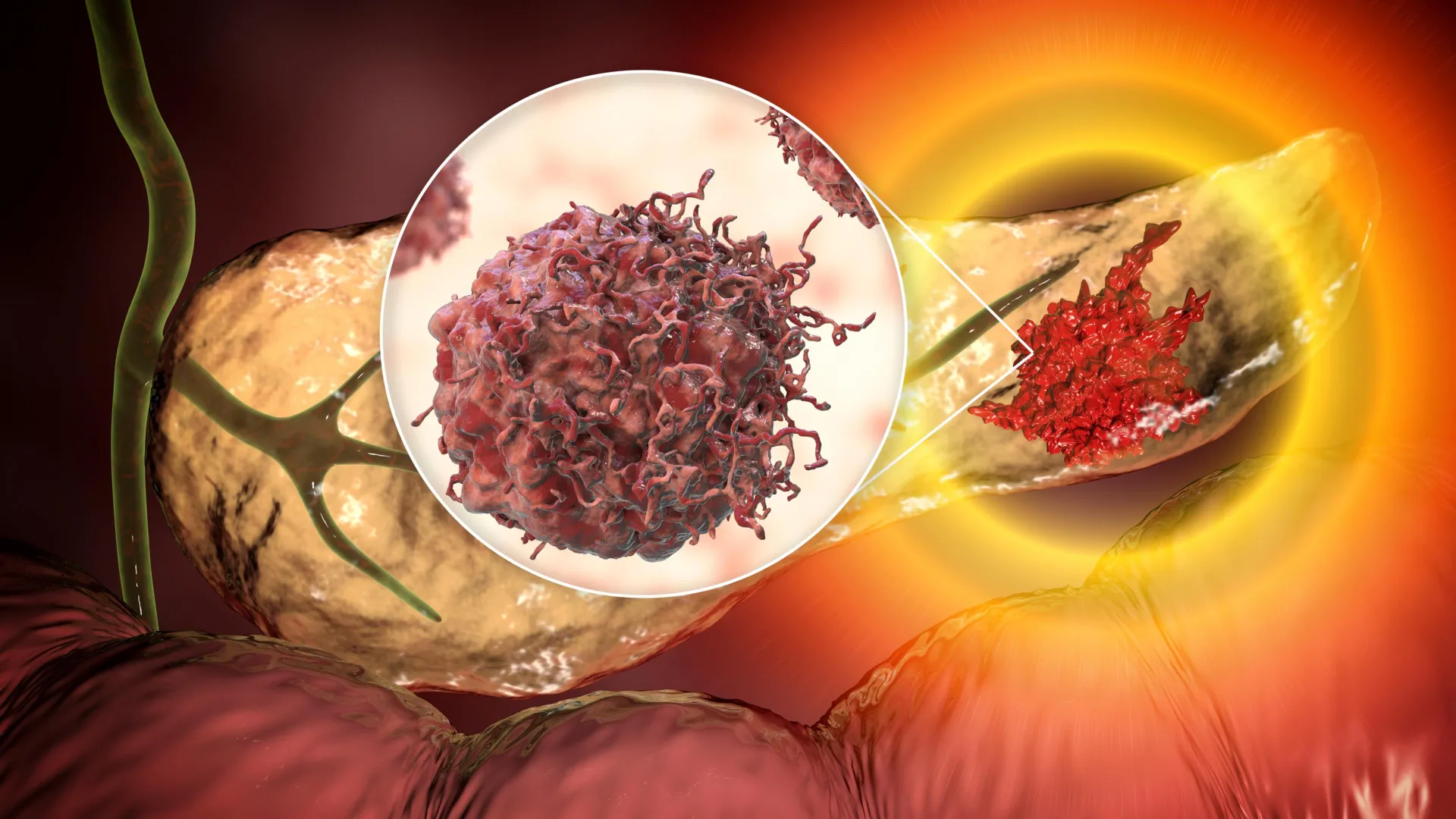
Researchers supported by the National Institutes of Health (NIH) have created a new blood test designed to identify pancreatic ductal adenocarcinoma, one of the most lethal types of cancer. Because pancreatic cancer is often discovered only after it has advanced, treatment options are limited and survival rates remain low. This new approach, detailed in Clinical Cancer Research, could help detect the disease sooner and improve patient outcomes.
Pancreatic cancer has a poor prognosis, with only about 10% of patients living longer than five years after diagnosis. However, doctors believe survival could improve significantly if the disease is caught earlier, when treatment is more effective. Despite this, there are currently no reliable screening tools available to detect pancreatic cancer in its early stages.
Testing Existing and New Blood Biomarkers
To address this gap, scientists from the University of Pennsylvania Perelman School of Medicine, Philadelphia, and Mayo Clinic, Rochester, Minnesota, analyzed blood samples from individuals with and without pancreatic cancer. They evaluated several biomarkers, including carbohydrate antigen 19-9 (CA19-9), commonly used to monitor treatment response, and thrombospondin 2 (THBS2), another previously studied marker.
Individually, these markers have limitations. CA19-9 levels can rise in non-cancerous conditions like pancreatitis or bile duct obstruction, and some people do not produce the marker at all due to genetic differences. As a result, neither marker alone is reliable enough for screening.
Newly Identified Proteins Improve Detection
By examining stored blood samples, the researchers identified two additional proteins that appear to be elevated in people with early-stage pancreatic cancer: aminopeptidase N (ANPEP) and polymeric immunoglobin receptor (PIGR). These newly identified biomarkers showed clear differences between cancer patients and healthy individuals.
When combined with CA19-9 and THBS2, the four-marker panel demonstrated strong performance. It correctly distinguished pancreatic cancer cases from non-cases 91.9% of the time across all stages, with a false positive rate of 5% in non-cases. For early-stage (stage I/II) cancer, the test detected 87.5% of cases.
“By adding ANPEP and PIGR to the existing markers, we’ve significantly improved our ability to detect this cancer when it’s most treatable,” said the study’s lead investigator, Kenneth Zaret, Ph.D., University of Pennsylvania’s Perelman School of Medicine.
Distinguishing Cancer From Other Conditions
An important advantage of the test is its ability to differentiate pancreatic cancer from other non-cancerous pancreatic conditions, including pancreatitis. This helps reduce the risk of misdiagnosis and unnecessary concern for patients.
Next Steps Toward Screening
“Our retrospective study findings warrant further testing in larger populations, particularly in people before they show symptoms,” Zaret said. “Such ‘prediagnostic’ studies would help determine if the test could be used as a screening tool for people at high risk of developing the disease based on family history, genetic screening results or personal history of pancreatic cysts or pancreatitis.”
The study was supported by NIH grants U01CA210138, P50CA102701, S10 OD023586-01, P30 DK020579, UL1 TR002345, P30CA091842, and U01CA210138.
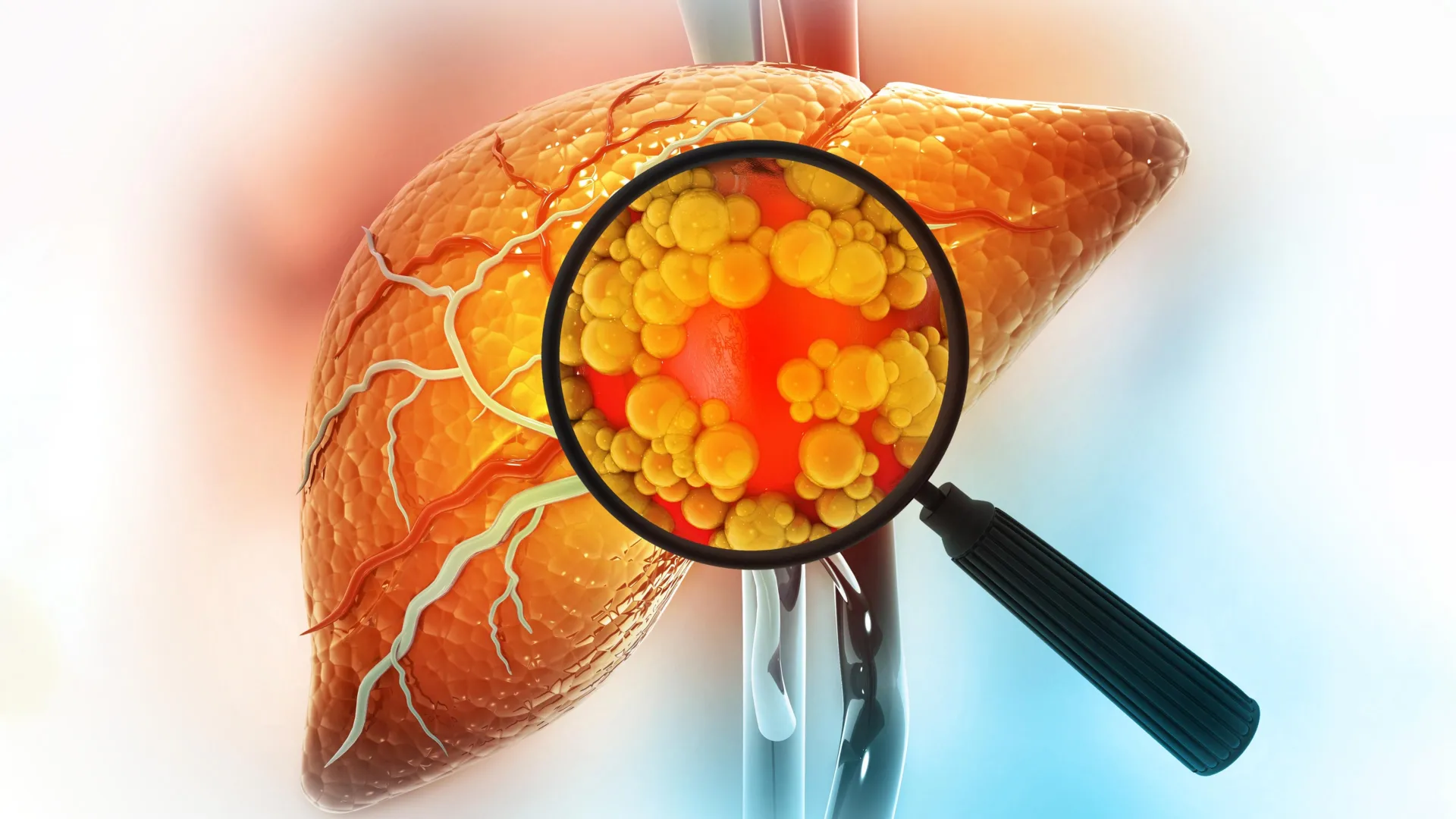
Scientists have uncovered a surprising risk linked to blocking a cellular enzyme once believed to protect against fatty liver disease. Instead of helping long term, shutting down this enzyme may raise the chances of chronic liver damage and cancer as people age.
In a study published in Science Advances, researchers from the University of Adelaide found that losing the enzyme Caspase-2 causes liver cells to grow abnormally. This uncontrolled growth leads to inflammation, scarring, and a much higher likelihood of developing liver cancer.
These results challenge the growing interest in Caspase-2 inhibitors as a treatment to manage or prevent fatty liver disease. The findings suggest that targeting this pathway could have unintended consequences over time.
Caspase-2’s Role in Liver Cell Stability
According to lead researcher Dr. Loretta Dorstyn from the Centre for Cancer Biology, Caspase-2 is essential for keeping liver cells genetically stable. It also plays a separate role in regulating fat levels within the liver.
“Liver cells normally have extra copies of genetic material- known as polyploidy — and while this feature can help the liver cope with stress, our study shows that without the enzyme Caspase-2, abnormally high levels of polyploidy in the liver can be damaging,” Dr. Dorstyn said.
To investigate this further, scientists used genetically modified mice. In animals missing the enzyme, or carrying a nonfunctional version, liver cells became unusually large and showed significant genetic and cellular damage.
Long-Term Damage and Tumor Formation
“Over time, these mice developed chronic liver inflammation and characteristics of hepatitis-like liver disease including, scarring, oxidative damage and a type of cell death linked to inflammation. As the animals aged, they were much more likely to develop liver cancer.”
Older mice without functional Caspase-2 developed liver tumors far more often than normal mice. In some cases, cancer rates were up to four times higher, consistent with hepatocellular carcinoma.
Dr. Dorstyn noted that the findings overturn the assumption that inhibiting Caspase-2 is always beneficial.
“While inhibiting this enzyme can be protective in young animals or may help prevent fatty liver disease in the short term, our study shows that its long-term loss is clearly detrimental.
“Our study demonstrates that Caspase-2 is essential for removing damaged and abnormal liver cells as we age. Without it, these cells accumulate, and can become cancerous, while also creating an environment that predisposes the liver to cancer.”
Implications for Fatty Liver Treatments and Drug Development
Senior author Professor Sharad Kumar said the results carry important warnings for future therapies.
“There has been significant interest in targeting Caspase-2 to treat metabolic liver disease and reduce liver cancer risk,” Prof Kumar said.
“Our data shows that this approach could have serious unintended consequences later in life, increasing susceptibility to chronic liver inflammation, fibrosis and cancer.”
Liver disease continues to rise globally, driven by ageing populations, obesity, and metabolic conditions. In 2022 alone, liver cancer caused nearly 760,000 deaths worldwide, according to the World Cancer Research Fund, making it the sixth most common cancer.
The study, titled ‘Caspase- 2 deficiency drives pathogenic liver polyploidy and increases age- associated hepatocellular carcinoma in mice’, was published in Science Advances.
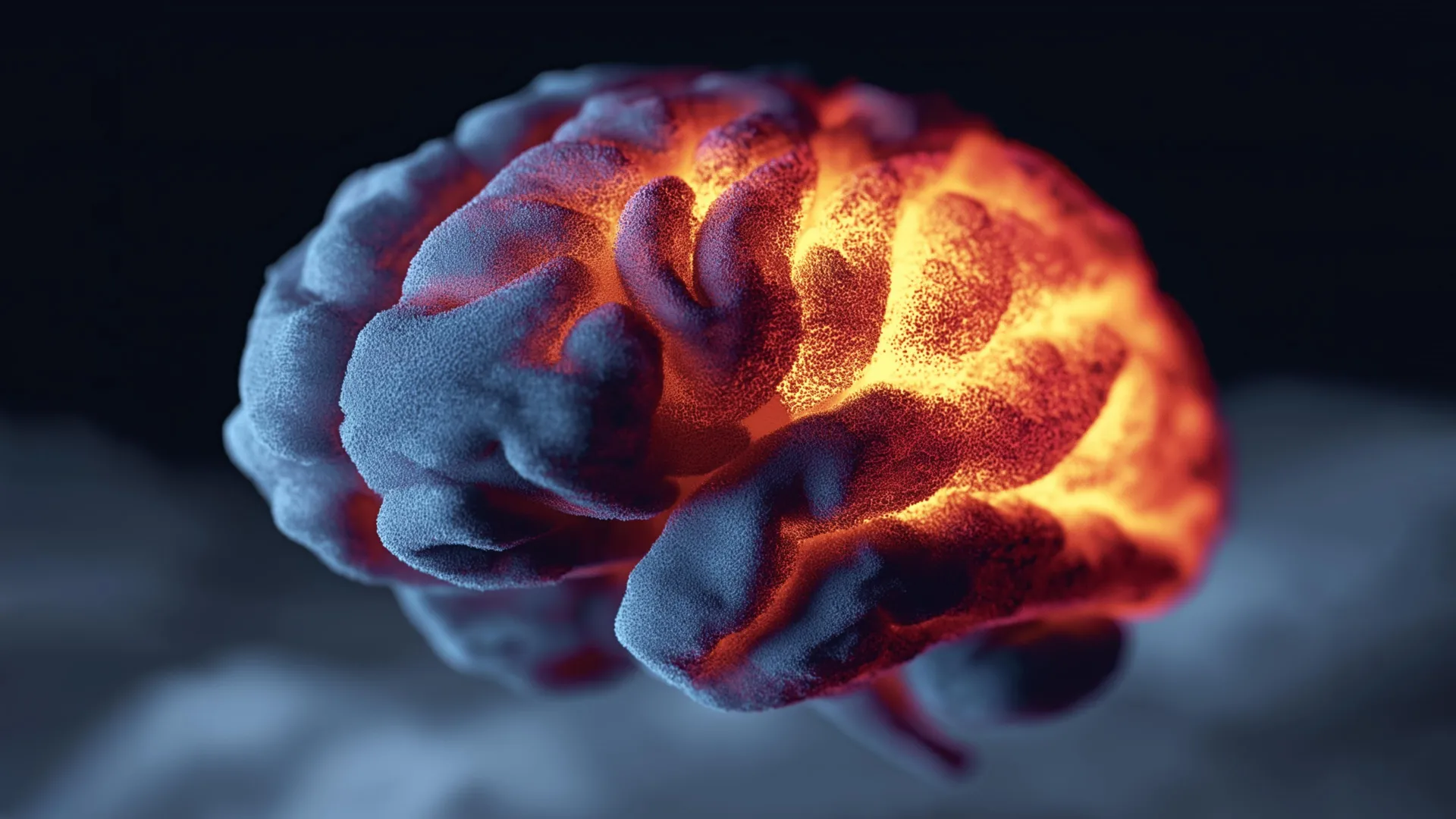
Researchers have identified a specific part of the brain that may play a key role in high blood pressure.
This area, called the lateral parafacial region, is located in the brainstem, the oldest part of the brain responsible for automatic functions like breathing, digestion, and heart rate.
“The lateral parafacial region is recruited into action causing us to exhale during a laugh, exercise or coughing,” says lead researcher Professor Julian Paton, director of Manaaki Manawa, Centre for Heart Research at Waipapa Taumata Rau, University of Auckland.
“These exhalations are what we call ‘forced’ and driven by our powerful abdominal muscles.
“In contrast, a normal exhalation does not need these muscles to contract, it happens because the lungs are elastic.”
How Breathing and Blood Pressure Are Connected
The team found that this brain region is also linked to nerves that constrict blood vessels, which increases blood pressure.
“We’ve unearthed a new region of the brain that is causing high blood pressure. Yes, the brain is to blame for hypertension!” says Paton.
“We discovered that, in conditions of high blood pressure, the lateral parafacial region is activated and, when our team inactivated this region, blood pressure fell to normal levels.”
These findings suggest that certain breathing patterns, particularly those involving strong abdominal muscle use, can contribute to elevated blood pressure. Identifying abdominal breathing in people with hypertension may help pinpoint the cause and guide more targeted treatment.
The study was recently published in the journal Circulation Research.
A Potential New Treatment Target
‘Can we target this brainstem region?’
The researchers then explored whether this part of the brain could be treated with medication.
“Targeting the brain with drugs is tricky because they act on the entire brain and not a selected region such as the parafacial nucleus,” says Paton.
A key breakthrough came when the team discovered that this region is activated by signals originating outside the brain. These signals come from the carotid bodies, small clusters of cells in the neck near the carotid artery that monitor oxygen levels in the blood.
Because the carotid bodies can be safely targeted with medication, they offer a promising alternative approach.
“Our goal is to target the carotid bodies, and we are importing a new drug that is being repurposed by us to quench carotid body activity and inactivate ‘remotely’ the lateral parafacial region safely, i.e., without needing to use a drug that penetrates the brain.”
This discovery could lead to new ways to treat high blood pressure, especially in people with sleep apnoea, where carotid body activity increases when breathing stops during sleep.
Three-year-old Aarav Chopra died during a biopsy when his artery was pierced by a trainee doctor.
Spinal Muscular Atrophy (SMA) causes progressive muscle weakness and, without treatment, can limit life expectancy to just two years.

Time crystals are unusual forms of matter made up of particles that “tick,” meaning they move back and forth in steady, repeating cycles. Scientists first predicted their existence and later confirmed them about a decade ago. Although practical uses have not yet been developed, these systems are considered promising for future technologies such as quantum computing and advanced data storage.
Over time, researchers have identified several kinds of time crystals, each with unique properties that could be useful in different applications.
A New Sound-Levitated Time Crystal
Physicists at New York University have now created a new version of a time crystal. In this system, tiny particles float on a cushion of sound and interact by exchanging sound waves. During these interactions, the particles behave in a way that appears to break Newton’s Third Law of Motion, which states that for every action, there is an equal and opposite reaction (i.e., forces always occur in balanced pairs). In this experiment, however, the particles do not follow that balance. Instead, they move in a nonreciprocal way, meaning their interactions are uneven and not mirrored.
The results, published in Physical Review Letters, point to new possibilities for using time crystals in technology and industry. Unlike many previous experiments, this system is visible to the naked eye and operates on a compact device about one foot tall that can be held in your hand.
“Time crystals are fascinating not only because of the possibilities, but also because they seem so exotic and complicated,” says Physics Professor David Grier, director of NYU’s Center for Soft Matter Research and the paper’s senior author. “Our system is remarkable because it’s incredibly simple.”
Insights Into Biology and Circadian Rhythms
The study, carried out with Mia Morrell, an NYU graduate student, and Leela Elliott, an NYU undergraduate, may also help scientists better understand biological timing systems such as circadian rhythms. Similar to these time crystals, some biochemical processes in the body involve nonreciprocal interactions, including how the body breaks down food.
How Sound Waves Keep Particles Floating
The time crystal itself is made from small styrofoam beads, similar to packing material, that are held in place by sound waves. This setup acts as an “acoustic levitator,” allowing the beads to remain suspended and still in mid-air.
“Sound waves exert forces on particles — just like waves on the surface of a pond can exert forces on a floating leaf,” explains Morrell. “We can levitate objects against gravity by immersing them in a sound field called a standing wave.”
When the levitated beads interact, they do so by scattering sound waves between one another.
Uneven Forces and Broken Symmetry
Larger beads scatter more sound than smaller ones. As a result, a larger particle has a stronger effect on a smaller particle than the smaller particle has on the larger one. This creates an imbalance in how they influence each other.
“Think of two ferries of different sizes approaching a dock,” says Morrell. “Each one makes water waves that pushes the other one around — but to different degrees, depending on their size.”
Because these interactions are carried by sound waves, they are not limited by Newton’s Third Law. This allows the beads to begin oscillating on their own while floating in mid-air, producing a steady rhythm that reflects the unusual forces at play.
The research was supported by grants from the National Science Foundation (DMR-21043837, DMR-2428983).

Expert comment provided by the European Institute for Gender Equality.
A Cambridge study found that in the UK, boys typically perform worse than girls in exams, from early years through to university.
Some researchers, including those commissioned by parliament’s Education Committee, have sought to find out why that is, while headlines posit that schools might be “biased” against boys.
Advertisement
We aren’t seeking to explain that difference here. Instead, we wanted to know whether the higher grades girls tend to get in school actually translate to better wages once they enter the workplace.
Here, we asked a spokesperson for the European Institute for Gender Equality (EIGE) about the topic.
An EIGE spokesperson said that girls’ academic achievements are a “long-standing achievement in the EU”.
Advertisement
Women increasingly outnumber men in completing third-level education, they added.
But “these stronger school outcomes do not automatically translate into equal outcomes later in life.
“Evidence consistently shows that structural inequalities in households, the labour market and public life continue to shape women’s opportunities, earnings, and career progression.”
Indeed, the author of the Cambridge study we mentioned earlier said that “apparent advantages” suggested by girls’ academic successes “are not necessarily carried through to employment”.
Advertisement
At its current rate, the Trade Union Congress says, the UK’s gender pay gap is not expected to close for another 30 years.
The EIGE spokesperson said that one-third of young men aged 15-24 believe men are better leaders than women, compared to 15% of young women.
Advertisement
“These attitudes shape unequal outcomes over the life course, [and] contribute to a persistent divide in the labour market, where women are overrepresented in public sectors such as education, health, and care – roles that are essential but often undervalued and lower paid,” they added.
Men, meanwhile, are likelier to work in higher-paying sectors.
Additionally, when women choose lucrative jobs, these tend to become lower-paid if others join them and the career is deemed “feminine”. The inverse appears to have happened in e.g. programming, when a formerly feminised role became male-dominated.
And “even when women enter the workforce with strong qualifications, they face barriers to career progression. Women remain underrepresented in senior and decision-making positions, which has a direct impact on earnings,” the spokesperson said.
Advertisement
For instance, in education, which is 76% female, men make an average of 17% more than women in the UK. As a percentage, men are significantly more likely than women to be headteachers (5.8% vs 3.9%).
“In addition, unequal sharing of care responsibilities means women are more likely to work part-time, take career breaks, or adjust their working patterns, all of which can slow career advancement and reduce lifetime earnings,” the EIGE spokesperson said.
“Women are also twice as likely as men to provide over 35 hours of childcare per week and, on average, receive only 75% of men’s pensions.”
Advertisement
Ultimately, “the assumption that better school results lead to better professional outcomes does not hold in reality. Addressing these gaps requires tackling structural inequalities that continue to limit women’s economic equality.”

Wes Streeting praises the “Herculean efforts” to protect people from the Kent meningitis outbreak.

Donald Trump has shared a Saturday Night Live UK sketch mocking Keir Starmer.
The US president posted the skit from the new Sky UK comedy show on his Truth Social account on Sunday.
In it, Starmer is portrayed as a weak and ineffectual prime minister who is scared of the US president.
Advertisement
At the start of the two-and-a-half minute clip, the PM is shown at his desk in 10 Downing Street waiting on a phone call from Trump.
At one point, he says to deputy PM David Lammy: “Oh golly, but what if Donald shouts at me? What day I say Lammy?”
To laughter from the audience, Lammy replies: “Just be yourself, prime minister. Yourself is who everyone likes.”
Advertisement
When Trump phones and says hello, Starmer screams and slams the phone down.
He then says: “Sod that scary, scary wonderful president. Why is he so difficult to talk to?”
Later in the sketch, Starmer says: “I’m out of my depth here, Lammy. How did Liz Truss make this job look so easy?”
When told by a “Gen Z adviser” what he should do to connect with Trump, the PM says: “I’ll try anything, I’ll do anything – except make a stand.”
Advertisement
Trump’s decision to post the sketch to his 12 million followers is another shot across Starmer’s bows as the war in Iran continues.
The US president has been angry with the PM ever since he initially refused his request for American jets to use RAF bases to attack the country.
Starmer has since said America can use the bases, but only to launch “defensive” missions against Iranian launch sites.
Advertisement
Trump has repeatedly attacked the PM, saying he is “not Winston Churchill” and accusing him of acting too slowly over the conflict.