Everything The Cast Of Girls Has Been Up To Since The Show Came To An End

A decade on from the last time we saw them, your favourite Girls are getting back together next year.

Lena Dunham has confirmed that she’s currently working on five brand new episodes of the award-winning 2010s series, bringing Allison Williams, Jemima Kirke, Zosia Mamet and Andrew Rannells along for the ride, with production getting underway in the summer of 2027.

“We always said we would only return to Girls if there was a specific story we were burning to tell,” Lena said in a statement. “I’ve missed these characters, but for a long time I couldn’t quite picture them in the present day.

“Then, right around my 40th birthday [in May 2026], they started talking to me in the shower. And, as you may remember, once this fivesome starts talking it’s pretty hard to get them to stop.”
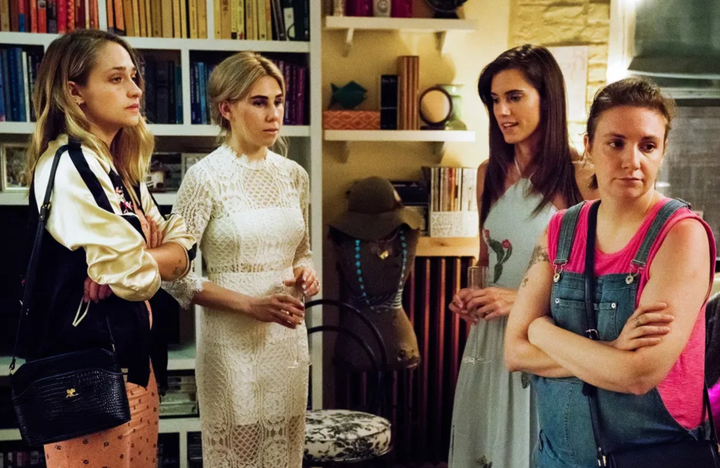
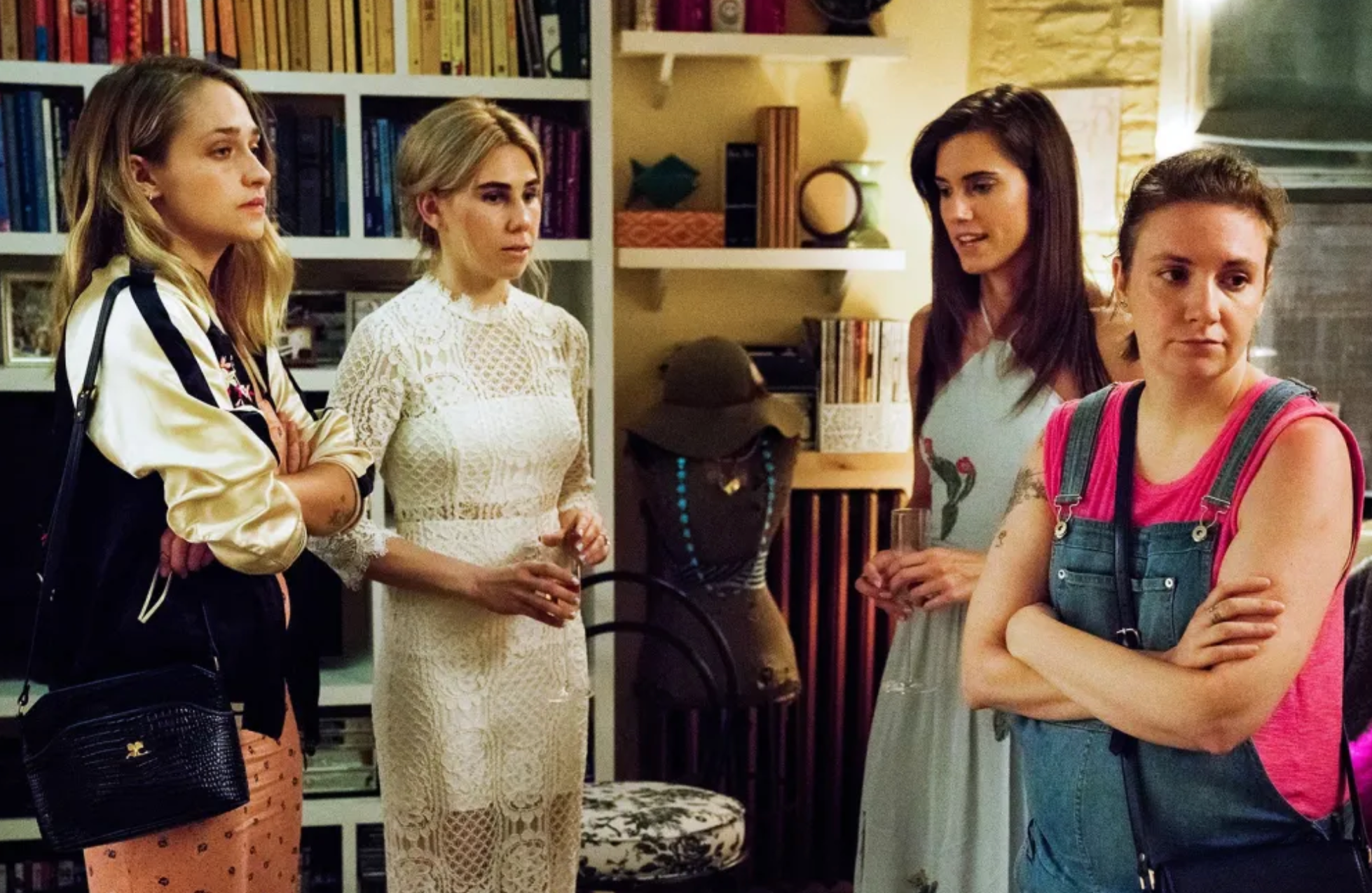
The cast of Girls pictured in the show's penultimate episode
The cast of Girls pictured in the show’s penultimate episode

Naturally, all this nostalgia for Girls has got fans speculating about where the characters will be a decade on from when we last saw them. But it’s also had us reflecting on what the series’ stellar cast have been up to in the last 10 years, too…

Lena Dunham

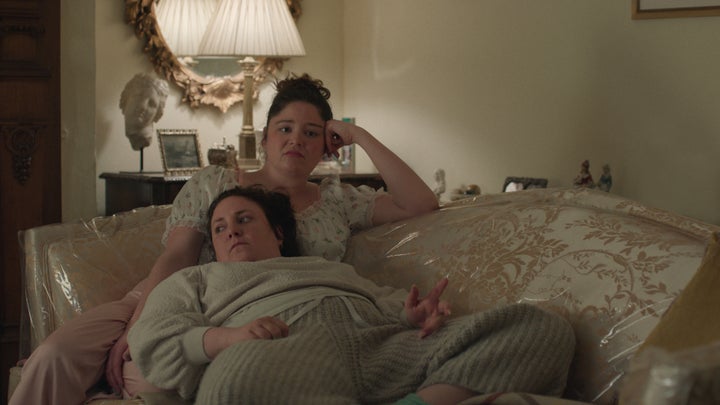
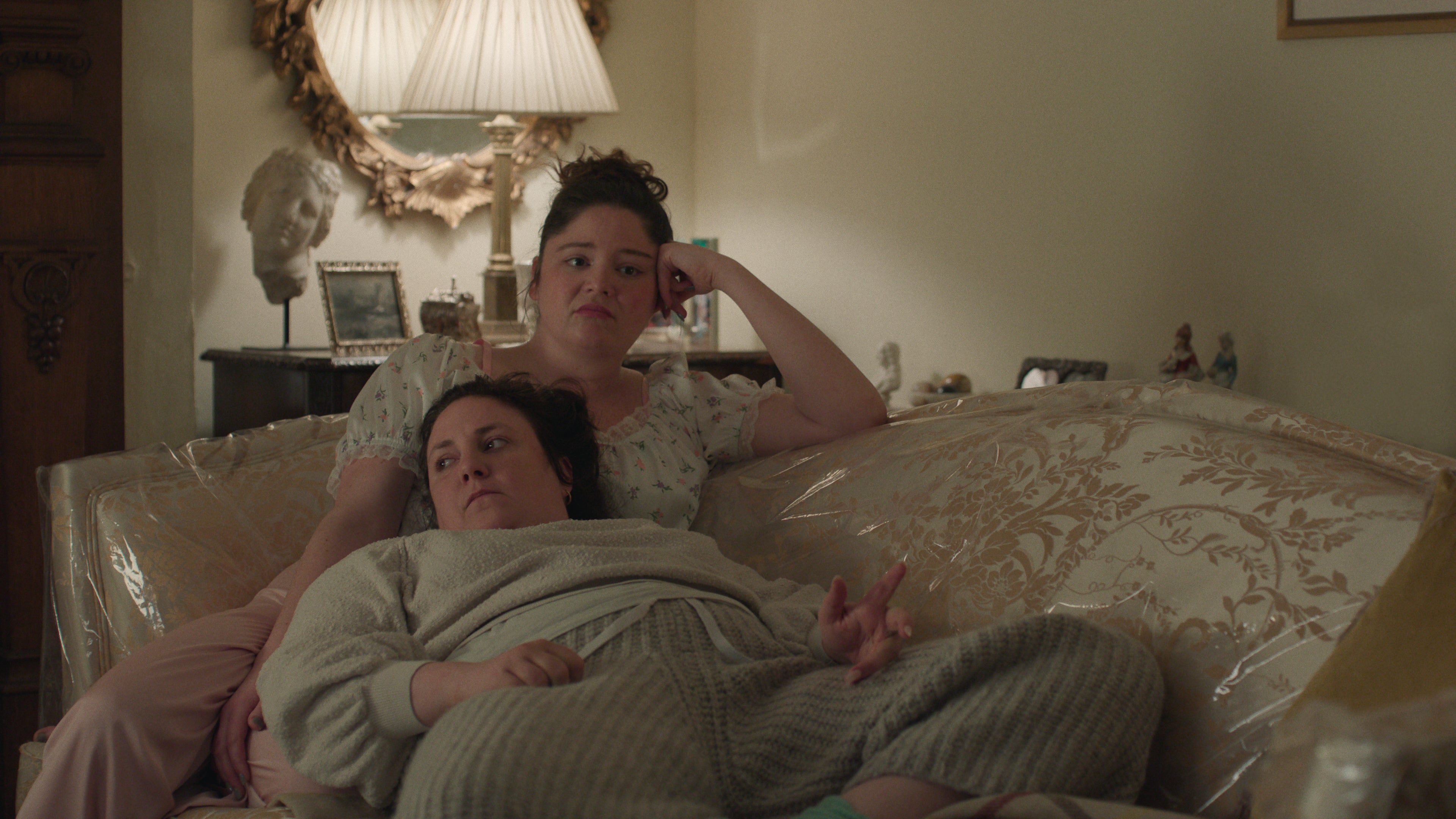
Megan Stalter and Lena Dunham in the Netflix rom-com Too Much

Girls catapulted Lena Dunham to international fame as the show’s lead actor, creator, writer and director.

Since the show’s final episode in 2017, her on-screen work has included playing the radical feminist Valerie Solanas in American Horror Story and Catherine “Gypsy” Share, a member of Charles Manson’s cult, in the film Once Upon A Time In Hollywood.

As for her behind-the-scenes work, Lena has directed the movies Catherine Called Birdy and Sharp Stick, as well as the first ever episode of the British financial drama Industry.

In 2025, she also helmed the romantic comedy series Too Much for Netflix, in which she played a supporting character, alongside Megan Stalter and Will Sharpe as the the series’ leads.

More recently, she reflected on her tumultuous time making Girls, and everything that came along with it, in her candid 2026 memoir Famesick.

Allison Williams

Allison Williams in Get Out

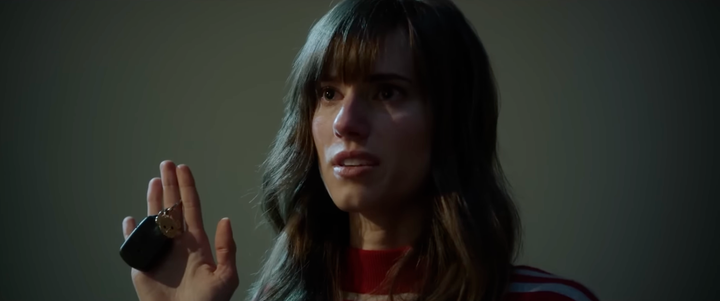
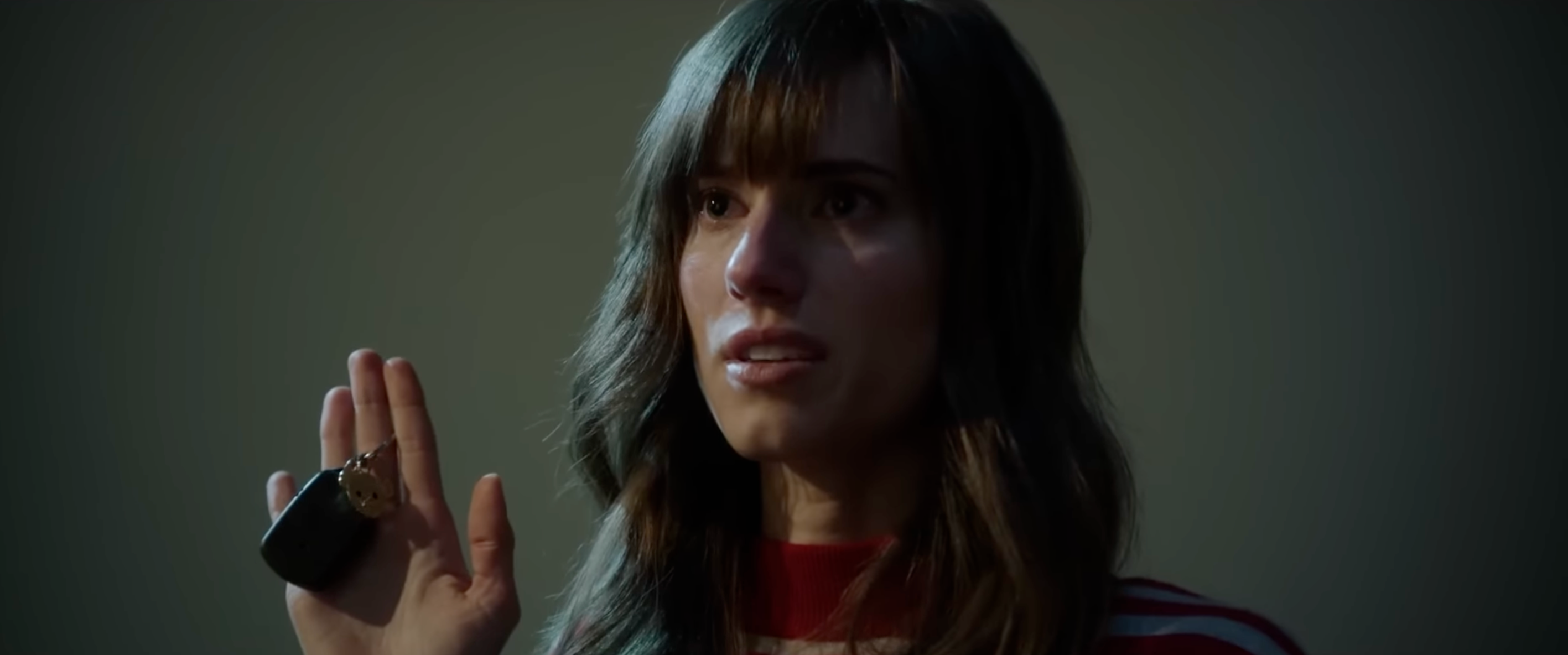
The year that Girls came to an end, Allison played a key role in Jordan Peele’s game-changing and Oscar-winning horror movie Get Out, portraying Daniel Kaluuya’s on-screen girlfriend whose parents have a sinister secret.

She also returned to the horror genre in Netflix’s The Perfection and the more comedic M3GAN.

You may have also seen her in series like The Mindy Project, Netflix’s reimagining of A Series Of Unfortunate Events and the romantic drama Fellow Travellers, playing the childhood friend of Matt Bomer’s Hawk.

Jemima Kirke

Jemima Kirke as Hope Haddon in Sex Education

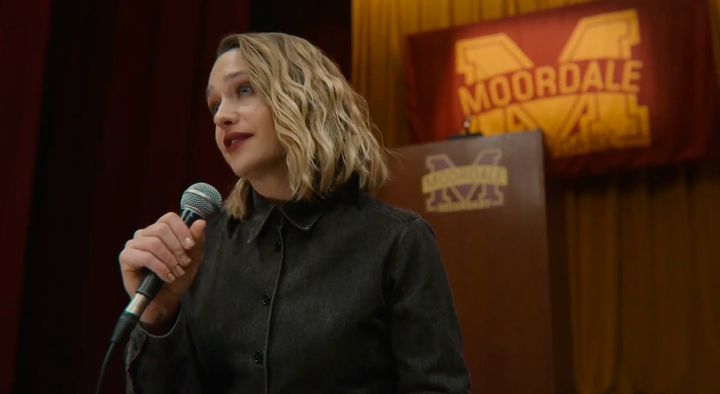
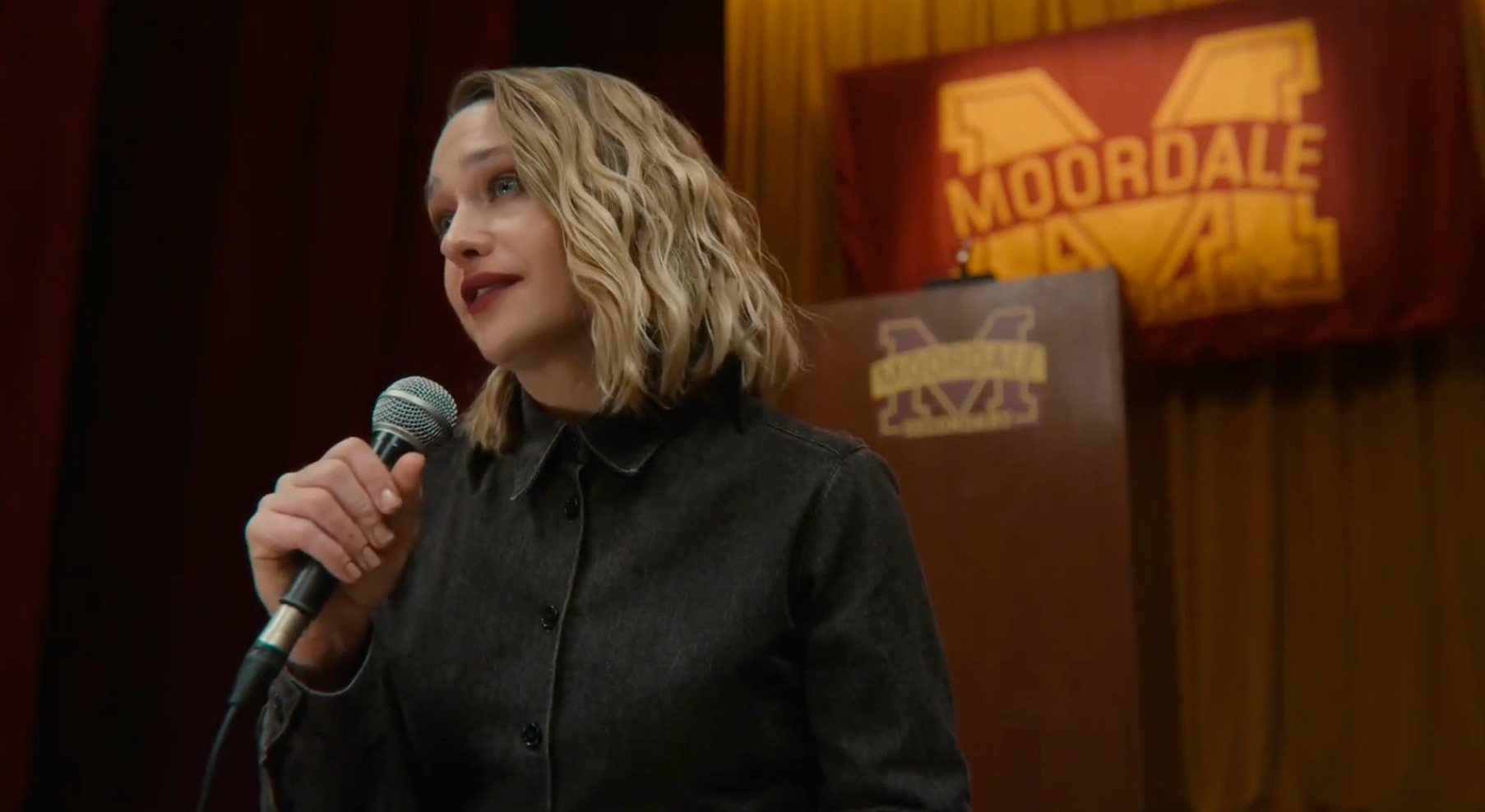
Jemima Kirke has been involved in an eclectic mix of projects since the Girls finale.

This has included playing a confidante of Jonah Hill’s character in the criminally-underrated Netflix drama Maniac, a strict headmistress in Sex Education and the lead in the Sally Rooney adaptation Conversations With Friends.

In addition to all of that, she has made a one-off appearance in Law & Order: Special Victims Unit, played Zayn Malik’s love interest in his Dusk Till Dawn music video and shared the screen with Jamie Dornan in the romantic drama Untogether.

We also have to take a moment to celebrate Jemima as the meme queen that she is, inspiring not one but two of our go-to reaction posts.

Zosia Mamet
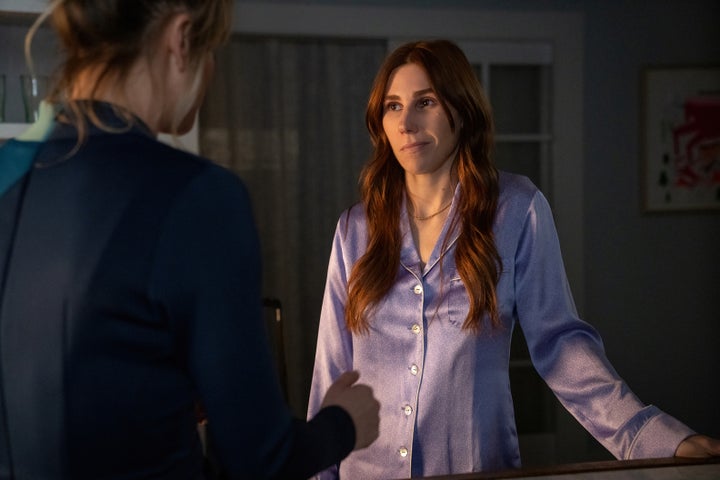
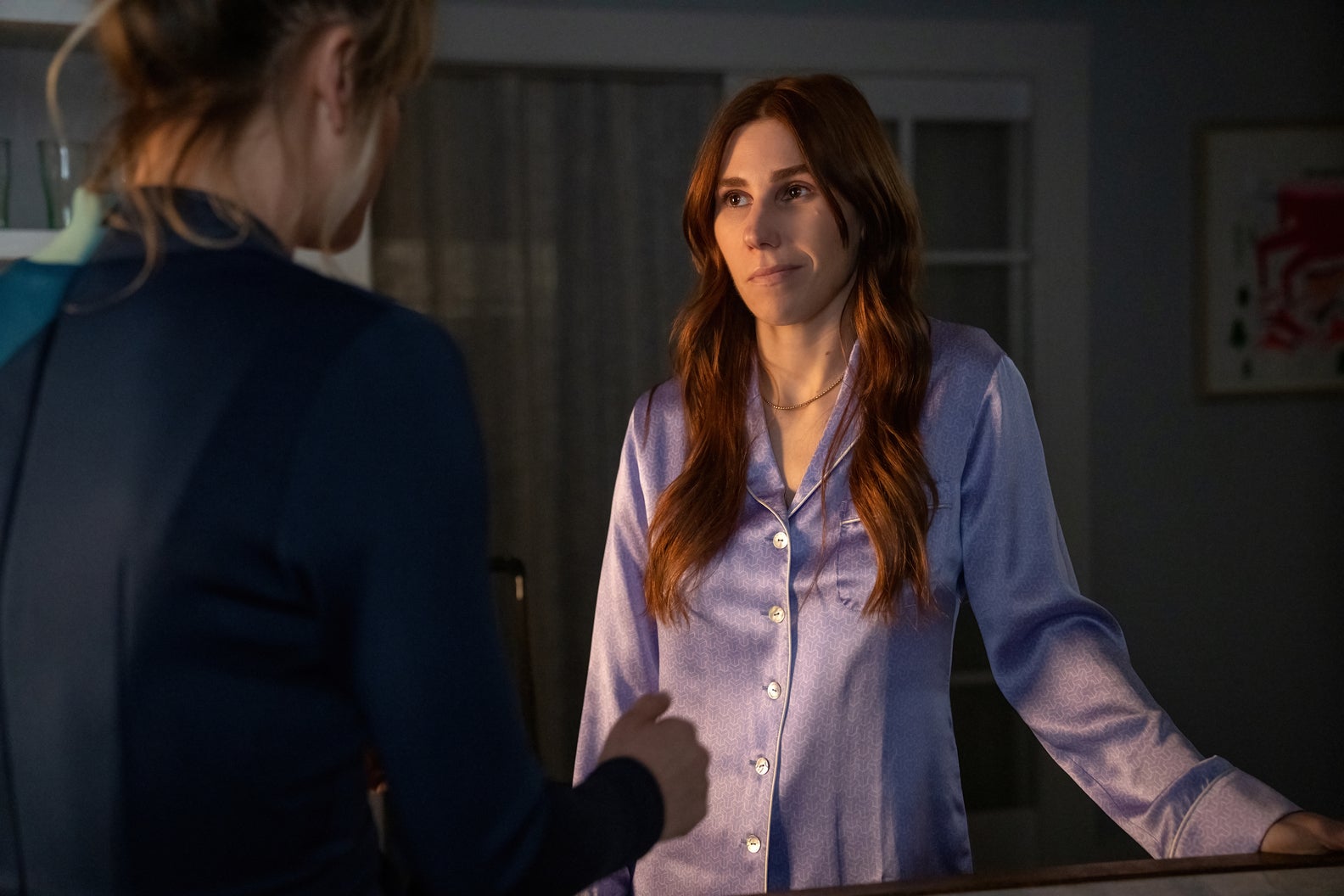
Zosia Mamet in The Flight Attendant

Jennifer Rose Clasen/HBO

Since saying goodbye to Shoshanna, Zosia Mamet has continued to work on both the big and small screen.

Already known thanks to her work in Mad Men, she later landed major roles in series like Unbreakable Kimmy Schmidt, Tales Of The City and Dickinson, in which she played Little Women author Louisa May Alcott.

Zosia and her co-stars in The Flight Attendant were nominated for a SAG Award for their performance in season one, and just this year, she played Nina Adler in Girls, which has already been compared favourably to Girls.

Her film work, meanwhile, has included voicing Crimp in Trolls Band Together and playing Amaria in the ill-fated superhero movie Madame Web, as well as a mysterious role in Luca Guadagnino’s intriguing new film Artificial.

Adam Driver

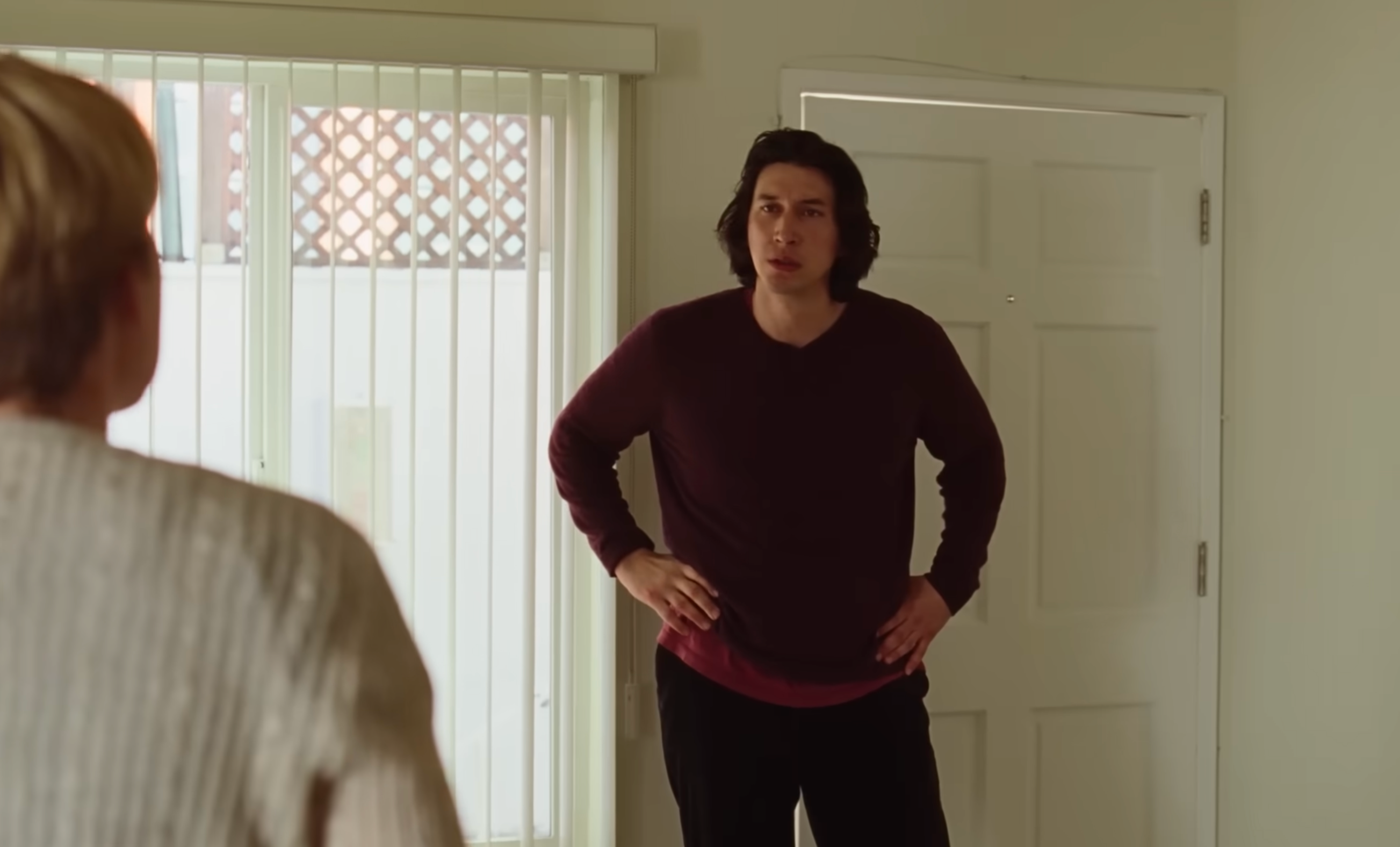
Adam Driver in Marriage Story

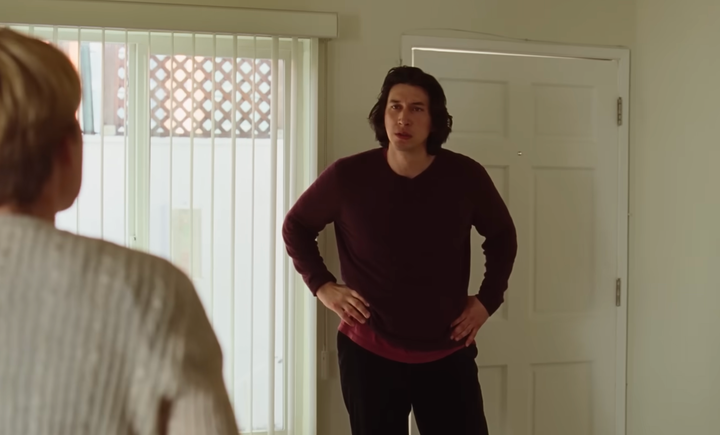
It’s fair to say Adam Driver‘s career has gone from strength to strength since Girls’ run.

Having already landed the role of Kylo Ren in Star Wars while the show was still on the air, he’s now a two-time Oscar nominee thanks to his work in the movies BlacKkKlansman and Marriage Story.

Adam went on to play Lady Gaga’s on-screen husband in House Of Gucci, Enzo Ferrari in Ferrari and the lead in Francis Ford Coppola’s ill-fated opus Megalopolis.

Up next, he’s set to make his long-awaited MCU debut as the villainous Mister Sinister in the upcoming X-Men reboot.

Christopher Abbott
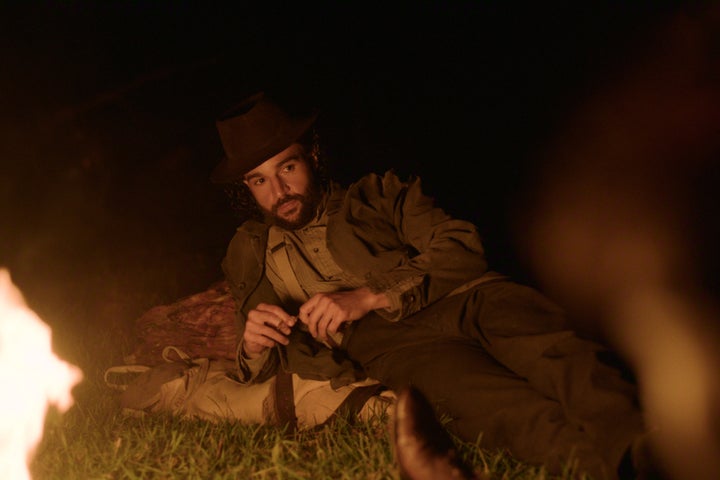
Christopher Abbott in Netflix's East Of Eden
Christopher Abbott in Netflix’s East Of Eden

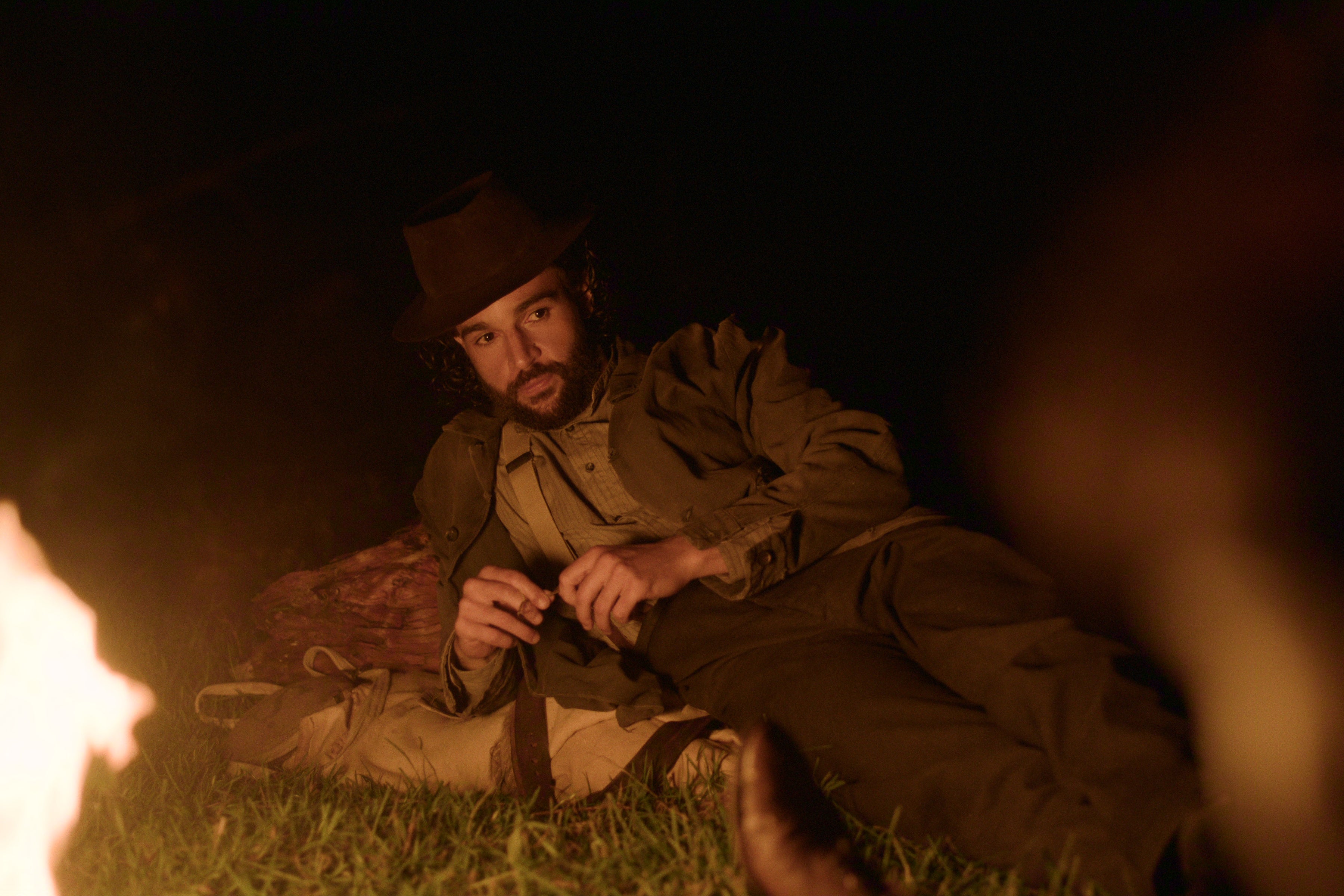
Shortly after Girls’ finale, Christopher Abbott landed roles in First Man, Vox Lux and Black Bear, which is where he met his future partner, Aubrey Plaza, with whom he now has a daughter.

His other stand-out film work includes Poor Things, Kraven The Hunter, Wolf Man and The Testament Of Ann Lee, as well as the Apple TV+ drama The Crowded Room, which also featured Tom Holland and Amanda Seyfried.

Andrew Rannells
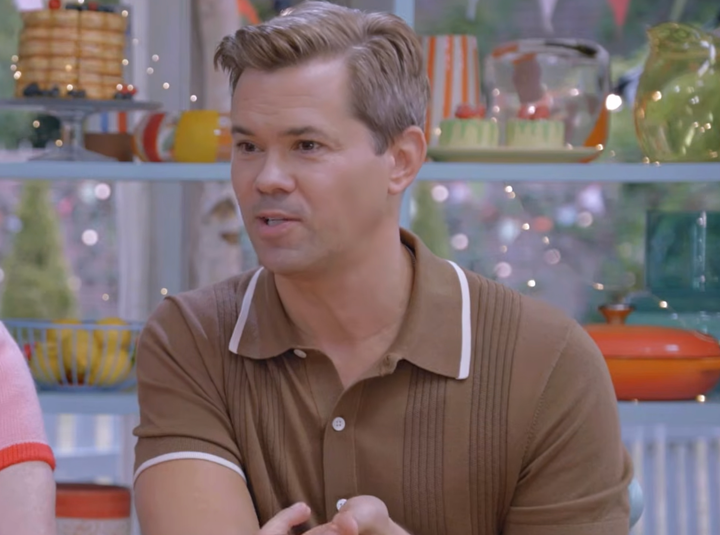
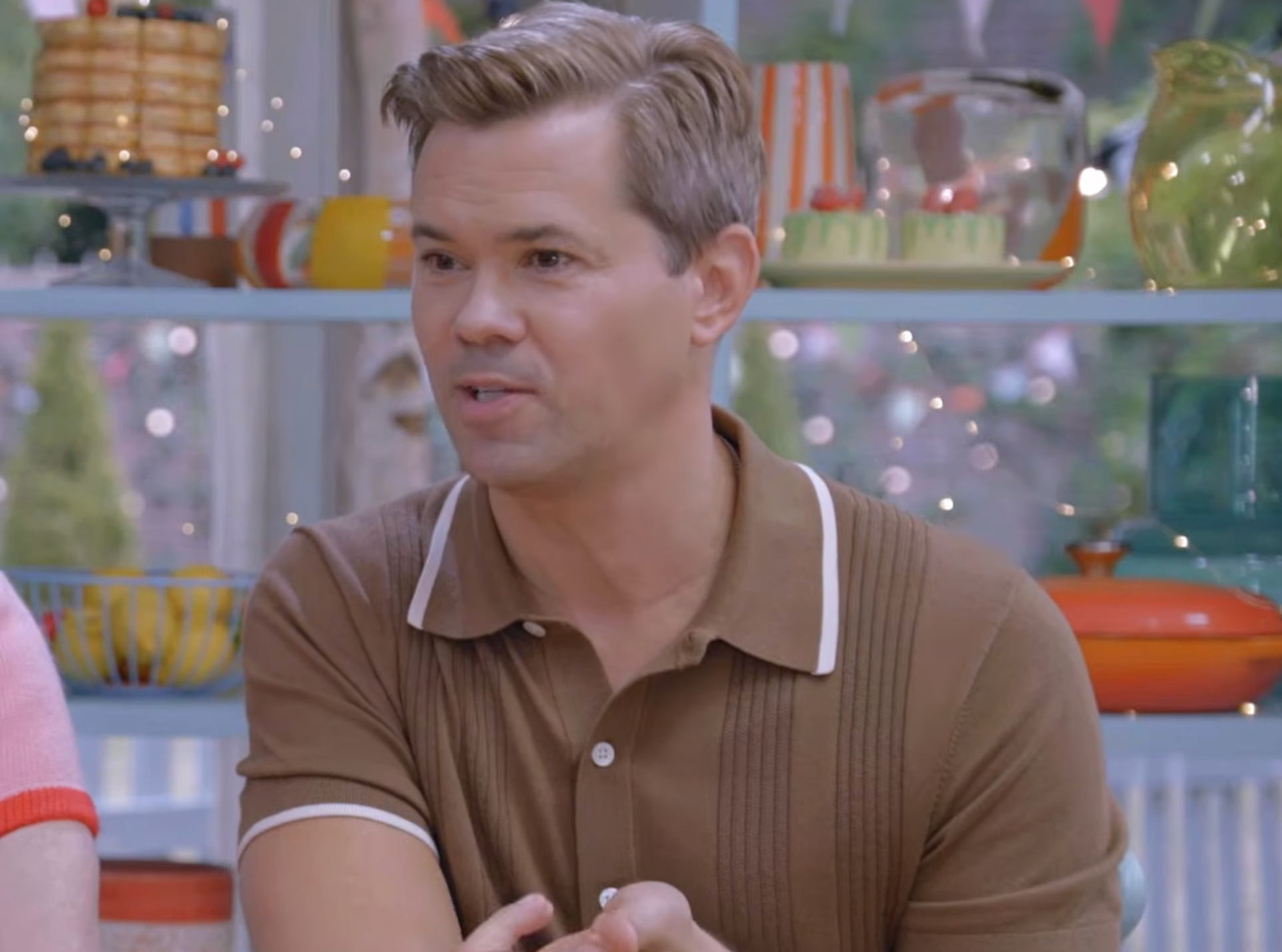
Andrew Rannells in the Great American Baking Show tent

Already a Tony nominee by the time Girls came along, Andrew Rannells has continued his career in musical theatre, originating the role of Jim Bakker in the London production of Tammy Faye, as well as starring in a revival of The Boys In The Band on Broadway.

He has also racked up a string of impressive TV credits, voicing Matthew in the teen comedy Big Mouth, portraying Blair Pfaff in Black Monday, Kevin in Girls5Eva and Bradford Barton in Welcome to Chippendales.

Besides that, he’s popped up in the Will & Grace reboot, The Boys and Too Much, which reunited him with Lena, while his film work has included A Simple Favor, Ryan Murphy’s The Prom and Miss You, Love You.

Outside of his acting work, Andrew is also now a co-host on the American version of The Great British Bake Off, known as The Great American Baking Show.

Alex Karpovsky

Alex Karpovsky as Rabbi Big Noah in Nobody Wants This

ERIN SIMKIN/NETFLIX

Following his time as the straight-talking Ray in Girls, Alex Karpovsky took a total 180 when he landed a role in the psychological thriller Homecoming.

He later appeared in Curb Your Enthusiasm and Angelyn, and can currently be seen as Big Noah in the Netflix rom-com Nobody Wants This.

Next year, Alex’s film Allow Me To Destroy You, which he both wrote and directed, is also slated for release.

Ebon Moss-Bachrach
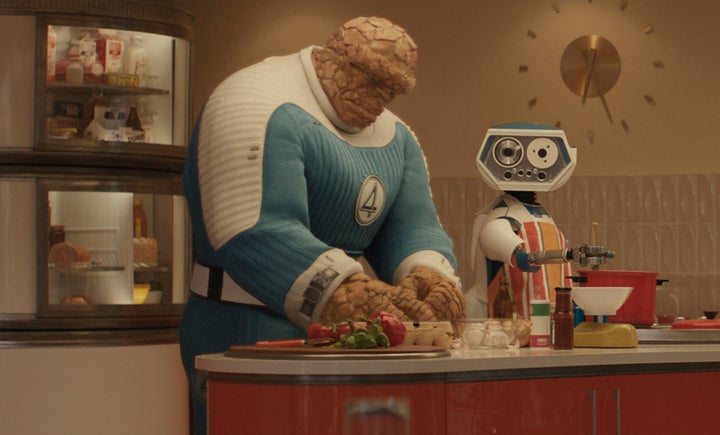
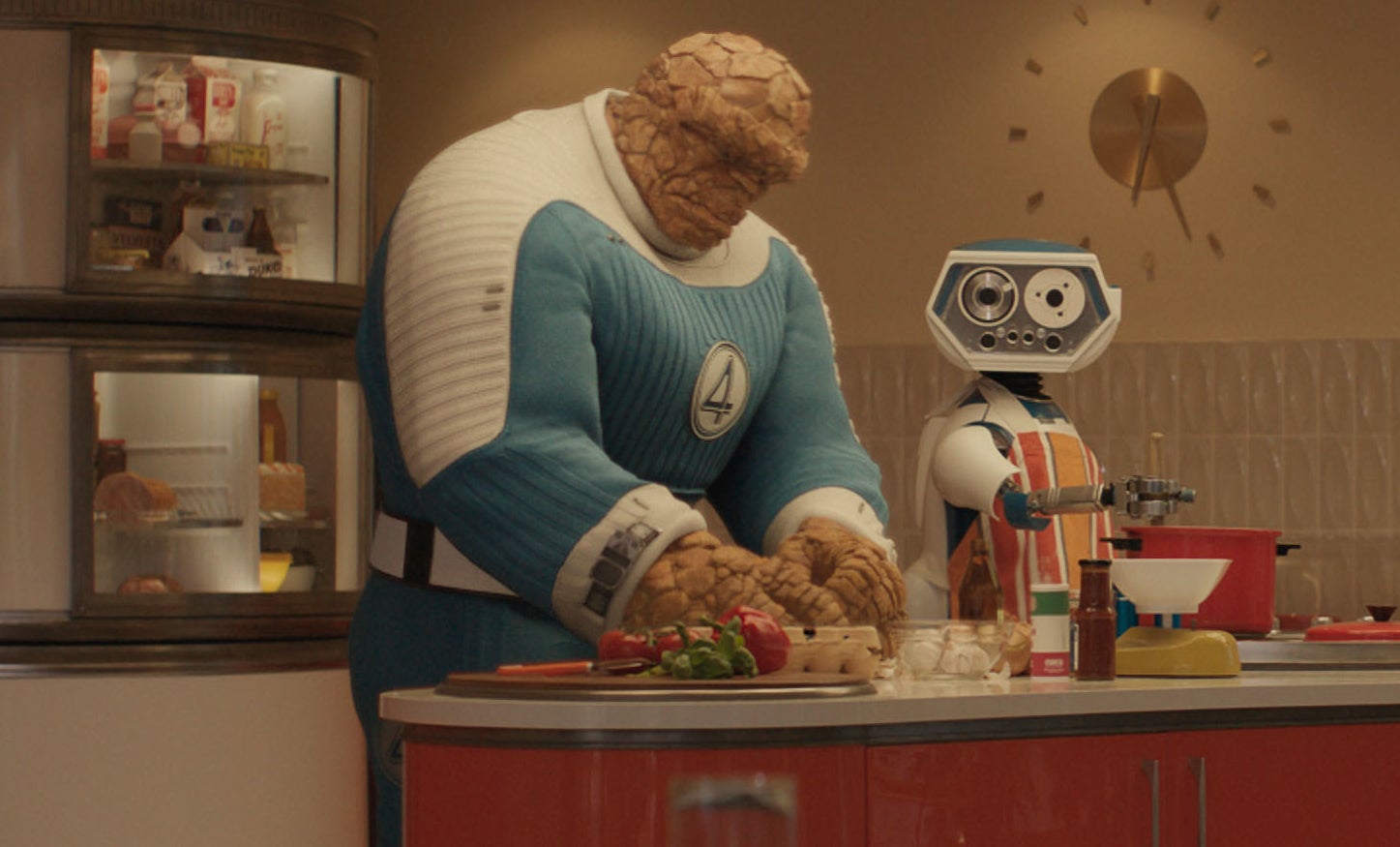
Ebon Moss-Bachrach as The Thing in The Fantastic Four: First Steps

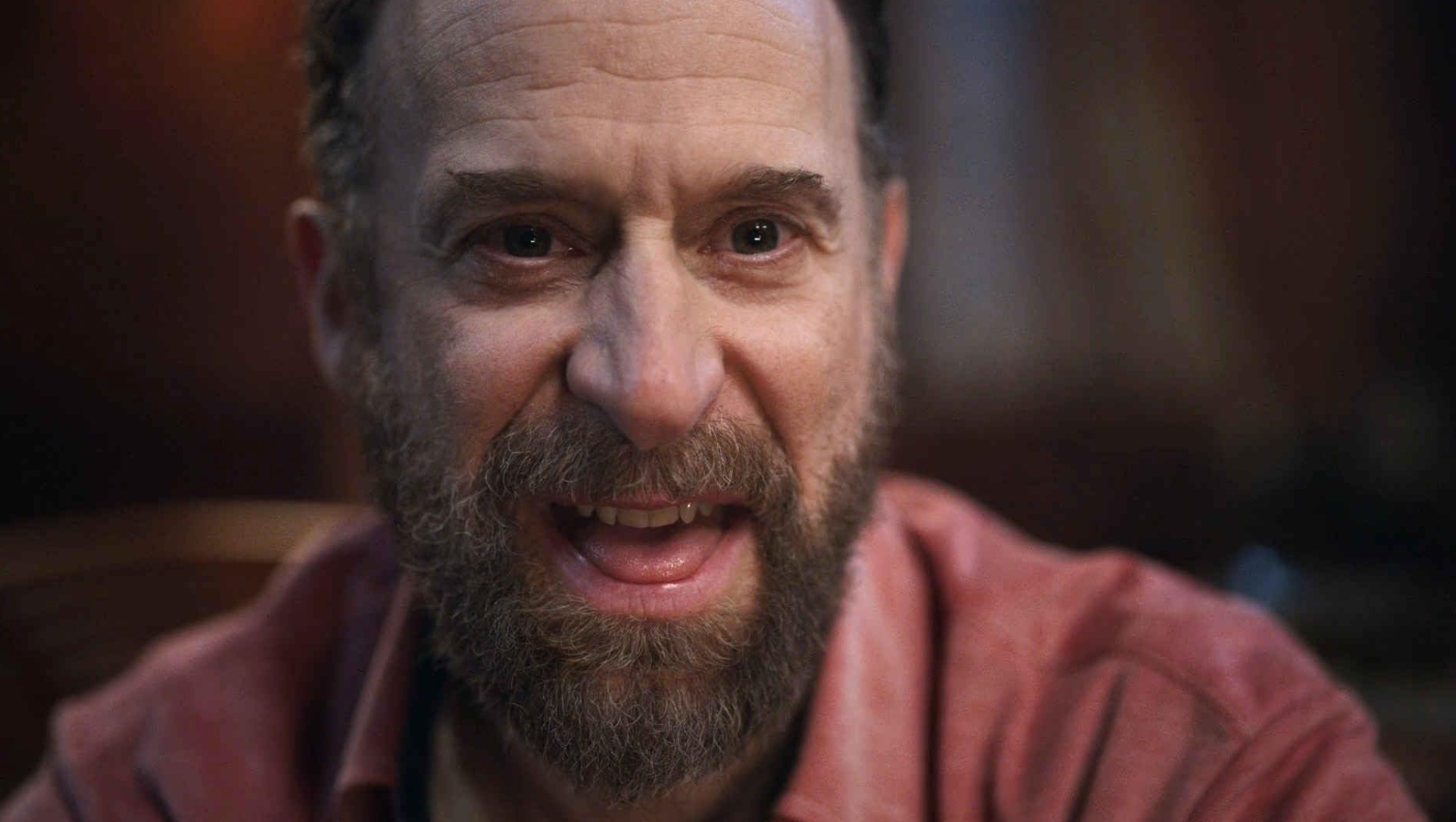
Long before he was winning Emmys for his performance as Richie in The Bear, Ebon Moss-Bachrach was probably best known as Marnie’s on-off husband Desi in Girls.

From there, he was cast in The Punisher and The Dropout, before being cast in The Bear, for which he’s now won two Emmys.

Ebon also played Arvel Skeen in the popular Star Wars spin-off Andor, and joined the MCU as The Thing in last year’s The Fantastic Four: First Steps.

Jake Lacy

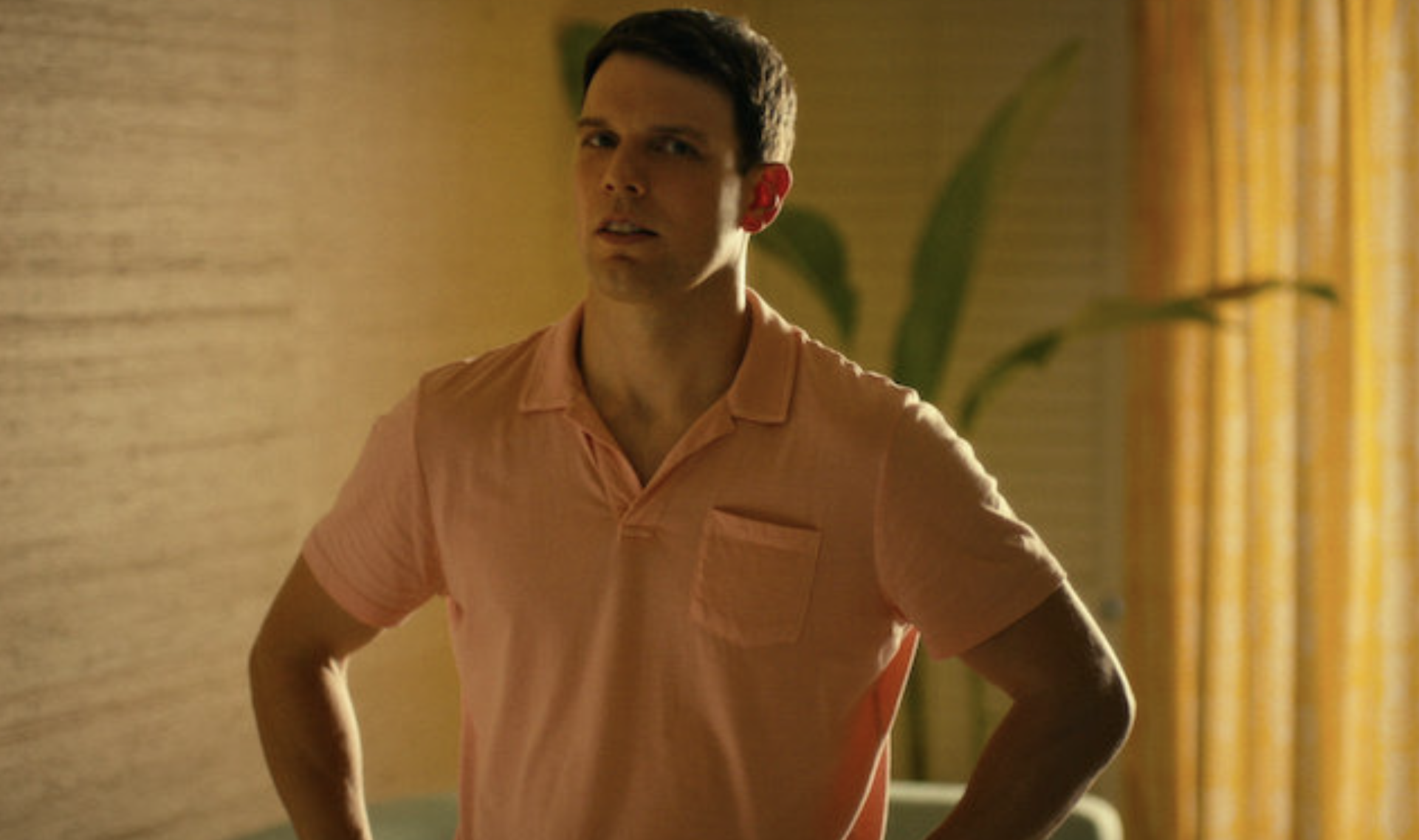
Jake Lacy in The White Lotus

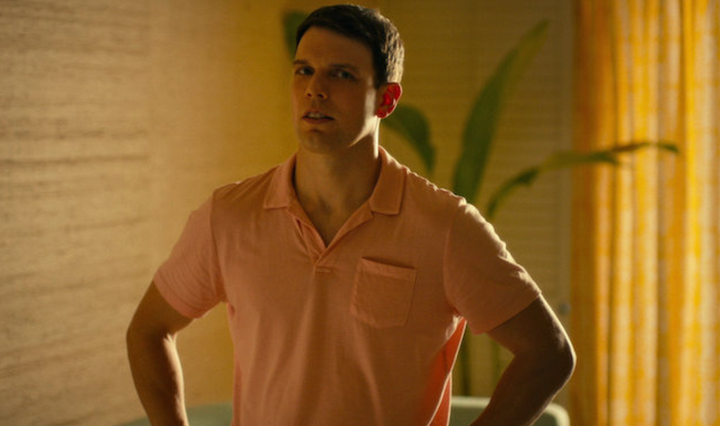
In Girls, Jake Lacy played Fran, a short-lived boyfriend of Lena Dunham’s Hannah.

After that, he landed roles in I’m Dying Up Here, Fosse/Verdon, High Fidelity and Mrs America, before the series he’s now probably best known for, The White Lotus.

For his work in the inaugural series of the sun-soaked anthology series, Jake was nominated for an Emmy, and he’s also since starred in Furious and All Her Fault.

Jon Glaser

Jon Glaser as Jeremy in the American version of Ghosts

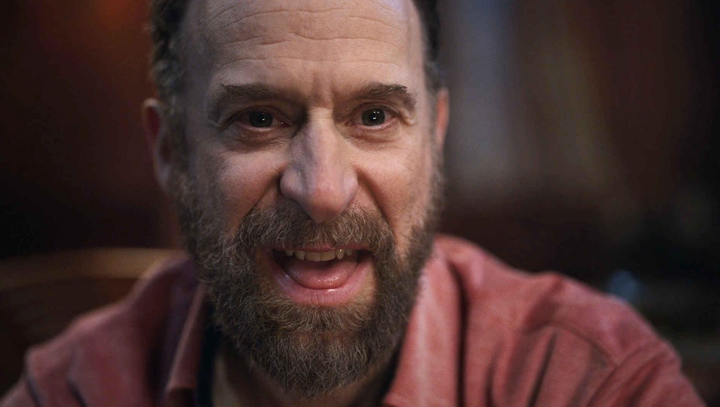
During his stint as Hannah’s neighbour Laird in Girls, Jon Glaser was also starring as Leslie Nope’s nemesis, Jeremy Jamm, in Parks And Recreation.

He later landed his own mockumentary show, Jon Glaser Loves Gear, before more recent roles in Single Drunk Female, Life & Beth, the animated series Wylde Pak and the US remake of Ghosts.

Over the last decade, Jon has also appeared in films like Wine Country, Hustlers and the Oscar-nominated Don’t Look Up.

Gaby Hoffman
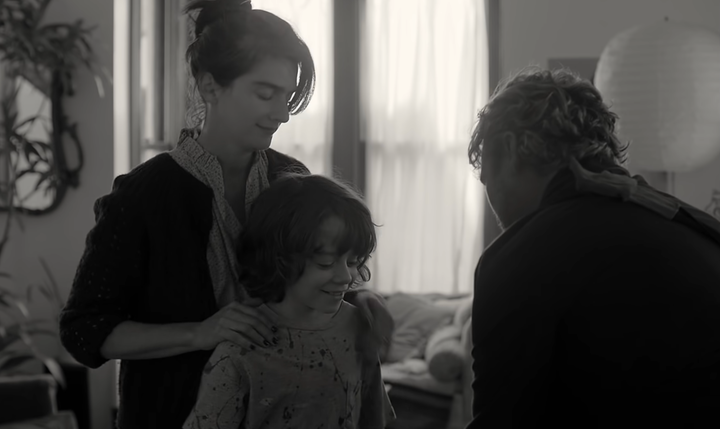
Gaby Hoffman in C'Mon C'Mon
Gaby Hoffman in C’Mon C’Mon

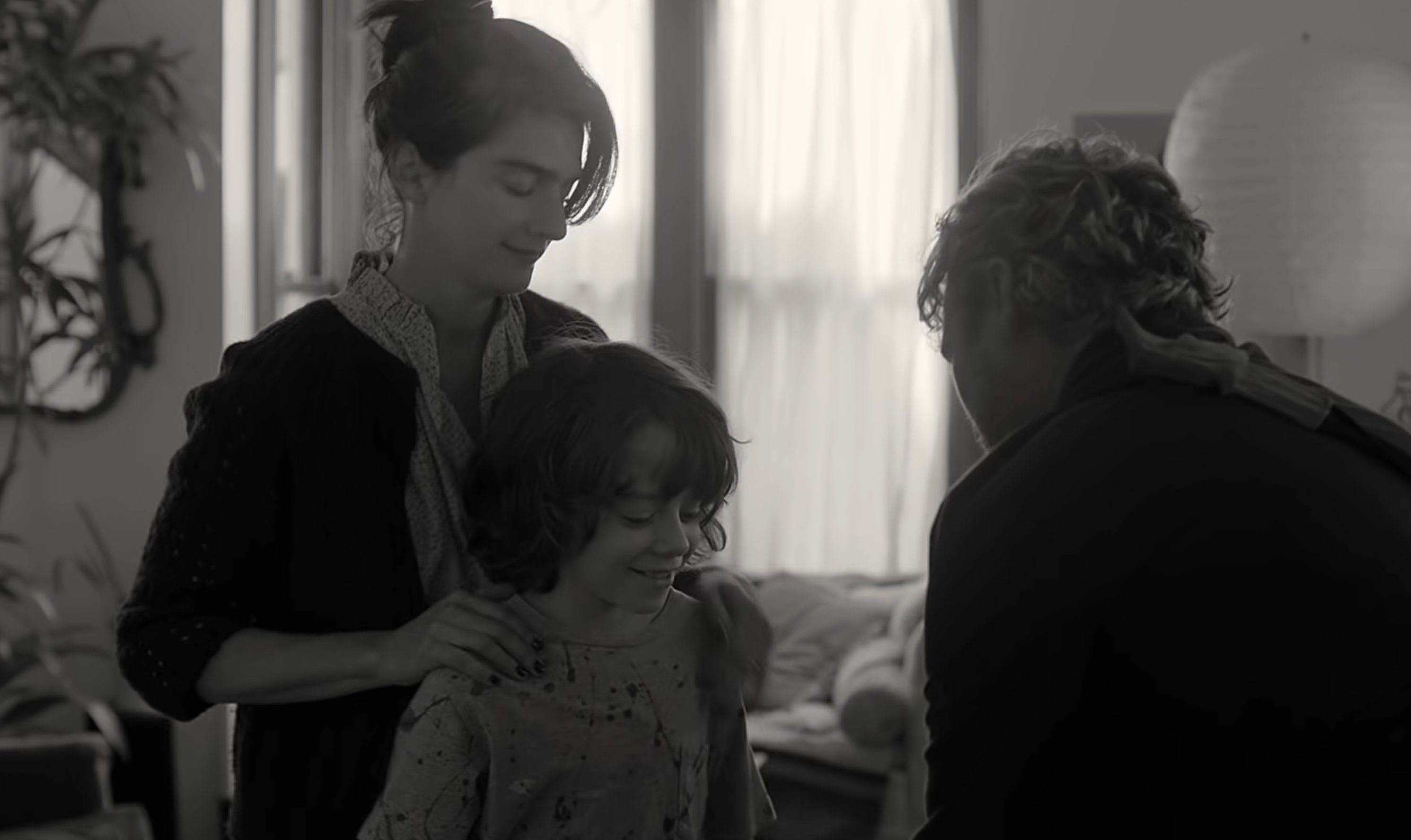
Besides her work as Adam’s chaotic sister Caroline in Girls, Gaby Hoffman is perhaps most well-known for her performance in Transparent, as Ali Pfefferman.

Her subsequent TV roles have included the sports drama Winning Time, the Netflix drama Eric and Rian Johnson’s murder mystery Poker Face.

In 2021, Gaby played Joaquin Phoenix’s on-screen sister in the film C’Mon, C’Mon, and more recently starred opposite Josh O’Connor in The Mastermind and Jeremy Allen White in Deliver Me From Nowhere, appearing as the mum of Bruce Springsteen.

Riz Ahmed
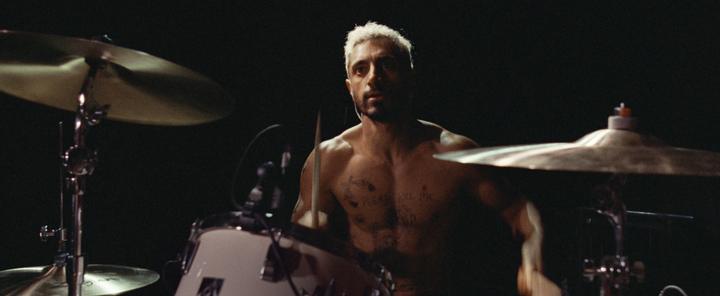
Riz Ahmed in Sound Of Metal

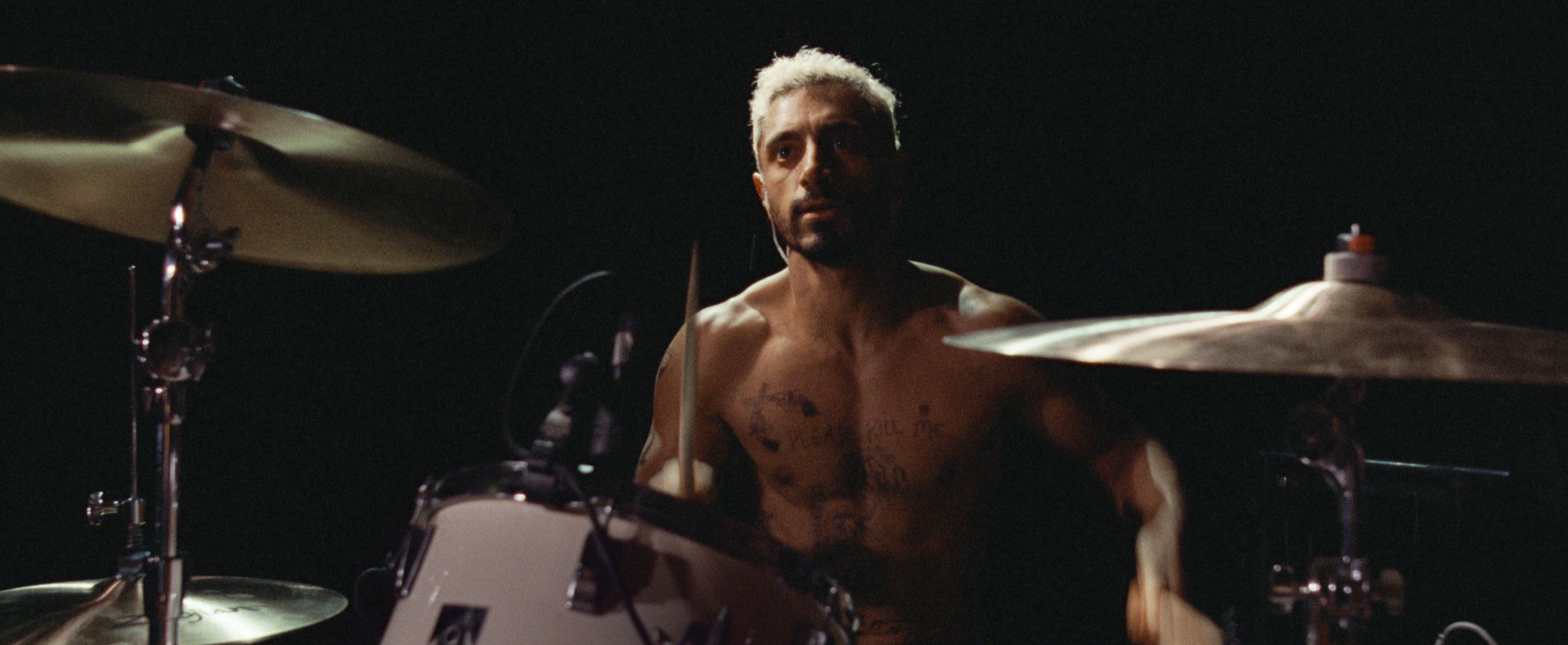
Towards the end of Girls’ run, Riz Ahmed made two pivotal appearances as Paul-Louis, the father of Hannah’s son Grover.

Around this time, he was also playing Elias in The OA, and more recently took the lead in the James Bond-centric dark comedy Bait, which he also co-wrote.

He was also nominated for an Oscar for his performance in the film Sound Of Metal, a year before winning in the Best Live Action Short category.

Riz’s other more recent film roles have included the superhero drama Venom, the star-studded disaster movie Digger and the 2025 adaptation of Hamlet, in which he took on the iconic title role.

Richard E Grant
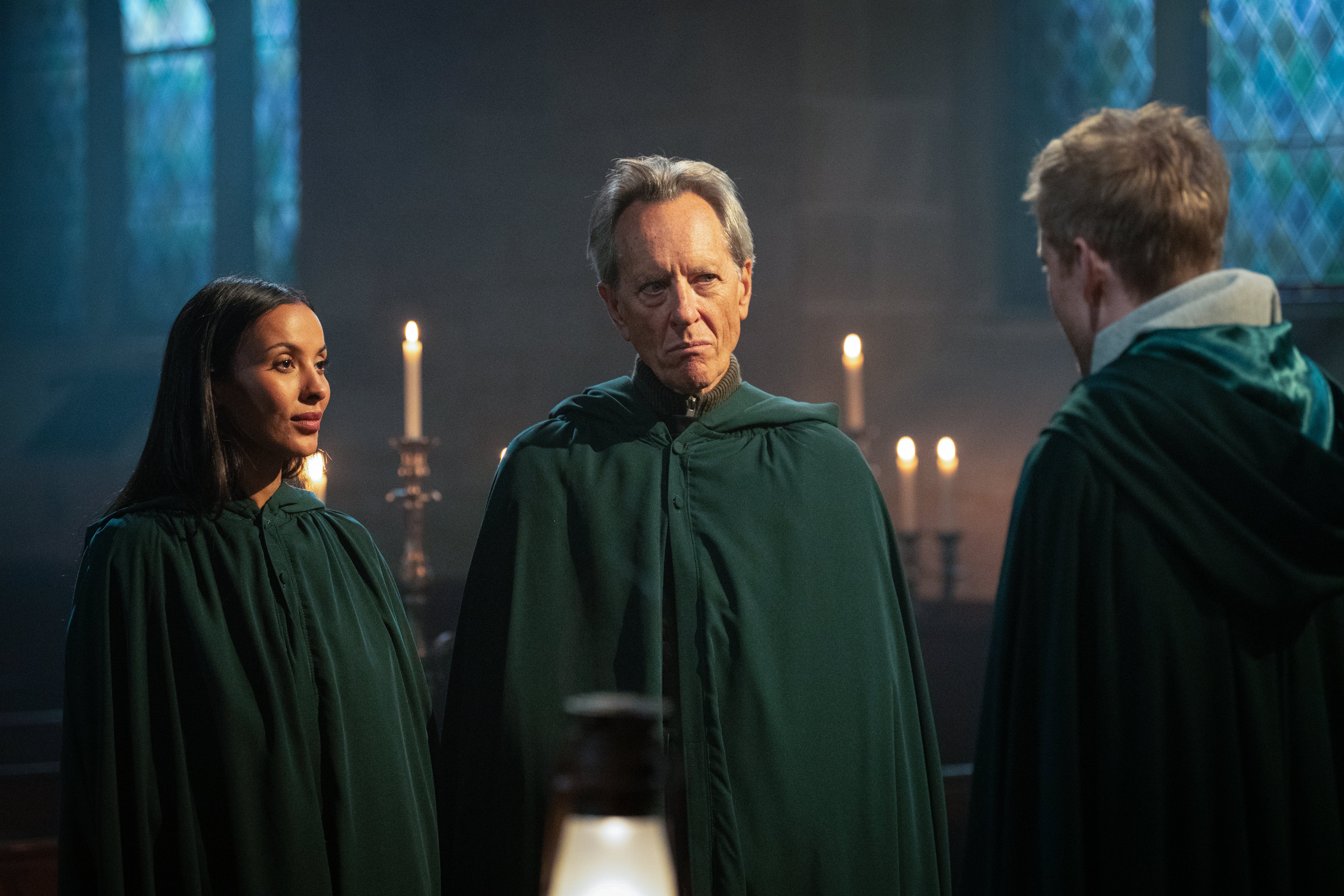
Richard E Grant pictured during his brief stint on The Celebrity Traitors

BBC/Studio Lambert/Euan Cherry

Richard E Grant was already a household name by the time he started playing Jasper in Girls, a role he earned as Lena Dunham was such a big fan of Spice World.

In the last decade, his profile has only continued to grow, notably landing his first Oscar nomination for his performance in 2018’s Can You Ever Forgive Me?, before joining the Star Wars universe as Allegiant General Pryde.

His 2020s film credits have included the musical Everybody’s Talking About Jamie, Emerald Fennell’s class satire Saltburn, the action comedy Argylle and the Jane Austen adaptation Persuasion.

Speaking of Austen, his 2026 credits alone have included the Pride & Prejudice reimagining The Other Bennet Sister, the twisted romance Wicker, a stand-out cameo in Madonna’s Confessions II short film and, of course, a disastrous turn in The Celebrity Traitors.

All six seasons of Girls are now streaming on HBO Max, Sky and Now in the UK.

Share Button

Girls Get Better Grades Than Boys, But That Might Not Lead To Fair Pay

Expert comment provided by the European Institute for Gender Equality.

A Cambridge study found that in the UK, boys typically perform worse than girls in exams, from early years through to university.

Some researchers, including those commissioned by parliament’s Education Committee, have sought to find out why that is, while headlines posit that schools might be “biased” against boys.

We aren’t seeking to explain that difference here. Instead, we wanted to know whether the higher grades girls tend to get in school actually translate to better wages once they enter the workplace.

Here, we asked a spokesperson for the European Institute for Gender Equality (EIGE) about the topic.

“These stronger school outcomes do not automatically translate into equal outcomes later in life”

An EIGE spokesperson said that girls’ academic achievements are a “long-standing achievement in the EU”.

Women increasingly outnumber men in completing third-level education, they added.

But “these stronger school outcomes do not automatically translate into equal outcomes later in life.

“Evidence consistently shows that structural inequalities in households, the labour market and public life continue to shape women’s opportunities, earnings, and career progression.”

Indeed, the author of the Cambridge study we mentioned earlier said that “apparent advantages” suggested by girls’ academic successes “are not necessarily carried through to employment”.

At its current rate, the Trade Union Congress says, the UK’s gender pay gap is not expected to close for another 30 years.

Why don’t girls’ higher grades appear to lead to better pay?

The EIGE spokesperson said that one-third of young men aged 15-24 believe men are better leaders than women, compared to 15% of young women.

“These attitudes shape unequal outcomes over the life course, [and] contribute to a persistent divide in the labour market, where women are overrepresented in public sectors such as education, health, and care – roles that are essential but often undervalued and lower paid,” they added.

Men, meanwhile, are likelier to work in higher-paying sectors.

Additionally, when women choose lucrative jobs, these tend to become lower-paid if others join them and the career is deemed “feminine”. The inverse appears to have happened in e.g. programming, when a formerly feminised role became male-dominated.

And “even when women enter the workforce with strong qualifications, they face barriers to career progression. Women remain underrepresented in senior and decision-making positions, which has a direct impact on earnings,” the spokesperson said.

For instance, in education, which is 76% female, men make an average of 17% more than women in the UK. As a percentage, men are significantly more likely than women to be headteachers (5.8% vs 3.9%).

“In addition, unequal sharing of care responsibilities means women are more likely to work part-time, take career breaks, or adjust their working patterns, all of which can slow career advancement and reduce lifetime earnings,” the EIGE spokesperson said.

“Women are also twice as likely as men to provide over 35 hours of childcare per week and, on average, receive only 75% of men’s pensions.”

Ultimately, “the assumption that better school results lead to better professional outcomes does not hold in reality. Addressing these gaps requires tackling structural inequalities that continue to limit women’s economic equality.”

Share Button

My Lab Conducted A Study On Preschool Girls. What We Discovered Should Disturb You.

Over the past year, a friend’s daughter – let’s call her Lily – has repeatedly called herself ugly.

When Lily is supposed to be brushing her teeth, she looks in the mirror with a frown on her face, eyes scanning her features with disappointment.

Lily has wavy dark-brown hair; she wants straight blonde hair.

One morning Lily put pink marker all over her mouth. The day before, a child at school had called her ugly, and she thought the “lipstick” would make her look prettier.

Lily is 4. And she is beautiful.

How has the world warped this child’s view of herself? Why does Lily even need to care about looking beautiful at 4? Is she worried about getting a date for the class field trip?

More attention is finally being paid toward the harmful effects of social media on teens’ body image and mental health. However, a study my lab conducted suggests that we are missing an important piece of the puzzle. Specifically, we discovered that among girls, a preoccupation with appearance starts as young as age 3.

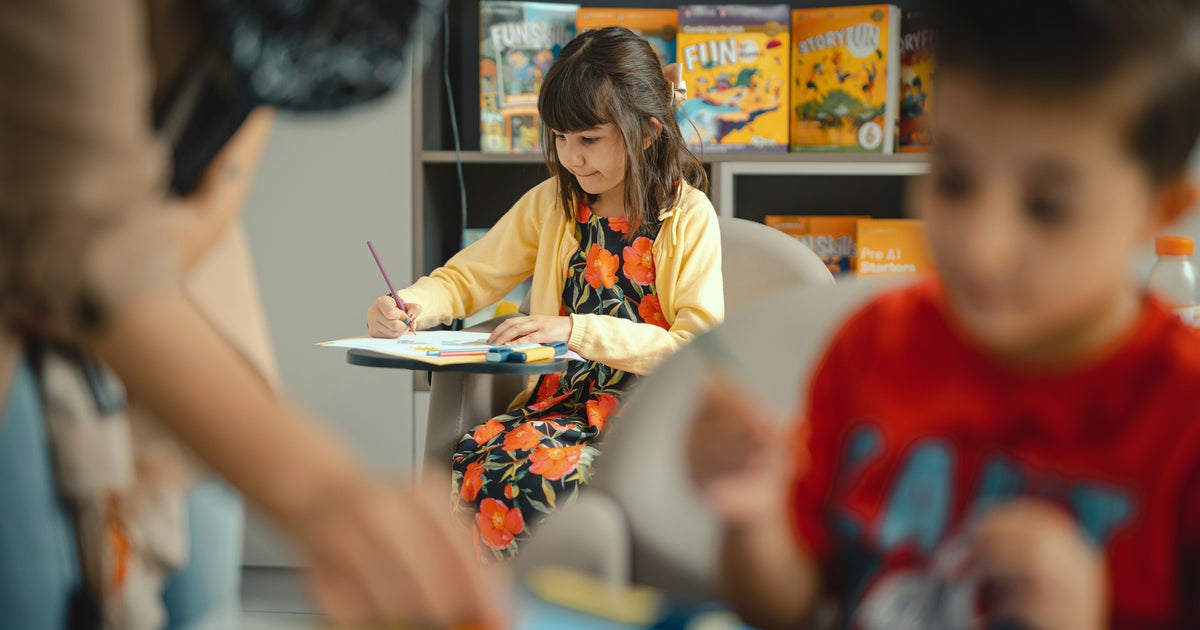
In our study, we interviewed 170 children ages 3 to 5 to examine when kids start to value being beautiful. Across all of the measures that we assessed, girls on average greatly valued their appearances. Girls said that to be a girl they needed to be pretty, and looking pretty was important.

When asked to select from an array of outfits and occupations, the girls in our study tended to select many fancy outfits and appearance-related occupations, like being a model or makeup artist. They showed good memory for pictures of fashionable clothing when these pictures were later hidden from view.

When explaining why they liked a pop culture character, girls often said things like, “I like all the princesses because they are pretty.” In a previous study, young girls also tended to purchase many toys that focused on appearance (e.g., a vanity set) with play money.

Across both studies, not only did girls tend to care highly about appearances, but they also did so more than boys.

Girls were about five times more likely than boys to say they liked a character due to what I refer to as “appearance reasons”.

Boys more often cited “action reasons,” such as liking Spider-Man “because he jumps high, climbs and shoots webs”.

Our study concluded that gender differences related to how much emphasis we place on beauty likely start in preschool.

While girls around the world have long been taught that beauty is of utmost importance, conversations with other gender development experts point to the early 2000s as a pivotal period when a new “girlie-girl” culture emerged.

One driver of this culture was the launch of the Disney Princess franchise in 2000, which continues to enamour young girls. My two young daughters have probably drawn upwards of a thousand pictures of Moana over the past two years.

Although Disney movies have evolved and now try to include more agentic heroines, the take-home message received by children still centred on beauty.

By adolescence, children are already primed to be preoccupied with how they look – a vulnerability that social media, often a very visual platform, taps into and exploits.

Decades of research have shown that tying self-worth to looks and having a distorted body image are linked to a whole host of negative outcomes, which can include poorer physical health (e.g., eating disorders, substance abuse) and mental health (e.g., depression). An unhealthy focus on appearance can also detract from a focus on school, interfere with academic performance and limit the career aspirations of young women.

If we know that emphasising physical appearance sets girls up for unhappiness – or worse – we must rethink our words and actions that instil this value, and we must begin before adolescence and social media use.

The preschool and kindergarten years are especially critical, as it’s during this time that children typically begin to strongly identify with a gender – whether the one they were assigned at birth or the one they know themselves to be – and they are hungry to learn what that gender means.

Children form gender stereotypes based on the information that is available to them and often doggedly follow these stereotypes. Because children are learning that girls are defined by how they look and boys by what they do, we must change the information they receive.

We can do this in a variety of ways. One is to (re)examine the images and toys our children encounter on a daily basis. Those beloved princesses and mermaid dolls with absurd body proportions can create internal standards that are impossible to attain.

Although adults understand the metaphor in making a superhero larger than life, children, who are extremely visual and swayed by how objects and people look, take these images at face value. We need to buy and create toys that feature diverse body shapes and sizes, varied and accurate facial features, different hair textures and a spectrum of skin colours.

There are some bright spots already out there. Our family loves the three Madrigal sisters from the movie Encanto. Mirabel, the main protagonist, has glasses and curly hair. Her oldest sister Luisa is renowned not for her beauty, but for her physical strength. Isabella, the middle sister, has darker skin and realistic body proportions that my children not only see but also feel when handling their dolls. The village values all three of them for their helpfulness, and their primary goals do not centre around attracting a prince. Barbie is also making more diverse dolls, but those more representative toys are still the minority.

There are also toys and games that encourage girls to solve problems, build structures and robots and use their creativity, but because our culture is still so influenced by gender stereotypes, young girls are often not exposed to them. We need to not only add positive and diverse images and toys, but move away from featuring and selling the harmful ones that currently dominate the market.

Until corporations do better, it’s up to us to do what we can. If you find yourself reaching for an “appearance toy” for a girl in your life, look for toys that encourage a wider variety of activities. Believe me, harmful images and toys will seep into your household, often through gifts from friends and family members, so parents and teachers need to take an active stance. Don’t feel guilty saying no to a toy that promotes an unhealthy approach to appearance.

We can also change how we talk to the children in our lives. Instead of constantly commenting on a child’s appearance – “You look so pretty!” or “That’s a beautiful dress!” – try focusing on other admirable attributes, especially when you’re speaking to girls.

On a broader level, let’s expand the idea of what a girl or a boy can be. By having more examples of the different ways that kids can be their gender (whether by being more or less traditionally feminine, masculine or something in between), everybody wins.

Of course, it’s important to instill a sense of pride in one’s appearance. But this is possible without focusing on traditionally esteemed – and frequently policed – characteristics. It can be even more complicated for children of colour or children from low-income backgrounds, where looking “good” can be unfairly and dangerously tied to respectability.

In these contexts, parents are often actively fighting to keep their kids from internalising insidious white beauty standards, in addition to challenging gender stereotypes.

And although appearance is typically emphasised more among girls, boys also face unrealistic standards regarding muscles and strength. One study found that 49% of boys ages 8-12 were unhappy with their appearance and another found that boys as young as 6 showed preferences for thinner and more muscular bodies.

Many of us relate to feeling dissatisfied with the way we look and have experienced negative outcomes due to our fixation on it. As a 12-year-old, I was obsessed with the weight I gained during puberty. Though doing varsity volleyball and track and field made me fit and strong when I was 15, I was unhappy with my body, and experienced depression and suicidal ideation.

I was not alone. I knew many other girls who were dealing with similar feelings. When I later attended Stanford, I was surrounded by incredible, high-achieving women, some who were world-class athletes, but who also struggled with their body image and disordered eating.

Seeing so many others who also suffered made me realise that these appearance- and health-related matters were bigger than just me.

Ultimately, I was motivated to study gender development as a career, which I’ve been doing for 17 years, in the hopes of addressing this complex and alarming societal issue.

I am anxious about what will happen when my two young daughters become teens, in a society where sexism and patriarchy still run rampant.

My husband and I have even contemplated leaving Los Angeles, arguably one of the most image-obsessed cities in the world.

Whenever we drive down Santa Monica Boulevard, billboards and advertisements expose my daughters to the supposed wonders of plastic surgery, implants and freezing off fat.

When we traipse down Montana Avenue, a swanky shopping area, we pass dozens of eyelash salons, hair salons, nail salons, waxing salons, sugaring salons and skincare shops squeezed in tightly next to each other along the street.

I know that these messages would still reach them no matter where we moved. This is the world we live in. This is the culture we’ve been told to want. These are the messages our children pick up – not just from where they live, but from the shows they watch, the movies they see, the songs they hear, the friends they make and even in their schools. And thanks to social media, AI technology, filters and photoshopping, it’s only getting worse.

So, we need to do whatever we can to combat all of this.

My research shows we have a huge problem on our hands. If a child is already steeped in these gender stereotypes and dysmorphic body ideals by age 5, just imagine what she’ll be thinking by 15.

It’s our responsibility to do whatever we can to foster healthier values and provide more diverse images and ideas of what it means to be a girl, a boy and a human being. I want my daughters – and everyone else’s kids – to always be able to recognise their own unique beauty, and I want them to know their value does not depend on that beauty.

This piece was originally published in May 2024 and is being rerun now as part of HuffPost Personal’s “Best Of” series.

May Ling Halim, Ph.D., is a developmental psychologist and is a mother of two girls. She is a Professor of Psychology at California State University, Long Beach, and the Director of the Culture and Social Identity Development Lab. Her research focuses on gender identity development among diverse young children. Her work has been published in leading academic journals on child development.

Do you have a compelling personal story you’d like to see published on HuffPost? Find out what we’re looking for here and send us a pitch at pitch@huffpost.com.

Help and support:

Share Button

No Boys For A Decade: The Polish Village Where Girls Rule

Download Video

Share Button