BBC ‘Urgently Reviewing’ Newsreader’s ‘Gleeful’ Reaction After Boris Johnson’s Withdrawal From Tory Leadership Race

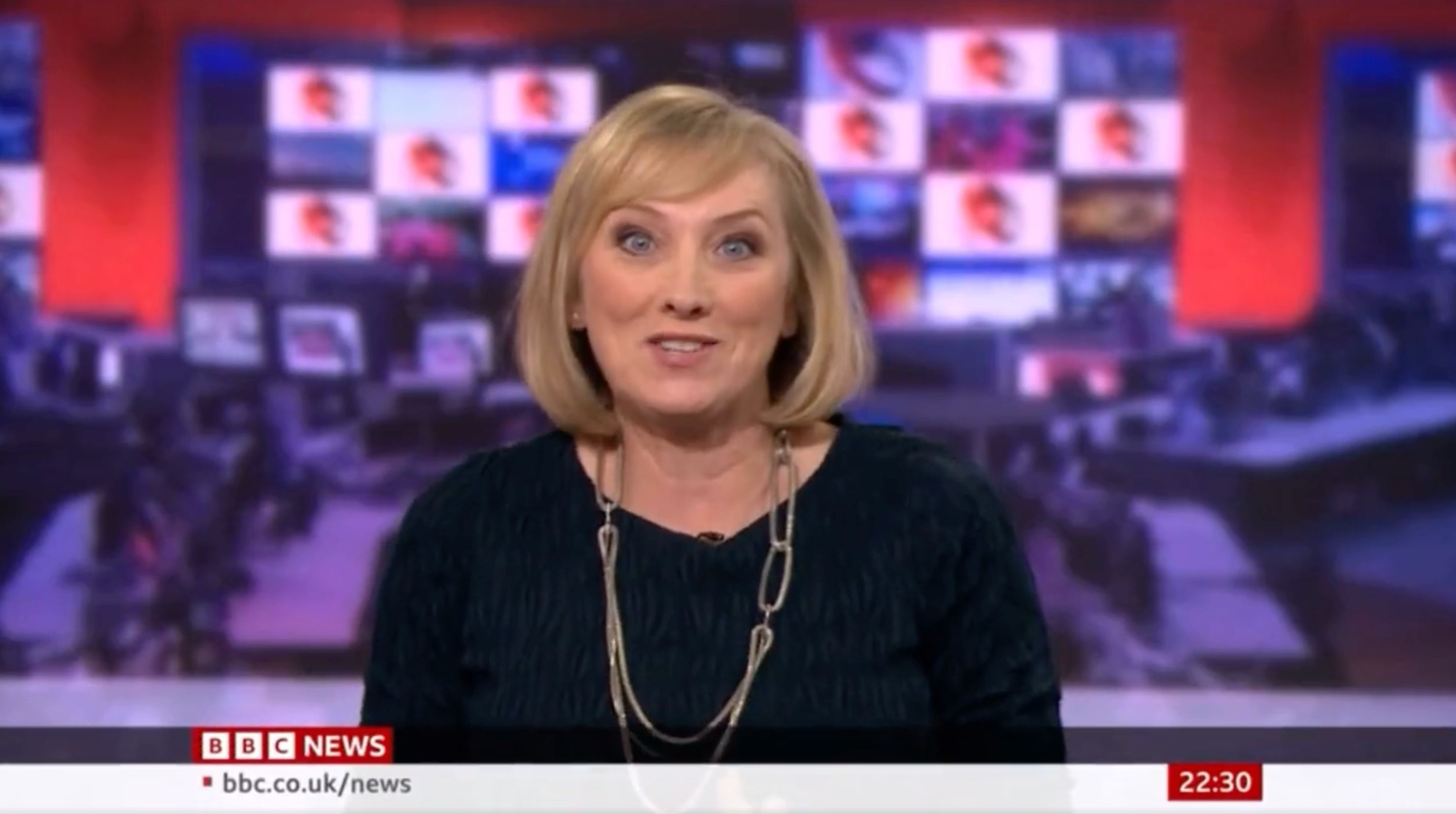
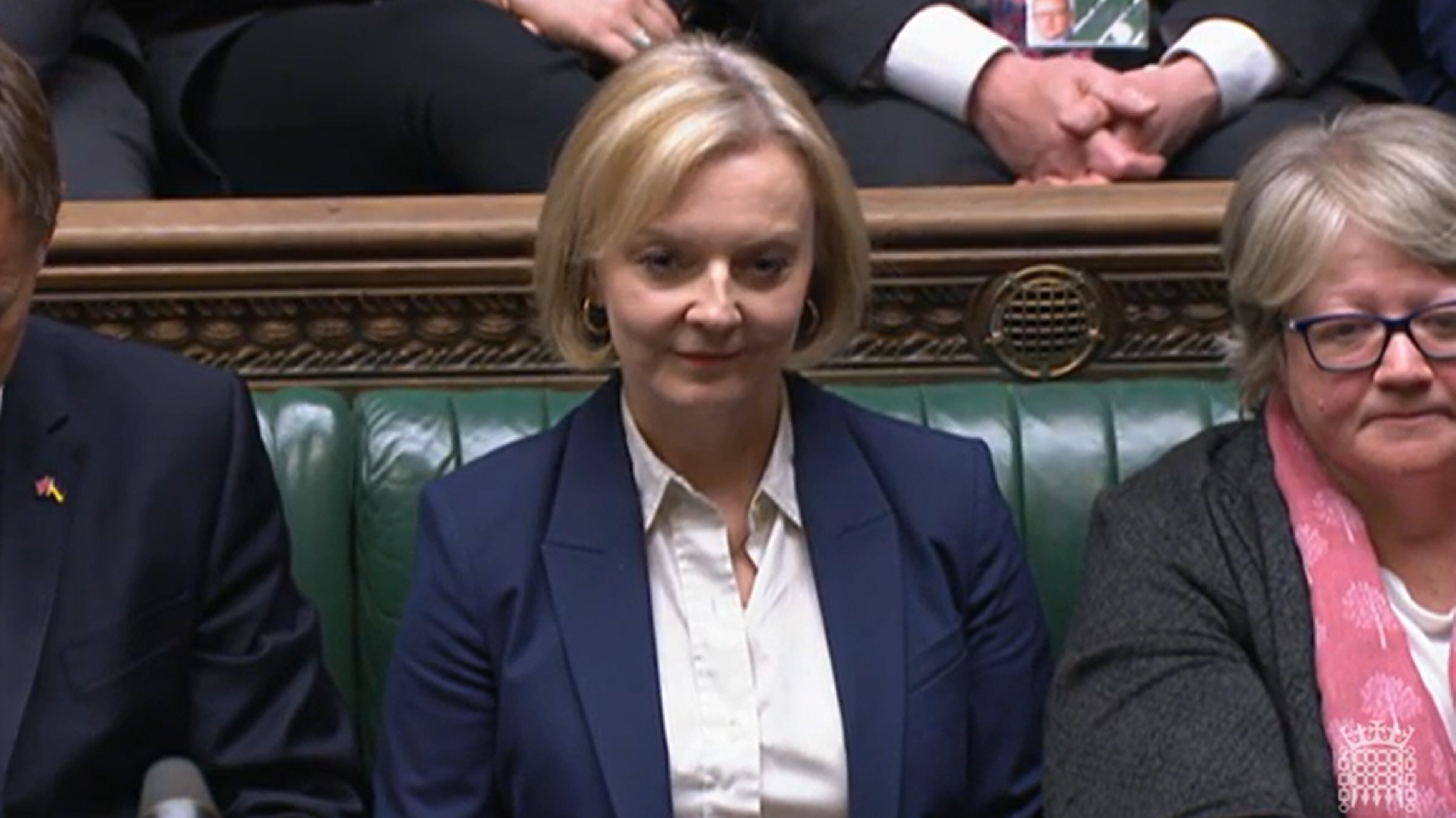
The BBC has said it is “urgently reviewing” comments made on air by newsreader Martine Croxall following Boris Johnson’s exit from the Tory leadership race.

The presenter was accused of breaching the broadcaster’s strict impartiality rules after she asked if she was “allowed to be this gleeful” during Sunday evening’s newspaper review on the BBC News channel, which came shortly after the former prime minister announced he would not be standing to reclaim his old job.

“Well this is all very exciting isn’t it?” she told viewers: “Am I allowed to be this gleeful? Well I am.”

In her first question to her guests, Croxall also remarked: “Can we even show you the front pages just yet, have they arrived? No they haven’t arrived.

“It’s all a little bit, you know, lastminute.com isn’t it? Because all the front pages were probably out of date by the time we received them.”

Croxall also suggested during the programme that her comments could have breached BBC guidelines.

Responding to a guest’s joke aimed at Johnson, she said: “I shouldn’t probably (laugh). I’m probably breaking some terrible due impartiality rule by giggling.”

Her comments – which aired around 90 minutes after Johnson’s announcement – attracted criticism from some viewers and Tory MP Nadine Dorries on social media, claiming they displayed bias.

A statement from the broadcaster said: “BBC News is urgently reviewing last night’s edition of The Papers on the News Channel for a potential breach of impartiality.

“It is imperative that we maintain the highest editorial standards. We have processes in place to uphold our standards, and these processes have been activated.”

The Telegraph and Press Association also reported Martine has been taken off air for an “undefined period”, although the BBC has not officially confirmed this.

The BBC would not verify this claim when contacted by HuffPost UK.

On Twitter, Croxall told one viewer to consider the “context” of her remarks, later clarifying: “The rollercoaster of politics. Fascinating to report on.”

When another Twitter user said they expected her comments were “journalistic excitement and not relief, like most of the viewers”, she replied: “Very much the former!”

On Monday, it was announced that Rishi Sunak had won the Conservative Party leadership contest and will become the next prime minister.

The former chancellor secured the overwhelming support of MPs and will be installed as PM without a vote of the party membership.

Share Button

Nadhim Zahawi Mocked For Backing Boris Johnson And Rishi Sunak In The Same Half Hour

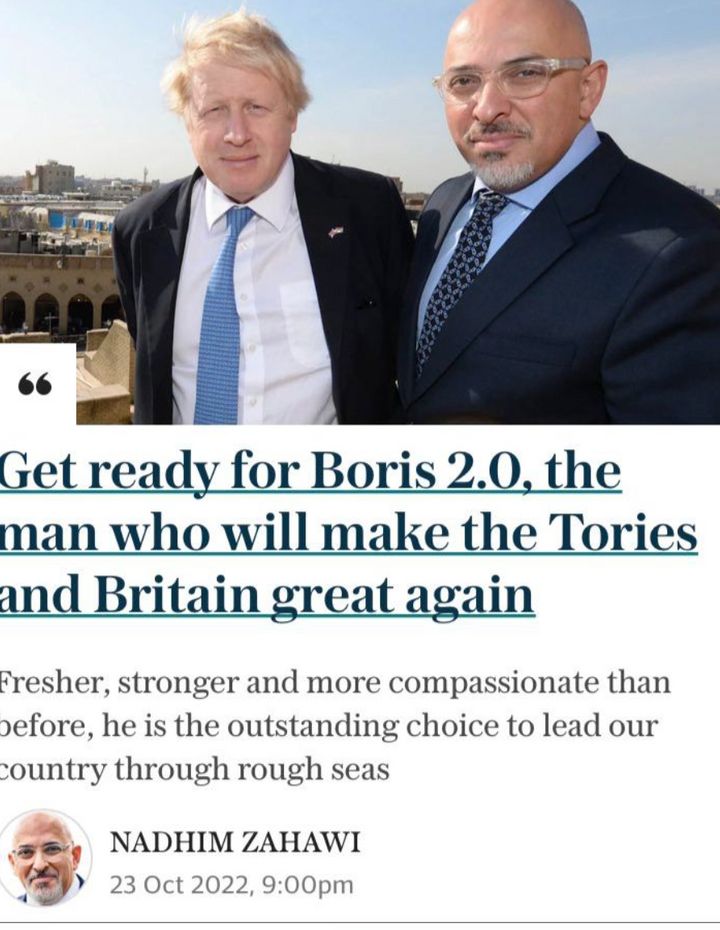
A Tory minister has been mocked for publicly declaring his support for Boris Johnson’s Tory leadership bid and then switching to his arch-rival Rishi Sunak less than half an hour later.

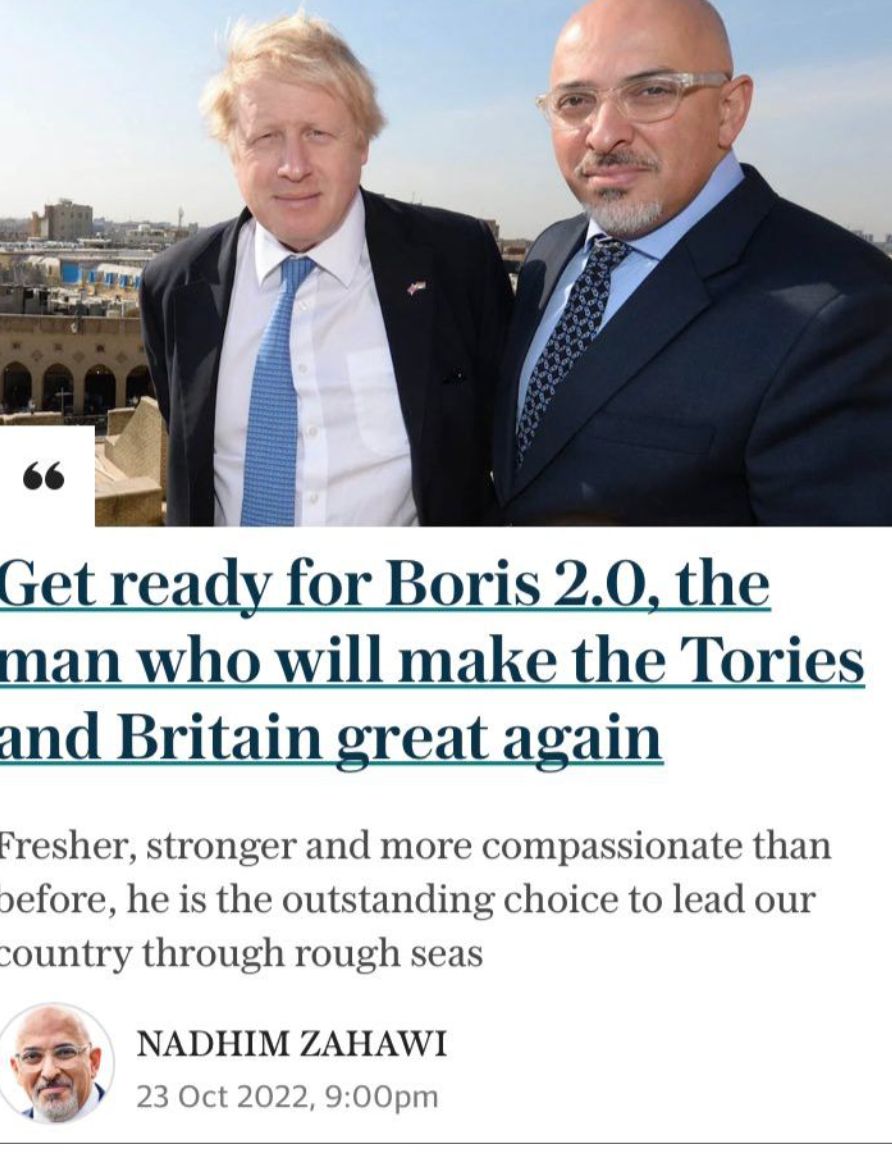
Nadhim Zahawi, the Chancellor of the Duchy of Lancaster, said the UK should “get ready for Boris 2.0” in an article published by the Daily Telegraph at 9pm.

But just two minutes earlier, Johnson had issued a statement saying he had decided to pull out of the race.

Nadhim Zahawi's article backing Boris Johnson was published at 9pm
Nadhim Zahawi’s article backing Boris Johnson was published at 9pm

Daily Telegraph

In a remarkable about-turn, Zahawi – who urged Johnson to resign as prime minister in July – then posted a tweet at 9.29pm announcing that he had switched his support to Sunak.

Unsurprisingly, Zahawi was slammed on Twitter for his latest embarrassing U-turn.

The Tory leadership contest is now a two-horse race between Sunak and Penny Mordaunt.

However, Sunak is the red hot favourite, having already secured more than 120 nominations, compared to Mordaunt’s 24.

The deadline for reaching the 100 MP threshold is 2pm tomorrow.

But a source close to Sunak said: “We are not taking anything for granted. Rishi will be continuing to talk to colleagues tomorrow morning before nomination papers go in, and discussing how best to unite the party and take the country forward.”

A Mordaunt campaign source said: “Penny is still running to be the leader of the Conservative Party.

“Penny is the unifying candidate who is most likely to keep the wings of the Conservative Party together and polling shows that she is the most likely candidate to hold onto the seats the Conservative Party gained in 2019.”

Share Button

Boris Johnson Pulls Out Of Race To Be Prime Minister

Boris Johnson has ruled himself out of running for the Tory leadership, despite claiming he had the support required to do so.

The former prime minister said he had “much to offer” but that now was “simply not the right time”.

Johnson said he was “well placed” to deliver a Tory win at the next general election but suggested it would be hard to govern a disunited party.

“You can’t govern effectively unless you have a united party in parliament,” he said.

He also confirmed that he had appealed to the other two candidates – Rishi Sunak and Penny Mordaunt – but they had not been able to work out a deal.

Johnson pulled out just a few hours after his campaign team told supporters they had secured the 100 nominations needed from MPs to get on the ballot paper.

A number of cabinet ministers, including Jacob Rees-Mogg and Nadhim Zahawi, had backed their former boss.

One reason why the former PM may have decided not to run is that he is facing an inquiry into whether he lied to the Commons over the partygate scandal.

If found guilty by the Commons Privileges Committee, he could face recall proceedings that would leave him battling for his seat in the Commons if he receives a suspension of 10 days or more.

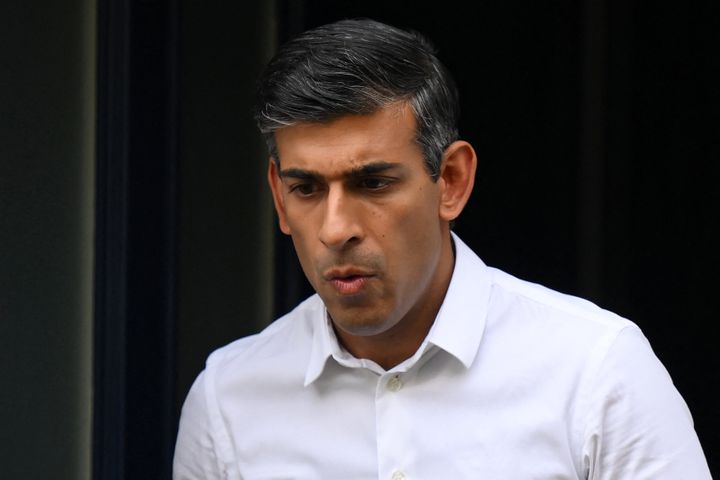
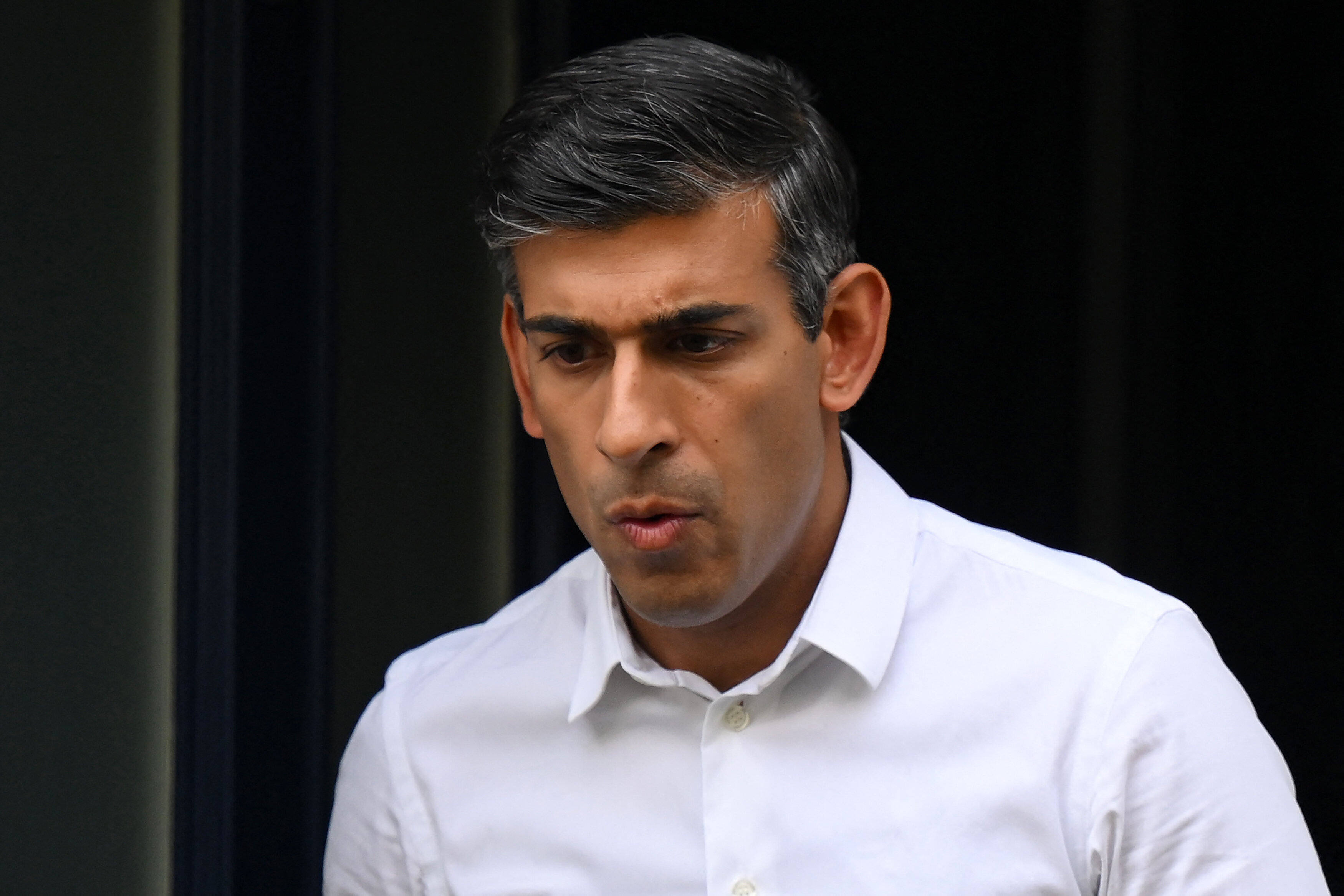
Former Chancellor of the Exchequer Rishi Sunak.

DANIEL LEAL via Getty Images

It now looks increasingly likely that former chancellor Sunak is heading for No.10 and will be Britain’s next prime minister.

In a statement, Johnson said: “In the last few days I have been overwhelmed by the number of people who suggested that I should once again contest the Conservative Party leadership, both among the public and among friends and colleagues in Parliament.

“I have been attracted because I led our party into a massive election victory less than three years ago – and I believe I am therefore uniquely placed to avert a general election now.

“A general election would be a further disastrous distraction just when the government must focus on the economic pressures faced by families across the country.

“I believe I am well placed to deliver a Conservative victory in 2024 – and tonight I can confirm that I have cleared the very high hurdle of 102 nominations, including a proposer and a seconder, and I could put my nomination in tomorrow.

“There is a very good chance that I would be successful in the election with Conservative Party members – and that I could indeed be back in Downing Street on Friday.

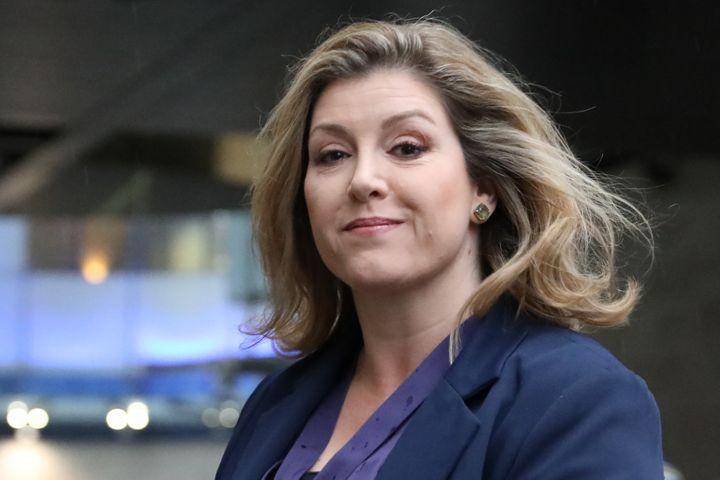
Penny Mordaunt.
Penny Mordaunt.

ISABEL INFANTES via Getty Images

“But in the course of the last days I have sadly come to the conclusion that this would simply not be the right thing to do. You can’t govern effectively unless you have a united party in parliament.

“And though I have reached out to both Rishi and Penny – because I hoped that we could come together in the national interest – we have sadly not been able to work out a way of doing this.

“Therefore I am afraid the best thing is that I do not allow my nomination to go forward and commit my support to whoever succeeds. I believe I have much to offer but I am afraid that this is simply not the right time.”

A source close to Rishi Sunak said: “We are not taking anything for granted. Rishi will be continuing to talk to colleagues tomorrow morning before nomination papers go in, and discussing how best to unite the party and take the country forward.”

A Mordaunt campaign source said: “Penny is still running to be the leader of the Conservative Party.

“Penny is the unifying candidate who is most likely to keep the wings of the Conservative Party together and polling shows that she is the most likely candidate to hold onto the seats the Conservative Party gained in 2019.

“Ed Balls, shadow cabinet ministers and Labour advisers have all said Penny is the candidate Keir Starmer fears the most.”

Share Button

How Likely Is A General Election Now?

As the largest party in the Commons, this leader will also become the prime minister – despite not being elected by the general public, but by Tory MPs and the approximately 160,000 Tory members.

Liz Truss will remain in place until her successor is announced, hopefully by Friday, October 28.

But, as the Tories go through yet another change of hands, many are calling for the vote to go back to the public via a general election, while online petitions for the cause are growing.

But just how likely is it that the electorate can go back to the polling stations early?

When would the next election be, without intervention?

Unless an announcement is made, the next general election is not set to happen for a while. That’s because Boris Johnson called the last snap general election in December 2019 and each term is five years’ long.

This is counted from the day the new parliament first met, so parliament would next be automatically dissolved on Tuesday, December 17, 2024.

Twenty-five days of polling would follow, meaning the last possible date for people to hit the ballot boxes would be Tuesday, January 24, 2025.

Elections are typically held on a Thursday so the public can find out who won on the Friday and a cabinet can be appointed over the weekend, but this is not a fixed rule.

Why do people want another general election?

Having another leader of the Conservative party – and potentially a third person standing leading the Tories in one term – is not a constitutional issue, and has happened before.

A prime minister was replaced twice without a general election being called in the 20th Century. Winston Churchill became prime minister after two other PMs resigned – there was no general election for him until 1945, due to the Second World War.

A similar situation occurred between 1900 and 1906.

Gordon Brown also did not call an early election when he took over from Labour PM Tony Blair in 2007, waiting until 2010 to call the public to vote. Theresa May entered Downing Street in 2016, but didn’t call an election until the following year and Johnson waited around six months before he dissolved parliament.

This is because each one of them wanted to shore up their mandate from the public, but were keen to establish themselves in office first.

But now, the leading party have been in power for 12 years and, with another leader entering No.10, many of the public feel disenfranchised.

How do you call a general election?

A prime minister usually has to call an early election.

While the power was handed to the House of Commons between 2011 and 2019, the Tories gave it back to the PM with a new law called the Dissolution and Calling of Parliament Act 2022.

The prime minister would have to make a “request” to the King to dissolve parliament (and as a constitutional monarch, the King could not reject it) and a polling day would be organised for 25 working days later.

All MPs lose their status once parliament is closed and have to campaign for re-election.

Labour cannot force a general election.

As the main party of the opposition, it can call a no-confidence vote against the government. But, some members of the Conservatives – as the majority party – would then have to vote against their own government, so it’s pretty unlikely to actually happen. The Tories currently have a majority of 71 seats, and probably wouldn’t want to lose it.

The King could technically invite somebody else to form a government, someone who would win a vote of confidence in the Commons. However, that hasn’t happened since King George V asked Ramsay MacDonald to create a government in January 1924, after Stanley Baldwin lost a vote in January 1924.

Who wants an early election?

Many on the opposition benches want to call a general election early, especially as an Opinium poll found voters have swung in the Labour Party’s favour, with a 39-point lead – adding up to a whopping 411 seats.

The Conservatives have dropped to a historic low in the opinion polls with Truss’s favourability dropping to -70 among the public according to YouGov.

The same data company also found that 63% of respondents want an early general election.

Labour leader Sir Keir Starmer said shortly after the resignation of Truss that his party have a manifesto ready “whenever an election is called”.

He said: “This is not just a soap opera at the top of the Tory party – it’s doing huge damage to the reputation of our country.

“We need a general election so the public can have their say on this utter chaos.

“There’s a manifesto that is going to be ready whenever an election is called,”

Lib Dem leader Sir Ed Davey spoke to BBC Breakfast on Friday and said the Conservatives have shown “they’re unfit to govern”, and that “we need to get rid of them”.

“I think the Conservative MPs now need to do their patriotic duty and work with the opposition parties to get that general election so that British people can have their say,” he continued.

SNP leader and Scotland’s First Minister Nicola Sturgeon has also said it was a “democratic imperative” for the next PM to call a general election.

Welsh party, Plaid Cymru, and the Green Party have called for an immediate general election too.

According to YouGov, just 19% of voters would back the Conservatives if a general election was held right now.

Share Button

Could Boris Johnson Be About To Become Prime Minister For A Second Time?

Boris Johnson is planning to throw his hat into the ring to succeed Liz Truss as prime minister – just six weeks after he quit 10 Downing Street.

The former PM – who was forced to quit after a wave of resignations sparked by the Chris Pincher scandal – is taking soundings from his supporters before making a final decision.

When he resigned, he described being PM as “the best job in the world”.

He is currently in the Caribbean on holiday, but is preparing to cut it short to fly back to London before making a final decision.

But critics pointed out that he still faces a privileges committee investigation into whether he misled parliament over the partygate scandal, which could potentially see him thrown out of parliament.

Truss resigned earlier today and announced that her successor would be chosen within a week.

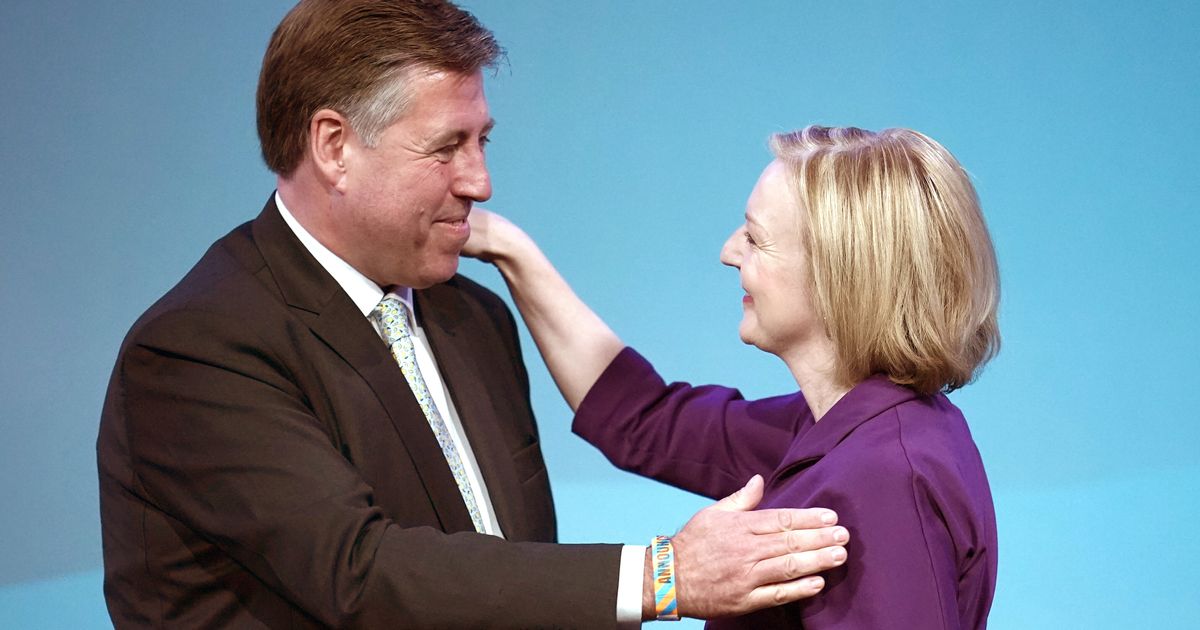
Sir Graham Brady, chairman of the 1922 Committee of Tory backbenchers, has hinted that an online ballot will take place, meaning party members will be given a say on the new PM.

That increases Johnson’s chances, given he is still popular with Conservative activists who remain angry at the way he was ousted by MPs in July.

Bookmakers have already slashed their odds on him being re-elected prime minister, making him second favourite behind Rishi Sunak, the man whose resignation as chancellor helped to bring him down.

Commons leader Penny Mordaunt – who lost out to Truss in the last leadership contest – has already confirmed that she will stand again, while other possible contenders include Kemi Badenoch, Ben Wallace and Suella Braverman.

Several Tory MPs have already given their support to Johnson coming back, including loyalists Nadine Dorries, Michael Fabricant and Andrea Jenkyns.

But health minister Robert Jenrick, who served in Johnson’s cabinet between 2019 and 2021, told the News Agents podcast: “The Boris that I supported when he stood in 2019 was one of the greatest campaigners in modern political history, somebody who was able to galvanise people to win that incredible general election, defeat Jeremy Corbyn, get Brexit done.

“So, there was definitely a case for Boris, and I think I was right to support him in 2019. You could argue that the Conservative Party is in such a difficult place, that his formidable campaigning skills are required once again.

“On the other hand, his premiership came to an end for a reason, which is that there were serious questions about competence, credibility, and ethics and does the Conservative Party want to go back to that?.”

And Tory MP John Baron said: “I believe – rightly or wrongly – he misled parliament on a number of occasions. We have to look forward not back.”

A Labour source told HuffPost UK: “The Tories all droning on about how they need a sensible, serious person to manage the party and deliver stability, then that honking pudding turns up with his travelling circus. Delicious.”

Lib Dem deputy leader Daisy Cooper called on the Tories to block Johnson’s possible return.

She said: “The fact that Conservative MPs are even considering putting Boris Johnson back in Number 10 shows how out of touch they really are. They think there’s one rule for them and another for everyone else.

“Boris Johnson was forced to resign in disgrace after countless lies, scandals and failures. He shattered public trust in the government and plunged the UK into a political crisis. He must never be allowed near Downing Street again.”

Share Button

How Will The Tory Leadership Race To Replace Liz Truss Work?

Westminster collapsed into chaos on Thursday as Liz Truss announced she was resigning as Tory leader.

Truss lasted just 44 days in office, making her the shortest serving prime minister in history.

The government’s death spiral means there must be another leadership contest to select the next Tory party leader and prime minister.

Just minutes after her resignation, chairman of the backbench 1922 Committee Sir Graham Brady announced the party would hold a contest to replace her within a week.

It follows complaints that the two-month contest to replace Boris Johnson over the summer paralysed government for too long.

Truss’s replacement will become their third leader in just two months. Brady held two brief press conferences on Thursday to explain how they would elect the next PM.

How It Will Work

Brady said the process should be concluded by Friday, October 28.

The hope is that a new prime minister would be in place in time for an important financial statement on October 31.

That crucial statement – on the following Monday – is intended to reassure the City that the government has a plan to repair the nation’s finances.

Truss will remain acting leader of the party until a successor is appointed.

Candidates to replace her will need at least 100 nominations from Conservative MPs – a considerably higher threshold than the start of the last election.

Nominations open Thursday night and will close at 2pm on Monday, October 24. There will be an indicative vote of MPs once there are two candidates.

The first ballot of MPs will then be held between 3.30pm and 5.30pm on Monday 24.

If there are three candidates, the candidate with the fewest number of votes will be eliminated.

The result will be announced at 6pm. If a second indicative vote is needed, this will be held between 6.30pm and 8.30pm on Monday. The result will be announced at 9pm.

Once the parliamentary process is completed, Conservative Campaign Headquarters will begin balloting the party membership – as long as two candidates remain.

The ballot of members will be conducted via secure online voting that will close at 11am on Friday 28 – the result will be announced later that day.

Only qualifying members, who have been a member for at least three months, can vote.

Brady told reporters that hustings for MPs would be held behind closed doors on Monday.

He said: “We’ve fixed a high threshold, but one that can be achievable by any serious candidate.

“We have no knowledge of who those candidates will be at the moment.”

Behind the scenes, Tory MPs have already started the horse trading ahead of the election.

For a run-through of who might throw their hat in the ring, follow our list of runners and riders.

Share Button

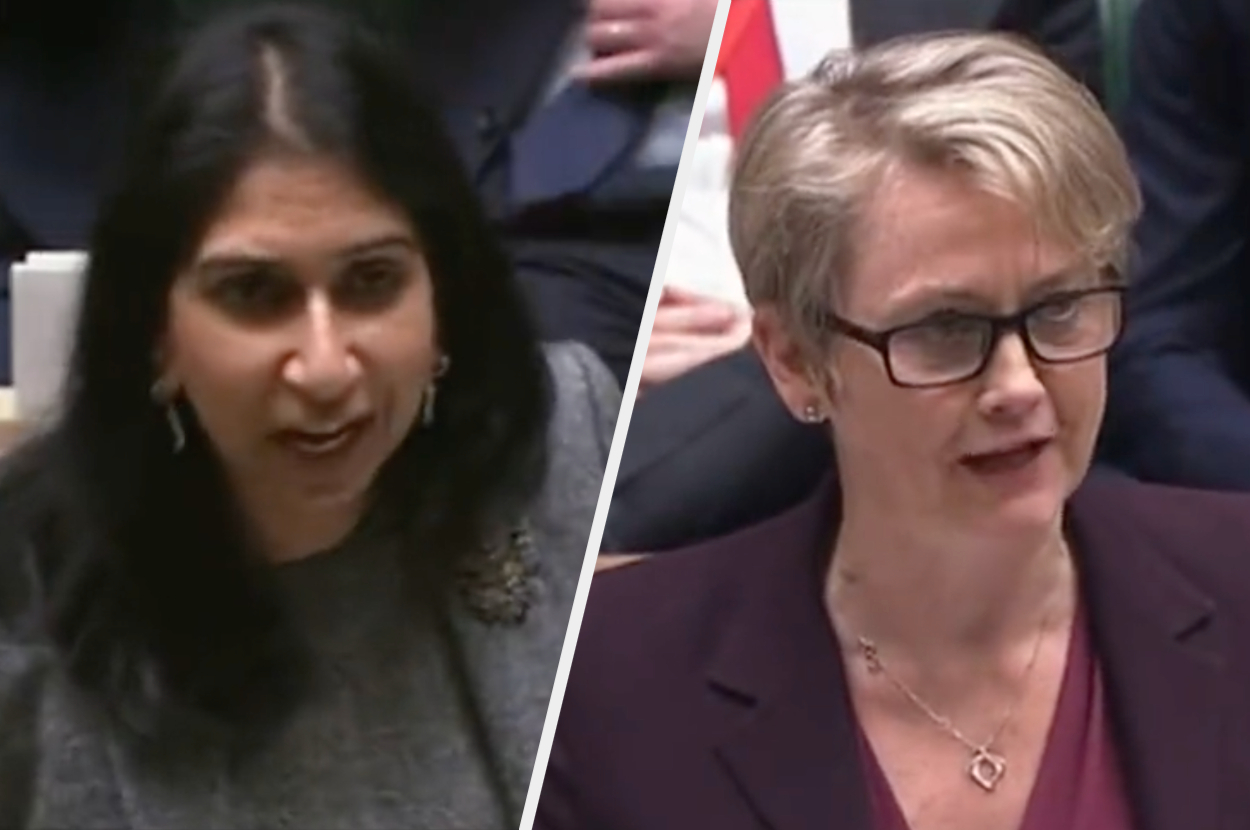
Yvette Cooper Has The Perfect Response To Suella Braverman’s ‘Tofu-Eating Wokerati’ Rant

Suella Braverman has faced ridicule from her opposite number after the home secretary sounded off about a “tofu-eating wokerati” and a “coalition of chaos”.

The cabinet minister renewed her attacks on opponents of the Tory party – a habit that has made her a darling of the right – during a Commons debate on the Public Order Bill.

It includes a new offence of obstructing major transport networks, interfering with key national infrastructure – such as railways, roads and printing presses – and new powers for police to stop and search people to seize items intended for so-called locking-on.

Lock-on tactics have been repeatedly employed by groups such as Insulate Britain and Just Stop Oil, and include protesters gluing or otherwise attaching themselves to roads or other areas to cause disruption.

Braverman went on the offensive in light of the Just Stop Oil protest that has seen the Dartford Crossing – the only way to cross the Thames east of London by road – blocked for the second day in a row.

She accused opposition parties of being a “coalition of chaos”, adding: “It’s the Guardian-reading, tofu-eating wokerati, dare I say, the anti-growth coalition that we have to thank for the disruption that we are seeing on our roads today.”

But Labour’s shadow home secretary Yvette Cooper branded Braverman’s words “astonishing”, adding: “The home secretary actually talked about a coalition of chaos, we can see it in front of us as we speak.”

She continued that she understood government “concerns”.

Cooper said: “When they face issues when they’ve got a selfish minority wreaking havoc, you’ve got someone resisting all attempts to remove them, causing serious disruption, disorder, chaos, with serious consequences for the public, for business, for politics and for financial markets.

“But they’ve glued themselves under the desk. With honourable members opposite, we wish them luck with their attempts to extricate another failing Tory prime minister from Number 10.

“But I suggest it isn’t a reason to change the law for everyone else.”

Cooper was of course referring to Liz Truss and the turmoil caused by her mini-budget, which crashed the financial markets and saw the pound fall to an all-time low.

The backlash led to two major u-turns by chancellor Kwasi Kwarteng, before he was eventually sacked and replaced by Jeremy Hunt, who has since torched the low-tax, free-markeeter economic plan Truss staked her leadership bid on.

Truss now faces continued humiliation as a growing number of her MPs want the PM to quit, with one even comparing her premiership to a dumpster fire. She has vowed to fight on.

Share Button

Women’s Rights Campaigners Celebrate As MPs Back Abortion Clinic Buffer Zones

Campaigners have hailed a move that could see anti-harassment buffer zones created around abortion clinics in England and Wales.

MPs voted in favour of an amendment to the government’s Public Order Bill that would make it a criminal offence for anti-abortion campaigners to interfere, intimidate or harass women who are seeking a termination or providing the medical service.

The proposals, which were pushed by a cross-party group of MPs, passed by 297 votes to 110 — a majority of 187.

In a lengthy parliamentary debate, a number of MPs spoke in support of the 150-metre buffer zones while other raised concerns that they would hinder the right to free speech.

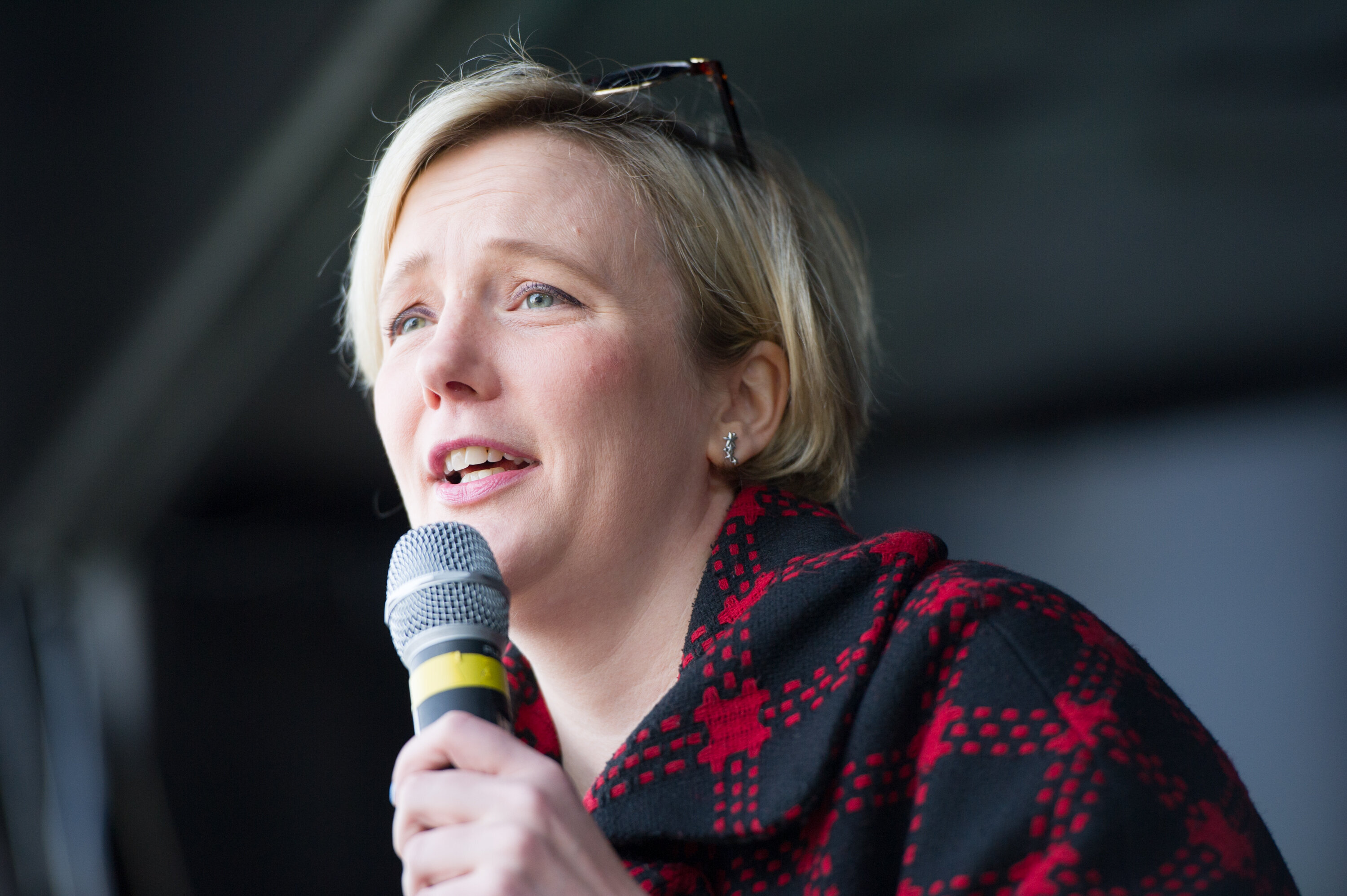
Labour MP Stella Creasy, who proposed the amendment, said women “in their “droves are asking for this protection” and that there needed to be an end to the “postcode lottery of protection”.

Addressing MPs who opposed the amendment on free speech grounds, Creasy said: “New clause 11 does not stop free speech on abortion, it does not stop people protesting.

“As somebody who has been regularly subjected to protests, it’d do nothing to stop the protests that I have experienced from many of the people who are involved in this.

“It simply says that you shouldn’t have a right to do that in the face of somebody — and very often these people are right up in front of people — at a point when they have made a decision.”

Caroline Nokes, the Conservative chair of the women and equalities committee, also backed the proposals, arguing that “progress has been too slow” in protecting women from street harassment.

She was supported by former justice minister Victoria Atkins, who said she agreed with the amendment.

“These are fundamental healthcare services that we provide rightly, lawfully, in the 21st century. So we must surely enable women to get the services as they need them, when they need them, so that they get the right help and advice that they need.”

The debate comes after warnings from campaigners that women are being targeted by anti-abortion protestors and bombarded with distressing leaflets and materials.

The Royal College of Obstetricians and Gynaecologists, which welcomed the amendment’s passing, said there had been reports of leaflets being handed to women telling them that “rape is easier to get over than abortion”.

It also raised concerns that leaflets advertising so-called abortion reversal pills had been given to women despite the fact that there is “no reputable evidence” that the progesterone in the pills can “reverse” an abortion.

But Conservative MP Fiona Bruce said she believed exclusion zones had “grave implications” for “freedom of thought, conscience, speech, belief and assembly”.

She acknowledged harassment and intimidation around abortion clinics had to be “addressed”, but said there were already existing laws and “there have been relatively few if any reports of this”.

The DUP’s Carla Lockhart agreed, arguing that the amendment was “simply unnecessary” and that demonstrators offered women “alternatives” to abortion.

The Public Order Bill still has to undergo scrutiny in the House of Lords before it becomes law.

Speaking after the amendment passed, Creasy said: “Today’s vote is a victory for campaigners like Sister Supporter, women and MPs across parliament, especially Rupa Huq MP, who have fought for years for these vital protections.

“With evidence hundreds of thousands of women every year are hassled it’s right we have a national solution for a national problem.

“It’s for them we have acted so that they can access an abortion without having to run the gauntlet of protestors to seek healthcare.

“Ministers need to act swiftly to ensure that this change is implemented and guidance published to ensure that every woman is able to enjoy the protections which have been won today.”

Last week it was reported that a buffer zone was being placed around a clinic in Dorset to deter anti-abortion campaigners harassing service users and staff.

Breaching the buffer zone could result in a fixed penalty notice of £100 or a conviction at a magistrates court, the Guardian reported.

Share Button

Defiant Liz Truss Says She’ll Lead Tories Into Next Election

Liz Truss has vowed the to lead the Tories into the next general election as she apologised for her “mistakes”.

The prime minister is battling to save her premiership after torching her economic agenda by the dismantling of her former chancellor’s landmark mini-budget.

In an interview with the BBC after new chancellor Jeremy Hunt scaled back the energy support package and ditched “almost all” the tax cuts announced by his predecessor, Truss said she wanted to “accept responsibility and say sorry for the mistakes that have been made”.

“I wanted to act… to help people with their energy bills to deal with the issue of high taxes, but we went too far and too fast. I’ve acknowledged that,” she said.

She said she is “sticking around” because she was “elected to deliver for this country”, adding: “I will lead the Conservatives into the next general election.”

The pressure on the prime minister gained traction on Monday evening with Tories now openly calling for her to go after just six weeks in power.

Asked whether she would lead the Conservatives into the next general election, Truss replied: “I will lead the Conservatives into the next general election.”

When pressed, she added: “Well look, yeah, (laughs) I’m not focused on internal debates within the Conservative Party.

“The important thing is that I’ve been elected to this position to deliver for the country. We are facing very tough times.

“We simply cannot afford to spend our time talking about the Conservative Party, rather than what we need to deliver. That is my message to my colleagues.”

In the interview, she also said: “I do want to accept responsibility and say sorry for the mistakes that have been made. I wanted to act, to help people with their energy bills, to deal with the issue of high taxes, but we went too far and too fast.

“I have acknowledged that. I have put in place a new chancellor with a new strategy to restore economic stability. Now what I am focused on is delivering for the public.”

She added: “I am somebody who is honest, I’ve said that mistakes were made. I’ve also acted to address that, to make sure the country is in a strong position. And that’s what I will continue to do as prime minister.”

Truss is fighting to save her premiership after Hunt warned that “eye-wateringly difficult” decisions were needed as he tore up her economic strategy.

Hunt scaled back the energy support package and ditched “almost all” the tax cuts announced by his predecessor Kwasi Kwarteng less than a month ago, as he tried to restore economic stability after weeks of turmoil on the financial markets.

Truss became prime minister after winning the Tory leadership contest on the back of promises to dramatically cut tax, and the wholesale abandonment of the policies has left her fighting for her job after just six weeks.

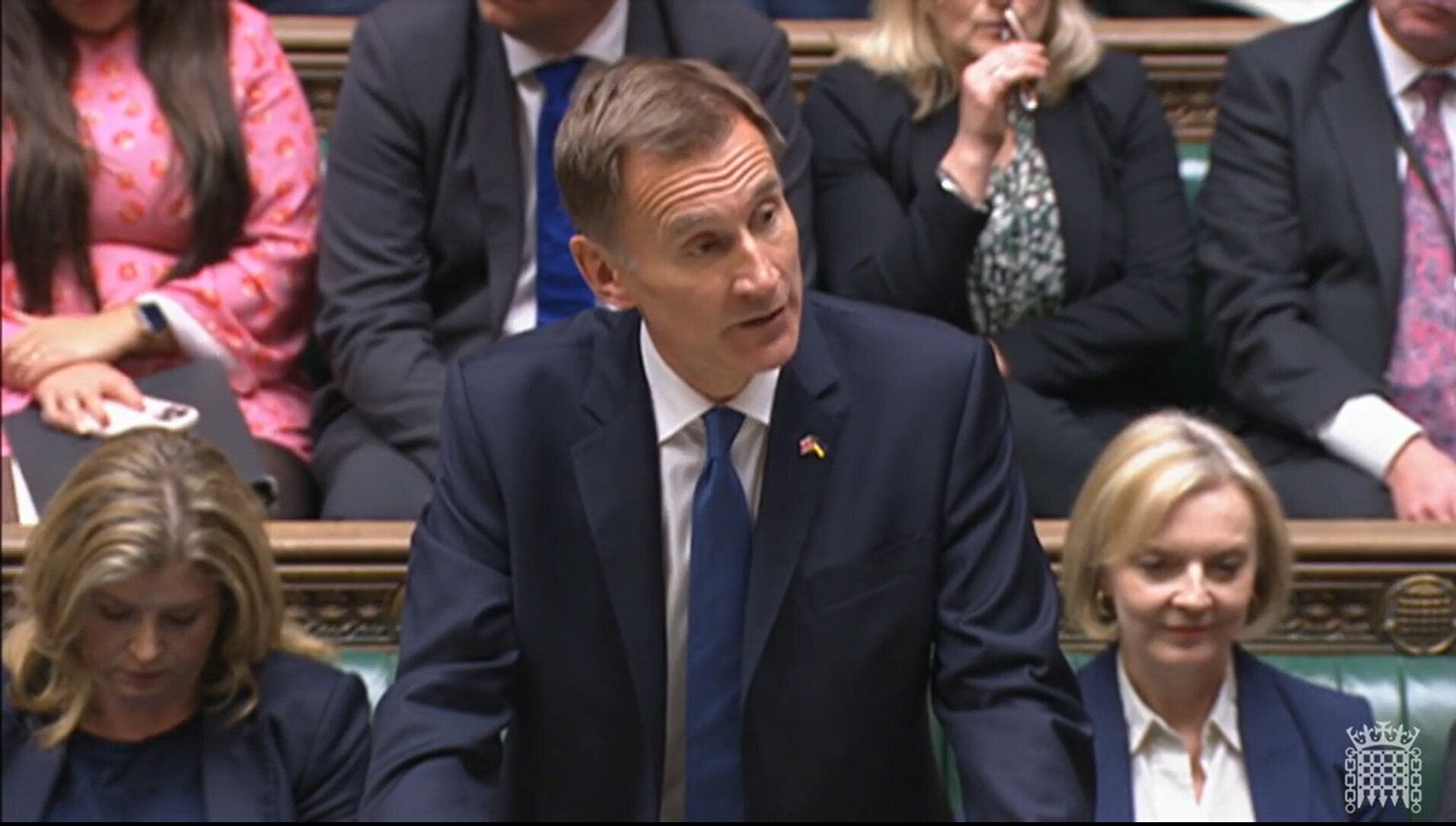
She sat next to her new chancellor in the Commons, staring straight ahead as he ditched huge chunks of her plan.

After around 30 minutes, she walked out without having said a word.

Share Button

Liz Truss Stares Into Middle Distance During Bizarre Commons Appearance

Liz Truss made a fleeting, impassive appearance in the House of Commons as her premiership appeared to crumble around her.

The prime minister had snubbed Labour’s urgent parliamentary question on Truss’s decision to to appoint Jeremy Hunt as the new chancellor – and sent Penny Mordaunt, the Commons speaker, to deputise.

But the move raised more questions about the grip Truss has of her party.

Mordaunt’s initial explanation that the PM was “detained on urgent business” prompted howls of laughter from the Opposition benches, and failed to reassure MPs.

Stella Creasy, a Labour MP, suggested that based on what they had been told, the prime minister is “cowering under her desk and asking for it all to go away”.

Mordaunt, a one-time leadership rival who is viewed as a potential successor, caused more laughter when she replied: “Well, the prime minister is not under a desk.”

Mordaunt added to the confusion by repeatedly suggesting there was “a very good reason” for the prime minister’s no-show – which even led one MP to ask if she was “on the way to the Palace” to tell the King her government is over.

But then Truss finally arrived while Mordaunt was still speaking.

She was there, it turned out, to sit alongside her new chancellor as Hunt was due to spell out the “eye-wateringly difficult” decisions that were needed as he tore up her economic strategy.

But things got even stranger from there. Truss did not contribute to the debate, and many on social media pointed out she appeared only to be staring into the middle distance and blinking frequently.

She sat next to Hunt for around 30 minutes as he ditched huge chunks of “Trussonomics”.

But as soon as Hunt finished his Commons address and took questions from MPs, Truss departed to accusations of “running off to something else”.

So where was she?

One report suggested Truss had been meeting Graham Brady, the chairman of the 1922 Committee of backbench Tory MPs, who could hold the key to her future if Conservatives revolt en masse.

Share Button