I’ve Survived A Bed Bug Infestation. Here’s What You Actually Need To Know

Few things in life make me want to rip my skin off — bed bugs, however, could incite me to peel myself like a tangerine.

Lately, my skin has been itching. With so many stories about bed bugs in Paris, the idea of an overrun London has rendered me tacky-tongued and breaking out into cold sweats. Not to mention googling with ferocity how to ward off the invasion of tiny bloodsuckers.

I’ve become obsessed. Smelling phatom smells and peeling back corners of carpets just to “make sure” that it’s all good. That we’re safe. Why? Because I’ve lived through this before.

Living alone is supposed to be fun — empowering, even. Here I was, 24 and doing it all by myself. Except I wasn’t as alone as I thought I was.

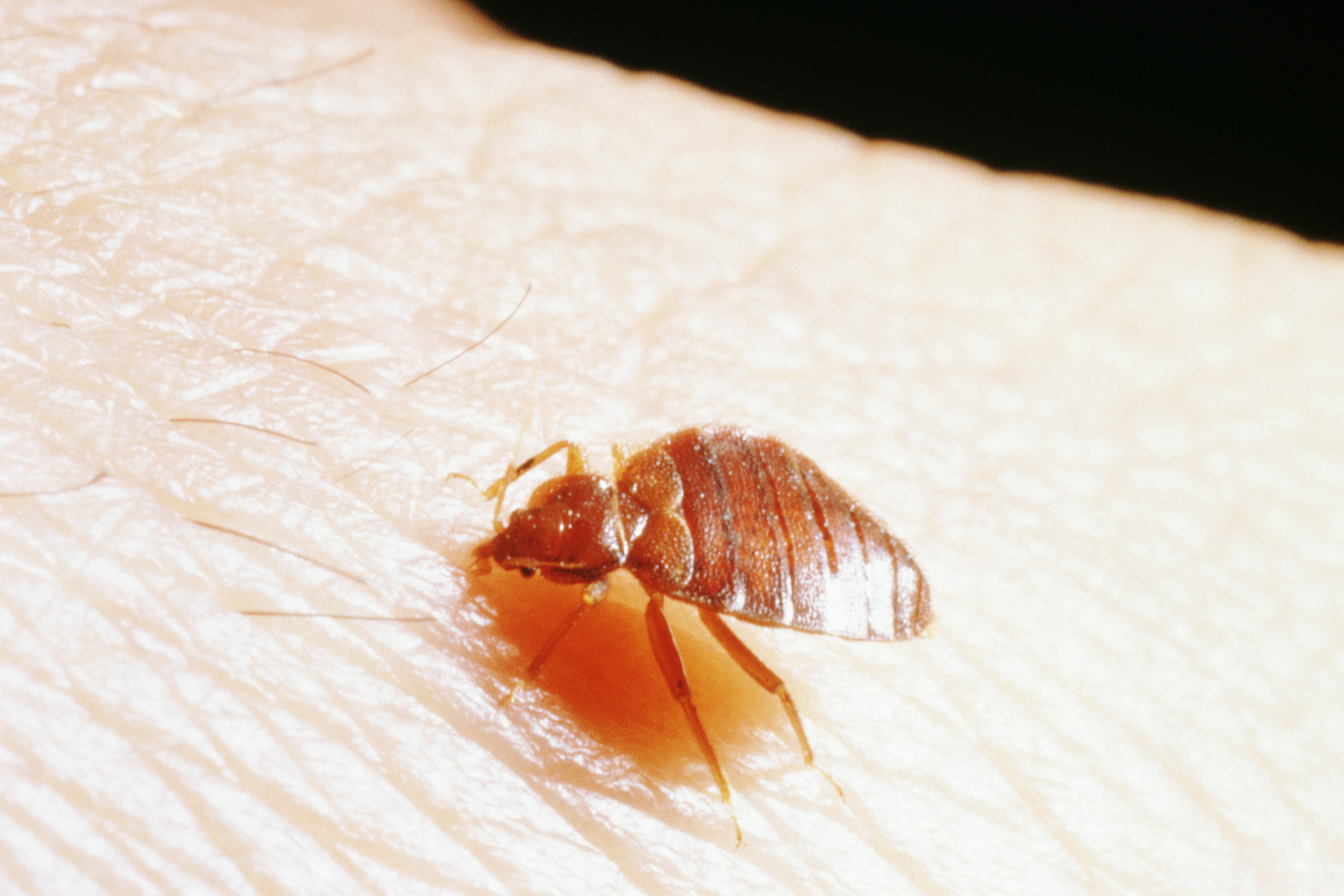
Dormant inside the cavity walls, thousands of bed bugs lay in wait. The cold winter and the vacant flat had meant they’d retreated into hibernation, only to ambush when the heating — and the smell of breakfast, lunch and tea (i.e. me) sat her sorry self down on the carpet.

I didn’t notice anything for the first week. My furniture was organised, clothes put away and for a brief moment in time, I was at peace. Reaching this milestone was a huge accomplishment. As a working-class girl from North Wales, I never thought I’d be in a position to afford living alone.

My run of good fortune had finally ended, though. And, a week later I was struck with glandular fever. Lying in bed, unable to move my skin began to itch as small welts appeared up and down my legs and arms.

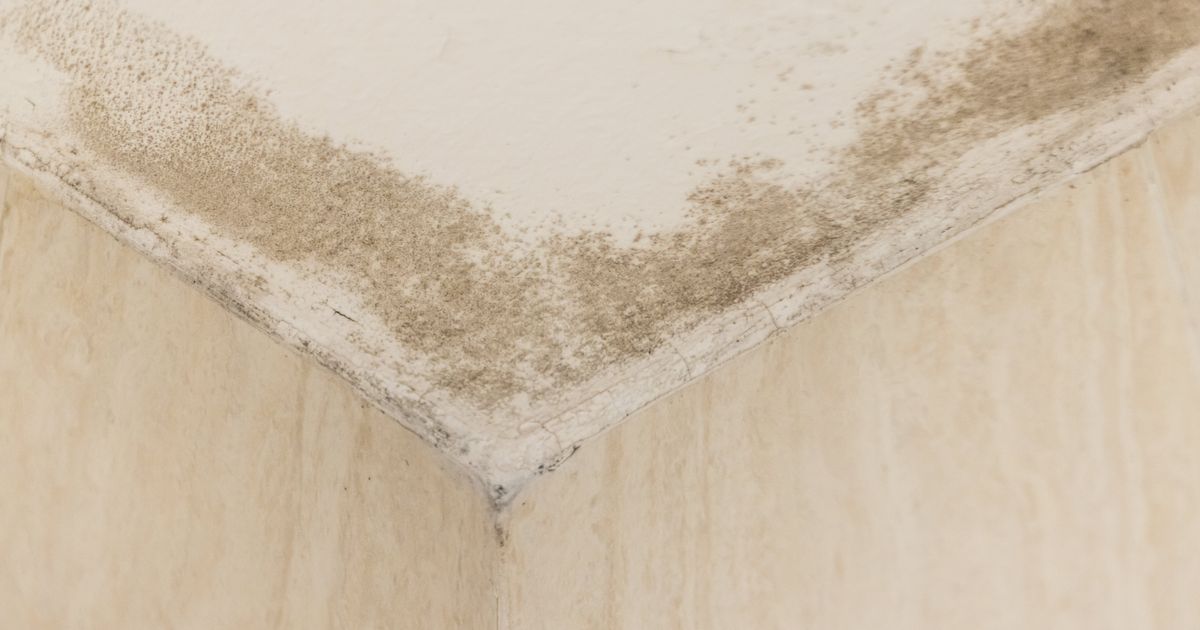

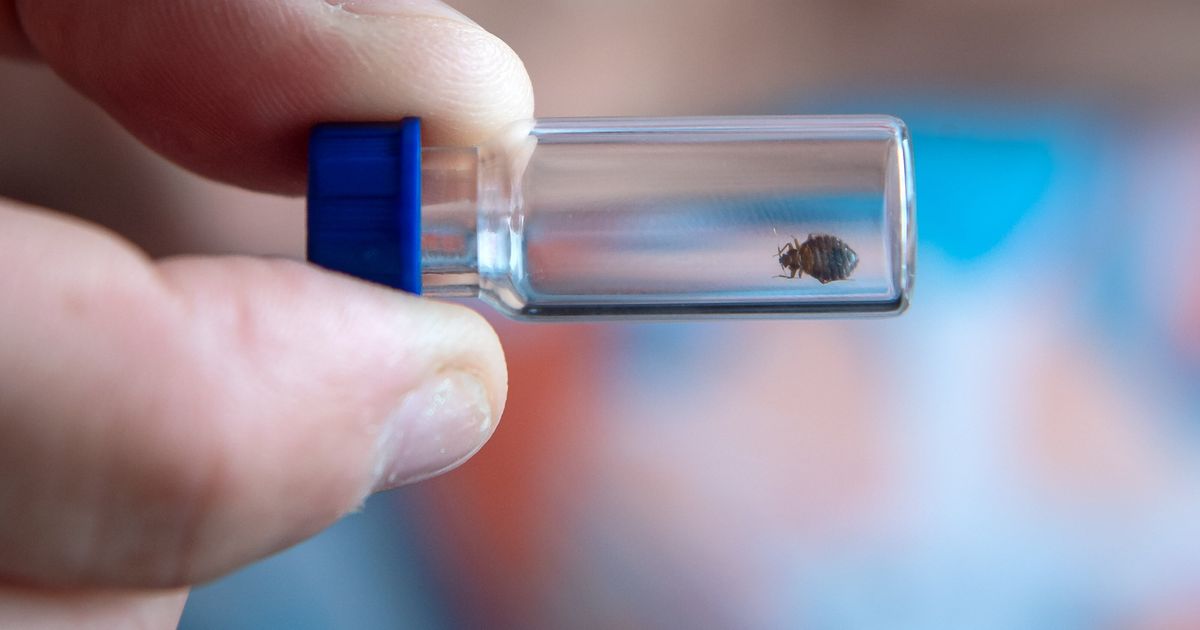
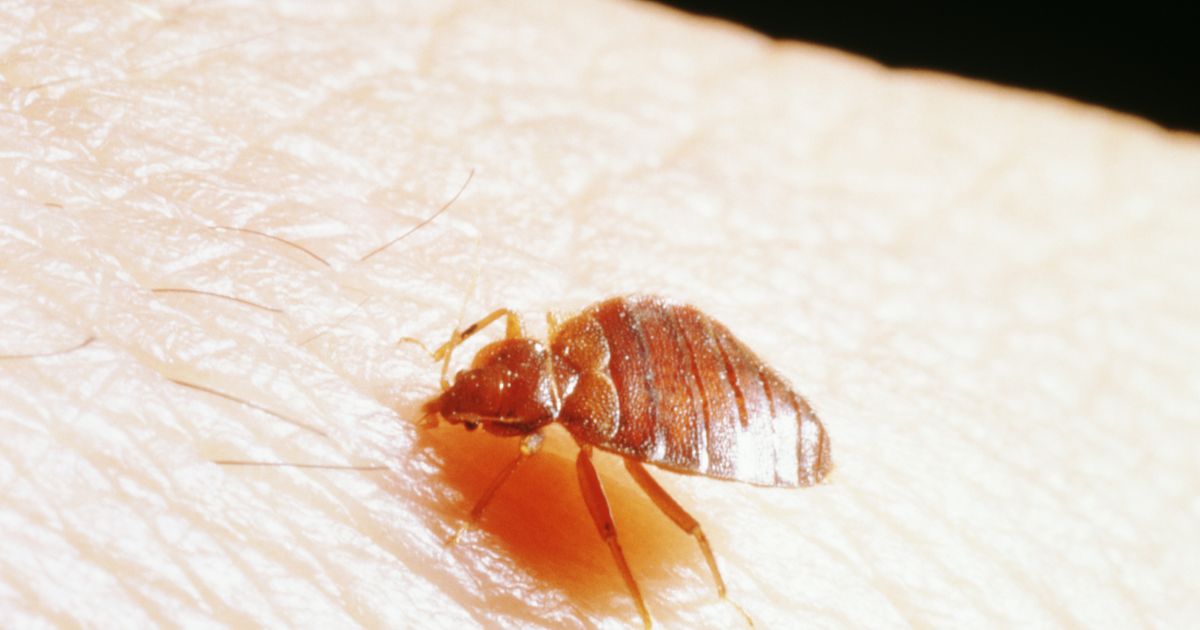
Black dots appeared around plug sockets and in the corners of my room. Mould, I thought. Then, to my horror, a small reddish thing scuttled across the carpet.

My heart dropped and my stomach hit the floor. I googled “bed bugs” and I sank further into my bed. My flat was infested and I was bedbound.

The realisation that night by night I would be the subject of torture by many tiny mouths made me sob uncontrollably as I watched black dots, their faecal matter, leave traces along my furniture, my bedding and my walls.

My legs slowly became red raw from scratching, but mentally the load was more painful.

Shame crept into my thoughts and set there like a millstone around my neck. What would people think of me if I told them? Would my landlord blame me? How could I ever escape from this fresh hell?

A week passed, slowly. I was feeling somewhat better, though still incredibly unwell. I was able to shower and get dressed, which meant tending to the scabs across my scarred body. I ordered packages upon packages of bed bug spray, traps and natural remedies like tea tree and lavender oils.

On the phone, I begged and pleaded with my landlord to find me alternative accommodation while the infestation was seen to. But, as a young woman, they intimidated me. Threatening me with eviction and fines until I could prove I hadn’t brought them in with my own furniture.

After making threats of my own to bring on legal proceedings, they soon moved me to a budget hotel where I could finally sleep in peace. In the meantime, exterminators lay more boobie traps throughout the flat.

When my stay came to an end, I was advised to take on the role of “bait” in order to weasel the critters out of the walls and into the traps. Reluctantly, I returned.

With nobody able to visit me, I became more and more isolated. My mental health deteriorated as I began to feel too nauseous to eat and too anxious to go to bed. I was signed off from work on extended sick leave long after my glandular fever passed. My money drained and I sank further and further into my overdraft. With only statutory sick pay to support me, I became more and more depressed at the situation I had found myself in.

I didn’t sleep for weeks. To the legs of my bed, I taped double-sided sticky tape — only for them to crawl up the walls and drop from the ceiling onto my duvet. I taped up plug sockets and watched them pile onto one another, as they got more and more stuck. Beneath the cills, the sellotape caught almost transparent juveniles. It was becoming a peepshow of horror. And I was still getting bitten.

It didn’t matter how many times I cried on the phone, literally begging my estate agents to release me from my contract. The answer was always no. Until I sent them photos of infected sores on my legs and threatened legal action against them.

After four months, I was free. What followed, though, was just as difficult as the infestation itself. My furniture, bedding and my most beloved belongings, my books, were incinerated. What I was able to salvage, filled me with dread. What if they were still there? What if I brought them with me?

For months afterwards, I would crawl the carpet picking apart every fibre in search of signs they’d hitched a ride. Every speck of dust was obsessively inspected and cleaned. Over time, my scars began to fade and I was able to find some semblance of normal.

A month passed in my new flat, and not one new bite. The relief washed over me and my health improved. I slept better. I was able to leave a sock on the floor. My bed no longer had double-sided sticky tape wrapped around its legs. I was free.

Even now, when I visit anywhere, the legacy of that trauma surfaces. I check the walls and peek behind wallpaper in hotels. So far, so good. Until recently.

The threat of bedbugs coming back into my life has meant old habits have resurfaced. I think about them constantly and check every inch of my house for signs of vampiric life. If they make their way to my home, I’ll be left with no option but to burn the place to the ground.


Share Button

The 1 Thing To Fight Bed Bugs Is Probably Already In Your Pantry

Oh 2023, the year that just keeps givinhg! As if we didn’t have dramatic climate change events and the cost of living crisis to battle with, we now have the fear of, uh, bed bugs. Love this for all of us.

In case you missed it, there’s been a huge breakout of bed bugs in Paris and while TFL has urged people to stay optimistic, there are still fears that bed bugs could enter the UK and cause chaos here, too.

While it may seem alarmist to worry about bed bugs making their way over to us, we have our own bed bugs problem here already. Back in August it was reported that there has been a 65% year-on-year increase in bedbug infestations in the UK

Additionally, they are incredibly difficult to get rid of and over the past couple of weeks, X has been filled with stories about how much having bed bugs can impact your life and mental health.

Home remedies for bed bugs

Of course, if you have a bed bug infestation, it’s best to call in the experts but if you can’t afford to or if there’s a waiting time to get them into your home, some home remedies could be exactly what you need to keep these pests at bay.

According to the experts at Nectar Sleep, these are some of the best solutions for a bed bugs infestation:

If bed bugs seem to making themselves at home on your bedding, clothes, blankets etc, giving them a wash on the highest setting that they can withstand in order to kill the critters. Nectar Sleep add, “Heat treatment is an effective method for getting rid of these pesky creatures because they get dehydrated due to the intense heat.”

Baking soda

Apparently, if you sprinkle a light later of baking soda on the areas where you think bed bugs are nestling, you can effectively “dry them out” by soaking up their moisture which kills them. It’s advised that the baking soda is left for a week before being vacuumed up. Keep doing this until there are no bugs or eggs left.

Speaking of vacuuming, you’re about to do more than you’ve ever done before. Nectar Sleep recommend that you vacuum your bedding, furniture, and any cracks in your bed frame, walls, and wallpaper. You might feel a bit weird doing it but it’s an effective solution.

The experts add that using a brush to loosen up bugs and eggs that you see on our mattress and upholstered furniture is useful in the vacuuming process, too.

Once you’re done, ensure that you seal the contents of your vacuum into a bag before binning it and clean your vacuum every single time, too.

Tea tree oil

Finally, if you only have a mild infestation on your hands, diluting 20 drops of tea tree oil in a spray bottle of water and spraying onto all affected surfaces can help to eliminate the bugs though washing these fabrics is still the most important step!

How to avoid bed bugs

The pest experts at Rentokil suggest that for anybody trying to avoid letting these restless critters in their house, the following steps are taken:

  • Wash and dry clothes at the highest possible temperatures
  • Eliminate clutter so that they have less places to hide
  • Don’t take clothes, suitcases or furniture to your loved one’s homes to avoid spreading or getting bed bugs
  • Tidy all areas of your bedroom, especially the floor around and under your bed and bedside cabinets
  • Vacuum often

Brb, I’m off to vacuum every single inch of my house,.

Share Button

Let’s Settle This Once And For All, How Often Should You Wash?

Celebrities have been sharing some dirty secrets – about their own hygiene habits.

It all started when Ashton Kutcher and Mila Kunis confessed that they don’t bathe daily. The pair told the Armchair Expert podcast that other than washing important parts of their bodies, they don’t shower every day, and this approach is something they’ve extended to their children.

Kunis told host Dax Shepard: “I don’t wash my body with soap every day. I wash pits and t*** and holes and soles… When I had children, I also didn’t wash them every day. I wasn’t the parent that bathed my newborns – ever.”

Kutcher agreed by saying: “If you can see the dirt on them, clean them. Otherwise, there’s no point.”

Other celebs soon joined the debate, with Jake Gyllenhaal admitting: “More and more I find bathing to be less necessary.” But we all breathed a sigh of relief, when Dwayne “The Rock” Johnson reassured us showering is still cool, telling fans: “I’m the opposite of a ‘not washing themselves’ celeb.”

Their antics have sparked an online debate about hygiene and whether we should be taking a shower every single day. Considering the past year has focused on staying clean and trying not to get Covid-19, we asked a leading expert how much washing is enough.

Professor Sally Bloomfield from the London School of Hygiene and Tropical Medicine actually agrees with Kunis and Kutcher. “I think it’s important that we don’t wash every single day,” she tells HuffPost UK.

“The skin is our barrier and it’s evolved and developed to have properties that sustain that barrier function, against the ingress of disease and toxins and so forth so it wasn’t developed to be washed every day.”

Washing our skin every day can wash off natural oils and upset the natural balance and the essential properties of the skin, Bloomfield adds. She knows bathing is a source of personal comfort, but doesn’t see washing every day as necessary.

Similar to Kutcher and Kunis, Bloomfield thinks we should be washing specific parts of our body every day. “Most of our body odours come either from the armpits or the anal area and they can be quite well controlled by washing those sensitive areas daily without having to bathe the whole body,” she says. “If it’s very hot and you’re sweating, then you will want to rinse off the salts and make yourself feel comfortable again. Obviously, personal hygiene is important for controlling odour.”

How about it when it comes to preventing diseases such as Covid-19? Since Covid is an airborne transmitted disease, Bloomfield says you don’t need to wash your entire body, only your hands. “It’s controlled by good hand hygiene and hand contact hygiene. You’re only getting it on your hands, you’re not getting on your whole body. There’s no point in washing your whole body because the risks of transmission via your body are very, very small, all you need to do to prevent transmission of infection, is by keeping it off your hands and prevent your self-touching.”

The only way we get some infections is by touching our mouth, nose, and face. Other infections are caught by a breakdown in the body such as cuts or grazes. So overall, Bloomfield doesn’t see any health benefits to having a daily shower.

Those are the facts, but we won’t be ditching bath time just yet. Sorry, Dr Bloomfield.

Share Button

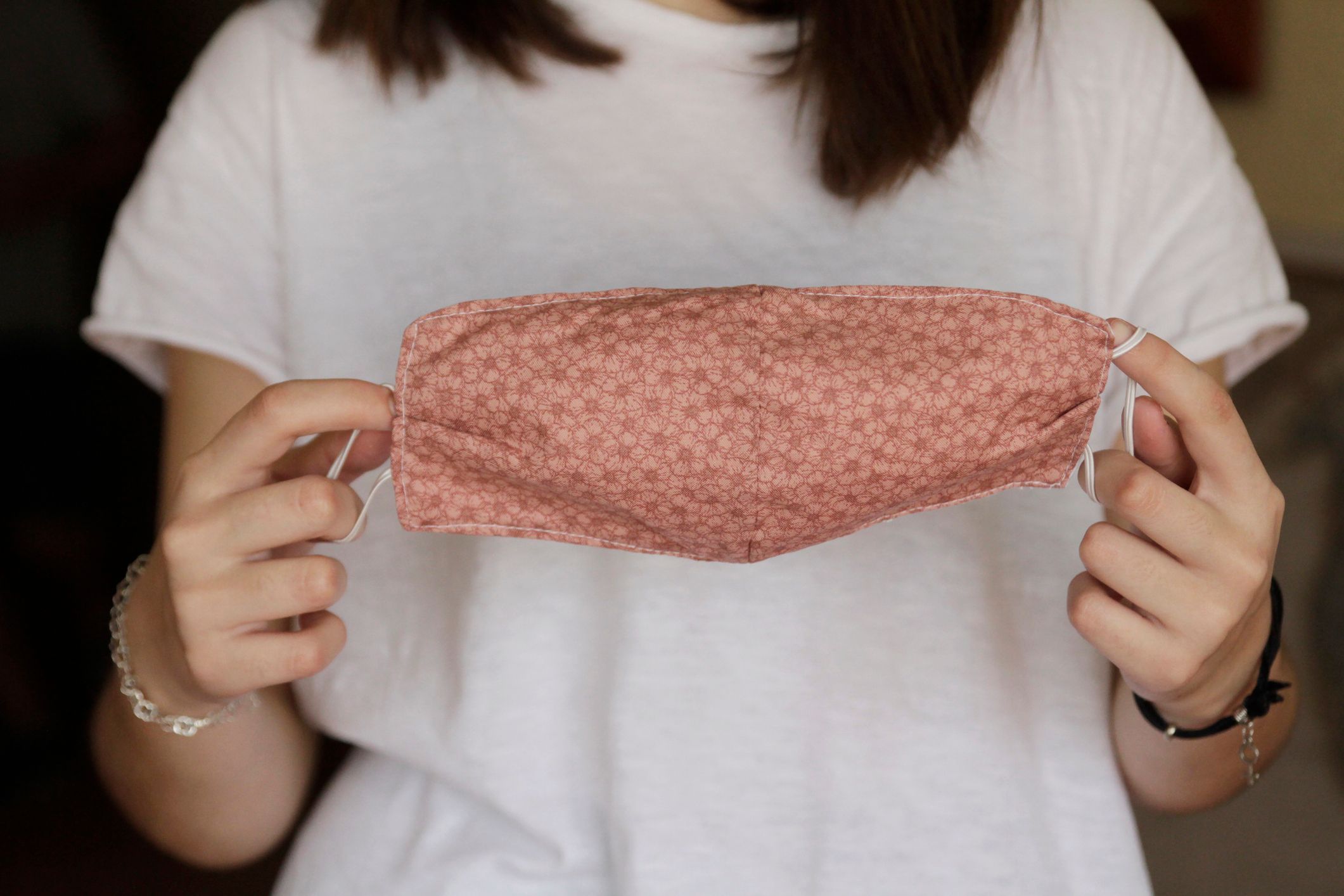
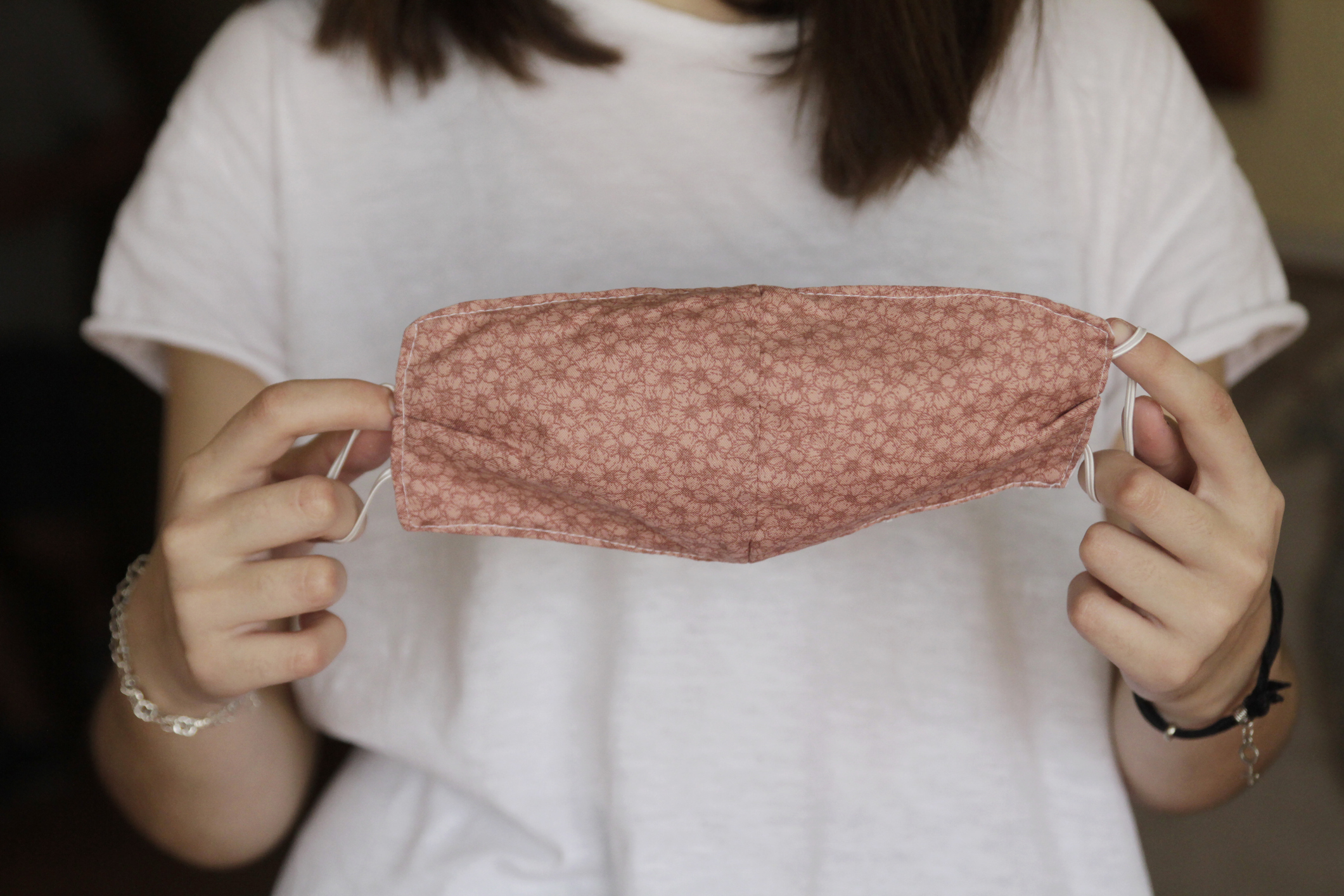
Seriously Guys, You Really Need To Wash Your Face Masks

You grab your face mask from your pocket, think “I really should wash this soon”, forget all about it, then repeat the process next time you pop to the shop. Sound familiar?

Just 13% of people who wear reusable face masks are washing them frequently enough and in the right way, according to a study by YouGov.

A third (32%) wash their mask after every use, which is recommended. But even among those people, only 41% wash them at 60 degrees or higher, despite the fact lower temperatures are not enough to kill viruses like Covid-19.

Dr Roger Henderson, a senior GP who’s been working with Copper Clothing on their masks, is calling on Brits to take their mask care seriously to prevent the spread as lockdown measures ease.

Face masks become ineffective if they aren’t clean, he says. “If you take your mask off and set it down somewhere or leave it in your pocket, this allows for potentially harmful bacteria to spread onto other surfaces,” he tells HuffPost UK.

“Masks made from different materials will have different risks, but overall, it is best practice to wash your mask daily and wash your hands after every use. Really, you should be washing your mask as regularly as your pants.”

The government’s website says you should wash your face covering “regularly” and follow the washing instructions for the fabric. “You can use your normal detergent. You can wash and dry it with other laundry,” it adds. “You must throw away your face covering if it is damaged.”

Meanwhile, the Centre for Disease Control (CDC) says you should wash and dry wet or dirty masks as soon as possible to prevent them from becoming mouldy. “Wet masks can be hard to breathe through and are less effective than dry masks,” it says.

Dr Ed Wright, senior lecturer in microbiology at the University of Sussex, previously told HuffPost UK coronavirus particles have a fatty, oily outer layer – and washing is important, because detergent damages that layer.

“That layer is required for the virus to be able to infect a cell,” he said. “If you use soap or detergent, they will interact with this waxy, oily layer and disrupt that, so the virus will fall apart and won’t be able to infect anybody.”

The World Health Organisation adds that you should store fabric masks in a clean, reusable bag when you’re out and about – shoving them in a pocket next to your phone and keys is not recommended.

Share Button

‘I Can’t Smell Smoke Or Perfume’: The Reality Of Life Without Scent

HuffPost is part of Verizon Media. Verizon Media and our partners need your consent to access your device and use your data (including location) to understand your interests, and provide and measure personalised ads. Verizon Media will also provide you with personalised ads on partner products. Learn more.

Select ‘OK’ to continue and allow Verizon Media and our partners to use your data, or select ‘Manage options’ to view your choices.

Share Button