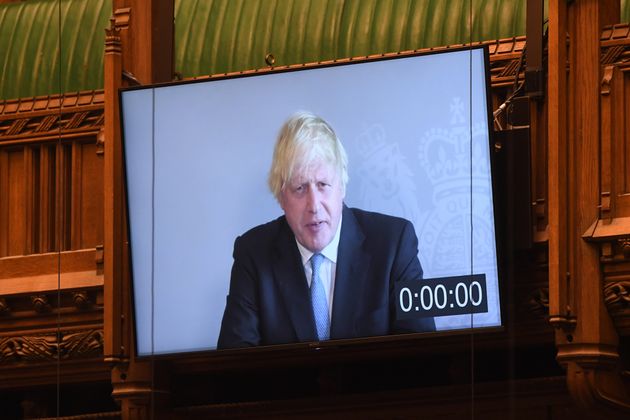
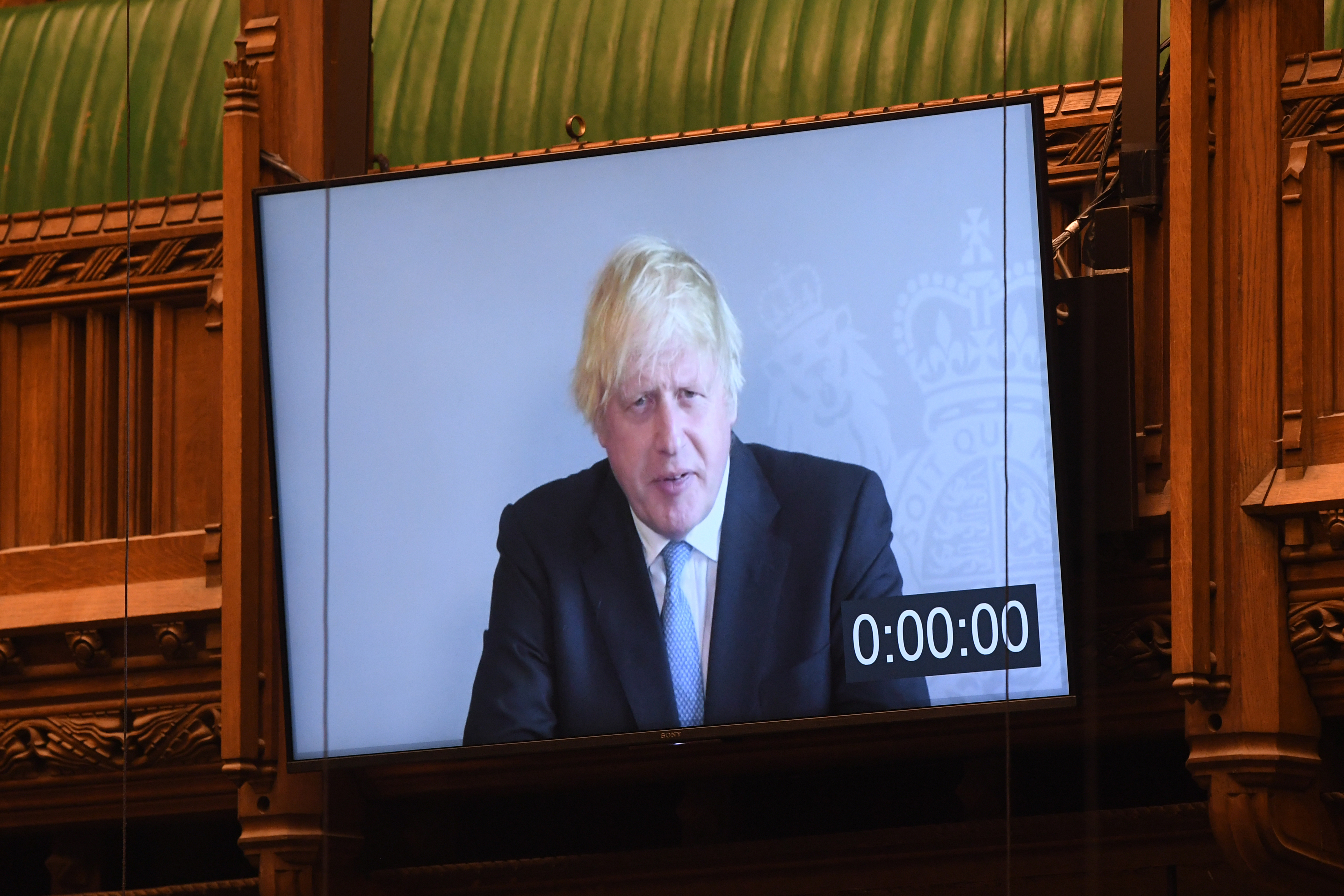
Boris And Carrie Johnson Expecting Second Child Together

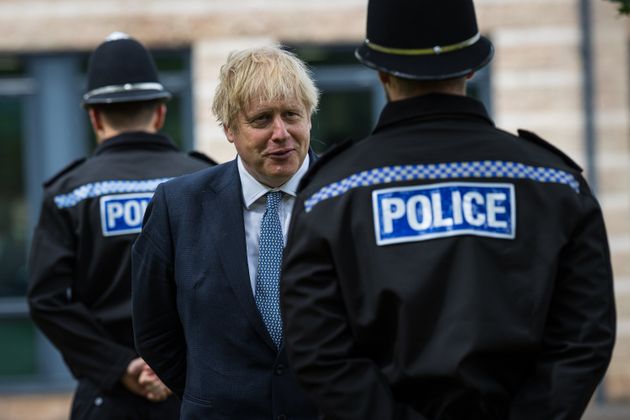
The prime minister and his wife are expecting a second child after Carrie Johnson revealed the heartbreak of a miscarriage at the start of the year.

In a statement on social media, Ms Johnson said the brother or sister to their first child Wilfred was due to arrive “this Christmas”.

The 33-year-old environmental campaigner added: “At the beginning of the year, I had a miscarriage which left me heartbroken.

“I feel incredibly blessed to be pregnant again but I’ve also felt like a bag of nerves.”
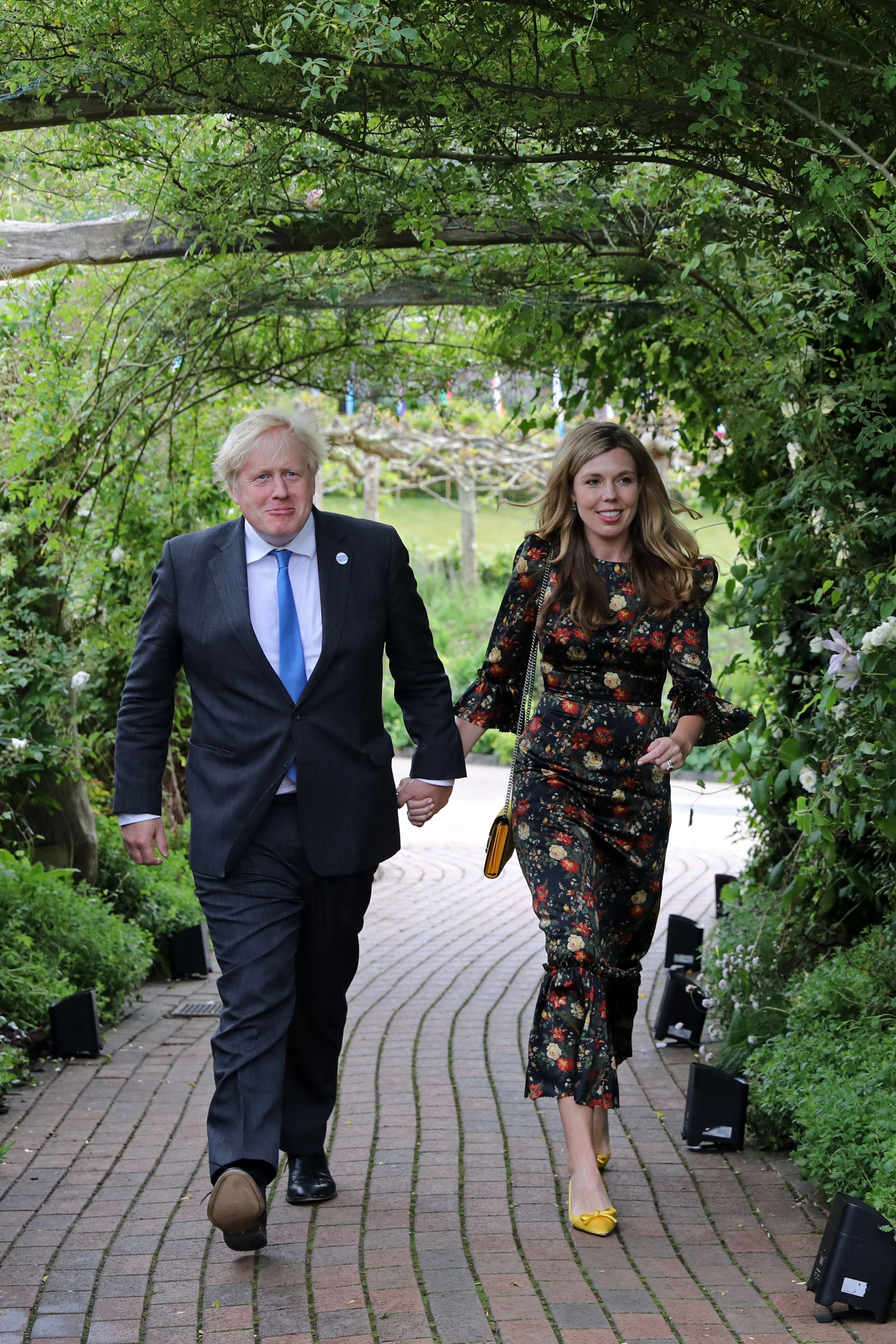
JACK HILL via Getty Images

Prime Minister Boris Johnson and Carrie Johnson 

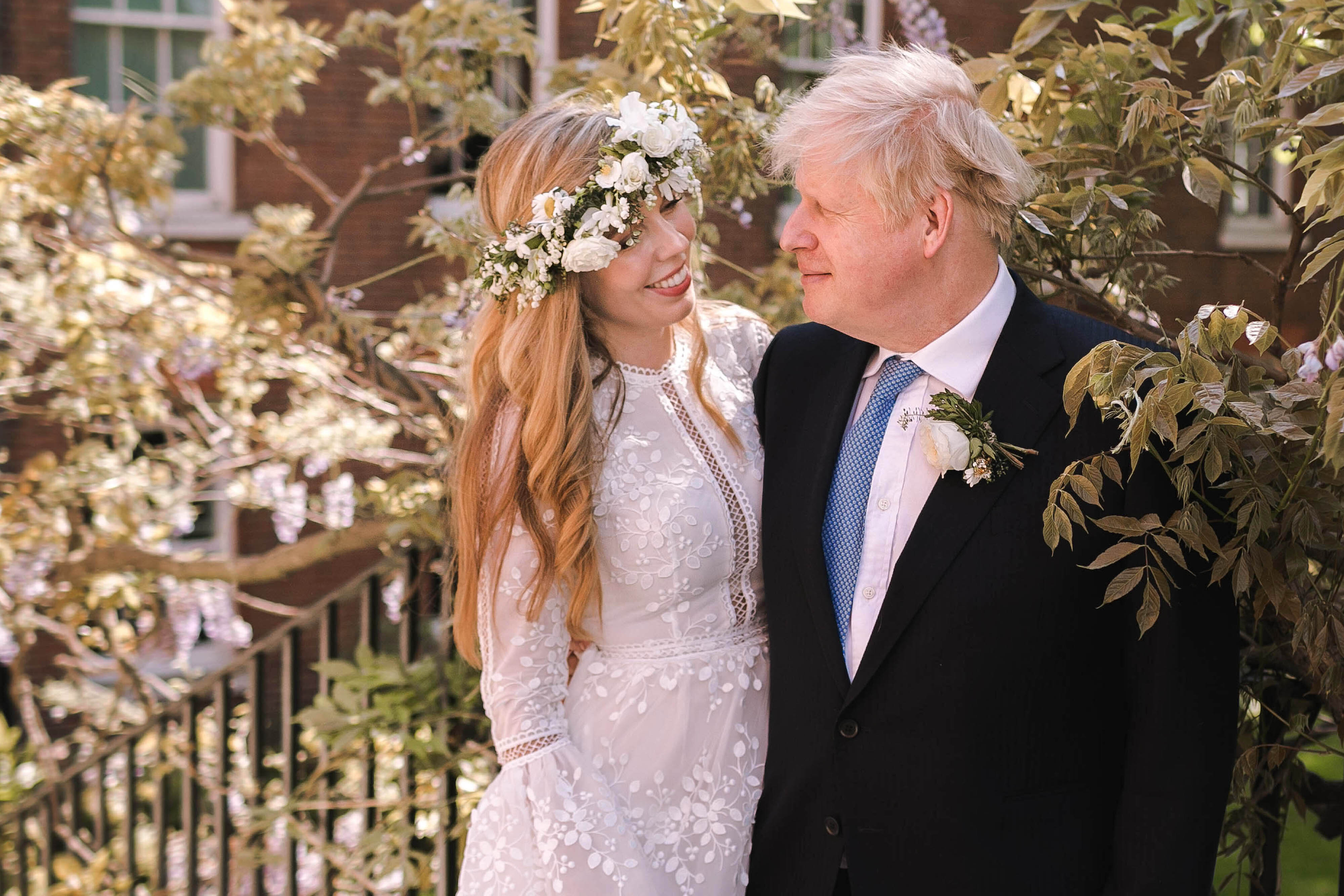
The couple made the announcement only two months after they tied the knot during a low-key wedding at Westminster Cathedral.

Ms Johnson, a former Conservative Party communications director, said she wanted to share the personal news about her miscarriage to “help others”.

She added: “Fertility issues can be really hard for many people, particularly when on platforms like Instagram it can look like everything is only ever going well.

“I found it a real comfort to hear from people who had also experienced loss so I hope that in some very small way sharing this might help others too.”

Labour leader Sir Keir Starmer put politics aside to send congratulations to the couple and said he was “very sorry” to hear about the earlier miscarriage.

“I’m sure that Carrie speaking out will be of comfort to others and make them feel less alone,” the Opposition leader added.

Downing Street said the Prime Minister had been due to work this weekend from his official country residence Chequers in Buckinghamshire, although it is not known if the couple are there together.
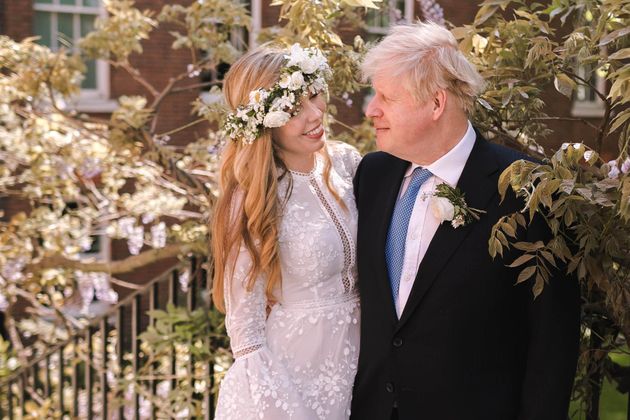
Handout via Getty Images

The pair married earlier this year

The new arrival is set to be Mr Johnson’s seventh child at least, having had four children with second wife Marina Wheeler, who he divorced last year following their separation in September 2018.

In 2013 it emerged during another court hearing that Mr Johnson fathered a daughter during an adulterous liaison while Mayor of London in 2009.

The 57-year-old’s son Wilfred Lawrie Nicholas Johnson – named partly after a doctor who helped save the Tory leader’s life when he contracted coronavirus in spring 2020 – was born in April of the same year.

Mr Johnson has looked to brush off questions about whether he has any more children.

The former journalist met his first wife, Allegra Mostyn-Owen, while they were students at Oxford. They married in 1987 but the marriage was annulled in 1993.

In 2004, he was sacked from the Tory frontbench over a reported affair with journalist Petronella Wyatt.

The divorce from lawyer Ms Wheeler, who he married in 1993, and subsequent marriage to his now third wife is understood to make Mr Johnson the first prime minister to get divorced and marry in office in modern times.

Mr Johnson and his then girlfriend also made history as the first unmarried couple to officially live together in Downing Street when they moved into the flat in Number 11 in 2019.

Formerly known by her maiden name of Symonds, the PR expert first found herself making headlines when she was romantically linked to Mr Johnson in early 2019.

But her association with Mr Johnson dates back to when she worked on his successful re-election bid at City Hall in 2012.

After her husband’s arrival in Downing Street, she was involved in a power struggle with the former de facto chief of staff in No 10, Dominic Cummings, which led to his ousting in the autumn.

Mr Cummings has accused Ms Symonds of looking to interfere in the running of the Government and recommending to her husband who to hire and fire, allegations that Downing Street deny.

Share Button

Wales Move To End ‘Pingdemic’ Before England Piles Pressure On Boris Johnson

Huw Fairclough/Getty Images / TOLGA AKMEN/POOL/AFP via Getty Images

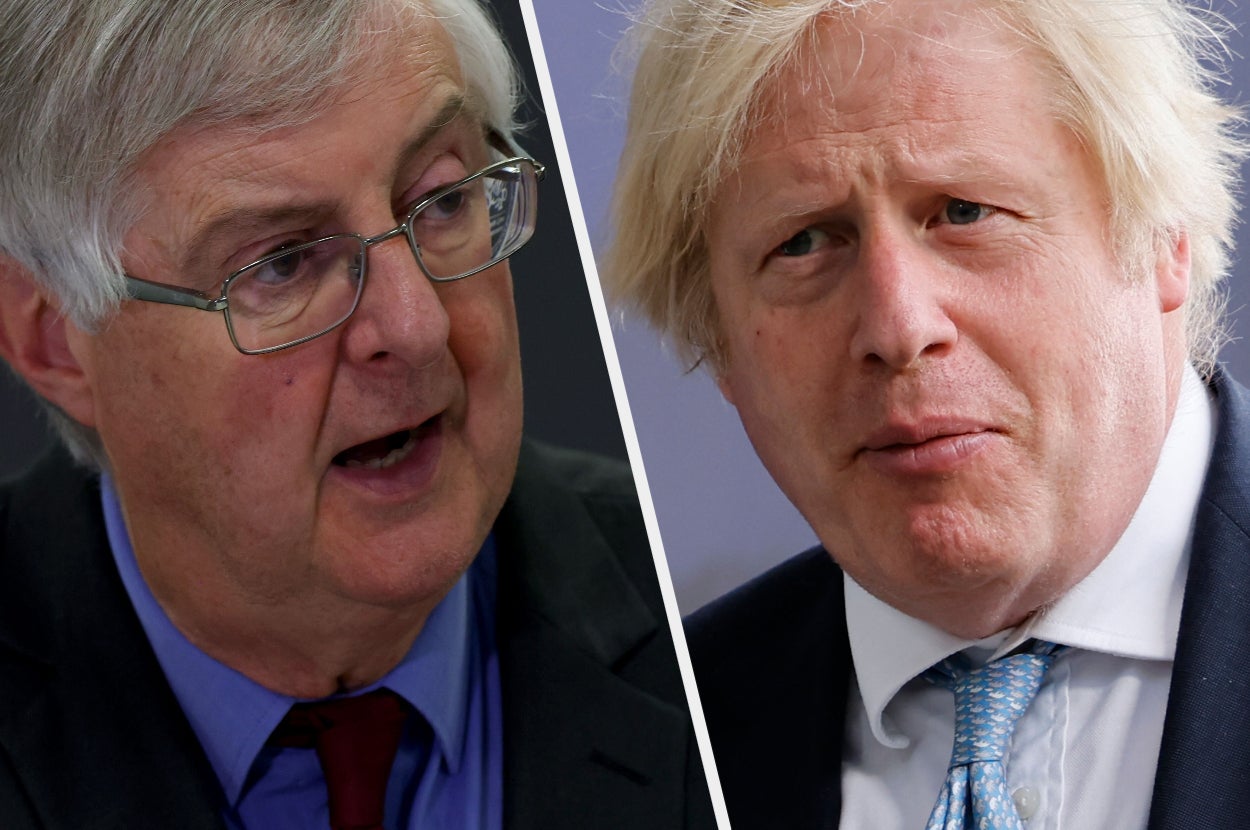
Wales first minister Mark Drakeford and prime minister Boris Johnson

Boris Johnson is under fresh pressure to fast-track plans to exempt fully vaccinated adults from Covid quarantine after the Welsh government announced it would introduce the move from August 7.

Double-jabbed adults in Wales will no longer have to self isolate after coming into contact with someone with the virus, with the change kicking in a full nine days earlier than England’s August 16 deadline.

The prime minister has this week insisted that his own date for the major shift in policy is “nailed on” and Downing Street confirmed on Thursday that he was “pretty emphatic” about his timetable.

But Tory MPs and businesses crippled by staff shortages are sure to demand a similar acceleration in England after fresh figures showed the “pingdemic” has hit record numbers.

Welsh first minister Mark Drakeford announced that NHS Wales’ Test Trace Protect (TTP) service will use the Welsh Immunisation Service to identify fully-vaccinated adults who will no longer be required to self-isolate.

He added that children in Wales will also be exempted from the need to home quarantine from August 7 – the day that the country is expected to finally come out of most Covid restrictions, known as “level zero”.

Drakeford stressed that everyone who tests positive for coronavirus or has symptoms must continue to isolate for 10 days, whether they have been vaccinated or not.

“We know a full course of the vaccine offers people protection against the virus and they are far less likely to contract it when they are identified as close contacts. This means they no longer need to self-isolate for 10 days,” he said.

“We can remove the need for self-isolation for the two million adults who have completed their vaccine course, helping to keep Wales safe and working.”

Wales is keen to ease pressure on vital services caused by the recent rapid rise in Covid cases, driven by the delta variant over the last two months.

Cases have risen by 800% since the end of May, when they were at very low levels. Over the last week case rates have started to fall in all parts of Wales.

The acceleration of the exemption date is also in part because 80% of adults in Wales have been fully vaccinated – the best rates in the UK and some of the best in the world. In England, the double-jabbed figure is 71%.

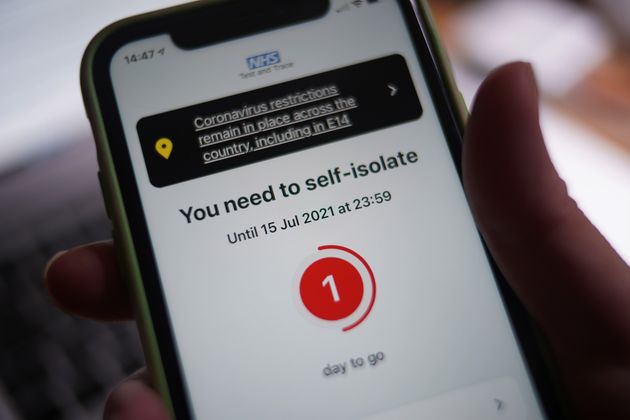
Some 689,313 alerts were sent to users of the NHS Covid-19 app in England and Wales, telling them they had been in close contact with someone who had tested positive for coronavirus.

The latest NHS figures, for the week to July 21, were an 11% rise on the previous record high of 619,733 alerts a week earlier.

From 7 August, instead of instructing fully-vaccinated adults to isolate, contact tracers and advisers in Wales will provide them with advice and guidance about how to protect themselves and stay safe.

The TTP service will provide a “warn and inform” service for all fully-vaccinated adults and under-18s, who are identified as close contacts.

Some extra safeguards will be put in place for those working with vulnerable people, particularly health and social care staff, including a risk assessment for staff working in health and care and daily lateral flow tests.

Members of the public will be strongly advised not to visit hospitals and care homes for 10 days.

Everyone identified as a contact of a positive case will continue to be advised – but not required – to have a PCR test on day two and day eight, whether they are fully vaccinated or not.

The new policy will affect adults where 14 days have passed since their last dose of the vaccine.

Separately, on Thursday the Welsh government announced that young adults aged from 17 years and 9 months were now being invited to book a jab or attend walk-in vaccination clinics for their first dose.

Again, this is ahead of England and appears to be due to the country’s higher vaccination rate.

Share Button

Labour Would Give Employees Legal Right To Work From Home

Dan Kitwood via Getty Images

Labour deputy leader Angela Rayner has said all workers should be allowed to enjoy the benefits of home working even once the Covid pandemic was over.

A Labour government would give employees a legal right to work from home, deputy leader Angela Rayner has announced.

Under a new package of reforms, all staff would also also be granted a “right to switch off” to avoid being contacted via phone or email by bosses outside working hours.

Rayner said that Labour would place on duty on employers to provide “flexible working” from day one of employment, where there was no reason a job could not be done with varying hours or remotely.

The shadow secretary for work said all workers should be allowed to enjoy the benefits of home working even once the Covid pandemic was over.

Home workers would also be encouraged to join trade unions to allow them to continue to collectively organise on terms and conditions of work.

The right to flexible working – including flexible hours, staggered hours and flexibility around childcare and caring responsibilities – was aimed at ensuring “work fits around people’s lives instead of dictating their lives”, she said.

Among the changes the party wants to see is flexibility around school runs for parents, as well as childcare during school holidays.

Labour is also calling for the end of “one-sided flexibility” that currently benefits bosses, so all workers have secure employment and regular and predictable working.

Anadolu Agency via Getty Images

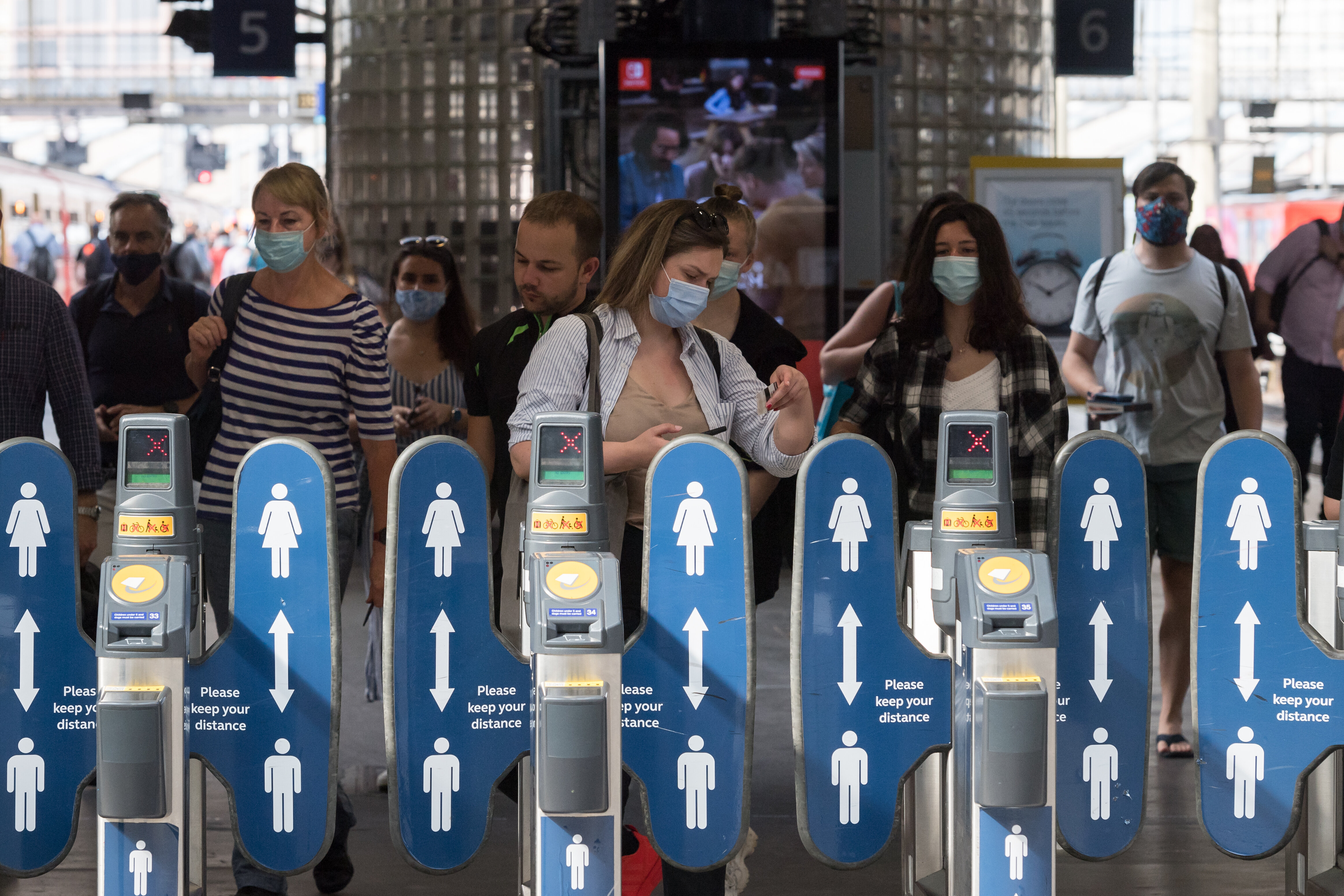
Commuters, most of them continuing to wear face masks, at Waterloo station

Unions would be granted greater access to workplaces, including to home workers, t”o ensure fair flexibility for all is delivered through a collective voice for all staff, including those who are working flexibly or remotely”.

“Labour will make flexible working a force for good so that everyone is able to enjoy the benefits of flexible working, from a better work-life balance to less time commuting and more time with their family,” Rayner said.

“The ‘new normal’ after this pandemic must mean a new deal for all working people based on flexibility, security and strengthened rights at work.

“The right to flexible working will change our economy and the world of work for the better, stop women losing out at work or even dropping out of the workforce altogether, end the sexist assumption of Dad being at work in the office and Mum looking after the kids at home and improve the lives of millions of workers.”

Boris Johnson pledged in the 2019 Conservative manifesto to make flexible working the “default” but appears to have shelved the plans along with an Employment Rights Bill.

Last month the Prime Minister’s spokesperson said: “We’ve asked people to work from home where they can during the pandemic, but there are no plans to make this permanent or introduce a legal right to work from home…It is important to stress that there are no plans to make working from home the default, or introduce a legal right to work from home.”

The TUC has found that 82% of workers want to work flexibly (87% for women workers), whereas the most popular form of flexible working, flexi-time, is unavailable to over half of the UK workforce.

Some 30% of flexible working requests are turned down because staff do not have a statutory right to work variable hours. The UK ranked 24th out of 25 countries on how often job demands interfere with family life.

Two-thirds of working mothers lack childcare during these summer holidays, and before Covid only 3.6% of eligible fathers took shared parental leave.

Share Button

Boris Johnson Under Fire From Business Chief Over Hi-Viz ‘Chain Gangs’ Plan

Boris Johnson has come under fire from a leading businessman over plans to humiliate offenders by making them work in “fluorescent-jacketed chain gangs”.

The prime minister unveiled plans to put more people doing community service into hi-viz jackets as they cleared rubbish and graffiti.

At the launch of his new crime crackdown plan, Johnson said that he wanted a more visible way of showing offenders working in the streets.

“If you are guilty of antisocial behaviour and you are sentenced to unpaid work, as many people are, I don’t see any reason why you shouldn’t be out there in one of those fluorescent-jacketed chain gangs visibly paying your debt to society,” he said.

“So you are going to be seeing more of that.”

But James Timpson, who runs the Timpson’s shoe repair and key cutting chain that is one of the largest employers of ex-offenders in the country, hit out at the PM’s plan on Twitter.

“Instead of making offenders wear high viz jackets in chain gangs, how about helping them get a real job instead?” he wrote.

“In my shops we employ lots of ex offenders and they wear a shirt and tie. Same people, different approach, a much better outcome.”

Timpson’s brother Edward is a Tory MP and the firm has frequently been cited by the government for its social enterprise work.

Campaigners and some Labour MPs also criticised the plan, which Johnson first floated when he ran for Mayor of London in 2008 but didn’t implement.

Civil rights group Liberty said the proposal would not make communities safer but was designed “to create more stigma and division” and was “a short-term stunt that will cause long-term generational harm”.

The Home Office itself had not used the phrase “chain gangs” in its announcement.

It preferred instead to say it would be “making unpaid work more visible by getting offenders to clean up streets, alleys, estates, and open spaces, and ensuring justice is seen to be done”

Johnson’s “Beating Crime” plan, which also included proposals to expand controversial Stop and Search powers, follows Labour’s own campaigns to highlight rising levels of anti-social behaviour across the UK.

During the launch, the PM appeared to admit that the problem was getting worse, but partly blamed Covid lockdowns.

Speaking at Surrey Police HQ, he said: “I do think that the lockdown has driven some anti-social behaviour and we need to deal with it. That’s why we are backing the police in the way that we are.”

Share Button

Draconian Stop And Search Powers To Be Made Permanent In Crime Crackdown

CHARLOTTE GRAHAM via Getty Images

Draconian stop and search powers are to be made permanent under Boris Johnson’s latest crime crackdown.

So-called “Section 60” powers, which allow police to search in an area without having reasonable grounds for suspicion against an individual, will be made easier as part of the “Beating Crime” plan unveiled on Tuesday.

The powers have long been controversial because they have had a disproportionate impact on black communities, but the prime minister has decided to ramp up their use to combat knife crime.

The usual pre-conditions for such searches have been temporarily watered down in recent years and now Johnson wants to make permanent police forces’ ability to deploy them with fewer checks.

The major shift, which finally buries Theresa May’s policy as home secretary to cut the number of stop and searches, is part of a wider package of policies aimed at making the Tories look tougher on crime.

Other plans include:

  • expanding the use of 24-hour electronic tags for all burglars and thieves who leave prison
  • trialling “alcohol tags”, which detect alcohol in the sweat of offenders guilty of drink-fuelled crime
  • getting more offenders to clean up streets and open spaces
  • every neighbourhood having contactable, named police officers
  • league tables for 101 and 999 call answering times to be introduced for each police force

When Johnson was Mayor of London, his use of stop and search was curtailed by May as she drove through reforms aimed at boosting community relations with the police.

Backers of the tougher powers say they are a useful deterrent in response to incidents involving knives in a defined area and stress that safeguards are built into the system to ensure they are not based on race or ethnicity.

But critics argue that “no suspicion” stop and search powers are abused by police officers, with black people nine times more likely to be searched overall than white people.

Campaigners also point out there is little evidence to suggest that “draconian” stop and search provides an effective deterrent to offending, and most searches result in officers finding nothing.

Only around 20% of searches in 2019/20 resulted in a criminal justice outcome – an arrest and an out of court solution – linked to the purpose of the search.

Most stop and searches are used under ‘Section One’ powers, which require officers to have “reasonable grounds” to conduct the search.

Around 5% of searches are ‘Section 60’, often where police had no grounds for  suspicion but used them in a blanket fashion in a particular area for a limited time.

House of Commons – PA Images via Getty Images

Theresa May reduced stop and searches as home secretary

In recent months, police forces in Wales and in London have used such “Section 60” powers to search an entire area after a particular violent incident or disturbance.

In London there were 11,412 searches under Section 60 by the Metropolitan Police in the year ending March 2020, government data shows.

A total of 530 people arrested following these searches, which is an arrest rate of 4.6%. This is compared to an arrest rate of 12.3% for other forms of stop and search.

Shadow home secretary Nick Thomas-Symonds told HuffPost UK: “The government must be transparent about any potential for disproportionality with these measures.

“It’s vital with any new powers comes proper oversight, especially as building community trust is so vital to tackling crime.

“They must also get on with implementing recommendations from the Lammy review and also look to learn from innovative work being done to improve trust in policing.”

Johnson said: “When I first stood on the steps of Downing Street as prime minister I promised to back the police and make people safer, because we cannot level up the country when crime hits the poorest hardest and draws the most vulnerable into violence.

“That is why my government has remained unstinting in its efforts to protect the British public and this plan delivers a fresh commitment, as we emerge from the impacts of the pandemic, to have less crime, fewer victims and a safer society.”

The Home Office said that it was important to remember that data showed that young black men are disproportionately more likely to be the victims of knife crime.

A spokesperson said: “Stop and search is a vital tool for tackling violence and saving lives.

“The Beating Crime Plan shows we are taking a twin-track approach which combines tough enforcement to get knives off our streets together with early intervention programmes that steer young people onto better paths for the future.

“An assessment of the pilot relaxing conditions on the use of section 60 stop and search showed it gave police officers greater confidence to make use of the power, better reflected the realities and uncertainties officers face on the ground around predicting serious violence, and acted as a deterrent.

“The government is giving the police these powers but ultimately it is an operational decision to use them and we expect officers to use their discretion.”

The pilot scheme assessment – which has yet to be published – covered both qualitative interviews with police officers and community scrutiny leads, and a bespoke data collection from forces including outcomes, authorisation rationale and geographical data.

Analysis of the geography of authorisations in London found “some correlation” between areas with high levels of hospital admissions for assault with a sharp object and section 60 authorisations.

Officers felt there was a deterrent effect of the use of section 60 as they communicate the authorisation to would-be offenders. 

Among safeguards to prevent disproportionate impact on minority groups are statutory codes of practice, the use of body worn video and College of Policing guidance ensuring accountability and guidance on fair use.

Share Button

Dustbin Collectors And Prison Officers To Get Daily Covid Tests To Avoid Staff Shortages

Yui Mok – PA Images via Getty Images

Dustbin collectors, prison officers and the armed forces will be able to use daily Covid tests to avoid isolation under a dramatic expansion in workplace testing sites.

All those who have been doubled jabbed in the critical services sectors will be exempted from rules requiring home quarantine following close contact with people with the virus.

Some 2,000 testing sites will be created across the country in total, building on the 800 sites lined up for the food industry, transport workers, Border Force staff, frontline police and fire services.

The decision to provide special test sites for refuse collectors followed pleas from council chiefs, and followed fears that household waste could pile up due to a shortage of staff.

In addition, people working in energy, pharmaceuticals, telecoms, chemicals, communications, water, space, fish, veterinary medicine and HM Revenue and Customs will also be prioritised for the extra 1,200 new daily contact testing sites.

Daily testing using rapid lateral flow tests will enable eligible workers who have received alerts from the NHS Covid 19 app or have been called by Test and Trace and told they are a contact and to isolate, to continue working if they test negative each day.

Key NHS staff are already allowed to exempt themselves from the isolation rules, as long as they are double jabbed and can show that their absence would affect clinical care.

The move follows the latest meeting of the “Covid-O” operations committee which oversees key policy responses to the pandemic.

Ministers acted after Oxford University research for the department of health and social care (DHSC) found that in schools, daily contact testing was just as effective at controlling transmission as the current 10-day self-isolation policy.

Organisations are being contacted by the DHSC so they can mobilise sites this week to ensure critical workers can continue their vital roles safely, although it is understood that less than 50 have so far been set up.

The workplace testing scheme is separate from another government programme to allow individuals to apply for exemptions in key industries.

Health secretary Sajid Javid said: “Whether it’s prison guards reporting for duty, waste collectors keeping our streets clean or workers in our energy sector keeping the lights on, critical workers have been there for us at every stage of this global pandemic.”

Communities secretary Robert Jenrick said: “Critical workers up and down the country have repeatedly stepped up to the challenge of making sure our key services are delivered and communities are supported.

“We all owe them a huge debt of gratitude and will continue to support them to do their jobs safely and securely. This expansion of the daily contact testing centres is vital and hugely welcome.”

Defence Secretary Ben Wallace added: “Our Armed Forces have worked tirelessly throughout this pandemic, ensuring operations and training at home and abroad continue while at the same time providing round the clock support to the nation’s response to Covid.

“Expanding the daily contact testing scheme is hugely welcome, allowing our personnel to continue that vital work across the UK and abroad.”

Share Button

Confused, Contradictory, Chaotic: The ‘3 Cs’ Of Boris Johnson’s Covid Policy

It’s been a few weeks since Boris Johnson jibed Keir Starmer with his alliterative soundbite of choice: “we vaccinate, they vacillate!” And given the past week of wibbly-wobbly, hokey-cokey pronouncements from him and his government, it’s perhaps fitting that the PM has laid off that particular attack line. 

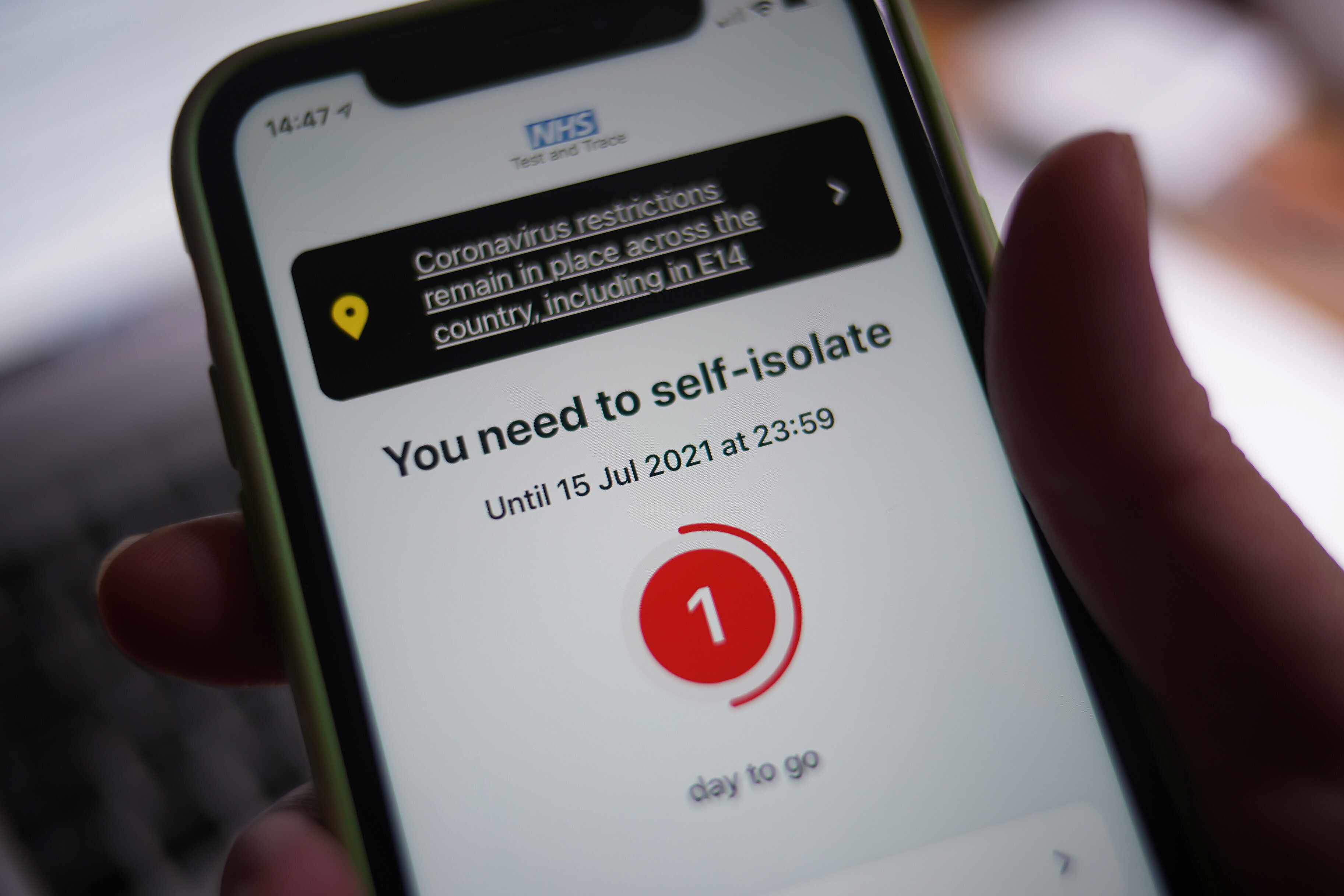
In a dizzying few days of dithering, Johnson exempted himself from isolation rules then isolated himself, his ministers contradicted him on the need to obey Covid ‘pings’ and key policy on critical workers changed by the hour. 

The National Insurance rise to pay for social care was on and then off. The NHS pay rise was off and then on. Compulsory Covid passports were revived from the dead, just weeks after being quietly euthanised by Michael Gove. 

At times, the PM looked like Gromit desperately trying to lay new track in front of his train of state as it sped towards the parliamentary recess. But although getting over the line of the summer break may stop backbenchers from gathering in grumbly groups in the Commons tea room, ministers know there are gruelling weeks ahead. 

At the heart of the problem lies a fundamental confusion in Johnson’s pandemic strategy. He (backed by Chris Whitty and Patrick Vallance, to be fair) has decided England will become the first country in the world to open up a country from lockdown precisely at the point when cases are soaring.

But instead of honestly admitting that his objective is a form of herd immunity  – ie “hybrid immunity” stemming from infections and vaccinations – the PM is telling the public to be cautious and “slowly” take full advantage of all the freedoms he has now granted.

There’s an easy answer to the “if not now, when?” question about full unlocking: mid-September, when all of the adult population has been offered a second jab. The PM counters that keeping restrictions in place until then would simply delay the covid wave, not suppress it. And a wave in summer is easier for the NHS to cope with than a wave in winter, he adds. 

Yet on that logic, being cautious and not “tearing the pants out of it” simply delays the wave too. Isolating after “ping” from the App delays the wave. Wearing masks delays the wave. Meeting outdoors delays the wave. But the PM says he doesn’t want to delay it. It’s hard to think of a more confused and chaotic public health policy, especially during a pandemic.

It would be more honest if Johnson admitted he wants the maximum number of infections this summer, just short of tipping the NHS into a serious crisis. And helpful if the department of health told us just what level of infections it thinks the NHS can cope with before lurching into that meltdown.

The other objective for opening up fully is to help ease the pain of businesses and all those who work in them. But if you’re then effectively telling the public not to use those businesses, because they should be “careful”, what is the point? That’s why, whenever Johnson was asked to define what tearing the pants out of it meant, he struggled with specifics.

It’s possible that the real, unstated reason for Freedom Day was not just “hybrid immunity”, but because ministers can see that young people simply aren’t going to be double jabbed in big numbers by mid-September anyway. Take-up rates are worryingly lower than older age groups, so if government waits for the magic 80% double-jabbed figure, it could be waiting indefinitely.

I suspect that’s what really lies behind Johnson’s drive for compulsory Covid passports. They will drive up jab rates, while giving attendees of nightclubs, football matches, music gigs (and cinema and theatre goers, and maybe indoor pub goers?) the security that they will be mixing with similarly protected people. Compulsion will also drive demand for booster jabs over the winter.

The big issue however over coming weeks will be just when restrictions are reintroduced. Johnson has already tried to soften up opinion this week by saying he merely “hoped” his roadmap would be “irreversible”. 

Would it make sense to have a roadmap back into lockdown, just as he had one out of lockdown? I used to think so, as it would allow individuals and businesses to plan their next steps.

But the problem may fundamentally be that the virus doesn’t respond to graduated steps. If you really want to flatten (not delay) a sombrero of cases, a hard and fast lockdown may be the only answer. Just reimposing masks and working from home may not cut it.

Yet given how confused and contradictory the current policy is, it wouldn’t be surprising if the policy that replaces it is similarly incoherent. Learning to “live with Covid” is obviously where we need to end up, but that requires maximum vaccinations for genuine herd immunity. It also requires more honesty from government about what its real strategy is.

The latest data on Friday suggests the third wave may, just, be peaking. But I’ve genuinely no idea if that’s what No.10 wants, or if it wants to ride the wave for a few more weeks.

Deputy chief medical officer Jonathan Van-Tam this week repeated his advice to avoid places with the ‘3 Cs’ overlapping: closed settings, with crowds and close contacts. Unfortunately, the real ‘3 Cs’ that have defined Johnson’s policy are chaos, confusion and contradiction.

Share Button

Why The PM’s Covid Passports Are Now Not A Threat But A Promise

UK ParliamentPA

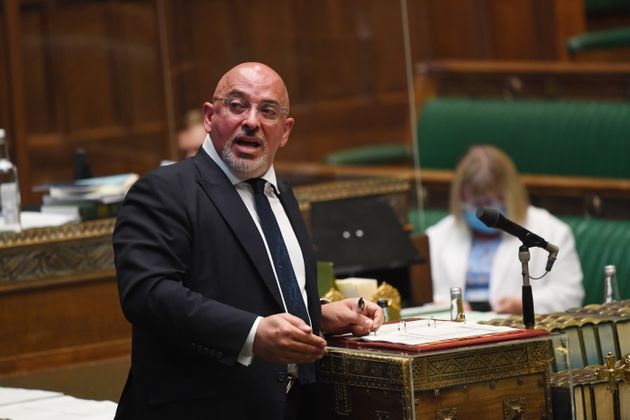
Nadhim Zahawi

Connoisseurs of parliamentary proceedings will know that while ministers use an opening statement to set out broad policy, the devilish detail is often held back until their answer to their opposition shadow. And for anyone interested in the scale of the government’s planned ‘Covid passports’, today was a perfect example.

In answer to Labour’s Jonathan Ashworth, vaccinations minister Nadhim Zahawi gave a very strong hint that it was not just nightclubs that would require the NHS Covid pass as a condition of entry. He said indoor music venues, as well as “large unstructured outdoor events such as business events”, “music and spectator sport events” were “the ones that we are most concerned about”.

That will ring alarm bells among Labour’s party conference organisers I suspect (it’s due to have a full in-person conference in Brighton, whereas the Tories have pointedly planned a hybrid event and the LibDems a fully online one), as well the UK’s huge but struggling events business. Football matches, gigs, all sound like they’ll need a passport for entry.

And despite suspicions that the nightclub plan for late September was just a bluff to get young people jabbed, it looks like it really is going ahead. One of the few areas where business secretary Kwasi Kwarteng stuck to the script on Thursday was when he said that instead of a specific vote for nightclub passes, there might be “a general vote on the concept”. “I’m very confident we can pass the legislation we require,” he added.

With many Tories worried that a blanket Covid ‘ID card’ could be used for entry to pubs (and with Labour going for the populist line that it would be “unfair” on pubs and pubgoers), Kwarteng’s confidence will be subjected to a serious stress test when the Commons returns after its summer break.

But given Zahawi’s detailed hints, the PM’s own line on Monday – “some of life’s most important pleasures and opportunities are likely to be increasingly dependent on vaccination” – now feels like it’s not a threat but a promise. Zahawi also put Covid passports at the heart of the government’s strategy to be the first country in the world to “transition” from pandemic to endemic, “from pandemic to manageable menace”.

Vaccination does remain the best hope of getting there (new stats showed it had prevented 52,600 hospitalisations), yet there are real worries in Whitehall at the slowing uptake among under-30s. Some 34% of 18-29s have not had their first jab. And as NHS England warns hospitals they may be entering the “most difficult period” of the pandemic for more than a year, it also said high rates of admissions are ”closely linked” to low vaccine uptake.

Just as worrying, the surge in Covid cases has a direct impact on the vaccination programme because anyone infected has to wait 28 days until they can be given the jab. PHE said a total of 1154.7 infections per 100,000 people were recorded among those aged 20 to 29 – the highest figure recorded for any age cohort since the beginning of the pandemic.

In a bitter twist on the PM’s line this week that he’s “turning jabs, jabs, jabs into jobs, jobs, jobs”, the pingtastic third wave is forcing young people to not only delay vaccination but also forcing them to stay off work, with all the consequences for the economy that entails.

One subject that Zahawi didn’t want to touch in any detail on Thursday was NHS pay. He ignored both Ashworth and Jeremy Hunt when they asked just where the £2.2bn needed to fund the 3% rise was coming from. Downing St confirmed for the first time the cash would come from the DHSC budget but not from money “earmarked for the NHS front line”.

The cash will probably come from a mixture of the extra emergency Covid funding for this financial year for the NHS (although trusts are still waiting for the post-September half of that), plus the long term plan. But given the massive £37bn earmarked for Test and Trace over two years, I wonder if Sajid Javid will see that as a target?

Few people realise that Test and Trace actually reported a huge, 39% underspend of its 2020-21 budget of £22bn, mainly because the lockdown earlier this year meant “cancelled activity”. That’s a cool £4.3bn, more than double the pay rise bill.

The Treasury will probably just bank the underspend, but politically just imagine what a win-win it would be to hand cash from a failing service to pay the wages of the tired, heroic staff of the NHS?

Share Button

Dawn Butler Ordered To Leave Commons For Calling Boris Johnson A Liar

House of Commons – PA Images via Getty Images

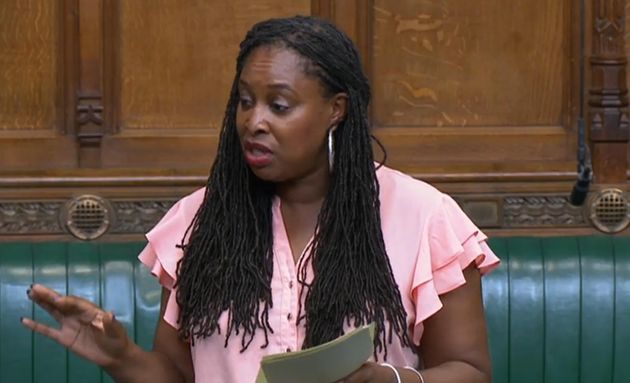
Dawn Butler was told to withdraw from the chamber by temporary deputy speaker Judith Cummins following her remarks in a Commons debate.  

A Labour MP has been ordered to leave the House of Commons after refusing to withdraw claims that Boris Johnson has “lied to the House and the country over and over again”.

Dawn Butler was told to withdraw from the chamber by temporary deputy speaker Judith Cummins following her remarks in a Commons debate.

It is not considered within the boundaries of parliamentary etiquette to call another member a liar.

Butler had said: “Poor people in our country have paid with their lives because the prime minister has spent the last 18 months misleading this House and the country over and over again.”

She highlighted disputed claims made by the Prime Minister, including that the link between Covid-19 infection and serious disease and death had been severed.

She added: “It’s dangerous to lie in a pandemic.

“I am disappointed the prime minister has not come to the House to correct the record and correct the fact that he has lied to the House and the country over and over again.”

Cummins intervened and said: “Order! Order! I’m sure that the member will reflect on her words she’s saying and perhaps correct the record.”

Butler replied: “What would you rather – a weakened leg or a severed leg?

“At the end of the day the prime minister has lied to this House time and time again.

“It’s funny that we get in trouble in this place for calling out the lie rather than the person lying.”

Cummins intervened again and urged Butler to “reflect” on her words and withdraw them.

Butler replied: “I’ve reflected on my words and somebody needs to tell the truth in this House that the prime minister has lied.”

Cummins then read out a statement in which she ordered Butler to “withdraw immediately from the House for the remainder of the day’s sitting”.

Butler left her seat and exited the chamber.

Share Button

Can Boris Johnson Win His Game Of Covid Chicken Over Vaccine Passports?

UK ParliamentPA

Boris Johnson

“Do you want me to have another go?” Boris Johnson’s plaintive plea in PMQs was directed at the Speaker, as a Zoom glitch cramped his usually combative style. David Cameron famously once said his Christianity was like “Magic FM in the Chilterns, it comes and goes”, and the PM’s volubility suffered similarly from his remote access to the Commons.

The erratic nature of Johnson’s contributions turned out to be uncannily apt as it matched yet another chaotic day for the government. Keir Starmer was relentless about ministerial mixed messaging on use of the NHS app. He also ridiculed No.10’s failure to define which “critical workers” (clearly the PM wasn’t one of them) would be exempt from being pinged into isolation.

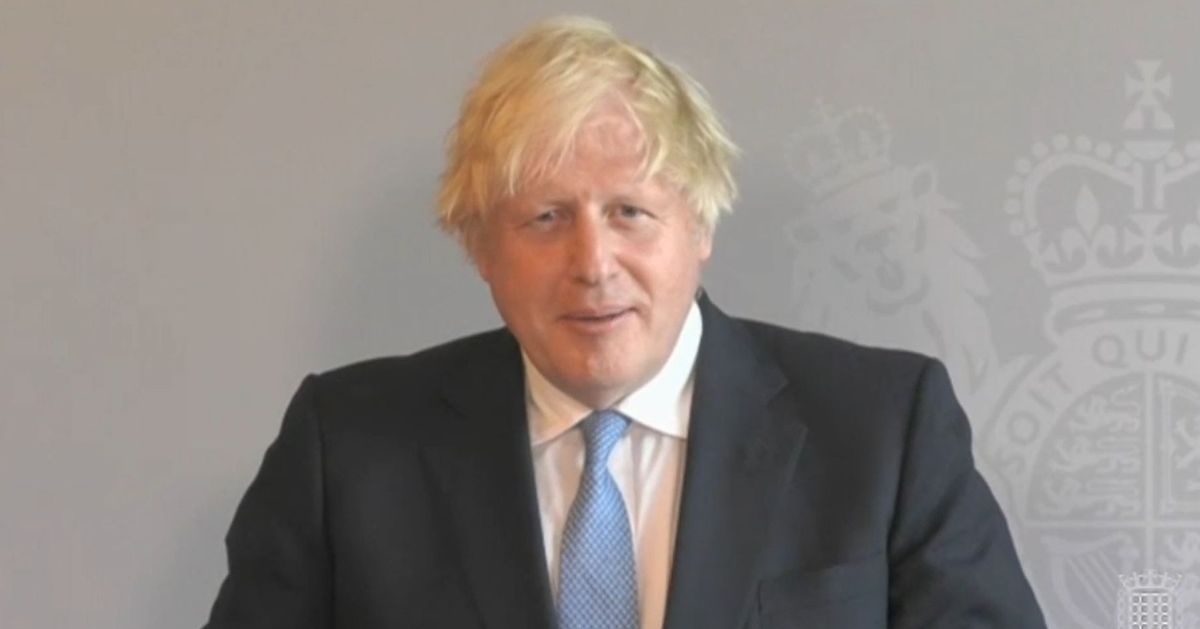
Johnson tried to hit back by stressing that his own forced quarantine in Buckinghamshire just proved how important it was to comply with requests to stay at home, even if not everyone has use of a country home.

But while the PM was playing Chequers, Starmer was playing chess. His attack on Johnson’s WhatsApp messages (joking about leaving the over-80s to die from Covid) prompted the PM to let slip that “we were thinking in those ways” last year – damning admission that is sure to haunt him in any public inquiry.

Starmer also put the opportunist into Opposition, seizing on Tory backbench unease about Johnson’s U-turn over Covid “passports” by ridiculing his previous vow to eat any ID card he was forced to carry. Later, Labour announced it would not support compulsory use of double-jabbed certificates for entry to nightclubs, creating the prospect of a government defeat on any such legislation.

It was perhaps that realisation that prompted the PM to later tell the backbench 1922 Committee that basically his threat on nightclubs was all about jolting the young into getting vaccinated. If enough came forward, he wasn’t ruling out ditching the plan. Playing a game of chicken with the under-30s seems to be where his pandemic policy is right now.

What Johnson didn’t do was read the riot act to those MPs, like Commons leader Jacob Rees-Mogg, who opted not to wear face masks in PMQs. At one point I counted only a quarter of Tory MPs following the Speaker’s clear guidance, and at most just under half. With his backbenches restive over other Covid curbs, that suggested who is really calling the shots right now.

With more non-mask wearers on trains and buses this week despite government “encouragement”, the sight of senior MPs doing the same is yet another corrosive bit of message indiscipline. The bare-faced cheek of both is the public health equivalent of tailgating on the Tube, when fare dodgers ride the slipstream of those who do the right thing. The division and resentment it can breed can only get worse.

The Speaker is likely to be even more unhappy about the farcical way in which the 3% NHS pay rise was non-announced to parliament, before being announced finally in the form of a press release. Labour’s Rosena Allin-Khan, who is a part time A&E doctor, could hardly contain her anger as health minister Helen Whately said the pay rise was merely “considering” the rise.

Perhaps taking to heart the PM’s request to have “another go” at things, the department of health took just three hours to reveal the 3% was indeed happening after all. I understand the reason for the delay was not an admin error or anything to do with the fact that Sajid Javid and Rishi Sunak are themselves isolating. It feels like there was serious tension over where and when the funding might come from.

With non-NHS staff like police and teachers being told their pay was frozen (a tactic perhaps designed to make nurses think their deal was a king’s ransom in comparison), the overall impression was not one of end-of-term good news for key workers who were once clapped for their public service in the pandemic.

And it’s that U-turn, the U-turn in sentiment towards those who helped everyone else over the past year, and the suspicion that a pay rise has been dragged out of him for the NHS and is non-existent for others, that could cause the government serious trouble. The Tories are still ahead in the polls but there’s a sense that the ‘vaccine bounce’ may be coming to its natural end.

The upside of the vaccine programme is it touched nearly everyone. The downside of the ‘pingdemic’ is that it too appears to be touching nearly everyone. Calmer heads in government think the sense of disruption, confusion and chaos can’t last much longer. But as MPs head for the metaphorical beaches this summer, some Tories worry that the PM’s flip flops may linger in the public memory.

Share Button