Trump ordered the withdrawal a year ago, accusing the UN agency of failing to adopt reforms and mishandling the pandemic.


Trump ordered the withdrawal a year ago, accusing the UN agency of failing to adopt reforms and mishandling the pandemic.
The CQC finds that only minimal improvements have been made at two NHS hospitals.

Humans appear to be much closer to animals like meerkats and beavers than to most other primates when it comes to exclusive mating, according to new research from the University of Cambridge. The study presents a comparative ranking that measures levels of monogamy across a range of mammal species, including humans.
For decades, scientists studying human evolution have relied on fossil evidence and anthropological fieldwork to draw conclusions about mating behavior. In non-human animals, researchers have instead turned to long-term observations of social groups and genetic paternity testing to understand reproductive patterns.
Measuring Monogamy Through Siblings
The new research takes a different path. Dr. Mark Dyble of Cambridge’s Department of Archaeology examined the ratio of full siblings to half-siblings across many mammal species, as well as among human populations spanning thousands of years. This sibling balance serves as a proxy for how exclusive mating tends to be.
According to Dyble, species or societies with higher levels of monogamy tend to produce more children who share both parents. In contrast, populations with more polygamous or promiscuous mating systems generate a higher proportion of half-siblings.
To quantify this pattern, Dyble developed a computational model that links sibling data from recent genetic studies to known reproductive strategies. The result is an estimated monogamy rating that can be compared across species and cultures.
While the model is not meant to be perfectly precise, Dyble says it offers a more tangible way to compare mating systems across both animals and human societies over long stretches of time.
“There is a premier league of monogamy, in which humans sit comfortably, while the vast majority of other mammals take a far more promiscuous approach to mating,” said Dyble, an evolutionary anthropologist at the University of Cambridge.
“The finding that human rates of full siblings overlap with the range seen in socially monogamous mammals lends further weight to the view that monogamy is the dominant mating pattern for our species.”
A Longstanding Debate About Human Pairing
Whether humans are naturally monogamous has been argued for centuries. Many scholars have suggested that stable pair bonding helped fuel the cooperation that allowed humans to thrive globally.
At the same time, anthropologists have documented enormous variation in human marriage systems. Earlier research shows that 85% of pre-industrial societies allowed polygynous marriage — where a man is married to several women at the same time.
Genetic Data From Ancient and Modern Societies
To estimate human monogamy levels, Dyble analyzed genetic evidence from archaeological sites, including Bronze Age burial grounds in Europe and Neolithic settlements in Anatolia. He combined this with ethnographic data from 94 human societies worldwide, ranging from the Hadza hunter-gatherers of Tanzania to the rice-farming Toraja people of Indonesia.
“There is a huge amount of cross-cultural diversity in human mating and marriage practices, but even the extremes of the spectrum still sit above what we see in most non-monogamous species,” said Dyble.
The findings, published in Proceedings of the Royal Society: Biological Sciences, show that humans have an overall full sibling rate of 66%. That places our species seventh out of eleven studied and firmly within the group considered socially monogamous, with a preference for long-term pair bonds.
How Humans Compare to Other Mammals
Meerkats show a 60% rate of full siblings, while beavers rank slightly higher than humans at 73%. In both cases, the data point to a strong tendency toward monogamy alongside some flexibility.
The species most similar to humans in the study is the white-handed gibbon, with a monogamy rate of 63.5%. It is the only other highly ranked “monotocous” species, meaning it typically produces a single offspring per pregnancy rather than litters.
Another notable entry is the moustached tamarin, a small monkey from the Amazon. It is the only non-human primate in the top group and usually gives birth to twins or triplets, resulting in a full sibling rate of nearly 78%.
All remaining primates in the study display either polygynous or polygynandrous (where both males and females have multiple partners) mating systems and fall much lower in the rankings.
Mountain gorillas show a full sibling rate of just 6%, while chimpanzees come in at only 4% — on a par with dolphins. Macaque species score even lower, ranging from 2.3% in Japanese macaques to just 1% in Rhesus macaques.
An Unusual Evolutionary Shift
“Based on the mating patterns of our closest living relatives, such as chimpanzees and gorillas, human monogamy probably evolved from non-monogamous group living, a transition that is highly unusual among mammals,” said Dyble.
A similar shift appears in some wolf and fox species, which practice forms of social monogamy and cooperative care, even though their ancestral canids were likely group-living and polygynous.
Grey Wolves and Red Foxes enter the upper tier with full sibling rates close to half (46% and 45% respectively). African species score even higher, with Ethiopian wolves at 76.5% and African Wild dogs ranking second overall with an 85% monogamy rating.
At the top of the list is the California deermouse, which pairs for life once mated and achieves a full sibling rate of 100%. At the opposite extreme is Scotland’s Soay sheep, with just 0.6% full siblings because each ewe mates with multiple rams.
What Makes Humans Different
“Almost all other monogamous mammals either live in tight family units of just a breeding pair and their offspring, or in groups where only one female breeds,” said Dyble. “Whereas humans live in strong social groups in which multiple females have children.”
The only other mammal thought to maintain stable, mixed-sex, multi-adult groups with several exclusive pair bonds is the Patagonian mara, a large rabbit-like rodent that lives in communal warrens made up of long-term couples.
Dyble emphasized that the study focuses on reproductive outcomes rather than sexual behavior.
“This study measures reproductive monogamy rather than sexual behavior. In most mammals, mating and reproduction are tightly linked. In humans, birth control methods and cultural practices break that link.”
“Humans have a range of partnerships that create conditions for a mix of full and half-siblings with strong parental investment, from serial monogamy to stable polygamy.”

Elon Musk mocked Donald Trump’s new “Board of Peace” by joking about the US’s aggressive foreign policy moves today in Switzerland.
The former presidential adviser laid into the fledging body, which – according to Trump – “might” replace the United Nations while speaking at the World Economic Forum in Davos.
Advertisement
Musk said: “I heard about the formation of the peace summit. I was like, is that P-I-E-C-E?”
“You know, a little piece of Greenland, a little piece of Venezuela,” Musk laughed. “All we want is piece.”
The entire summit has been overshadowed by Trump’s determination to take “control” over the semiautonomous Danish territory of Greenland, which is also part of Nato.
The president has since backed down over his aggressive threats, dropping his claim that he would slap tariffs on European allies who oppose a potential takeover.
Advertisement
Trump claims he now has a “framework of a future deal” with Nato which meets his Greenland demands.
The US president also ratified his new Board of Peace on the sidelines of Davos, with a handful of countries around the world agreeing to sit as members.
The Davos summit comes weeks after Trump stunned international partners by launching an attack on Venezuela and kidnapping its president, Nicolas Maduro.
Today’s appearance from Musk marked the Tesla, SpaceX and X chief’s first ever appearance at the conference, which is known as a gathering for the world’s elite.
Advertisement
His attendance was particularly surprising considering he has been a vocal critic of the gathering in recent years, calling it “boring” and describing WEF as an “unelected world government that the people never asked for and don’t want”.
The world’s richest person also used to be the president’s right-hand man but he quit his role as chief of the DOGE – Department of Government Efficiencies – last year, sparking several spats with Trump online.
They have since mended their relationship though Musk has not returned to the administration.
Advertisement

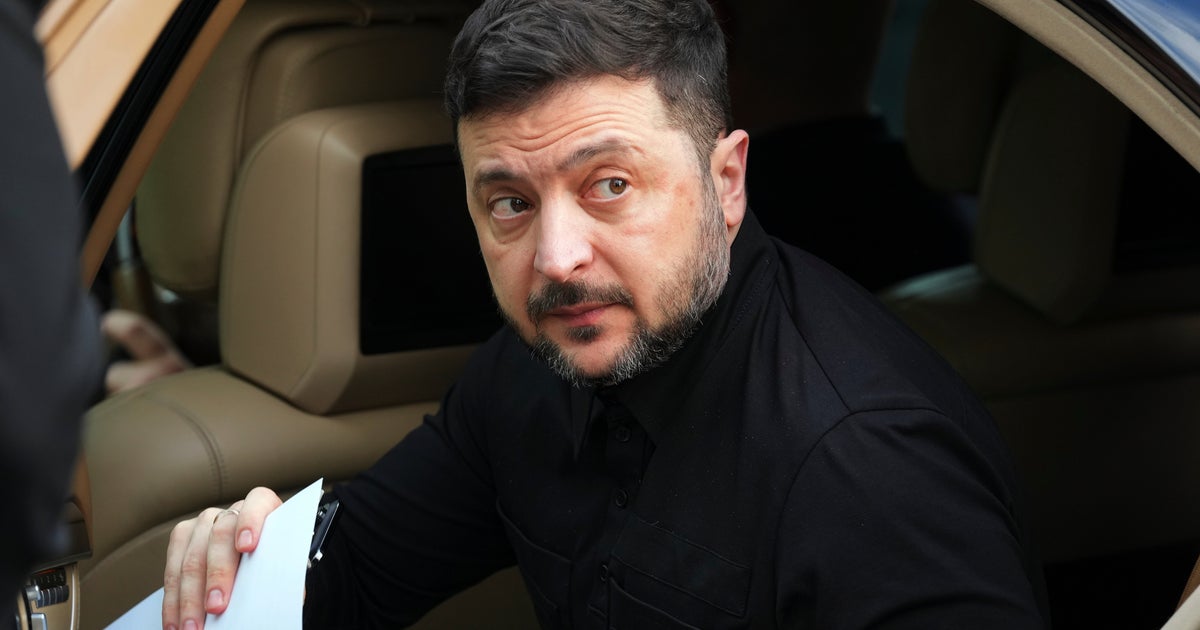
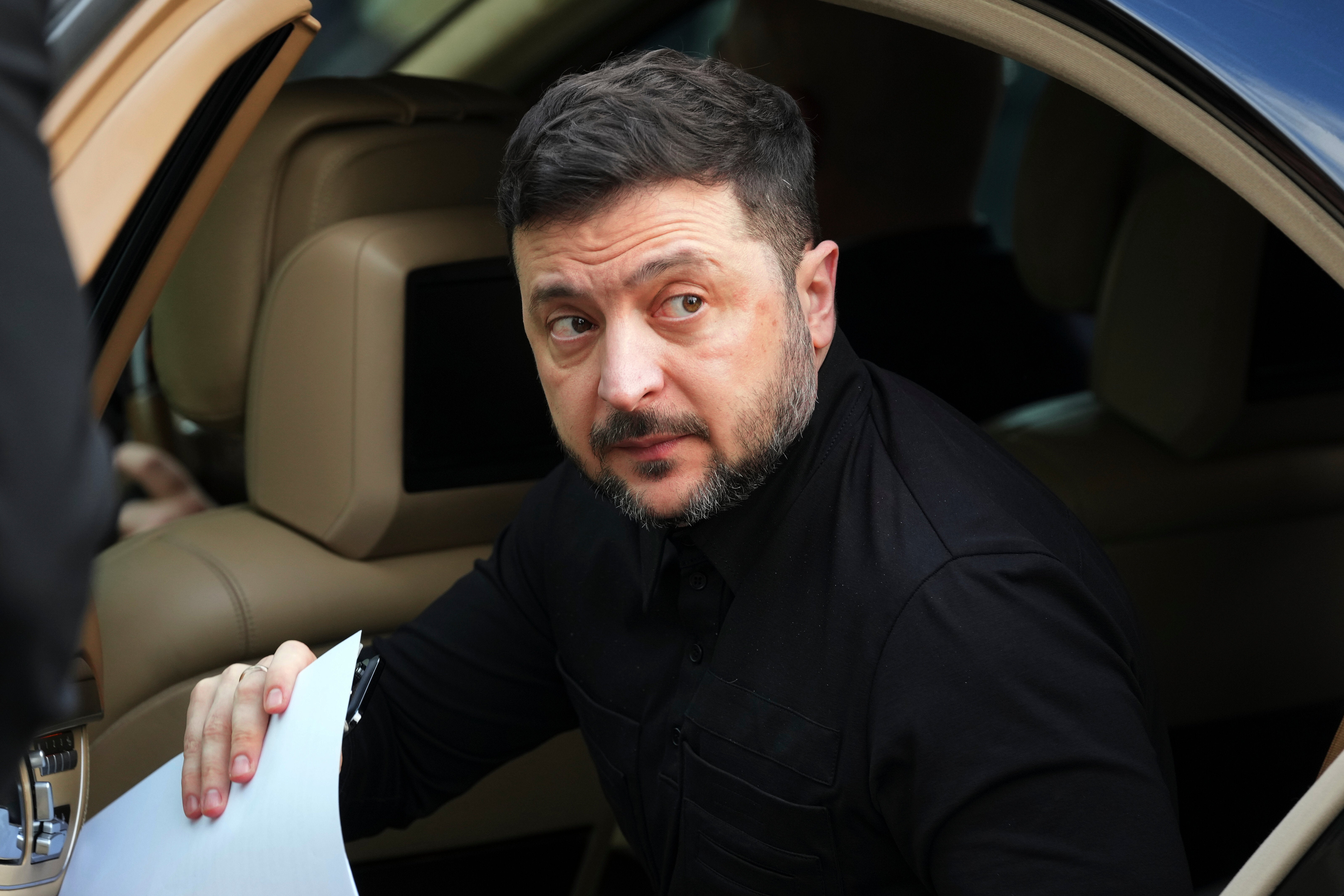
Volodymyr Zelenskyy has lashed out at his European allies for not taking enough action over Russia’s continued war in Ukraine.
The Ukrainian president accused the continent of failing to “take the lead in defending freedom” while speaking at the World Economic Forum in Davos.
Advertisement
He claimed Europe is a “fragmented kaleidoscope of small and middle powers” and looks “lost” as it tries to convince Donald Trump to force Moscow to end its four-year offensive.
“Instead of taking the lead in defending freedom worldwide, especially when America’s focus shifts elsewhere, Europe looks lost, trying to convince the US president to change,” he said.
“If Europe is not seen as a global force, if its actions do not scare bad actors, then Europe will always be catching up with new dangers and attacks.”
Advertisement
Trump has often promised to end the Ukraine-Russia war, but – a year after he returned to office – peace still seems elusive.
Putin has been dragging his heels repeatedly over negotiations, even when the US president effectively offered Russia rewards for being the aggressor and invading Ukraine in 2022.
While Russia continues its grinding offensive and bombards Ukraine’s national infrastructure, Trump has repeatedly blamed Zelenskyy for the slow progress in negotiations.
Advertisement
The Ukrainian president also told WEF that Europe’s hesitation to act would have repercussions beyond Ukraine, emboldening other authoritarian regimes aside from the Kremlin.
“Who in Europe needs that message to become reality? And yet Europe has not even tried to build its own response,” Zelenskyy said.
He added: “Just last year, here in Davos, I ended my speech by saying Europe needs to know how to defend itself.
Advertisement
“A year has passed and nothing has changed. I am forced to say the same words again.”
He pointed out that in 2025, most of the time was spent discussing long-range weapons for Ukraine, but now “no one is even talking about it”.
He said: “Today they target Ukraine. Tomorrow, it could be any Nato country.”
Zelenskyy claimed he had a “productive and substantive” one-hour meeting with the US president at Davos – their first in-person conversation this year – but no fresh agreements seemed to emerge.
He also announced that a two-day trilateral meeting involving Ukraine, the US and Russia are set to start on January 23 in the United Arab Emirates.
Advertisement
Meanwhile, Trump’s son-in-law and adviser Jared Kushner and special envoy Steve Witkoff are set to meet with Putin in Moscow on Thursday.

Norovirus cases have surged by a staggering 60% in the past fortnight, the UK Health Security Agency (UKHSA) has warned.
The virus is a nasty one, causing sudden symptoms including vomiting and diarrhoea, as well as a high temperature, headache, stomach pain or other aches and pains.
Advertisement
Amy Douglas, lead epidemiologist at UKHSA, said the virus is continuing to rise, particularly among people aged 65 and over.
“This increase is in line with what we expected following Christmas, and we are now seeing hospital outbreaks begin to climb as well,” she said.
While this is grim news indeed, there is a small glimmer of hope as flu, Covid-19 and RSV levels continue to fall.
Advertisement
To try and steer clear of the vomiting bug, UKHSA is urging people to wash hangs regularly with warm soapy water. It also cautioned that alcohol hand gels don’t kill norovirus.
If someone in your household catches it, the NHS advises washing clothes and bedding that has poo or vomit on it on a 60°C wash, separately from other laundry.
Clean toilet seats, flush handles, taps and bathroom door handles regularly. The UKHSA suggests using bleach-based products to clean surfaces, where possible.
Advertisement
Wash your hands with soap and water before preparing, serving or eating food. It’s best to avoid eating food prepared by someone who’s had the winter vomiting bug.
No, is the short answer.
UKHSA’s Amy Douglas said: “If you have diarrhoea and vomiting, don’t return to work, school or nursery until 48 hours after your symptoms have stopped and don’t prepare food for others in that time either.
“If you are unwell, avoid visiting people in hospitals and care homes to prevent passing on the infection to those most vulnerable.”
Advertisement
Norovirus usually passes in two to three days. It’s best to stay hydrated as much as possible to avoid dehydration and get plenty of rest. If you’re in discomfort, paracetamol might also help.

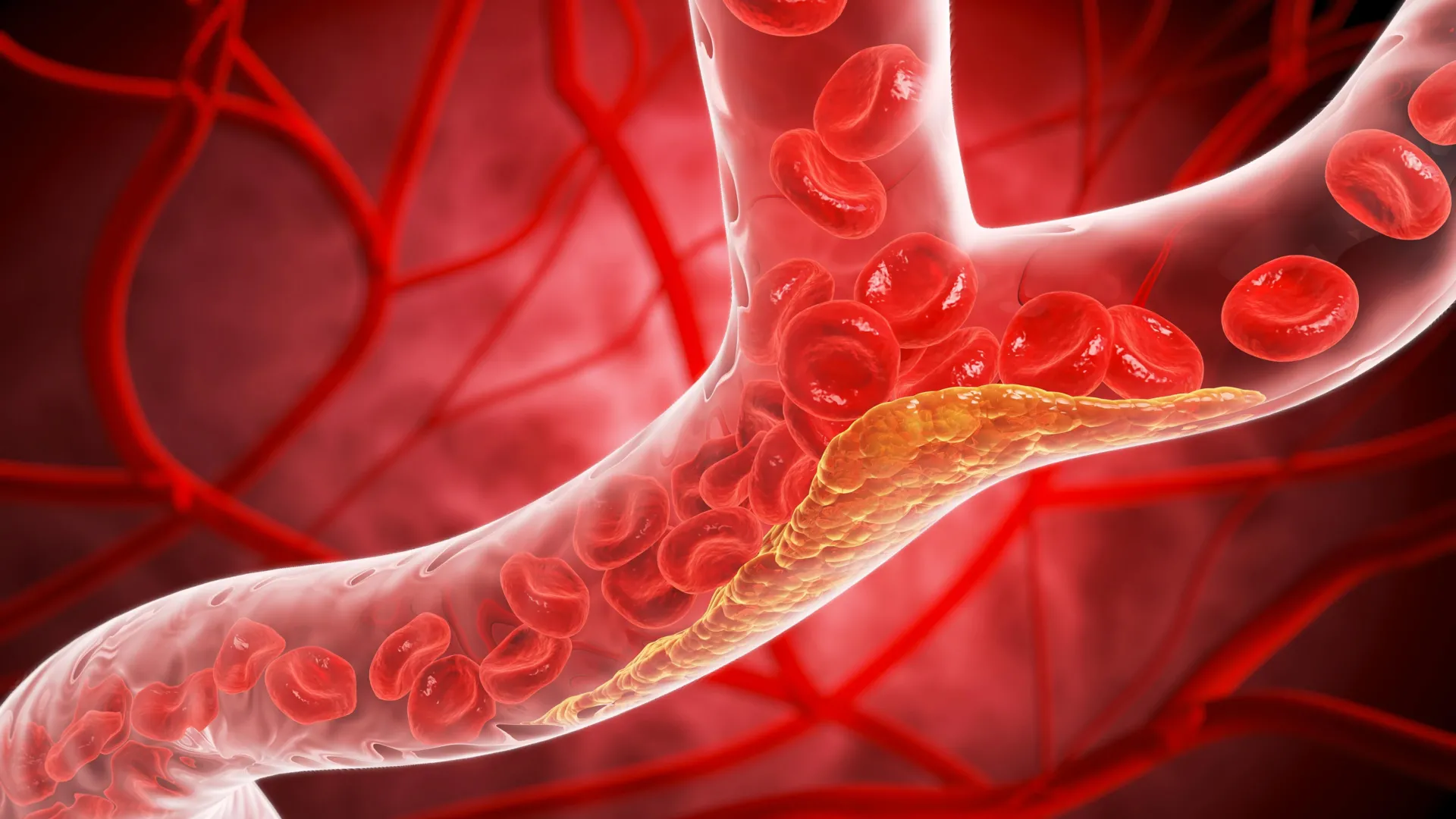
The risk of cardiovascular disease rises steadily the longer a person lives with type 2 diabetes. A new study from Karolinska Institutet, published in the journal Diabetes, suggests that changes in red blood cells may help explain this growing danger. The researchers also point to a specific molecule that could serve as a future biomarker for identifying cardiovascular risk.
People with type 2 diabetes face a higher likelihood of heart attacks and strokes, and that risk increases with each passing year of the disease. Earlier research has shown that red blood cells can influence how well blood vessels function in diabetes. The new study adds an important insight by showing that the length of time someone has diabetes strongly affects when these blood cell changes begin and how they develop. After many years, red blood cells may start to directly damage blood vessels.
Evidence From Patients and Animal Studies
To better understand these effects, the research team examined both animal models and people with type 2 diabetes. Red blood cells taken from mice and from patients who had lived with diabetes for a long time disrupted normal blood vessel function. In contrast, red blood cells from newly diagnosed patients showed no harmful impact. However, after seven years of follow up, those same patients developed red blood cells with similar damaging properties. When scientists restored levels of microRNA-210 in the red blood cells, blood vessel function improved.
“What really stands out in our study is that it is not only the presence of type 2 diabetes that matters, but how long you have had the disease. It is only after several years that red blood cells develop a harmful effect on blood vessels,” says Zhichao Zhou, associate professor at the Department of Medicine, Solna, Karolinska Institutet, and lead author of the study.
A Possible Early Warning Marker
The findings suggest that microRNA-210 in red blood cells could be used as a biomarker to help detect the risk of cardiovascular complications at an earlier stage. Researchers are now exploring whether this approach can be applied in larger population studies.
“If we can identify which patients are at greatest risk before vascular damage has already occurred, we can also become better at preventing complications,” says Eftychia Kontidou, doctoral student from the same group and the first author of the study.
Wes Streeting said he was “very worried” about the issue of rising demand for services.
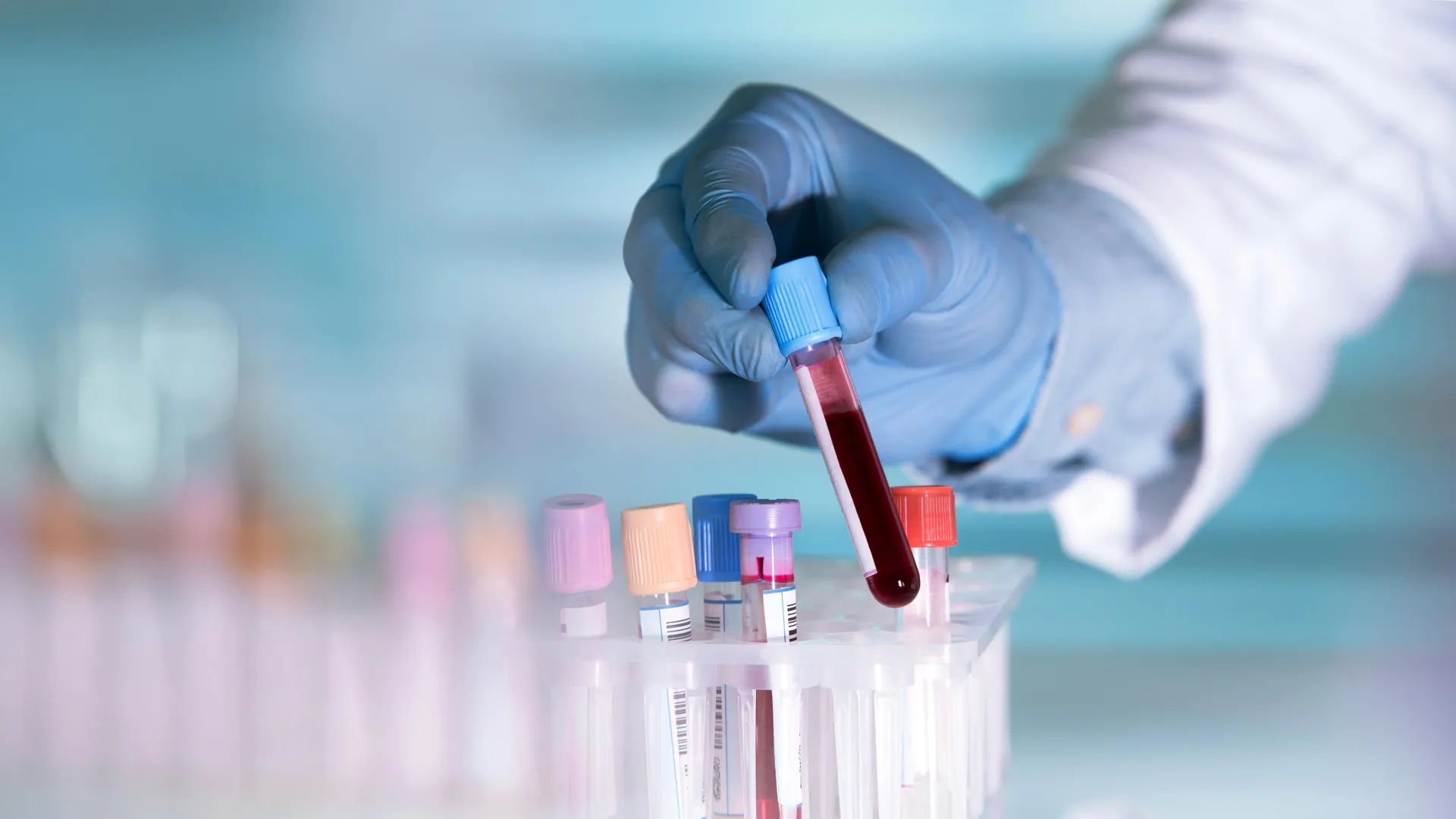
Researchers at Sinai Health have identified a blood test that can signal the risk of Crohn’s disease years before symptoms begin. The discovery points to the possibility of diagnosing the condition earlier than ever before and may eventually help doctors intervene before lasting damage occurs.
The blood test focuses on how the immune system reacts to flagellin, a protein found on certain gut bacteria. According to a research team led by Dr. Ken Croitoru, a clinician scientist at the Lunenfeld-Tanenbaum Research Institute at Sinai Health, people who later develop Crohn’s disease often show higher immune responses to this protein long in advance. The study team also included gastrointestinal medical resident Dr. Richard Wu and clinician scientist and staff gastroenterologist Dr. Sun-Ho Lee.
Drs. Croitoru and Lee are also members of Mount Sinai Hospital’s Centre for Inflammatory Bowel Disease (IBD), an internationally recognized center dedicated to inflammatory bowel disease research.
The findings were published in Clinical Gastroenterology and Hepatology and emphasize how interactions between gut bacteria and the immune system play a crucial role in the early development of Crohn’s disease.
A Disease on the Rise
Crohn’s disease is a chronic inflammatory disorder of the digestive tract that can lead to ongoing digestive problems, pain, and fatigue. These symptoms often have a major impact on daily life. Since 1995, rates of Crohn’s disease in children have doubled, and overall cases continue to increase. Crohn’s and Colitis Canada, a non profit organization focused on curing inflammatory bowel disease, estimates that about 470,000 Canadians will be living with IBD by 2035.
Why Early Antibodies Matter
Detecting antibodies to flagellin years before symptoms appear suggests that this immune response may help trigger the disease rather than simply result from it, Dr. Croitoru said. He believes that understanding these early immune changes could lead to new ways to predict who is at risk, prevent the disease from developing, and improve treatment.
“With all of the advanced biologic therapy we have today, patients’ responses are partial at best. We haven’t cured anybody yet, and we need to do better,” said Dr. Croitoru, who hold Canada Research Chair in Inflammatory Bowel Diseases.
Tracking Risk Through the GEM Project
The study is part of the Genetic, Environmental and Microbial (GEM) Project, a large international effort led by Dr. Croitoru. The project follows more than 5,000 healthy first degree relatives of people with Crohn’s disease. Since 2008, researchers have collected genetic, biological, and environmental information to better understand how the disease begins. So far, 130 participants have gone on to develop Crohn’s disease, allowing scientists to examine the condition before symptoms emerge.
Earlier work from the team showed that an inflammatory immune response aimed at gut bacteria can appear well before Crohn’s disease is diagnosed. In healthy individuals, gut bacteria normally live in balance with the body and support digestion. In people with Crohn’s disease, the immune system appears to react abnormally to microbes that are usually beneficial.
Building on Earlier Discoveries
Previous research by collaborators at the University of Alabama, led by Dr. Charles Elson, resulted in a test that detects antibodies against flagellin. That work showed that people with Crohn’s disease often have higher antibody levels directed at flagellin from Lachnospiraceae bacteria.
Drs. Croitoru and Lee then asked whether the same immune response could be found in healthy people who were at increased risk of developing Crohn’s disease.
“We wanted to know: do people who are at risk, who are healthy now, have these antibodies against flagellin?” said Dr. Croitoru. “We looked, we measured, and yes indeed, at least some of them did.”
Study Results and What Comes Next
The study followed 381 first degree relatives of people with Crohn’s disease. During the study period, 77 participants developed the condition. Among them, 28 individuals had elevated antibody levels, accounting for more than a third of those who became ill. The strongest immune responses were seen in siblings, underscoring the importance of shared environmental exposure, as shown previously by Dr. Croitoru.
Researchers also confirmed that this early immune response to Lachnospiraceae flagellin was linked to intestinal inflammation and problems with the gut barrier, both key features of Crohn’s disease. On average, participants were diagnosed nearly two and a half years after their blood samples were collected.
“Confirming our previous study immune response against bacterial flagellins show strong associations with future risk of Crohn’s in healthy first-degree relatives,” said Dr. Lee. “We found that this immune response is driven by a conserved domain of the flagellin protein. This raises the potential for designing a flagellin-directed vaccine in selected high-risk individuals for prevention of disease. Further validation and mechanistic studies are underway.”

Among the known genetic factors tied to late-onset Alzheimer’s disease (AD), one gene variant stands out as the strongest risk factor. That variant is APOE-ε4. Another form of the same gene, APOE-ε2, has been associated with a lower likelihood of developing Alzheimer’s and is widely believed to offer some level of protection against the disease.
A large study published Jan. 16 in Alzheimer’s & Dementia, The Journal of the Alzheimer’s Association, set out to examine how often these two gene variants appear in a rare group known as super agers. Super agers are people age 80 or older whose memory and thinking abilities closely resemble those of adults who are 20 or 30 years younger. The research was led by investigators at Vanderbilt University Medical Center.
Lower Frequency of Alzheimer’s Risk Gene
The results showed a striking difference in genetic risk. Super agers were 68% less likely to carry APOE-ε4 when compared with individuals age 80 and older who had Alzheimer’s dementia.
What stood out even more was the comparison with cognitively healthy peers. Super agers were still 19% less likely to carry APOE-ε4 than other adults in the same age group who showed normal cognitive aging.
“This was our most striking finding — although all adults who reach the age of 80 without receiving a diagnosis of clinical dementia exhibit exceptional aging, our study suggests that the super-ager phenotype can be used to identify a particularly exceptional group of oldest-old adults with a reduced genetic risk for Alzheimer’s disease,” said Leslie Gaynor, PhD, assistant professor of Medicine in the Division of Geriatric Medicine. She led the study together with Alaina Durant, BS, a statistical genetic analyst in the Vanderbilt Memory and Alzheimer’s Center.
Higher Levels of a Protective Gene Variant
Researchers also discovered another important genetic distinction. For the first time, super agers were shown to have a higher frequency of APOE-ε2, the gene variant linked to reduced Alzheimer’s risk.
Compared with cognitively normal adults age 80 and older, super agers were 28% more likely to carry APOE-ε2. When compared with participants age 80 or older who had Alzheimer’s dementia, super agers were 103% more likely to have this protective variant.
Largest Study of Super Agers to Date
This observational study included the largest number of super agers examined so far. The analysis drew on data from the Alzheimer’s Disease Sequencing Project Phenotype Harmonization Consortium (ADSP-PHC), which is led by study co-author Timothy Hohman, PhD, professor of Neurology.
Altogether, the study evaluated genetic and clinical data from 18,080 participants across eight national aging cohorts.
How Super Agers Were Defined
Super ager status was partly determined by memory performance. Participants age 80 or older qualified if their memory scores were higher than the average score among cognitively normal adults ages 50 to 64.
The study population included participants from several race and ethnicity groups. Among them were 1,412 non-Hispanic white super agers and 211 non-Hispanic Black super agers. The dataset also included 8,829 individuals with AD dementia and 7,628 cognitively normal controls.
Worldwide, the APOE-ε4 variant is found in about 13.7% of people. Within this study population, the frequency was much higher at 43.9%.
Why Super Agers Matter for Alzheimer’s Research
“With interest in super agers growing,” Gaynor said, “our findings notably encourage the view that the super-ager phenotype will prove useful in the continued search for mechanisms conferring resilience to AD.
“This is by far the largest study to date to identify differences in APOE-ε4 allele frequency based on super-ager status, and the first study to find a relationship between APOE-ε2 allele frequency and super-ager status. We would expect these findings to lend continued interest to questions of how these variants may influence development of clinical dementia due to Alzheimer’s disease, as well as to the super-ager phenotype more generally.”
Research Team and Funding
Additional contributors from Vanderbilt University Medical Center included Angela Jefferson, PhD, Logan Dumitrescu, MS, PhD, and Derek Archer, PhD. They worked alongside 32 researchers from 15 universities.
The study was supported in part by National Institutes of Health awards U24 AG074855, U01 AG068057, and R01 AG059716.
