Why some people get bad colds and others don’t

When rhinovirus, the most common cause of the common cold, enters the nasal passages, the cells lining the nose immediately begin working together to fight the infection. These cells activate a wide range of antiviral defenses designed to limit the virus and stop it from spreading. In a study published on January 19 in the journal Cell Press Blue, researchers show that this early cellular response plays a key role in whether a person becomes sick and how severe their symptoms become. The findings suggest that the body’s reaction to rhinovirus often matters more than the virus itself.

“As the number one cause of common colds and a major cause of breathing problems in people with asthma and other chronic lung conditions, rhinoviruses are very important in human health,” says senior author Ellen Foxman of Yale School of Medicine. “This research allowed us to peer into the human nasal lining and see what is happening during rhinovirus infections at both the cellular and molecular levels.”

Creating Lab Grown Human Nasal Tissue

To closely observe how nasal cells respond to infection, the research team built a lab grown model of human nasal tissue. They grew nasal stem cells for four weeks while exposing the upper surface of the tissue to air. This setup encouraged the cells to mature into a structure that closely resembles the lining of the nasal passages and lung airways.

The resulting tissue contained multiple cell types found in the human airway, including mucus producing cells and cells with cilia. Cilia are tiny hair like structures that help move mucus and trapped particles out of the lungs.

“This model reflects the responses of the human body much more accurately than the conventional cell lines used for virology research,” Foxman says. “Since rhinovirus causes illness in humans but not other animals, organotypic models of human tissues are particularly valuable for studying this virus.”

Interferons and Early Antiviral Protection

Using this model, the researchers were able to monitor how thousands of individual cells respond together during infection. They also examined what happened when the cellular sensors responsible for detecting rhinovirus were blocked. These experiments revealed a powerful defense system coordinated by interferons, which are proteins that interfere with viral entry and replication.

When nasal cells detect rhinovirus, they release interferons that activate antiviral defenses not only in infected cells but also in nearby healthy cells. This coordinated response makes it difficult for the virus to reproduce and spread. If interferon activity begins quickly, the infection can be contained early. When the researchers blocked this response, the virus spread rapidly, infecting many more cells and causing significant damage. In some cases, the infected organoids did not survive.

“Our experiments show how critical and effective a rapid interferon response is in controlling rhinovirus infection, even without any cells of the immune system present,” says first author Bao Wang of Yale School of Medicine.

When Viral Growth Triggers Harmful Responses

The study also uncovered additional responses that occur when viral replication increases. Under these conditions, rhinovirus can activate a separate sensing system that leads both infected and uninfected cells to produce large amounts of mucus and inflammatory signals. This reaction can contribute to airway inflammation and breathing difficulties in the lungs.

According to the researchers, these pathways may offer useful targets for treatments aimed at reducing harmful symptoms while supporting effective antiviral defenses.

Limits of the Model and Future Research

The team notes that their organoid model includes fewer cell types than are present in the human body. During real infections, additional cells, including immune cells, are drawn to the site to help fight the virus. The researchers say that understanding how these additional cell types and environmental factors in the nasal passages and airways influence the body’s response to rhinovirus will be an important focus of future work.

“Our study advances the paradigm that the body’s responses to a virus, rather than the properties inherent to the virus itself, are hugely important in determining whether or not a virus will cause illness and how severe the illness will be,” Foxman says. “Targeting defense mechanisms is an exciting avenue for novel therapeutics.”


Share Button

A common vitamin could influence bathroom frequency

Bowel habits may not be a popular topic, but they offer valuable insight into how efficiently the gut moves material through the digestive system. When this process becomes disrupted, people can develop constipation, diarrhea, or irritable bowel syndrome (IBS). Even though these conditions are widespread, the biological processes that regulate bowel movements are still not fully mapped. A new study published on January 20 in Gut provides fresh genetic evidence about intestinal motility and points to vitamin B1 (thiamine) as an unexpected biological pathway worth further investigation.

The study was carried out by an international research team led by Mauro D’Amato, Professor of Medical Genetics at LUM University and Ikerbasque Research Professor at CIC bioGUNE, member of BRTA. The researchers used a large-scale genetic strategy to look for common DNA differences linked to how often people have bowel movements, referred to in the study as stool frequency. To do this, they analyzed genetic data and health questionnaires from 268,606 individuals of European and East Asian ancestry. Advanced computational methods helped identify which genes and biological processes were most strongly connected to gut movement.

Known Gut Pathways Confirm the Findings

The analysis uncovered 21 regions of the human genome that influence bowel movement frequency, including 10 regions that had not been identified before. Many of the genetic signals pointed to biological systems already known to regulate gut motion, offering reassurance that the results fit with established biology. These included bile-acid regulation (bile acids help digest fats and also act as signaling molecules in the gut) and nerve signaling involved in intestinal muscle contractions (including acetylcholine-related signaling, which helps nerves communicate with muscle). Together, these findings reinforce existing knowledge about how the gut functions.

Vitamin B1 Stands Out as a Surprise Signal

The most notable discovery emerged when researchers focused on two high-priority genes connected to vitamin B1 biology. These genes, SLC35F3 and XPR1, play a role in how thiamine is transported and activated in the body. To see whether this genetic signal was reflected in everyday life, the team analyzed dietary data from the UK Biobank. Among 98,449 participants, higher intake of dietary thiamine was linked to more frequent bowel movements.

This relationship was not uniform across all individuals. The effect of thiamine intake on bowel movement frequency depended on genetic variation in the SLC35F3 and XPR1 genes (analysed together as a combined genetic score). These results suggest that inherited differences in how the body handles thiamine may shape how vitamin B1 intake influences bowel habits in the general population.

Links to IBS and Future Research

Dr. Cristian Diaz-Muñoz, the study’s first author, said “We used genetics to build a roadmap of biological pathways that set the gut’s pace. What stood out was how strongly the data pointed to vitamin B1 metabolism, alongside established mechanisms like bile acids and nerve signaling.”

The findings also suggest a meaningful biological connection between bowel movement frequency and IBS, a condition that affects millions of people worldwide. “Gut motility problems sit at the heart of IBS, constipation and other common gut-motility disorders” says Prof Mauro D’Amato, “but the underlying biology is very hard to pin down. These genetic results highlight specific pathways, especially vitamin B1, as testable leads for the next stage of research, including lab experiments and carefully designed clinical studies.”

The study was led by Mauro D’Amato’s Gastrointestinal Genetics Research Group and involved investigators from CIC bioGUNE in Spain, LUM University, Institute for Genetics and Biomedical Research – CNR, CEINGE and University of Naples Federico II in Italy, University of Groningen in The Netherlands, University of Oxford in UK, Concordia University and Ontario Institute for Cancer Research in Canada, and Monash University in Australia. The research was supported by grants from MCIU/AEI/10.13039/501100011033 and ERDF/EU (PID2023-148957OB-I00); PRIN2022/NextGenerationEU (2022PMZKEC; CUP E53D23004910008 and CUP B53D23008300006); ERC Starting Grant (101075624); PNRR/NextGenerationEU (PE00000015/Age-it); NWO-VICI (VI.C.232.074); NWO Gravitation ExposomeNL (024.004.017); EU Horizon DarkMatter program (101136582).

Share Button

This New Scan Claims To Measure How Well You’re Aging — Here’s What Doctors Say It Can Do

For centuries, palmistry enthusiasts have claimed that the lines crisscrossing our hands can predict everything from how many children we’ll have to whether we’ll find true love. But what if your palm could actually tell you something scientifically meaningful about your health?

That’s the goal behind OligoScan technology, a device that has influencers and holistic medicine advocates excited about its potential to reveal information about skin aging, energy levels, sleep quality and hair health through a simple palm scan. The device claims to measure minerals, heavy metals and antioxidants in your body without drawing blood. In fact, one TikTok user shared her experience getting immediate results showing elevated toxic heavy metal levels, which led her to change her diet and lifestyle.

Sounds intriguing, right? But before you rush to book an appointment, here’s what dermatologists and researchers actually say about how it works and whether the science holds up.

A naturopath uses OligoScan on someone's palm.

Getty Images

A naturopath uses OligoScan on someone’s palm.

What Is OligoScan?

OligoScan is an FDA-approved spectrophotometric device that supposedly measures mineral concentrations and heavy metal toxicity in your body. It works through tissue spectrophotometry, where light passes through the skin of your palm and the reflected wavelengths get analyzed. The idea is that each mineral or heavy metal absorbs and reflects light differently, creating a unique pattern that can be read and interpreted.

The device looks for minerals like magnesium, zinc, selenium, calcium, iron, copper, chromium and iodine, plus toxic heavy metals such as mercury, lead, cadmium, arsenic and aluminum.

Dr. Barbara Kubicka, an aesthetic physician based in West London, explains that this approach is different from traditional blood tests. “Minerals and heavy metals tend to accumulate in tissues over time, and the palm provides a reliable, low pigment site for assessment,” she said. Rather than measuring what’s stored at a tissue level like bloodwork does, the scan captures what’s circulating in your system at that precise moment.

Here’s where things come down to earth: Insurance won’t cover this, and prices in America range from around $160 for a basic scan to $400 or more. You’ll need to find specialized clinics, wellness centers with dermatologists or functional medicine practitioners. The upside? No referral is needed, so you can make an appointment directly.

Decoding The Skin And Hair Connection

Research does show that what you eat affects your skin. A U.S. national survey found that 94.3% of Americans don’t meet daily requirements for vitamin D, 45% fall short on vitamin A, 84% lack vitamin E and 15% don’t get enough zinc. These gaps can show up on your skin.

Dr. Shamsa Kanwal, a board-certified dermatologist with over 10 years of experience, points out that nutrient shortfalls can definitely affect your appearance. “True nutrient deficiencies can show up as dryness, slow healing, brittle nails or hair shedding,” she explained.

She also notes how many processes your skin needs to stay healthy depend on having the right minerals. Low magnesium, for instance, can mess with your sleep. Too much lead exposure might explain ongoing fatigue and headaches. And yes, these issues can affect how your skin and hair look. We’re talking about antioxidant protection, collagen production and cellular repair. When these minerals are out of balance, you might notice dryness, slower healing or general dullness.

Don’t Ditch Your Annual Blood Tests Just Yet

But here’s the thing: Both doctors stress that OligoScan shouldn’t replace your regular medical tests. Kanwal calls it “a functional snapshot of long-term mineral status and toxic burden” that might reveal imbalances affecting how you age. However, for people who’ve tried conventional treatments without success, OligoScan might highlight issues that standard bloodwork misses. Kanwal said the most common findings include low antioxidant levels, mineral shortfalls and heavy metal buildup. These contribute to oxidative stress and inflammation, which could explain persistent fatigue or dull skin even when your lab work looks fine.

Consider 36-year-old Hayley Atkinson, who struggled with hair thinning and constant fatigue. Regular supplements weren’t helping. After an OligoScan showed elevated heavy metal levels, she worked with Kubicka on a targeted plan. “Generic supplements were not making any changes, and what I needed was a targeted plan that supported my diet and lifestyle,” she shared.

Following her initial scan, she received an analysis of mineral patterns and ratios in the context of her medical history, lifestyle factors, stress load and skin concerns that helped her doctor create a personalized plan, which included diet changes, detox support and gut health interventions as well as follow-up appointments to track whether her levels and symptoms improved.

Does The Science Check Out?

While the technology has spread to Australia, the United Kingdom and the Middle East, independent scientific validation appears limited, which is why practitioners who use OligoScan emphasize that it should complement other medical tools, not replace them.

The connection between nutrition and skin health is real and well documented. Whether a palm scan is the best way to uncover those issues? That’s still up for debate. Your palm may or may not predict your romantic future, but if you’re curious about this technology, approach it as one piece of a larger health puzzle, ideally guided by a medical professional who can interpret results in context and recommend evidence-based next steps.

Share Button

A bleak midwinter as care continues in the corridors

BBC London’s political editor visits two east London hospitals as winter pressures continue to mount.

Share Button

Engage 20: Creating Positive Social Ripples

Lesson 20 of the free Engage course invites you to consider simple ways to encourage and uplift the people whose lives you touch.

You’ll find the rest of the Engage course videos in the Video section.

Join the Engage Email List

Join the Engage notification list to get an email whenever a new Engage lesson is published. I also encourage you to subscribe to my YouTube channel to follow the course there.

Enjoy!

Share Button

Donald Trump Ditches Tariff Threat In Latest Climbdown Over Greenland

Donald Trump has ditched his threat to impose tariffs on the UK and seven other European nations over Greenland.

The US president said he had agreed “the framework of a future deal” on the island “and the entire Arctic Region” after talks with Nato general secretary Mark Rutte.

It is unclear whether this means Trump has also ditched his bid to bring Greenland under American control.

His latest climbdown comes just hours after he ruled out using military force to annex the island, which has been a semi-autonomous part of the Kingdom of Denmark for more than 300 years.

In a post on Truth Social, Trump said: “Based upon a very productive meeting that I have had with the Secretary General of NATO, Mark Rutte, we have formed the framework of a future deal with respect to Greenland and, in fact, the entire Arctic Region.

“This solution, if consummated, will be a great one for the United States of America, and all NATO Nations. Based upon this understanding, I will not be imposing the Tariffs that were scheduled to go into effect on February 1st.

“Additional discussions are being held concerning The Golden Dome as it pertains to Greenland. Further information will be made available as discussions progress. Vice President JD Vance, Secretary of State Marco Rubio, Special Envoy Steve Witkoff, and various others, as needed, will be responsible for the negotiations — They will report directly to me. Thank you for your attention to this matter!”

Trump threatened on Saturday to slap a 10% tariff on the UK, Denmark, Norway, Sweden, France, Germany, the Netherlands and Finland from February 1 if America had not taken control of Greenland.

They would then have risen to 25% on June 1 if the stalemate continued.

Earlier on Wednesday, Keir Starmer insisted he “would not yield” to Trump in his opposition to the president’s plans.

Posting on X, Tory leader Kemi Badenoch said: “I welcome news that President Trump has dropped his threat of tariffs for now. This will be a relief to businesses who are already facing so many challenges.

“It is also good to hear Trump rule out the use of force in Greenland. Greenland’s future must be decided by its people.”

Share Button

A simple blood test mismatch linked to kidney failure and death

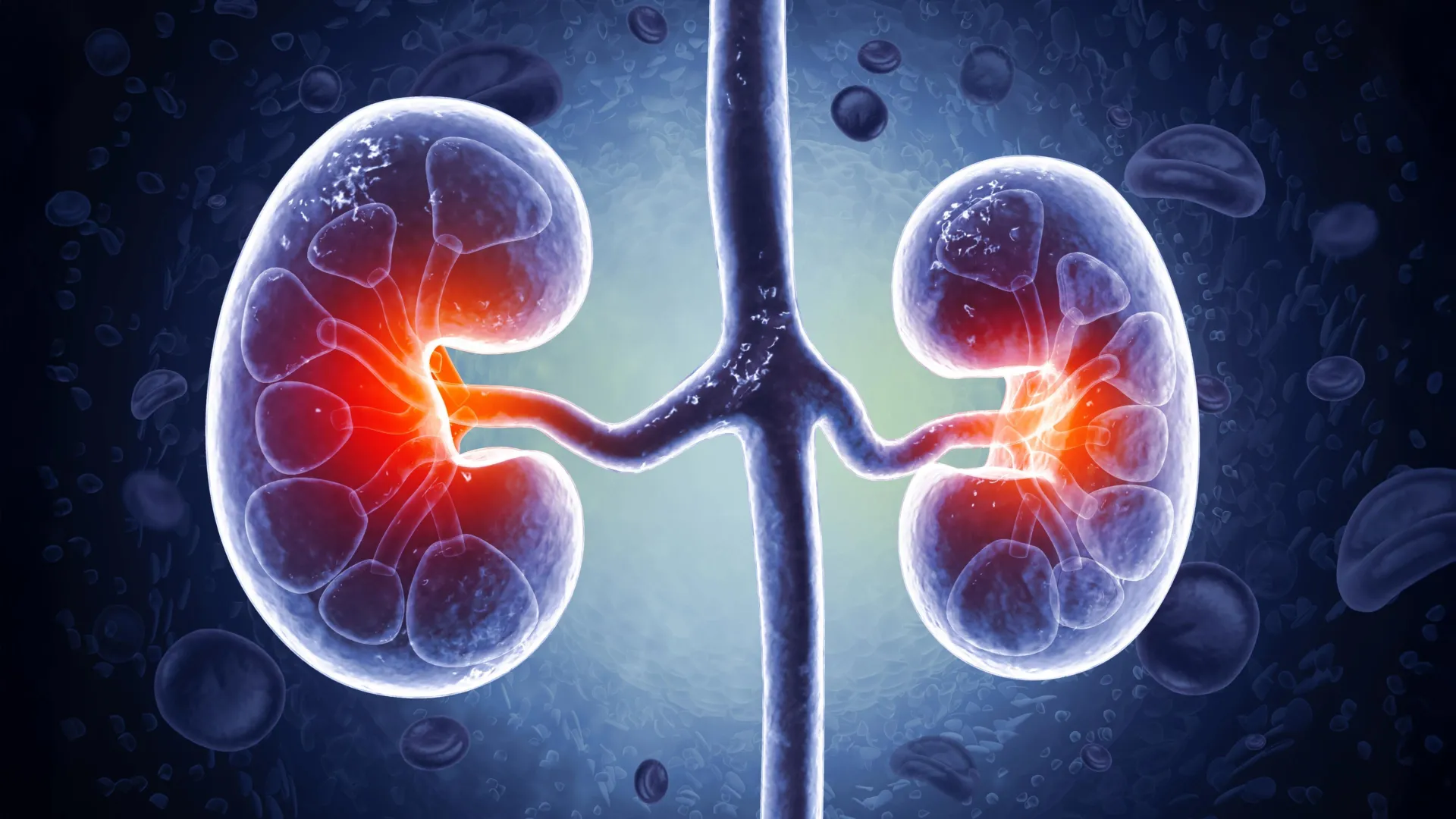
A difference between two widely used blood tests for kidney health may serve as an early warning sign for serious outcomes, including kidney failure, heart disease, and death, according to new research.

For many years, doctors have relied on a blood marker called creatinine to estimate how well the kidneys filter waste produced by muscle activity. More recent medical guidelines also recommend measuring cystatin C, a small protein produced by all cells in the body, as another way to assess kidney function. Because these two markers are affected by different biological processes, using both together can offer a clearer picture of kidney health and future risk than either test alone.

Two Tests, One Concerning Gap

Researchers from NYU Langone Health found that large differences between creatinine and cystatin C results are common, particularly among people who are already ill. In a large international analysis, more than one third of hospitalized patients had cystatin C results that suggested kidney function was at least 30% worse than what their creatinine levels indicated. This gap, the researchers say, may point to underlying disease that would otherwise go unnoticed.

“Our findings highlight the importance of measuring both creatinine and cystatin C to gain a true understanding of how well the kidneys are working, particularly among older and sicker adults,” said study co-corresponding author Morgan Grams, MD, PhD. “Evaluating both biomarkers may identify far more people with poor kidney function, and earlier in the disease process, by covering the blind spots that go with either test.”

The study was published in the Journal of the American Medical Association and was presented at the American Society of Nephrology’s annual Kidney Week conference.

Why Kidney Testing Matters Beyond Diagnosis

Accurate kidney function measurements are critical not only for detecting disease, but also for determining safe medication doses. Kidney performance helps guide dosing for cancer treatments, antibiotics, and many commonly prescribed drugs, according to Grams, who is the Susan and Morris Mark Professor of Medicine at the NYU Grossman School of Medicine.

In a separate study released the same day, the same research group reported that chronic kidney disease now affects more people worldwide than ever before and has become the ninth leading cause of death globally. Grams notes that better tools for early detection could allow patients to begin treatment sooner and reduce the need for extreme measures such as dialysis or organ transplantation. She is also a professor in the Department of Population Health at NYU Grossman School of Medicine.

A Massive Global Analysis

For the current study, investigators reviewed medical records, blood test results, and demographic information from 860,966 adults representing six different nationalities. All participants had both creatinine and cystatin C measured on the same day and were followed for an average of 11 years. The analysis accounted for factors that can influence these markers but are not directly related to kidney function, including smoking, obesity, and a history of cancer.

Conducted through the international Chronic Kidney Disease Prognosis Consortium, the research is the largest investigation so far to examine how differences between these two tests relate to long-term health outcomes. The consortium was created to improve understanding of chronic kidney disease and to support consistent global definitions of the condition and its risks.

Higher Risks Linked to Larger Differences

The study found that people whose cystatin C results showed kidney filtration at least 30% lower than their creatinine results faced significantly higher risks of death, heart disease, and heart failure. They were also more likely to develop severe chronic kidney disease that required dialysis or an organ transplant. Similar patterns were observed in 11% of outpatients and individuals who appeared healthy at the time of testing.

Grams pointed out that cystatin C testing was first recommended in 2012 by the international organization Kidney Disease — Improving Global Outcomes. Despite that guidance, a 2019 survey showed that fewer than 10% of clinical laboratories in the United States performed the test in-house. Since then, the two largest laboratory companies, Quest Diagnostics and Labcorp, have begun offering it.

“These results underscore the need for physicians to take advantage of the fact that more hospitals and health care providers are starting to offer cystatin C testing,” said study co-corresponding author Josef Coresh, MD, PhD, director of NYU Langone’s Optimal Aging Institute. “Physicians might otherwise miss out on valuable information about their patients’ well-being and future medical concerns.”

Coresh, who is also the Terry and Mel Karmazin Professor of Population Health at NYU Grossman School of Medicine, noted that among hospitalized Americans included in the study, fewer than 1% had been tested for cystatin C.

Study Support and Contributors

The research was funded by National Institutes of Health grant R01DK100446 and by the National Kidney Foundation.

Michelle Estrella, MD, MHS, of the University of California, San Francisco, served as the study’s first author, while Kai-Uwe Eckardt, MD, of Charite-Universitatsmedizin Berlin in Germany, was the senior author. Along with Grams and Coresh, co-leaders of the Chronic Kidney Disease Prognosis Consortium, NYU Langone contributors included Shoshana Ballew, PhD; Yingying Sang, MS; and Aditya Surapaneni, PhD. Additional investigators came from institutions across the United States, Europe, Asia, and Australia, reflecting the global scope of the research effort.

Share Button

Brit Award Nominations 2026: The Full List Of This Year’s Nominees

The nominations for this year’s Brit Awards have been unveiled ahead of this year’s ceremony, with Lola Young leading the way this time around.

As always, the Brits recognises the biggest achievements in music over the last 12 months both here in the UK and overseas.

Lola has racked up five nominations in the lead-up to next month’s ceremony, ahead of fellow competitors Olivia Dean with four, and the likes of Wolf Alice, Sam Fender, Fred Again.. and Lily Allen on three each.

Meanwhile, international nominees include Bruno Mars, Sabrina Carpenter, Taylor Swift and Lady Gaga.

Here’s the full list of all of this year’s nominees.

British Album Of The Year

Dave – The Boy Who Played The Harp

Lily Allen – West End Girl

Olivia Dean – The Art Of Love

Sam Fender – People Watching

Wolf Alice – The Clearing

British Song Of The Year

Calvin Harris and Clementine Douglas – Blessings

Chrystal and Notion – The Days

Cynthia Erivo and Ariana Grande – Defying Gravity

Ed Sheeran – Azizam

Fred Again.., Skepta and Plaqueboymax –Victory Lap

Lewis Capaldi – Survive

Lola Young – Messy

Myles Smith – Nice To Meet You

Olivia Dean – Man I Need

Raye – Where Is My Husband!

Sam Fender and Olivia Dean – Rein Me In

Skye Newman – Family Matters

British Artist Of The Year

Fred Again..

Lily Allen

Little Simz

Lola Young

Olivia Dean

PinkPantheress

Sam Fender

Self Esteem

British Group Of The Year

Sleep Token

The Last Dinner Party

Wolf Alice

British Breakthrough Artist

Barry Can’t Swim

Jim Legxacy

Lola Young

Skye Newman

British Alternative/Rock Act

Blood Orange

Lola Young

Sam Fender

Wolf Alice

British R&B Act

Jim Legxacy

Sasha Keable

British Dance Act

Calvin Harris and Clementine Douglas

Fred Again.., Skepta, Plaqueboymax

PinkPantheress

Sammy Virji

British Hip-Hop/Rap/Grime Act

Central Cee

Jim Legxacy

Little Simz

Loyle Carner

British Pop Act

Lily Allen

Lola Young

Olivia Dean

International Song Of The Year

Alex Warren – Ordinary

Chappell Roan – Pink Pony Club

Disco Lines and Tinashe – No Broke Boys

Gigi Perez – Sailor Song

Gracie Abrams – That’s So True

Huntr/x – Golden

Lady Gaga and Bruno Mars – Die With A Smile

Ravyn Lenae – Love Me Not

Rosé and Bruno Mars – Apt.

Sabrina Carpenter – Manchild

Sombr – Undressed

Taylor Swift – The Fate Of Ophelia

International Artist Of The Year

Chappell Roan

Sabrina Carpenter

Taylor Swift

Tyler, The Creator

International Group Of The Year

Tame Impala

The 2026 Brit Awards will take place at Manchester’s Co-op Live Arena on Saturday 28 February.

Share Button

The hidden microbes that decide how sourdough tastes

Sourdough starter is a simple blend of flour and water that bakers rely on to make bread rise. For scientists, it is also a powerful way to study how living organisms change over time. The familiar chewy texture and tangy flavor of sourdough come from a complex mix of microorganisms that ferment the dough. Research over the years has uncovered more than 60 types of bacteria and over 80 kinds of yeast in sourdoughs from different regions of the world. “We can use sourdough as an experimental evolution framework, to see what happens over time,” said evolutionary biologist Caiti Heil, Ph.D.

In a recent study published in Microbiology Spectrum, Heil and researchers at North Carolina State University in Raleigh set out to explore how flour choice affects the microbes living in sourdough starters. Their analysis showed that yeasts from the genus Kazachstania were consistently the most common across all starters. In contrast, the bacterial communities varied depending on the type of flour used.

What This Means for Bakers and Flavor

The findings suggest that changing flour types could influence the microbial makeup of a starter. “And because the microbial composition affects different traits, by altering the flour you could potentially alter how your bread tastes,” said Heil, the study’s senior author. More broadly, she explained that the results show just how responsive the sourdough microbiome is to environmental conditions.

Earlier research has shown that sourdough microbes are shaped by multiple influences, including the flour itself, the surrounding air and surfaces, and even the hands of the baker. Starters can be made with wheat, rye, barley, teff, millet, or other grains, each supplying a distinct set of nutrients that microbes depend on to grow.

A Classroom Experiment Sparks the Study

The research began with an educational project led by Enrique Schwarzkopf, Ph.D., a postdoctoral researcher in Heil’s lab and an avid sourdough baker. He created a program at a local middle school to teach students about fermentation and evolution. Schwarzkopf, who maintains a sourdough starter named Seth, encouraged students to test different flour combinations and feeding schedules to see which starter would grow the fastest.

To analyze the starters, the researchers used metabarcoding, a genetic method that quickly identifies which microbes are present in a sample. Each starter began with one of three substrates: all-purpose flour, bread flour or whole wheat flour. At the start of the experiment, the flours showed similar bacterial profiles and contained a variety of yeasts.

Unexpected Yeast Dominance

After several weeks of repeated feeding, the microbial communities shifted. The starters all ended up dominated by the same yeast, while bacteria showed greater diversity. Heil said she originally expected to find Saccharomyces cerevisiae, also known as brewer’s yeast, which is commonly used in baking and is central to much of her lab’s research.

Instead, Kazachstania emerged as the leading yeast in every starter, regardless of flour type or feeding schedule. Genetic analysis also revealed differences among bacteria. Starters made with whole wheat flour contained higher levels of Companilactobacillus, while those made with bread flour had more Levilactobacillus.

Flour as an Ecological Driver

Heil, whose work focuses on how organisms adapt to new environments and compete at the genetic level, explained that each flour type offers unique nutritional conditions. Linking those differences to the environments microbes experience, she said, can help scientists better understand how diverse microbial communities form, compete, and persist.

Share Button

‘I Was An Estranged Child. Here’s What I Wish Parents Knew About Going No-Contact’

Estrangement, and especially the estrangement of adult children from their parents, has been a big topic in the past few months.

Oprah Winfrey invited a panel of therapists to talk about the “rising trend” of estrangement on her podcast, for instance. One of the experts controversially blamed “therapy” for “inflammatory reactions” to parents’ behaviour.

And Sir David and Victoria Beckham’s relationship with their son Brooklyn has proven, well, rocky in the past year, too.

We don’t know the particulars of that case for sure.

But with so much attention around the topic of estrangement, we spoke to Dorcy Pruter, the founder of the Conscious Co-Parenting Institute, who began her business after reconnecting with her father following years of estrangement.

Here, she shared “the hard truth most [estranged] parents aren’t ready to hear (at least not at first)”.

“Going no-contact is never the first choice”

Some parents may feel blindsided by their grown-up child going no-contact.

But “going no-contact is never the first choice,” Pruter said. “It’s the last resort of a child who didn’t feel safe, seen, or sovereign in the relationship.”

She added that there is often no single moment that leads to a break.

Instead, “it begins with small moments of emotional misattunement. Dismissed feelings. Subtle control. A child becomes the parents’ emotional regulator.

“It can look like ‘loving too much’ or ‘doing everything for them,’ when in reality, the parent may have unknowingly made their child responsible for their self-worth.”

For the parent, she said, they might really feel they gave their child everything.

“So when a parent finds themselves mystified by estrangement, the most powerful question they can ask is not ‘What went wrong?’ but: ‘What truth did my child not feel safe enough to tell me?’

“Is it helpful to reflect? Yes, but only if the reflection is rooted in curiosity, not guilt or blame. Parents must be willing to trade the need to be ‘right’ for the courage to reconnect. That means listening to the silence not as a punishment, but as a message.”

How can I tell if my grown-up child is distancing themselves from me, and what can I do if they go no-contact?

Another reason parents might feel shocked by their child’s distance, Pruter told us, is that they struggle to notice early signs of disconnection for what it really is.

“There are often early signs of withdrawal, short or transactional conversations, and emotional distance, but many parents miss them because they interpret that distance as rudeness or ingratitude, rather than disconnection,” she said.

And if your child has already gone no-contact, she recommended taking that as an opportunity to “heal [your] own wounds, take radical responsibility, and become safe for their child again, even if that child never returns.

“I often tell my clients that reconnection isn’t about changing your child’s mind. It’s about transforming your own heart.”

Share Button