Closing submissions are being made in an employment tribunal brought by eight female nurses.


Closing submissions are being made in an employment tribunal brought by eight female nurses.
Alice Figueiredo, 22, took her own life at Goodmayes Hospital, east London, in July 2015.
Brittany Miller is known for posting food and lifestyle content to her three-and-a-half million followers.
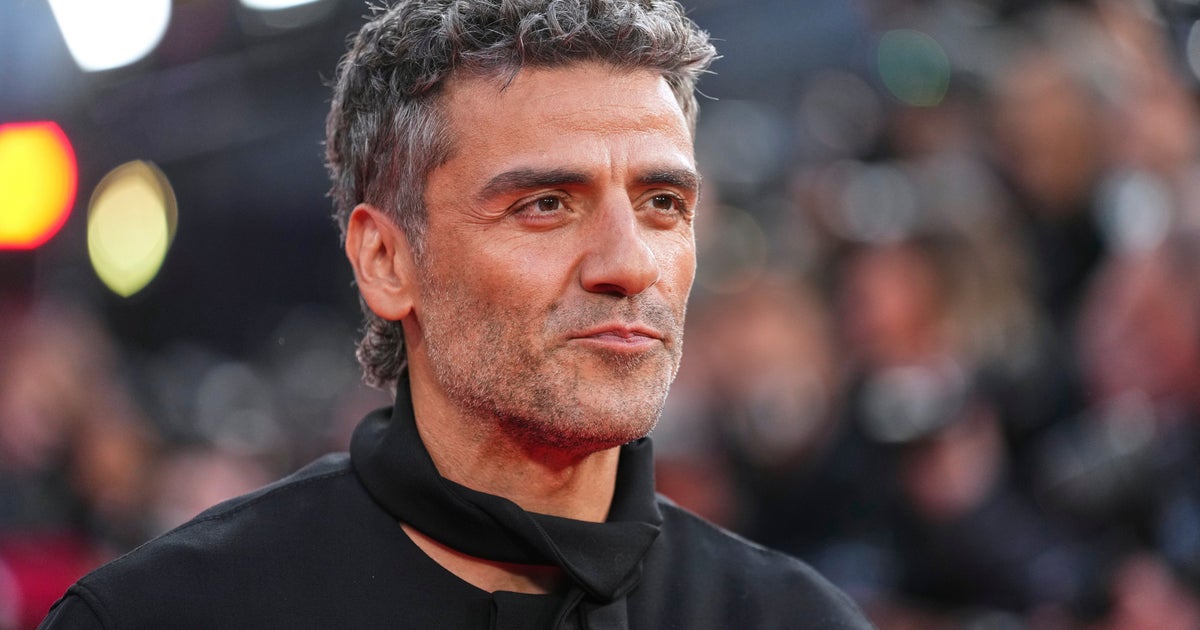
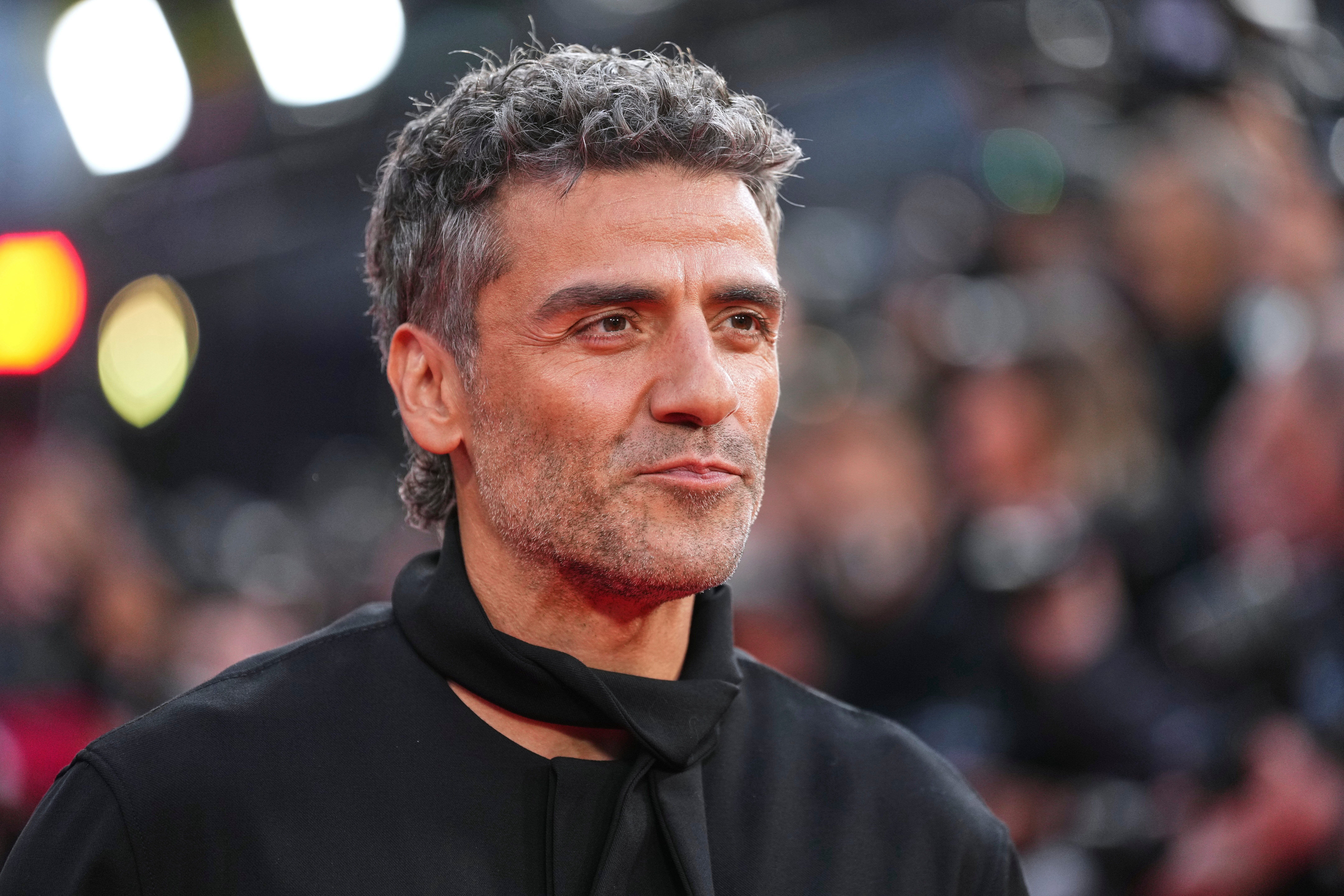
Oscar Isaac has said that he’d want to see some changes behind the scenes at Disney before he agreed to appear in another Star Wars movie.
The Frankenstein star played the Resistance pilot Poe Dameron in the rebooted Star Wars trilogy between 2015 and 2019, and in the six years since, has repeatedly been grilled about whether he’d ever be keen to return to that galaxy far, far away.
Advertisement
During a recent interview with GQ, it was mentioned that he’d once said he’d only return to the sci-fi saga if he needed “another house or something”, commenting: “Yeah. That was a real likeable quote. Jesus Christ.
“Y’know, people ask you things, you say stuff, you don’t really think about it that much. I said a slightly dickish thing.”
The magazine’s reporter then pointed out that Oscar had seemingly softened on the idea in more recent years, to which he admitted that he is “open to” a new Star Wars movie – albeit not at this exact moment in history.
Advertisement
“Right now I’m not so open to working with Disney,” he admitted. “But if they can kinda figure it out and, you know, not succumb to fascism, that would be great.”
GQ pointed out that their interview took place during Jimmy Kimmel’s brief suspension from his US talk show, which led to a widespread boycott of the Walt Disney Company, the parent company of his employer, ABC.
Advertisement
Back in September, ABC announced that Jimmy was being taken off the air “indefinitely” as the result of remarks he had made days earlier about the fall-out from the killing of far-right political commentator Charlie Kirk.
The incident stemmed from a comedy monologue, during which the comedian observed: “We hit some new lows over the weekend with the MAGA gang desperately trying to characterise this kid who murdered Charlie Kirk as anything other than one of them, and doing everything they can to score political points from it.”
After the news broke that Jimmy was being suspended because of this comment, many called for a boycott of the streaming services Disney+ and Hulu (both of which are owned and operated by Disney), with the company reported to have taken a hit of around $3 billion overnight.
Advertisement
Jimmy made light of this when he eventually returned to ABC days later.
Oscar isn’t the only member of the Star Wars reboot’s cast to have some choice words for Disney, though, after John Boyega claimed the studio failed to flesh out the characters played in the series by actors of colour compared to those portrayed by their white counterparts.
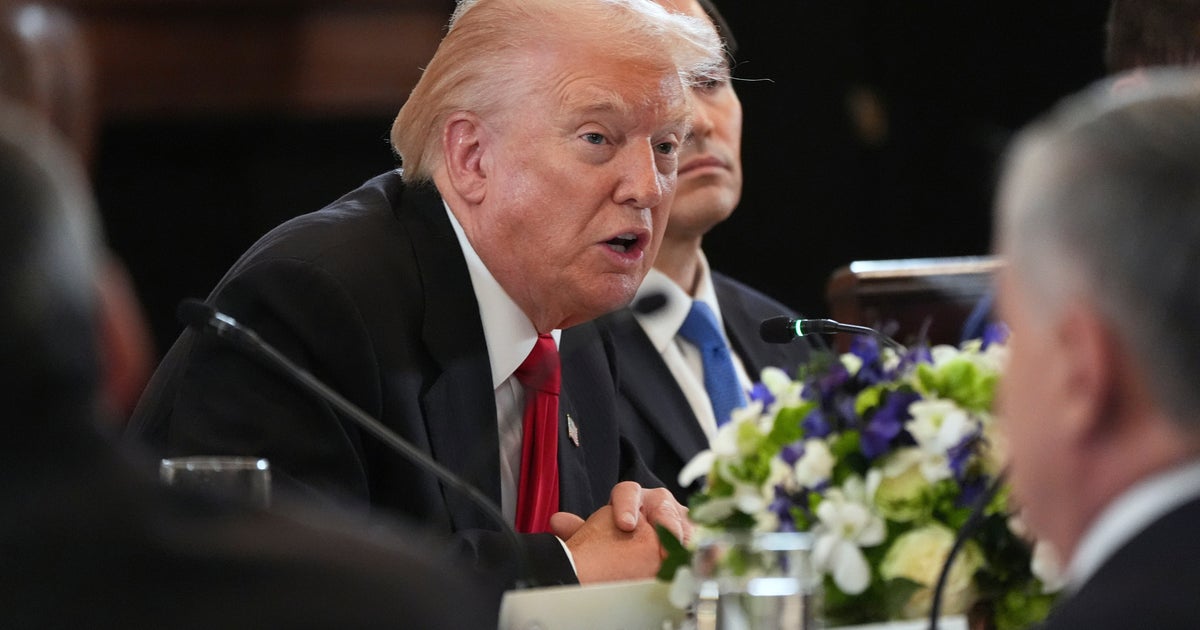
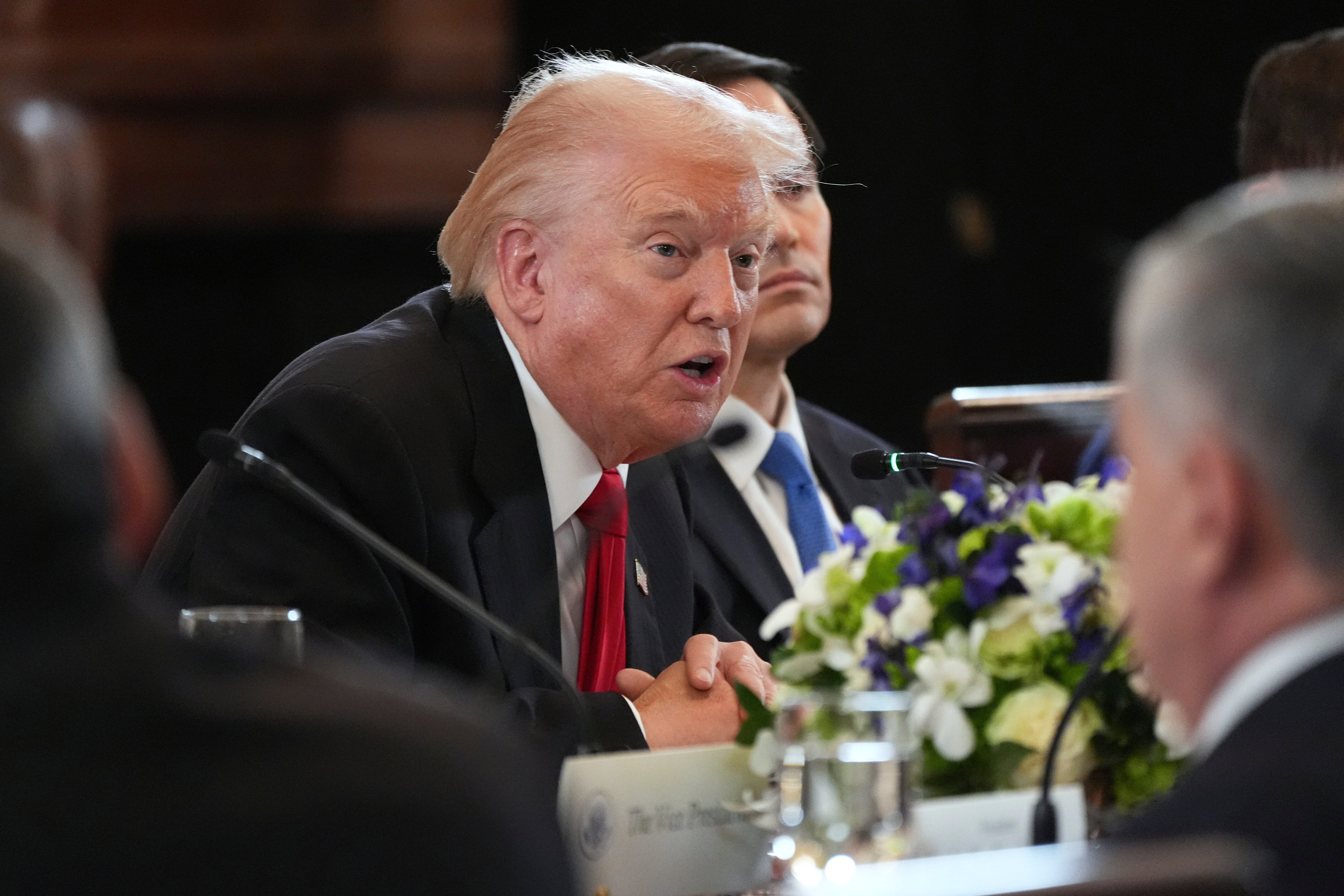
Donald Trump has just gone to war with the BBC – but it’s far from the first time he has attacked the media.
Lawyers for the US president have threatened to sue the corporation for $1 billion, following accusations that an episode from the BBC’s Panorama “doctored” footage of a speech Trump made to his supporters before the Capitol riots on January 6, 2020.
Advertisement
Two BBC executives had already resigned amid claims of “bias” even before Trump issued his legal threat.
But the president’s lawyers still want the BBC to apologise, issue a retraction and “appropriately compensate” Trump – and they’ve given the corporation until Friday to respond.
While questions remain over just how successful his legal bid may be, the president is known for his litigious attitude towards the media – and has launched several other legal challenges to various outlets…
Advertisement
Trump sought $500m from the Chicago Tribune way back in 1984, long before he got close to the White House.
He claimed an architecture critic for the newspaper had “virtually torpedoed” his plans to build a 150-story skyscraper in Manhattan.
But the case was dismissed as the judge decided the column in question was protected by the First Amendment (right to free speech and free press).
Advertisement
Trump sought $475m in damages from CNN back in October 2022, accusing the outlet of trying to sabotage his political prospects.
He pointed to five examples of articles or aired comments that referred to Trump’s claims of election fraud as his “big lie” – a comment which has been associated with the Nazi regime.
But the case was thrown out because “no reasonable viewer could (or should) plausibly make that reference”.
Advertisement
Trump sued after comments made by an ABC anchor George Stephanopoulos, in March 2024, who falsely claimed the president had been found “liable for rape”.
ABC, which is owned by Disney, ended up paying out $15 million in a defamation lawsuit – choosing to settle rather than fight.
Trump filed a case in Texas in October last year against the parent company of CBS News, Paramount.
He claimed the company had violated consumer protection laws by editing a 60 Minutes interview with Kamala Harris in a misleading way.
Advertisement
While Paramount was expected to win any legal battle – because Trump’s claim.was under an unrelated statute and Trump was evidently not harmed by the segment after winning the election – the company still paid him $16 million.
Paramount also wanted the White House’s approval of a merge with Skydance Media, and so needed the president on side.
In July this year, the Wall Street Journal published an article stating Trump had written a sexually suggestive birthday letter to convicted sex offender Jeffrey Epstein back in 2003.
Advertisement
The following day, Trump sued the reporters who wrote the article, as well as the newspaper, its publishing company Dow Jones & Company, its owner – and the parent company’s chief, Rupert Murdoch.
He claimed the letter was “fake”and meant to harm his reputation.
Dow Jones said it stands by its reporting and will challenge the lawsuit.
The president tried to start a $15bn defamation lawsuit against the New York Times in September, claiming it had been “allowed to freely lie, smear and defame me for far too long”.
However, a judge struck down that claim due to issue with its contents, giving Trump’s team 28 days to file a new complaint.
Advertisement
He filed a new complaint in October, targeting individual reporters and a book publisher.
The late-night talk show host – owned by ABC – was sacked from his show in September after making controversial comments on the assassination of pro-Trump campaigner Charlie Kirk.
The news was welcomed by Trump – but Kimmel was soon rehired following intense backlash, and insisted it was “never my intention to make light of the murder of a young man”.
But he also claimed Trump had “tried his best to cancel me” – only for Kimmel’s show ratings to go through the roof after his return.
Advertisement
Trump said Kimmel’s return would escalate his legal battle with the comedian and his network.
He said that this issue could be “even more lucrative” than his last £15m pay-out from ABC.
The BBC is not part of a wider corporation like many of the organisations mentioned above which often have deep pockets.
It is independent and publicly-funded instead, with its licence free model up for review in 2027 – and this incident will add to wider calls for major reform within the BBC.
Yet legal experts have also questioned just how successful this legal bid will be, considering it’s been more than a year since the original Panorama episode aired.
Advertisement
Others have questioned whether Trump will realistically be able to argue that the BBC did damage his reputation, considering he has already been under scrutiny by congressional hearings, global coverage of January 6 and ongoing civil lawsuits in Washington.
He also still won the presidential election last year, after the programme had aired.
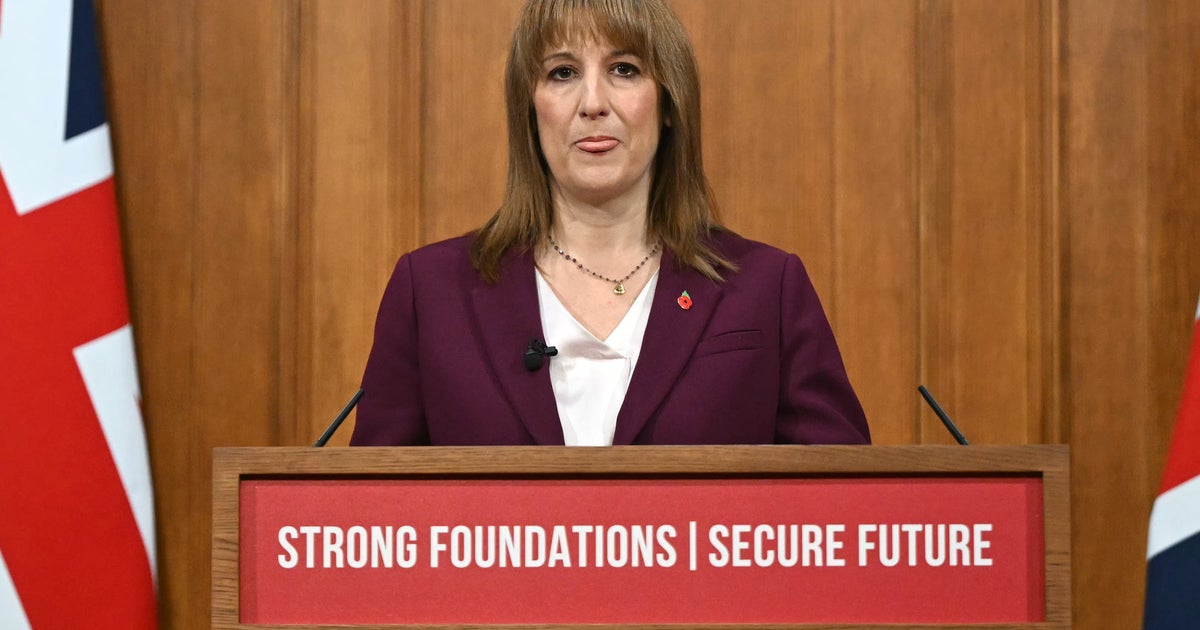
The rate of UK unemployment in the UK has risen to 5% in a blow to Rachel Reeves, according to the new official figures.
The Office for National Statistics (ONS) said the increase occurred in the three months leading up to September.
Advertisement
That’s the highest rate recorded since the three months up to February 2021 amid the Covid pandemic.
Here’s what you need to know.
The ONS revealed today that unemployment rose to 5.0% in the three months to the end of September. That’s up from 4.8% in the previous quarter, and works out to an increase in unemployment to 1.8 million.
We do not know the rate for the whole year yet as the data for October, November and December still need to be collected.
There’s been an increase in the number of young people who are not employed, in education or in training recently.
Advertisement
The Resolution Foundation estimates that almost a million (940,000) young people are unemployed – the highest level recorded in a decade, and almost the same number recorded in the after math of the 2008 financial crash.
That’s an increase of 195,000 more young people not working in just two years.
According to the Resolution Foundation, most of these people are economically inactive rather than unemployed, with many pointing to health problems or “other reasons” for not working or studying,
Although many analysts had still expected the rate to be around 4.9% ahead of Reeves’ Budget on November 26, the 5% figure was still unexpected.
Advertisement
Average wage growth had only fallen slightly to 4.6% in the most recent quarter, down from 4.7% compared to the three months leading up to August.
The ONS’s director of economic statistics, Liz McKeown, said: “Taken together, these figures point to a weakening labour market.
“Meanwhile, the unemployment rate is up in the latest quarter to a post pandemic high. The number of job vacancies, however, remains broadly unchanged.”
Advertisement
It also comes after Reeves increased employer national insurance contributions by £25bn and increased the national living wage from April.
Critics claimed impacted part-time employment and jobs in the hospitality, leisure and retail sectors.
Someone can only apply for Jobseeker’s Allowance (JSA) by getting an interview at the local Jobcentre Plus office.
Advertisement
This payment is reduced or stopped if the individual in question does not keep to the agreement to look for work and cannot offer a good reason.
Up to the age of 24, the JSA weekly amount can be £72.90.
For those aged 25 or over, it can be £92.05 per week.
It’s also only available for 182 days.
Universal Credit is gradually replacing income-based Jobseeker’s Allowance, Income Support, income-related Employment and Support Allowance.
People may be eligible for Universal Credit if they have less than £16,000 in savings or other investments (not including the home you live in).
Advertisement
Any assets belonging to any partners the individual in question lives with is also considered and the exact amount depends on income and circumstances.
This suggests the jobs market is looking rather shaky ahead of the November 26 Budget – which is nothing the government will want to hear.
It could mean the Bank of England may be more likely to cut interest rates in December, weakening its lever meant to hold back inflation.
Advertisement
Meanwhile, Reeves is already trying to bridge a gap in the public finances of up to £30 billion in her Budget – which could mean hiking taxes again, thus hitting jobs and economic growth.
But, Labour is trying to address the employment crisis.
The government recently appointed former Labour health secretary Alan Milburn to lead an independent review into how mental health issues and disability affect unemployment in young people.
Meanwhile, a different review from Charlie Mayfield – former chief of John Lewis – said young adults were one of the main groups impacted by an “economic inactivity crisis” hitting the UK.
Advertisement
However, unemployment could increase beyond 5% next year which made it harder for workers to bargain for higher wages, according to warnings from the Bank of England.
Work and pensions secretary Pat McFadden said “there are challenges in the labour market” but claimed the “British economy is still generating jobs”.
He said: “Over 329,000 more people have moved into work this year already, but today’s figures are exactly why we’re stepping up our plan to get Britain working.
Advertisement
“We’ve introduced the most ambitious employment reforms in a generation to modernise job centres, expand youth hubs and tackle ill-health through stronger partnerships with employers.”


Researchers at Osaka Metropolitan University have developed a promising new method to repair spinal fractures using stem cells extracted from adipose tissue, or body fat. In animal studies, the treatment successfully healed spinal injuries in rats that mimic osteoporosis-related fractures seen in humans. Because these cells are easy to collect, even from older adults, and cause minimal strain on the body, the technique could provide a gentle, non-invasive alternative for treating bone diseases.
Osteoporosis weakens bones, making them fragile and more likely to break. As Japan’s population continues to age, the number of people affected is projected to surpass 15 million. Among the various types of fractures caused by osteoporosis, compression fractures of the spine, known as osteoporotic vertebral fractures, are the most common. These injuries can result in long-term disability and severely reduce quality of life, highlighting the need for safer and more effective treatments.
How Fat-Derived Stem Cells Help Rebuild Bone
Stem cells derived from adipose tissue (ADSCs) show strong potential for repairing bone damage. These multipotent cells can develop into various types of tissue, including bone. When ADSCs are cultivated into three-dimensional spherical groups called spheroids, their ability to promote tissue repair increases. Pre-differentiating these spheroids toward bone-forming cells further enhances their effectiveness in stimulating bone regeneration.
Led by Graduate School of Medicine student Yuta Sawada and Dr. Shinji Takahashi, the Osaka research team used ADSCs to create bone-differentiated spheroids and combined them with β-tricalcium phosphate, a material commonly used in bone reconstruction. The mixture was applied to rats with spinal fractures, resulting in significant improvements in bone healing and strength.
The researchers also observed that genes responsible for bone formation and regeneration became more active after the treatment, suggesting that the approach stimulates the body’s natural healing processes.
Promising Outlook for Future Treatments
“This study has revealed the potential of bone differentiation spheroids using ADSCs for the development of new treatments for spinal fractures,” said Sawada. “Since the cells are obtained from fat, there is little burden on the body, ensuring patient safety.”
Dr. Takahashi added, “This simple and effective method can treat even difficult fractures and may accelerate healing. This technique is expected to become a new treatment that helps extend the healthy life of patients.”
The findings were published in Bone & Joint Research.
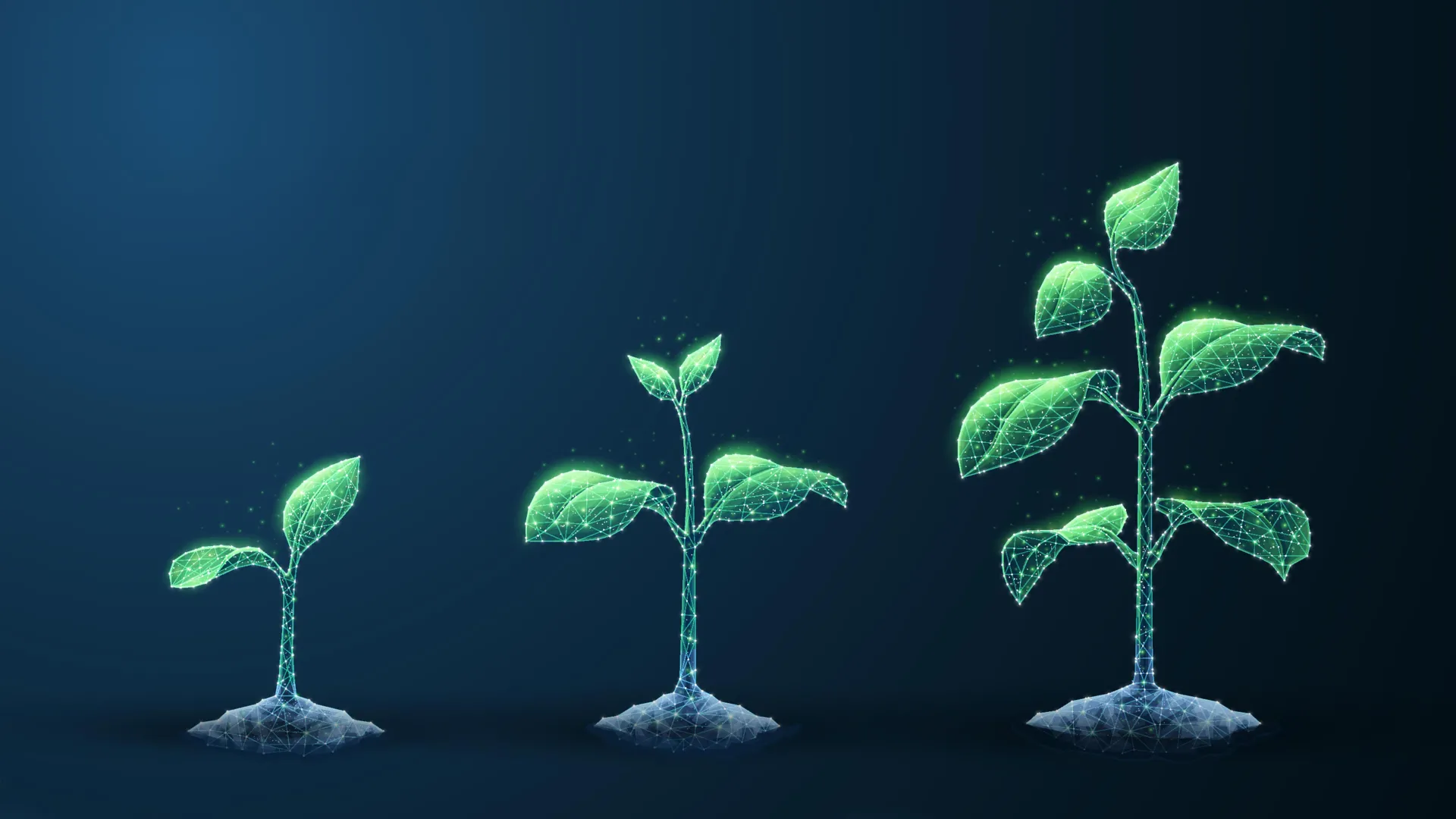
A team of researchers, including a scientist from the Earth-Life Science Institute (ELSI) at the Institute of Science Tokyo in Japan, has identified a new principle in biology that mathematically explains why the growth of living organisms slows down when nutrients become plentiful. This well-known phenomenon is referred to as the “law of diminishing returns.”
How organisms grow in response to changing nutrient conditions has long been one of biology’s central questions. Across all forms of life — from microbes to plants and animals — growth depends on access to nutrients, energy, and the internal machinery of cells. Although scientists have studied how these factors affect growth, most research has focused on individual nutrients or specific biochemical pathways. What has remained unclear is how all these interconnected processes within a cell work together to control growth when resources are limited.
A Global Principle That Unites Living Systems
To explore this mystery, ELSI’s Specially Appointed Associate Professor Tetsuhiro S. Hatakeyama and RIKEN Special Postdoctoral Researcher Jumpei F. Yamagishi discovered a new unifying concept that describes how all living cells manage growth under resource constraints. Their work introduces what they call the global constraint principle for microbial growth — a framework that could reshape how scientists understand biological systems.
Since the 1940s, microbiologists have relied on the “Monod equation” to describe how microbes grow. This model shows that growth rates increase with added nutrients until they level off. However, the Monod equation assumes that only one nutrient or biochemical reaction limits growth at a time. In reality, cells perform thousands of simultaneous chemical processes that must share finite resources.
A Network of Constraints Inside Every Cell
According to Hatakeyama and Yamagishi, the traditional model captures only a small part of what’s happening. Instead of a single bottleneck, cellular growth is shaped by a complex network of limitations that interact to slow growth as nutrients accumulate. The global constraint principle explains that when one limiting factor — such as a nutrient — is alleviated, other constraints like enzyme production, cell volume, or membrane space begin to take over.
Using a technique known as “constraint-based modeling,” the team simulated how cells distribute and manage internal resources. Their results showed that while each additional nutrient helps microbes grow, its benefit gradually decreases — each one contributes less than the last.
“The shape of growth curves emerges directly from the physics of resource allocation inside cells, rather than depending on any particular biochemical reaction,” explains Hatakeyama.
Uniting Classic Laws of Biology
This new principle brings together two of biology’s foundational growth laws: the Monod equation and Liebig’s law of the minimum. Liebig’s law states that a plant’s growth is limited by whichever nutrient is scarcest (for example, nitrogen or phosphorus). Even if all other nutrients are plentiful, the plant can only grow as much as the least available one allows.
By merging these two concepts, the researchers created what they call a “terraced barrel” model. In this model, new limiting factors appear in stages as nutrient availability increases. This explains why organisms — from single-celled microbes to complex plants — experience diminishing growth returns even when conditions seem ideal, as each new stage reveals a fresh constraint.
Hatakeyama compares this to an updated version of Liebig’s famous barrel analogy, in which a plant’s growth is limited by its shortest stave, representing the scarcest resource. “In our model, the barrel staves spread out in steps,” he says, “each step representing a new limiting factor that becomes active as the cell grows faster.”
To test their hypothesis, the researchers built large-scale computer models of Escherichia coli bacteria. These models incorporated details about how cells use proteins, how crowded they are inside, and the physical limits of their membranes. The simulations accurately predicted the observed slowing of growth as nutrients were added and showed how oxygen and nitrogen levels affected the results. Laboratory experiments confirmed that the model’s predictions matched real biological behavior.
Toward Universal Laws of Life’s Growth
The discovery offers a new way to understand how life grows, without the need to model every molecule or reaction in detail. The global constraint principle provides a framework that unifies many aspects of biology. “Our work lays the groundwork for universal laws of growth,” says Yamagishi. “By understanding the limits that apply to all living systems, we can better predict how cells, ecosystems, and even entire biospheres respond to changing environments.”
This principle could have far-reaching applications. It may lead to more efficient microbial production in biotechnology, improved crop yields through better nutrient management, and stronger models for predicting how ecosystems respond to climate change. Future research may explore how this principle applies to different types of organisms and how multiple nutrients interact to influence growth. By bridging cellular biology with ecological theory, this study moves science closer to a universal framework for understanding life’s growth limits.
Earth-Life Science Institute (ELSI) is one of Japan’s prominent World Premiere International (WPI) research centers. It aims to drive breakthroughs in interdisciplinary science by attracting top researchers from around the world to collaborate on challenging scientific problems. ELSI’s mission focuses on studying the origin and co-evolution of Earth and life.
The Institute of Science Tokyo (Science Tokyo) was established on October 1, 2024, through the merger of Tokyo Medical and Dental University (TMDU) and Tokyo Institute of Technology (Tokyo Tech). Its mission is “Advancing science and human wellbeing to create value for and with society.”
Japan’s World Premier International Research Center Initiative (WPI), launched in 2007 by the Ministry of Education, Culture, Sports, Science and Technology (MEXT), supports a network of elite research centers that operate with a high degree of independence and global collaboration. The program is managed by the Japan Society for the Promotion of Science (JSPS).
RIKEN, Japan’s largest research institute for basic and applied science, produces over 2,500 papers each year in leading journals across physics, chemistry, biology, engineering, and medicine. Known for its interdisciplinary and international approach, RIKEN has earned a worldwide reputation for scientific excellence.

If you’re one of the 620 million people who regularly go for a run, you probably like to get an early start. But if you haven’t slept well the night before, you could be putting yourself at greater risk of injury.
A new study led by Professor Jan de Jonge, a work and sports psychologist at Eindhoven University of Technology in the Netherlands (and Adjunct Professor at the University of South Australia), found that insufficient and poor-quality sleep significantly increases the chance of getting hurt while running.
In a survey of 425 recreational runners, the researchers discovered that participants who reported shorter sleep duration, lower sleep quality, or frequent sleep problems were almost twice as likely to experience an injury compared to those who slept well.
The results, published in Applied Sciences, provide what Prof de Jonge calls “compelling evidence that sleep is a critical yet often overlooked component of injury prevention.”
“While runners specifically focus on mileage, nutrition and recovery strategies, sleep tends to fall to the bottom of the list,” he explains. “Our research shows that poor sleepers were 1.78 times more likely to report injuries than those with stable, good quality sleep, with a 68% likelihood of sustaining an injury over a 12-month period. That’s a strong reminder that how well you rest is just as important as how hard you train.”
Sleep: The Missing Element in Runner Recovery
Recreational running remains one of the most popular sports worldwide, yet it carries a substantial risk of injury. Studies estimate that up to 90% of runners will be injured at some point, resulting in millions of dollars lost each year in medical bills and missed work.
Prof de Jonge’s team took a comprehensive approach, examining sleep not only in terms of duration but also quality and disorders. This broader view helped identify how different aspects of sleep contribute to physical vulnerability.
“Sleep is a vital biological process that allows the body and mind to recover and adapt to the physical and mental demands of training,” says Prof de Jonge. “When sleep is disrupted or insufficient, the body’s ability to repair tissues, regulate hormones and maintain focus diminishes, all of which can increase injury risk.”
The study revealed that runners who struggled with falling asleep, woke up frequently during the night, or rarely felt rested were the most prone to injury. In contrast, those who maintained consistent sleep schedules and felt well-rested reported significantly fewer injuries.
Rethinking Training: Why Sleep Deserves Equal Priority
Prof de Jonge emphasizes that the research carries important lessons for both recreational and competitive runners, as well as for coaches and health professionals.
“We often assume that more training equals better performance, but that’s not necessarily the case,” he notes. “Runners (especially those balancing training with work, family and social commitments) may actually need more sleep than average adults to recover properly. Sleep should be treated as a performance priority, not an afterthought.”
Experts generally recommend seven to nine hours of sleep per night, though athletes often benefit from additional rest, including short naps, to enhance both physical and mental recovery.
To improve sleep quality, consistent bedtimes, limiting screen use before sleep, reducing caffeine and alcohol, and maintaining a quiet, cool environment are all advised.
“Sleep quality and sleep duration are both important, but quantity often provides the bed-rock,” Prof de Jonge concludes. “Sleep should be recognized not only as a recovery tool, but also as a potential predictor of injury vulnerability in recreational sports.”
The study, “Sleep Matters: Profiling Sleep Patterns to Predict Sports Injuries in Recreational Runners,” was published in Applied Sciences.
Cornelius Agoye was filmed supplying Botox to an undercover BBC researcher in a breach of the rules.
