John Jennings may have inherited a gene from his mother that could trigger early-onset of the condition.


John Jennings may have inherited a gene from his mother that could trigger early-onset of the condition.
The NHS needs more doctors so why have some medical students been left in limbo waiting for a job?
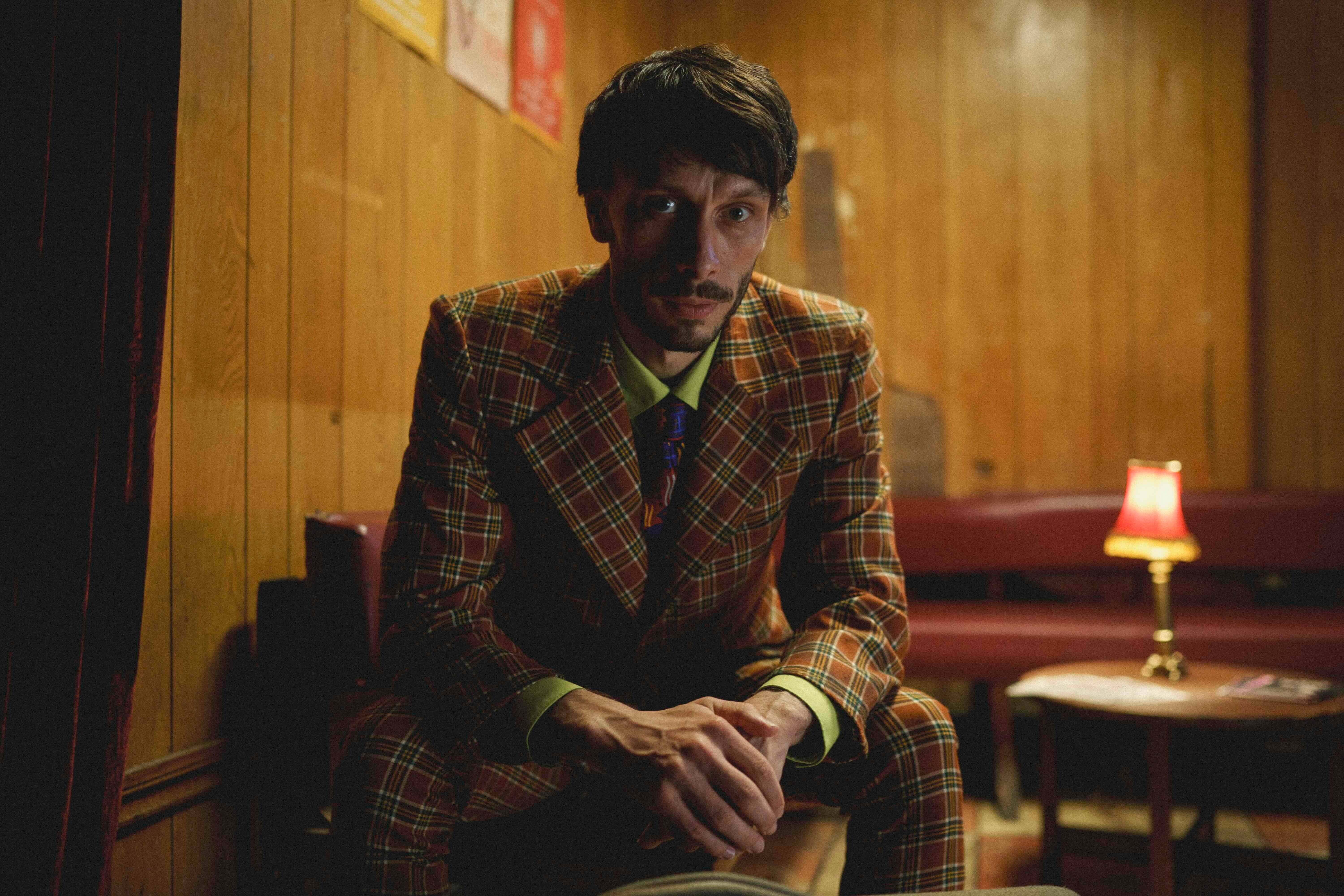
If you’ve finished watching Baby Reindeer, you’ll know by now that the new Netflix show is based on the shocking true story of a real-life stalking ordeal from creator and star Richard Gadd’s life.
The actor and writer mined his own personal history to retell the years-long ordeal he endured with a stalker, and you’d be surprised just how much of the show is actually true to life.
Advertisement
Those real elements are certainly a big reason why Baby Reindeer made for such compelling viewing, and there are plenty more shows out there you might not even know were based on true events.
Here are just a handful of them…
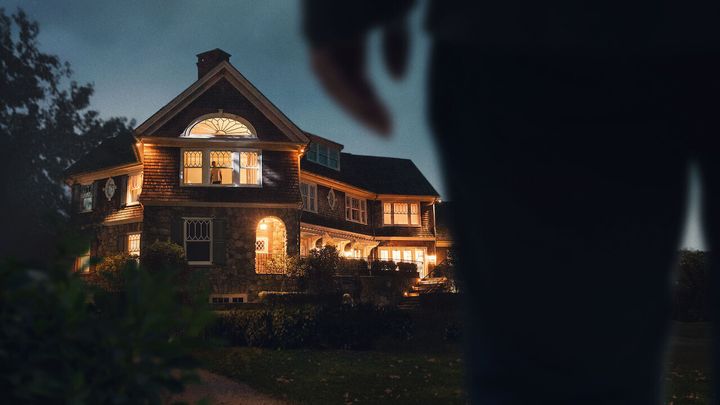
The true story of The Watcher might actually be even more terrifying than what’s depicted in the TV show.
In the 2022 miniseries, which starred Bobby Cannavale, Naomi Watts and Jennifer Coolidge, a family move into a beautiful home in the New York suburbs, only for them to start receiving disturbing letters from someone who’s apparently watching their house.
Advertisement
The saga was first detailed in a 2018 feature in The Cut, which ended up forming the basis of the show. And in fact some of the most unsettling details of the TV adaptation all are totally true-to-life, including that the real person signed off their letters with “The Watcher”.
The Watcher is available to watch on Netflix.
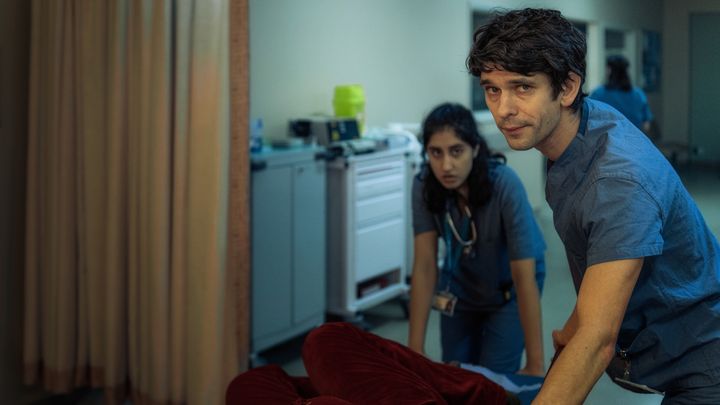
BBC/Sister/AMC/Anika Molnar
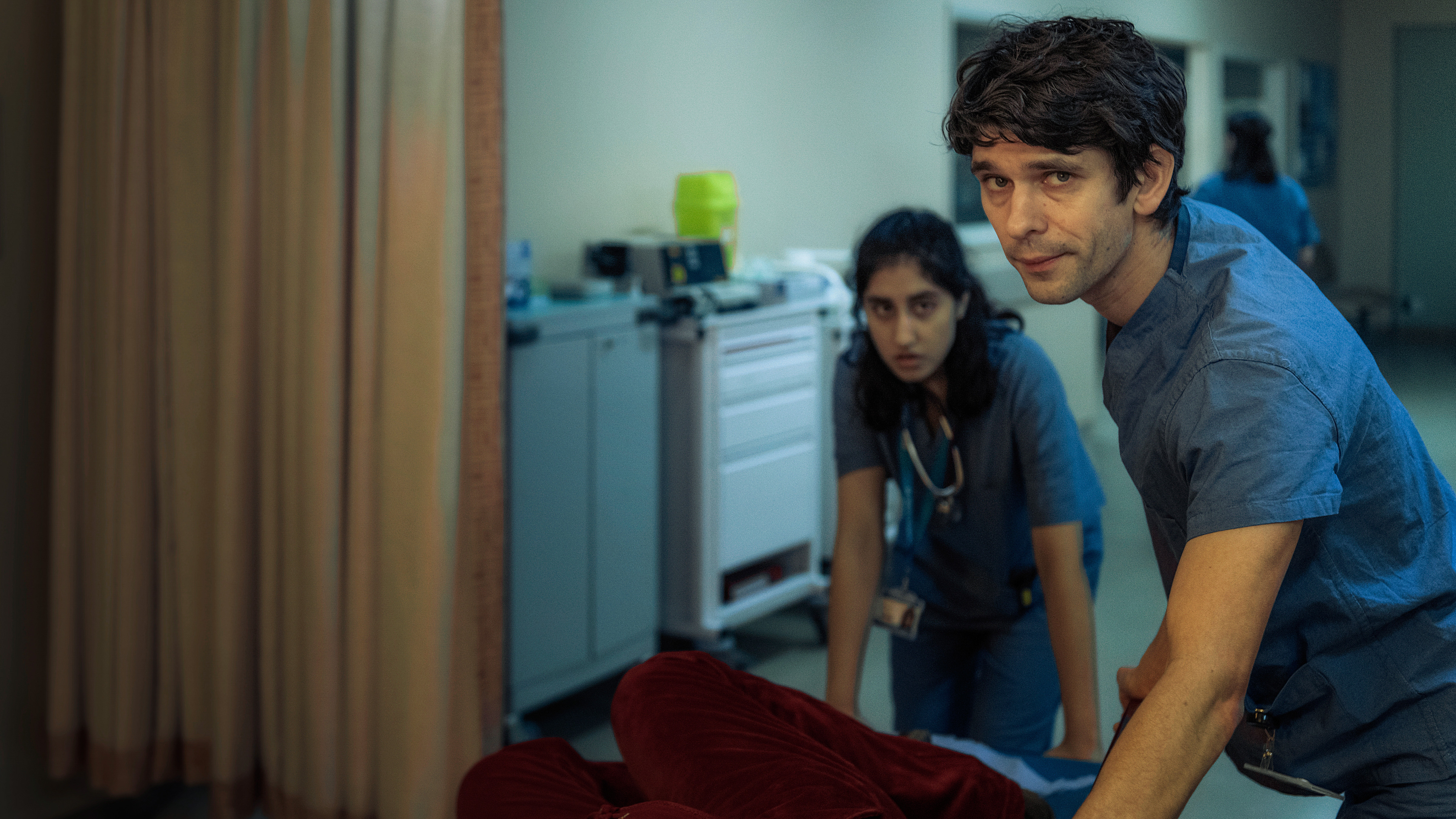
Much like Richard Gadd’s approach in Baby Reindeer (which began life as a one-man play before being turned into a TV show), Adam Kay turned to his own real life experiences to write his best-selling memoir, This is Going To Hurt: Secret Diaries Of A Junior Doctor.
As the name suggests, the book centres around Adam and his former colleagues’ experiences as junior doctors working on a busy obstetrics and gynaecology ward in an NHS hospital, and was adapted for a seven-episode TV series starring Bafta winner Ben Whishaw and One Day’s Ambika Mod in 2022.
The whole show was very much true to author Adam’s own accounts in the overworked and understaffed NHS, all while juggling his own personal life at the same time.
Advertisement
This Is Going To Hurt is available to watch on BBC iPlayer.
DAVID GIESBRECHT/NETFLIX
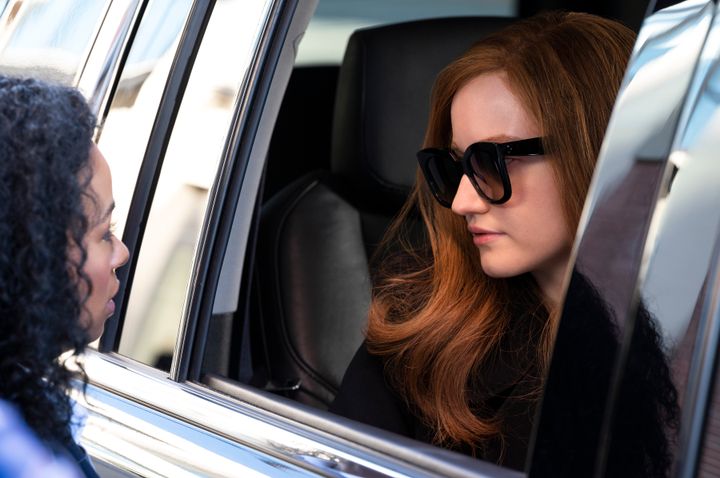
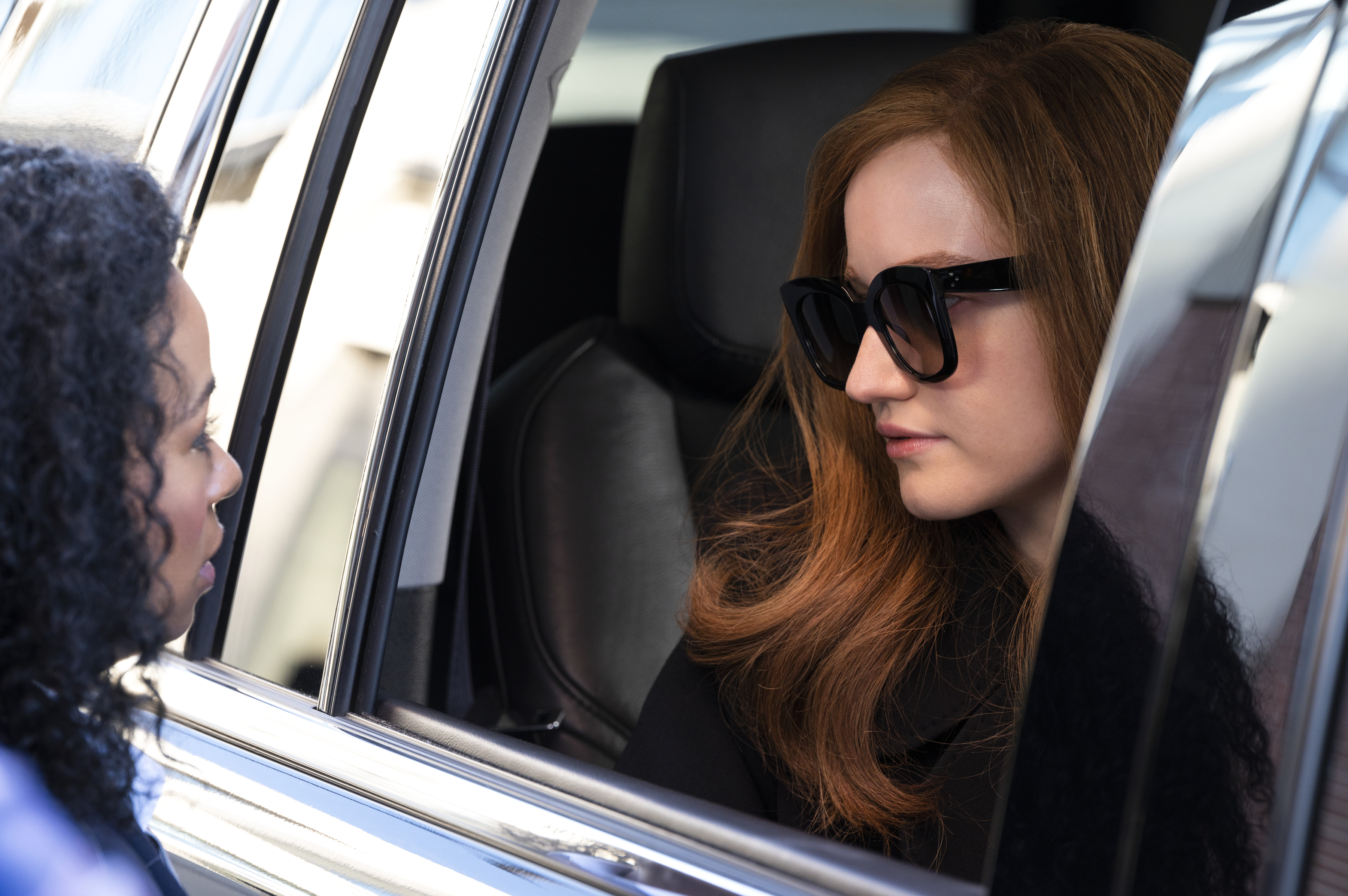
Inventing Anna is one of those stories that’s so wild, Hollywood simply had to jump on it.
The 2022 miniseries starring Julia Garner tells the scandalous true story of con-artist Anna Sorokin, who posed as a wealthy German heiress and managed to work her way into New York’s exclusive social scene.
She not only scammed rich socialites, but even conned banks and hotels. Anna served 18 months in prison before being taken back into custody by immigration forces and, as of late 2023, she was under house arrest. Her story was told in Rachel DeLoache Williams’ autobiographical book My Friend Anna: The True Story Of The Fake Heiress Who Conned Me And Half Of New York City.
Inventing Anna is available to watch on Netflix.

Juan Pablo Gutierrez/NETFLIX
While you’re probably already familiar with the story of notorious drug lord Pablo Escobar, he’s not the only real person in crime drama Narcos.
Advertisement
The two DEA (Drug Enforcement Administration) officers who took down the drug kingpin – Steve Murphy (Boyd Holbrook) and Javier Pena (Pedro Pascal) are also depicted in the show, and were even brought in as consultants for the first two seasons.
When they were approached about bringing the story to Hollywood, their only stipulation was the show did not “in any way glorify Pablo Escobar and the Medellin Cartel”, as they told The Hollywood Reporter. Like any stylised crime show, though, there are of course creative liberties.
Narcos is available to watch on Netflix.

True crime has always attracted a somewhat morbid curiosity from viewers, precisely because the genre is rooted in truth.
Mindhunter, starring Jonathan Groff and Holt McCallany, goes a step further by retracing the advancement of the criminal profiling back in the 1970s that allowed FBI agents to get into the minds of murders.
Advertisement
The series revolves around the FBI’s Behavioral Science Unit and a new research project, which sees agents interview imprisoned serial killers to understand their psychology better.
It’s not only inspired by John E. Douglas and Mark Olshaker’s non-fiction book, Mindhunter: Inside The FBI’s Elite Serial Crime Unit, but it also references real murders and crimes that shocked the nation like cult leader Charles Manson, serial killer David Berkowitz (known as Son of Sam) and rapist and murderer Montie Rissell.
Mindhunter is available to watch on Netflix.
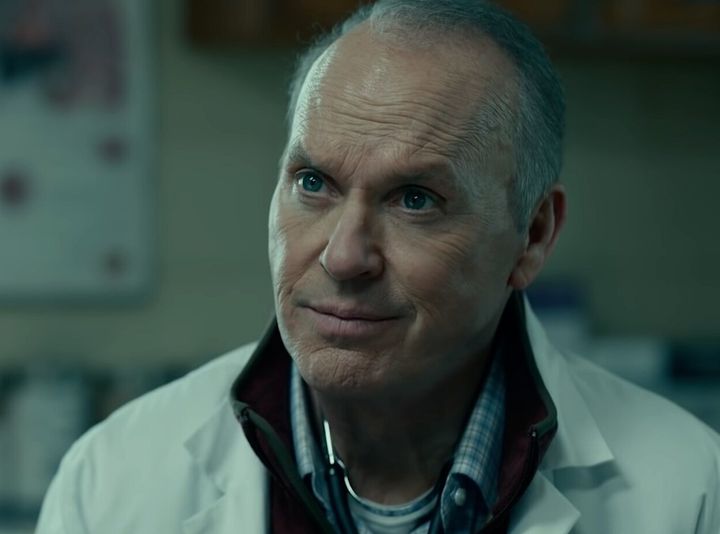
The opioid addiction crisis in the US has sparked numerous depictions in popular media, but Dopesick is one of the most famous.
While the characters in the show are fictionalised, the wider context is very much true. The show stars the likes of Michael Keaton, Peter Sarsgaard, Will Poulter and Rosario Dawson, and details the real Purdue Pharma’s misbranded marketing of the painkiller OxyContin, which led to the opioid crisis in America.
Advertisement
The series is based on Beth Macy’s book Dopesick: Dealers, Doctors And The Drug Company That Addicted America, although creator Danny Strong told NPR that there are also “composite” characters inspired by accounts of the real people affected.
Dopesick is available to watch on BBC iPlayer or Disney+.

Jojo Whilden/Netflix
Yes, really.
The groundbreaking and hugely popular Netflix show about a women’s prison is based on the memoir of Piper Kerman, who was sentenced to prison for aiding her ex-girlfriend’s drug-smuggling operation.
While Orange Is The New Black eventually departs from her true version of events and breaks off into its own plotlines, the real Piper once told NPR: “When you watch the show, you will see moments of my life leap off the screen.”
Orange Is The New Black is available to watch on Netflix.





Well, that didn’t land.
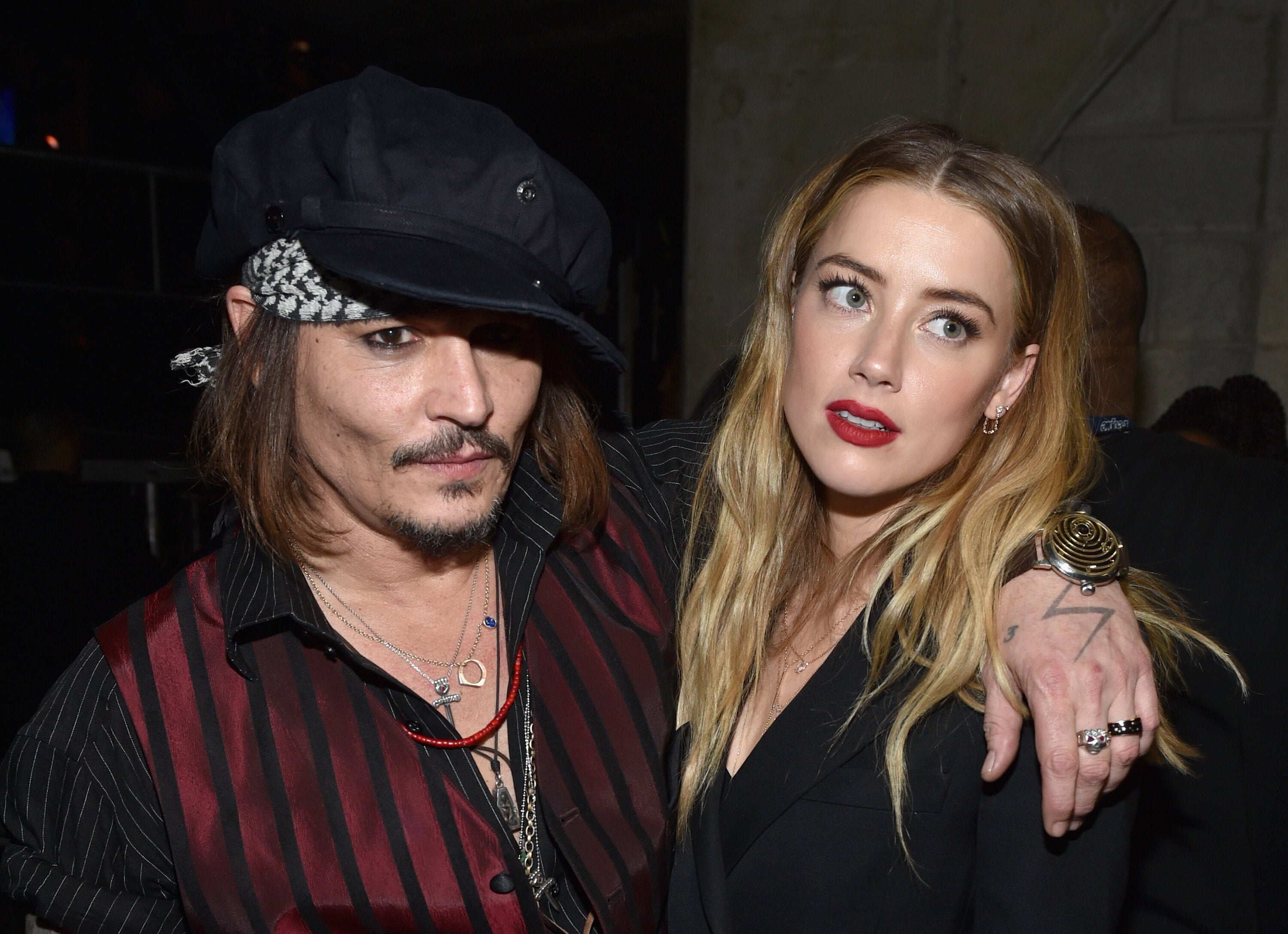
The Fall Guy is hitting cinemas this weekend, but some people who got to preview the film aren’t impressed with a joke that references Johnny Depp and Amber Heard’s relationship.
In the stunt actor-inspired action-comedy, Hannah Waddingham’s producer character walks into a messy trailer, where she tells Emily Blunt, playing a director: “It’s like Amber and Johnny were just in here.”
Advertisement
The scene didn’t sit right with many people online, who thought the “distasteful” and “cheap” line made light of domestic violence.
Others posted that they had been excited to see the movie before hearing about the off-colour joke.
John Shearer via Getty Images
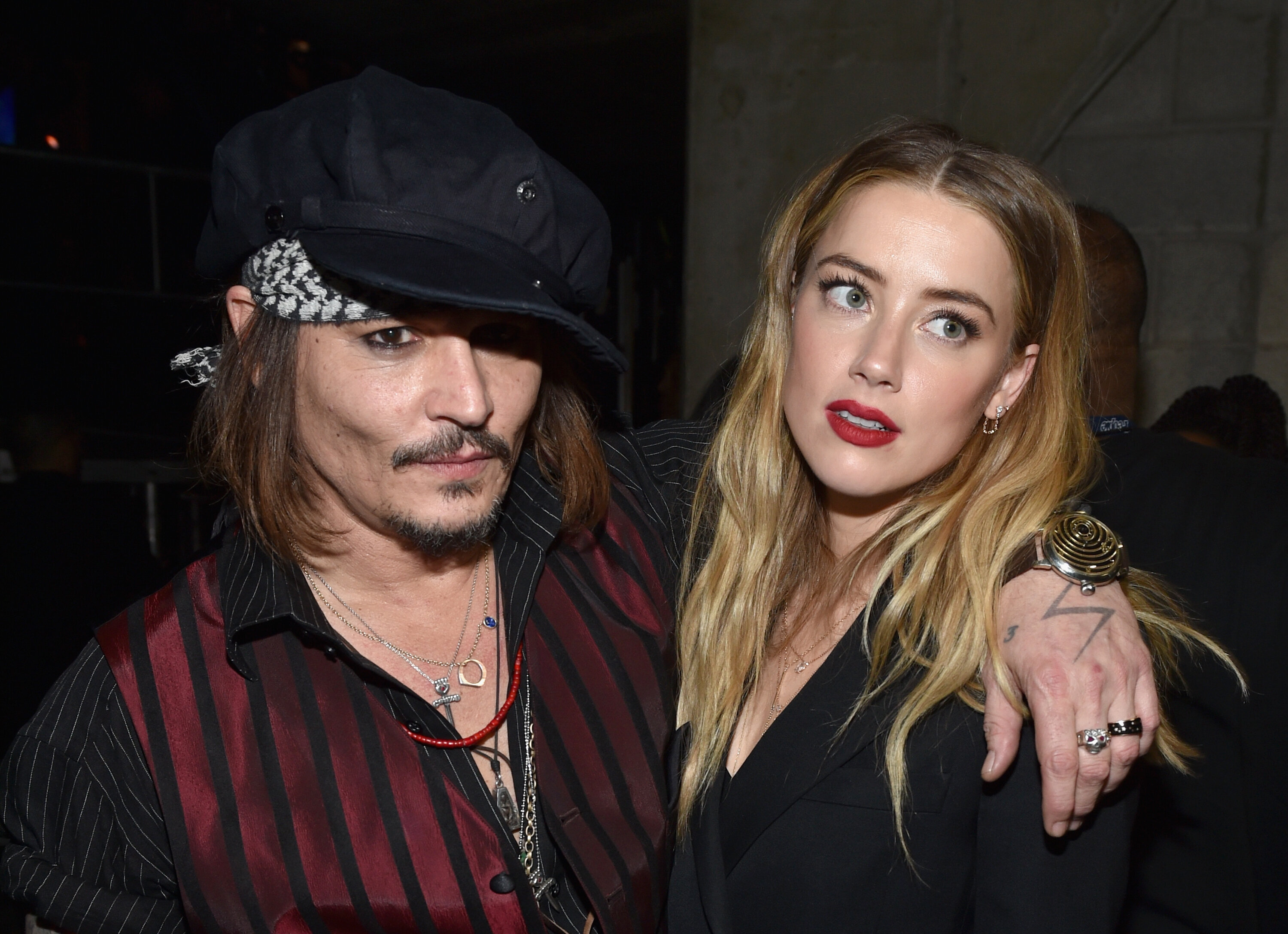
Heard and Depp married in 2015 but split just 15 months later.
Details about the pair’s tumultuous relationship would become public years later, when Depp sued Heard for defamation after she called herself a “a public figure representing domestic abuse” in a 2018 op-ed for the Washington Post.
An intense court battle ensued, in which both actors accused each other of abuse. In the end, a jury ruled in Depp’s favour and ordered Heard to pay him millions in damages.
Advertisement
HuffPost has reached out to the distributor of The Fall Guy, Universal Pictures, for comment.
See some reactions here:
Advertisement

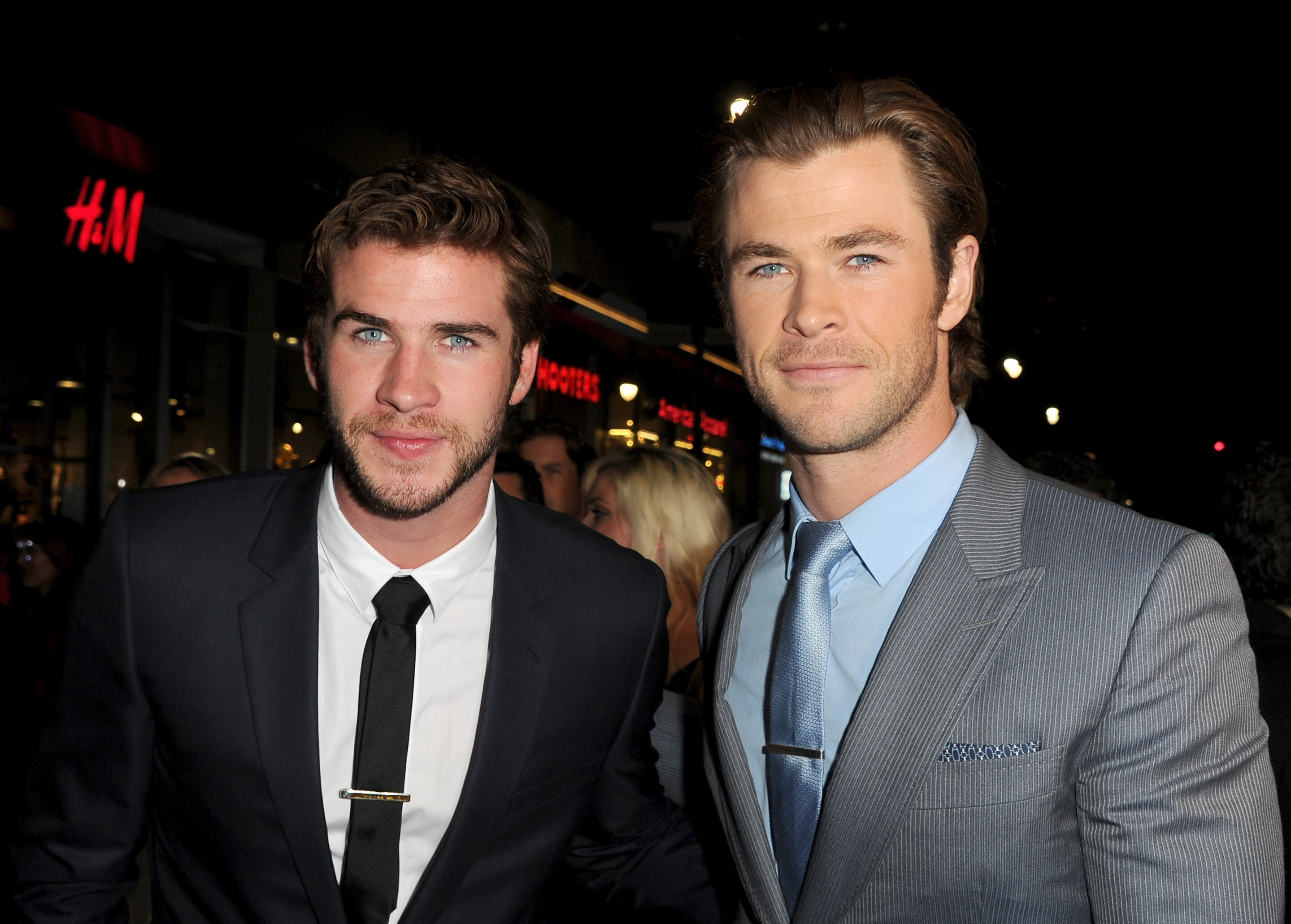
If Thor is going to say something publicly about a family member’s private life, he’s going to keep it Loki.
Chris Hemsworth made a rare remark about his brother, Liam Hemsworth, and his rollercoaster romance with Miley Cyrus on a new episode of Vanity Fair’s lie detector series.
Advertisement
During the interview, the Avengers alum was asked if he was upset that his brother got the leading role in The Last Song instead of him.
The question was a loaded one, being that Miley and Liam met and quickly began dating on the set of the 2010 film — which led to an on-and-off relationship that spanned about a decade.
In response to the question, the Thor: Ragnarok star was quick to say “no” — but couldn’t help but make a crack about how much of an impact that movie had on his brother.
“The world — Liam’s life would’ve been very different without The Last Song, right?” Chris quipped.

VALERIE MACON via Getty Images
Advertisement
Miley and the Hunger Games alum first began dating in 2009. The two got engaged for the first time in 2012, when she was just 19 and Liam was 22.
They then split in 2013 before eventually rekindling things in 2016. The couple announced they were engaged for a second time later that year, and tied the knot in December 2018. By August 2019, the two had split for good.
It is speculated that Miley’s 2023 hit Flowers was about the joy of being single after her long romance with her ex-husband.
Chris’ joke about his brother’s love life wasn’t the only time his famous sibling was mentioned during his Vanity Fair interview.
The Furiosa: A Mad Max Saga star also revealed that his brother was cast as Thor in the MCU before him, and that initially he was “a little jealous, maybe”.
Advertisement
“Then when I was allowed to re-audition, it was when he was out of the picture,” Chris said.
“So we were never neck-and-neck. It was either, I was involved and he wasn’t, or he was involved then wasn’t. Then I was involved.”



Anthropologists at Rice University suggest in a new study that establishing networks of ‘sister cities’ dedicated to addressing the impact of natural disasters can mitigate the devastation wrought by climate change.
Published in the journal Nature, “Sister cities for the Anthropocene” by professors Cymene Howe and Dominic Boyer explores the connectivity of “sister cities,” broad-based, long-term, legal or social partnerships between two similar-sized communities in two countries. The original Sister Cities International program was born out of the aftermath of World War II and fears of nuclear conflict in the 1950s.
Historically, these relationships have centered on social and political factors like trade relationships, diplomacy and more. But Howe and Boyer believe they can be powerful tools to aid in dealing with the physical effects of climate change, especially as cities deal with things like wildfires, extreme storms and more. As a result, they recommend forming a network called “Sister Cities for the Anthropocene” to help track and raise awareness of the spread of related impacts and responses to climate-related disasters in urban communities across the world.
“The idea of this network is to create relationships and networks that help formulate ideas and best practices to cope with the consequences of climate change that are already with us, including the effects of natural disasters,” Howe said.
“This network also takes into account the consequences that we know are coming in the future,” Boyer said. “We know that we will have more extreme storms, more drought andmore wildfires. We want to prevent as many of those terrible effects as we can.”
Howe and Boyer wrote that in regions affected by chronic wildfire and droughts, “sister cities” might learn how other urban communities are assessing predictions of a hotter, drier future and making plans to adapt. In areas where flooding, sea-level rise or extreme storms increasingly threaten residents, “sister cities” can look at what responses have been initiated by nongovernmental organizations, community groups and media organizations and how the outcomes and impacts of these initiatives compare.
Howe said that while it is encouraging that many city leaders, urban professionals and residents are already talking about climate change, related disasters and mitigation strategies, this network would formalize relationships between cities and bring more public attention to the effects of climate change.
Howe and Boyer’s research is supported by the National Science Foundation’s Arctic Social Sciences Program in the Office of Polar Programs (award No. 2030474).

A team of chemists and bioengineers at Rice University and the University of Houston have achieved a significant milestone in their work to create a biomaterial that can be used to grow biological tissues outside the human body. The development of a novel fabrication process to create aligned nanofiber hydrogels could offer new possibilities for tissue regeneration after injury and provide a way to test therapeutic drug candidates without the use of animals.
The research team, led by Jeffrey Hartgerink, professor of chemistry and bioengineering, has developed peptide-based hydrogels that mimic the aligned structure of muscle and nerve tissues. Alignment is critical for the tissues’ functionality, but it is a challenging feature to reproduce in the lab, as it entails lining up individual cells.
For over ten years, the team has been designing multidomain peptides (MDPs) that self-assemble into nanofibers. These resemble the fibrous proteins found naturally in the body, much like a spiderweb at nanoscale.
In their latest study, published online and featured on the cover of the journal ACS Nano, the researchers discovered a new method to create aligned MDP nanofiber “noodles.” By first dissolving the peptides in water and then extruding them into a salty solution, they were able to create aligned peptide nanofibers — like twisted strands of rope smaller than a cell. By increasing the concentration of ions, or salt, in the solution and repeating the process, they achieved even greater alignment of the nanofibers.
“Our findings demonstrate that our method can produce aligned peptide nanofibers that effectively guide cell growth in a desired direction,” explained lead author Adam Farsheed, who recently received his Ph.D. in bioengineering from Rice. “This is a crucial step toward creating functional biological tissues for regenerative medicine applications.”
One of the key findings of the study was an unexpected discovery: When the alignment of the peptide nanofibers was too strong, the cells no longer aligned. Further investigation revealed that the cells needed to be able to “pull” on the peptide nanofibers to recognize the alignment. When the nanofibers were too rigid, the cells were unable to exert this force and failed to arrange themselves in the desired configuration.
“This insight into cell behavior could have broader implications for tissue engineering and biomaterial design,” said Hartgerink. “Understanding how cells interact with these materials at the nanoscale could lead to more effective strategies for building tissues.”
Additional study co-authors from Rice include chemistry department Ph.D. graduates Tracy Yu and Carson Cole, graduate student Joseph Swain, and undergraduate researcher Adam Thomas. Bioengineering undergraduate researcher Jonathan Makhoul, graduate student Eric Garcia Huitron, and Professor K. Jane Grande-Allen were also co-authors on the study. The team of researchers from the University of Houston includes Ph.D. student Christian Zevallos-Delgado, research assistant Sajede Saeidifard, research assistant professor Manmohan Singh and engineering professor Kirill Larin.
This work was supported in part by grants from the National Institutes of Health (R01DE021798, R01EY022362, R01HD095520, R01EY030063), the National Science Foundation (2129122), the National Science Foundation Graduate Research Fellowship Program, and the Welch Foundation (C-2141). The content in this news release is solely the responsibility of the authors and does not necessarily represent the official views of the funding organizations.

Households with gas or propane stoves regularly breathe unhealthy levels of nitrogen dioxide, a study of air pollution in U.S. homes found.
“I didn’t expect to see pollutant concentrations breach health benchmarks in bedrooms within an hour of gas stove use, and stay there for hours after the stove is turned off,” said Stanford Doerr School of Sustainability Professor Rob Jackson, senior author of the May 3 study in Science Advances. Pollution from gas and propane stoves isn’t just an issue for cooks or people in the kitchen, he said. “It’s the whole family’s problem.”
Among other negative health effects, breathing high levels of nitrogen dioxide, or NO2, over time can intensify asthma attacks and has been linked to decreased lung development in children and early deaths.
Although most exposure to NO2 is caused by cars and trucks burning fossil fuels, the researchers estimate that the mix of pollutants coming from gas and propane stoves overall may be responsible for as many as 200,000 current childhood asthma cases. One quarter of these can be attributed to nitrogen dioxide alone, according to the paper’s authors, who include scientists from Central California Asthma Collaborative, PSE Healthy Energy, and the Harvard T.H. Chan School of Public Health.
“We found that just how much gas you burn in your stove is by far the biggest factor affecting how much you’re exposed. And then, after that, do you have an effective range hood — and do you use it?” said lead study author Yannai Kashtan, a PhD student in Earth system science.
Little room for additional exposure
Beyond asthma cases, the long-term exposure to NO2 in American households with gas stoves is high enough to cause thousands of deaths each year — possibly as many as 19,000 or 40% of the number of deaths linked annually to secondhand smoke. This estimate is based on the researchers’ new measurements and calculations of how much nitrogen dioxide people breathe at home because of gas stoves and the best available data on deaths from long-term exposure to outdoor NO2, which is regulated by the U.S. Environmental Protection Agency.
The death toll estimate is approximate in part because it does not factor in the harmful effects of repeated exposure to extremely high levels of nitrogen dioxide in short bursts, as occurs in homes with gas stoves. It also relies on past studies of health impacts from nitrogen dioxide encountered outdoors, where additional pollutants from vehicles and power plants are present.
The researchers used sensors to measure concentrations of NO2 throughout more than 100 homes of various sizes, layouts, and ventilation methods, before, during, and after stove use. They incorporated these measurements and other data into a model powered by National Institutes for Standards and Technology (NIST) software known as CONTAM for simulating airflow, contaminant transport, and room-by-room occupant exposure in buildings. This allowed them to estimate nationwide averages and short-term exposures under a range of realistic conditions and behaviors, and cross-check model outputs against their home measurements.
The results show that nationwide, typical use of a gas or propane stove increases exposure to nitrogen dioxide by an estimated 4 parts per billion, averaged over a year. That’s three quarters of the way to the nitrogen dioxide exposure level that the World Health Organization recognizes as unsafe in outdoor air. “That’s excluding all outdoor sources combined, so it makes it much more likely you’re going to exceed the limit,” said Kashtan.
Understanding how gas stoves affect health
The study is the latest in a series from Jackson’s group at Stanford looking at indoor air pollution from gas stoves. Earlier studies documented the rate at which gas stoves emit other pollutants, including the greenhouse gas methane and the carcinogen benzene. But to understand the implications of stove emissions for human health, the researchers needed to find out how much pollutants spread through a home, build up, and eventually dissipate. “We’re moving from measuring how much pollution comes from stoves to how much pollution people actually breathe,” said Jackson, who is the Michelle and Kevin Douglas Provostial Professor in Earth System Science.
With any fuel source, particle pollution can rise from food cooking in a hot pan. The new research confirms that food emits little or no nitrogen dioxide as it cooks, however, and electric stoves produce no NO2. “It’s the fuel, not the food,” said Jackson. “Electric stoves emit no nitrogen dioxide or benzene. If you own a gas or propane stove, you need to reduce pollutant exposures using ventilation.”
Home size matters
Even in larger homes, concentrations of nitrogen dioxide routinely spiked to unhealthy levels during and after cooking even if a range hood was on and venting air outdoors. But people who live in homes smaller than 800 square feet — about the size of a small two-bedroom apartment — are exposed to twice as much nitrogen dioxide over the course of a year compared to the national average, and four times more compared to those living in the largest homes, upwards of 3,000 square feet.
Because home size makes such a difference, there are also differences in exposure across racial, ethnic, and income groups. Compared to the national average, the researchers found long-term NO2 exposure is 60% higher among American Indian and Alaska Native households, and 20% higher among Black and Hispanic or Latino households. This exposure to indoor air pollution from gas stoves compounds the fact that exposure to outdoor sources of nitrogen dioxide pollution, such as vehicle exhaust, is also typically higher among people in poorer, often minority, communities.
“People in poorer communities can’t always afford to change their appliances, or perhaps they rent and can’t replace appliances because they don’t own them,” Jackson said. “People in smaller homes are also breathing more pollution for the same stove use.”
This research was supported by HT, LLC.

Now, Northwestern University researchers have used statistical physics to confirm the theory that underlies this famous axiom.
The study will be published on May 3 in the journal Science Advances.
In the 1940s, Austrian psychologist Fritz Heider introduced social balance theory, which explains how humans innately strive to find harmony in their social circles. According to the theory, four rules — an enemy of an enemy is a friend, a friend of a friend is a friend, a friend of an enemy is an enemy and, finally, an enemy of a friend is an enemy — lead to balanced relationships.
Although countless studies have tried to confirm this theory using network science and mathematics, their efforts have fallen short, as networks deviate from perfectly balanced relationships. Hence, the real question is whether social networks are more balanced than expected according to an adequate network model. Most network models were too simplified to fully capture the complexities within human relationships that affect social balance, yielding inconsistent results on whether deviations observed from the network model expectations are in line with the theory of social balance.
The Northwestern team, however, successfully integrated the two key pieces that make Heider’s social framework work. In real life, not everyone knows each other, and some people are more positive than others. Researchers have long known that each factor influences social ties, but existing models could only account for one factor at a time. By simultaneously incorporating both constraints, the researchers’ resulting network model finally confirmed the famous theory some 80 years after Heider first proposed it.
The useful new framework could help researchers better understand social dynamics, including political polarization and international relations, as well as any system that comprises a mixture of positive and negative interactions, such as neural networks or drug combinations.
“We have always thought this social intuition works, but we didn’t know why it worked,” said Northwestern’s István Kovács, the study’s senior author. “All we needed was to figure out the math. If you look through the literature, there are many studies on the theory, but there’s no agreement among them. For decades, we kept getting it wrong. The reason is because real life is complicated. We realized that we needed to take into account both constraints simultaneously: who knows whom and that some people are just friendlier than others.”
“We can finally conclude that social networks align with expectations that were formed 80 years ago,” added Bingjie Hao, the study’s first author. “Our findings also have broad applications for future use. Our mathematics allows us to incorporate constraints on the connections and the preference of different entities in the system. That will be useful for modeling other systems beyond social networks.”
Kovács is an assistant professor of Physics and Astronomy at Northwestern’s Weinberg College of Arts and Sciences. Hao is a postdoctoral researcher in his laboratory.
What is social balance theory?
Using groups of three people, Heider’s social balance theory maintains the assumption that humans strive for comfortable, harmonious relationships. In balanced relationships, all people like each other. Or, if one person dislikes two people, those two are friends. Imbalanced relationships exist when all three people dislike each other, or one person likes two people who dislike each other, leading to anxiety and tension. Studying such frustrated systems led to the 2021 Nobel Prize in physics to Italian theoretical physicist Giorgio Parisi, who shared the prize with climate modelers Syukuro Manabe and Klaus Hasselmann.
“It seems very aligned with social intuition,” Kovács said. “You can see how this would lead to extreme polarization, which we do see today in terms of political polarization. If everyone you like also dislikes all the people you don’t like, then that results in two parties that hate each other.”
However, it has been challenging to collect large-scale data where not only friends but also enemies are listed. With the onset of Big Data in the early 2000s, researchers tried to see if such signed data from social networks could confirm Heider’s theory. When generating networks to test Heider’s rules, individual people serve as nodes. The edges connecting nodes represent the relationships among individuals.
If the nodes are not friends, then the edge between them is assigned a negative (or hostile) value. If the nodes are friends, then the edge is marked with a positive (or friendly) value. In previous models, edges were assigned positive or negative values at random, without respecting both constraints. None of those studies accurately captured the realities of social networks.
Finding success in constraints
To explore the problem, Kovács and Hao turned to four large-scale, publicly available signed network datasets previously curated by social scientists, including data from (1) user-rated comments on social news site Slashdot; (2) exchanges among Congressional members on the House floor; (3) interactions among Bitcoin traders; and (4) product reviews from consumer review site Epinions.
In their network model, Kovács and Hao did not assign truly random negative or positive values to the edges. For every interaction to be random, every node would need to have an equal chance of encountering one another. In real life, however, not everyone actually knows everyone else within a social network. For example, a person might not ever encounter their friend’s friend, who lives on the other side of the world.
To make their model more realistic, Kovács and Hao distributed positive or negative values based on a statistical model that describes the probability of assigning positive or negative signs to the interactions that exist. That kept the values random — but random within limits given by constraints of the network topology. In addition to who knows whom, the team took into account that some people in life are just friendlier than others. Friendly people are more likely to have more positive — and fewer hostile — interactions.
By introducing these two constraints, the resulting model showed that large-scale social networks consistently align with Heider’s social balance theory. The model also highlighted patterns beyond three nodes. It shows that social balance theory applies to larger graphlets, which involve four and possibly even more nodes.
“We know now that you need to take into account these two constraints,” Kovács said. “Without those, you cannot come up with the right mechanisms. It looks complicated, but it’s actually fairly simple mathematics.”
Insights into polarization and beyond
Kovács and Hao currently are exploring several future directions for this work. In one potential direction, the new model could be used to explore interventions aimed at reducing political polarization. But the researchers say the model could help better understand systems beyond social groups and connections among friends.
“We could look at excitatory and inhibitory connections between neurons in the brain or interactions representing different combinations of drugs to treat disease,” Kovács said. “The social network study was an ideal playground to explore, but our main interest is to go beyond investigating interactions among friends and look at other complex networks.”
The code and data behind the paper, “Proper network randomization is key to assessing social balance,” are available on Github: https://github.com/hbj153/signed_null

The outbreak of a deadly disease called stony coral tissue loss disease is destroying susceptible species of coral in the Caribbean while helping other, “weedier” organisms thrive — at least for now — according to a new study published today in Science Advances.
Researchers say the drastic change in the region’s population of corals is sure to disrupt the delicate balance of the ecosystem and threaten marine biodiversity and coastal economies.
“Some fast-growing organisms, like algae, might thrive in the short term,” said the study’s lead author, Sara Swaminathan, an environmental engineering sciences Ph.D. candidate at the University of Florida. “But the loss of the susceptible corals could have long-lasting repercussions.”
Stony coral tissue loss disease, or SCTLD, was first reported off the coast of Miami in 2014 and has since moved throughout the Caribbean, having been identified in 18 countries and territories. Scientists don’t know what causes the disease, but it is thought to be a waterborne pathogen that spreads rapidly across the surface of the coral colony until, in most cases, no living tissue remains.
The research team analyzed existing data from the U.S. Virgin Islands as well as data from other U.S. territories in the Caribbean and western Atlantic, including Florida, Puerto Rico, and Dry Tortugas. They examined the effects of stony coral tissue loss disease on fish and benthic reef communities, which comprises anything living on the sea floor, like coral, algae, and sponges.
They found that the disease not only reduces susceptible coral populations but also diminishes crustose coralline algae, the resilient pink crust that is crucial for building reef structure. Consequently, certain fast-growing, weedy species, including macroalgae, cyanobacteria, and fire coral, thrive in the absence of competitors, spreading into the vacant spaces left by the decimated corals.
Swaminathan explained that fast-growing species benefitting from the disease create a more seaweed-dominated environment compared to the rock-hard reef structures.
“Macroalgae doesn’t support as much biodiversity because it doesn’t create a hard habitat,” she said. “It might be a positive for herbivores but not for other organisms that need places to settle and grow, hide, or mate.”
In fact, the researchers found that the disease’s impact varies among types of fish, and some associations are positive. The study revealed that the rugosity of the coral — the roughness of the habitat — plays more of a factor for the fish than whether the coral is alive or dead.
“Some infectious diseases can affect entire ecosystems, but SCTLD is particularly impactful,” said Kevin Lafferty, a senior scientist with the U.S. Geological Survey and leading expert on marine diseases. “And its impacts are complex, with some winners among the losers.”
In addition to Swaminathan and Lafferty, the research team included Andrew Altieri, an assistant professor in the Herbert Wertheim College of Engineering and associate director of UF’s Center for Coastal Solutions, and Nicole Knight, a post-doctoral researcher at the University of British Columbia. The work was funded by the U.S. Geological Survey and the National Science Foundation.
Across the Caribbean, international agencies, marine biologists and conservationists are responding to the environmental crisis, working to understand the mechanisms driving stony coral tissue loss disease and developing potential treatments. Probiotics have shown promise in slowing down or stopping active lesions when applied to affected corals, and so far, the disease has not spread beyond the western Atlantic and Caribbean.
“Coral reefs are biodiversity hotspots that serve as vital habitats for countless marine species, providing food, shelter, and breeding grounds,” Altieri said. “They are natural protectors of our coastlines, and the loss of these reefs threatens the livelihoods of coastal communities dependent on fishing and tourism. We need to protect and preserve them.”
