15 most pressing issues for conservation, including invertebrate decline and changing marine ecosystems

Since 2009, the Cambridge Conservation Initiative has coordinated an annual horizon scan, a well-established method for predicting which threats, changes, and technologies will have the biggest impact on biological conservation in the following year. This year, the 15th horizon scan included 31 scientists, practitioners, and policymakers who developed a list of 96 issues, which they eventually narrowed down to the fifteen most novel and impactful. Their findings, publishing in the journal Trends in Evolution & Ecology on December 18, include topics related to sustainable energy, declining invertebrate populations, and changing marine ecosystems.

The fifteen topics identified by the scan include:

  • New sources of hydrogen for energy production, including seawater electrolysis
  • Decarbonized ammonia production for fertilizer and fuel using water microdroplets, graphite mesh, and nitrogen
  • Making food and animal feed with fish-like nutrients from autotrophic hydrogen-oxidizing bacteria
  • Indoor agriculture in urban environments using light-free artificial photosynthesis
  • Excessive usage of rock dusts to remineralize large amounts of carbon and put ecosystems at risk for heavy metal contamination
  • Earthworm populations to continue declining, especially in farmland and broadleaved woodland area ecosystems, potentially due to pesticides
  • Soil ecoacoustics, which project sounds like water moving through soil, poised to help monitor soil ecology and invertebrate populations
  • Wildfires to change climate patterns like El Niño by releasing trapped aerosols
  • Benchtop DNA printers, which can produce double-stranded DNA sequences on demand, to become increasingly advanced, widespread, and in need of regulation
  • New methods to measure a chemical’s toxicity before adverse impacts surface
  • Saudia Arabia’s planned “sustainable” ultra-tall skyscraper city to impact migratory birds
  • Sea urchins to continue dying off rapidly worldwide, potentially due to a protist pathogen, which could threaten tropical ecosystems
  • Testing methods to remove carbon dioxide from the ocean including using ocean fertilization, macroalgae, and rock injections
  • Rising temperatures in the twilight zone to disturb the ocean’s biological carbon pump
  • Melting Antarctic ice to alter deep sea ocean currents, reducing abyssal overturning by 40% by 2050

“The issues identified in this scan continue to reflect the juxtaposition between anthropogenic impacts on biodiversity and increasing technological capacity to mitigate those impacts,” write the researchers, led by conservationist William Sutherland of Cambridge University. “In some cases, new issues arise directly from efforts to mitigate other issues.”

The authors identify several common threads in the list of issues, including threats to marine ecosystems. They underscore the importance of recent marine policy initiatives to help address these threats while noting that these efforts will not help resolve the climate-related issues identified. They also discuss the continued importance of innovation in carbon capture and sustainable energy technologies.

“We anticipate continuing to highlight novel emerging impacts of climate change and technologies aiming to mitigate climate change and transition to more sustainable pathways in future horizon scans,” write the researchers.

This research was supported by funding from The Pew Charitable Trusts, the Natural Environment Research Council, and the Royal Society for the Protection of Birds.

Share Button

Antiques Roadshow Guest’s Teletubby Sketches Reveals They Almost Looked VERY Different

It’s the dream, isn’t it? Unearth something old from the attic, blow the dust off, hand it to a valuer, and realise you’ve been hoarding a secret fortune this entire time.

Well, that’s more or less what happened to Antiques Roadshow guest Lucy.

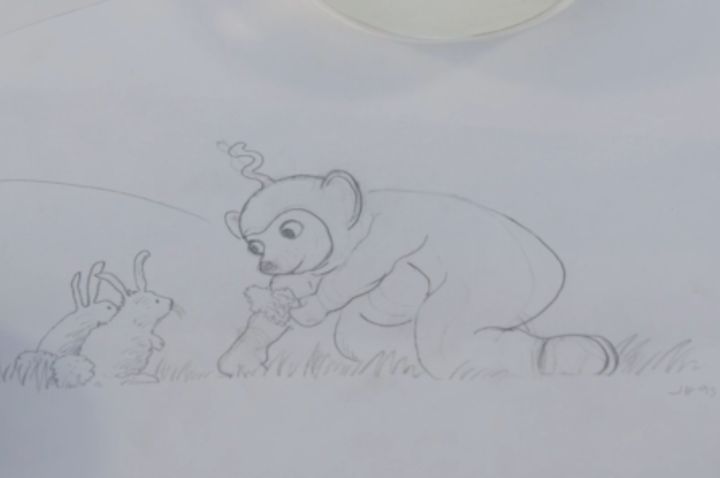
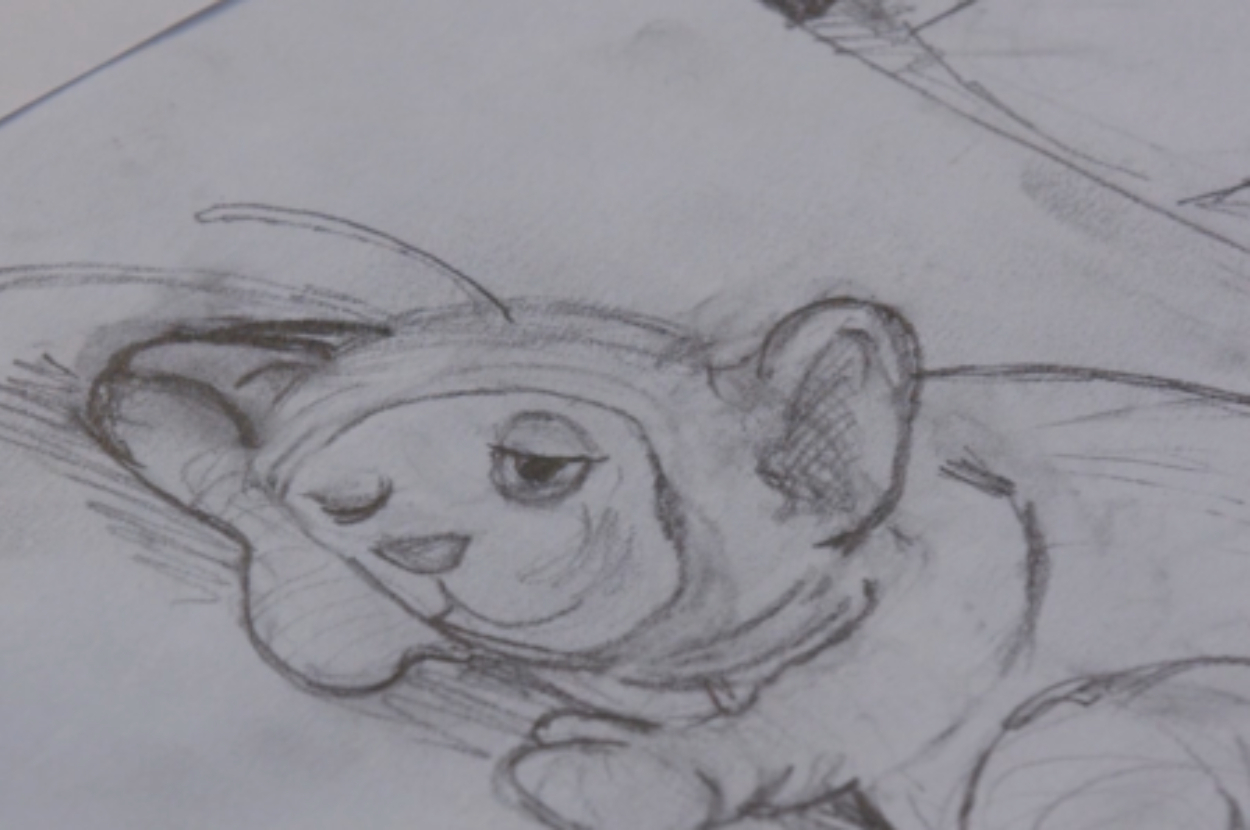
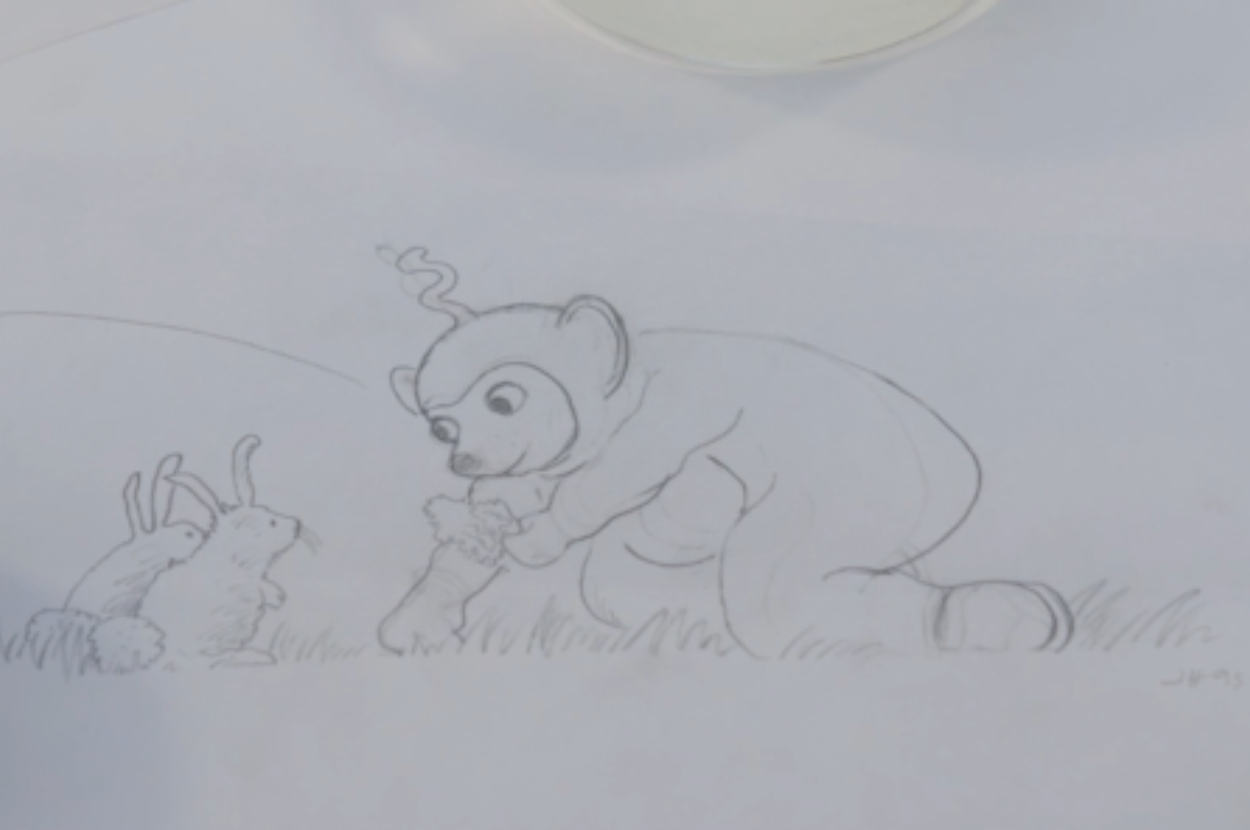
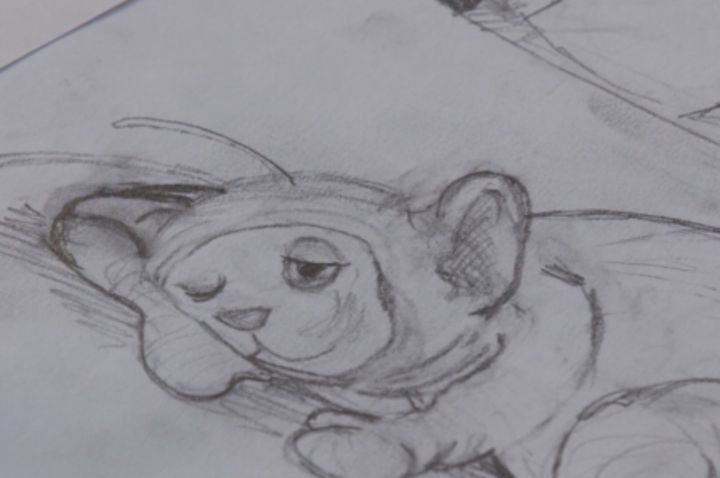
In a Childhood Special episode of the show, hosted at Belmont House, the woman made an appearance with original sketches of the Teletubbies. They’d been drawn by Jonathan Hills, her late husband ― he was a designer and illustrator who died in 2020, aged 66.

The drawings were completed before the TV show’s initial airing in 1997, meaning they represented a vision of the kid’s telly legends most of us had never seen before.

Antique expert Mark Hill evaluated the collection, saying “We’re looking here at a selection of drawings of what look like the Teletubbies, but there’s a sort of slight difference in some of them. They’re original drawings – how on Earth did you come to get these?”.

“My husband was asked to develop some characters for a programme they were making, which was directed at children that were at home watching TV without an adult,” Lucy answered.

“Jonathan sadly died two years ago. And this is his legacy,” she added.

The initial sketches look very different to the Teletubbies we all know

The early drawings revealed creatures that more closely resembled bears and mice.

In fact, the show was almost called something completely different ― Lucy shared that the TV touchstone almost went by Teleteddies (that’d explain the bear-like design, right?).

Mark Hill commented on the “creepy” appearance of a sketch of the iconic baby’s face in the sun, but Lucy said children liked it because they could see themselves in it.

How much is it worth, then?

“At some point, you want what made you feel warm and happy and cosy as a child. And I think when that age group matures, I think they’re going to want to buy things like this,” Mark Hill began his evaluation.

“They’re going to want to own these and display them. When it comes to value, we have to ask what they might pay. What would you pay for a Teletubbies original drawing? £500? I think so. £1,000? Highly possible,” he revealed.

Lucy’s collection contains 80 original drawings, meaning she could bank £80,000 from the entire set.

″[Jonathan Hills, her ex-husband] would be so thrilled,” she said. “It’s great.”

Share Button

Stranger Things Creators Debunk Major Theory About Show’s Ending

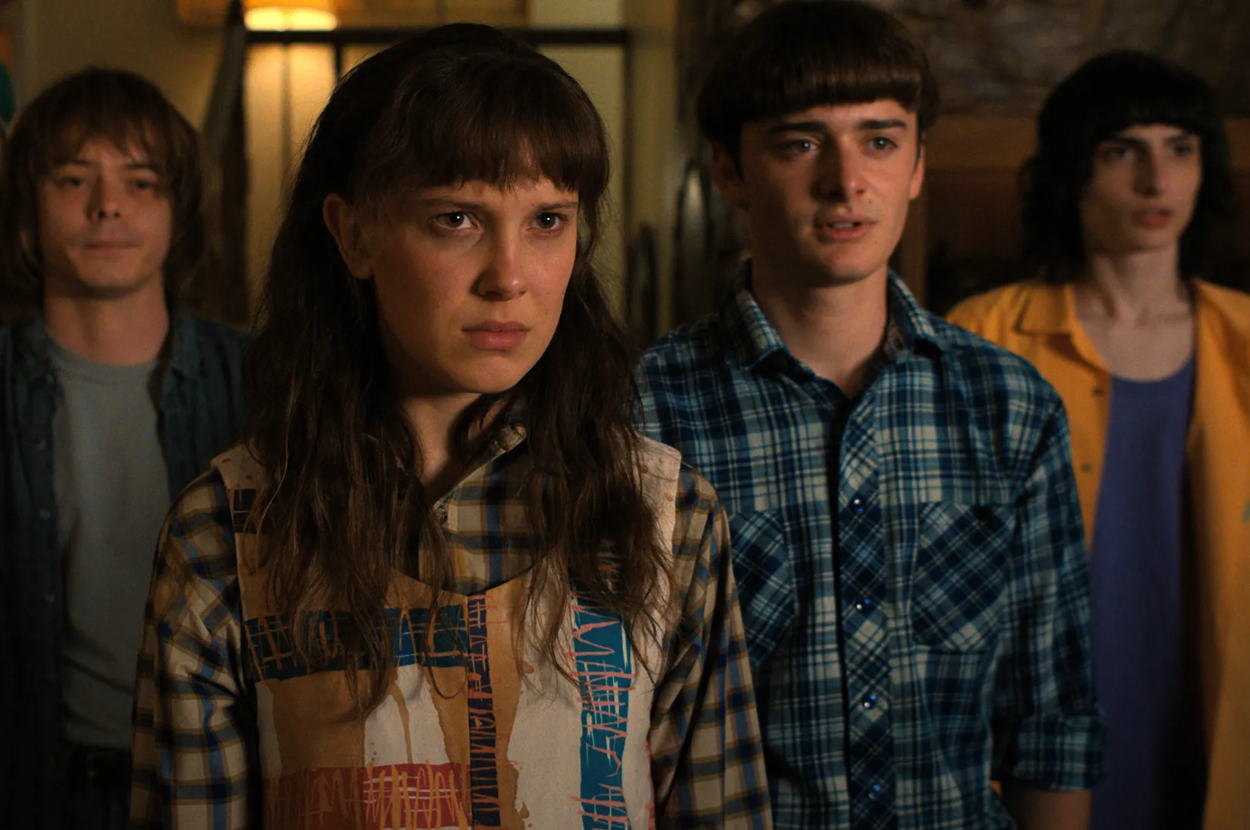
The Duffer Brothers have put an end to a popular fan theory that the events in Stranger Things are not *actually* happening.

The runaway hit show, which has been a flagship series on Netflix since its inception in 2016, will draw to a close with a fifth season, speculated to drop in late 2025 or early 2026.

Created by brothers Matt and Ross Duffer, Stranger Things has gripped fans since its debut, and made huge stars of its principally younger cast, including the likes of Millie Bobby Brown, Sadie Sink and Finn Wolfhard.

Though the premiere date for the final instalment has yet to be revealed, with filming having been delayed significantly by the SAG-AFTRA strike of this year, one thing that has been confirmed is that the fantastical events that occur throughout the show are most definitely real.

As revealed to Metro at the premiere of the West End spin-off of the TV show, Matt and Ross Duffer clarified that the fan theory that most of the action in the series is happening in one long game of Dungeons & Dragons was incorrect.

The theory has been in circulation for a good long while, but picked up steam again last summer around the end of season four of the show.

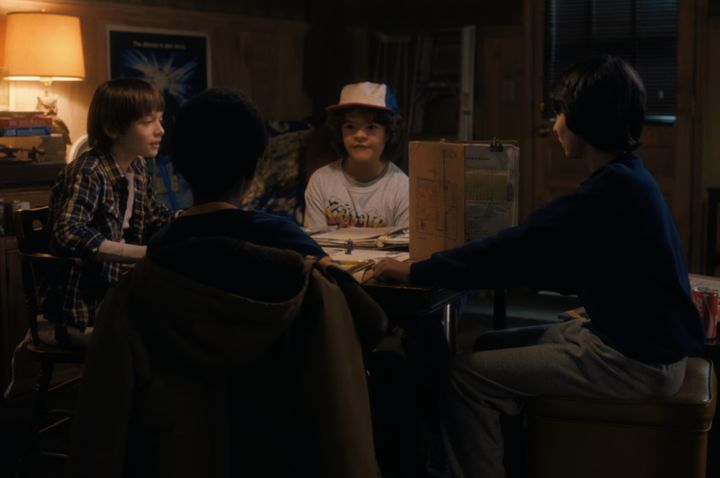
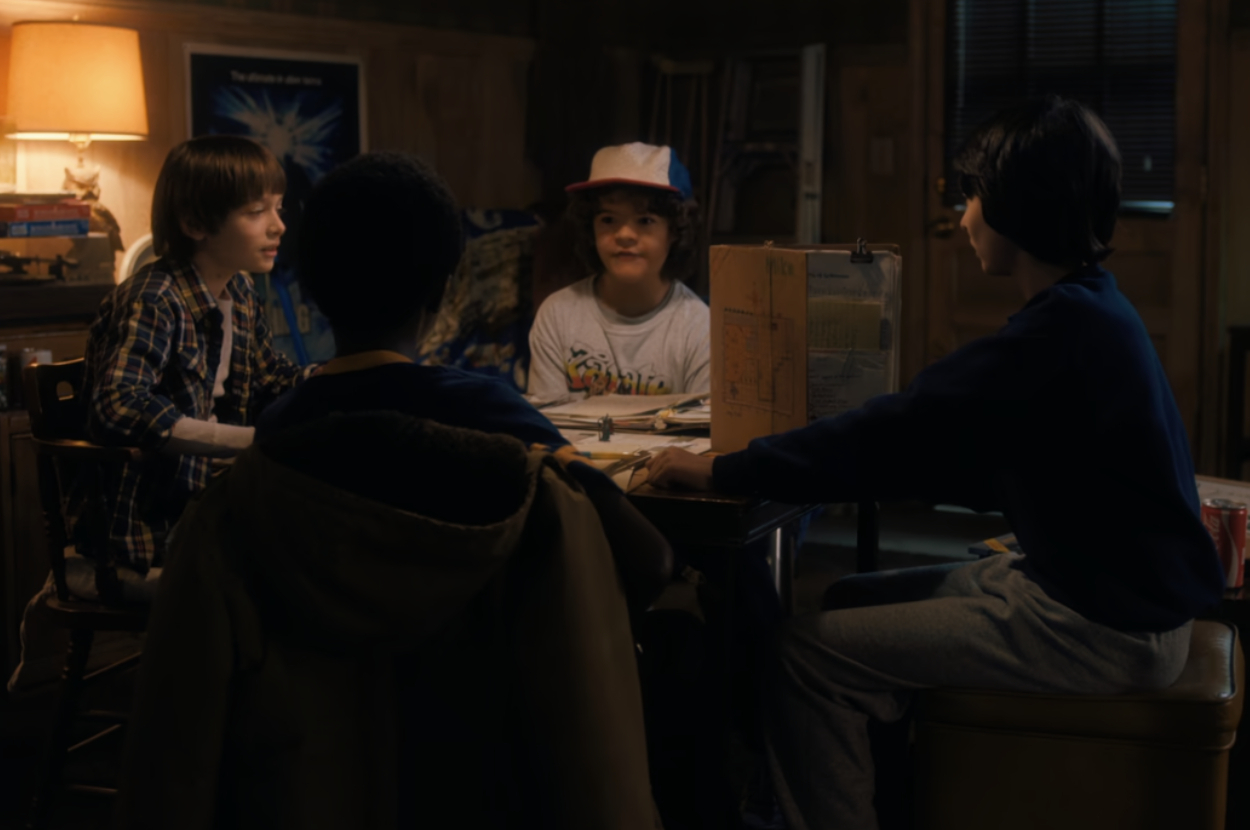
Fans theorise that the show’s main characters – Will Byers, Mike Wheeler, Lucas Sinclair and Dustin Henderson – are in fact playing the same game of Dungeons & Dragons that they were playing in Mike’s basement at the beginning of season one.

Therefore, events like Eleven coming onto the scene and Vecna’s mass destruction never actually occurred.

The young friends playing a D&D campaign in the first ever episode

Dungeons & Dragons is certainly a big motif in Stranger Things – from the friends using the game as a metaphor to understand what’s happening to their small town in season one, to the many monsters that appear throughout the show which are largely plucked from the popular tabletop game.

However, when confronted with this particular theory on the red carpet of Stranger Things: The First Shadow, Ross Duffer said “that would be the equivalent of, ‘that’s all a dream’… No, I assure you that is not how we’re going to end the show.”

Duffer continued “we’ve known where we’ve been going for a while. And we feel comfortable with it; hopefully, it satisfies everyone. We’ll see.”

Stranger Things season four finished streaming on 1 July 2022, and quickly became Netflix’s most popular English-language TV series ever, with a total of 781.04M hours viewed in 17 days. It has since been usurped by Wednesday.

In an interview with QG, Wolfhard revealed that the highly anticipated final season would most likely be released in early 2025, although this has not been confirmed by Netflix.

Share Button

NHS Wales: Junior doctors to go on three-day strike

More than 3,000 doctors in Wales could take part after 98% of those who voted supported a walkout.

Share Button

People Are Just Noticing This Wallace And Gromit Cameo In Chicken Run: Dawn Of The Nugget

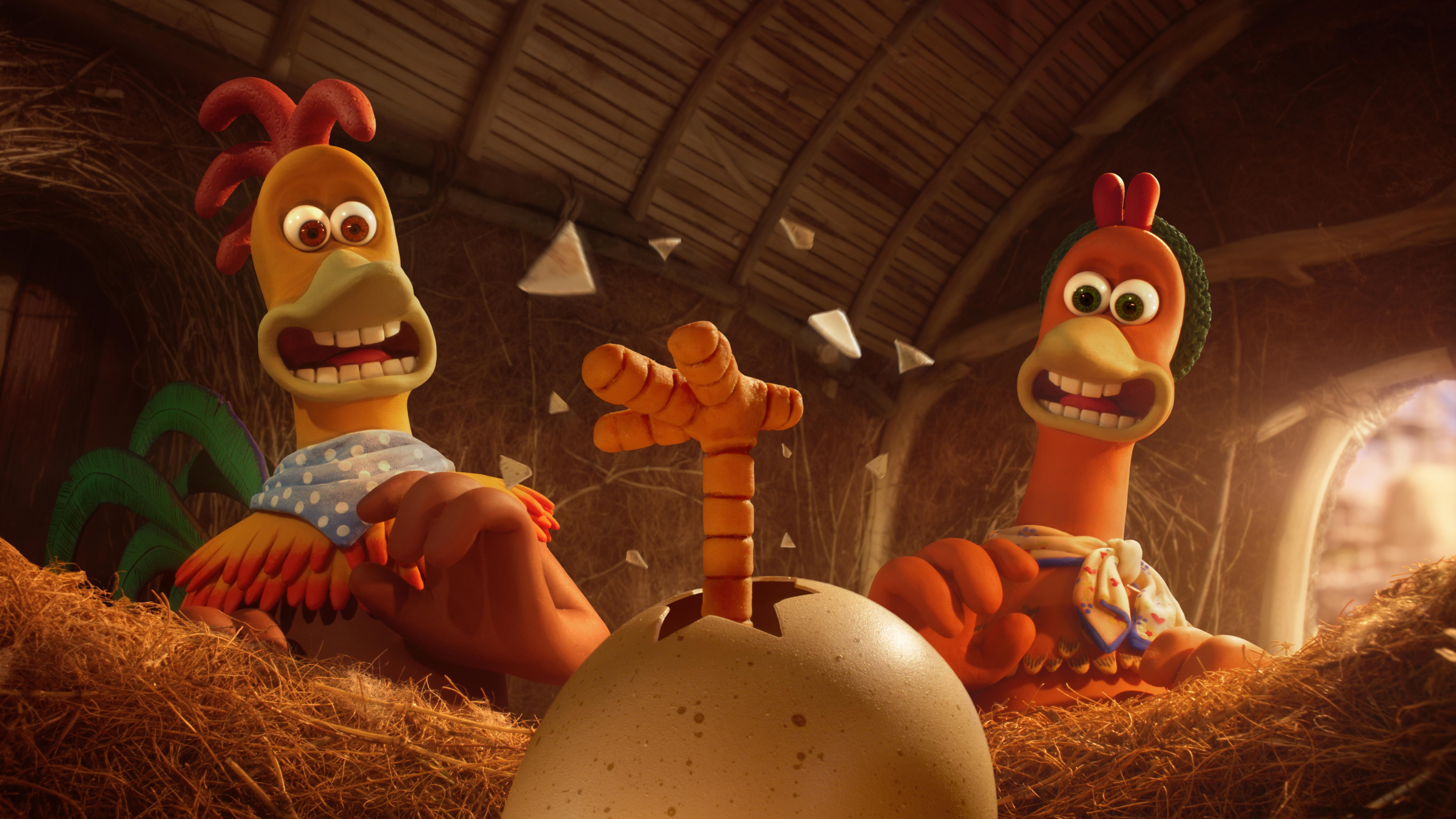
If you haven’t seen Chicken Run’s recent-to-Netflix sequel, Dawn of the Nugget, I’d advise you to fix that ASAP. The movie’s earned an 83% audience score on review site RottenTomatoes, and having seen it myself recently, I get the hype.

The film focuses on the daughter of the original Chicken Run’s Ginger and her adventures on the mainland, away from the chicken haven her revolutionary parents have helped to establish.

But one detail in the film completely escaped my notice on the first watch; in fact, it wasn’t until I watched TikToker Luke Poulton’s video on the topic that I spotted it.

In one scene, where the chickens who have escaped the evil Tweedy’s farm in the first film are assembled behind leaves, the movie pans out to reveal all the birds at once.

But, after sharing his shocked face, Luke zoomed his camera into the background of the scene, revealing that Aardman had snuck Feathers McGraw ― the villainous penguin from Wallace and Gromit ― into the fray.

People had thoughts

“Feathers McGraw is always just around the corner,” one commenter said.

“Does this imply Feathers McGraw was in the chicken farm?” another asked (personally, I think he’s just a big believer in avian liberation).

“He is so back in the next [Wallace and Gromit], mark my words,” yet another commenter said. I’d believe it.

Dawn of the Nugget was 23 years in the making

I can understand a little better why the crew put so much effort into the details of the movie after learning it took 23 years to make.

That’s because the technology, budget, and scale needed for the sequel ― which was far, far more intense than the single-set Chicken Run ― was out of reach for Aardman until recently.

In fact, the film’s animation supervisor, Ian Whitlock, pointed out that an establishing shot of the chicken’s safe haven island at the start of the film took “over six months to complete from the initial brief to preparing and shooting” because the set was so enormous.

Ah, Aardman ― never change.

You can watch Chicken Run: Dawn of the Nugget on Netflix in the UK.

Share Button

Hot-flushes menopause drug Veoza approved in UK

Veoza, or fezolinetant, a non-hormonal daily pill, works on the brain’s temperature-control centre.

Share Button

Norfolk woman faces 60-week wait for a wheelchair

Alison Norman is scared she may lose her strength and independence.

Share Button

Overseas staff ‘exploited and trapped’ at UK care home

Care home staff say they feel exploited and trapped by the firm that brought them to the UK to work.

Share Button

Ellie Middleton: ‘Learning the way my brain works has changed everything for me’

Author Ellie Middleton on her late ADHD and autism diagnoses.

Share Button

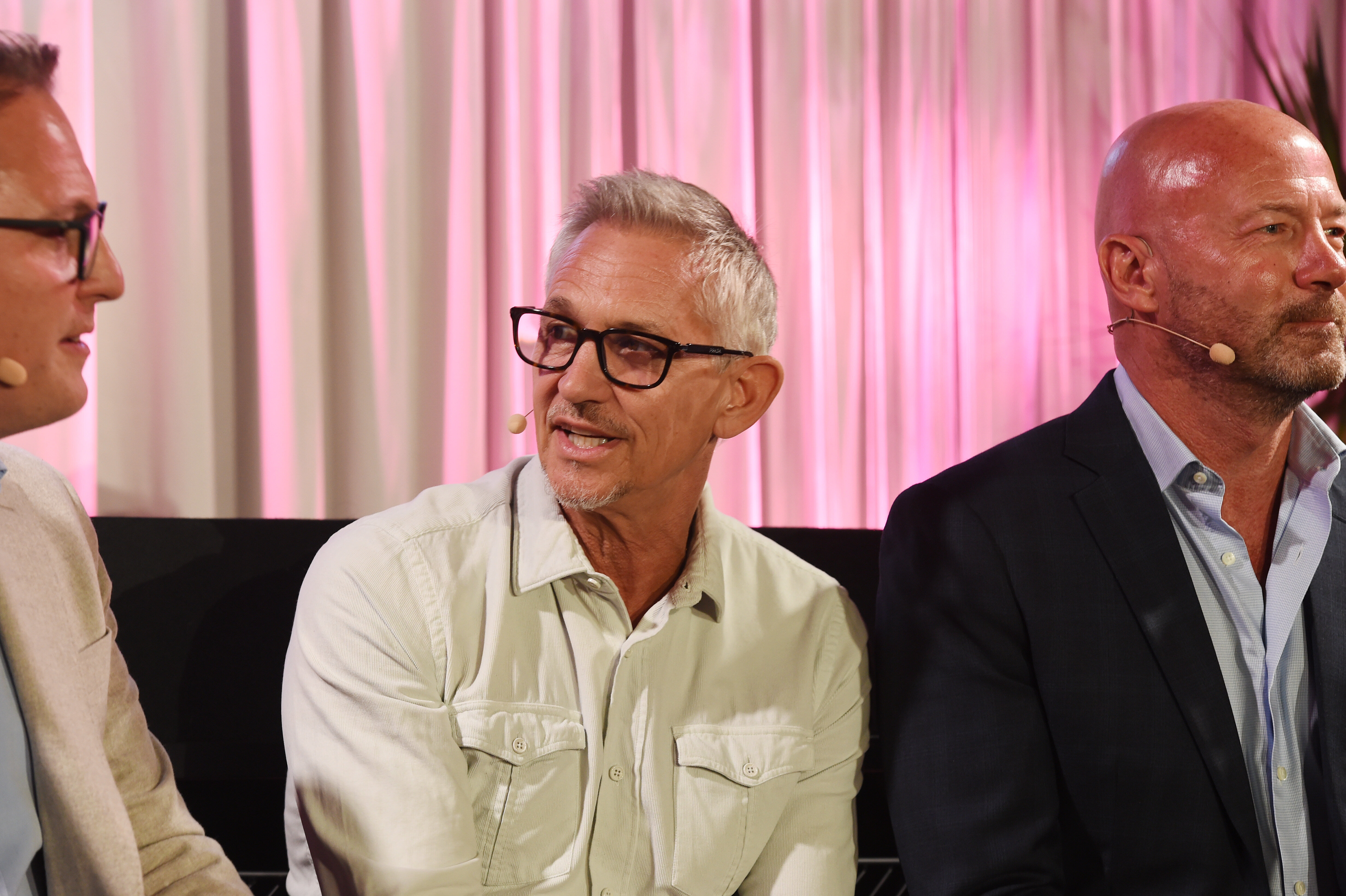
Oliver Dowden Says Gary Lineker Should ‘Stay In His Lane’ And Stop Commenting On Politics

Gary Lineker should “stay in his lane” and stop commenting on politics, deputy prime minister Oliver Dowden has said.

The Match of the Day host last week signed a letter criticising the government’s Rwanda scheme.

That led to a backlash from some Tory MPs, which then prompted Lineker to attack Grant Shapps, Jonathan Gullis and Lee Anderson on social media.

In an article in the Sunday Telegraph, Dowden hit out at “amateur BBC pundits offering as much insight as I could on football tactics”.

On Sunday Morning with Trevor Phillips on Sky News this morning, the presenter asked the deputy PM: “Do you want to say who you had in mind then?”

Dowden replied: “I think it’s fairly obvious some of the people who have been spewing their views forth on this.”

Phillips then said: “Could the words ‘Gary Lineker’ be floating through this conversation?”

The deputy PM said: “I think people should swim in their own lane. I know nothing about football punditry, I can assure you about that.

“The wider point I was making is there’s a lot of talking this country down. Actually, I see a country with a manufacturing sector larger than France’s, we’re dominating in artificial intelligence.

“There’s so many reasons to be optimistic about this country, and this doomster scenario that they’re constantly predicting doesn’t actually happen because there’s real strength in our economy.”

Phillip then asked: “So the message to my fellow anchor Gary Lineker is stay in your lane?”

Dowden replied: “Each person should play to their strengths.”

The incoming chair of the BBC, Samir Shah, last week told MPs that “on the face of it” Lineker had broken the corporation’s social media guidelines by criticising Shapps, Anderson and Gullis.

He said: “The BBC’s reputation matters and this isn’t helpful so we do need to find a solution to it and, were I to be chair, I’d be keen to try to bring about such a solution.”

Share Button