The Covid inquiry releases messages between civil servant Simon Case and No 10 adviser Dominic Cummings.


The Covid inquiry releases messages between civil servant Simon Case and No 10 adviser Dominic Cummings.
A judge says doctors can withdraw life support from seven-month-old Indi Gregory.

To examine the global state of AI ethics, a team of researchers from Brazil performed a systematic review and meta-analysis of global guidelines for AI use. Publishing October 13 in in the journal Patterns, the researchers found that, while most of the guidelines valued privacy, transparency, and accountability, very few valued truthfulness, intellectual property, or children’s rights. Additionally, most of the guidelines described ethical principles and values without proposing practical methods for implementing them and without pushing for legally binding regulation.
“Establishing clear ethical guidelines and governance structures for the deployment of AI around the world is the first step to promoting trust and confidence, mitigating its risks, and ensuring that its benefits are fairly distributed,” says social scientist and co-author James William Santos of the Pontifical Catholic University of Rio Grande do Sul.
“Previous work predominantly centered around North American and European documents, which prompted us to actively seek and include perspectives from regions such as Asia, Latin America, Africa, and beyond,” says lead author Nicholas Kluge Corrêa of the Pontifical Catholic University of Rio Grande do Sul and the University of Bonn.
To determine whether a global consensus exists regarding the ethical development and use of AI, and to help guide such a consensus, the researchers conducted a systematic review of policy and ethical guidelines published between 2014 and 2022. From this, they identified 200 documents related to AI ethics and governance from 37 countries and six continents and written or translated into five different languages (English, Portuguese, French, German, and Spanish). These documents included recommendations, practical guides, policy frameworks, legal landmarks, and codes of conduct.
Then, the team conducted a meta-analysis of these documents to identify the most common ethical principles, examine their global distribution, and assess biases in terms of the type of organizations or people producing these documents.
The researchers found that the most common principles were transparency, security, justice, privacy, and accountability, which appeared in 82.5%, 78%, 75.5%, 68.5%, and 67% of the documents, respectively. The least common principles were labor rights, truthfulness, intellectual property, and children/adolescent rights, which appeared in 19.5%, 8.5%, 7%, and 6% of the documents, and the authors emphasize that these principles deserve more attention. For example, truthfulness — the idea that AI should provide truthful information — is becoming increasingly relevant with the release of generative AI technologies like ChatGPT. And since AI has the potential to displace workers and change the way we work, practical measures are to avoid mass unemployment or monopolies.
Most (96%) of the guidelines were “normative” — describing ethical values that should be considered during AI development and use — while only 2% recommended practical methods of implementing AI ethics, and only 4.5% proposed legally binding forms of AI regulation.
advertisement
“It’s mostly voluntary commitments that say, ‘these are some principles that we hold important,’ but they lack practical implementations and legal requirements,” says Santos. “If you’re trying to build AI systems or if you’re using AI systems in your enterprise, you have to respect things like privacy and user rights, but how you do that is the gray area that does not appear in these guidelines.”
The researchers also identified several biases in terms of where these guidelines were produced and who produced them. The researchers noted a gender disparity in terms of authorship. Though 66% of samples had no authorship information, the authors of the remaining documents more often had male names (549 = 66% male, 281 = 34% female).
Geographically, most of the guidelines came from countries in Western Europe (31.5%), North America (34.5%), and Asia (11.5%), while less than 4.5% of the documents originated in South America, Africa, and Oceania combined. Some of these imbalances in distribution may be due to language and public access limitations, but the team says that these results suggest that many parts of the Global South are underrepresented in the global discourse on AI ethics. In some cases, this includes countries that are heavily involved in AI research and development, such as China, whose output of AI-related research increased by over 120% between 2016 and 2019.
“Our research demonstrates and reinforces our call for the Global South to wake up and a plea for the Global North to be ready to listen and welcome us,” says co-author Camila Galvão of the Pontifical Catholic University of Rio Grande do Sul. “We must not forget that we live in a plural, unequal, and diverse world. We must remember the voices that, until now, haven’t had the opportunity to claim their preferences, explain their contexts, and perhaps tell us something that we still don’t know.”
As well as incorporating more voices, the researchers say that future efforts should focus on how to practically implement principles of AI ethics. “The next step is to build a bridge between abstract principles of ethics and the practical development of AI systems and applications,” says Santos.
It is among several serious incidents recorded in July and August at two Shropshire hospitals.

“Moonlighting” creator Glenn Gordon Caron has shared an update on Bruce Willis’ health this week, telling the New York Post that the actor is “not totally verbal” amid his battle with frontotemporal dementia.
Caron, a friend of the 68-year-old actor, explained that Willis still knows who he is during his visits but noted some changes to him.
Advertisement
“My sense is the first one to three minutes he knows who I am,” he said.
“[Willis] used to be a voracious reader — he didn’t want anyone to know that — and he’s not reading now. All those language skills are no longer available to him, and yet he’s still Bruce.”
He continued: “When you’re with him, you know that he’s Bruce, and you’re grateful that he’s there, but the joie de vivre is gone.”
Caron said he’s talked with him and the actor’s wife, Emma Heming Willis, while maintaining a “casual relationship” with his three older children.
“I have tried very hard to stay in his life. He’s an extraordinary person,” added Caron.
“The thing that makes [his disease] so mind-blowing is [that] if you’ve ever spent time with Bruce Willis, there is no one who had any more joie de vivre than he. He loved life and … just adored waking up every morning and trying to live life to its fullest.”
Advertisement
Willis’ family announced that the actor was diagnosed with aphasia last year prior to sharing his dementia diagnosis in February.
In a recent appearance on the “Today” show, his wife noted the challenges that come with dementia.
“It’s hard on the person diagnosed. It’s also hard on the family. And that is no different for Bruce, or myself, or our girls. And when they say that this is a family disease, it really is,” said Emma Heming Willis, who shared that it’s “hard to know” if Willis is aware of his condition.
Caron, whose popular ’80s series starring Willis hit Hulu this week, informed the actor about the show’s availability on streaming.
“I know he’s really happy that the show is going to be available for people, even though he can’t tell me that,” Caron told the Post.
Advertisement
“When I got to spend time with him, we talked about it, and I know he’s excited.”


A BBC Arabic journalist reported on the distressing conditions inside an overwhelmed Gaza hospital that he said contained many of his friends and neighbours.
“Today has been one of the most difficult days in my career. I have seen things I can never unsee,” BBC’s Adnan Elbursh, a Gaza resident, said in the report from Al Shifa, Gaza City’s main hospital, posted late on Thursday.
Advertisement
“Bodies lay everywhere. The injured scream for help. You can never forget the sounds,” he reported.
Among the dead and wounded, his cameraman had spotted his friend Malik, Elbursh said.
“Malik has managed to survive, but his family have not,” Elbursh said over footage of his tearful colleague.
Elbursh said bodies were being placed outside the hospital on the ground after the morgue reached capacity.
“You never want to become the story. Yet, in my city, I feel helpless as the dead were given no dignity and the injured are left in pain,” he said.
Advertisement
Hamas, the militant group that controls Gaza, launched a devastating surprise attack on Israel on Saturday, massacring hundreds of people and taking scores of hostages.
Israel declared war on Hamas in response. It has since laid siege to Gaza, which has a dense population of more than 2 million, bombarding the Palestinian enclave with airstrikes and preparing for a possible ground invasion. It has also shut off access to electricity, food, fuel and water in Gaza.
The conflict has already claimed over 2,800 lives on both sides. Thousands more are injured.
At least 10 journalists — nine Palestinians and one Israeli — are among the dead, according to the Committee to Protect Journalists. Several others are wounded or missing.
It has become increasingly difficult for journalists in Gaza to cover the situation on the ground, as fuel, electricity and internet access become more and more scarce.

Israel’s ongoing conflict with Palestinian militants may be far away, but it’s having a profound impact on life around the world – including the UK.
At the moment, despite voicing support for the Israelis after Hamas’ brutal attacks and sorrow for the suffering in Gaza, none of the Western powers are directly involved yet.
Advertisement
In fact, UK PM Rishi Sunak has said he is keen to prevent “further escalation” in the region, and the US secretary of state Anthony Blinken has promised “intensive diplomacy” to stop more nations wading into the conflict.
But, the horrendous eruption of violence in the Middle East has still triggered ripples all around the world. Here’s how.
When Hamas launched its surprise attack on Israel on Saturday, it took at least 150 people, including women and children, hostage – and it has killed more than a thousand people in the days since.
The majority of those taken are believed to be Israeli, but US President Joe Biden said on Monday that it was “likely” American citizens were among them.
Advertisement
UK defence secretary Grant Shapps also said it was “highly likely” that there were British civilians among the hostages on Thursday.
However, there’s been no confirmation about the hostages’ nationalities yet.
They are currently being hidden by Hamas in Gaza, and Israel does not plan to stop its siege of the region until they are released.
According to the Washington Post, people from 23 countries outside of Israel and Palestinian territories have been killed in the conflict. That includes Europeans, those from North and South America, Africa and Asia.
The UK is in the process of organising flights out of Israel for vulnerable Brits and diplomats, although it will cost £300 per passenger.

Advertisement
Several Jewish schools closed in north London on Friday due to safety concerns.
One parent told Sky News that he had been advised to change his children’s uniforms so “they are not signalling in any way they are Jewish”.
Downing Street declared it was putting £3 million aside for the Community Security Trust, on Thursday, to protect the UK’s Jewish population.
The FA announced on Thursday that the Wembley arch will not be lit up in the colours of the Israeli flag, despite calls for the landmark to show solidarity with Tel Aviv.
Only flags supporting the two teams playing on Friday will be permitted into the stadium, too, while players will be wearing black armbands to show support for all the victims of the war.
The UK’s culture secretary Lucy Frazer posted on X (formerly Twitter) to say she was “disappointed” by the FA’s decision.
Advertisement
Police around the UK won’t stop people waving Palestinian flags either, while France has banned pro-Palestinian protests – and arrested anyone who defies them.
The BBC has been dragged into a row about bias over its reluctance to use the word “terrorist” to describe any Hamas fighter.
Following a widespread backlash, it justified the decision on Wednesday, saying it was following its editorial guidelines.
The broadcaster’s head of editorial policy and standard, David Jordan, said: “It’s a policy that’s been applied to conflicts around the world and indeed conflicts in our own country.
Advertisement
“We didn’t have a policy of describing the IRA as terrorists throughout the Troubles in Northern Ireland. To this day, we don’t call republican splinter groups, for example, and others terrorists in that context.”
However, defence secretary Shapps clashed with a BBC presenter over its decision on Friday, while the PM has said that it is “incumbent” on the BBC – as the UK’s national broadcaster – to refer to the militants as terrorists.


Aging is a privilege, and it comes with some responsibilities — and if you’re concerned with the health of your skin, adjusting your skin care routine is one of them.
You may see some loss of volume, or more noticeable lines and wrinkles and drier skin. If you’re wondering what you can do to support and complement your skin through the various changes you will experience from age 40 onward, we have some expert suggestions. Read on to find out what products you can add to (or remove from) your skin care and makeup routines.
Advertisement
“The major changes can be described in two words ― gravity and laxity,” said Dr. Kenneth Mark, a cosmetic dermatologist. “The face begins to sag, resulting in loss of jawline definition, early jowling, loss of volume in the mid-face, and loose skin around the eyelids.”
“People in their 40s experience significant dryness of the skin, so hydration is key,” said Dr. David Kim, a board-certified dermatologist based in New York. At this age, deeper lines and wrinkles also start to develop, and collagen production slows down, resulting in decreased facial volume. “These changes occur due to aging and menopause, when you lose the ability to hold on to moisture and lipids to keep your skin hydrated,” Kim explained.
The production of collagen ― an essential part of the skin’s building blocks (together with elastin, fat cells and muscles) that gives the skin a plump appearance ― actually starts decreasing from the age of 25.
Fine lines become more prominent around the eyes, which means some changes may need to be made when it comes to your makeup routine as well, explained Elaina Badro, a celebrity makeup artist.
Advertisement
Eyelids can also become more hooded with age, noted Jamie Greenberg, a celebrity makeup artist. “I often adjust eye looks on clients based on that, too,” Greenberg said. “Skin care and prep is also important, and I always recommend a retinol among other skin care products.”
Of course, hormonal changes can’t be avoided, with perimenopause making an appearance in your early 40s. Discoloration and pigmentation can become more prominent.
“The accumulated sun damage really starts to become apparent — this might include more brown spots, textural irregularities as well as fine lines and wrinkles becoming more pronounced,” said Dr. Carmen Castilla, a board-certified dermatologist and clinical instructor at Mount Sinai Hospital in New York.
“There is also a decline in the skin’s ability to heal,” Castilla said. “Small scratches or acne that may have not left marks previously are more likely to scar or leave behind lingering dark marks.”
“The onset of perimenopause triggers fluctuations in estrogen, a vital hormone for the production of collagen, and the maintenance of the skin’s barrier,” Castilla explained. “This is what contributes to drier, lax and more thin skin.”
Advertisement
She also noted that lifestyle factors can play a huge role in how the skin ages. If you spend an excessive amount of time in the sun, the damage will accumulate. The same goes for smoking. Genetics, of course, affect how the skin ages as well.
Adding certain treatments and ingredients to your skin care routine is an important step, and dermatologists suggest that if you haven’t already, you could consider using retinol (another name for vitamin A).
“Vitamin A boosts collagen production, and helps with hyperpigmentation, fine lines, and keeps your skin cells engaged and stimulated,” Kim said. For age spots and pigmentation, pick products with vitamin C, tranexamic acid or licorice root. Castilla explained these ingredients work by “incorporating an antioxidant that can help protect the skin from free radicals and pollution damage.”
Let’s not forget the basics of the routine: moisturizing and sunscreen. You may want to opt for heavier moisturizers to support the skin, which will likely be drier because of a “natural decrease in oil production and weaker skin barrier,” Castilla suggested. And sunscreen will “help prevent UV-induced damage” and “help with hyperpigmentation and keeping the skin healthy, with an even complexion,” Kim said.
“It’s important to remember that ‘less is more’ when applying makeup to clients 40-plus,” Badro said. “Too much makeup can actually appear to age the face.”
Advertisement
The makeup artists said their over-40 clients prefer a more natural base ― think light to medium coverage, with lighter products on the face and the eyes. After all, glowing skin can give the illusion of lift and plumpness.
Shimmer can still be used, but more sparingly, as it can accentuate the fine lines and wrinkles. “Keep it on the lid of the eye, versus the crease and brow bone,” Badro said.
Creamy products and proper skin prep are your friend. Moisturizers and primers should be used before foundation, especially those containing hualuronic acid and peptides, said makeup artist Nicole Walmsley.
“The more natural eye looks also help to brighten the face up and lift the eyes a bit,” Greenberg said. “That doesn’t mean you can’t still rock a cat eye past 40, though! One tip I use is making the cat eye wing flick upwards. It has a great lifting effect for the eyes, and individual false lashes are a major game changer.”
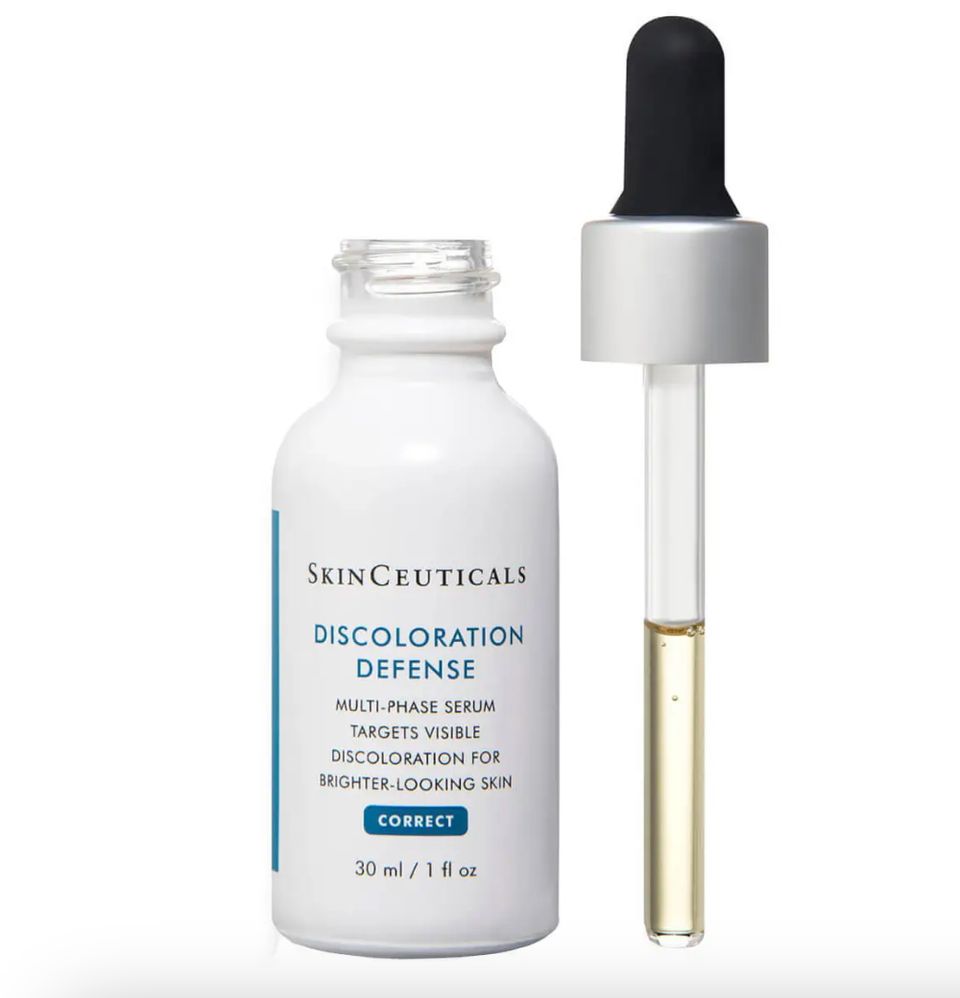
SkinCeuticals
SkinCeuticals Discoloration Defense
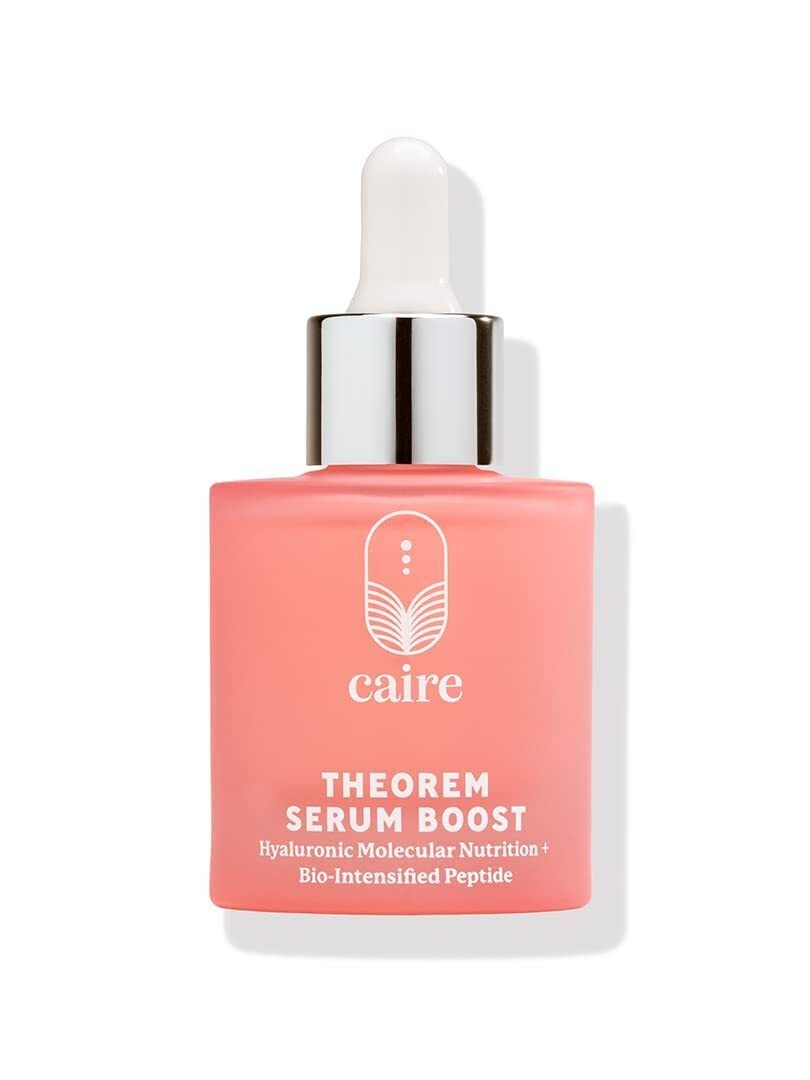
Amazon
Caire Beauty Theorem Serum Boost
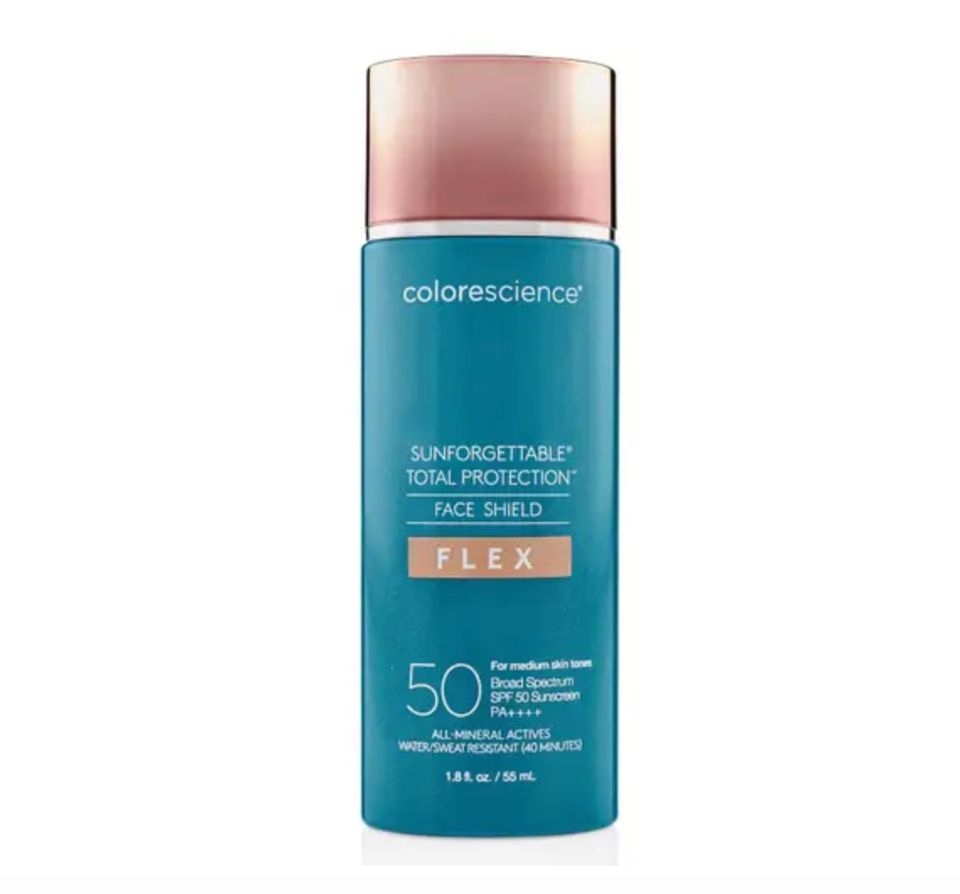
Dermstore
Colorescience Sunforgettable Total Protection Face Shield Flex SPF
Advertisement
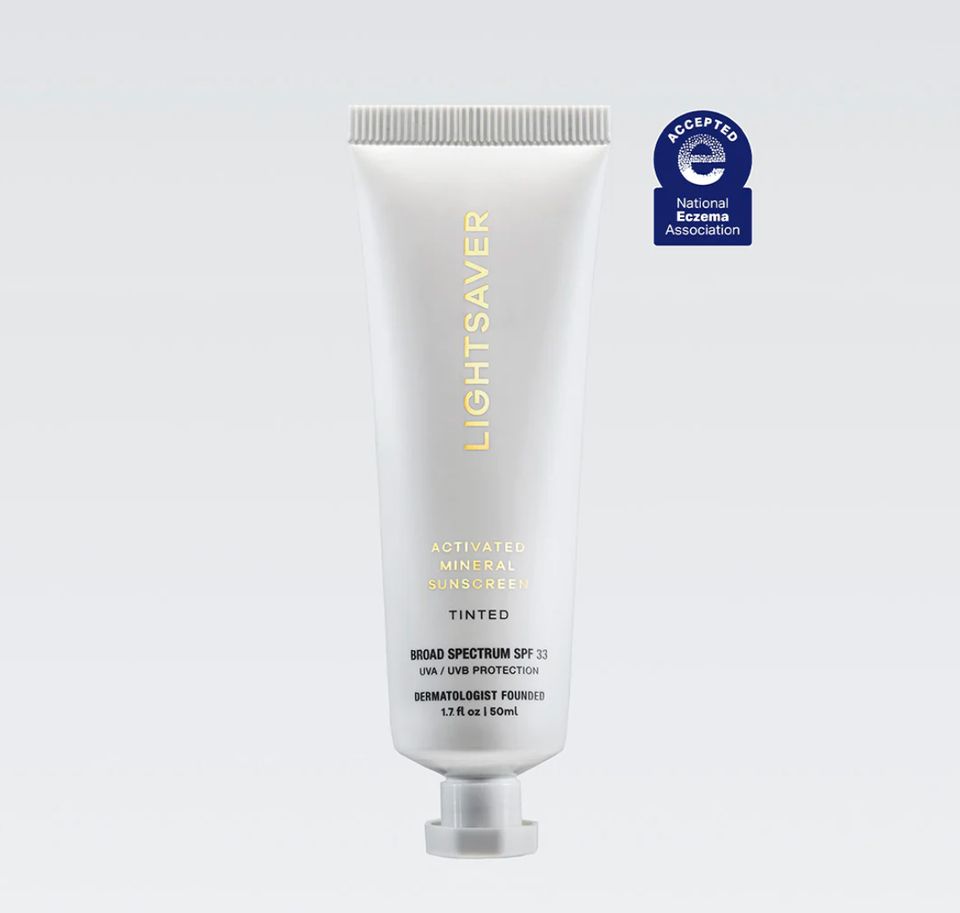
Lightsaver
Lightsaver Activated Mineral Sunscreen SPF 33
“A fantastic sunscreen with a sheer tint and whipped texture that will keep your skin protected throughout the year. It’s also packed with photolyase, which has been shown to help repair UV-induced damage.” — Kim
Sephora
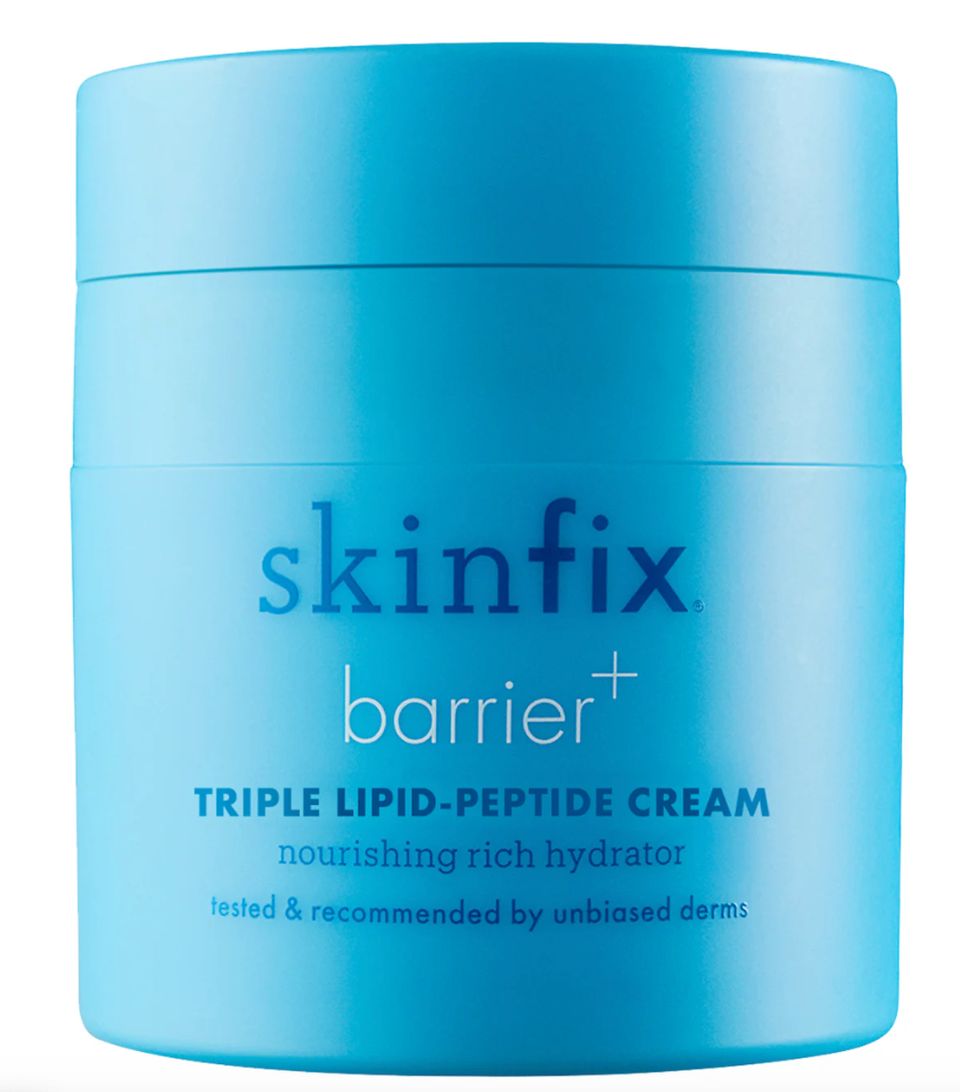
SkinFix Barrier+ Triple Lipid-Peptide Face Cream
“Super hydrating and moisturizing. This cream will keep your skin protected all year around.” — Kim
Amazon
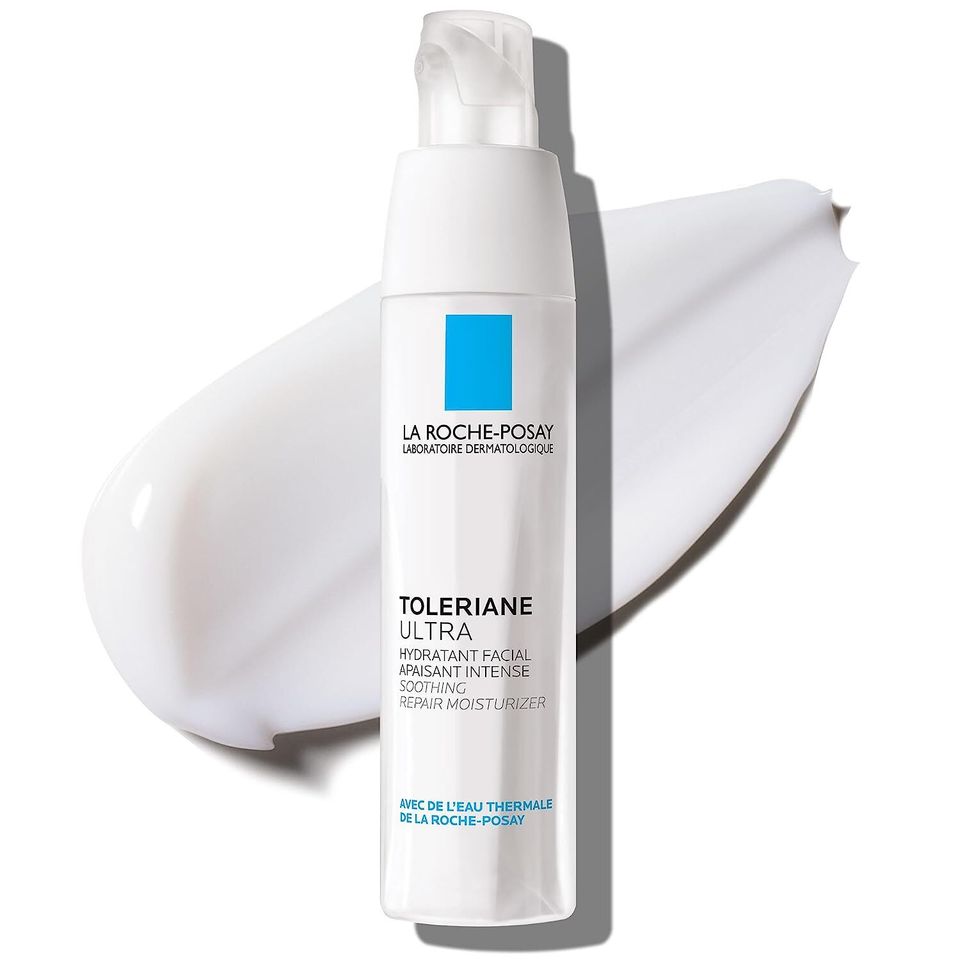
La Roche-Posay Toleriane Ultra Face Moisturizer
“This is formulated for dry sensitive skin and helps support the skin barrier.” — Castilla
Advertisement
Macy’s
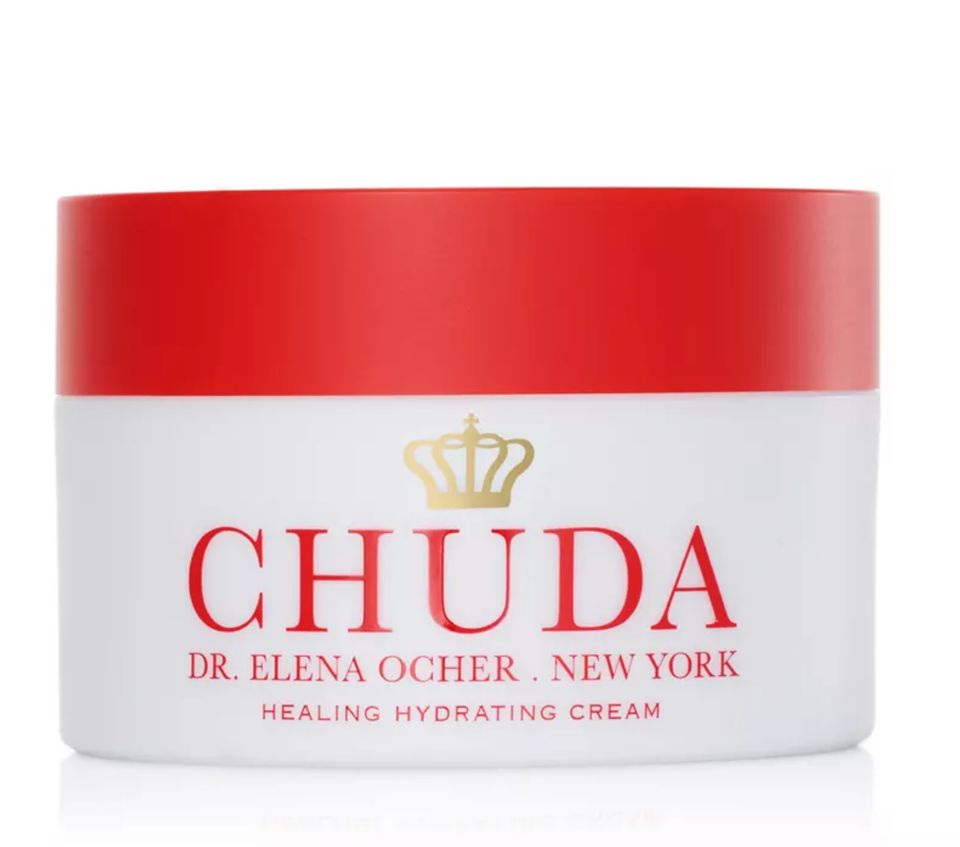
Chuda Healing Hydrating Cream
Ulta
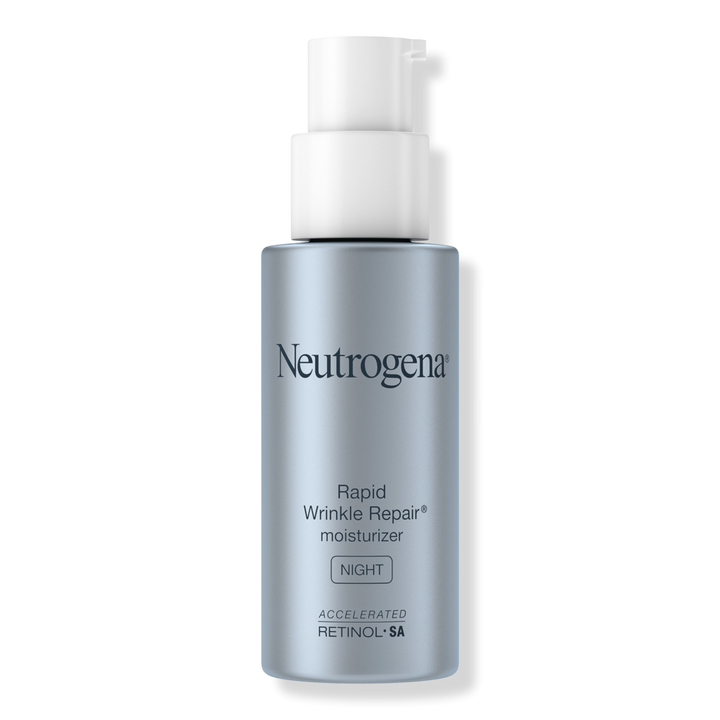
Neutrogena Rapid Wrinkle Repair Night Moisturizer
“This is a retinol cream with added moisturizing ingredients like hyaluronic acid, so [it] works well with dry, sensitive skin types.” — Castilla
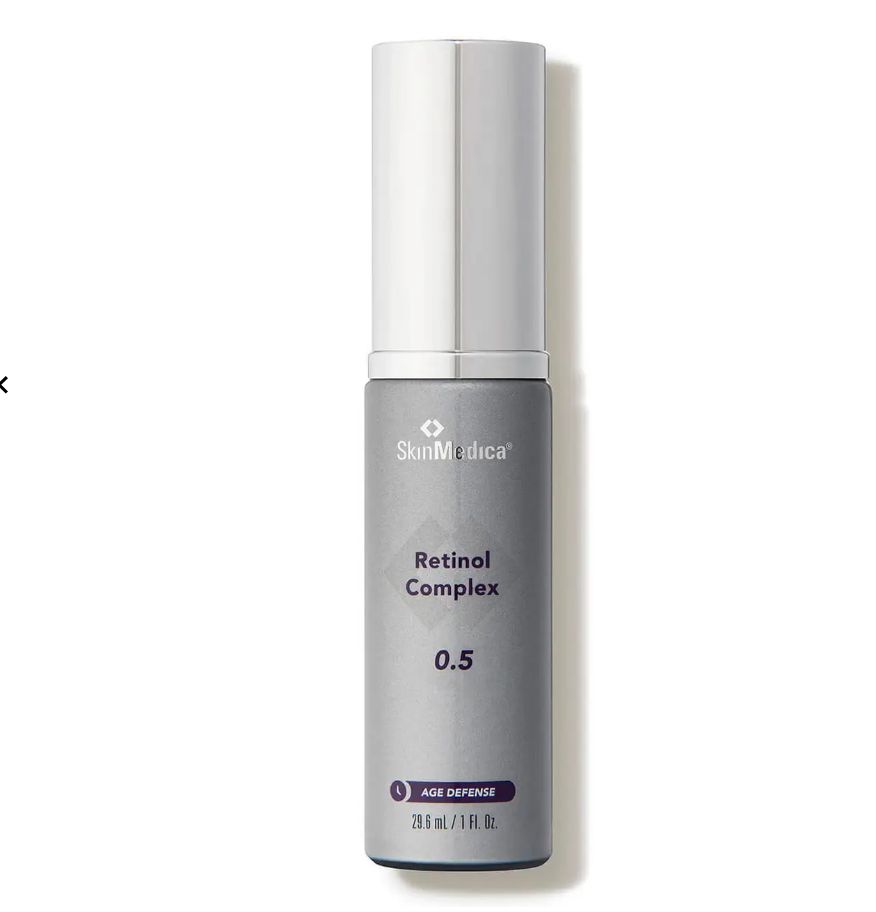
Dermstore
SkinMedica Age Defense Retinol Complex
“This gentle yet effective retinol will keep your skin cells stimulated to produce collagen, and accelerate cellular turnover so you have healthy skin cells at all times,” Kim says. Choose either the 0.5% or 1% strength, according to your needs.
Advertisement
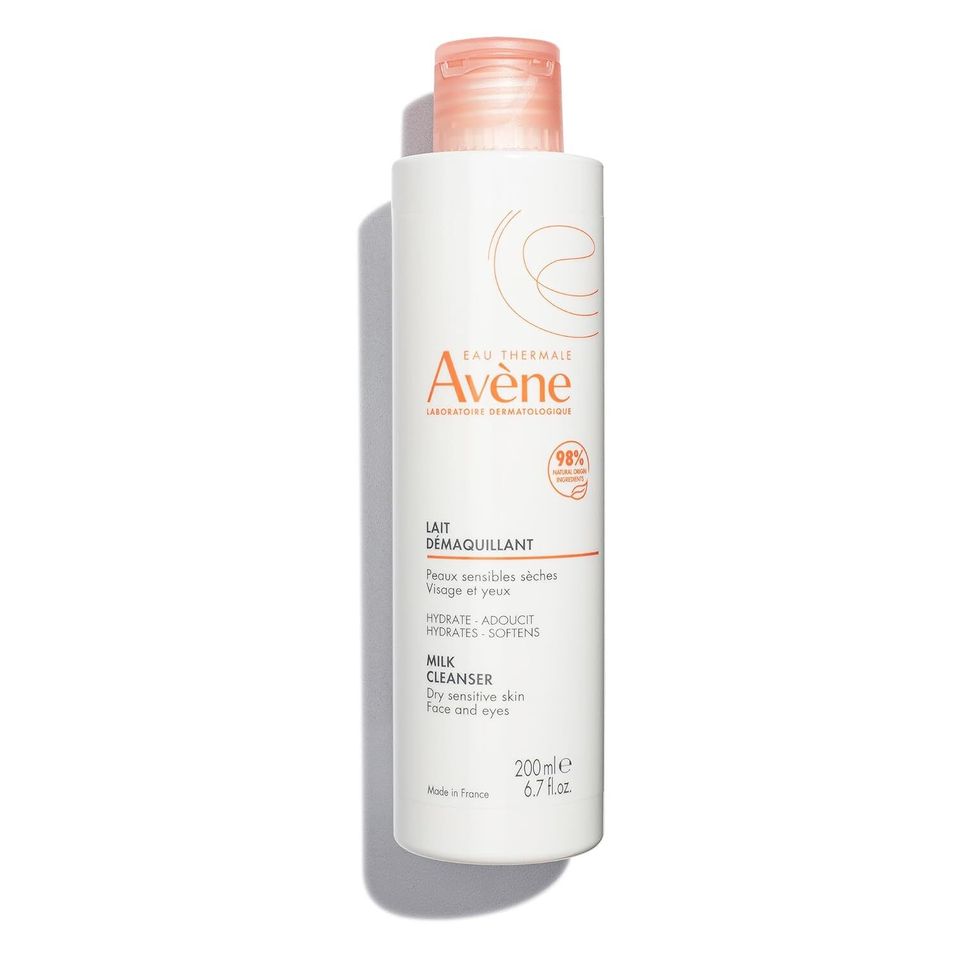
Amazon
Eau Thermale Avène Milk Cleanser
“This is a creamy cleanser that’s gentle and does not strip skin of natural oils.” — Castilla

Target
Neutrogena Acne Wash
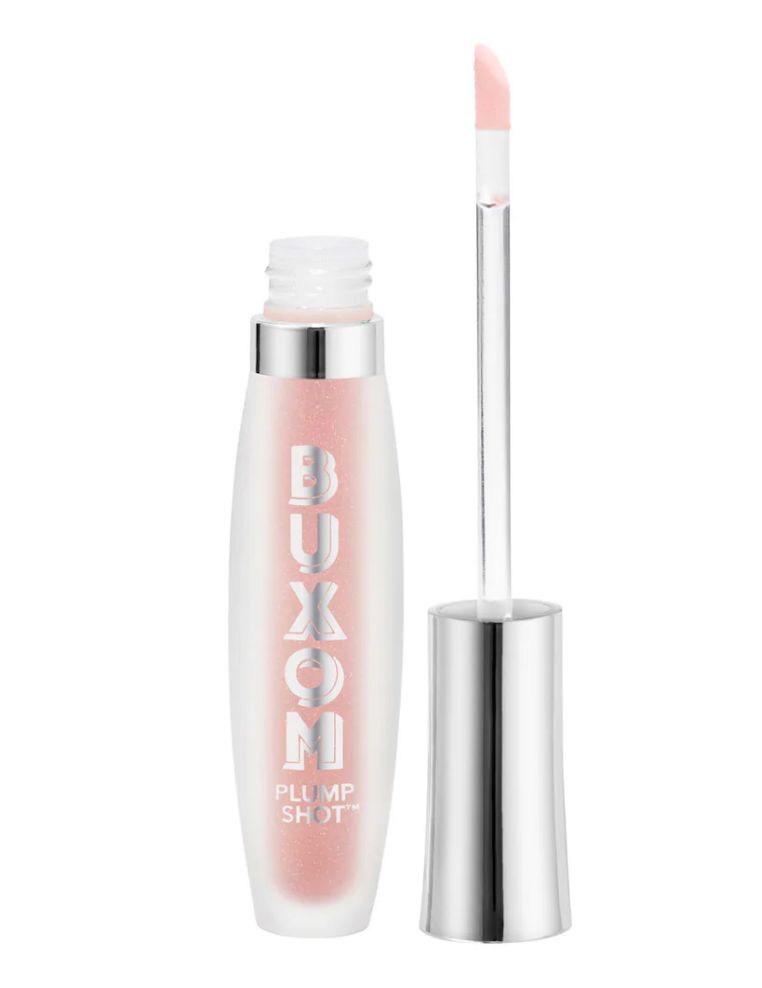
Sephora
Buxom, Plump Shot Collagen-Infused Lip Serum
“This is a collagen-infused plumping lip serum gloss. It helps to visibly plump [and] smooths and conditions lips. As we age, we tend to lose volume in our lips, and it’s always important to hydrate!” — Badro
Advertisement
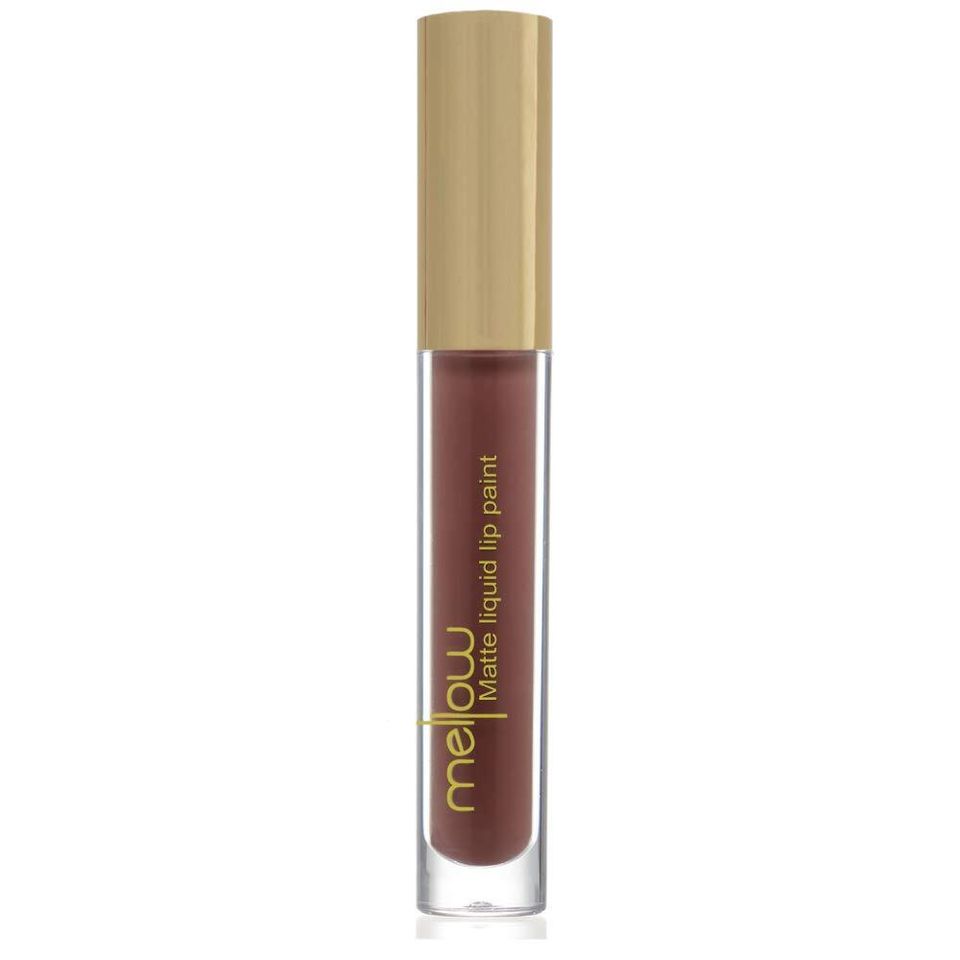
Amazon
Mellow Liquid Lip Paint
“This has a long-wearing creamy formula, which is 100% vegan and cruelty-free. It even comes in 13 shades, and Ι always love a beauty product that Ι don’t have to keep reapplying throughout the day. ‘Auckland’ is also one of my favorite shades.” — Badro
Sephora
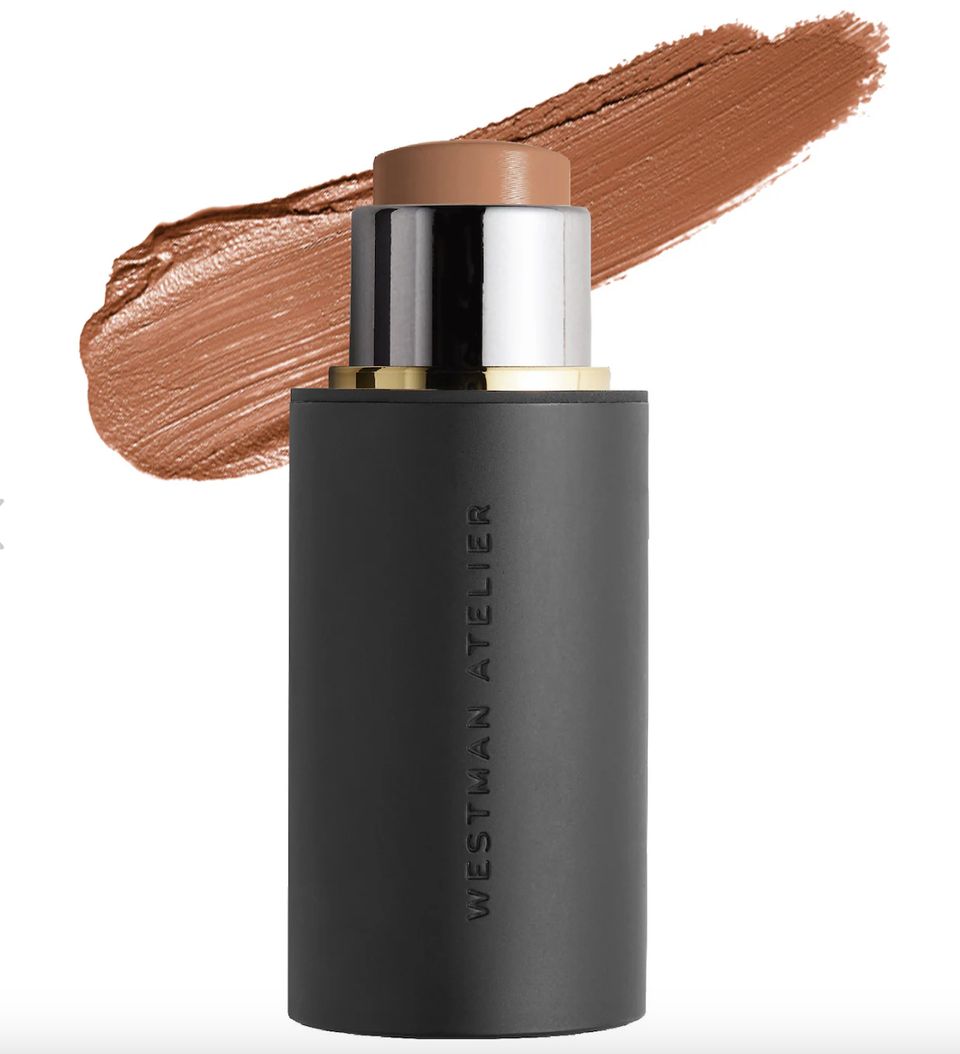
Westman Atelier, Face Trace Cream Contour Stick
“This is great if you’re looking for a great contour stick that’s also vegan. Depending on your skin type, this can last up to eight hours. Ι love a good product that keeps me from having to reapply.” — Badro

Sephora
Kosas Revealer Concealer
Advertisement

Sephora
Rare Beauty Brow Harmony Precision Eyebrow Pencil
“Eyebrows tend to thin as we age, and we lose the frame and definition that they help to provide. Finding an eyebrow pencil to enhance and define is essential. The Rare Beauty pencil is a medium-coverage, waterproof formula that can be used to draw featherlike strokes mimicking the natural brow. The attached spoolie brush can be used to shape and finish the desired look.” — Walmsley

A woman who was paid in cigarettes to do her mum’s ironing is one of the first to have a lung check.
Wheelchair users find it near-impossible to find accessible scales and keep check of their weight.
