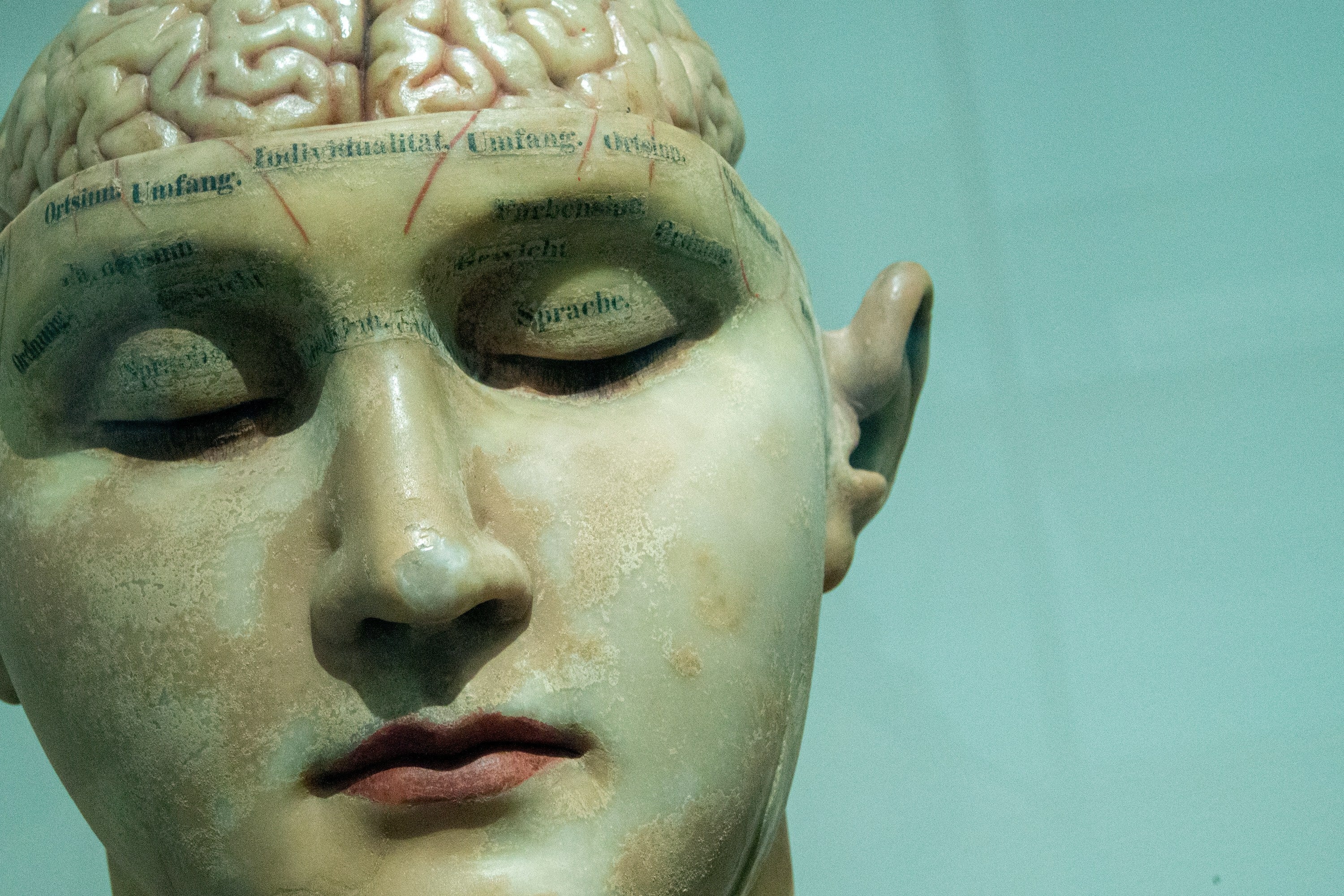
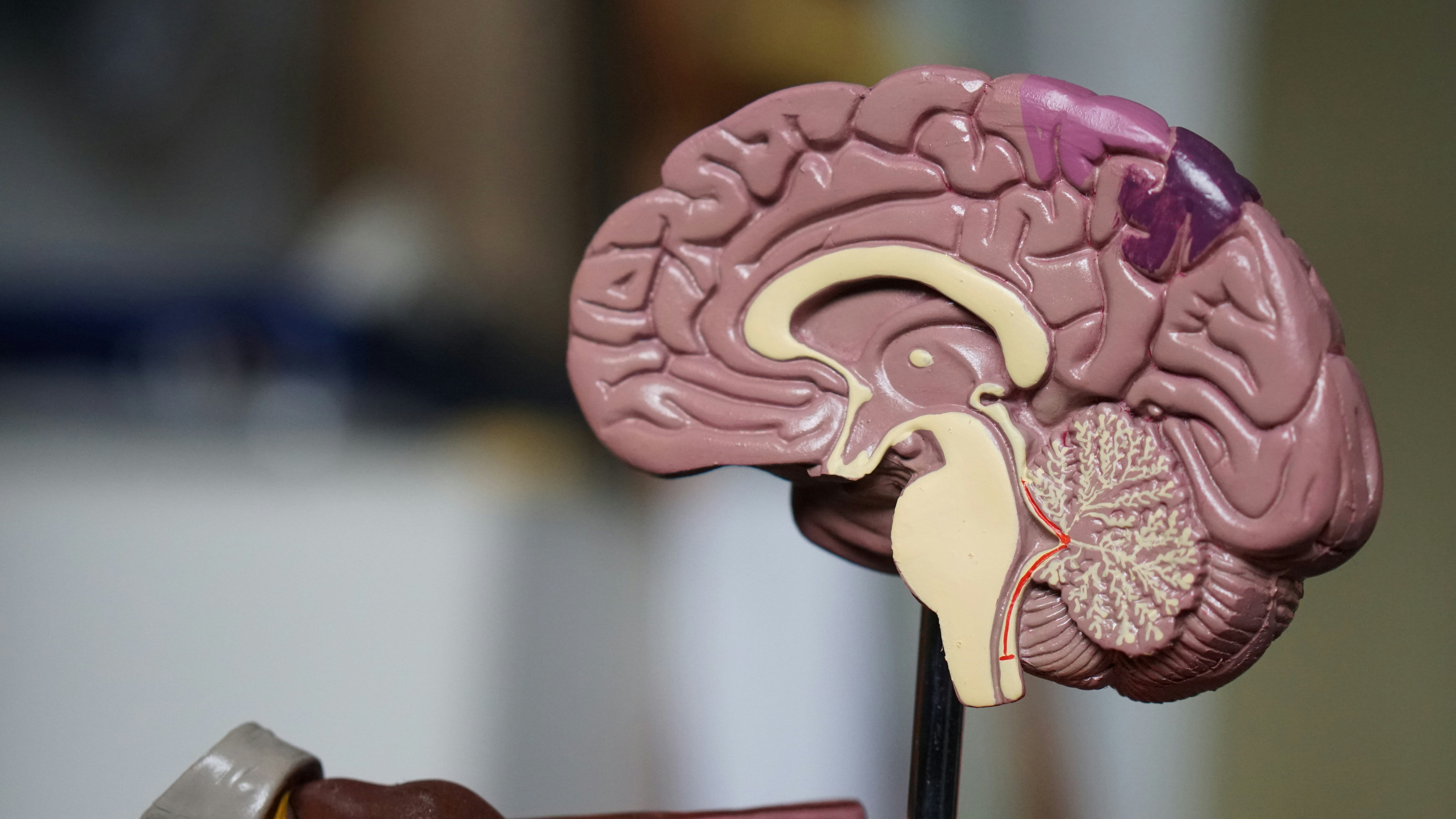
But a new review published in Science suggested that one thing might link multiple dementia risk factors: how well our brain is able to clear waste while we’re sleeping.
What part of sleep may affect dementia risk factors?
Researcher and neuroscientist Professor Maiken Nedergaard from the University of Rochester Medicine (URM) tried to look at sleep in terms of brain chemicals such as norepinephrine, serotonin, and dopamine.
These “neuromodulators” affect our mood, attention, how awake we feel, and even how well we learn.
Her research noted that “neuromodulators” behave differently during sleep. They run in slow cycles that turn roughly every minute in a manner believed to affect everything from breathing to brain activity.
Advertisement
These sleep changes are also linked to changes in blood vessels called vasomotion, which works independently of our hearts’ pumping motion. One effect of this process is pushing fluid through the brain, helping to clear waste products such as amyloid-beta and tau proteins.
Amyloid plaques come from the buildup of abnormal protein fragments, while tau can turn into stringy proteins that lead to tau tangles. Amyloid plaques and tau tangles have been compared to the “trigger and bullet” of dementia progression.
This paper argued that changes to vasomotion, which happen when we age, face stress, experience some heart conditions, experience poor sleep, or take certain medications, might connect various dementia risk factors.
Advertisement
“Many disorders that increase dementia risk also disrupt the brain’s sleep rhythms”, Prof Nedergaard told URM.
“Our work suggests these may not be separate phenomena. They may be connected through the brain’s ability to clear waste during sleep”.
Advertisement
The researchers hope this will lead to earlier dementia detection
The study authors hope that tracking this might serve as a non-invasive way to monitor the brain’s waste-clearing systems, potentially helping to spot dementia risk earlier.
“Sleep is not a quiet or inactive state,” Prof Nedergaard said.
“During sleep, the brain shifts into a coordinated rhythm that appears to support one of its most important housekeeping functions.”
If you’re like most people, you probably rely on filler words like “um” and “uh” when speaking, whether you’re presenting at work or talking to old friends over coffee.
Use of filler words can be very, very normal, but new research found that in some cases, you may want to pay closer attention to your speech patterns for the sake of your cognitive health and dementia risk.
Advertisement
The research, which was led by experts from the Baycrest Corporate Centre for Geriatric Care, the University of Toronto and York University, found that certain speech patterns can be indicative of cognitive decline and a higher risk for dementia.
Folks who participated in the study were tasked with verbally describing what they saw in different detailed images and were recorded while explaining what they were looking at.
Researchers then used AI to analyse the speech patterns in the recordings, such as the use of filler words like “um” and “uh,” pauses in conversation and trouble with word-finding.
Advertisement
Participants also completed cognitive tests; how someone performed on the speech analysis predicted how well, or not well, someone did on their cognitive tests.
“We know that language is one of the domains of cognition that can be really affected by dementia, and certain types of dementia more than others, but in all types of dementia, difficulty finding common words is a feature that we look for, and that we know occurs,” said Dr. Heather Whitson, a distinguished professor in neuroscience at Duke School of Medicine in North Carolina. Whitson is not affiliated with the study.
This does not mean that every forgotten word or instance of calling a restaurant by the wrong name is cause for concern, experts told HuffPost.
Advertisement
Cavan Images via Getty Images
New research found that certain speech patterns could be signs of cognitive decline.
“All of us, probably starting around our 20s or 30s, start doing a little bit worse over time on many formal cognitive tests, and that does not mean that we’re on the way to dementia. It’s what we often refer to as healthy aging,” said Dr. Carolyn Fredericks, an assistant professor of neurology at Yale School of Medicine in Connecticut. Fredericks is not affiliated with the study.
“And some of the things that they were looking at in this study are things where everybody gets a little worse on these measures over time, but they’re picking up a signature where [in] some people, it’s just that much more so, and those are the ones who are vulnerable,” said Fredericks.
Advertisement
Again, difficulty finding words can be a normal part of aging, stressed Whitson.
“Usually it starts with proper nouns, so the person who’s saying, ‘I can remember everything about that actor, but I can’t think of their name right now,’” added Whitson.
There are also limitations to this study. “Speech patterns are very dependent on culture and even families,” said Whitson, and this study doesn’t address the aspect of speech differences.
For example, it’s common for folks in the south to speak slower and with more pauses than those in the north, and that is not a sign of cognitive decline.
Advertisement
More, this data was all “drawn from one time point,” Whitson said. So, there is nothing to compare someone’s speech patterns to. Meaning, someone’s use of the word “uh” may be normal and something they picked up in childhood, not a sign of cognitive decline.
Not all cognitive changes are worrisome, but there are some warning signs of dementia you should know
Again, not every “um” or pause in conversation is cause for concern, but there are some red flags that should warrant a visit to your doctor.
Advertisement
“The kinds of things I would worry about, number one … having a lot of difficulty expressing oneself, particularly with ordinary dictionary words, not just struggling to come up with the name of someone or the title of a book or movie,” Whitson said.
Short-term memory lapses are also concerning, Whitson noted. “That usually presents with either repeating one’s questions in a very short time span,” added Whitson.
“Other things is getting lost in familiar places, or repeatedly forgetting important appointments,” she said. Misplacing items and having no idea how the item got there in the first place is also a red flag, added Whitson.
Advertisement
Since cognitive decline is a part of healthy ageing, it can be hard to tell what is normal and what is not so normal. “Often it’s helpful to compare yourself to your peers,” said Fredericks.
For instance, if your peers are also occasionally forgetting the name of the new dentist in town, you’re likely in good company. But, if you find yourself misplacing items frequently, and don’t see that in others you age, it’s a good idea to talk to a doctor.
There are some lifestyle adjustments that can help lower your dementia risk
There are some modifiable lifestyle behaviours that can lower your risk of dementia. These are “the most actionable things that people can do in their 20s and beyond,” said Whitson.
Advertisement
Controlling high blood pressure is an important way to lower your dementia risk, Whitson said. “There’s even evidence that strict control of blood pressure down to a top number of 120 or less is associated with reduced dementia risk,” she added.
“Physical activity is one of the things that is most associated with lowering dementia risk, as well as almost every other kind of health risk,” Whitson said. “So, I always tell people, if they’re going to change one thing about their lifestyle, increasing physical activity would be the thing to do.”
It’s also important to get good quality sleep and follow a nutritious diet. Fredericks recommends the Mediterranean diet or other heart-healthy diets.
Advertisement
“Making sure that people’s vision and hearing are optimised is associated with lowering our dementia risk, which kind of makes sense because our ears and our eyes are what feeds most information and activation to our brain,” added Whitson.
So, if you need glasses or hearing aids, it’s a good idea to see a doctor and get a prescription.
Protecting yourself from head injury by wearing a helmet when biking, for example, or during contact sports is another way to lower risk, Whitson said, in addition to not smoking.
Having regular social and intellectual stimulation is also recommended, noted Fredericks. This can impact your cognition and help your brain stay challenged and alert, Fredericks added.
Advertisement
This AI tool these researchers used to analyse the data is “very promising,” Whitson said. A tool that can pick up patterns in speech and reveal something about our brain function and cognition has great promise, Whitson noted.
But, don’t panic if you find yourself using “um” a lot or pausing in conversation. Instead, do what you can to lower your dementia risk and look out for other dementia red flags – and talk to a doctor if you are concerned.
Alzheimer’s is a horrible disease that has uniquely devastating effects on the people who have it and their loved ones.
Common symptoms include memory loss; struggling to plan, complete tasks or solve problems; feeling confused; experiencing new problems with speaking and writing; misplacing items; making poor judgment calls; social withdrawal; and more.
Advertisement
While those symptoms are ones we often hear about, they aren’t the only ones. There’s a symptom that many caregivers aren’t aware of and think is a result of “bad” caregiving: agitation.
“It’s critical to first appreciate that agitation is a symptom of brain changes caused by Alzheimer’s disease, not poor caregiving,” said Dr. Richard Stefanacci, the medical director of Inspira LIFE, a senior living program.
“The brain damage from Alzheimer’s makes people prone to agitation regardless of how loving caregivers are,” said Stefanacci, who also specialises in older populations and Alzheimer’s.
Advertisement
According to information the Alliance of Aging Research sent to HuffPost, “agitation” in this sense can present itself in a variety of ways: pacing, trying to leave, angry outbursts, profanity, hitting, mood swings, throwing items and more.
Caregivers may blame themselves, AAR continued, thinking it’s a result of their burnout, introducing a new routine or not being patient enough.
Dr. Nikhil Palekar, the director of the Stony Brook Center of Excellence for Alzheimer’s Disease at Stony Brook Medicine, said there’s a stigma when it comes to this specific symptom.
Advertisement
“Caregivers often feel they might be doing something wrong, which is causing their loved one with Alzheimer’s to react in an uncooperative, hostile or agitated manner, without realizing that agitation in Alzheimer’s is very common, with rates ranging from 56% in early stages to 68% in the moderate-severe stage of the disease,” he said.
How Alzheimer’s can cause agitation symptoms
Like with other Alzheimer’s symptoms, it all comes down to the brain.
“Alzheimer’s disease is the result of brain damage to areas of the brain that control emotions, decision-making and behavioral responses,” Stefanacci said.
“This neurological damage explains why people with Alzheimer’s may react strongly to situations that wouldn’t have bothered them before the disease progressed to this point.”
Advertisement
More specifically, we’re looking at neurotransmitters. “Alzheimer’s disease results in dysregulation and a decrease in three neurotransmitters (chemical messengers) in the brain – serotonin, norepinephrine and dopamine – resulting in symptoms of agitation,” Palekar said. Keeping in mind that those neurotransmitters help with mood, motivation, energy, anxiety and more, this makes sense.
We also have to consider environmental factors. For example, the holiday season – or other high-commotion events – can exacerbate agitation and its causes.
“Large gatherings with unfamiliar faces, disrupted routines, unusual foods and changes to previously familiar environments can cause agitation in someone with Alzheimer’s, especially [in] later stages of the disease,” Stefanacci continued.
Advertisement
“Most critical is to make adjustments and accommodations to reduce the stress, such as maintaining routine and familiarity.”
There is hope for Alzheimer’s agitation
Whether you experience agitation from Alzheimer’s or love someone who does, know that hope is not lost. Below, doctors share tips and other helpful information that can help you manage this symptom together:
Create and maintain routines
Consistent daily schedules with meals, activities and bedtime are key, according to Stefanacci. When you do have to prepare your loved one for a change, he encourages doing it ahead of time if/when you can and trying to maintain other routines.
Advertisement
Avoid arguing when possible
If the person with Alzheimer’s has a harmless belief, Stefanacci recommended not arguing with them about it. Rather, he said to focus on the emotion behind what they’re saying and remember that you can’t reason with an Alzheimer’s-damaged brain.
Use calming approaches
While difficult at times, staying calm and helping the person with Alzheimer’s stay calm is important. Speak in a calm, reassuring voice, play familiar music they enjoy and reduce confusing noise, Stefanacci said.
Know that there are helpful treatments available
It’s easy to feel hopeless when someone has Alzheimer’s, and to think that small interventions won’t make a difference. That’s understandable – and thankfully not true.
Advertisement
“This symptom can be effectively treated with behavioural interventions as well as medication, which is FDA-approved for the treatment of agitation in Alzheimer’s disease,” Palekar said.
To get to that point, he recommended discussing any agitation-like symptoms with the patient’s medical provider.
Similar to the tips above, Palekar listed some specific, non-pharmacological interventions that can decrease agitation, too:
Advertisement
Maintaining a daily routine and structure
Reducing noise and clutter
Gentle touching
Soothing music
Reading
Walking (ideally outside in the sunlight)
Staying busy with distractions, like snacks, objects or fun activities
Avoiding stimulants, such as caffeine, late in the day.
Take care of yourself as a caregiver
Being a caregiver is hard work, to understate it. Stefanacci urges these individuals to seek support from other caregivers, support groups and counselling. He also mentioned giving yourself permission to simplify or skip holiday traditions that are simply too overwhelming.
In short, it’s “normal” for someone with Alzheimer’s to show agitation – and that’s on Alzheimer’s, not anything the caregiver has done.
Advertisement
As someone with Alzheimer’s or their loved one, know that you are not alone, and that people are available and want to support you.
According to neurologist Dr Richard Restak’s book How To Prevent Dementia, “Cognitive reserve theory refers to the representation stored within the brain of the knowledge, experience, and life events that accumulate during the course of a person’s lifetime”.
The more “cognitive reserve” we have, he explained, the better we might be protected against conditions like dementia. “A lifetime investment in building up cognitive reserve leads to healthy cognition and thinking later in life,” he wrote.
Advertisement
Dr Restak called reading fiction “perhaps the single most effective” way to build this up.
But Alzheimer’s Research UK, who have launched a Think Brain Health campaign this year, are releasing brain teasers to help us build up our reserves, which they say can be done in quiet moments like during your commut.
Challenging our brains is good for us – but may be falling out of style
Alzheimer’s UK found that only 30% of UK adults do “brain-teasing” activities like soduko and crosswords, while 32% say they do them less often now than they did a year ago.
Advertisement
And even though 71% of us have free time on public transport, 68% of us use that period to scroll through our phones or watch shows, they wrote.
So, the foundation has created a brain teaser to help people fill gaps like those in their schedule. They began by launching an image which hides 40 train station names, created with artist Chris Bishop.
“Research suggests that there are steps we can all take to protect our brain health and build our cognitive reserve, making our brains more resilient no matter what age we start,” Dr Jacqui Hanley, Head of Research at Alzheimer’s Research UK, said.
Advertisement
“If someone with a high cognitive reserve develops dementia, studies have found that they typically experience Alzheimer’s symptoms around five years later than those who don’t regularly challenge their brains.
“It’s never too early to make positive lifestyle changes, and this brain-teasing puzzle is a great way to introduce brain challenges into your daily routine”.
Alzheimer’s Research UK
Advertisement
How many train station names can you find in this image?
For their first brain teaser, Alzheimer’s Research UK shared an image created with artist Chris Bishop and released with support from Great Western Railway.
It contains 40 hidden train station names in the UK. And if, like me, you find the image truly challenging, Alzheimer’s UK said, “This puzzle has been designed to help you challenge your brain, so don’t worry if you didn’t find them all”.
After all, Dan Panes, Head of External Communications at Great Western Railway, said, “This puzzle had some of our colleagues scratching their heads!”
Yet unfortunately, for many people, their later years are not spent in good health.
According to the same study, the U.S. has the largest gap between healthspan (the number of years one spends in good health) and lifespan (the number of years one lives).
Dementia is one of the biggest threats to healthspan. According to the National Institutes of Health, researchers estimate that 42% of Americans over 55 will eventually develop dementia.
Advertisement
Ready for some good news? You can control your brain health more than you probably think.
Certainly, it’s our everyday habits that impact our health the most, including our brain health. There’s one common habit in particular that brain health experts we talked to said could be increasing one’s dementia risk without them even realising it.
Tara Moore via Getty Images
Your sugary afternoon snack could have more of an impact on your long-term health than you realize.
Advertisement
The afternoon habit that could increase dementia risk
When the afternoon munchies hit, what do you reach for? If it’s something sugary, you could be increasing your risk of dementia.
According to brain health experts we talked to, there is a wealth of scientific research showing a connection between a high-sugar diet and increased dementia risk, particularly when something sugary is eaten in the afternoon.
Julie Andrews, a registered dietitian specialising in the MIND diet (an eating plan created to lower dementia risk) and the author of The MIND Diet Plan and Cookbook, shared that one reason for the link between a high-sugar diet and dementia risk is that sugary foods spike blood sugar levels.
Advertisement
“Studies show large variations in blood glucose levels over a long period of time – both highs and lows – can increase dementia risk because it can damage blood vessels in the brain, cause inflammation in the body and starve brain cells of the fuel they need to function properly. This can impact everyone, not just those with diabetes,” Andrews said.
Dr Alvaro Pascual-Leone, a professor of neurology at Harvard Medical School and the chief medical officer at Linus Health, also told HuffPost that having chronically unstable blood sugar levels can negatively impact the brain.
“Insulin regulation is not just important for metabolism. It’s also important for the brain itself,” he said. He explained that a high-sugar diet can lead to brain insulin resistance, which is when the brain cells can’t use glucose properly. This can lead to memory loss and dementia. Pascual-Leone shared that this is unofficially being referred to as type 3 diabetes.
Advertisement
“Unstable or high blood sugar may contribute to damaging blood vessels, including the tiny ones that feed the brain. It’s linked to oxidative stress, which can injure brain cells. It may alsointerfere with how brain cells use energy, since glucose is the brain’s main fuel,” said Dr Dung Trinh, the chief medical officer of Healthy Brain Clinic and an internist with MemorialCare Medical Group in Irvine, California.
Besides raising blood sugar, MIND Diet for Beginners author and registered dietitian Kelli McGrane told HuffPost that sugar also impacts the brain’s reward system.
“One reason sugar is so appealing is that it triggers dopamine release in the brain’s reward pathway. While occasional or moderate intake isn’t typically concerning, consistently high sugar intake can overstimulate this system. Over time, this may negatively affect learning, memory, mood regulation and even motivation,” she said.
Advertisement
What’s so bad about the afternoon?
Afternoon blood sugar spikes are especially bad for brain health, Pascual-Leone said. He explained that this is because glucose intolerance is naturally lower in the later half of the day compared to the morning, making blood sugar spikes from sugary snacks even more dramatic.
Andrews and Pascual-Leone both told HuffPost that another reason why eating something high in sugar later in the day is particularly detrimental is that it can get in the way of sleeping well. Tringh said this too, pointing out that sugar can impact sleep, and consistently not getting enough sleep increases the risk of dementia.
Pascual-Leone explained that sleep is crucial for protecting against dementia because it’s when the brain clears out neurotoxic proteins. If these toxic proteins (specifically ones named beta-amyloid and tau) aren’t cleared out, he said, they can interfere with communication between neurons. Scientific research shows a clear connection between beta-amyloid and tau accumulation and dementia.
Advertisement
Daniel Grizelj via Getty Images
Whole fruit is absorbed differently by your bloodstream, having a different effect on your health.
What about fruit?
Perhaps you’re wondering if all foods with sugar impact the brain in these ways. For example, will snacking on fruit have the same impact on the brain as a cookie? According to all four experts, not exactly.
“Cookies and candy are mostly refined sugar and refined flour – they hit the bloodstream quickly, spike blood sugar and don’t bring much nutrition with them.
Advertisement
“Whole fruit, on the other hand, comes in a package with fibre, which slows down how fast sugar is absorbed, vitamins, minerals and antioxidants that help protect brain cells, and water, which helps with fullness and hydration,” Trinh said.
He said this means that when you eat fruit, blood sugar doesn’t rise as quickly and the brain is getting protective nutrients, which doesn’t happen with foods like cookies or candy.
McGrane pointed out that many fruits also contain antioxidants and plant compounds that support brain health, such as anthocyanins in berries, which have been linked to improved cognitive function and reduced inflammation in the brain.
Advertisement
How to satisfy your sweet tooth without negatively impacting your brain
While it’s important to be aware of the connection between sugar and dementia risk, all four experts emphasised that this doesn’t mean you have to cut sugar completely out of your life.
Pascual-Leone shared that experiencing pleasure is important for mood and brain health, and eating foods we love (even if they’re void of nutritional benefits) is part of that. Instead of nixing sugary snacks completely, he recommends eating them in moderation and making it a point to savor the experience when you do have them.
To minimise the spike in blood sugar when you do have a sugary treat, Andrews recommends pairing it with something high in fibre or protein. “Consuming sugar alone is one of the main ways to cause a spike and drop (highs and lows) in your blood sugar, so pairing it with foods that help keep your blood glucose levels even keel will help,” she said.
Advertisement
Don’t wait until you’re hangry to get yourself a snack either. Tingh explained that when blood sugar levels drop (which happens when you haven’t eaten in a while), you’re more likely to reach for the fastest sugar, which is often in the form of something high in added sugars and low in nutritional value. “Having balanced meals and snacks makes it easier to choose wisely,” he said.
Since blood sugar spikes are more dramatic in the latter half of the day and can interfere with sleep, if you are going to have a sugary snack, having it earlier in the day can minimise the impact on your brain.
Want some sweet snack ideas that brain health experts would approve of? Trinh and McGrane are both big dark chocolate fans. “Dark chocolate is rich in cocoa flavanols, which have been shown to support healthy blood flow in the brain and combat inflammation,” McGrane said.
Advertisement
Berries and nuts are another great zero-prep snack option that Trinh recommended. The berries are loaded with brain-supporting antioxidants and the fats and protein in the nuts provide satiety and minimise blood sugar level spikes.
Here’s the biggest takeaway all four experts want people to know: having a diet high in sugar increases the risk of dementia. This doesn’t mean you should avoid sugar completely.
But it does mean you should watch your intake and, when you are enjoying something sugary, it helps to pair it with a food with fibre, protein or fats to blunt the blood sugar spike. When you do have something sugary, enjoy it! After all, that’s what it’s meant for.
According to Alcohol Change UK, the brains behind Dry January, the challenge is rising in popularity in the UK.
Dry January, if you didn’t know, is an annual challenge to not drink alcohol during the month of January. A way to reset as a New Year starts and shake off some of the excess drinking from the festive season.
Advertisement
According to Alcohol Change UK, 17.5 million people across the UK have said they planned to take part this year and last year, 200 thousand people downloaded free resources to guide them through the month provided by the charity.
Past Dry January participants revealed that they had saved money, felt more in control of their drinking, slept better, had more energy and felt that their health had overall improved thanks to the challenge.
Now, BBC Science Focus has revealed that the amount of alcohol we drink could be impacting our brain ageing.
Advertisement
How alcohol impacts our brain ageing
Now, to be clear, you cannot turn back the actual age of your brain. It is as old as you are. However, some of the things that we do can age it significantly.
Dr Anya Topiwala, a senior clinical researcher at the University of Oxford’s department of psychiatry, explained to BBC Science Focus: “You could be 35 in terms of birthdays, but if you’ve lived a really healthy life, you could have a younger biological age.
“And conversely, if you’ve smoked a lot and eaten rubbish, you could have a biological age of 40.”
Studies have shown that alcohol can accelerate your biological age.
One 2021 study that analysed 28,000 participants in the UK found that the more alcohol a participant drank, the more likely they were to have a biological age that was higher than their real age.
Advertisement
Another study in 2023 found that US adults aged 44 or older who had drunk more alcohol in their lifetimes showed more signs of accelerated ageing than younger adults or those who had drunk less.
On their website, leading dementia charity Alzheimer’s Society says: “Heavy drinking – often over many years – definitely contributes to a person’s long-term risk. The damage to the brain leads to a higher risk of Alzheimer’s disease and vascular dementia as a person gets older.”
Additionally, Alzheimer’s Research UK urges: “Up to 1% of global dementia cases could be due to excessive alcohol consumption and could therefore be prevented or delayed by tackling heavy drinking.”
Advertisement
Is there a healthy drinking limit?
If you’re not quite ready to give drinking alcohol up entirely, NHS Inform provides the following safe drinking guidelines:
to keep health risks from alcohol to a low level it is safest not to drink more than 14 units a week on a regular basis
if you regularly drink as much as 14 units per week, it is best to spread your drinking evenly over 3 or more days
if you have 1 or 2 heavy drinking episodes a week, you increase your risks of death from long term illness and from accidents and injuries
the risk of developing a range of health problems, including cancers of the mouth, throat and breast, increases the more you drink on a regular basis
if you want to cut down the amount you drink, a good way is to have several drink-free days each week
If you drink heavily and feel you may have an alcohol abuse issue, DrinkAware advises: “If you are concerned you might be dependent on alcohol, you should seek medical advice to help you cut down and stop drinking safely.”
We all know that we could and should be doing more to help others but with busy work lives, busy home lives and attempting to make time for self-care, there often just aren’t enough hours in the day.
However, new research from the University of Texas at Austin has revealed that, well, a bit selfishly, helping others could also be the secret to helping our own long-term brain health.
Advertisement
This is essential as according to Alzheimer’s Research UK, 982,000 people are estimated to be living with dementia in the UK and this number is predicted to rise to 1.4 million by 2040.
Helping others could slow down brain ageing
The study, which followed more than 300,000 adults in the US over two decades found that people who consistently helped others outside of the home showed a slower rate of age-related decline.
This decline was reduced by 15-20% among those who either volunteered formally or helped in informal ways by doing things like helping neighbours, family or friends.
Advertisement
Notably, the most consistent benefit was found when people spent around two to four hours per week helping others. So, even a few hours one evening or an hour here or there could make a significant difference.
How to get started in volunteering
Reach Volunteering offers the following advice to those that have never volunteered before: “If you’ve never volunteered before, start with a time limited project, or a short-term commitment. This will give you a chance to try out volunteering and experiment with what works for you.
“Think carefully about what you can reasonably offer. Consider how much time you can spare, whether you can travel or if remote working would be best for you, and what sort of commitment you’re willing to make. Don’t overstretch: work out what you can confidently commit to and start there – you can always build on it later.”
We aren’t sure exactly why the two appear to be linked, though, and it can be very hard to unpick whether it’s an early symptom of Alzheimer’s vs an actual cause of it.
Advertisement
New research, however, has found that turning off a circadian (related to the sleep-wake cycle) protein in mice reduced their levels of tau protein, the accumulation of which in the brain is linked to dementia.
It also seemed to raise their nicotinamide adenine dinucleotide, or NAD+, levels, associated with increased protection against dementia.
Why might your body clock be linked to dementia?
In the experiment, published in the journal Nature Ageing, scientists genetically removed a circadian protein called REV-ERBα in two groups of mice.
Advertisement
REV-ERBα, which helps to regulate our metabolic cycle and inflammation levels, also appears to control our NAD+ levels (the coenzyme we mentioned earlier, which seems to counteract the changes linked to dementia).
In one of the groups of mice, they deleted REV-ERBα proteins across their entire body.
In another group, the deletion only happened in astrocytes – star-shaped cells which make up a large part of the nervous system and help to support our brains.
For both groups of mice, the change led to increased NAD+ levels.
Speaking to WashU Medicine about a separate paper published in Nature Neuroscience, Dr Erik S. Musiek, who was involved in both studies, said: “There are 82 genes that have been associated with Alzheimer’s disease risk, and we found that the circadian rhythm is controlling the activity of about half of those.
Advertisement
“Knowing that a lot of these Alzheimer’s genes are being regulated by the circadian rhythm gives us the opportunity to find ways to identify therapeutic treatments to manipulate them and prevent the progression of the disease.”
What might this mean?
In the Nature Ageing paper, the researchers ran further studies that involved a combination of both the genetic deletion of REV-ERBα and a promising new medicine. This appeared to increase NAD+ levels.
Advertisement
The researchers suggest that inhibiting the protein may be more useful at certain stages of dementia, like early on when tau tangles are forming, than others.
“Our studies shed light on crucial neuroprotective mechanisms mediated by REV-ERBα in astrocytes and should help guide ongoing drug development efforts to target REV-ERBα function in AD and other neurodegenerative diseases,” the paper reads.
Some research suggests that reading twice a week or more can lead to decreased cognitive impairment, while neurologist and author of How To Prevent Dementia, Dr Richard Restak, said: “Reading for pleasure is perhaps the single most effective activity you can engage in for increasing cognitive reserve”.
Why might listening to music decrease dementia risk?
In this study, scientists looked at 10,893 Australian participants who were aged 70 and older.
None of them had dementia when the study began.
The researchers used Cox proportional hazard regression models to work out whether participants’ levels of music engagement (be it listening to music, playing an instrument, or a combination of both) seemed to be linked to their dementia risk from year three of the sudy onwards.
Advertisement
They found that “always” listening to music was associated with a 39% lower risk of developing dementia among their participants, compared to those who “never,” “rarely,” or “sometimes” did.
Playing an instrument was linked to 35% less risk, meanwhile, and those who both played an instrument and listened to music appeared to be 33% less likely to develop the condition too.
Listening to, and playing, music (as well as doing both) was also linked to less cognitive impairment in this study.
Advertisement
These findings seemed to be stronger among participants who’d had over 16 years of education.
“These results highlight music as a potential promising, accessible strategy to help reduce cognitive impairment and delay the onset of dementia in later life,” the paper reads.
Does this definitely mean listening to music will prevent dementia?
No. It only found a link, and not a cause – we can’t say from this data that listening to music is the reason people with the hobby were less likely to develop dementia.
Advertisement
Study senior author Professor Joanne Ryan, however, said: “With no cure currently available for dementia, the importance of identifying strategies to help prevent or delay onset of the disease is critical.
“Evidence suggests that brain ageing is not just based on age and genetics but can be influenced by one’s own environmental and lifestyle choices.”
She continued: “Our study suggests that lifestyle-based interventions, such as listening and/or playing music can promote cognitive health.”
In his book How To Prevent Dementia, neurologist Dr Richard Restak extolled the virtues of reading fiction.
“Cognitive reserve theory refers to the representation stored within the brain of the knowledge, experience, and life events that accumulate during the course of a person’s lifetime,” he wrote.
Advertisement
This “reserve,” he argues, acts as a sort of ballast against dementia – and in his words, “Reading for pleasure is perhaps the single most effective activity you can engage in for increasing cognitive reserve.”
No wonder, then, that a 14-year longitudinal study found “a reduced risk of cognitive decline” among people who read more frequently.
How much reading does it take to lower dementia risk?
Though reading was generally “protective” of cognitive function in older age, among these participants, “a reduced risk of cognitive decline was observed among older people with higher reading frequencies versus lower ones”.
Advertisement
In this case, a higher reading frequency was classed as reading “twice or more a week”.
And though this was not proven in the study, the scientists added, “We speculate that those with reading habits may read more than an hour a day” – ie every reading session they engaged in lasted more than an hour.
The reduced dementia risk was observed at six, 10, and 14-year follow-up intervals, and applied to participants regardless of education level.
“In conclusion, the current study presents the evidence that more engagement in reading independently predicted a reduced risk of cognitive decline in later life,” the author wrote.
Advertisement
Reading may counterbalance the cognitive risks linked to a lower education level
Not only did this paper find that reading lowered dementia risk regardless of educational background, though, but a 2022 review found that reading more can help to “compensate” for the cognitive health disadvantages of less education.
“Reading activities help to maintain and improve cognitive function in people with low levels of education,” it found.
Well, looks like it’s time to update my library card…