The 20-something man approached my table, the corner of his mouth curving up. He looked away and rubbed his chin before making eye contact and telling me: “I just wanted you to know that if you’d come in sooner, my girlfriend and I would’ve invited you to join us.”
I smiled at him. It was nice of him to want to create community with me, although I was perfectly happy just as I was. But he wasn’t quite finished.
“I feel really bad for you,” he said. “You look so lonely.”
Those four words sat like rocks in my knotted stomach. I’ve heard them often throughout my life.
“Thank you. I’m not lonely. I’m fine,” I replied, a little too defensively.
I looked away. Jerk. Who walks up to someone to point out they look miserable? His words floated in the room like specks of dust catching the light, mocking me as he left hand in hand with his girlfriend.
Advertisement
Maybe it’s just a checklist inherited from my parents’ “Silent Generation,” but I’ve found that society still measures worth, success and happiness in terms of wedding bands and strollers. I’ve lived much of my adult life believing in those metrics, so choosing to be single has been challenging. It doesn’t just mean dealing with the judgment from others — it also means hearing my inner demons repeat those verdicts: You’re less successful, damaged goods, a failure.
As I sat there alone, I told myself it was this guy’s issue, not mine. But the all-too-familiar whispers were getting louder as I looked around the restaurant, a spot my elderly B&B hosts had recommended, their wrinkled eyes twinkling: “The food is great. You’ll love how intimate it is.”
They were right. I loved the place as soon as I walked through its weathered wooden door. “Table for one,” I said, smiling at the hostess. She smiled back warmly as she welcomed me.
When I sat down, the young man who would eventually approach me was looking directly at me, so I smiled at him before perusing the wine list.
Advertisement
This was 23 years ago. I’d recently moved to inland California, and had road-tripped to the coast to explore my new state and drive part of the famed Pacific Coast Highway. I’d been excited about this four-day jaunt, but now all I wanted to do was finish my Riesling and fettuccine Alfredo, pack my bags, and retreat to my small, secluded inland town.
I turned down homemade cannoli and walked, head down, back to the Victorian B&B. I stepped quietly past the den where my hosts sat focused on “Antiques Roadshow,” relieved they hadn’t noticed me come in. I took the stairs two at a time and slipped the key in the door to my room as a lump formed in my throat. Then I collapsed on my bed and cried. I’d let the whispers win.

Courtesy of Laura Lee Ellen Johnson
I can’t remember a time I didn’t feel different from everyone around me. I am the youngest of four kids, and the only girl. I bought into the Disney fairy tales early on and fully believed that a lifesaving kiss or a perfectly fitting shoe could lead a lonely princess away from evil to happily-ever-after. And yet by seventh grade, I was beginning to realise that this state of wholeness, supposedly only achieved with a mate, might not be right for me.
I recall hanging out one afternoon with my three best friends when a male radio reporter slowly articulated in a low voice: “One in four women will never marry.” A dramatic silence followed, to let the statistic sink in. We all gasped. While my friends discussed how terrifying it would be to lead a barren, lonely life without a husband and children, I secretly knew I would be the one in four.
Advertisement
Where had that thought come from?
I have always been strong and fiercely independent. My mother used to joke that I came out of her womb telling the doctor to get his hands off me — “I’ll do it myself!” I don’t like to be told what to do, compromise is a concept I rarely entertain, and I’m horrible at asking for and accepting help.
When I was a high school junior, I dated a guy in college. He was my first real boyfriend, and being with an “older man” was a little exciting — until I started feeling suffocated. He wanted more and more of my precious time and attention. He was nice enough, but he always tried to take care of me.
I remember one night when he tried to “teach” me how to bowl, though I already knew how and was pretty good at it. My mom’s advice was: “You just need to play the game a bit more.” (Dating, not bowling.) “You should step back and let boys help you. Don’t come on so strong.” In other words, there is something wrong with a girl who’s too competitive and too autonomous. But how would I ever be truly happy if I wasn’t truly me?
Shortly after I turned 21, I traveled to Hawaii with my parents. We stopped in a gift shop, and as often happened, my mother found something she couldn’t live without. I was one aisle over when I heard her making her case to my dad about why they should buy whatever trinket she was holding. As I eavesdropped, hidden behind a display of swinging hula girl statues, I promised myself I would never allow myself to be in that position. At the time, I thought it was about negotiating with a man for something I wanted, but I’ve come to realize it was about not accepting any limits to what I wanted to have, do, say or be. It was about not being tied down or tethered to anyone.
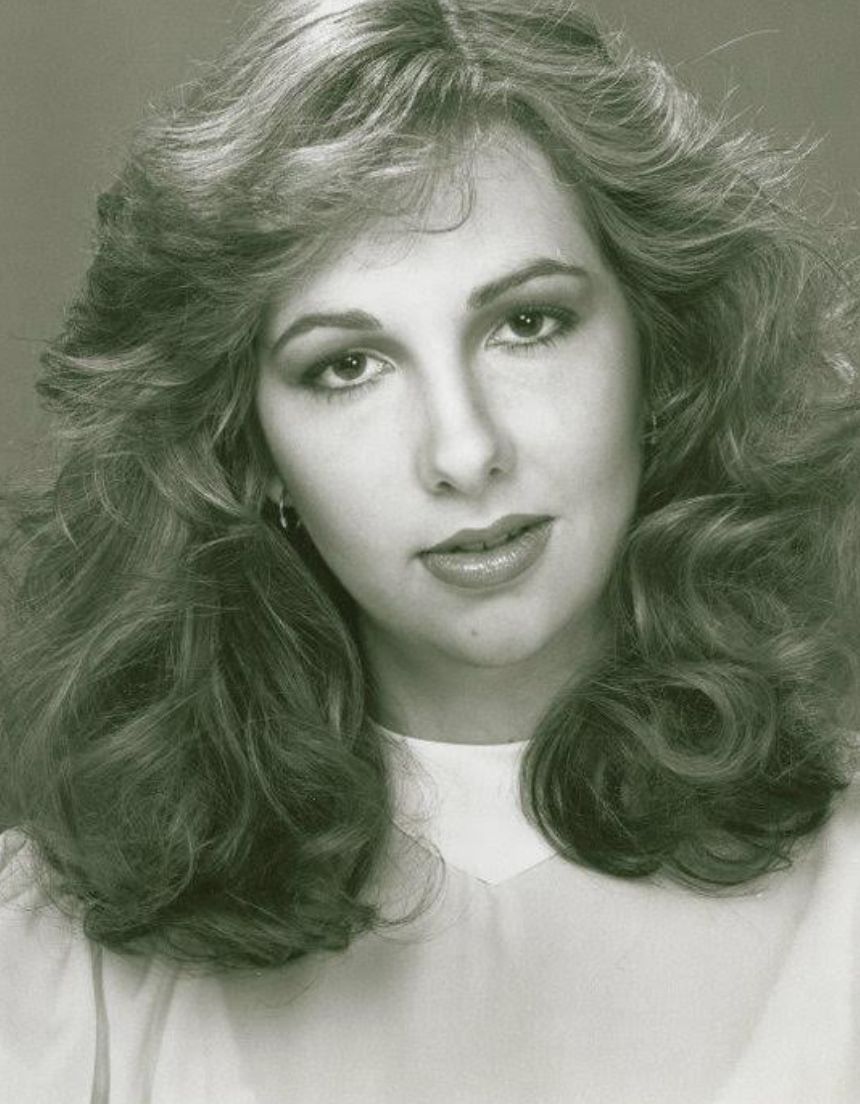
I dated after college, but constantly found myself worrying that I was misleading men. I didn’t want the all-encompassing together-forever ideal that so many other women did. My relationships often fizzled when I resisted marriage and shared that I didn’t want children. I would welcome romance and intimacy — even today — if it didn’t require sharing space with someone 24/7. That’s been hard to find.
Advertisement

Courtesy of Laura Lee Ellen Johnson
People would often come straight out and ask why I never married. In one case, after I was questioned, the entire group quieted, turned to me, and waited for an answer. What did they want to hear? “I’ve spent the last 20 years in prison because a guy in Long Beach said I looked lonely.” Or: “Since graduation, I’ve been cloistered with singing nuns in the Austrian Alps.” Why do people feel justified in asking for an explanation? I often fumbled and mumbled and shrank. I would allow people to make me feel bad about myself. Their questions created doubt, a second-guessing. They unleashed a long-programmed fear that society was right and my life was less fulfilling, less fully realized and less complete without a romantic partner.
People have suggested I am emotionally stunted for not being married — that I’ve missed out on the benefits of romantic partnerships, like negotiating, pooling resources and sharing essential decisions. But how does that make someone more mature? More socially acceptable, maybe. But whole, authentic, rounded, complete? I’m not convinced.
I have faced similar opportunities and challenges as everyone else, and done everything on my own. I’ve moved across the country. I’ve managed rent and home ownership, car payments, sewage backups and travel. I love jumping in my car, exploring towns, visiting museums and attending concerts — and no one ever throws a wrench in my plans. I don’t avoid doing things with others; I love spending time with my friends and family. But I don’t let not having a romantic partner stop me from enjoying my life to the fullest. Nothing stops me from following my heart.
I do get lonely — of course. There are times when I feel overwhelmed and wish I had someone to help me with my burdens, perhaps even take care of me. Usually these feelings surface when I am faced with a challenge, but they pass when I figure out how to solve my problem. I have always had the ability to see beyond obstacles, and when things go wrong, it’s almost never for long. And I’m not alone. I have people in my life I can turn to for love and support. When I remind myself of that, I get through the loneliness and get back on my feet. I also know that having a partner is not a guarantee that you won’t experience loneliness. Plenty of people in relationships feel lonely.
Advertisement
I have finally learned to celebrate the peace, quiet and freedom to explore the world on my terms. I’d love to say this was a dramatic, once-and-for-all decision early in my life, but the truth is far more complex. It’s been a journey of constant, deliberate choices, each one a battle between the safety of conformity and the risk of missing out on who I was truly meant to be. And this journey has brought me to an important realisation: It’s not “me versus them.” It’s “me versus me.” It’s fighting the urge to let external judgments define me.

Courtesy of Laura Lee Ellen Johnson
In my 40s, I started to follow a more spiritual path and truly began to believe that we are all where we are meant to be. In my late 50s, I took a life-changing writing class focused on finding my authentic voice. I wrote more about my life and my experiences. I began to feel better about what I was adding to the world, and how I was helping others discover who they were through my work. I surrounded myself with people who were accepting and supportive of who I am.
Turning 60 was magical. I now accept that I am who I am, and I am OK with wanting what I want — or don’t want. I make conscious decisions not to internalise others’ judgments, and I forgive myself for having allowed their opinions to affect me in the past. Ultimately, it’s a personal belief system that has little to do with anyone else, and everything to do with self-acceptance in the face of all the noise.
When I walk with that certainty, I look for different reactions in people, and I no longer “invite” someone to point out my aloneness. Mindset makes a huge difference, and age, for me, has allowed for much less concern about what others think and do.
Advertisement
Along the way, I have noticed we aren’t all that different. We travel, discover, learn, develop, love, connect and contribute — each adding our own unique twists.
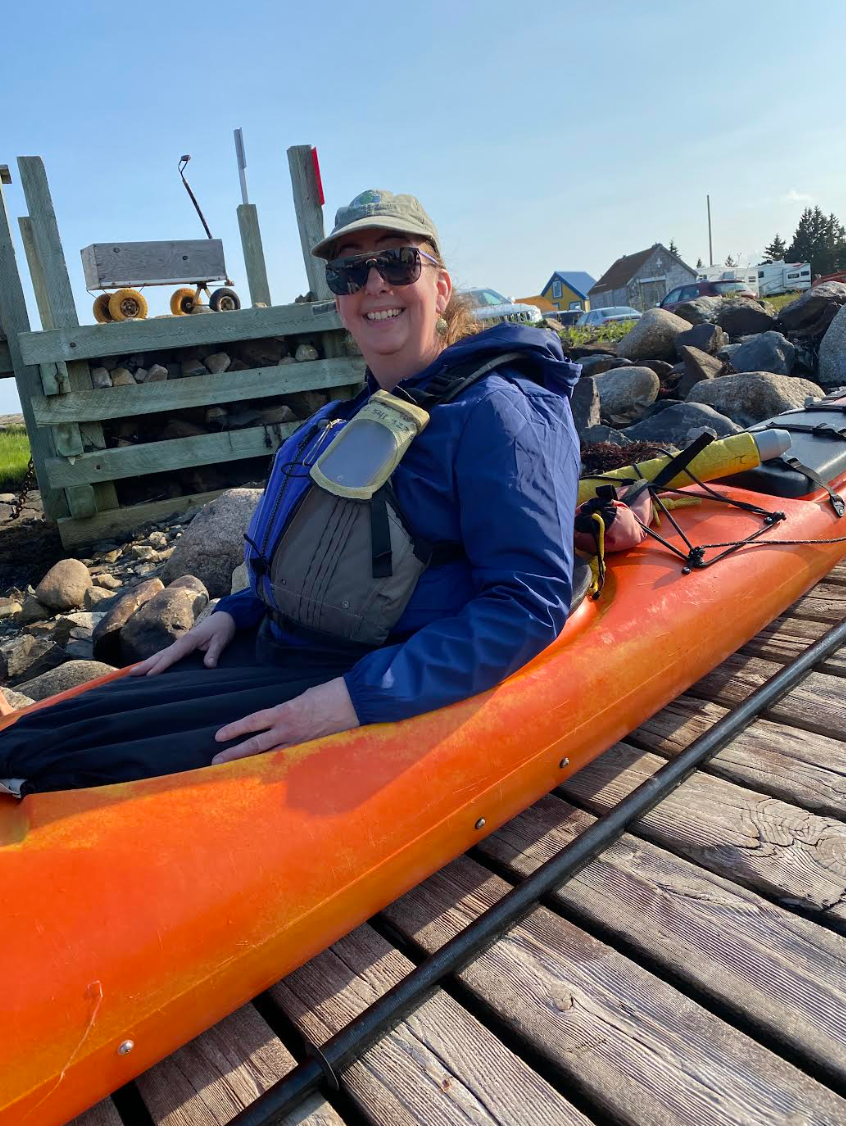
On a recent solo road trip through Canada, I enjoyed two weeks of poutine, grilled cheese dipped in tomato soup, conversations with locals and other travellers, and people-watching. I never once felt out of place. Instead, I confidently announced “Table for one,” and embraced the me who dares to defy my former demons and society’s expectations.
Laura Lee Ellen Johnson is a writer and personal branding strategist based in Detroit. She writes for the career industry, as well as about living single, childfree and beyond society’s limits — at any age. She publishes a weekly Substack called “Fearless Authenticity,” and is completing her first historic fiction novel.