Though closeness is an important part of a great relationship, the cofounder and COO of Fresh Starts Registry, Genevieve Dreizen, says that privacy is key, too.
“As a person who spends a great deal of time helping people navigate life transitions and emotional crossroads, I always remind people that privacy is not a threat to intimacy,” the etiquette expert said.
Advertisement
In fact, she calls it a “necessary ingredient” for a healthy partnership.
Perhaps that’s why Redditor u/taliv_03 said she feels so “disgusted” after learning that her partner had been rifling through her diary.
Writing to the forum r/TwoHotTakes, the original poster (OP) said that she first suspected him of reading her journal about a month ago, when his jokes about her changed.
Here, we asked Dreizen to weigh in on the tricky situation.
Advertisement
OP’s partner began joking about details only shared in her journal
The poster, a 27-year-old woman, said that her partner (a 29-year-old man) had been together for a little over a year when she noticed the change.
Throughout that period, she had a paper diary that her boyfriend knew about. It is a “non-negotiable” for her, she says; her partner had previously “teased me [about it] once in a sweet way, calling it my ‘brain compost bin.’”
About a month ago, though, she started noticing something strange about her partner’s jokes.
“We were with friends, and he made a joke about how I [research] symptoms for my cat more than for myself… It stung because that exact line was in my journal the night before, word for word,” OP wrote.
Advertisement
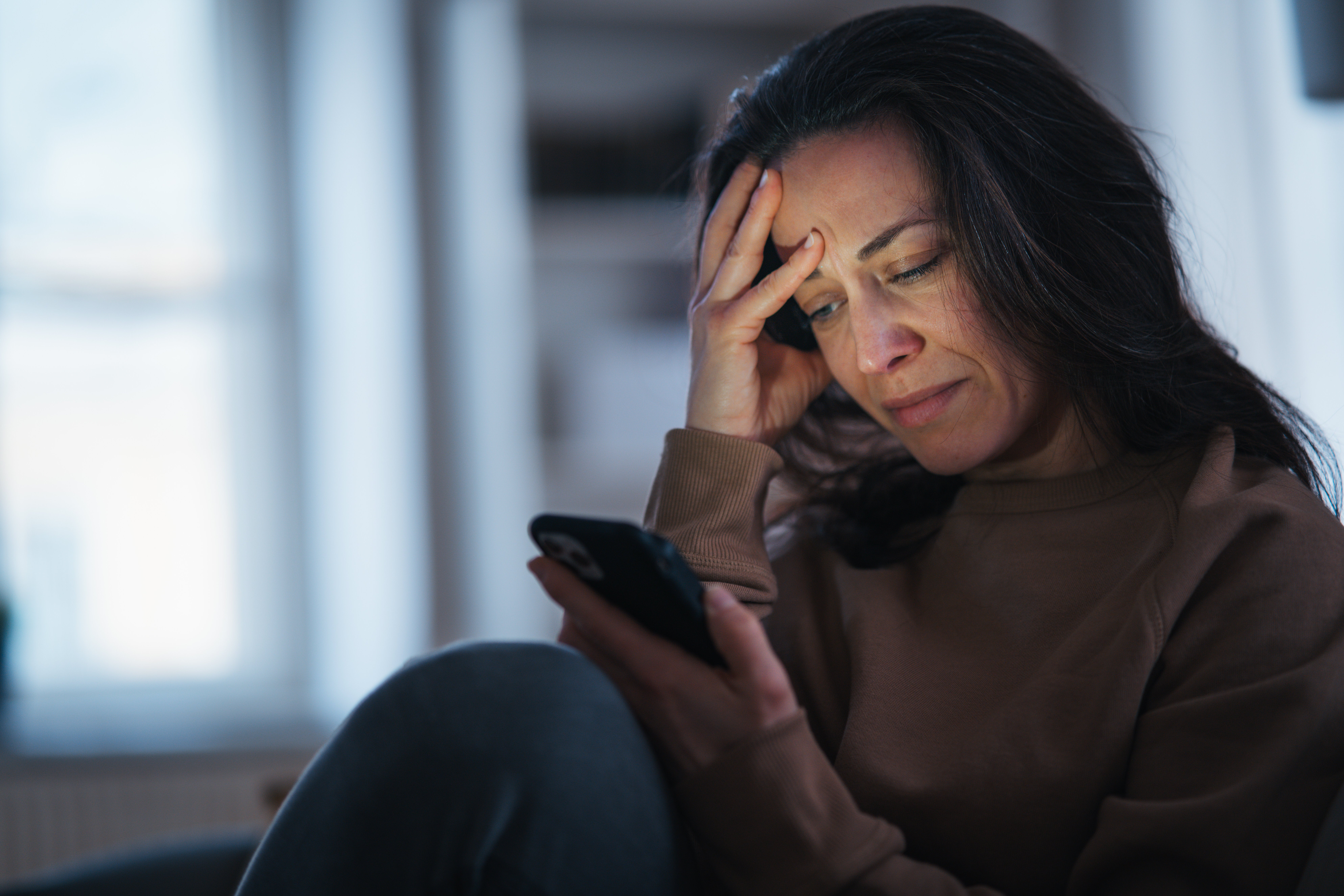
“A week later, he told this story to my sister about how I still feel guilty for breaking a snow globe when I was five. I have never told that story out loud, only wrote it down after a therapy session.”
Two nights ago, she said she walked in to see her diary open on a coffee table in front of her. He claimed he had moved it to save it from the cat, she said.
After he mentioned yet another private musing, though, she raised her suspicions with him, “and he got defensive, said I should not write things down if I don’t want them to be ‘found art’, and that I was overreacting because ‘partners should not have secrets.’”
Advertisement
Since then, OP writes, she has felt “disgusted and stupid, like my safe place just got ripped open for someone else’s stand-up routine.
“At the same time, I keep wondering if I am making this bigger than it is. Is reading a partner’s journal and then using their thoughts as jokes a hard deal breaker, or something you can actually rebuild trust from?” she ended.
Advertisement
“This is a boundary violation”
Speaking to HuffPost UK, Dreizen explained: “When a partner reads your diary, they aren’t just crossing a line of etiquette; they are trespassing on the internal space where you tell the truth to yourself. That space is sacred.
“A diary is not a shared document, not a negotiation, not a relationship ledger.”
And when someone snoops in your diary, “You’re dealing with a breach of trust that destabilises the foundation of emotional safety in the relationship.”
It turns a private space into an arena where you suddenly have to worry about leaving yourself open to teasing and jokes, the expert added.
Advertisement
“That kind of emotional exposure can make you question your reality, tiptoe around your own inner world, or feel ashamed of feelings you were never meant to defend.
“The injury is not just about the reading – it’s about the casualness with which your boundaries were dismissed, the entitlement to your inner life, and the refusal to take accountability afterwards.”
For her part, Dreizen said, “The first step is acknowledging that this isn’t a difference in opinion about privacy. This is a boundary violation. The partner’s belief that ‘partners shouldn’t have secrets’ is a misconception wrapped in control.
Advertisement
She said that in this case, repair is only possible once OP’s partner has proven that he understands that he’s wrong and why and has taken concrete steps to change.
Dreizen asked the poster, should she wish to give her partner another try, to say something like, “I’m open to moving forward, but only if you take responsibility without minimising and commit to respecting my boundaries. What steps are you willing to take to make that happen?”
You might have heard of “catfishing”, which happens when people create fake or misleading profiles online in order to draw others in.
Advertisement
The term comes from a 2010 documentary, Catfish, which compared the practice to the catfish one of the cast members suggested were included in tanks of cod to keep them agile in transit.
“I thank God for the catfish because we would be droll, boring and dull if we didn’t have somebody nipping at our fin,” Vince Pierce, who helped to inspire the name of the movie, said in the flick.
But according to author and relationship and self-help expert Tam Kaur, another species has taken its place: we are now in an age of “chatfishing”.
Advertisement
What is “chatfishing”?
“‘Chatfishing’ is when someone uses an AI tool, like ChatGPT or Gemini, to write their messages on dating apps,” Kaur shared.
Though it doesn’t exactly sound romantic, the self-help expert said she understands why reliance on large language models (LLMs) like these is growing.
The machines, after all, won’t make an embarrassing grammar or spelling mistake, and they can make the “awkward” process of starting a conversation a little smoother.
Advertisement
“Using AI becomes a way to show up as a ‘perfect’ version of yourself, without the fear of rejection,” the expert continued.
But that doesn’t take away from the core issue: if the chat goes well, the goal is to enter a scenario in which you have no choice but to be yourself, in real life.
“Ultimately, many people use the tools to enhance their confidence with online dating, but they don’t realise it’s doing a disservice to themselves as they deceive their matches,” Kaur said.
Advertisement
“It is a very real form of deception because you’re presenting as a person who isn’t you. That doesn’t show respect to the person on the other end who’s trying to get to know you.
“Relationships, whether they’re casual or committed, are built on trust, and when you start something off with even small dishonesty, you’re disrespecting whoever you’re entering this relationship with.”
Advertisement
How can I spot a “chatfisher”?
It can be hard to spot, especially when you don’t know the person’s usual texting style, the author admitted.
But sometimes, “chatfishers” leave clues behind.
“If the message is from someone based in the UK, but uses American spelling, this can be a key sign. Most AI tools default to Americanised spellings, opting for ‘z’ instead of ‘s’ or ‘olor’ instead of ‘olour’,” she explained.
“A message that uses strange punctuation, which you wouldn’t see in regular text conversations, could also be a sign – for example, random hyphens or odd spacing before the start of sentences.
Advertisement
Most of all, Kaur ended, “it’s about trusting your own intuition. If something feels off or too curated, it probably is.”
Over the course of a relationship, you’ll likely encounter complex and difficult emotions, from jealousy to grief to shame. All sorts of feelings can test a couple’s bond, but one of the more stealth yet destructive emotions is resentment.
“Resentment in a relationship can be toxic and harmful if left unaddressed,” Damona Hoffman, host of The Dates & Mates Podcast, told HuffPost. “It often builds up over time when one or both partners feel hurt, ignored or misunderstood.”
Advertisement
Often in relationships, there’s resentment around unequal division of labor or feeling unappreciated.
“It can begin to occur due to imbalances in your relationship, such as one partner carrying more of the mental load, whether it’s pressure to manage parenting, financial or domestic responsibilities,” said Samantha Burns, a couples therapist and relationship coach.
Resentment can manifest in subtle ways that aren’t always super apparent to your partner – or even to yourself. HuffPost asked Hoffman, Burns and other experts to share some of the sneaky signs of resentment in relationships.
Advertisement
Changes in communication
“Pay attention to shifts in communication and in how you express yourselves and react to one another,” said Tracy Ross, a licensed clinical social worker specialising in couples and family therapy. “Is there more sarcasm, more edginess or a negative tone?”
Take a look at what might be happening beneath the surface if you detect changes in the tone, frequency or style of your communication with your partner.
“Signs of resentment can be insidious and small verbal and nonverbal behaviours, such eye-rolling, sighing, criticising, a general lack of respect or value for your partner’s opinions or actions, and invalidation that overtime builds up and overtakes many of your interactions,” Burns said.
Advertisement
Passive-aggressive comments, subtle digs, scoffing and belittling what the other person says can all point to resentment. There could be a sense of moodiness or short closed-end statements that cut off actual conversation as well.
Keeping score
“Partners harbouring resentment may start keeping track of each other’s mistakes or past wrongdoings, using them as ammunition in future conflicts,” Hoffman said.
Sometimes this score-keeping is unspoken, while in other situations it might be more explicitly expressed.
Advertisement
“Someone might be bringing up past grievances frequently, focusing on tit-for-tat,” said Mabel Yiu, a marriage and family therapist and founding director of Women’s Therapy Institute.
There might also be a sense of tracking who is contributing more to keeping things running smoothly or working harder.
“You might feel as if you constantly have to sacrifice your own wants and needs,” said April Henry, a licensed marriage and family therapy associate at Millennial Life Counseling. “You lack empathy for them or their excuses.”
Advertisement
Avoiding spending time together
“It’s healthy for couples to have their own interests and friends they see separately, but if one or both partners seem to be finding excuses to avoid another or get out of spending solo time together, that’s a big red flag,” Hoffman said.
Ask yourself if you’re feeling withdrawn or emotionally disconnected from your partner. Maybe you aren’t interacting as much as you used to.
“Are you avoiding certain conversations or spending time together? Are you making excuses for being less available?” Ross said.
Advertisement
Criticism and blame
“According to Dr. John Gottman, criticism is one of the biggest signs of trouble in a relationship,” Hoffman explained.
Indeed, his “four horsemen” of a relationship apocalypse are criticism, contempt, defensiveness and stonewalling.
“Are you feeling more critical of your partner’s family, close friends, work situation – and do you find yourself judging, complaining or nitpicking – or vice versa?” Ross asked. “Do you find yourself feeling superior – ‘what is wrong with him/her? I would never do something like that.’ Do you feel contemptuous instead of mildly annoyed when your partner is late, or doesn’t clean up, or any number of small things?”
Advertisement
Take note if the way you deal with conflict and differences has shifted to a more critical approach.
“Another sign of resentment is blaming – making the other person the scapegoat for their unhappiness,” Yiu said.
Complaining behind their back
In addition to frequently nitpicking or complaining to your partner about things they do, a sign of resentment might involve how you talk about your partner to other people.
“Do you find yourself complaining behind your partner’s back, assuming the worst instead of the best of a particular miscommunication or conflict?” Ross said.
Advertisement
A little venting to your friends here and there is fine, but pay attention if it starts to feel excessive. Are you only talking about your partner as though they’re a terrible person?
“Oftentimes when someone is resentful in a relationship, they may have less empathy for their partner,” said Rachel Needle, a licensed psychologist and co-director of Modern Sex Therapy Institutes.
Maria Korneeva via Getty Images
Resentment has a tendency to bubble to the surface in one way or another.
Advertisement
Emotional outbursts or coldness
“Resentment is clever in the way it masks itself as anger,” Henry said. “You may think you’re upset with your partner for not unloading the dishwasher, but soon realize the gradual build-up of unmet expectations has actually turned to resentment. Resentment may have crept its way into your relationship if you find yourself in a continuous loop of feeling increasingly irritable around them.”
Resentment can manifest in emotional outbursts or cold behaviour as those pent-up feelings are released. Resist the urge to boil these deeper issues down to pure anger or sadness.
“You may find an increase of conflict about small things that always seem to come back to a larger past issue, feelings of disgust and disdain and feelings of overwhelm and high stress,” said Alysha Jeney, a relationship therapist and founder of Modern Love Counselling.
Advertisement
“Oftentimes resentment is a reaction of being overly stressed – being in the fight, flight or freeze part of our nervous system – for an extended period of time and not knowing how to come back to the parasympathetic nervous system of rest and digest. We feel exhausted, stressed and need help, but sometimes don’t know how to get it.”
This can make us more easily angered or annoyed by our partners. We may even villainise them because we don’t feel seen, heard or supported, which could activate inner wounds from our past.
“You might begin to assume that your partner is intentionally trying to anger, annoy or upset you, instead of giving them the benefit of the doubt – which leads to you interacting defensively and perpetuating the negative dynamic,” Burns said.
Advertisement
A change in intimacy
“Resentment can affect physical and emotional intimacy, causing a decline in affection, sex, and emotional connection,” Hoffman said. “I find that couples who get to the point of resentment have actually had a slowing or lack of intimacy for months or even years.”
One or both of you might pull away both emotionally and physically and show less interest in intimacy.
“Ask, are you less interested in sex, affection, being close?” Ross said. “And of course all of this can be true in the reverse as well. Maybe you notice what you’re getting from your partner doesn’t feel quite the same – less tolerance, more distance, less connecting, less prioritising one another.”
Advertisement
Whether you’re experiencing a sense of physical and emotional distance, increased criticism or a temptation to keep score, just remember that resentment does not have to mean the end of a relationship.
“If you detect resentment in your relationship, talk about it as soon as possible,” Needle urged. “As soon as you sense an issue, communicate about it rather than let something fester or an issue go unresolved.”
In addition to fostering healthy communication, she recommended working on forgiveness, gratitude, compassion and finding a middle ground to deal with resentment. If resentment continues to affect your relationship, seek the help of a mental health professional.
Family Beef is our family advice column at HuffPost Family. Have a beef you want us to weigh in on? Submit it here.
Dear Family Beef,
I (F/33) am single and have been since the end of my long-term college relationship. We were together for 5 years before calling it off in my mid-twenties and I’ve been on the apps, trying to meet people through friends and events ever since. I’ve had a few short-term relationships and maybe a handful of okay dates that went nowhere — but I haven’t had someone I’d bring home to meet my family.
My mom has made no secret that she doesn’t love this (and that she wishes I got married to my ex, despite our amicable mutual split). She and my father got together when they were in their early twenties. They met through mutual friends at work, had me and my brother within three years and are still happily married. She knows that I want a partner in life and frequently tells me I “waited too long” and that I wasn’t “really trying” with all the different dating apps available. It hurt when she said that but I was never going to sit down and explain the depressing reality of getting a “wyd” message from a 30-something on tinder to my 63-year-old mother. But now I feel like I don’t have a choice.
I found out recently that she actually made a profile for me on Bumble! The profile itself isn’t that bad— the photos are maybe a little old and not really what I would pick for myself and the other info is a little boring/bland. But I still feel really weird that she signed up for the service (a paid version too?!) without talking to me, that she dropped her own dating profile version of me in front of me and said “see, it’s not that hard” and that she seems so sure that I am the reason I am single still. It all turned into a bigger fight and now I have my brother and dad texting me and asking me when I’m going to make up with her.
We haven’t spoken in a few days, while I figure out how to respond. She didn’t try to hide the profile or anything or swipe or talk to anyone (thankfully!), but I feel like my mom doesn’t understand my situation at all or how bad the apps can be and it makes me feel pathetic that she’s trying to take my love life into her own hands.
I don’t want to fight with her but I want her to know this isn’t okay either and I’d really like her to be nicer to me about all of this because I’ve put a lot of time and therapy into learning to be happy with myself as a single person even as a I look for love. How do I put an end to this fight without letting her think this is okay?
— Mother Knows Best
Whether she meant well or not, your mom made a call that seriously overstepped (and, unsurprisingly, stepped in some shit in the process).
Parents meddling in their adult children’s love life is a tale as old as time, but that doesn’t make the situation any less maddening when it happens to you — and the feelings under the more basic beef seem like they run deeper than an off-brand profile of you making its way to an app.
Advertisement
The profile itself (and whatever made her think making it was a good idea) is one problem to address, but the seemingly frantic and overly-critical attitude toward your singleness, the way you’re moving through our current dating environment and how that makes you feel is another.
From Critic To Accomplice
The first one is more cut-and-dry: It was wholly inappropriate for her to make a profile for you (functionally impersonating you?) without talking to you. It’s weird and catfish-adjacent at best while also disrespecting your own dating efforts.
I can imagine that this could easily become a goofy story you tell at family functions in the future, if you can address the hurt feelings with love head-on. You can tell her that she took things a step too far and left you feeling disrespected, embarrassed and that you’ve been uncomfortable with the way she’s been speaking about your love life.
Advertisement
If she is not able to understand your point of view and agree to a more respectful, observing-only distance from your dating life, you may need to set some loving boundaries around her access to that part of your life. Maybe it’s describing the impact and hurt feelings of the “you waited too long” or “you’re not even trying” comments and being clear that those are not helpful.
“Setting boundaries means being clear about what support looks like and what just isn’t helping,” Saba Harouni Lurie, marriage and family therapist and founder of Take Root Therapy, tells HuffPost. “You can let them know that you appreciate them asking about how you’re doing and managing in general, and let them know that you are doing your best to find a partner who is a good fit.”
And, it will also help to let her know the impact of her previous, unhelpful behavior. “You can also explain that when they ask specifically about dating, it causes undue pressure,” Harouni Lurie says, “because you are doing your best to navigate what is, in fact, really difficult.”
Advertisement
“The best support you can give is rooted in encouragement, humor, and sincere interest without any judgment.”
– Julie Nguyen, dating coach, matchmaker and dating expert at Hily.
Naming your needs and being explicit about how your loved ones can be your allies and accomplices is also helpful.
“You can let them know what actually helps you, which is their encouragement to enjoy the present moment, their trust that you know what’s best for yourself right now, and the patience that the right things take time,” Julie Nguyen, dating coach, matchmaker and dating expert at Hily, said. “That way, you honour their concern but remind them that your path is yours to walk.”
Advertisement
Harouni Lurie added, “Explicit details about what you need and want, as well as what isn’t working for you, will probably be helpful for everyone involved.”
And, if you want, you can offer an olive branch: If she wants to pay for a more premium app account of your choosing, take her up on the offer (with the caveat that she backs off with the judgmental talk). If she wants to set you up on a date or connect you with someone (and you’re cool with that), tell her she just has to run it by you in a specific way first.
Nguyen adds that relatives can focus their energy on being more encouraging of their single loved one and help relieve the pressure. “The best support you can give is rooted in encouragement, humour, and sincere interest without any judgment,” Nguyen said. “Avoid pressuring them to match out of desperation or because time is running out. Instead, offer lightness by laughing with them about the absurdities, listening when they share, and reminding them of their worth regardless of any relationship status.”
Advertisement
Help Her Understand How Dating Has Changed
Not trying to make more homework for you here, but your mom really might just not know what she doesn’t know about modern dating.
(Quick note: Though we’re talking about it at length, online dating is, of course, not the only way to date. There’s an encouraging growth in daters seeking out more classic offline dating strategies like approaching people in public, going to events that are designed to get single people talking to one another and asking friends for an intentional, thoughtful fix-up.)
I have friends who, despite being in the online dating generation, still struggle to comprehend the ways the apps (among other things) have wholly disrupted dating because they’re with someone they met in school or through work. I met my own partner on an app, and I write about relationships for a living — yet I still remain in awe at how the user experiences on many of those apps have become less pleasant to use, and the users become less pleasant to speak to.
Advertisement
So it could help to walk her through the basics of the apps, show her a few of the eye-roll-inducing screenshots you send your friends, or even share bits of this response with her if it might help illustrate it more clearly.
“Understanding this context can help when explaining the situation to concerned family members,” Harouni Lurie said. “For older generations who met through mutual friends, work or shared activities, this environment can seem completely foreign and frankly, quite harsh. They’re used to getting to know someone’s personality, humour, and character before physical attraction became the primary filter.”
We all know the classic issues: There’s an overabundance of shallow choices made based on fairly quick aesthetic judgments. Real, whole people are distilled to a handful of photos and prompts. Some people are appallingly bad at flirting (or holding compelling conversations) over text and don’t feel like it’s worth the same effort as an IRL hang. Some people aren’t so great at representing themselves or their needs accurately. Dating can feel like another boring thing you do on your phone to kill time instead of a sexy or fun opportunity to connect with another person.
Advertisement
“Online dating has seemingly become more difficult despite appearing more accessible than ever,” Harouni Lurie said. “The core issue may be that we are overloaded with choices, and when you’re presented with thousands of potential matches, the human brain actually becomes less satisfied with any single choice because there’s always the nagging feeling that someone ‘better’ is just one swipe away.”
Harouni Lurie adds that this “creates a throwaway culture around dating.” Where smaller-scale imperfections might be grounds for a knee-jerk dismissal or a “swipe left” just because there’s plenty of other profiles out there.
“It’s like being at a buffet where you can’t enjoy your plate because you’re constantly eyeing what else is available,” she said.
Advertisement
And it also doesn’t help that the apps are businesses built, to some extent, to retain customers. “The apps themselves have also evolved to prioritise engagement over meaningful connections. They’re designed to keep you swiping,” Harouni Lurie said. “The algorithms often show you your most attractive matches first to get you hooked, and then show you less compatible profiles, with the hope of getting you to pay for premium features.”
Reaffirm Your Goals (In Romance And Self-Love)
Although the apps can feel discouraging, it helps to remember that there are still people at the end of those profiles earnestly looking for connection, too.
“Everyone who puts themselves out there on a dating app is looking for love and connection,” Nguyen said. “When you view it from that function, the app becomes less about superficiality and more about shared human longing. This perspective can help add humanity back into dating apps.”
Advertisement
I’m not saying sink all your time into swiping — but consider it another option in your arsenal. My rule of thumb, as someone who had a positive app experience, is to only open them when you are feeling chatty, curious and engaged, and to avoid the more passive, dead-eye “toilet-swiping” behaviour. That helps keep the apps as a specific place you go to try and initiate connections instead of a glorified Candy Crush swipe-a-thon. If you notice that you’ve swiped on 12-15 people and remember negligible details about any of them, maybe give it a break.
And despite the frantic nature of folks like your mom, there is no rush here. It’s never a bad time to take a pause, check in with yourself and recommit to what you want: If that’s pursuing partnership, you can take the time to figure out which methods of meeting people and connecting feel best for you. If you’re feeling fatigued with dating, you can honour that too.
“Family members should remember that being in a relationship isn’t inherently better than being single, and their loved one’s worth isn’t determined by their relationship status.”
– Saba Harouni Lurie, founder of Take Root Therapy
Advertisement
It also may help your mom understand your situation more if you share your philosophy on being single — and continue doing that work of self-love for yourself. Let her know that while you want to find love, you never want that to eclipse loving yourself, or prioritizing finding “anyone” over finding the right one. You’re not in a game of musical chairs where you need to settle down when the music stops. The music isn’t even stopping.
She may imagine that not “ending up with someone” is an outcome that would be more devastating to you than it really would be — and the generational differences, the expectations she might’ve been raised with, may be the source of a lot of her anxiety on that end. It can help to remind her (and yourself) of all the things you love about your single life: your friends, the time you have with her and the rest of your family, your career or hobbies or adventures.
You may both agree and share the hope that you’ll meet your future partner sooner than later (I’m rooting for you, too!), but you should never lose that grounded part of you that knows that you’ll be OK with or without a plus one.
Advertisement
“Family members should remember that being in a relationship isn’t inherently better than being single, and their loved one’s worth isn’t determined by their relationship status,” Harouni Lurie said. “The goal should be supporting them in finding genuine happiness and connection, whatever that looks like for them.”
No one likes being ghosted. But what if you’re not actually being ghosted? What if the other person is genuinely just…busy? But someone being busy and feeling ghosted can often feel like the same thing when dating in a culture that expects instant responses.
As Monica Berg, relationship expert and author of “Rethink Love,” explains: “For many of us, especially those with anxious attachment patterns that were formed in early childhood, a pause in connection can feel like abandonment — not because it’s the reality of the situation, but because it reminds us of old feelings and stories.”
When we’re in the early stages of love, we’re flooded with cortisol, dopamine and all the chemical chaos that makes infatuation feel urgent and obsessive (the feeling of “butterflies,” for example). Layer in those unresolved attachment stories from childhood, and suddenly we’re reliving them in real time.
Advertisement
Vuk Saric via Getty Images
Waiting by the phone never gets any easier. But you can reframe these moments to make them less anxiety inducing.
“If we believe we’re ‘not enough’ or that ‘everyone abandons me,’ then even a delayed text can feel like confirmation of those beliefs,” Berg said.
How Instant Text Gratification Messes With Your Head
While dating apps can often feel like “The Hunger Games,” and no one wants to waste time or emotional investment on a swipe, this obsession with immediate responses from someone who is essentially a stranger can create unrealistic expectations for many single people. It dismisses the reality that the other person may have their own schedule, priorities or boundaries, none of which are necessarily a reflection of how they feel about you.
Advertisement
Still, the absence of a ping on your phone can trigger a defensive response: “He can’t be that busy. He must not be into me,” or “I don’t want someone too busy to text me.”
“The constant accessibility of modern communication — texts, DMs, voice notes, read receipts — creates the illusion that we should always be available,” Berg said. “Especially in new relationships, this immediacy can feel intoxicating at first: They messaged again! They’re thinking of me! But very quickly, it can become anxiety-inducing and even addictive,” she explains.
But that reaction, Berg adds, often reinforces a cycle of emotional dependence on the ping itself. The dopamine hit we get when someone we like — or think we like — texts us back becomes the metric for our self-worth.
Advertisement
Receiving texts and notifications triggers a dopamine hit — the neurotransmitter responsible for pleasure and infatuation. Pairing the constant contact with the consistent dopamine can make “us feel a false sense of intimacy, when real trust and intimacy evolves over time,” Berg said.
Halfpoint Images via Getty Images
The false intimacy of text-based relationships can make pauses or gaps in talking so much more upsetting.
“Instead, we can find ourselves diving headfirst into emotional enmeshment,” Berg adds. “Boundaries — both energetic and emotional — become blurred, and we’re starting off in codependency, fantasy and expectation.”
Advertisement
Psychologically, she said, this sets us up for attachment dysregulation. “Our nervous systems become hijacked by anticipation, constantly scanning for connection or perceived rejection, and we are caught in an infatuation loop that will inevitably end — whether we end up together or not.”
Building on this, psychotherapist Israa Nasir explains how the dopamine feedback loop in texting and dating apps specifically keeps us focused on external rewards ― likes, replies, matches ― rather than turning inward to consider if we truly like the person.
“When we rely on external validation (like someone texting back, matching with us, or complimenting us) we’re outsourcing our sense of self-worth to others,” she explains. “These moments of approval trigger dopamine spikes, reinforcing the idea that we are only ‘OK’ when someone else chooses us.”
Advertisement
The more we rely on others for reassurance, Nasir adds, the less we develop and trust our own internal coping mechanisms. Which means when someone doesn’t text back, “the brain interprets it as a threat, triggering anxiety, self-doubt and shame. This keeps us in a reactive loop, instead of a grounded state.”
Nasir also points out that dating apps are deliberately “gamified,” designed like slot machines to maximise user engagement, not necessarily emotional well-being. “This behavioural design wires us for compulsive checking and distorted thinking patterns, making it harder to form secure, healthy connections.”
Making Peace With The Lack Of ‘Ping’
So what should you do if you feel panicked or dysregulated when you don’t hear back from a romantic interest within a certain timeframe?
Advertisement
Berg recommends seeing the trigger as an invitation to grow. “When that familiar panic sets in, the first thing to do is pause. Breathe. Call it out. You might even say out loud, ‘Here is my old story. I feel it, but I know it’s not real.’ From here, you can now challenge the story instead of letting it run the show. I often say that we don’t have control over our first thought, but we do have control over our second.”
Berg admits that challenging these habitual, negative thought patterns is a skill that is required in any phase of a relationship but especially in these early moments. “It can also help us to remember that love, real love, isn’t built in instant replies — it’s built in trust, in patience, in spiritual growth.”
And remember that a pause in communication isn’t always a rejection. “Often, it’s just life,” Berg said. “Our lives are so fast-paced and busy. What’s more important is the work of learning to regulate and soothe our own nervous systems, not outsource our peace of mind or our sense of worth to someone else’s response times. This is the shift from what I call ‘reactive interest’ to ‘conscious interest.’ And it’s where real connection begins.”
Advertisement
Nasir offers practical guidance on navigating the ambiguity of digital communication, including differentiating between whether someone is actually ghosting you or simply someone needing space or living their life offline.
“Track patterns, not moments: Look at their overall communication habits. Were they consistently responsive before, or had replies already started slowing down? Consider time and context: If it’s been a few hours or even a day, they may just be living life offline,” she explains. “Ghosting typically involves a sudden, complete drop-off with no explanation over an extended period (usually a week or more).”
“Reduce time doom-scrolling or waiting for a ping. Instead, engage in meaningful, self-affirming activities: friendships, hobbies, creativity, solo travel or dining, rest. These fill your emotional reserves and make dating feel like a part of life, not the whole thing.”
– Israa Nasir, psychotherapist
Advertisement
If you suspect you’re really being ghosted, Nasir suggests asking directly, once. “If you’re unsure, it’s OK to check in with a grounded message. If there’s no response after that, it’s information, not necessarily personal failure.”
When nothing is guaranteed in love or life and when dating feels like it’s doing more harm than good now more than ever, Nasir further emphasises the importance of building emotional resilience.
“The most important thing is to make sure your entire life is not centred on romance or dating,” she said. “Reduce time doom-scrolling or waiting for a ping. Instead, engage in meaningful, self-affirming activities: friendships, hobbies, creativity, solo travel or dining, rest. These fill your emotional reserves and make dating feel like a part of life, not the whole thing.”
Advertisement
She also recommends building in regular check-ins with yourself after interactions: “How did I feel? Did I show up as myself? This centres your experience, rather than obsessing over theirs. Practice sitting with discomfort—like the unknown of a delayed reply — without reacting impulsively. Use grounding tools like breath work, movement, or journaling to stay present. This rewires your nervous system to see uncertainty as tolerable, not dangerous.”
As Berg puts it: “The goal of a relationship is not constant contact or infinite good feelings — it’s real connection, which can only occur slowly over time.”
The way people behave in restaurants – where they have buying power but not ultimate control – can offer significant clues about their personalities. Since a restaurant is a little microcosm of life, you can find out a lot about a person when observing how they interact with staff, experience their food and cope with any occasional hiccups in service.
If you recognise any concerning behaviours when dining out, you might want to think twice about a second date. After all, as Chris Van Dyne, founder of Cosmic Pie Pizza in Santa Fe, New Mexico said, “Restaurants are stress tests. You’ve got time limits, money on the line and the potential for little annoyances everywhere. So if someone’s rude in a restaurant, they’ll be rude in traffic, in arguments and in bed.”
While a restaurant staff endures your bad date for just a couple of hours, you might end up with that person long-term if you don’t pay attention now. Chef Jonathon Scinto warned: “Each of these behaviours is like a preview trailer for a full-length toxic personality you don’t want to co-star with.”
Advertisement
1. They play games with seating
One well-known power play occurs when it’s time to be seated, said Rick Camac, executive director of industry relations at the Institute of Culinary Education’s New York City campus. He’s owned, operated, managed and consulted at 20 restaurants and bars since 2000, so he’s well-versed on the kind of ego tripping that begins before the first course is served.
“One of the worst examples happens when someone with a party of two requests a bigger table, like a four-top, in a clearly very busy restaurant,” Camac said. When it’s obvious that every other couple in the place has been seated at a two-top, it takes a real jerk to insist on special treatment. Demands like that show just how clueless – and power-driven – your date actually is.
“There are certain people who heard somewhere that they should never accept the first table they’re offered,” he observed. “They believe it’s obviously the intention of the restaurant to give the absolute worst table to them, and refusing the table is a sign of being smarter than the staff. It’s usually a sign of insecurity, and it’s funny to watch. We just roll our eyes and give them another table.”
2. They order for you without consultation
No, we haven’t gone back in time to the 1950s, but yes, this behaviour is still happening, food service professionals said.
“I saw a man cut off his date mid-order, telling the server, ‘She’ll just get a salad with no dressing. Trust me,’” Scinto said. “You could feel her energy change. He made it about control, not care. And that just gets worse over time.”
Advertisement
Dimensions via Getty Images
Taking the initiative isn’t always as helpful as you think it might be.
Incredibly, this is something that front-of-house staff still see quite a lot. Belize Hans Polloso, who now works in tech, managed a high-end restaurant in Miami for four years, and she said that this was the most telling red flag she experienced.
“I once witnessed a man interrupt his girlfriend repeatedly when she tried to order, insisting she’d ‘enjoy the salmon more,’ despite her stating she didn’t eat fish. It signals a controlling personality who prioritises their preferences over their partner’s autonomy.”
Advertisement
3. They treat staff unprofessionally
When it comes to a classic red-flag-waver, you’ll notice that certain words just aren’t in their vocabulary.
“They never say ‘thank you,’” Scinto said. “They don’t thank the hostess, the person running food, nobody. It’s subtle, but it screams arrogance. If someone can’t give basic human respect to the team bringing their meal to life, they’ll probably struggle with gratitude in relationships, too.
“If they’re rude to staff, it shows how they view people in general,” he added. “I’ve watched a couple sit down and within five minutes, one of them is barking questions like they’re on an episode of ‘Kitchen Nightmares.’ They ask things like, ‘Is the chicken free range?’ or ’Do you know if the chef knows how to make it actually gluten-free?’But it’s not what they ask so much as how – with a tone of entitlement. When someone talks down to my staff, especially in a place that’s built on warmth and intention, that should be an automatic no-go for their dining partner, too.”
Advertisement
“I think the No. 1 way to get under my skin as a chef is to treat the front of the house staff poorly,” said chef Robert Irvine, owner of Fresh Kitchen by Robert Irvine. “In my restaurants, the staff is unified in trying their best to give the customer a great experience. If that’s falling short for reasons real or imagined, there is no world in which it’s OK to start taking it out on the servers.”
When asked why this behaviour continues to happen, Irvine said, “There’s some combination of spending money and buying into the old myth that ‘the customer is always right’ that can make people think they’re entitled to not just a good meal, but to making the employees jump through various hoops.”
Being overly brusque is one red flag, but being overly familiar is another. Many servers have horror stories of the person who ignored a date completely to flirt with them all night. And if your date starts getting handsy, you really don’t want to hang around to see what happens next. Chef Rossi, owner of New York-based The Raging Skillet and author of the memoir “The Punk Rock Queen of the Jews,” offered up a simple phrase to live by: “Never, ever, touch the staff.”
Advertisement
4. They freak out if there’s a problem
Chef John Sugimura pointed out the “toxic bitch” tendencies of the rare customer who is never satisfied.
“They’ll criticise and ridicule every aspect of their dining experience. In my head, I’m thinking, ‘Bitch, please!’ I have a lot more customers deserving of my positive energy, so this behaviour is exhausting.”
If you’re wondering which customers this type of behaviour most frequently applies to, Keane spelled it out: “Let’s be perfectly clear — 99.9% of the time it’s a guy being douchey, and it’s all ego- and entitlement-based — definitely not someone you want to date. For that .1% of red flags that remain, it’s a woman who usually pre-gamed a little too much and is just being loud or a little obnoxious. Usually, she’s nothing too hard for our staff to deal with.”
Advertisement
5. And now, for a toast… or not
“Intoxication is the most easily observable red flag, and it’s the one that probably comes up the most,” Irvine said. In addition to lapping up too much of the sauce, true jerks can establish themselves in tussles over the wine menu. A common play for the arrogant, Irvine said, is expressing “annoyance that the wine list isn’t sophisticated enough for their tastes. Their arrogance demands that they demonstrate the full depth of their knowledge, so they’ll begin lecturing a server about the proper way to do their job.”
As sommeliers can tell you, the wine list can cause all sorts of ego-related acting out. Camac noted a few things that are likely to have the staff secretly choose your date for the un-coveted title of “guy we can’t wait to see the last of.” Wine-related red flags he noted include “when the date doesn’t know how to pronounce the name of certain wines, but is still trying to come off as an ‘expert,’ when they don’t know how to properly taste good wine or when they send back perfectly good wine.”
6. They tip badly (or make you pay the whole bill)
Many people in the food service industry have seen firsthand how skinflints can ruin a good server’s night.
Advertisement
“My father was a horrifyingly bad tipper,” Rossi said. “I spent a lot of my young adulthood apologising to waiters. When I got older, I’d reach into my pocket and add $20 to the $5 he’d left, which dad thought was adequate for our family dinner for five.”
These days, Rossi has clear advice for anyone dining in a restaurant: “Unless your waiter is a serial killer, tip them properly. Actually, it might be more important to tip if they are a serial killer, because you don’t want to piss them off.”
“We overheard one guy who left no tip at all, telling his girlfriend, ‘They already get paid,’” Van Dyne said. “She looked horrified, so we slipped her a free dessert.” Another behaviour is one that Van Dyne described as “the classic credit card ghost”: “Someone pulls out their wallet, pretends to reach, then freezes. They leave their dining partner to cover everything.”
Advertisement
Your server is paying attention, and so should you.
Many relationship hurdles need to be cleared when you’re dating someone – meeting up with friends, attending work events or finally meeting the parents. But along the way, you’ll also want to pay attention during coffee dates, casual brunches or fancy nights out, and make sure that your date is treating restaurant staff the way you expect to be treated.
“If you want to know who someone really is, take them to a restaurant and watch, not just what they eat — but how they act,” Scinto said. “Because if they can’t show respect to the people feeding them, they’ll never be able to feed a relationship with the same care.”
A few months ago, a video went viral in which French content creator Éros Brousson offered his take on what it’s like to date a woman who values her peace.
“Some women have been single for so long, they don’t date anymore,” the 25-year-old says in the clip. “They grant you access to their peaceful little empire like a reluctant queen handing you a visitor’s badge.”
Advertisement
“You plan a cute date, she’s thinking, ‘That sounds nice, but also, I could stay home, deep clean my apartment, do a 12-step skin care routine, order sushi, and not have to listen to a man breathe,’” he jokes.
As a straight guy, he argued, you’re competing not with other men, but with a woman’s inner peace.
The video touched a nerve with single women in the comments ― women are sick and tired of an algorithm-filled dating world (rightfully so) and more than satisfied on their own.
The video called to mind a quote from British poet Warsan Shire that you probably saved on Pinterest at some point, if you’re a millennial: “My alone feels so good, I’ll only have you if you’re sweeter than my solitude.”
“Protecting your peace could also be shielding a fear of vulnerability or letting oneself experience the full spectrum of relational experiences.”
– Liz Higgins, a therapist and founder of Millennial Life Counseling in Dallas
“This video is hitting home for single women because, for the first time in human history, women have the social and economic opportunity to be single over settling for an emotionally lacklustre relationship,” said Lily Womble, a dating coach and author of “Thank You, More Please: A Feminist Guide to Breaking Dumb Dating Rules and Finding Love.”
Advertisement
Women not having to settle in order to gain economic mobility is a relatively new phenomenon, Womble said. It was only 50 years ago that women first had the chance to get a credit card without her husband’s or father’s permission.
Some men may have an emotional skills gap to fill before they can compete with a woman’s inner peace, the dating coach said.
“My clients are now using ‘Do they go to therapy?’ as a qualifying and disqualifying question before going on a first date,” she said. “They want someone who is emotionally intelligent and working on their own growth.”
Advertisement
We’re not here to drag men, though. Given how inhospitable, if not downright hostile, the dating climate is, it’s understandable that both women and men would want a timeout. But it also kind of makes you wonder: If we really are in the midst of a loneliness crisis, might it in part be because people are benching their desires for connection, and if that’s the case, isn’t that a tiny bit depressing?
In a recent YouTube essay, Ashley Embers, a YouTuber with over 155,000 subscribers, made a broader but adjacent argument: “How Gen Z protected their peace too hard and now has no one,” she titled the video, in which she explores how individualism and the shift of our social lives online has left some of us pretty lonely.
Embers points to videos that populate so many For You pages on TikTok: the kinds of videos in which young people talk about going to bed at 9, being in their “protecting [their] peace era” and claim that they “don’t owe anyone anything” and “will cut people out” with a quickness the first time someone steps out of line.
Advertisement
Not compromising any element of yourself or your needs for the sake of being coupled is healthy, but if your goal is to one day have a relationship, eliminating yourself from the dating game probably isn’t the move, said Liz Higgins, a therapist and founder of Millennial Life Counseling in Dallas, Texas.
“Protecting your peace could also be shielding a fear of vulnerability or letting oneself experience the full spectrum of relational experiences,” she said. “Even good relationships aren’t perfect, and relationships are teachers.”
Halfpoint Images via Getty Images
If your goal is to one day have a relationship, eliminating dating entirely may not be the most productive move.
Advertisement
Higgins also thinks the aforementioned TikTok influencers can make it seem like boundaries need to be rigid and absolute.
Certainly, in some cases, we need to put up clear walls when there are instances of abuse or lack of safety, she said.
“But some people may close off too soon before the important work of moving through adversity, building resilience, learning to experience repair with others, can occur,” she said. “These situations are also pivotal to our mental and relational wellness; we must learn to do these things and cannot just play it safe through life.”
Advertisement
The true power of taking a break and “protecting your peace” lies in creating space for being clear-eyed and focused on what you want and who you are, said Clare Cui, a life coach who works primarily with women.
“It allows you to understand your baseline of peace, engage in deeper introspection, and truly identify what brings you happiness and joy outside of a relationship context,” Cui said.
But she’s also learned personally (and through her clients) that stepping away from dating isn’t always a magic cure-all for finding peace in dating or relationships.
Advertisement
“I found it can be a common trap many fall into, myself included, if the underlying issues aren’t addressed,” Cui said. “I initially believed that simply not dating would somehow make my problems ― poof ― vanish.”
It would never actually work out that way, though, she said. “When I’d take a break, I’d feel good on my own, but the same issues and challenges would always resurface when I’d start dating again because, low and behold, ‘Hi, I’m the drama. It’s me,’” she added.
“There really needs to be intentional self-reflection and awareness of our own wounds or defence mechanisms for ‘protecting your peace’ to work,” Cui said.
Advertisement
Natalia Lebedinskaia via Getty Images
While time alone can be beneficial, learning to navigate relationships with others is also important.
Women who’ve pressed pause on dating to protect their peace share what it’s like.
Jennifer Bartlett-Phelps, a 45-year-old from Indianapolis, dipped out of dating because it all felt sort of lopsided.
“In my experience, men require a ton of emotional energy from women but rarely give back at the same level,” Bartlett-Phelps said.
Advertisement
“I’m working a day job, running a business and building a YouTube channel,” she told us. “I don’t have the capacity to emotionally prop up someone who isn’t giving the same energy back.”
The only con she really sees is that she may be “alone” in her golden years, but “alone” is relative ― she has plenty of single friends she foresees spending time with, a la “The Golden Girls.”
“We are social creatures, so friendship is super important for most of us to thrive. But I don’t believe a romantic relationship is necessary for one to be truly happy,” she said. “I’ve been single for 10 years now and it’s the happiest I’ve ever been.”
Advertisement
Samantha Vigneau, a 33-year-old from Detroit, said you have to ask yourself if you’re truly protecting your peace.
“If you find yourself retreating from dating out of fear, insecurity or anxiety, this may be unconsciously sabotaging your dating life,” she said.
Vigneau thinks you also have to toss out the reductive belief that “no good men exist” and trust that you’ll find a worthwhile match.
Advertisement
“We attract what we believe, so I personally have this mantra of ‘there are plenty of great men out there’ and ‘the relationship that is for me will find me at the right time,’” she said.
Janina Steinmetz via Getty Images
Meeting new people often leads to you reflecting on your place in the world.
The only con of taking a break is how habit-forming your alone time can be, said Bruna Nessif, a 37-year-old writer and life coach from Southern California.
Advertisement
“When your life is no longer intermingled with another, you get to call all the shots,” she said. “You don’t have to experience the triggers that can arise with dating. That can get addicting. It feels good, but it can also become a coping mechanism to bypass the unconscious fear of losing control.”
Sometimes, dating feels like gazing into an unforgiving mirror, Nessif said. Meeting new people ― seeing yourself through new eyes and knowing that they’re making a value judgment on you ― often leads to you reflecting on your place in the world, and what’s actually going on internally and emotionally for you.
“Sometimes, it’s just easier to not put yourself in a position to look,” she said.
Nessif has found a nice, happy medium, though. She’s single but open to “pleasant surprises.”
“The truth is, both men and women have been using relationships as a crutch to the pain they refuse to face within themselves, and it re-creates a cycle of harm until we decide to do something different,” she said. “I’ve learned that I can’t control other people, but I can control what I entertain and what I believe I’m worthy of.”
I couldn’t have been more than 19 years old when, as a happy-go-lucky UCLA student, I looked down at my penis and decided I was dying.
Cancer, I thought, noticing small red bumps at the tip of my penis. Since I wasn’t having sex with anyone — not for lack of trying, I might add — what else could they be? I was doomed before it was even legal for me to drink.
A quick trip to the university’s emergency room followed, where, under harsh lights, a female doctor held and studied my genitals, then, in front of a female nurse, broke out into laughter.
Advertisement
“My husband has those,” she told me. “They’re varicose veins in an uncommon place. Nothing to worry about. Go Bruins!”
It turns out, I had a lot to worry about… but not for reasons the doctor dismissed.
As a young, gay actor who moved to New York City right after college, in 1987, having red bumps on my penis wasn’t exactly the invitation to sex that I was hoping to find. Not every guy I slept with noticed, but the ones who did often thought they were a sign of AIDS, herpes or god knows what else. I’ve never forgotten the man who said, simply, that I was “a whore,” and, since he was in a relationship with another man, he couldn’t take any risks. Um, kettle…?
That said, jovially saying to guys, “relax, they’re just varicose veins,” didn’t work as well as my former doctor insinuated. Perhaps I should have had her write a note.
Advertisement
In reality, who could really blame these men for being suspicious? Guys were dropping dead from AIDS on a daily basis, and vigilance was everything. I spent a lot of time trying to have sex in the dark or simply praying that guys wouldn’t examine my tip too closely. Many a hard-on was deflated just worrying one of my hook-ups would suddenly scream out, “Dude, what’s wrong with your dick?!” One guy did just that.
Even in the midst of the AIDS pandemic, I slept with a lot of strangers (I always used protection for intercourse), and to them, I was just another dick — pun intended. I’m certain that, if the situation had been reversed, I’d have had a difficult time believing the varicose vein story, too.
During the periods when I had steady boyfriends, the situation diminished because they trusted me and knew I wouldn’t place them in harm’s way. (Although I’ve read reports to the contrary, I’ve never once had one of the blood vessels break, during sex or otherwise.)
Advertisement
However, even those men weren’t always polite about my “deformity.” One guy I dated for a long time told me that having oral sex with me was like eating ice cream with nuts — and he didn’t like nuts. Charmed!
Courtesy of David Toussaint
The author when he was in college
I’ve spent a lot of my life single, though, and as I grew older in a new century, I learned that no matter what time of life you choose to be sex-positive, there will always be a target on your back from groups who find sex with multiple partners shameful.
Advertisement
I also found that as I got older, most complaints would come from men much younger than myself. Being a “Dilf” or a “Daddy” has been a sweet time of life for me, but the sexual scrutiny from millennials and Generation Z has become more intense. I’ve had guys show up at my door and get naked, then, after foreplay, examine my penis like I was having a medical exam. Some were polite when they walked out the door, some were not.
Since this rarely happens with men close to my age, I chalked it up to retro-fear of older men — an AIDS-era residue that meant those of us who were sexually active during that horrifying time were still physically scarred.
By 2022, I’d had enough. I was seeing a man 20 years younger than myself and having a great time, until the night he abruptly stopped oral sex and demanded to know why I had bumps on my penis. I told him they’d always been there and that he’d just never noticed, which he didn’t believe, and he said he never wanted to see or talk to me again. I’ve not spoken to him since.
Advertisement
I immediately made an appointment with my doctor, pulled down my pants in the office, and asked if there was anything that could be done about my grotesque abnormality.
After yet another bright-light examination, mixed in with small talk of his impending wedding and honeymoon, he told me that, contrary to what my initial doctor said, the bumps were not varicose veins, but more than likely angiokeratoma, benign blood vessels that form on the skin. His diagnosis was delivered in a tone so carefree I definitely wanted him to write a note to future lovers.
He gave me a referral to an excellent dermatologist in New York, Dr. Bradley Glodny, who, when he studied my penis — sometimes I think my flaccid package has gotten more attention than the stiff version — confirmed that I had genital angiokeratoma, and said that, for an affordable price, he could remove them via laser.
Advertisement
“Yes, please,” I said faster than he could turn on the equipment to fix my equipment.
When I told him that my dates were often repulsed by my groin area, he asked, flatly, “What kind of people do you go out with?”
Fair point.
I haven’t always been the best judge of character when hormones get in the way.
“What I’m baffled by — and what shocks me upon reflection — is that I ignored seeking help for my condition for 40 years, and, just as insane, I took the opinion of one doctor without seeking a second opinion.”
A week of healing went by, and, as promised, almost all of the bumps disappeared (some were too tiny to remove). My self-esteem and self-confidence jumped up 100%, and my sex life since then has become substantially more fulfilling. I had no idea that hearing Dr. Glodny say that one word could change everything.
Advertisement
In the bedroom, I’ve become, like, “Hey, feel free to examine my penis. Nice, isn’t it?” and “Sure, we can have sex in bright light. Sounds like fun!”
Since an internet search returned lopsided statistics on how many people have my condition, I asked Dr. Glodny for his thoughts.
“While I cannot give you an exact statistic, I believe that most men over the age of 30 have at least a few angiokeratomas in their genital area,” he said, adding that they become more prevalent as we age.
Advertisement
What I’m baffled by — and what shocks me upon reflection — is that I ignored seeking help for my condition for 40 years, and, just as insane, I took the opinion of one doctor without seeking a second opinion. Varicose veins run in my family, and I have them on my legs, so it did seem like a legit diagnosis. But doctors, lest we forget, are simply professionals with theories, and should always be questioned.
Part of me was embarrassed, too, to even discuss such a sensitive part of my anatomy with a stranger, let alone have them examine it. Clearly, I’ve grown up on that front. I hope that if you’re reading this and have any skin condition that scares or confuses you, you won’t be as stubborn as I was and seek help immediately.
I don’t regret having an active sex life — quite the opposite. But I should have been more dismissive of the men who disbelieved me when I told them they were safe. I accepted humiliation in the hopes that I could score some hot ass. (Remember the guy who called me a liar? I recently reached out to him so he could see the “new and improved” me. He never responded, and, frankly, I think I dodged a bullet.)
Advertisement
Like most guys I know, I want all of my body to be appreciated — the muscles, the hairy chest, the penis. We all have physical imperfections, wherever and whatever they may be. When we are humiliated on any level, it only increases the kind of body fascism that needs to be eradicated.
Laser removal for angiokeratoma doesn’t last forever, and I have them tweaked about once a year. Yeah, it hurts — a lot. Yes, insurance doesn’t cover it because it’s considered cosmetic. And, yes, I have to go off the market for a good week or two afterward. But at this point in my life, skipping out on the procedure and going back to hiding in the sexual shadows would be just plain nuts.
David Toussaint is a four-time book author, journalist, professional screenwriter and playwright, and actor. He lives in Manhattan with his pug, Deja.
I wanted to share some exciting news with you – we’ve found a match I think you’ll find intriguing. He’s a disciplined and driven entrepreneur with a wonderful sense of humor. He has many interesting ideas and is an excellent conversationalist. Our AI models suggest this is a great match for you. The next steps are simple…
My eyebrows raised slightly in surprise. They’d found someone.
Like most young women, I have been through my fair share of dating ― lots of fun, but lots of frustration. So three months ago, I’d decided to begin working with a matchmaking service that claimed to leverage AI models to find your perfect match.
Advertisement
The AI model allegedly would be able to digest my questionnaire answers and interpret all my desires in a deeper, more science-based way than any simple dating site ever could. Lisa, my matchmaker, would partner with the model to provide a human touch, using her expert judgment to validate its findings. With an “all your boxes checked” guarantee, the service seemed foolproof.
The process was rigorous and far more in-depth than any dating app I’ve ever used. I worked through the seemingly endless, mostly invasive questions about my life ― what I valued, my relationship with my family, whether I was willing to leave New York. I submitted everything from my philosophies on the afterlife to personality test results, stopping just short of giving them my blood type and mother’s maiden name.
I thought I had answered it all until I reached a line that stopped me in my tracks: “Please upload photos of your ex.” I racked my brain, sifting through all the frogs I’d kissed. Did that one guy I’d met on a whirlwind night in London and then never spoken to again count as an “ex”? The memory of his deep-set eyes convinced me that yes, he totally did.
Advertisement
Photo Courtesy Of Katy Pham
The author at dinner in New York City.
There was something that felt revolutionary about inputting all my fantasies into Lisa’s “build-a-man” factory. I didn’t have to just wander Fifth Avenue blindly, hoping to bump into whoever was out there. Here, I could “Weird Science” a man: give him Andrew Garfield’s eyes, Chris Evans’ arms and Chace Crawford’s glistening smile. So long as my dream man existed, AI would connect the dots and bring him to me.
Somewhere between listing out dealbreakers and sending in photos of celebrity crushes for AI analytics, I thought to myself, Maybe this is the future.
Advertisement
And if it wasn’t the future, well, maybe it was mine.
“OK guys, just close your eyes and tell everyone where you see yourself in five years,” my friend Lexi gushed to the rest of “the council” — the four of us girlfriends who had been joined at the hip since college. Lex closed her eyes and saw California, gentle coasts touched by the waters she grew up in. So, she packed up her entire life, a full decade spent learning in the heart of New York City, and headed home.
I’ll never forget closing my own eyes against the salt air at the pier. Perhaps I was looking for a place, like she was. But it wasn’t what came to me. I sat in the dark behind my eyelids and was overwhelmed with the bittersweet loneliness that comes from living in a place like New York. It is a place built on comings and goings, on the guaranteed peace in the knowledge that nothing is permanent and the sadness over the same.
When my eyes closed, I did not see a place. I saw a home. A sense of belonging, not with a specific skyline to anchor me, but a person. That sense of homecoming people talk about when they find the person they want to build a world with.
Advertisement
I opened my eyes against the sun.
Dylan had messy hair. It wasn’t the kind that said he’d just rolled out of bed; it was the kind that said he’d spent time in front of the mirror to make it look that way. A little scar over his eyebrow made him look tougher than he really was. His dark brown and sharply intelligent eyes sparkled with wit, enthusiasm and passion.
Two of my previous matches hadn’t materialised, either due to distance or lack of interest, but this one had snagged something in my chest the moment I’d looked at his profile. Our values matched everywhere that mattered, our interests overlapped when they needed to and diverged just enough to give us space to teach each other new things. He seemed, as the digital model had promised, built for me.
Walking up to the quaint little wine bar he’d picked, right in the heart of West Village, I was insanely nervous – something about science and a matchmaker telling you they’d found you “the one” laid the pressure on thicker than Hinge ever did. And in person, he did not disappoint.
Advertisement
I’d thought the foreknowledge would make things easier. We could sweep aside little nothings like, “So, what do you do for a living?” and dive right into each other’s hopes and dreams and fears. But my hands were slick with the immediate worry and thrill of intimacy that I’d never known could exist between two people who hadn’t had so much as a conversation.
I could look into his eyes and know what no one else in this bar knew. I knew he studied film and loved the outdoors; I knew his childhood pet’s name, his low preference for pizza (or gluten in general). I knew what kind of parenting style he planned to use one day and for how many kids.
That little twinkle people have, when they’ve been together for years? The kind that has them communicating secrets across a crowded room? We had it. We knew everything. I spent half the date trying to determine whether I was supposed to go all in or pretend I didn’t know anything about him. But he knew I knew. It was unclear what rulebook we were supposed to be playing by.
Advertisement
Regardless, I remembered: Somewhere, some digital force of omniscience had rubber stamped the date, guided by a human hand. We were supposed to be here, meeting each other. It was green flags all the way down.
It turned out, of course, that there was more to learn. A person is more than a collection of ideas on a profile. Dylan had grown up in New York, the eldest of three kids. He was well spoken in a way that pointed to his privileged background, with the wild spirit (and resources) that meant that he could — and did — try out every single hobby that had ever piqued his interest. Still, he was impossibly down to earth.
Not enough glasses of wine into the date to be tipsy, he looked at me with an arched eyebrow and confessed, “I actually scored really high on my SATs. I know it’s been over a decade, but sometimes, I still try to work it into first date conversations.”
Advertisement
A laugh bubbled out of me. A man coming out on the first date with the exact size of his SAT score was something that, if I didn’t like him already, I might have been put off by. But I did like him, so the dorky flex was endearing. So much about him was, and as the first date jitters wore off little by little, we started to relax into each other.
Date one turned into date two. Which turned into three, and, well, you know the story.
“You’re colour blind? How did you find out?”
“Well, the fluorescent pink pants I brought home from the mall in middle school were hint number one.”
“If you were to be stuck in a time loop and had to pick one person to tell about it, who would it be?”
Advertisement
“My sister. We’ve always been close; she’s incredible. I can just trust her with anything. She’d drop anything to … uh … help me out of a time warp. Honestly, I also think she’s my best shot at getting back to reality.”
He was everything I had asked for, everything I believed a man should be ― kind, smart, funny, thoughtful and protective … all handed to me by an algorithm.
I’d started dreaming already — not of electric sheep, but of digitally borne boyfriends.
On our last date before I left the country to spend a couple weeks in Asia, we went bowling. I am not a great bowler, but I’m never afraid to fail. This one, I wanted to win, because we’d decided to make it interesting. If I won, he’d write me the story of how we met from his point of view. If he won, I simply had to plan our next date.
Advertisement
I got one strike. The love letter was not to be.
But I’d started planning the date the second I’d seen the final numbers. After all, what’s the point of loving if you are afraid to dive in with gifts and plans that say, “I listen, I care, and I want you to feel special.”
He kissed me.
I dreamt about tomorrow.
I got on the plane.
Photo Courtesy Of Katy Pham
The author during her trip in Asia.
The photo dumps came as we’d planned them — vibrant and fun and full of everything I’d started falling for Dylan over. This was a man who loved life and didn’t say no to new experiences. I responded in kind, with snapshots with friends, family, tasting exotic dishes and walking along the coast. Sets of images sent back and forth that reminded us of who we were and that we were in this.
Advertisement
I’m not sure exactly when the pictures started coming less often. Texts got sparse, fewer snapshots were traded from phone to phone, questions about the aforementioned special date went uncommitted to. The maybe embarrassingly detailed dreams I’d started having about tomorrows with him began to blur.
Things with Dylan died slowly, quietly, without fanfare or the need for hauntings. The modern solution I’d thought was going to revolutionise dating ― AI ― was eclipsed by another modern epidemic: ghosting. In the end, we were left with the substance of most ghost stories: unfinished business. But not the kind that needs to be tended to before each party can move on.
The connection with Dylan was gorgeous and real and temporary, like some things are. I suppose, when it comes to dating, when you’re not so worried about running into a match in a neighbourhood coffee shop or at a mutual friend’s party, it’s easy to just … log off. You don’t bid a website a lengthy farewell when you decide to stop playing; you simply don’t come back.
Advertisement
These days, it seems everywhere you turn, someone claims they have finally cracked the code, uncovered the hidden formula to our heart’s desire. The certainty is so contagious that for a fleeting moment, it feels like you can join them at the edge of some great revelation. But reality is their certainty is something we rent, not own, giving us a falsely fleeting sense of control in a world that remains stubbornly unpredictable.
I wonder, sometimes, if I’m wrong. Maybe my future won’t come to me generated by an all-knowing digital system. Maybe it will come via a chance meeting on the street, in line behind a stranger. Is it sillier to trust an algorithm or a fortune teller who claims they know the secrets of a chaotic universe? Or to trust the chaotic universe itself?
The tall man in front of me, with the lopsided grin, heather gray T-shirt, and worn paperback falling out of his bag, steps to the front of the line to order his coffee. He orders it the way I do.
A family member of mine, who is autistic and whose dating dramas could honestly fuel a movie franchise, is among them; they got me into it as soon as it went live, and is hooked on the new season.
Speaking to Tudum, executive producer and co-creator Cian O’Clery said he enjoys how its participants “represent the diversity of the spectrum.”
Advertisement
But some autistic people feel that the show, of which the editing is sometimes seen as ‘infantilising’ the cast, is a little ‘patronising’, and actually may give a reductive view of autistic people.
So, we thought we’d ask some autistic people to give us their thoughts on the show.
Of course, these are just a few voices and far from a unified stance on the Netflix hit; people’s thoughts will naturally differ according to each individual.
“My experience as an autistic woman leads me to have conflicting emotions about Love on the Spectrum.”
Katherine Rundell, a writer at Academized.com, told us she had mixed feelings.
“I value the program’s approach to presenting autistic people’s experiences while they explore the deeply human and vulnerable aspects of dating,” she told us.
“Autistic people seldom receive portrayals with emotional depth and even less frequently demonstrate attempts at connection and intimacy therefore this show addresses a significant absence.”
Still, she says, she can’t help but find the show’s approach a little “patronising.”
“The narration seems to treat autistic individuals like children while targeting a neurotypical audience who might react with ‘oohs’ and ‘awws’ instead of focusing directly on the autistic people featured in the show,” she said.
Advertisement
“The show’s tone focuses too much on portraying individuals as endearingly quirky… We seem to be under study rather than being comprehended.”
And while Rundell acknowledges other dating shows use dating coaches, she thinks “their function in this program seems to suggest that autistic individuals require training to become attractive to neurotypical standards” and that it ignores “the legitimacy of neurodivergent ways of showing affection, attraction, or communicating.”
“The series contains beautiful intimate scenes where individuals authentically connect with each other in their unique ways which transcends the editing process,” she concluded.
Advertisement
“And when it’s good, it’s really good. I wish the show would dive deeper into its subjects while posing tougher questions and empowering autistic people to share their personal narratives.”
“I recommend everyone to watch it”
Jessica Whalley, author of The Autistic Mom, says she’s “obsessed” with the show.
“As an autistic person, I made it a priority to watch this from season one,” she added. Her favourite storyline is the one between Abbey and David.
“I tell everyone I know, neurotypical and neurodivergent, to watch the show – not only is it heartwarming, [but] it also shares that autistic adults want and need love and the realities, struggles and joys of that journey.”
Advertisement
“I see myself in the show”
Late-diagnosed mother Erin K Arceri told us she “was a high-masking autistic person most of my life – until my health collapsed about a decade ago, and I couldn’t hide it anymore.”
“I love Love on the Spectrum,” she continued.
“I see so much of myself in many of the people on the show. It’s helped me feel less alone and more seen.”
“I don’t feel fully represented”
Another anonymous source told HuffPost UK that while they enjoy the show, they feel it leaves a portion of the autistic experience out.
Advertisement
“Lots of the families [in the show] seem to have quite a lot of money. But lots of autistic adults are not well off.”
Still, they say, the “drama” of the show has been fun to watch, and they like how the show depicts autistic desire and affection.
“I have dated since I was a teenager and now people might understand that is normal,” they added.
“There’s still a long way to go”
Autistic psychotherapist and founder of The Sensitive Empowerment Community, which “supports sensitive and autistic individuals,” Julie Bjelland, says she also feels conflicted.
Advertisement
“I’ve watched Love on the Spectrum with a blend of appreciation and concern,” she shared.
“While I’m grateful that the show brings conversations about autism and dating into the public eye – and appreciate the inclusion of LGBTQ+ representation – I believe there’s still a long way to go in how autistic people are portrayed.”
One of her main concerns, she says, is that the show focuses on “surface-level depictions of autism, often reinforcing the idea that autistic people are childlike or incapable of independence.”
She says she’d “love to see greater representation of those of us who may not ‘look autistic’ by traditional standards but who are navigating dating, intimacy, and deep emotional connection through an autistic lens.”
Advertisement
Season one included Kaelynn Partlow, who has fewer support needs than other cast members and has since said she thinks she wasn’t included in season two because of her preference for a neurotypical boyfriend and her strong communication skills. Still, she shared on TikTok, “I get it.”
Bjelland, however, likes the inclusion of dating coach Jennifer Cook, who is herself autistic.
“I hope future seasons continue that momentum – by involving more autistic voices behind the scenes and expanding representation to include late-discovered adults, LGBTQ+ folks, and those whose communication and relational styles are more subtle or internal,” she said.