Protein Overload Might Be Sabotaging Your Hair Goals. Here’s What To Look Out For

If protein is a building block of hair, it can only be a good thing to load up on lots of products that contain protein, right?

Popular hair repair options these days include keratin, collagen, peptides and bond-building complexes that claim to improve the health of your hair. But don’t load up on them too fast…

While protein helps maintain strong, healthy hair, strands can actually become stiff and brittle when topically applied protein builds up faster than hair can handle it, leading to breakage, frizz and tangling.

Here, experts explain what protein overload is, how to spot it in your hair and how to rebalance your routine.

Why too much protein can backfire

Protein is made primarily of keratin, which gives each strand of hair strength and structure. Bonds, also known as crosslinks, between keratin chains within the hair allow it to stretch.

“Healthy hair is the state where this protein matrix and its crosslinks are intact enough that fibres resist traction, yet still show good elastic return and cosmetic shine,” explained Caroline Ruggiero, a certified trichologist and CEO at Truly You Hair & Scalp Clinic in Mississauga, Ontario.

But when protein-based shampoos, conditioners, masks and styling products – which are often marketed as strengthening or repairing – are layered too frequently, the result can be protein overload.

“Like anything, more isn’t always better,” said Emmanuel Mroczka, a trichologist and co-owner at The Hair & Scalp Specialists in Fairview Park, Ohio. “Hair impacted by protein overload typically feels stiff or straw-like, rough even after conditioning, prone to tangling and static and brittle – snapping easily instead of stretching.”

When protein-based shampoos, conditioners, masks and styling products are layered too frequently, the result can be protein overload.

Boy_Anupong via Getty Images

When protein-based shampoos, conditioners, masks and styling products are layered too frequently, the result can be protein overload.

He adds that breakage also often appears in areas that typically remain intact, such as closer to the scalp or around the crown, because the hair has lost elasticity from root to tip.

Protein overload can closely resemble simple dryness, but the key difference is elasticity. “Dry hair often softens with moisture and still has some stretch. Hair affected by excess protein tends to feel rigid and snaps easily, even after conditioning,” Mroczka said, noting that an easy at-home test is to gently stretch a damp strand.

Healthy hair should have a little give and bounce back, and knowing the difference can help you choose the right treatment and avoid overcorrecting.

Why hair absorbs too much protein

Chemical treatments, like bleach, relaxers, perms and repeated colouring, along with heat styling and UV or pollution exposure, can damage the hair cuticle, which is the protective outer layer, and increase shaft porosity.

“When the cuticle is disrupted, hair loses internal proteins and lipids, the cortex becomes more exposed, which causes more hair porosity,” explained board-certified dermatologist and hair transplant surgeon Dr. Divya Shokeen, noting that this is why hair absorbs products more aggressively, making protein buildup more likely.

When hair feels damaged, reaching for protein-repair products is a common instinct. While the ingredients in protein-forward products, such as hydrolysed keratin, collagen, amino acids, keratin peptides and bond-building complexes, aren’t inherently harmful, Shokeen notes that the real risk lies in overcorrecting.

“Damaged hair needs a balance of protein, moisture and lipids, not just high-protein products alone,” Shokeen said. Repeated use of protein-heavy treatments, especially layered in the same routine and paired with infrequent washing, can leave already fragile strands feeling even more brittle.

“Clinical rule of thumb: the more styling layers used, the more important periodic clarifying washes become,” Shokeen said.

How protein overload affects your hair

Protein overload doesn’t typically stop hair growth at the follicle, but it can affect how long and full your hair looks by increasing brittleness and breakage. “If protein-based products are applied directly to the scalp, which, like conditioner, generally isn’t recommended, they can contribute to buildup and irritation around the follicle,” Mroczka said. “Over time, chronic scalp irritation or inflammation can interfere with a healthy growth environment.”

It can also blur the line between shedding and breakage. “Many people think they’re shedding excessively, when in reality they’re experiencing mid-shaft breakage that appears as shorter hairs,” Mroczka said, noting that the typical daily hair shedding is around 80 to 100 strands as part of the natural growth cycle.

“When protein overload is present, breakage often layers on top of this normal shedding, making hair loss feel more dramatic than it actually is.” The good news is that this is often fixable once the routine is rebalanced.

Hair types that are most vulnerable

Fine, chemically treated and low-density hair are especially prone to protein overload. Shokeen said fine strands have less inherent strength and a smaller shaft diameter, which limits flexibility, so protein-heavy products can quickly cause stiffness and breakage.

Porosity also matters. High-porosity hair absorbs protein quickly, due to gaps or damage in the cuticle, making overload likely. This hair type benefits from occasional protein paired with consistent moisture and lipid support. Low-porosity hair, with a tightly closed cuticle, resists absorption. Protein often sits on the surface, causing coating, stiffness and dryness. “Low-porosity hair usually does better with lighter hydrolysed proteins or minimal protein use,” Shokeen said.

Because the ideal frequency of protein treatments depends on both your hair type and the specific formula, experts recommend following label directions closely for best results. “In general, I recommend intervals. For instance, one month on and three months off,” Ruggiero said. “More is not more.”

How to reset your routine

“First, pause all protein-based products, including conditioners, masks, leave-ins and styling treatments labelled ‘repair,’ ‘strengthening’ or ‘bond-building,’” Mroczka said, noting that in some cases, this may also include protein-heavy shampoos.

Next, switch to a hydrating shampoo. Gently cleanse the scalp, letting the lather rinse through the lengths without aggressive scrubbing, and follow with a moisturising conditioner to improve slip and flexibility. “A lightweight hydrating or conditioning spray throughout the day can help support moisture, especially on dry ends,” he added.

If buildup is present, a clarifying shampoo can help, but no more than once every other week. “These formulas use stronger cleansers, and overuse can strip natural oils and worsen dryness or irritation,” Mroczka noted. During this reset, limit heat styling and chemical treatments for a few weeks to allow elasticity to recover.

“Once hair begins to feel softer and more flexible again, protein can be slowly reintroduced,” Mroczka advised. “Balance is the goal, not eliminating protein entirely.”

Share Button

Protein Isn’t Just For The Gym. Here’s How Much We All Need

A stroll through a grocery store used to include lots of packages touting the sought-after term “low fat.” Years later, it was replaced with exciting-looking “low carb” claims.

These days, “high in protein” is a benefit you’ll see touted on lots of products, whether that’s protein powder, bone broth, salty snacks or ready meals. But people are more confused than ever about how much protein they should eat.

How much protein do you really need? We spoke with experts who explained its importance, why it’s not a one-size-fits-all nutrient and how to figure out what your body needs.

Why you need protein

It’s a pretty simple situation: Protein is good for us, and we ought to eat some every day. What’s most important to remember is that our body really does need what protein provides.

“Most people think of eating protein simply to maintain or help improve muscle size, but it does far more in our bodies,” says Michael J. Ormsbee, a Florida State University professor in the department of nutrition and integrative physiology and director at the Institute of Sports Sciences and Medicine. “Proteins serve as enzymes, hormones, receptors, signalling molecules and much more.”

Because protein is not something our bodies keep in reserve, like body fat, it’s a daily essential, explains Floris Wardenaar, an assistant professor at the College of Health Solutions at Arizona State University. “Protein provides essential amino acids, which we need to consume as part of our daily diets,” he says. “That’s because the body constantly breaks down protein to create the building blocks for new protein, resulting in a loss that needs to be replaced with food.”

If you notice that you feel fuller after a protein-rich meal, you’ve discovered another of protein’s benefits. “It keeps us satisfied and fuller for longer,” says Jane Burrell, an associate teaching professor at Syracuse University.

What’s the magic number?

How much protein is enough to realise all of these benefits? As a basic guideline, the US Food and Drug Administration recommends that adults consume 50g of protein a day as part of a 2,000-calorie diet. The British Heart Foundation puts it this way: most adults need around 0.75g of protein per kilo of body weight daily (45g for the average woman, or 55g for men).

Some experts take a more nuanced approach. “Adequate protein intake isn’t one number or target to hit, but more of a range that depends on your age, sex, overall health and lean body mass,” says registered dietitian Jaclyn London.

“A generally healthy person who’s not very active should consume 0.8 to 1g of protein for each kilogram of body weight a day as a minimum,” she advises. (That would be about 68g of protein for someone who weighs 68kg.)

“Someone who’s super active with things like running, cycling or training for an endurance event will require more, about 1.2-1.7g/kg per day,” which would be from 82 to 116g of protein for a 68kg person, she continued. “When I’m working with individuals who are active and generally healthy, I typically recommend something closer to 1.2g/kg per day to 1.5g/kg per day.”

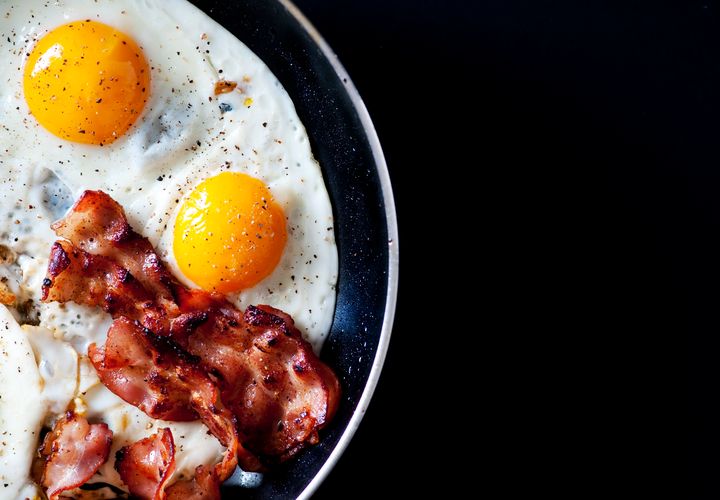
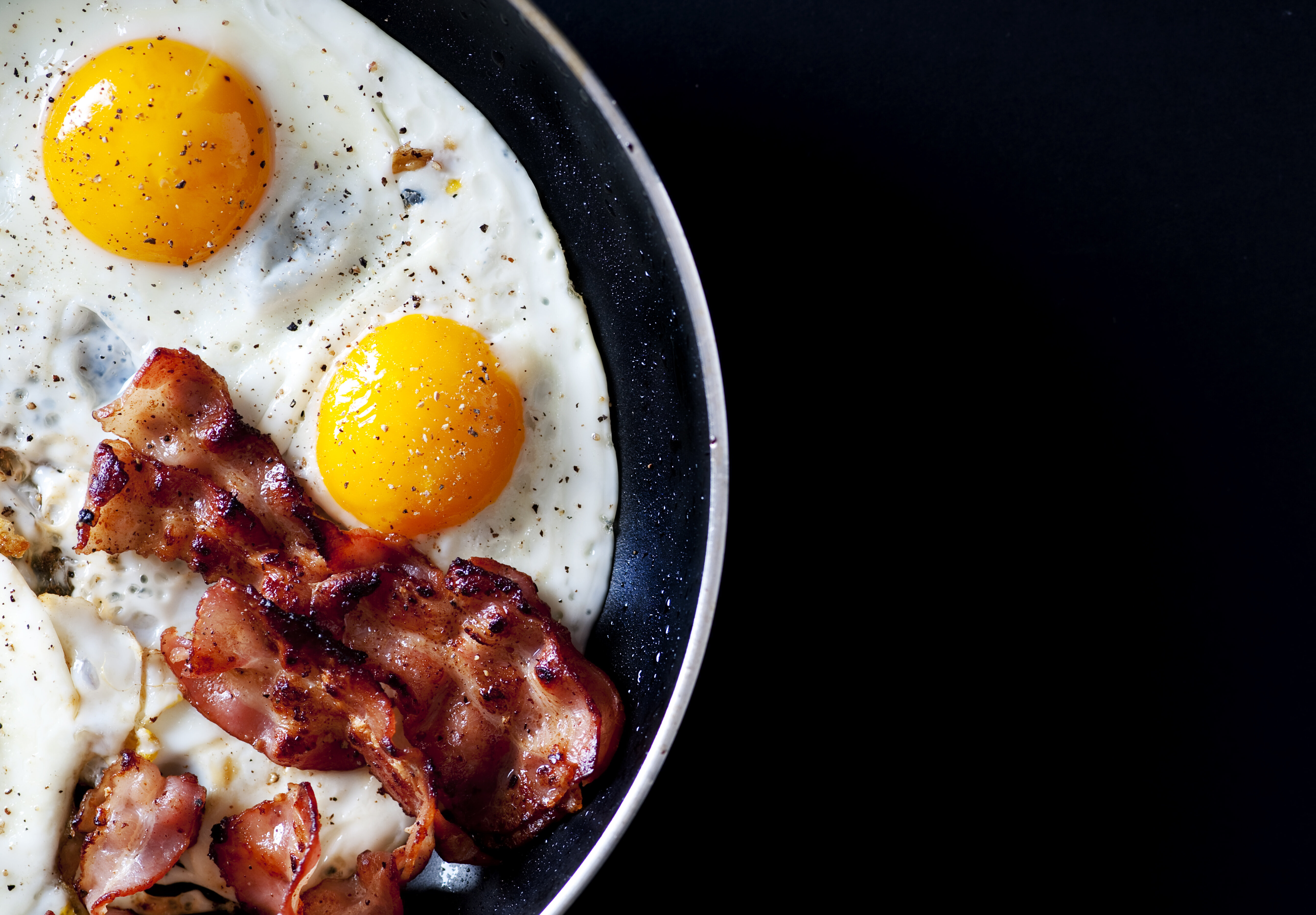
Not all proteins are created equal. Consider the amount of cholesterol in bacon and eggs, compared to vegetarian-based proteins or even chicken or fish.

Carlo A via Getty Images

Not all proteins are created equal. Consider the amount of cholesterol in bacon and eggs, compared to vegetarian-based proteins or even chicken or fish.

The best protein sources

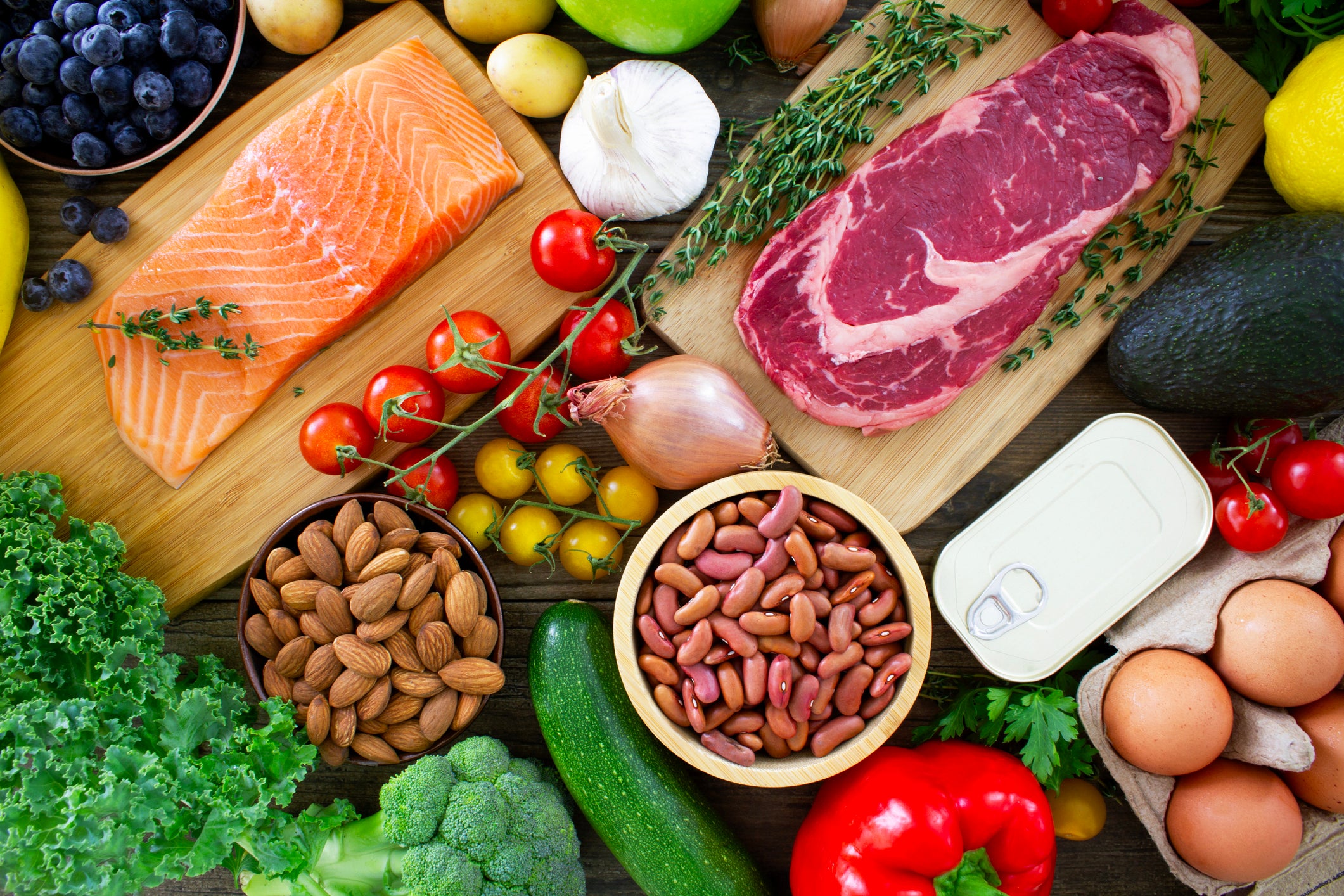
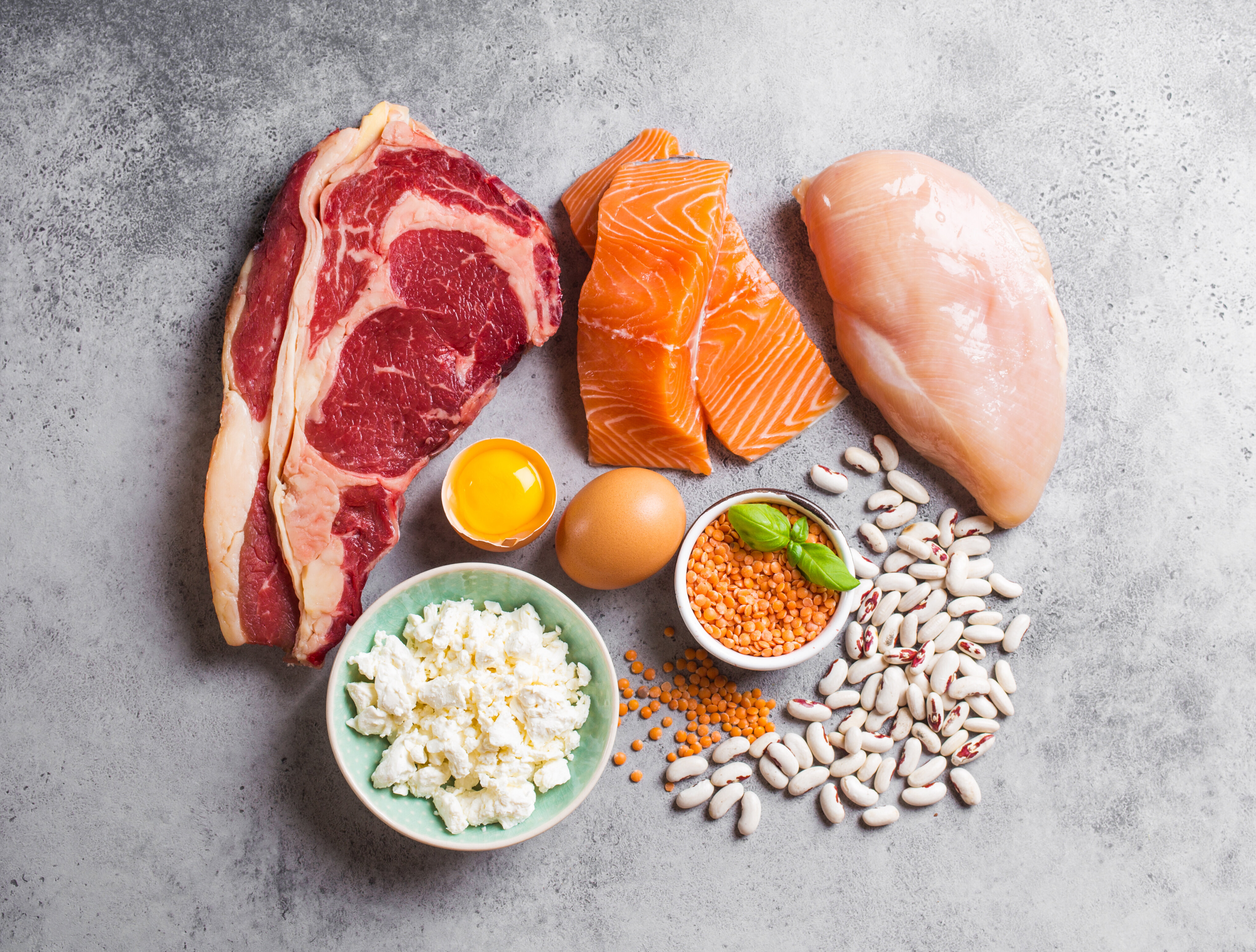
“Proteins can not only be found in animal-based foods, but also in plants,” says board-certified naturopathic physician Dr. Kellyann Petrucci. “In fact, some studies have indicated that getting protein from non-meat sources could actually be better for your health. Think low-fat dairy products, fish, beans and soy. These foods are delicious, and they may even help lower blood pressure and cholesterol levels.”

Pay attention to fat content, which can go hand-in-hand with high-protein foods. “Not all protein is created equal,” Petrucci says. “Bacon, sausage or processed meats might be high in protein, but they’re also high in saturated fat, which could be harmful for your heart.”

Finally, food is always better than a supplement or a powder, London says. “When it comes to meeting your nutritional needs, dietary supplements are meant to be used only to fill in the gaps from what might be missing in your diet, not to take the place of attempting to meet nutrient needs through food sources.”

High-protein foods

Protein content in foods (30g/one ounce portions unless noted), according to Johns Hopkins Medicine:

  • Beef or turkey jerky: 10 to 15g of protein
  • 5 ounces Greek yogurt: 12 to 18g of protein
  • Roasted edamame: 13g of protein
  • 3/4 to 1 1/3 cup of high-protein cereal: 7 to 15g of protein
  • Meat or fish: 7g of protein
  • 1/3 cup of hummus: 7g of protein
  • 2 tablespoons of peanut butter: 7g of protein
  • 1 egg: 6g of protein

Spreading out your protein intake

How much protein you eat is important, but so is when you eat it. “I encourage people to aim for 15 to 25g of protein each time they eat,” Burrell says. “If you eat that amount of protein only at lunch and dinner, but not at other times of day, you might be left feeling unsatisfied or hungry.”

You need to get enough calories overall to give that protein what it needs to be most effective, she adds. “I work with college students, and many will be on high-protein diets, but they don’t eat enough calories overall,” Burrell says. “For protein to be used to build new proteins, first you need enough calories. Otherwise, your body will just use this extra protein for energy. And if carbohydrate intake is low, your body will break down functioning proteins and use some of those amino acids to make glucose in order to maintain blood glucose.”

Popular myths about protein

There’s a lot of misinformation out there about protein, experts says. Here’s one example: “We still hear that protein causes kidney damage,” Ormsbee says. “The data simply do not support this.”

On its own, protein can’t make you bulk up, either, they agreed. “One misconception about protein is that eating it means you’ll get big muscles,” Petrucci says. “In fact, muscle growth is a complicated process that takes into account protein consumption, exercise and hormones. Athletes may have higher protein needs compared to their peers, but eating this way doesn’t mean they’ll get bigger muscles.”

In fact, smart protein choices are an important part of a nutritious diet. “It’s an absolute essential component of meals and snacks, especially for people looking to adopt small-but-impactful strategies or habits that can result in weight loss or weight management over time,” London says.

Share Button