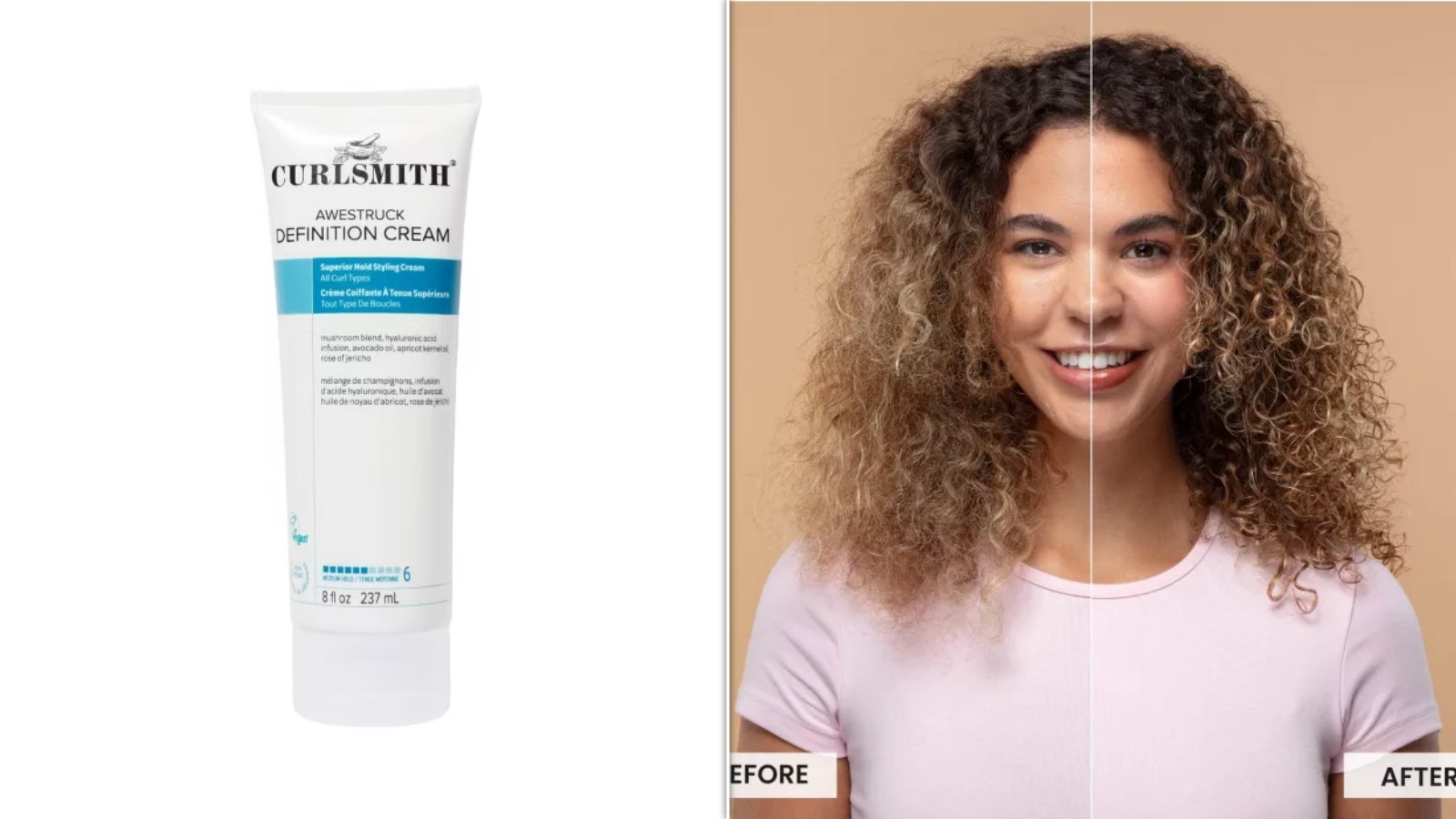
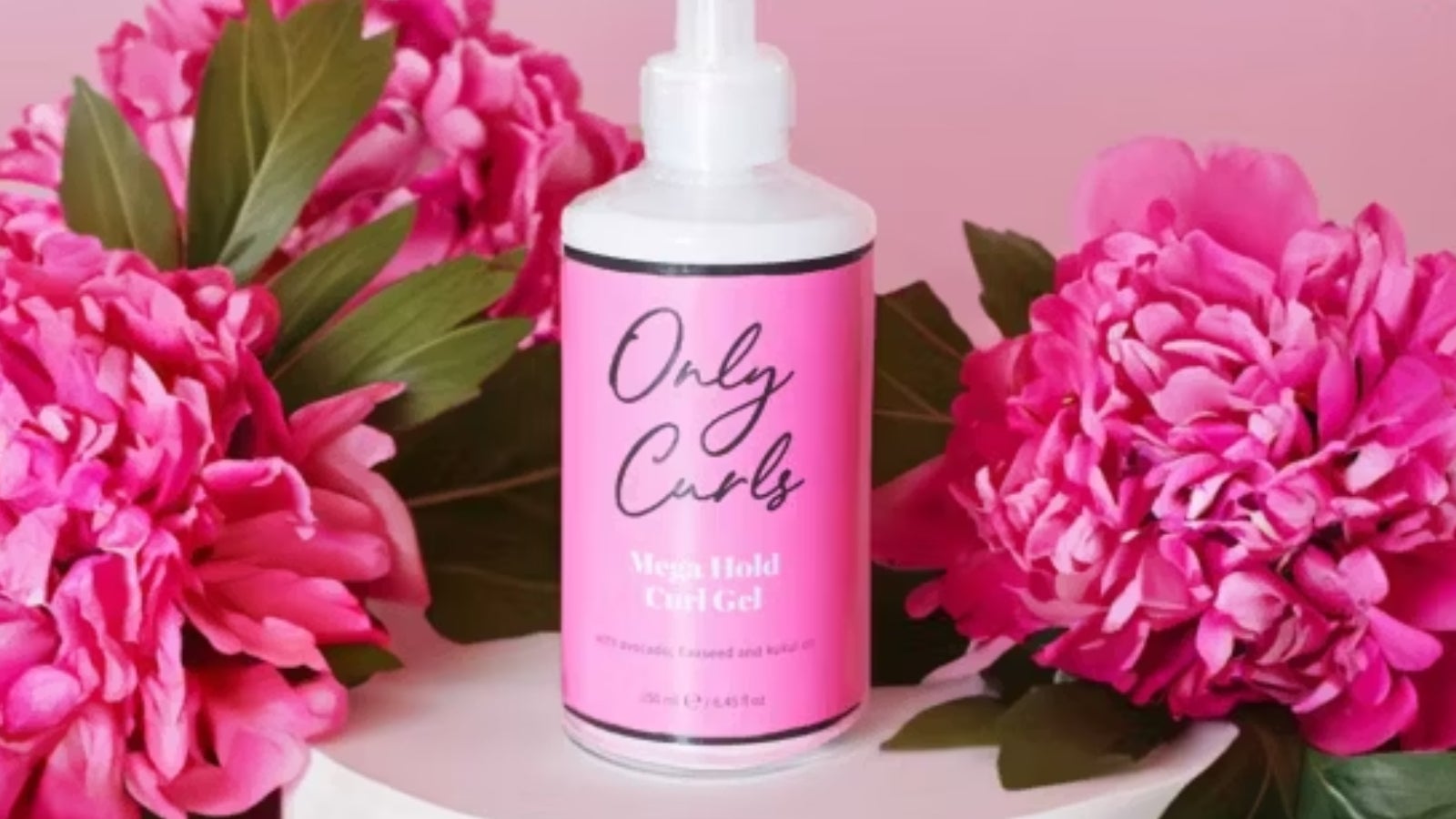
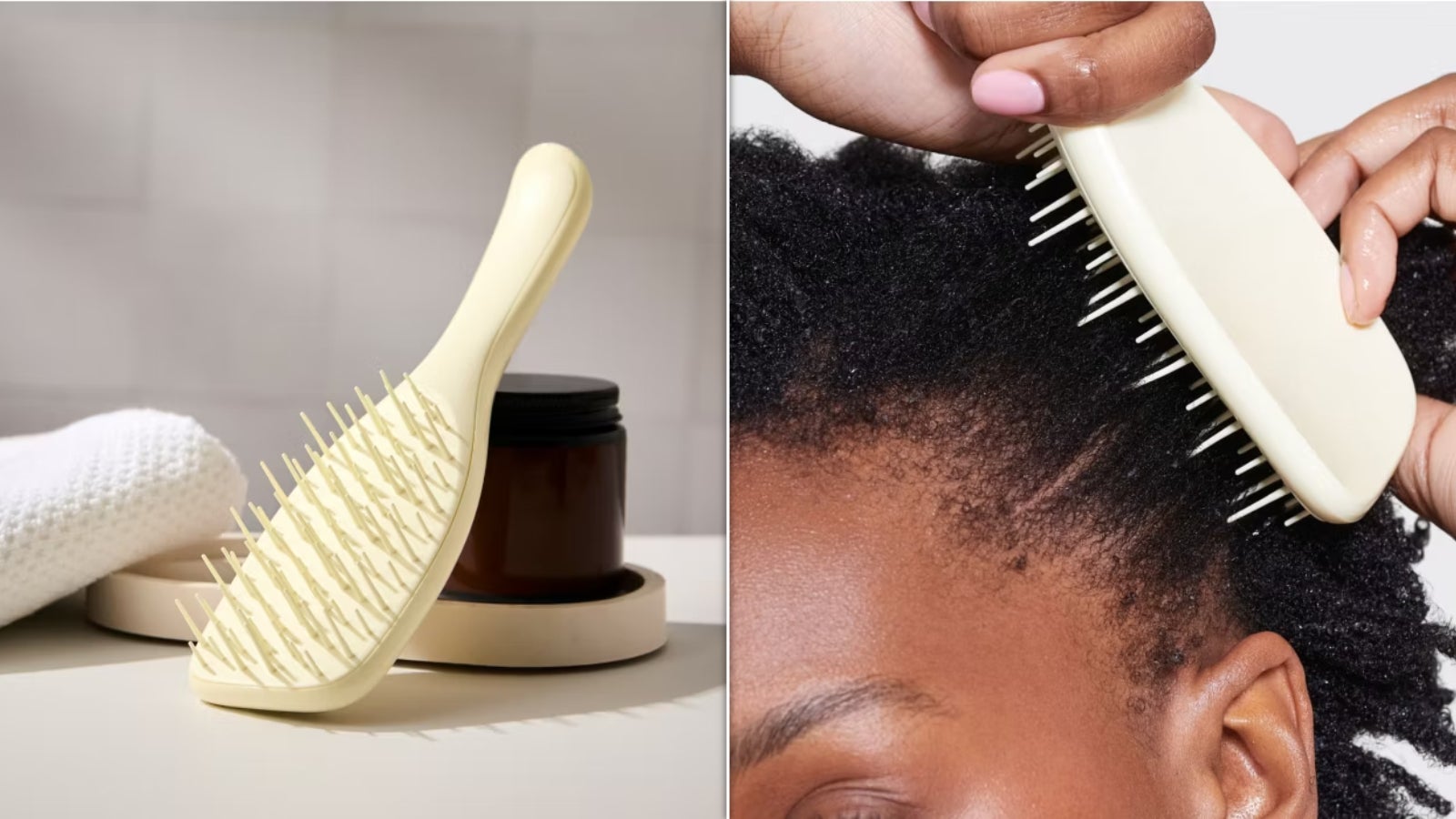
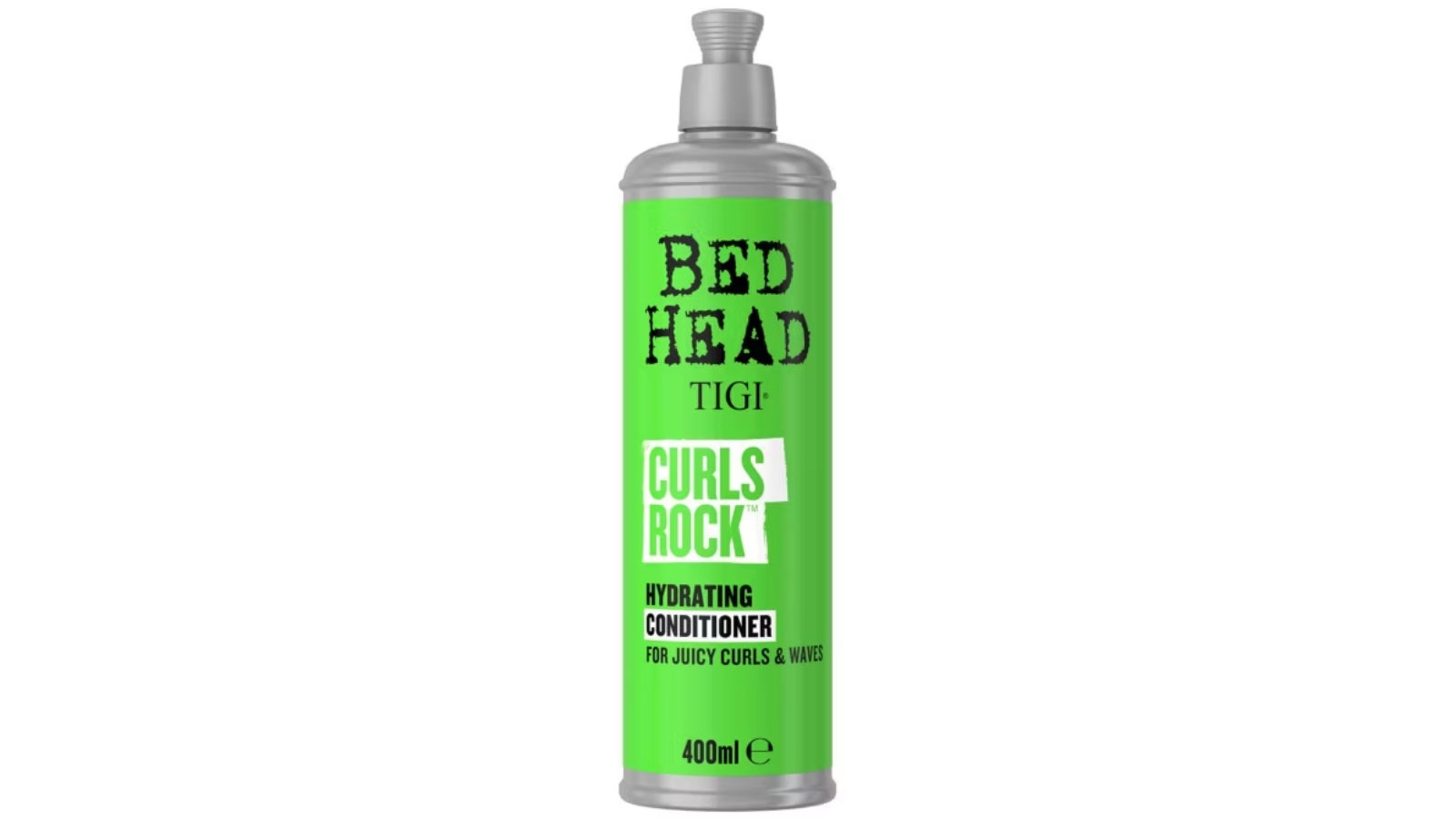
But anyone who’s spent hours perfecting a “no-makeup” makeup routine will know that that chic, effortless look often relies on a series of artful touches.
Britain’s Kate, Princess of Wales, waves from the Royal Box, during the men’s singles on day 14 of the Wimbledon Tennis Championships in London, Sunday, July 12, 2026. (Photo by Dave Shopland/Invision/AP)
What is a Japanese manicure?
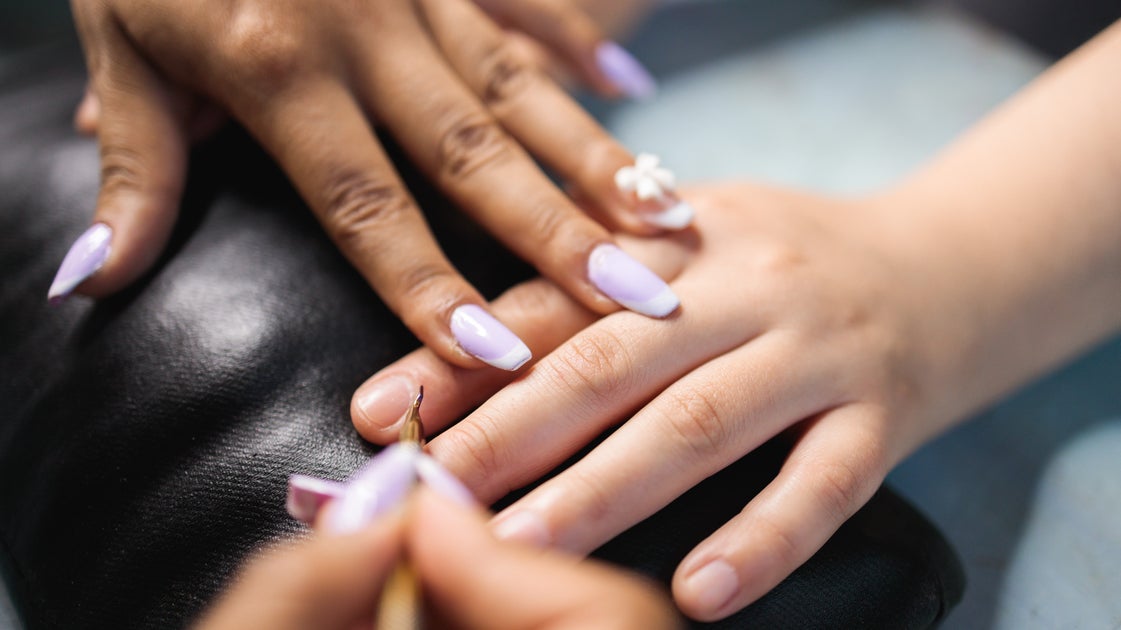
Though it’s currently trending, the technique is actually ancient (likely hundreds of years old). It involves no polish, no varnish, and no gels.
Advertisement
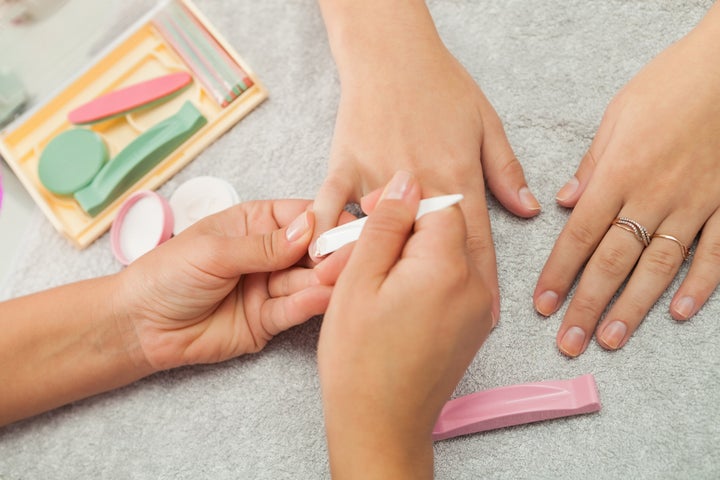
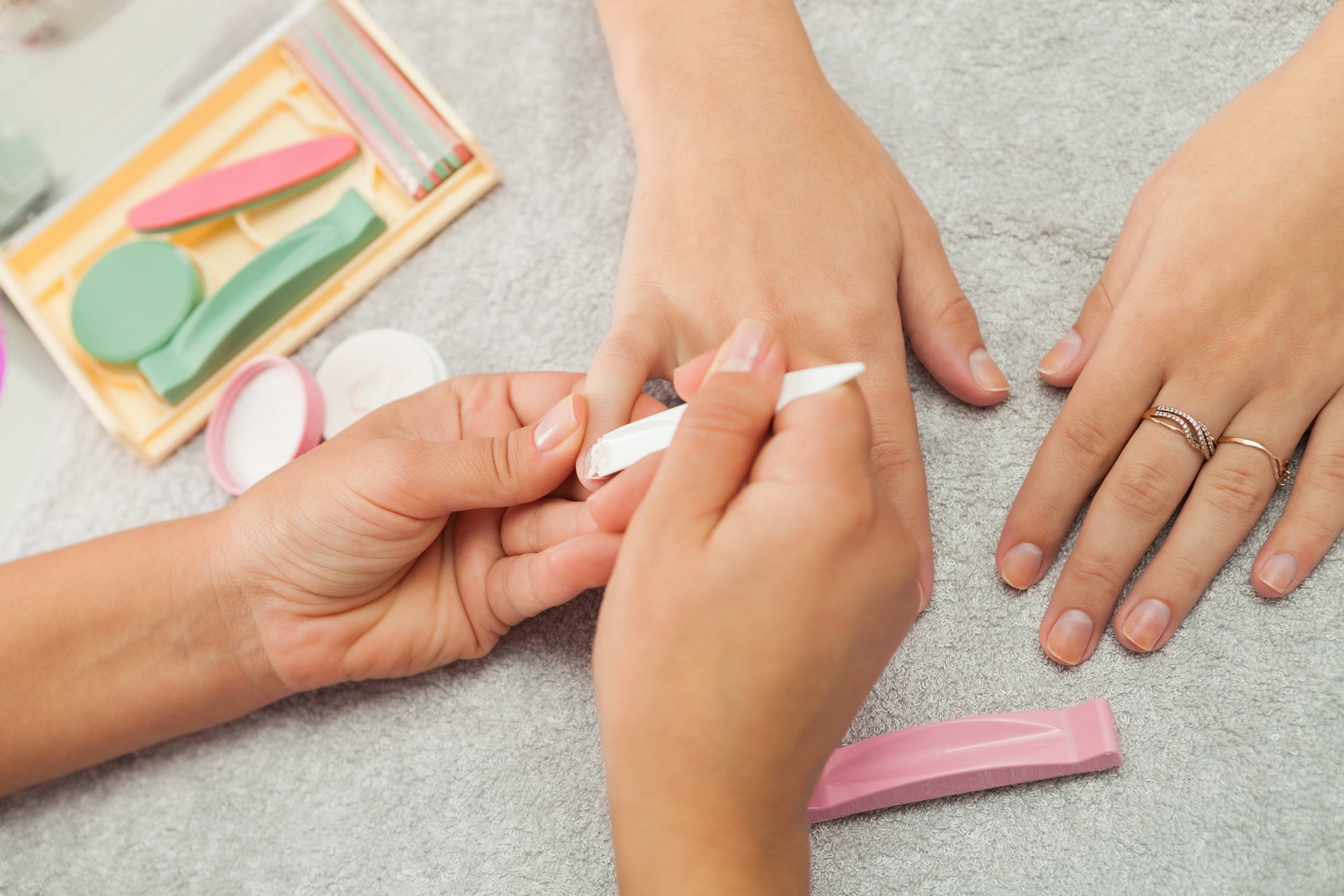
Popularised across the world by Japanese company P.Shine, the method instead relies on a two-step buffing process with a vitamin-rich paste and powder.
Firstly, the paste, which often contains algae, is carefully massaged into the nail using buffers (usually made of leather). This step is meant to nourish your nails.
Advertisement
Then, the powder (usually containing beeswax) is buffed on top. This step will make your nails seem glossy and shiny, almost as if you’re wearing clear polish.
Well, it won’t create the damage that gel nails can sometimes cause if they’re left on too long or removed incorrectly. Your nails will be able to “breathe”, and you won’t have to use any polishes, varnishes, and your skin won’t be exposed to UV lamp rays either.
Advertisement
Speaking to Marie Claire, celebrity manicurist Sophia Stylianou said Japanese manicures are perfect for “anyone needing a nail reset, especially if you have weak, peeling, or brittle nails, or are just taking a break from gels or acrylics”.
The expert said the natural ingredients “help restore strength and shine without using polish or harsh chemicals”.
Still, some experts recommend waiting for a while to have a Japanese manicure if your nails have been left worse for wear by gels or false nails. That’s because the process involves buffing the nail plate, which may be weaker while damaged.
Advertisement
And Darya Kholodova, a nail technician and co-founder of Darlings Beauty Lab, told British Vogue that the technique’s greatest appeal is aesthetic.
“The main benefits are a healthy, natural shine, a clean and polished nail, and a relatively quick treatment time,” she said.
We hope you love the products we recommend! All of them were independently selected by our editors. Just so you know, HuffPost UK may collect a share of sales or other compensation from the links on this page if you decide to shop from them. Oh, and FYI — prices are accurate and items in stock as of time of publication.
Like every kind of trend, what we’re looking for from our beauty routine swings in pendulums. One year we want matte skin, the next we don’t.
Well, in case you missed it, this year just so happens to be all about the glow. Of course, summer generally comes with a penchant to want to look like you’re in some eternal golden hour.
But this year is different: everyone is chasing the glossiest glass skin there is, and while K-beauty gets all the credit, there’s also another key player on the court: J-beauty.
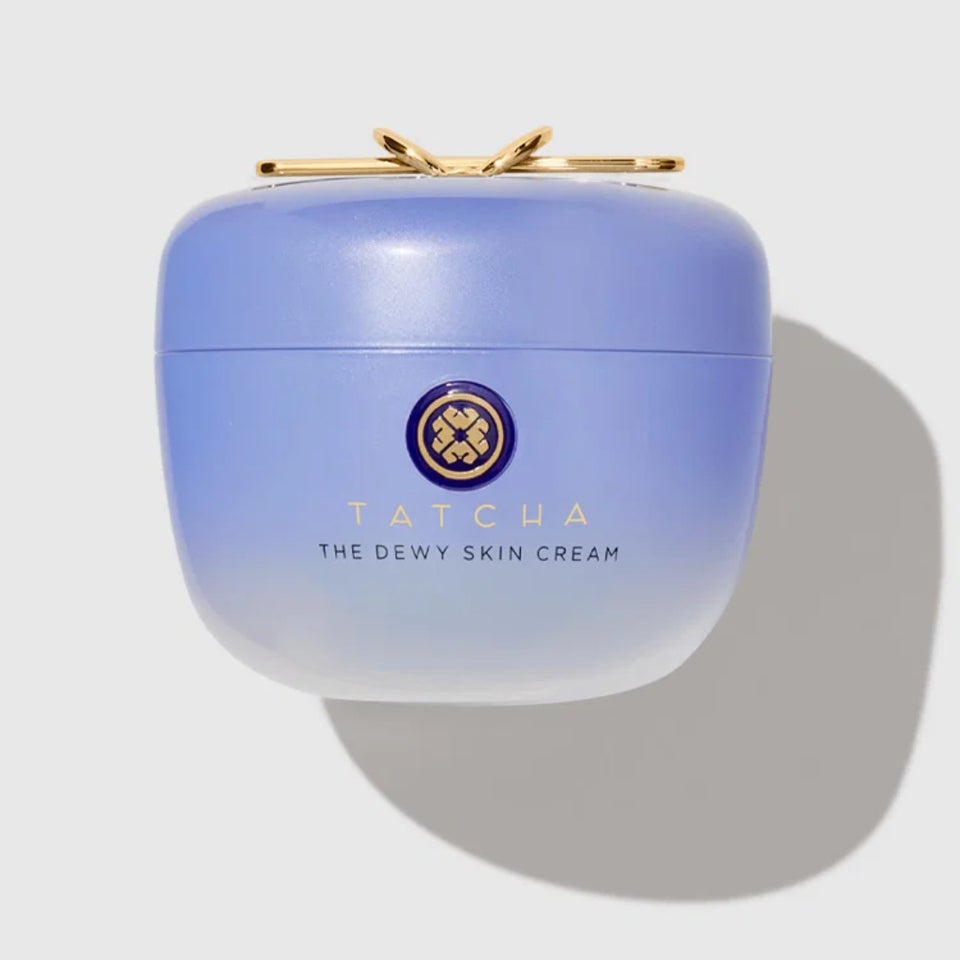
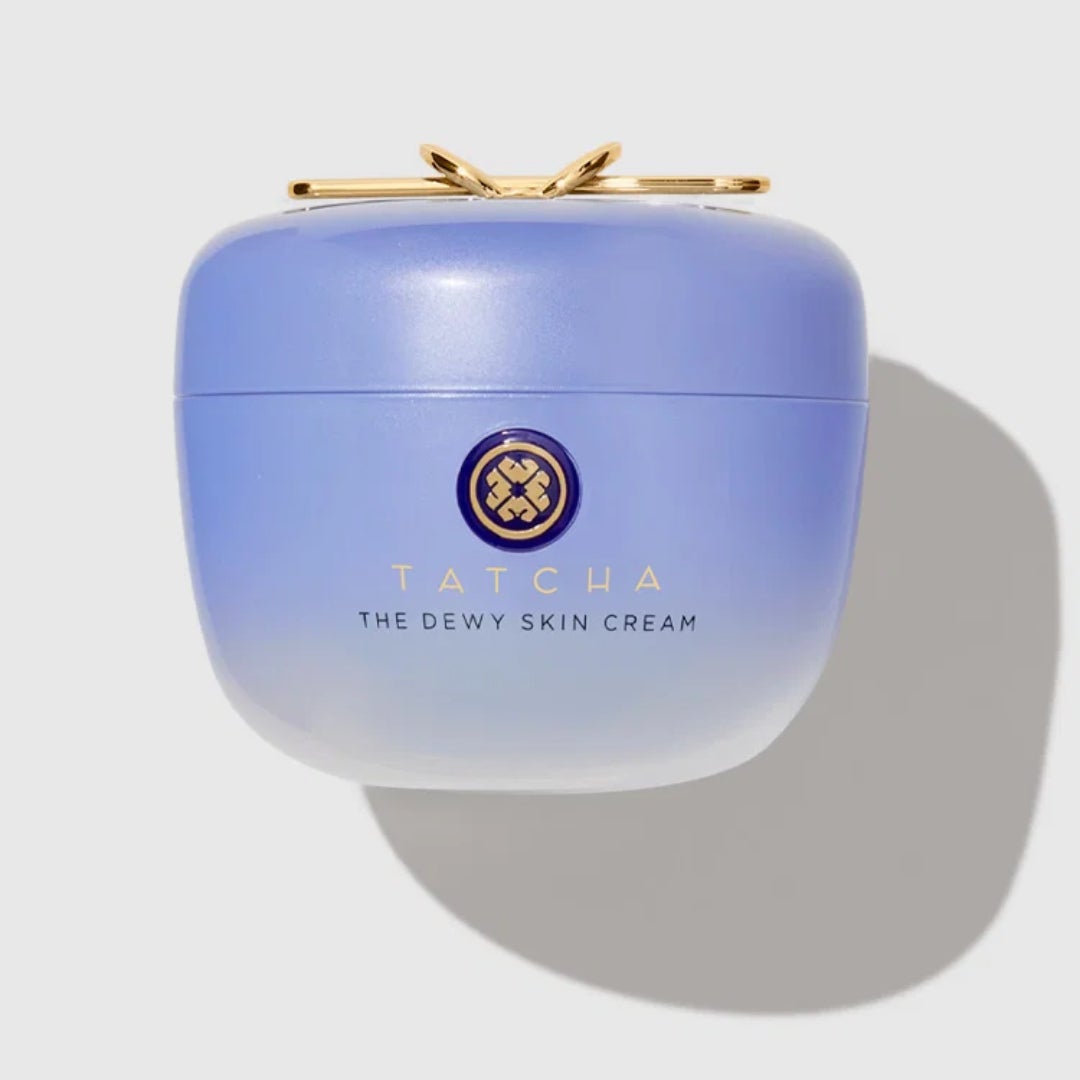
Beloved by TikTok, Japanese brand Tatcha sells one of its Dewy Skin creams per minute, thanks to the fact it’s loaded with tons of botanicals that plump up the skin in a matter of weeks.
Powered by Tatcha’s fermented skin complex Hadasei-3 – which includes red algae, Japanese purple rice, and green tea – the Dewy Skin Cream supposedly reduces the appearance of dry, fine lines and wrinkles in just two weeks.
But if you’re not willing to wait that long to see results, one spoonful of the decadent golden scoop included in the pot will deliver a 225% moisture boost to your skin immediately, to give it that plump and dewy appearance.
Tatcha also promises that using the skin cream over time will provide antioxidant protection against ageing. And, so you can keep coming back to it, you can buy refill pods to go inside that beautiful purple container so you never have to throw it away.
But don’t take Tatcha’s word for it, the thousands of 4.8-star reviews speak for just how glossy the cream makes your skin look.
“I have been using Tatcha Dewy moisturiser for a year and honestly I have been repurchasing this again and again,” says one five-star reviewer. “I have a sensitive combination skin and this has calmed my skin and restored firmness and hydration to my skin. Never purchasing any other cream.”
Another fan of the cream, who says it’s the ‘best cream ever’ shared: “I genuinely love this cream, it’s such a rich hydration and texture is so good my skin feels so good and glowy love this cream such a beautiful touch and love how they made it and the packaging is fantastic.”
To be honest, that’s all the convincing we need, shall we make it two bought this second?
We hope you love the products we recommend! All of them were independently selected by our editors. Just so you know, HuffPost UK may collect a share of sales or other compensation from the links on this page if you decide to shop from them. Oh, and FYI – prices are accurate and items in stock as of time of publication.
If you’re remotely interested in lip tints, listen up – because I’d bet my bottom dollar that I’ve found your new favourite.
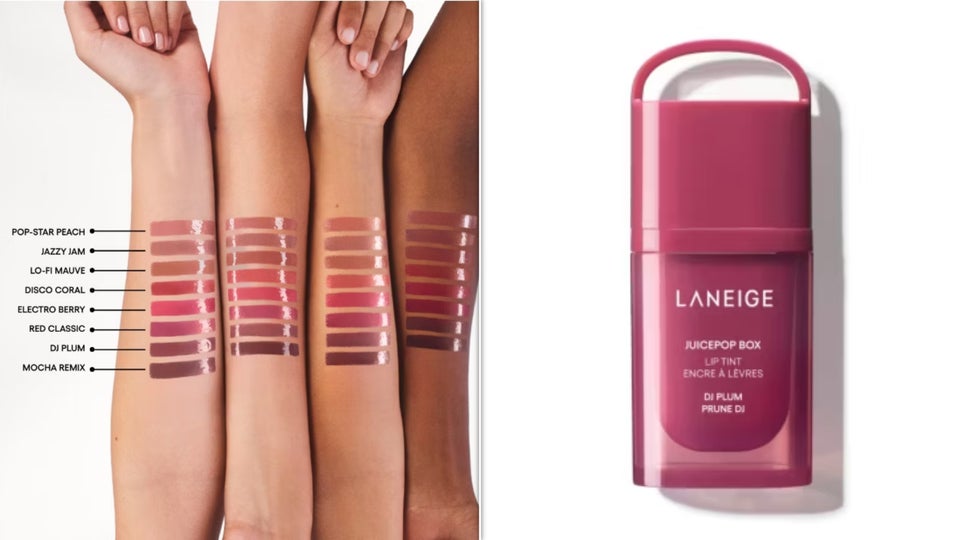
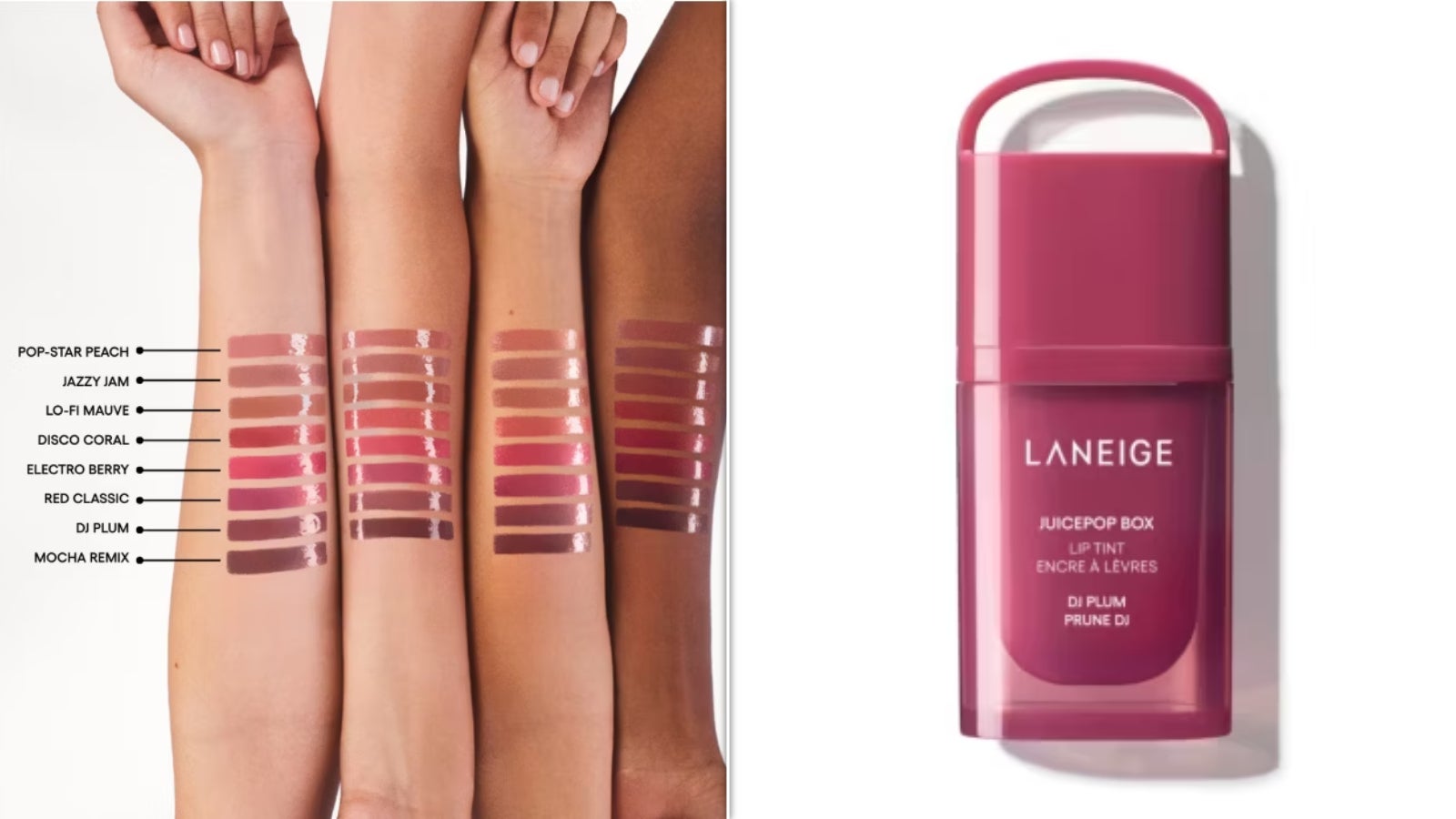
K-beauty brand Laneige launched its Juice Pop Box Lip Tints in the UK in March, to a decent amount of fanfare online.
Advertisement
Well, I’m here to tell you that the hype is very much warranted.
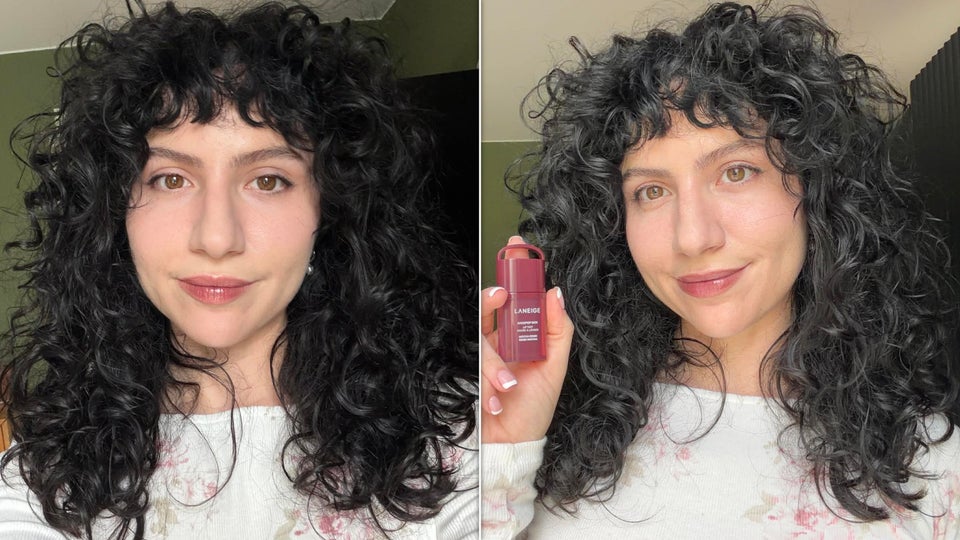
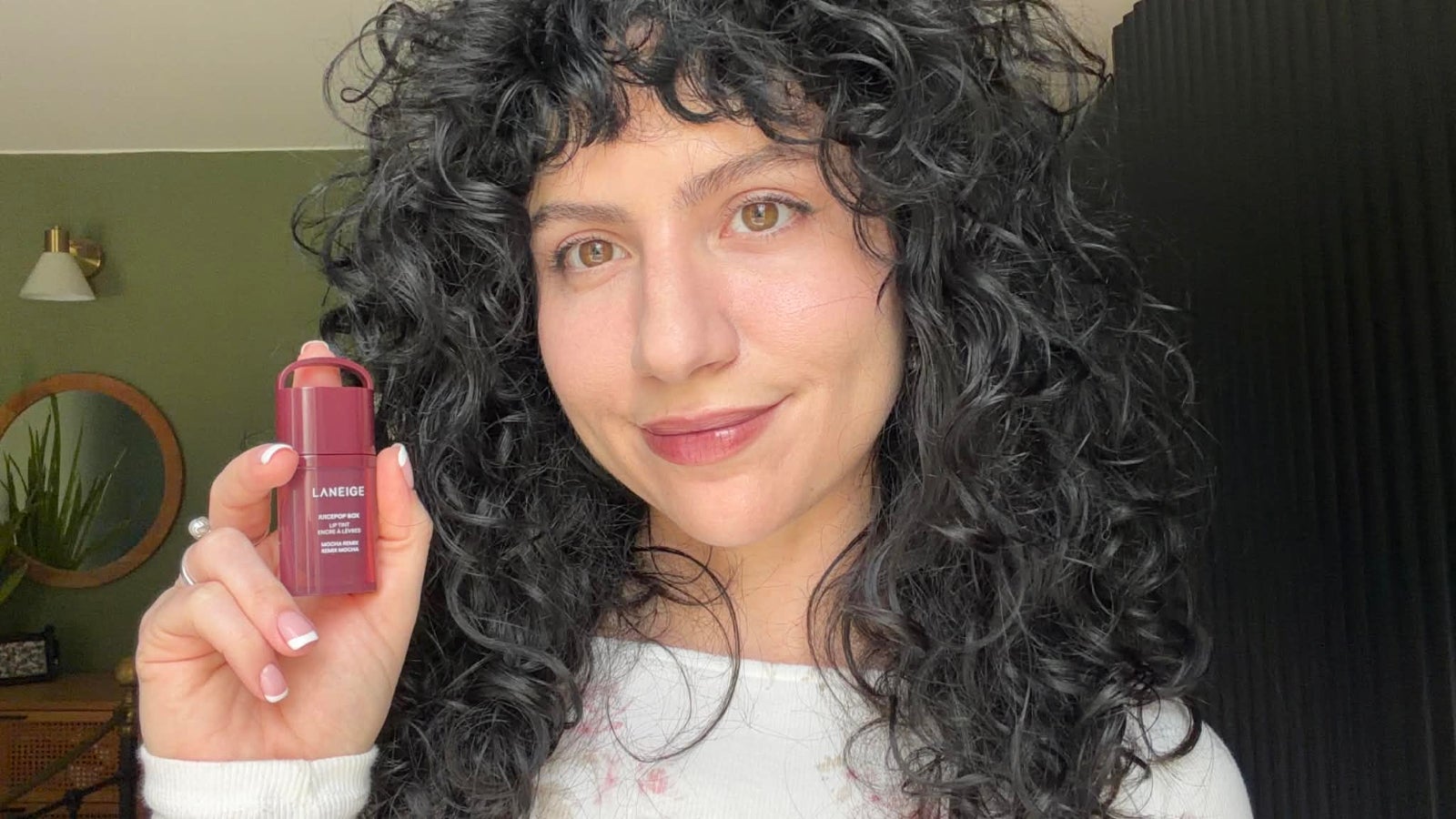
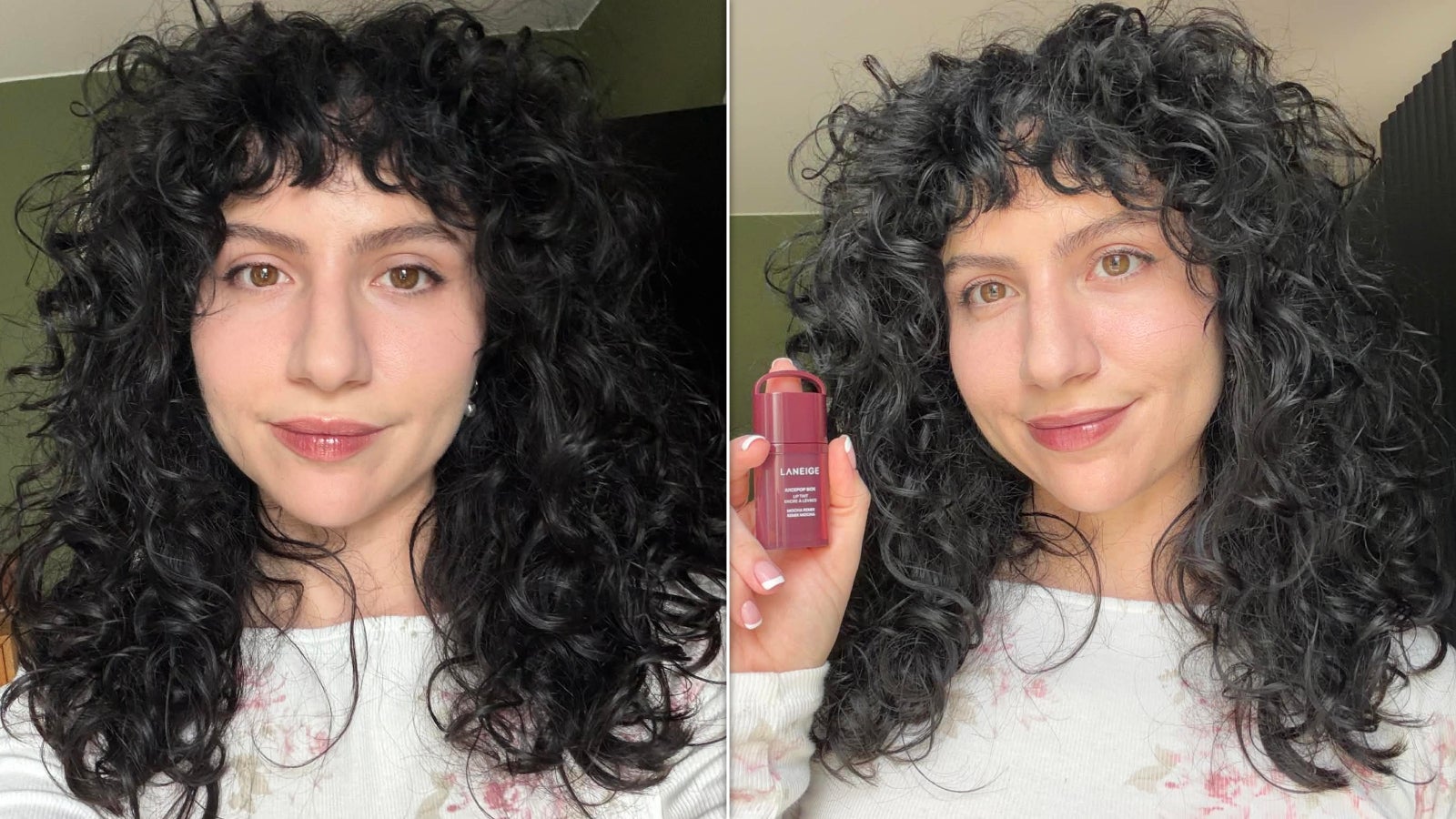
I tried the shade Mocha Remix, a semi-sheer plummy brown. While at first it goes on quite thinly, looking a bit like a wine-stain (only more chic), if you layer it up, it soon builds to a much deeper colour.
This is ideal for me, since it means I can wear it differently depending on my mood.
Its staying power is seriously impressive – you can couple a few layers of it, eat a good meal, and forget about it for hours before you notice your lip colour hasn’t budged.
Unlike lots of other lip products I’ve tried in my time, you can apply it on the go without looking with total ease.
Advertisement
Aidan trying the Laniege tip tint
And what’s more, it feels super nourishing on the lips, thanks to the ‘Water-Oil Remix Technology’, polypeptide, and ceramides boosting the tint’s moisturising and firming formula.
My only minor critique is that, after spending most of the day wearing it, the colour tends to sink into the natural creases in my lips, and I like to add a quick layer of some clear lip balm to even things out again.
But all in all, between the lovely shade, the tint’s versatility, and how very easy it is to use, it’s an ideal option for everyday wear.
Advertisement
At £20, it’s not the most budget-friendly buy in the entire world, but it’s very far from the most expensive too.
Further to that, in my humble opinion, it’s worth every penny.
If protein is a building block of hair, it can only be a good thing to load up on lots of products that contain protein, right?
Popular hair repair options these days include keratin, collagen, peptides and bond-building complexes that claim to improve the health of your hair. But don’t load up on them too fast…
Advertisement
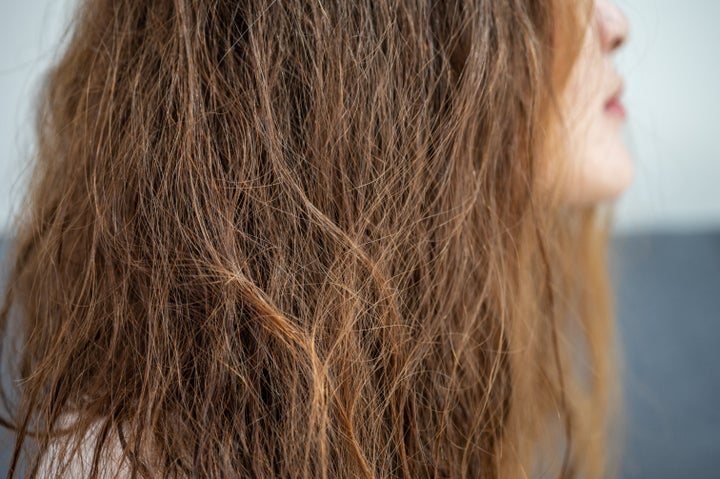
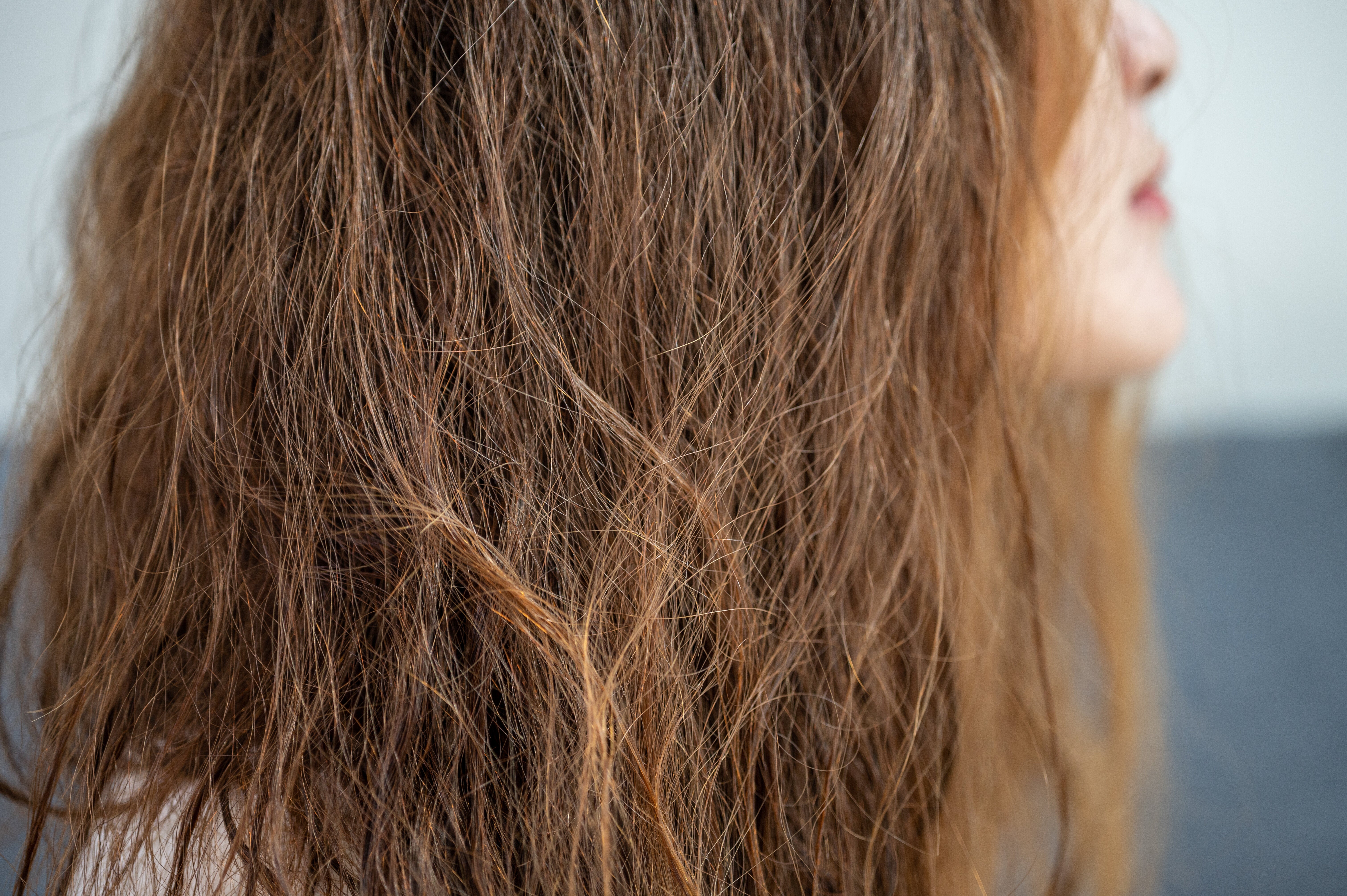
While protein helps maintain strong, healthy hair, strands can actually become stiff and brittle when topically applied protein builds up faster than hair can handle it, leading to breakage, frizz and tangling.
Here, experts explain what protein overload is, how to spot it in your hair and how to rebalance your routine.
Why too much protein can backfire
Protein is made primarily of keratin, which gives each strand of hair strength and structure. Bonds, also known as crosslinks, between keratin chains within the hair allow it to stretch.
Advertisement
“Healthy hair is the state where this protein matrix and its crosslinks are intact enough that fibres resist traction, yet still show good elastic return and cosmetic shine,” explained Caroline Ruggiero, a certified trichologist and CEO at Truly You Hair & Scalp Clinic in Mississauga, Ontario.
But when protein-based shampoos, conditioners, masks and styling products – which are often marketed as strengthening or repairing – are layered too frequently, the result can be protein overload.
“Like anything, more isn’t always better,” said Emmanuel Mroczka, a trichologist and co-owner at The Hair & Scalp Specialists in Fairview Park, Ohio. “Hair impacted by protein overload typically feels stiff or straw-like, rough even after conditioning, prone to tangling and static and brittle – snapping easily instead of stretching.”
Advertisement
Boy_Anupong via Getty Images
When protein-based shampoos, conditioners, masks and styling products are layered too frequently, the result can be protein overload.
He adds that breakage also often appears in areas that typically remain intact, such as closer to the scalp or around the crown, because the hair has lost elasticity from root to tip.
Protein overload can closely resemble simple dryness, but the key difference is elasticity. “Dry hair often softens with moisture and still has some stretch. Hair affected by excess protein tends to feel rigid and snaps easily, even after conditioning,” Mroczka said, noting that an easy at-home test is to gently stretch a damp strand.
Advertisement
Healthy hair should have a little give and bounce back, and knowing the difference can help you choose the right treatment and avoid overcorrecting.
Why hair absorbs too much protein
Chemical treatments, like bleach, relaxers, perms and repeated colouring, along with heat styling and UV or pollution exposure, can damage the hair cuticle, which is the protective outer layer, and increase shaft porosity.
“When the cuticle is disrupted, hair loses internal proteins and lipids, the cortex becomes more exposed, which causes more hair porosity,” explained board-certified dermatologist and hair transplant surgeon Dr. Divya Shokeen, noting that this is why hair absorbs products more aggressively, making protein buildup more likely.
Advertisement
When hair feels damaged, reaching for protein-repair products is a common instinct. While the ingredients in protein-forward products, such as hydrolysed keratin, collagen, amino acids, keratin peptides and bond-building complexes, aren’t inherently harmful, Shokeen notes that the real risk lies in overcorrecting.
“Damaged hair needs a balance of protein, moisture and lipids, not just high-protein products alone,” Shokeen said. Repeated use of protein-heavy treatments, especially layered in the same routine and paired with infrequent washing, can leave already fragile strands feeling even more brittle.
“Clinical rule of thumb: the more styling layers used, the more important periodic clarifying washes become,” Shokeen said.
Advertisement
How protein overload affects your hair
Protein overload doesn’t typically stop hair growth at the follicle, but it can affect how long and full your hair looks by increasing brittleness and breakage. “If protein-based products are applied directly to the scalp, which, like conditioner, generally isn’t recommended, they can contribute to buildup and irritation around the follicle,” Mroczka said. “Over time, chronic scalp irritation or inflammation can interfere with a healthy growth environment.”
It can also blur the line between shedding and breakage. “Many people think they’re shedding excessively, when in reality they’re experiencing mid-shaft breakage that appears as shorter hairs,” Mroczka said, noting that the typical daily hair shedding is around 80 to 100 strands as part of the natural growth cycle.
“When protein overload is present, breakage often layers on top of this normal shedding, making hair loss feel more dramatic than it actually is.” The good news is that this is often fixable once the routine is rebalanced.
Advertisement
Hair types that are most vulnerable
Fine, chemically treated and low-density hair are especially prone to protein overload. Shokeen said fine strands have less inherent strength and a smaller shaft diameter, which limits flexibility, so protein-heavy products can quickly cause stiffness and breakage.
Porosity also matters. High-porosity hair absorbs protein quickly, due to gaps or damage in the cuticle, making overload likely. This hair type benefits from occasional protein paired with consistent moisture and lipid support. Low-porosity hair, with a tightly closed cuticle, resists absorption. Protein often sits on the surface, causing coating, stiffness and dryness. “Low-porosity hair usually does better with lighter hydrolysed proteins or minimal protein use,” Shokeen said.
Because the ideal frequency of protein treatments depends on both your hair type and the specific formula, experts recommend following label directions closely for best results. “In general, I recommend intervals. For instance, one month on and three months off,” Ruggiero said. “More is not more.”
Advertisement
How to reset your routine
“First, pause all protein-based products, including conditioners, masks, leave-ins and styling treatments labelled ‘repair,’ ‘strengthening’ or ‘bond-building,’” Mroczka said, noting that in some cases, this may also include protein-heavy shampoos.
Next, switch to a hydrating shampoo. Gently cleanse the scalp, letting the lather rinse through the lengths without aggressive scrubbing, and follow with a moisturising conditioner to improve slip and flexibility. “A lightweight hydrating or conditioning spray throughout the day can help support moisture, especially on dry ends,” he added.
If buildup is present, a clarifying shampoo can help, but no more than once every other week. “These formulas use stronger cleansers, and overuse can strip natural oils and worsen dryness or irritation,” Mroczka noted. During this reset, limit heat styling and chemical treatments for a few weeks to allow elasticity to recover.
Advertisement
“Once hair begins to feel softer and more flexible again, protein can be slowly reintroduced,” Mroczka advised. “Balance is the goal, not eliminating protein entirely.”
We hope you love the products we recommend! All of them were independently selected by our editors. Just so you know, HuffPost UK may collect a share of sales or other compensation from the links on this page if you decide to shop from them. Oh, and FYI – prices are accurate and items in stock as of time of publication.
Travelling with a locked-in beauty routine is not for the weak, let me tell you.
When it comes to curl care, getting your perfect hair routine down pat is enough to make you feel like a Nobel-prize-worthy scientist.
It can take years of effort to get it right – trust me, mine did. And now, you’d have to pry my favourite products away from my cold, dead hands before I give them up.
So a little thing like baggage allowance isn’t going to stop me from bringing my essentials along with me.
Curious just what those essentials are? They’re worth their weight in gold to me, but don’t worry – I didn’t get into the business to gatekeep.
We hope you love the products we recommend! All of them were independently selected by our editors. Just so you know, HuffPost UK may collect a share of sales or other compensation from the links on this page if you decide to shop from them. Oh, and FYI – prices are accurate and items in stock as of time of publication.
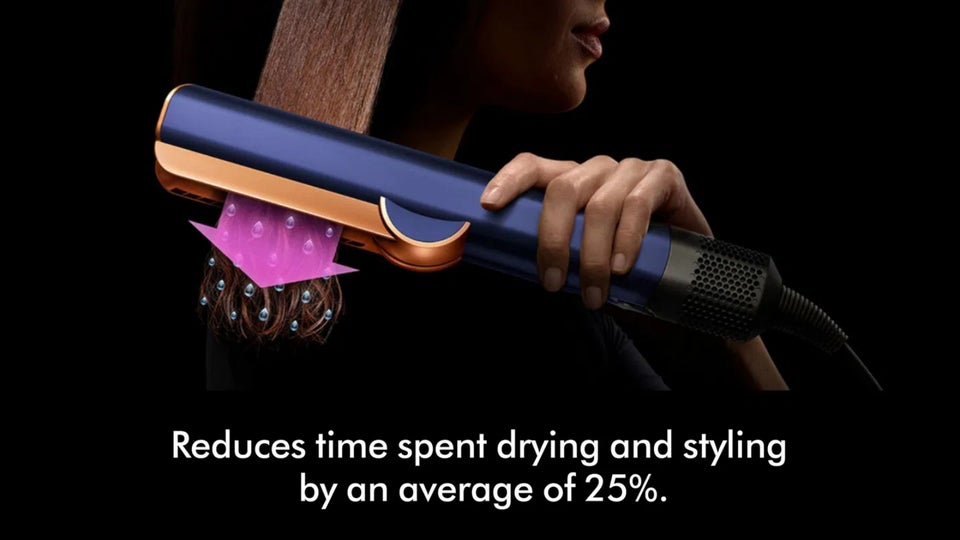
Look, I am human, and I have a lot of hair. That can only mean one thing: like millions of style-conscious people before me, I covet every Dyson styler on the market.
Mind I say “covet,” and not “own”. That’s because the brand’s offerings are notoriously on the pricier side, and while my colleagues assure me it’s worth it, I’d rather not pony up that much cash upfront if I can help it.
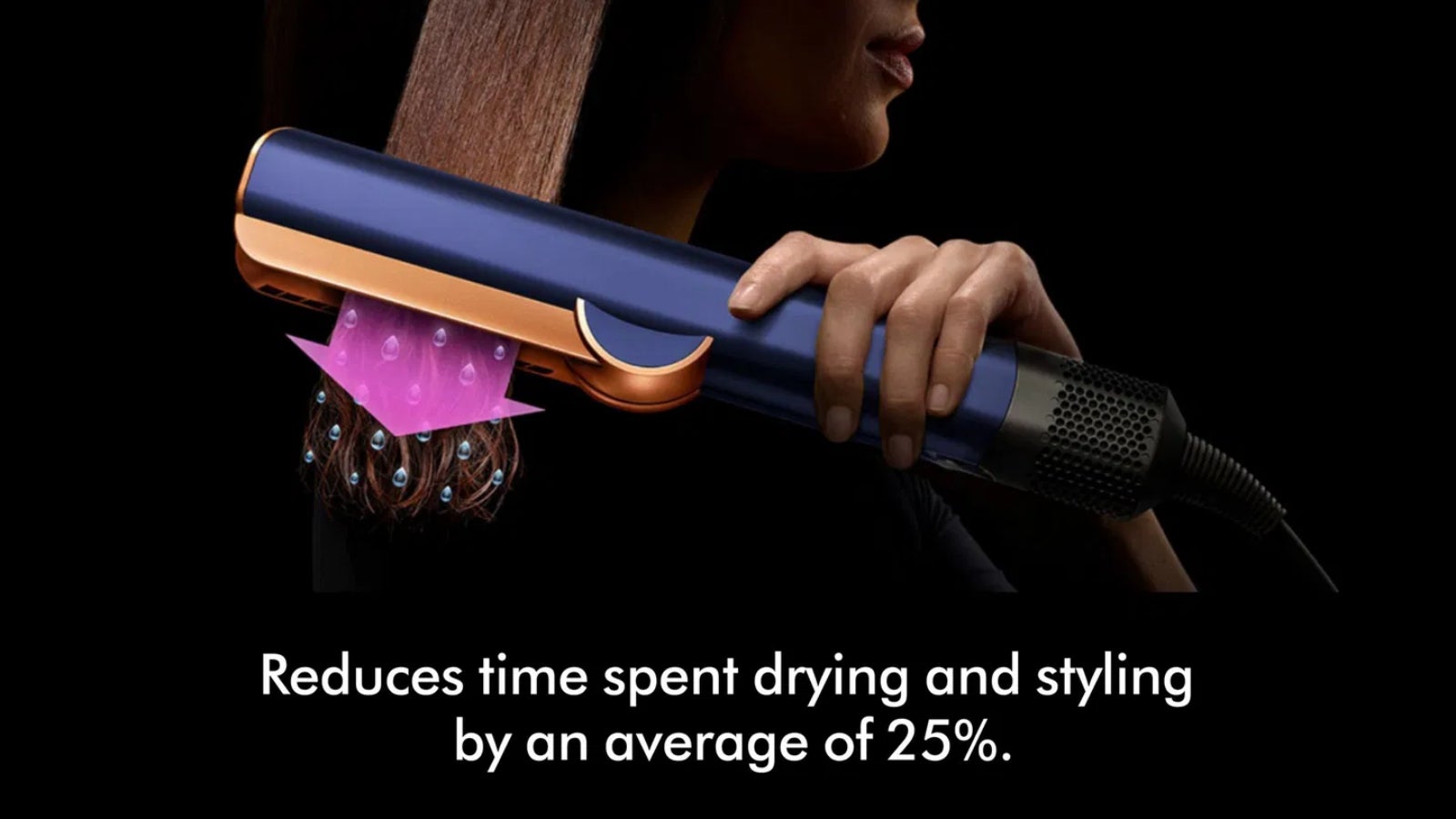
Personally, I’ve got my beady eye on the Corrale straightener, which is the only kind that has flexible copper plates which gather your hair together for better control.
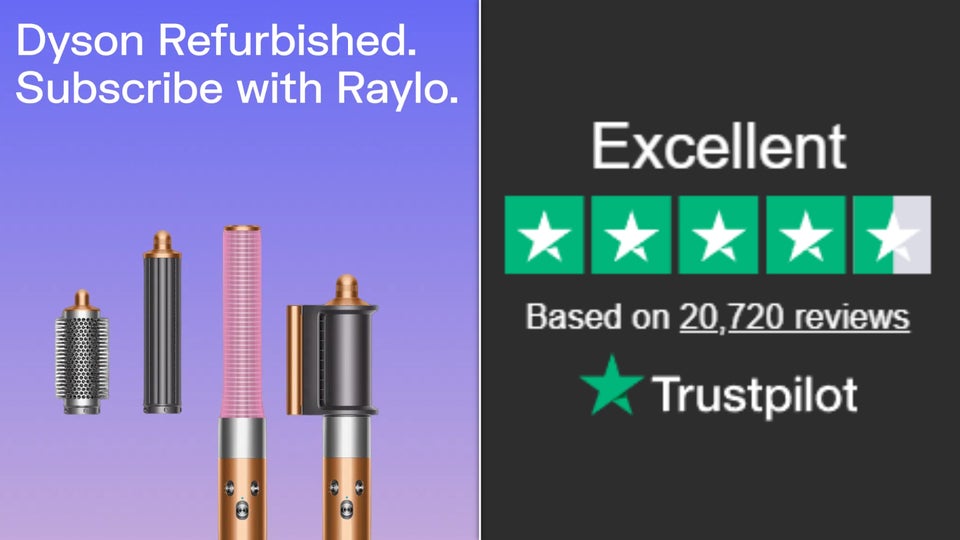
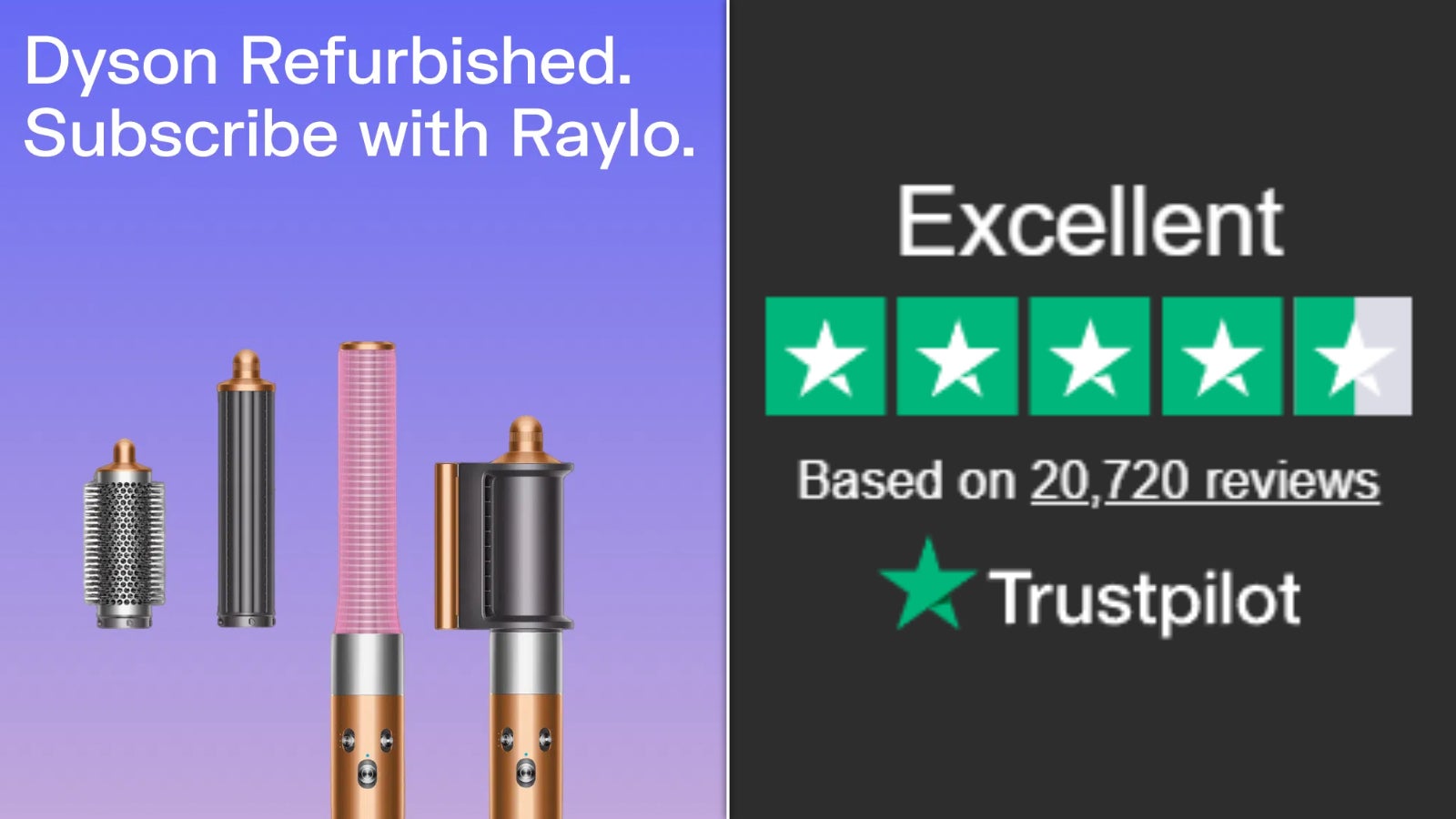
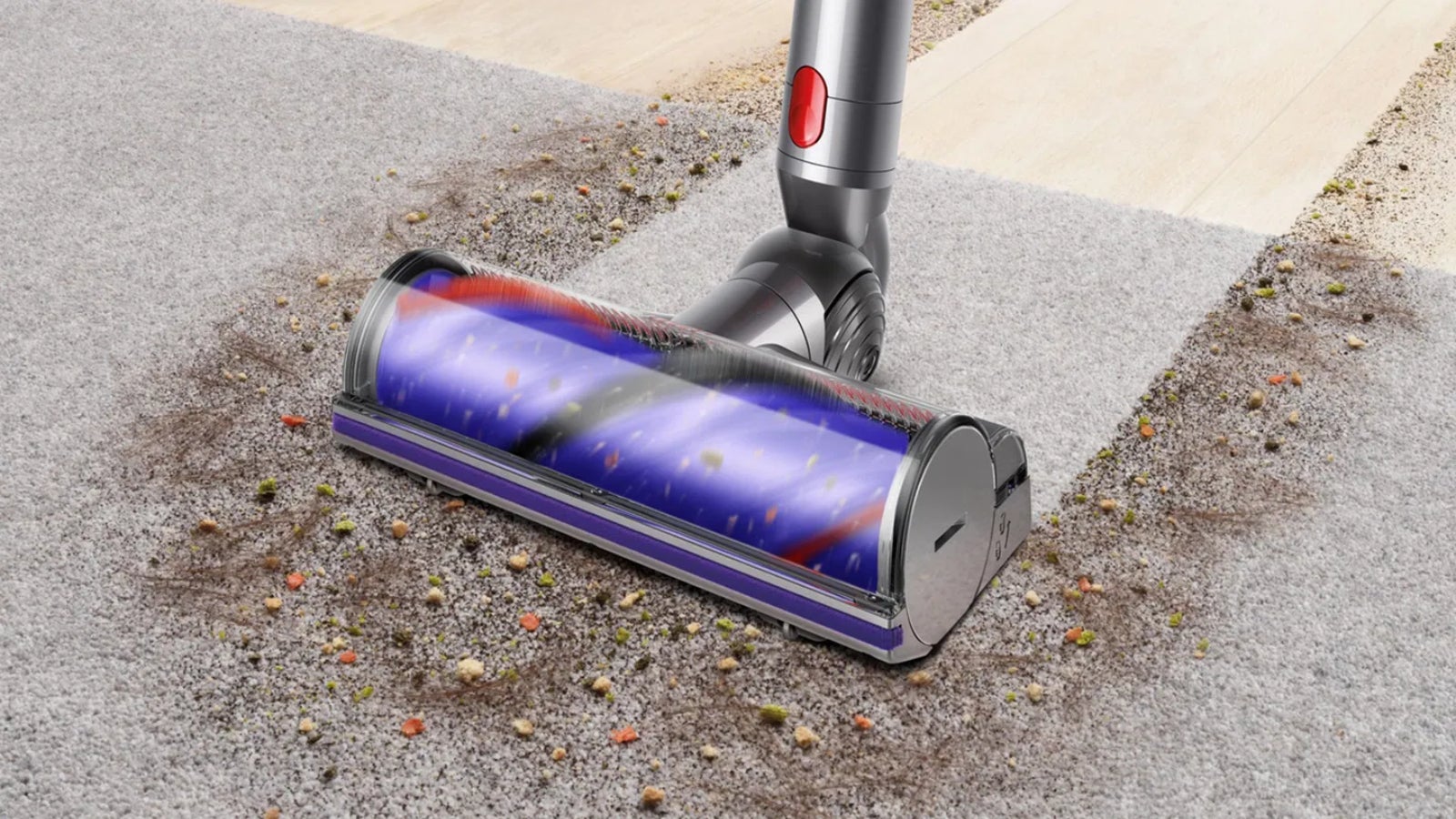
But that’s not the only styler on the site. You can also nab a refurbished Dyson Supersonic hair dryer, which people who usually find drying their hair a plan-cancel-worthy ordeal have probably craved for years, from £6.66 a month.
We hope you love the products we recommend! All of them were independently selected by our editors. Just so you know, HuffPost UK may collect a share of sales or other compensation from the links on this page if you decide to shop from them. Oh, and FYI — prices are accurate and items in stock as of time of publication.
For many of us, the changing of the seasons each year goes hand in hand with something of a vibe shift. As the temperature gets lower and lower by the day, our desire for cosy comfort gets higher and higher.
Advertisement
Gone are the days of floaty, floral summer dresses and bright, zesty lip colours. They’re replaced by a renewed interest in things like grunge looks and leather jackets, not just to keep us warmer, but to fit the season’s overall mood.
And our appetite for autumn-friendly scents is no different.
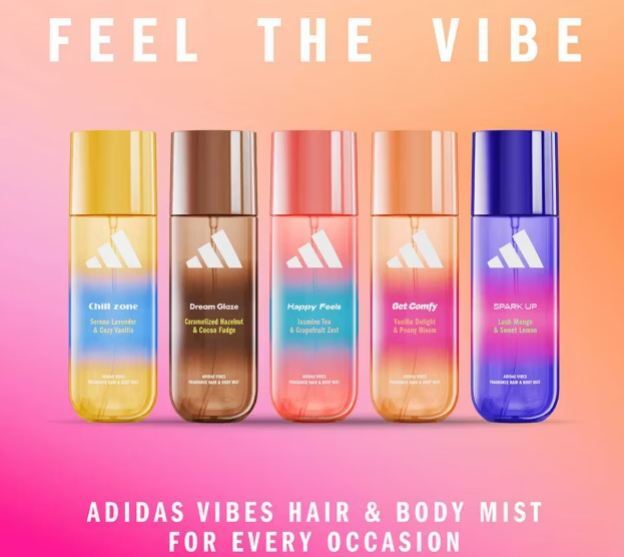
If you’re looking to shake up your scent collection for the new season, Dream Glaze is a particularly great pick.
With its notes of caramelised hazelnut, sandalwood, and cocoa fudge, it’s delicious and indulgent, helping you bring cosy and autumnal vibes with you wherever you go.
Advertisement
Think that sounds like the stuff of costly designer, perfume house heaven? Think again, because this scent is part of the uber-versatile and majorly affordable Adidas Vibes fragrance collection.
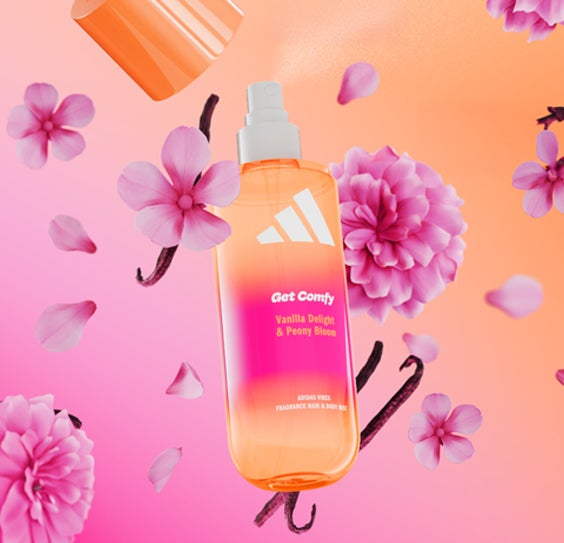
This two-in-one body hair and body mist is ideal for everything from giving your tresses a scent boost after a good gym sesh to spritzing your clothes before you leave the house.
If you’d rather channel a different vibe to the comforting sweetness of Dream Glaze, there are plenty of other options to choose from, too.
Advertisement
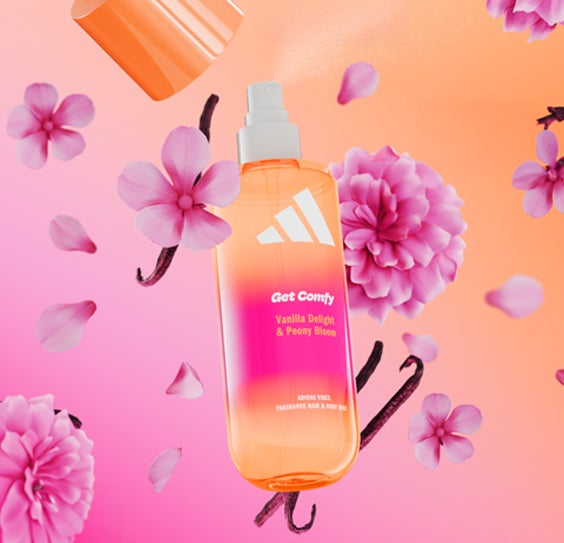
For a relaxing mood boost, try Get Comfy, which has notes of vanilla, peony, and mandarin.
If you want to set yourself up for a great day, spritz on a bit of Happy Feels and enjoy its notes of jasmine tea, grapefruit, and cedarwood oil.
And for an energising hit of mango, sweet lemon and black pepper, spray some Spark Up.
At just £13 each from Boots, why pick just one vibe when there’s a whole spectrum of moods to enjoy?
The colour is exquisite. The nail art is sublime. You step out the door of the salon, reach for your keys and – whoops, there goes your perfect manicure.
A good salon manicure (the traditional polish kind, not the gel kind) can last as long as a week, but you can wreck it in just a few seconds if you aren’t careful.
Advertisement
Professional nail artists have seen it all, and they’ve got some smart tips for keeping nails in tip-top shape.
How Long To Sit Tight In The Salon
Once the manicure is done, you’ll be tempted to dash out and get on with your day, but don’t do it. Thea Green, founder of British beauty brand Nails.Inc, said,
“Plan to sit for at least 15 to 20 minutes after your manicure is finished. That’s usually enough for polish to be touch-dry, but not fully set. I always say: ‘Dry to the touch doesn’t mean dent-proof.’”
Advertisement
As Green noted, those minutes of sitting are only the beginning, and it will take some time before you’re completely in the clear. “Even though the polish may look dry on the surface, it actually takes several hours to fully cure,” said nail artist Britney Tokyo.
How To Pregame The Polishing
Before polish is applied, get your game plan for leaving in place. If you wore a coat or jacket into the salon, put it on now.
But wait, there’s more, according to Julie Ventura, Orly Beauty’s global education manager: “Pay for your manicure before polish is applied to avoid rummaging in your purse,” she said. “And if you drove to the salon, get your keys out so you’re ready to go.”
Advertisement
What To Do For The Next Hour (Or So)
This is the time to be super aware of your newly gorgeous hands, and to treat them accordingly. You might not realise how much you use your nails as tools, not jewels, as the pros say, until you’re faced with a fresh manicure and a cold can of soda that you’d like to enjoy.
“The first few hours are when smudges, dents and chips happen most,” Green said.
Here’s how to manoeuvre in the world with a new manicure, Ventura said: “Try to use the pads of your fingers rather than letting anything come into contact with your nails.”
The ‘Hateful 8’ Things That Ruin Your Manicure Investment
Here’s a quick expert list of the most smudge-prone post-manicure behaviours that you should avoid in the few hours after your appointment:
Advertisement
Digging in a purse or bag, which these experts agreed is the most common smudge-causing mistake. “Metal — like keys or handles — is especially harsh and can scratch glossy finishes,” Green said.
Hot water: “I recommend avoiding super hot water for a few hours,” said nail artist Jenny Bui.
Using nails as tools: “Don’t peel labels, pop open cans or scratch surfaces,” Green said.
Going to sleep: Even if that relaxing manicure has worn you out, be vigilant, the experts said. “’Sheet marks’ are a real thing,” Green said. “If you have a late-night manicure, be careful, because fabric imprints happen when polish isn’t fully dried.”
“Pushing buttons too hard, like elevators and phones, can smudge fresh nails,” Bui said.
“Don’t put your hands into tight pockets,” Tokyo said.
“Opening boxes messes up my nails the most easily,” said nail artist Bana Jarjour.
“Even changing sheets can cause smudges,” Jarjour added.
Products That Might Help
You may be able to request a product that will help speed up the drying. “Quick-dry drops, sprays and even fast-dry topcoats can make a big difference,” Bui said.
Advertisement
“I personally love using a high-quality quick-dry topcoat, because it provides shine and protection while reducing drying time. For clients who can’t sit long, that’s my go-to.”
“Lately, I’ve been recommending a polish brand called Dazzle Dry,” Tokyo said. “It fully hardens much faster than traditional polish, which is a big advantage. The application method is a little different from regular polish, and because the products are more expensive, only certain salons carry it.”
If The Worst Happens
If you’ve gone ahead and smudged that great look, never fear, because fixes are possible. “A great hack is to get a drop of acetone on the pad of your finger and quickly but gently pat the smudge out before the acetone evaporates,” Ventura said. “Repeat until it’s smooth again.”
Advertisement
“For chips, fill it in like a patch job instead of redoing the whole nail,” Bui said. “But if it’s really bad, sometimes it’s best to start fresh on that one finger.”
There’s something about the thought of prescription skincare that makes me feel a bit anxious.
I love new lotions and potions (who doesn’t?), but my skin can be a right sensitive Sally – I’ve had some pretty uncomfortable reactions to overly-strong concoctions in the past.
Think redness, burning, tingling; all things you don’t really want your face to experience after trying something new.
Advertisement
Yet since having kids, my skin has changed A LOT. Its lost some of its elasticity and vibrance, becoming a bit dull. I’ve also aged because, well, I’ve gotten older (and had many a sleepless night, which I’m sure doesn’t help). There are more lines cropping up here and there. My skin doesn’t feel as tight as it once did.
I’ve been lucky in a lot of respects as I haven’t had bad breakouts or issues with pigmentation, both of which can crop up after having babies (cheers, hormones).
But it’s fair to say my usual skincare combo of CeraVe cleanser and a Beauty Pie moisturiser had been working very hard – and my skin still felt like it was left wanting.
Advertisement
I figured a change was in order. But where to even begin? I don’t have time to visit a dermatologist (nor the money, let’s face it).
You simply explain what you want to treat – whether that’s acne, melasma, rosacea or something else. In my case, I just wanted less tired mama and more glow get ’em.
Advertisement
As part of the online consultation process you also share information about your skin and what you’ve reacted to in the past. It’s pretty extensive – it’s also worth noting they cater to women who are pregnant or breastfeeding, so if you let them know they can tailor your products accordingly.
In my case, I wanted something that was anti-ageing and would help give me a bit of a glow. I received their:
Advertisement
Caring squalane cream cleanser – a super luxurious cleanser that melts off makeup, doesn’t dry you out, and leaves skin really soft.
Azelaic acid/niacinamide lotion, which I’ve been applying after cleansing each night. I was really worried this was going to bring me out in a rash but it didn’t.
Nourishing ceramide + peptide moisturiser, which I use morning and night. It’s just the right amount of nourishing without being greasy.
Vitamin C 15% fresh batch ascorbic acid – I’ve been using this after cleansing in the morning and before applying moisturiser. It does tend to leave my skin a bit tight but I heap the moisturiser on after and it seems to balance it all out.
And that’s my routine.
Natasha Hinde
My skin definitely feels brighter and tighter than it was.
Even in the space of just a few days after using these four products, I noticed my skin felt brighter, tighter and the smoothest it’s ever been. (Or at least, the smoothest it’s been as an adult.)
Advertisement
Honestly, my cheeks are rivalling my toddler’s right now for softness. I can’t stop stroking them. I’ve even had compliments from strangers (which never happens!).
I was very dubious about how well an online consultation could work – and how accurate it would be – however I’m pleased to report I’m a convert. Now to see if it stands the test of time…
In the meantime, if you want to try it for yourself, your first month of personalised skincare should be £24.99, but is currently £2.90 – so really, what are you waiting for?
We hope you love the products we recommend! All of them were independently selected by our editors. Just so you know, HuffPost UK may collect a share of sales or other compensation from the links on this page if you decide to shop from them. Oh, and FYI – prices are accurate and items in stock as of time of publication.
In my twenties, I applied SPF on holidays and if it was a particularly hot day back home. But when my partner, then in his early 30s, was diagnosed with basal cell carcinoma and needed surgery to remove it, I knew I needed to wake up and wear the damn sun cream every single day.
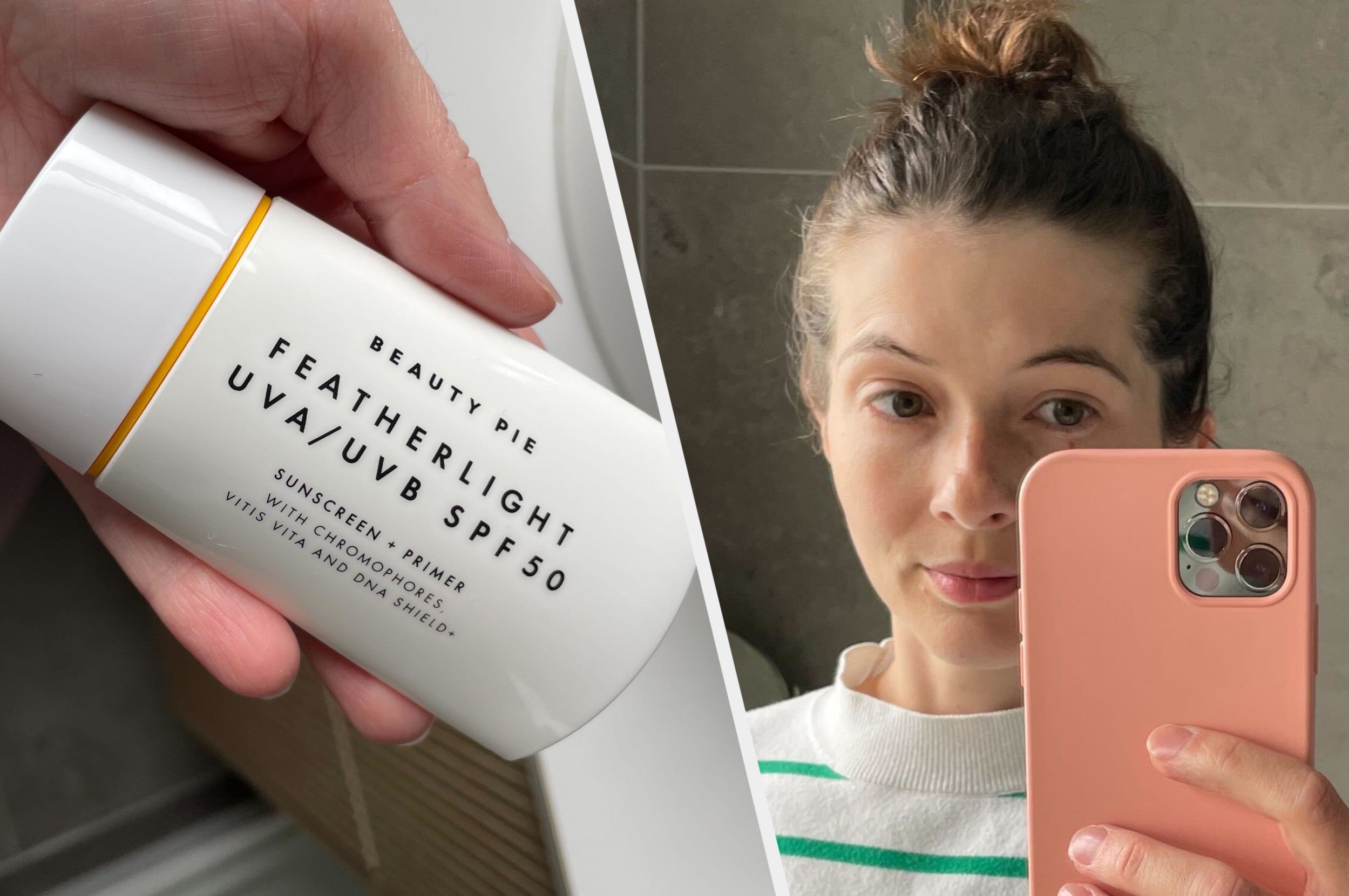
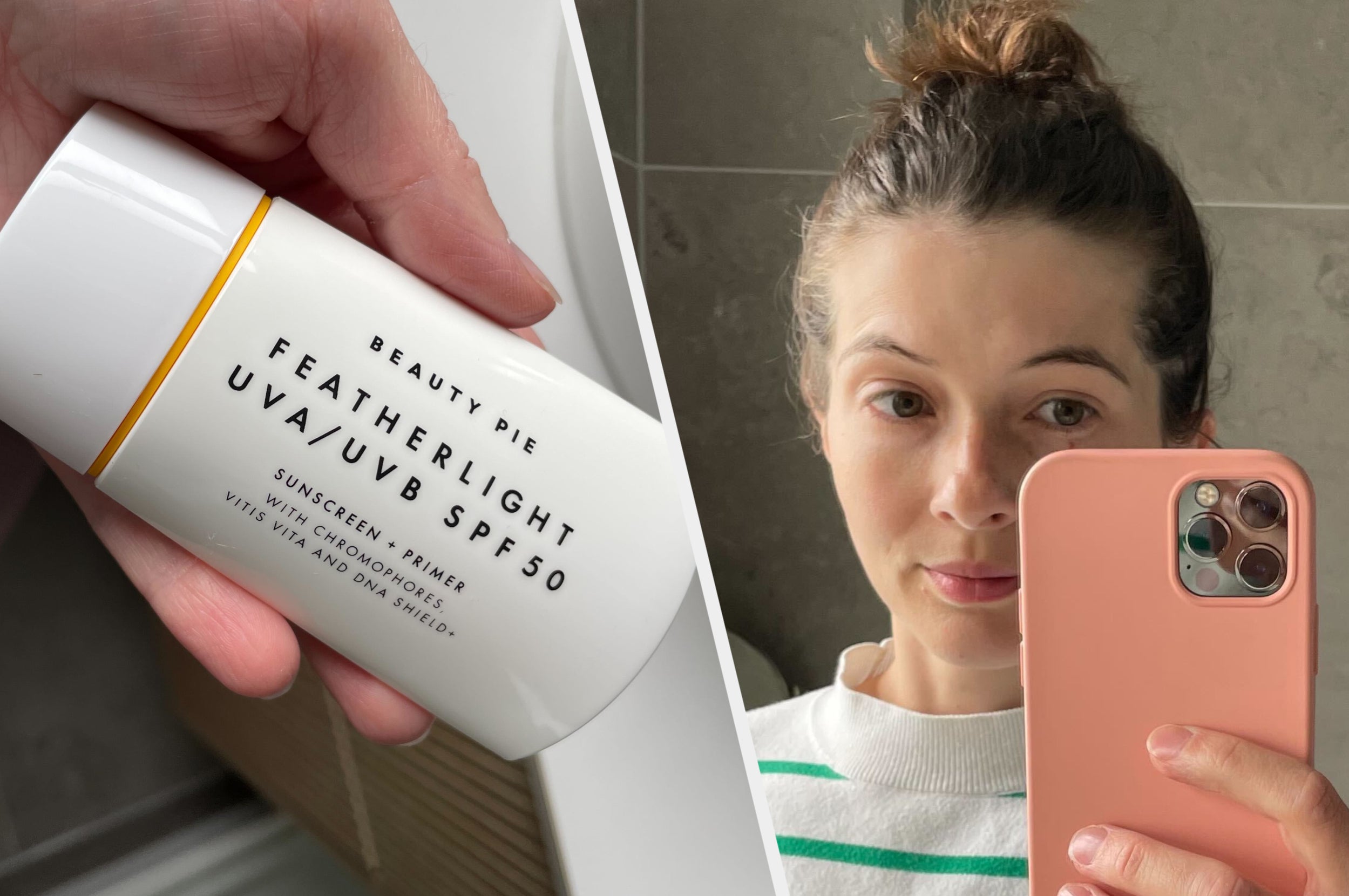
The product, made in Switzerland, contains ingredients to “help fight inflammation and sun damage”. It’s known as a non-comedogenic SPF, meaning the lightweight formula shouldn’t clog pores. I can confirm it doesn’t.
I’ve also never had sunburn on my face while wearing it, so I’m guessing (/hoping) it’s doing the trick in the sun damage department.
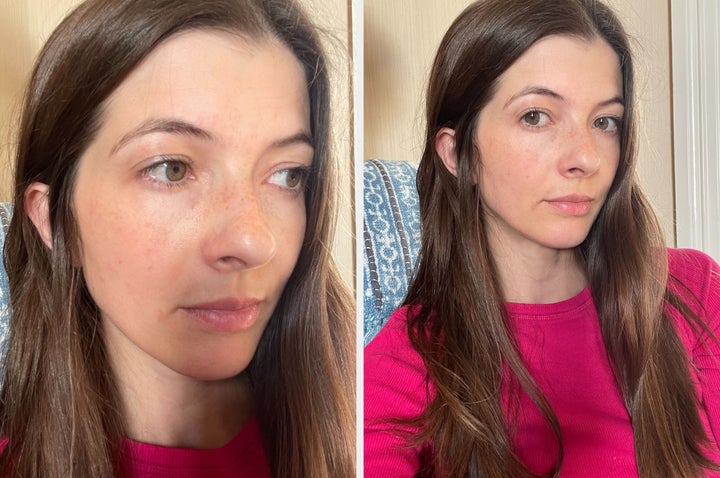
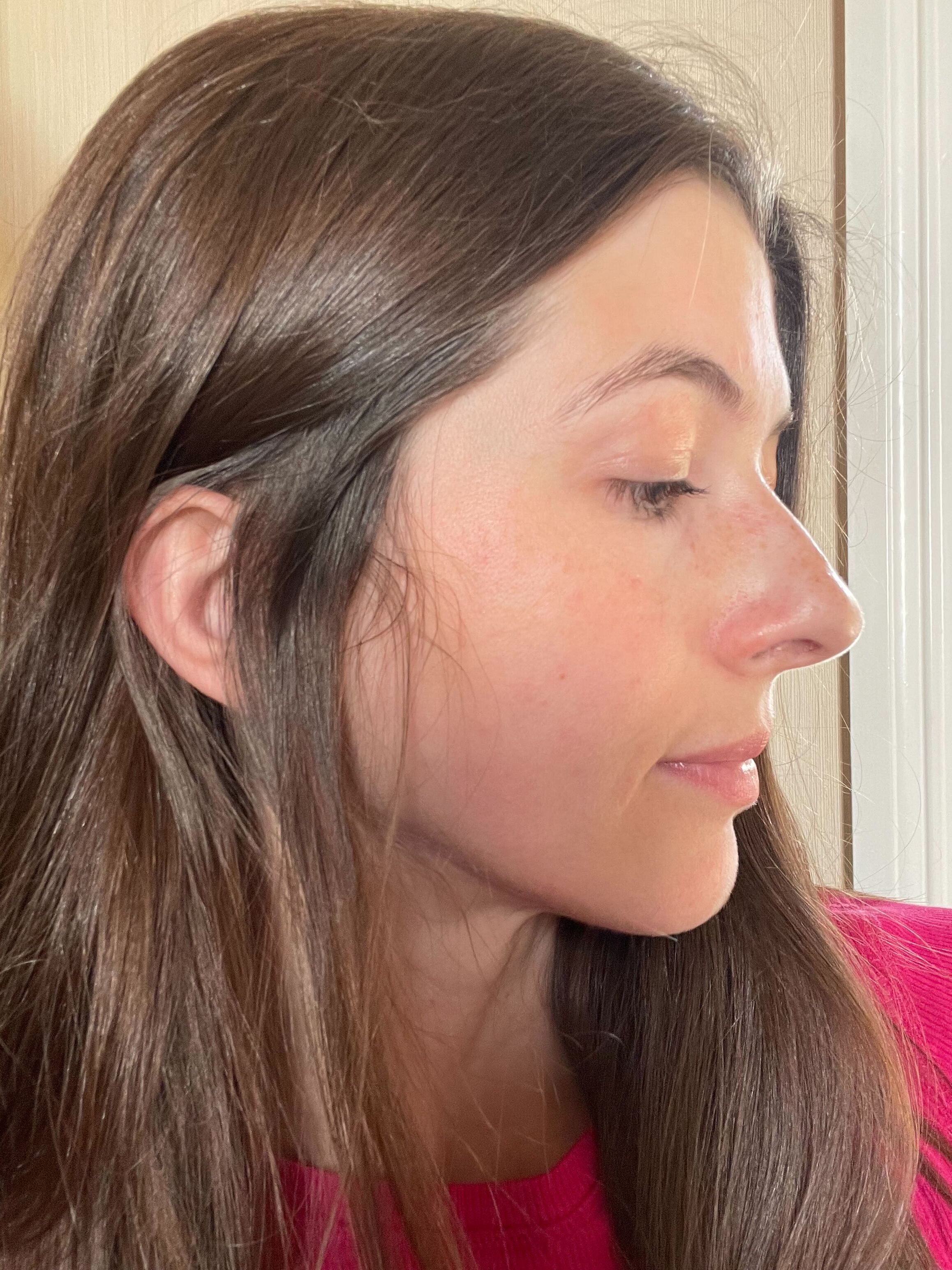
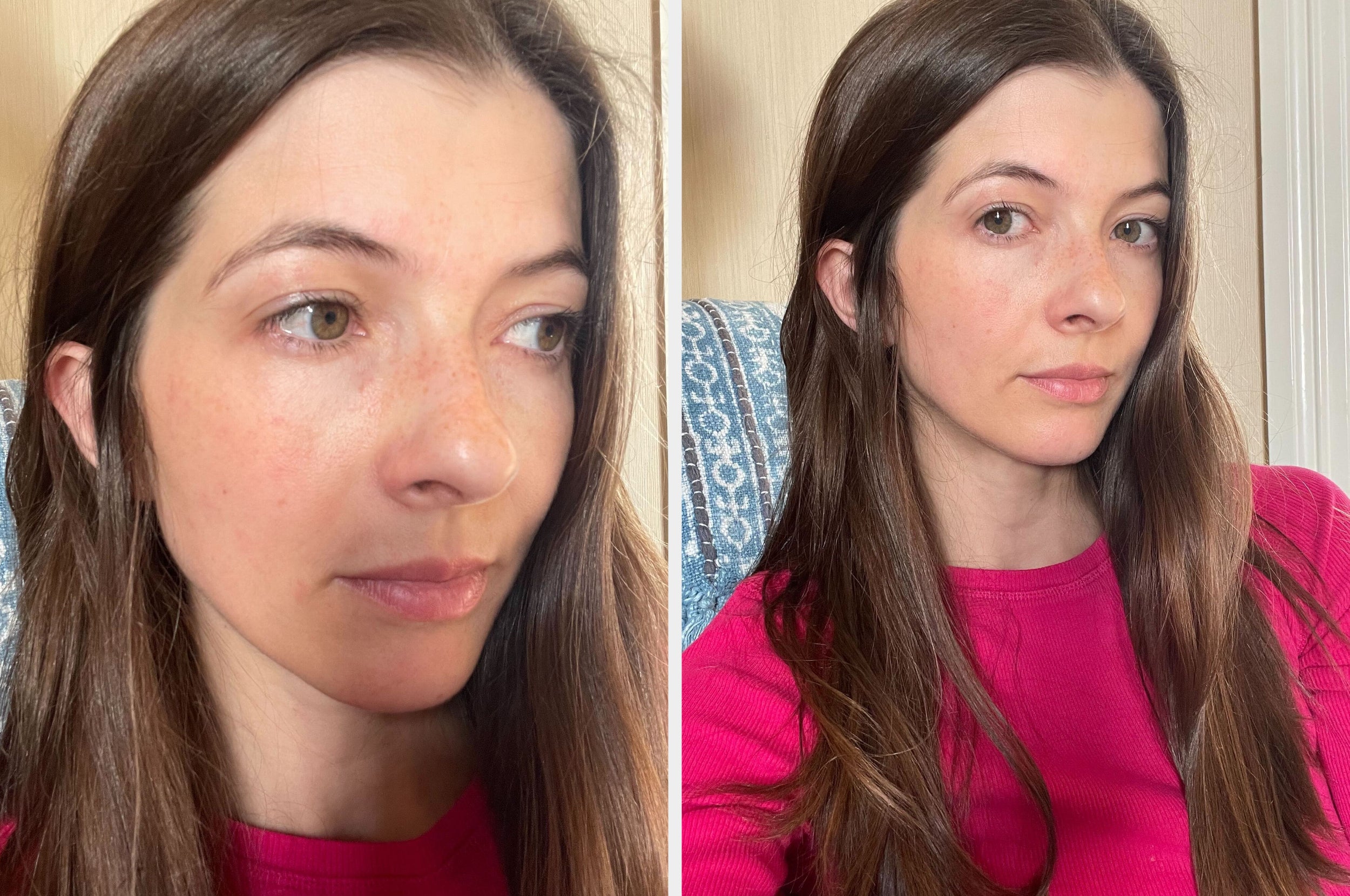
The primer adds a bit of a glow that no other skincare product seems to offer me and my typically dull skin. It’s not greasy, or streaky. Makeup goes on a treat, too.
There is not a day that goes by when I don’t use it – even those days when I’m sat at home, makeup free, I make sure that I slather this on my face after showering.
Advertisement
It’s pretty watery – so be careful when you squeeze the bottle – but it glides onto the skin wonderfully, leaving your face feeling hydrated and glowy.
There are 3,102 reviews (and counting) on Beauty Pie’s site. Here’s a snippet of what people are saying about the Featherlight SPF:
“Lovely product, non greasy and perfect under make up. Thoroughly recommend this product.”
“This was first given to me as a gift a few years ago and I have used it ever since. I golf and have had no sun damage since using this lovely, light cream.”
Advertisement
“This is my second purchase of this item. I love that it properly hydrates my skin and most importantly, it doesn’t leave white streaky marks!”
“Spent ages looking for a SPF that I’m not allergic to and isn’t greasy, this one is perfect.”
If there was only one product I was allowed to take on a desert island, this would be it – not even the Collection eyeliner I’ve been buying and wearing on repeat since the early 2000s could rival it.
And at £15 for a bottle that lasts roughly six months (maybe longer, depending on how liberally you apply it), I’m wondering why you’re still reading this article and not buying a basket full for yourself…