Upset stomach: Crohn’s disease or something else?

An upset stomach can cause symptoms similar to those of Crohn’s disease, which is a form of inflammatory bowel disease (IBD). Although persistent gastrointestinal symptoms may indicate an IBD, such as Crohn’s disease, there are numerous other possible causes to consider.

The symptoms of an upset stomach often occur after eating a big meal or drinking too many caffeinated or carbonated beverages.

In this article, we discuss the different causes of an upset stomach, how to treat them, and how to distinguish Crohn’s disease from other possible causes.
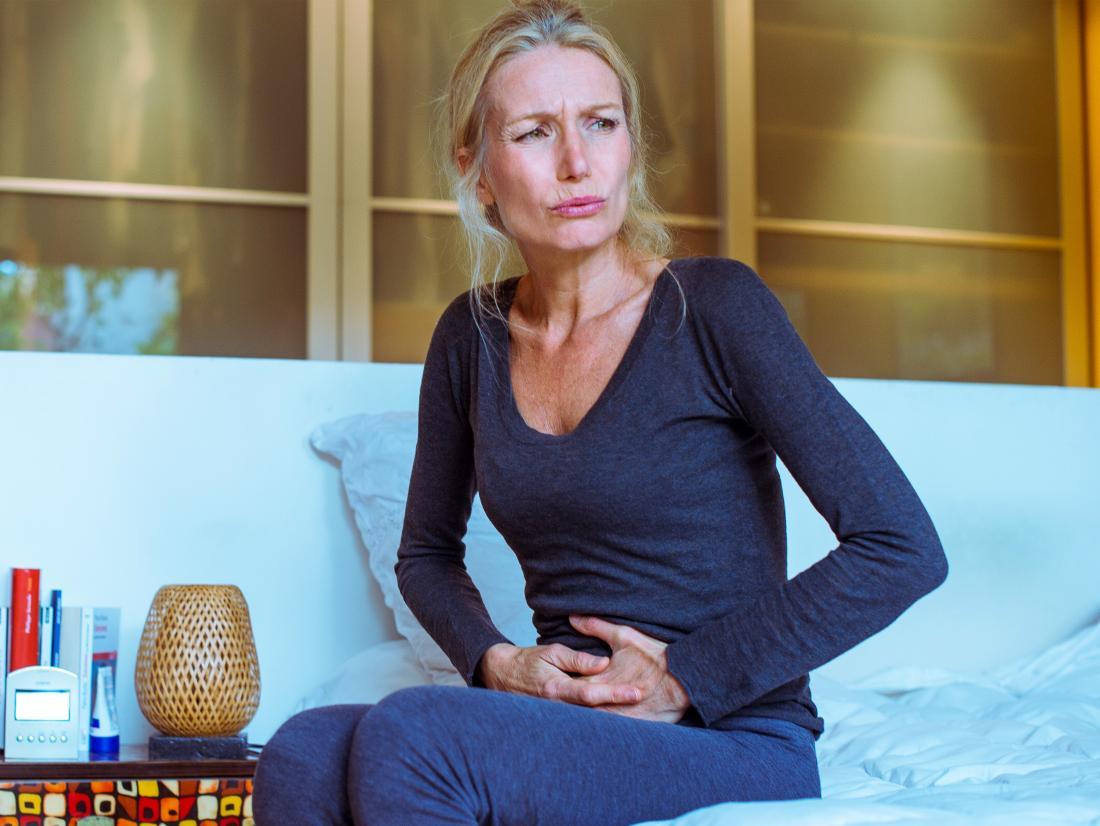
I woman sat on her bed feeling ill with either a Sour stomach or crohn'sShare on Pinterest
A person with an upset stomach may experience discomfort in the upper abdomen.

An upset stomach refers to a group of symptoms that affect the gastrointestinal (GI) system.

The symptoms of an upset stomach include:

  • discomfort, pain, or a burning sensation in the upper abdomen
  • feeling uncomfortably full during or shortly after a meal
  • growling or gurgling sounds coming from the stomach
  • excess gas that causes bloating or burping
  • nausea

People may have an upset stomach for numerous reasons. Although diseases and infections in the GI tract can cause uncomfortable digestive symptoms, most upset stomachs occur as a result of poor eating habits that lead to indigestion.

Indigestion

The term indigestion broadly refers to the symptoms of an upset stomach, such as bloating and discomfort, after eating a meal.

The symptoms of indigestion occur when the lining of the stomach becomes irritated or inflamed, which can happen if people overeat or eat too quickly.

Consuming too many of the following foods or beverages can also irritate the stomach lining and lead to indigestion:

  • high fat or greasy foods
  • spicy foods
  • alcohol
  • caffeine
  • carbonated beverages

Stress or anxiety

Stress or anxiety can also cause GI symptoms. The GI tract has a nervous system of its own called the enteric nervous system.

The enteric nervous system contains about 200–600 million neurons in the walls of the GI tract. These neurons help control digestive function.

The nerves in the GI tract respond to stress hormones in the same way as nerves in the brain and other parts of the body.

When the brain perceives danger, it signals to the adrenal glands to release stress hormones, such as epinephrine, norepinephrine, and cortisol.

These hormones have several physical effects on the body, including:

  • slowing down digestive organs and restricting their blood supply
  • increasing blood flow to the muscles, brain, heart, and lungs
  • increasing heart rate, breathing rate, and blood pressure
  • dilating the pupils to improve vision
  • suppressing the immune system
  • increasing metabolism

People who regularly have high levels of stress may experience the physical effects of stress hormones. According to the American Psychological Association, stress increases a person’s sensitivity to stomach pain, bloating, and nausea. Severe stress can even induce vomiting in some people.

Anxiety is a response to stress, and it refers to a sense of excessive worry, fear, or unease. People who have anxiety can experience a wide range of psychological and physical symptoms, including GI symptoms. These symptoms include:

  • nausea
  • vomiting
  • stomach cramps
  • contractions or spasms in the intestinal tract
  • diarrhea or constipation

Read more about the causes and treatment of a nervous stomach here.

Medications

Certain medications can also irritate the lining of the stomach. These include:

Medical conditions

IBD, the types of which include ulcerative colitis and Crohn’s disease, can cause unpleasant GI symptoms.

However, people can also develop these symptoms as a result of gastroenteritis, which is inflammation of the intestines due to a viral, bacterial, or parasitic infection.

Other medical conditions that can cause indigestion include:

Crohn’s disease is a chronic inflammatory condition that damages parts of the GI tract. Crohn’s disease can sometimes affect the stomach, but it usually occurs in the part of the small intestine closest to the large intestine.

People who have Crohn’s disease may experience an upset stomach and indigestion, along with other GI symptoms, such as:

  • diarrhea
  • constipation
  • cramps or pain in the abdomen
  • fatigue
  • loss of appetite
  • unintentional weight loss
  • joint pain
  • anemia

Crohn’s disease causes nonspecific symptoms for which many other medical conditions could be responsible. As a result, it can sometimes be difficult to distinguish between Crohn’s disease and other causes of an upset stomach.

People who frequently experience indigestion should rule out other causes before concluding that they have Crohn’s. If people cannot determine a cause, they should speak with a doctor.

A doctor can diagnose the cause of an upset stomach by asking about a person’s symptoms, as well as their medical and family histories. They may also perform a physical examination to evaluate a person’s overall health and look for signs of GI problems.

During a physical examination, a doctor will measure a person’s heart rate, blood pressure, and body weight. They may also press on the person’s stomach to check for signs of bloating, pain, or abnormal masses under the skin.

If a doctor thinks that a person may have a GI disease, such as Crohn’s disease, they will be likely to order laboratory tests to identify the person’s underlying condition.

Laboratory tests that a doctor can use to help diagnose Crohn’s disease include:

An upset stomach often clears up without much medical intervention, and it does not usually require a trip to the doctor’s office.

People who frequently experience an upset stomach may find it helpful to track their food and beverage intake and their symptoms.

Keeping a record of these may allow a person to identify specific foods and drinks that upset their stomach so they can avoid them in the future.

Other ways to ease an upset stomach include:

  • drinking clear liquids, such as water, decaffeinated tea, and broth
  • eating bland foods that will not upset the stomach, such as white rice, applesauce, and boiled potatoes
  • avoiding food that may upset the GI tract, such as spicy foods, high fiber foods, and caffeine

People can take over-the-counter (OTC) antacid medications, such as bismuth subsalicylate (Pepto-Bismol), to reduce diarrhea, nausea, and other GI symptoms.

Read about 21 home remedies for an upset stomach here.

In general, people do not need to worry if they occasionally experience symptoms of an upset stomach.

However, chronic, severe, or persistent indigestion, stomach pain, or diarrhea may be due to an underlying medical condition that might require medical treatment.

An upset stomach that occurs alongside one or more of the following symptoms may indicate a more serious problem:

  • persistent fever
  • changes in bowel or urinary habits
  • diarrhea or vomiting that lasts more than a day
  • lightheadedness
  • a rapid heartbeat

The National Institute of Diabetes and Digestive and Kidney Diseases recommend that people speak with a doctor or another healthcare professional if they experience symptoms of indigestion that last longer than 2 weeks.

People should seek medical attention immediately if they have indigestion and any of the following symptoms:

  • bloody vomit or stools
  • frequent vomiting or diarrhea
  • black, tar-like stools
  • unintentional weight loss
  • pain in the chest, jaw, neck, or arms
  • severe pain in the abdomen
  • shortness of breath
  • difficulty or painful swallowing
  • excessive sweating
  • yellowing of the eyes or skin

An upset stomach can have many causes. It does not usually warrant a trip to the emergency room, and in most cases, it does not indicate that a person has Crohn’s disease.

Typically, an upset stomach occurs as a result of poor eating habits or other minor medical conditions. Therefore, it is best to rule out other possible causes of an upset stomach before considering Crohn’s disease as the culprit.

The symptoms of an upset stomach often improve with rest and OTC antacids, such as Pepto-Bismol.

People who have symptoms of an upset stomach that last longer than 1–2 days may want to speak with a doctor. Infections and GI diseases can cause indigestion.

Crohn’s disease causes nonspecific GI symptoms, which makes it difficult to diagnose. Doctors may need to run multiple laboratory and imaging tests to rule out other possible conditions before they diagnose Crohn’s disease.


Share Button

What to know about anal yeast infection

If you buy something through a link on this page, we may earn a small commission. How this works.

A yeast infection develops when Candida fungi, which is a type of yeast, grow uncontrollably on the surface of the skin or in mucous membranes inside the body. People can develop yeast infections anywhere inside or outside of their body, including the mouth, throat, vagina, penis, or anus.

An anal yeast infection often causes intense and persistent anal itching, also called pruritus ani.

People can treat anal yeast infections with over-the-counter (OTC) antifungals or prescription medication.

Keep reading to learn more about the symptoms, causes, treatments, and risk factors associated with anal yeast infections.

a woman with her hand in her back pocket because her bum is itchy from a anal yeast infection. Share on Pinterest
A person with an anal yeast infection may experience intense and persistent itching.

An anal yeast infection occurs when an overgrowth of Candida fungi develops in the anus.

People who have an anal yeast infection may experience the following symptoms:

  • intense and persistent itching
  • burning sensation
  • occasional discharge from the anus
  • skin changes, such as red or irritated skin
  • soreness, bleeding, or pain from scratching

An anal yeast infection can spread to the penis or vagina.

The Candida bacteria responsible for yeast infections live on the surface of the skin, inside the gastrointestinal tract, and in the vagina.

Normal concentrations of Candida do not cause symptoms.

However, an overgrowth of Candida can lead to yeast infections on the skin or inside the mucous membranes of the:

  • mouth
  • throat
  • vagina
  • head of the penis
  • anus

Candida thrive in warm, moist environments. Wearing tight or restrictive clothing can create conditions that encourage the growth of Candida fungi.

Excess Candida in the intestines can travel to the anal canal, which may result in an anal yeast infection.

Although yeast infections can affect the genitals, doctors do not consider them to be sexually transmitted diseases. However, people can develop or transmit an anal yeast infection if they have anal sex with a partner who has an anal yeast infection without using a condom or another barrier contraceptive.

The National Organization for Rare Disorders (NORD) states that yeast infections are rarely severe in healthy people.

Treatment for yeast infections varies depending on the severity of the infection.

A doctor may recommend OTC medication for mild to moderate yeast infections. These can include:

  • clotrimazole (Canesten, Lotrimin)
  • miconazole (Monistat)
  • boric acid suppositories
  • butoconazole (Mycelex, Butoconazole Nitrate)

Although many OTC yeast infection medications specifically target vaginal infections, people can safely use them to treat anal yeast infections as well.

A doctor may prescribe stronger treatments for people who have severe or chronic yeast infections that do not respond to regular medications.

Prescription medication for anal yeast infections include:

  • nystatin (Mycostatin, Nystop)
  • diflucan (Fluconazole)
  • terconazole (Terazol)

Although rare, a yeast infection can progress into a systemic infection that spreads to the membranes surrounding organs, such as the heart or the brain. Doctors can treat systemic candidiasis with oral or intravenous (IV) antifungal medications.

People can also manage their symptoms with the following natural remedies.

Probiotics

According to one 2019 laboratory study, researchers found that a combination probiotic containing Saccharomyces boulardii, Lactobacillus acidophilus, and others effectively inhibited the growth of Candida tropicalis and Candida albicans, which is the most common cause of yeast infections.

Despite impressive results from test tube studies, few high quality clinical trials assessing the effectiveness of probiotics for treating yeast infections exist.

Another study of ten randomized control trials found evidence that suggests probiotics may increase the effectiveness of traditional antifungal treatments. The authors of the review also cited evidence that probiotic supplementation may decrease the frequency of recurring infections.

There are a selection of probiotics available for purchase online.

Coconut oil

Coconut oil possesses powerful antimicrobial properties that may help combat Candida overgrowth.

Current research findings suggest the medium-chain fatty acids, specifically lauric acid, are responsible for the antimicrobial effects of coconut oil. Medium-chain fatty acids can kill bacteria and fungi by disrupting their cellular membranes.

In one 2016 laboratory study, researchers observed coconut oil prevented the growth of Candida ablicans more effectively than some probiotics. However, coconut oil showed weaker antifungal effects when compared with popular OTC treatments, such as ketoconazole and chlorhexidine. However, more research is necessary to confirm these findings.

The authors of another 2016 study found that rats who ate diets high in coconut oil had reduced quantities of intestinal Candida ablicans when compared to rats fed beef fat and soybean oil.

There are a selection of coconut oils available for purchase online.

Other home remedies

People can treat mild yeast infections at home with OTC antifungal medications. People can also use corticosteroid ointments, such as cortisone, to reduce inflammation and itching.

Keeping the genital area clean and dry may help speed up the healing process and help prevent reinfection.

Read more about home remedies for yeast infection.

People can reduce their risk of developing anal yeast infections by:

  • practicing proper bathroom hygiene
  • avoiding the use of scented hygiene products on the genital and anal areas
  • washing after swimming and exercising
  • using condoms and dental dams during sexual intercourse
  • wearing breathable underwear and loose fitting clothing
  • maintaining a healthy body weight
  • eating a balanced diet low in refined sugar and carbohydrates

People may have a higher risk for Candida overgrowth and yeast infections if they:

People may want to contact a healthcare provider if they have symptoms of an anal yeast infection that last for several weeks.

People who do receive treatment recommendations from a healthcare provide, but do not experience noticeable improvements within 1–2 weeks should contact their doctor.

People should also contact a doctor if they experience:

  • bleeding or unusual discharge from the anus
  • fever
  • chills
  • low blood pressure
  • fast heart rate
  • rapid or shallow breathing

Anal yeast infections can cause uncomfortable itching but rarely indicate a medical emergency. Doctors can prescribe antifungals that will prevent the fungus from growing.

Although yeast infections are not contagious, people can transmit a yeast infection to their sexual partners.

People develop yeast infections when they have an overgrowth of yeast fungi on the surface of their skin or inside their bodies.

People who have a weakened immune system, diabetes, or obesity may have an increased risk of developing a yeast infection.

We picked linked items based on the quality of products, and list the pros and cons of each to help you determine which will work best for you. We partner with some of the companies that sell these products, which means Healthline UK and our partners may receive a portion of revenues if you make a purchase using a link(s) above.

Share Button

Ex-MPs Chris Williamson, Stephen Hepburn And Roger Godsiff Axed As Labour Candidates For General Election

HuffPost is part of Verizon Media. Verizon Media and our partners need your consent to access your device and use your data (including location) to understand your interests, and provide and measure personalised ads. Verizon Media will also provide you with personalised ads on partner products. Learn more.

Select ‘OK’ to continue and allow Verizon Media and our partners to use your data, or select ‘Manage options’ to view your choices.

Share Button

Brexit Is ‘Biggest Foreign Policy Mistake’ In Post-War Era, Says John Bercow

HuffPost is part of Verizon Media. Verizon Media and our partners need your consent to access your device and use your data (including location) to understand your interests, and provide and measure personalised ads. Verizon Media will also provide you with personalised ads on partner products. Learn more.

Select ‘OK’ to continue and allow Verizon Media and our partners to use your data, or select ‘Manage options’ to view your choices.

Share Button

Milton Keynes House Party Double Murder: Police Seek Teens For Information

HuffPost is part of Verizon Media. Verizon Media and our partners need your consent to access your device and use your data (including location) to understand your interests, and provide and measure personalised ads. Verizon Media will also provide you with personalised ads on partner products. Learn more.

Select ‘OK’ to continue and allow Verizon Media and our partners to use your data, or select ‘Manage options’ to view your choices.

Share Button

Can meditation, hypnosis, and CBT help address the opioid crisis?

A first-of-its-kind review and meta-analysis of specialized literature suggests that mind-body therapies, such as meditation and cognitive behavioral therapy, can help ease physical pain and prevent the development of opioid use disorder.
group of people meditating
Meditation and other mind-body therapies could help relieve pain and reduce opioid use, according to a new review.

Opioids are a class of drugs that doctors sometimes prescribe for the treatment of acute chronic pain.

While effective, opioids can also be highly addictive. This has led to what many specialists refer to as the “opioid crisis,” as many people end up misusing or overusing opioid prescription drugs.

In previous years, opioid use disorder — in which people compulsively overuse opioids — has led to approximately 118,000 annual deaths worldwide and about 47,600 deaths in the United States alone.

Increasingly, specialists are turning toward soothing, nonpharmacological methods of pain management to try to address the opioid crisis. These include mind-body therapies (MBTs), such as meditation, hypnosis, relaxation techniques, and cognitive behavioral therapy (CBT).

“To help combat the opioid crisis, guidelines encourage practitioners to consider nonopioid pain management options, including [MBTs],” write Prof. Eric Garland — from the University of Utah in Salt Lake City — and colleagues in their new systematic review and meta-analysis, which features in JAMA Internal Medicine.

Prof. Garland and team sought to find out whether and to what extent MBTs can help relieve chronic pain and prevent individuals who use or have used opioids from developing opioid-related health problems, including opioid use disorder.

‘Significant’ link with lower opioid use

The researchers analyzed the data from 60 reports, which included a total of 6,404 participants. These reports featured a range of MBTs, including meditation, hypnosis, relaxation, guided imagery, therapeutic suggestion, and CBT.

“Overall meta-analytic results revealed that MBTs had a statistically significant, moderate association with reduced pain intensity and a statistically significant, small association with reduced opioid dosing,” the authors report.

Different MBTs, however, showed various levels of effectiveness when it came to relieving pain and reducing individuals’ need for opioids.

More specifically, of the five studies looking at the effects of meditation, all five suggested that this intervention was associated with “significant improvements in pain severity,” while four found that it also had a link with “significant improvements in opioid misuse, opioid craving, time to opioid cessation, and/or opioid use.”

When it came to hypnosis, 15 out of 23 studies suggested that this intervention could significantly alleviate pain, and 12 out of 23 said that it significantly reduced opioid use and cravings for these substances.

Other interventions that were helpful in these regards were relaxation and CBT. Of the 16 studies looking at the effectiveness of relaxation, 12 found that it helped lower pain intensity. However, only three of the relaxation studies reported a link between this intervention and lower opioid use.

In addition, two studies reported possible side effects of using relaxation. Some individuals, these studies found, reported “significantly worsened opioid dosing outcomes” following relaxation interventions.

Three of the seven studies investigating CBT found that this form of therapy led to “statistically significant improvements in pain intensity,” and four of the studies reported that CBT helped reduce opioid use or misuse.

Guided imagery and therapeutic suggestion did not appear to be significantly associated with improvements in pain or opioid use.

Doctors should take MBTs into consideration

The review authors admit that the data that they worked with were not ideal. For one, they explain, they would have welcomed having access to a higher number of studies that had collected more specific information on opioid dosing, drug type, dose frequency, and duration of use.

For another, they emphasize that the studies that they analyzed relied on self-reported data, which can be unreliable. Yet the researchers still argue that their findings are encouraging — most MBTs, they say, appear to have no side effects, and people could really find them helpful. They conclude:

“Practitioners should consider presenting MBTs as nonpharmacologic adjuncts to opioid analgesic therapy. […] Behavioral healthcare professionals working alongside physicians could feasibly integrate MBTs into standard medical practice through coordinated care management.”

“Insofar as MBTs are associated with pain relief and opioid use reduction among patients prescribed opioids for a range of pain conditions,” they add, “MBTs may help alleviate the opioid crisis.”

Share Button

Philip Hammond To Quit Parliament At General Election

HuffPost is part of Verizon Media. Verizon Media and our partners need your consent to access your device and use your data (including location) to understand your interests, and provide and measure personalised ads. Verizon Media will also provide you with personalised ads on partner products. Learn more.

Select ‘OK’ to continue and allow Verizon Media and our partners to use your data, or select ‘Manage options’ to view your choices.

Share Button

Stormzy Calls For ‘Piece Of S***’ Jacob Rees-Mogg To Resign Over Grenfell Comments

HuffPost is part of Verizon Media. Verizon Media and our partners need your consent to access your device and use your data (including location) to understand your interests, and provide and measure personalised ads. Verizon Media will also provide you with personalised ads on partner products. Learn more.

Select ‘OK’ to continue and allow Verizon Media and our partners to use your data, or select ‘Manage options’ to view your choices.

Share Button

Gino D’Acampo Debuted A New Look On This Morning And People Have… Thoughts

HuffPost is part of Verizon Media. Verizon Media and our partners need your consent to access your device and use your data (including location) to understand your interests, and provide and measure personalised ads. Verizon Media will also provide you with personalised ads on partner products. Learn more.

Select ‘OK’ to continue and allow Verizon Media and our partners to use your data, or select ‘Manage options’ to view your choices.

Share Button

Tea tree oil for nail fungus: Does it work?

You have chosen to share the following article:

How elderberries can help you fight the flu

To proceed, simply complete the form below, and a link to the article will be sent by email on your behalf.
Note: Please don’t include any URLs in your comments, as they will be removed upon submission.

We do not store details you enter into this form. Please see our privacy policy for more information.

Message sent successfully

The details of this article have been emailed on your behalf.

Click here to return to the Medical News Today home page.

Share Button