Health benefits of olive leaf extract

Olive leaf extract may have several potential health benefits, such as helping lower cholesterol and blood pressure. Although scientists have conducted much of the research in animals, the extract is also beginning to show promise in some human trials.

People in the Mediterranean region have long used olive tree leaves as part of their diet and in traditional medicines.

Olive leaves contain several key polyphenols, such as oleacein and oleuropein. Polyphenols occur naturally in plants, and research suggests that they may help protect against a range of conditions, such as heart disease and cancer.

These polyphenols may underlie some of the potential health benefits of olive leaf extract.

In this article, we discuss some of these health benefits, as well as the evidence to support them. We also cover dosage and possible side effects.

Weight gain

Olive leaf extract supplements on wooden table next to dried olive branch and pestle and mortar.
Olive leaf extract is available as a supplement.

Olive tree leaves contain oleuropein, which is a polyphenol that may help prevent weight gain.

In a 2016 study, researchers orally administered oleuropein to rats with obesity that were

consuming a high-cholesterol diet. After 8 weeks, the rats had a lower body weight, less fat tissue, and an improved metabolic profile.

Another study from 2014 found that oleuropein supplementation reduced body weight and weight gain in mice that were consuming a high-fat diet.

These findings suggest that olive leaf extract containing oleuropein may have the potential to reduce weight gain and lower the risk of obesity.

However, further studies are necessary to confirm this possible health benefit in humans.

Cholesterol

Preliminary studies suggest that olive leaf extract may help improve cholesterol levels.

In a 2015 study, rats ate either a high-cholesterol or a normal diet. The researchers also gave olive leaf extract to some of the rats in both groups.

After 8 weeks, the cholesterol-fed rats had higher levels of total cholesterol and low-density lipoprotein (LDL), or “bad,” cholesterol. In the rats that also consumed the olive leaf extract, these cholesterol levels were significantly lower.

These findings may also apply to humans. A 2008 study compared the effects of food supplementation with olive leaf extract with lifestyle advice in 40 identical twins with high blood pressure.

After 8 weeks, the team found that olive leaf extract significantly lowered LDL cholesterol levels within the twin pairs in a dose-dependent manner. This means that larger doses had a greater effect.

Blood pressure

Studies suggest that olive leaf extract can help lower high blood pressure.
Studies suggest that olive leaf extract may help lower high blood pressure.

Olive leaf extract may help treat hypertension, or high blood pressure.

In a 2011 study, researchers randomized people with stage 1 hypertension to take either 500 milligrams (mg) of olive leaf extract or 12.5–25 mg of captopril, a medication for high blood pressure, twice per day.

After 8 weeks, blood pressure was significantly lower for both groups. The team concluded that the olive leaf extract was as effective at lowering blood pressure in people with stage 1 hypertension as captopril.

In another study from 2017, researchers randomized people with stage 1 hypertension to take either an olive leaf extract containing 136 mg of oleuropein or a placebo each day.

After 6 weeks, the people who took the olive leaf extract had much lower blood pressure than those who took the placebo.

Type 2 diabetes

Olive leaf extract may also help reduce a person’s risk of developing type 2 diabetes.

In a 2013 study, researchers randomized 46 middle-aged men who were overweight to take either olive leaf extract or a placebo.

After 12 weeks, people in the olive leaf extract group had significant improvements in insulin sensitivity and pancreatic responsiveness compared with those who took a placebo.

Doctors consider reduced insulin sensitivity and pancreatic responsiveness to be important factors in the development of type 2 diabetes.

Dosage

There are no official guidelines on how much olive leaf extract a person should take. In the human studies discussed above, participants usually took 500–1,000 mg per day of a standard olive leaf extract. Some of these were in divided doses.

Olive leaf extract is available in the form of capsules, tablets, and a tea. When using these products, it is generally best to follow the manufacturer’s directions on safe dosages.

A person should to speak to a doctor before taking olive leaf extract to treat a specific condition.

Side effects

A person can speak to their doctor about taking olive leaf extract.

Because the Food and Drug Administration (FDA) consider olive leaf extract to be a dietary supplement rather than a medicine, they do not monitor dose or quality of herbs and supplements.

There is also only limited scientific data on the possible side effects or long-term safety.

One study suggests that possible side effects may include muscle discomfort and headache. People who experience severe or concerning side effects should stop taking the extract and speak to their doctor.

It is also not clear whether olive leaf extract can interact with other medications. People who are taking prescription medications should speak to a doctor before taking olive leaf extract.

Summary

Preliminary studies suggest that olive leaf extract may have several health benefits. These include lowering blood pressure, improving cholesterol levels, and reducing the risk of weight gain and type 2 diabetes.

However, it is necessary for scientists to conduct more large-scale studies in humans to confirm these findings and to determine the long-term safety of taking olive leaf extract.

A range of products containing olive leaf extract are available to purchase online.

Share Button

Is it safe to use coconut oil for vaginal dryness?

Coconut oil is a popular natural option for relieving vaginal dryness. Some studies suggest that coconut oil is safe to use on the skin, and it is an effective moisturizer.

Many people use vaginal moisturizers or lubricants to help ease vaginal discomfort and to make intercourse more comfortable. A 2014 study involving 1,021 women found that 66 percent of participants reported having used a personal lubricant.

Although there are several vaginal lubricants available in the personal health aisle, some people prefer a more natural approach.

In this article, we explore whether coconut oil works as a vaginal lubricant, how to use it safely, and risks and considerations.

We also cover other benefits of using coconut oil on the skin, and some alternative options for vaginal dryness.

Does it work?

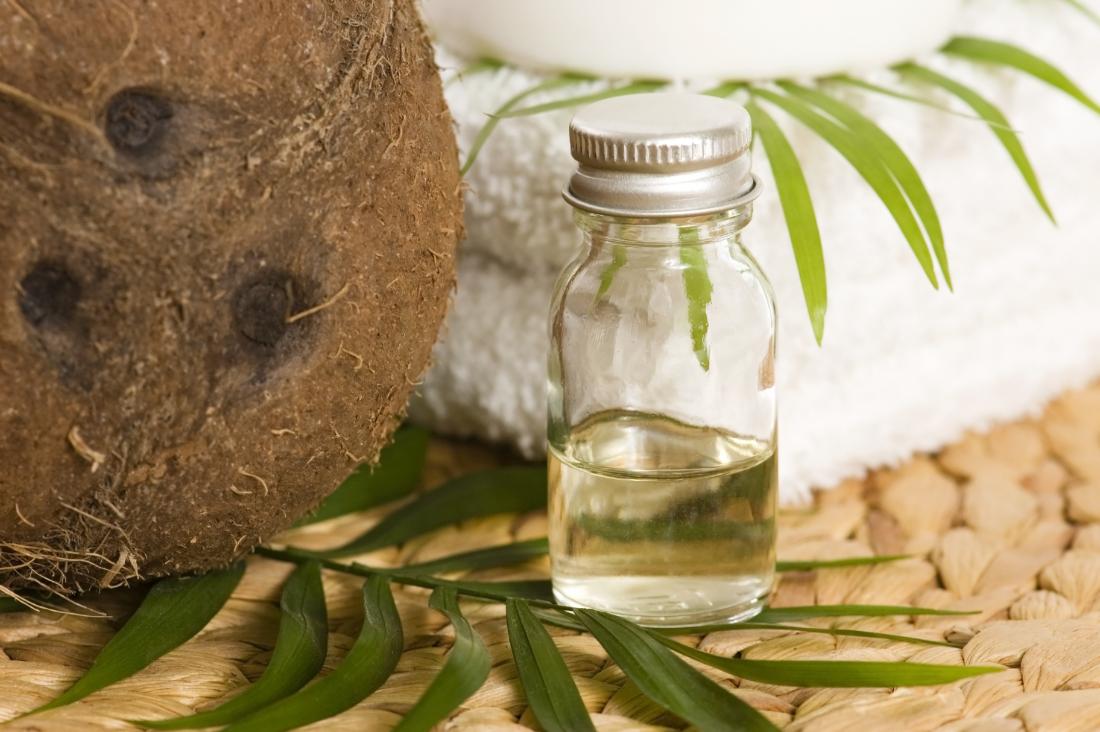
Coconut oil in small glass jar next to towels and leaves.
Coconut oil is popular as a natural skin moisturizer.

Coconut oil is popular home remedy for a number of health conditions. Many people also use it to moisturize their hair and skin. The oil is also gaining popularity as a natural lubricant for vaginal dryness.

However, evidence for the effectiveness of coconut oil as a vaginal lubricant is so far largely anecdotal.

Some studies suggest that coconut oil is safe to use on the skin and can help relieve dryness. For example, a 2013 study investigated the topical use of coconut oil for treating mild to moderate atopic dermatitis in children.

The team concluded that coconut oil was more effective than mineral oil at treating symptoms of atopic dermatitis, such as skin dryness. None of the children in the study experienced adverse reactions to the coconut oil.

The researchers also found that coconut oil:

  • coated the skin to reduce water loss
  • helped strengthen the skin barrier
  • had emollient properties, meaning that it may help soothe and hydrate the skin

How to use safely

Scientists have conducted no research into the safety or effectiveness of coconut oil as a personal lubricant. However, several studies suggest that coconut oil is generally safe to use on the skin.

Anyone with an allergy or sensitivity to coconut or coconut oil should avoid using such products on the skin or as a personal lubricant.

Before using coconut oil, it can be helpful to perform a patch test. To do this, rub a small amount of the coconut oil on the inner skin of the forearm and wait for 24 hours to see whether there is a reaction.

Stop using coconut oil on the skin or as personal lubricant if it causes:

  • itching
  • flushing
  • swelling
  • irritation or discomfort

To use coconut oil as a personal lubricant, apply it around the opening of the vagina and on the vulva. Also apply the oil to any objects that will enter the vagina, such as the penis, fingers, or sex toys.

Risks and considerations

A person should speak to their doctor if they are experiencing vaginal dryness.
A person can speak to their doctor if they are experiencing vaginal dryness.

People using latex-based contraceptive devices, such as condoms and diaphragms, should avoid using coconut oil as a vaginal lubricant.

Coconut oil and other oil-based lubricants break down the latex in these devices, which makes them less effective and increases the risk of unplanned pregnancies and sexually transmitted infections.

Vaginal lubricants can also disrupt the natural pH balance inside the vagina, which may increase the risk of infections. People more to prone vaginal infections may wish to speak to their doctor before using coconut oil as a lubricant.

There may be other options that are safer for individuals who are highly sensitive to pH changes.

It is also worth noting that oil-based lubricants such as coconut oil can be messy to use and may stain clothing, underwear, and bedding.

Using a towel during sex can help protect sheets. People using coconut oil outside of sexual activity may wish to consider using a panty liner or a thin pad to help protect underwear.

Are there other benefits?

Pure coconut oil is a natural moisturizer and does not contain added chemicals that may cause skin irritation.

Some studies also suggest that coconut oil has antibacterial properties, which may help protect against infections.

For example, a 2013 study found that medium-chain fatty acids from virgin coconut oil can inhibit the growth of Clostridium difficile, which is a type of bacteria that can cause a serious form of diarrhea.

There are also some practical benefits to using coconut oil. It is a thicker oil, which means that it tends to stay on the skin longer, reducing the need for reapplication. This can make coconut oil a cost-effective option for personal lubrication.

Coconut oil is also widely available in both health and grocery stores.

What are some alternatives?

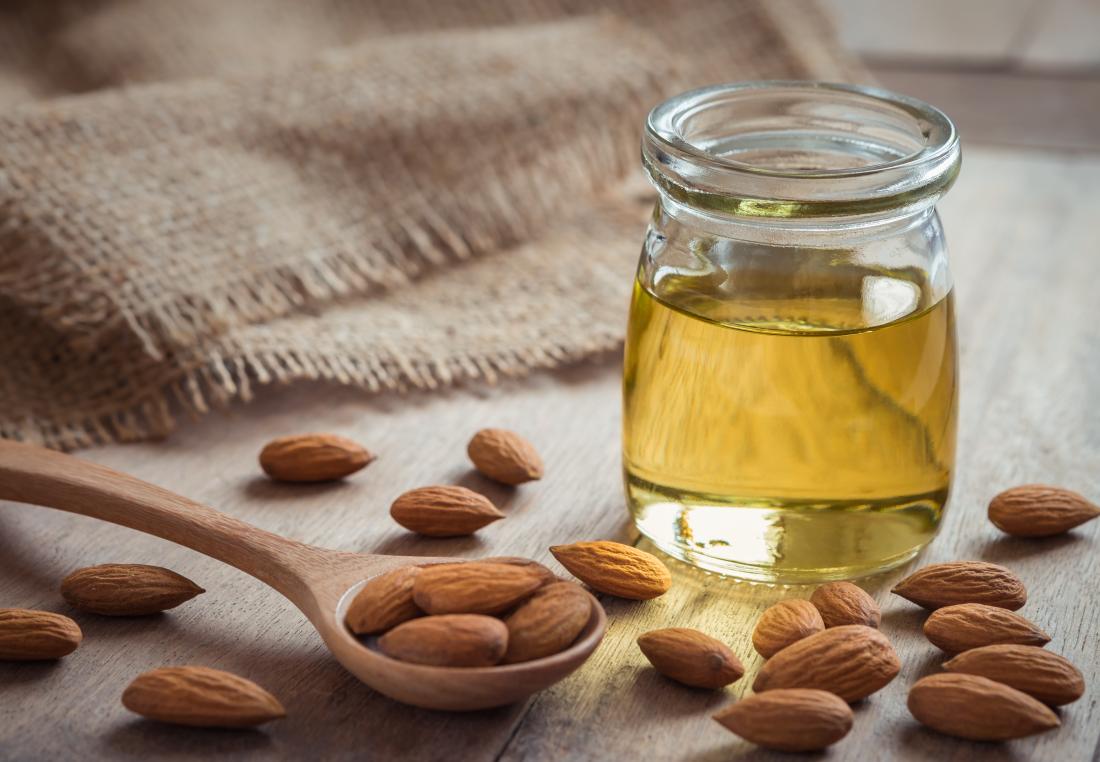
Almond oil in glass jar surrounded by whole almonds on wooden spoon.
Almond oil is an alternative to coconut oil.

Other natural lubrication options include almond, olive, peanut, and avocado oils.

There are also many different commercial personal lubricants that are widely available in pharmacies and online.

Commercial lubricants come in three main forms:

  • water-based
  • oil-based
  • silicone-based

Water- and silicone-based lubricants are best for people who use latex condoms or diaphragms.

Some products cause irritation when a person uses them on the delicate tissues of the vulva and vagina. These include:

  • petroleum-based products, such as Vaseline
  • products containing glycerin
  • baby oil
  • flavored products
  • products with warming, cooling, or tingling properties

Although spermicidal gel does provide lubrication, it can sometimes cause irritation, and it has an unpleasant, chemical-like taste and smell.

People going through or already through menopause may wish to speak with their doctor to see whether they are a candidate for vaginal estrogen. This can help correct the hormonal imbalances that lead to vaginal dryness.

Summary

Coconut oil is a popular natural option for relieving vaginal dryness. Although there is no specific research into using coconut oil as personal lubricant, studies suggest that coconut oil is generally safe to use on the skin.

Coconut oil can cause skin irritation in some people, so it is advisable to test the oil on a small patch of skin before using it as a personal lubricant.

Because oils can break down latex, people who use latex condoms or diaphragms may wish to consider not using coconut oil or any other oil-based products as a lubricant during sex.

A range of pure coconut oil products are available to purchase online.

Share Button

Theresa May’s Chief Spin Doctor Accused Of Wanting To ‘Destroy’ Brexit Compromise By Ex-Tory Minister Nick Boles

HuffPost is part of Oath. Oath and our partners need your consent to access your device and use your data (including location) to understand your interests, and provide and measure personalised ads. Oath will also provide you with personalised ads on partner products. Learn more.

Select ‘OK’ to continue and allow Oath and our partners to use your data, or select ‘Manage options’ to view your choices.

Share Button

Dani Dyer And Jack Fincham Split For Second Time

HuffPost is part of Oath. Oath and our partners need your consent to access your device and use your data (including location) to understand your interests, and provide and measure personalised ads. Oath will also provide you with personalised ads on partner products. Learn more.

Select ‘OK’ to continue and allow Oath and our partners to use your data, or select ‘Manage options’ to view your choices.

Share Button

Furious Tory MPs Denied Symbolic Vote On Theresa May’s Future

HuffPost is part of Oath. Oath and our partners need your consent to access your device and use your data (including location) to understand your interests, and provide and measure personalised ads. Oath will also provide you with personalised ads on partner products. Learn more.

Select ‘OK’ to continue and allow Oath and our partners to use your data, or select ‘Manage options’ to view your choices.

Share Button

‘Frankly Grotesque’: Tory Eurosceptic Fury As Theresa May Proposes Brexit Compromise With Corbyn

HuffPost is part of Oath. Oath and our partners need your consent to access your device and use your data (including location) to understand your interests, and provide and measure personalised ads. Oath will also provide you with personalised ads on partner products. Learn more.

Select ‘OK’ to continue and allow Oath and our partners to use your data, or select ‘Manage options’ to view your choices.

Share Button

A Tulip-Shaped Skyscraper Is Coming To London And It Looks… Interesting

HuffPost is part of Oath. Oath and our partners need your consent to access your device and use your data (including location) to understand your interests, and provide and measure personalised ads. Oath will also provide you with personalised ads on partner products. Learn more.

Select ‘OK’ to continue and allow Oath and our partners to use your data, or select ‘Manage options’ to view your choices.

Share Button

Ex-Tory MP Nick Boles Slams ‘Selfish’ Ministers As ‘Worst Cabinet In Recorded History’

HuffPost is part of Oath. Oath and our partners need your consent to access your device and use your data (including location) to understand your interests, and provide and measure personalised ads. Oath will also provide you with personalised ads on partner products. Learn more.

Select ‘OK’ to continue and allow Oath and our partners to use your data, or select ‘Manage options’ to view your choices.

Share Button

Benefits and uses of B-complex vitamins

Vitamin B refers to not one, but eight different vitamins. All B vitamins play a role in converting food into energy in the body. Each vitamin also has a unique role in a person’s health.

Vitamin B-complex supplements include all of the essential B vitamins in one pill. Some contain 100 percent of the recommended daily allowance (RDA) of every B vitamin. Others contain higher doses of some or all of these vitamins.

Many people get all the vitamin B they need from a varied, healthful diet, but others benefit from taking a vitamin B-complex supplement.

What is in the vitamin B complex?
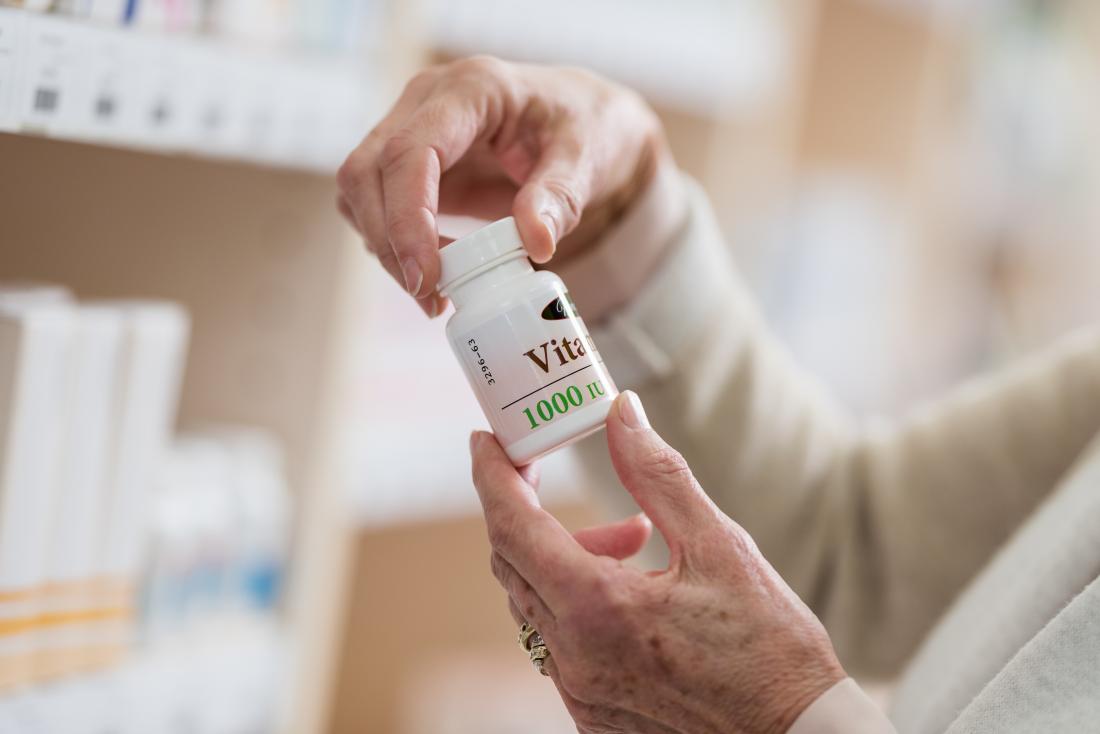
vitamin b complex supplement
Vitamin B-complex supplements should include all of the essential B vitamins.

If a product contains the vitamin B complex, it should have some of each of the following:

Vitamin B-1 – thiamin

Vitamin B-1 is vital to the healthy growth and function of organs, including the brain and heart.

Vitamin B-2 – riboflavin

The body needs vitamin B-2 to break down fats and drugs.

Vitamin B-3 – niacin

The body needs niacin to maintain healthy skin, nerves, and digestion. Doctors sometimes prescribe high doses of niacin to help improve cholesterol levels.

Vitamin B-5 – pantothenic acid

Vitamin B-5 is essential for the health of the brain and nervous system.

Vitamin B-6 – pyridoxine

Vitamin B-6 helps the body make new red blood cells, which carry oxygen throughout the body. It also helps keep the immune system strong.

Vitamin B-7 – biotin

Biotin is essential for healthy hair, nails, and nerve function.

Vitamin B-9 – folic acid

The body uses folic acid — or folate, its natural form — to make DNA and genetic material. During pregnancy, folic acid may reduce the risk of certain birth defects.

Vitamin B-12 – cobalamin

The body’s nerve and blood cells require vitamin B-12. Adequate levels of B-12 also prevent pernicious anemia, which is a deficiency of this nutrient.

Daily recommendations

Many B-complex supplements contain about 100 percent of the RDA of each of the eight B vitamins.

However, some contain very high levels of certain B vitamins. Before taking a high-dose supplement, talk with a clinician.

The following are RDAs for each of the B vitamins, in milligrams (mg) or micrograms (mcg), according to The National Institutes of Health Office of Dietary Supplements. Older adults may require higher dosages of some B vitamins.

Males Females During pregnancy During breastfeeding
Vitamin B-1 1.2 mg 1.1 mg 1.4 mg 1.4 mg
Vitamin B-2 1.3 mg 1.1 mg 1.4 mg 1.6 mg
Vitamin B-3 or dietary equivalents 16 mg 14 mg 18 mg 17 mg
Vitamin B-5 5 mg 5 mg 6 mg 7 mg
Vitamin B-6 1.3 mg 1.5 mg 1.9 mg 2.0 mg
Vitamin B-7 30 mcg 30 mcg 30 mcg 35 mcg
Vitamin B-9 or dietary equivalents 400 mcg 400 mcg 600 mcg 500 mcg
Vitamin B-12 2.4 mcg 2.4 mcg 2.6 mcg 2.8 mcg

Benefits and uses

Vitamin B-complex supplements may help with certain health problems. If a person has any of the conditions listed below, they may benefit from taking a supplement that contains B vitamins:

Migraine episodes

Some research suggests that certain B vitamins could help prevent migraine with aura, specifically:

  • vitamin B-6
  • vitamin B-9
  • vitamin B-12

The researchers also suggest that vitamin B-2 could help prevent migraine by influencing mitochondrial dysfunction, which occurs at the cellular level.

Authors of a review study from 2017 looked at the effects of vitamin B-2 on migraine. They report that this vitamin is well-tolerated and effective at reducing migraine frequency in adults, though they recommend further research.

Depression and anxiety

Authors of a study from 2018 state that vitamin B-12 levels play an important role in the development and presentation of depression and anxiety. They report that participants with depression or anxiety had lower levels of B-12 than their control counterparts.

A meta-analysis found that B vitamins could help with depression in certain cases. The researchers said that taking some B vitamins regularly for several weeks to years could reduce the risk of depression relapse.

A small-scale study in India also suggested that B-9 and B-12 deficiencies play a role in depression and anxiety.

Skin wounds

B vitamins may help the skin heal.

One study found that, when applied to the skin, these vitamins helped wounds heal more effectively. Another study found that B-12 improved wound healing in mice with diabetes.

Canker sores

Vitamin B-12 may be helpful in treating canker sores, also known as oral ulcers. A double-blind study found that a B-12 ointment relieved pain better than a placebo.

PMS

Some evidence suggests that taking a combined supplement of B-6 and calcium improves symptoms of premenstrual syndrome (PMS).

A systematic review and meta-analysis also found vitamin B-6 to be helpful in controlling physical and psychological PMS symptoms.

Who should take B-complex vitamins?

The following sections look at who may benefit from taking vitamin B-complex supplements.

Pregnant women

vitamin b complex for pregnant women
Pregnant women may benefit from taking vitamin B-complex supplements.

B vitamins are particularly important during pregnancy, when a woman should take in least 400 mcg of folic acid every day. Ideally, this would also occur in the months before getting pregnant.

In addition, pregnant women should be consuming folate — the natural form of folic acid — from food sources. Getting the recommended amounts of folic acid and folate reduces the risk of birth defects involving the brain and spinal cord, according to the Centers for Disease Control and Prevention (CDC).

Pregnant women also need plenty of vitamin B-12. Studies show that vitamin B-12 deficiency can lead to early pregnancy loss, low birth weight, high blood pressure in the woman, and fetal abnormalities.

Vegetarians and vegans

People who follow a vegetarian diet do not eat meat, including beef, poultry, and fish. People following a vegan diet do not eat any animal products, including meat, eggs, and dairy products.

Vegetarian and vegan diets can increase a person’s risk of B-12 deficiency. The vitamin is present in many animal-based foods, including meat, eggs, and dairy.

People who eat eggs and dairy products may be getting the B-12 that they need from these foods, but those who eat no animal products may need supplements.

People who have had gastric bypass surgery

Individuals who have undergone gastric bypass surgery, also known as bariatric surgery, often need vitamin supplements.

Research indicates that this surgery increases a person’s need for B-12. There is further evidence that many people need a multivitamin that includes B vitamins and other nutrients after this surgery, at least in the short term.

Older adults

People who are 65 or older may benefit from a B-complex supplement.

Research shows that older adults are more susceptible to vitamin B-12 deficiency. Some evidence suggests that having higher levels of B-12 may help slow the aging of the brain, but confirming this finding requires further research.

Low levels of B-12 and folate — a dietary equivalent of folic acid, or vitamin B-9 — may be associated with depression in older people, according to a systematic review and meta-analysis.

In addition, a study involving older Latino adults found that higher B-6 levels were linked to decreased depression symptoms.

People with other health conditions

A person with any of the following health conditions may benefit from a vitamin B-complex supplement:

Side effects and risks

B vitamins are water-soluble. This means that, most of the time, the body excretes extra B vitamins in the urine.

While a standard dosage does not seem to cause harm, excessively high doses of certain B vitamins can be dangerous. Speak with a clinician before taking very high doses of B-complex supplements.

Possible side effects of B-complex vitamins:

  • High blood sugar. High doses of nicotinic acid, a synthetic form of vitamin B-3, can raise blood sugar levels. This can interfere with diabetes medications. People with diabetes or high blood sugar should not take high doses of nicotinic acid (measuring 1,000 mg or more).
  • Excess nicotinic acid. Too much nicotinic acid can also cause low blood pressure, fatigue, headaches, rashes, and liver damage.
  • Excess nicotinamide. High doses of nicotinamide, another form of vitamin B-3, can cause diarrhea and increased bleeding. This can occur in doses of 500 mg per day. Doses higher than 3,000 mg can cause vomiting and liver damage.
  • Excess folic acid. Taking more than 1,000 mcg of folic acid a day can mask a type of anemia caused by vitamin B-12 deficiency.

Taking a high-dose B-complex supplement can also turn the urine bright yellow. This effect is temporary and harmless. Once the kidneys get rid of the extra vitamins, the color will return to normal.

Choosing the right vitamin B-complex supplement

A doctor may recommend a certain type of this supplement, depending on a person’s health needs.

Some vitamin and supplement companies use independent quality testing of their products. Those that pass may have a seal of approval from an independent testing organization.

This seal does not guarantee that the product is 100-percent safe or effective for everyone, but it means that the product contains what is listed on the label without contaminants.

Some testing organizations and their certifications include:

  • ConsumerLab.com’s approved quality product seal
  • NSF International’s dietary supplement certification
  • the verified mark of The United States Pharmacopeial Convention, or USP

Interactions

In most cases, vitamin B does not interact negatively with other medications. However, certain medicines can make a vitamin B deficiency more likely.

These are some examples of medications that can result in low levels of specific B vitamins:

  • Blood pressure drugs and chemotherapy drugs can lower a person’s B-1 levels.
  • Antiseizure medications used for epilepsy can lower B-3, B-6, and B-9 levels.
  • Drugs that treat tuberculosis can cause low levels of B-3 and B-6.
  • Certain cancer drugs can lower B-9 levels.
  • Certain drugs that treat ulcerative colitis can cause low levels of vitamin B-9.
  • Certain antibiotics and medicines for ulcers, diabetes, or gastroesophageal reflux disease, or GERD, may lower B-12 levels.

Which foods contain B vitamins?

vitamin b complex avocado
Avocados are a major source of B vitamins.

Some foods contain several B vitamins, and a person needs a varied diet to consume all eight.

People can get all the B vitamins that they need from omnivorous, vegetarian, or vegan diets.

However, animal products are a major source of B vitamins, so people following restricted diets should take steps to ensure that they are getting enough of each vitamin from different dietary sources.

Some of the best food sources of B vitamins include:

  • beef
  • pork
  • fish
  • organ meats
  • avocados
  • leafy greens
  • nuts
  • legumes
  • grains
  • milk
  • cheese
  • yogurt
  • enriched and fortified breads and cereals
  • mushrooms

Learn more about vegetarian and vegan sources of vitamin B-12 here.

Summary

Whenever possible, a person should take in B vitamins by eating a variety of healthful foods. However, some people benefit from taking a B-complex supplement.

People can find these supplements in health or drug stores, or they can choose between brands online.

A B-complex supplement is generally safe when a person takes it as directed. However, only take very high doses of B vitamins under a doctor’s guidance.


Share Button

What are the benefits of conjugated linoleic acid (CLA)?

Conjugated linoleic acid is an omega-6 fatty acid. People more often refer to it as CLA and use CLA supplements for weight loss, bodybuilding, and diabetes. So, does CLA work and what are the risks?

Although weight-loss diets traditionally suggest avoiding foods with too much fat, there are good and bad types of fat. Nearly all modern dietary guides encourage eating moderate amounts of good fat, both for weight loss and general health. Researchers generally consider CLA a healthful fat.

The main dietary sources of CLA are dairy products and beef. People believe that this particular fatty acid has a range of health benefits. However, while CLA seems to be safe, researchers disagree about its benefits for health.

In this article, we take a close look at the uses, benefits, and risks of CLA in the diet and in supplements.

What is conjugated linoleic acid?

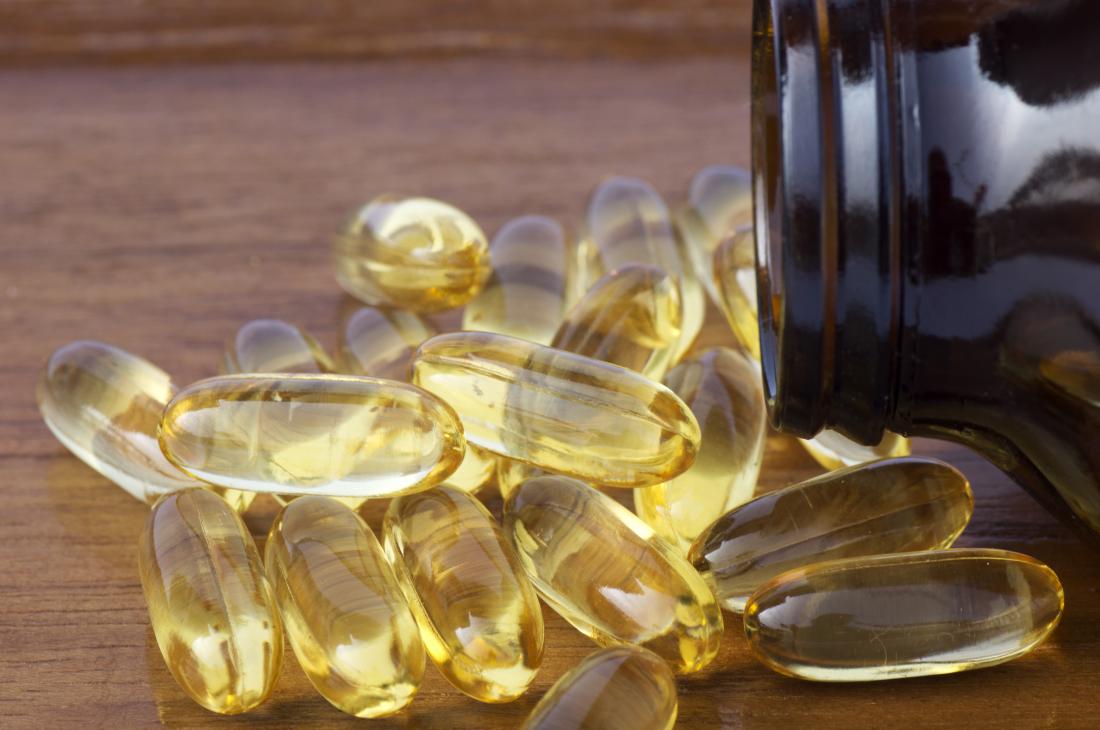
Soft gel capsule supplements for CLA
A person can include CLA in their diet or take supplements.

CLAs are a family of fatty acids originating in animal products, including meat and dairy. CLAs contain omega-6 fatty acids. They are polyunsaturated fat, which the American Heart Association (AHA) say can have beneficial effects on the heart.

CLAs are also technically trans fats, which, in most cases, are unhealthful fats. However, CLA is a natural form of trans fat and does not seem to have the same negative health effects as artificially produced, industrial trans fats. The AHA has linked artificial trans fats to a higher risk of heart disease.

While there is a large amount of evidence to show that industrial trans fats are harmful, the research on natural trans fats and their effects is limited and inconclusive.

Possible health benefits

Many people use CLA supplements, believing that they have benefits for weight loss and heart health. The evidence is mixed, however, and many of the studies involve animals instead of humans. Consequently, the research is not yet clear about the exact health benefits of CLA.

The following sections discuss the possible benefits of CLA and what the current research suggests.

Weight loss

According to the Office of Dietary Supplements (ODS), “CLA may help you lose a very small amount of weight and body fat.“

A 2015 review paper states that CLA plays a major role in breaking down fats in the body. This may be why people believe CLA can help with weight loss.

While many studies have shown substantial weight loss in animals, a 2015 review study says that these results do not necessarily apply to humans.

Several studies show that CLA promotes slight weight loss when researchers compare it with placebo groups. However, these examples say that the evidence is inconsistent across the studies.

Bodybuilding

There are no studies looking at the effects of CLA on bodybuilding specifically. A 2015 review of available research suggests that the benefits of taking CLA supplements alongside exercising vary.

The researchers, however, do include several studies that showed CLA supplements could reduce body fat and improve lean body mass, which is the ratio of fat to body weight.

In one study, participants who took 1.8 mg of CLA for 12 weeks and went to the gym for 90 minutes three times per week reduced their body fat but not their body weight when the researchers compared them with a placebo group. The authors said that CLA might reduce fat deposition.

Weight loss but with fewer benefits?

Recent studies have questioned whether CLA-induced weight loss has the same benefits as traditional methods of weight loss, the latter being calorie restriction and exercise.

One 2017 study compared two groups of obese mice with characteristics of human metabolic syndrome. To test weight loss, the researchers gave the first group of animals CLA supplements while putting the second group on a calorie-restriction diet.

The scientists studied the physical changes between the two groups. Both groups lost equal amounts of weight, though they had different physical changes:

  • The mice that took CLA supplements lost subcutaneous fat, which is a protective, healthy form of fat, without losing harmful visceral fat.
  • The calorie restriction group improved markers of diabetes, such as reduced fasting blood glucose levels, while the CLA group did not. This makes sense as visceral fat is a major contributor to insulin resistance.

The study concluded that calorie restriction was a healthier form of weight loss than taking CLA supplements.

Heart health

Atherosclerosis, or hardening of the arteries, is when plaque builds up in the arteries. This is a risk factor for heart disease.

One 2018 study on obese mice suggested that taking CLA supplements could protect against atherosclerosis.

However, researchers need to do further studies before they know the true effects of CLA on atherosclerosis in humans.

Sources

People can get CLA from their diet by eating foods naturally rich in CLA or by taking CLA supplements.

Meat and dairy

Person cutting up butter on wooden chopping board in kitchen with oil and eggs in the foreground.
Consuming CLA-rich butter is a way of benefiting from the fatty acid.

Animal products from ruminants, such as cows, goats, sheep, and deer contain CLA. These products include meat, milk, and cheese.

The amount of CLA in animal products depends on farming techniques. Products from grass-fed animals contain more CLA than those from grain-fed animals.

Over recent decades, numerous studies have shown that grass-based diets improve fatty acid ratios, specifically increasing CLA and omega-3 content, and also increase the healthful antioxidant content in beef.

Feeding animals plant sources of linoleic acid, such as sunflower, soybean or linseed oil, can also increase the amount of CLA in their milk fat.

A popular method of consuming CLA-rich butter is bulletproof coffee, which combines coffee, oil, and butter.

CLA supplements

The type of CLA in supplements is different from natural forms from animal products. To make supplements, manufacturers create CLA by chemically altering plant sources of linoleic acid.

Several studies recommend getting CLA from natural sources instead of supplements.

Dosage

There are no established guidelines, but past studies show effects from at least 3 g a day. Studies on fat loss used between 3.4 g and 6.8 g a day.

The ODS say CLA seems to be safe when people take up to 6 g per day for a year. Beyond this, studies so far are inconclusive about how much CLA people may consume.

Dramatic results seen in animal studies required mice to consume large amounts of CLA for effects. Also, there are few studies into long-term CLA supplementation.

Risks and side effects

The ODS report that CLA may cause side effects, such as:

Some studies suggest an association between the dosages people must consume to promote weight loss and negative effects, such as systemic inflammation and insulin resistance. One study also suggests that CLA may worsen fatty liver disease.

As a result of these concerns, more research must be done into the possible side effects of CLA in humans.

Summary

CLA is present in food products from ruminants, including cows, goats, and sheep. Products from grass-fed animals contain more CLA than products from grain-fed animals.

Official sources state that CLA seems to be safe, though people may experience mild side effects, such as digestive issues.

While studies show potential for the use of CLA in losing weight and increasing lean body mass, more comprehensive studies are necessary.

Share Button